MENU
Close





Light never seems to sit still on satin fabric. It slips, flashes and vanishes across the surface, leaving behind a sheen that has long made satin look almost too polished to be ordinary cloth.

Light never seems to sit still on satin fabric. It slips, flashes and vanishes across the surface, leaving behind a sheen that has long made satin look almost too polished to be ordinary cloth.
August 12, 2026
Advertisement

Advertisement



For centuries, that gleam has carried its own social language. Satin catches the eye before the hand ever reaches the cloth, turning light into part of the garment itself. Its surface can look soft as cream, sharp as lacquer, or fluid enough to seem almost wet.
That visual familiarity has also made satin strangely easy to misread. A glossy dress is often called silk at first glance, even when its fibres may come from somewhere entirely different. The confusion sits inside the fabric’s appeal: what we recognize so quickly is usually the surface effect, while the structure creating it remains hidden underneath.
The shine gives satin fabric away long before its construction does. Beneath that polished surface sits a weave built around long yarn floats, where threads pass over several others before interlacing again. Fewer visible crossing points leave the face smoother and more reflective, allowing light to travel across it in broad, uninterrupted streaks.
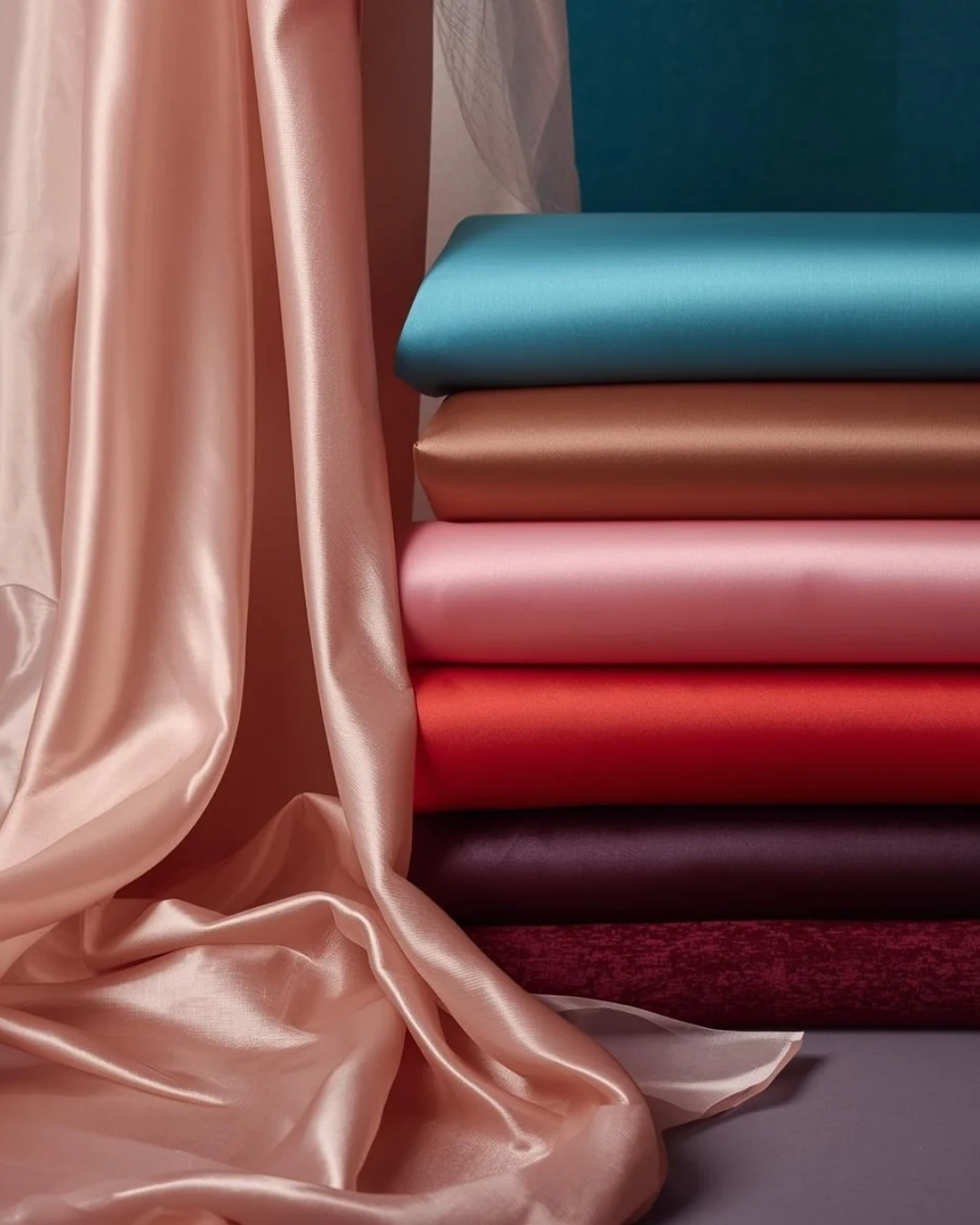
Satin therefore describes a weaving structure, not a fiber. Silk can be woven into satin, yet the same construction can also use polyester, acetate, rayon or nylon. A silk satin dress and a polyester satin dress may share the same glossy face while behaving very differently in weight, breathability, drape and touch. This distinction is also what separates satin from the common shorthand that treats it as a synthetic substitute for silk.
Most satin is designed with one dominant, lustrous face and a comparatively dull reverse. The exact character changes with the yarn, density and length of its floats, so satin can range from almost liquid charmeuse to the dense firmness of duchess satin. Even its close relative, sateen, shifts the effect again by commonly using shorter staple fibres such as cotton.


The surface may look effortless. Its smoothness is actually the result of carefully controlled intersections hidden beneath the shine.
On the loom, satin begins to reveal the logic behind its sheen. The weave is arranged so that each yarn passes over several others before interlacing again, spreading the crossing points across the cloth rather than allowing them to cluster closely on the surface. These exposed lengths are known as floats, and they are what give satin its smooth, uninterrupted face.
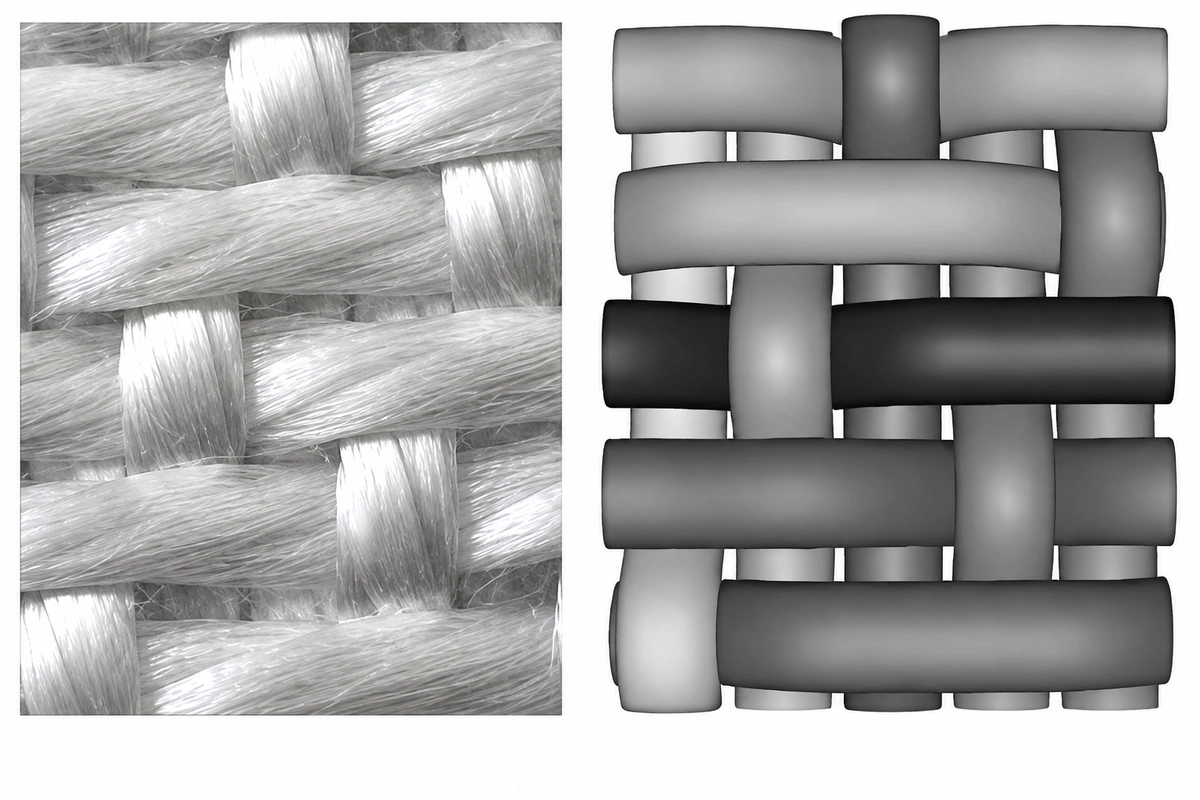
A satin weave can be built in several configurations, often four-harness, five-harness or eight-harness structures. Longer floats usually create a more luminous surface because fewer intersections interrupt the yarns. They also make the fabric more delicate, since a loose float can catch more easily on jewellery, rough textures or sharp edges.
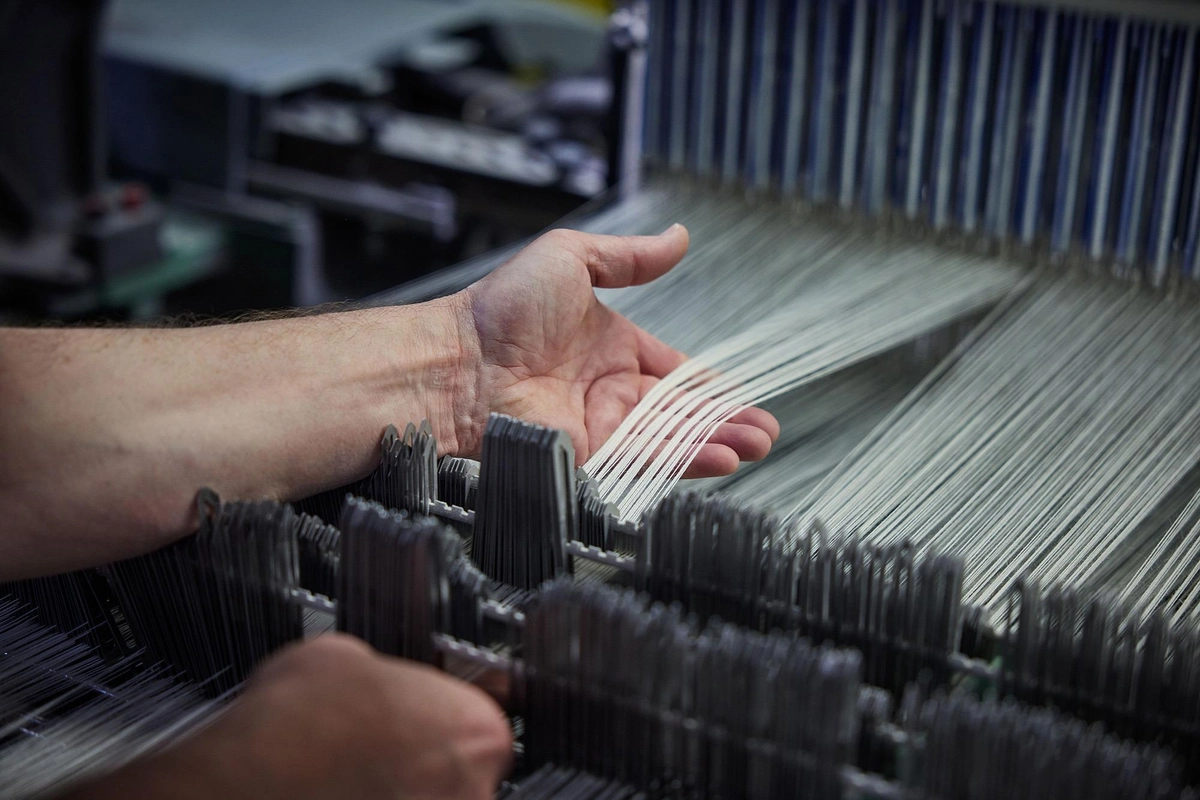
Most satin is warp-faced, meaning the warp yarns dominate the visible side while the weft recedes beneath them. This is why satin often shows a glossy face and a duller reverse. Fibre choice, yarn fineness and weave density can then push the cloth in different directions, from something light and fluid to something heavier and more controlled.

Finishing processes may heighten the effect. Calendaring, for instance, can compress the surface and sharpen its reflection, while synthetic satins may take on an even brighter sheen under heat and pressure. Still, the characteristic glow is already built into the weave itself. Satin looks polished because its structure is designed to hide effort behind the surface.
Light does most of the revealing once satin leaves the loom. Its long floats create a flatter surface with fewer interruptions, so reflection travels in broad streaks instead of breaking into a matte scatter. This is what gives satin fabric its familiar glow, which can shift from soft and pearly to almost mirror-like depending on fibre, yarn quality and finishing.
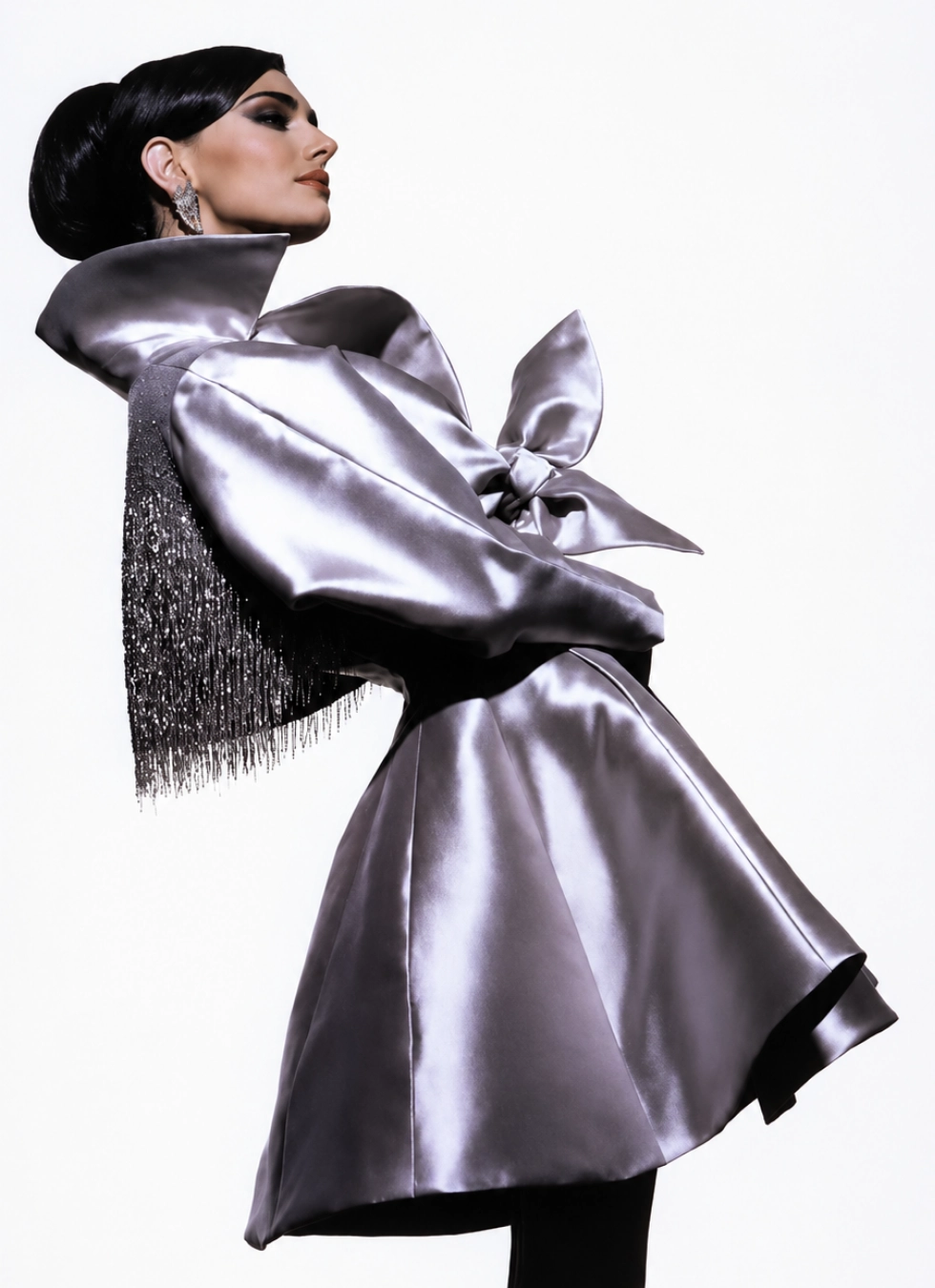

Movement changes that surface again. Lightweight satin folds into narrow ripples and follows the body closely, while heavier versions hold deeper curves and broader folds. The same weave can therefore produce the liquid fall of charmeuse or the controlled volume of duchess satin without losing its characteristic sheen.


The smooth face also affects touch. Fewer exposed intersections make satin glide easily against skin and other fabrics, which helps explain its long association with linings, lingerie and garments cut close to the body. Bias cutting pushes this quality further, allowing the cloth to stretch diagonally and settle around curves with a softness that straight-grain construction rarely achieves.


The fragile beauty also creates a point of vulnerability. Long floats sit more exposed on the surface, making satin prone to pulls, snags and pressure marks. Water can leave visible spotting on some fibres, while creases often interrupt the sheen more dramatically than they would on a textured weave. Satin may look seamless, but its surface records almost everything that happens to it.
A surviving Chinese textile from the 13th to 14th century already combines plain-woven silk with silk satin and metallic satin brocade. Satin belonged to a sophisticated silk culture long before its glossy surface became attached to Western evening dress, with the weave travelling outward through the same commercial networks that moved Chinese luxury textiles across Asia and toward Europe.
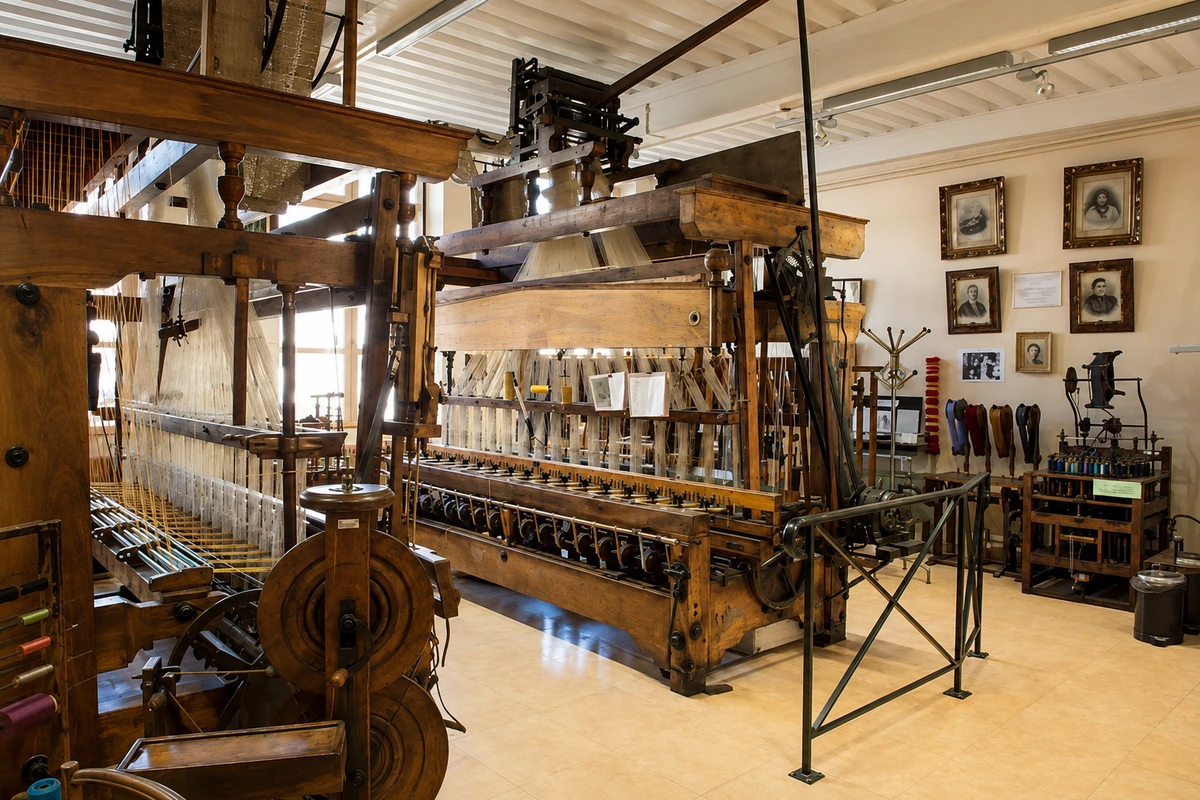
Even the word carries traces of that journey. “Satin” entered English around the mid-14th century dominated by the Medieval era, through Old French satin, with its deeper origin commonly linked to the Arabic zaytuni, a reference to Zaitun, the medieval trading name associated with the Chinese port of Quanzhou. The connection remains etymological that satin itself was invented in that single city, yet it captures how closely the fabric’s early identity was tied to Chinese silk and international trade.
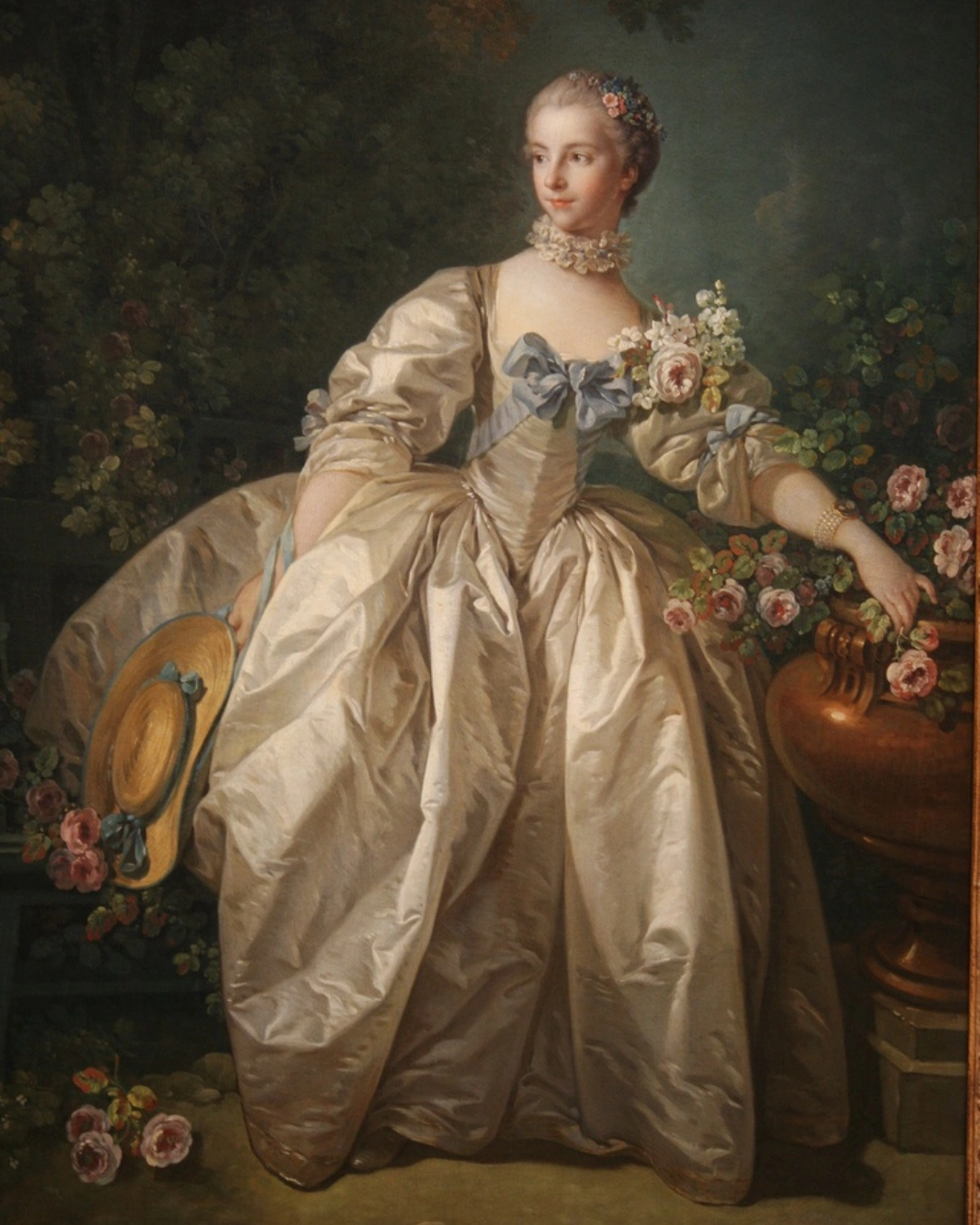
By the 18th century, under the influence of the Rococo era, satin had settled comfortably into European luxury. French silk workshops produced satin grounds enriched with brocaded silk, metallic threads and elaborate floral motifs, while satin appeared across court gowns and menswear where its reflective surface amplified both colour and ornament. A pale blue French robe à la française from around 1765, for example, combined silk satin with hammered silver floral brocade, turning the weave into part of the visual spectacle of aristocratic dress.
The body changed satin’s language dramatically during the 1920s and 1930s. Madeleine Vionnet developed bias cutting into one of modern fashion’s most influential techniques, allowing fabric to fall diagonally across the grain and contour the figure with extraordinary fluidity. Satin was especially suited to this new geometry. Chanel explored spiralling and arcing panels of satin around the body, while the sleek evening gowns of the 1930s carried the same gleaming surface onto couture floors and Hollywood screens.
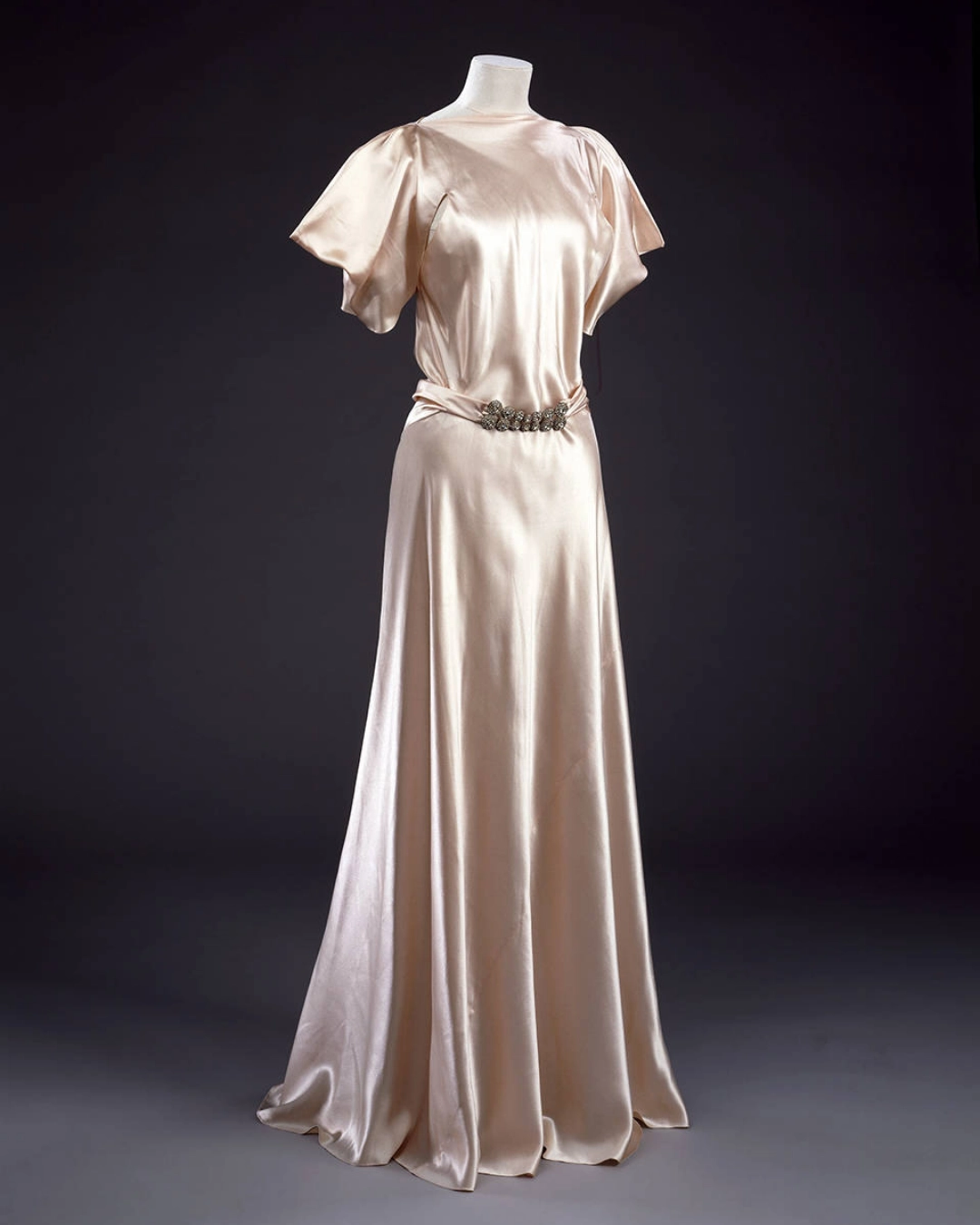
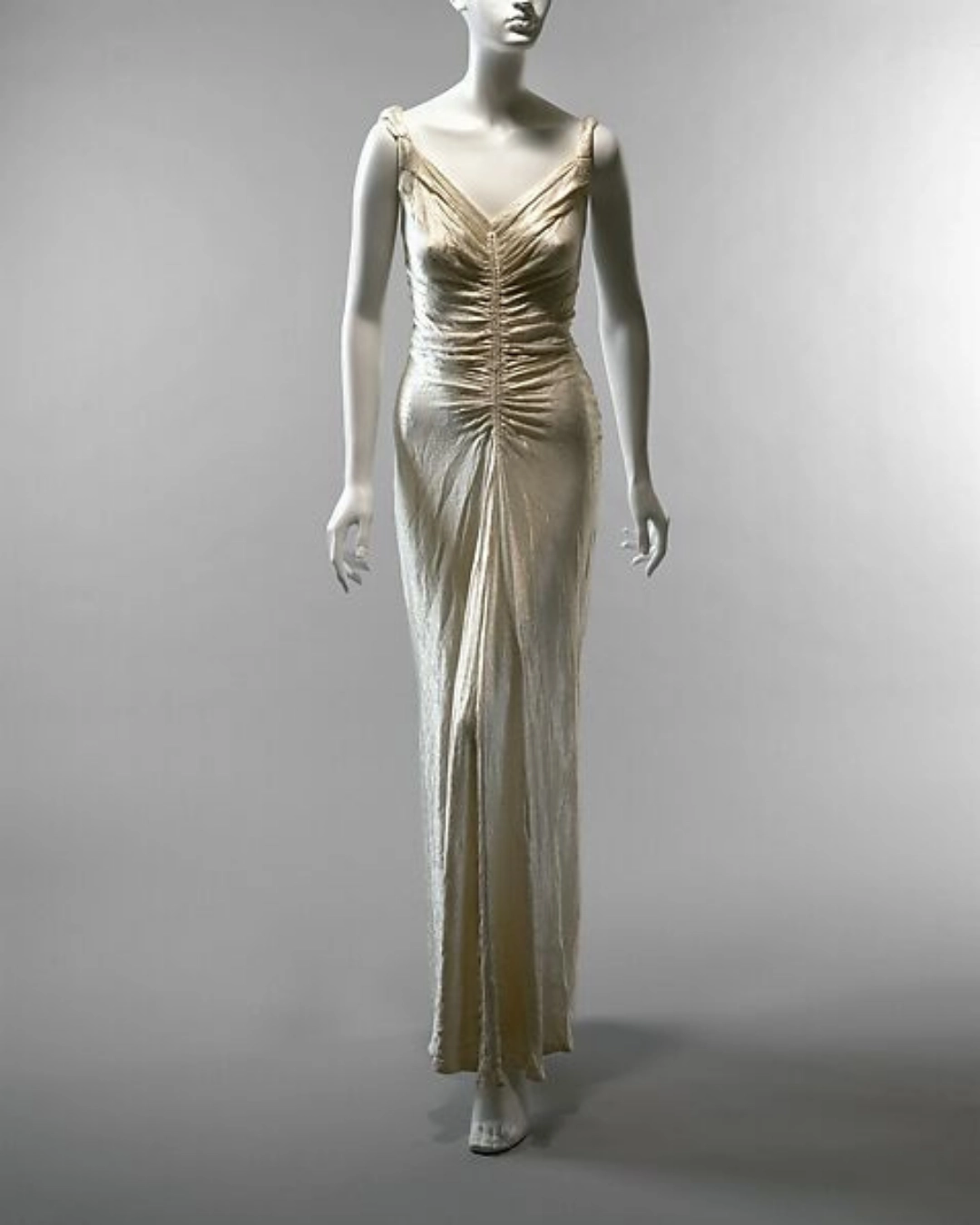
New fibres soon loosened satin’s dependence on silk. Rayon and acetate entered fashionable clothing during the 1930s, giving designers access to manufactured fibres capable of producing similarly lustrous surfaces at different prices and with different physical properties. Schiaparelli was already working with acetate and rayon in a Fall 1935 dress, while surviving textile samples from the period show rayon being used directly in satin constructions.
By the 1970s, satin had found another kind of stage. Polyester was transforming the clothing industry, and glossy satin surfaces slipped easily into the appetite of disco for clothes that reacted to spotlights, flash photography and constant motion. The weave that once signalled the expense of silk could now appear in an expanding range of fibres, yet the attraction remained remarkably consistent: satin still made light part of the garment.
Satin changes character quickly once weight, yarn and construction begin to shift. Some versions collapse into the body with almost no resistance, while others hold enough tension to build volume, support tailoring or stand away from the skin.


Charmeuse satin is lightweight, fluid and close to the body, with a glossy face and duller reverse. Its soft drape makes it especially suited to slip dresses, lingerie and bias-cut gowns.
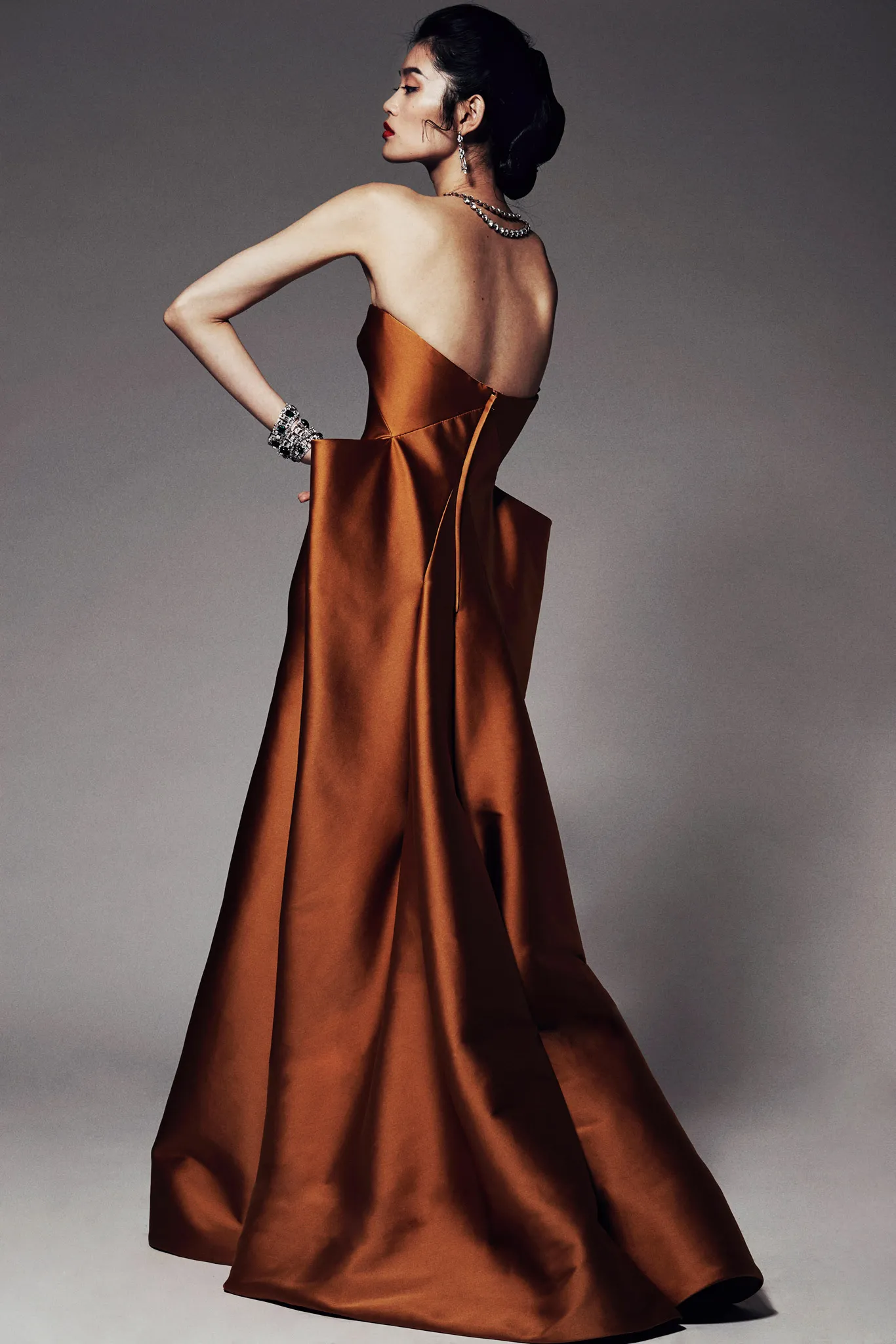

Duchess satin is heavier and more structured, with enough body to hold volume, seams and sculpted shapes. Its sheen is usually broader and calmer, which is why it often appears in eveningwear and haute couture.


Crepe-back satin combines a smooth satin face with a grainier crepe reverse. The two-sided construction gives designers more flexibility, since either surface can be exposed depending on the desired finish.


Antique satin has a denser, slightly irregular surface that softens the usual glassy shine. Its texture gives colour more depth and creates a richer, less polished appearance.
Fibre content adds another layer of difference. Silk satin tends to have a softer lustre and fluid hand, while polyester, acetate and rayon satins can produce brighter sheen, more body or different levels of durability. Satin defines the weave, while the fibre determines much of how that weave behaves.
Satin becomes most expressive once movement enters the picture. In lighter weights, it follows the body closely and turns every fold into a change of light, which is why bias-cut dresses and slip shapes have remained such natural territory for the fabric.




Heavier satin works almost in the opposite direction. Duchess satin can hold exaggerated hips, sculpted bodices and broad skirts with enough firmness to make shine look architectural. The surface stays polished, but the garment gains a sense of control that fluid satin rarely carries.
Fashion has also repeatedly pulled satin out of its eveningwear associations. Lingerie-inspired camisoles, pyjama tailoring and glossy shirts brought its intimacy into daywear, while bomber jackets, trousers and sharp tailoring gave the weave a colder, more graphic edge.
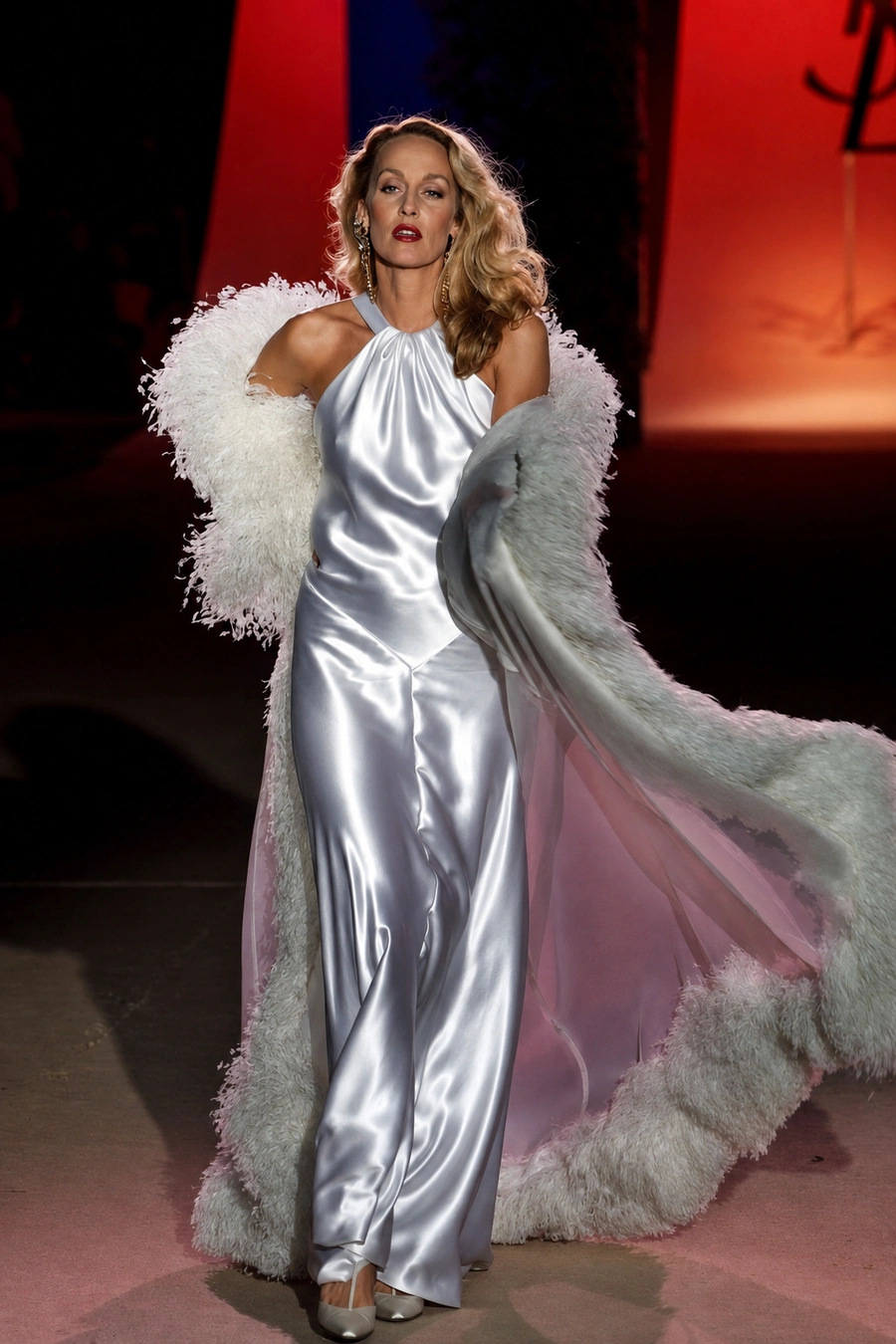



Accessories extend that effect even further. Satin shoes, bags and ribbons use the same reflective surface on a smaller scale, where colour often appears deeper and more saturated. Across all of these forms, satin rarely sits quietly. It reacts to light, movement and construction almost as visibly as the cut itself.
A quick glance usually starts with the surface. Satin tends to show a smooth, reflective face and a duller reverse, while the sheen shifts noticeably as the fabric moves under light. Looking closely at the surface can also reveal the longer floats that give the weave its polished finish.


When buying satin, fibre content matters as much as the weave itself. Silk satin offers softness and breathability, polyester tends to be more durable and accessible, while acetate and rayon can create very fluid drape. Weight should also match the garment, with lighter satin better suited to close-fitting pieces and heavier satin working well for structured forms.
Care depends heavily on fibre composition. Silk and acetate satin usually require gentler handling, while polyester satin is generally easier to maintain. Low heat, minimal friction and careful storage help protect the surface from snags, pressure marks and loss of sheen.


Satin has long carried the visual codes of luxury. Its polished surface catches light, deepens colour and gives the body a more ceremonial presence, turning even a restrained silhouette into something heightened and deliberate. For centuries, that sheen has been tied to wealth, status and occasion, first through costly silk, then through couture, eveningwear and red-carpet spectacle. Its fibres may now be far more democratic, but the association remains. Satin fabric still dresses the wearer in light, and that light continues to suggest glamour, confidence and a certain social elevation.
Advertisement