MENU
Close





Disco fashion has always asked one simple question: Have you ever felt the irresistible urge to abandon your worries, slip into something shimmering, and surrender to a beat that pulses with pure, unadulterated joy?
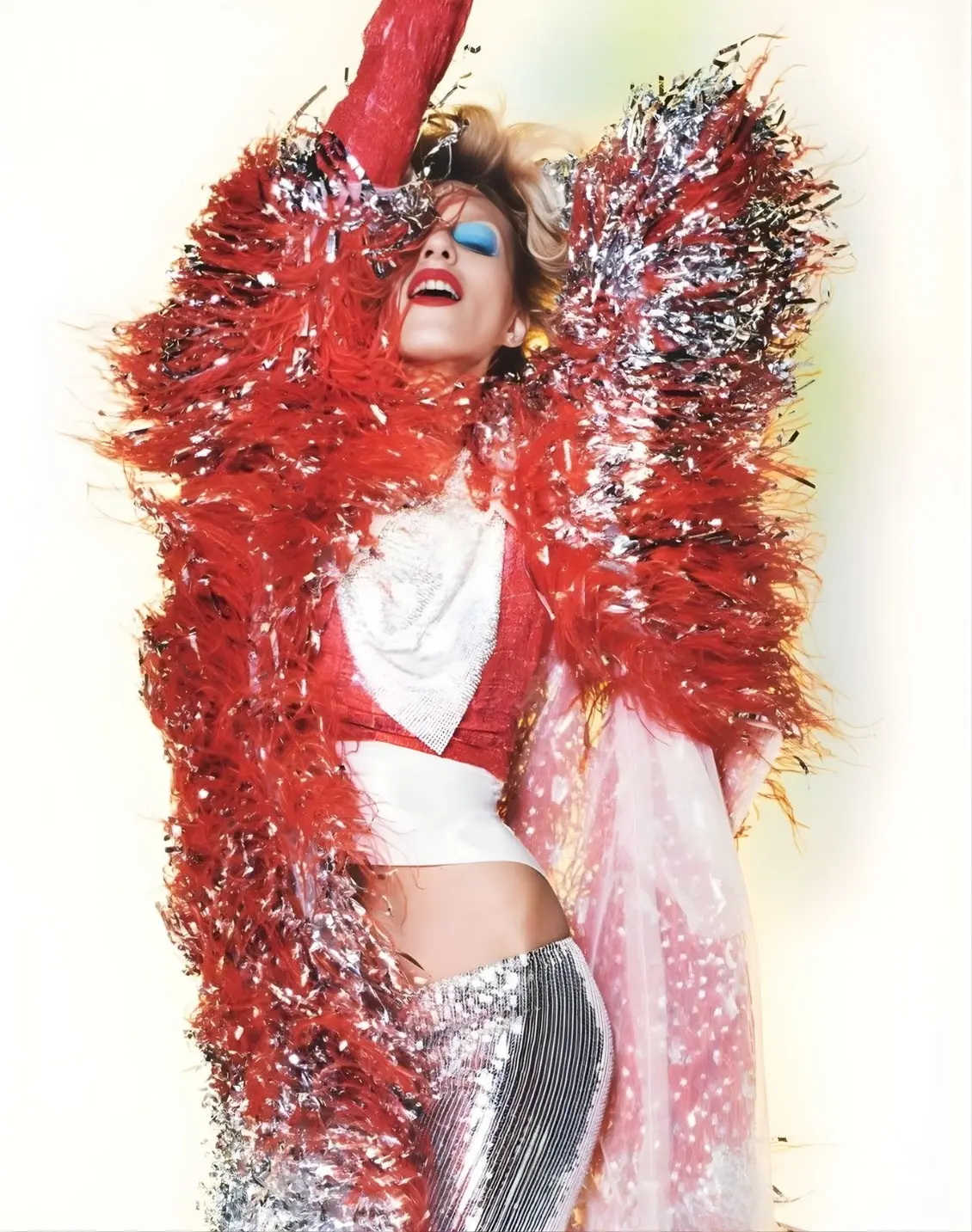
Disco fashion has always asked one simple question: Have you ever felt the irresistible urge to abandon your worries, slip into something shimmering, and surrender to a beat that pulses with pure, unadulterated joy?
November 21, 2025
Advertisement

Advertisement



That's the spell of the disco era, a glorious and utterly fabulous supernova of style that wasn't merely about clothes but served as a revolution on the dance floor, a canvas for the soul, and a flamboyant declaration of liberation.
The spell wasn't cast with a wand, but with a bassline so deep it vibrated through the floor and into your bones. The moment the needle dropped, it was an incantation commanding us to shed our inhibitions and embrace a glittering kind of freedom. This is the real magic of disco fashion, a spell that made us move with a collective pulse and sway with a shared rhythm. It was a call to be our most authentic artist, to step out of the shadows and dress up with fearless confidence, turning lamé and sequins into our armor. This wasn't just a night out; it was a sacred gathering of pals, a communal space where every spin, every step, and every shared laugh forged bonds of joy and brilliant, unapologetic love.
Decades later, the beat still echoes, a timeless enchantment that reminds us to dance, not just with our feet, but with our souls. The disco style, with its high-octane glamour and rebellious spirit, didn't just define a decade; it left an indelible mark on the very DNA of fashion that continues to sparkle brightly today, constantly re-emerging on runways and red carpets as a vibrant symbol of freedom.
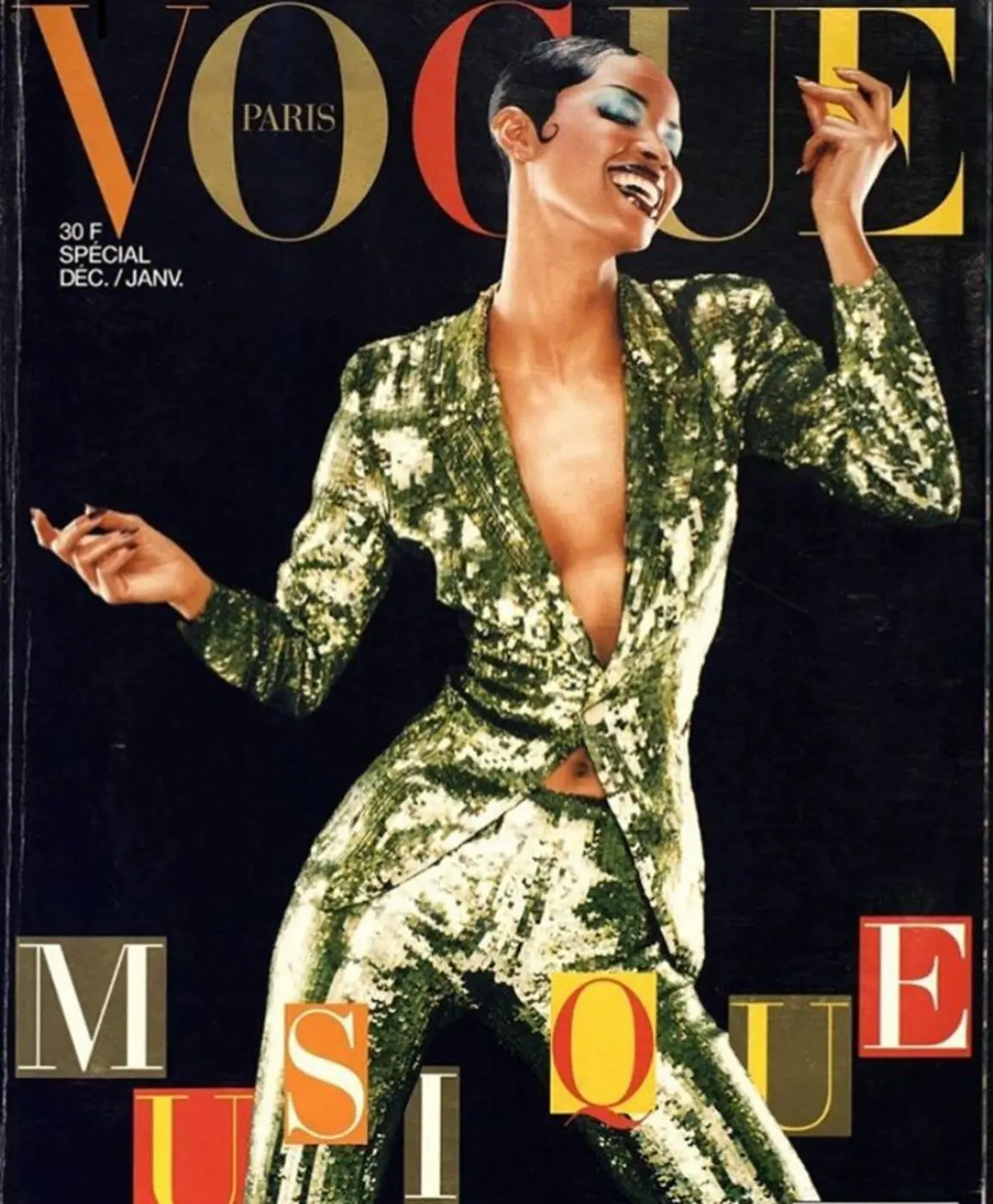
Our story begins not in a designer's studio but within the pulsating, unapologetically vibrant heart of marginalized communities in the late 1960s and early 1970s. Amidst social upheaval and post–Vietnam War disillusionment, individuals sought relief, escape, and identity. In urban sanctuaries like New York City, Black, Latinx, and LGBTQ+ groups found solace in underground clubs such as the legendary Paradise Garage and the mythical Studio 54. These places were more than nightclubs; they were sanctuaries where rigid social norms were shed at the door, allowing people to be exactly who they were without judgment. It was in this queer-friendly, free-spirited environment that disco fashion emerged as a visual anthem of self-expression and defiance — a joyful rejection of a world determined to dim their light.
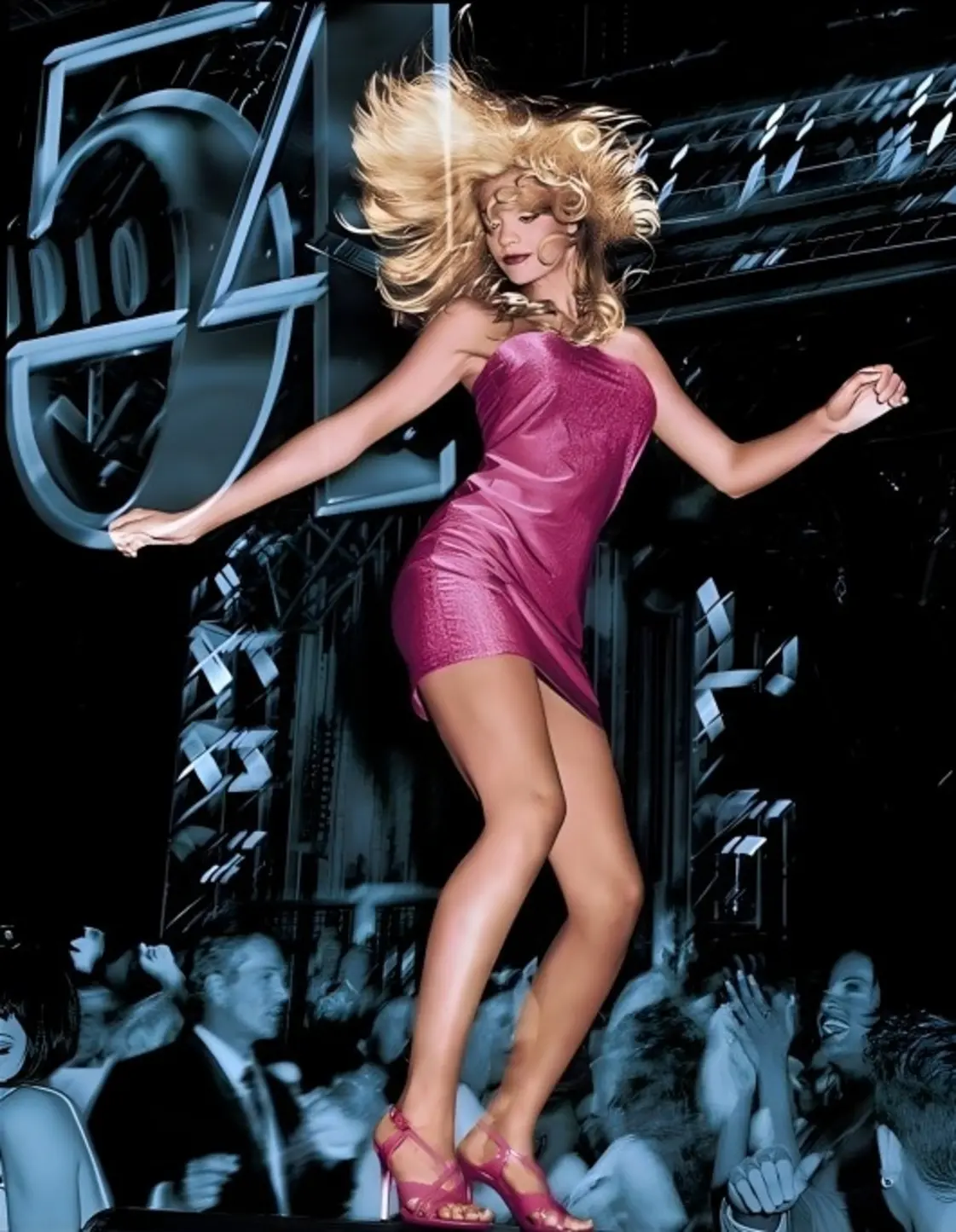
Studio 54, in particular, was notorious for its selective yet visionary door policy, famously banning polyester, because it "melts under the lights", while welcoming and celebrating unique individuals like Rollerena, a city banker by day who transformed into a fairy godmother on roller skates at night, and Disco Sally, a lawyer in her seventies who became a permanent fixture on the dance floor. This was a place where stars like Elton John could dance with drag queen Divine, and where the rich and poor, gay and straight, and even trans women were not just tolerated but genuinely welcomed, creating a living, breathing fashion laboratory where designers like Halston and Calvin Klein mingled with artists, socialites, and icons, blurring the lines between a nightclub, a fashion show, and a sanctuary.
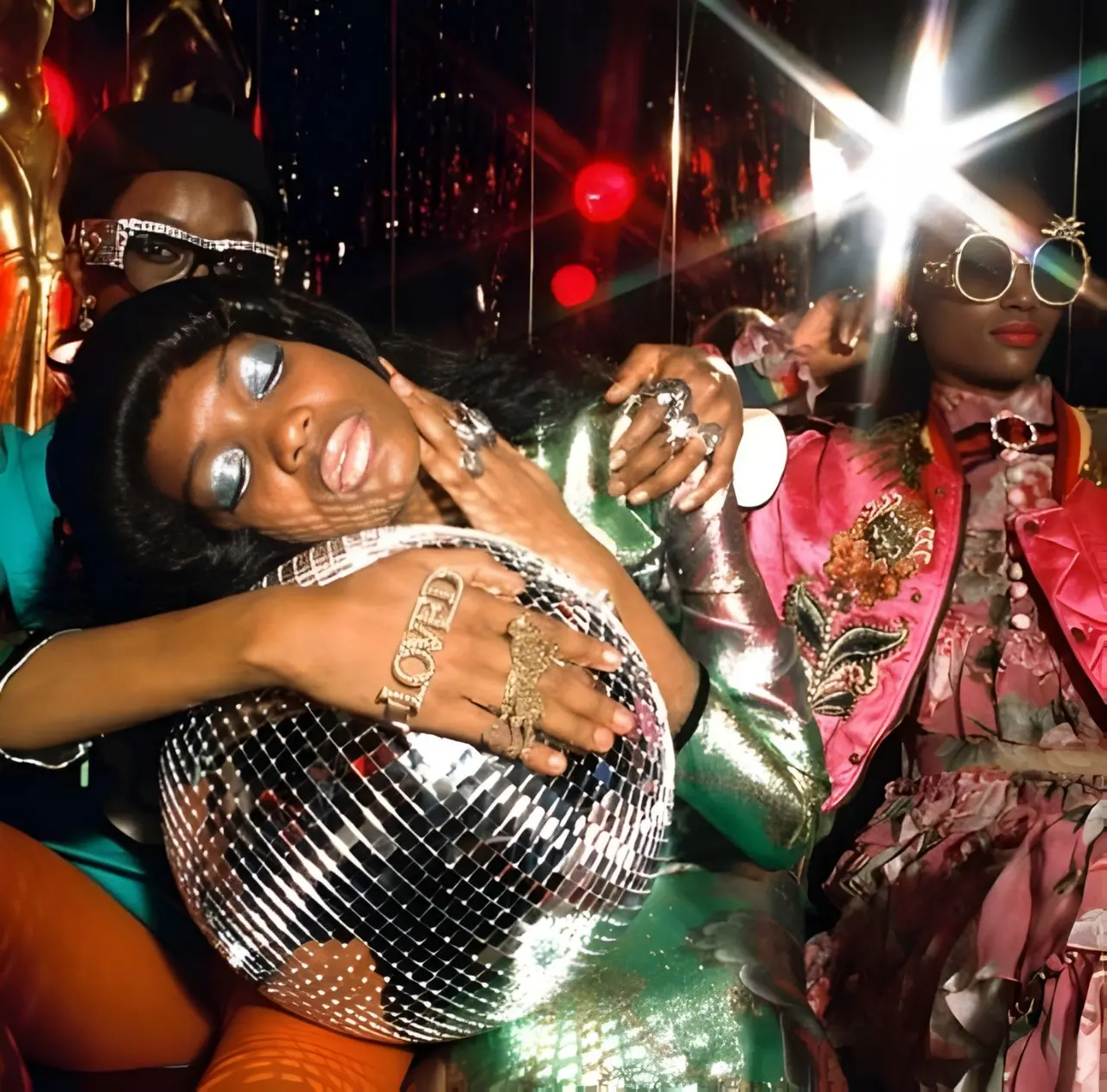
This was the birthplace of disco era fashion, a movement rooted in community, creativity, and survival. Every shimmer, every platform shoe, every lamé drape was more than style, it was liberation.
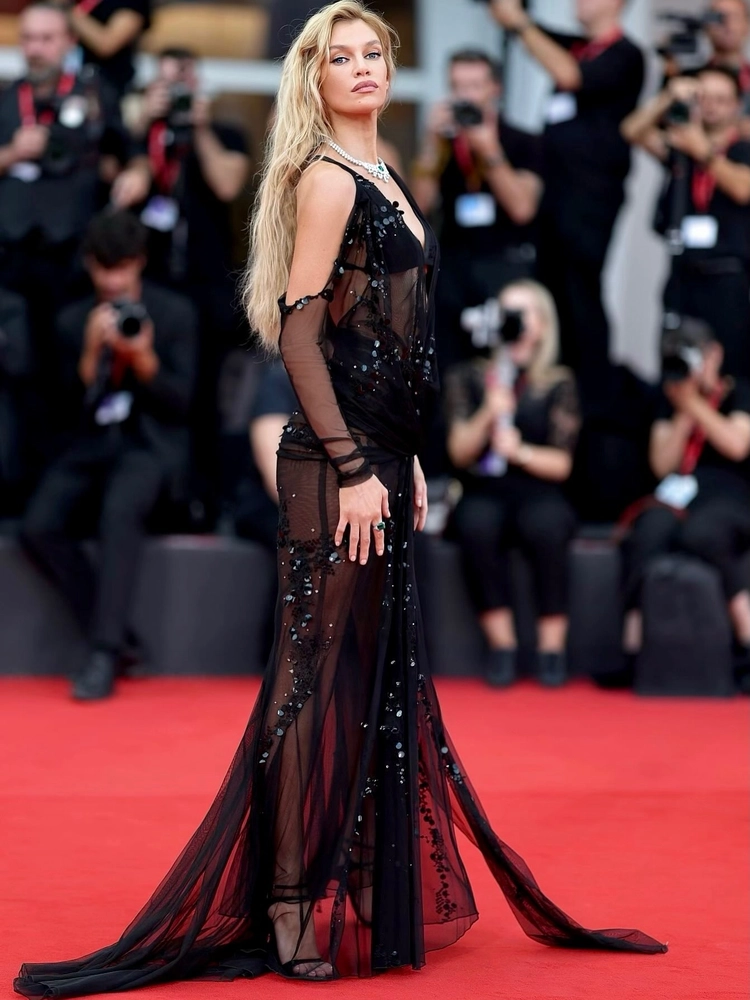
To truly appreciate the soul of disco fashion, one must understand its specific, flamboyant language, a vocabulary of light, movement, and uninhibited confidence that was a direct rejection of the conservative dress codes of earlier decades. The most iconic element was, without a doubt, the sparkle factor, where sequins, lamé, and metallic textiles weren't just decorative but were a tribute to the disco ball itself, their reflective surfaces catching the light and turning the wearer into a living firework display.
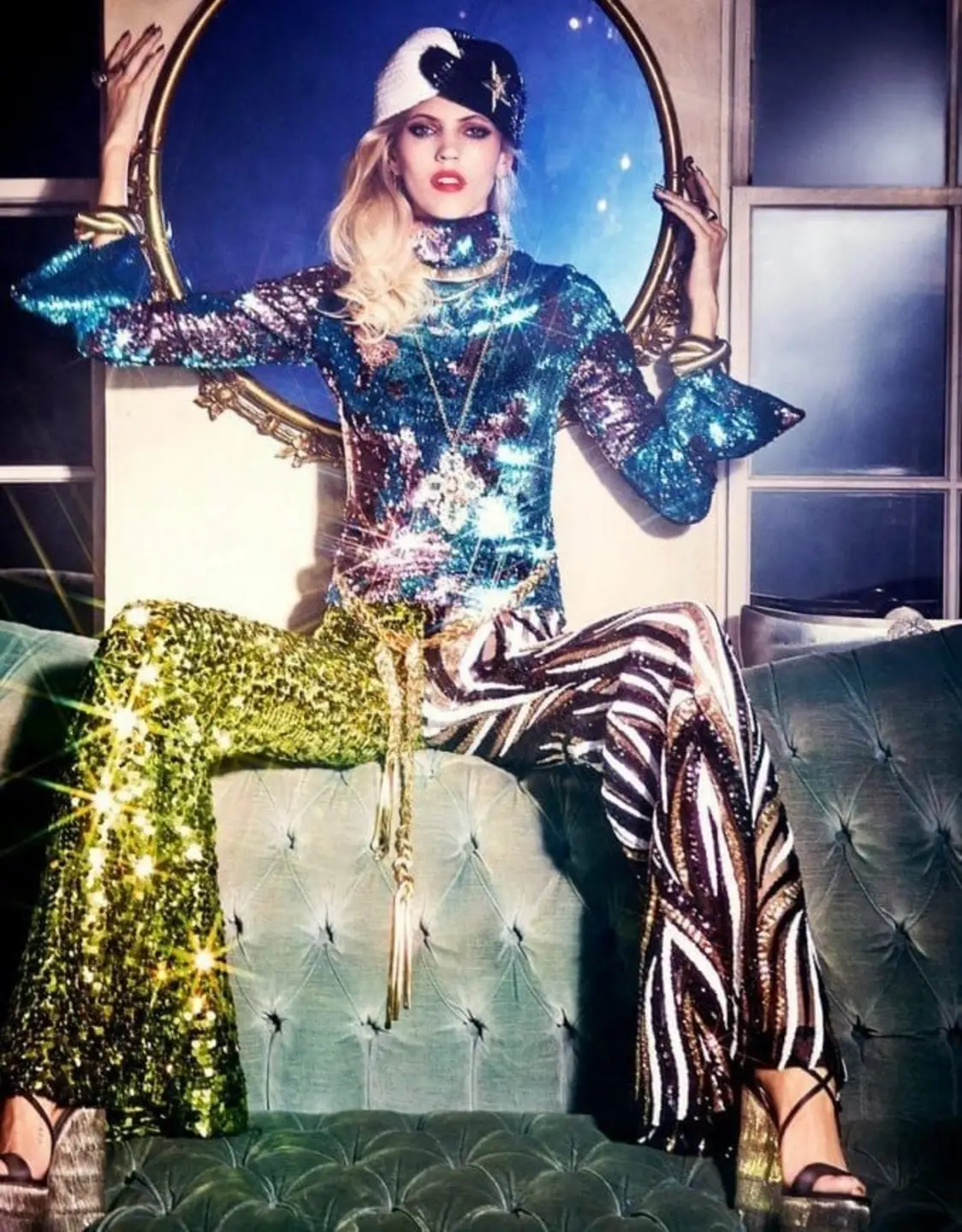
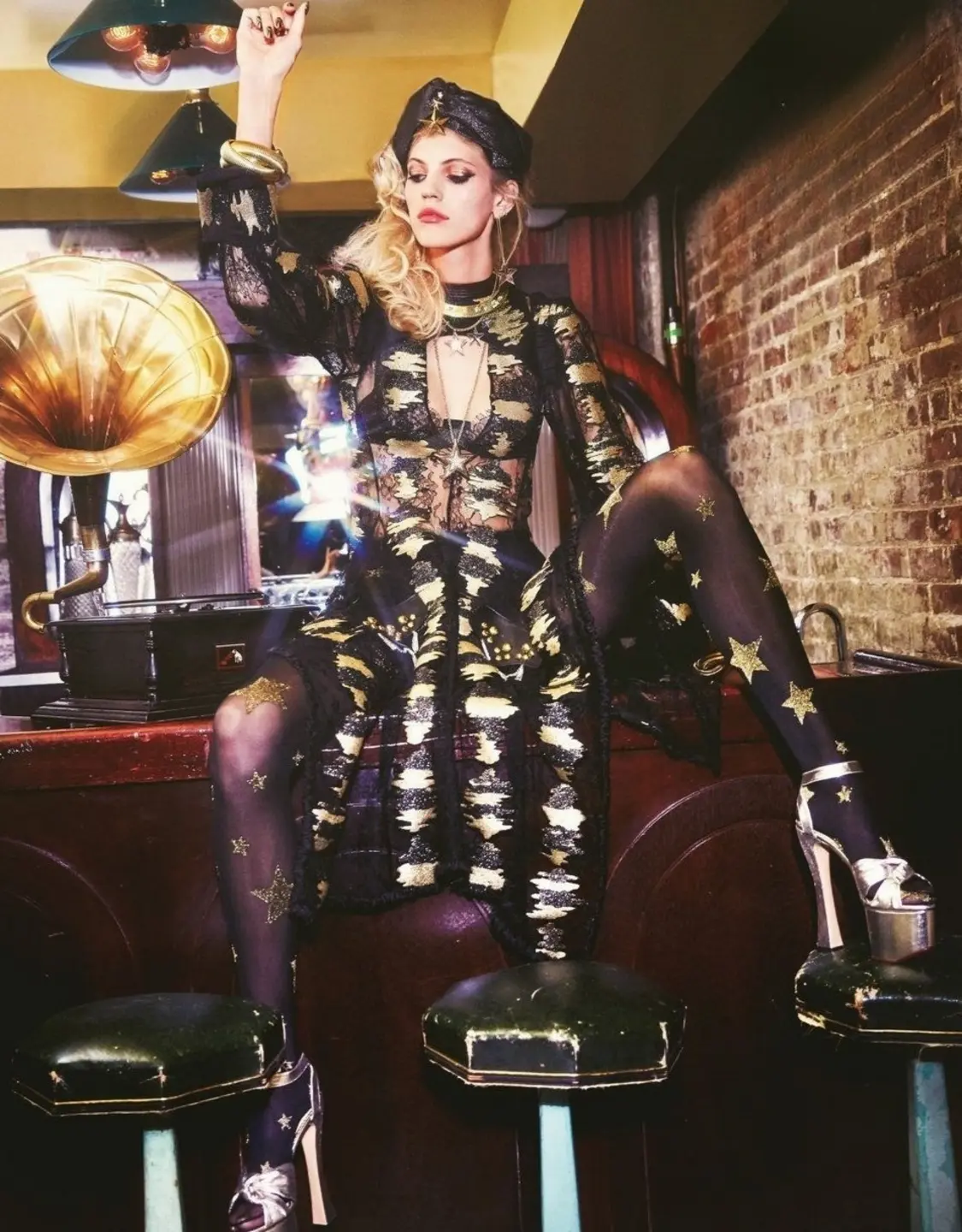
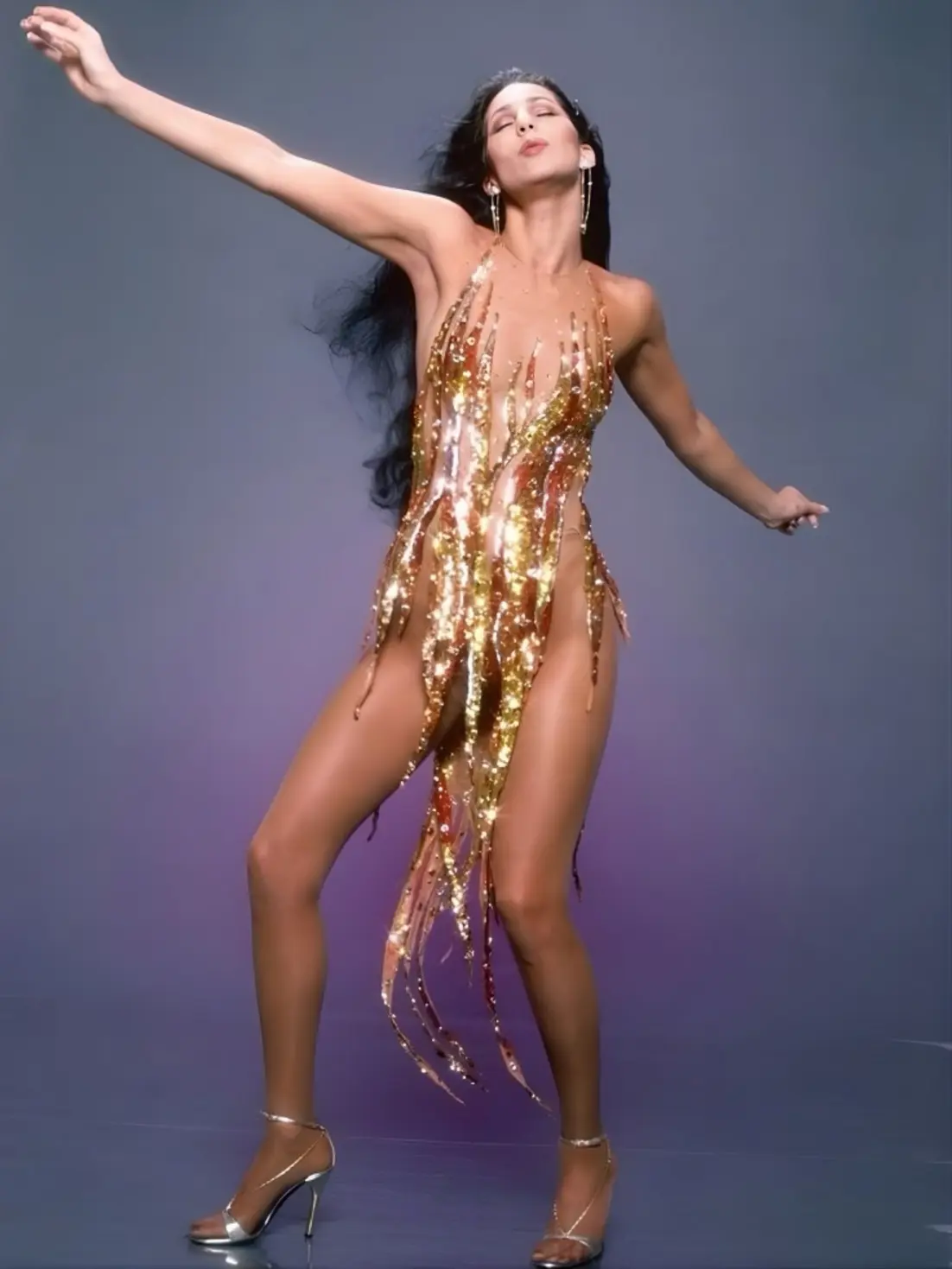
This was more than looking good, it was a physical manifestation of liberation. You see it most profoundly in the daring Bob Mackie creations worn by Cher in the 70s, and in the glamorous flowing gowns of Donna Summer and Diana Ross, outfits crafted to command every spotlight on the floor.
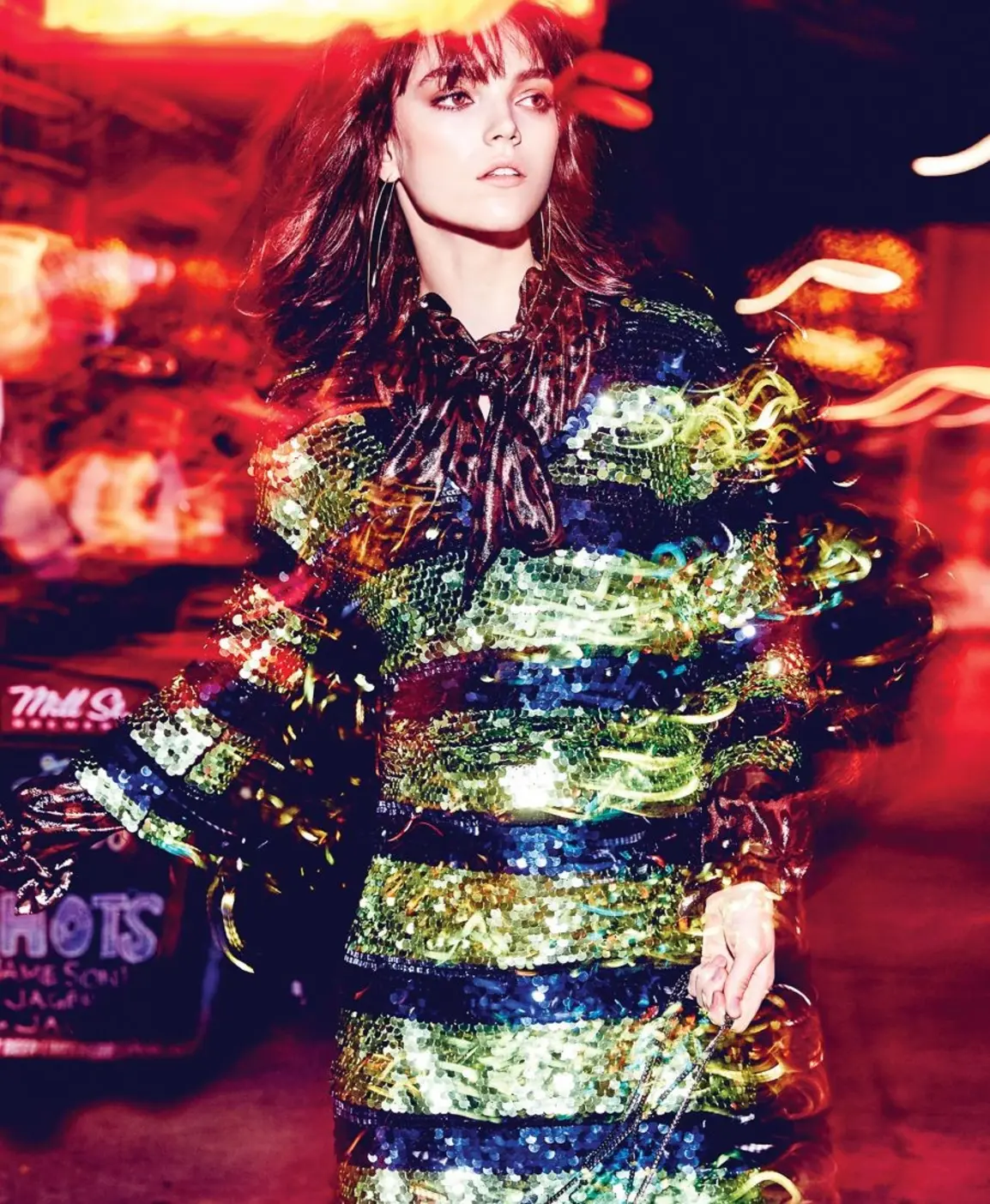
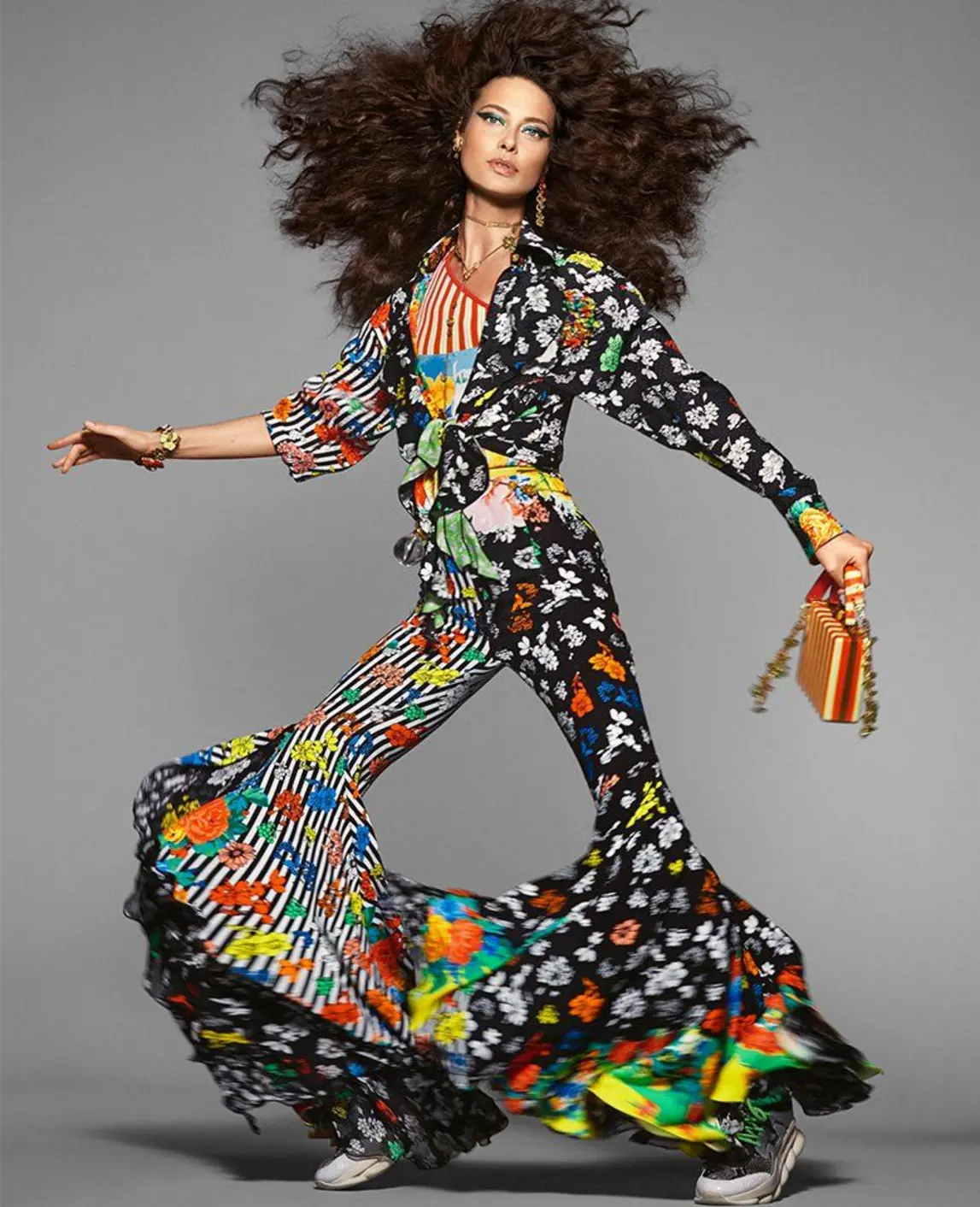
The silhouette was a revolutionary design, built for movement and swagger; the unisex jumpsuit became a staple, celebrated for its blend of comfort and drama, while flared trousers created a harmonious sense of elongation and flow that enhanced every dance step. At the base of this glamorous architecture were the platform shoes, which were far more than just footwear; worn by both men and women, they were a literal and metaphorical elevation, a statement of empowerment that gave the wearer an enviable, almost-superhuman stance for those long nights of dancing.
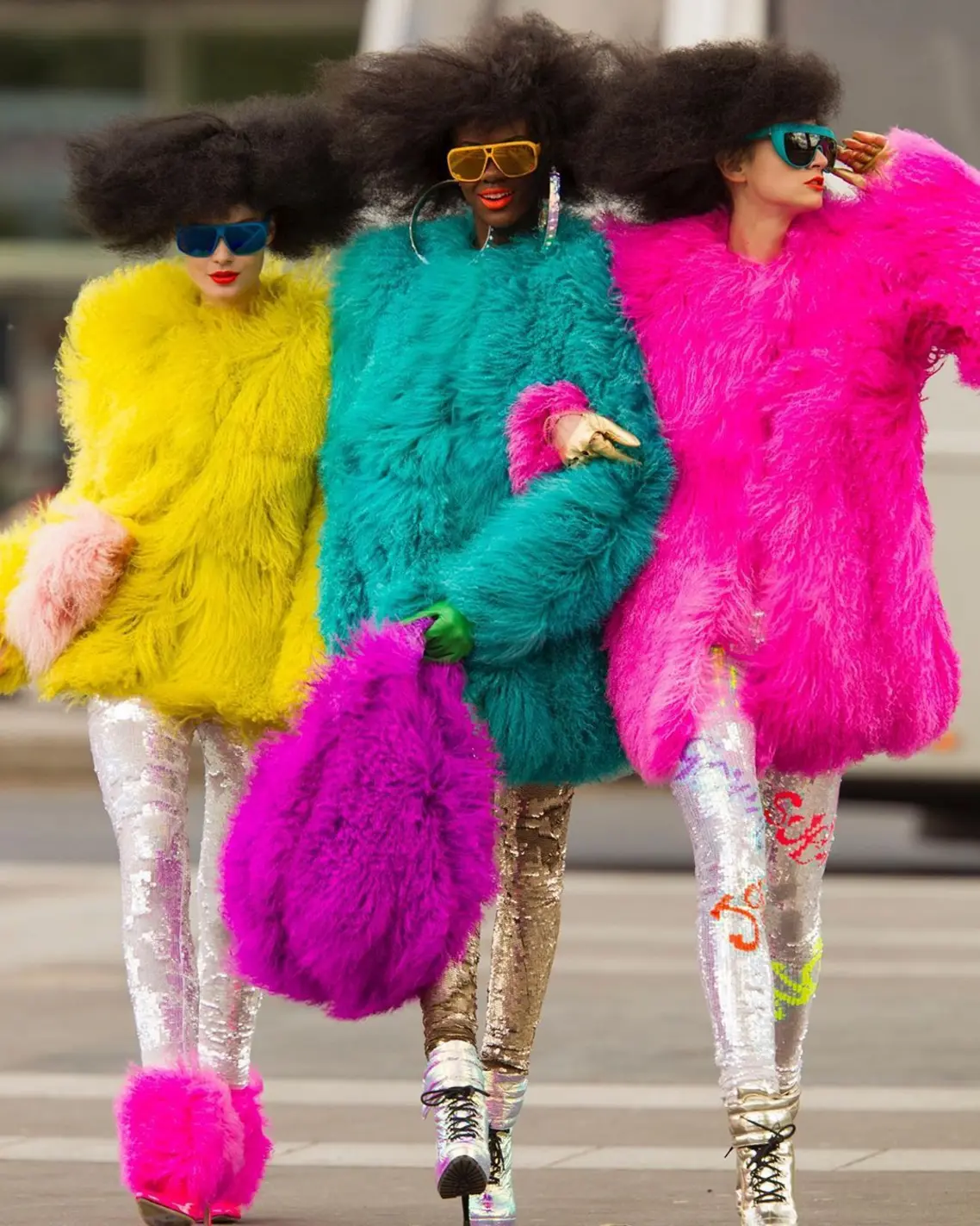
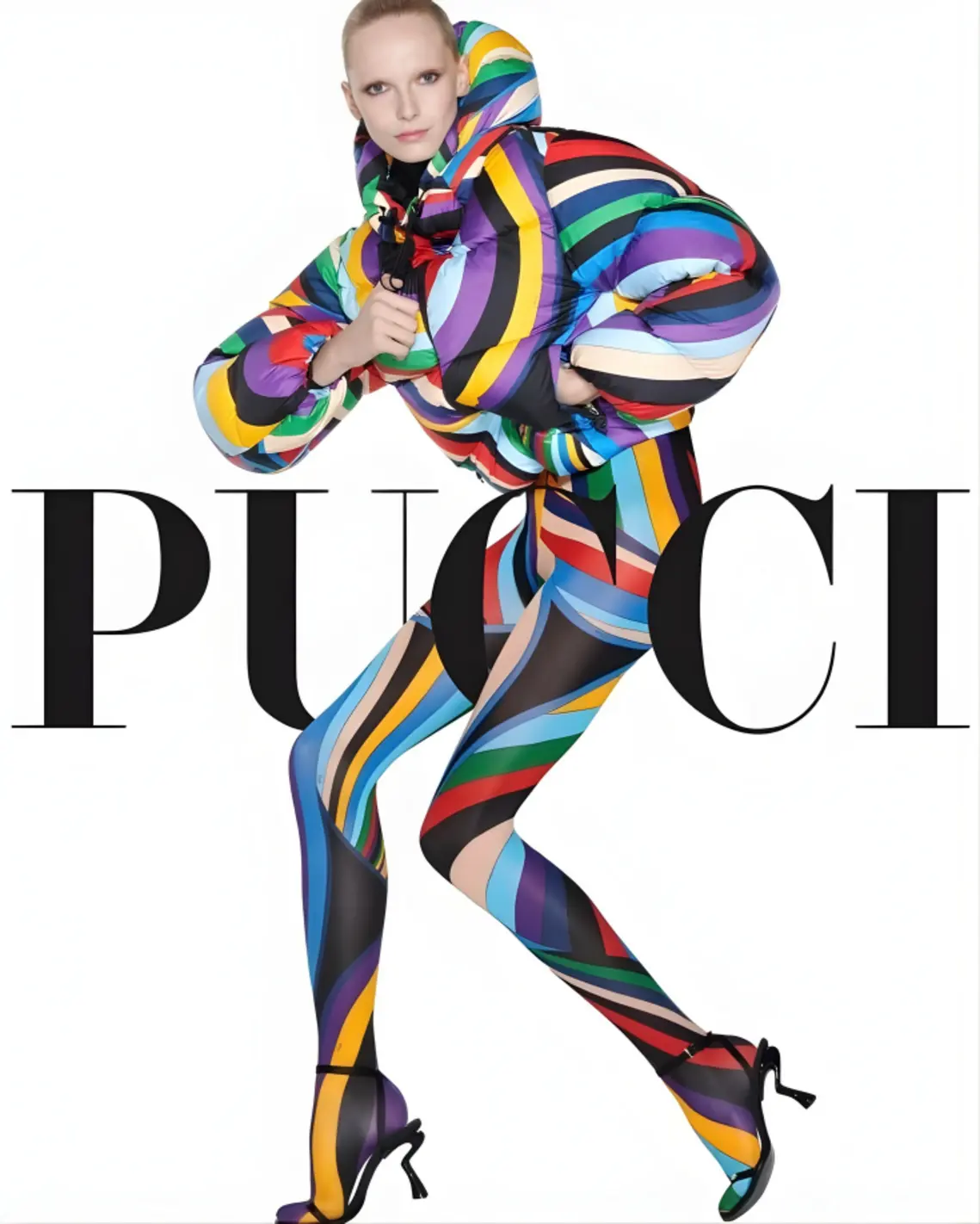
The color palette was a fearless, vibrant assault on the senses, with electric blues, fiery reds, and neon greens serving as a form of joyful rebellion, a bold statement against a society that expected them to fade into the background. Perhaps most importantly, disco fashion was a trailblazer in gender-fluid fashion, where men fearlessly embraced traditionally "feminine" elements like silky shirts and makeup, while women adopted powerful, androgynous looks like tailored suits, a fluidity that created a vital, safe space for self-expression during a time of significant cultural upheaval and feminist advocacy.

Disco wasn't just a style; it was a star-making machine that elevated designers and muses to celebrity status, transforming them into living, breathing style guides. Bianca Jagger reigned as the epitome of Studio 54 chic, her infamous entrance atop a white horse in a slinky Halston dress became one of the most defining images of disco fashion and 70s glamour.
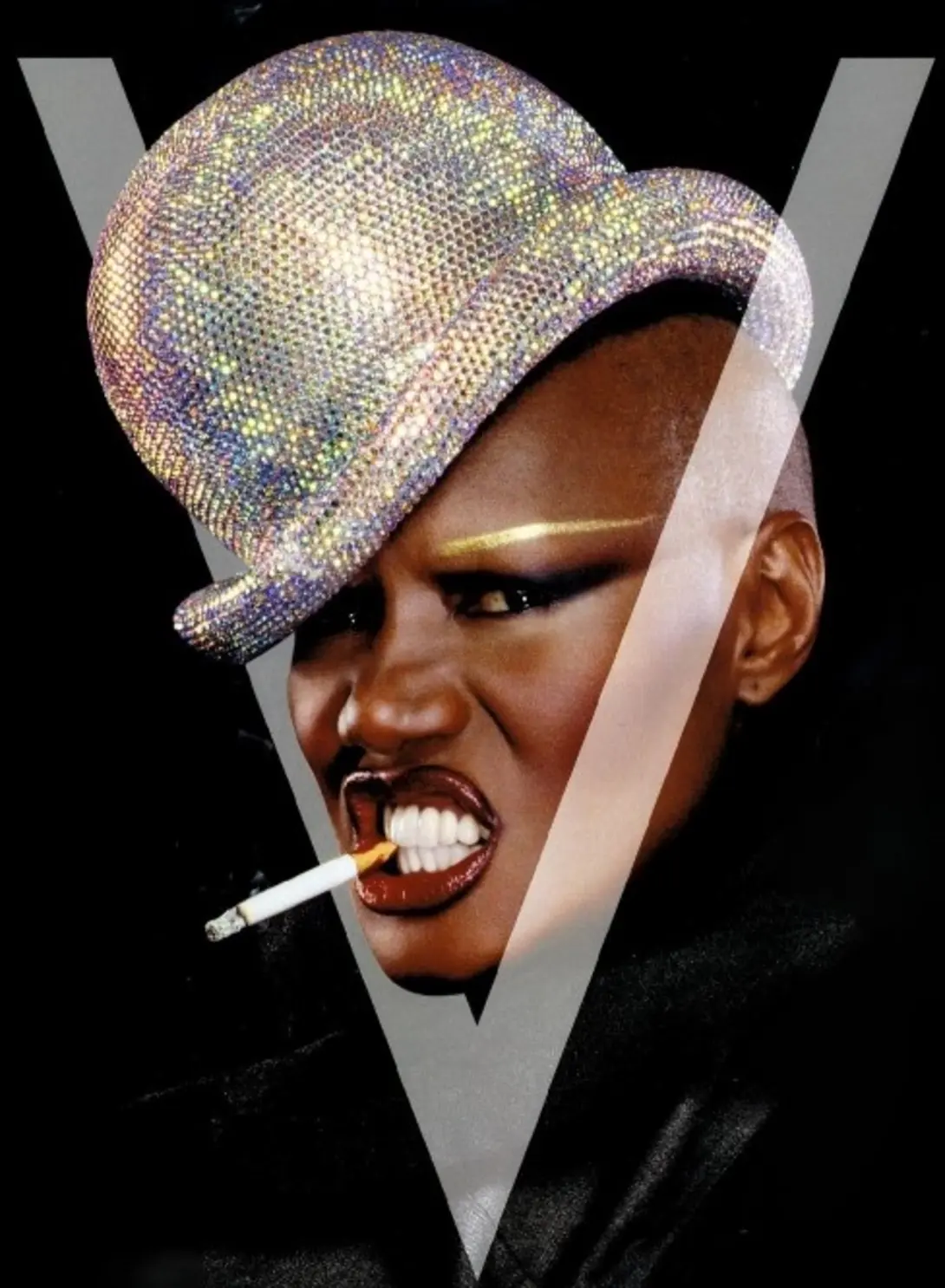
Grace Jones, with her sharp, geometric haircut and androgynous looks, was a visionary icon whose bold, political aesthetics inspired future generations, most recently with Beyoncé's Renaissance album paying homage to her enduring influence. And of course, there was John Travolta, who, in his role as Tony Manero in Saturday Night Fever, immortalized the white polyester suit and black shirt combo, a look that single-handedly propelled disco style into mainstream culture and made every man with a medallion believe he was a god on the dance floor. These icons, from the elegant Halston kissing Liza Minnelli to Tina Turner laughing with Francesco Scavullo, weren't just posing for portraits; their spontaneous moments captured the raw energy and raucousness of an era where nightlife was a means of escape and authentic self-expression was the only rule.
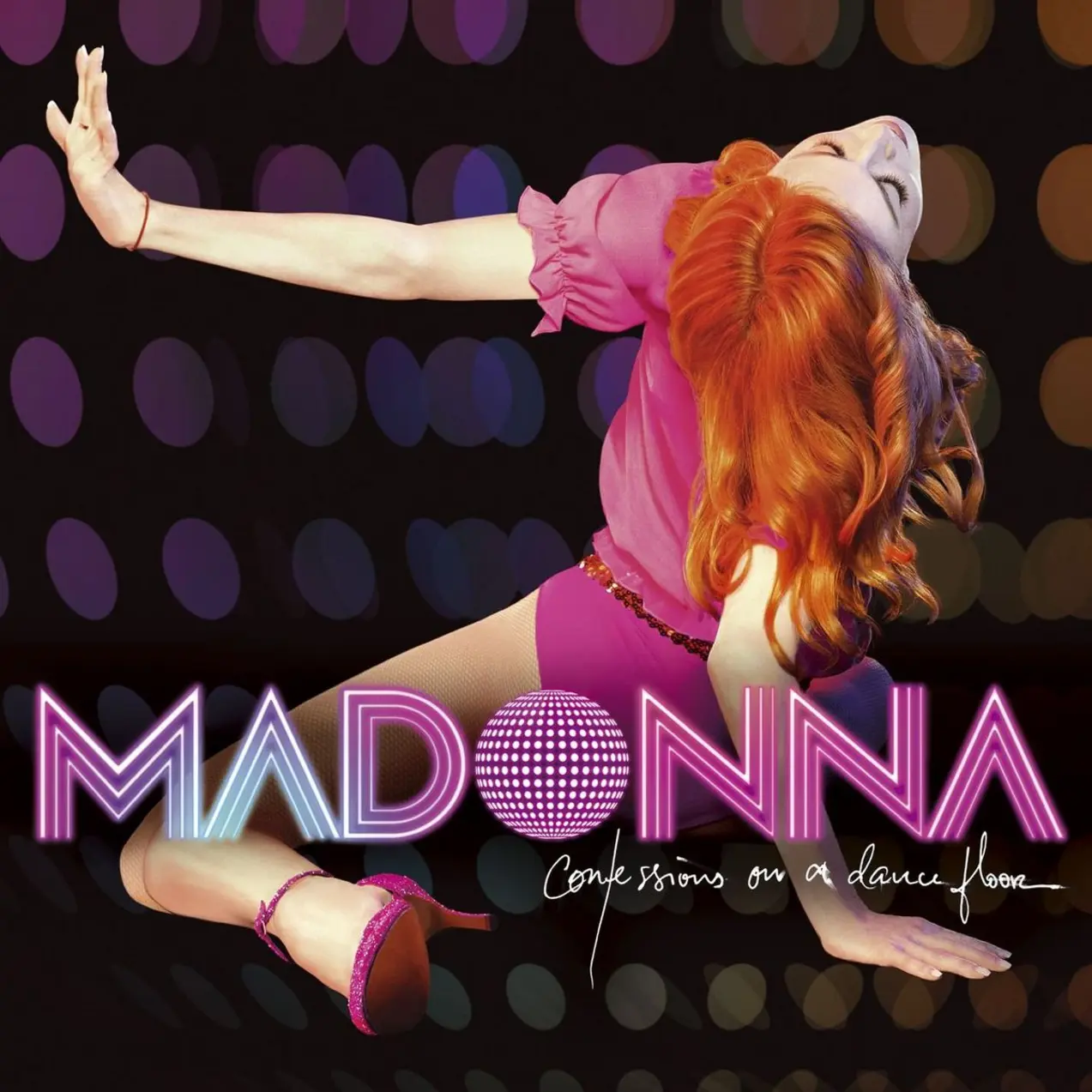

Disco was never truly forgotten; it just settled, its glittering essence waiting in the wings. And in 2005, Madonna delivered the explosion. With Confessions on a Dance Floor, she resurrected disco fashion, not as nostalgia, but as a renewed language - sleek, modern, and unapologetically commanding.
By the early 2000s, disco was often dismissed as a relic, a glittery afterthought of the 70s. Madonna shattered that perception. Confessions on a Dance Floor wasn’t a tribute; it was a reinvention. Its seamless, pulsing mix revived the heartbeat of Studio 54 while dressing it in futuristic polish. She took the liberated spirit of 70s fashion trends and sharpened it into something aerodynamic, powerful, and fiercely contemporary.
Visually, the album became a masterclass in disco style revival: shimmering bodysuits, mirrored floors, razor-sharp tailoring, and kinetic lighting. Madonna posed sprawled across the dance floor in a pink bodysuit - an image so striking it instantly rewired the aesthetic codes of early-2000s pop culture. This wasn’t just about the music; it was a full visual doctrine. She turned lamé and sequins into weapons of confidence, transforming the dance floor into a stage of reinvention.
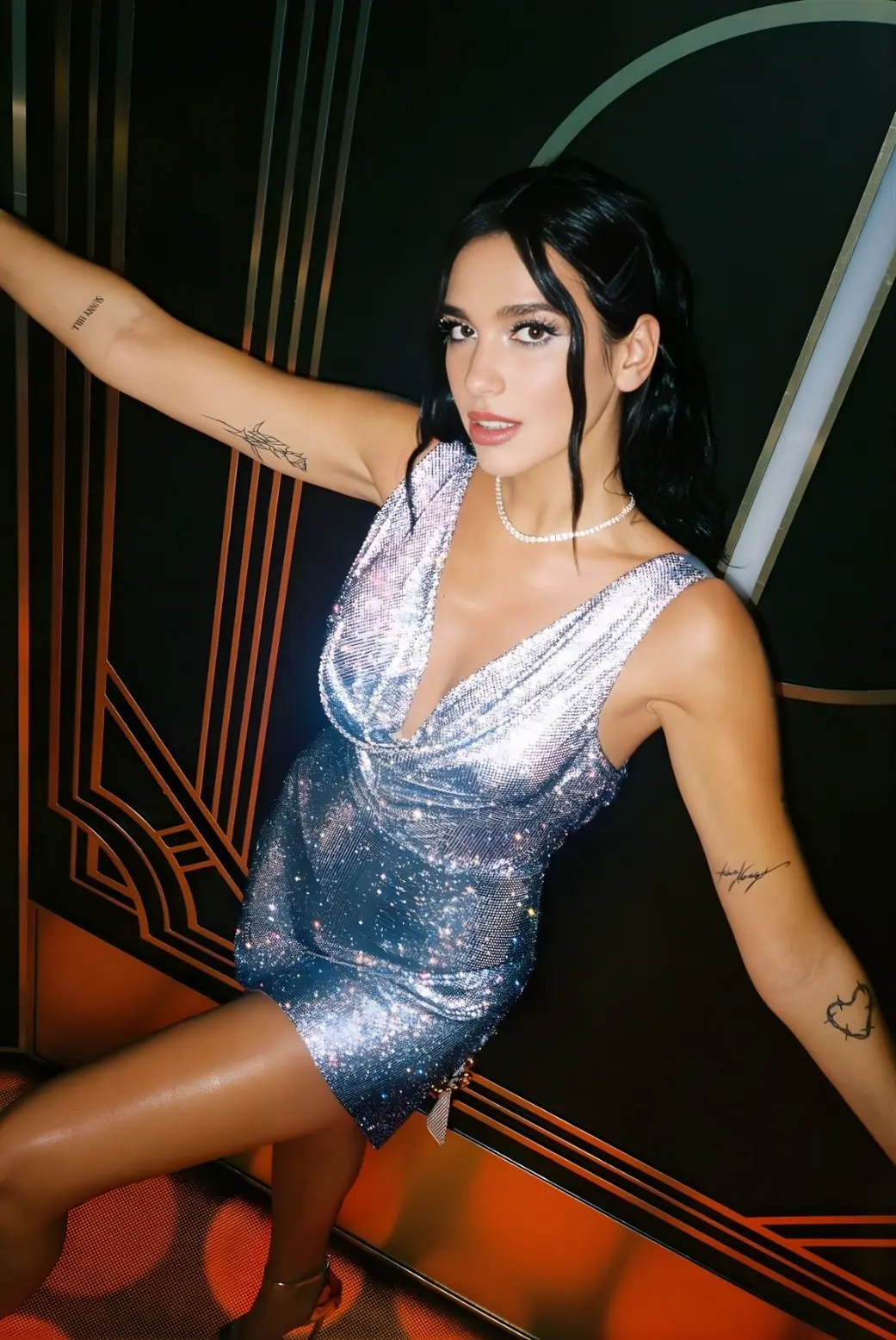
The echo of the queen's confession is still heard today. The artists of our time, like Dua Lipa and Doja Cat, don't just reference disco; they are building on the foundation Madonna rebuilt. Dua Lipa's Future Nostalgia and her polished, retro-futuristic style directly channel the spirit of Madonna's dance floor reign. Doja Cat, with her theatricality and genre-bending sound, shows the chameleon-like power of disco's visual and sonic identity. They are living proof that disco wasn't a memory; it was a promise, waiting for a queen to deliver its triumphant return.
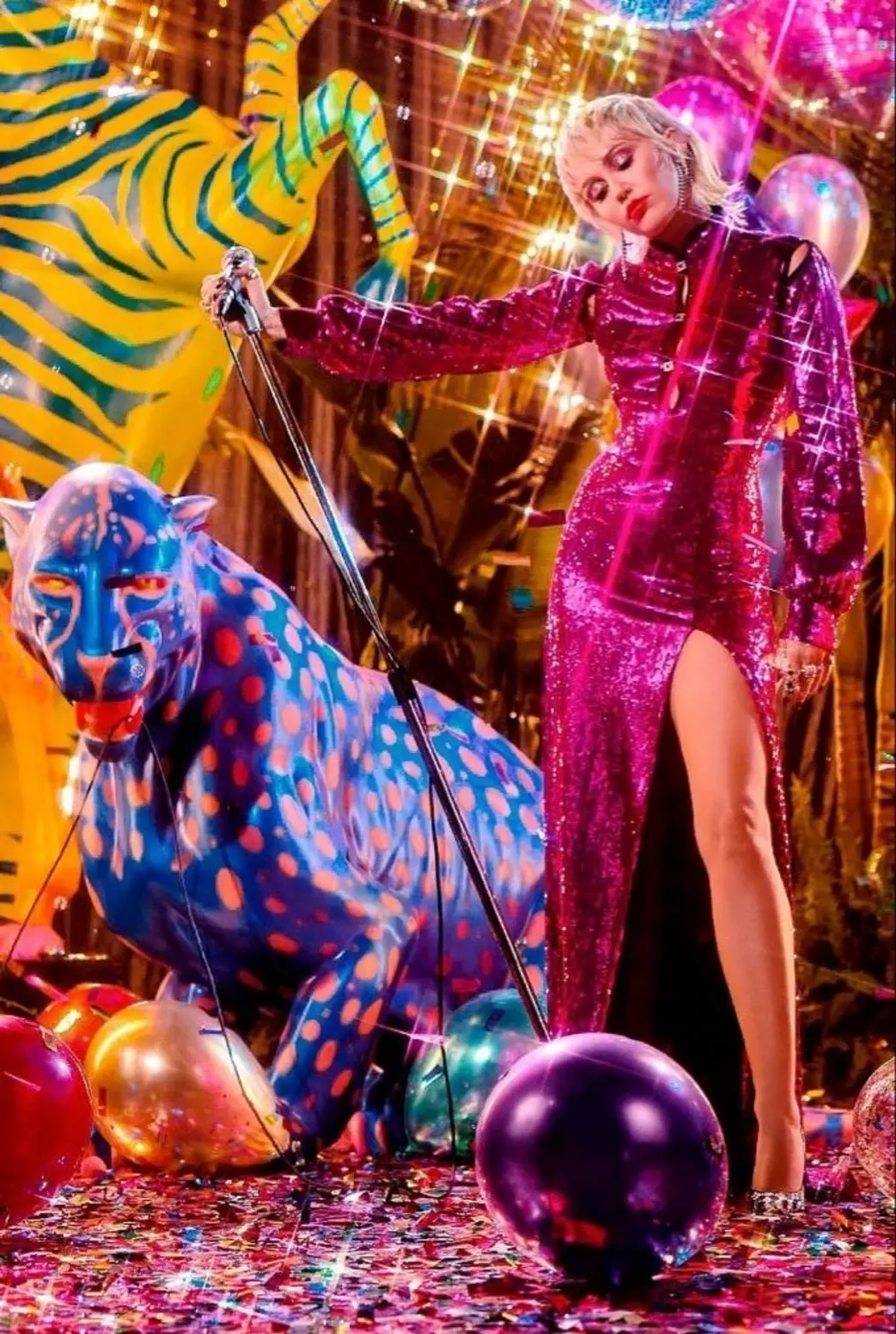
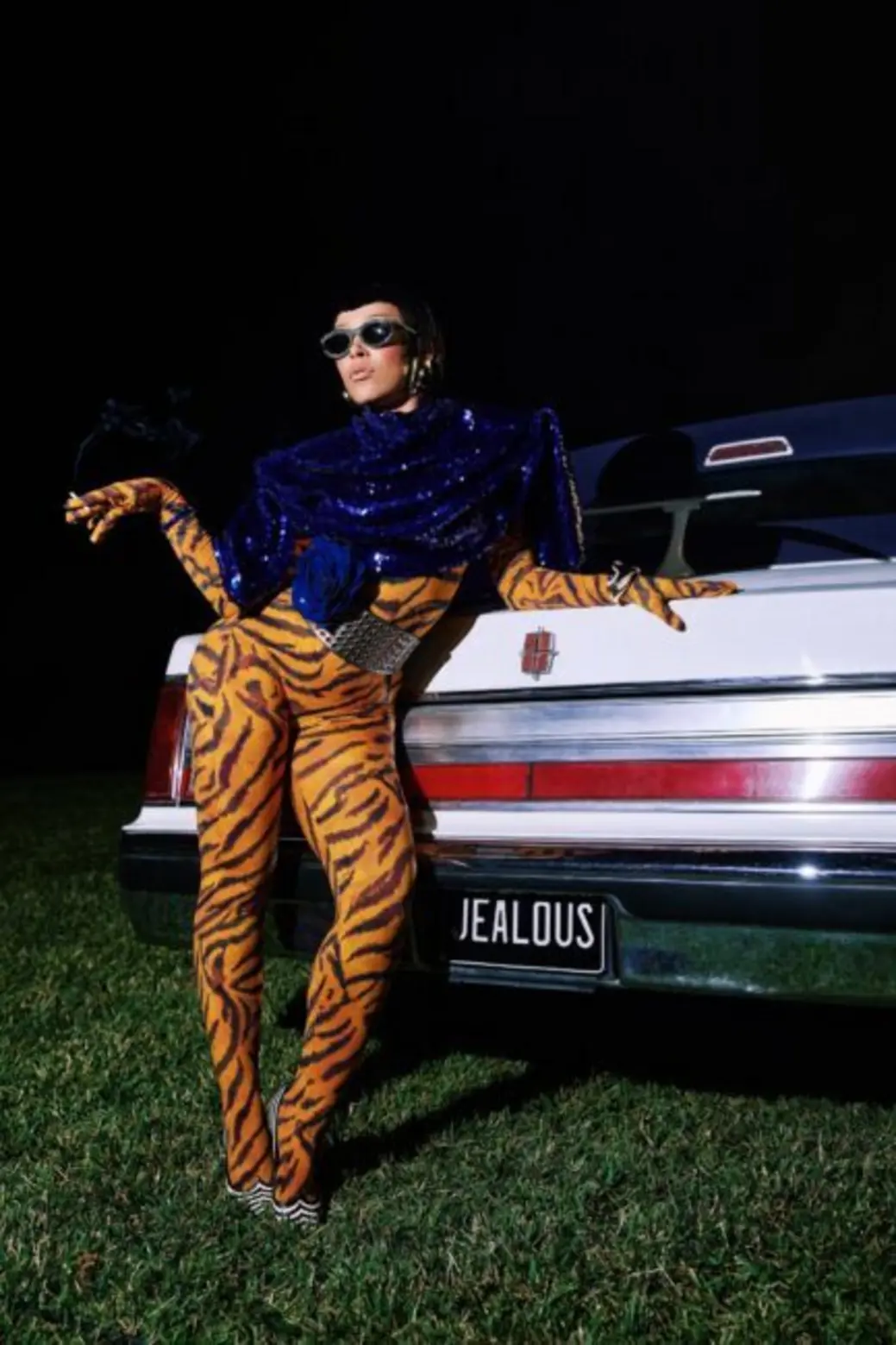
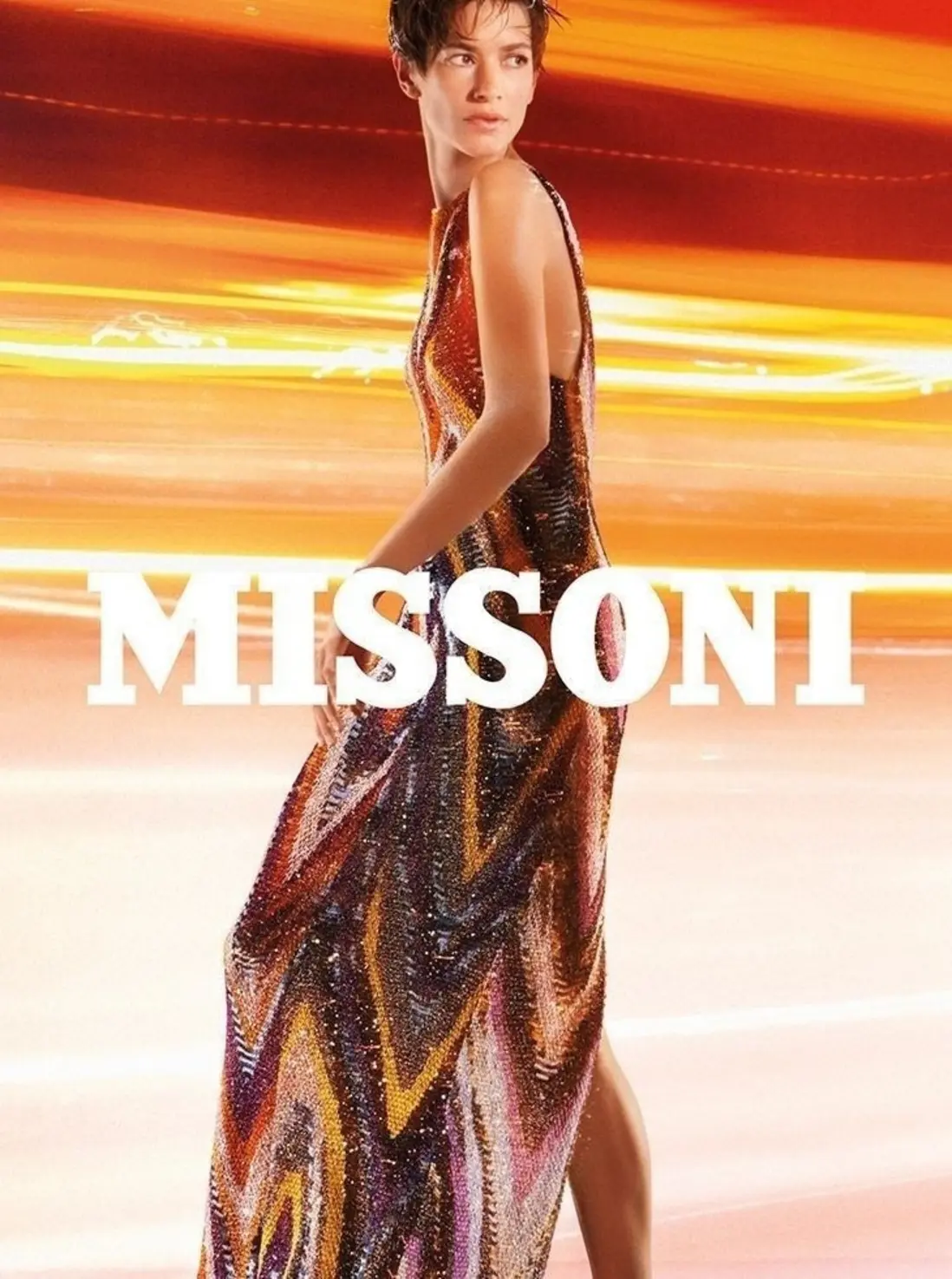
The disco era, in its full, glittery glory, was a whirlwind, and while "Disco Demolition Night" in 1979 symbolized a backlash that many saw as a rejection of the marginalized communities who birthed the genre, it didn't truly erase its influence; in fact, it just sent its dazzling energy scattering into new corners of the fashion universe. In the decades that followed, disco's spirit lived on, resurfacing in the rave and house music scenes of the 90s, where metallics and flashy clubwear became a uniform for a new generation. By the 2000s, Y2K fashion, with its love for all things shiny and low-slung, borrowed liberally from the disco playbook.
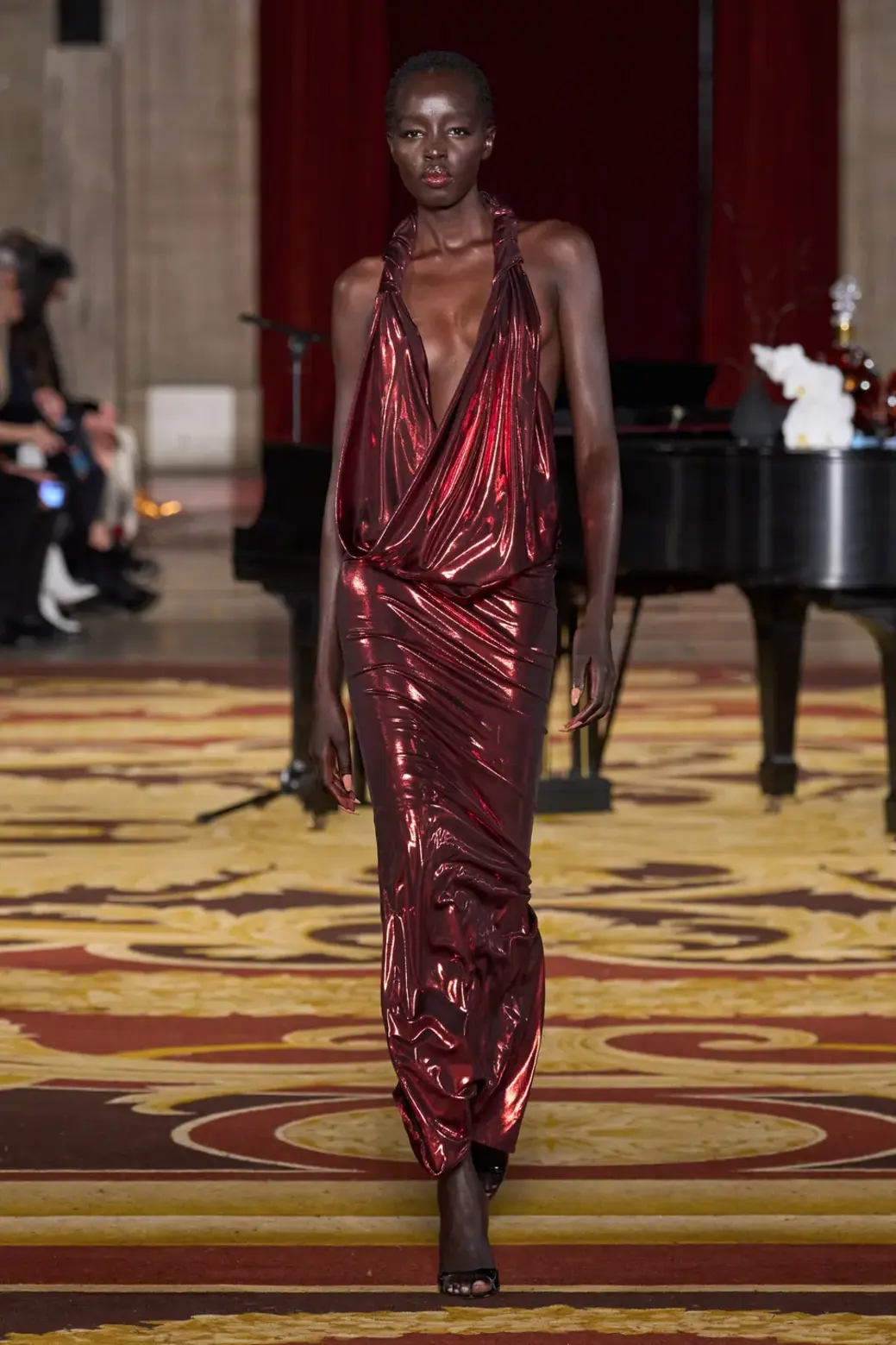
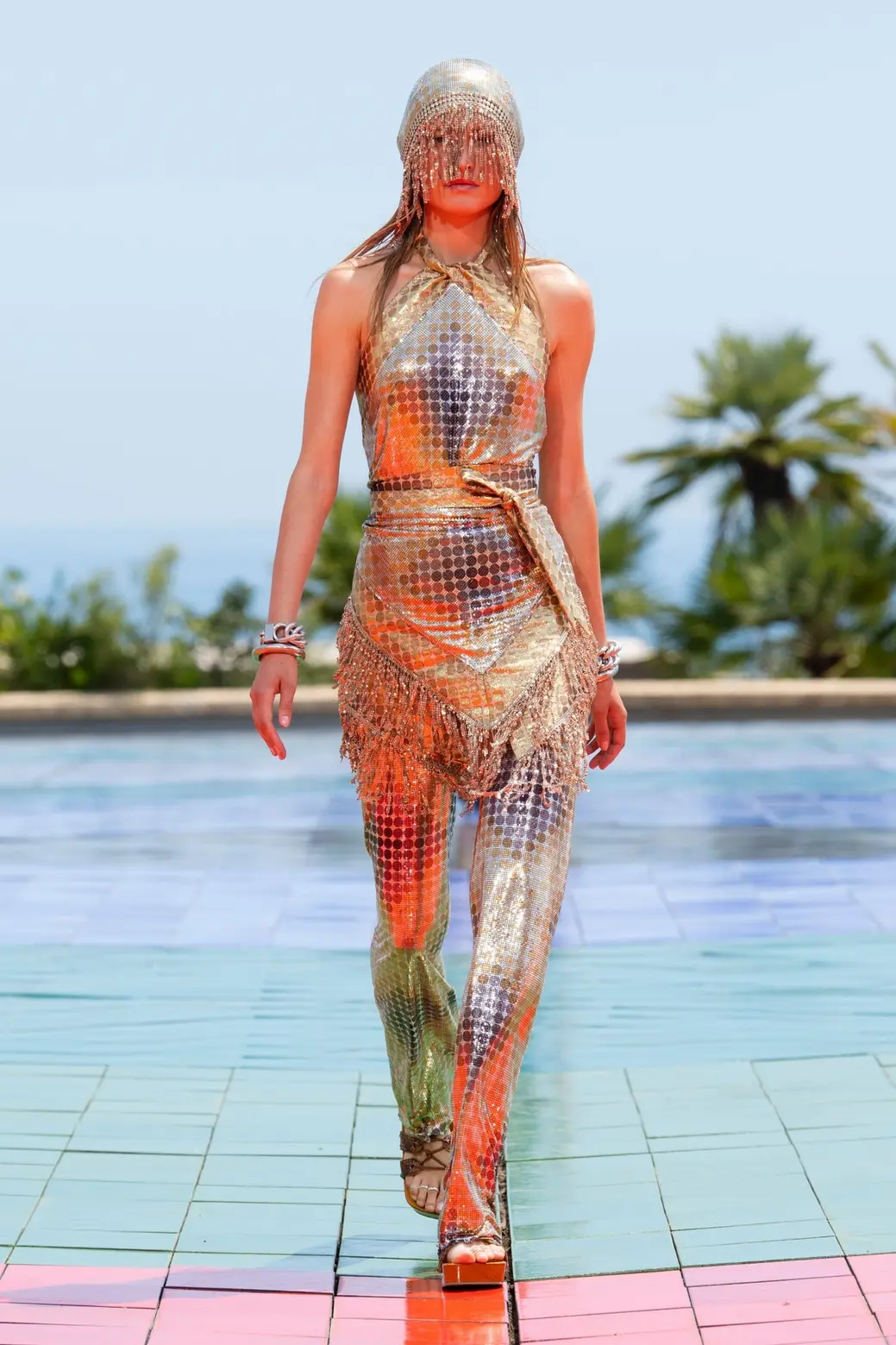
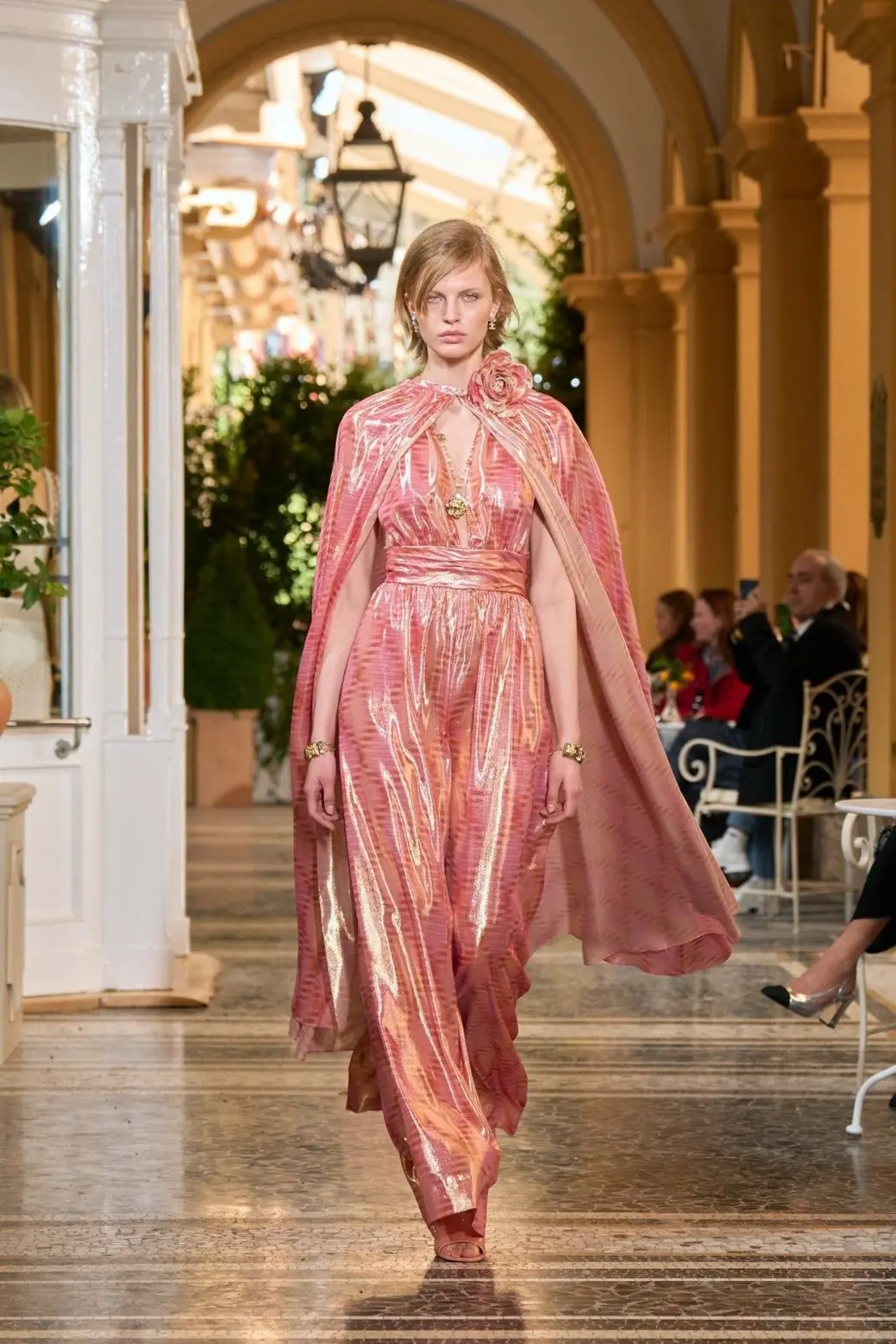
This style is for the daring, the bold, those who see the runway not as a mere platform but as a stage for self-expression. Fashion, after all, is a powerful form of communication, and the disco style tells a compelling story of its time. It emerged during an era of immense social change, mirroring the liberation movements of the 1970s. It was a visual protest against drab conformity, a style that celebrated individuality and gave marginalized communities a sanctuary to express themselves without judgment. The dance floor became a sacred space where gender norms blurred and people of different backgrounds, races, and orientations came together, united by the sheer joy of the music and the freedom it represented.
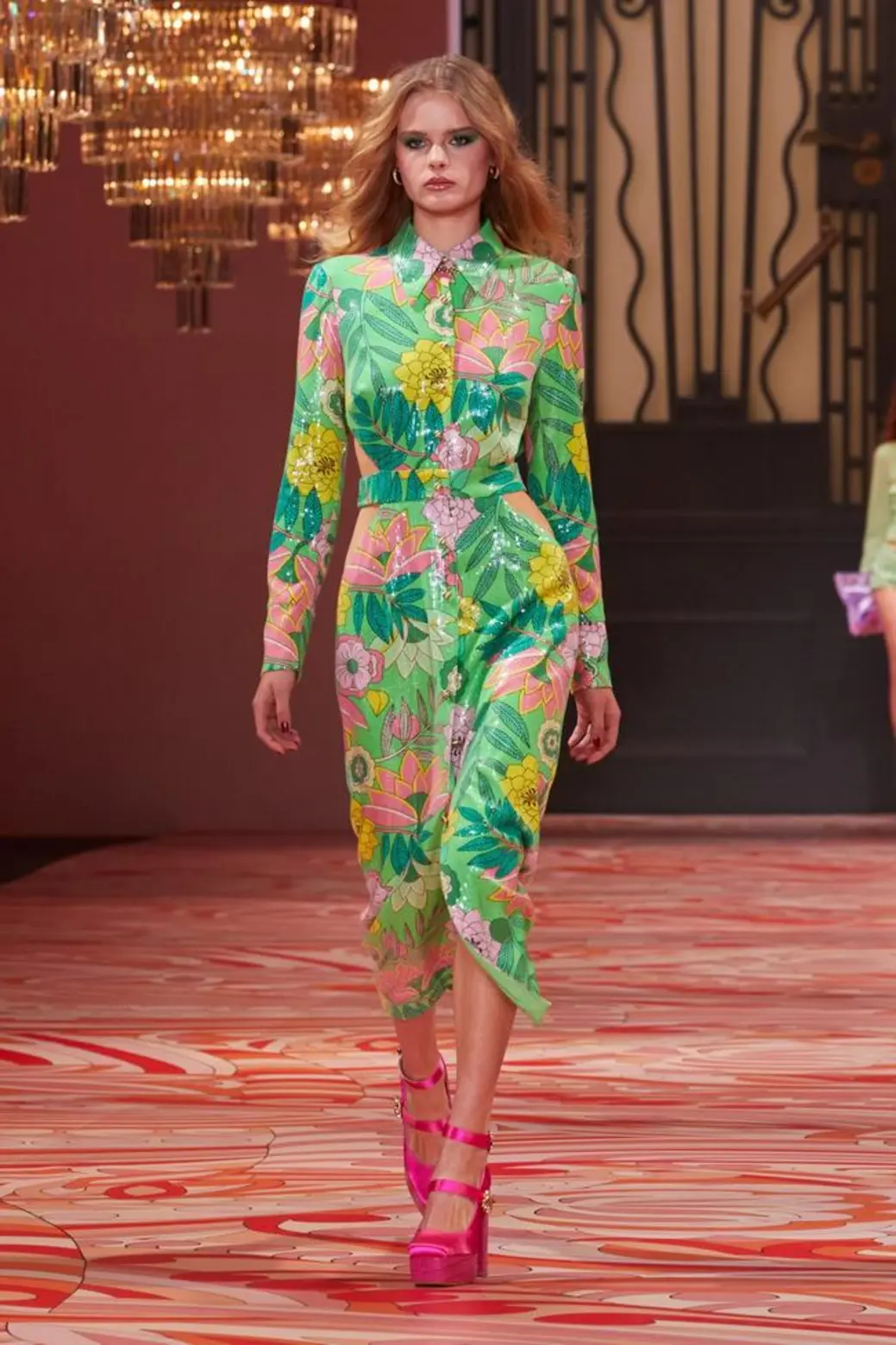
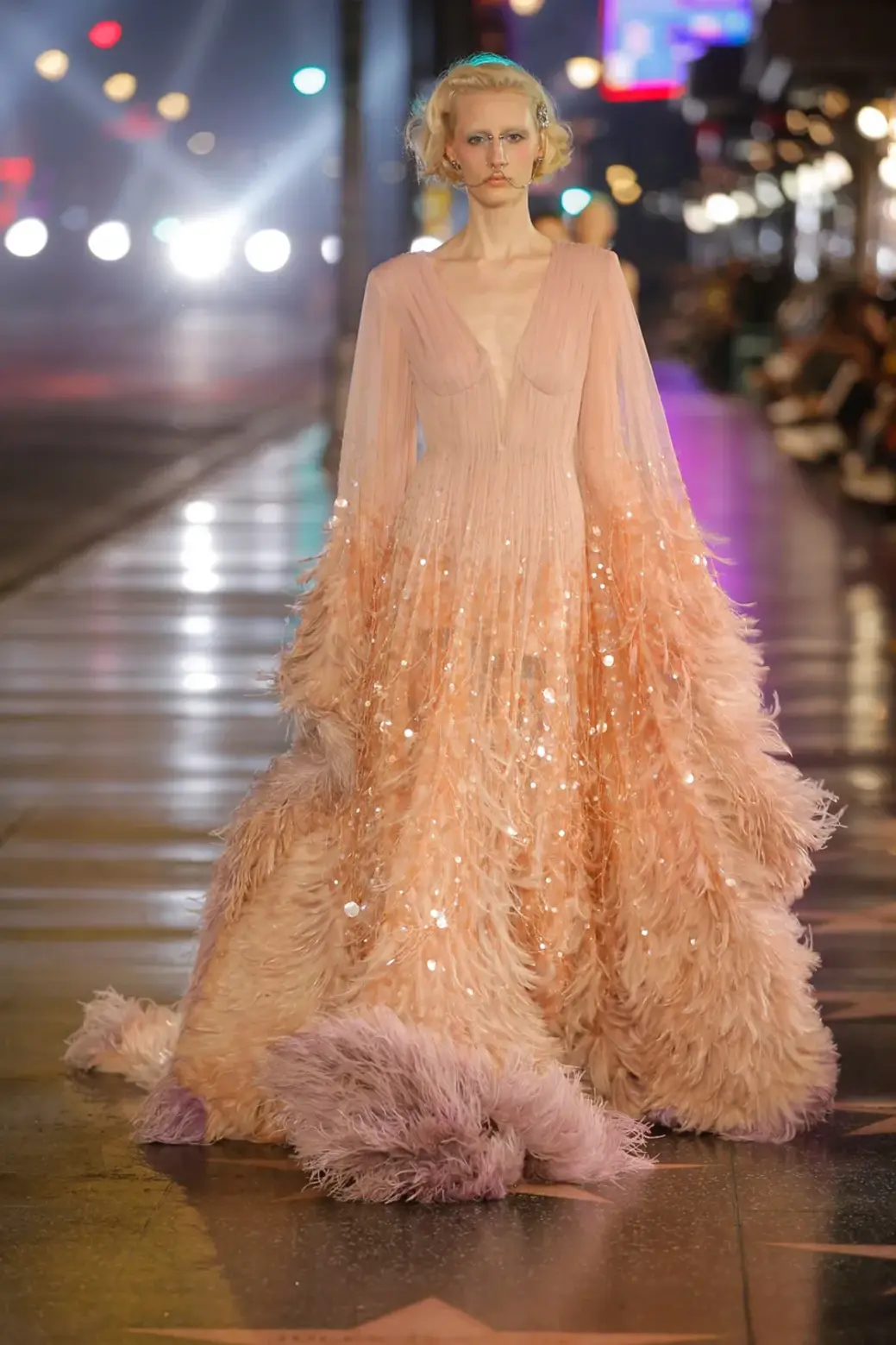
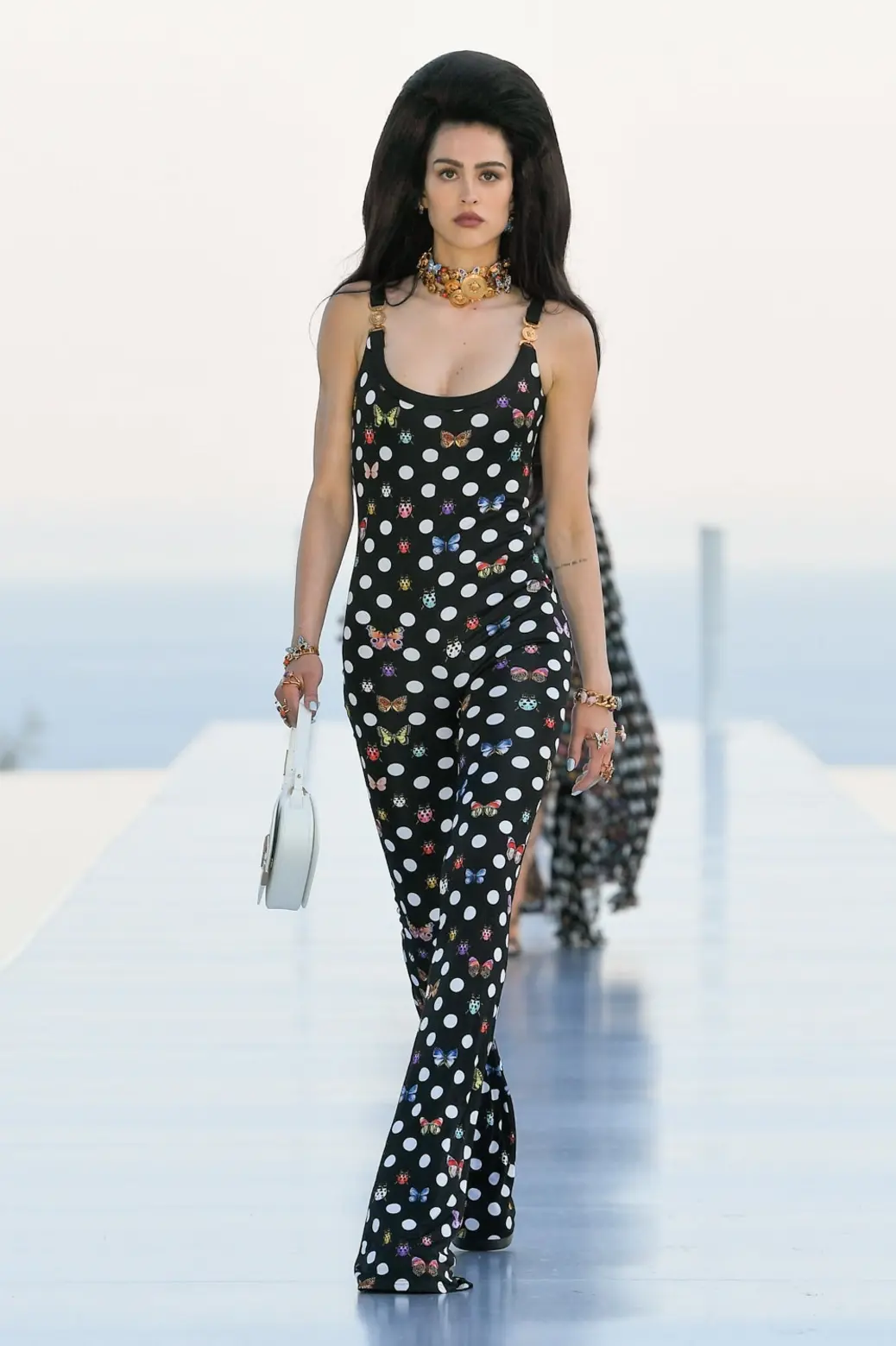
This is why the disco spirit lives on. It challenges us to get lost in the music, to move with a freedom that is both physical and spiritual. It dares us to step out of the shadows, to shed the drab conformity of everyday life and embrace our inner star. It reminds us that the world is a canvas of infinite colors, and it is up to us, with the lens we choose, to paint our own vivid, passionate masterpiece. The spirit of disco is not just a relic of the past; it is a timeless invitation to shine, to feel, and to dance our way back to life, one sequin at a time.
Advertisement