MENU
Close





When did lingerie as outerwear stop being a private whisper and become a public kind of poetry, sliding over the body like a love letter written in motion?
When did lingerie as outerwear stop being a private whisper and become a public kind of poetry, sliding over the body like a love letter written in motion?
February 14, 2026
Advertisement

Advertisement



Is it a gentle rebellion that insists the body deserves tenderness without secrecy, beauty without apology, intimacy without being mistaken for an invitation?
A drawer slides open with a soft, familiar hush. Inside lives a small kingdom of things made close to the skin, pieces that carry the memory of mornings, late evenings, travel, mirrors, weather. Lingerie holds a strange kind of intimacy, the quiet decisions a person makes before the world begins looking back. It belongs to the realm of touch, of ritual, of the body’s private architecture.
Then fashion does what fashion always does when it senses a secret with power. It brings the hidden seam forward. It turns the inside outward. It lifts what used to be covered by thick layers into daylight, giving lingerie another life as outerwear.
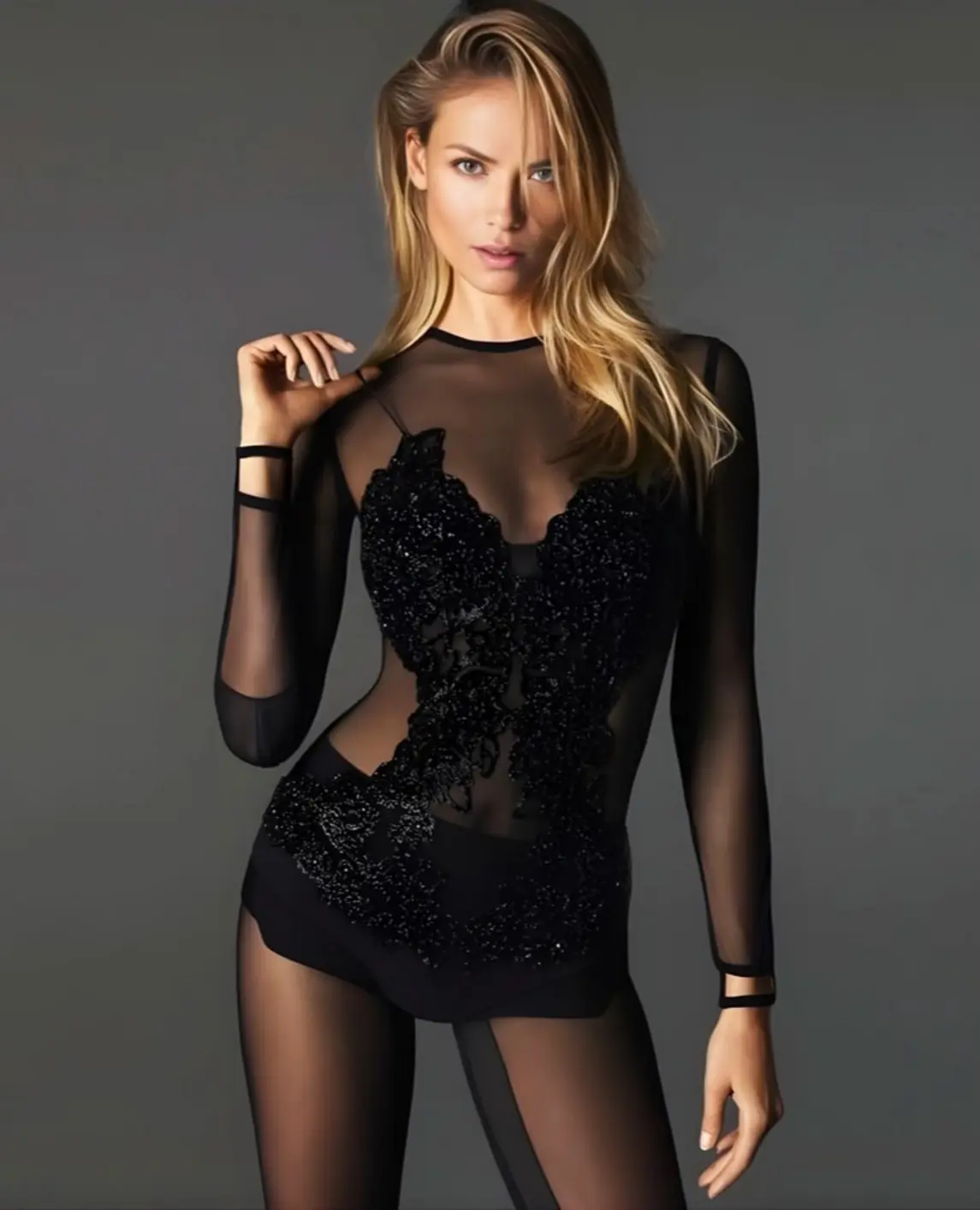
Lingerie as outerwear is a style, a stance, a vocabulary. This style thrives on a single, thrilling contradiction: lingerie was designed to live under, yet it looks utterly alive when it lives on top.

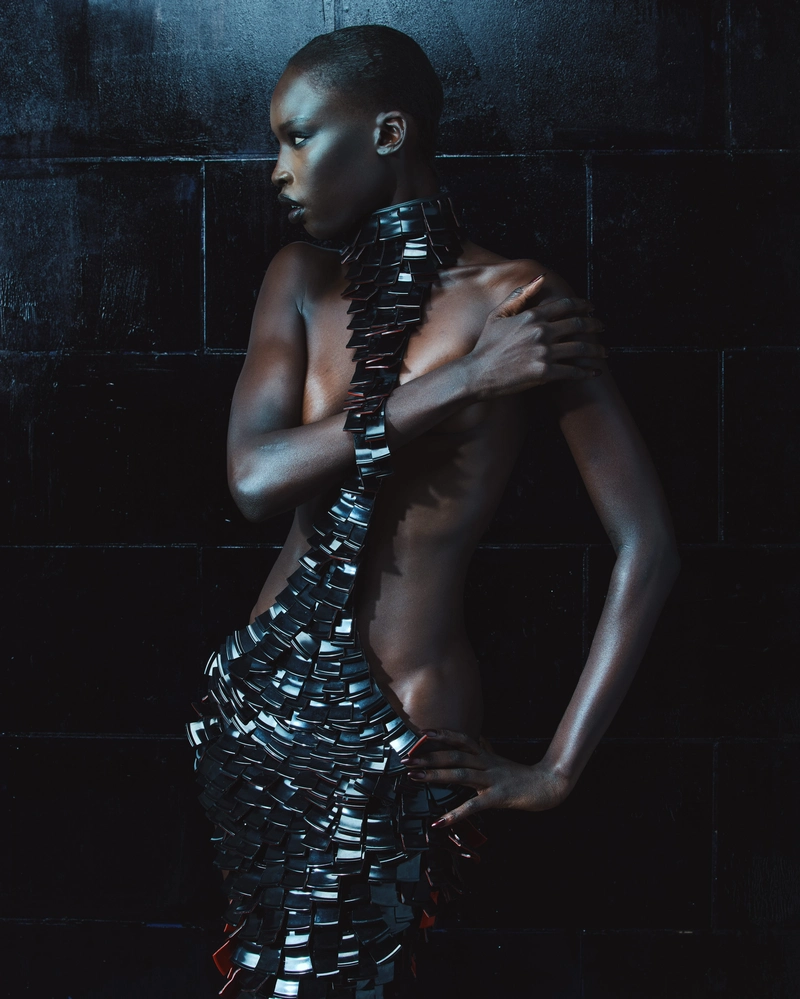
Lingerie as outerwear means garments derived from lingerie construction, lingerie materials, lingerie silhouettes, worn as primary clothing in public settings. It includes corsets, bustiers, slips, bodysuits, bras turned into tops, garter-inspired straps, camisoles with delicate edging, sheer layers that reveal lingerie lines beneath. It also includes dresses that borrow lingerie techniques: molded cups, underwire shaped seams, hook and eye closures, scalloped lace panels, ribbon lacing, micro pleats, tiny covered buttons, satin binding.
The essence lies in the language of lingerie itself. Lingerie is engineered for the body’s curves, for movement, for support, for closeness. When the same engineering appears in outerwear, it reads as intention. A seam becomes a statement. A strap becomes design. A closure becomes jewelry.
Even the most effortless lingerie look carries planning, because lingerie pieces are small, precise, honest about their origins. A slip dress still carries the echo of nightwear. A corset still carries the history of shaping. A lace bralette still belongs to the world of undergarments, even when paired with a long coat, denim, a sharp trouser, a skirt that swings with purpose.
Lingerie as outerwear also changes the pace of an outfit. It adds a hush of vulnerability, then answers it with strength. The result feels modern, because modern life asks people to be many things at once: soft plus armored, elegant plus direct, private plus visible.
The lingerie as outerwear wardrobe is built from specific components, each with its own emotional charge.
Corsetry sits at the center. Corsets, bustiers, basques, bodices with boning create an unmistakable outline. The structure reads immediately, even from far away, because boning lines draw the eye vertically. Lacing creates tension as ornament. Hook and eye closures add a mechanical rhythm. Sometimes the corset stands alone as a top. Sometimes it sits over a shirt, a dress, a knit, turning layering into an architectural exercise. Sometimes it appears as the internal logic of a dress, with visible seams that mimic lingerie patternmaking.
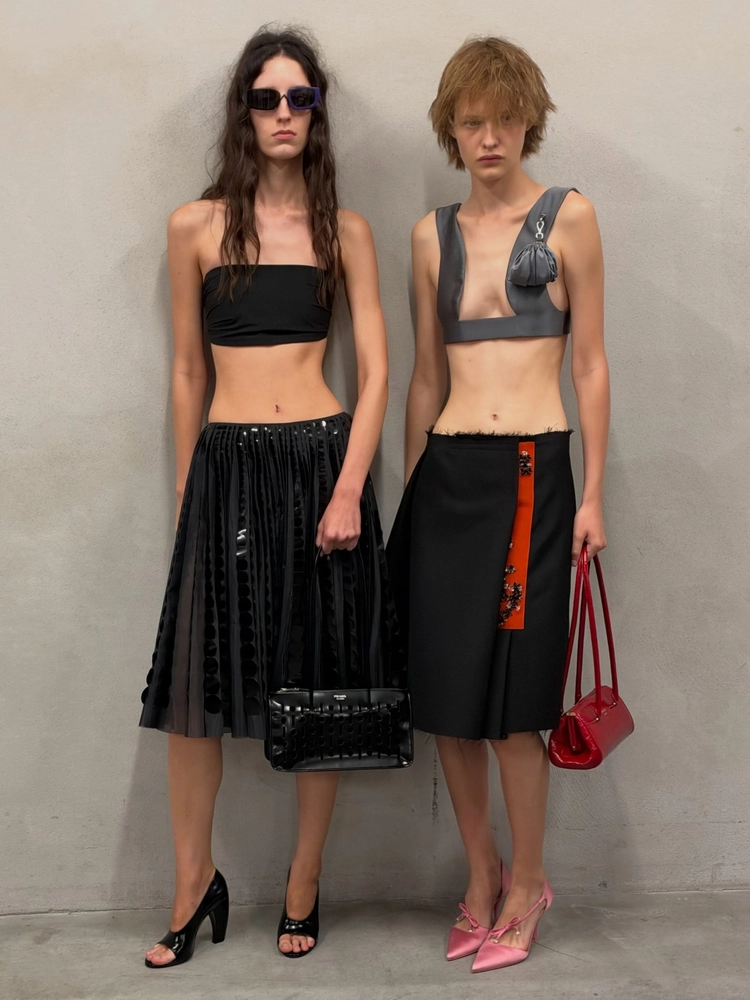
The bra as top brings a different energy. A bra top can feel sporty, minimal, almost graphic, especially when paired with a blazer or a high waist skirt. Lace bras bring a softer texture, though the styling often adds sharpness through tailoring or heavy fabrics. A bra top reveals the deliberate nature of clothing: it asks the viewer to acknowledge design choices rather than pretending everything belongs to a single category.
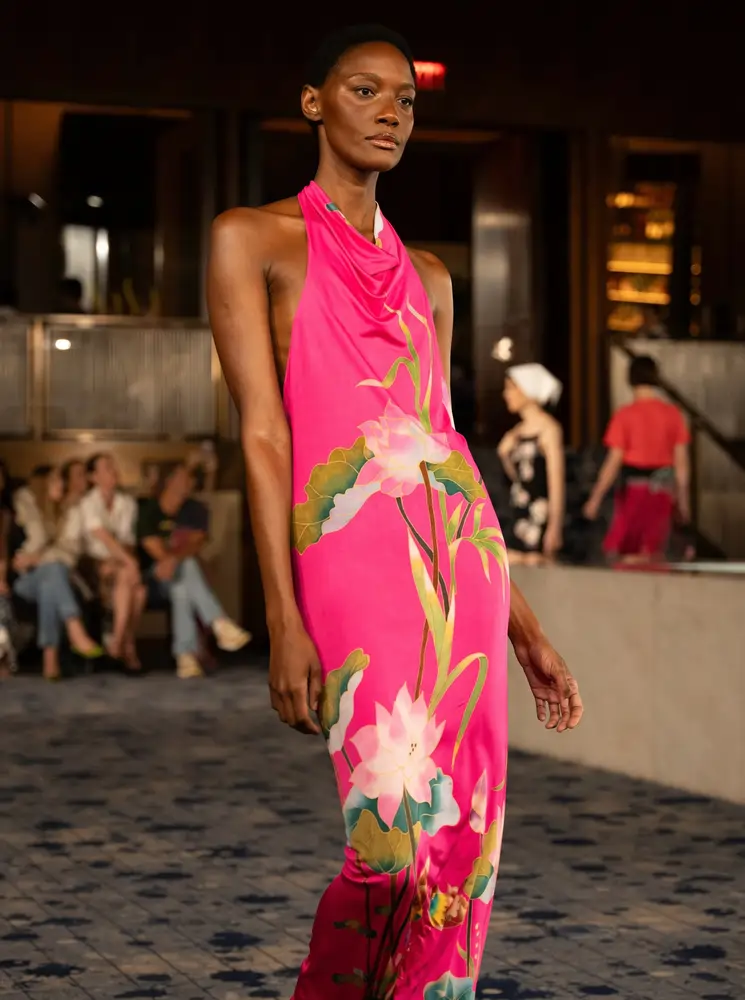
The slip dress remains the most poetic entry point. A slip dress carries the liquid drape of satin, silk, viscose. It skims rather than sculpts. It moves like water, it shines like a candle flame. Lace at the hem or neckline adds a whisper of detail. A slip dress can feel fragile, then it gains authority when paired with boots, a leather jacket, a trench, a thick sweater, a coat with shoulders that hold the air.
The bodysuit brings modern clarity. It fits close, often in mesh, jersey, lace, sometimes with corset seams. It stays in place, it reads cleanly under layers, it becomes a base for styling. Bodysuits translate lingerie technique into a functional outerwear foundation, making the look feel wearable across day to night.
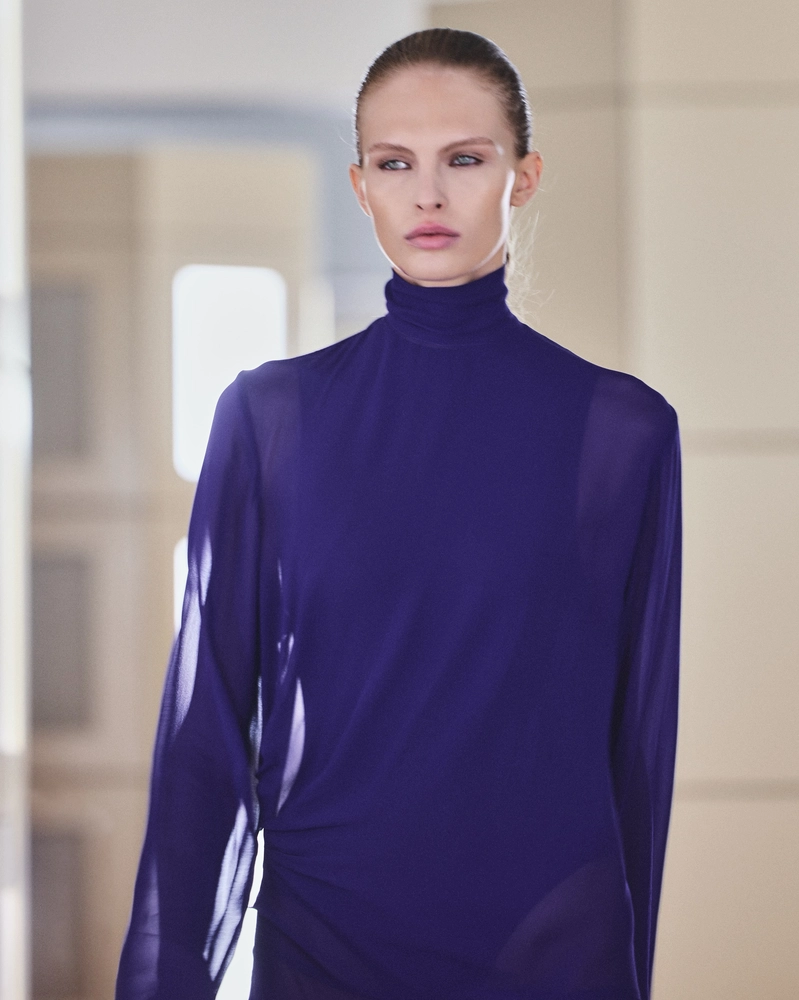
Sheer layers carry the style into its most conceptual form. A sheer dress, a mesh top, a translucent blouse offers a stage for lingerie beneath. In this configuration, lingerie becomes the graphic element, the “print,” the design line. The transparency invites conversation about what clothing reveals, what it protects, what it claims.
Then come the details that make lingerie unmistakably lingerie: tiny bows, picot edging, scalloped lace, satin binding, delicate strap adjusters, ruched cups, eyelash lace, ribbon ties, miniature rosettes, embroidery that feels like handwriting. Even when a designer removes decoration, lingerie identity remains in construction: curved cup seams, underbust shaping, narrow straps, darts placed with the precision of an engineer.
In lingerie as outerwear, these elements stop being hidden supports. They become the visible grammar of the outfit.
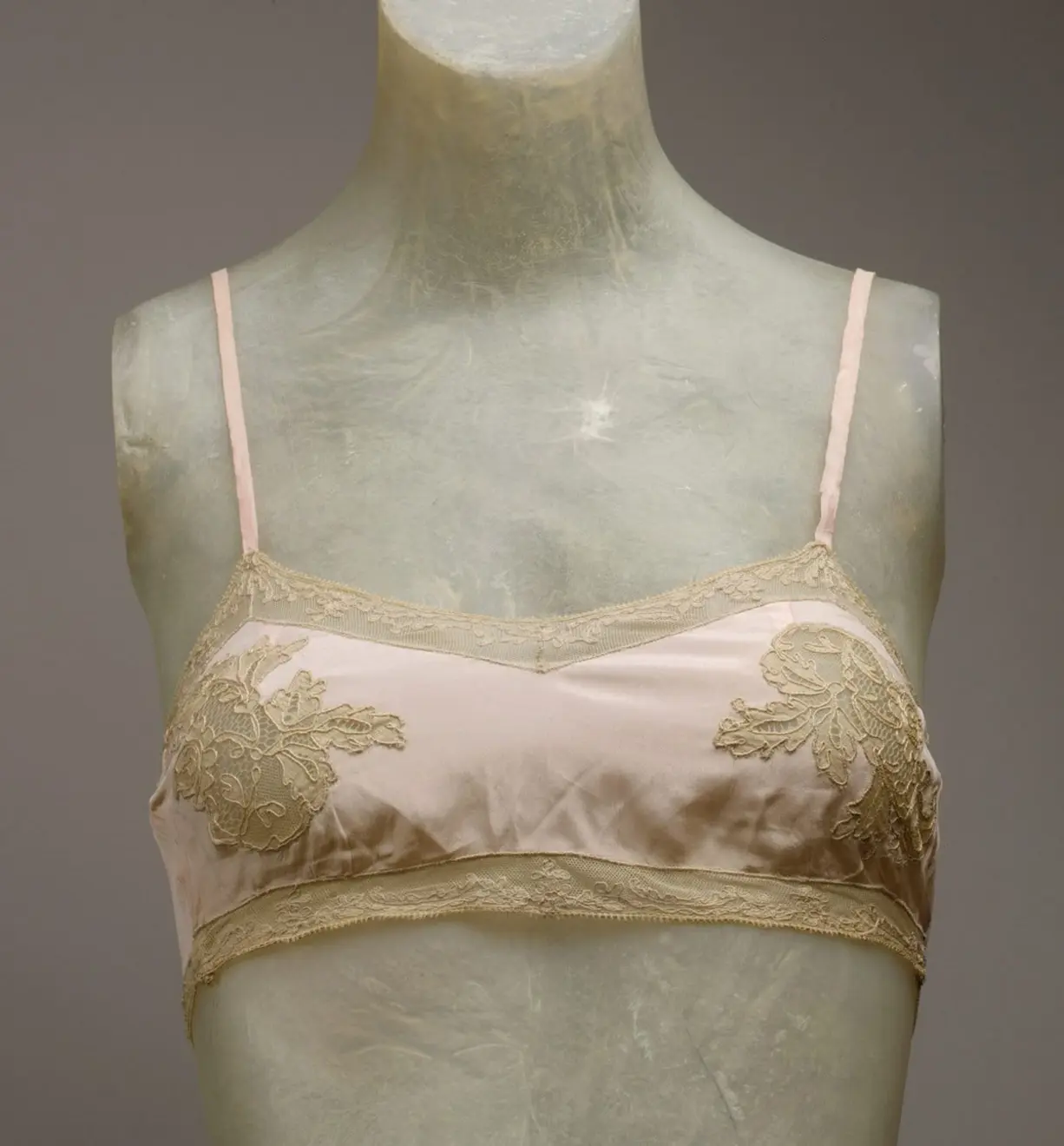
When the twentieth century accelerated, lingerie changed. Women’s lives changed. Movement mattered. Work mattered. Dance floors mattered. The bra replaced older systems. New fabrics arrived. Elastic transformed fit. Underwear became lighter, more flexible, more personal.
Then a shift began, slow at first, then inevitable. Fashion realized that the underlayer had a visual language of its own, plus a symbolic charge that outerwear rarely achieved. Lingerie held connotations of privacy, agency, glamour, rebellion, the everyday ritual of dressing. It carried a narrative in every seam.
Designers began to treat lingerie as a surface.
Then pop culture poured fuel onto the fire. When stage costumes and red carpet looks placed corsetry front and center, lingerie turned into a symbol of performance, power, spectacle. Lingerie no longer sat quietly under clothing. It became the clothing.

By the nineteen nineties, the slip dress wrote a different chapter. It felt minimal, modern, almost calm. It borrowed nightwear codes, then wore them with a straight face in daylight. The slip dress carried the mood of a bedroom, then walked into restaurants, galleries, city sidewalks. It proved lingerie style could feel chic rather than provocative, clean rather than chaotic.
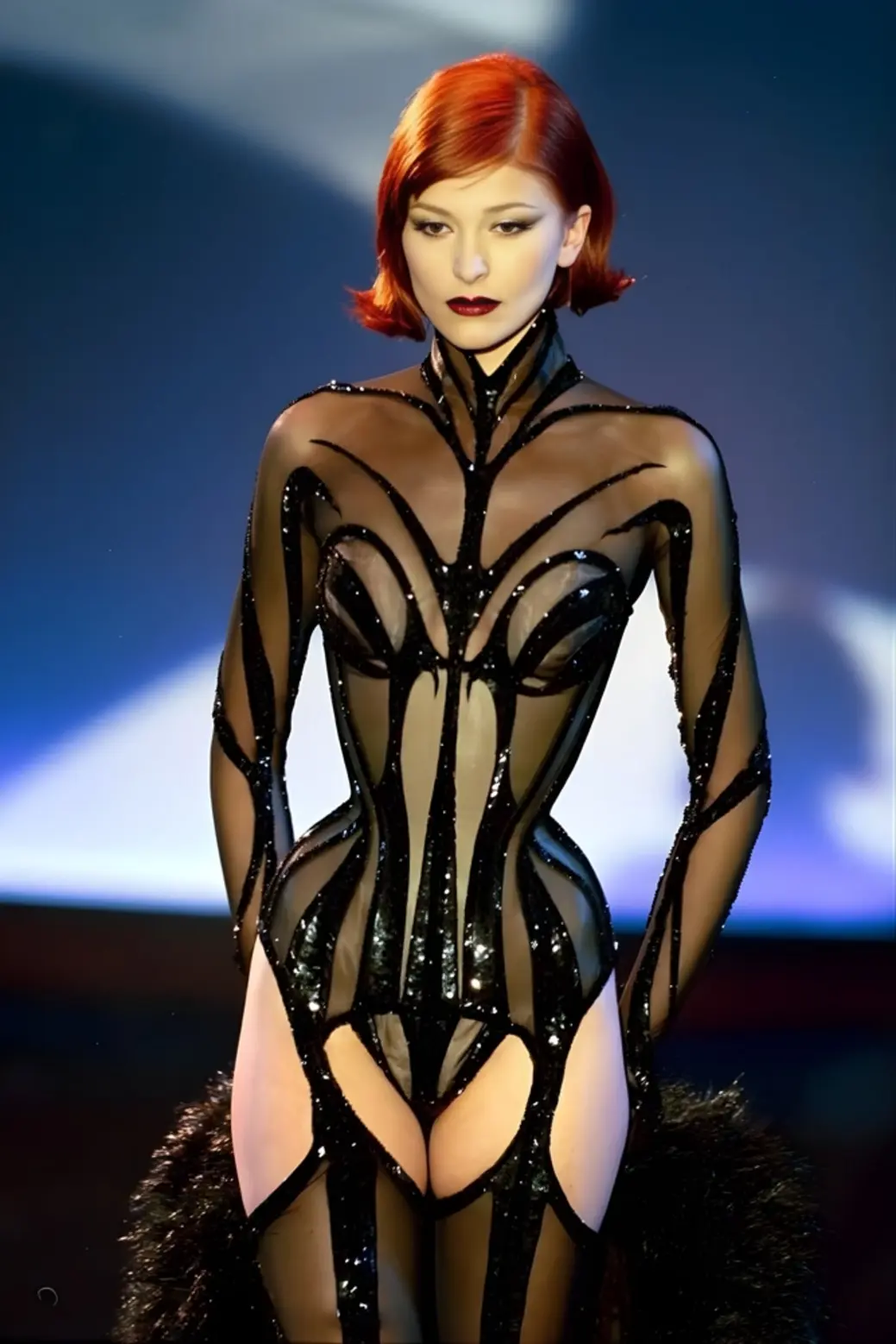
Vivienne Westwood treated the corset as a cultural artifact with bite, lifting it out of the past and into the present with the confidence of street theatre. Thierry Mugler turned lingerie codes into futuristic suit, his silhouettes worshipped the body’s geometry, cinched, sculpted, sharpened. Jean Paul Gaultier gave lingerie its loudest public voice through corsetry that belonged to performance culture, especially the cone bra era that was worn by the icon Madonna.
Each era brought its own reason for bringing lingerie into the light. Rebellion, performance, minimalism, the desire for honesty in clothing, the desire for glamour in everyday life.
The boundary kept moving, because boundaries in fashion always move.
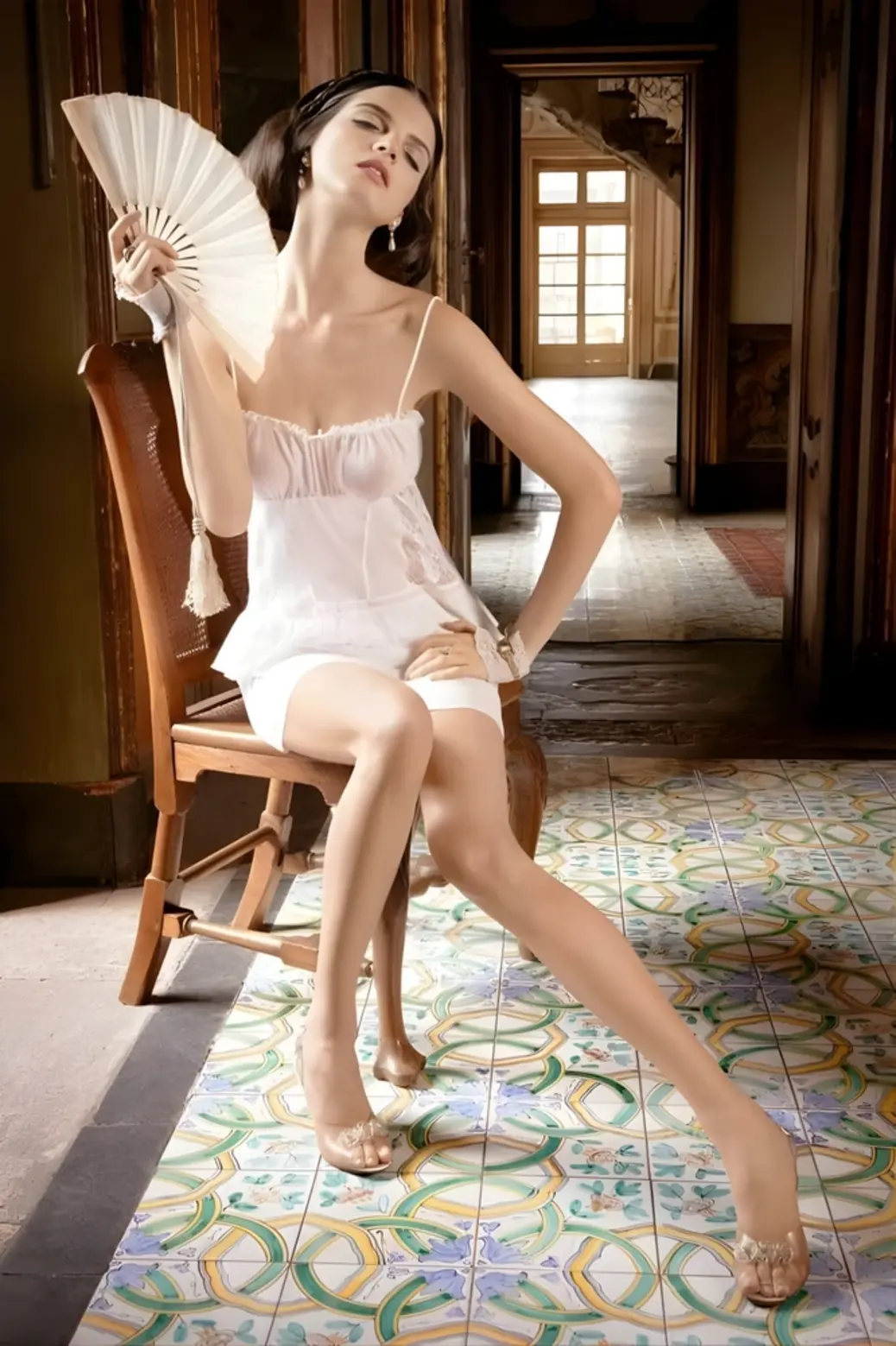
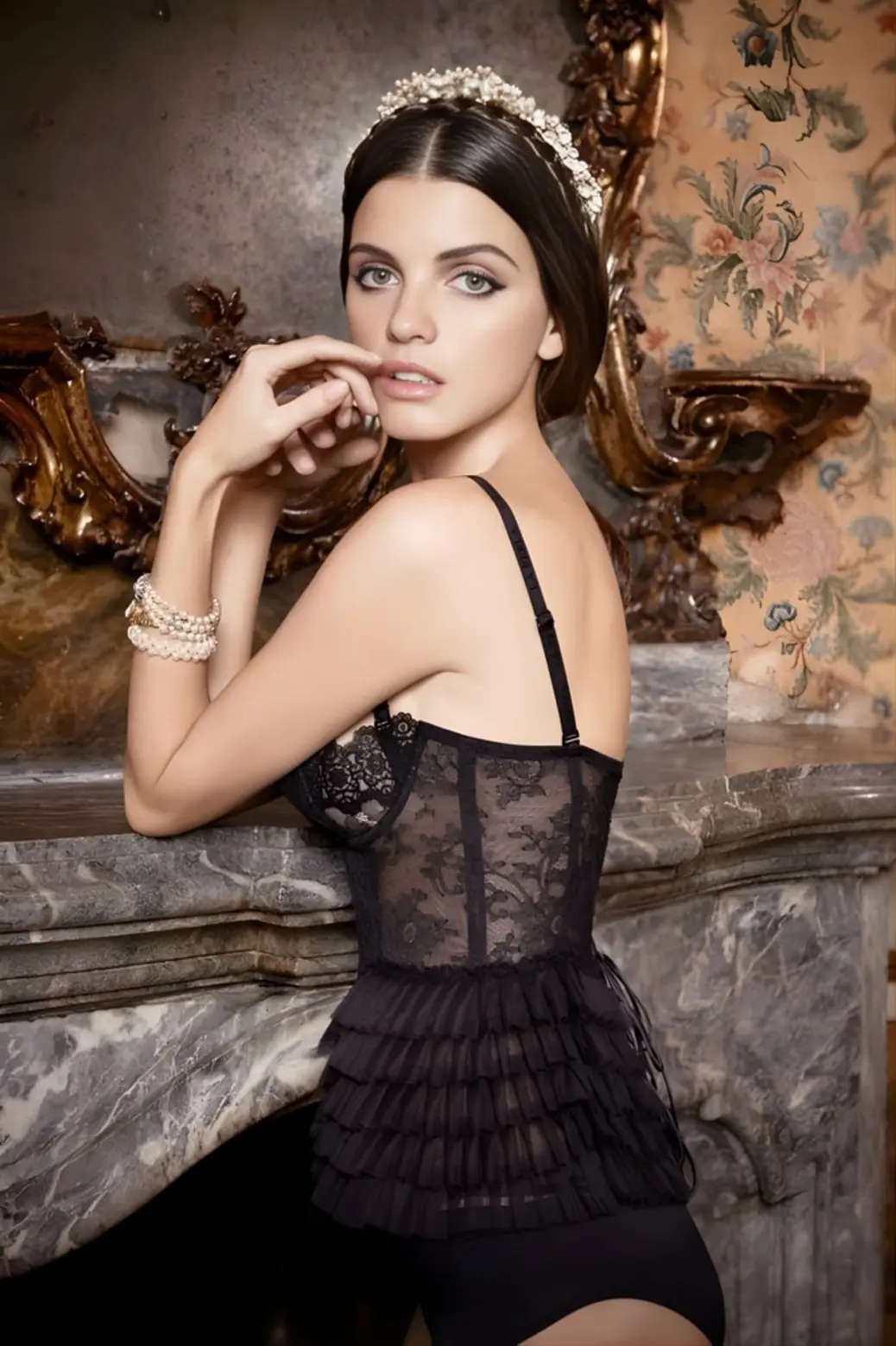
The spirit of lingerie style is romance with backbone. It enters like a whisper, then stays like a spell. It is poetic in the way it speaks through small details, a lace edge that feels like handwriting, a satin sheen that moves like candlelight across skin, a strap that draws a line so precise it becomes a signature. It is intimate by nature, designed for closeness, for the secret language between body and fabric, yet the moment it steps into public, it becomes revealing in the most deliberate way: an invitation that never begs, a glimpse that never loses control.
Lingerie as outerwear holds contradictions the way a great heroine holds a room. It can feel nurturing, soft enough to make you breathe slower, then suddenly it dominates the atmosphere without raising its voice. It carries a shy elegance, a kind of modesty made from restraint, yet it provokes because restraint is powerful when it is chosen. It can look innocent in silhouette, sweet in its simplicity, then turn sensual in the next second, simply because the wearer decided to let it be seen. That tension is its pulse. It makes the gaze linger, not out of permission, but out of irresistible magnetism, the kind that pulls attention the way perfume pulls memory.
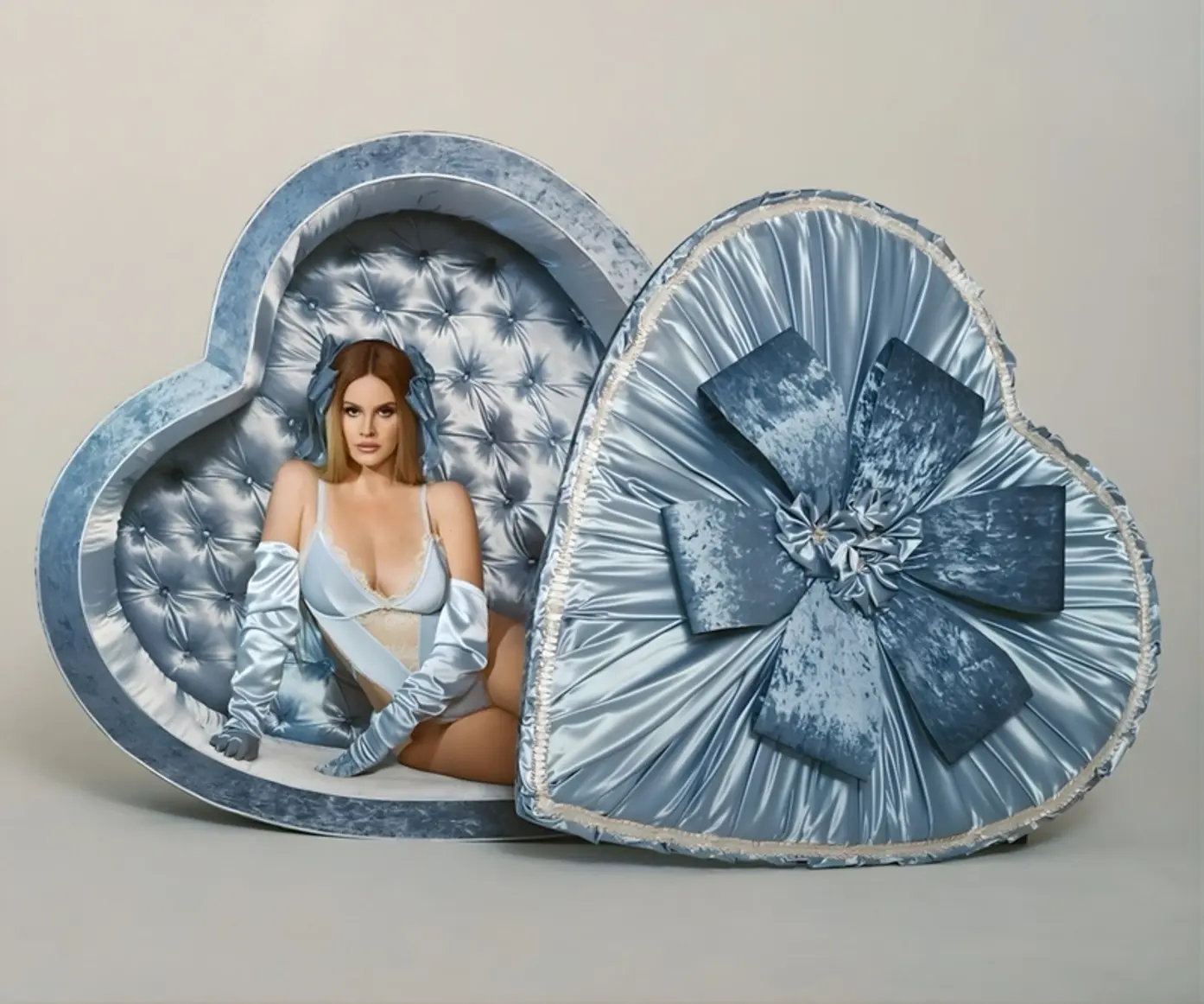
There is delight in it, a sweetness, a treat for the eyes, yes. Yet the style makes one truth unmistakable: she is not your treat. She is not a prize for someone else’s appetite. The lingerie is worn inside out for her, first. It is bold because it is honest. It is confident because it is chosen. It is a way of making peace with the body by dressing it with care rather than hiding it with fear.
To wear lingerie in the light is to strip down with intention. It is a love letter written in fabric, addressed to the self. It is the wearer treating herself like someone worthy of tenderness, worthy of beauty, worthy of a garment that feels like devotion.
This is the spirit: romantic, inviting, quietly commanding. A sweetness that draws attention, a sensuality that never asks for approval, a confidence that feels like grace. Lingerie as outerwear becomes a ritual of self-respect, a way of honoring femininity as something expansive, something fearless, something entirely her own.
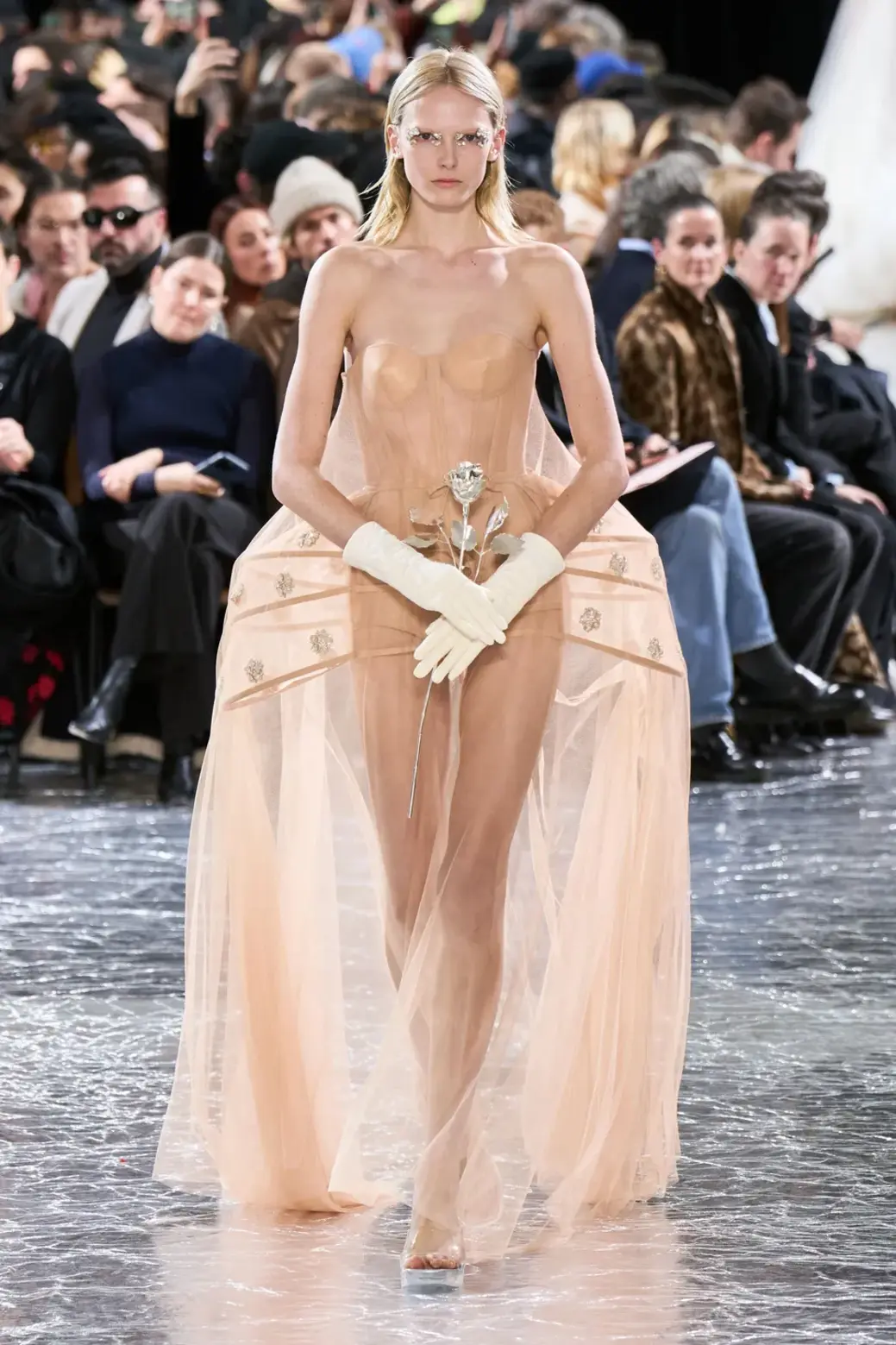
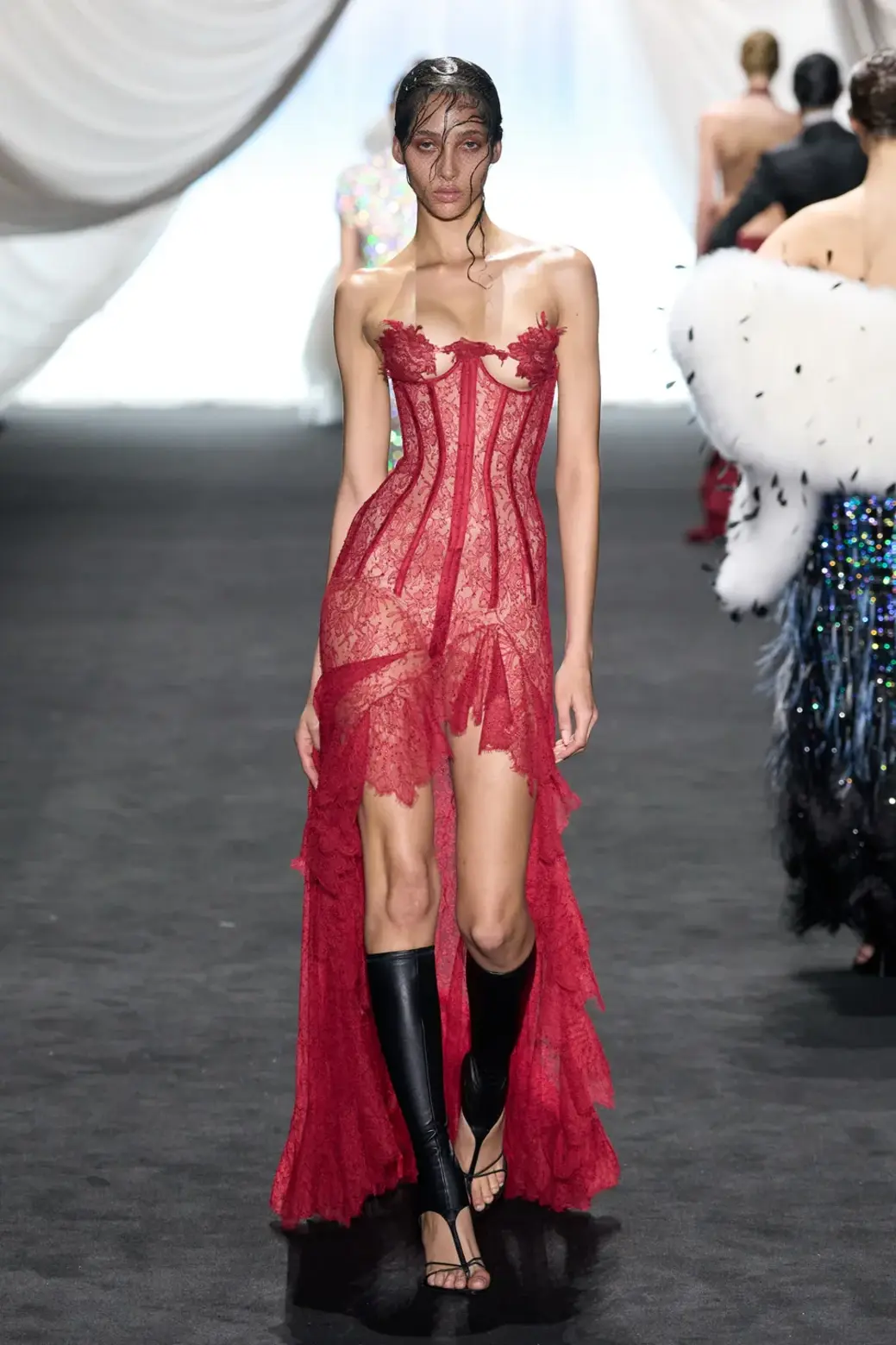
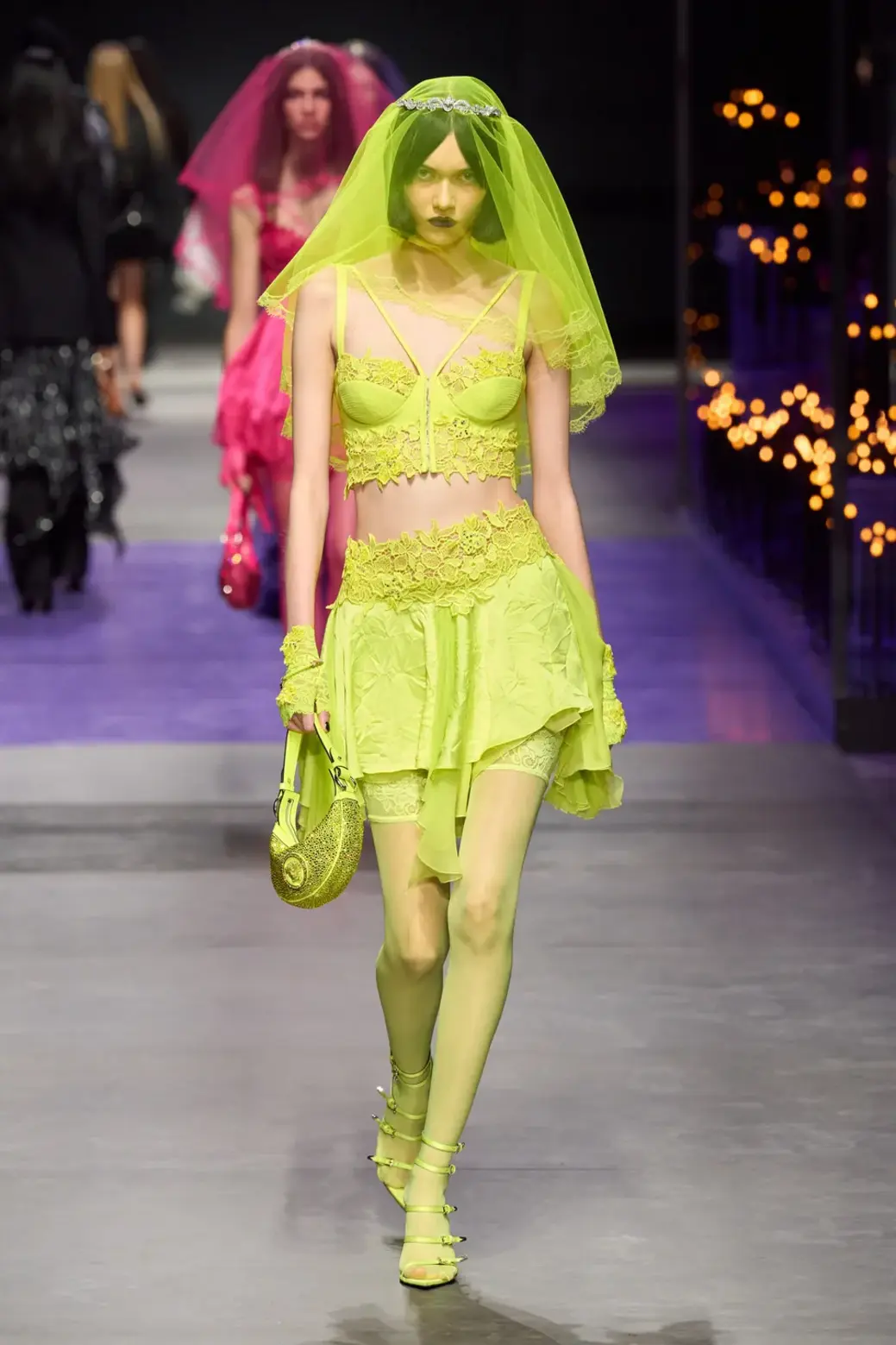
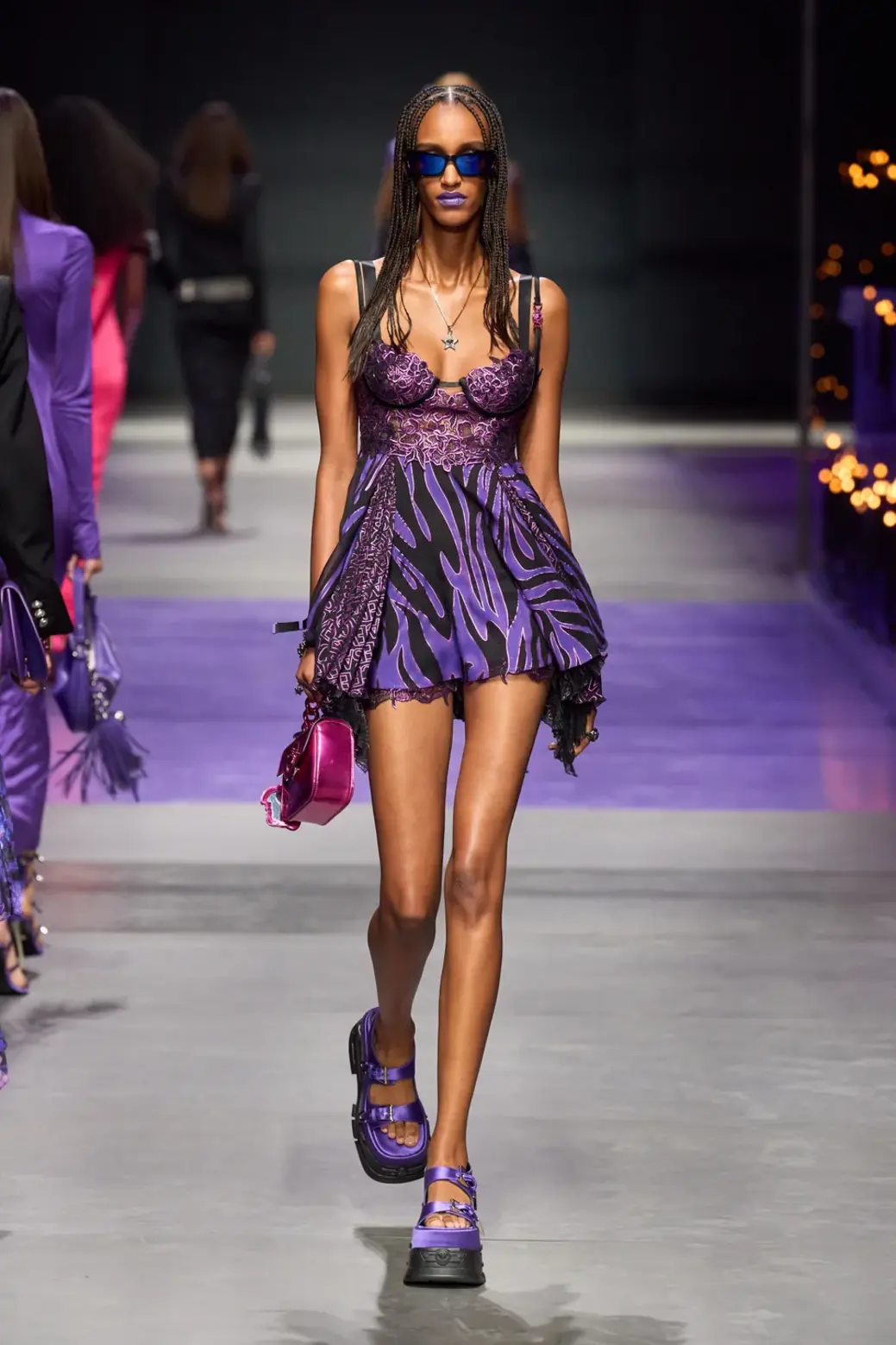
La Perla and SKIMS push lingerie as outerwear into daily life, turning intimate pieces into confident silhouettes meant to be seen, held close to the body yet worn with public ease.
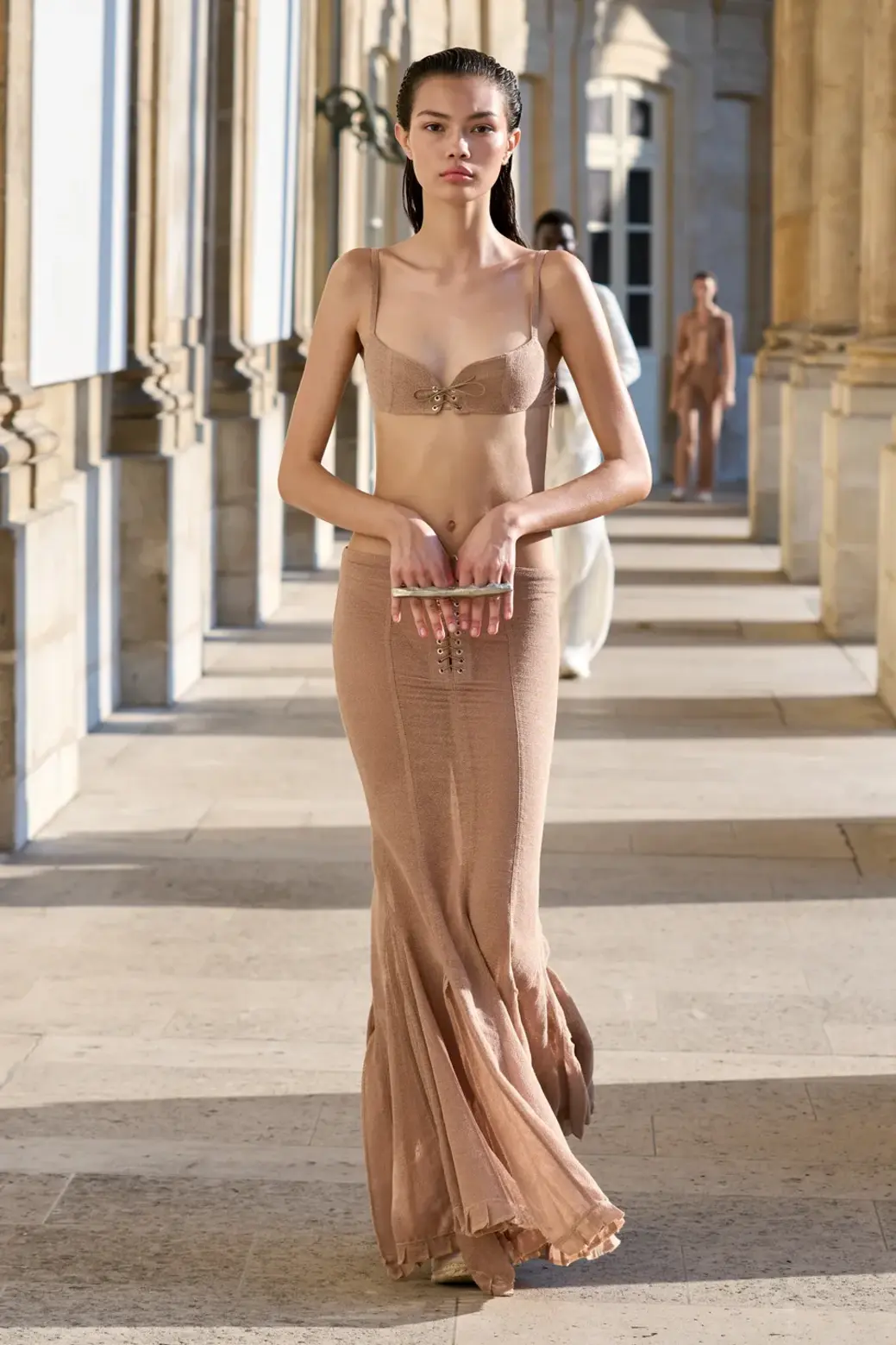
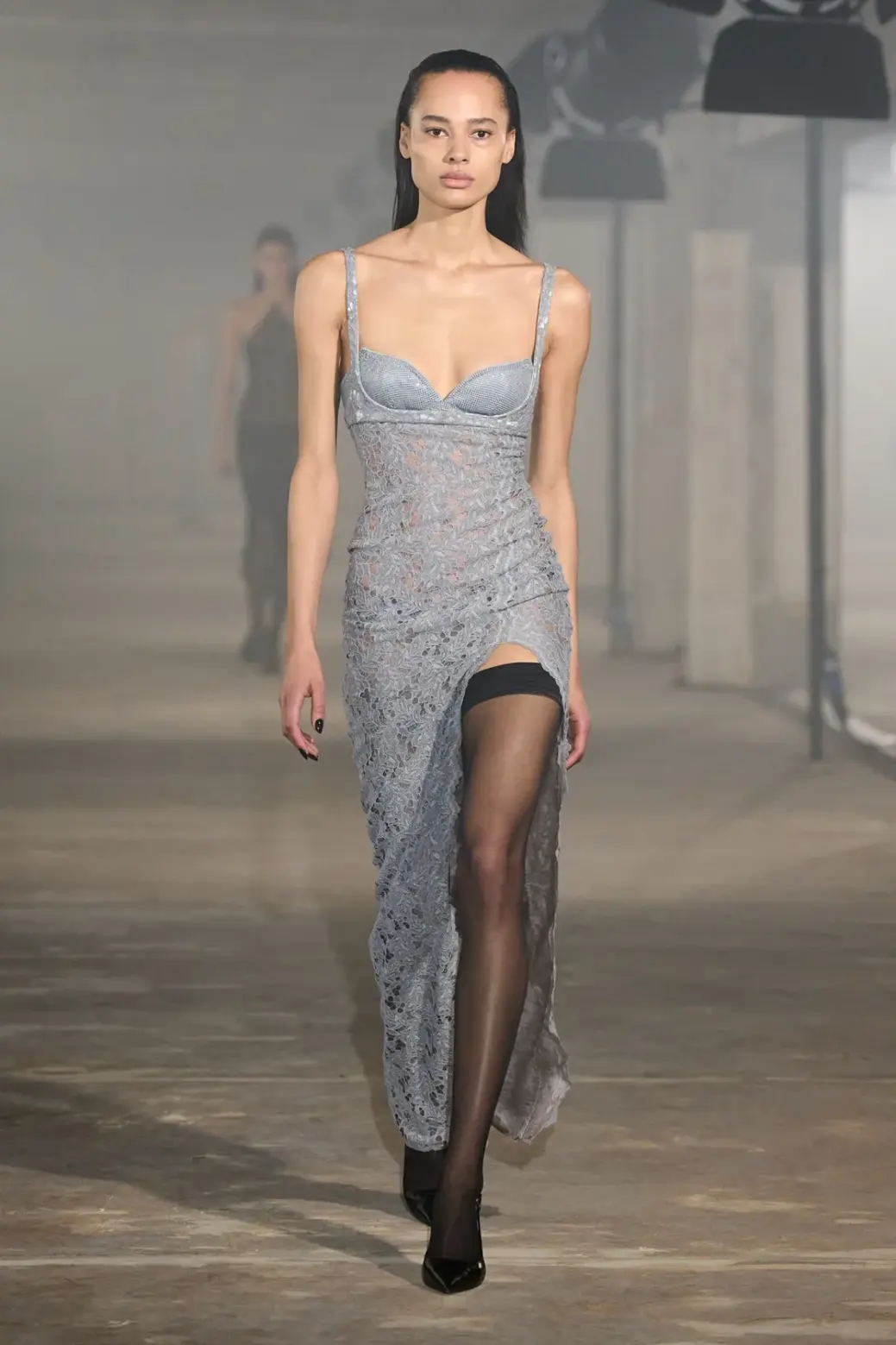
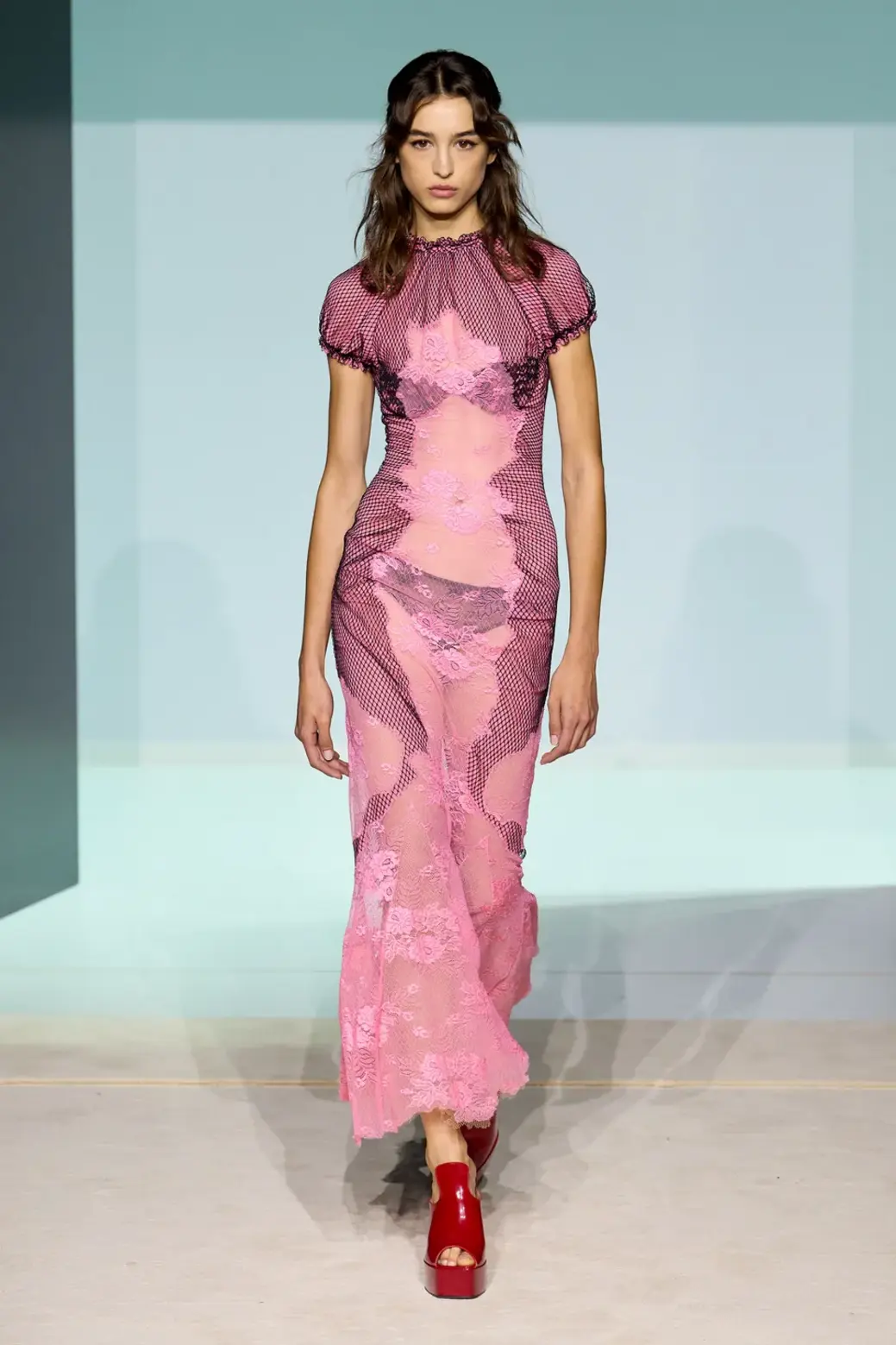
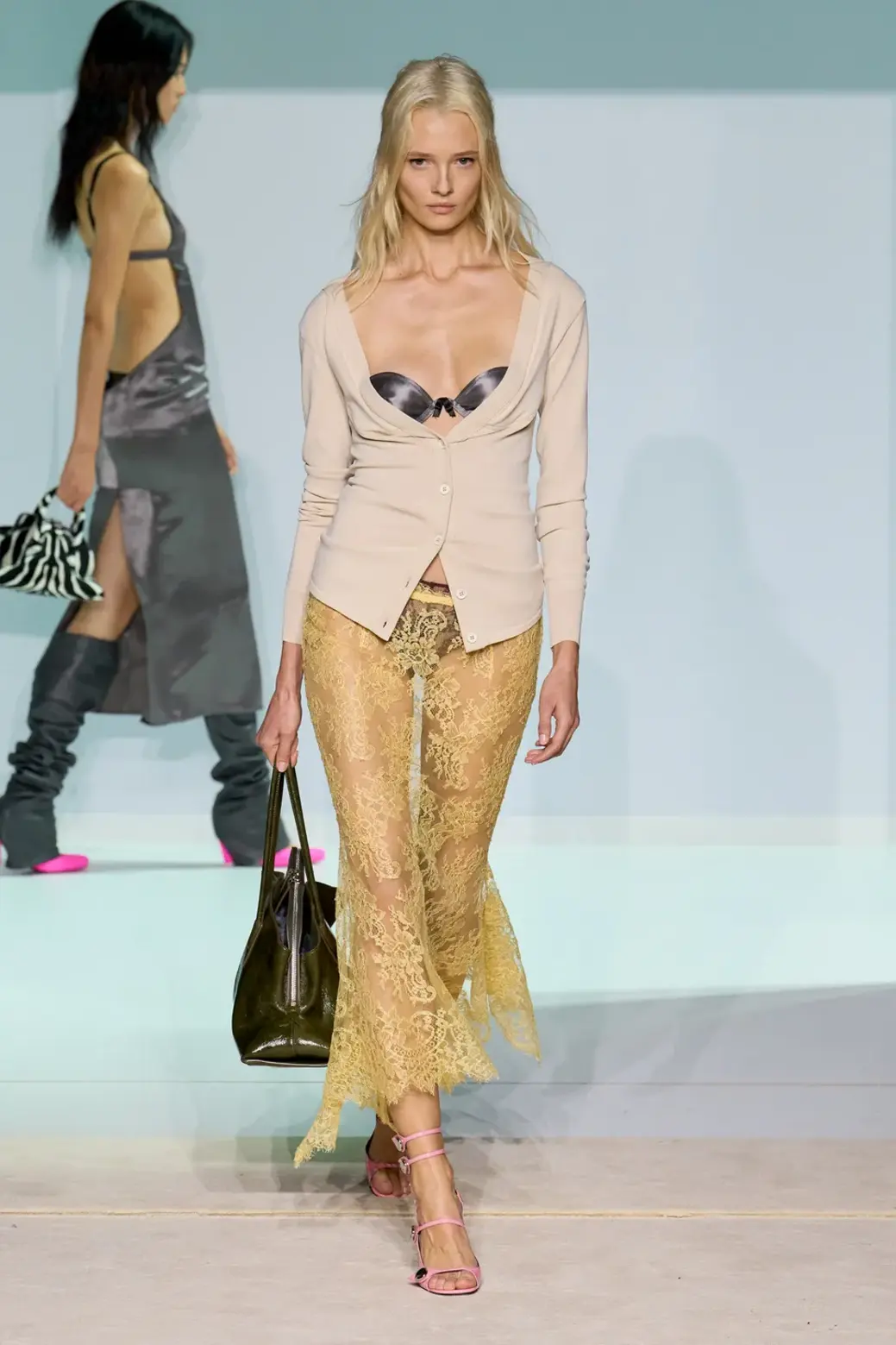
Ludovic de Saint Sernin, Jacquemus, The Attico, Versace, and Blumarine amplify the language of straps, sheer, satin, and lace, shifting lingerie from private romance to street and nightlife electricity. On the runway, Dolce and Gabbana, Alberta Ferretti give it a second fate through corsetry, boudoir references, and couture structure, proving the first layer can become the main story.
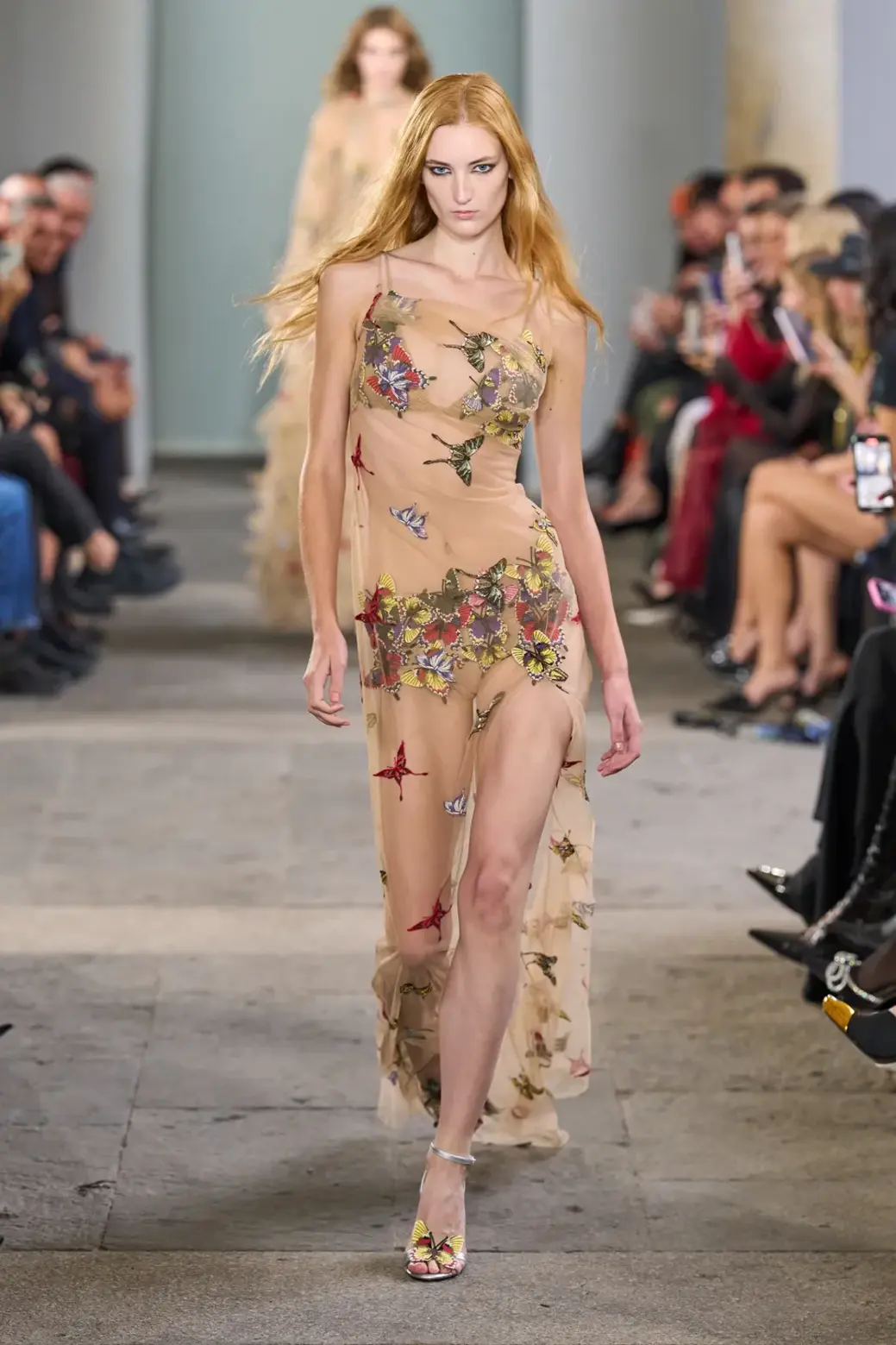

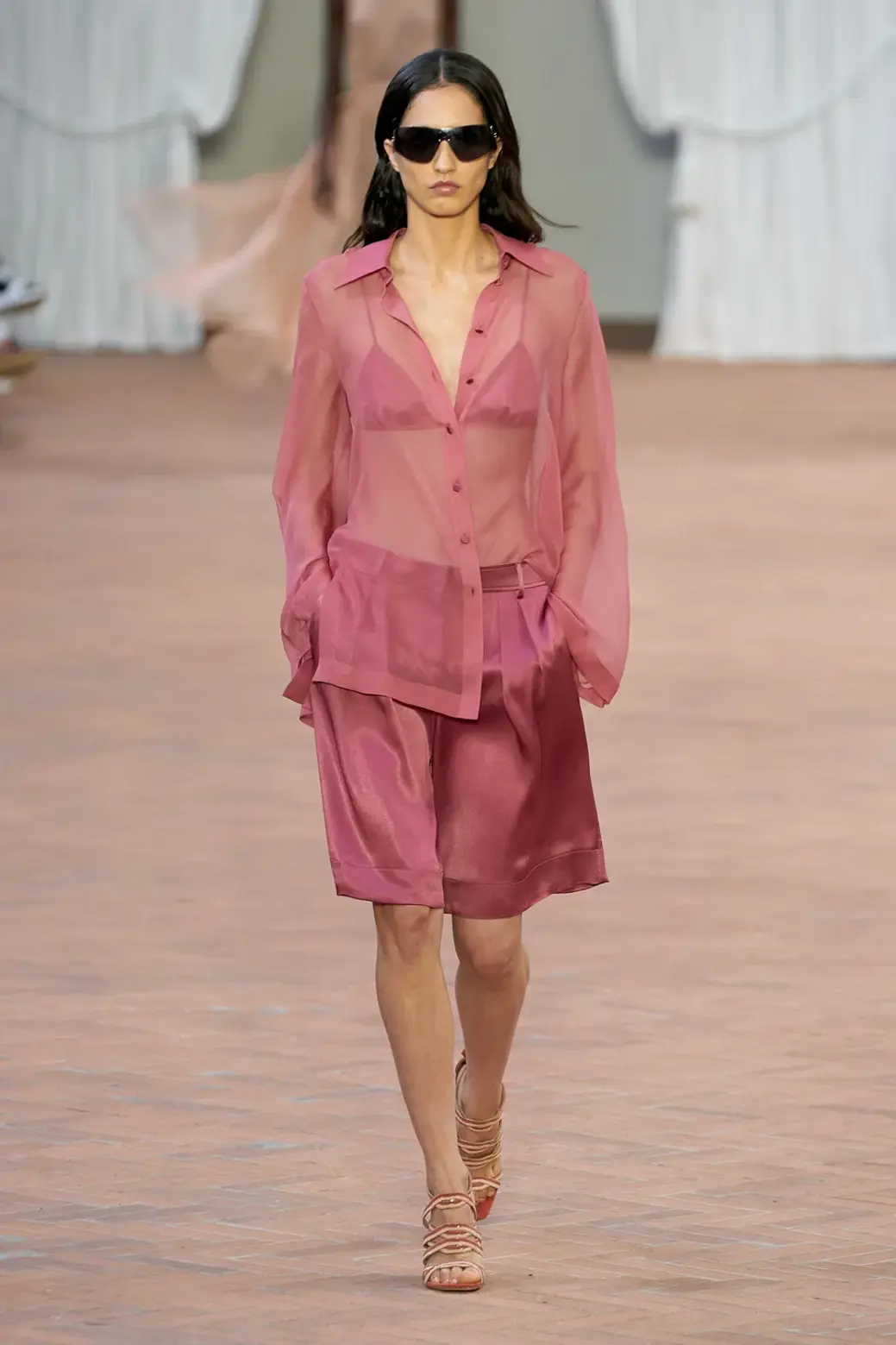
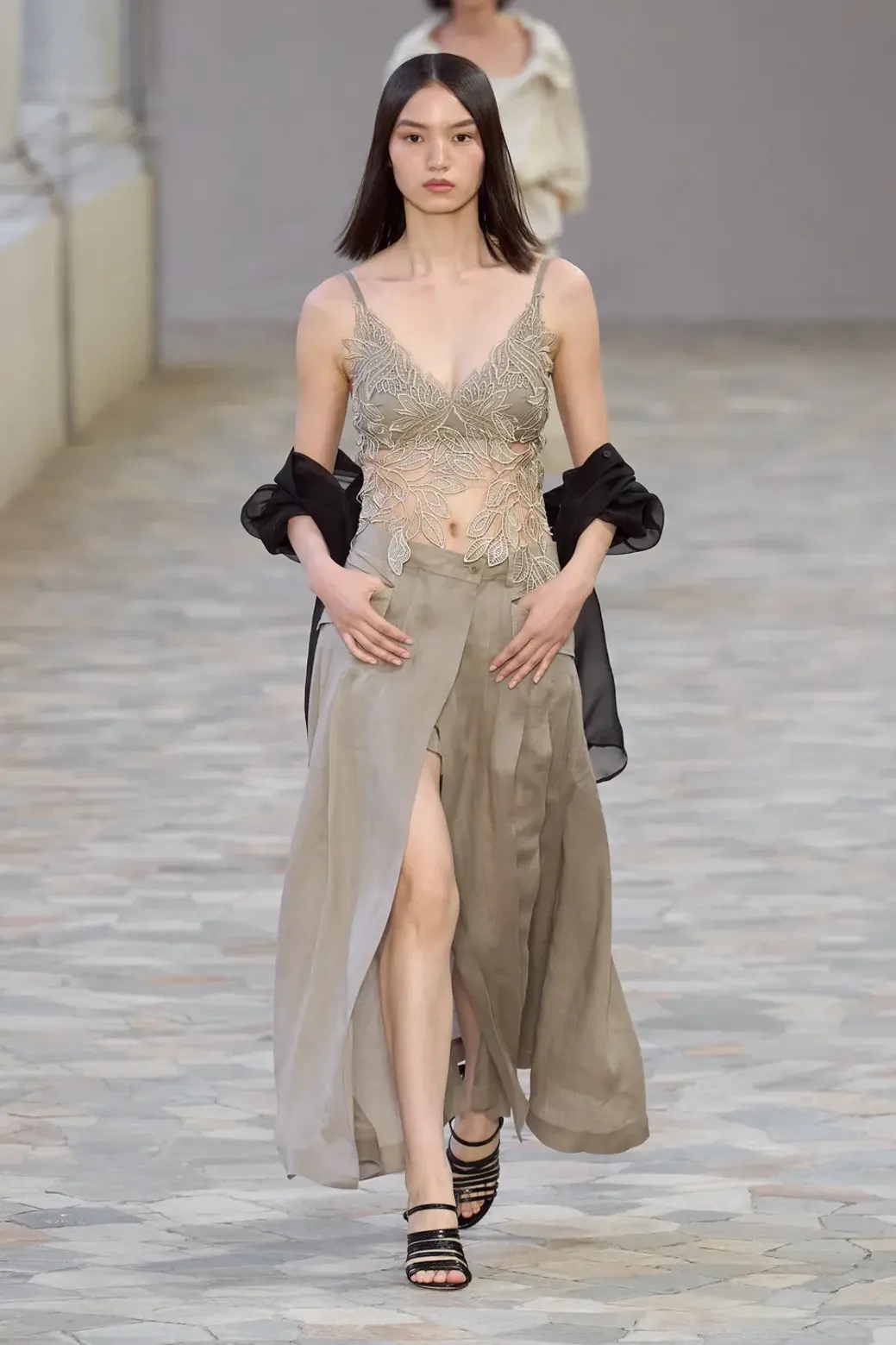
They treat lingerie as a love language between the body and the garment, stitched with nurturing care and deep consideration, yet kept pure in its intention. It carries a sweet naughtiness, an intimacy that feels personal, like a secret chosen to be seen. In this style, sexiness becomes a statement of self respect: a deliberate unveiling that says desire can live in daylight without ever losing ownership.
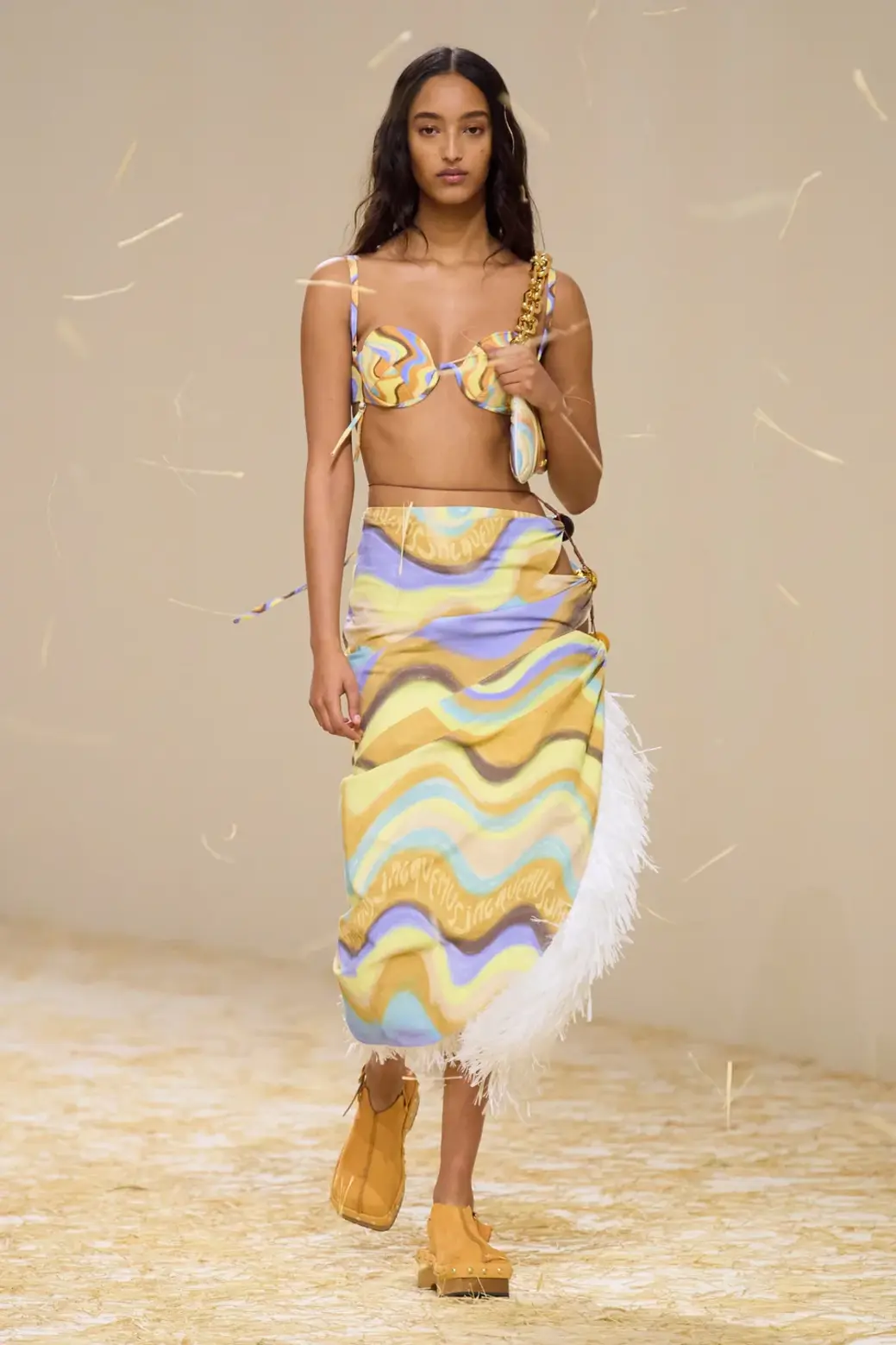
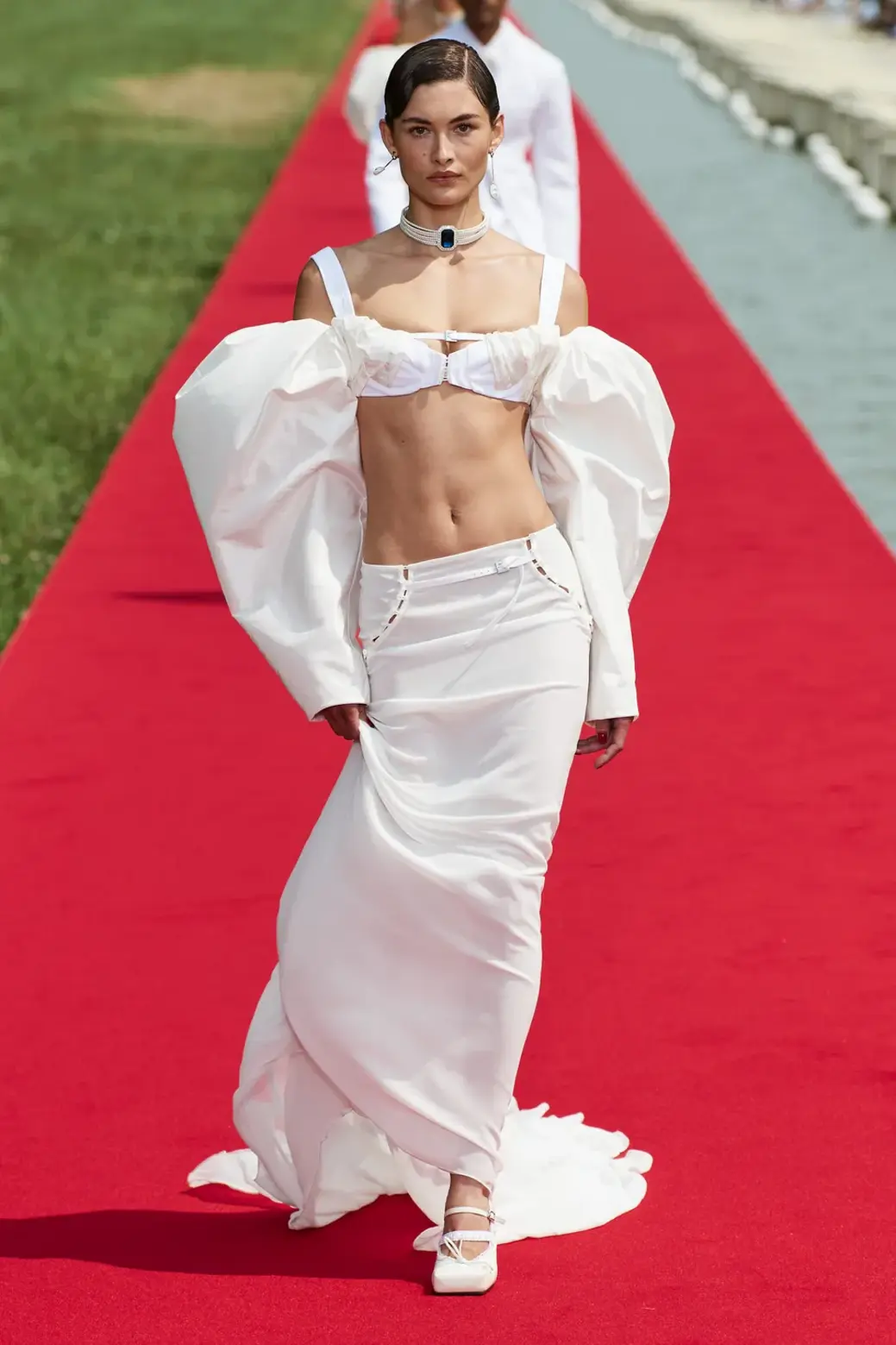
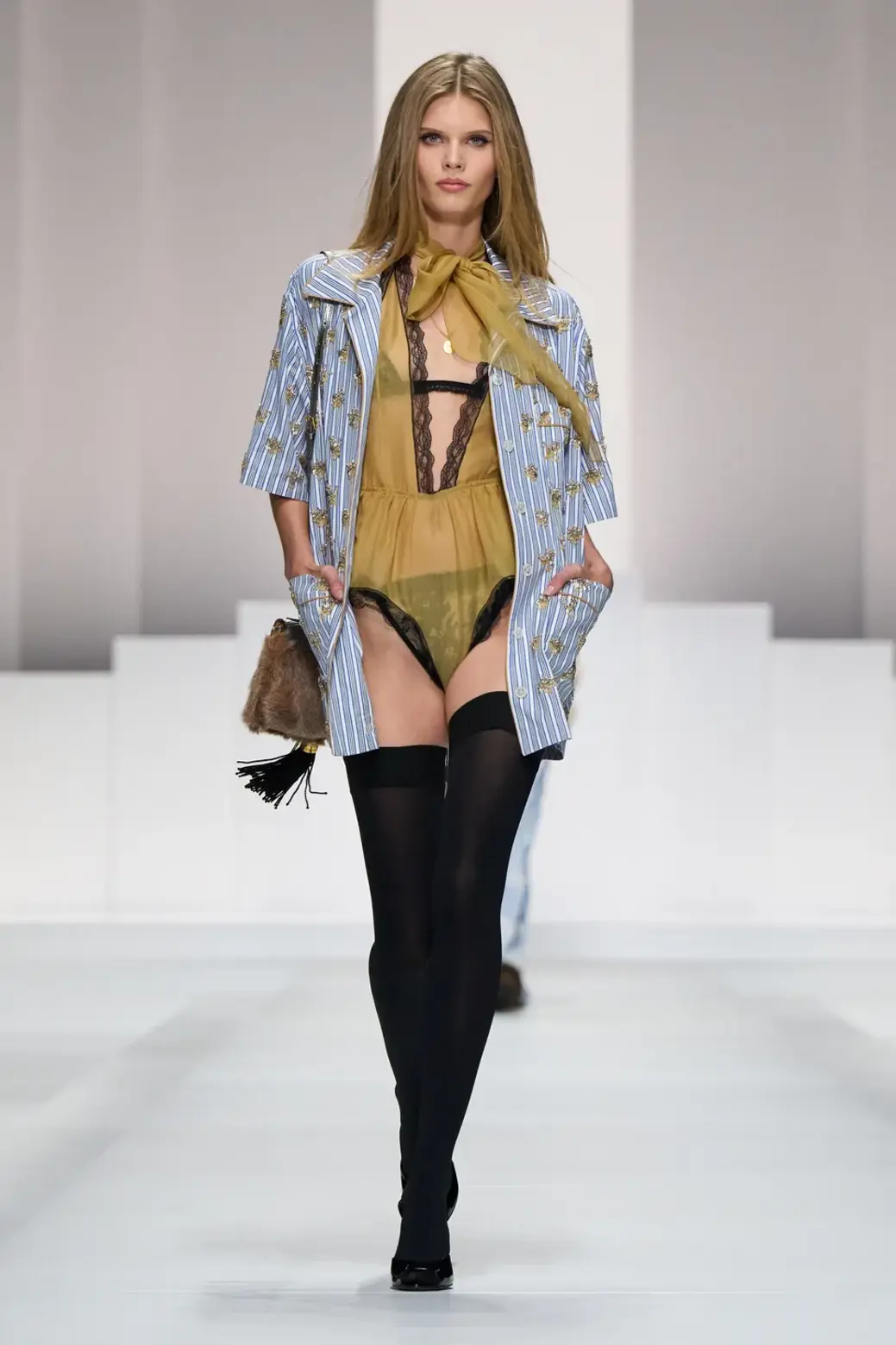
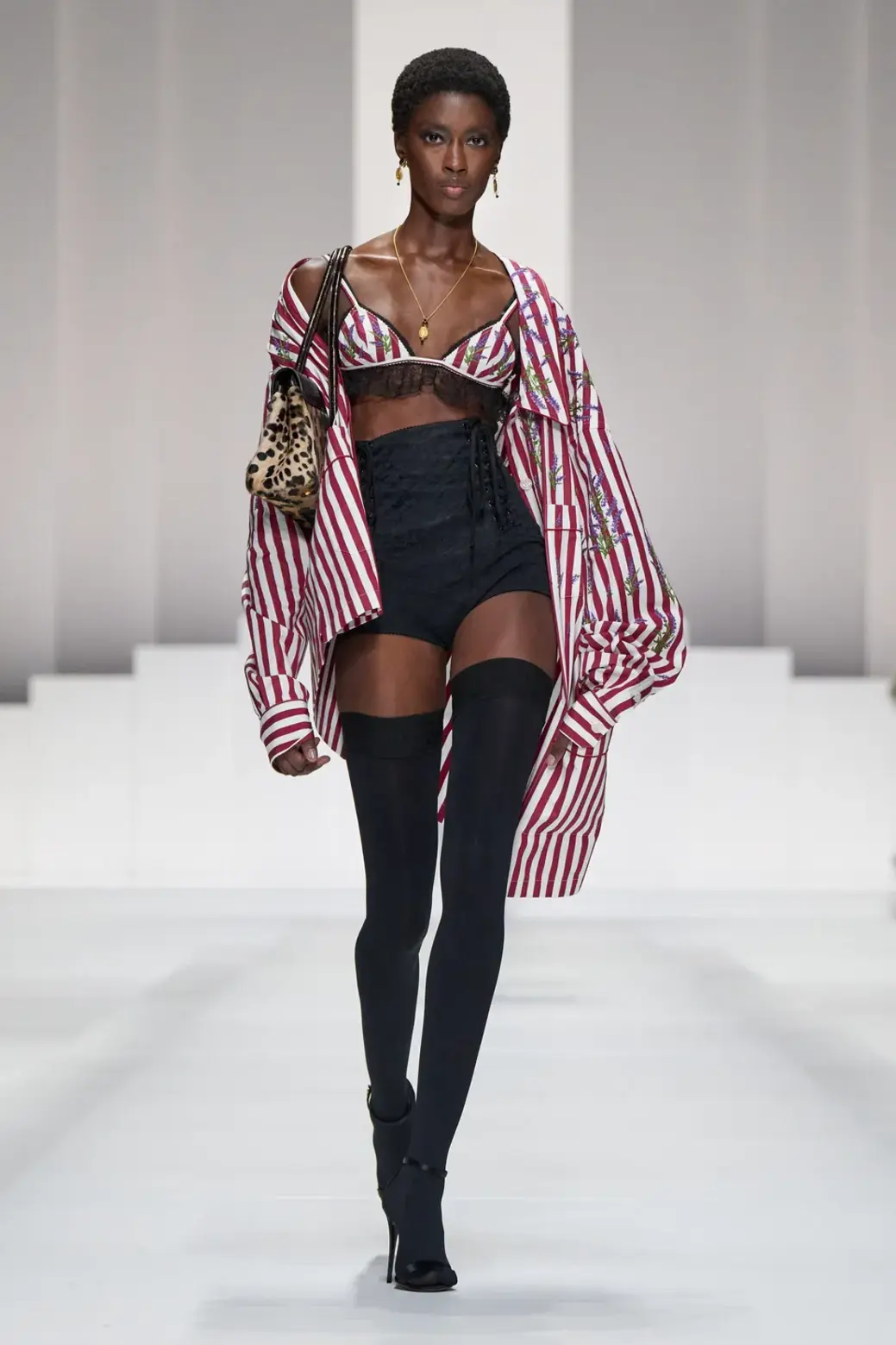
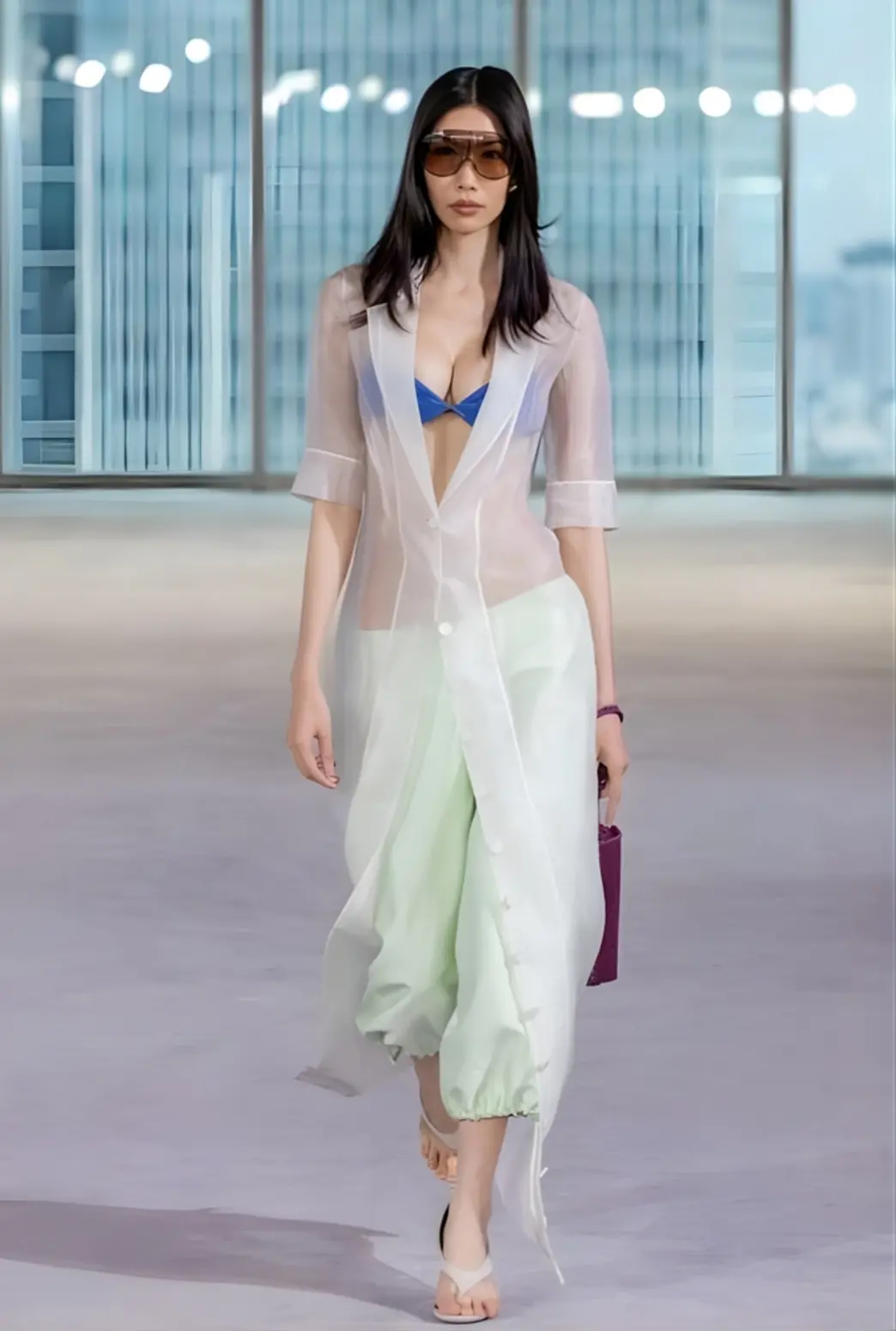
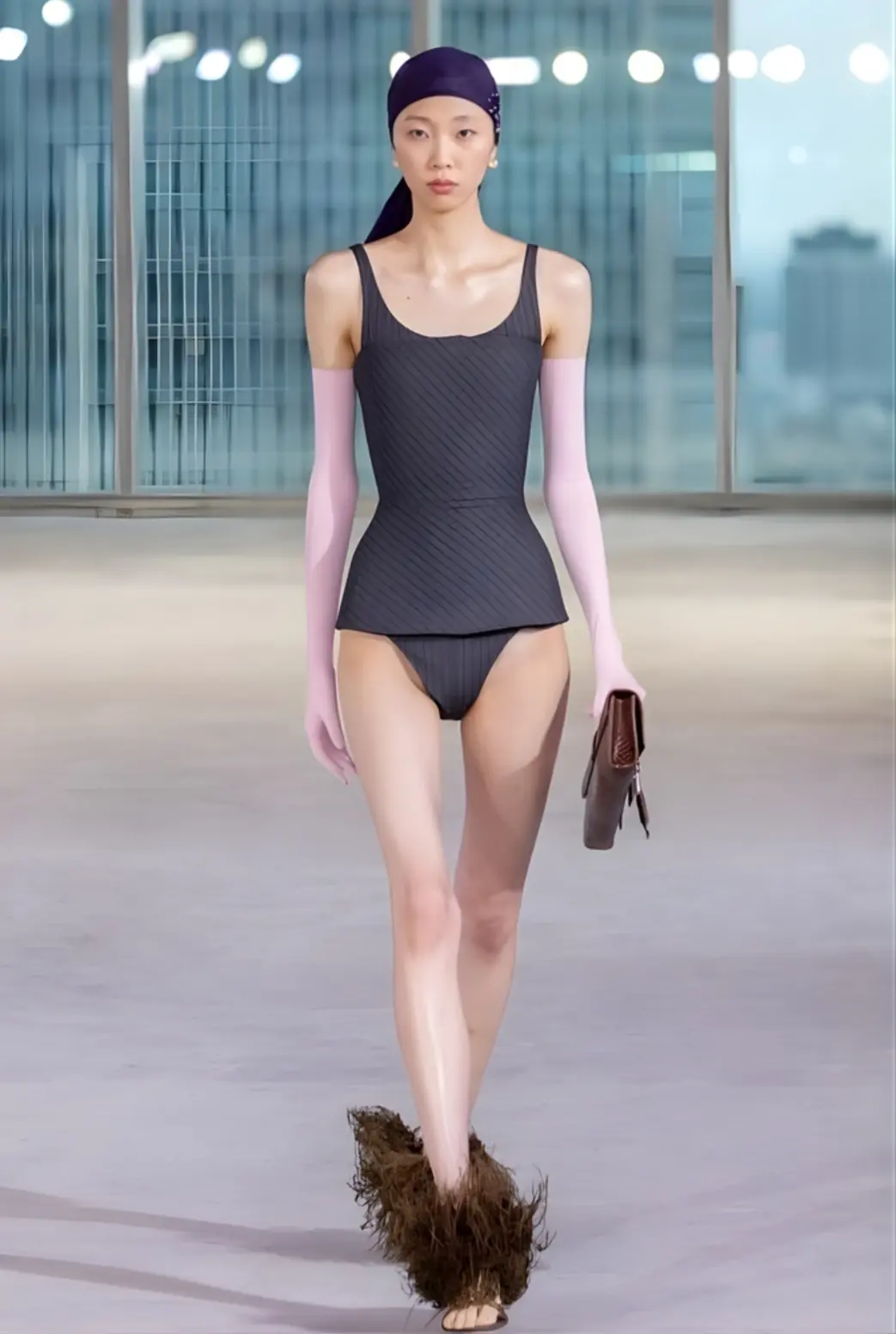
What shifts is the reason. Once, lingerie in public was treated like scandal, a spark thrown at propriety. Today it reads like philosophy: a deliberate decision to place the body’s most intimate design language where it can breathe, where it can be seen as craft, as architecture, as self possession.
At its core, this style is about authorship. Lingerie was designed as the first layer, the one that meets the body before the world does. When that layer becomes visible, the wearer collapses the distance between private self and public self. She refuses the split. She refuses to perform two different versions of herself, one hidden under fabric, one presented for approval. Lingerie as outerwear is the luxury of intimacy made visible, the luxury of care, the luxury of garments that treat the body as something worthy of artistry.
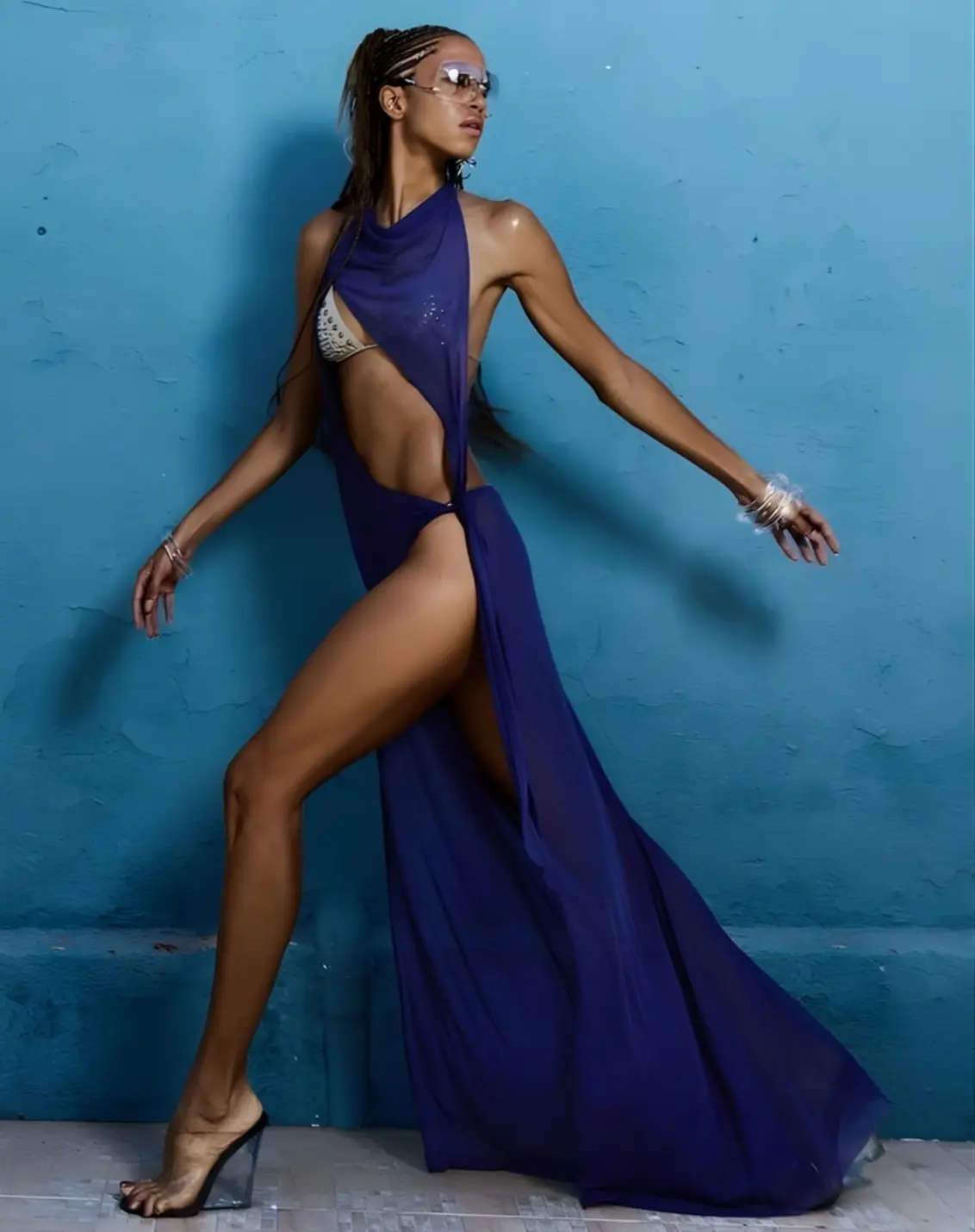
It offers a language for people who want to be seen without being owned by the gaze. It offers exposure without surrender. It offers sensuality without apology, beauty without bargaining. The lingerie is visible, yet the meaning remains hers. Philosophy stays the same: the first layer deserves to be honored, because it is the layer closest to the self.
In the end, lingerie as outerwear endures because it is about respect, not provocation. It is a way of dressing that says the body is not a problem to be solved, it is a presence to be celebrated.
Advertisement