MENU
Close





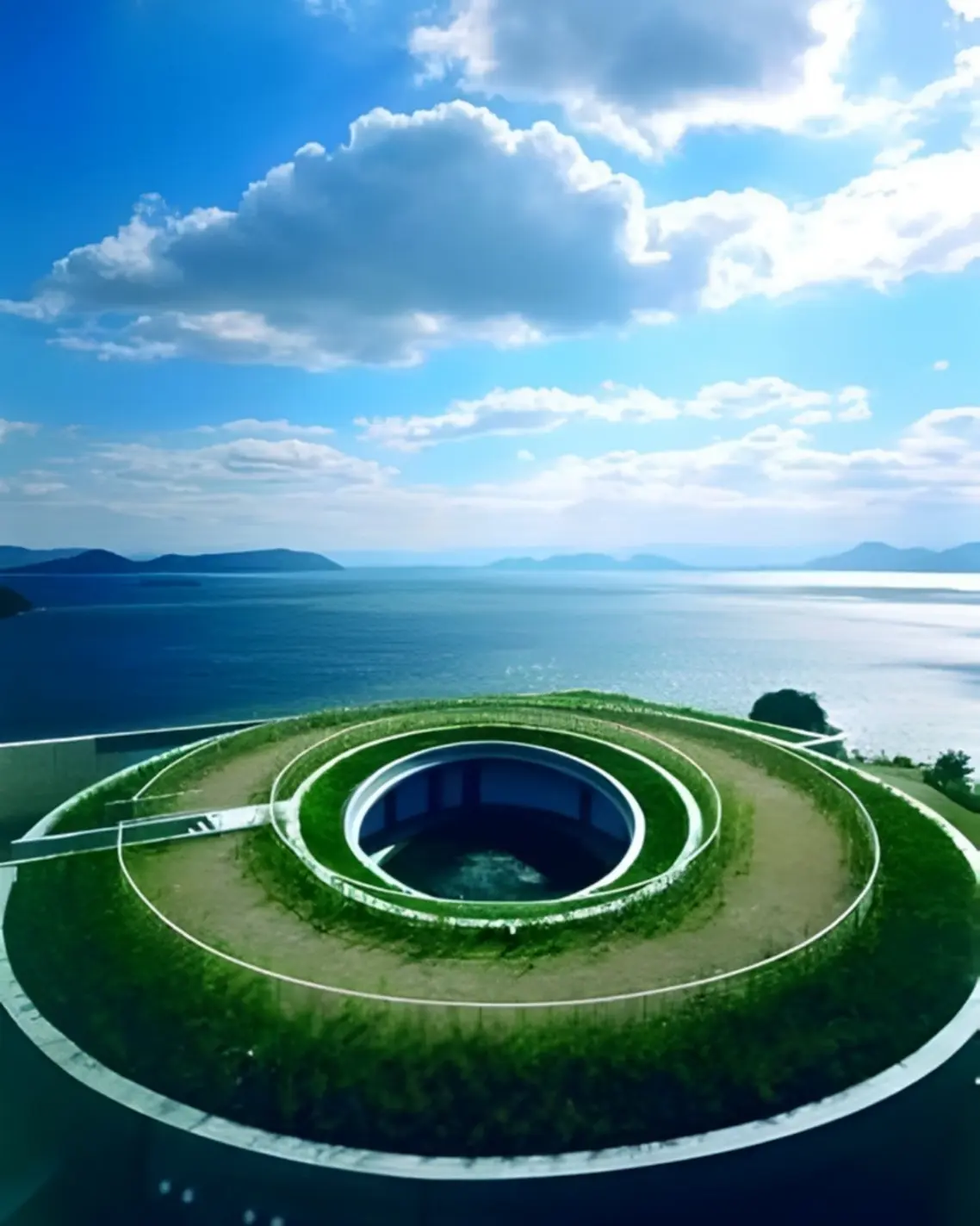
Naoshima Island’s “net worth” lives in a duet: Mitsubishi’s urban-mining backbone and Benesse’s art machine, turning tonnage and light into one island ecosystem.
Naoshima Island’s “net worth” lives in a duet: Mitsubishi’s urban-mining backbone and Benesse’s art machine, turning tonnage and light into one island ecosystem.
January 28, 2026


Naoshima wears its fame like a clean white shirt: salt air, slow ferries, and a pilgrimage trail of art that teaches people how to look again. Yet the art island’s real valuation lives in a tension it rarely advertises. Naoshima operates as a shared ecosystem rather than a single corporate owner, so “net worth” makes more sense as a duet between two pillars: Mitsubishi Materials’ industrial backbone and Benesse Holdings’ cultural machine, the one that turned an outpost into a global proper noun.
Think of it as an island with two clocks. In the north, time is measured in tonnage, throughput, and taxes. In the south, time is measured in light, reservation slots, and the slow burn of reputation. Together, these clocks keep Naoshima solvent in the broadest sense: economically, socially, and symbolically.
If you ever wanted a single image for Naoshima’s industrial “net worth,” picture a plant that treats cities as mines. Mitsubishi Materials’ Naoshima operations sit at the center of Japan’s “urban mining” logic, processing electronic scrap and recovering valuable metals from modern waste streams. Company reporting describes handling more than 100,000 tons of electronic scrap per year, and outside industry material has cited even higher capacity figures.
This industrial presence shapes the island’s daily economy more decisively than the souvenir shops ever could. A field report on Naoshima’s development notes the town’s heavy reliance on Mitsubishi for employment and tax revenue, including an on record claim that over 60 percent of the island’s population was employed by Mitsubishi Materials at one point, with municipal finances leaning on the company’s tax contributions.
That dependence matters for any serious “net worth” conversation, because it pays for the unglamorous infrastructure that makes an art destination function: roads, public services, schools, civic maintenance, the baseline stability that allows tourism to look effortless. Naoshima’s art story often reads as pure cultural alchemy, yet its fiscal plumbing runs through industry.
Benesse’s Naoshima model began as a long game: regional revitalization through contemporary art, architecture, and a philosophy of “well being” staged as place making. In Benesse’s Naoshima integrated reporting, the company frames Benesse’s Naoshima's Art Site an identity level project carried out with the Fukutake Foundation, with visitor volumes that reached roughly half a million annually in the mid to late 2010s and a documented 2014 to 2018 trajectory ranging from about 486,820 to 544,317 annual visitors to Naoshima Town.
That range tells you something crucial. Naoshima’s cultural “net worth” behaves like a high-end brand for luxury travel destinations: its value scales with attention, mood, and travel appetite. When the Seto Inland Sea becomes a canvas for global itineraries, Naoshima’s numbers rise with it. When travel patterns tighten, the island’s aura still holds, yet the revenue mix shifts.
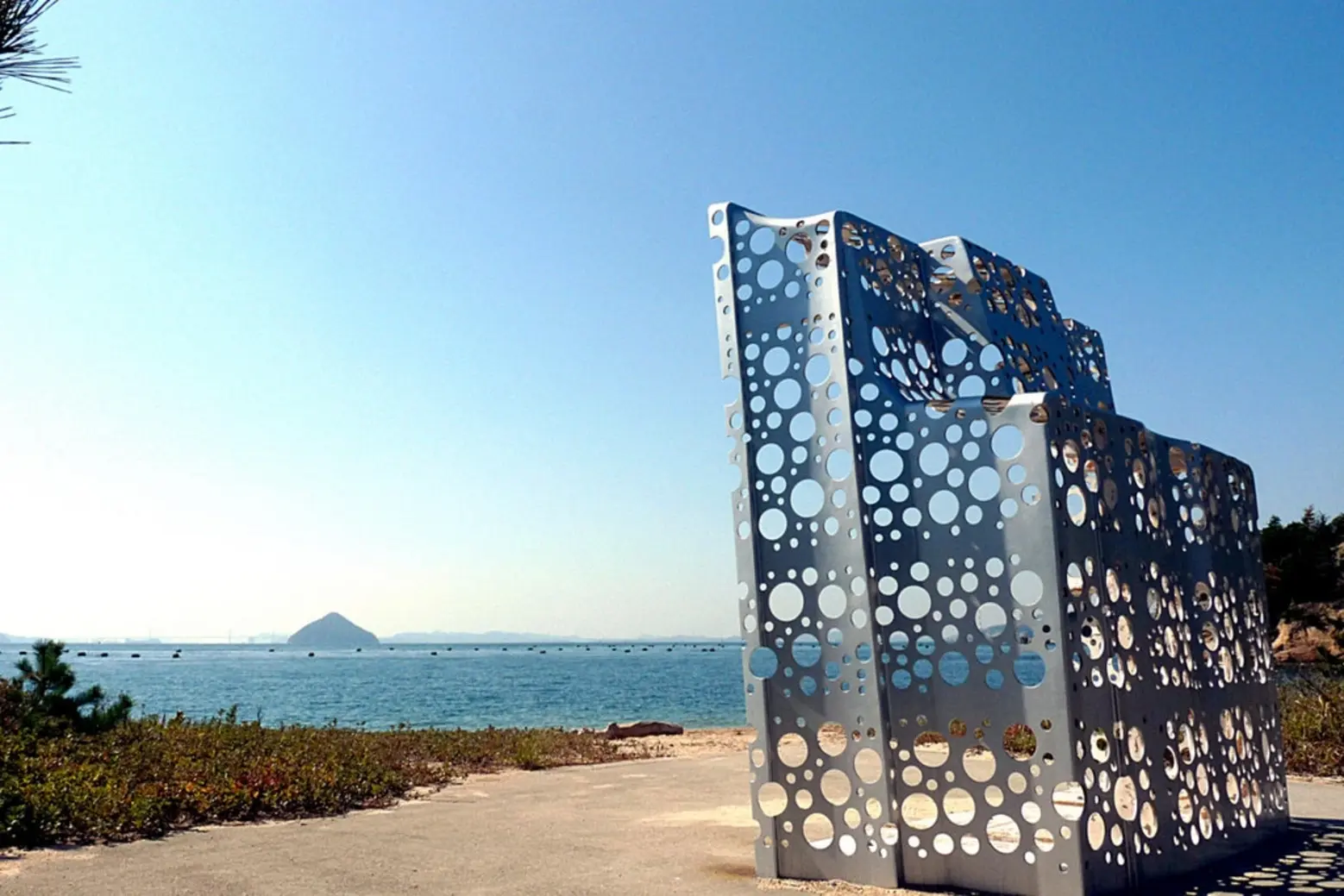
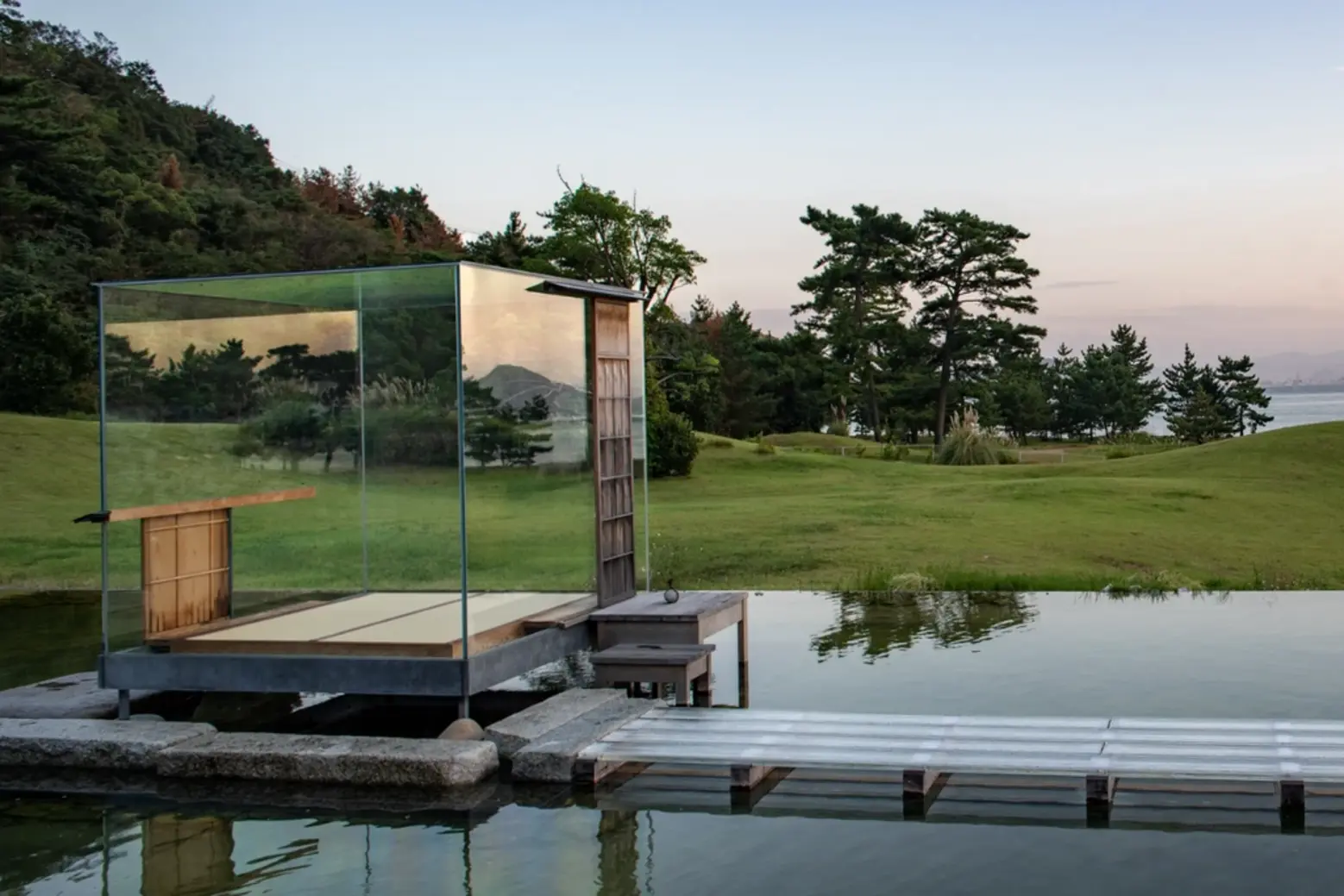
A useful way to describe Naoshima’s art tourism economy: it used to be an investment in meaning, and meaning eventually learned how to invoice. An Okayama University alumni report summarizes the transformation with a stark before and after: tourism rising from around 40,000 visitors to over 400,000 annually, generating more than 10 billion yen in local revenue.
That revenue does not land in one pocket. It diffuses across ferries, rentals, cafés, guides, and local businesses, while Benesse captures value through museum operations, ticketing systems, and especially hospitality. The art island’s “profit center” lives less in admission fees and more in the ability to price the experience as premium travel.
Naoshima’s ticket structure reads like a small lesson in how cultural capital converts into cash flow. Chichu Art Museum’s base price long sat at ¥2,100, and Benesse’s 2024 rollout of online ticketing introduced revised, variable pricing for weekdays versus weekends, alongside higher on site rates. In the same revision, the Art House Project multi site ticket moved from ¥1,050 to higher online and on site prices.
These details matter because they show confidence: demand management, crowd control, and yield optimization in a place once framed as cultural philanthropy. Naoshima still sells quiet, yet the pricing behaves like a destination that understands its own market.
Benesse’s financial materials make the shift plain in corporate language. In its FY2022 consolidated financial results briefing, the company explicitly references a “profit improvement effect of the Naoshima business,” placing it alongside other factors affecting operating income. The same briefing discusses an “increase in sales from the Naoshima business,” treating it as a meaningful contributor within the “Others” category.
Naoshima’s quiet pivot is this: it still carries heavy fixed costs, yet it now works as a revenue engine in a post 2020 era where luxury travel destinations win by offering narrative density. Visitors arrive for an art tour around Naoshima, then pay to stay inside the brand’s world.
Here is where “net worth” becomes slippery in a beautiful way. Naoshima’s art "archive" resist normal valuation because so much of the work is site specific: rooms, light wells, and architectural choreography rather than objects that travel cleanly to an auction house.
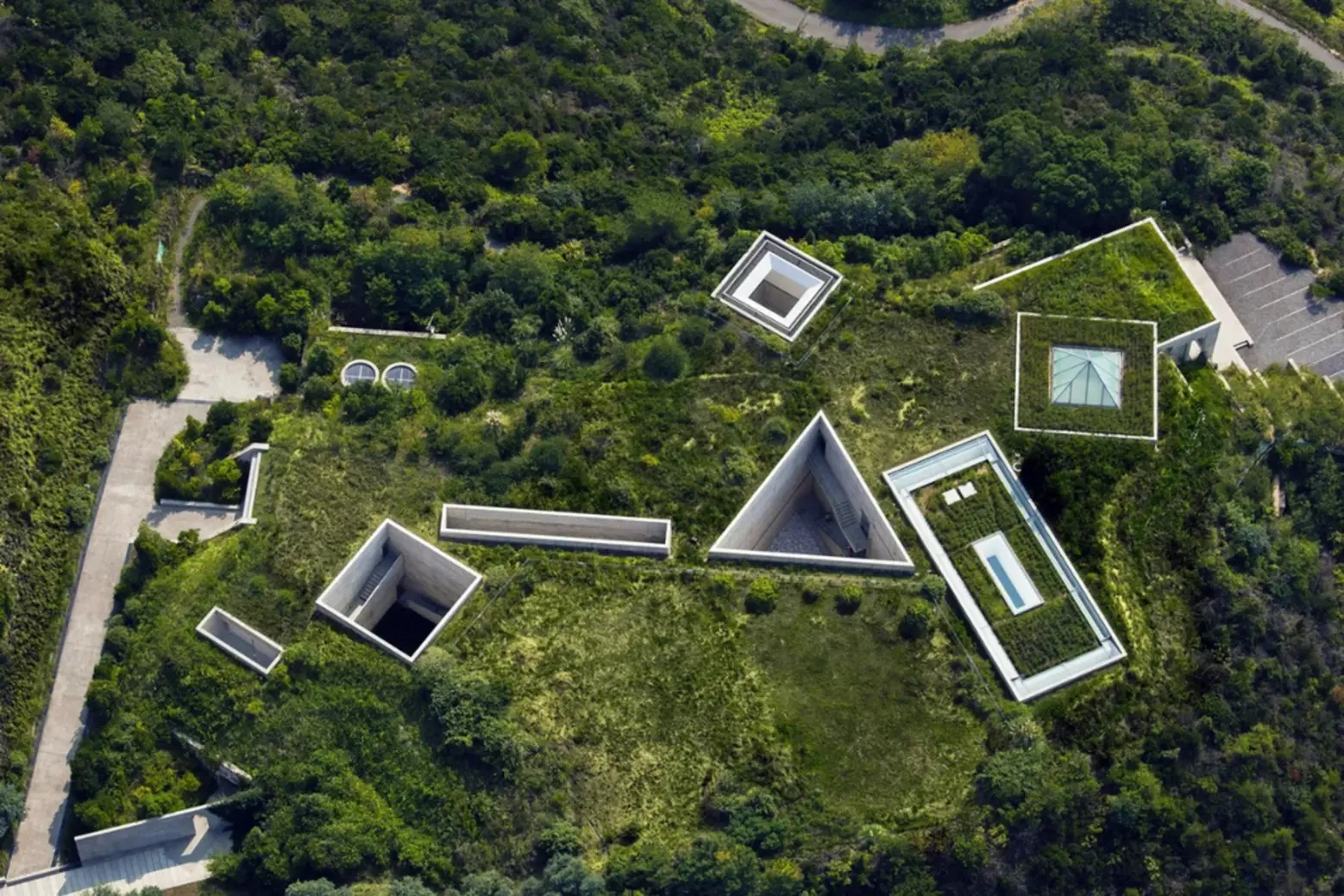
Chichu Art Museum itself is a statement about value. A field report explains the museum’s concept in simple language: “Chichu” means “in the ground,” and the museum was built into the earth, designed by Tadao Ando, with permanent installations including Claude Monet’s Water Lilies and James Turrell works.
In a private market, individual names here carry enormous implied value. In Naoshima, their worth is fused to place, making the art island the container that holds the asset.
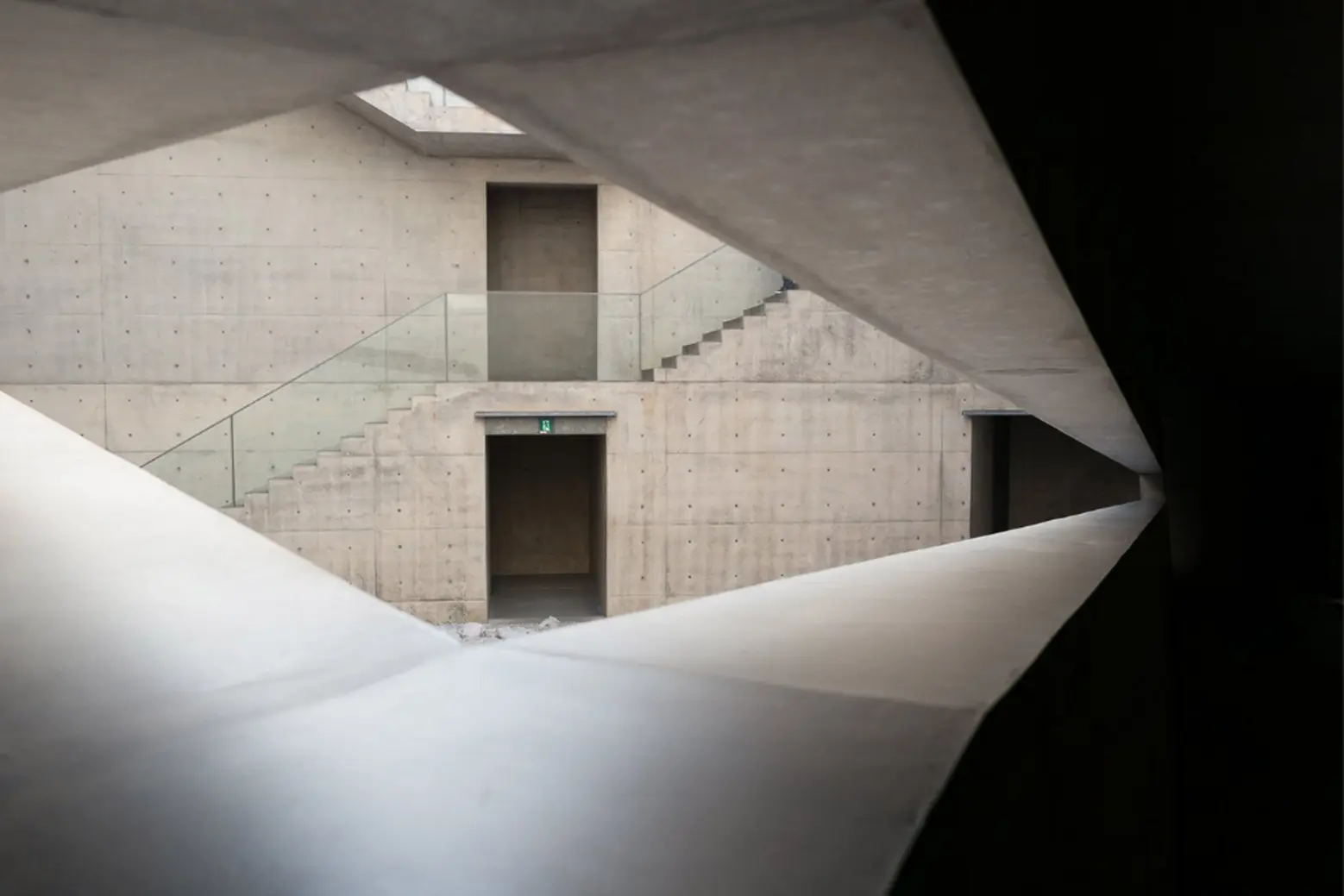
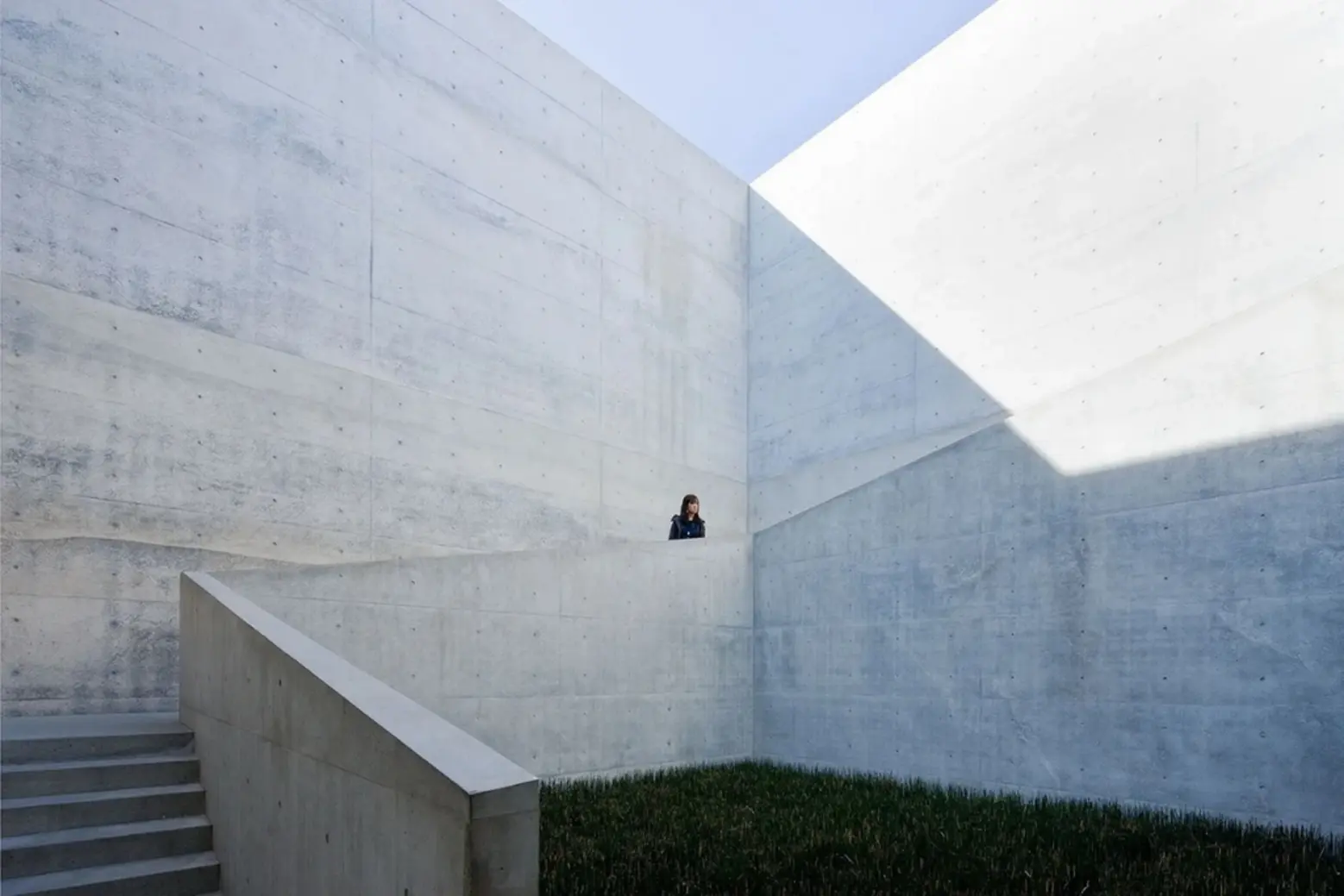
Naoshima’s newest chapter confirms a strategic direction: more capacity, more programming, and a broader regional audience. The Naoshima New Museum of Art opened on May 31, 2025, and reporting framed it as a deliberate bet on contemporary art from across Asia, with Tadao Ando’s architecture extending his long relationship with the art island.
Architectural Record describes the museum as part of a broader building campaign and notes it as Ando’s tenth project on the island, a culmination that reads like brand consolidation through concrete and light.
This is Naoshima acknowledging where the next wave of high intent cultural tourism grows: across Asia’s expanding luxury travel market, where “art island” functions as both destination and status marker.
Direct profitability depends on which ledger you read. Mitsubishi’s industrial operations deliver the classic anchors: jobs, tax base, and heavy infrastructure economics.
Benesse’s cultural operations deliver something more modern: brand value that turns geography into a premium product, with measurable operating income effects now recognized in corporate reporting.
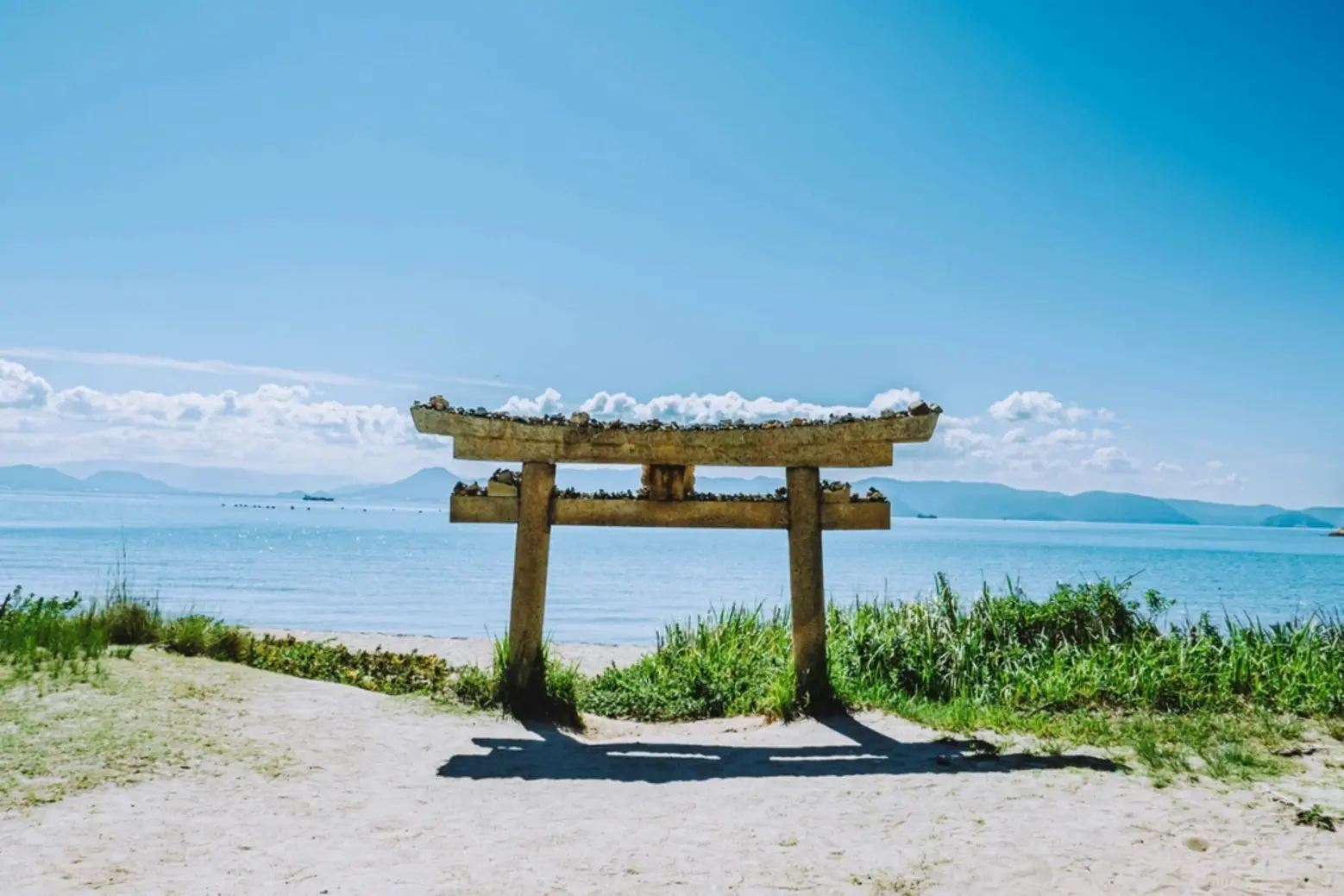
Naoshima’s deeper success sits in “creative enhancement” as risk management. The art island built a second identity that can carry it through shifts in heavy industry cycles, while keeping the industrial engine that funds stability. In other words, Naoshima’s net worth lives in diversification: copper that pays for the present, and culture that prices the future.
Naoshima’s final number will always stay out of reach, because the island refuses to be one thing you can total up. Its wealth is a choreography: scrap metal turned back into value, and silence turned into a booked-out reservation slot. What looks like contradiction is actually design. Mitsubishi keeps the lights on in the plain, foundational way — jobs, taxes, infrastructure, the unromantic math of continuity, while Benesse sells a rarer product: attention, taste, and the right to move slowly in a place the world has agreed to call meaningful.