MENU
Close





Beauty is back, with color and craft. Interior design in 2026 shifts from showroom polish to spaces that feel collected, comforting, and built to last. Think immersive color that wraps a room, wood that brings depth and permanence, sculptural surfaces that invite touch, and a new kind of lived-in luxury where patina, provenance, and daily life read as the ultimate status symbols.
Beauty is back, with color and craft. Interior design in 2026 shifts from showroom polish to spaces that feel collected, comforting, and built to last. Think immersive color that wraps a room, wood that brings depth and permanence, sculptural surfaces that invite touch, and a new kind of lived-in luxury where patina, provenance, and daily life read as the ultimate status symbols.
December 23, 2025


As work from home surged, the house stopped serving as a backdrop and started acting like a launchpad, where dreams get drafted, passions get practiced, and projects take their first breath at the kitchen table. Home now plays every role in daily life, from workroom to workout space, from dining table to reading corner to late night lounge, so interiors have to shift pace as smoothly as their owners do. Design follows that reality by prioritizing atmosphere, using mood led color, sound softening layers, and a kind of softness that lets each hour settle into its own setting.
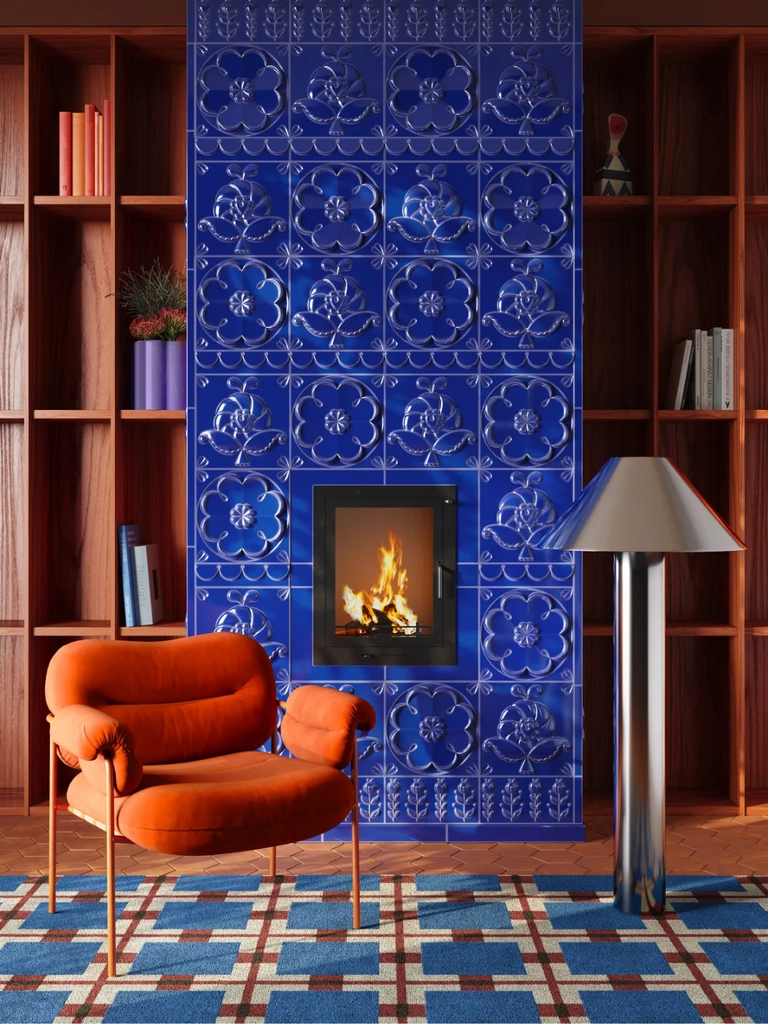
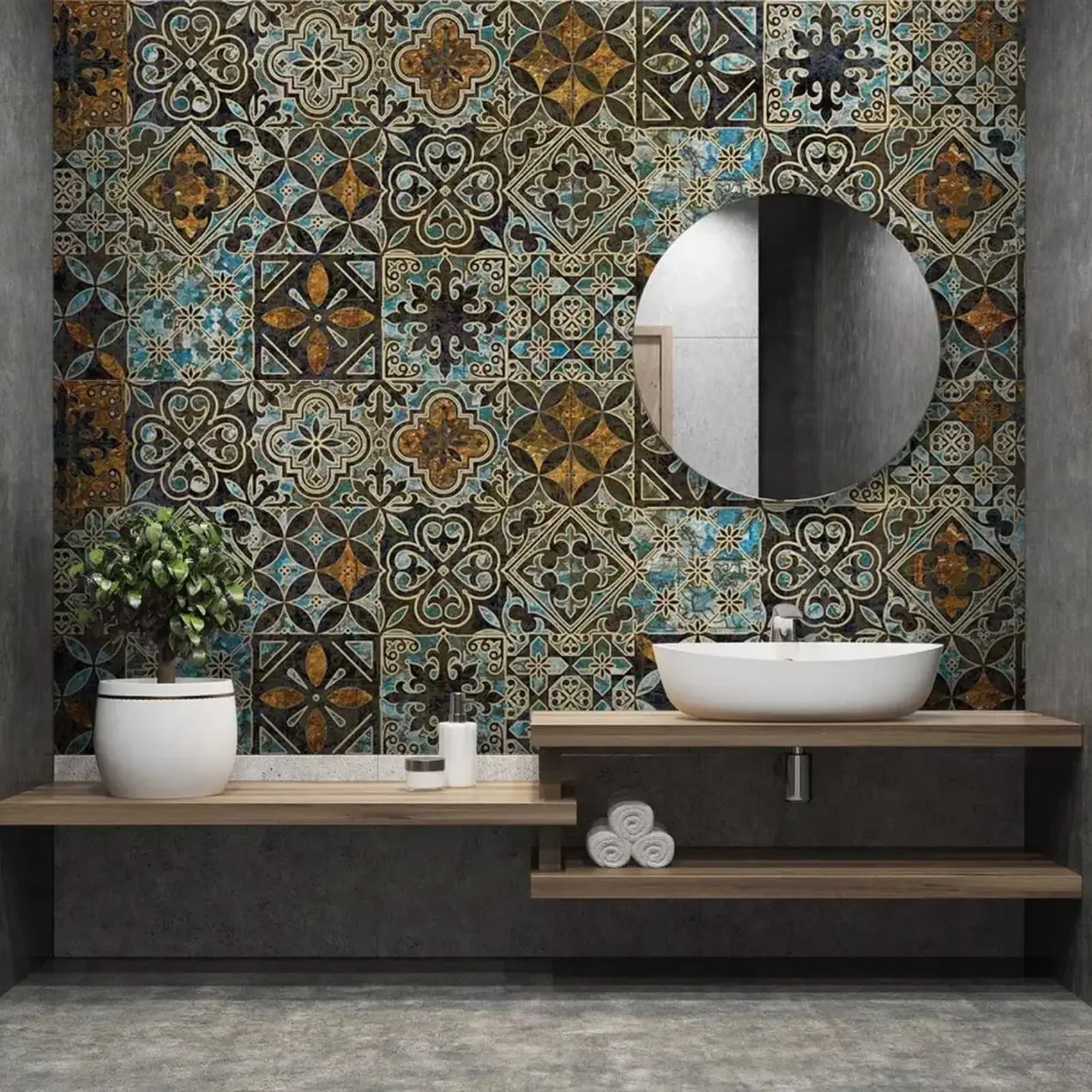
At the same time, a craft renaissance reframes luxury as something you can see and sense, with sculptural plaster, artisanal tile, carved details, and rich textile layering that signal time, handwork, and provenance. Sustainability moves from labels into behavior, favoring longevity and circular choices such as vintage, reclaimed and repaired pieces, which naturally elevates refinishable wood and materials that wear beautifully.
Social media adds its own pressure as copy paste perfection loses status and individuality gains it, pushing collected rooms that mix eras, commit to color, and choose art for meaning rather than matching. Together, these forces converge into sensory first wellness design, where a room’s success rests on how it feels, with tactile surfaces, biophilic wood tones, and deep restorative color that make the home read as a place to recover, create, and live.
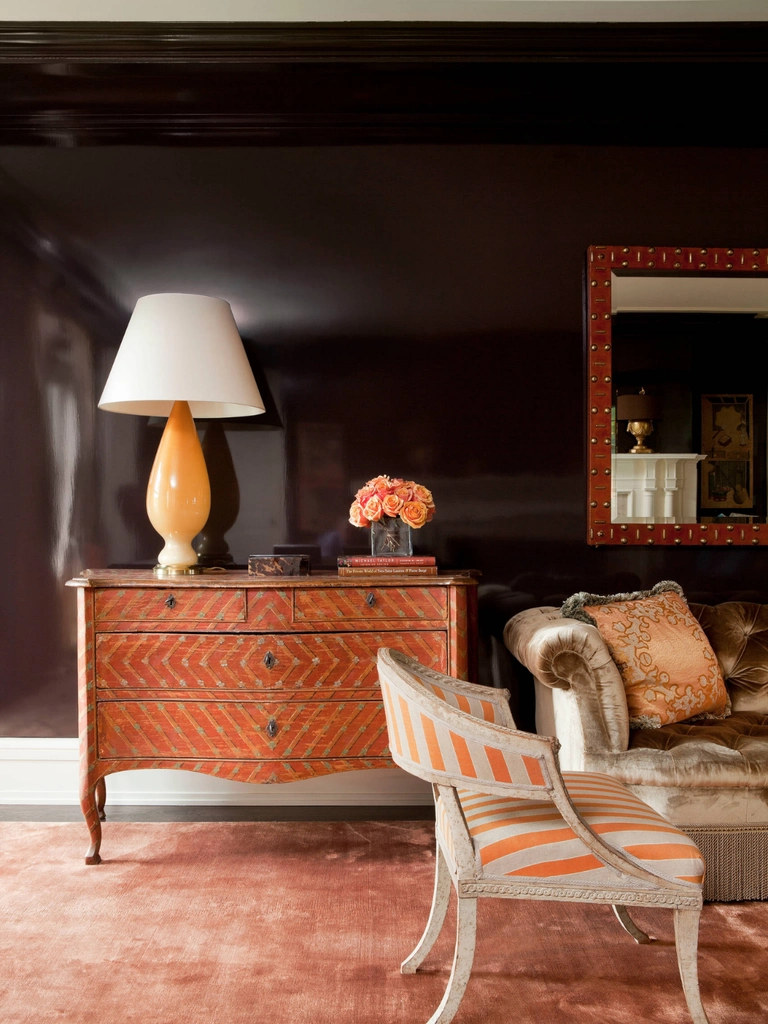
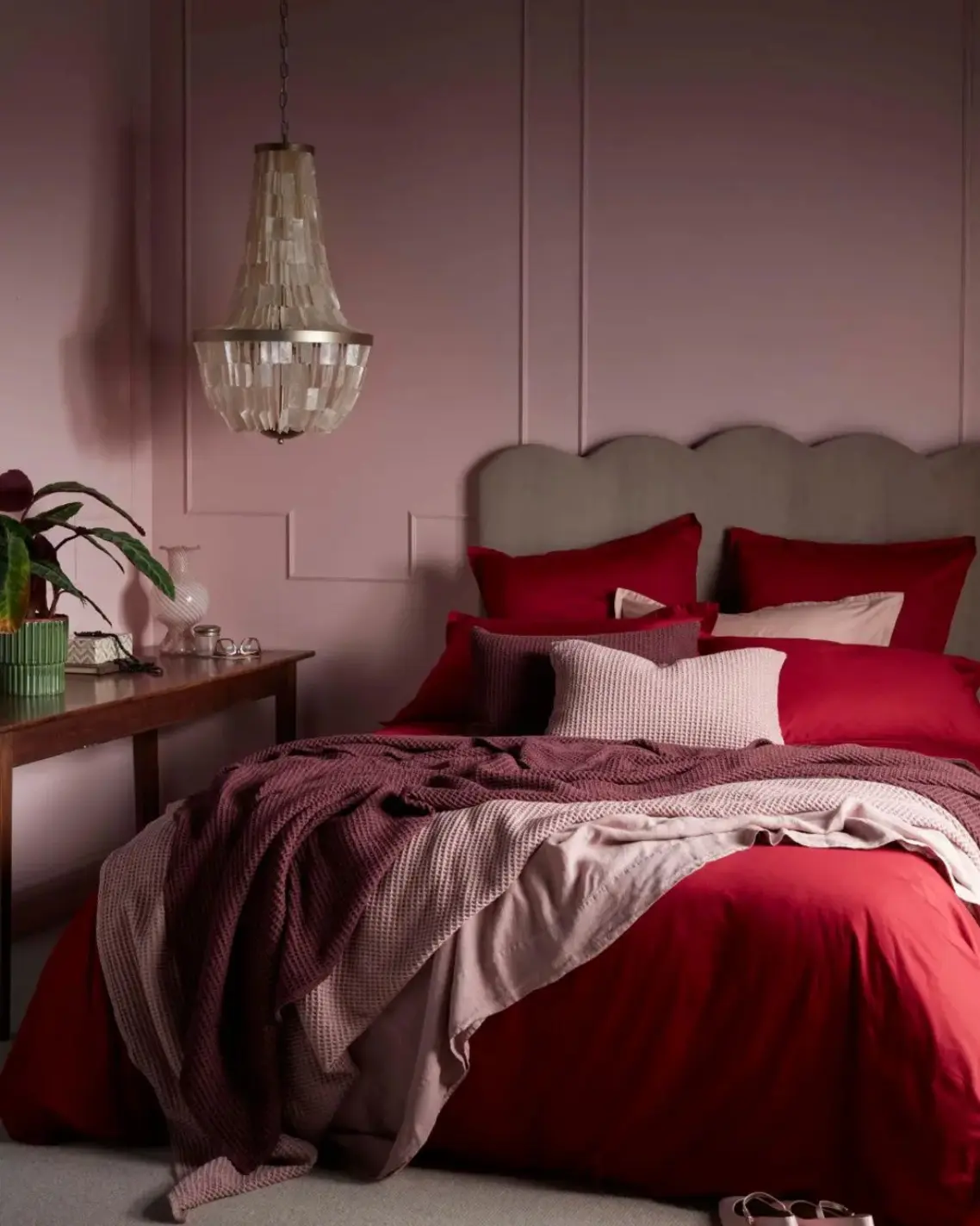
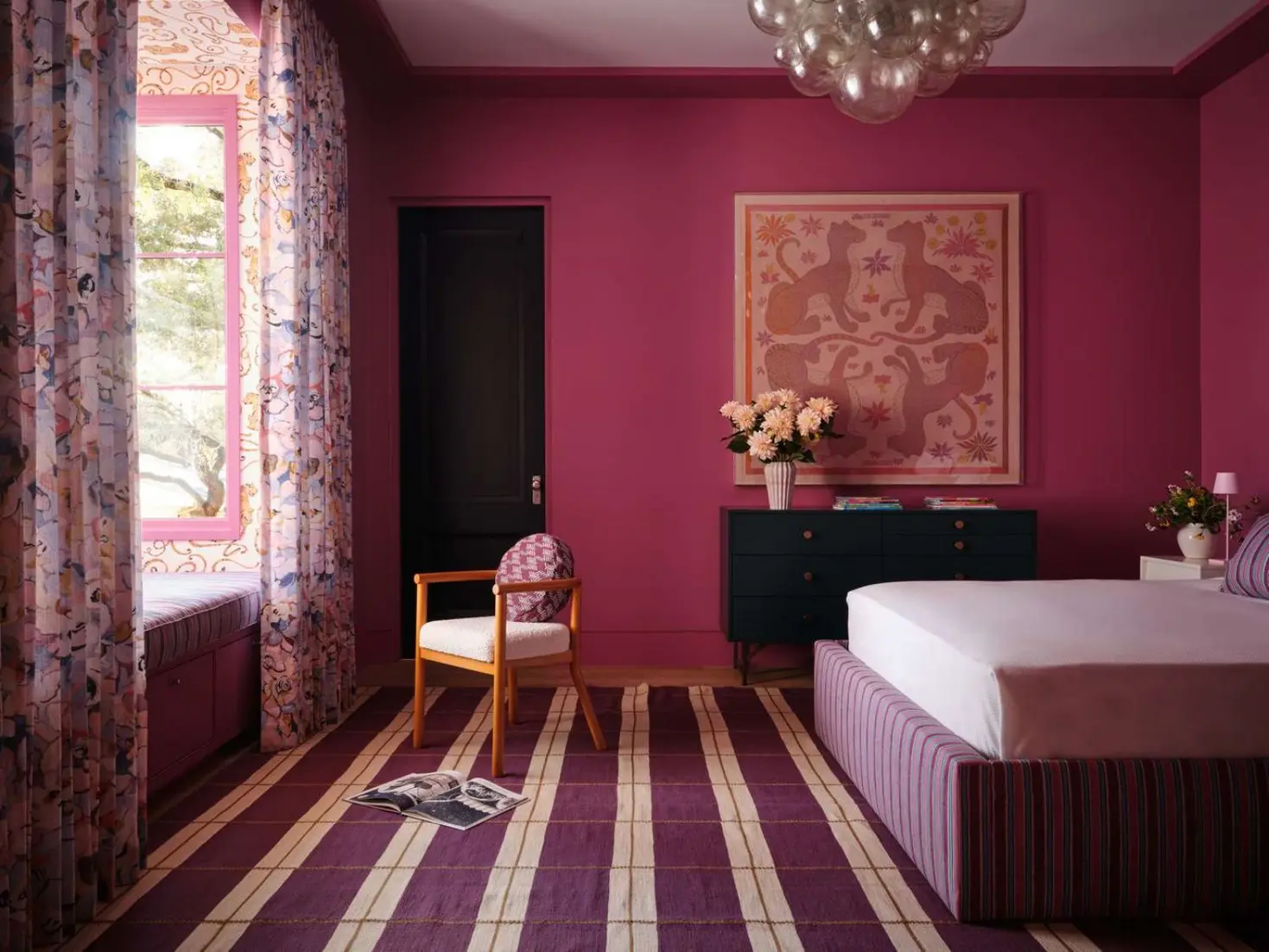
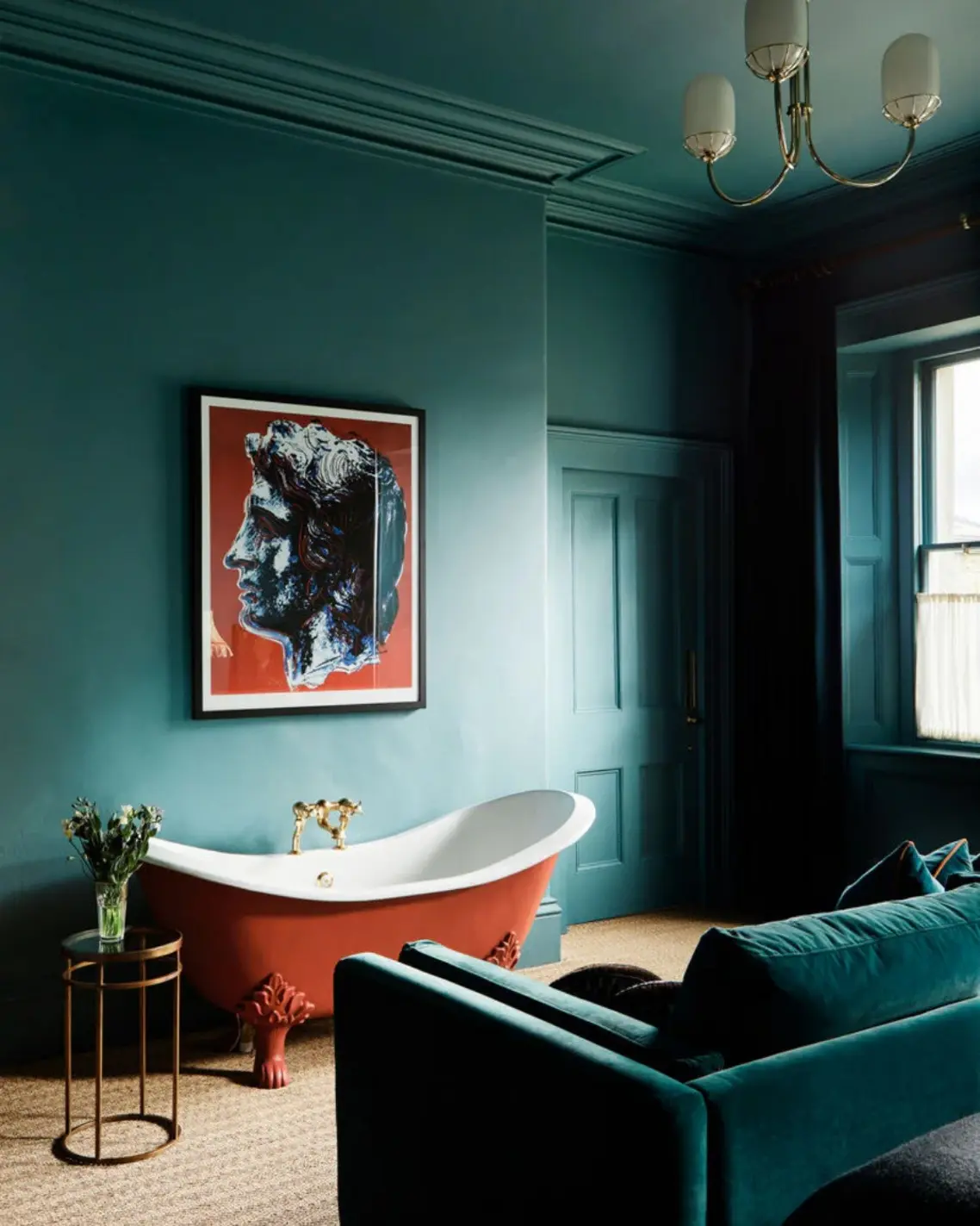
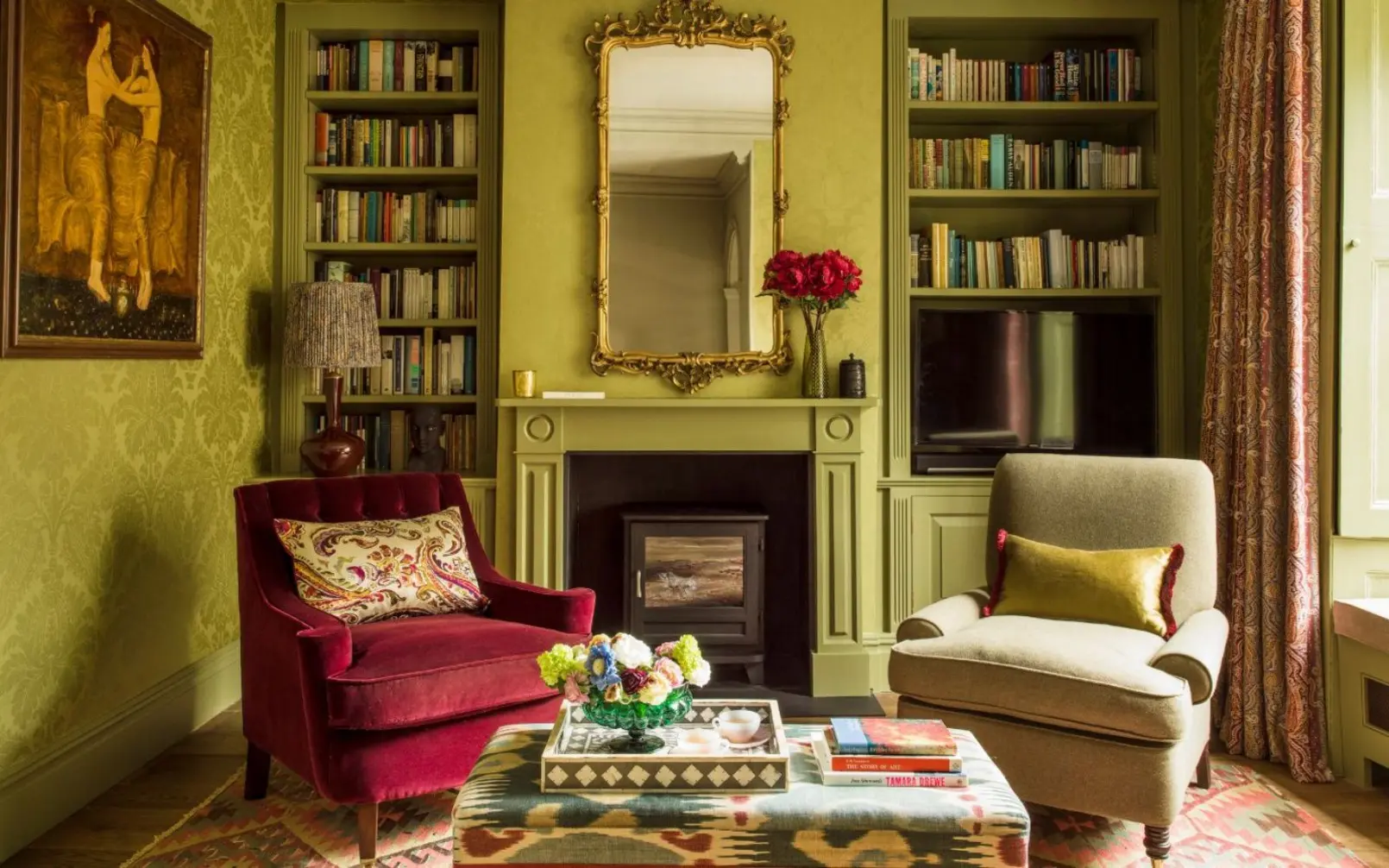
Color drenching moves beyond painting four walls the same shade. It becomes a full sensory strategy: walls, trim, ceiling, built-ins, and sometimes radiators and doors share one tonal family to create a cinematic envelope. Alongside this, a closely related technique rises. “Color capping" means using 2-3 different shades from the same color family to paint the room, using different shades on the walls, trim and ceilings to create a soft, layered looks that adds depth and shift the proportion of the room.
Why it’s peaking now
How to make it look elevated
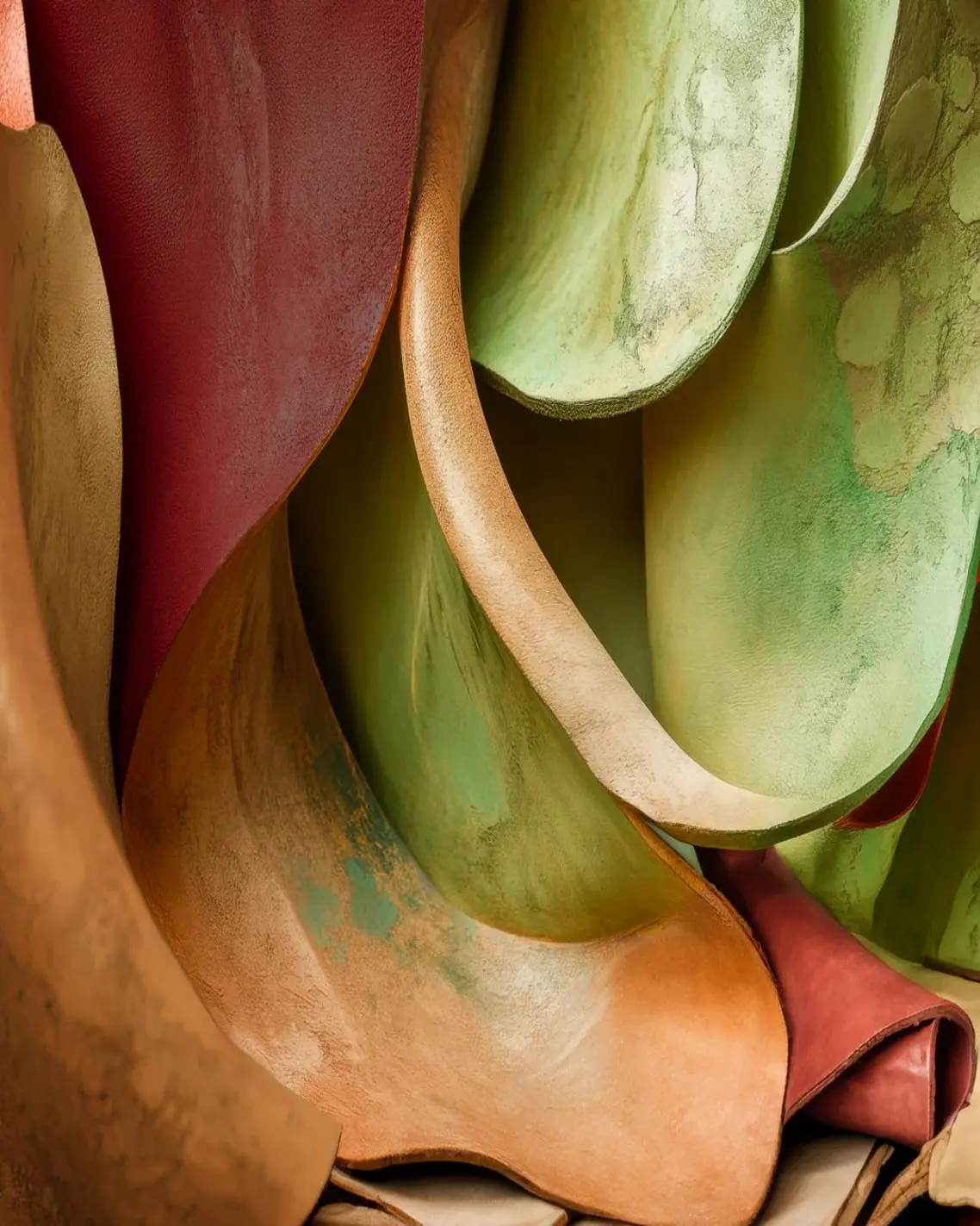


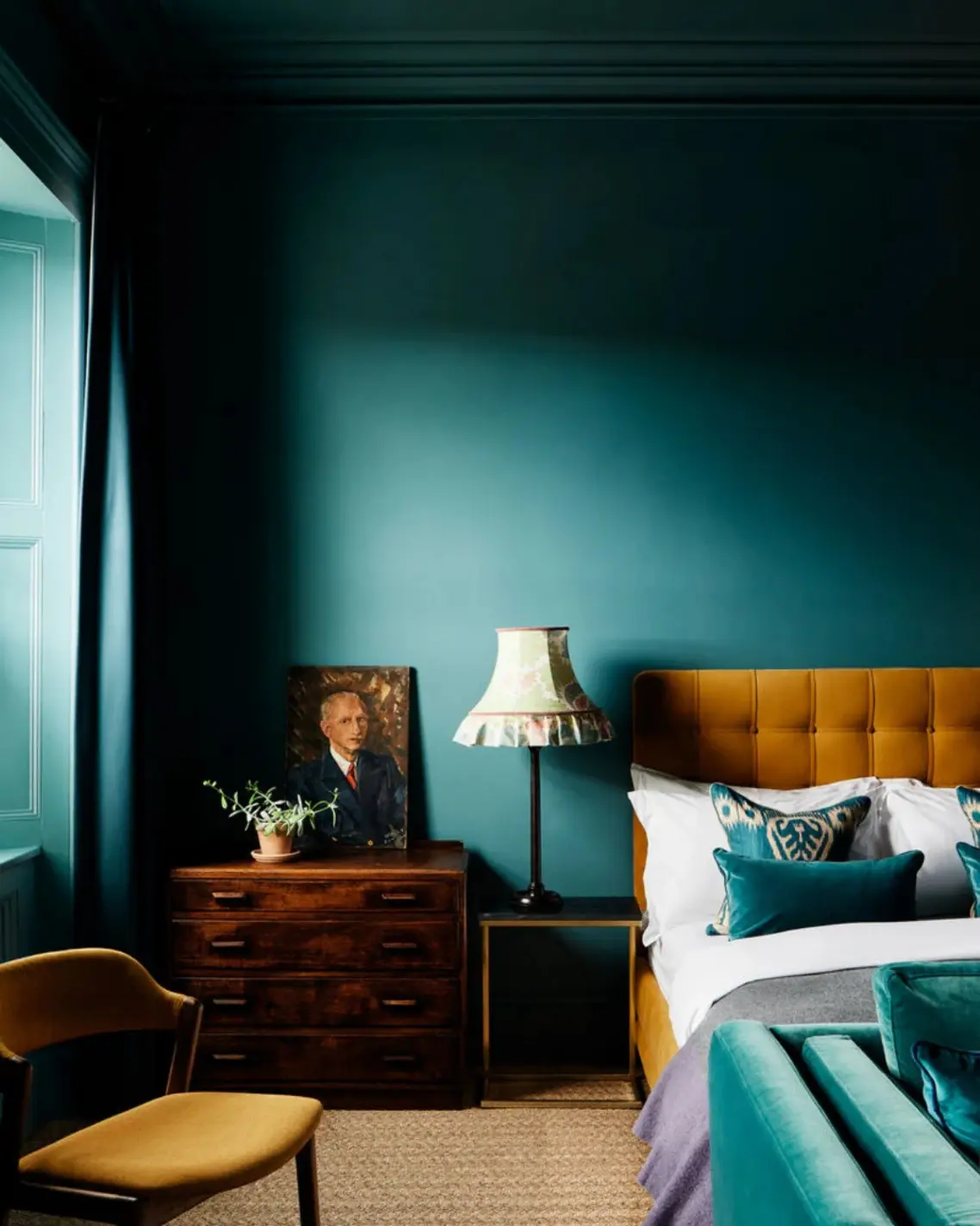
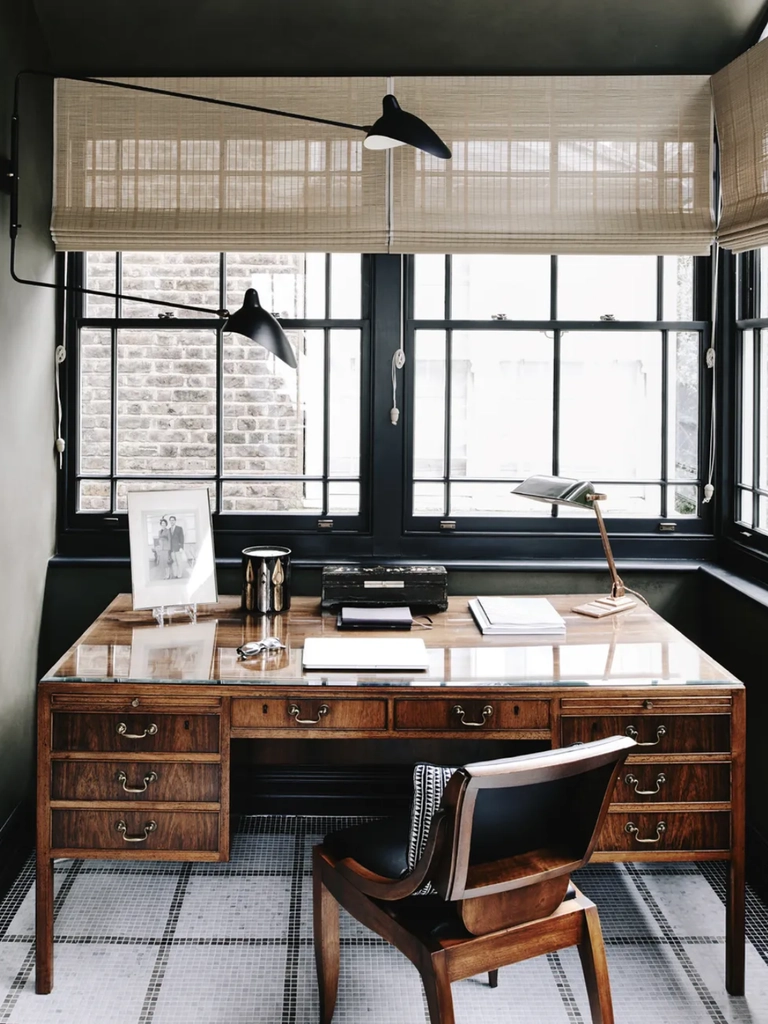
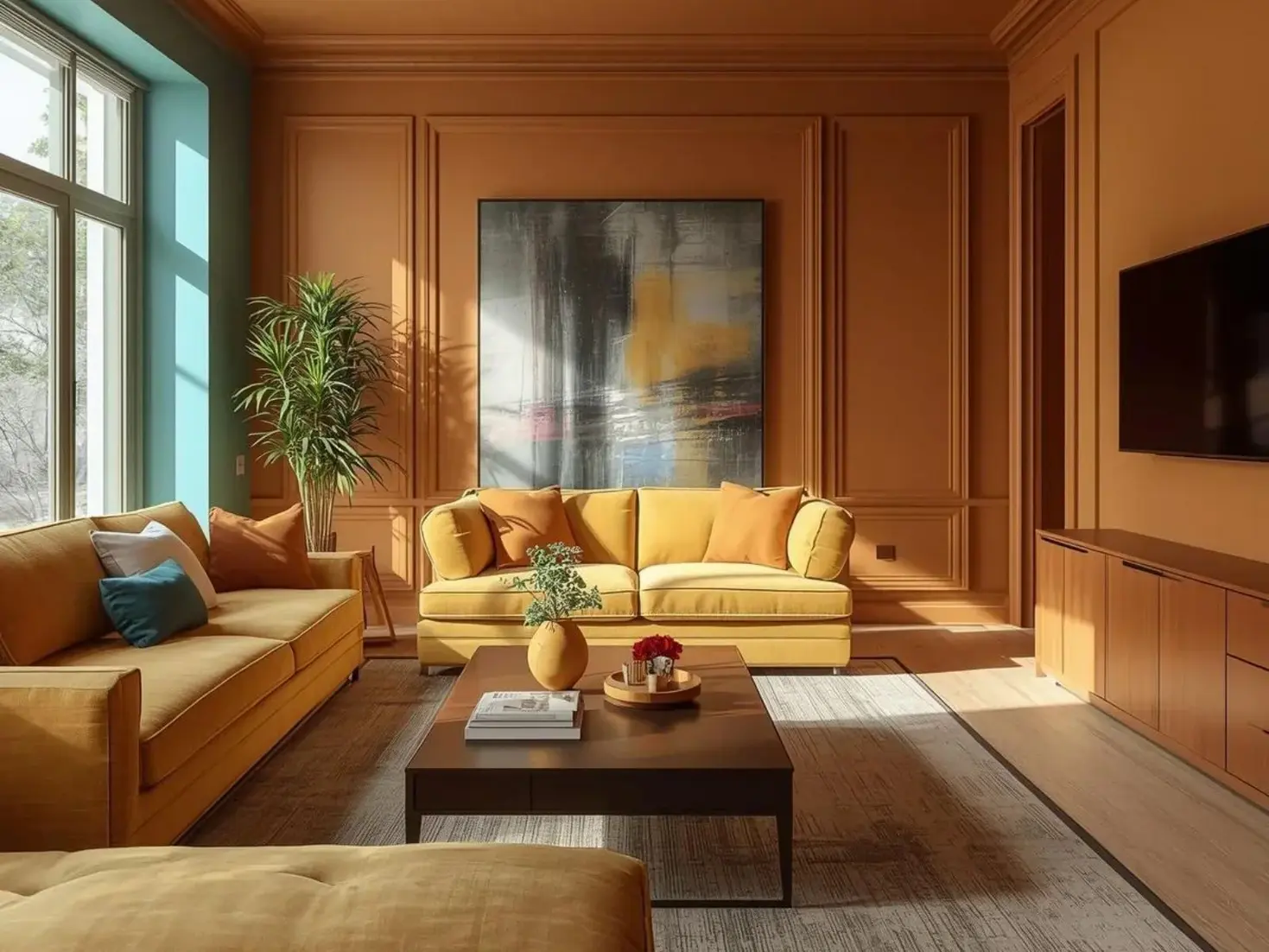
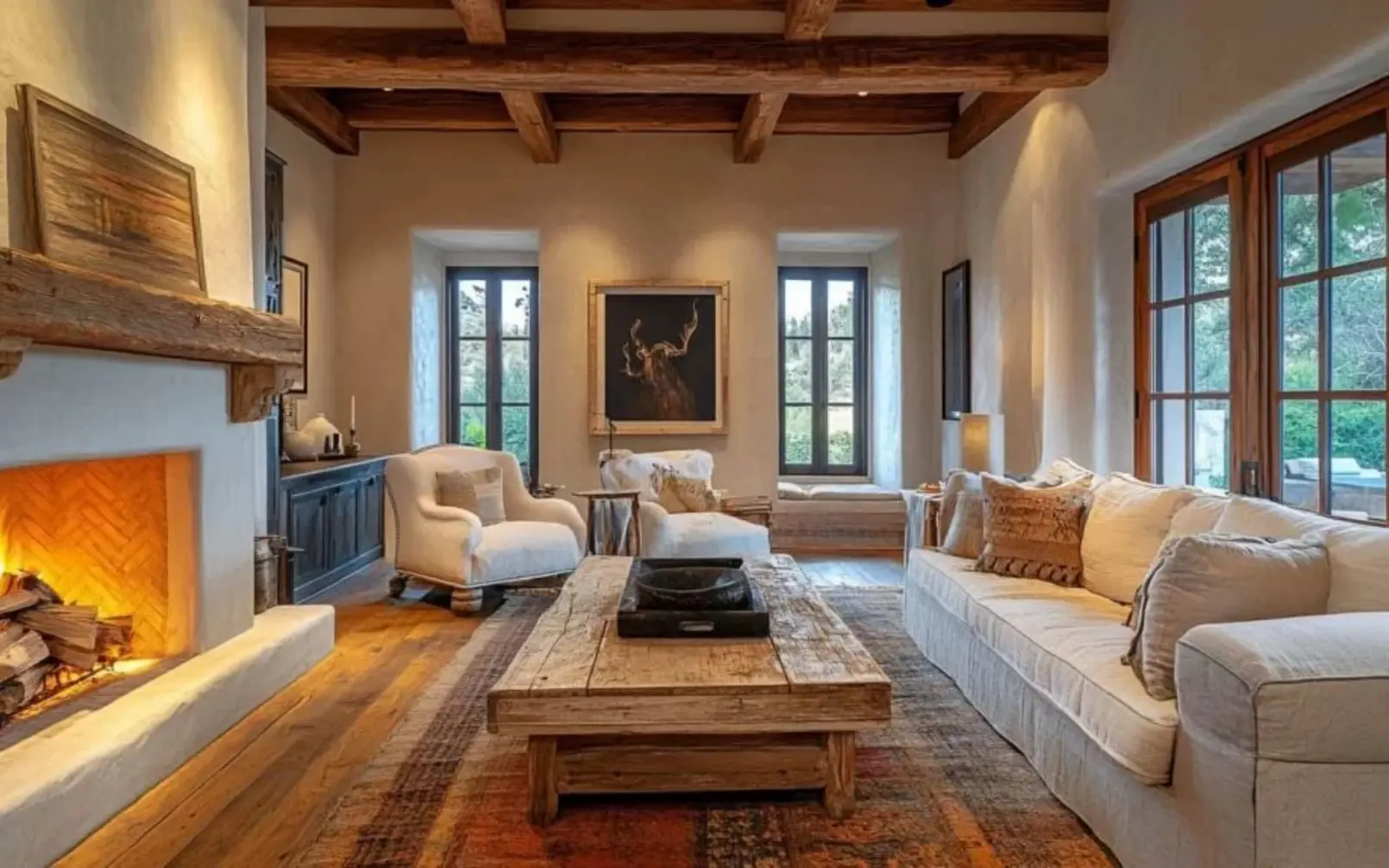
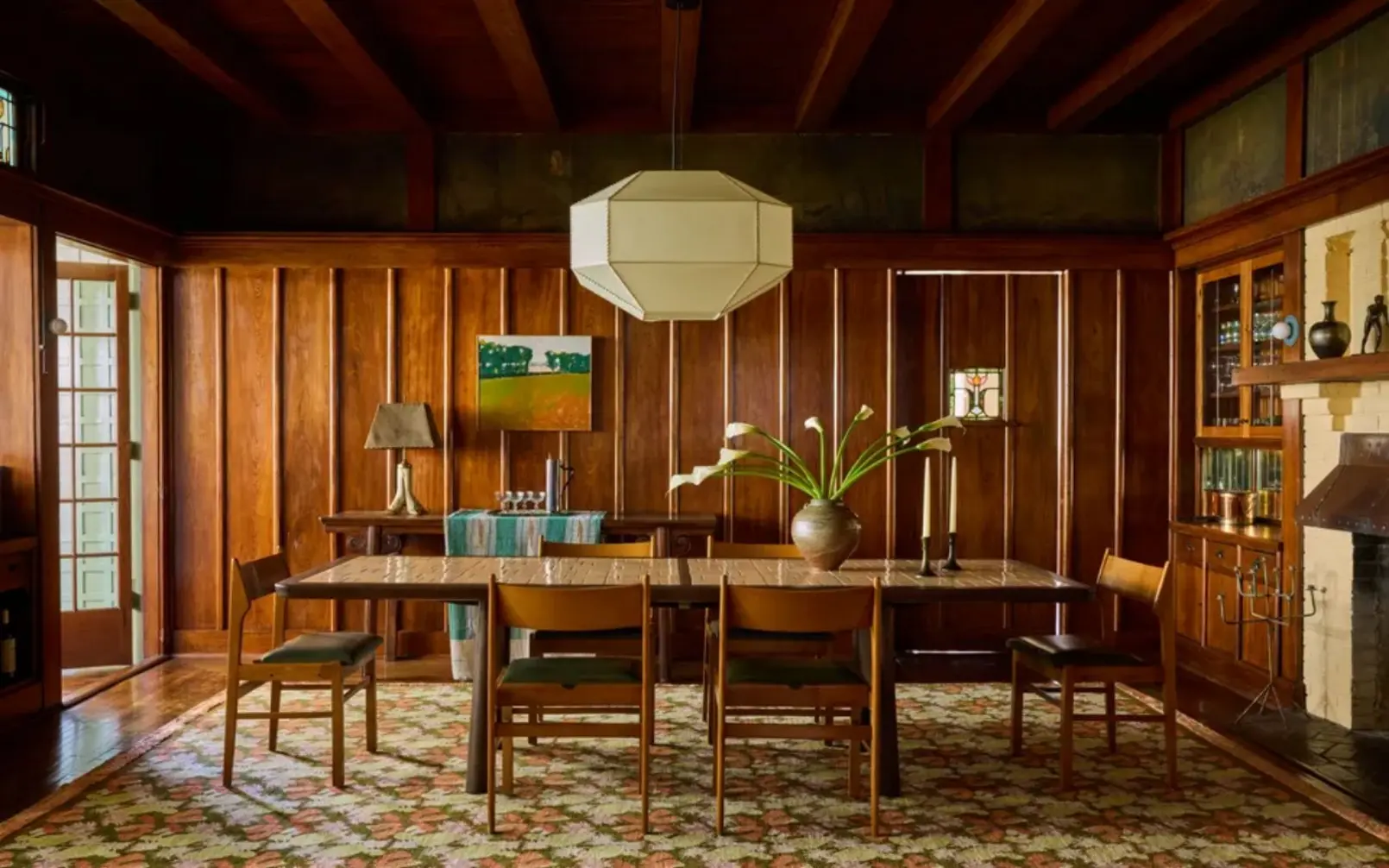
Wood becomes the structure of the story, darker stains, reclaimed pieces, bold grain, and furniture-like cabinetry that makes rooms feel grounded and permanent. Designers now lean heavily into dark woods such as walnut, mahogany, and smoked oak for weight and warmth.
Why it’s peaking now
2026’s signature wood expressions
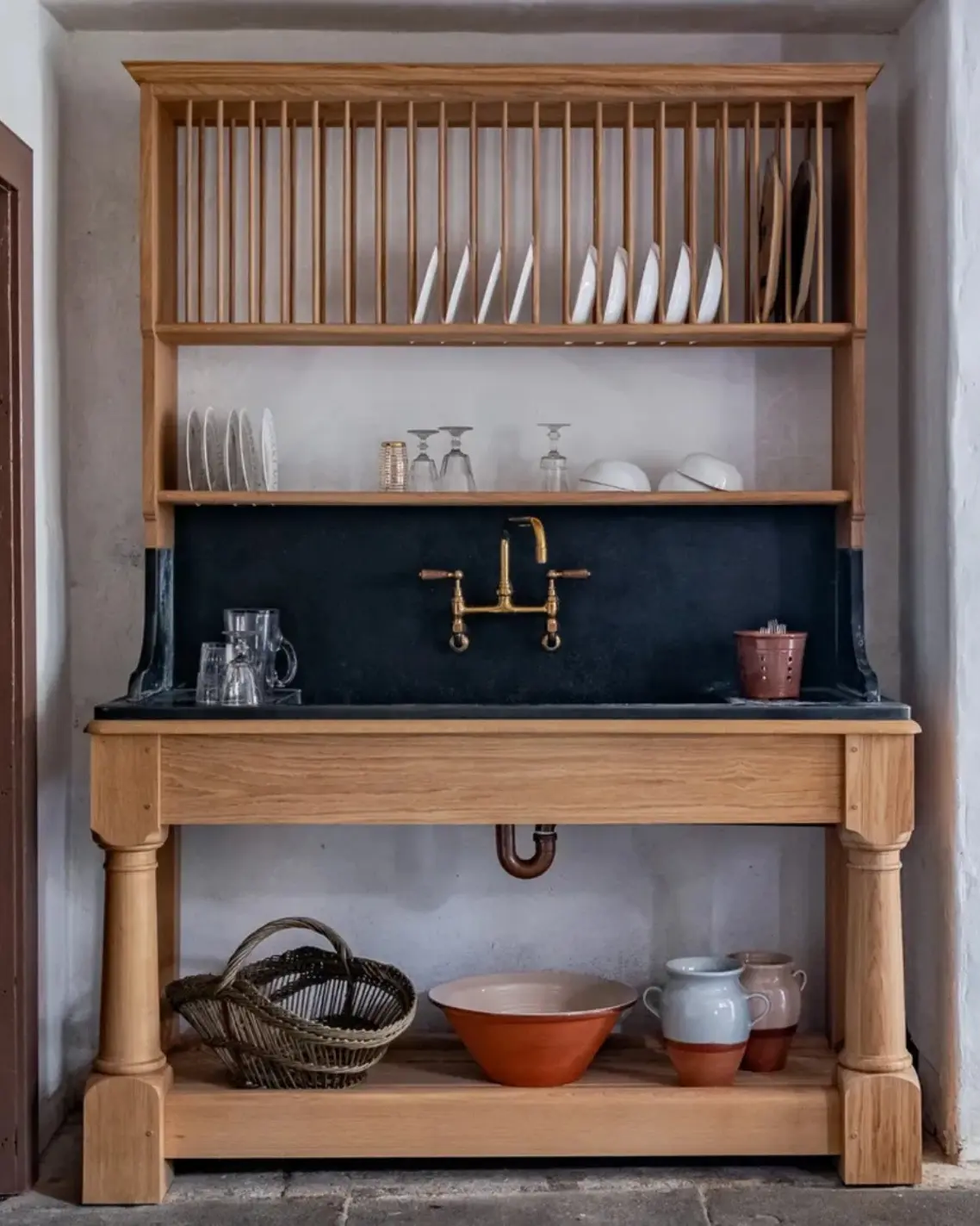
How to make wood feel expensive
Ornament returns, yet in a quieter language, such as relief, ribbing, handwork, and surfaces with shadows. Artisanal details and tactile surfaces are spearheading luxury directions, including textured wall treatments and crafted elements that add depth beyond pattern alone.
Why it’s peaking now
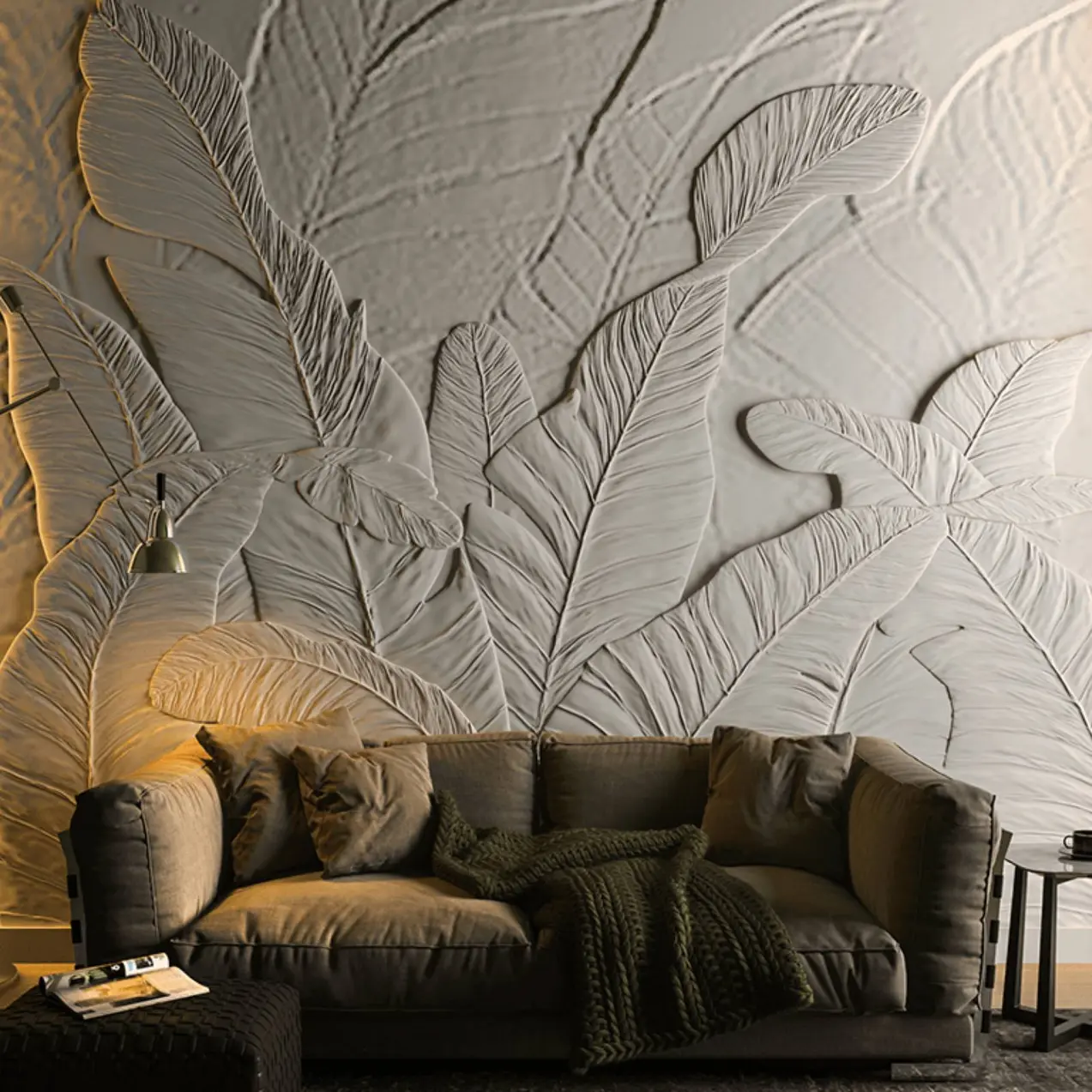
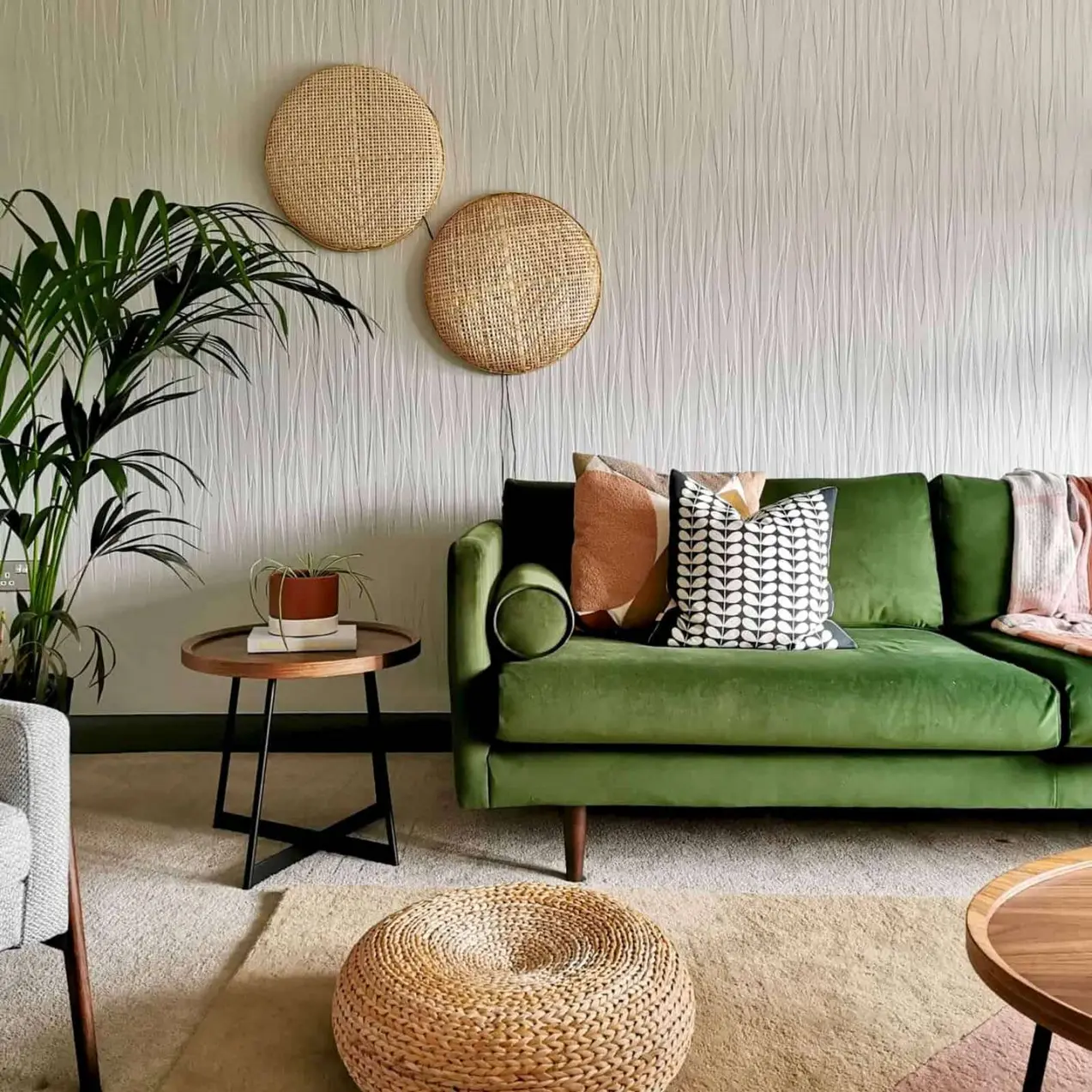
Where 2026 texture shows up
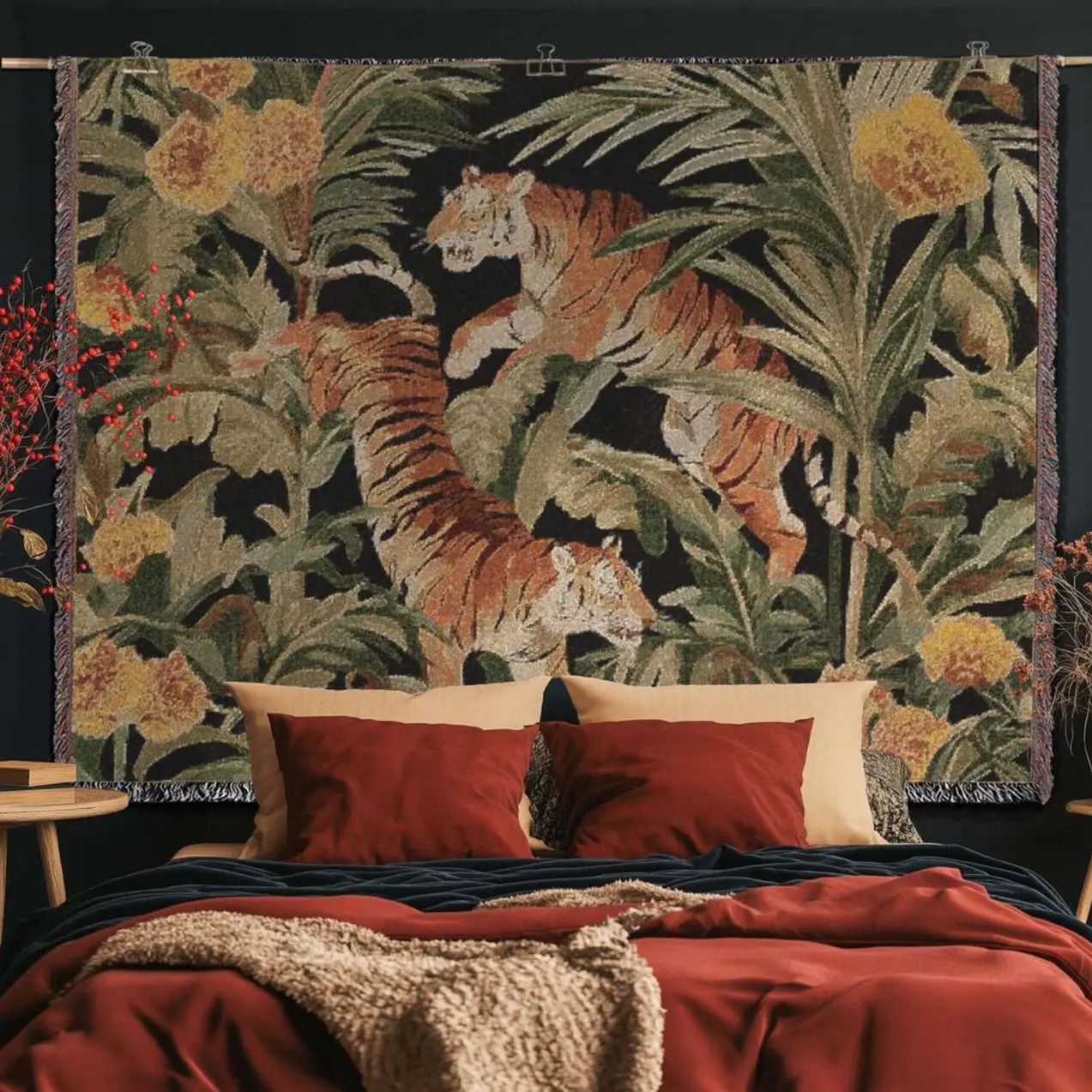
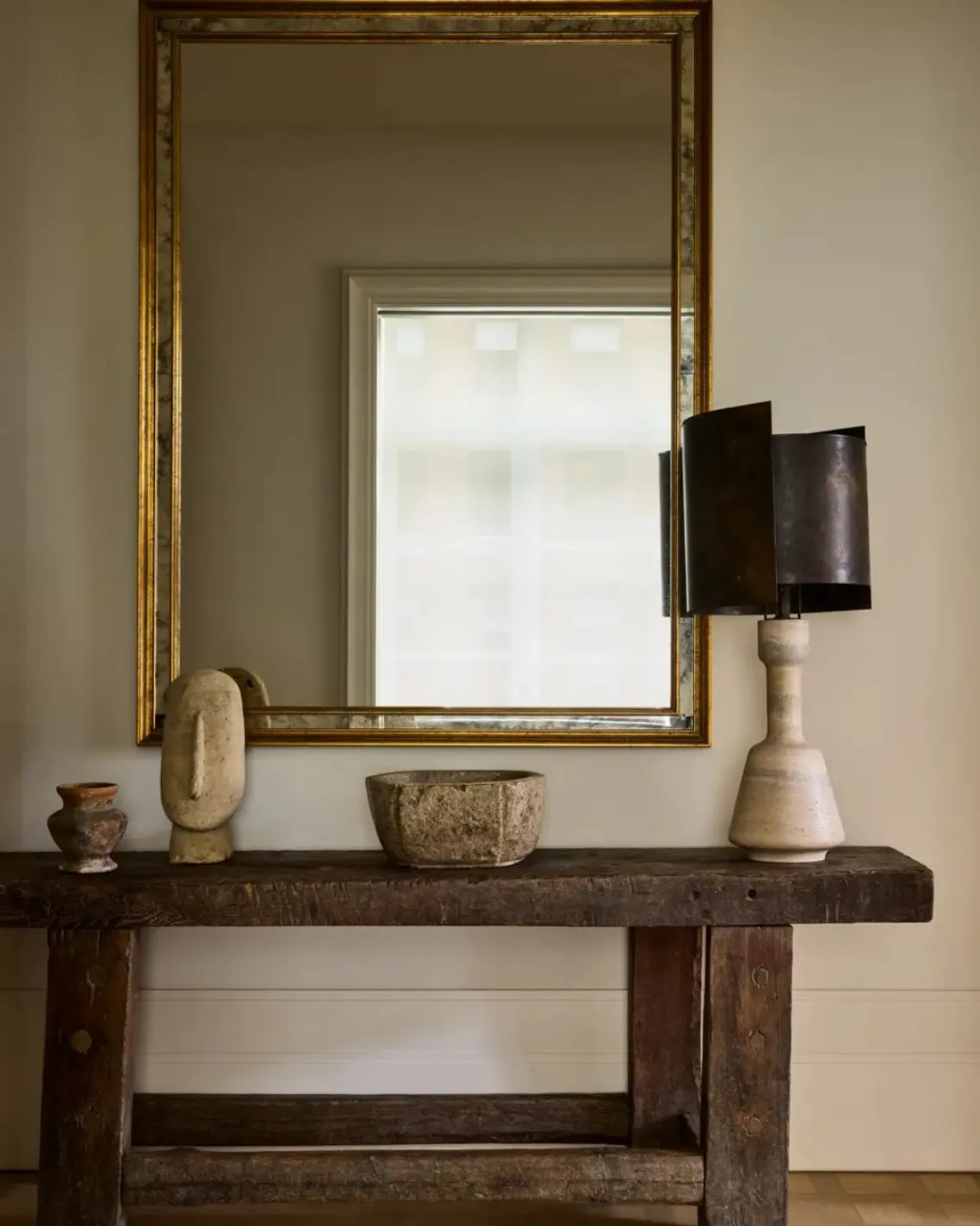
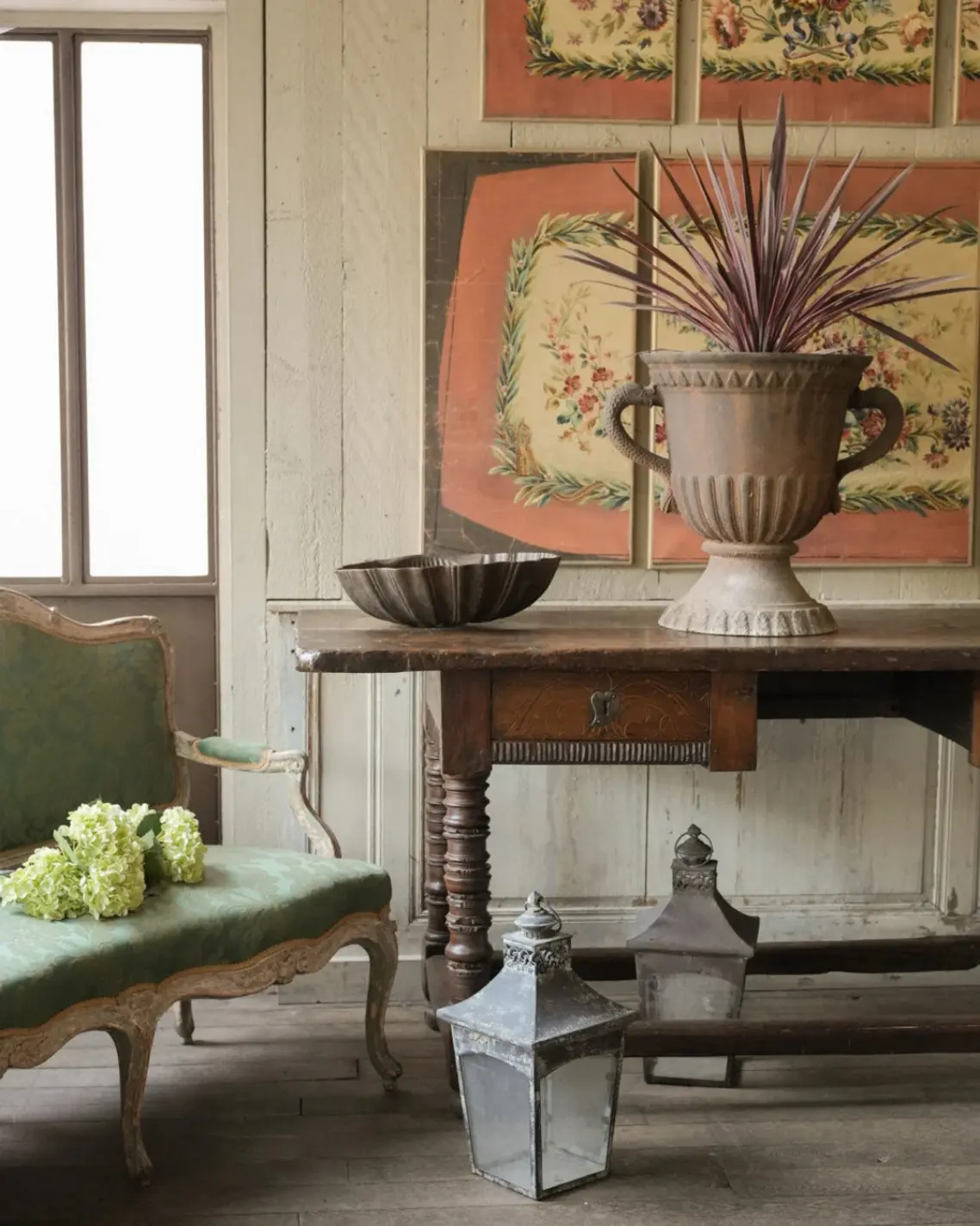
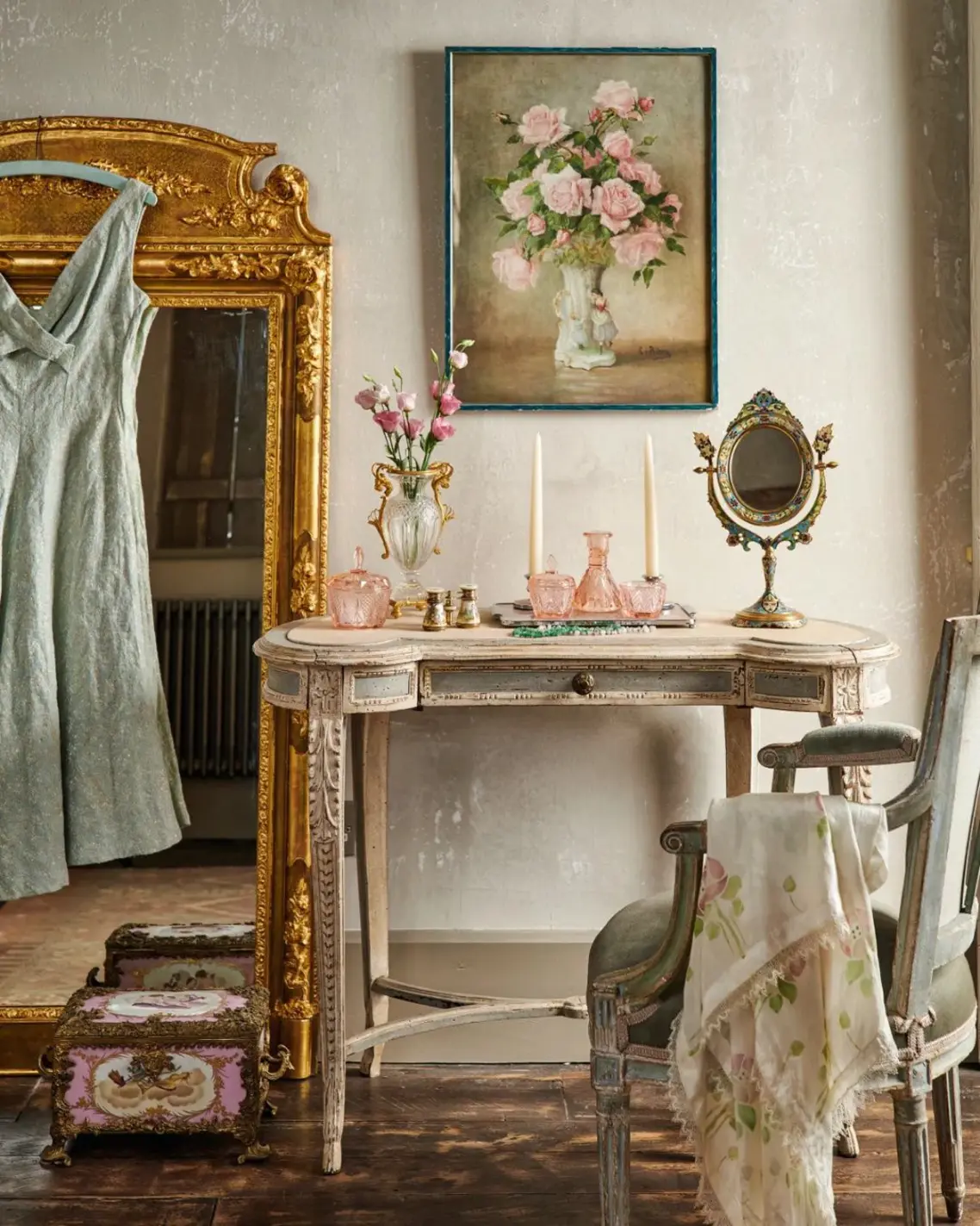
Lived-in luxury rejects showroom perfection and replaces it with curated authenticity: antiques, repurposed furniture, layered textiles, and rooms that feel evolved over time. Lived-in luxury is predicted to be a key 2026 trend, tied to sustainability and emotional resonance. A parallel idea appears in mainstream forecasting too: “refined layering,” a collected look built from intentional mixing - vintage meets modern, warmth meets polish.
Why it’s peaking now
The rules of lived-in luxury (the version that reads premium)
Practical ways to build the look
In 2026, the most modern rooms feel beautifully timeworn, as if they have already held years of dinners, music, soft mornings, and midnight returns. Moody color wraps the space like a hush. Wood gives it backbone. Texture lifts the walls into weather, shifting with light. Collected pieces move in like memories, giving the room a voice.
More is more, though it reads as devotion rather than excess. Devotion to materials that mellow with age, to color that carries emotion, to craft that leaves the trace of a hand. When everything invites touch and nothing feels accidental, luxury stops performing and starts sheltering. Interior design in 2026 keeps pace with your days, and keeps your story in the grain.