MENU
Close





The origin of pajamas is less a bedtime story than a fashion confession: the West slept in an Indian idea and woke up calling it modern.
The origin of pajamas is less a bedtime story than a fashion confession: the West slept in an Indian idea and woke up calling it modern.
May 29, 2026
Advertisement

Advertisement



Following the establishment of the British Raj, the traditional Indian kurta pajama gained popularity throughout Europe, eventually transforming into coordinated sleep sets. While women exclusively wore nightdresses through the early twentieth century, illustrated fashion from the 1920s demonstrates the gradual acceptance of these trouser sets for females.
In the modern Western world, pajamas are associated with rest, warmth, sleep, and home comfort. Their roots, however, reach back to Asia, where they originally functioned as outerwear. Early on, the word “pajama” referred only to the trouser element of the outfit now called “pajamas.” The term derives from the Persian pae-jamah, meaning a garment for the legs.
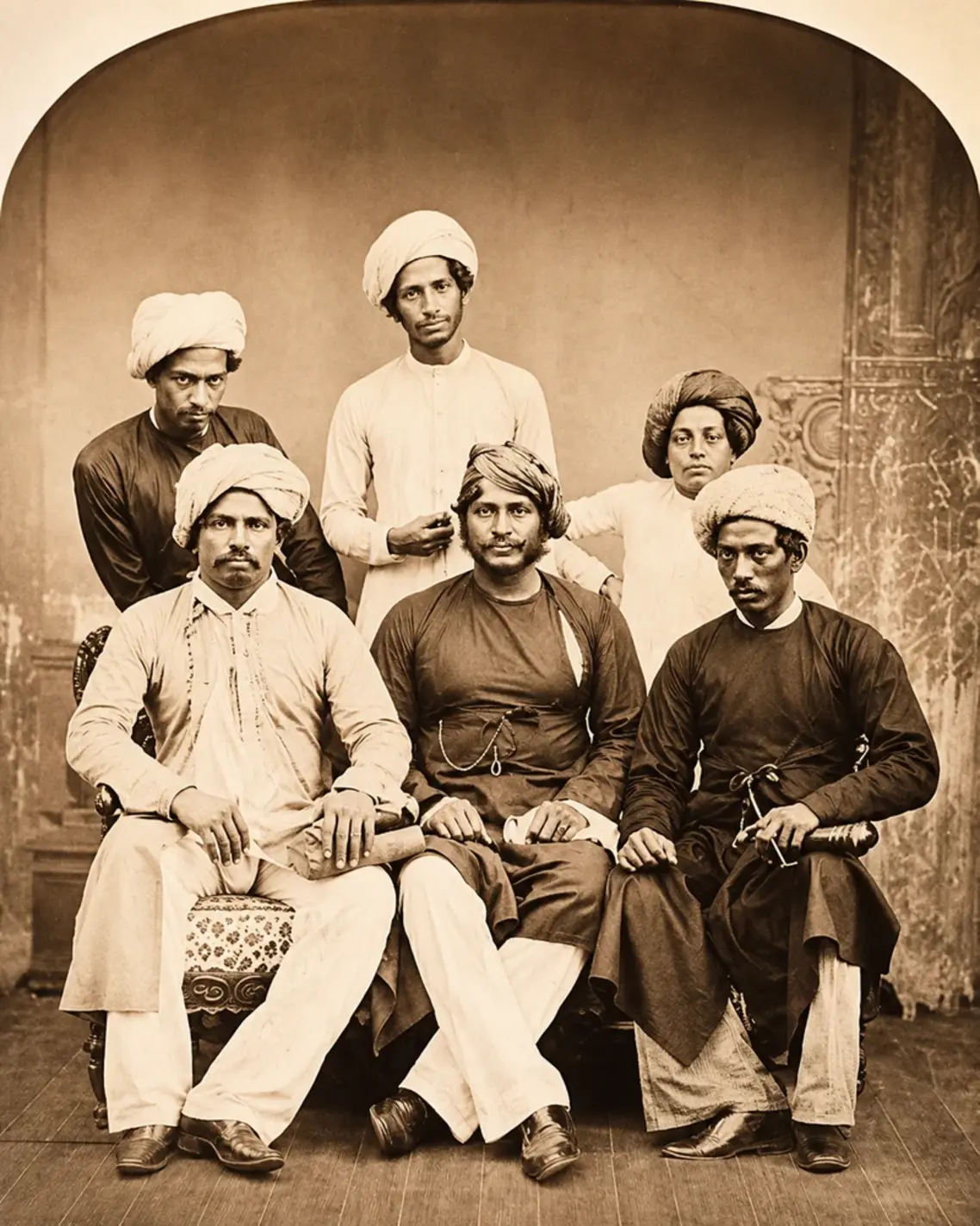
Around 3,000 years ago, nomadic horsemen in western China began wearing loose trousers tied at the waist, choosing them over one-piece robes or tunics. The style later moved into Persia and spread widely across Asia. In India, the pajamas were paired with the kurta, a long, loose, collarless shirt. The Indian kurta pajama remains a popular outerwear ensemble for both men and women in India today, making India central to the origin of pajamas as a lived garment before it became Western sleepwear.
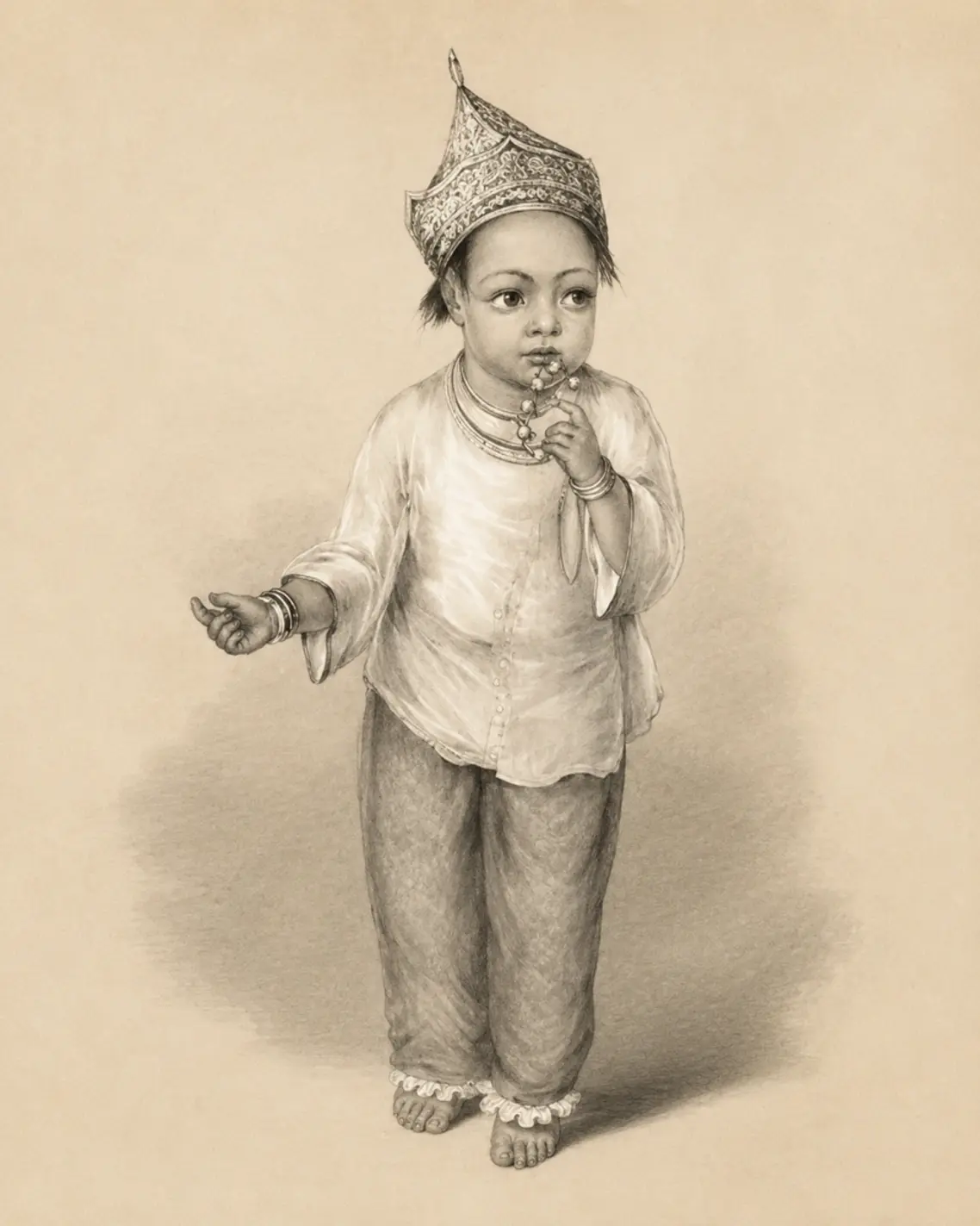
European travelers visiting India during the 17th and 18th centuries encountered locals dressed in kurta pajamas. Made from soft cotton or Asian silk, shaped with minimal seams and a relaxed cut, the outfit offered a strikingly comfortable alternative to the rigid, body-restricting fashions common in Europe at the time. Among Europeans, authentic sets belonged mostly to elites. Some aristocrats brought them home from Asian travels and displayed them at court as evidence of taste, wealth, and worldly experience.
Feilding had obtained his Asian clothing during a 1631 journey to the courts of Shah Safi I of Persia and Shah Jahan, the Mughal emperor of India. The portrait was painted in England, and by wearing a red-striped kurta pajama, the earl presented himself as a man familiar with distant cultures and customs. Beneath the kurta, the collar and sleeves of a Western shirt were still visible.
The clothing shown in the portrait was made from silk. After centuries of trade with China, Europeans had learned to produce silk by around the 12th century, yet in 17th-century England it remained expensive and closely associated with Asian luxury and exotic refinement. The earl appears beside a young servant who had accompanied him from India, also dressed in a longer, richly made kurta pajama and a patterned turban.
Later, as British rule expanded across India in the 18th and 19th centuries, European interest in Indian dress grew. For relaxed home dressing, the British adopted garments such as the banyan, a robe resembling a Japanese kimono in spirit, worn like a dressing gown over a shirt and jacket. At the same time, British officials in India recognized the practical comfort of the kurta pajama as informal clothing, especially in the Indian heat, where traditional Western dress felt far heavier and less suitable.
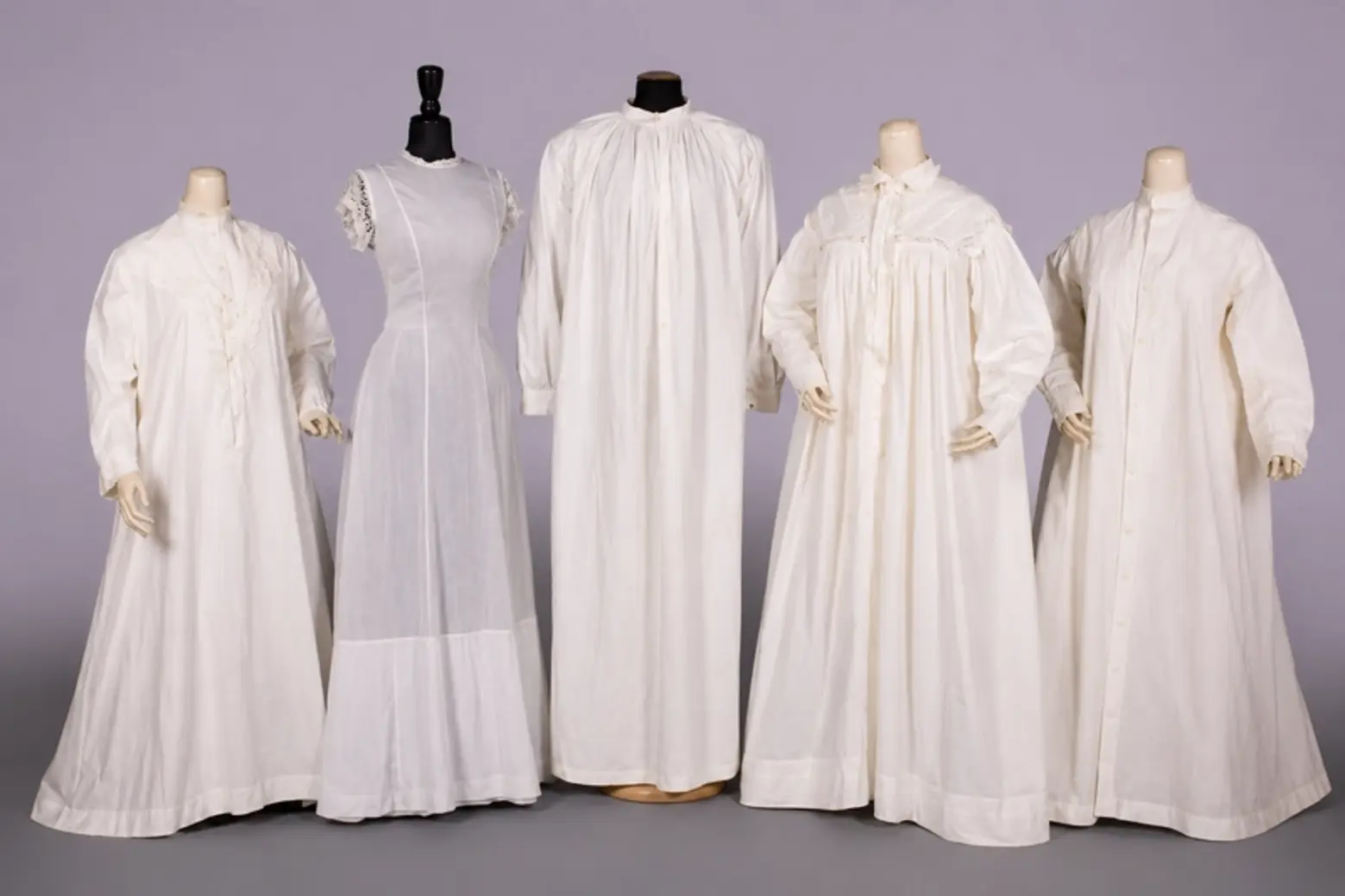
In Europe, people across social classes commonly wore some form of undergarment to bed, usually made from linen or wool. During the 18th and 19th centuries, sleepwear became more distinct through the rise of the nightshirt or nightgown, worn by both men and women. By the late 19th century, “pajamas” had come to describe the two-piece set of loose trousers and shirt used for sleeping. At this point, the origin of pajamas shifted from outerwear and informal dress into the Western bedroom.

Upper-class men in the Victorian era appear to have been among the first to exchange nightgowns for pajamas, drawn to their comfort and elegance. The two-piece sleeping suit borrowed the loose shirt-and-trouser structure seen in India, then reshaped it for European tastes. The shirt became shorter than the kurta, with collars and buttons added.
During the 19th century, sleeping gowns came in several lengths, ranging from just below the knees to the ankles or the floor. The loose outfit was often paired with a cap for warmth in cold bedrooms, as shown in Honoré Daumier’s 1848 caricature of a sleeping couple.
British influence helped spread the garment’s popularity. At first, pajamas were luxury items produced by specialist tailors. By the end of the 19th century, however, mass production developed in the United States, making pajamas far more widely available. People who could not afford tailor-made versions gained access to reasonably priced two-piece pajamas in department stores, instead of relying on old shirts or homemade nightgowns.
After World War I, the fashion expanded further across continental Europe, partly through American influence. In 1933, the French men’s fashion magazine Adam-chemisier published a six-page feature praising pajamas over traditional nightshirts. The article explained that after the war, with the arrival of Americans who already knew pajamas as sleepwear, French manufacturers worked to popularize them at accessible prices for the wider public. Each season, sales continued to rise, while the solemn nightgown lost ground except among children and more old-fashioned buyers.
The article also emphasized the nightshirt’s practical drawbacks, especially when getting out of bed gracefully.
Pajamas leave a similarly great freedom of movement, necessary for the body during sleep, and favor dignity and correctness that were not satisfied [with the nightshirt]. There was a broken equilibrium (equilibrium being the primordial quality of elegance) that the pajamas have reestablished and to which they have added the grace of their line.
At first, pajamas were marketed mainly to men. Their success depended partly on the fact that they appeared more masculine than nightshirts. Cinema strengthened this image during the first half of the 20th century. Clark Gable turned pajama-wearing into a symbol of polished ease in the 1934 film It Happened One Night, while the four pairs worn by James Stewart in the 1954 thriller Rear Window helped secure the garment’s cinematic status.
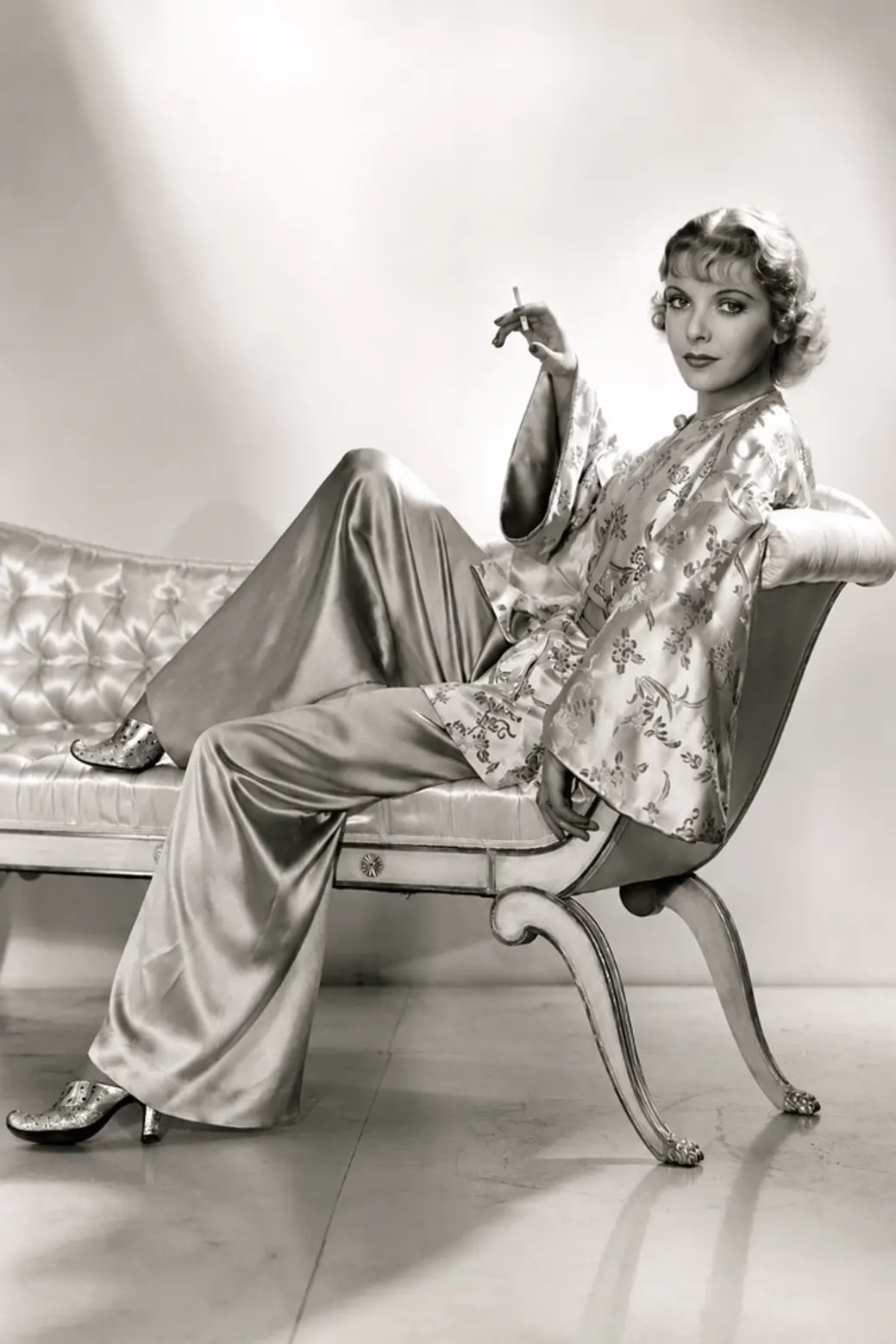
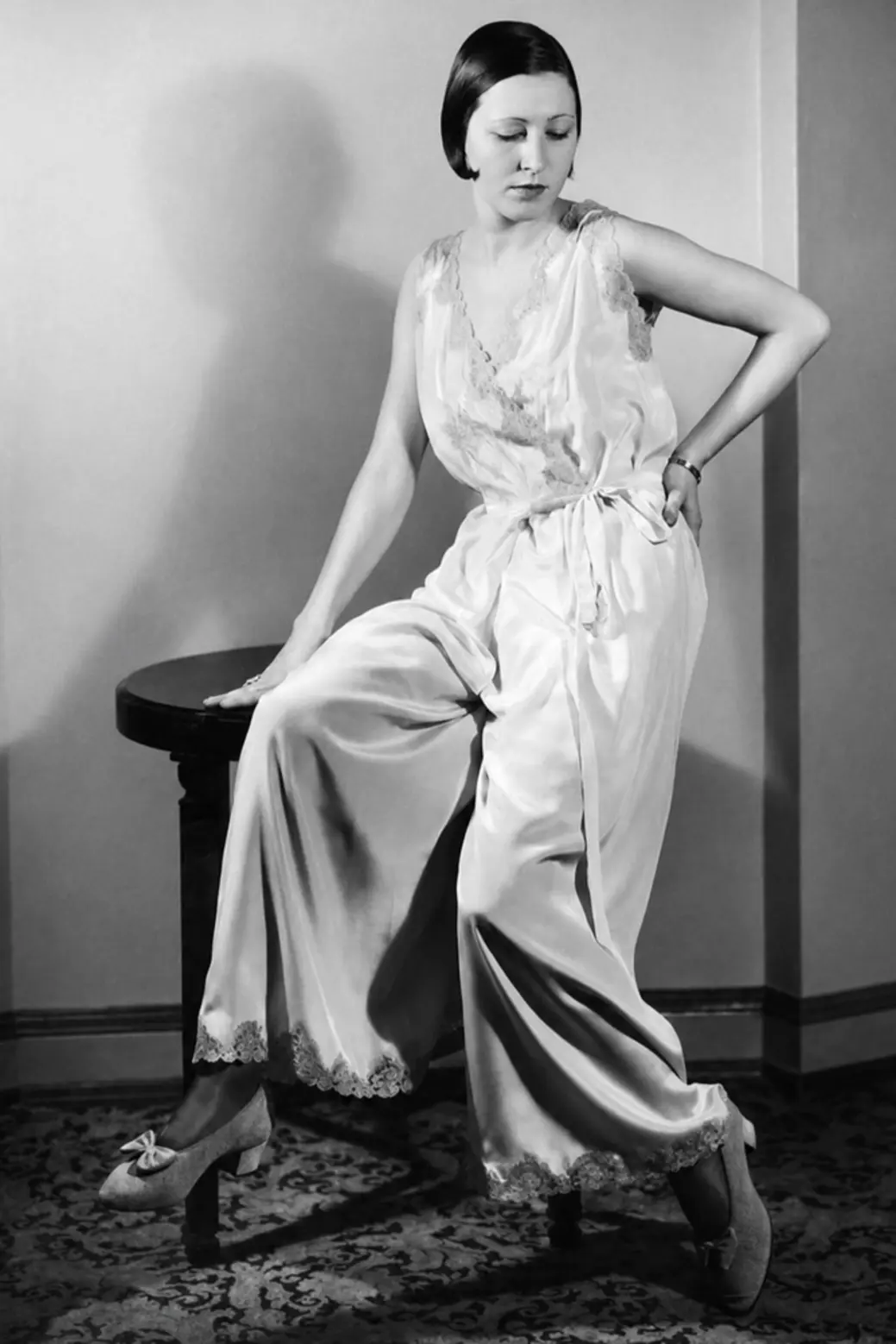
Women remained attached to the traditional nightgown for longer, reflecting the broader reality that trousers had yet to become widely accepted as women’s everyday clothing. This began shifting in the 1920s, when corsets, long skirts, and large hats gave way to freer, more comfortable fashion. Pajamas then entered women’s wear with increasing force.
At first, women wore them outdoors as summer pantsuits known as beach pajamas. Coco Chanel helped popularize the look when she appeared in beach pajamas on the French Riviera. Her versions often paired brightly colored, loose trousers with a more fitted shirt. By the 1930s, women in beach pajamas and sailor caps appeared in fashion imagery, showing how the style had moved from resort wear toward broader acceptance as sleepwear.
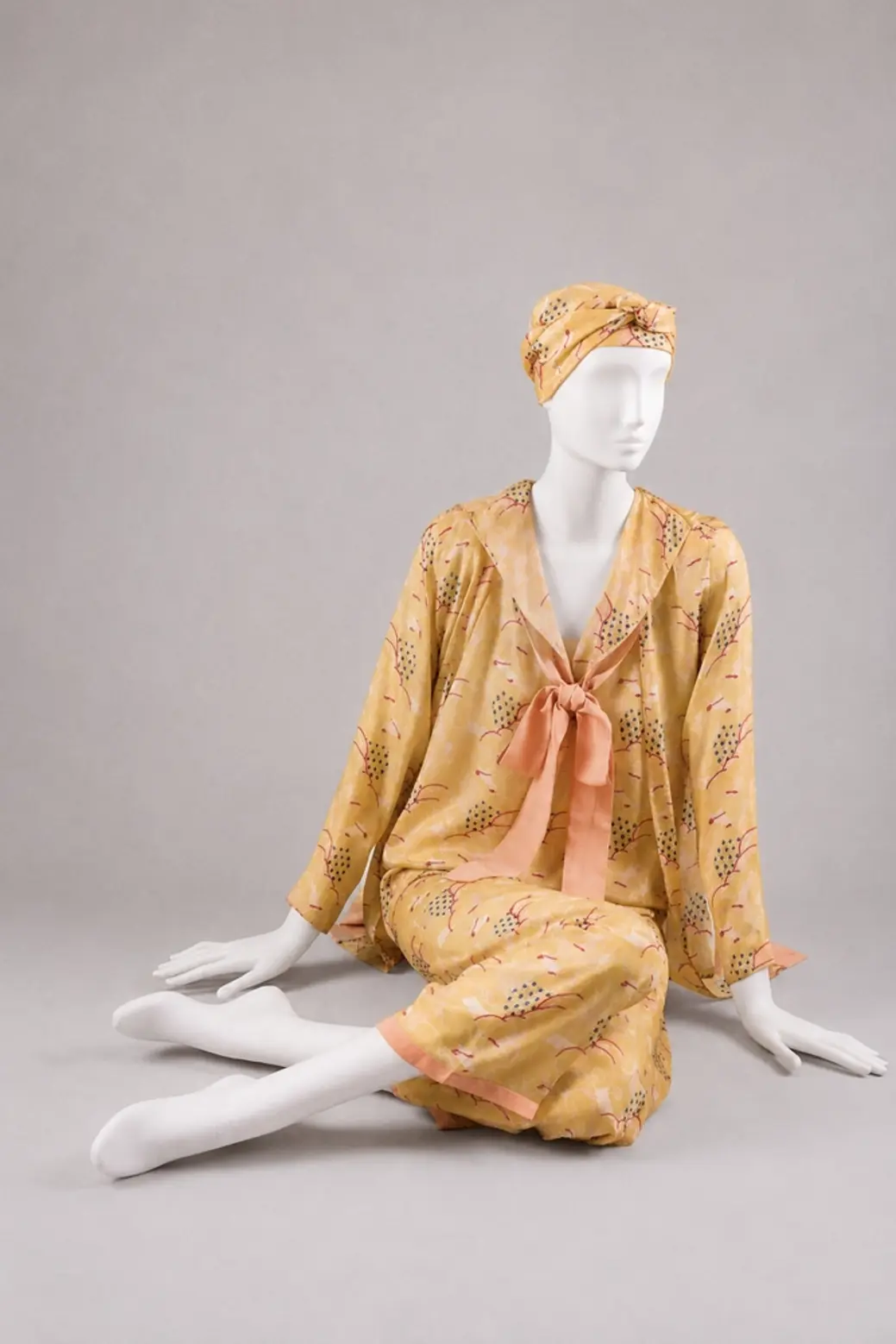

During World War II, fabric rationing shifted pajama design away from fashion display and toward practicality. Comfortable, warm materials such as cotton and wool blends became preferred. After the war, as conservative family values regained cultural force, pajamas came to be seen as a more modest option for women than the nightgown, especially as bows and low-cut designs gave nightwear a more eroticized image.
The origin of pajamas continues to echo in India, where the kurta pajama carries cultural pride while blending traditional and contemporary fashion. Western influence has encouraged new interpretations through varied fabrics, shapes, and cuts. The kurta pajama remains a staple of Indian streetwear, while also appearing at weddings, festivals, and other special occasions.
Advertisement