MENU
Close





As demand cools, luxury retail real estate is getting hotter. The strange question is whether brands are still selling desire, or simply buying the streets where desire is supposed to live.
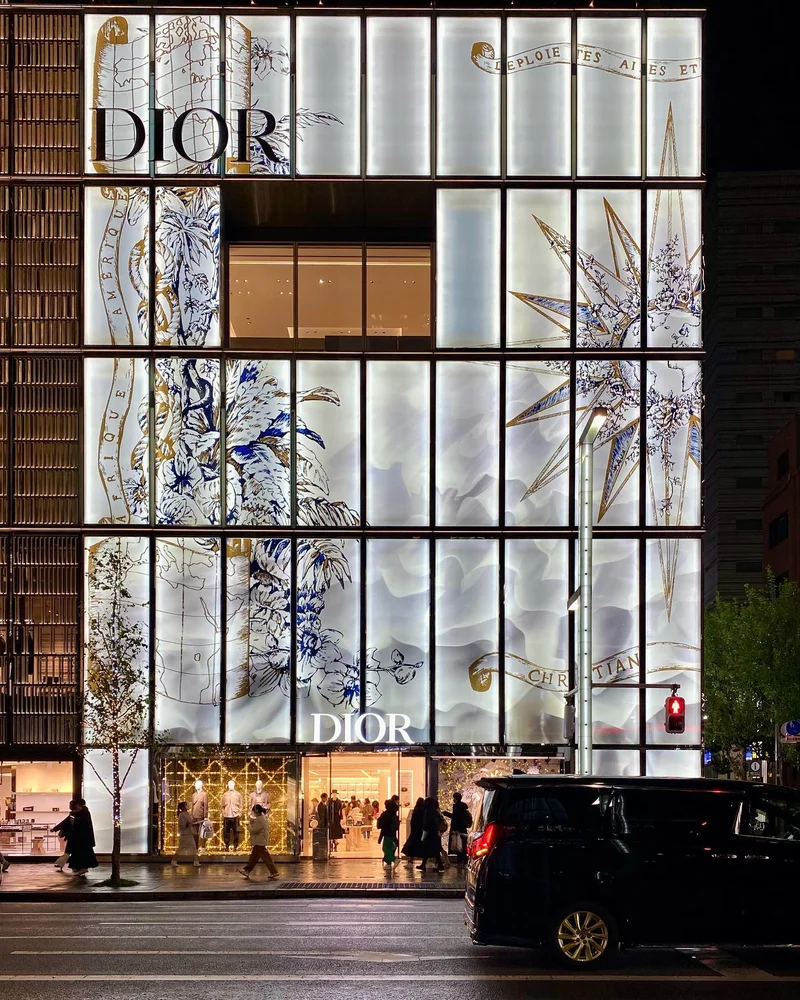
As demand cools, luxury retail real estate is getting hotter. The strange question is whether brands are still selling desire, or simply buying the streets where desire is supposed to live.
July 2, 2026
Advertisement
Advertisement



The contemporary fashion business landscape presents a remarkably fascinating paradox for careful observers and industry analysts alike. Consumer demand within the global personal luxury sector is currently experiencing a noticeable cooling phase, a transition guided primarily by heightened price sensitivity and shifting macroeconomic tides across major spending regions. Concurrently, the physical territory occupied by the world's most prestigious luxury houses burns with historic, blistering intensity.
The market for luxury retail real estate at these elite addresses operates in a state of hyper-acceleration. Cushman & Wakefield data illustrates this phenomenal contradiction beautifully, declaring London’s historic New Bond Street the world’s most expensive retail destination in 2025 following a staggering 22 percent rental growth. This explosion in value represents a broader global pattern. Globally, 58 percent of tracked premier streets report significantly rising rents, with Sydney’s renowned Pitt Street Mall successfully securing the global number eight position among the most valuable retail corridors.
When general luxury growth metrics moderate, casual observers frequently anticipate a corresponding retreat in physical retail expansion and a softening of commercial real estate prices. Reality offers a starkly contrasting picture. The shifting economic climate actively accelerates the creation of an exceptionally rigid spatial hierarchy within major global capitals. Secondary retail locations become increasingly vulnerable to shifting market fluctuations and evolving consumer habits, while the most universally recognized avenues consolidate their supreme, undisputed authority over the industry.
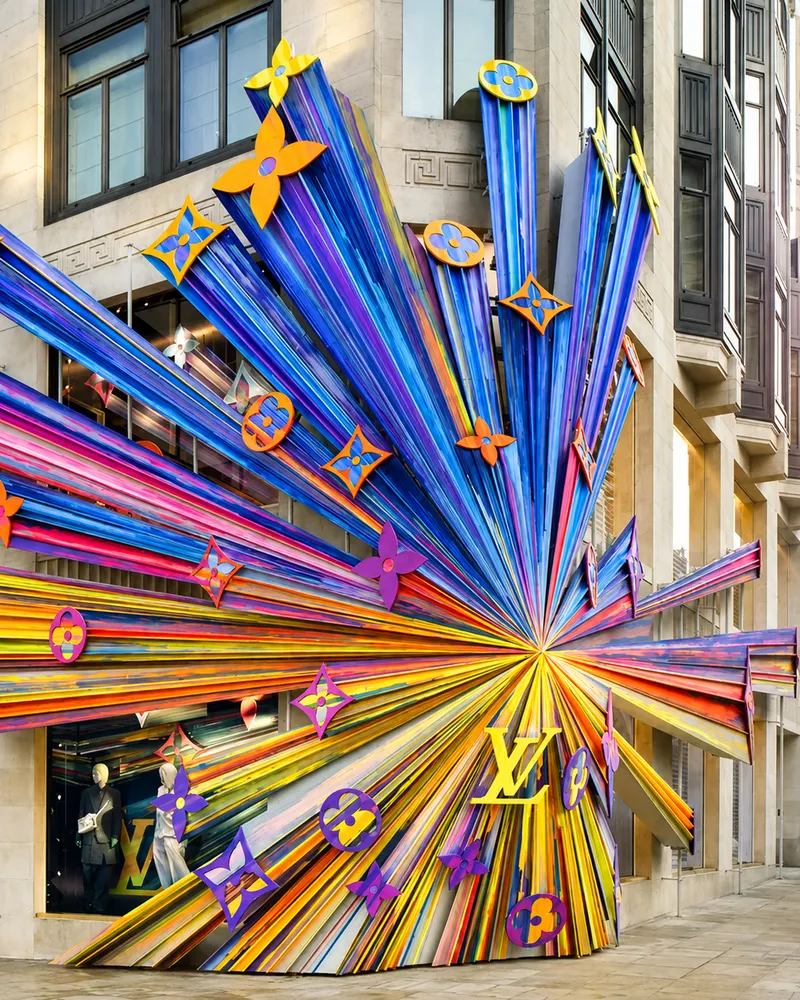
Major fashion groups pursue these premium addresses aggressively because they require them as concrete proof of their enduring cultural dominance and financial security. The broader market experiences a cooling effect, yet iconic destinations like London's New Bond Street, Milan's Via Montenapoleone, Paris's Champs-Élysées, and Sydney's Pitt Street Mall become increasingly difficult to access and secure.
This fascinating dynamic suggests luxury retail real estate operates entirely outside standard supply and demand curves, relying instead on the powerful principle of symbolic scarcity. Cushman & Wakefield's comprehensive reporting demonstrates this reality clearly, indicating European luxury high-street rents climbed by 3.6 percent throughout 2024. Their subsequent 2026 European luxury retail findings highlight an additional 3.5 percent year-on-year increase for prime luxury rents, elevating them to a full 7 percent above pre-2018 benchmarks. Meanwhile, Bain’s careful analysis of the personal luxury goods sector during 2024 and 2025 highlights a landscape deeply shaped by evolving consumer priorities and complex macroeconomic recalibrations.
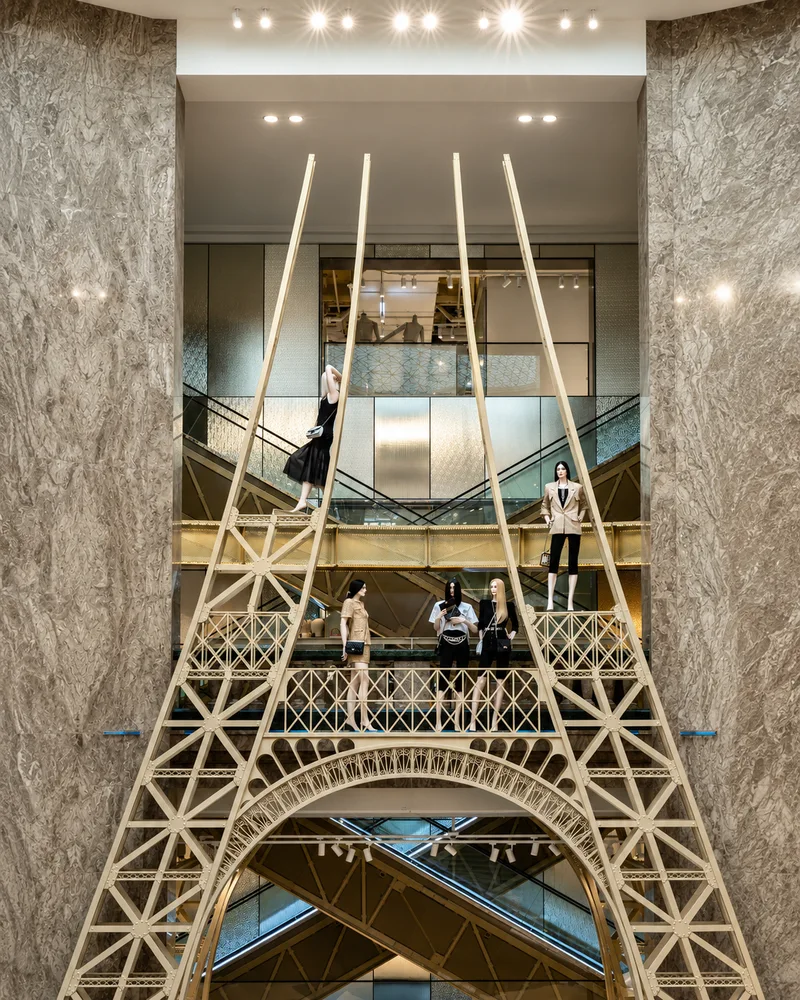
Examining this data prompts a deeply compelling evaluation of structural equality within the fashion system. The fierce pursuit of prime retail space acts as an uncompromising, brutal filter. Monumental heritage houses easily possess the immense capital, unwavering patience, and global recognition required to maintain their commanding visibility on these celebrated boulevards.
Conversely, emerging independent retailers and mid-tier luxury players find themselves seeking alternative, developing neighborhoods to establish their physical presence. The street functions as a definitive separator, granting continued prominence exclusively to brands capable of absorbing the escalating financial premiums. This leads to a highly provocative question: how does a moderating industry manage to make its most expensive avenues appear infinitely more exclusive and untouchable?
Historically, fashion houses opened beautifully appointed stores primarily to facilitate commercial transactions and distribute their latest seasonal collections to an eager public. Today, these same influential brands secure prime locations to occupy strategic territory and actively prevent their closest competitors from claiming that exact same visibility. A flagship address functions as a highly potent defensive weapon in the modern luxury wars.
When a global conglomerate controls a prominent corner on Via Montenapoleone or commands a major architectural façade on Fifth Avenue, it establishes a permanent urban claim, broadcasts a powerful brand signal of dominance, and constructs a formidable competitive barrier.
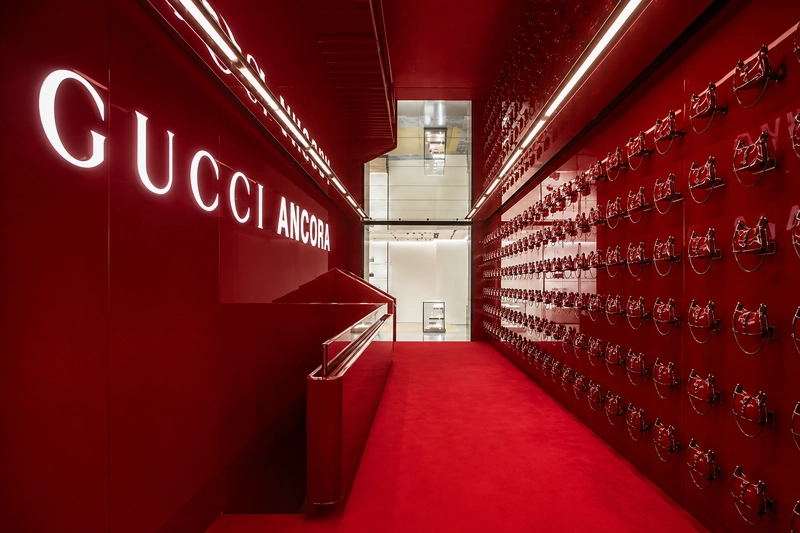
Cushman & Wakefield’s recent evaluations illuminate this aggressive luxury retail real estate strategy perfectly. According to their specialized research, 17 of 20 key European luxury streets operate with vacancy rates residing firmly below the 5 percent threshold, and six of these crucial locations boast complete tenant saturation with full occupancy. This intense spatial compression applies direct, relentless upward pressure on commercial lease agreements.
Despite these continually soaring costs, the 2026 European luxury retail report confirms 96 new luxury boutiques debuted across 20 prime European locations in 2025, representing a robust 13 percent increase from the preceding year. Cushman & Wakefield’s Main Streets Across the World 2025 index consistently ranks Bond Street first globally, followed closely by Via Montenapoleone, Fifth Avenue, Tsim Sha Tsui, the Champs-Élysées, and Pitt Street Mall.
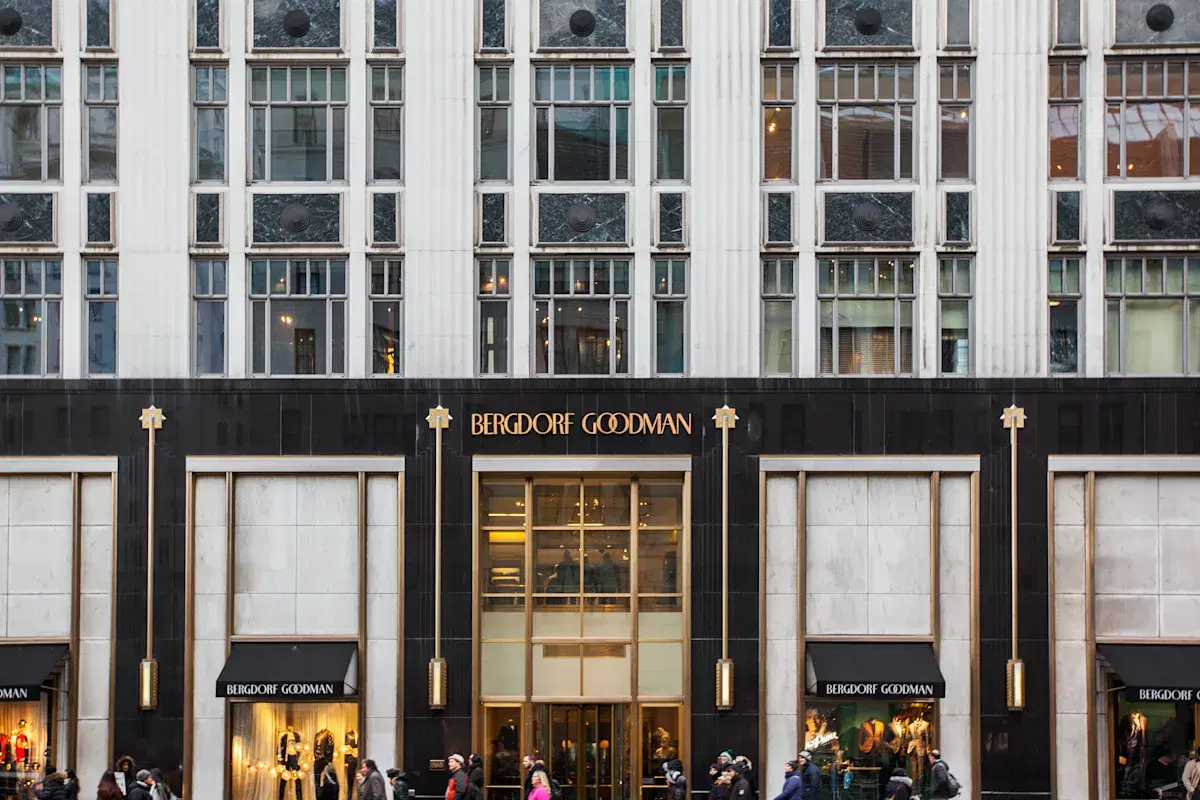
Evaluating this territorial aggression reveals a profound shift in how luxury brands formulate their competitive strategies. Instead of relying primarily on the magnetic allure of their seasonal collections or high-profile designer appointments, major groups weaponize their real estate portfolios. They lock in the most advantageous street corners, execute lengthy, multi-decade lease renewals, purchase entire historic buildings outright, and expand their existing flagships to historic, monumental scales. This approach solidifies their total dominance and ensures the street remains tightly controlled by a select, elite group of global conglomerates.
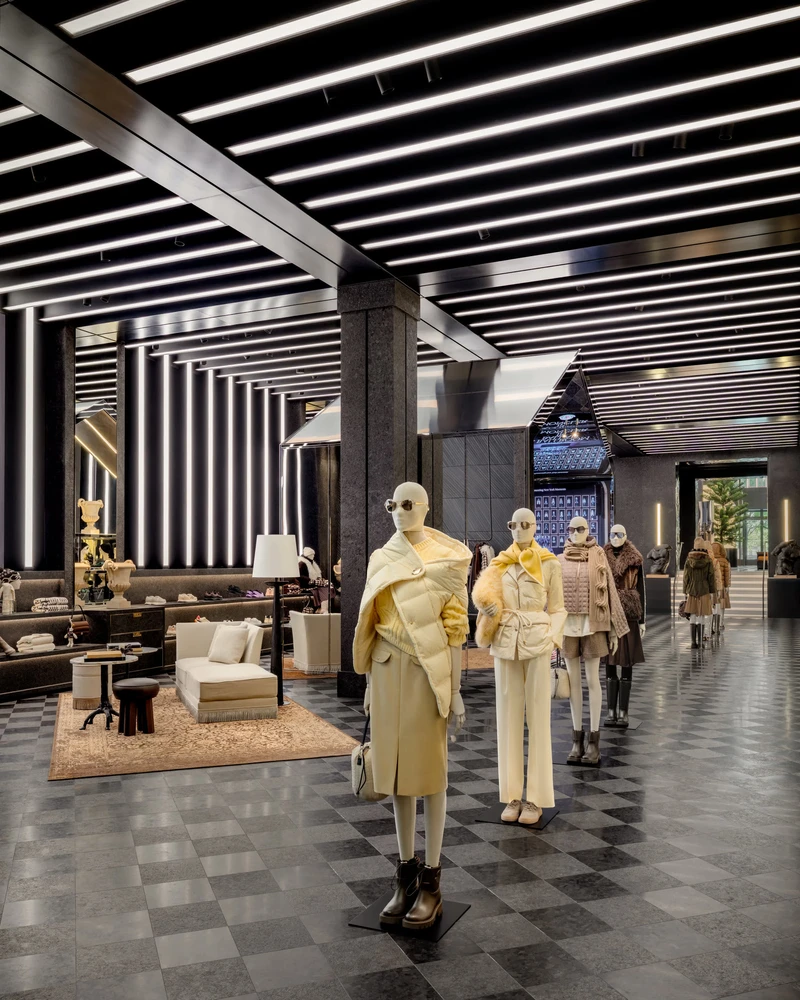
The ongoing evolution of the luxury boutique culminates in physical spaces that entirely transcend their original commercial purposes. The modern flagship operates as a highly sophisticated media object, a trust-building theatrical stage, an immersive architectural backdrop perfect for digital sharing, an exclusive VIP sanctuary, and a vital cultural institution.
Consider Louis Vuitton’s wildly ambitious undertaking within the historic former HSBC building located precisely at 103–111 Avenue des Champs-Élysées. This colossal project perfectly exemplifies the contemporary, elevated philosophy of luxury retail real estate. Recent industry developments indicate LVMH is focusing the sprawling site into an expansive, totally immersive Louis Vuitton universe.
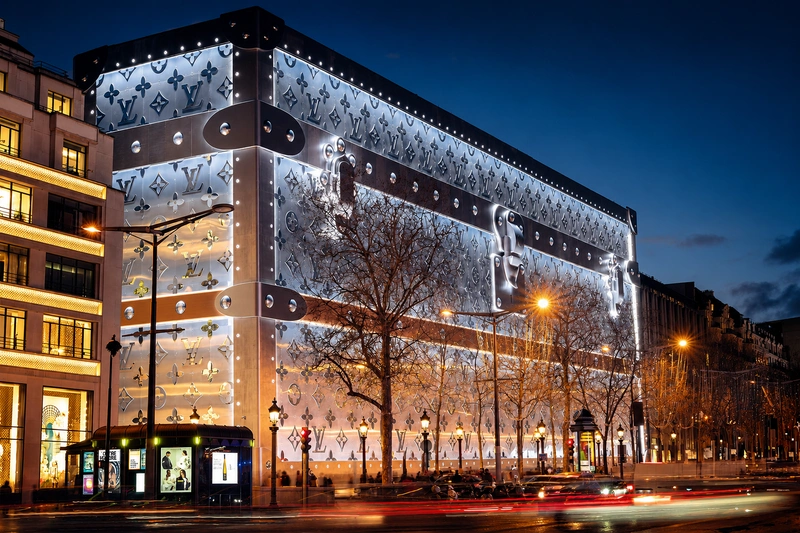
The location promises a seamless, brilliant integration of high-end shopping, enriching cultural programming, sophisticated dining experiences, vibrant café culture, and museum-quality exhibition spaces. This endeavor highlights how the modern store carries the profound emotional weight that seasonal ad campaigns, digital runway broadcasts, and periodic product launches struggle to support independently.
During periods when consumers carefully evaluate price adjustments, demand exceptional artisanal quality, and seek refuge from widespread creative fatigue, the magnificent flagship provides a vital sanctuary where luxury can perform its permanence. McKinsey’s State of Fashion 2026 report accurately captures this essential transition, noting how brands are actively replacing their reliance on price-led expansion with a deep refocus on artistic creativity, exceptional craftsmanship, elevated client experiences, and the establishment of enduring consumer trust.
Similarly, Deloitte highlights how the sector prioritizes highly immersive experiences, community-centric hubs, and deeply meaningful interactions blending the physical and digital realms beautifully. Reuters also observed brands like Louis Vuitton, Prada, and Dior heavily investing in highly conceptual and experiential stores across China to stimulate deeper consumer engagement amid shifting market dynamics.
As rental costs soar to historic heights and architectural ambitions expand exponentially, the fundamental atmosphere of the world’s most celebrated shopping districts undergoes a profound, visible transformation. These historic, beautiful avenues increasingly operate as specialized, highly curated global wealth corridors. While physically anchored in specific, famous cities, their primary function revolves almost entirely around serving international tourists, VIP clients, ultra-high-net-worth individuals, and the relentless, ongoing pursuit of global brand visibility.
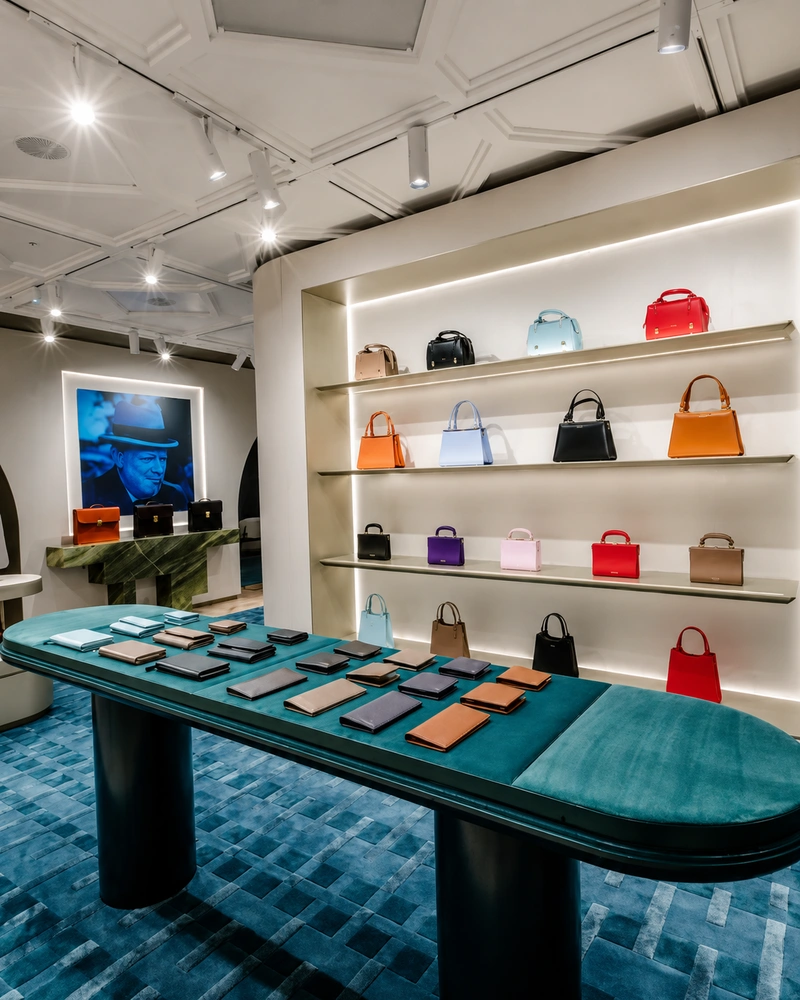
The physical street serves as an opulent, beautifully lit stage for global capital to perform its power. Cushman & Wakefield notes that high-spending tourists traveling from the Middle East and the United States provide crucial, foundational support for luxury retail performance across all major European capitals. Bain’s comprehensive research quantifies this exact trend, observing that luxury spending by Gulf visitors in Europe rose between 5 and 10 percent, while expenditures by United States tourists increased by approximately 5 percent. Concurrently, Vogue Business reports Madrid’s rapid, impressive ascension as a luxury capital relies heavily on international tourism, wealthy migration patterns, and the deliberate, strategic transformation of Barrio Salamanca into a premier, globally recognized luxury district.
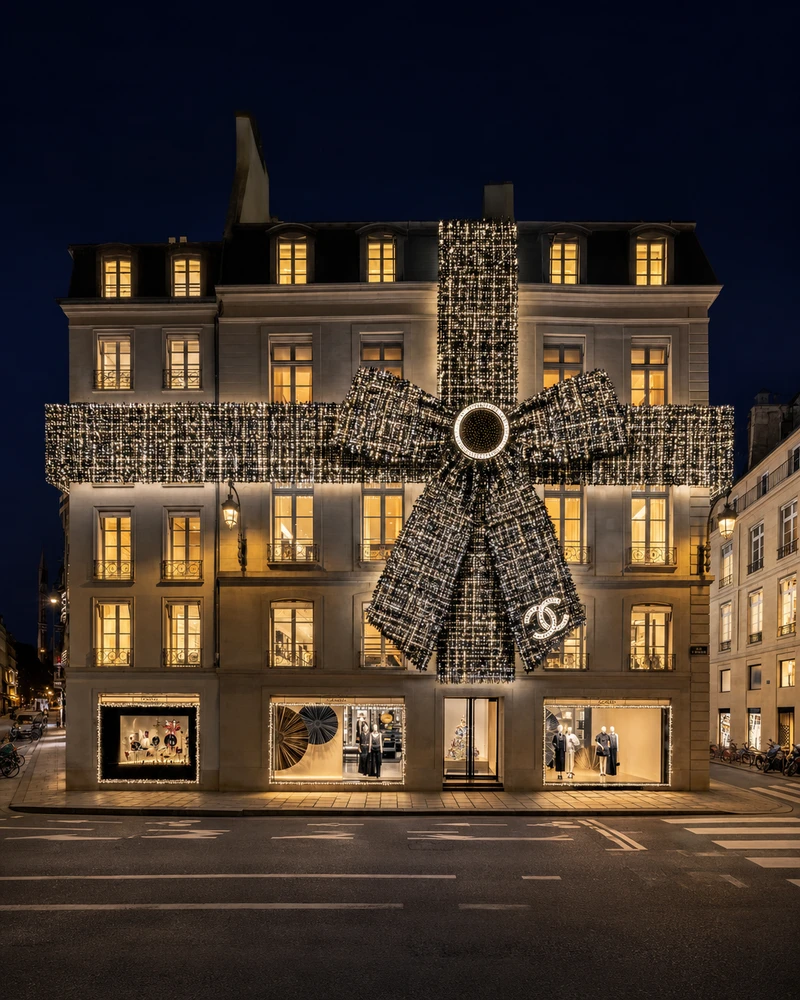
When every major luxury street features the identical sequence of mega-brand logos, the same monumental marble facades, the exact same roster of elite high jewelry houses, and the identical VIP service logic, luxury geography gains immense financial power while gradually shedding its localized, specific emotional resonance. The unique, vibrant cultural textures of London, Paris, Milan, and Sydney risk fading behind a standardized, globally exported veneer of universal prestige.
The world’s finest luxury streets operate increasingly like meticulously curated, open-air transit lounges for the global elite, functioning as seamless, glittering extensions of an international lifestyle rather than organic, highly localized components of their host cities. In this sense, luxury retail real estate becomes less about serving the city and more about staging the city for global wealth.
The current moderation in luxury demand ultimately illuminates the immense, enduring power of prime luxury retail real estate. Within a fluctuating, evolving market, luxury houses require undeniable, physical proof of their enduring strength: the perfect historical address, the most imposing façade, the most prestigious neighbors, the optimal flow of high-net-worth tourism, and the carefully cultivated, beautiful myth of absolute permanence.
Market growth experiences moments of pause and careful reflection, yet the value of prime spatial territory accelerates relentlessly forward. Luxury's future relies heavily on these physical manifestations of power, ensuring the most celebrated avenues remain permanently protected, fiercely contested, and beautifully untouchable. Luxury retail real estate has become the industry’s most expensive proof that prestige is no longer only worn, carried, or displayed; it is occupied.
Advertisement