MENU
Close





Dadcore asks one very important question: what kind of daddy are we dressing like today?
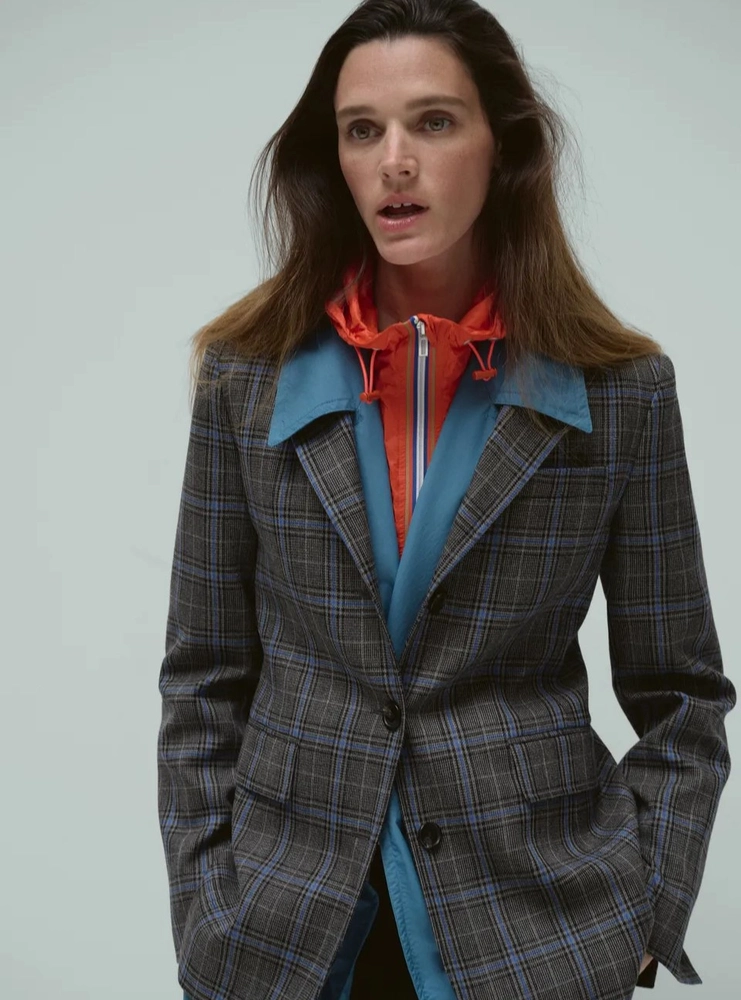
Dadcore asks one very important question: what kind of daddy are we dressing like today?
August 20, 2026
Advertisement
Advertisement



Somewhere between the country club parking lot, a record shop, a ranch in Wyoming and a suspiciously tasteful divorced man's apartment, fashion found its newest muse. His polo has softened from years of washing. His blazer knows several restaurants by name. His windbreaker carries the emotional weight of a family holiday. Dadcore has entered womenswear carrying an entire life inside the pockets.
There is something deeply seductive about a garment that appears to have already lived.
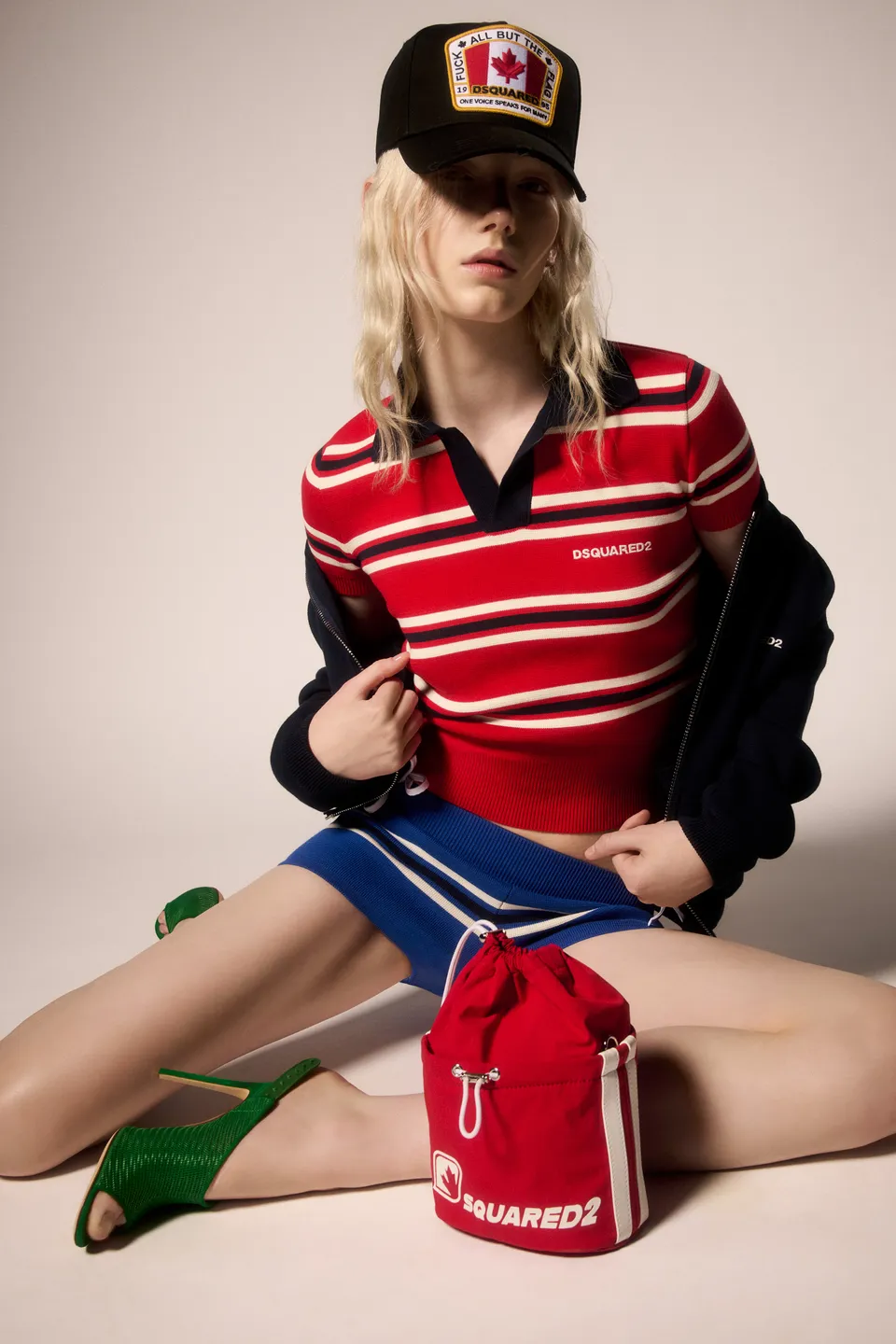
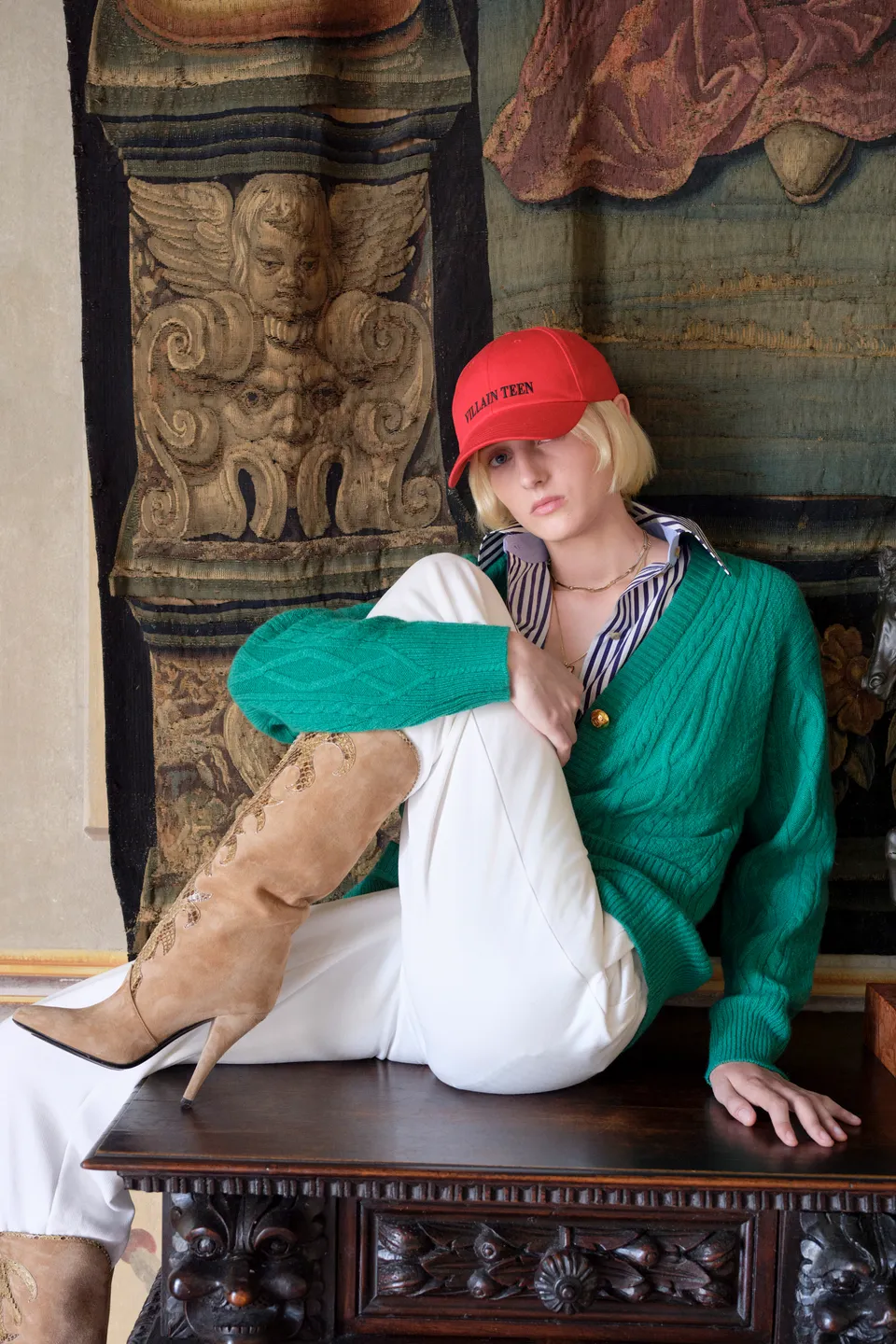
The wardrobe has familiar ingredients: polo shirts, striped button-downs, crewneck sweaters, cardigans, relaxed blazers, washed denim, chinos, roomy trousers, athletic jackets, baseball caps, loafers and practical sneakers. Yet the trend lives through character. Each outfit suggests a man, his habits, his hobbies, his questionable romantic history and the particular chair where he leaves his jacket every evening.
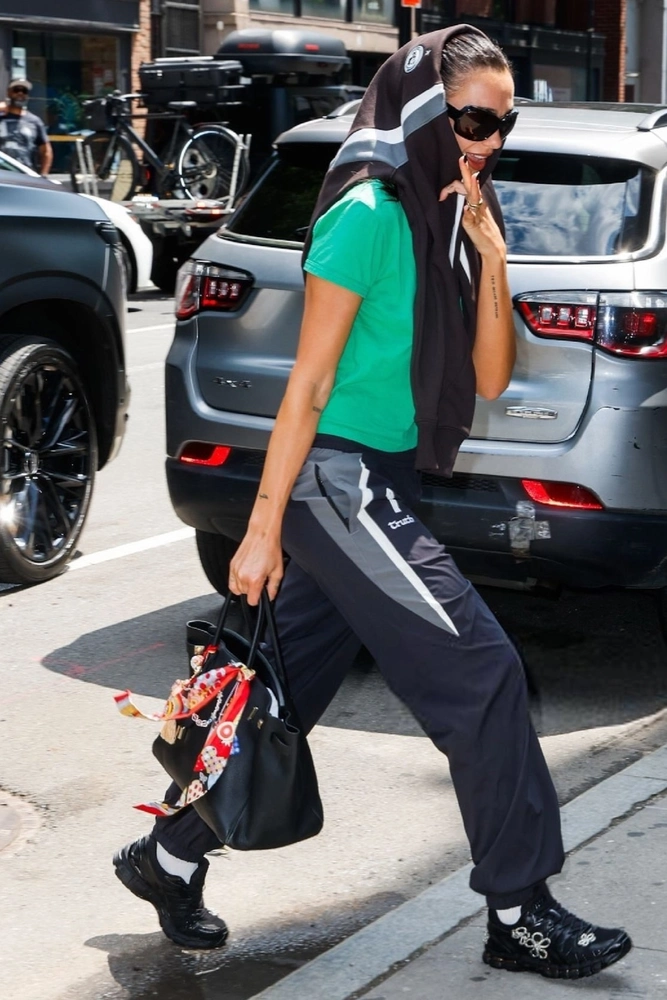
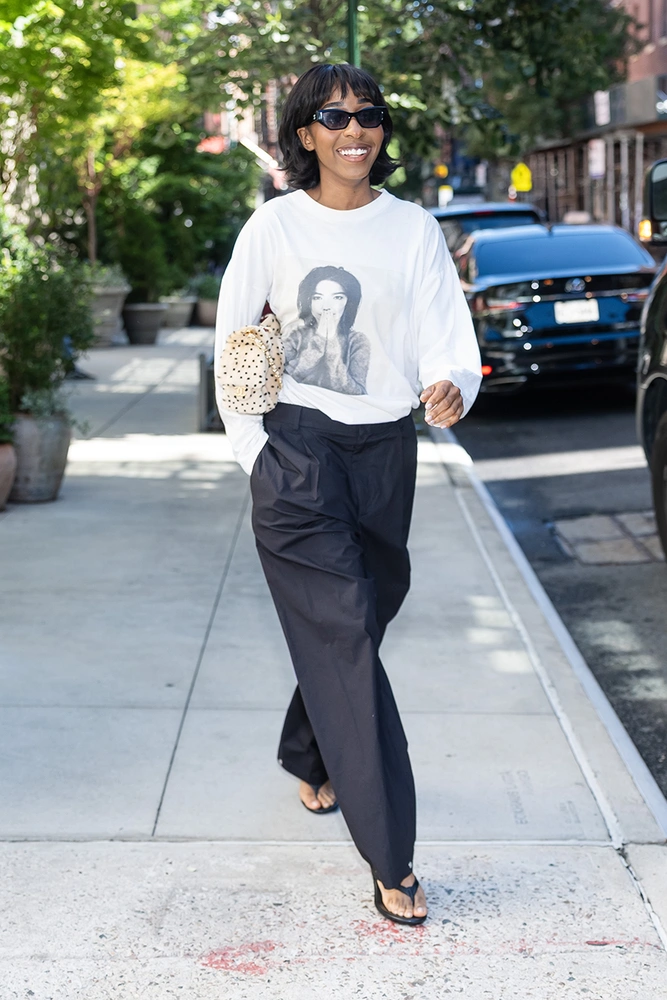
That character energy explains why dadcore currently travels so easily through womenswear. Dua Lipa, Zendaya, Milly Alcock, Ayo Edebiri, Bella Hadid and Hailey Bieber have all touched the territory through oversized tees, jorts, relaxed trousers, sporty outerwear, polos and pieces carrying that familiar paternal ease.
The runway has taken the fantasy much further. Every fashion house seems to have found a completely different dad.
Somewhere in California, his surfboard still lives in the garage.
ERL approaches dadcore through the mythology of American adolescence: faded polos, madras, plaid shirts, graphic tees, washed denim, cargos and athletic outerwear. Eli Russell Linnetz understands how clothing can function like a family photograph. The appeal comes from the feeling that these pieces survived summers, road trips, high-school games and several generations of American pop culture before reaching the runway.
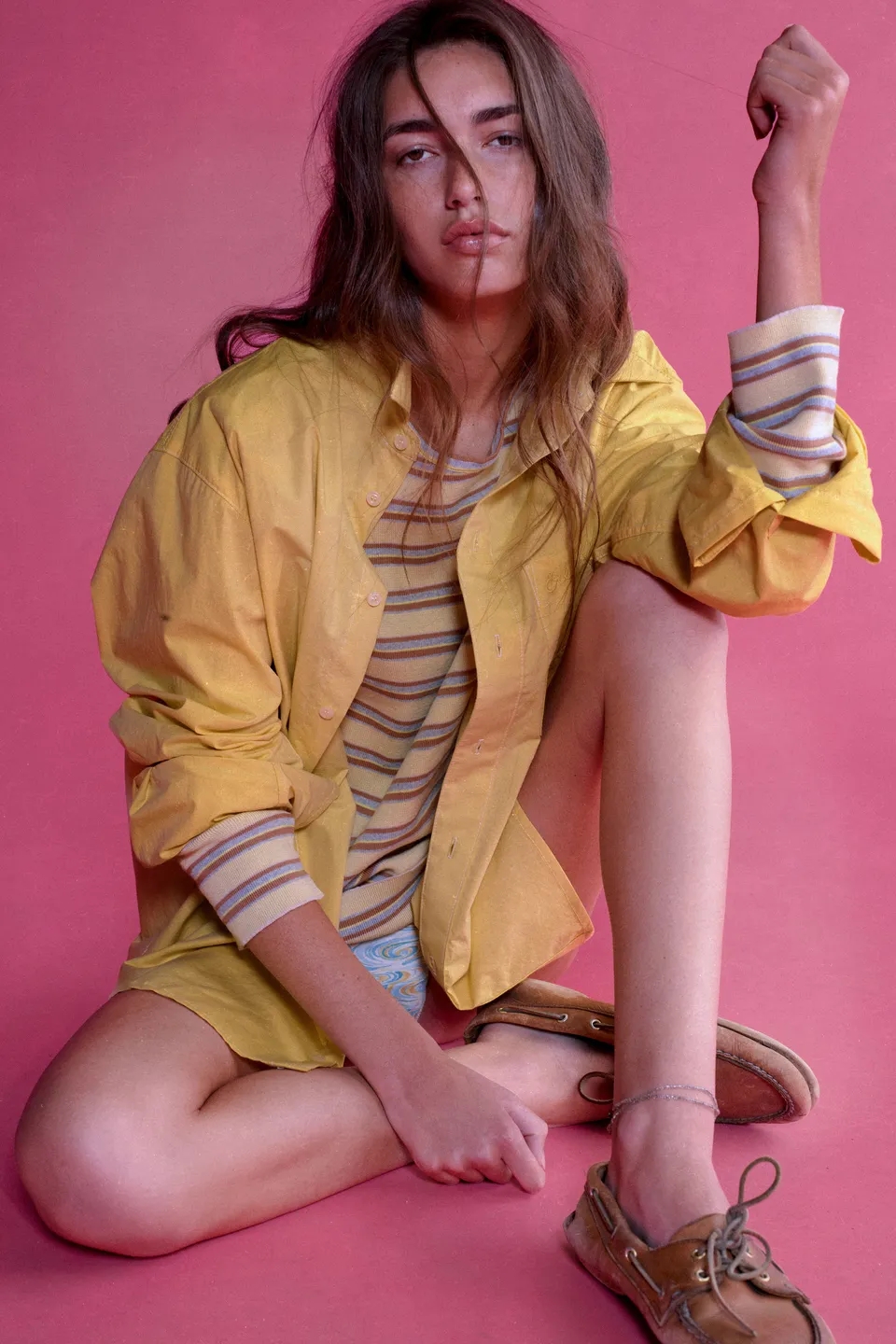
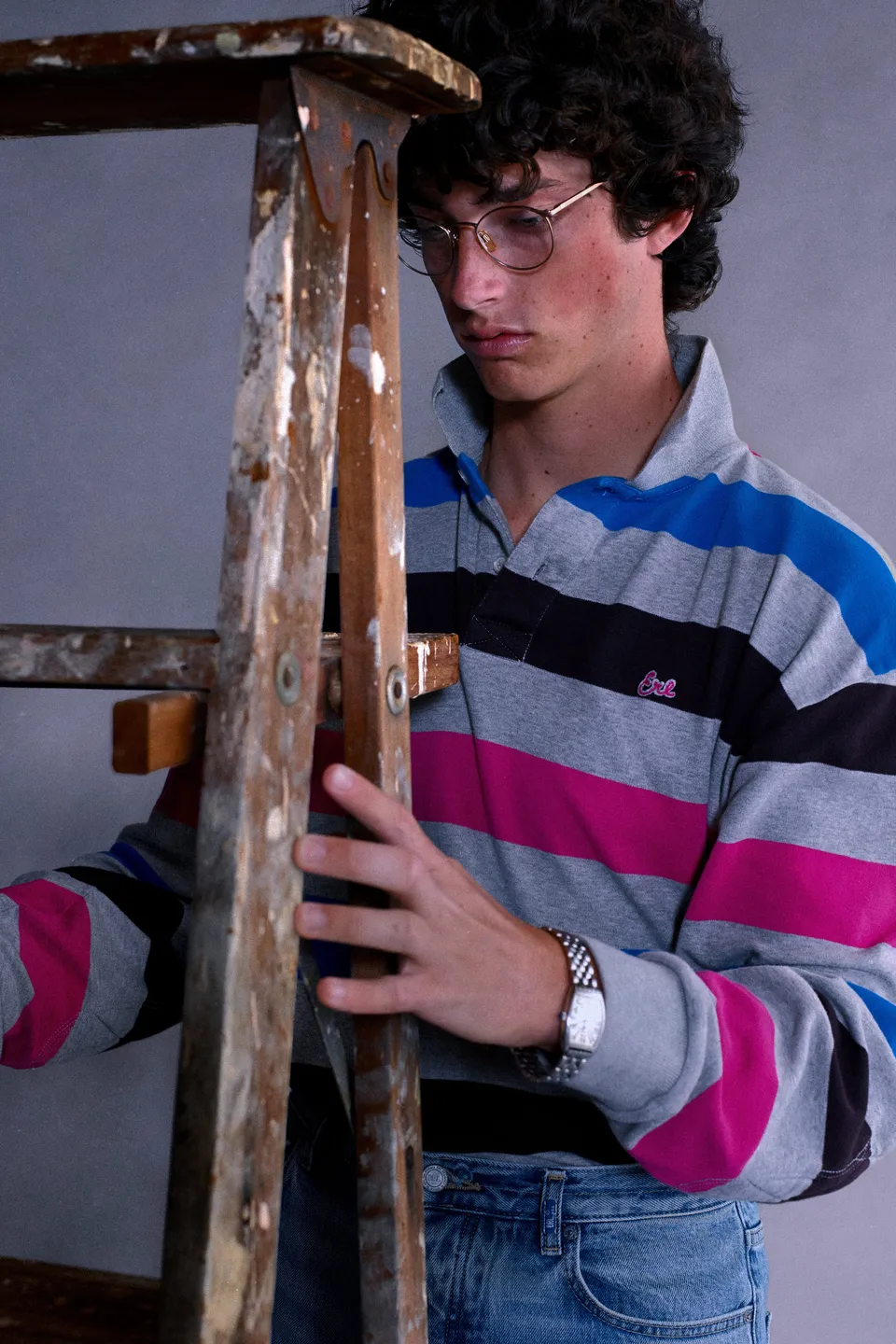
His dad still carries traces of the teenage boy he once was. Country-club preppy style sits beside surf culture. Sportswear keeps its sun-bleached casualness. Plaid carries the intimacy of somebody grabbing whatever shirt happened to hang beside the door.
ERL gives dadcore an emotional geography. There is a coastline nearby, a cooler in the back of the car and sporting equipment scattered around a garage nobody has fully cleaned since 2008.
He still goes skiing with “the boys,” and everyone understands that phrase contains several missing chapters.
Dsquared2 gives dadcore libido. Dean and Dan Caten pull from denim, workwear, athletic clothes, plaid, Western Americana and familiar masculine basics, then charge them with exhibitionism. The suburban father suddenly has immaculate abs, loud jeans and an alarming amount of confidence at the hotel bar.
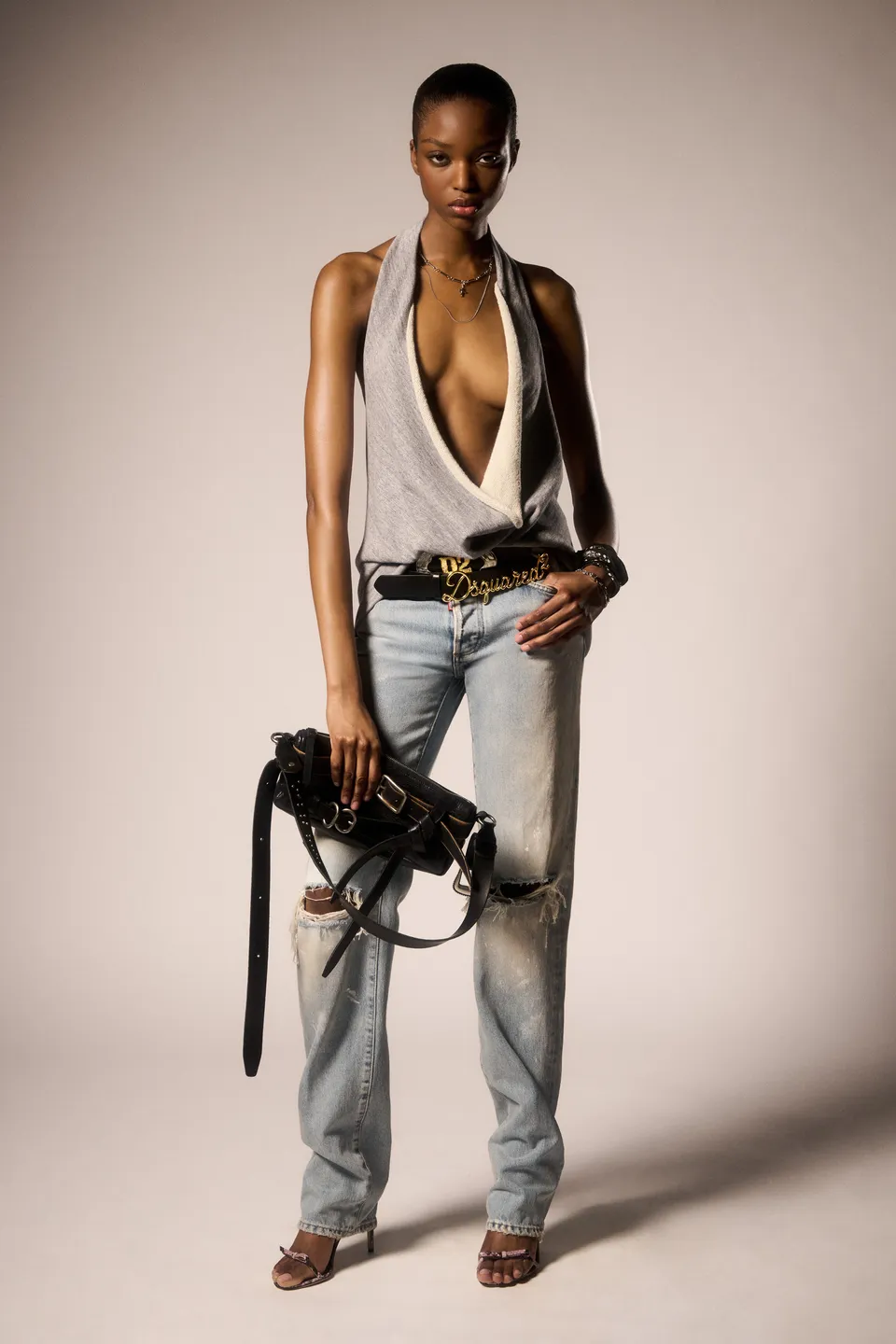
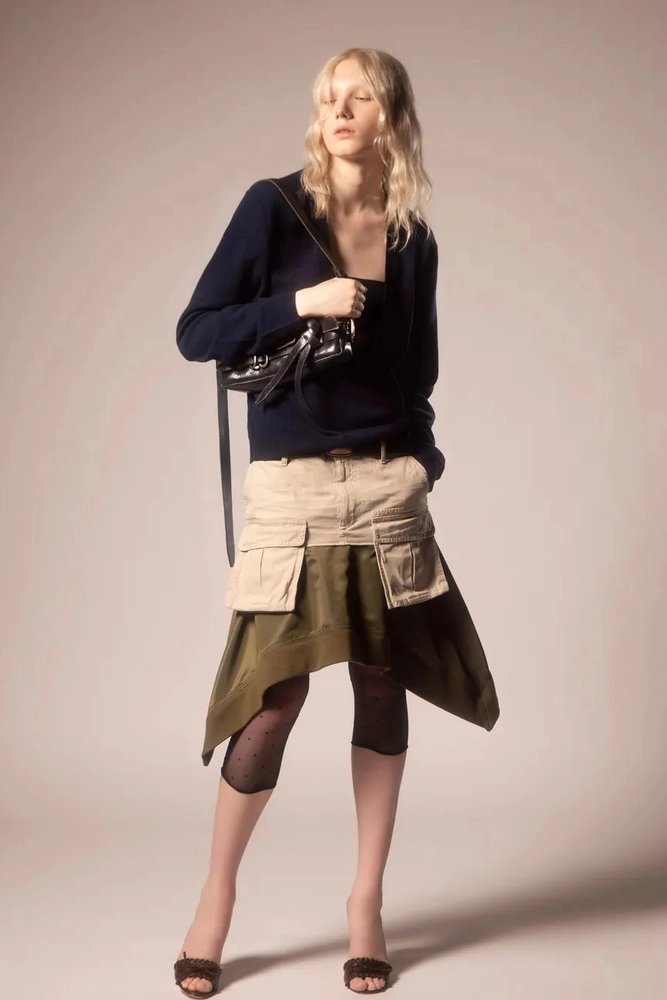
This character knows every bartender by first name. He owns ski goggles with suspiciously good design credentials. His shirt has developed an unstable relationship with its buttons.
The humor works because the paternal wardrobe remains visible beneath the provocation. Dsquared2 simply releases every fantasy that respectable dad clothing usually keeps buttoned inside. Dadcore becomes messy, physical, flirtatious and spectacularly aware of its own masculinity.
He dressed once this morning and somehow prepared for six possible versions of the day.
At Rag & Bone, dadcore lives through urban layering. A technical sports jacket meets a relaxed blazer. Striped track trousers move beneath tailoring. Athletic references enter the office wardrobe until commuting, meetings, errands and recreation begin sharing the same silhouette.
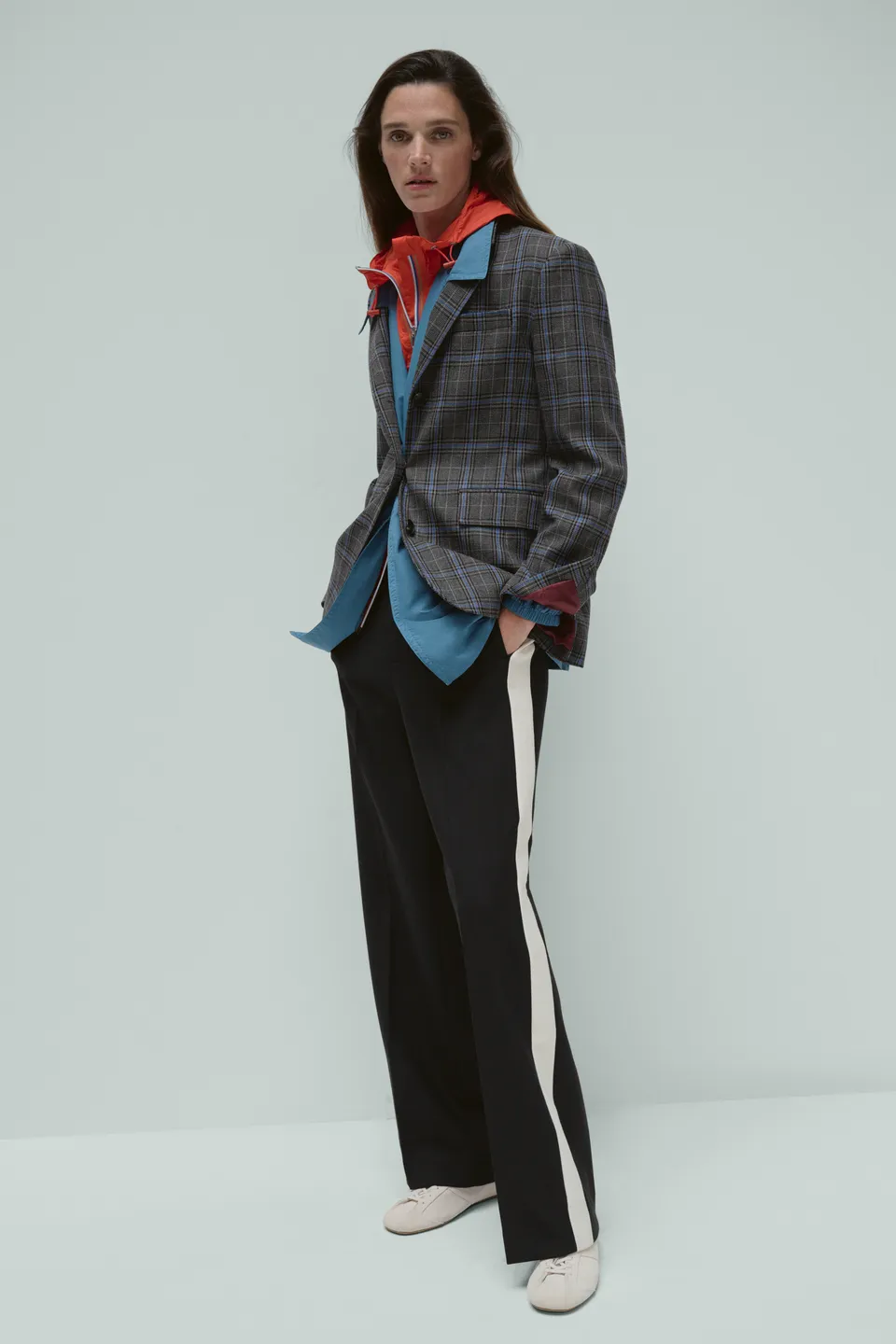
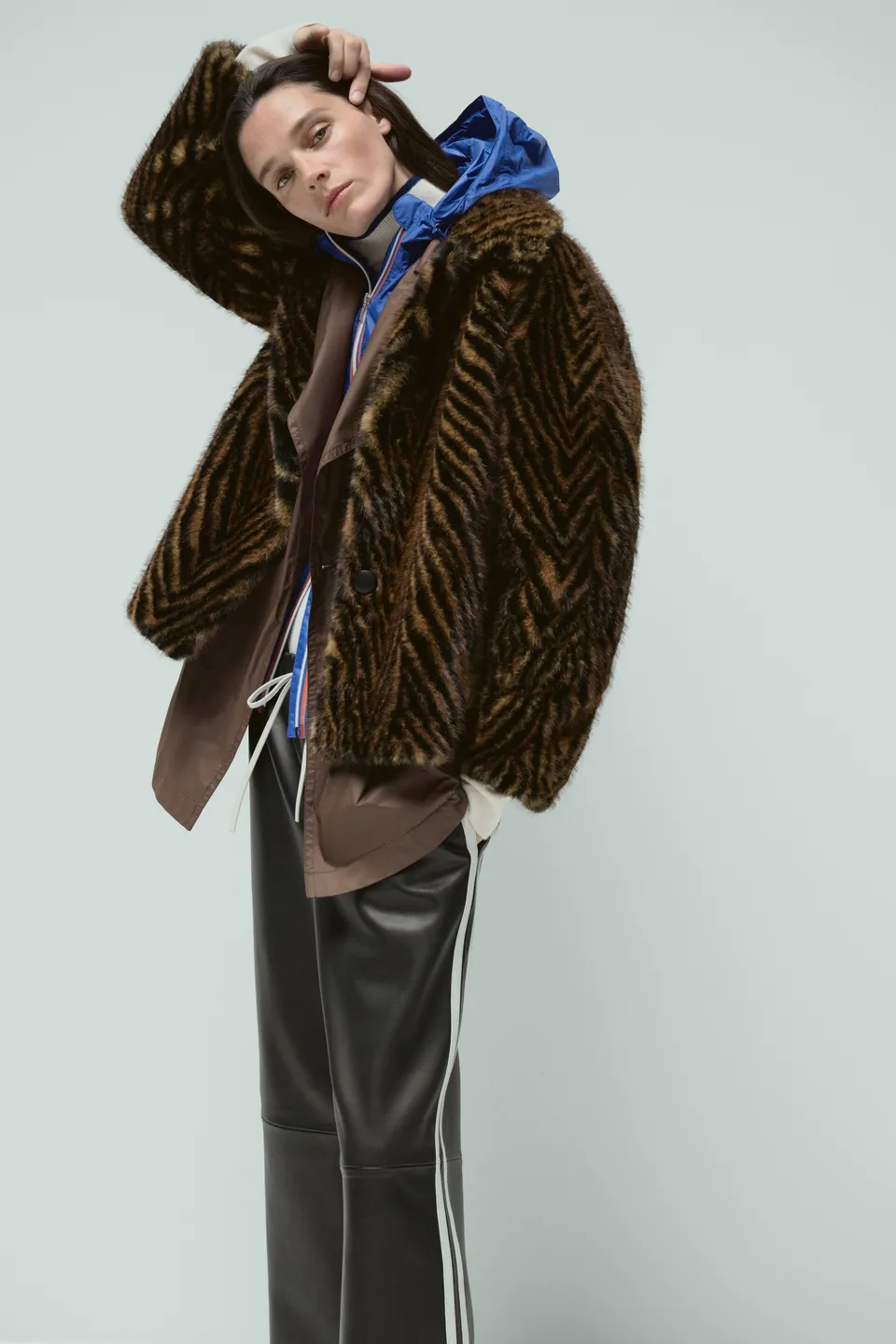
His clothes solve problems before the problems happen. Rain could arrive. Somebody could suggest drinks. A meeting might become dinner. The gym bag may already be in the car.
That practical psychology gives Rag & Bone's version its charm. The styling feels like a daily schedule compressed into one outfit, turning the slightly chaotic intelligence of paternal dressing into a contemporary fashion system.
His apartment has one devastatingly beautiful lamp and ceramics chosen with alarming precision.
Lemaire gives dadcore a man who already understands himself. Fluid khaki trousers, restrained shirts, elegant outerwear, soft knitwear and relaxed tailoring carry maturity through proportion and touch. Nothing needs to shout because the character has already entered the room.
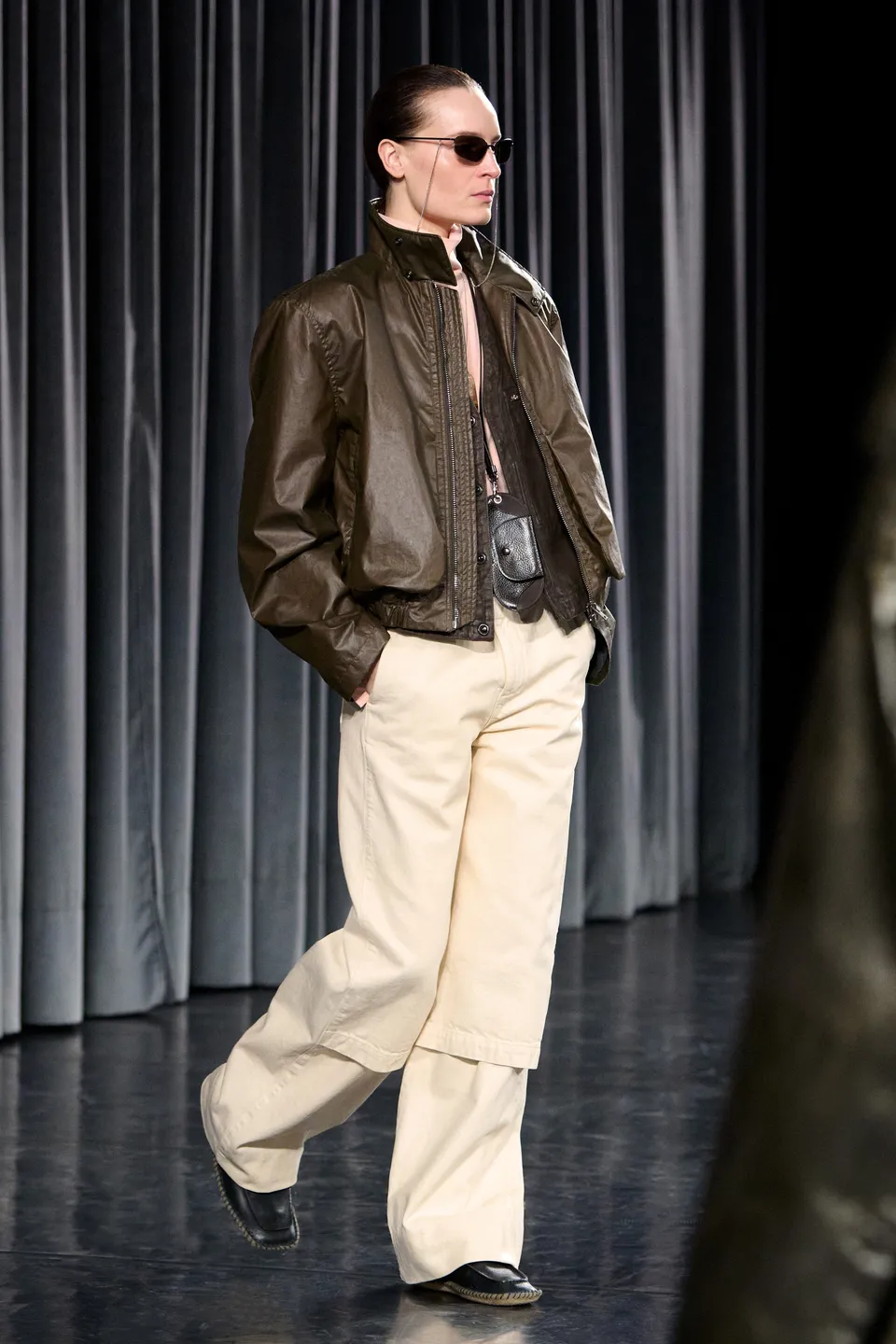
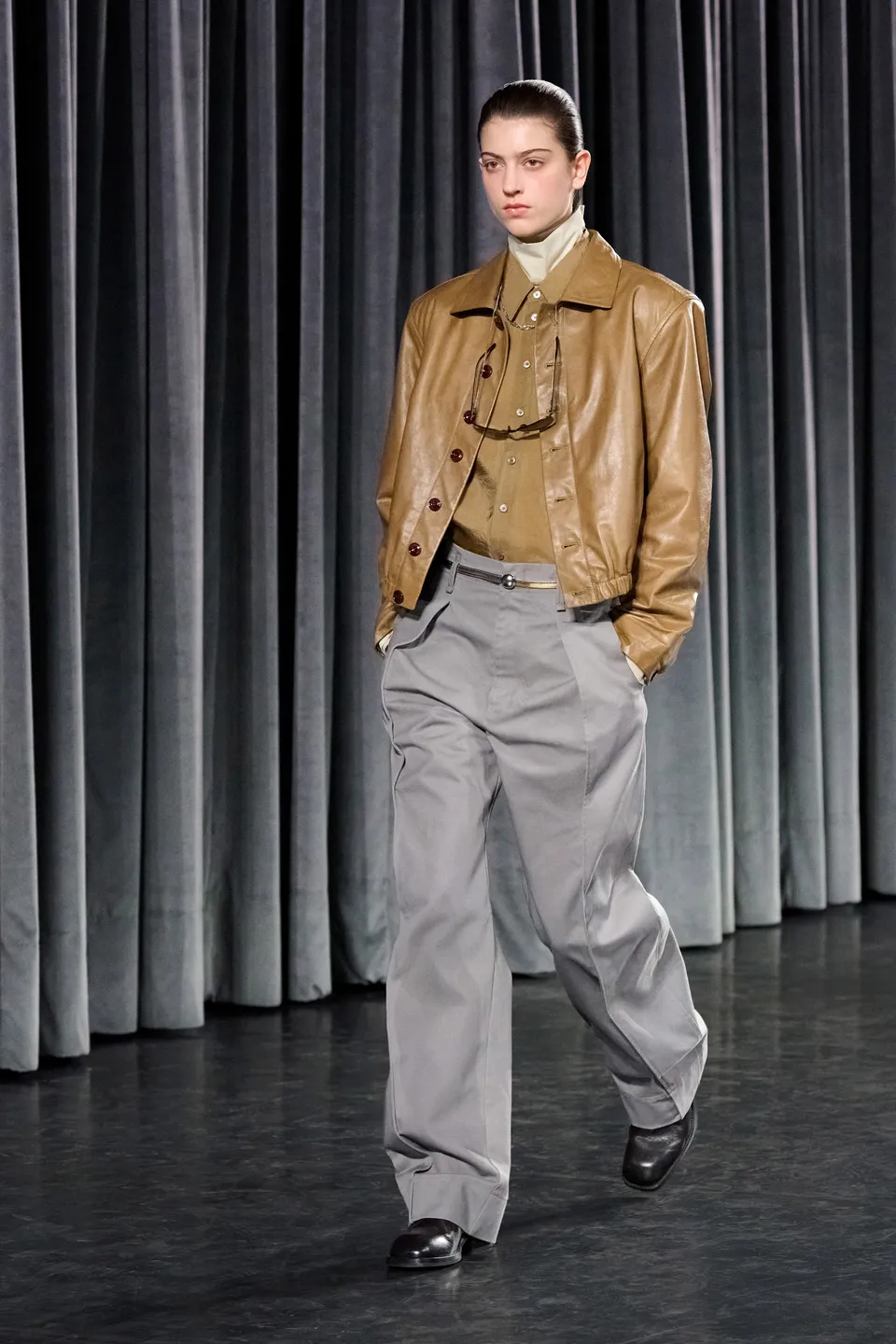
He knows where dinner should happen. He understands wine. His leather shoes age beautifully. The coat hanging over his chair probably costs a fortune, though the subject would never arise naturally in conversation.
Lemaire gives dadcore divorce papers, excellent furniture, emotionally complicated weekends and the dangerous calm of a silver fox who has perfected the art of saying very little.
At Nili Lotan, denim, suede, plaid, boots, barn jackets and Western-inflected shirts pull dadcore into open country. The city apartment disappears behind timber, old trucks, leather saddles, and a landscape wide enough to make silence feel romantic.
This father owns something mechanical and understands how to fix it.
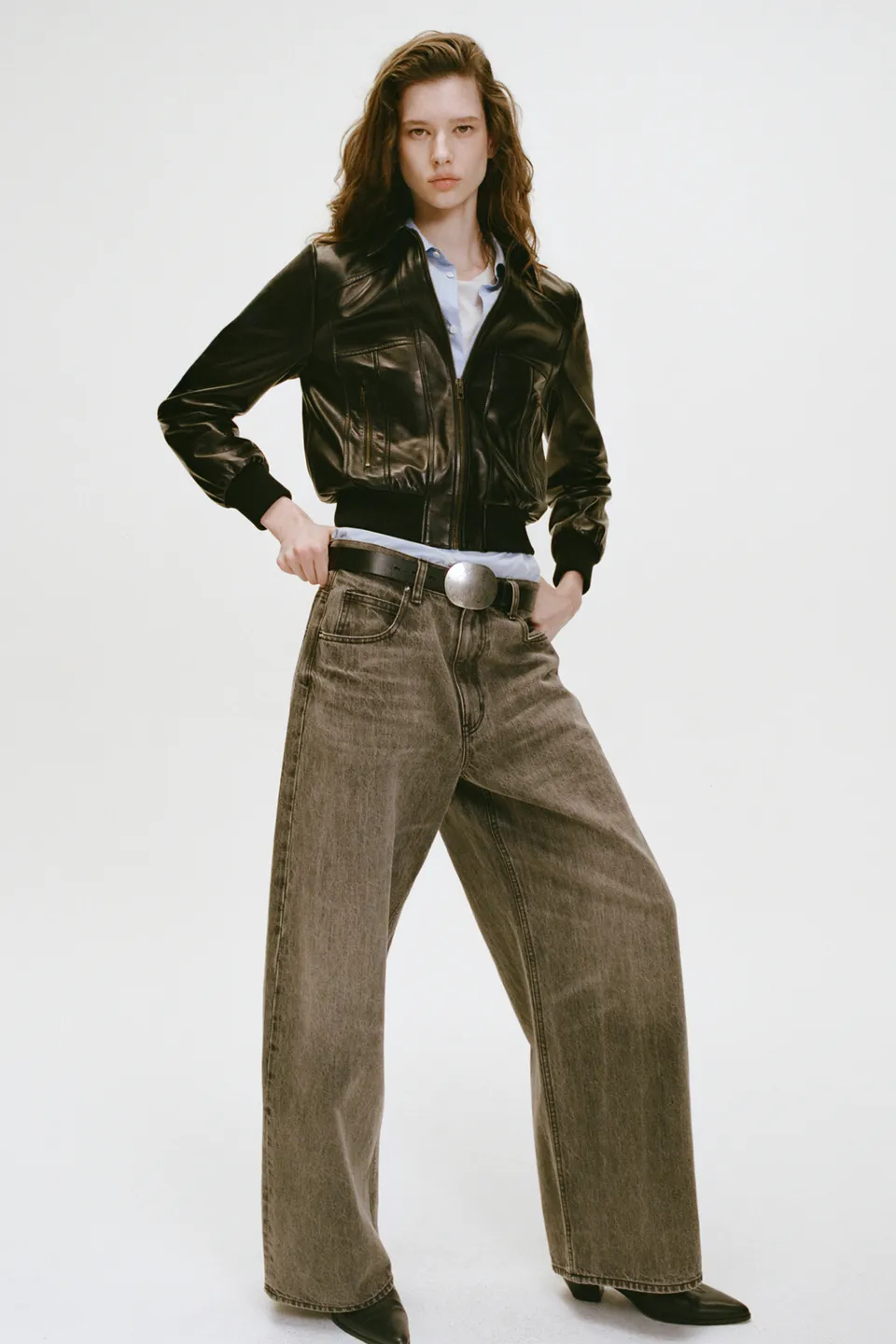
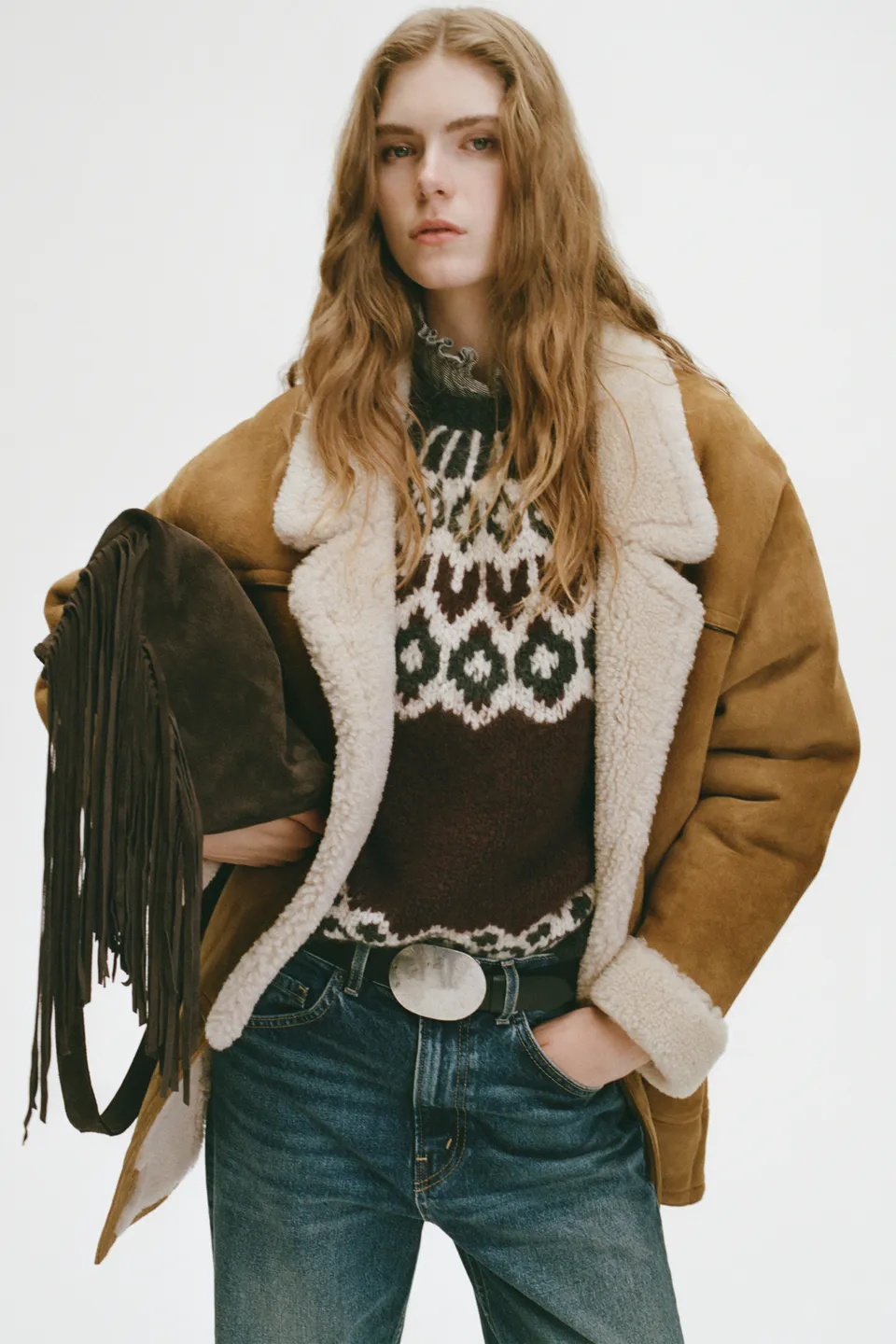
There is a faint Brokeback Mountain atmosphere floating through this branch of dadcore: masculine intimacy, rural restraint, weathered textures, and the melancholy beauty of people whose clothes have absorbed the landscape around them.
His children discovered an old photograph and suddenly had several questions.
Ganni gives the father a record collection, patterned knitwear, and enough color to suggest a very interesting youth. Stripes, graphic motifs, playful sweaters, and retro-inflected trousers build a dadcore character with 1970s artistic energy.
He may teach ceramics on Tuesdays. He certainly owns reading glasses that became fashionable again without his involvement. Somewhere in the house sits a turntable surrounded by records he refuses to reorganize.
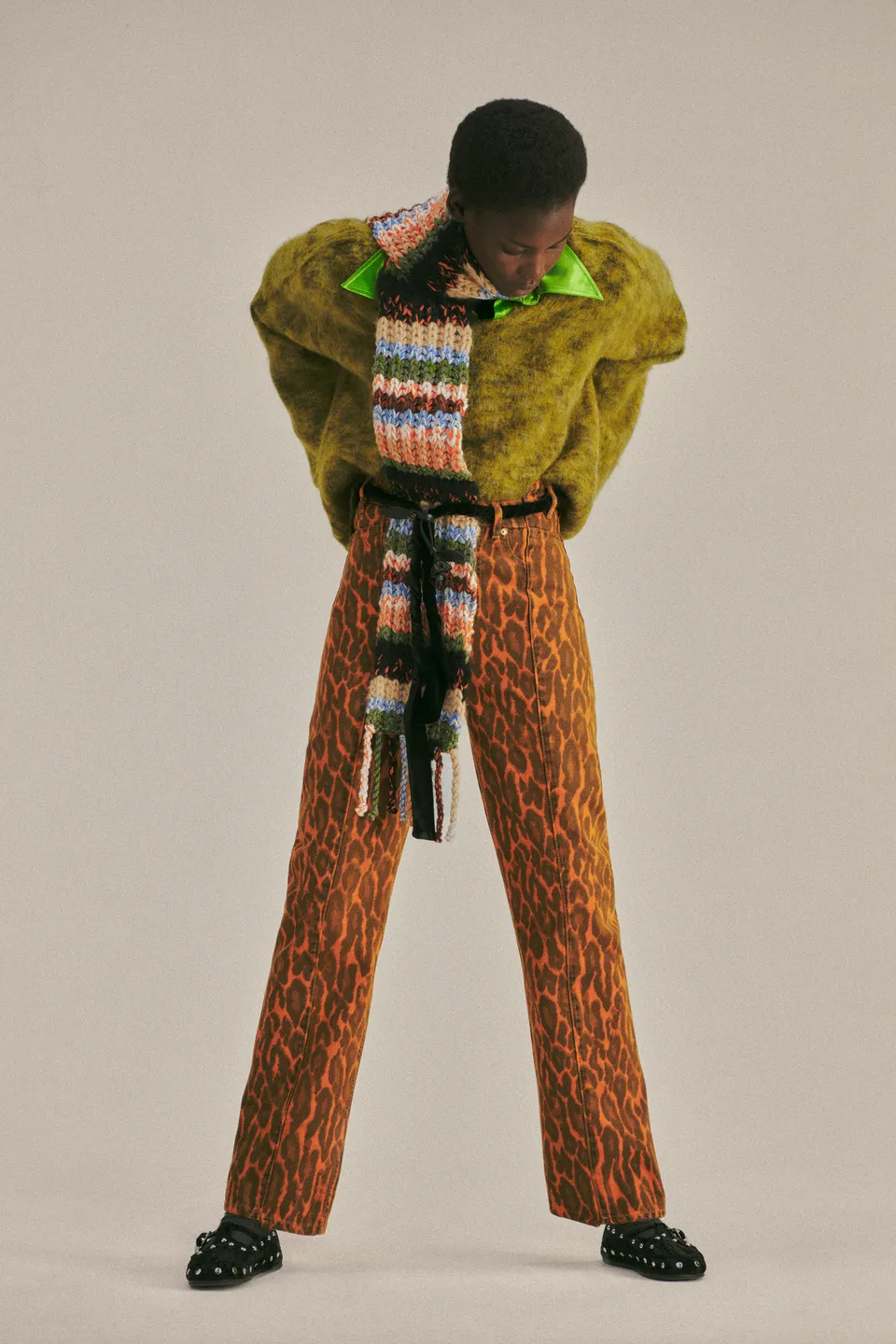
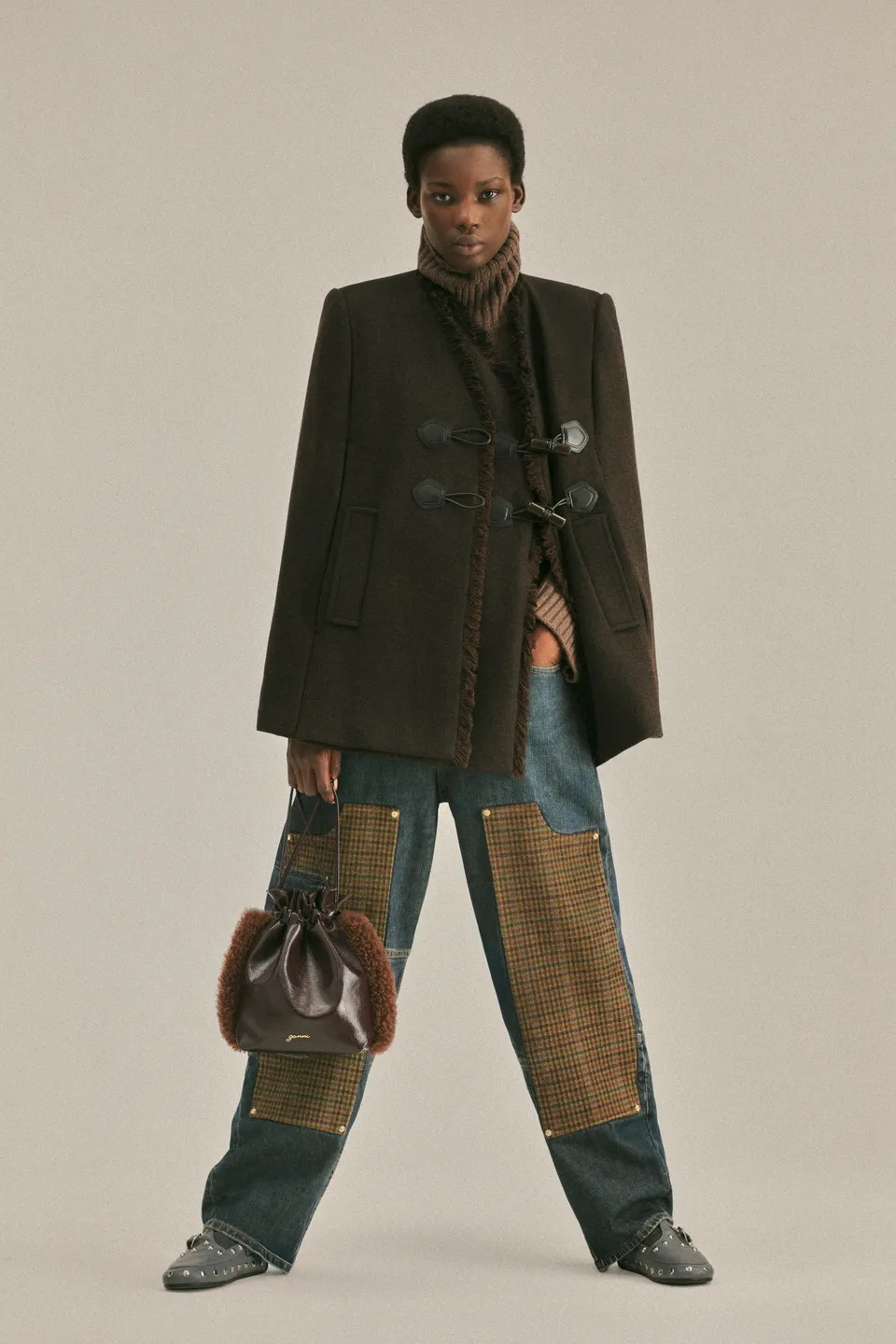
Color gives this archetype its soul. Those slightly awkward knits begin to feel intimate because they suggest personal taste accumulated long before trend forecasting entered the conversation.
He is carrying a stroller with the same hands that still remember last Saturday night.
Balenciaga gives dadcore its youngest father. Blousons, high-collar jackets, loose denim, shirts and practical outerwear create masculinity caught inside the strange first chapter of adulthood. Protective clothing becomes particularly important here. Jackets close around the body. Collars rise. Volume creates a shell.
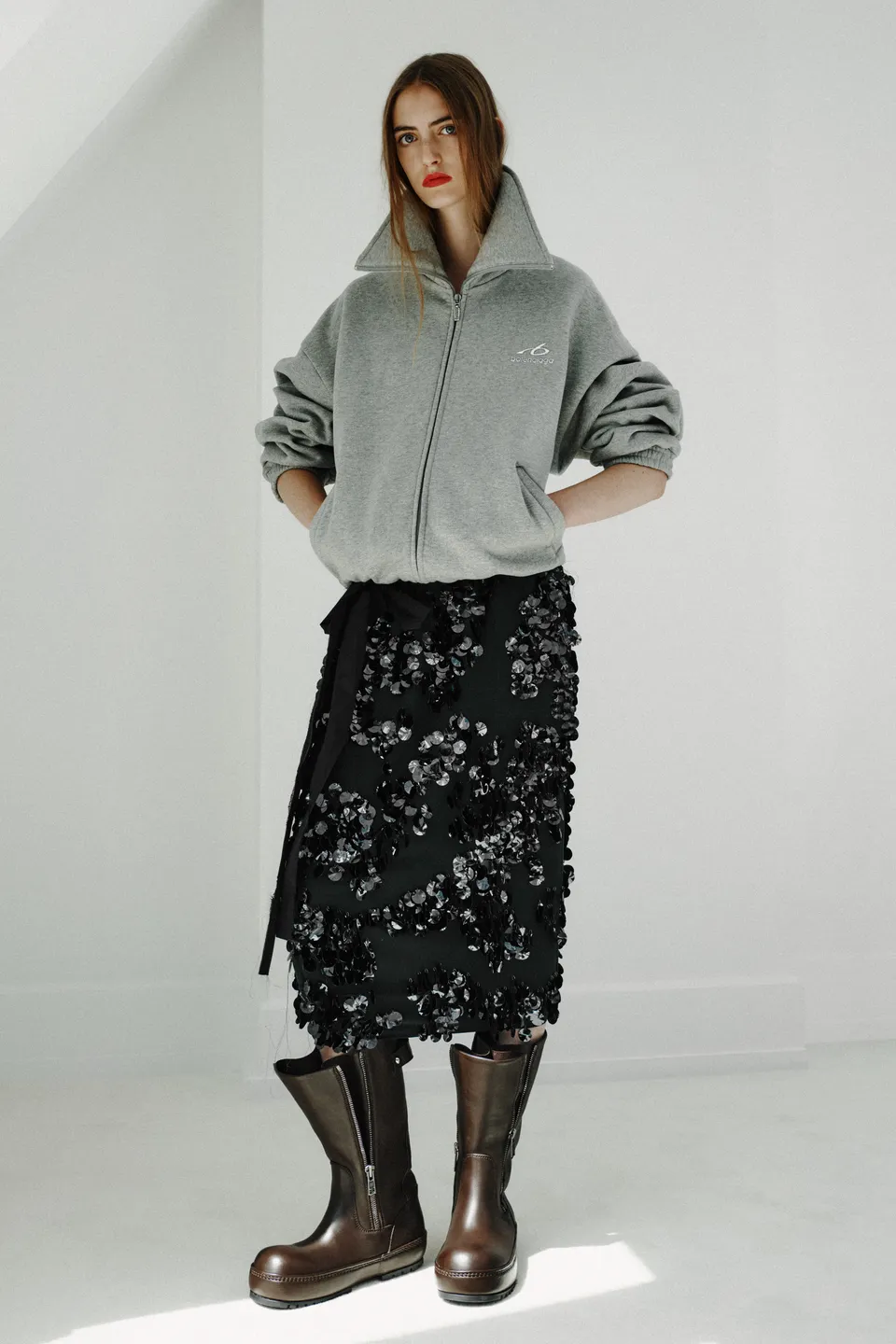
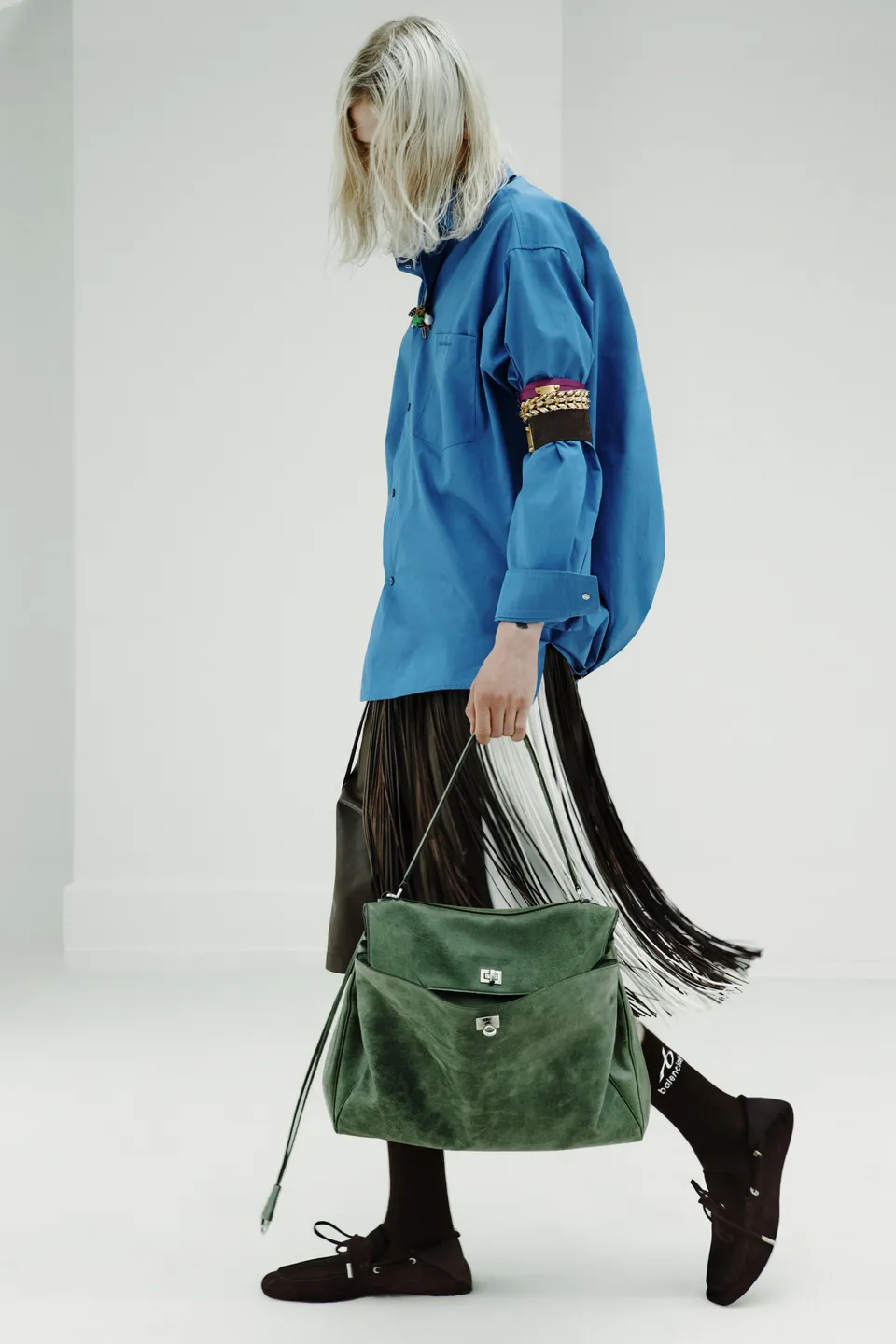
This baby daddy still belongs to youth culture, though responsibility has started appearing in the wardrobe.
His clothes carry a fascinating tension between freedom and protection. He wants the loose jeans, the nightlife, the oversized jacket, and the city. Somewhere nearby, adulthood keeps asking increasingly specific questions.
Balenciaga turns dadcore into a generational condition. Fatherhood becomes an attitude that can arrive before the wardrobe feels fully grown.
By the time these characters gather in one room, dadcore has become an entire social universe.
Their wardrobes share familiarity, yet their lives give every polo, blazer, jacket and pair of trousers a different charge.
That may be the great pleasure of dadcore in 2026. Suddenly, the fantasy wardrobe comes with a mortgage, a vinyl collection, an excellent jacket and several stories nobody has finished telling.
Advertisement