MENU
Close





A wool coat may look almost solid, yet its warmth begins with something far smaller: millions of curled fibres quietly trapping pockets of air between them.
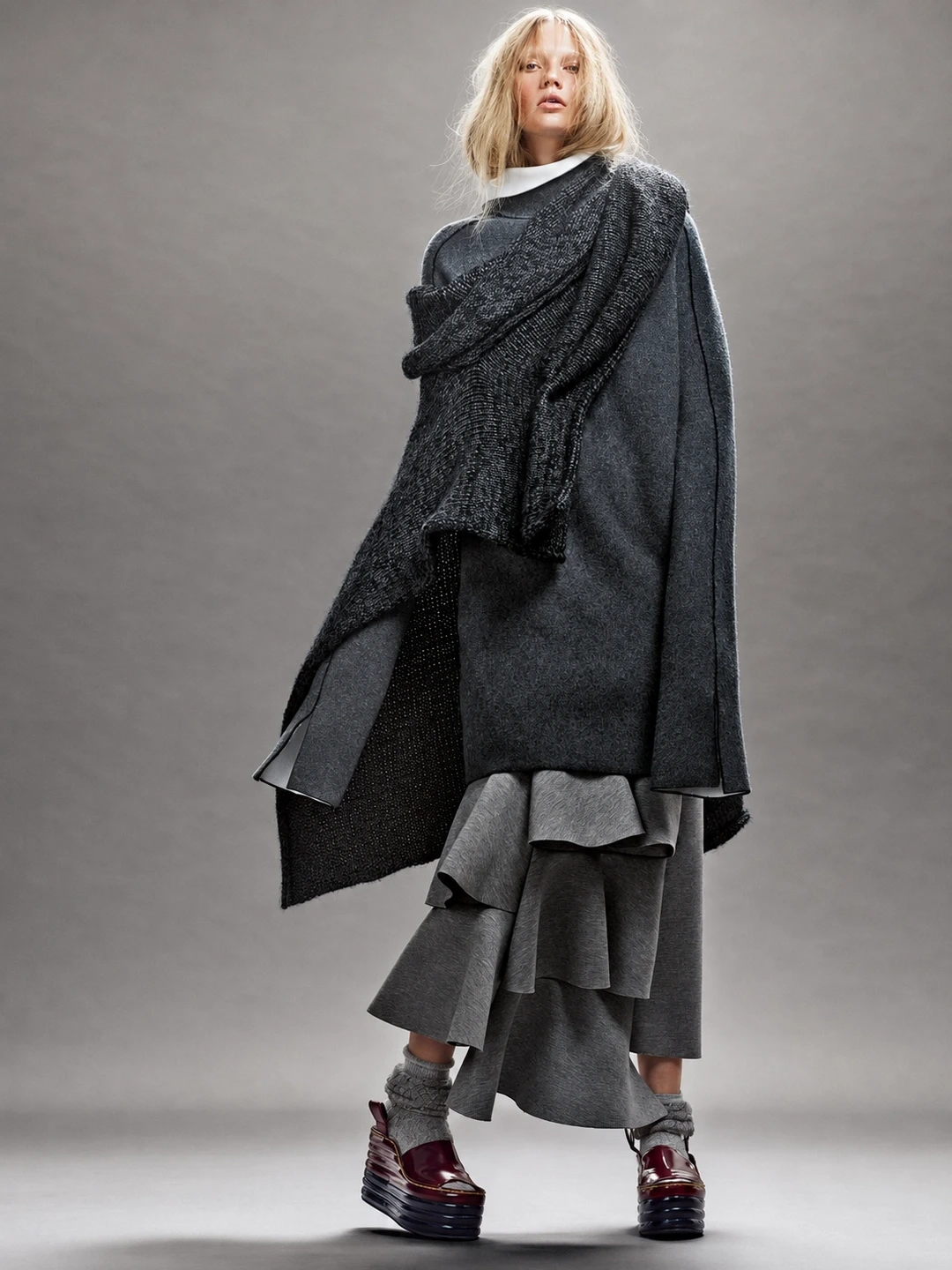
A wool coat may look almost solid, yet its warmth begins with something far smaller: millions of curled fibres quietly trapping pockets of air between them.
August 14, 2026
Advertisement

Advertisement



Run a hand across a brushed coat and the surface gives slightly beneath the fingers. Move to a sharply pressed suit and the sensation changes completely, becoming dry, smooth and almost architectural. Both can begin with the same raw material.
That range is built into the fibre itself. Individual wool fibres rarely lie perfectly straight. They twist through a natural crimp, bend under pressure and recover much of their shape once released. Under magnification, their surfaces are covered with overlapping microscopic scales, details that influence everything from warmth and elasticity to felting.
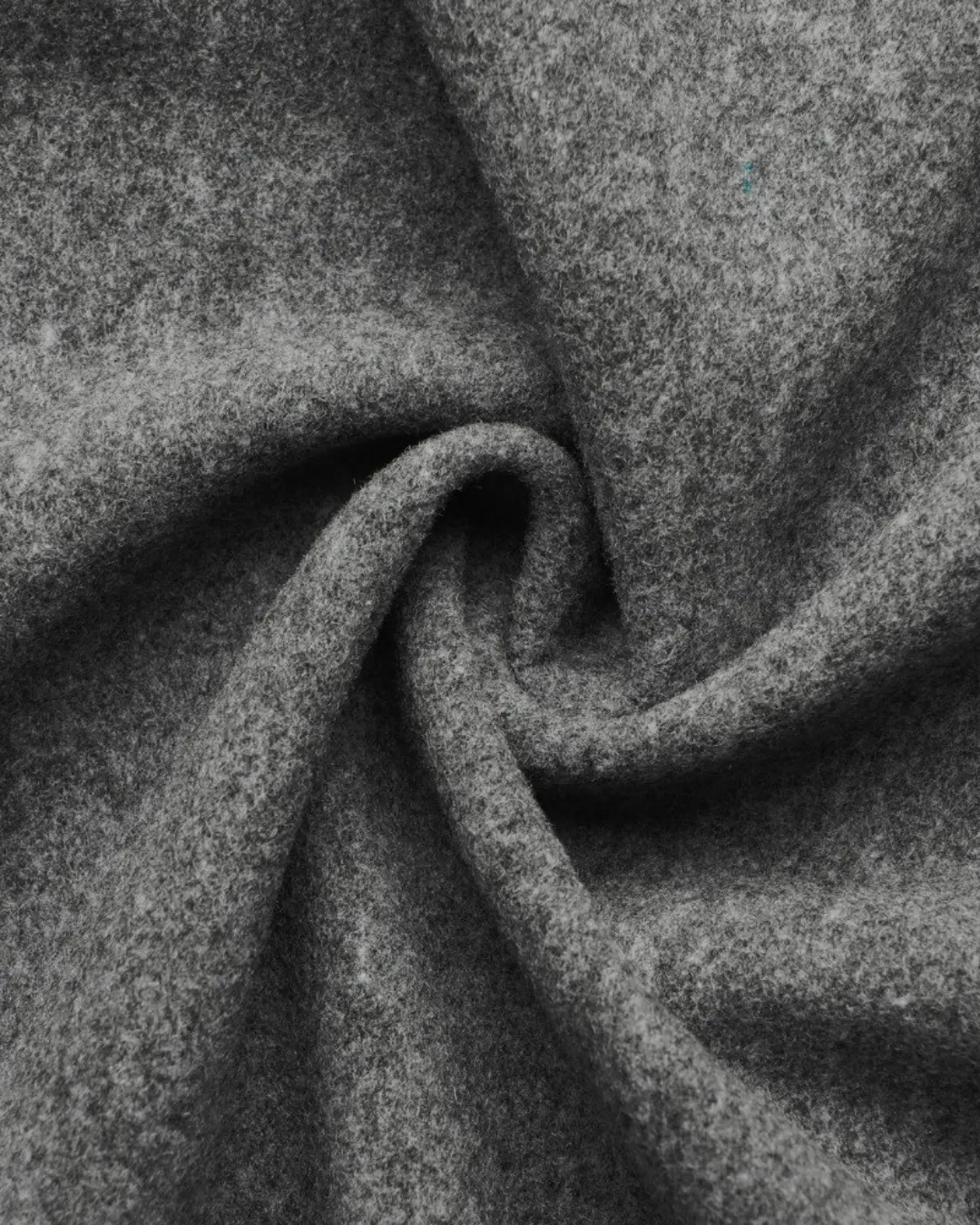
A change in spinning, weaving or finishing can push those fibres in remarkably different directions. They can become lofty flannel, compact coating, soft knitwear, fine worsted wool or a lightweight wool textile thin enough for warm-weather tailoring. Wool’s character therefore begins long before a garment is cut. Much of it is already written into the tiny structure of the fibre.
A single strand of wool carries far more structure than its soft appearance suggests. Wool fabric is made from animal fibres, most commonly sheep fleece, spun into yarn before being woven or knitted into cloth.
Under magnification, individual wool fibres reveal a surface covered with overlapping microscopic scales. These scales influence the way fibres grip, felt and respond to moisture, while the natural crimp running through each strand creates tiny pockets of trapped air. That combination gives wool much of its warmth, resilience and spring.
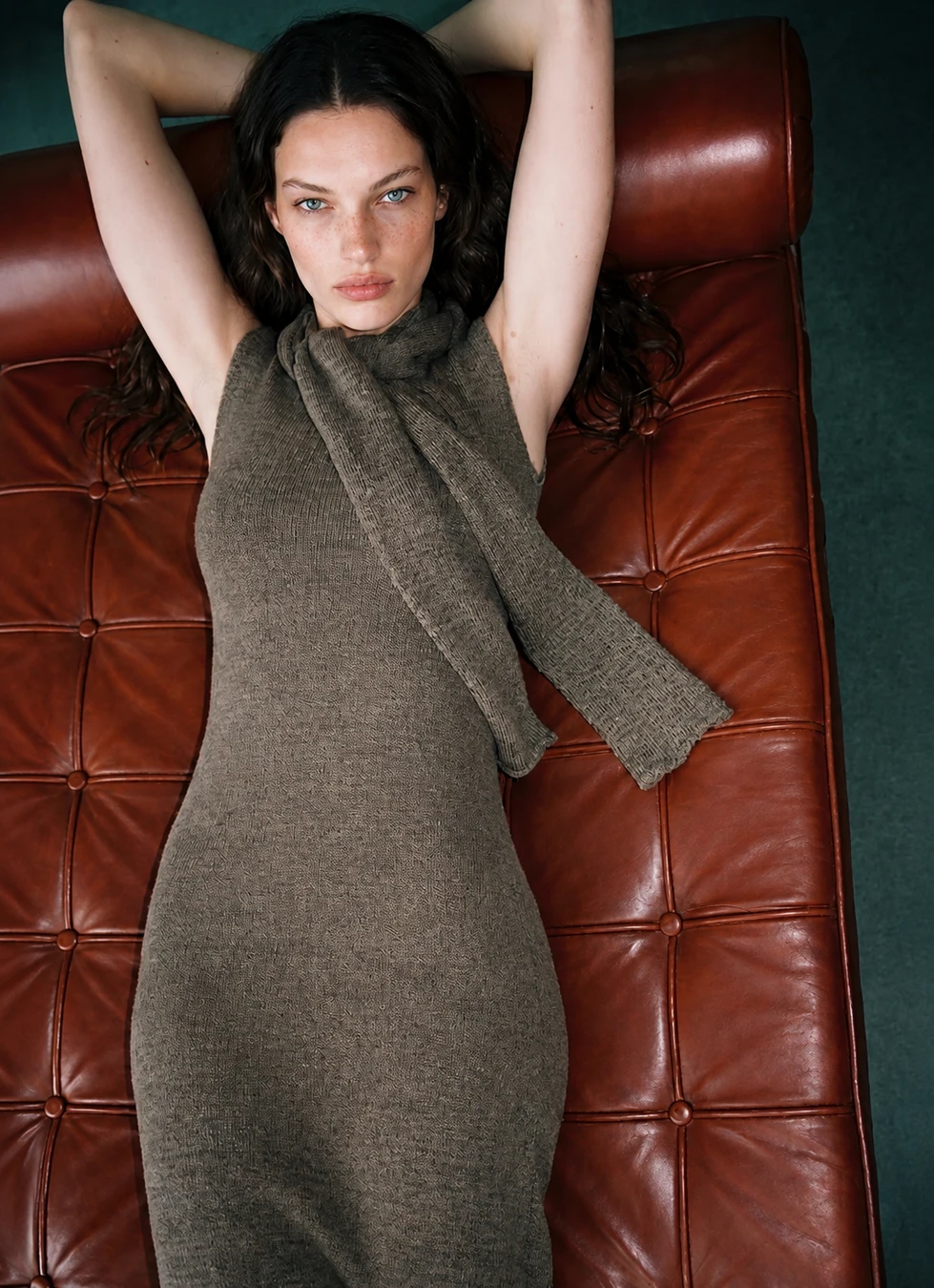
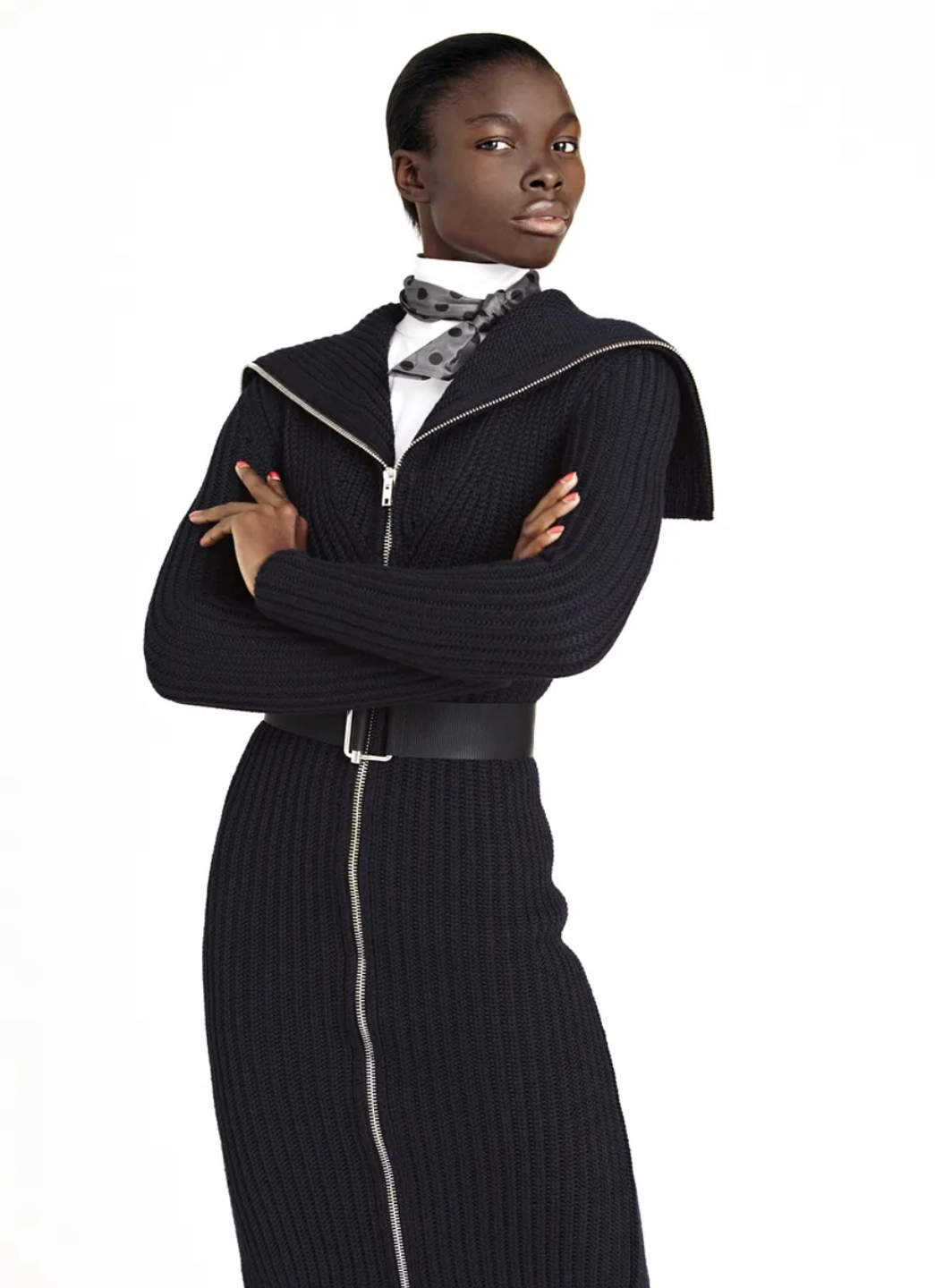
Fibre diameter changes the experience dramatically. Fine fibres can feel smooth enough to sit directly against the skin, while coarser ones create a drier, hairier hand. Length matters too, influencing how evenly the yarn spins and how clean or fuzzy the finished wool textile appears.
The finished cloth can therefore take on very different personalities. A lofty coating fabric may look soft and slightly blurred at the surface, while finely combed worsted wool can appear smooth, compact and sharply tailored. The fibre remains the same category, yet spinning, weaving and finishing determine how much softness, structure, warmth and movement ultimately reaches the garment.
Long before tailoring gave wool its polished reputation, fleece was already being spun into cloth across the ancient Near East. Sheep domestication gradually made wool fibres a dependable material for clothing, blankets and trade, especially in regions where warmth, durability and portability carried practical value.
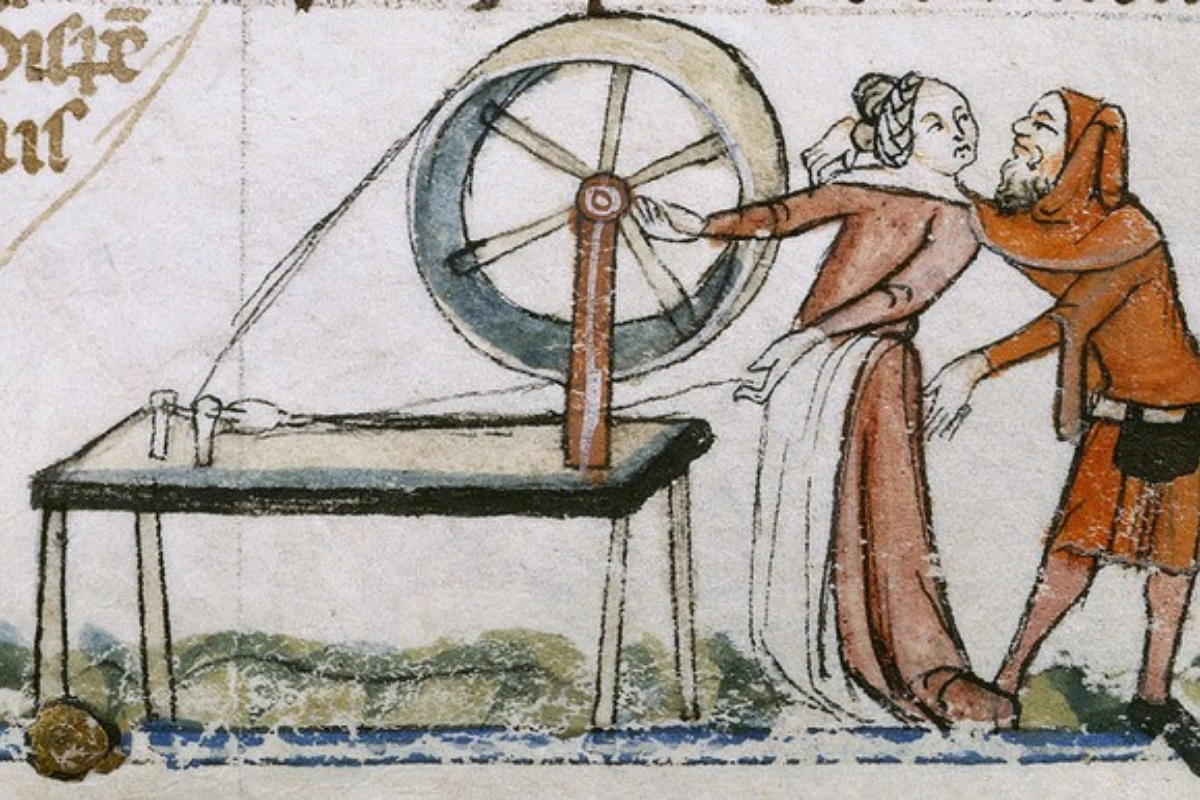
By the Middle Ages, wool had become much more than a household textile. English fleece travelled across Europe to weaving centres in Flanders and Italy, feeding an increasingly sophisticated industry of spinners, dyers, merchants and finishers. In cities such as Florence, the production and trade of wool textile helped generate fortunes large enough to shape urban politics, guild systems and architecture.
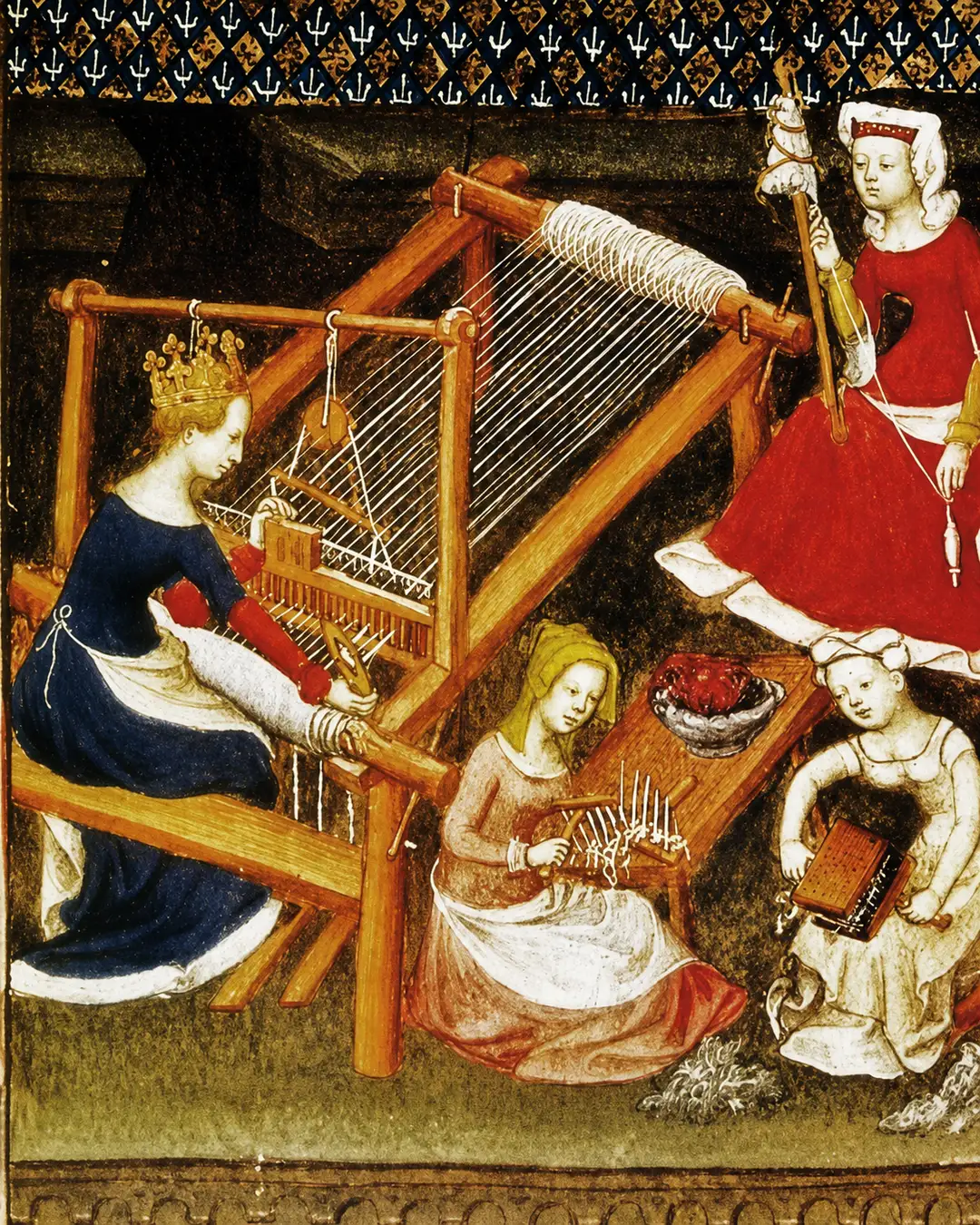
The cloth itself kept becoming more refined. Better sorting, spinning and finishing allowed makers to control density, surface and handle with greater precision, while fine woven wool moved steadily into court dress, military uniforms and formal tailoring. By the 19th century during the Victorian era, mechanised combing and spinning made smoother worsted wool increasingly important for suits and structured clothing, where its clean surface and ability to hold a crease suited the new language of modern dress.
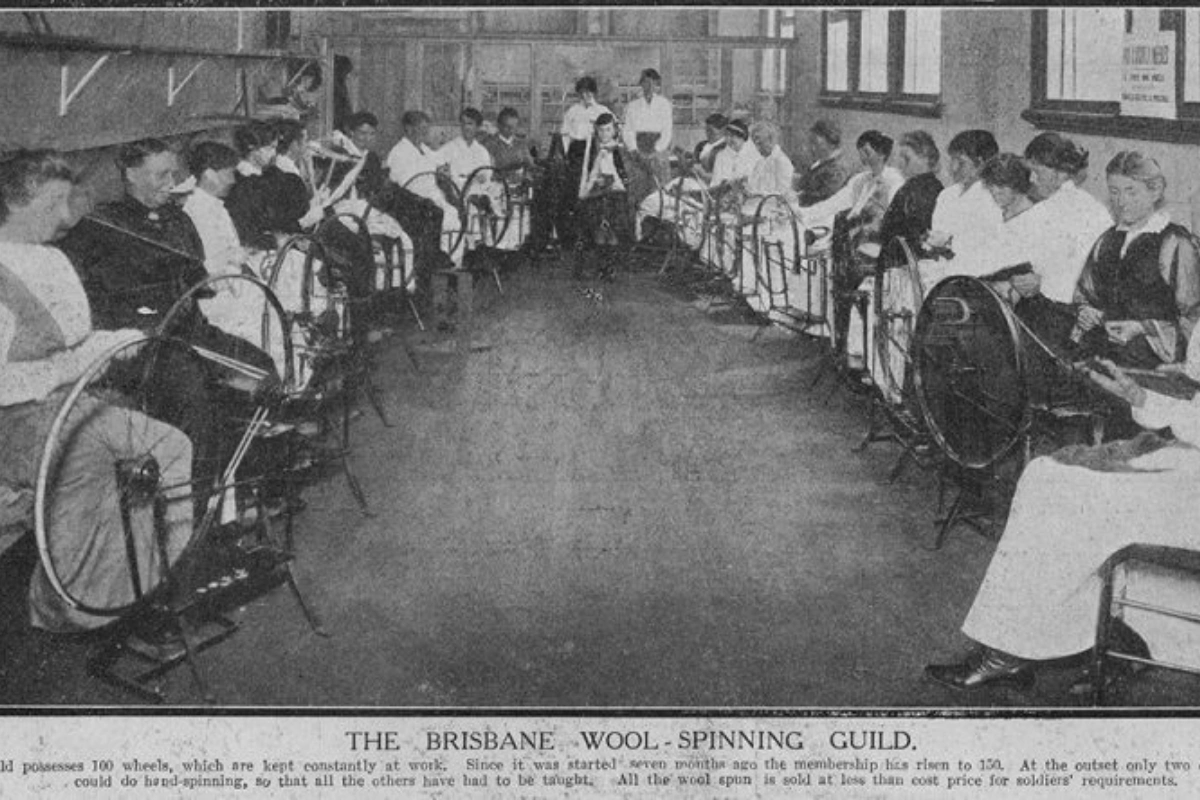
Wool eventually occupied an unusual position in fashion. It could remain humble enough for workwear, disciplined enough for uniforms and refined enough for couture. Its value no longer rests on rarity alone. Generations of textile knowledge had learned how far a single fleece could be pushed.
Freshly shorn fleece carries traces of the animal and its environment with it. Grease, dust, sweat salts and plant matter sit among the wool fibres, so the first stages of production are less about making cloth than revealing the usable fibre hidden inside the fleece.
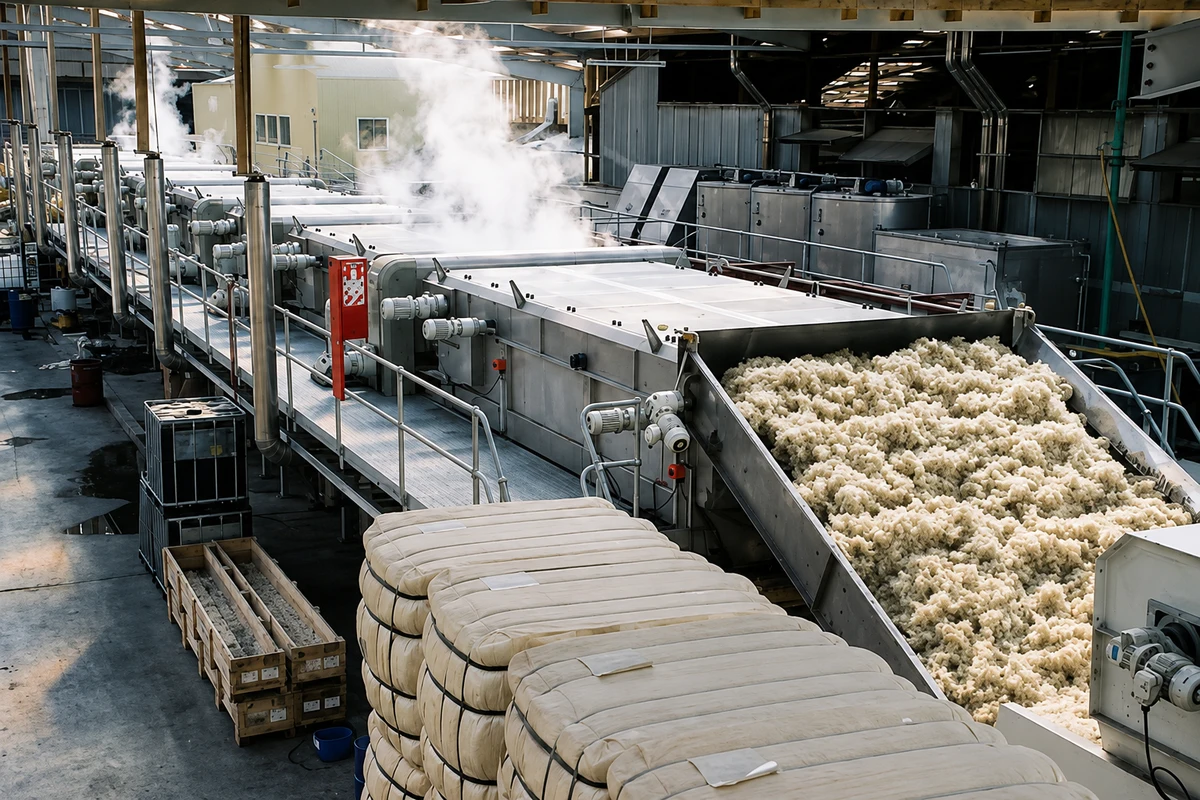
Sorting separates sections according to fineness, length and quality before scouring washes away dirt and much of the natural lanolin. The cleaned fibres are then opened and carded, a process that loosens tangles and arranges them into a soft, continuous web. From here, the route can split depending on the character required from the finished wool textile.
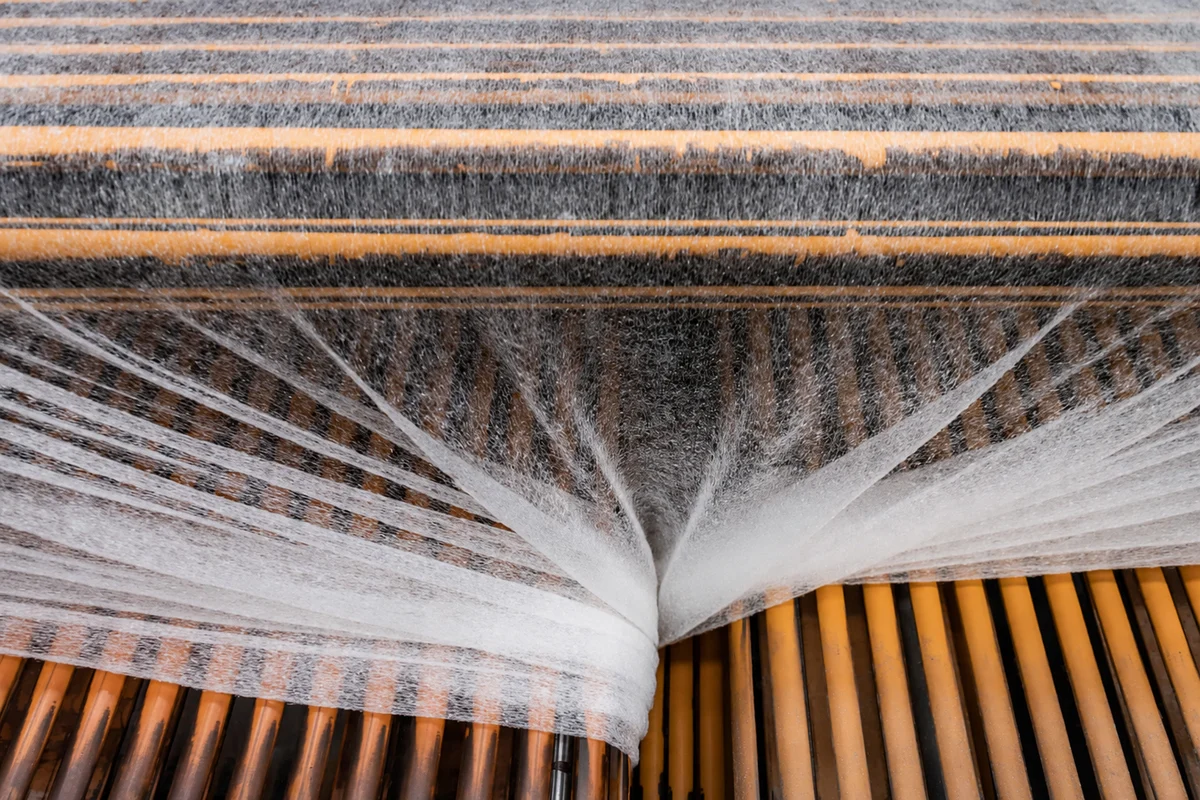
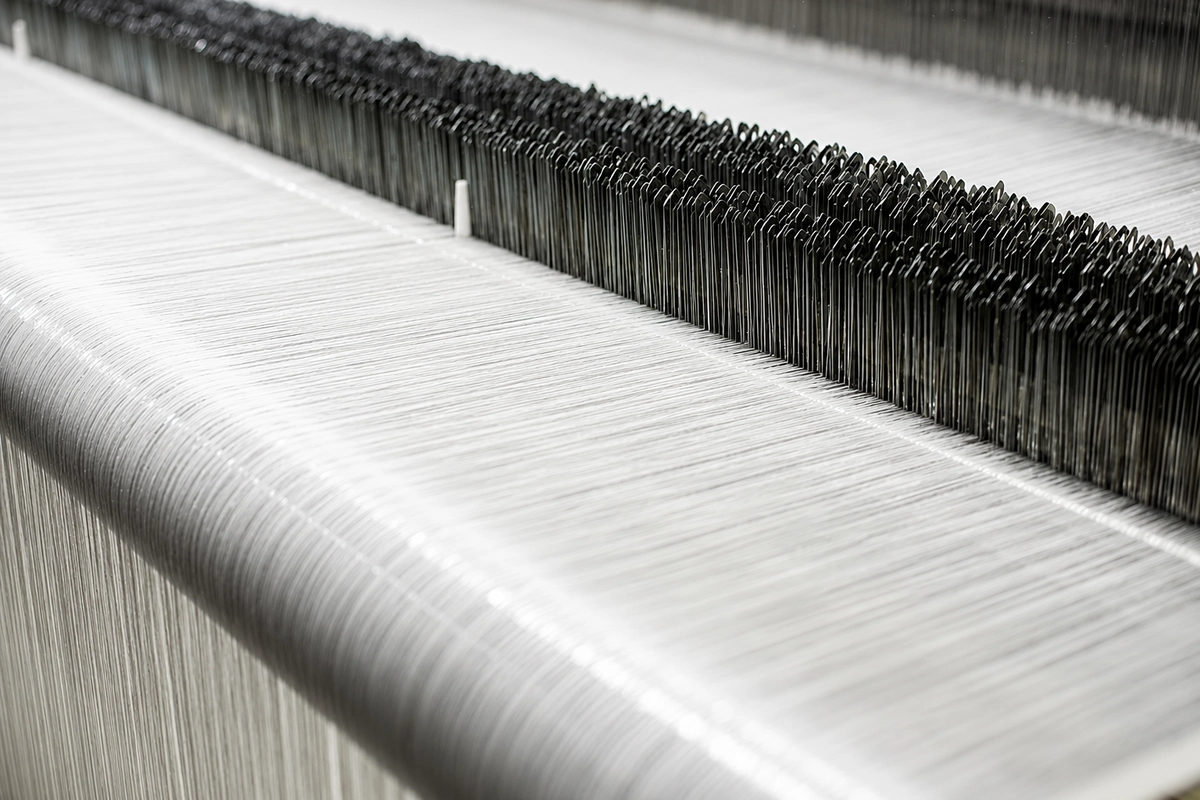
For woollen yarns, carded fibres retain a more irregular arrangement. Air remains caught between them, creating yarns with loft, softness and a slightly fuzzy surface. Worsted wool takes a more controlled route. The fibres are combed so that shorter pieces are removed and the longer strands lie in a more parallel direction, producing a smoother, firmer yarn with a cleaner appearance.
Spinning twists these prepared fibres into yarn before weaving or knitting gives the material its final structure. Finishing can transform it again. Fulling compacts the cloth, brushing lifts the surface, shearing evens it, and pressing sharpens the face. By the time wool reaches a garment, much of its final personality has been shaped by decisions made long after the fleece left the sheep.
Two pieces of wool can share the same fibre and still seem almost unrelated once they reach the body. Much of that difference comes from how the wool fibres are prepared before spinning.
Woollen yarn keeps the fibres in a looser, less orderly arrangement. Their natural crimp traps more air between strands, giving the yarn greater loft and a softer, fuzzier surface. Once woven, the resulting wool textile often has slightly blurred edges and a warmer visual weight. Flannel, many tweeds and brushed coating fabrics commonly rely on this fuller character.
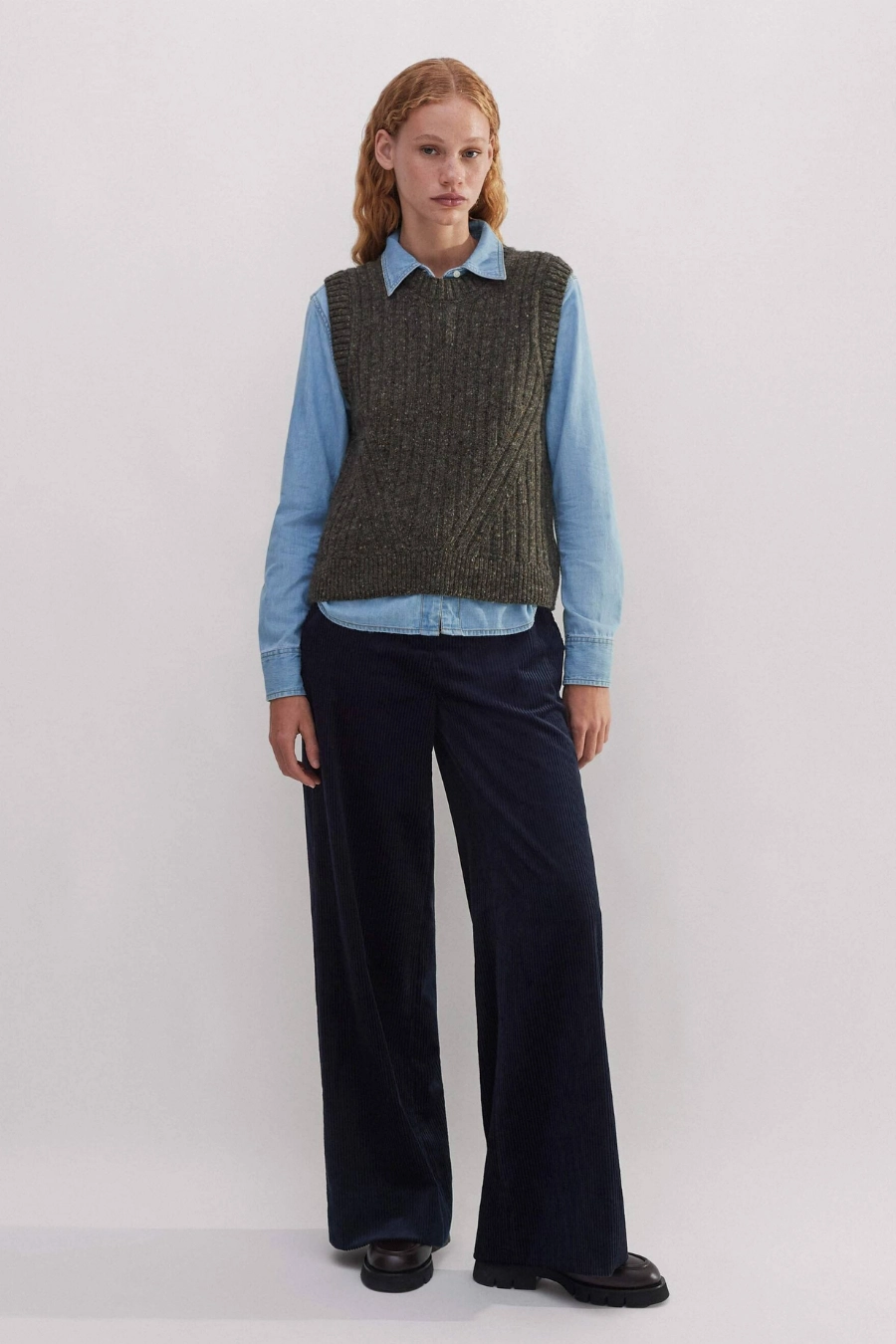

Worsted wool begins with longer fibres that are combed into a more parallel alignment before spinning. Shorter fibres are removed along the way, allowing the yarn to become smoother, tighter and more uniform. The finished cloth reflects light more evenly and responds well to pressing, which explains its long association with suits, tailored trousers and sharply constructed jackets.
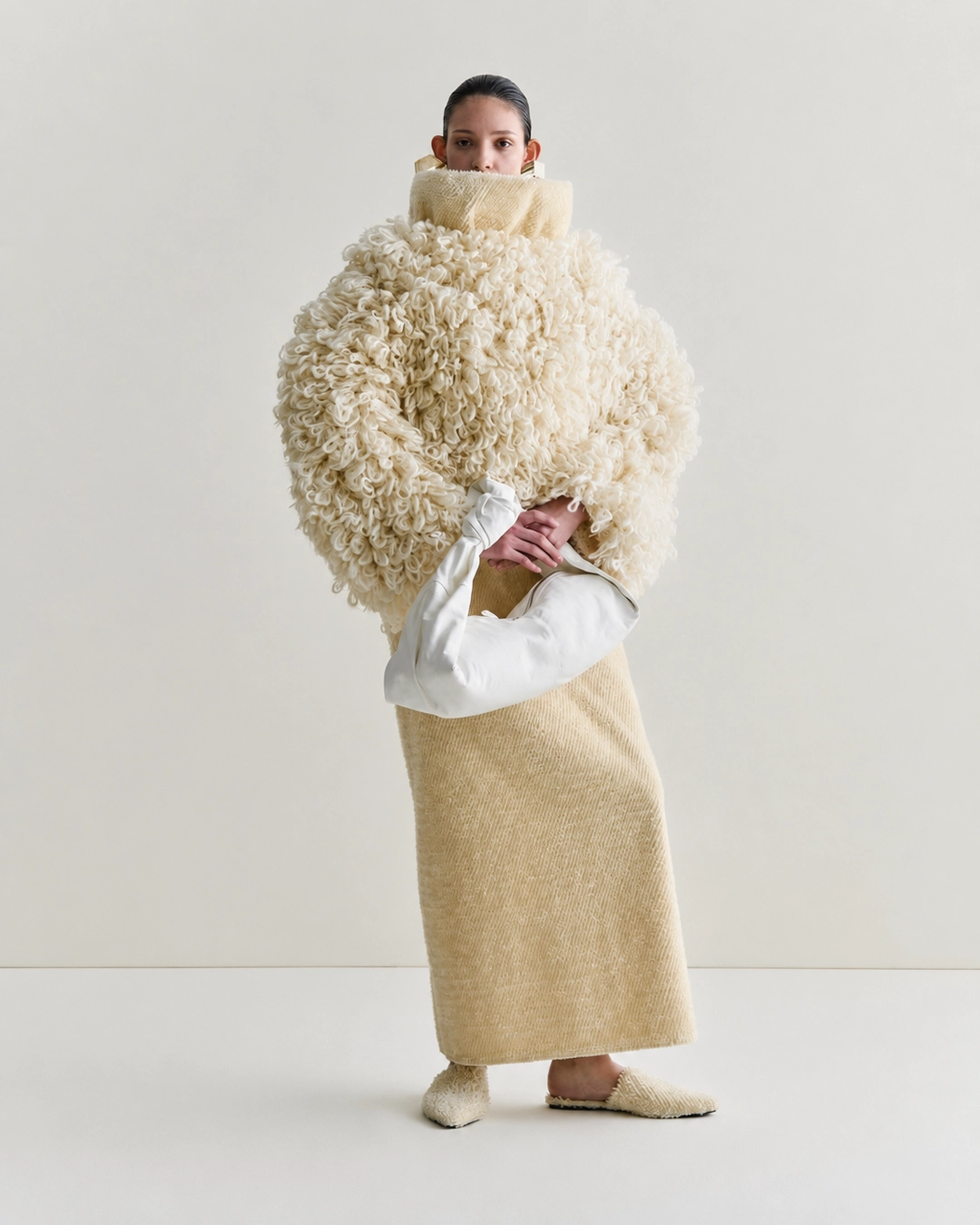
The contrast becomes especially clear around seams and folds. Woollen cloth tends to soften an edge, while worsted construction can hold a crease with much greater definition. Weight alone offers little clue. A heavy worst can still look polished and compact, while a lighter woollen fabric may appear noticeably more textured because of the fibres sitting at its surface.
This distinction also explains why wool can shift so easily between a brushed winter coat and a sleek tailored suit. The transformation begins before weaving, with the way each fibre is arranged inside the yarn.
Names such as flannel, tweed and gabardine describe what happens to wool after the fibre has been spun, woven and finished. Each treatment reorganises the same basic wool fibres into a surface with its own weight, texture and drape.

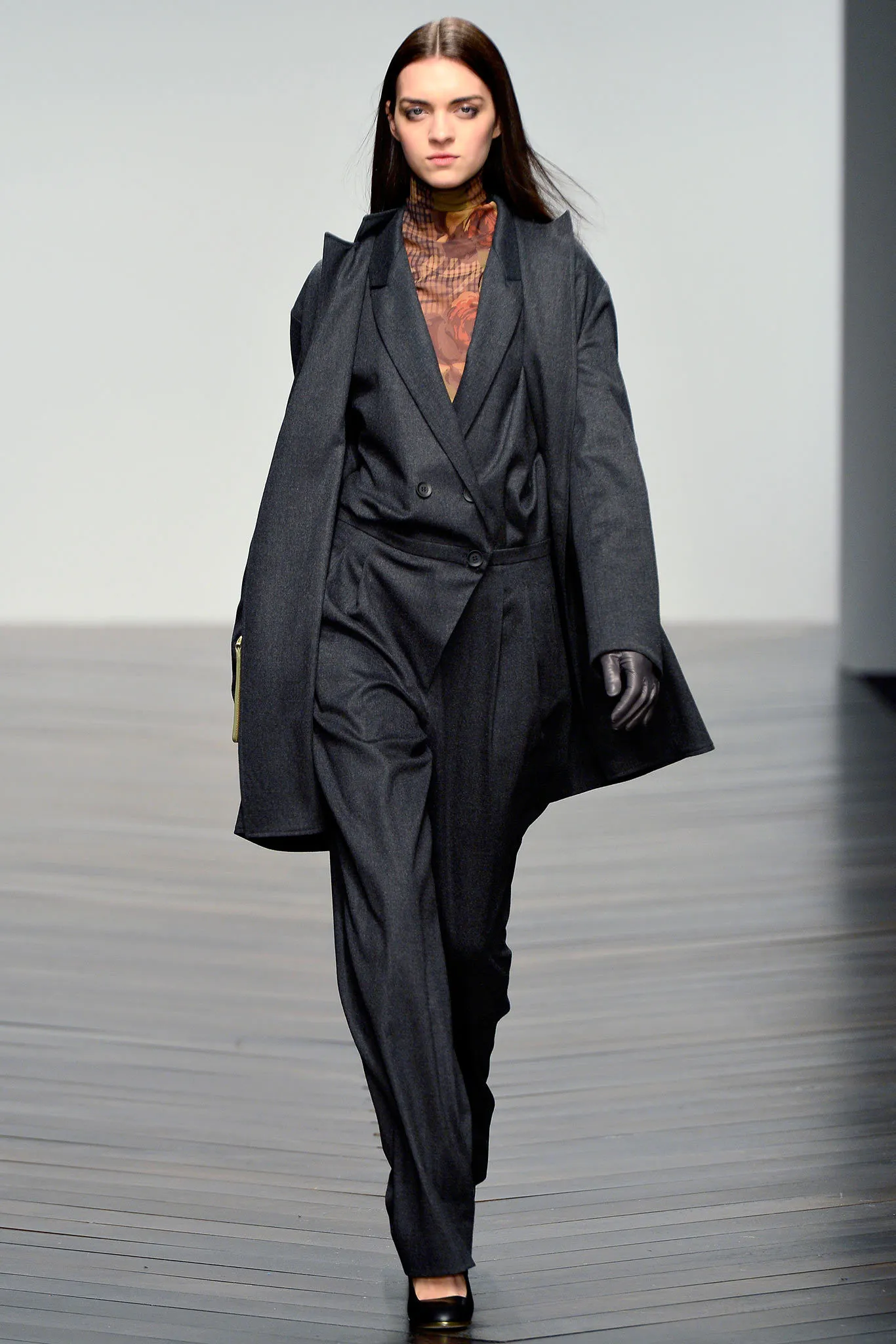
Wool flannel develops its familiar softness through brushing or raising the surface after weaving. The fine layer of fibre slightly blurs the weave underneath, giving trousers, jackets and suits a muted, gently fuzzy finish.

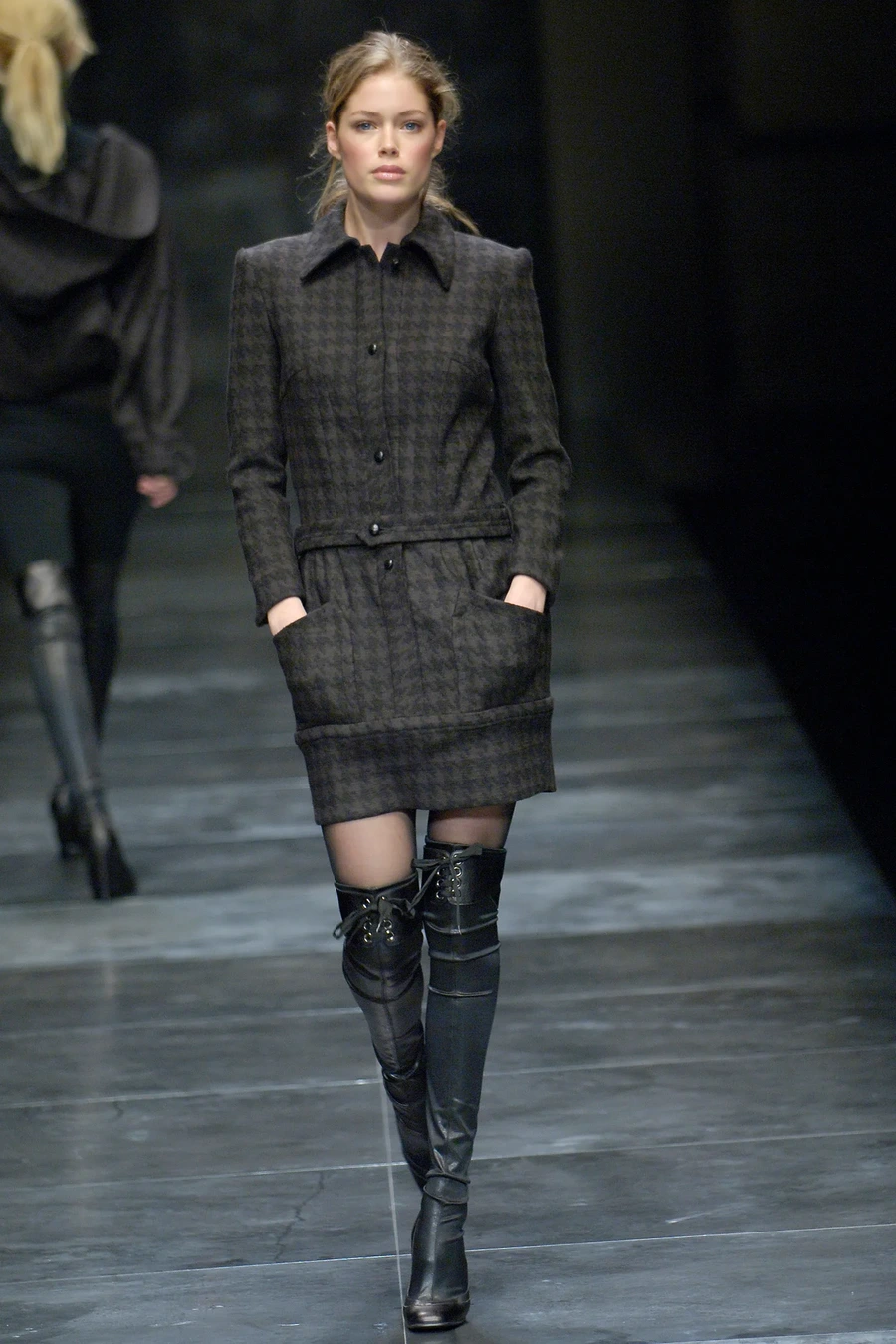
Tweed leaves much more of its construction visible. Textured yarns, colour flecks and pronounced weaves create a substantial wool textile with enough body for coats, jackets and skirts, while the surface often appears dry and tactile.
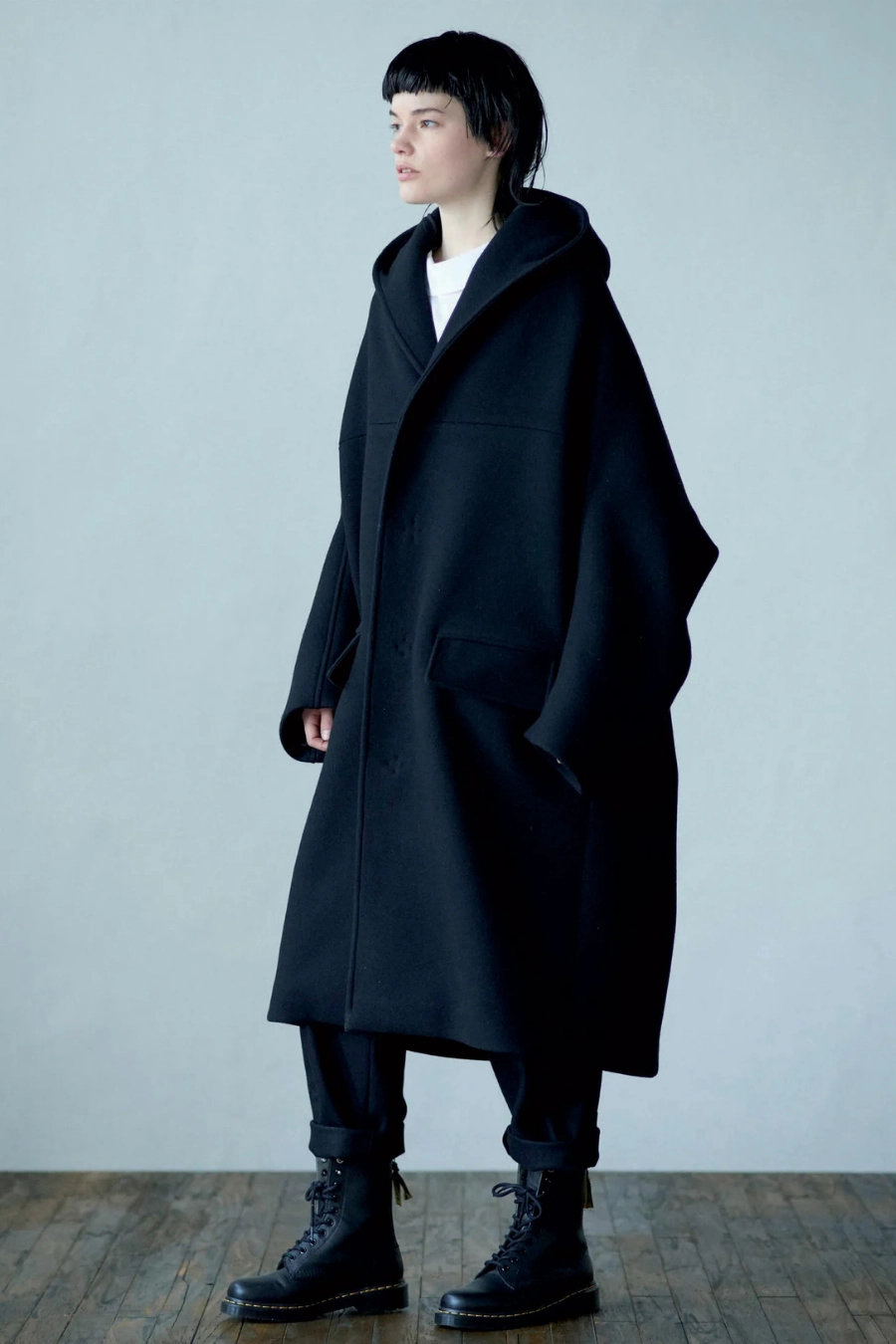
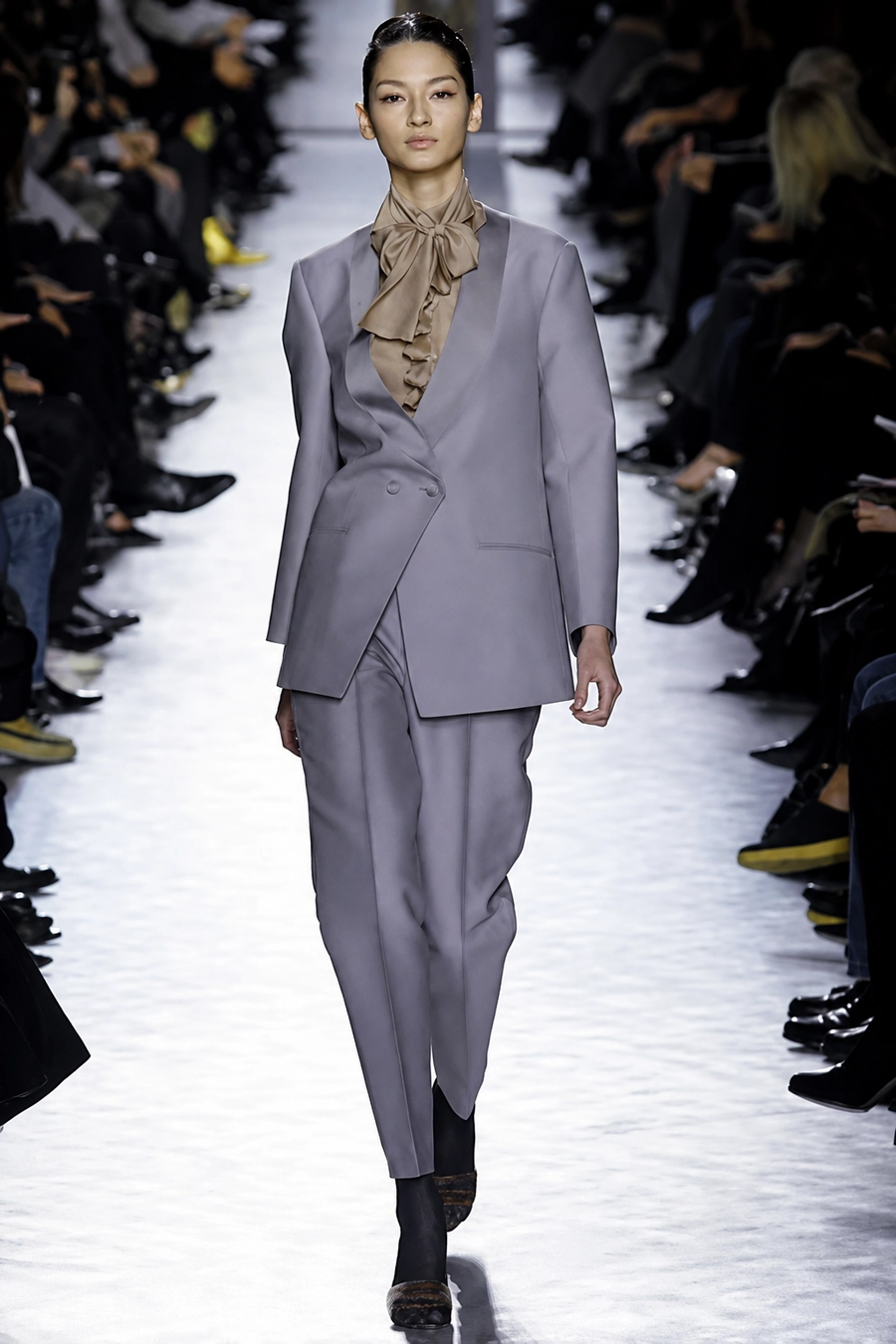
Wool gabardine takes wool in a cleaner direction. Tightly spun worsted wool yarns are woven into a dense twill with fine diagonal ribs, producing a smooth, compact fabric that holds sharp tailoring particularly well.
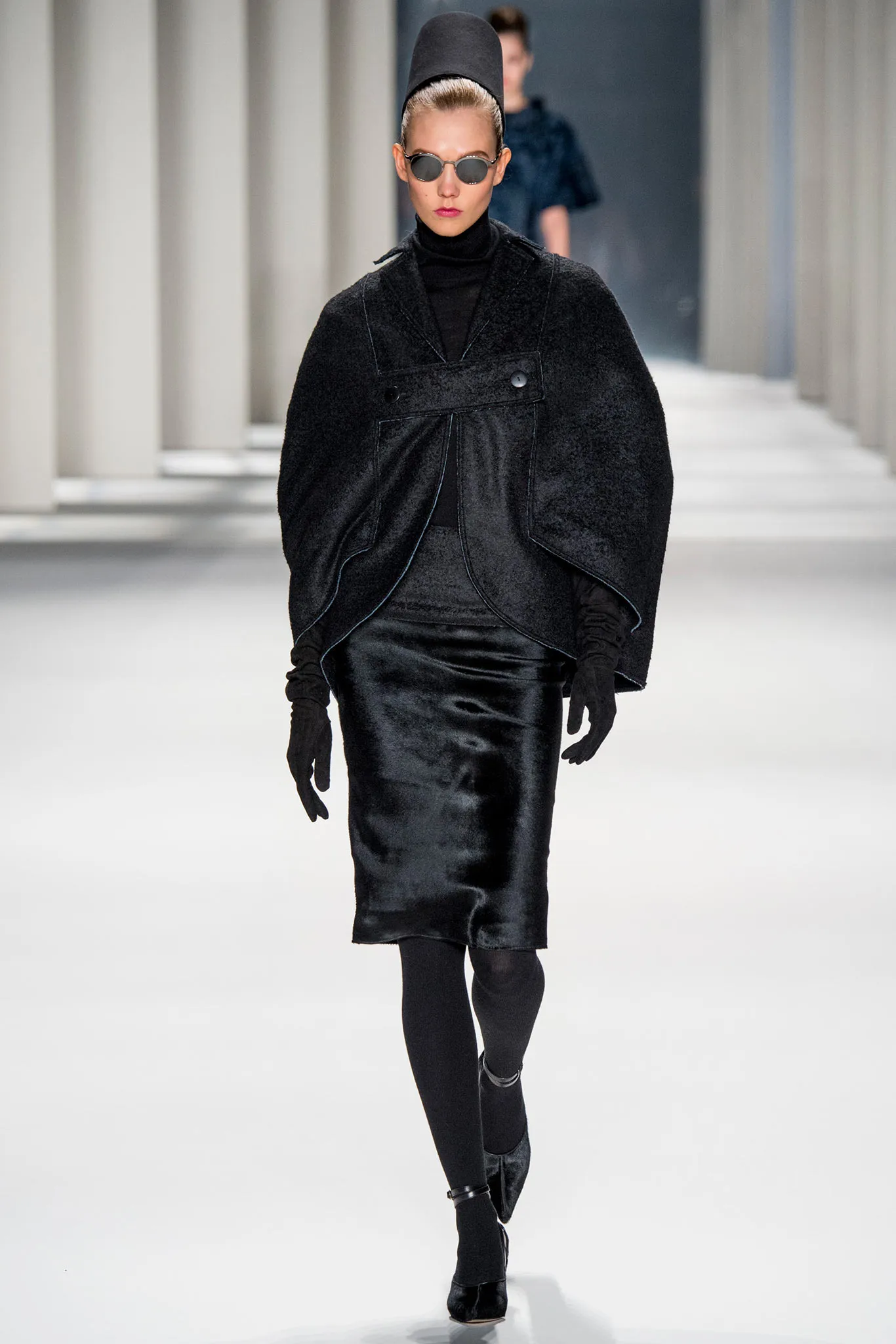

Boiled wool and Melton wool both push the fibre toward density. Boiled wool uses heat, moisture and agitation to compact the fibres into a slightly felted surface, while Melton is heavily filled and finished until much of the original weave disappears beneath a smooth, tightly packed face. Their substantial structure makes both especially suited to outerwear.


Wool crepe shows how light and fluid the fibre can become. Highly twisted yarns create a subtly grainy surface with natural spring and a clean drape, allowing wool to move easily through dresses, skirts and softer tailoring.


Texture changes just as much as appearance. Brushed flannel can feel soft and fuzzy, tweed dry and textured, gabardine smooth and firm, while wool crepe has a finer, slightly pebbled hand. Natural crimp gives each version a degree of resilience, allowing the cloth to recover after movement while retaining the warmth associated with wool.
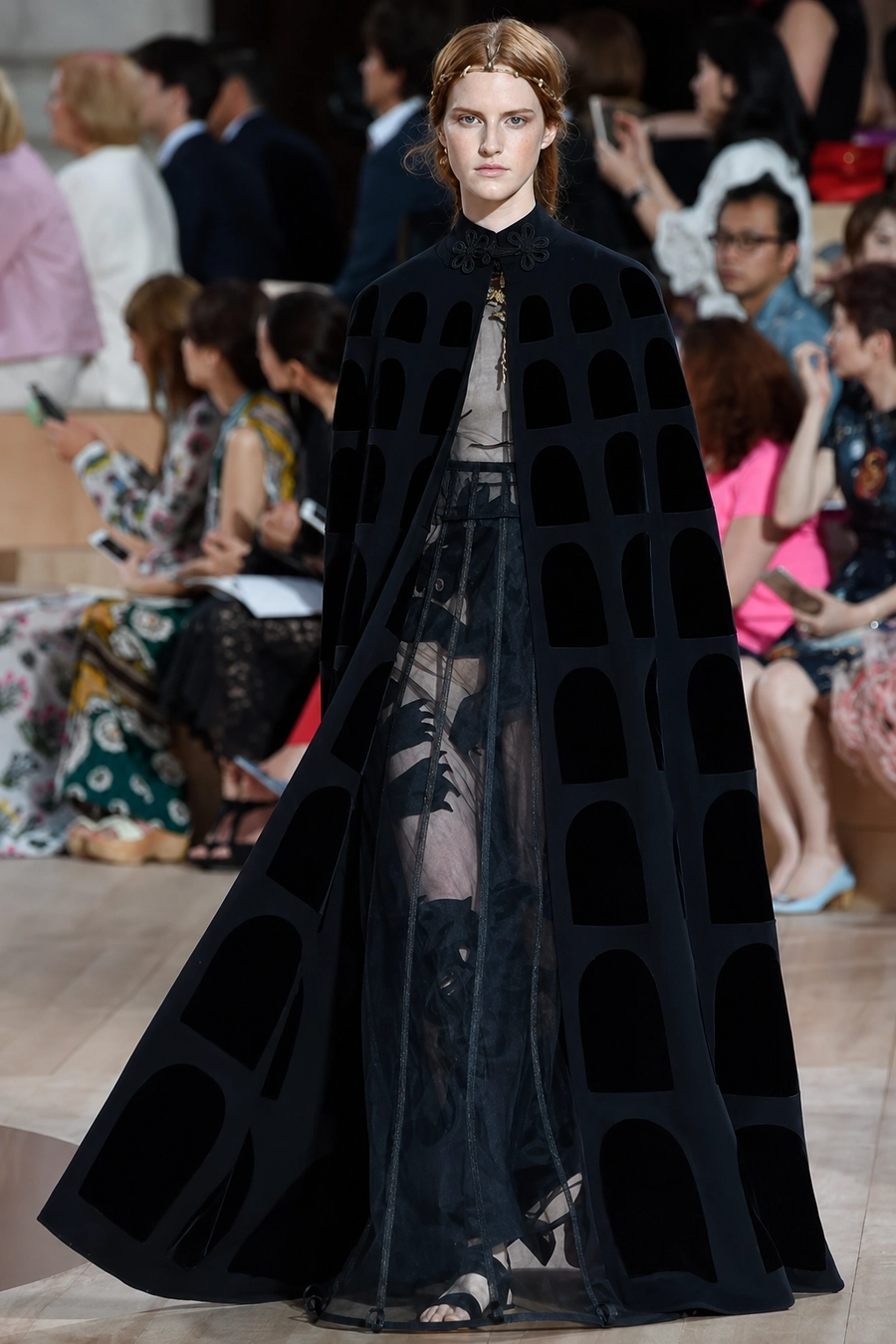
Wool becomes especially interesting once designers stop treating warmth as its only purpose. The same wool fibres that build a dense winter coat can also be spun finely enough for a fluid dress, a sharply pressed suit or lightweight trousers.
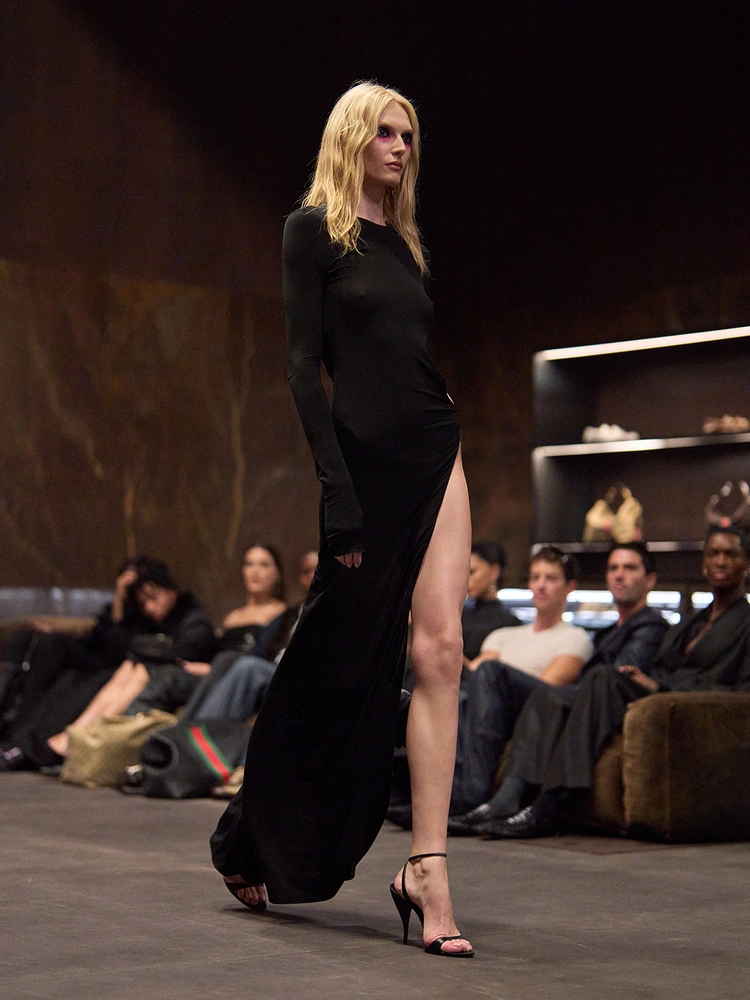
Tailoring remains one of wool’s strongest territories. Worsted wool holds seams and creases with precision, giving jackets, trousers and skirts a clean architectural line. Finer versions can feel unexpectedly light, which is why wool suiting also appears in transitional and warm-weather collections.

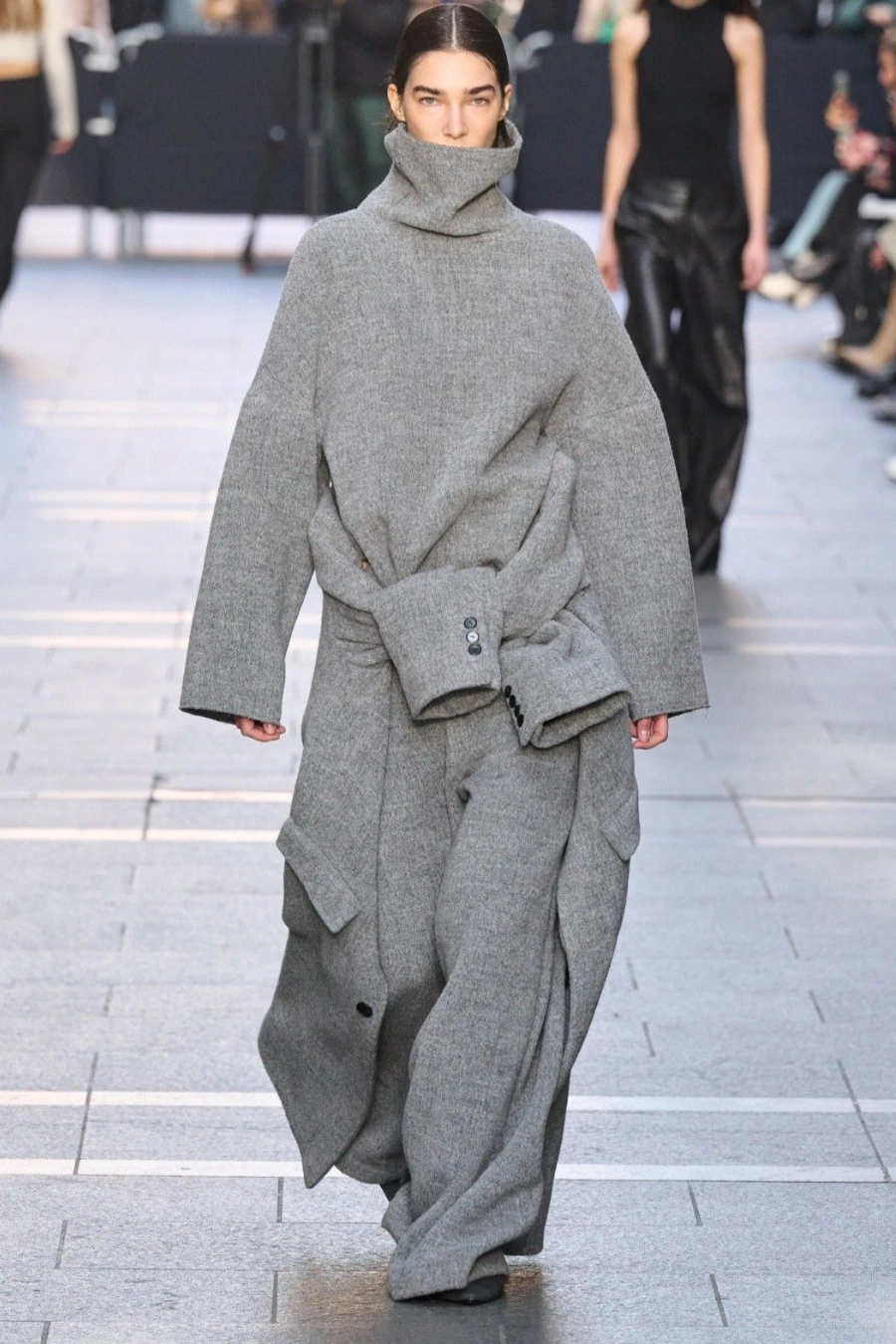
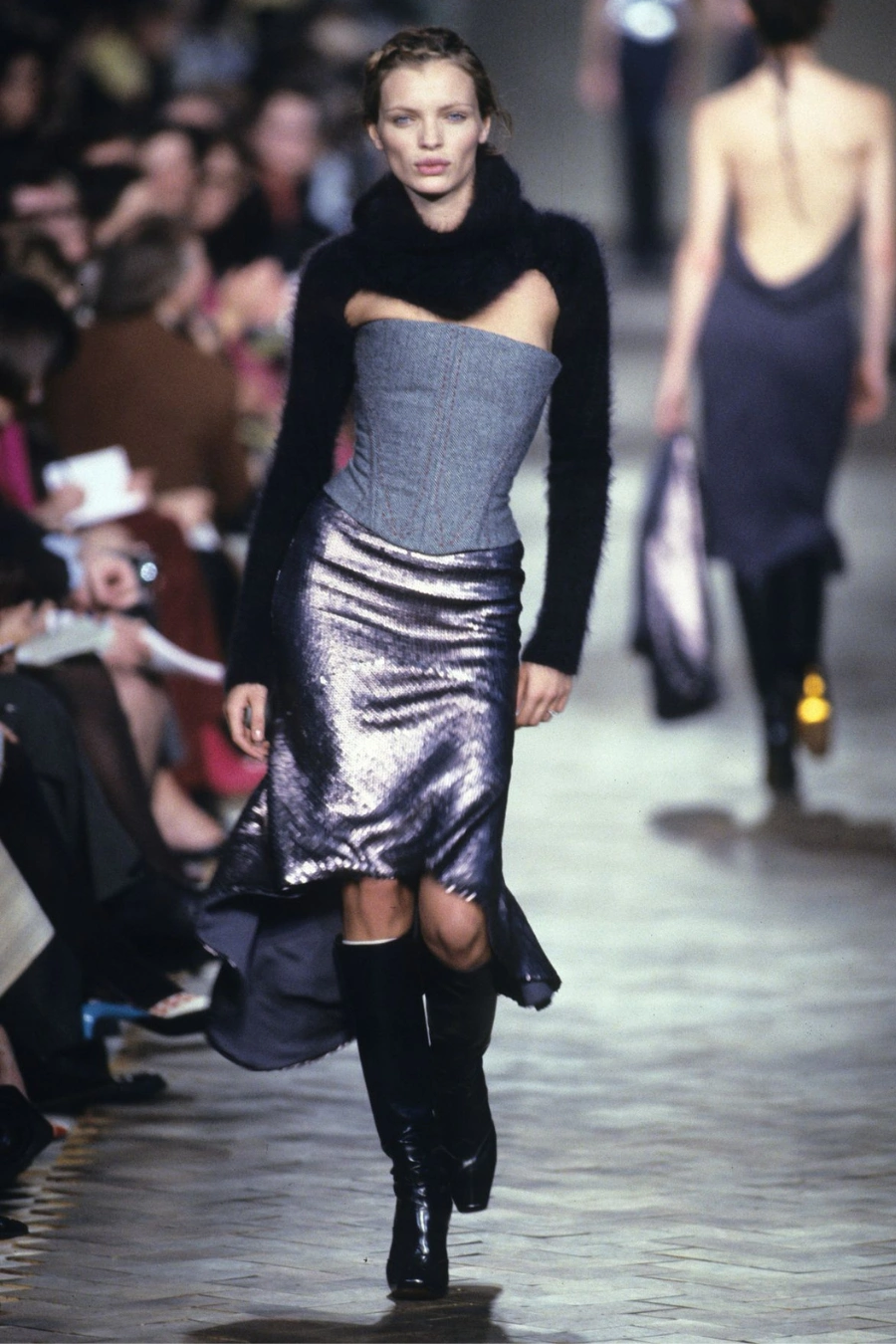

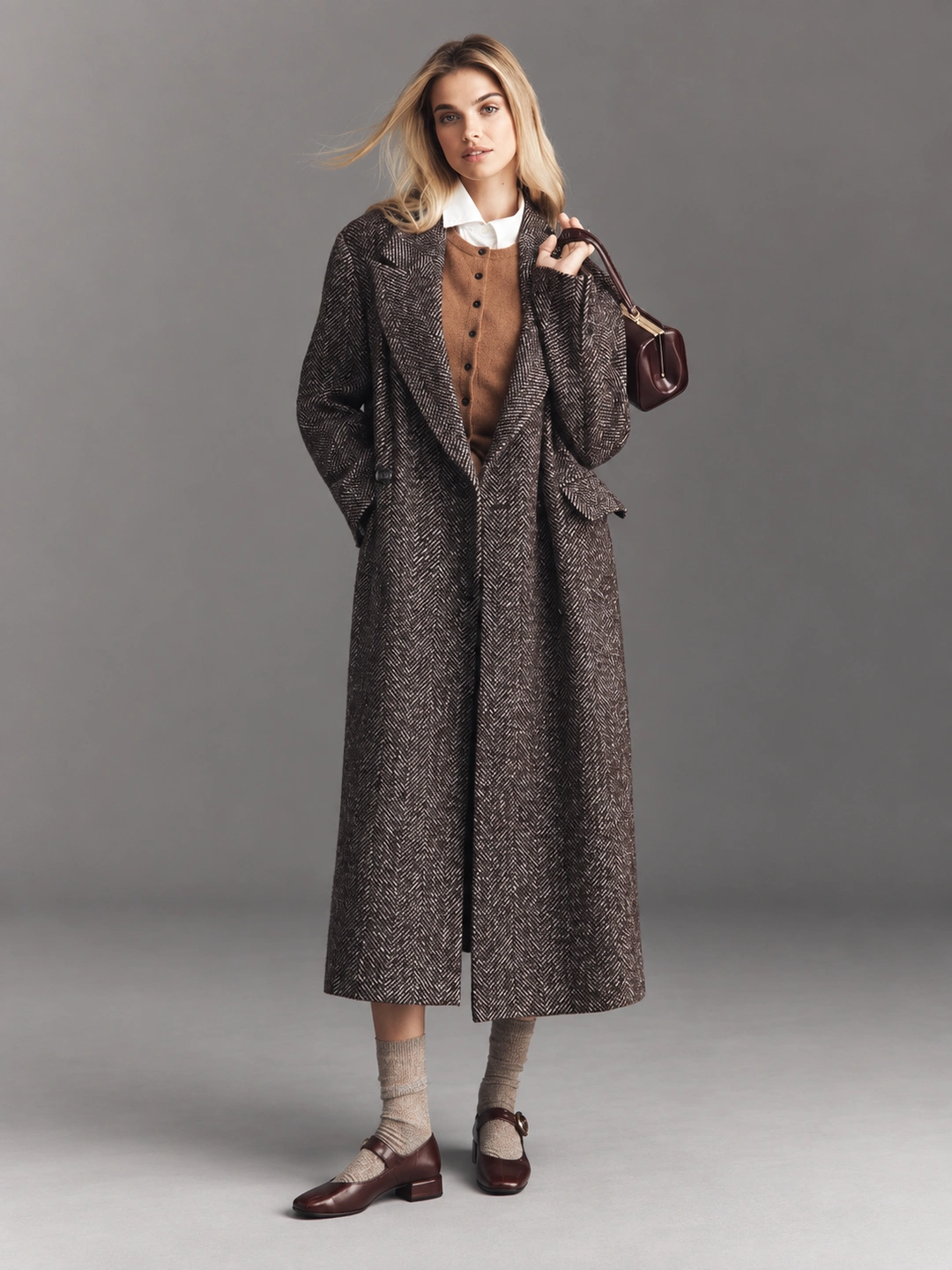
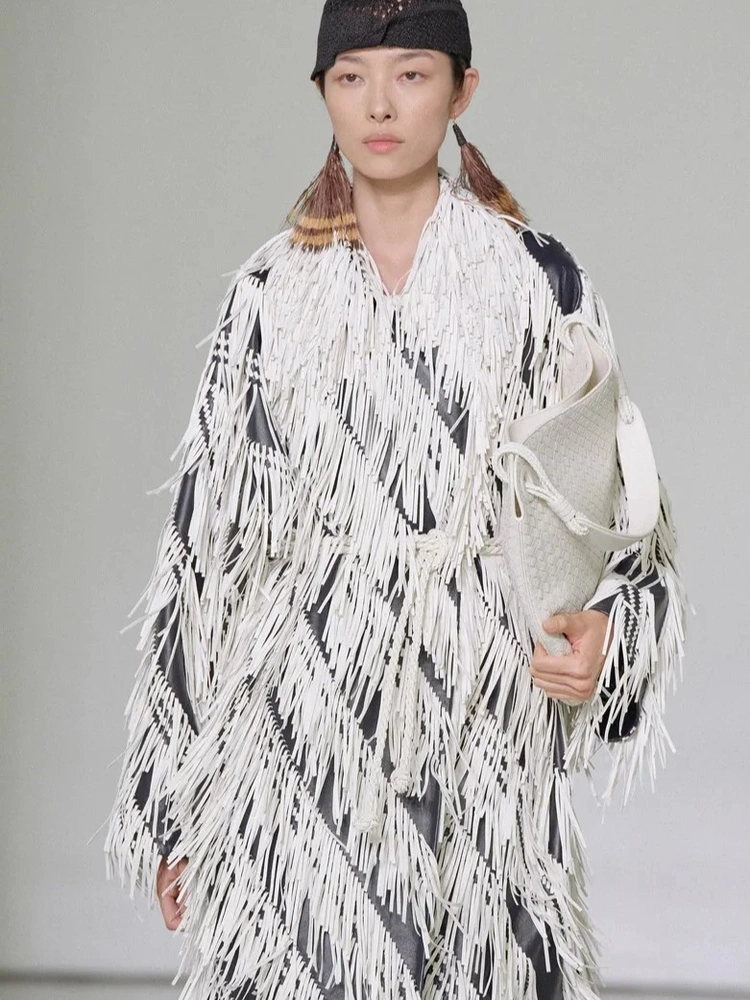
Outerwear pushes the fibre toward greater volume. Brushed wool, Melton and boiled wool create enough density for sculptural coats and oversized shapes, while their slightly softened surfaces keep rigid construction from looking severe.
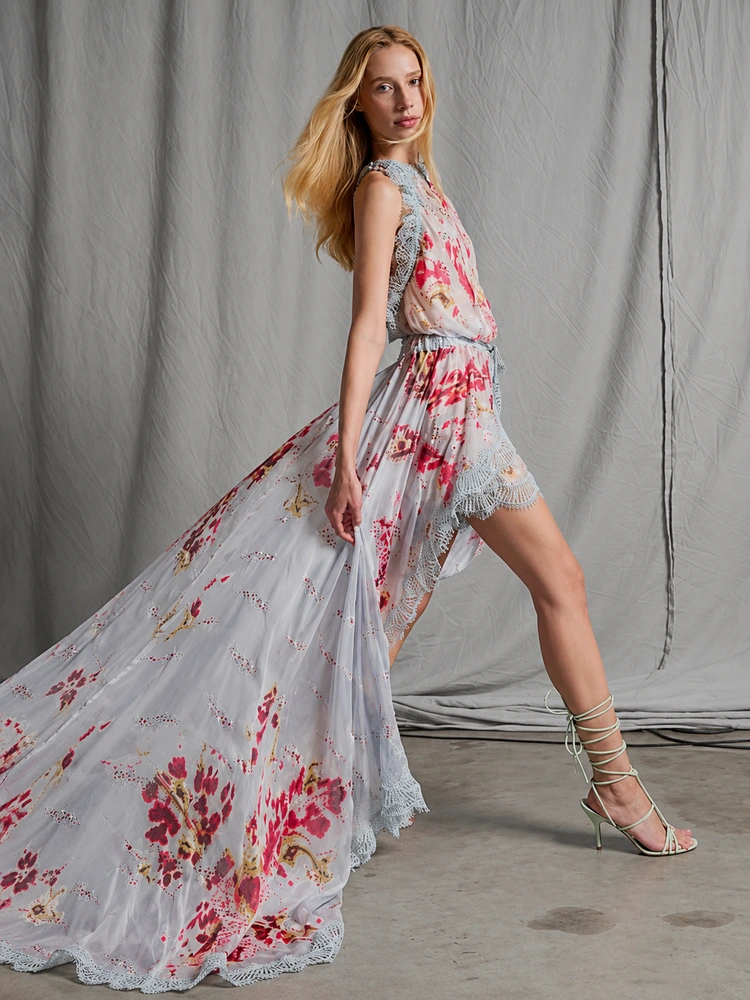
A lighter wool textile behaves very differently. A wool crepe can fall into long folds, a fine jersey can follow the body, and loosely woven tropical wool allows more air to circulate through the cloth. Dresses and skirts made from these fabrics retain wool’s natural resilience while gaining considerably more movement.


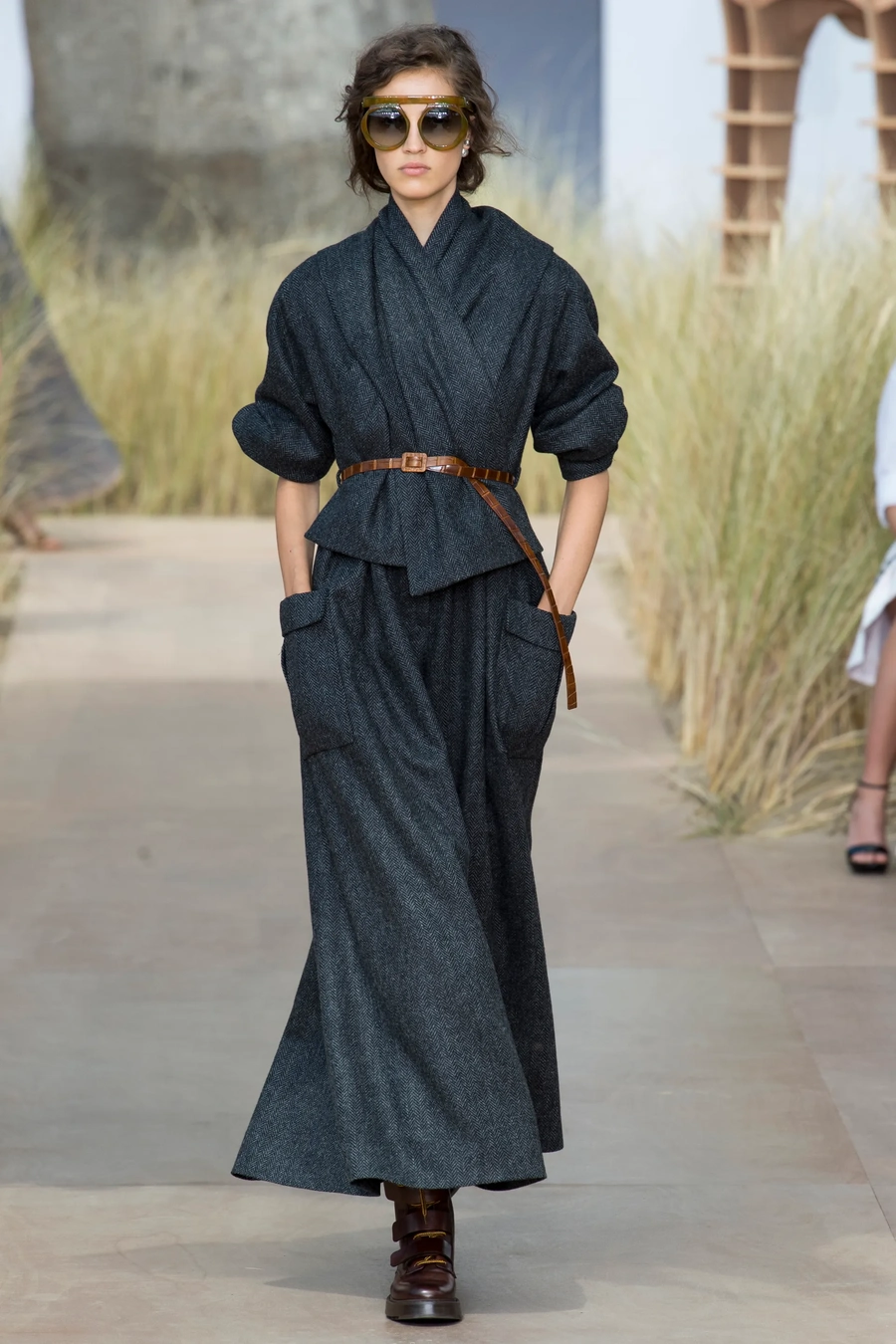
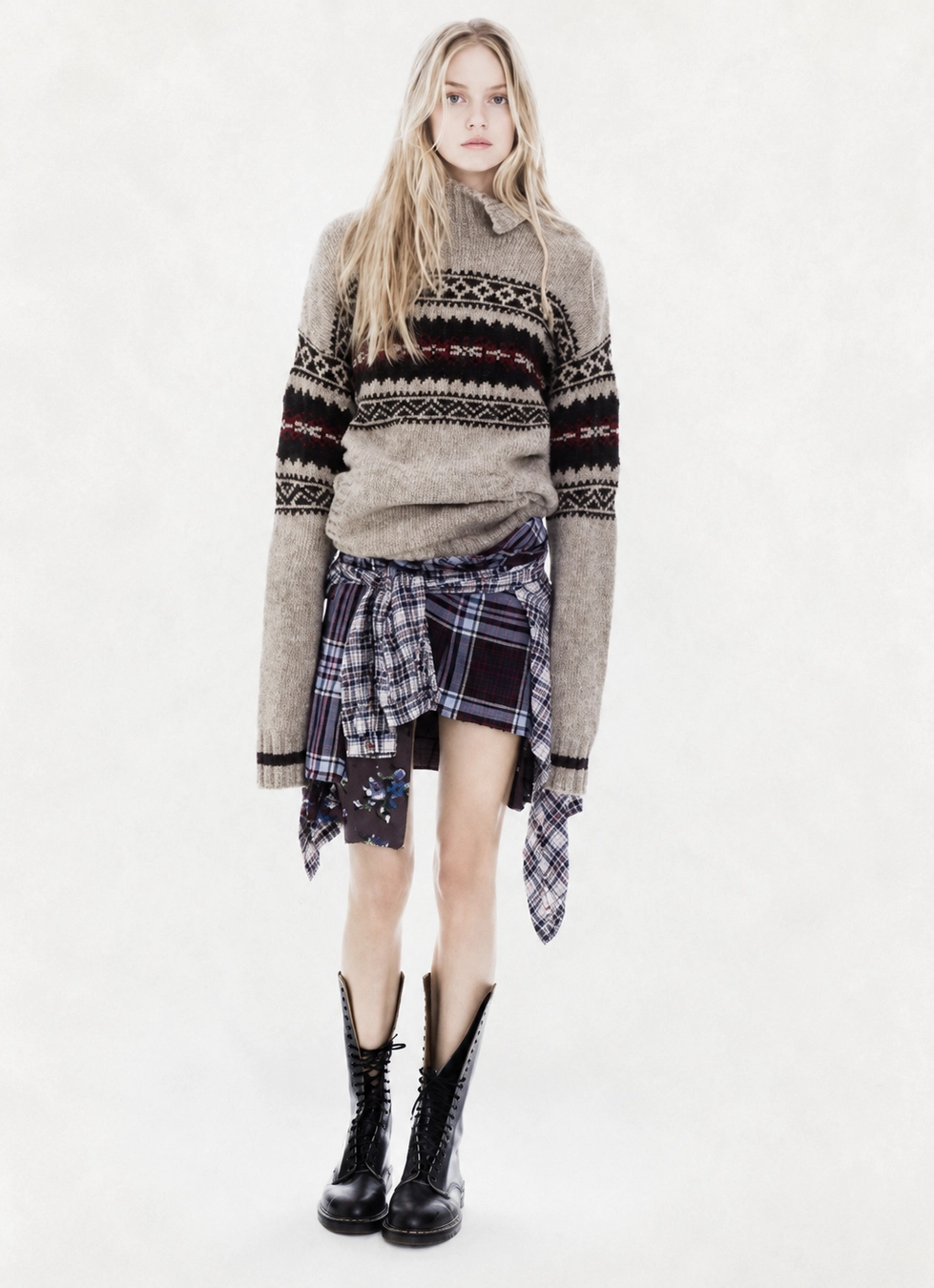
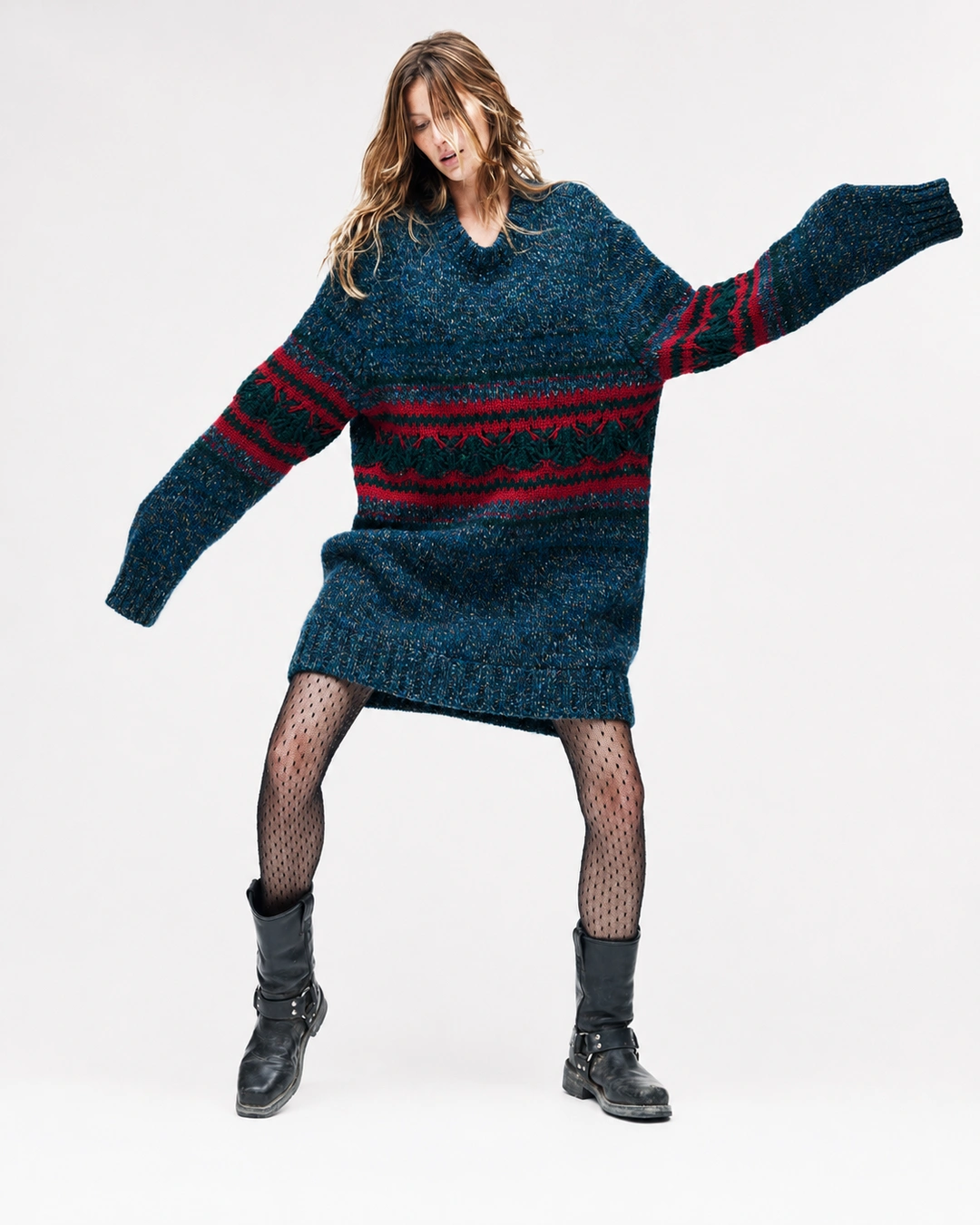
Knitwear makes use of that elasticity in another way. Merino and lambswool can stretch with the body and recover after wear, allowing everything from fitted layers to oversized sweaters to hold their shape with relatively little structure.
Across these forms, wool’s role in fashion comes from how easily its behaviour can be adjusted. Change the fibre fineness, yarn, weave or finish, and the material can move from a soft knit to a crisp suit or a coat with enough body to build an entire silhouette.
A wool garment usually responds best to restraint. Heat, friction and excessive agitation can encourage wool fibres to felt or shrink, so the care label should always determine whether a piece can be hand washed, machine washed or requires dry cleaning.
When washing is permitted, cool water and a detergent formulated for wool are generally the safest choice. Knitted pieces should be pressed gently to remove excess water, reshaped and dried flat, while structured tailoring and coats usually need more specialised cleaning to protect their construction.

Steam can help relax creases in a wool textile without flattening the surface under direct pressure. Brushing also works well for coats and heavier fabrics, lifting dust and restoring the nap between wears.
Wool often benefits from airing more than frequent washing. Its ability to manage moisture and odour allows many garments to recover between clothes, while clean, dry storage helps protect the fibre from moth damage. Fine worsted wool, knitwear and heavy coating may behave differently, but the same principle applies across them: gentle handling preserves the structure already built into fibre.
Wool’s strength lies in how much can happen between fleece and finished cloth. The same wool fibres can become soft knitwear, crisp worsted wool, fluid dresses or dense coating, with each version shaped by a different combination of spinning, weaving and finishing.
That range has kept wool fabric in fashion for centuries, adapting its surface and structure while preserving the natural resilience at the centre of the fibre.
Advertisement