A sweep of pink can change the shape of a face. As blush draping returns in 2026, whose artistry is behind the color, and how far can a flush really go?
Blush Draping Is on the Naughty List
A sweep of pink can change the shape of a face. As blush draping returns in 2026, whose artistry is behind the color, and how far can a flush really go?
November 13, 2026


Across 2026 beauty looks, blush draping has reemerged as a prominent makeup technique, attracting attention from celebrity makeup artists and beauty enthusiasts. Its resurgence also carries an intriguing history, connecting the glamorous makeup of the 1970s with contemporary discussions surrounding creative recognition.
Blush Draping, the New Way to Sculpt a Face
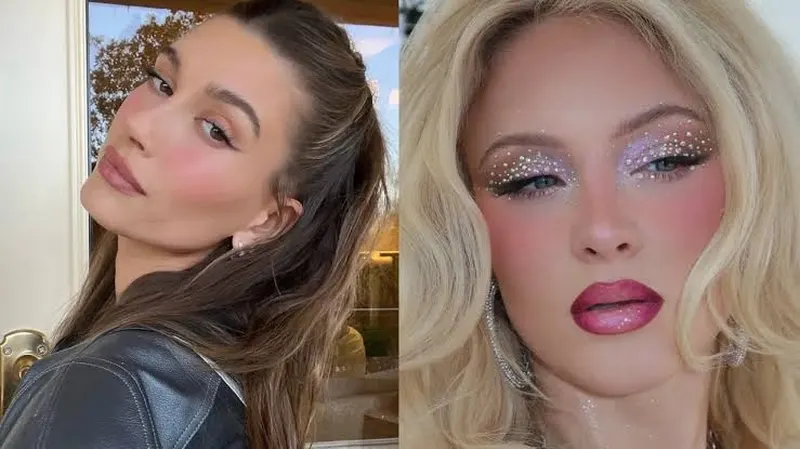
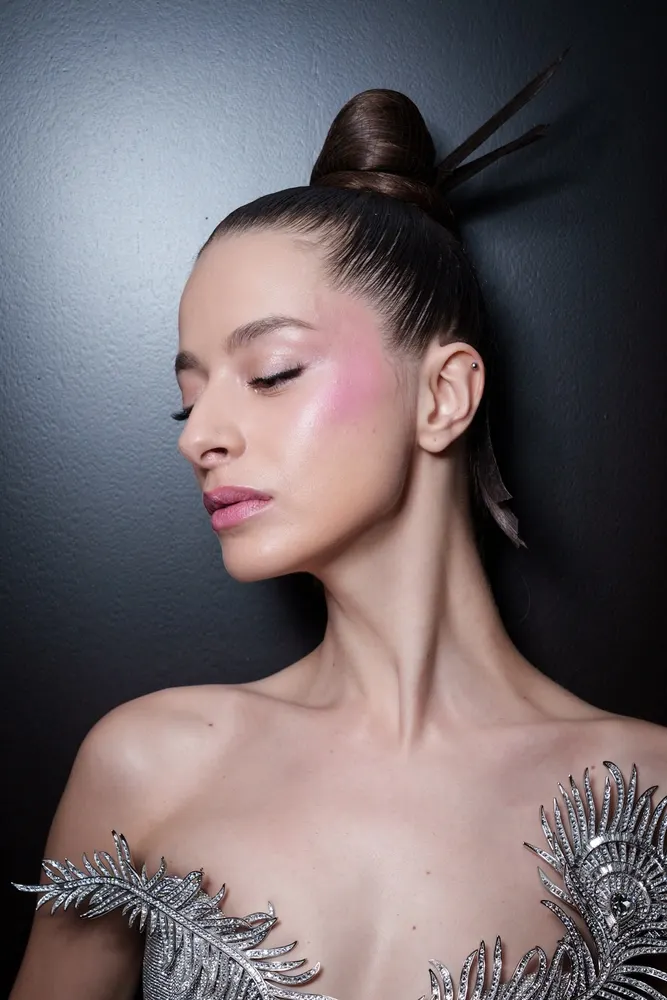
A carefully positioned sweep of blush can dramatically alter the perception of facial structure. Blush draping uses concentrated pigment and gradual tonal transitions to emphasize the cheekbones, temples and surrounding areas.
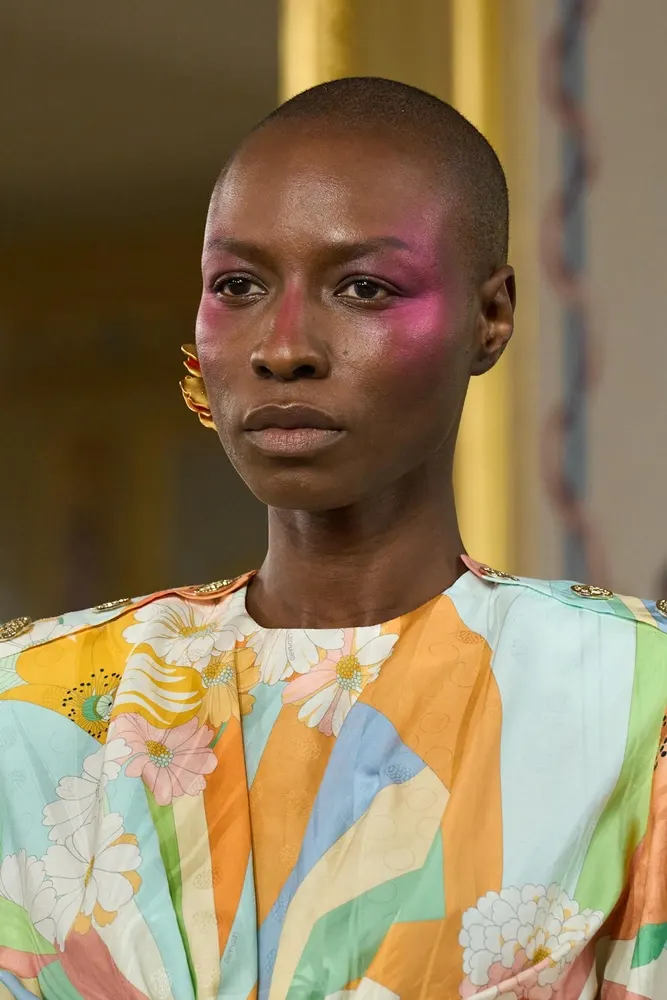
The technique shares a fundamental principle with conventional contouring: manipulating contrast to create dimension. Through blush draping, color performs much of this sculptural work. Pigment concentrated along the upper cheekbones draws attention toward the temples, while softly blended edges create the impression of a lifted facial structure.

One recognizable variation follows a C-shaped placement, extending from the outer cheekbone toward the temple and occasionally connecting with the brow bone or eyeshadow. The result ranges from subtle rose-colored definition to expressive washes of magenta.
Celebrity makeup artist Christian Briceno identifies precise placement as essential to achieving the lifting effect. He favors concentrating color near the highest point of the cheekbone, then diffusing it outward. A cream base provides saturation, while finely milled powder softens the finish.
Makeup artist Jamie Greenberg similarly favors blendable cream and liquid formulas, allowing gradual layering while preserving natural skin texture.
Way Bandy and the Original Blush Revolution
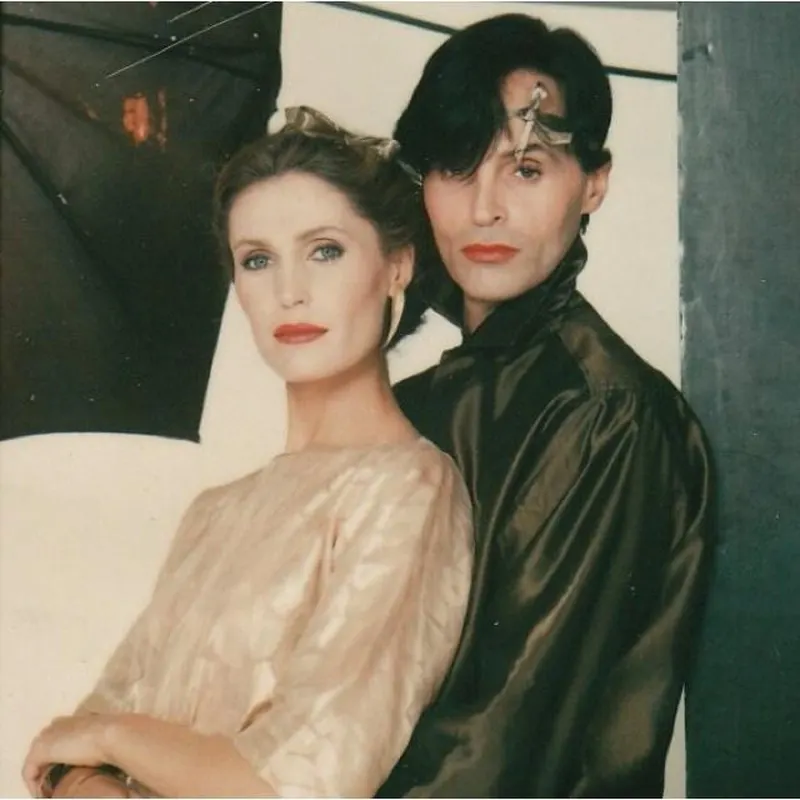
During the 1970s, American makeup artist Way Bandy became a prominent figure in fashion and celebrity beauty, working with Cher, Diana Ross and Elizabeth Taylor. His artistry helped define an era associated with dramatic cheekbones, luminous skin and theatrical glamour.
Bandy embraced an approach often described as color glow, combining complementary blush shades to emphasize facial contours. Deeper pigments established dimension, while lighter tones softened their boundaries. Color extended toward the temples, creating the sculptural effect associated with disco-era beauty.
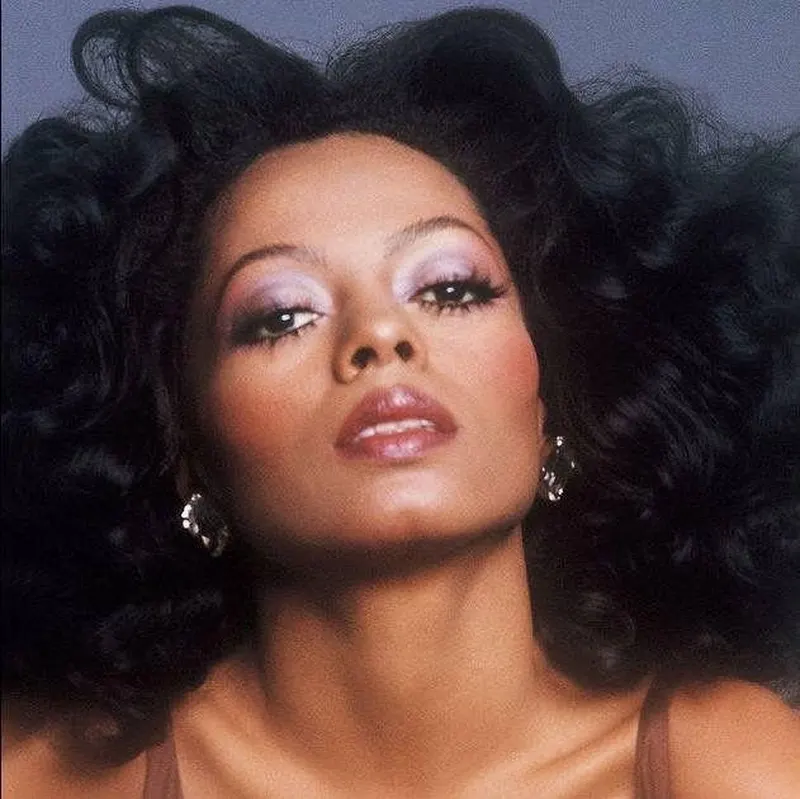
A significant revival arrived in 2016, when Marc Jacobs Beauty introduced Air Blush Soft Glow Duo. The collection acknowledged Bandy's influence, offering coordinated shades designed for layering and gradients.
The renewed interest extended onto runways, where Pat McGrath explored sculptural blush at Gucci and Tom Pecheux incorporated similar placement at Brandon Maxwell.
Although facial contouring predates Bandy, his distinctive approach helped establish blush as an artistic tool capable of transforming facial proportions. Nearly half a century later, blush draping has acquired another generation of influential practitioners.
Who Is Behind the Modern Blush Revival?
The popularity of richly layered blush has brought considerable attention to Ngozi Esther Edeme, professionally known as Painted By Esther.
Edeme developed a recognizable aesthetic characterized by saturated cheek color, luminous complexions and carefully blended gradients, particularly on deeper skin tones.
As early as 2019, she demonstrated techniques combining cream and powder blush to establish dimension. Her approach emphasizes transitions between neighboring colors, frequently extending pigment from the under-eye area into the cheeks. While classical blush draping directs color upward toward the temples, Edeme's transition blush explores a related form of sculpting through complementary tones.
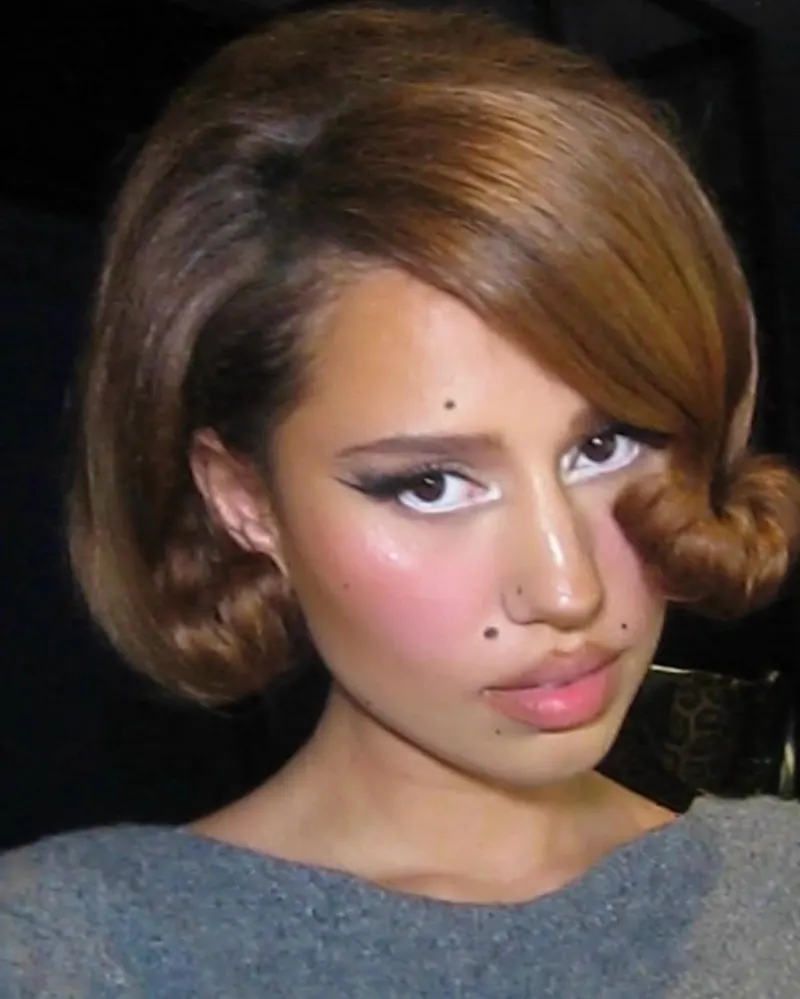
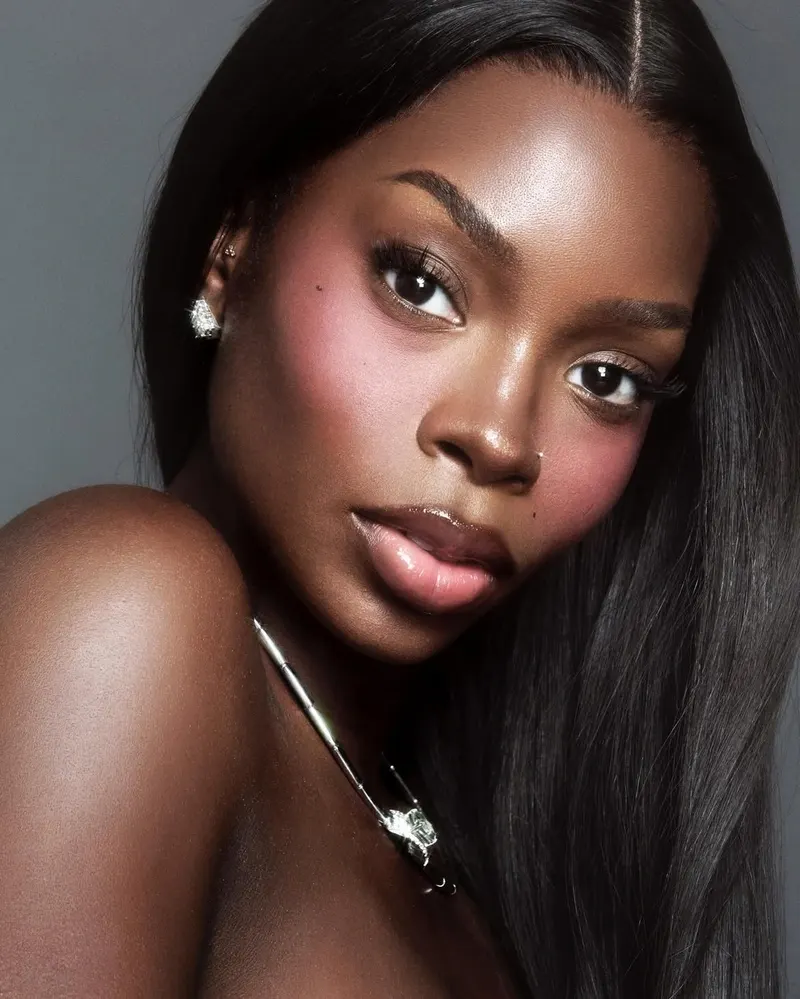
The distinction became especially relevant in May 2026, when celebrity makeup artist Patrick Ta introduced his Transition Blurring Blush Duo. The launch prompted online discussion about similarities between the promoted technique and Edeme's established work. Viewers questioned the recognition of her influence, particularly her contribution to popularizing gradient blush on black women.
Ta subsequently acknowledged Edeme's contribution while explaining that his own interpretation had developed independently. The conversation highlighted recurring questions about originality, artistic influence and commercial recognition.

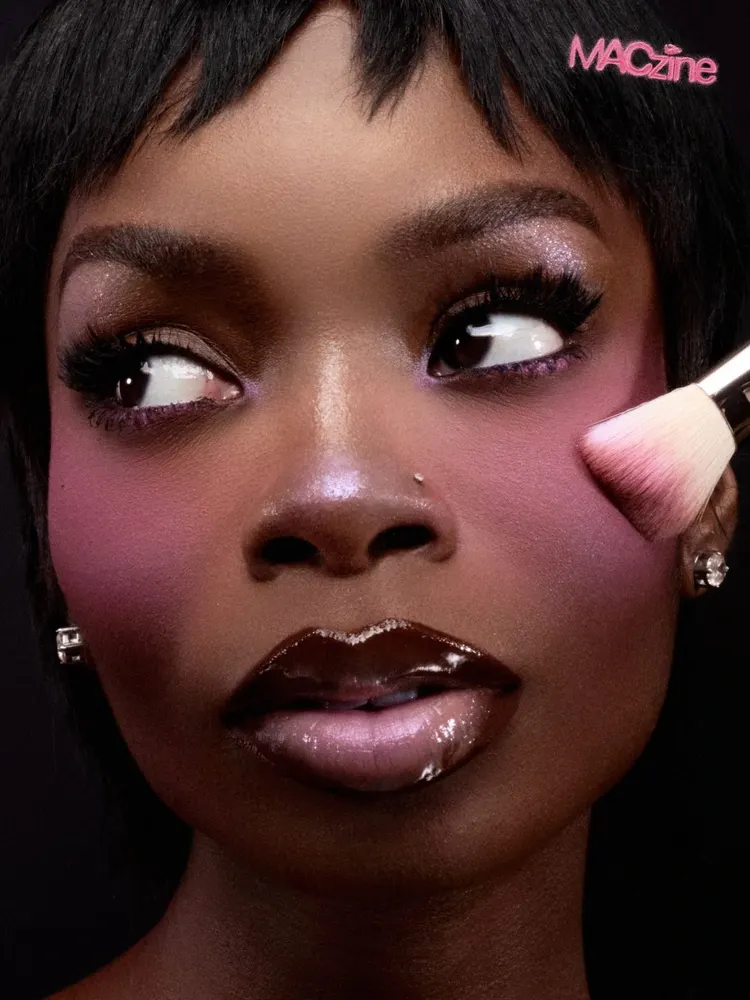
Edeme's artistry also received attention through her May 2026 MACzine collaboration with Olandria Carthen. She combined M·A·C Skinfinish Colourstruck Blush shades Snob, LaLaLavender and Candy Yum Yum, creating vibrant pink-purple gradients that emphasized Olandria's facial features.
The collaboration demonstrated the sophisticated color layering behind contemporary blush artistry while giving visibility to the artist responsible for its execution.
The renewed prominence of blush draping is particularly visible across celebrity appearances, where makeup artists adapt its principles to different complexions and creative intentions.
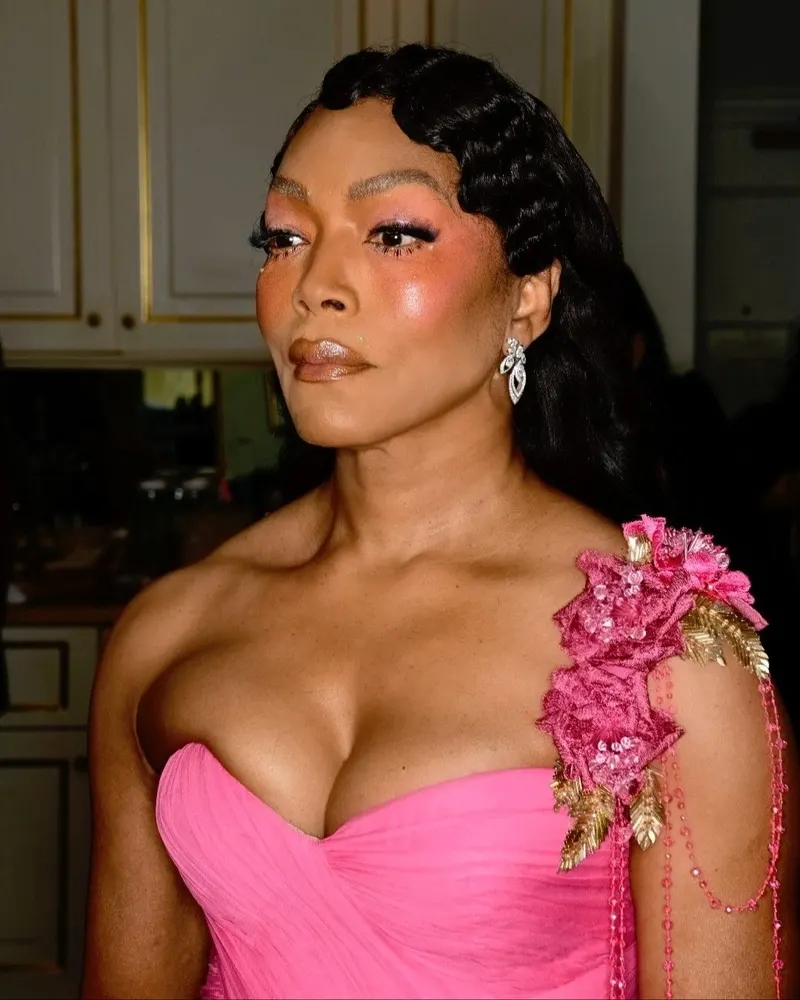
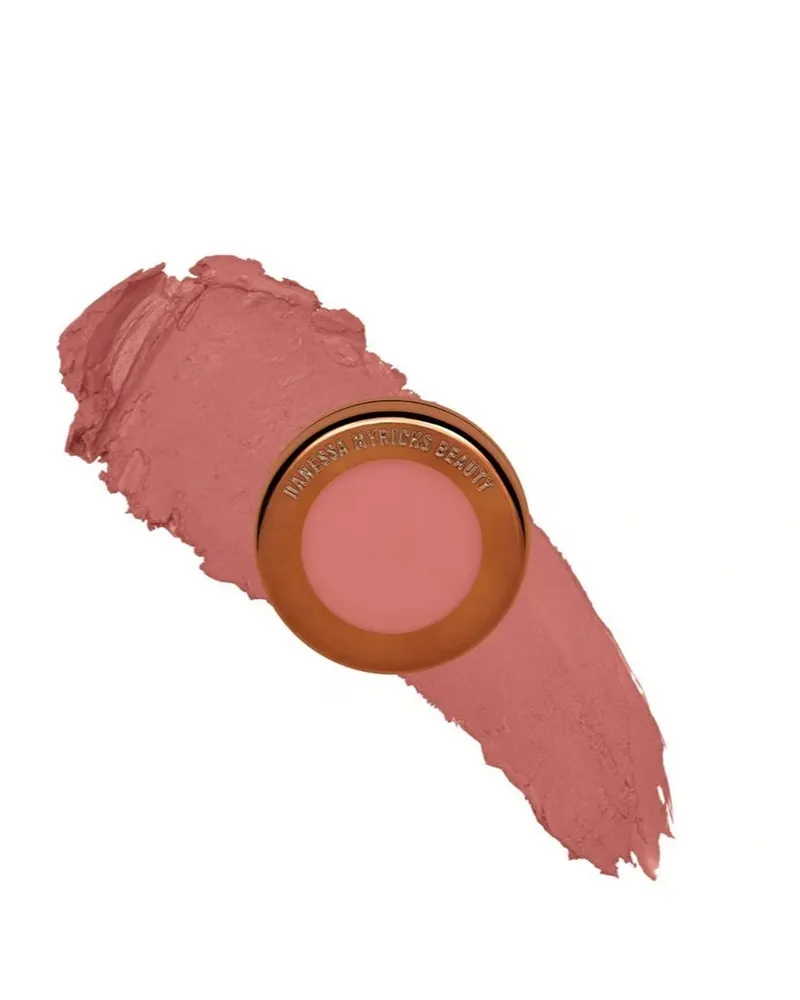
At Met Gala 2026, Angela Bassett offered a striking example of traditional blush draping. Makeup artist D'Andre Michael created a coral-pink flush extending across her cheekbones toward the temples.
Using Danessa Myricks Beauty Yummy Skin Blurring Balm Powder Flushed in Rose N Brunch, Michael established definition through strategic placement, emphasizing Bassett's facial structure while maintaining luminosity.
The Many Faces of Blush Draping
Contemporary artists continue adapting blush draping through new textures, placements and color combinations.
Classic lifted draping extends pigment along the cheekbones toward the temples, preserving its historical sculptural effect. Transition blush emphasizes gradients connecting the cheeks with the under-eye region, as demonstrated through Painted By Esther's work.
The renewed popularity of blush draping reveals how professional makeup artistry can acquire substantial commercial influence once it reaches social media and cosmetic collections. As beauty trends circulate increasingly quickly, recognizing the artists responsible for their development becomes essential to documenting their history. The future of blush draping may ultimately depend as much on the visibility of its creators as on the colors appearing across people's cheeks.