




What happens when the scent of home becomes an object of luxury? Across Asia, gourmand perfumes are giving everyday memories a beautifully unexpected afterlife.

Gourmand Perfumes Are Finding Their Asian Roots
What happens when the scent of home becomes an object of luxury? Across Asia, gourmand perfumes are giving everyday memories a beautifully unexpected afterlife.
November 7, 2026


Imagine opening a bottle of gourmand perfumes and recognizing the comforting aroma of steamed rice from a childhood kitchen, the warmth of sweet potatoes roasting beside a winter street, or the creamy sweetness of bubble tea from a neighborhood café. These familiar sensations are finding a remarkable second life within luxury perfumery.
Across Asia, independent fragrance houses are transforming regional culinary traditions into sophisticated olfactory compositions. Taro, pandan, soy milk, sticky rice and roasted chestnuts are expanding the vocabulary of gourmand perfumes, introducing a deeply personal dimension to contemporary scent creation. Beneath their delicious appeal lies a larger cultural development: Asian perfumers are increasingly claiming the authority to define luxury through their own memories, identities and traditions.
Gourmand Perfumes Are Developing an Asian Appetite
The commercial environment surrounding gourmand perfumes has grown considerably.
According to Mintel, the share of global fragrance launches belonging to the gourmand category increased by seven percentage points between 2022 and 2024. Meanwhile, TikTok's #GourmandPerfume reached 142 million views, reflecting the expanding popularity of edible fragrance profiles.
In China, the momentum has become particularly visible. Xiaohongshu's 2025 fragrance trend report recorded a 46% increase in searches for gourmand fragrances during 2024. Searches related to food-inspired scents increased 78% between March 2024 and March 2025, accompanied by a 108% rise in content views.
The wider niche fragrance market provides fertile ground for experimentation. According to Eternal Group, niche perfumery's market share in China increased from 25% in 2024 to 38% in 2025. Across Southeast Asia, distributor Luxasia anticipates annual niche fragrance growth of approximately 8% to 10% through 2030.
From Bubble Tea to Roasted Sweet Potatoes
A growing collection of Asian niche houses demonstrates how everyday foods can inspire inventive perfume compositions.
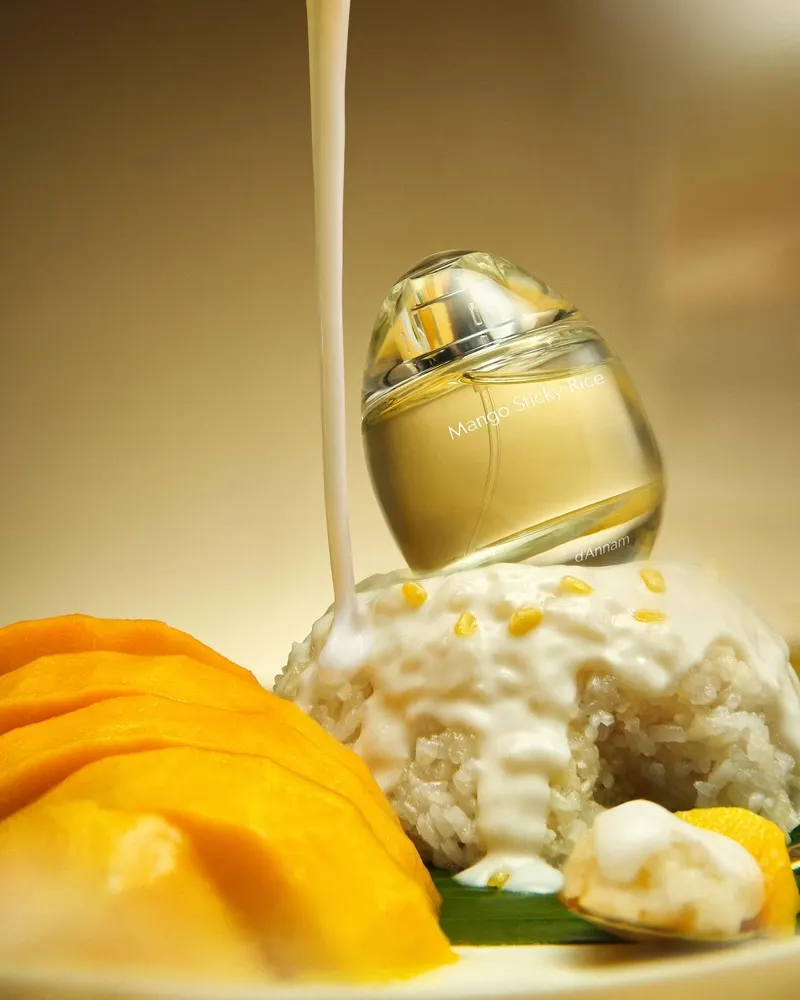
Vietnamese fragrance house d'Annam introduced Bubble Tea in 2026, recreating the familiar pleasures of Taiwanese milk tea through black tea, whole milk, brown sugar and tapioca pearls. Its Mango Sticky Rice fragrance, launched earlier that year, captures Thailand's celebrated dessert through ripe mango, glutinous rice and coconut milk.

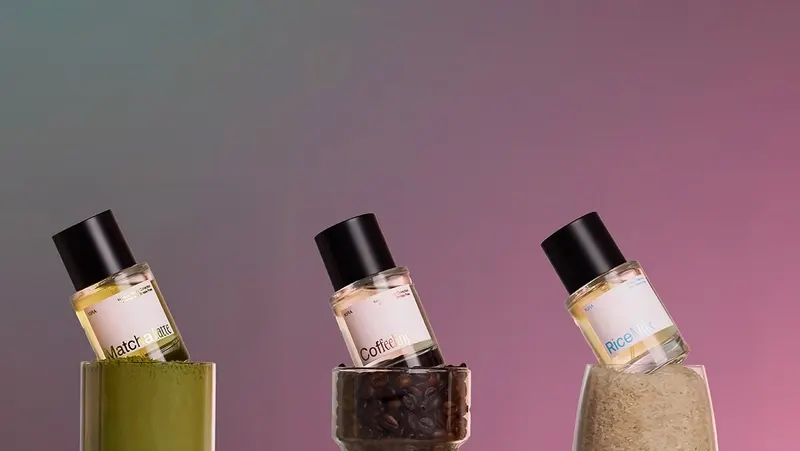
Hong Kong fragrance house One Day explores another intimate culinary memory through Taipei. Soy milk, steamed rice and taro evoke the aromas of Taiwanese morning markets, while iris, woods and musk gradually introduce warmth and depth.

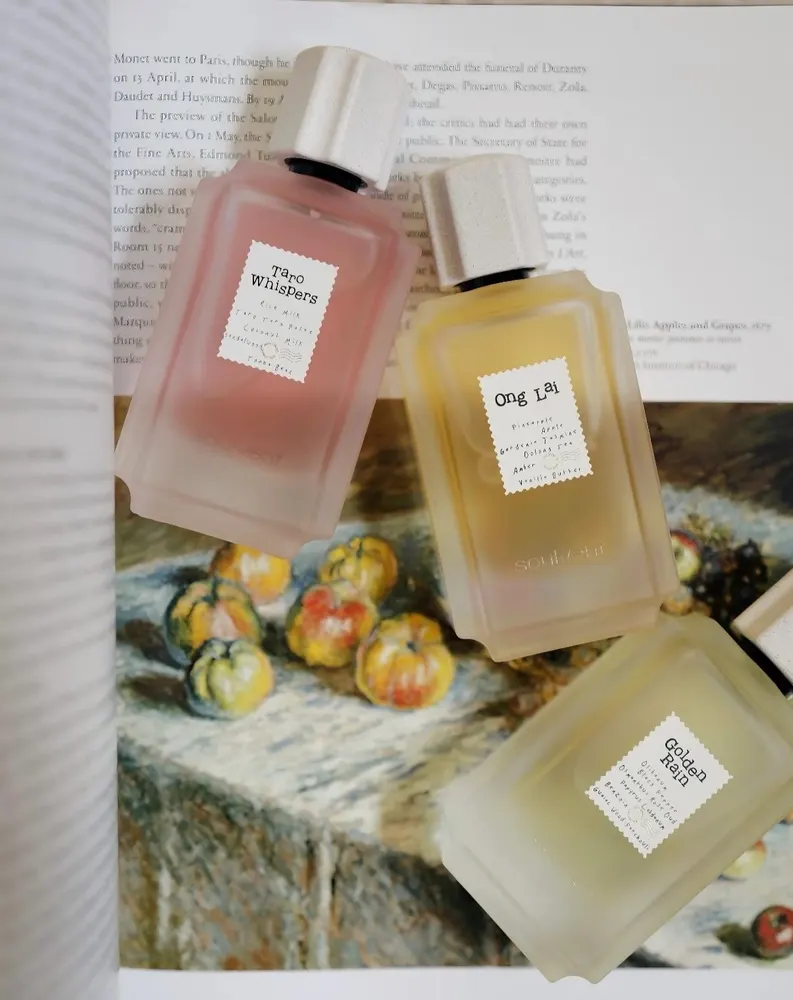
Chinese house Soulvent approaches gourmand perfumes through traditional desserts. Taro Whispers evokes steamed taro, creamy rice milk and the atmosphere of old southern Chinese homes. Its Ong Lai fragrance draws inspiration from pineapple-filled pastries associated with celebration and hospitality.
In Indonesia, Mykonos Pandan Sticky Rice combines pandan, rice, white florals, almond and amber, translating the aromatic warmth of Southeast Asian desserts into a wearable composition.
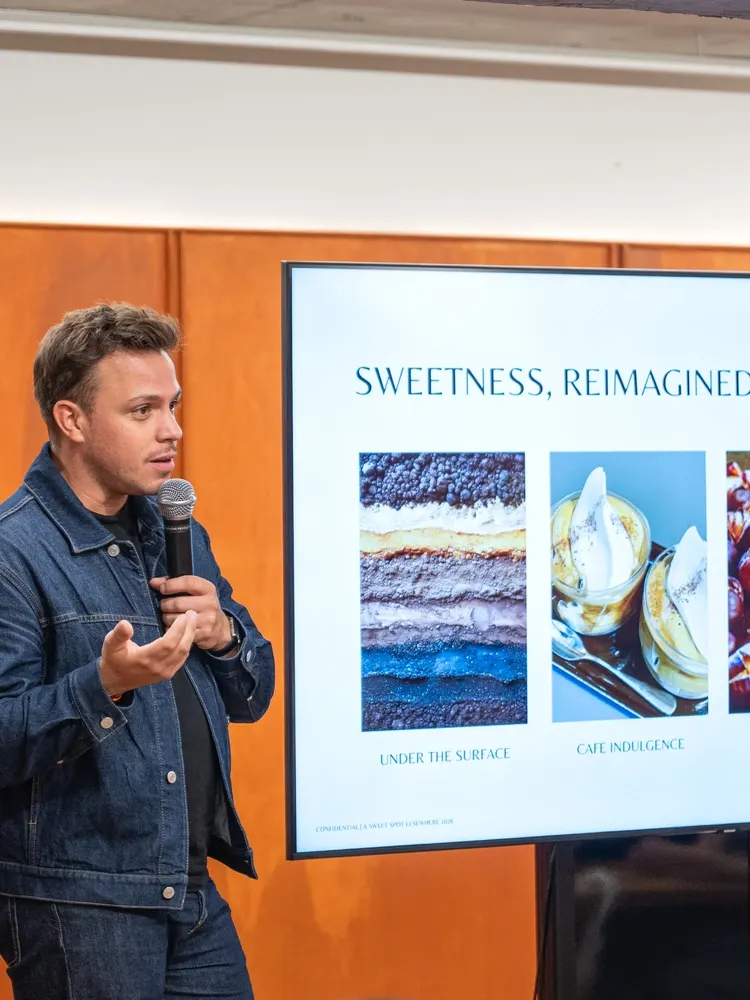
Roasted sweet potato has also attracted professional perfumers. Mane's Maxime Exler explored Korean street-food memories through A Sweet Spot Elsewhere, a creative fragrance project incorporating the familiar warmth of this winter delicacy.
These fragrances reveal the possibilities of gourmand perfumery beyond conventional sweetness. Their compositions explore steamed textures, earthy roots, roasted grains and subtle milky sensations.
When Cultural Memory Becomes a Luxury Ingredient
The emerging movement carries particular significance for Asian fragrance creators. As Asian niche houses expand, local ingredients and culinary rituals are becoming foundations for distinctive creative identities.
Héloïse Lefebvre du Prey, Senior Project Manager for South Asia at Asia Cosme Lab, identifies the development as a form of cultural reclamation. She describes the growing interest in regional fragrance identities as a “re-appropriation of local pride.”
This perspective changes the significance of a rice-inspired perfume. For Vietnamese consumers, rice may recall family meals, kitchens and everyday domestic rituals. Pandan can evoke familiar desserts across Southeast Asia, while roasted sweet potatoes carry associations with winter streets in Korea, Japan and China.
Their emotional value originates in ordinary experiences that rarely received recognition within traditional luxury narratives.
South Korean fragrance specialist Sarah Pae of Scent By describes this emerging direction as nouveau gourmand, connecting nostalgia and cultural familiarity with contemporary experimentation. The result is a form of sensory storytelling in which local creators determine which memories deserve artistic expression.
Gourmand perfumes become cultural objects, preserving familiar experiences through an intimate medium that consumers can wear, collect and share.
Who Gets to Define the Smell of Asia?
The movement also raises an important question about representation within international niche perfumery. Ingredients such as matcha, rice and mango already appear in fragrances created by Western luxury houses. Le Labo's Thé Matcha 26, Diptyque's L'Eau Papier and Vilhelm Parfumerie's Mango Skin demonstrate their established appeal.
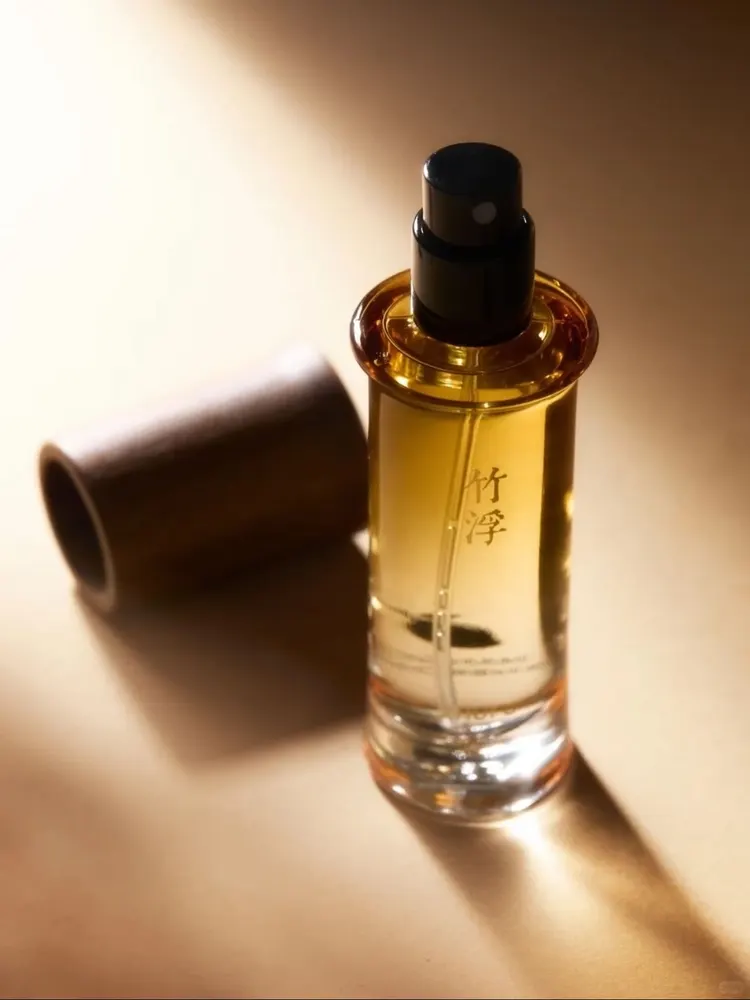
What Asian fragrance houses bring to the category is the cultural context surrounding those ingredients. Chinese niche fragrance house Zhufu explores this distinction through Mango Ambrosia, inspired by yangzhi ganlu, the Chinese mango, pomelo and sago dessert. Founder Bobber Wang connects the composition to the dessert's layered sensations and its symbolic associations with Guanyin, compassion and blessings.
The perfume becomes an interpretation of a specific culinary tradition, carrying references that extend beyond its recognizable ingredients.
For independent Asian brands, this cultural knowledge represents a valuable competitive advantage. A fragrance rooted in lived experience can communicate authenticity through details of atmosphere, ritual and memory.
Yet cultural identity also introduces creative responsibility. Transforming regional traditions into internationally desirable luxury products requires thoughtful storytelling and a genuine understanding of their origins.
The distinction ultimately concerns who controls the narrative, and whose experiences receive recognition as sources of luxury.
A Different Understanding of Sweetness
The creative possibilities of Asian gourmand perfumes also emerge through their distinctive treatment of sweetness.
Bobber Wang of Zhufu observes that Chinese culinary appreciation frequently favors balanced sweetness. This preference creates opportunities for perfume compositions featuring tea, nuts, grains, roots and subtly roasted ingredients.
Maxime Exler similarly emphasizes the importance of texture and sensation when translating Asian cuisines into fragrance.
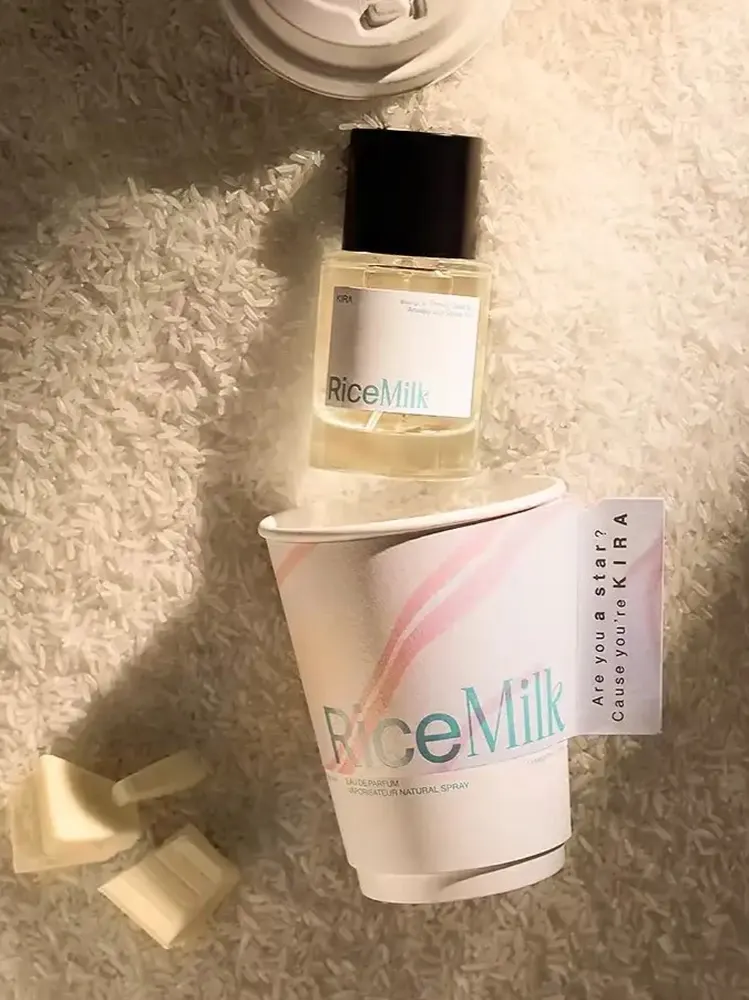
Keira Do, founder of Vietnamese house KIRA Parfums, has experienced this response through Rice Milk, one of the brand's successful creations. The fragrance resonates with Vietnamese customers while also attracting interest in the United States.
Its appeal demonstrates how culturally specific memories can produce sensations appreciated across different backgrounds. The rise of Asian gourmand perfumes reveals an important evolution in the relationship between cultural identity and luxury beauty.
The familiarity of rice, tea or sweet potato becomes a source of creative distinction, allowing independent perfumers to reinterpret personal memories through sophisticated compositions.
For international consumers, these gourmand perfumes offer an invitation into different culinary traditions and sensory landscapes. For their creators, they represent something particularly meaningful: the freedom to establish their own references within the global language of luxury. A bowl of rice may seem wonderfully ordinary. Within a perfume, it can carry the memory of an entire culture.