MENU
Close





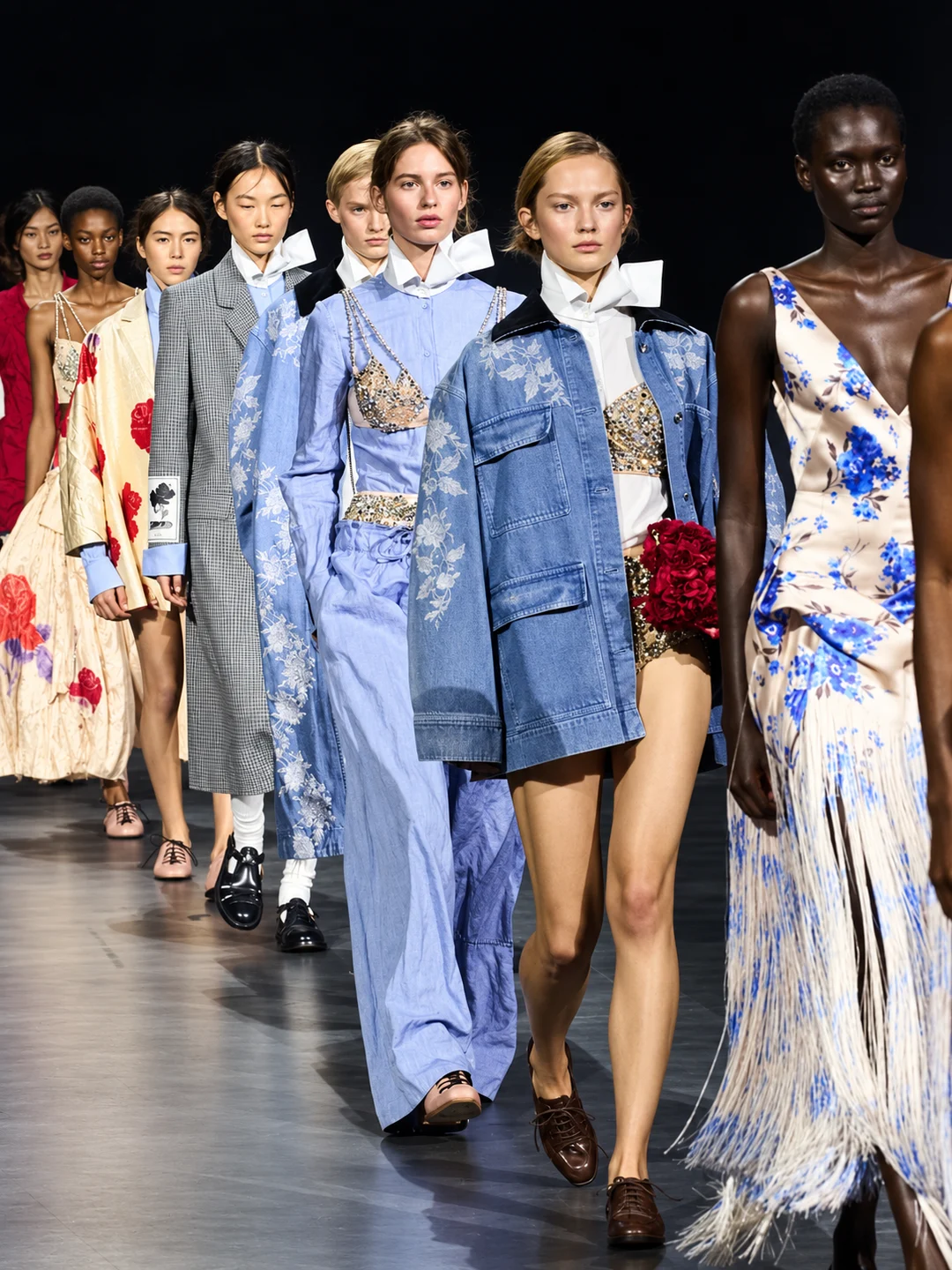
As thinness regains power, food-themed beauty products offer sweetness without calories, pleasure without mess, and indulgence without the social punishment still attached to appetite.
As thinness regains power, food-themed beauty products offer sweetness without calories, pleasure without mess, and indulgence without the social punishment still attached to appetite.
June 14, 2026
Advertisement
Advertisement



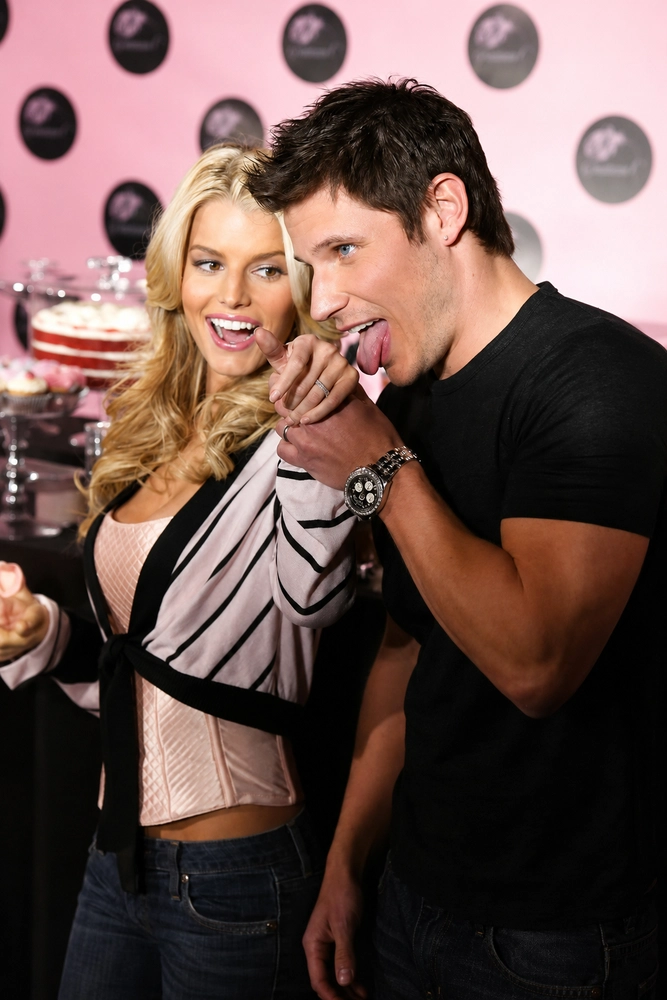
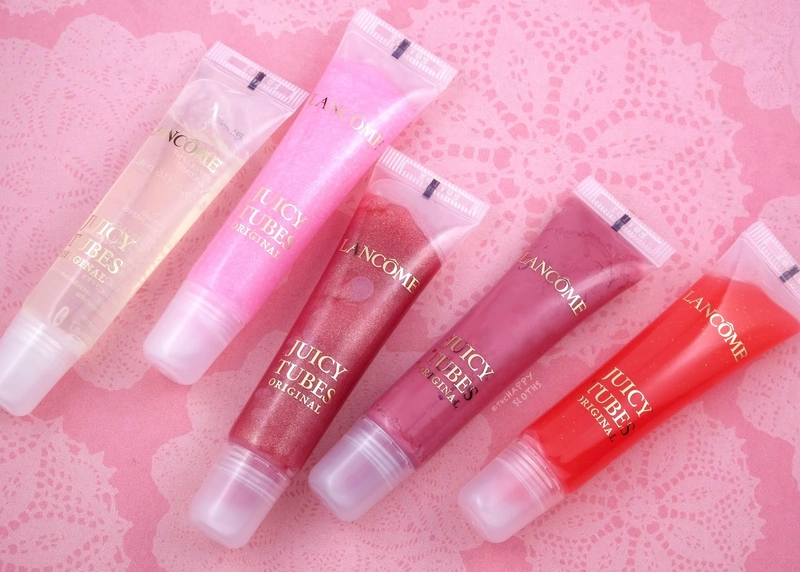
There is a distinct, almost visceral memory that many of us who came of age in the early 2000s share. It is the overwhelming, saccharine scent of artificial vanilla and spun sugar wafting through the corridors of suburban malls. Back then, food-themed beauty products made the beauty aisle double seamlessly as a dessert menu. Bath & Body Works was churning out frosting-inspired body mists by the gallon, Lancôme’s Marshmallow Juicy Tube lip glosses lined the bedazzled purses of teens and adults alike, and pop idols like Jessica Simpson were launching entire lines of edible body products that promised to taste just as delectable as they smelled.
Yet, there was a stark, almost cruel paradox at the heart of this sugary era. While our self-care routines and vanity tables were saturated with the essence of baked goods, our actual diets were decidedly, punishingly sugar-free.
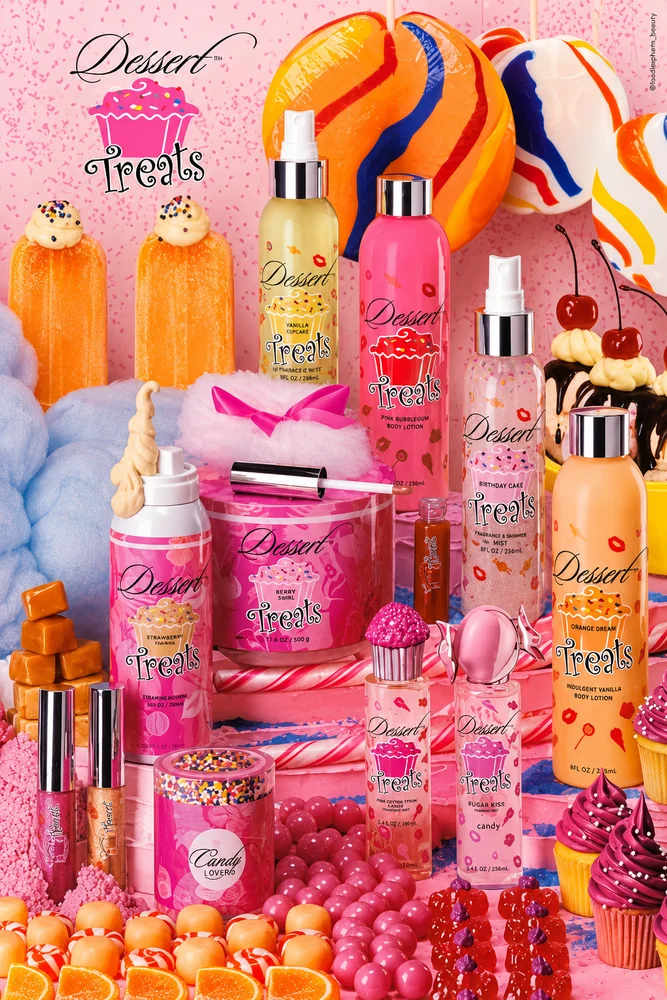
This was the era of the Atkins diet, of low-fat yogurt masquerading as lunch, and of tabloids that treated a celebrity’s fluctuating weight with the same urgency as breaking geopolitical news. Pro-anorexia forums thrived in the unregulated corners of LiveJournal, and advertisements for extreme workout programs dominated the commercial breaks of our favorite shows. We were a culture slathering ourselves in the scent of cupcakes while actively terrifying ourselves out of ever eating one.
Fast forward two decades. The low-rise jeans are back. The chunky highlights have returned. And, rather unsettlingly, so has the cultural obsession with shrinking ourselves. But this time, it is quieter, more clinical, and deeply intertwined with a new era of cosmetic indulgence.
For a fleeting, hopeful moment in the 2010s, it felt as though we had collectively exhaled. The body-positivity movement, championed by marginalized voices and amplified by the early days of Instagram, gave us a glimmer of hope that beauty standards were finally broadening. We saw a celebration of curves, a pushback against the sample-size supremacy in fashion, and a general consensus that moralizing food was a relic of a more toxic past.
But culture operates on a pendulum, and the celebration of thinness has returned with a vengeance. The resurgence started as a whisper, rumors of off-label prescriptions in Hollywood, and rapidly escalated to a deafening roar with the normalization of GLP-1 weight-loss medications like Ozempic and Wegovy.
Suddenly, the ultra-skinny ideal of the Y2K era was reignited, stripped of the sweaty aerobics of the past and replaced with the sterile precision of a weekly injection. Hashtags like #Y2KSkinny and #2000sSkinny climbed TikTok’s algorithm with alarming speed, romanticizing a deeply problematic era. Eventually, the app began blocking searches for #SkinnyTok due to its blatant glamorization of disordered eating, but as experts will tell you, algorithmic bans do little to curb a societal hunger for thinness once the match has been struck.
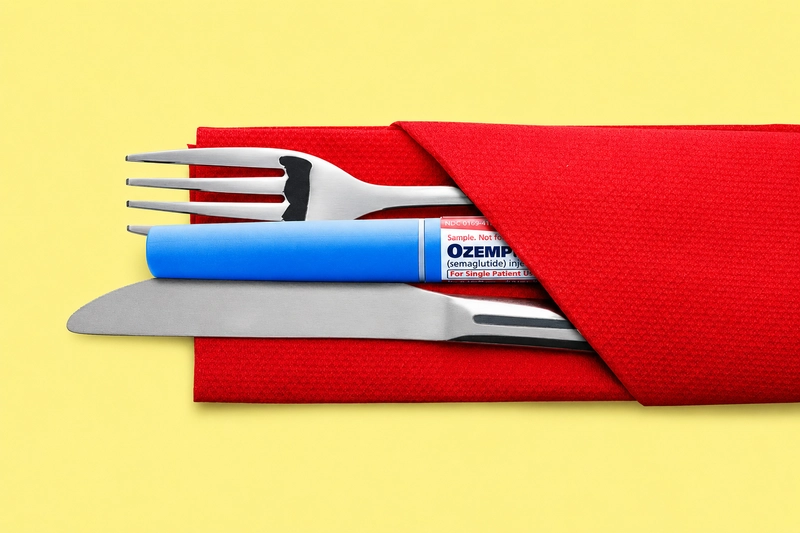
Are we witnessing a collective, phantom hunger? Since the “skinny” aesthetic is back and appetite suppression is now available via a pre-filled pen, are we subconsciously seeking the comfort of food from somewhere else? When we shrink our physical footprint, do our suppressed appetites simply migrate to our vanity tables?
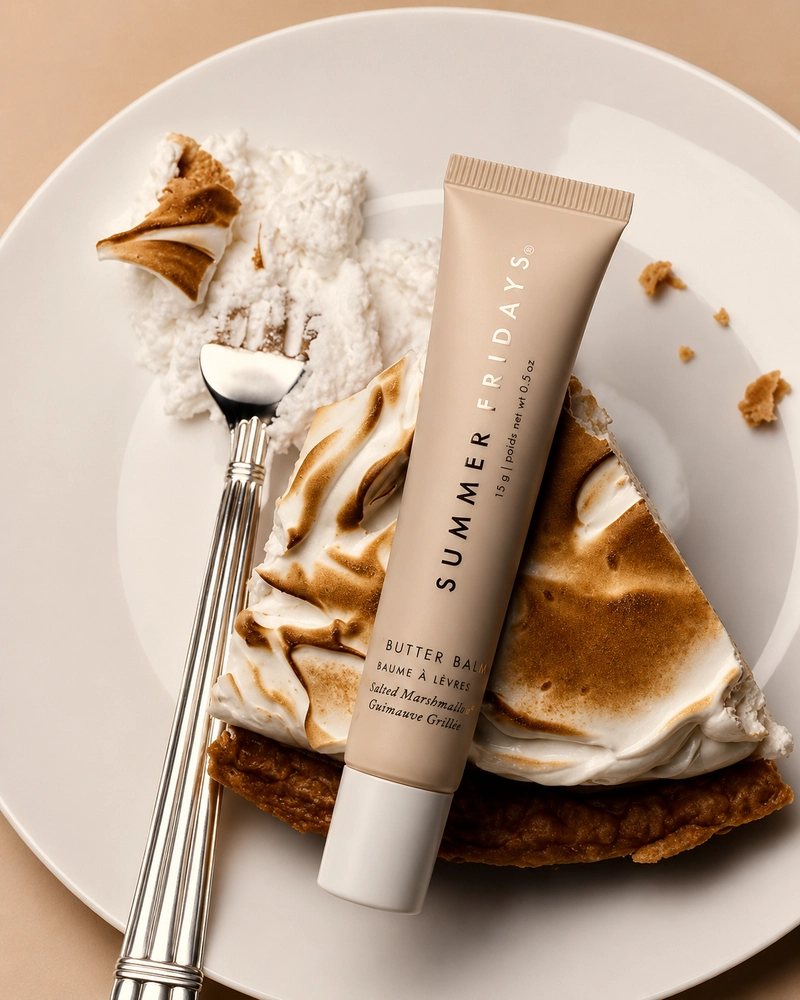
All the while, as diet culture retightens its grip on our collective psyche, I cannot help but notice that the beauty industry is, once again, going all in on dessert. Scents of profound, caloric comfort, vanilla bean, toasted caramel, pistachio, and sweet tonka, have come back in full force. It is a phenomenon that feels both deeply nostalgic and somewhat tragic: the era of “treat beauty.”
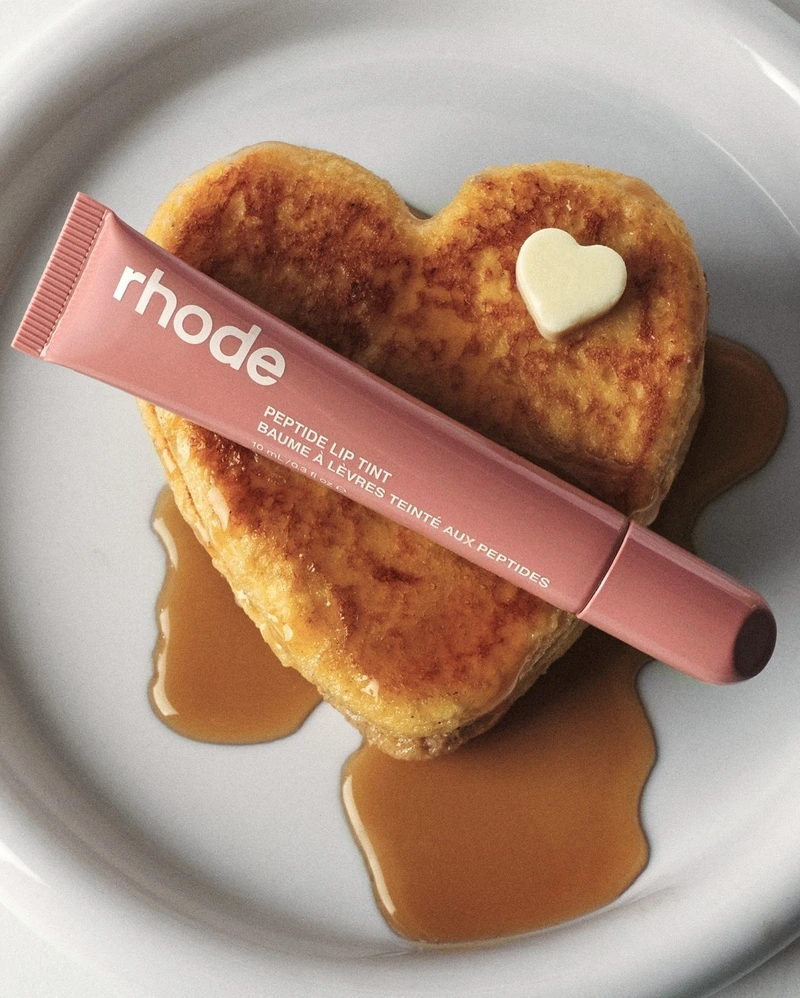
Food-themed beauty products are not new, but their cultural and commercial dominance shifts with the times. Throughout much of the 2010s, during the height of the body-positivity era, notably, fragrance trends skewed more seductive, earthy, and complex. Spicy florals, heavy musks, ambers, and gender-neutral woods dominated perfume launches. Sweetness was present, but it played a supporting role, adding a touch of warmth to a broader, more sophisticated profile.
But by 2025, gourmand notes had moved decisively and aggressively to center stage. The aesthetic of the sweet treat is now ubiquitous.
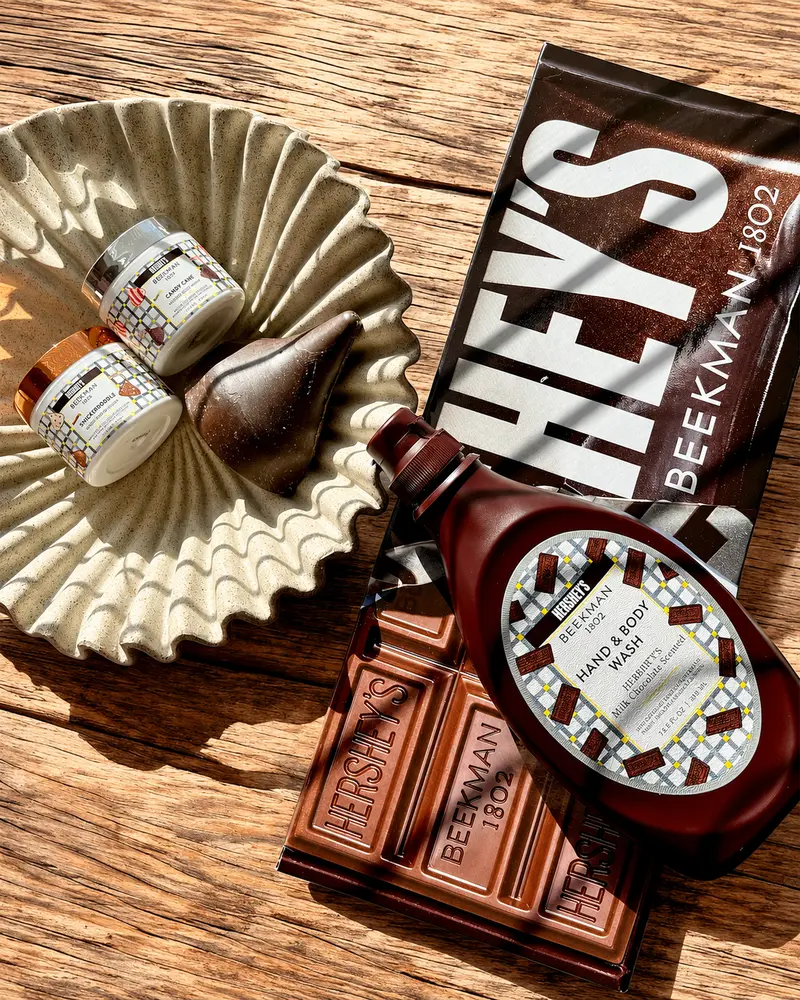
Linda G. Levy, president of the Fragrance Foundation, notes, “The trend now touches nearly every price point from personal fragrances to candles that evoke favorite foods and the memories attached to them.”
But the juxtaposition of these little food-themed beauty products with our resurgent diet culture is jarring. If you ask the experts, it is also highly intentional.
“Traditional diet culture emphasized restraint and guilt,” explains nutritionist Jim LaValle, codirector of the Fellowship in Longevity Medicine at the American Academy of Anti-Aging Medicine. “Now we’ve entered a ‘controlled indulgence’ era where the messaging is insidious: You deserve a treat, just not one that affects your waistline.”
Beauty brands have tapped into this psychology brilliantly, offering a loophole for the modern, diet-conscious consumer. They are selling calorie-free luxury through serums, overnight masks, and burning wicks. As we suppress our physical appetites, whether through sheer willpower, societal pressure, or pharmaceutical intervention, we subconsciously seek out new and different ways to satiate our senses.
Scientists refer to this phenomenon as hedonic substitution.
When food no longer triggers that same emotional satisfaction, or when the act of eating is fraught with anxiety and restriction, the brain does not simply stop desiring pleasure. It adapts. “If someone’s appetite drops or they’re trying to avoid certain foods, the brain naturally seeks an alternate ‘feel-good’ stimulus,” LaValle notes. “That might be through scent, texture, touch, or even achievement-based rewards. It’s the nervous system doing what it’s wired to do: maintain balance in reward signaling.”
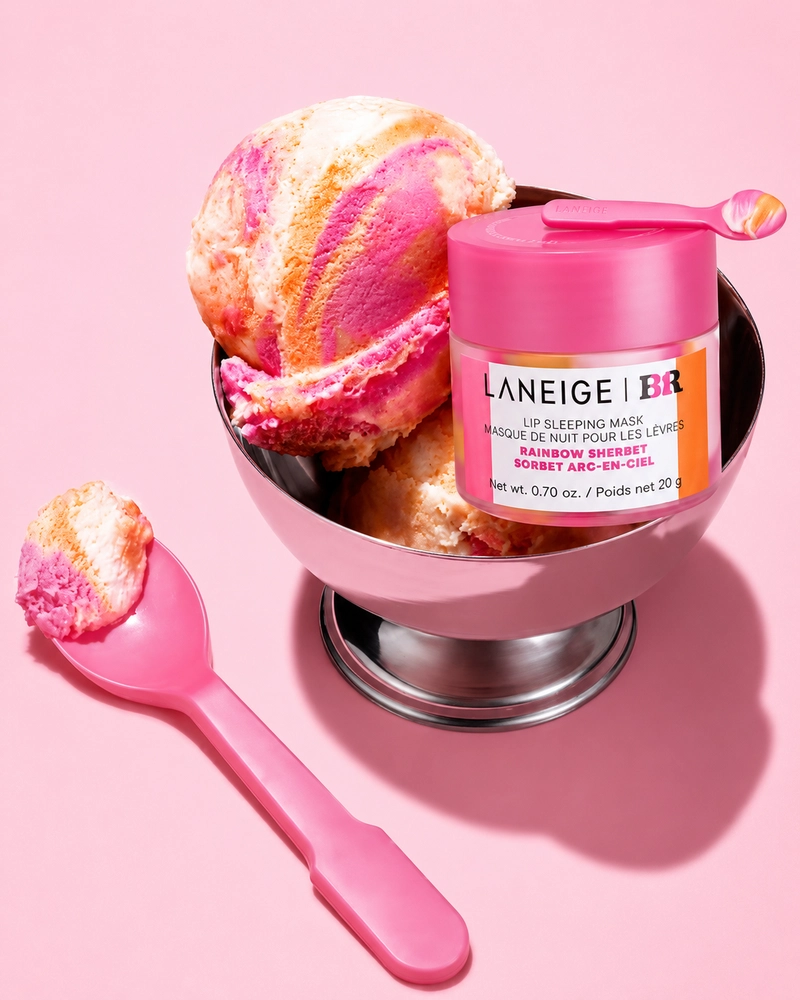
If this theory explains why our brains reach for new sources of satisfaction, sensory science shows us how it happens. Research into human sensory perception reveals that when people view beautiful, decadent images of food (often colloquially referred to as “gastroporn”), it lights up the brain’s reward pathways. Specifically, it triggers the dopamine-driven anticipation circuits. The brain experiences a rush of pleasure just from the idea of the food, even if it never replicates the full biochemical cascade of actually digesting it.
Smell achieves this with even greater potency.
Dr. Charles Spence, a professor of experimental psychology at the University of Oxford who focuses on multisensory perception, explains the profound link between our noses and our desires. “When people are hungry and see or smell something they love, there is a huge increase in brain activity, greater than what’s triggered by sex or pornography,” he states. “The biggest activations come not from eating but from anticipating food. Between 75 and 95% of what we taste actually comes from smell.”
Food-themed beauty products hijack this anticipatory thrill with incredible efficiency. Trend forecasters have even started researching behavioral shifts linked directly to hedonic substitution. Consumer trends firm InsightTrends recently began tracking marketing terms like “scent snacking” and “disordered sniffing”, phrases meant to capture the practice of using fragrance, candles, and body care as bite-sized hits of reward for a deprived brain.
Trend forecaster Melissa Hago adds vital context to this behavioral shift: “When food, time, or energy feel scarce, people look for micro-pleasures they can control. Right now, scent is one of the most accessible ways to do that.” Are we treating beauty as a coping mechanism for a world that demands we take up less physical space? When we "snack" on a perfume instead of a pastry, are we genuinely practicing self-care, or are we just finding a more socially acceptable way to starve?
While terms like “disordered sniffing” make for catchy headlines and compelling marketing decks, medical experts are quick to urge caution. We must be careful not to pathologize the simple, human joy of smelling something delightful.
“Enjoying food-related scents on its own isn’t concerning,” clarifies Lauren Hartman, MD, a board-certified pediatric and adolescent physician specializing in eating disorders and body image. “What matters is the context, restriction, distress, rigidity, or guilt. Without that context, it’s simply a preference or a comforting ritual.”
Dr. Hartman raises a crucial point: slapping a clinical-sounding label on a beauty trend can take the analysis a step too far. Hedonic substitution, while a real neurological mechanism, does not exist on the same psychological plane as impulsive behaviors like binge eating or compulsive shopping. “There are significant differences between these behaviors, and we don’t yet have research showing whether the comparisons hold up clinically,” she adds. “It’s not an apples-to-apples comparison.”
It is entirely possible, and incredibly common, to simply adore the smell of fresh cookies, warm vanilla, or rich cocoa without it being a symptom of food restriction. However, viewing the beauty aisle through the lens of hedonic substitution provides a vital framework for understanding the macro-trends. It makes it abundantly clear why food-themed beauty products are experiencing a massive spike in popularity in exact tandem with the normalization of weight-loss medications. We are a society that is broadly, collectively monitoring its intake; consequently, our hunger is finding an outlet in the Sephora checkout line.
Although beauty brands are not explicitly advertising their food-themed beauty products as dieting tools, the language they use feels strikingly, uncomfortably familiar. For those of us who remember the aggressive diet culture of the early 2000s, the marketing copy reads like a ghost from the past. Products are described as decadent, yummy, guilt-free, and indulgent.
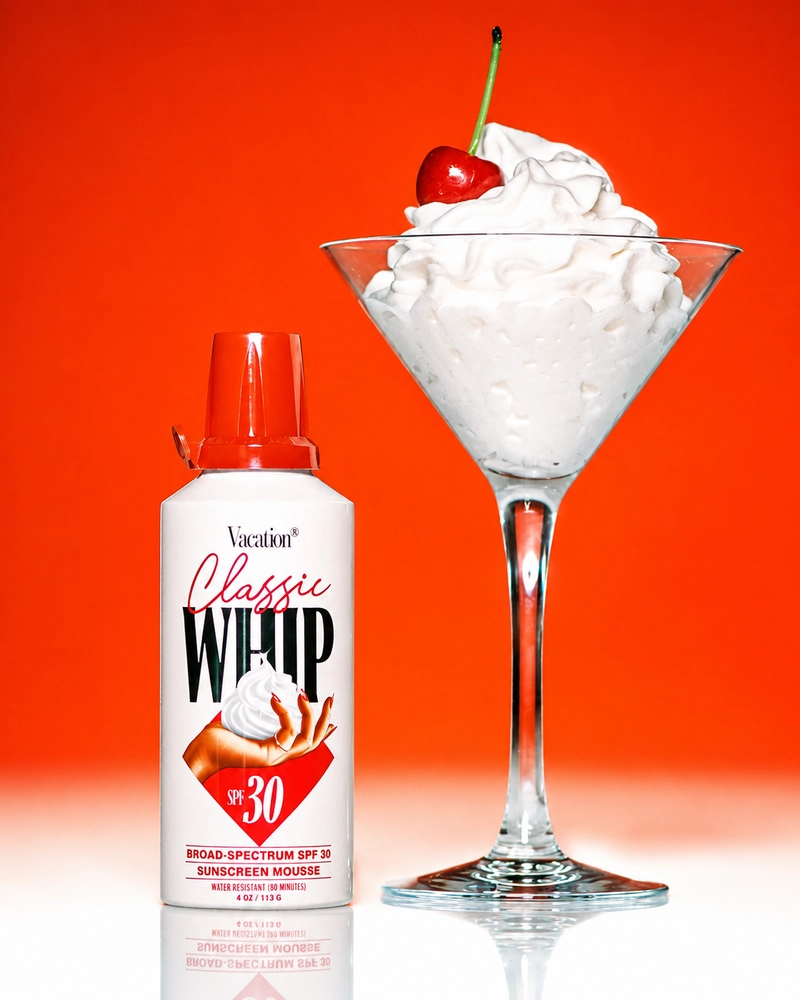
Whether intentional or not, this language shapes our psychological reality. Dr. Rachel Herz, a neuroscientist who researches the psychological science of smell and authored Why You Eat What You Eat, explains how our brains process these cues. “Because smell is invisible, we rely on cues, words, packaging, imagery, to decide what we’re perceiving,” she says. “If a label says something is calming, indulgent, or delicious, we’re primed to experience it that way. It’s not fake; it’s mind over matter.”
This intersection of language, scent, and self-denial brings us to the core of why this trend resonates so deeply with women. Psychotherapist Alegra Torel, LCSW, believes the rise of treat beauty is inextricably linked to how women have been systematically conditioned to manage, suppress, and fear their own desires.
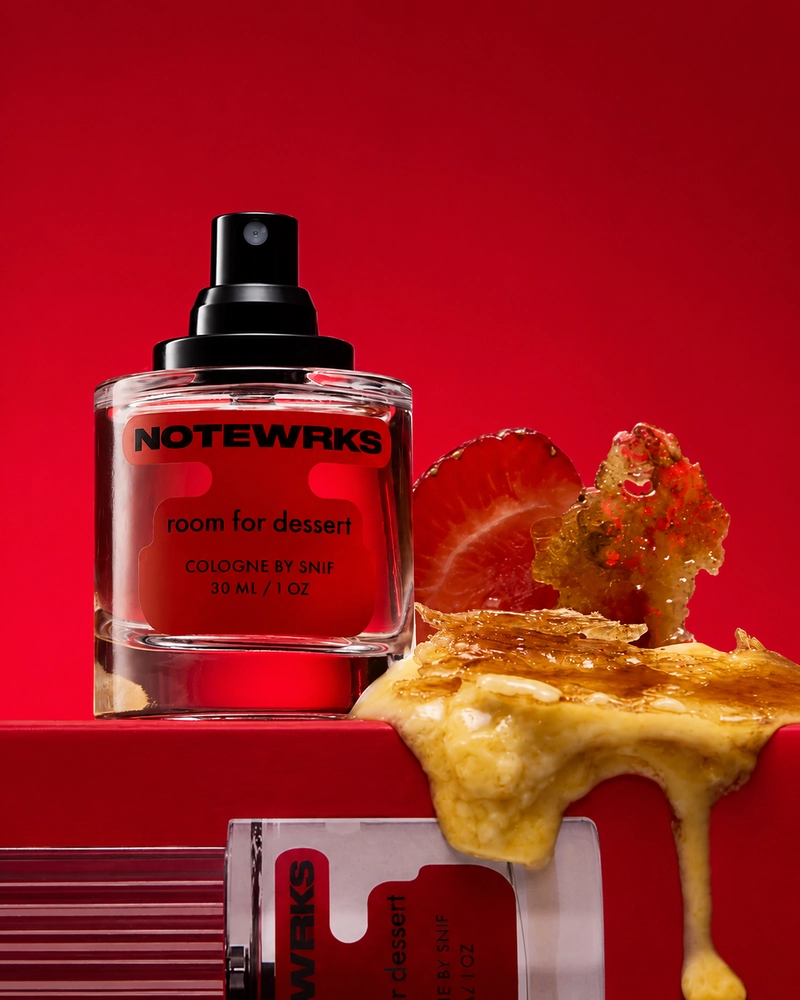
“Brands are going straight for the core of our emotional memory,” Torel observes. “Food is inherently sensory and tied to emotional recall, birthday cakes, family holidays, that feeling of warmth, safety, and love. They’re not just selling comfort; they’re selling a return to safety.”
But in a culture that remains deeply entrenched in anti-fat bias, that safety comes with a heavy caveat. “We’re taught to see sweetness as bad, forbidden, something to be earned through restriction or exercise,” Torel continues. “So instead of eating the cake, we buy the cream that smells like one. It’s the illusion of indulgence without the loss of control.”
By this logic, today’s best-selling gourmand scents are not just standing in for eating; they are offering emotional regulation in a bottle. They provide the soothing, grounding effects of a sweet treat without the accompanying societal guilt. Smell has direct, unmediated access to the brain’s emotional centers—the amygdala and hippocampus. “No other sense connects as immediately to emotion and memory,” confirms Dr. Herz.
When a woman applies a thick, vanilla-scented body butter after a long day, she is granting herself permission to experience pleasure. But we must ask ourselves: why is this the only form of sweet pleasure she feels permitted to have?
Even as brands rightfully highlight the comfort, nostalgia, and pure sensory joy of these food-themed beauty products, the timing of the great gourmand boom cannot be separated from its broader cultural context. It is far more complex than mere Y2K nostalgia.
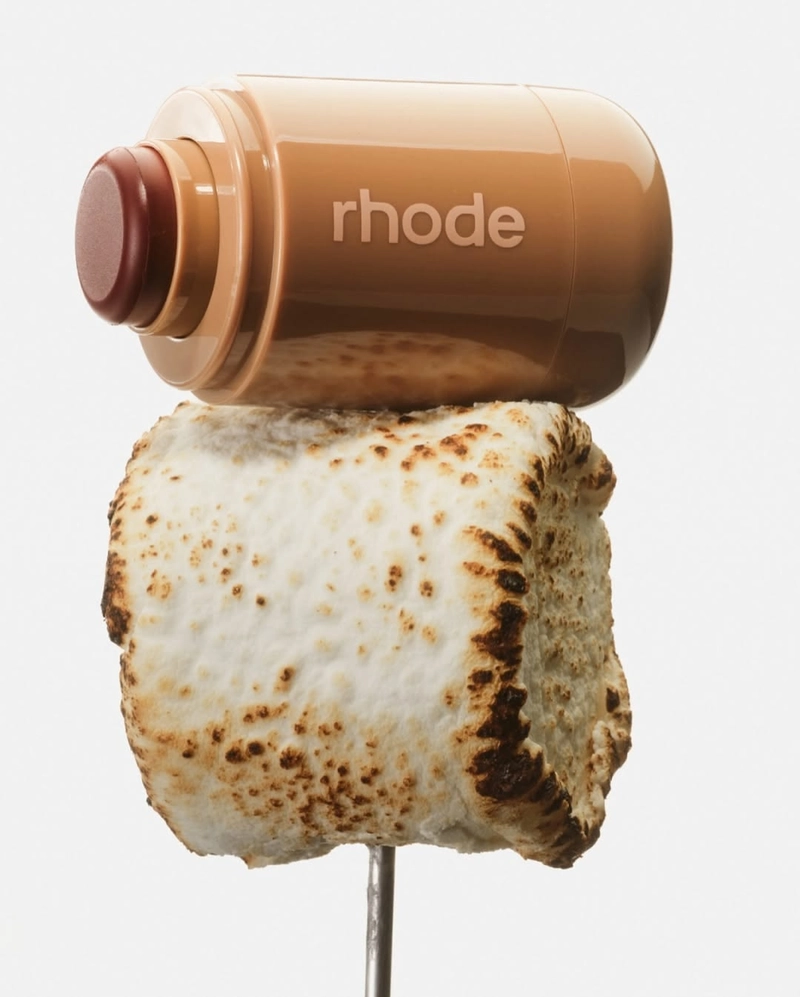
The meteoric rise of treat beauty holds a mirror to a cultural moment where physical pleasure, especially the sweet, caloric, indulgent kind, is increasingly redirected, medicalized, and reframed as something shameful. The act of hedonic substitution is not inherently harmful; it is a brilliant evolutionary adaptation of the human brain. But the messaging surrounding it requires our scrutiny. If the beauty industry continues to frame scent as a guilt-free indulgence, it risks quietly reinforcing the toxic, outdated idea that actual indulgence is a sin that needs to be managed.
However, this cultural crossroads also presents a beautiful, profound opportunity.
We are seeing brands begin to experiment with scent as a genuine tool for mental health and holistic wellbeing. By collaborating with neuroscientists, companies are creating functional fragrances designed to lower cortisol, ease anxiety, and ground the nervous system. They are beginning to reframe sensory pleasure not as a substitute for something forbidden, but as a valid, essential form of wellness in its own right.
If the beauty industry can continue down this more enlightened path, there is hope on the horizon. Perhaps the next era of fragrance and body care will not be about curbing our appetites or tricking our starving brains with the phantom scent of sugar. Perhaps, instead, it will be about teaching us how to unabashedly, wholly reconnect with our innate right to pleasure.
Until then, we will likely keep buying the frosting-scented lotions. These food-themed beauty products smell wonderful, after all. But as we massage them into our skin, we might want to pause and ask ourselves what we are truly hungry for.
Advertisement