MENU
Close





What should the first day of Copenhagen Fashion Week 2026 look like when the city has already spent twenty years defining its own rules? On August 3, that question was left open from the very first show.
What should the first day of Copenhagen Fashion Week 2026 look like when the city has already spent twenty years defining its own rules? On August 3, that question was left open from the very first show.
August 11, 2026
Advertisement

Advertisement



At noon on August 3, sunlight fell across Carl Jacobsen’s Garden as the first models stepped onto the gravel. Copenhagen Fashion Week 2026 was celebrating its 20th anniversary, yet nostalgia barely entered the conversation. Its opening day looked forward through designers who treated fashion as something that could grow, fold back into itself, drift between eras and age alongside its wearer.
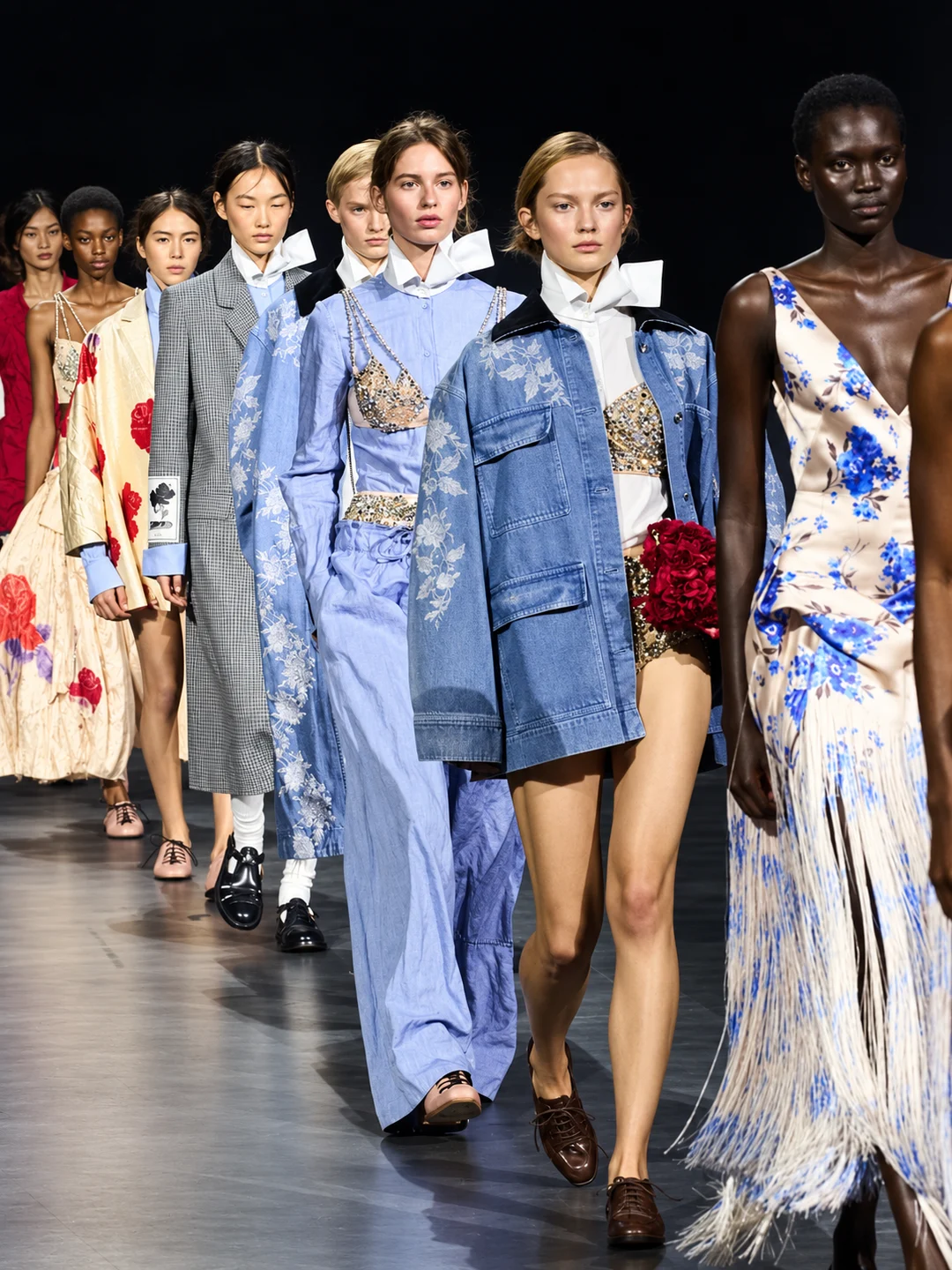
Flowers appeared before the collection had fully revealed itself. OpéraSport founders Awa Malina Stelter and Stephanie Gundelach called SS27 Growth, taking Carl Jacobsen’s Garden as both setting and design language. Thistles, rhododendrons and cultivated greenery fed into botanical details, sheer layers, lace and increasingly sculptural volumes.
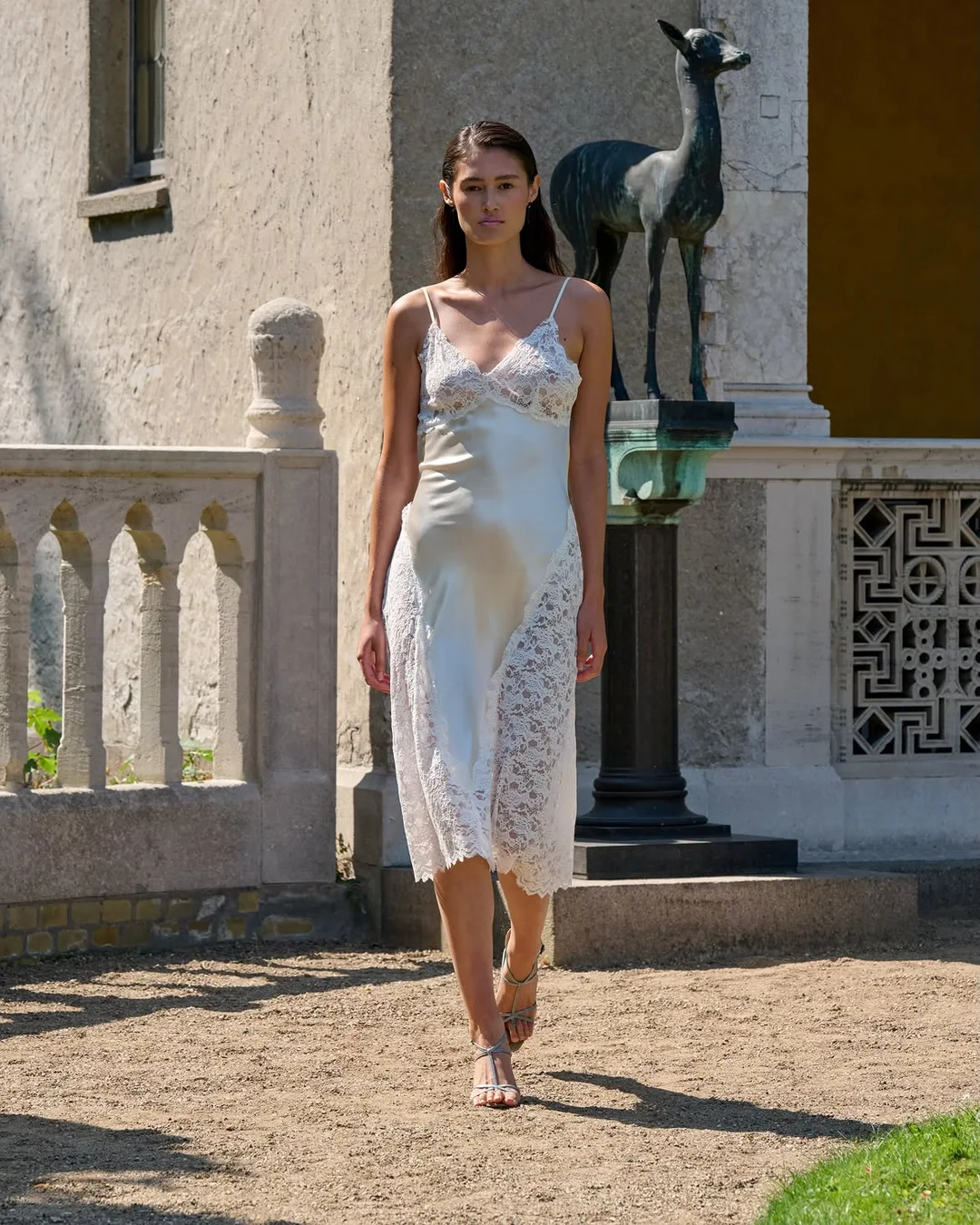
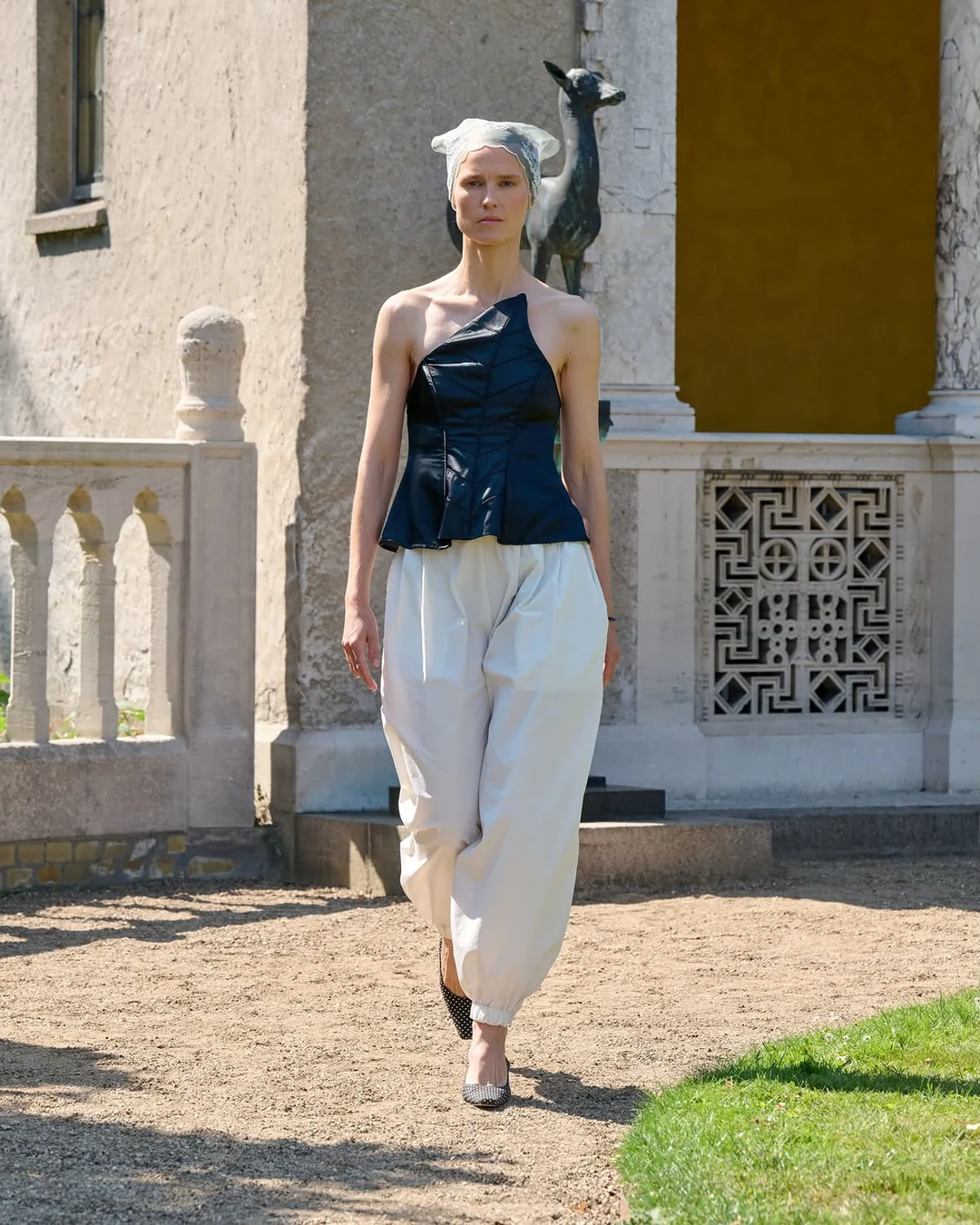
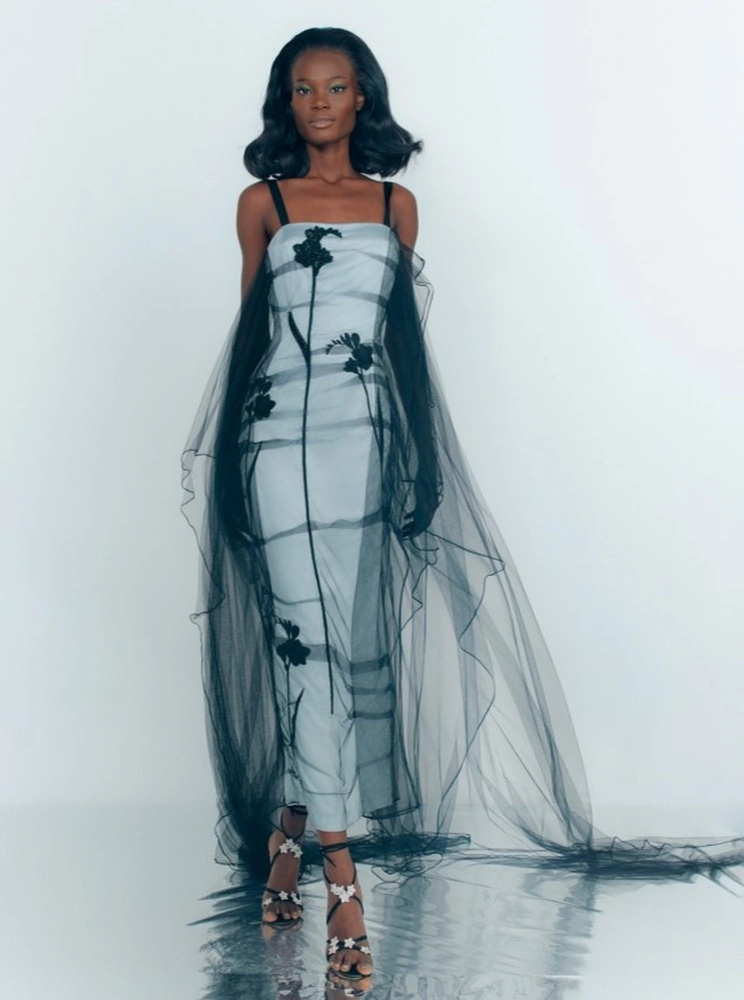
A restrained white lace-trimmed slip gave way to cascading frills, draped dresses, capridenim and three-dimensional floral decoration. Pearl embellishments and flowers pushed the label’s familiar femininity somewhere richer, while sharper tailoring kept all that bloom from becoming sugary. Copenhagen Fashion Week 2026 opened inside a garden, and OpéraSport made growth look slightly unruly.
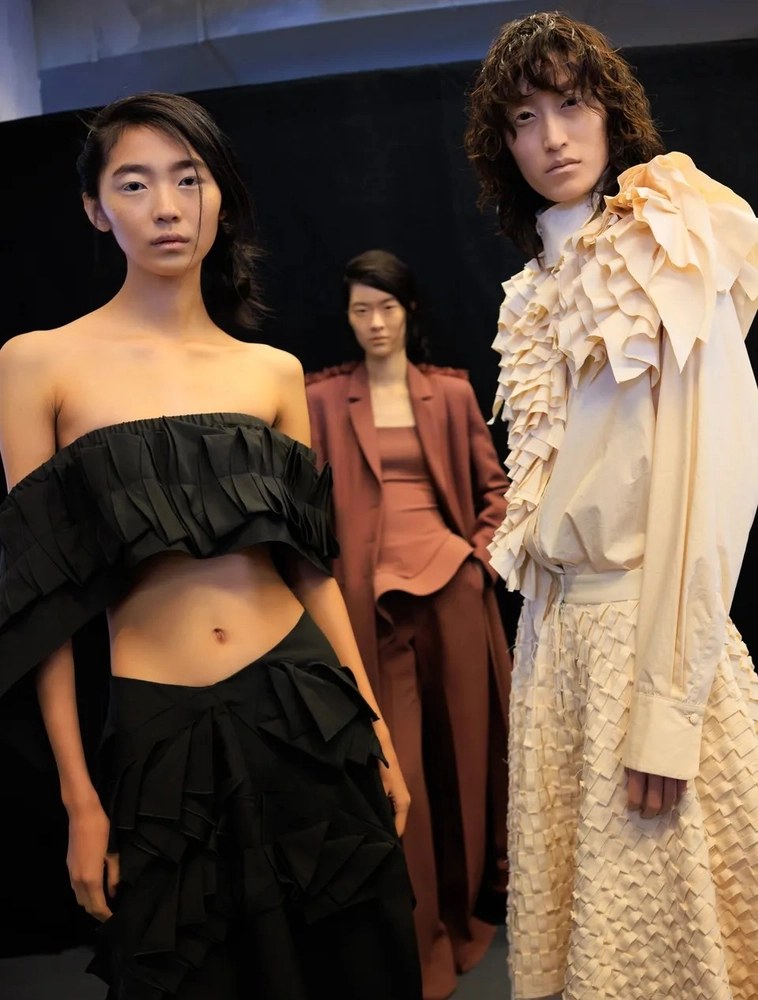
A former factory and waste-sorting centre offered a very different landscape an hour later. As part of CPHFW NEWTALENT, Sarah Brunnhuber titled Stem’s fifth edition Re, stretching a tiny prefix across ideas of reworking, repairing, rebuilding and returning. The question underneath was larger: how can fashion practice keep developing while producing less?
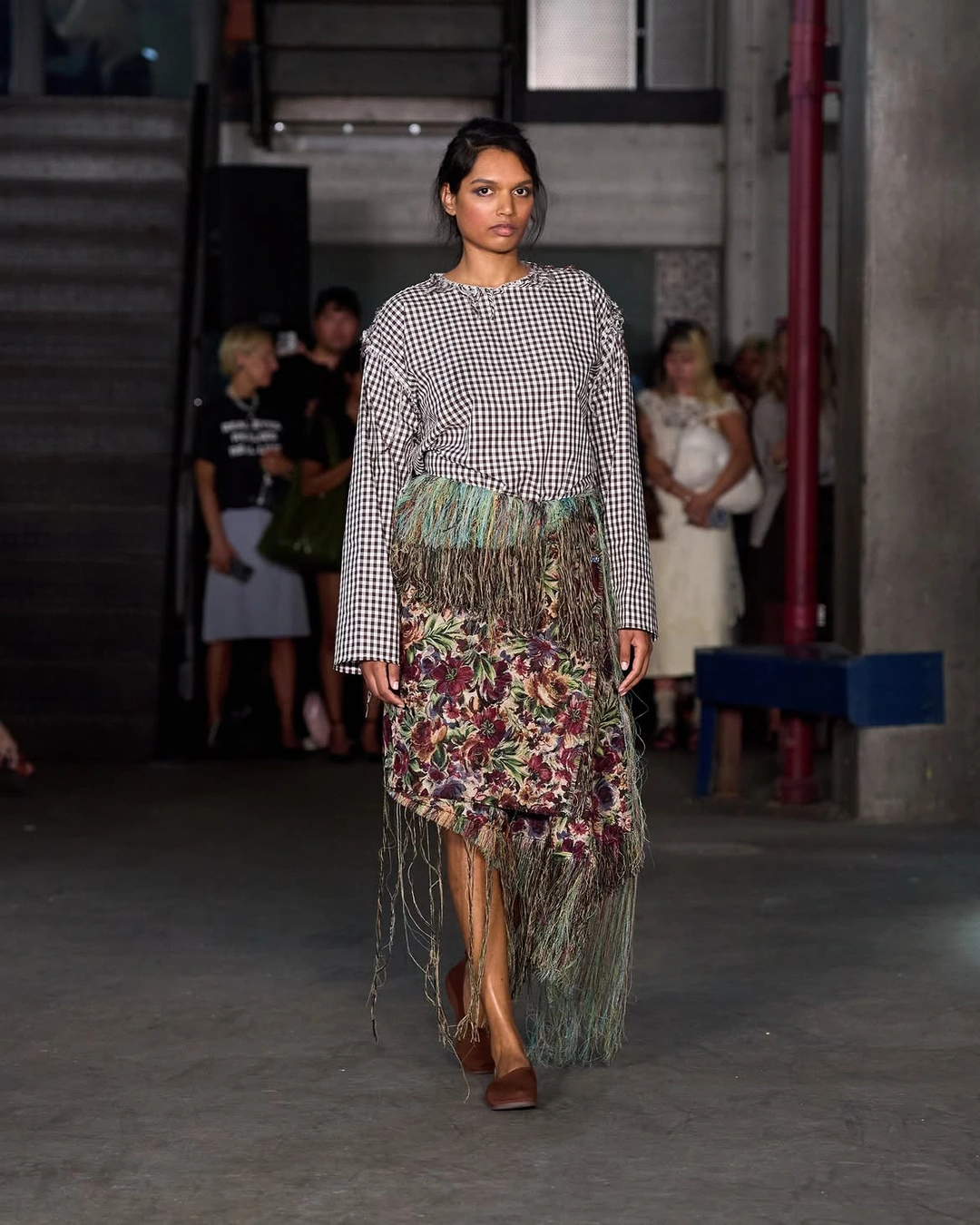
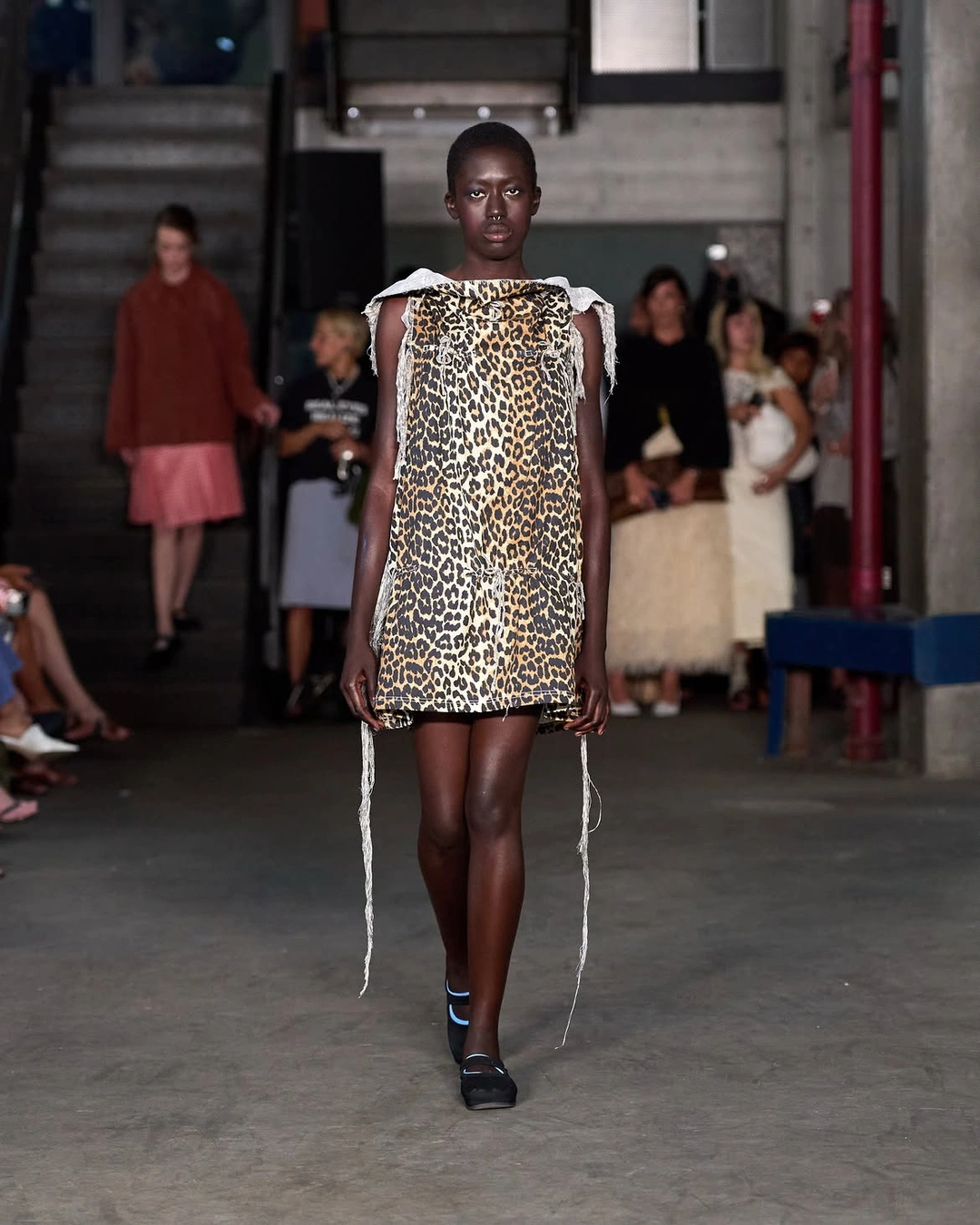
Pleats became part of that thinking. Fabric folded forward and backward through structures already engineered into the weave, while familiar Stem forms were reconsidered through new techniques. Archived Ganni textiles brought picnic checks, floral jacquards and leopard print into a label usually associated with quieter natural fibers.
Guests could even bring their own T-shirts to receive woven Stem repair patches. Here, sustainability had texture, awkward edges and visible evidence of intervention. CPHFW NEWTALENT gave Brunnhuber a platform, yet the collection made a stronger case through process than through any sustainability slogan.
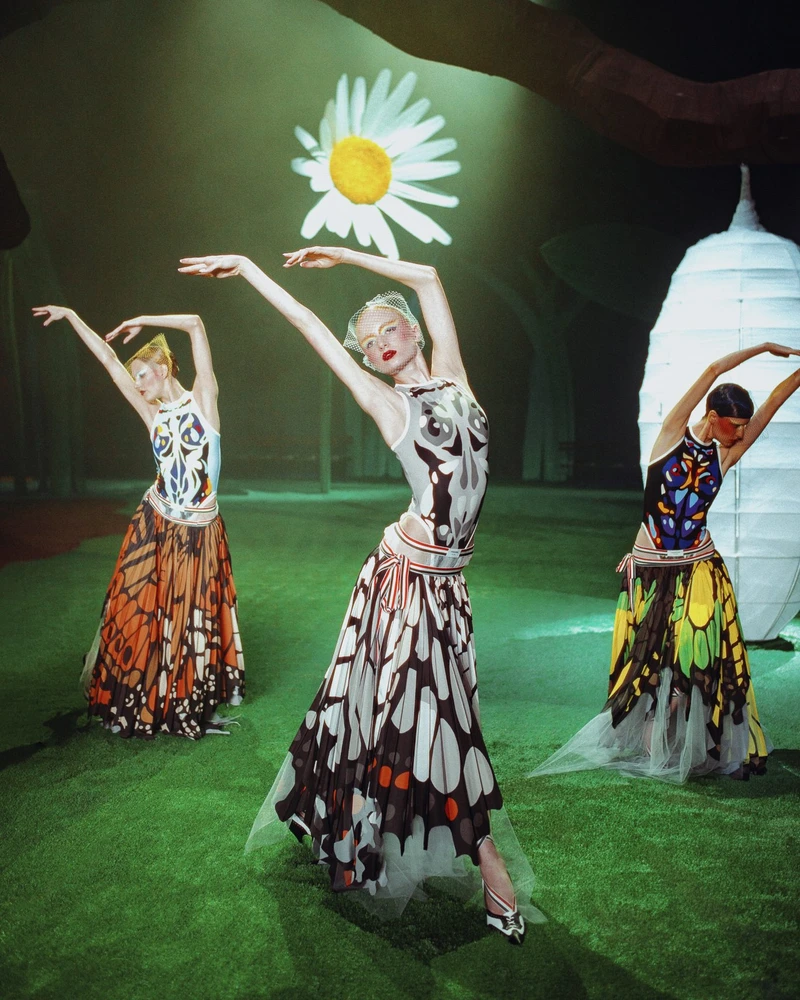
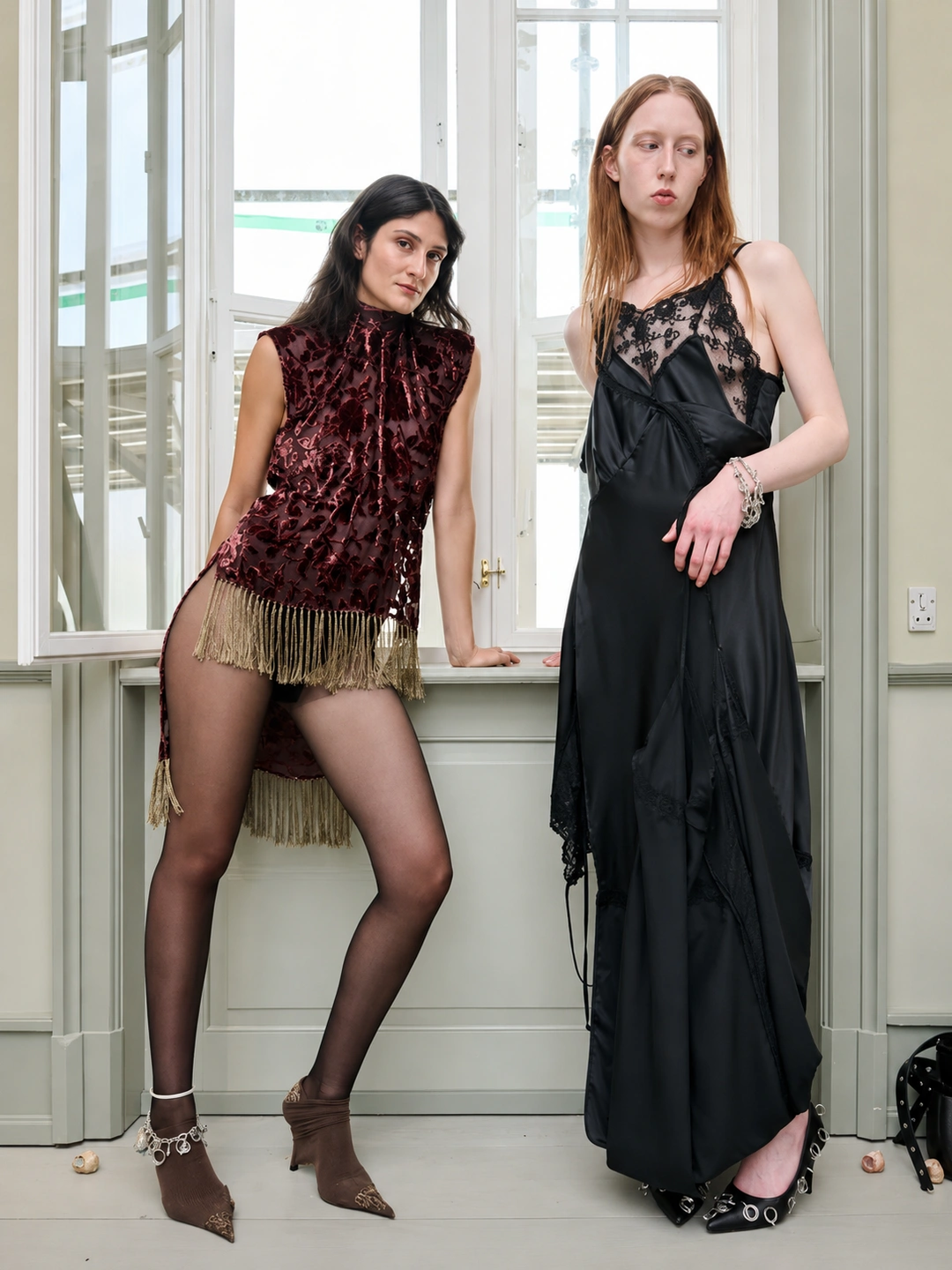
By mid-afternoon, Copenhagen slipped into stranger territory. Freyja Taus and Juho Lehiö used their CPHFW NEWTALENT One To Watch presentation to explore the suspended hour between late night and early morning, when familiar things started looking slightly unreal.
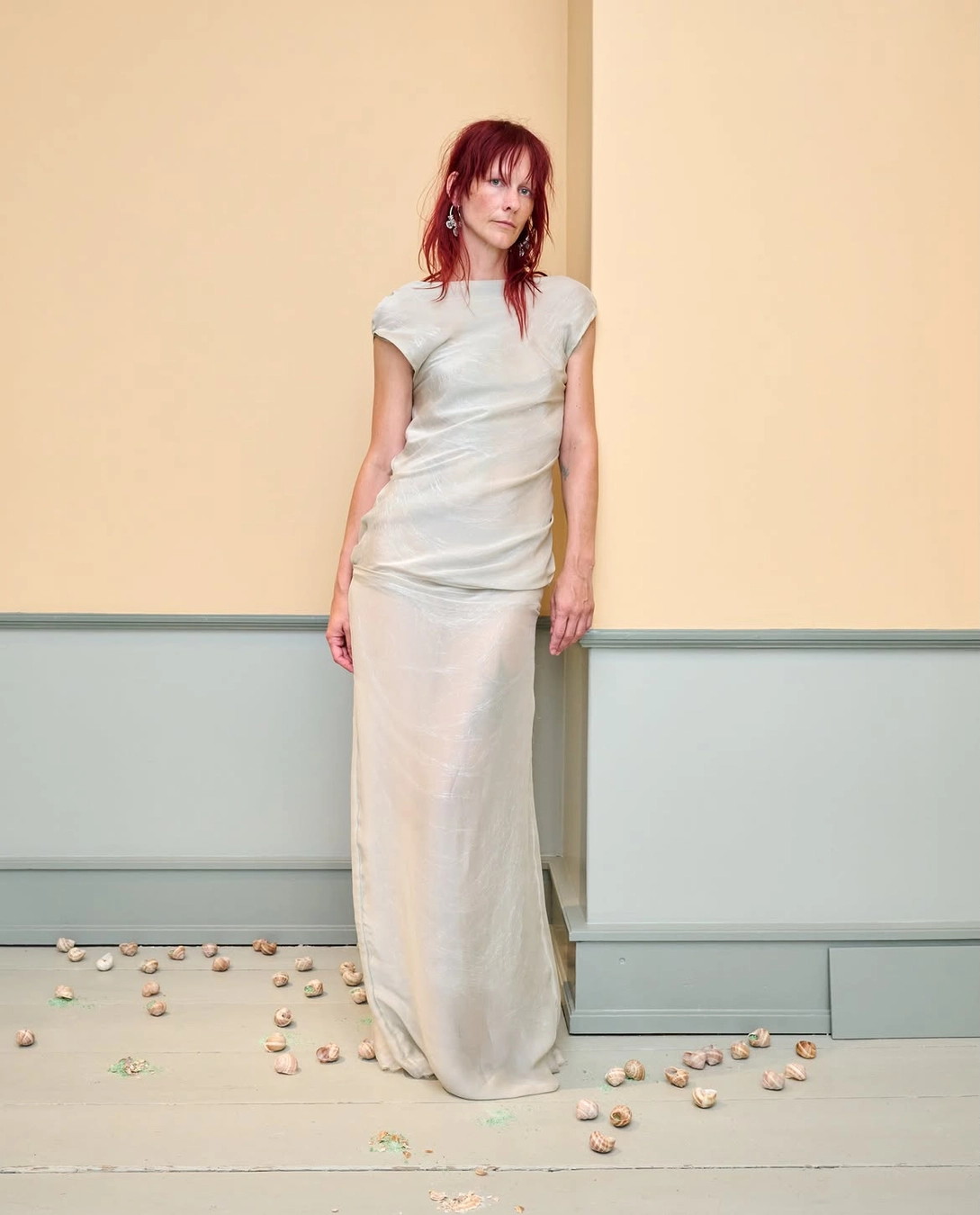
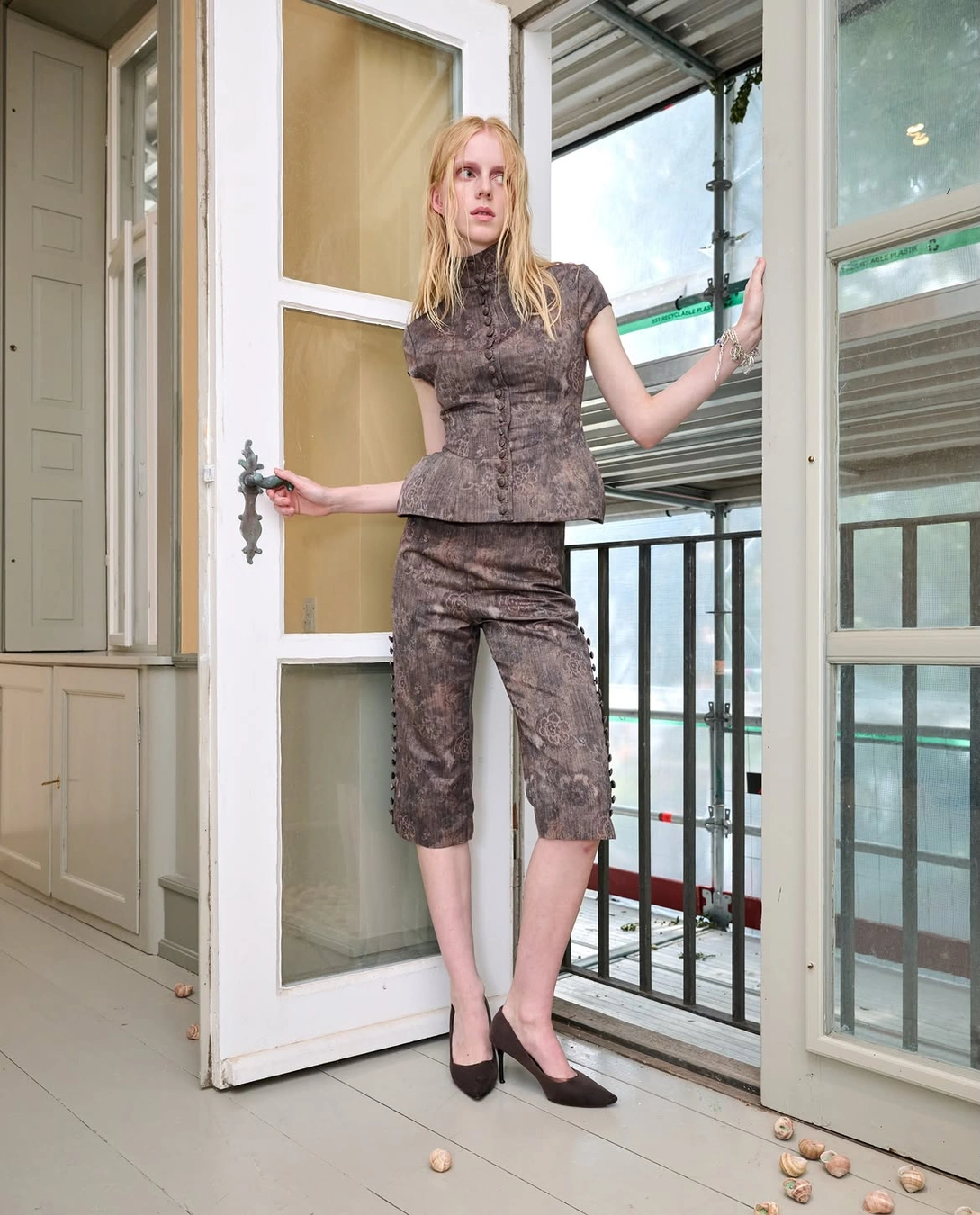
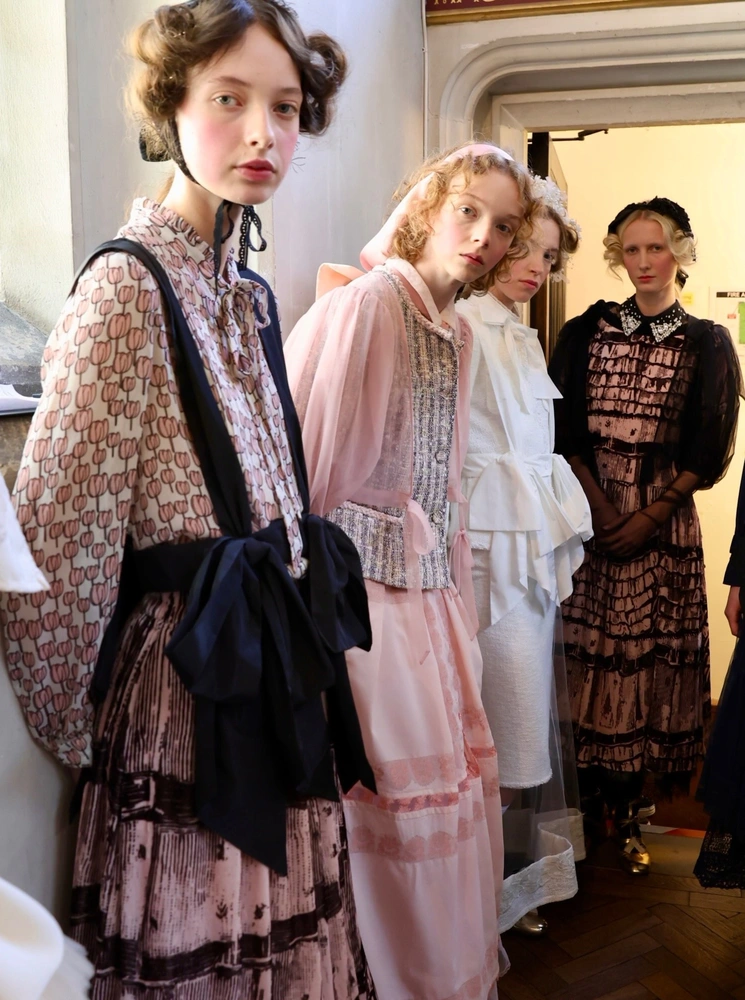
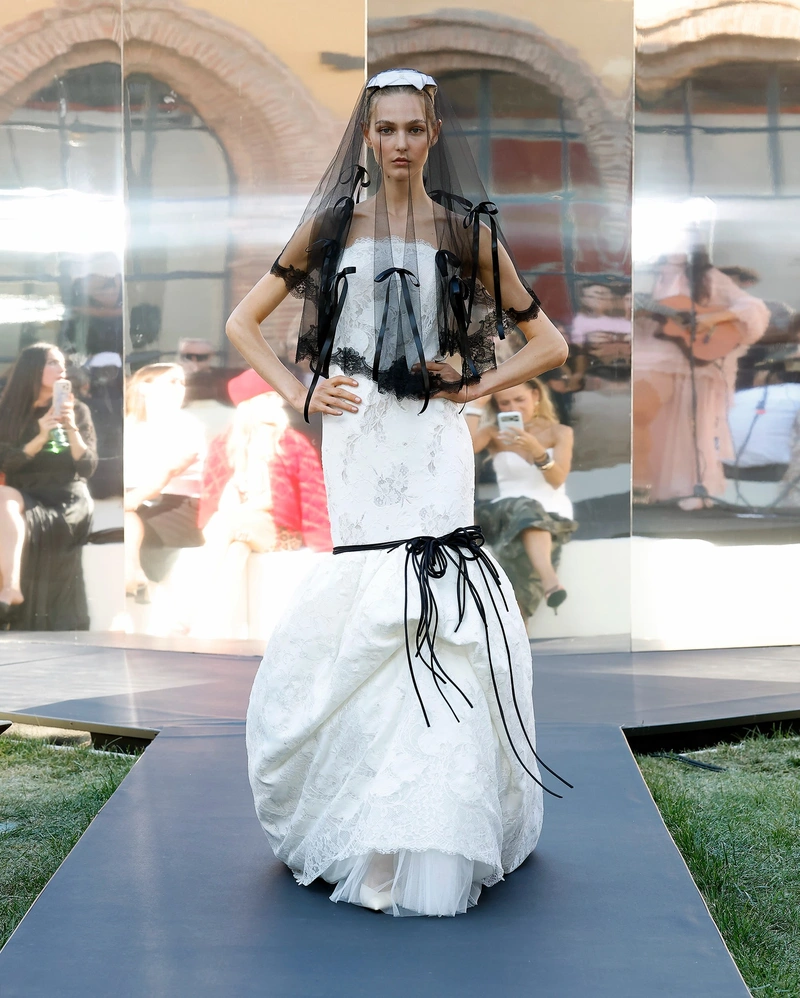
The Brontë sisters hovered somewhere in that darkness. Corsetry, structured jackets, vintage nightgowns and flowing dresses brought gothic romance into lighter SS27 fabrications, while a reconstructed Bar jacket and a mini dress made from a velvet silk scarf treated the past as material still available for editing. Upcycled Pandora jewellery was stitched directly into garments, giving historical fantasy a little metallic disturbance.
Taus has built its young identity around clothing as dialogue, and this presentation made that conversation unusually literal. Victorian ghosts, demi-couture technique and contemporary Copenhagen briefly occupied the same room.
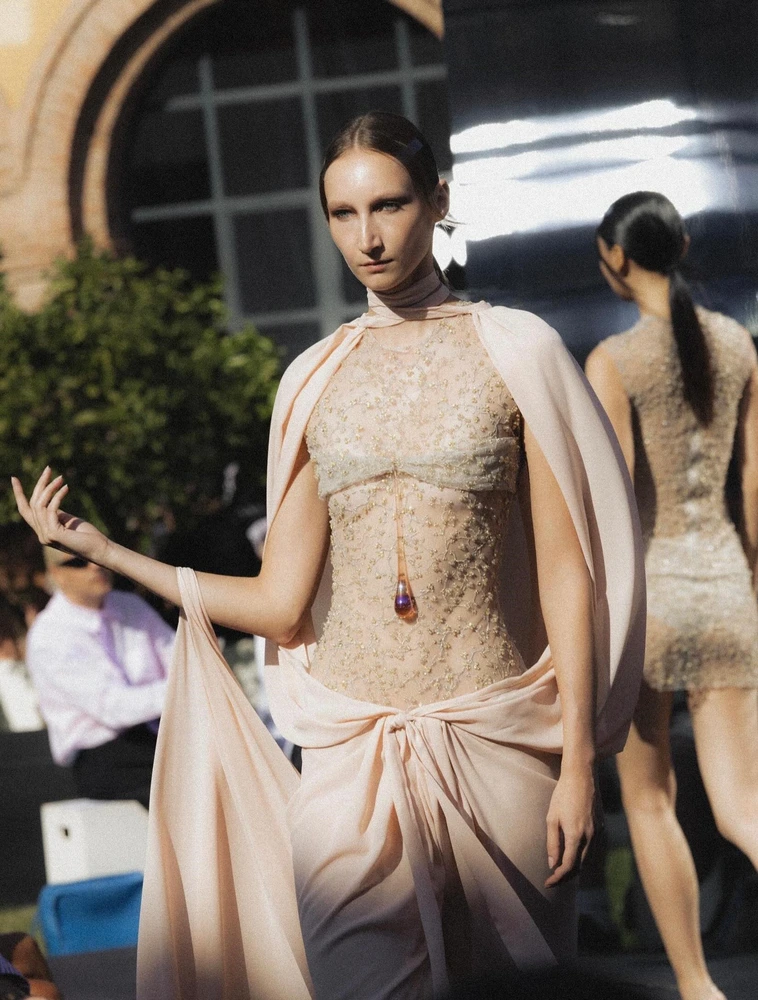
White walls stripped away most visual distractions for Anne Sofie Madsen. Then Danish musician Michala Petri began playing live, and The New Desire loosened into translucent turquoise, peach and butter yellow around her. The collection also marked Madsen’s final season in CPHFW NEWTALENT, closing one chapter of the programme before her move into its alumni circle.
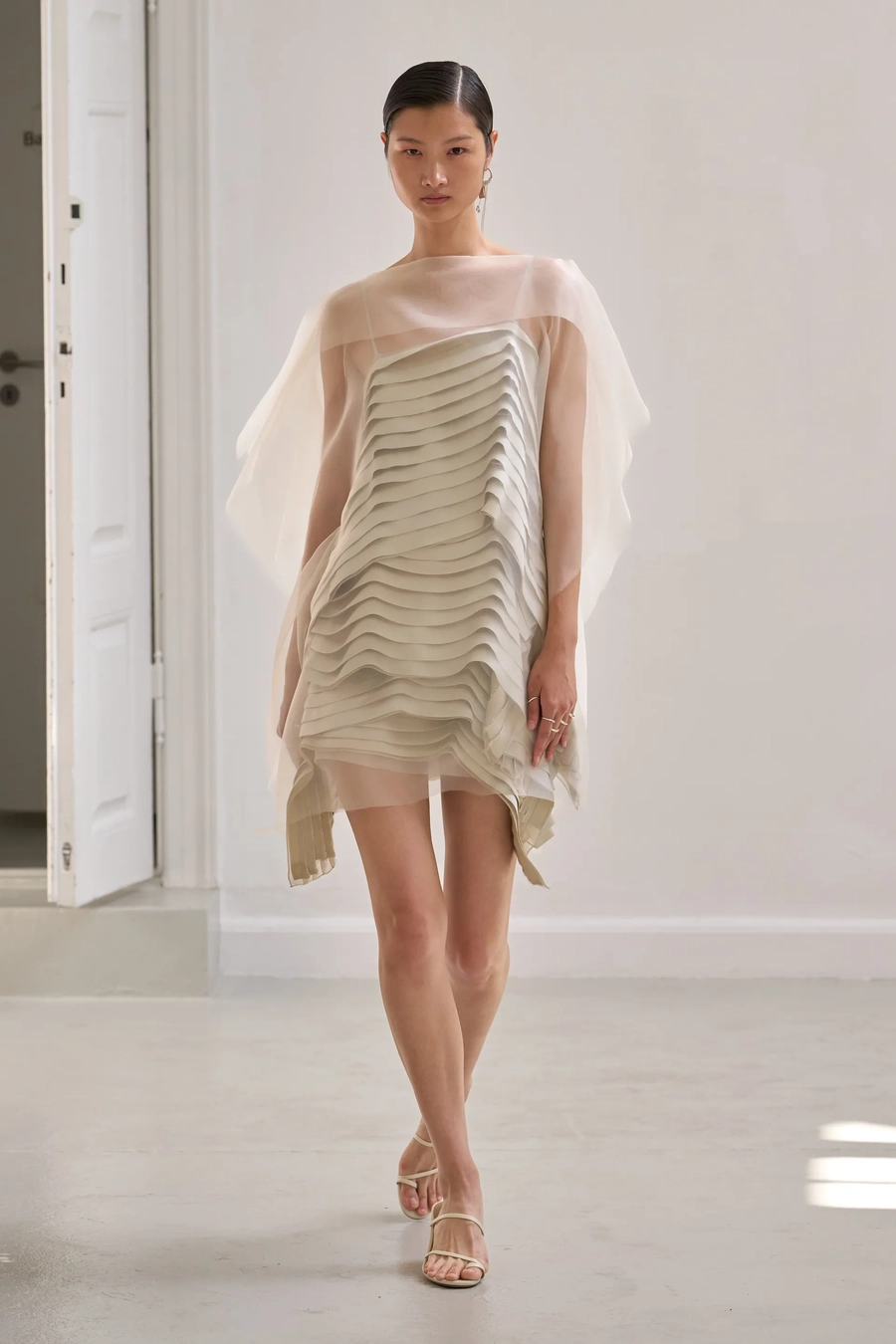
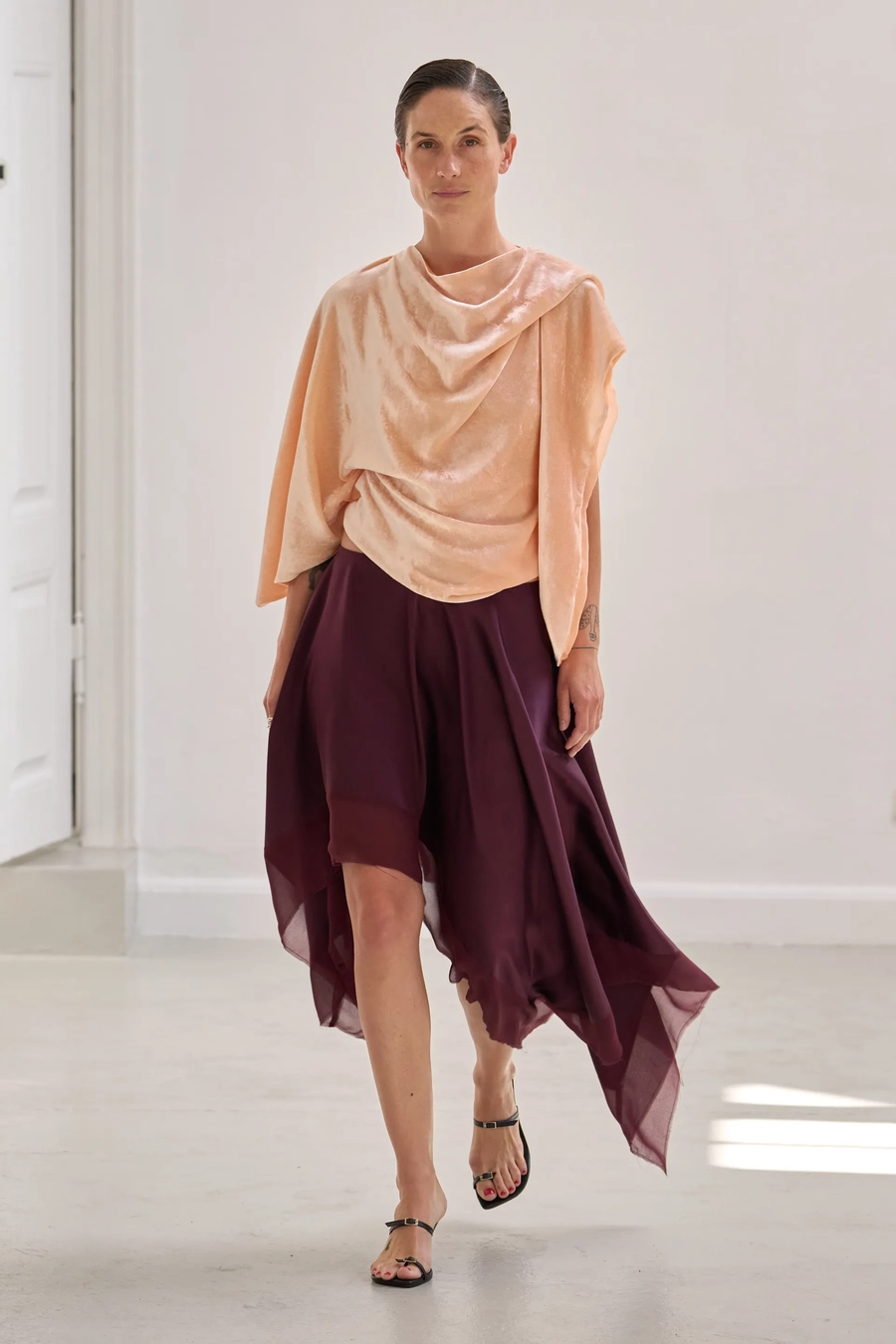
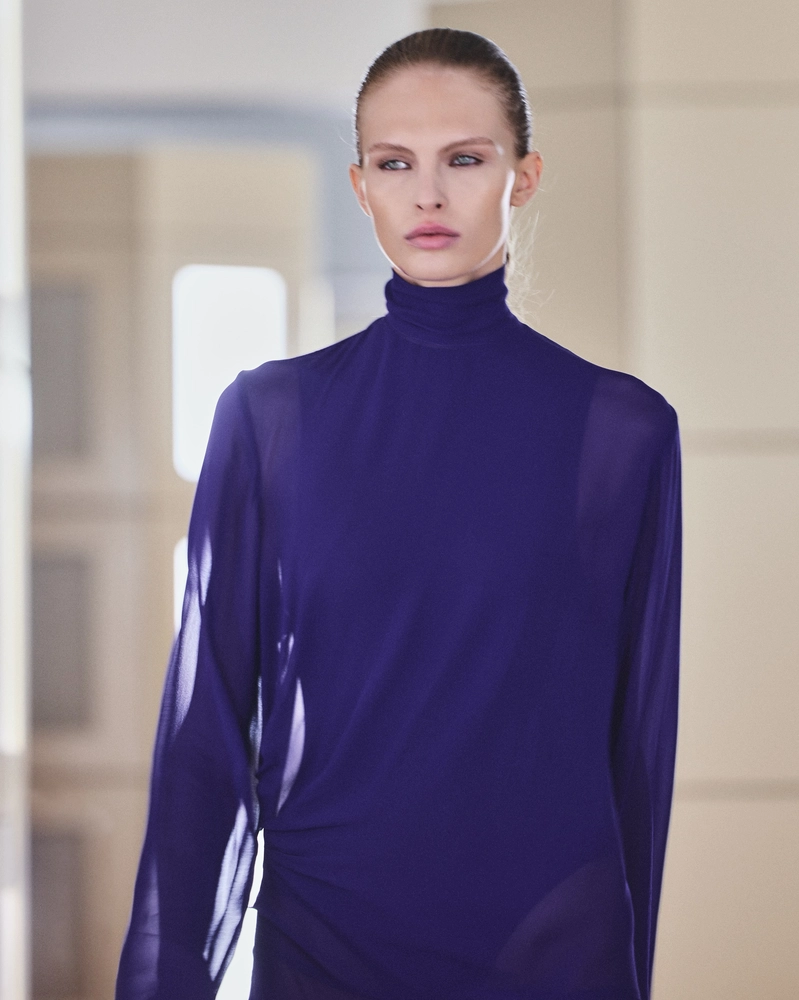
Chiffon, organza and sandwashed silk drifted across bias-cut satin, sculpted tailoring and tiny ruffled shorts. Transparent layers created bodies that seemed constantly half-revealed, while visible straps and loose trousers pulled the delicacy closer to an off-duty dancer’s wardrobe.
Then Nike entered the room. Reworked jerseys and oversized T-shirts bearing “The Future Feels Good on You” cut through the fragility with sportswear bluntness. The collision gave all that fluidity some grit, allowing desire to look hopeful without becoming precious.
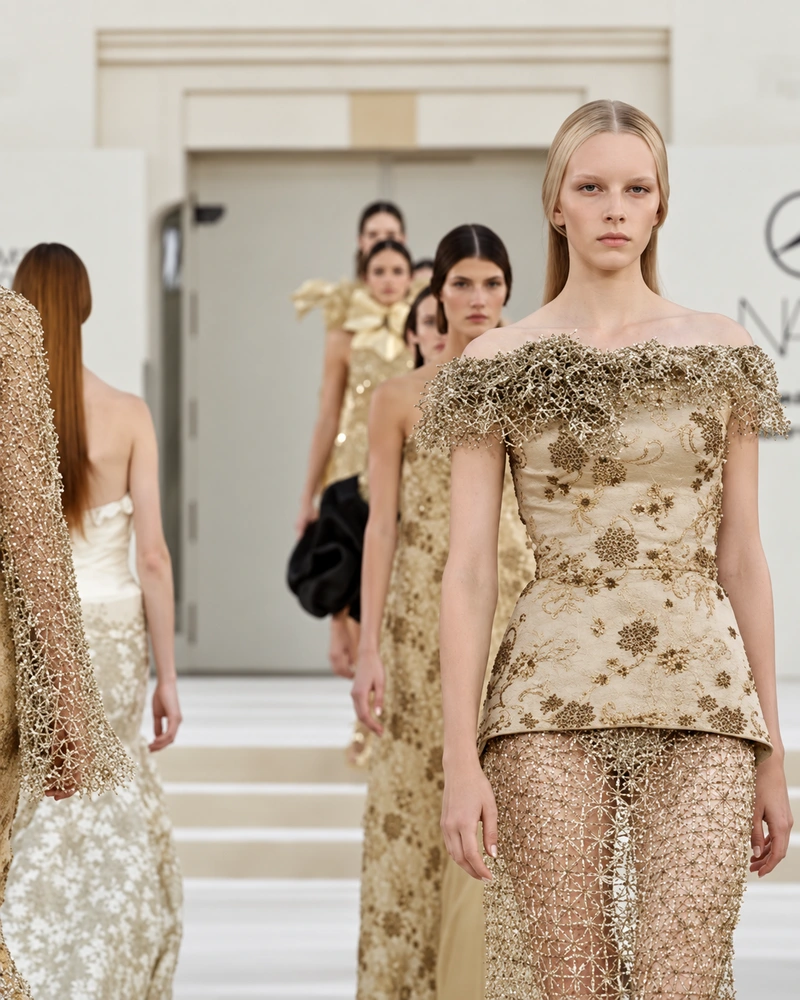
Evening brought Copenhagen Fashion Week 2026 into the intimate setting of Etage Projects. Freya Dalsjø moved away from the leather exploration of her previous collection and built SS27 through conversations with her mother, considering the garments women keep wearing through different chapters of their lives.
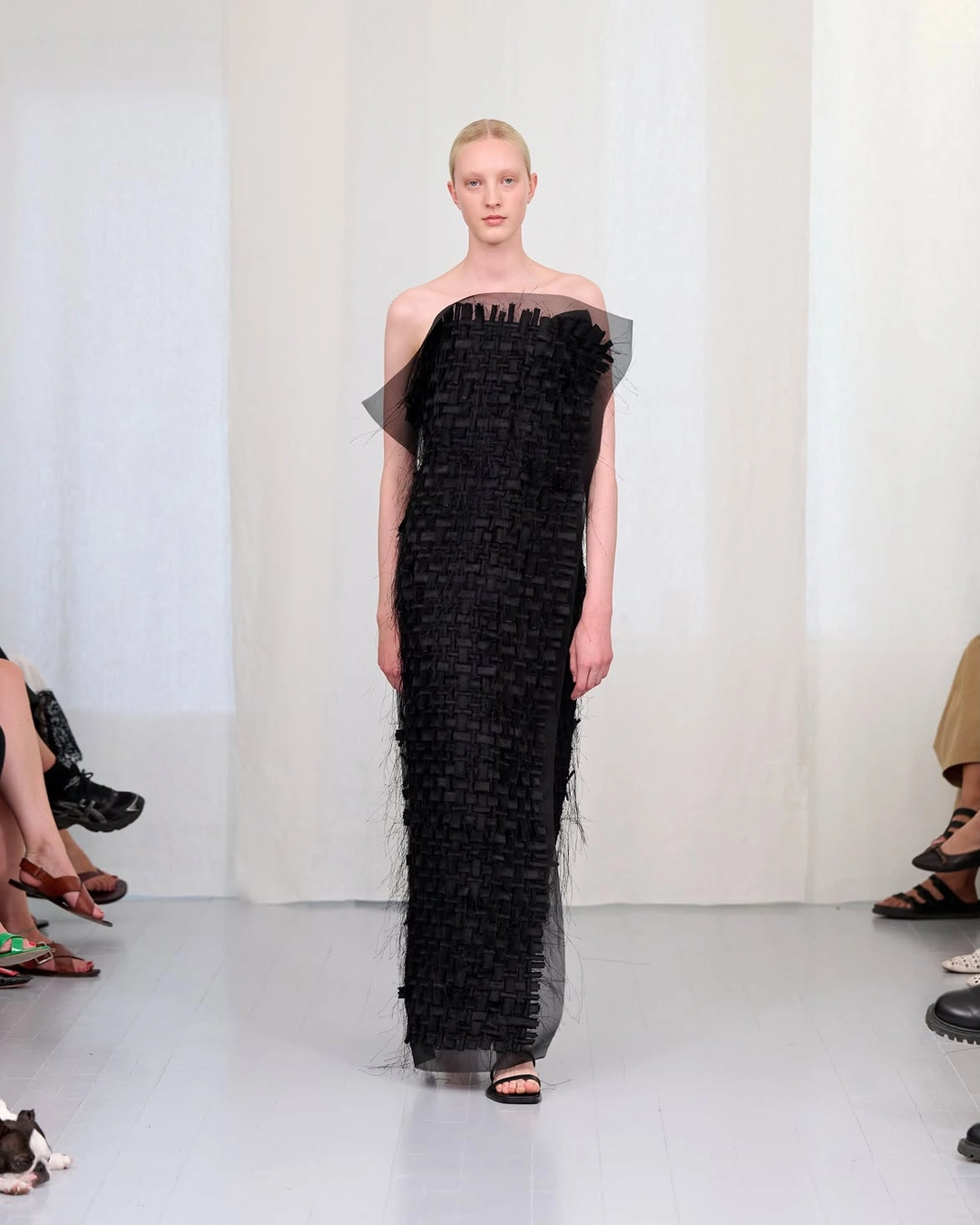
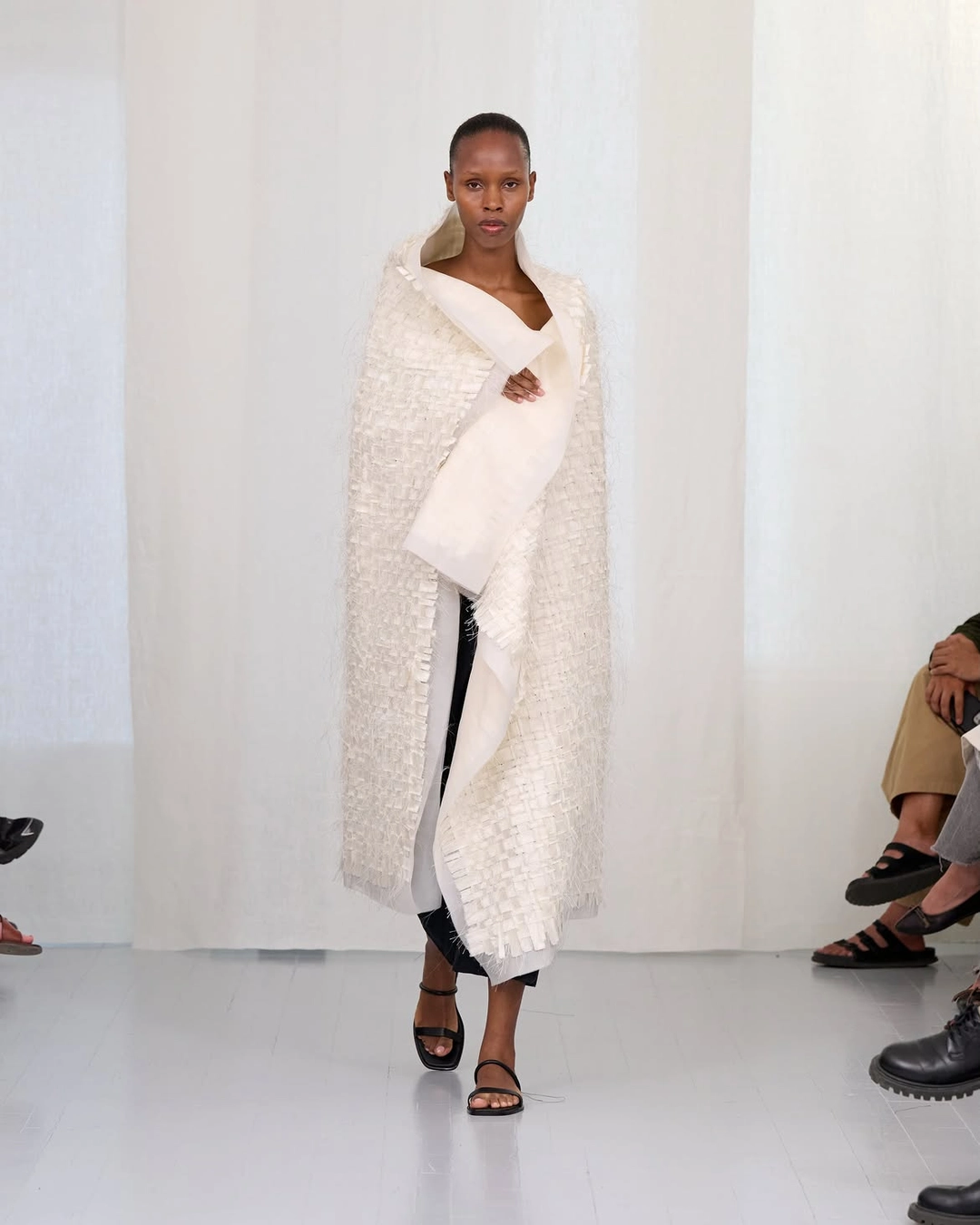
Black, white and stone gave the collection a restrained foundation. Cashmere, cotton, wool and silk carried most of the expression instead, with fine layered silk floating close to the skin and woven wool holding firmer sculptural shapes. The materials were luxurious, though longevity provided deeper logic.
After an afternoon spent stretching fashion across different ideas of time, Freya Dalsjø closed Day 1 on a more personal scale. Copenhagen Fashion Week 2026 ended its first chapter with clothes imagined to stay long enough to meet the woman wearing them again and again.
By the final show, August 3 still resisted a neat definition. Copenhagen Fashion Week 2026 opened its twentieth-anniversary season with designers willing to leave space around their ideas, letting garments hold traces of repair, fantasy and personal history.
That looseness suited the city. The first chapter closed without forcing a single mood onto the schedule, leaving enough tension for the next day to push elsewhere.
Advertisement