Organza fabric gathers light, traps air, and builds form around the body, transforming fragility into one of fashion’s most striking illusions.
Organza Fabric: Floating Between Air and Radiance
Organza fabric gathers light, traps air, and builds form around the body, transforming fragility into one of fashion’s most striking illusions.
July 25, 2026
Advertisement

Advertisement



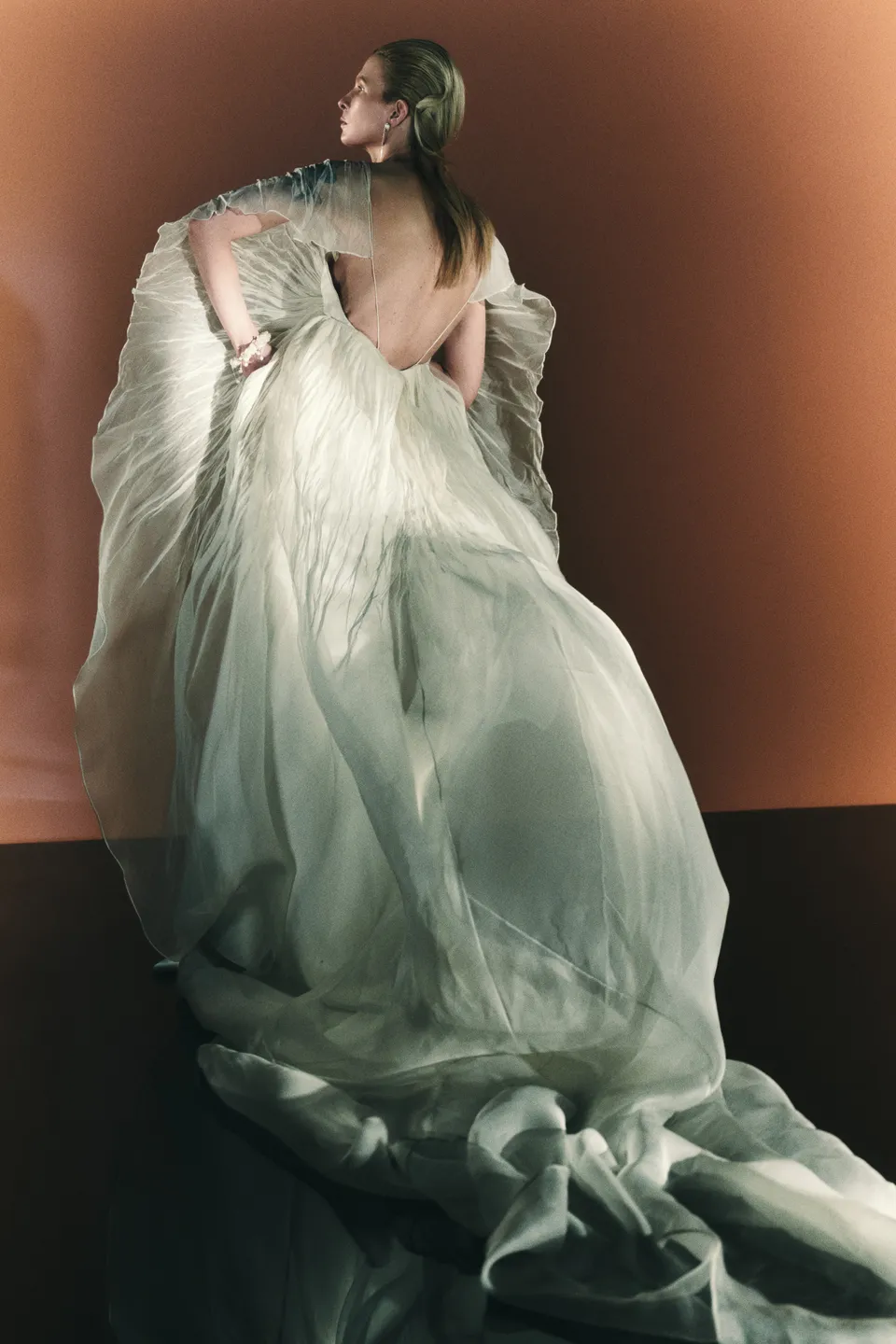
Imagine a textile woven from captured breath and spun light. Organza fabric presents a fascinating sartorial duality. Its surface appears feather-light, delicate, and gossamer-thin, yet it possesses a rare architectural courage. This cloth holds the unique ability to project sculptural volume, lifting exaggerated sleeves, flared skirts, and dramatic bows far away from the human silhouette. In haute couture, luxury bridalwear, and ceremonial attire, organza fabric reigns supreme as fashion's most iconic translucent medium.

Beyond a single fiber identity, organza fabric describes an entire fabric classification defined by its plain weave geometry, luminous transparency, crisp hand feel, and buoyant body. Ancient textile traditions crafted organza exclusively from cultivated silk filaments, infusing early garments with a natural, pearlescent glow. Contemporary mills expand this legacy by spinning polyester, nylon, rayon, or hybrid fiber blends, bringing this ethereal aesthetic to a broader canvas.
Organza fabric actively shapes ambient light, creates spatial airiness around the form, and gives tangible structure to pure transparency. To fully appreciate this enigmatic textile, we must explore its precise definition, its yarn mechanics, the physics of its firmness, its fiber varieties, its fashion applications, and essential care rituals.
What Is Organza Fabric? Understanding Its Definition
Within the specialized vocabulary of textile design, organza fabric occupies a highly specific entry. It signifies a feather-light, translucent woven cloth recognized for its smooth surface, paper-thin gauge, and remarkably firm, shape-retaining hand. Comprehending organza requires differentiating between a raw fiber and a finished fabric structure.
Fiber refers to the fundamental filament material, such as silk, polyester, nylon, or rayon. Organza, conversely, defines the specific textile construction woven from those raw filaments. The standalone designation organza leaves raw fiber content open, identifying instead the structural performance of the weave.
Historically, organza fabric signified an exquisite sheer material woven exclusively from fine mulberry silk filaments. These natural threads bestowed a soft glow, remarkable strength, and crisp springiness upon the final cloth. Modern textile production expands this definition through synthetics like polyester and nylon, alongside regenerated cellulose like rayon. Synthetic production democratizes organza, offering high consistency, accessible price points, and widespread global availability.
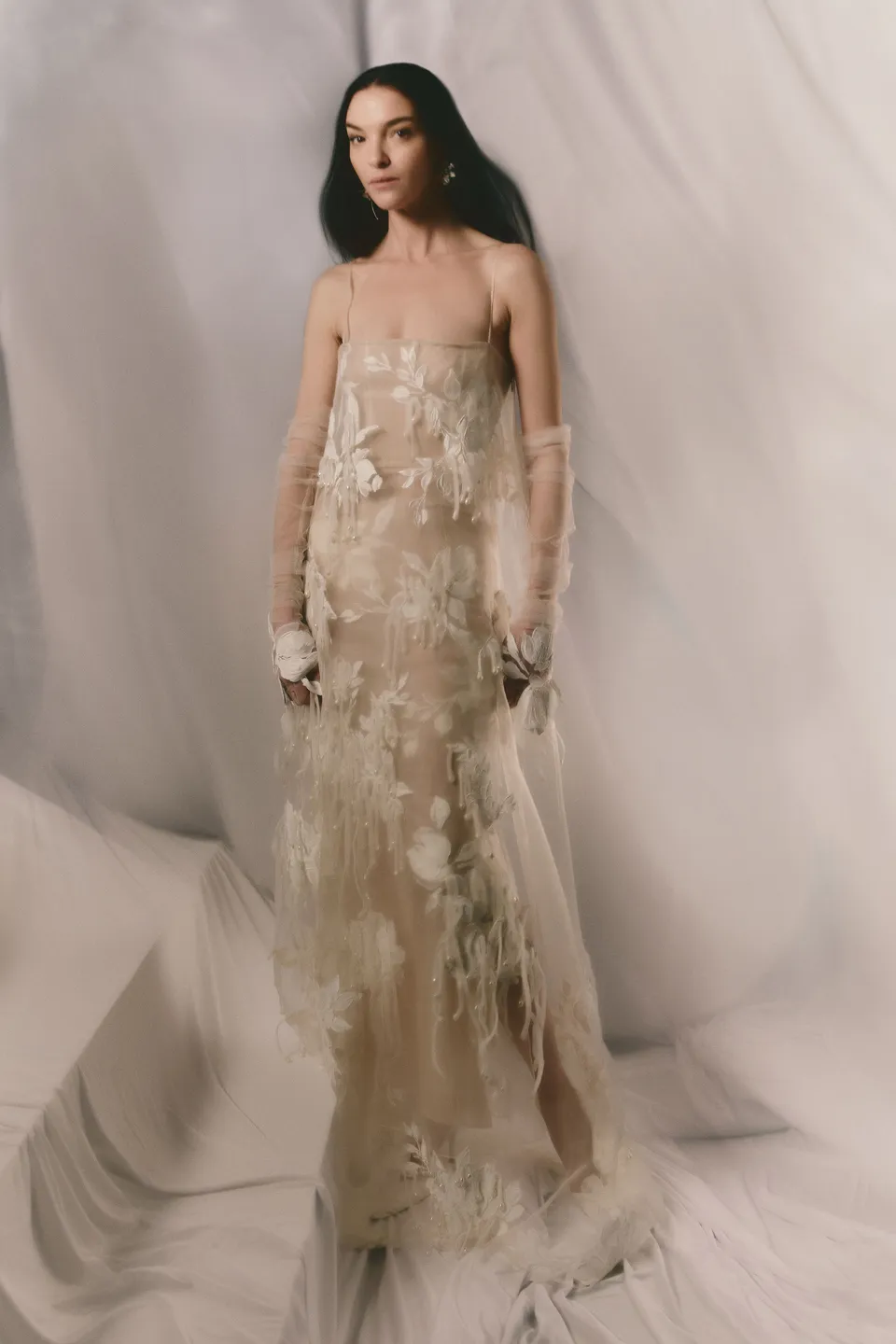
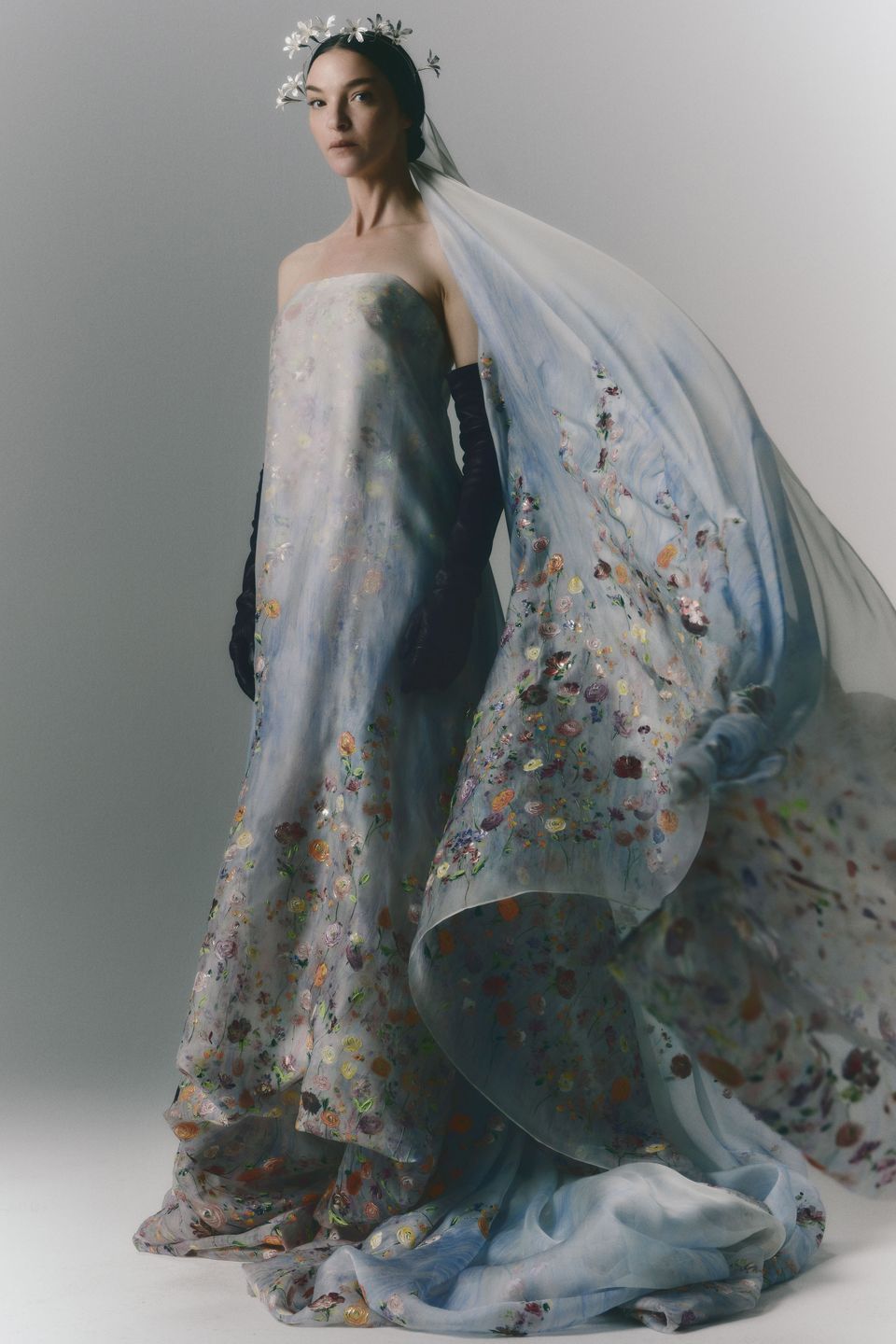
Several physical signatures immediately identify genuine organza fabric. You look for an exceptionally delicate grid construction paired with clear visual transparency, letting ambient light pass freely through the weave. You will feel minimal physical weight coupled with firm structural memory. Organza offers a crisp, wiry hand feel that holds volumetric shapes beautifully. It possesses an inherent tendency to expand outward, elevating silhouettes into the surrounding air.
How Organza Fabric Is Made: From Filament Yarn to Crisp Fabric
Organza fabric originates as a woven masterwork, bypassing the stretch of knitted loops or the open knots of netting. Its core relies upon the classic plain weave, the most fundamental and mathematically precise grid in textile craft. In plain weave, each vertical warp filament moves over and under alternating horizontal weft filaments. The adjacent thread follows the exact opposite path. This continuous one-over, one-under arrangement generates an exceedingly high frequency of yarn intersections per square inch.
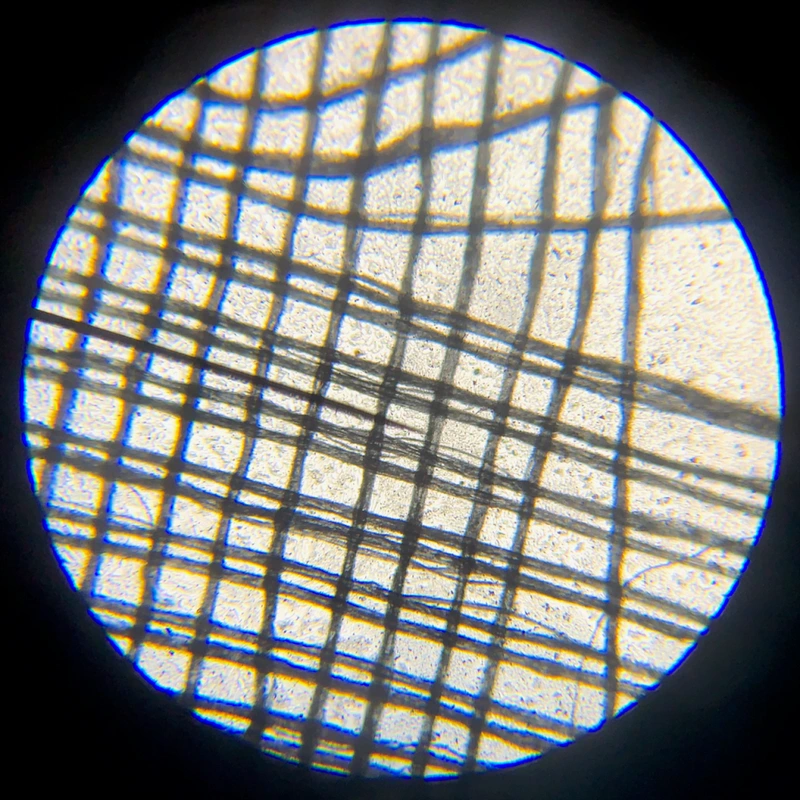
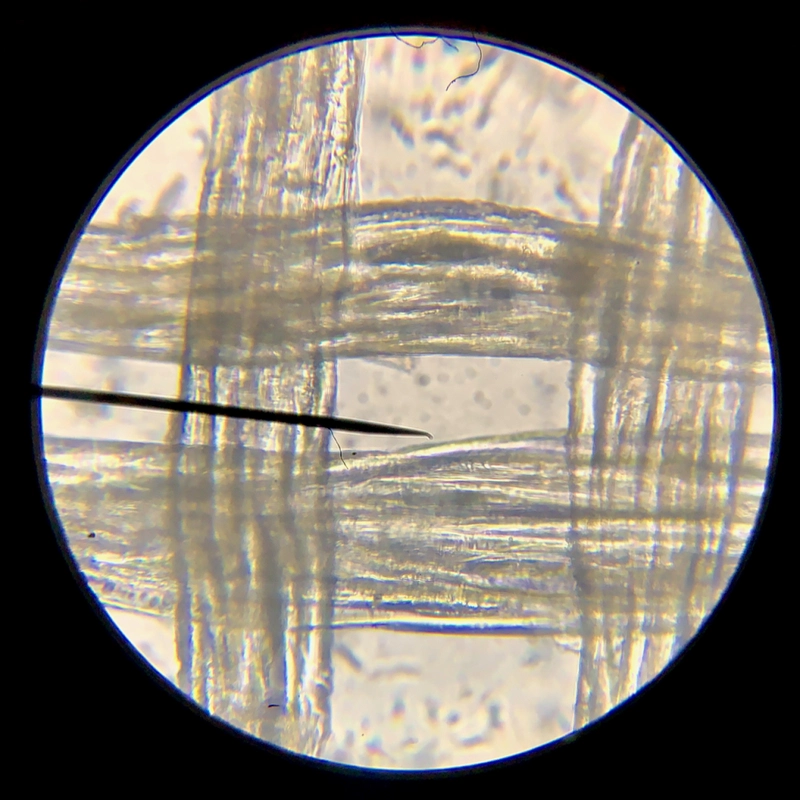
These frequent intersections interlock the threads firmly in place. By locking warp and weft into rigid perpendicular alignment, plain weave restricts lateral yarn movement. This structural lock forms the foundation of organza's signature crispness and bouncy hand. To maintain sheer translucency alongside structural body, mills utilize extremely fine filament yarns.

Filaments are continuous, long strands, entirely distinct from short staple fibers spun together. Silk naturally secretes continuous filament threads, while advanced synthetic extrusion produces uniformly smooth filaments of polyester and nylon.
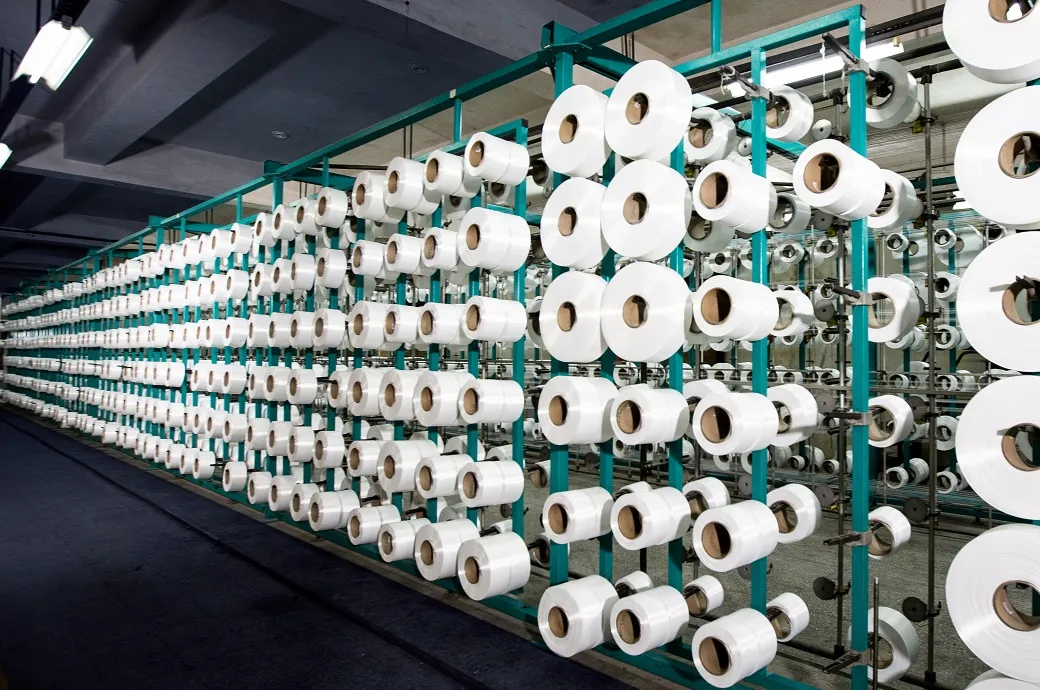
Transparency arises directly from the minute scale of these filament yarns. Because the yarns remain extraordinarily thin, microscopic gaps endure between the warp and weft threads. Ambient light travels freely through these open interspaces and directly through the translucent filament walls themselves. Visually delicate, the resulting cloth remains structurally steadfast due to its high weave density.

Spinning techniques further shape the tactile nature of organza fabric. High twist applied to the filaments increases thread tension and springiness, giving the fabric a dry, wiry, and paper-like touch. Final finishing treatments further elevate this crispness and encourage wrinkle recovery. Textile artisans might use heat-setting for synthetics or apply light glazes to natural fibers. Raw fiber choices strongly dictate the surface ambiance. Silk filament reflects a soft, organic luminescence, polyester produces a uniform, mirror-bright radiance, and nylon delivers exceptional mechanical bounce.
What Are the Main Characteristics of Organza Fabric?
Evaluating organza fabric requires assessing its dynamic physical behavior. Its defining traits emerge through a union of optical transparency, structural firmness, and low volumetric mass. Organza functions first and foremost as an optical veil. A single layer diffuses light, conferring a delicate wash of color over the underlying skin or fabric.
Stacking multiple organza layers deepens color saturation while gradually building graceful opacity. Because light penetrates the surface so completely, internal construction details remain entirely visible. Designers must execute interior garment finishing with masterly precision, turning seams and facings into intentional art.
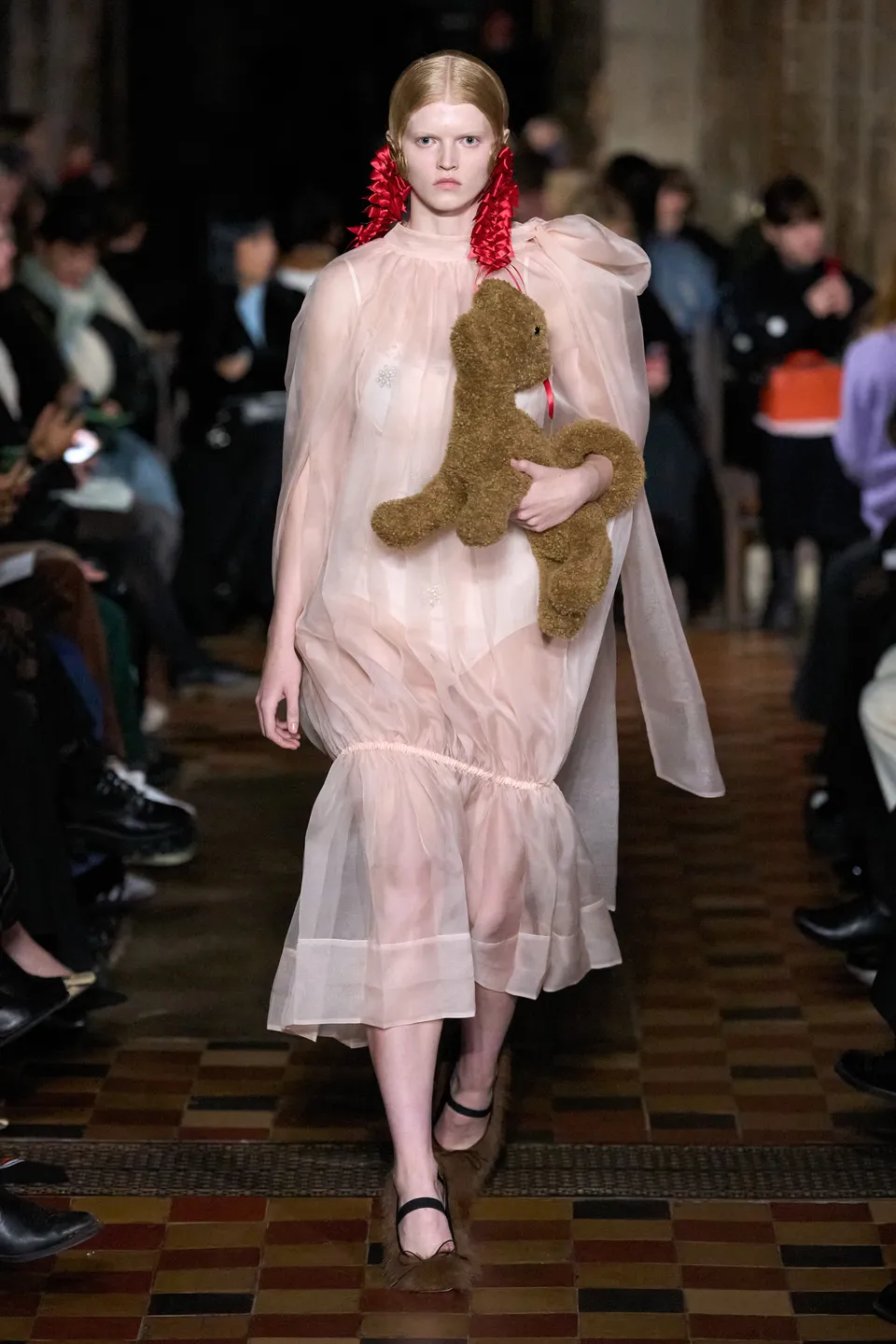
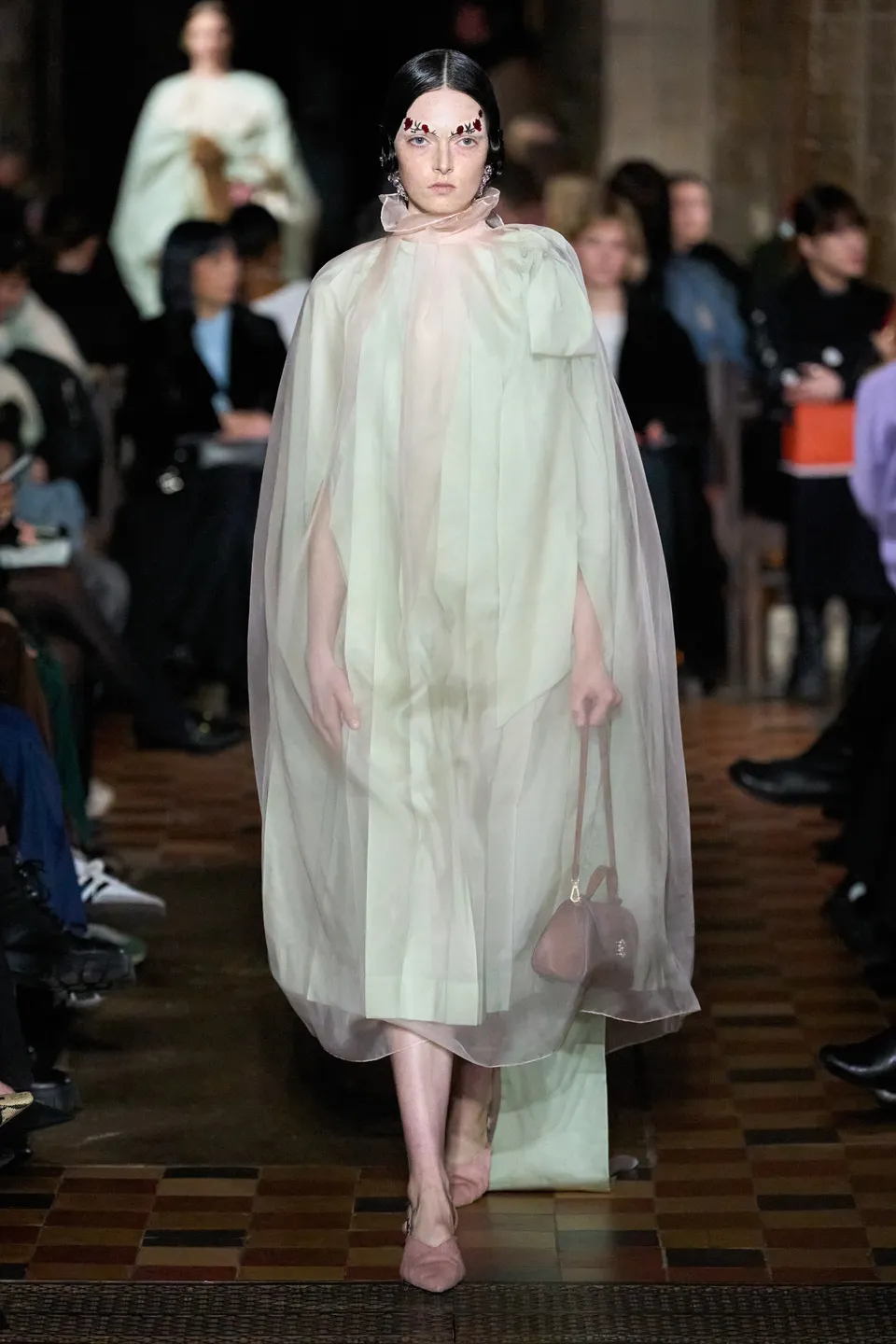

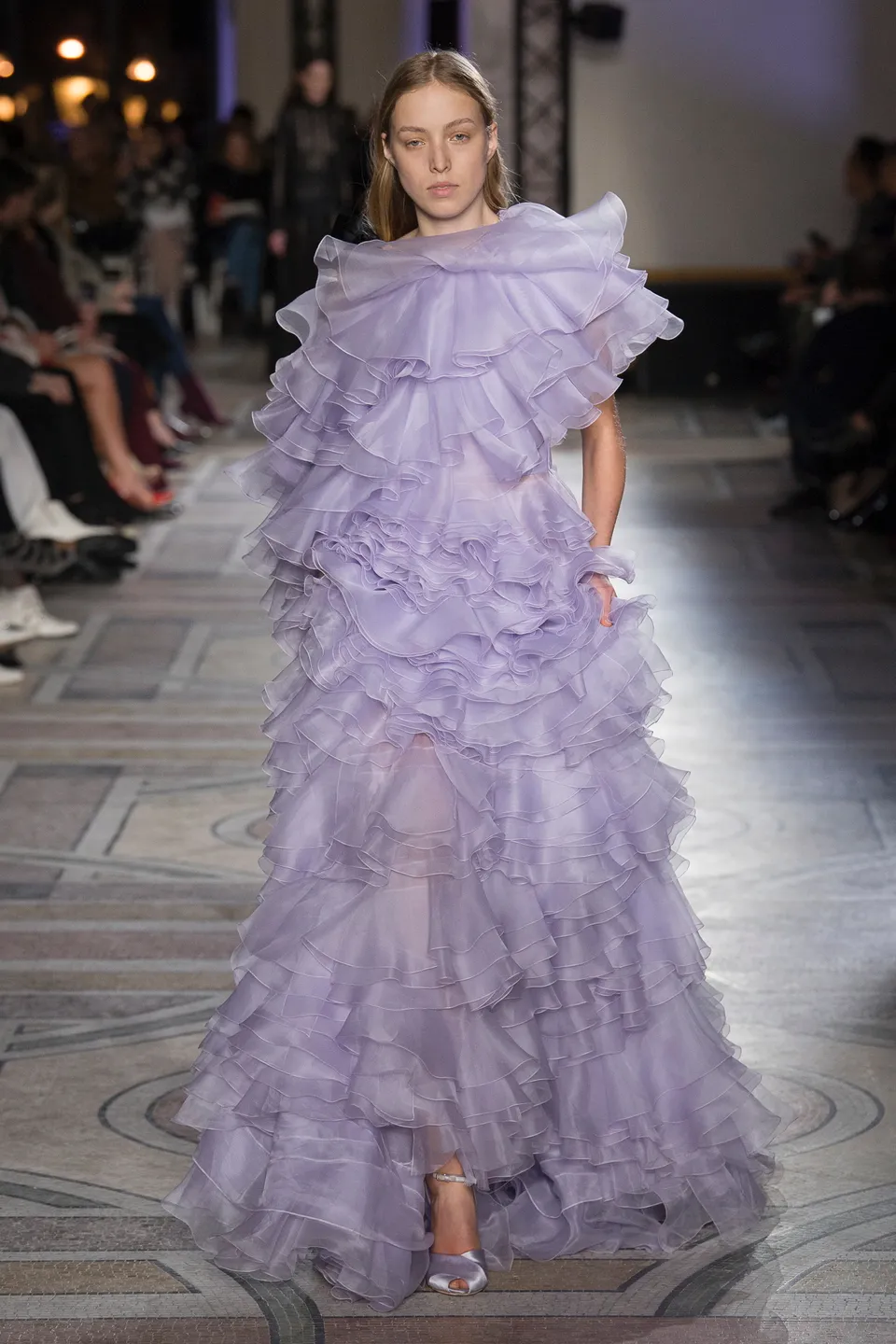
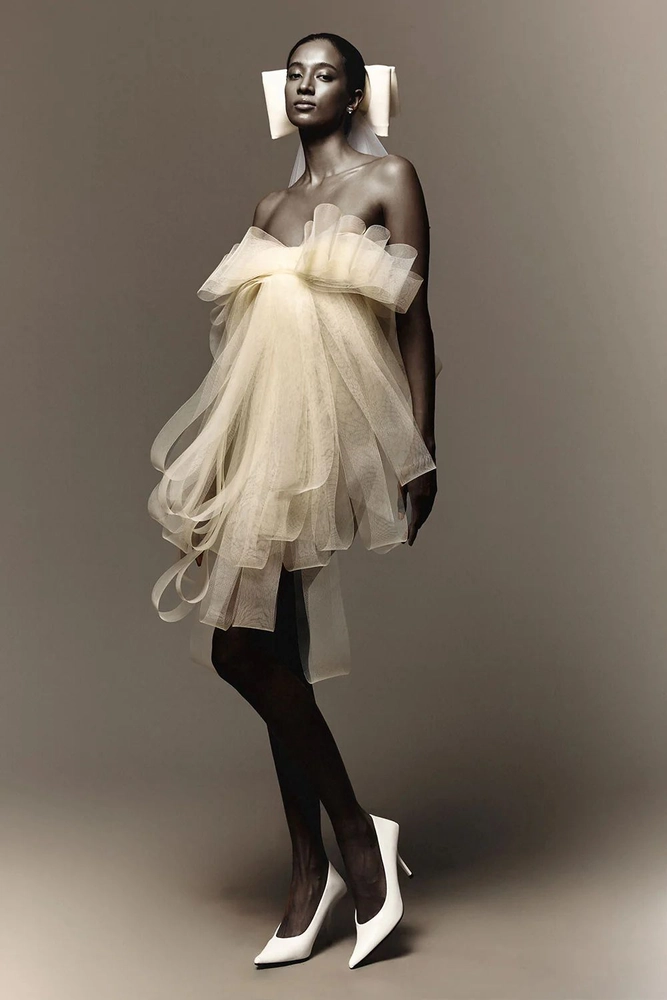
Fluid textiles fall close to the body, whereas organza fabric possesses autonomous structural memory. It expands outward into crisp planes, dramatic arcs, and sculpted contours. This firmness enables organza to hold exaggerated puff sleeves, architectural flounces, oversized waist bows, and expansive ballgown skirts. It behaves like a soft glass, retaining the shape the designer envisions.
Organza fabric offers incredible visual volume paired with remarkably low physical weight, measured industrially in grams per square meter. Technical sheer textiles like ultra-fine chiffon or gauze may record lower numerical weight values, yet organza stands supreme in volumetric efficiency. It traps air within its sculpted folds, creating grand silhouette presence while maintaining an airy, buoyant feel.
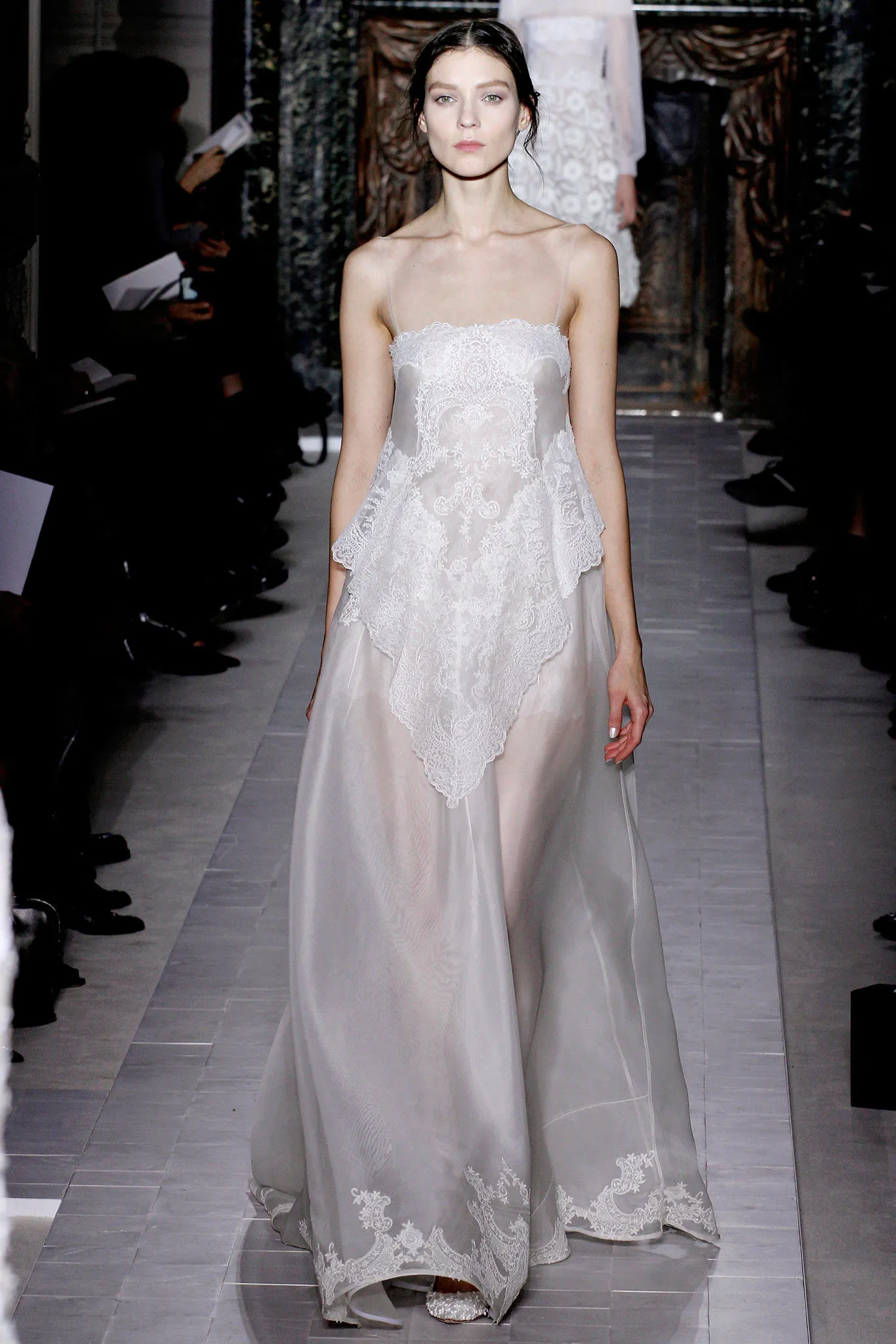
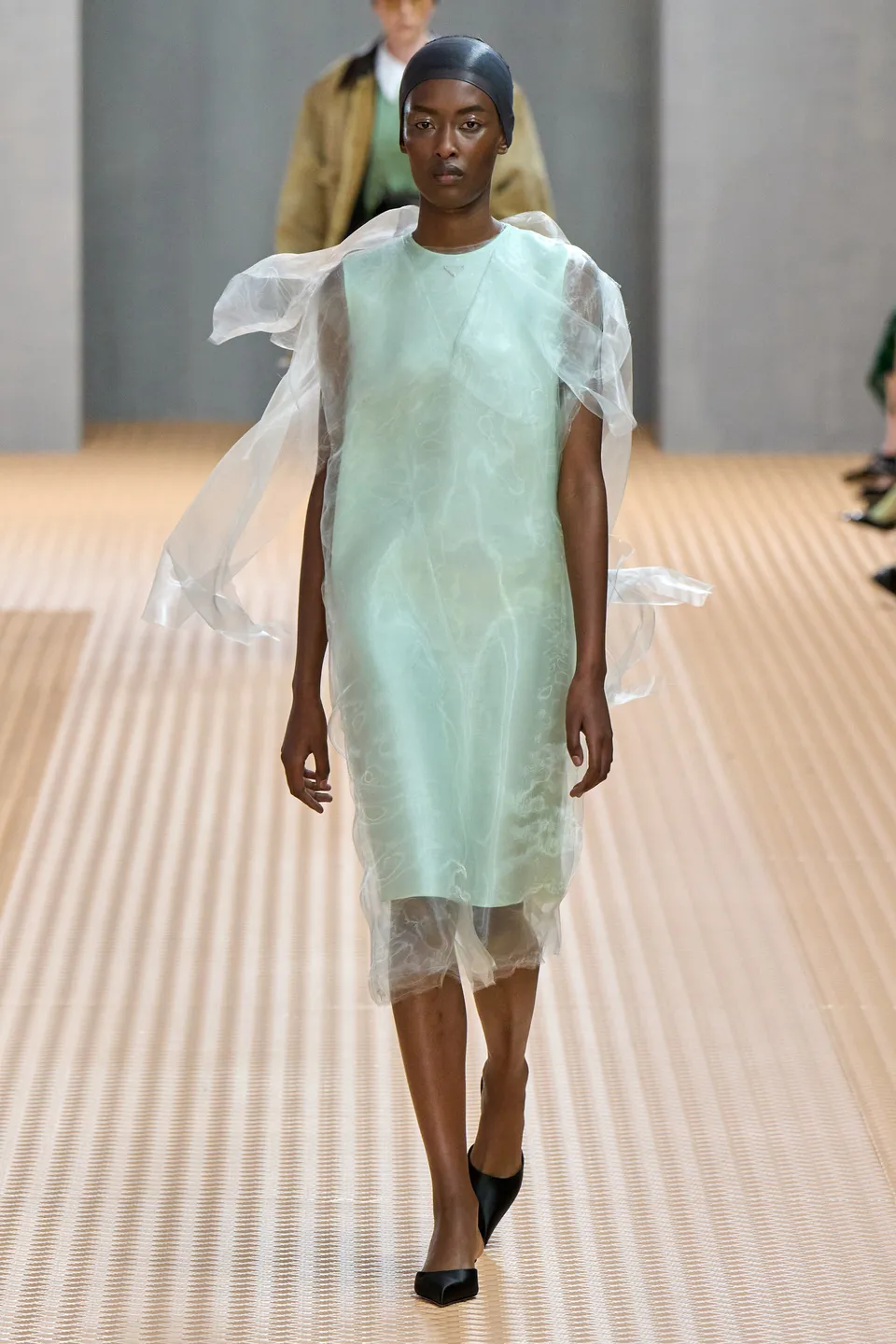
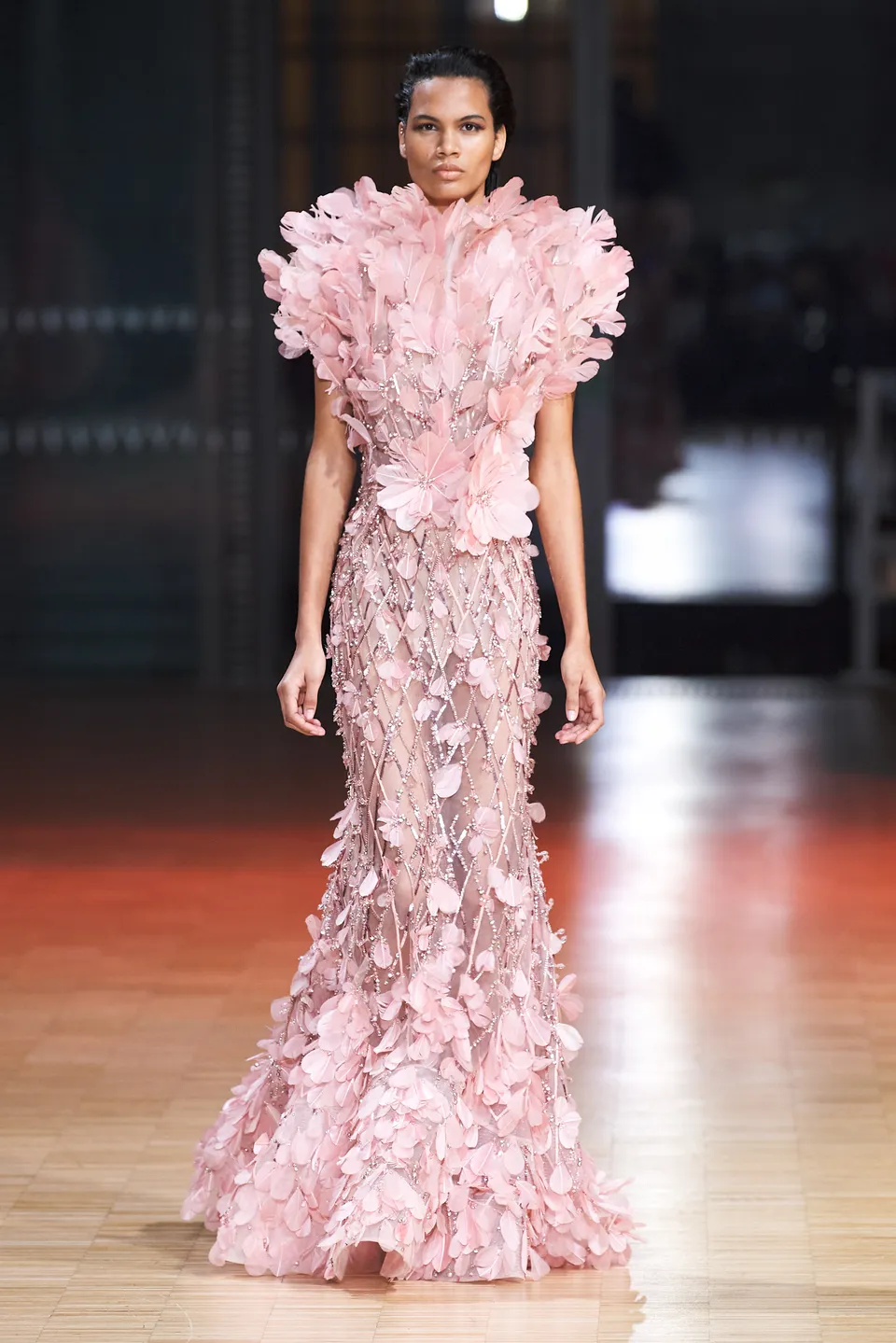

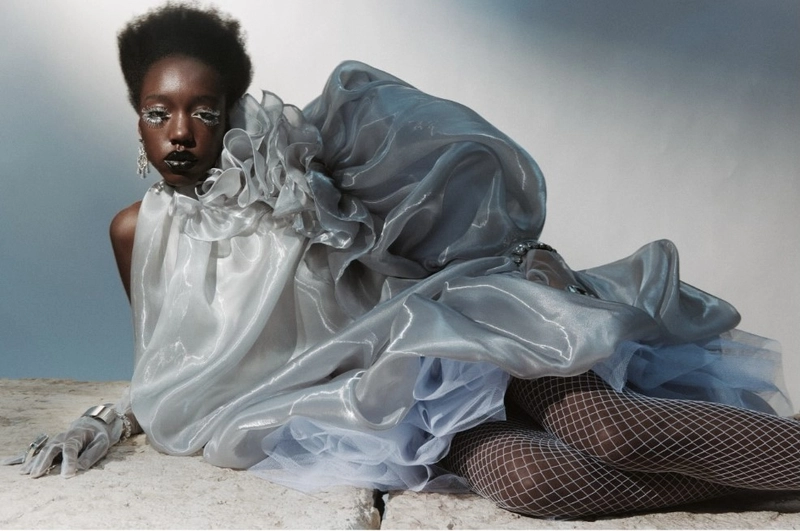
The surface of organza fabric radiates a gentle sheen that interacts playfully with movement. Silk organza emanates a soft, atmospheric glow, whereas synthetic organza presents a vitreous, crisp radiance. Tactilizing organza reveals a dry, smooth, papery, or slightly wiry touch. As layered organza moves, the fabric layers brush together, producing a soft, whispering rustle. This sensory phenomenon, known in fashion as scroop, adds an auditory magic to the wearer's experience.


Despite its structural stability, fine filament threads remain sensitive to their environment. Sharp jewelry or rough surfaces may snag individual filaments, requiring gentle wear. Furthermore, needle punctures remain permanently visible if seams require alteration. In summary, organza fabric acts as transparent architecture, building light-filled space around the human form while asking for mindful handling.
Where Did Organza Fabric Come From? Its History Through Time
The story of organza fabric begins softly within ancient Asian silk-weaving traditions, emerging from enigmatic origins that textile historians continue exploring today. While scholars theorize a delicate connection to the Silk Road city of Urgench, its true birthplace remains a whispered secret.
The more traceable story begins with a thread: organzine, a strong silk yarn prepared to withstand the constant tension placed upon warp threads during weaving. The word organzine was recorded in English by 1601. Yet this remains an etymological theory, not evidence that organza was invented in Urgench or that its workshops produced the first known examples. The word may carry the distant memory of textile commerce, but the precise birthplace of organza fabric remains undocumented.

By the 1660s, the French term organsin and Italian organzino emerged to describe a remarkably strong silk thread, leading the English language to embrace the word organza around 1820.

During the early eighteenth century, organzine entered one of the most dramatic episodes in European textile industrialization. In 1718, Thomas Lombe secured an English patent for machinery capable of winding, spinning, and twisting fine Italian raw silk into organzine. The machinery was based on closely protected Italian silk-throwing technology, and the Lombe brothers’ Derby mill, begun in 1721, became an early landmark of mechanized factory production. The mill did not invent organza, but it transformed the scale at which the strong, smooth silk yarns behind fine woven fabrics could be manufactured.
Soon after, this gossamer material captivated Western dressmakers. A surviving 1825 overdress preserved at the Museum at FIT proves how quickly organza fabric established its physical presence in romantic, ethereal fashion.
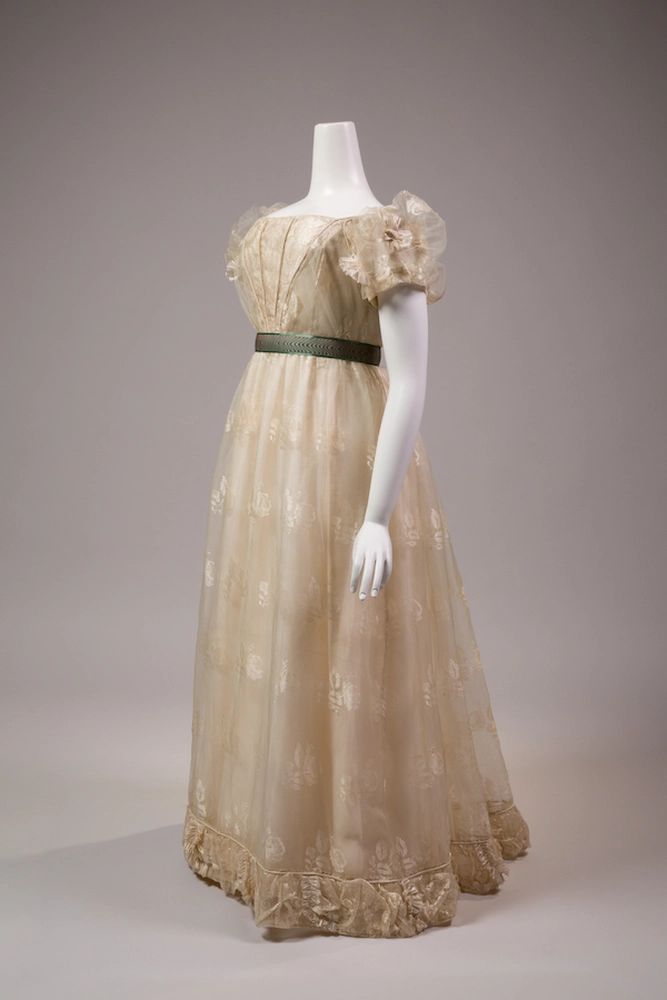
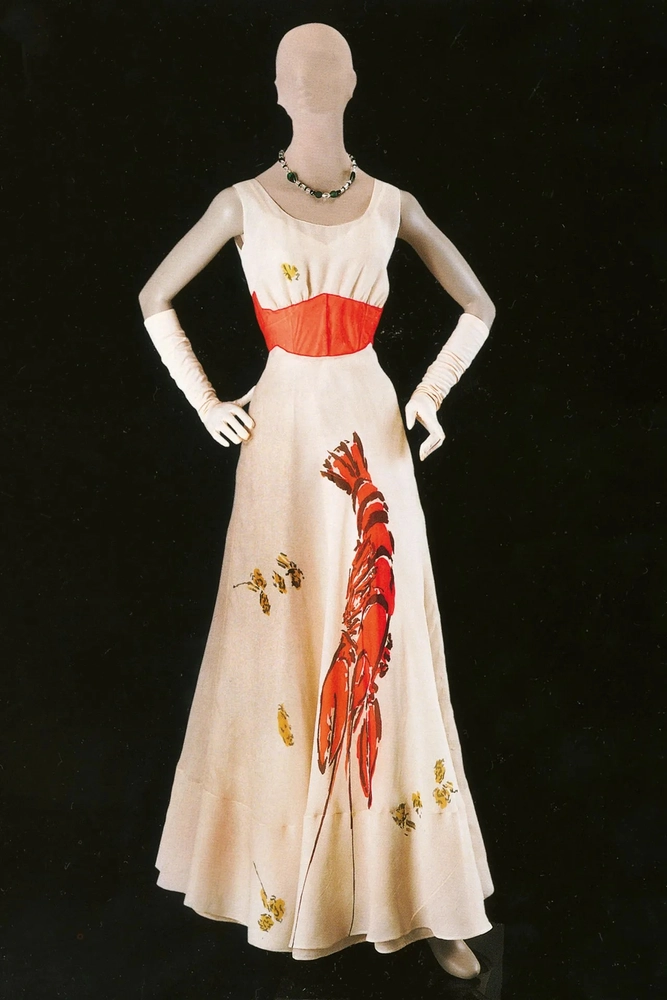
In 1937, organza fabric drifted into Surrealist legend when Elsa Schiaparelli and Salvador Dalí collaborated on the iconic Lobster Dinner Dress. The provocative motif floated upon an airy silk canvas worn by Wallis Simpson, immortalized by Cecil Beaton’s atmospheric photographs.
By the mid-twentieth century, couturiers discovered its architectural magic. Designers like Charles James treated organza fabric as pure sculptural engineering, shaping marvels like his 1944 draped pannier gown by combining it with crisp organdy. As synthetic filament fibers became widely available, organza fabric expanded beautifully from exclusive silk salons into global daywear, stage costumes, and experimental couture.
The Main Types of Organza Fabric
Classifying organza fabric relies primarily upon identifying its constituent fiber. Because fiber properties heavily influence drape, luster, breathability, and thermal response, two fabrics bearing the same organza title may perform in drastically different ways. Comprehending these variations empowers designers to choose the perfect medium for their specific vision. Representing the pinnacle of textile luxury, silk organza consists of continuous natural silk filaments. It delivers a soft, luminous sheen, breathable comfort, and a responsive springiness.
Silk organza interacts with light in a subtle, organic manner, creating a pearlescent halo around the wearer. Designers select silk organza for haute couture, luxury bridalwear, ethereal evening gowns, and high-end garment underlinings. Silk organza asks for careful handling, as natural silk filaments show sensitivity to moisture spotting, intense sunlight, and aggressive laundering.
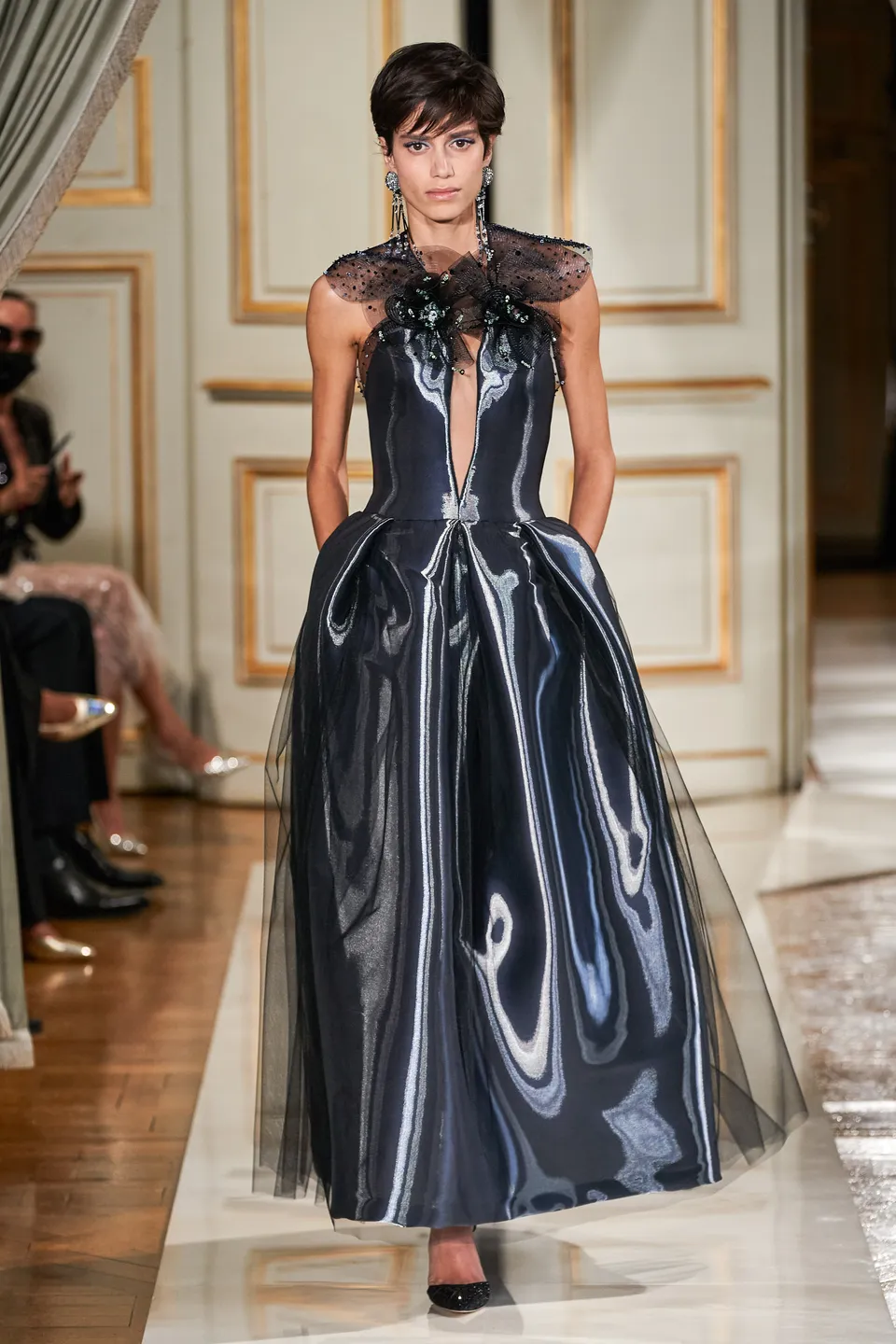
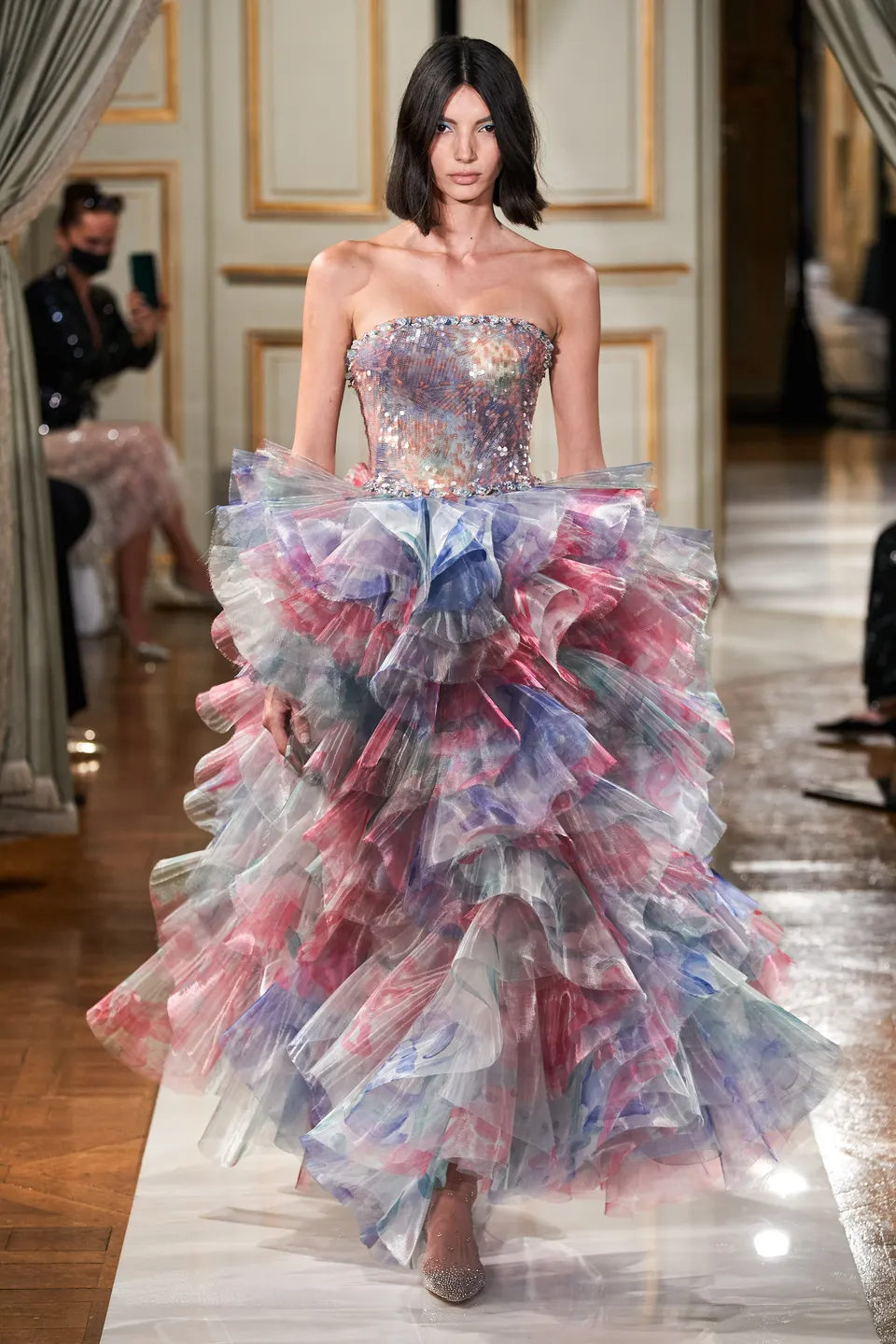
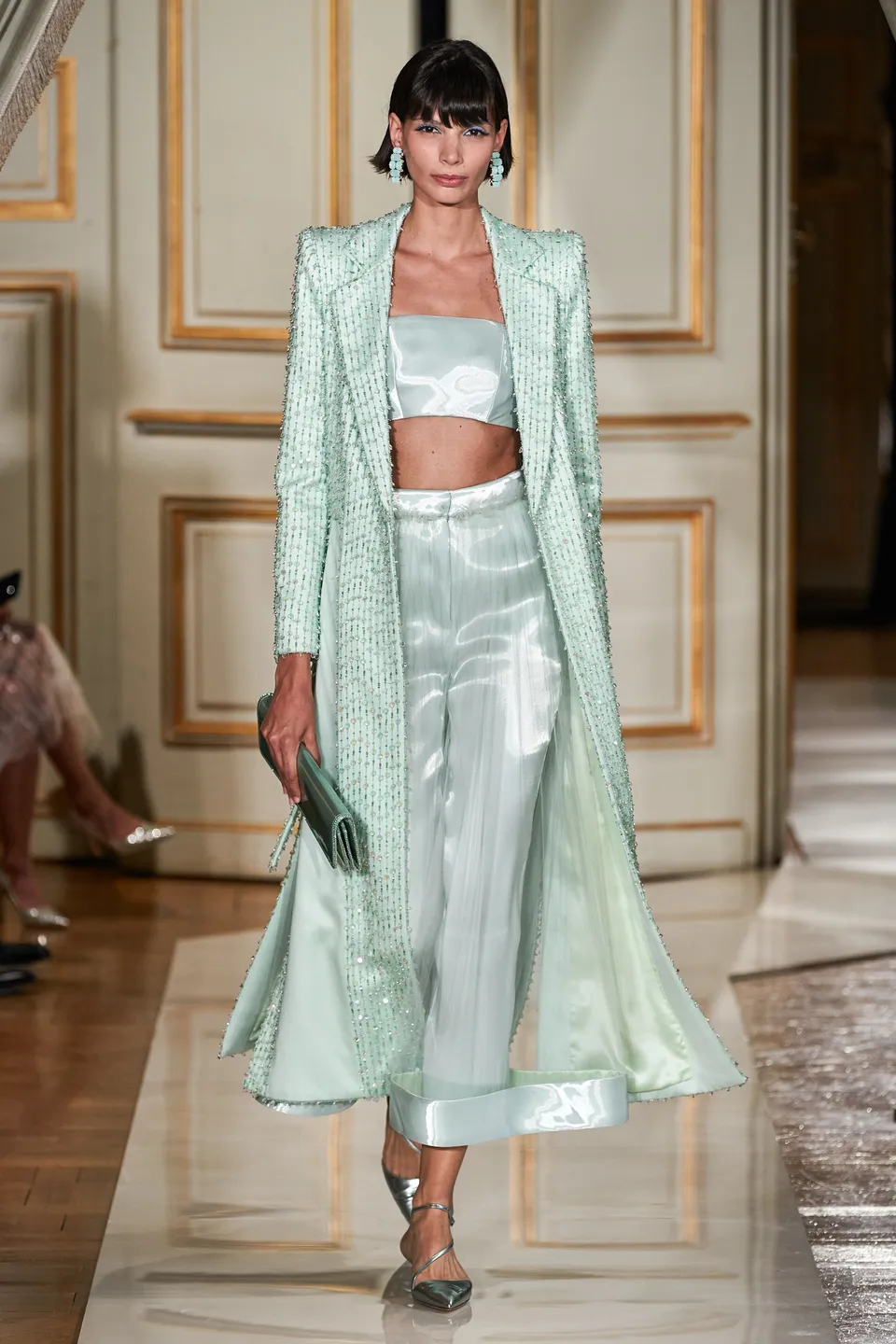
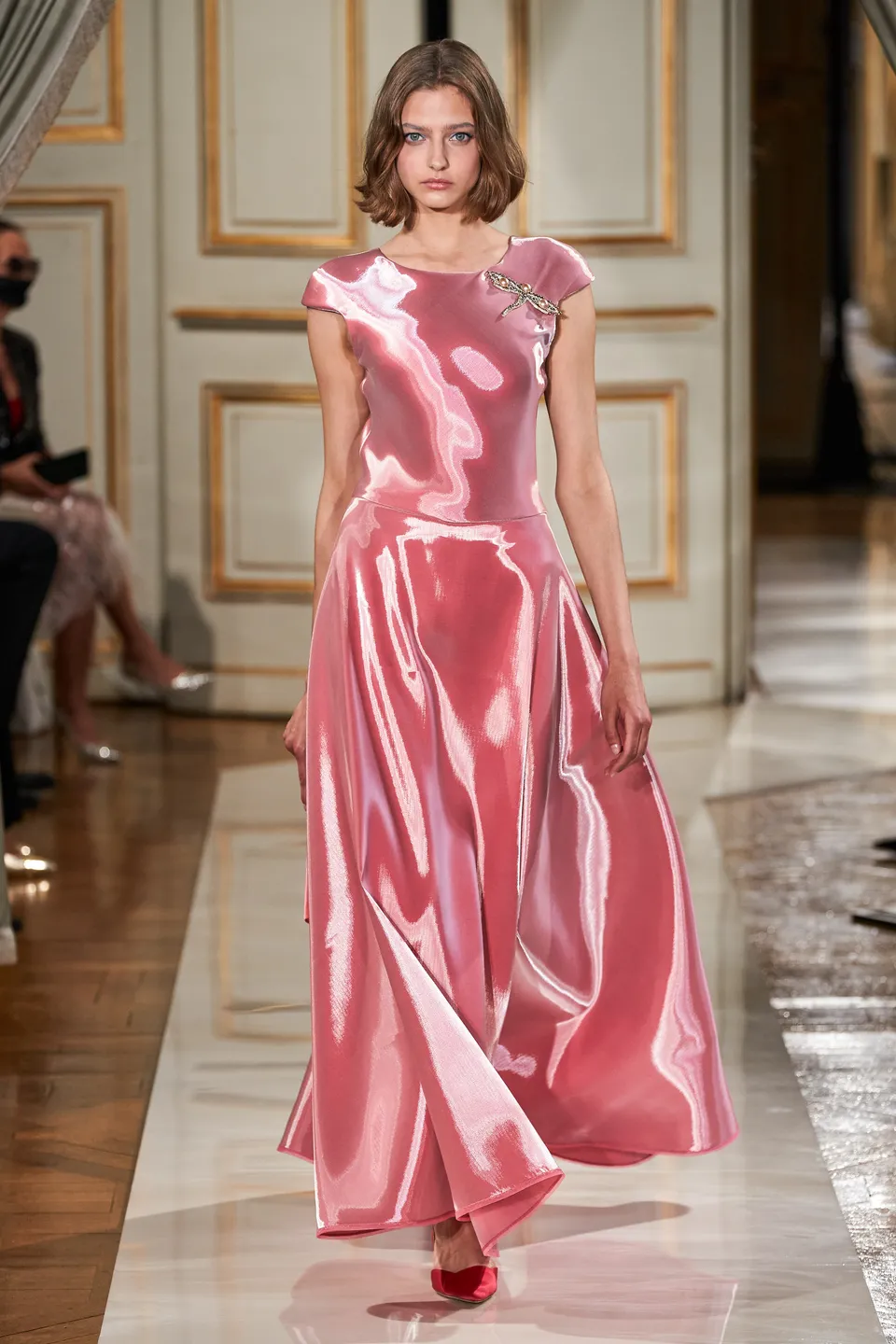
As the dominant commercial offering, polyester organza provides exceptional durability, color vibrancy, and cost efficiency. Its synthetic filaments yield a crisp, smooth, and highly lustrous surface. Widely applied in ready-to-wear fashion, occasion dresses, and decorative overlays, polyester organza retains its shape beautifully across repeated wear. Maintenance demands caution around high heat, as excessive iron temperatures cause synthetic fibers to glaze or melt.
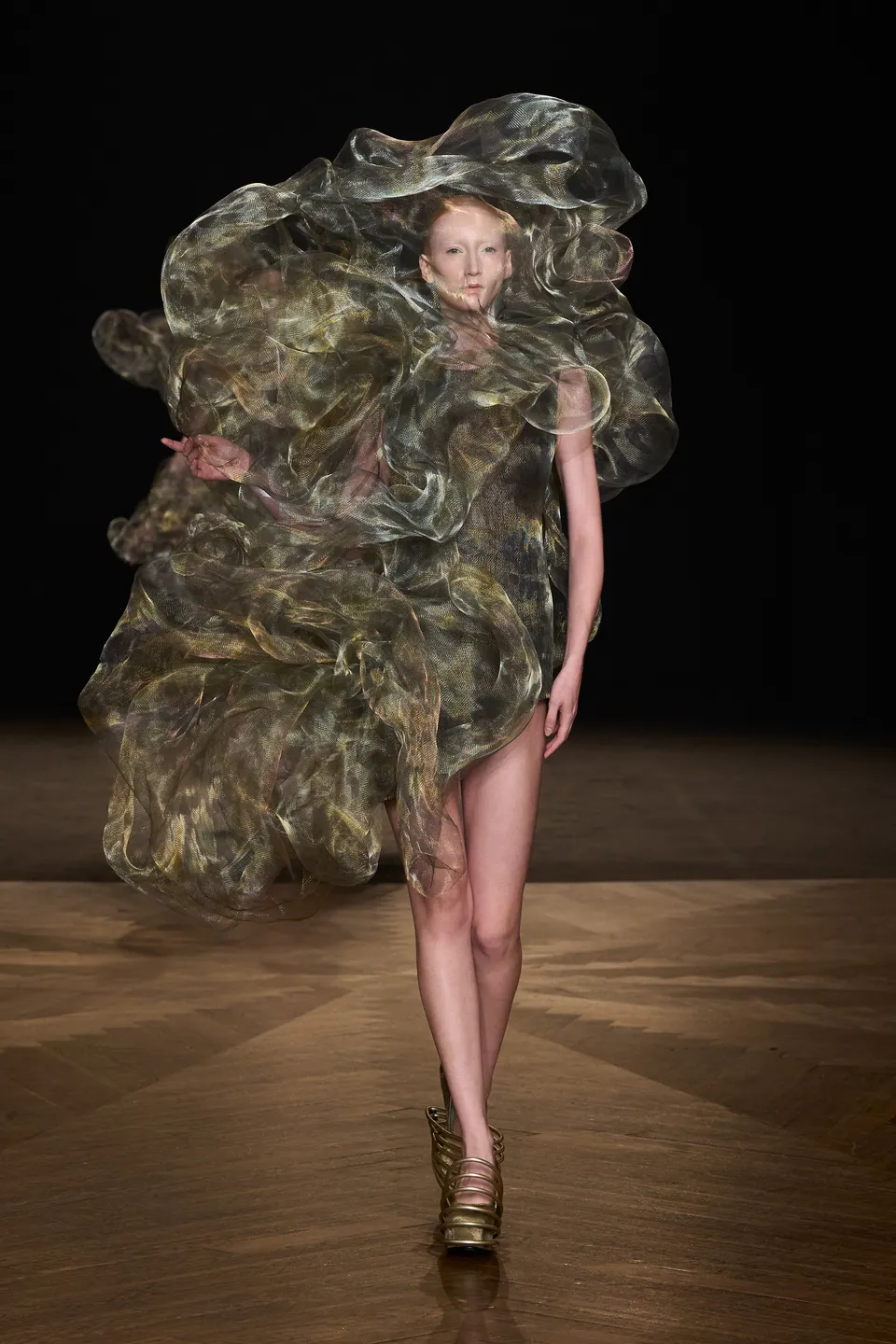
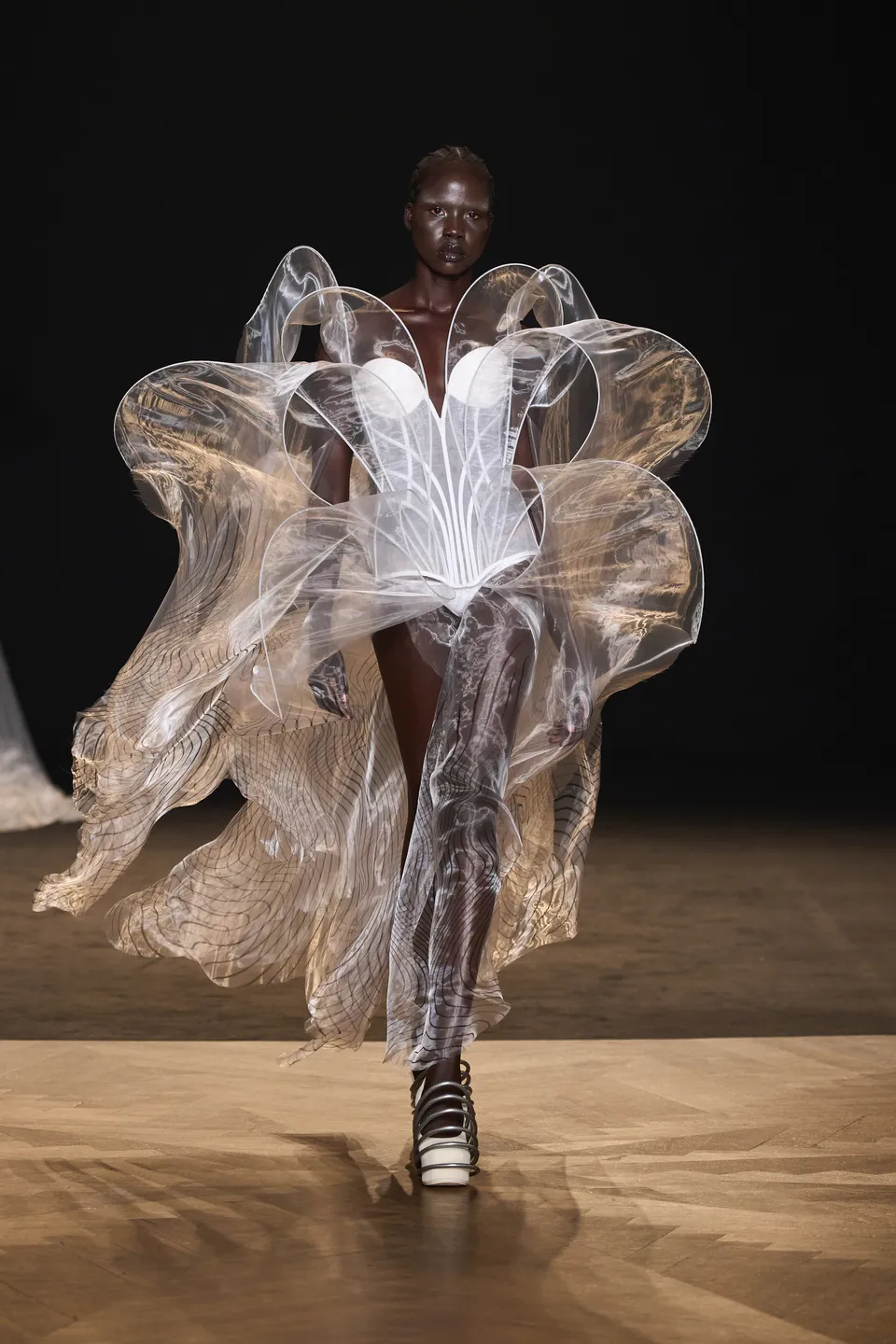
Nylon organza offers notable elasticity, springy resilience, and sharp structure. Its high tensile strength makes it ideal for theatrical costumes, dramatic stage wear, and voluminous under-structures requiring maximum bounce and shape retention. It creates an almost futuristic crispness, holding radical geometries with ease.
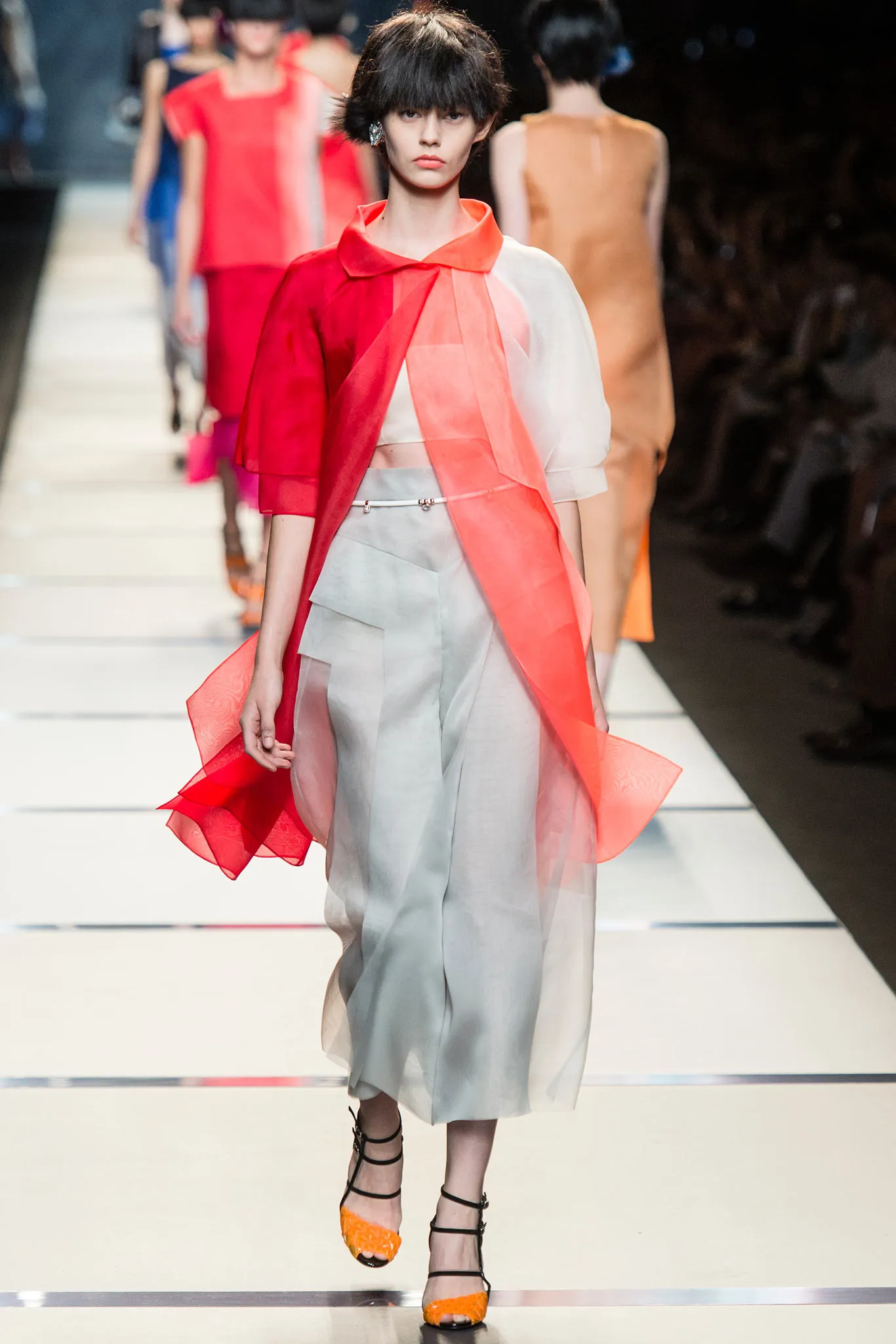
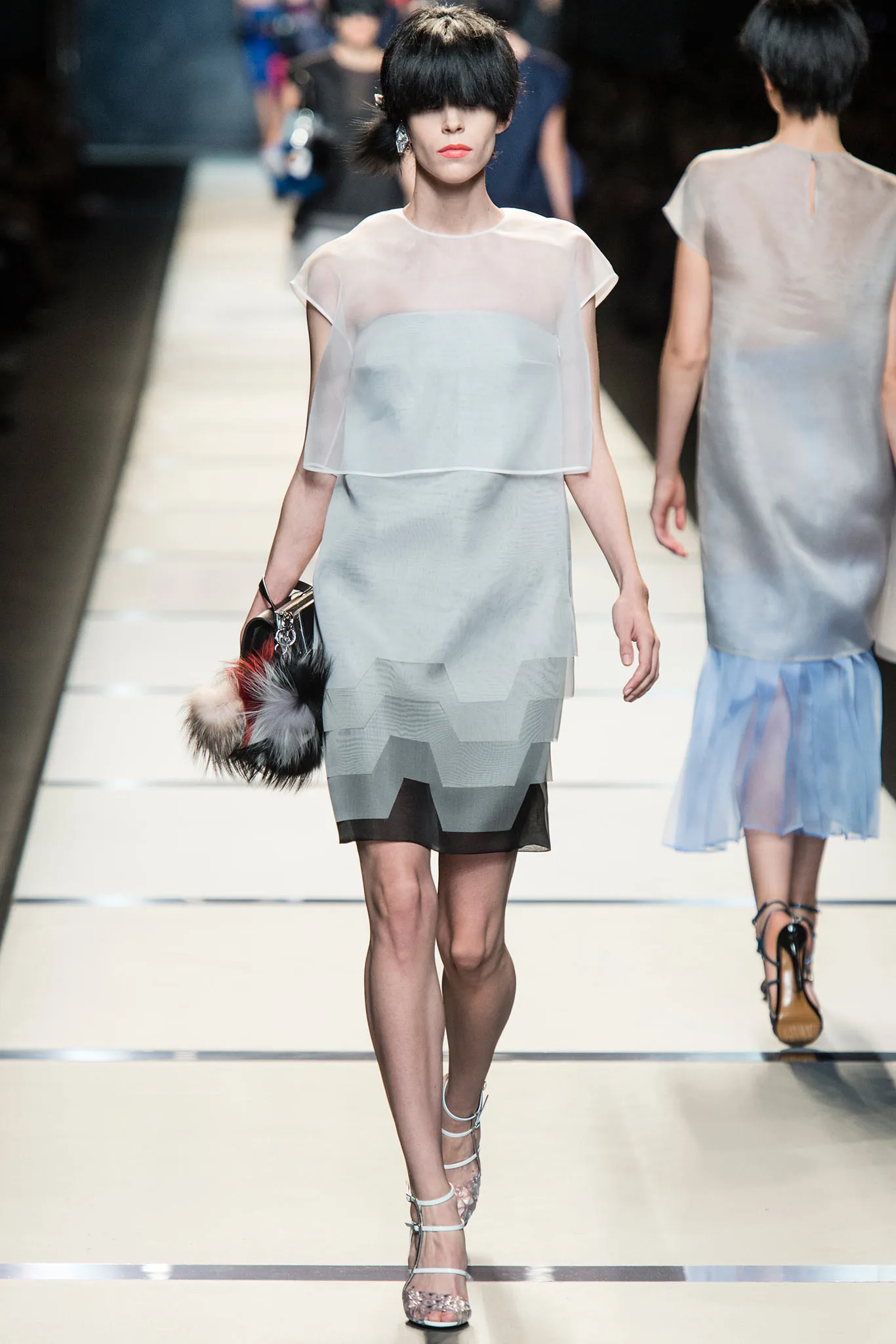
Meanwhile, blended organzas merge natural and synthetic fibers to harmonize diverse benefits. Combining silk with polyester or rayon balances luxury texture, affordability, shape stability, and wearability. Choosing the ideal organza fabric demands evaluating fiber content alongside the intended structural requirements of the garment.
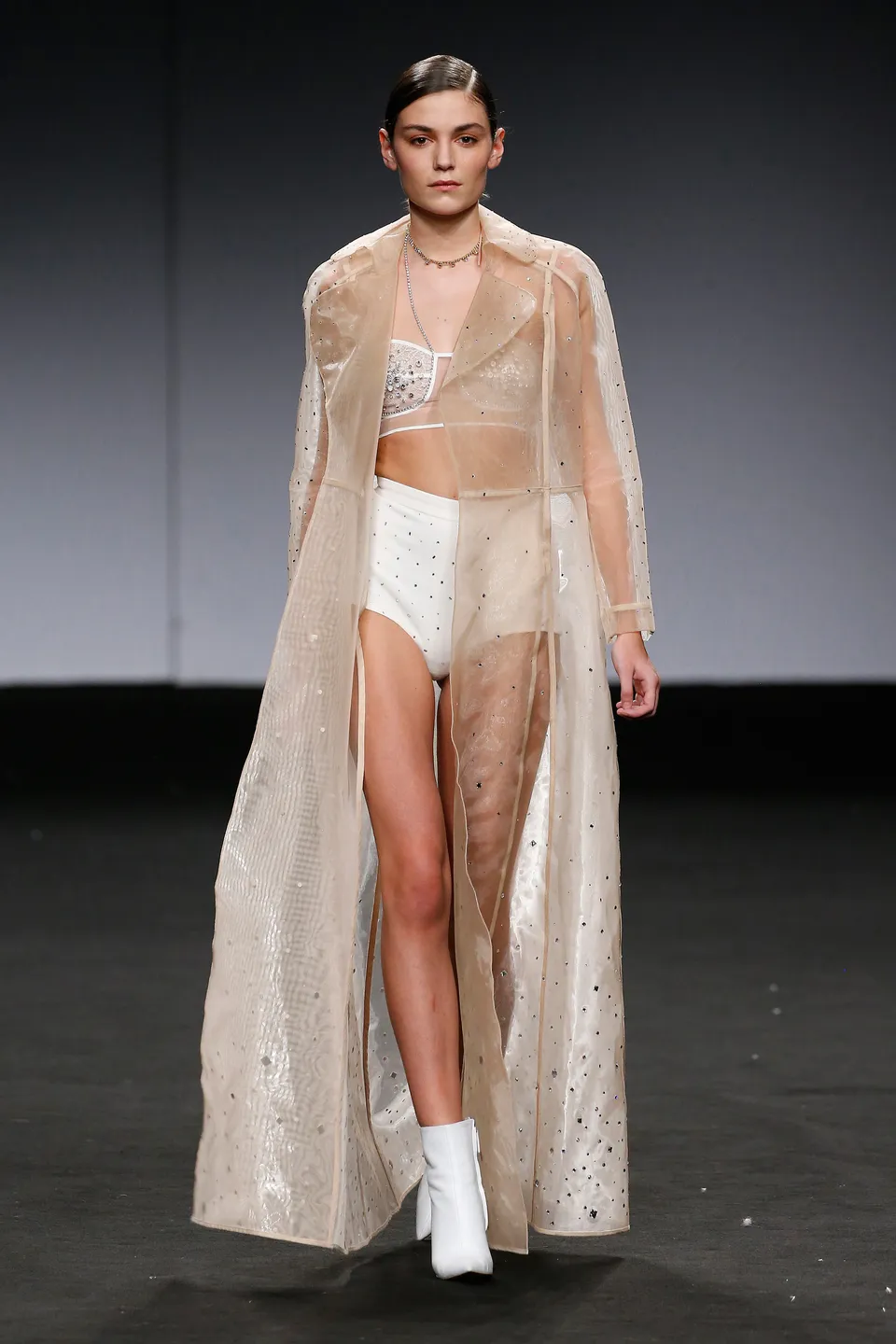
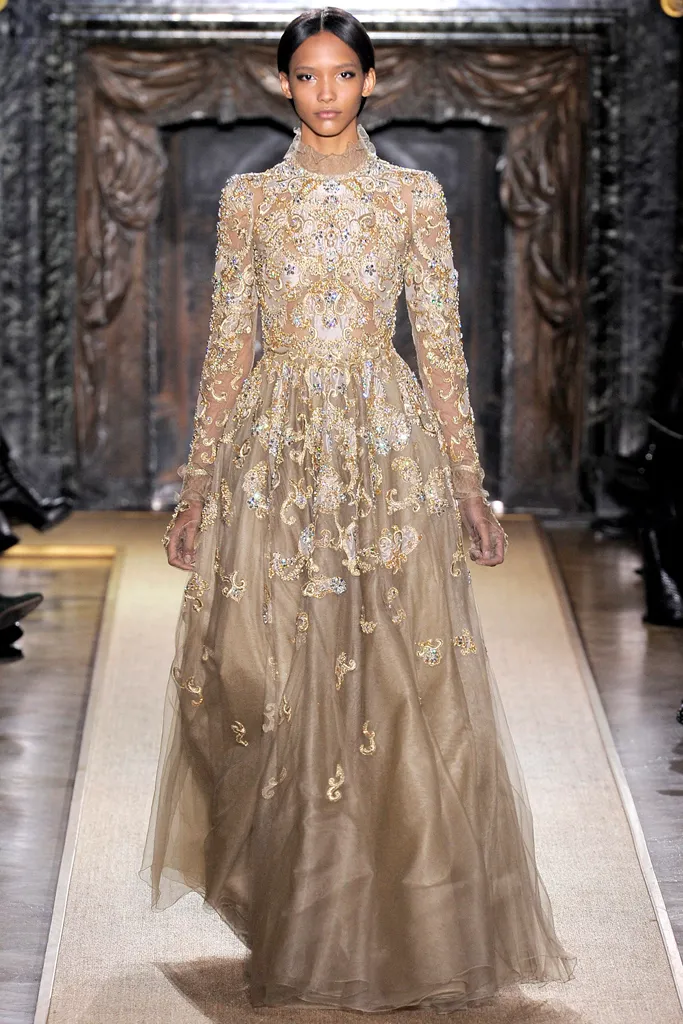
How Organza Fabric Is Used in Fashion and Garment Construction
Organza fabric fulfills a dual destiny in sartorial creation. It shines brilliantly as a dramatic outer textile while operating as a concealed architectural foundation within tailored garments. In bridal design, organza creates ethereal volume.
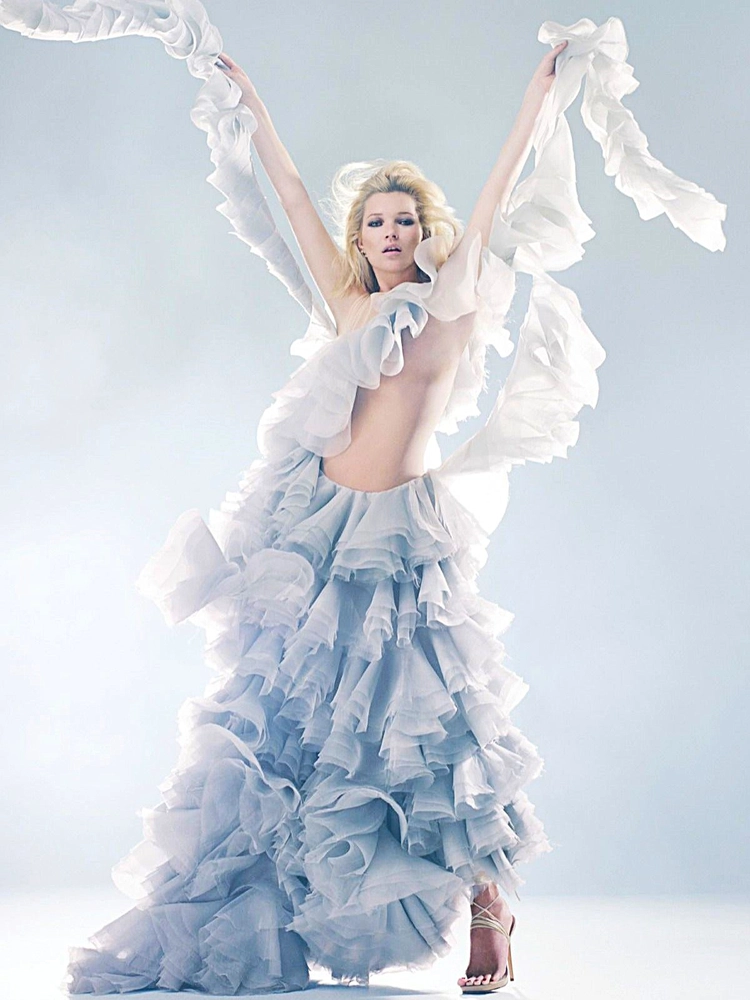
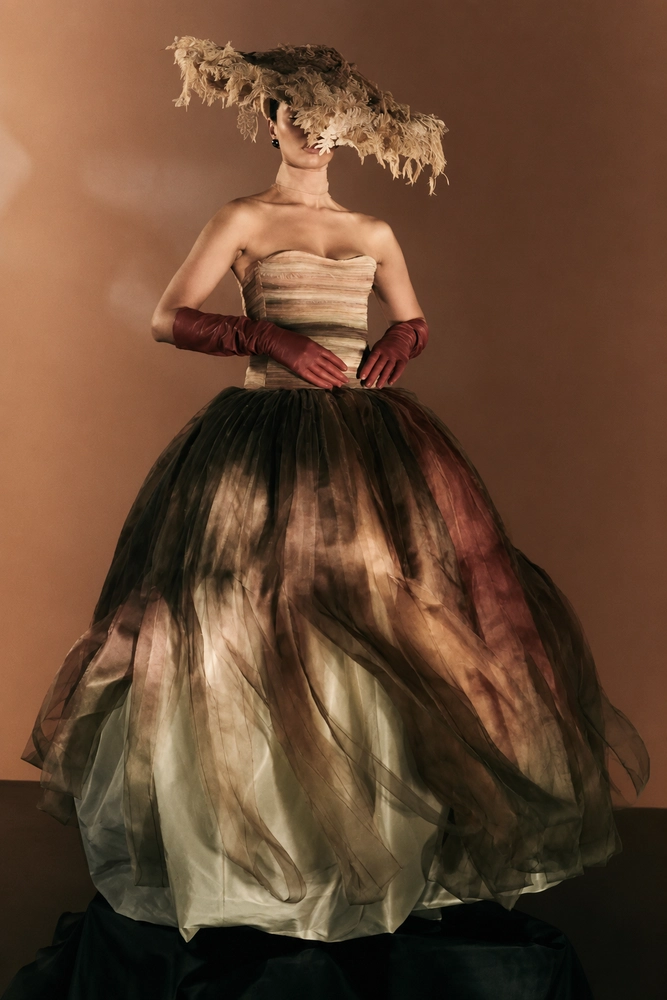
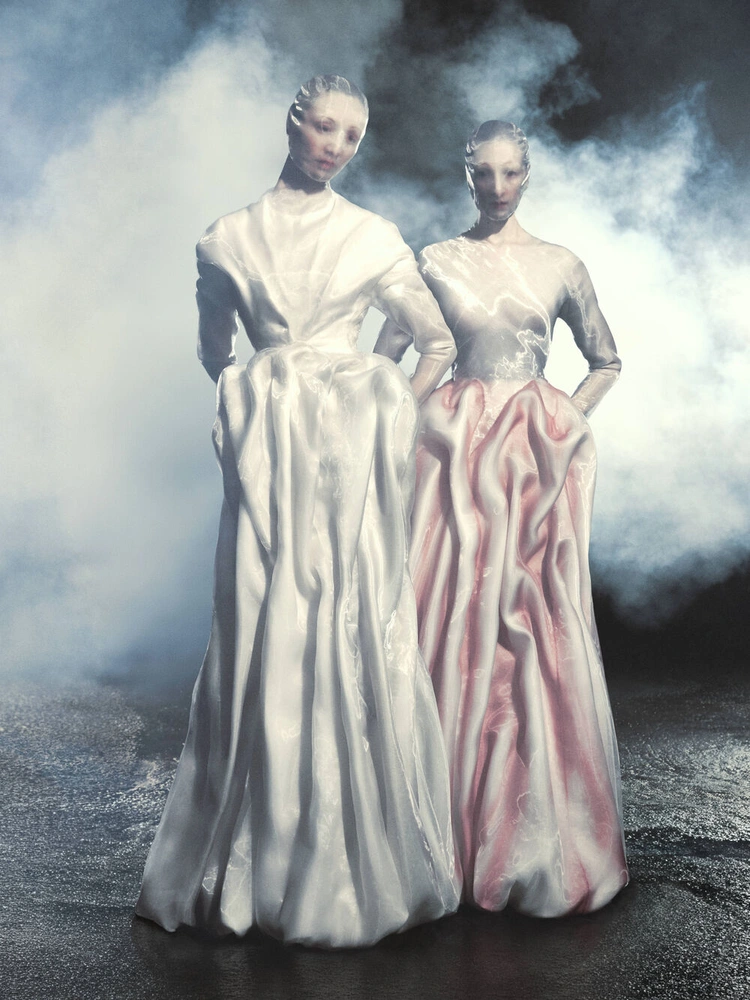
Designers construct cascading overskirts, sweeping cathedral trains, veils, romantic sheer sleeves, and sculpted waist bows. Organza delivers dramatic fullness while keeping the gown feather-light and comfortable to wear. In eveningwear, layering organza over silk satin or metallic lamé creates luminous optical depth, shifting color tones beautifully under evening lighting.
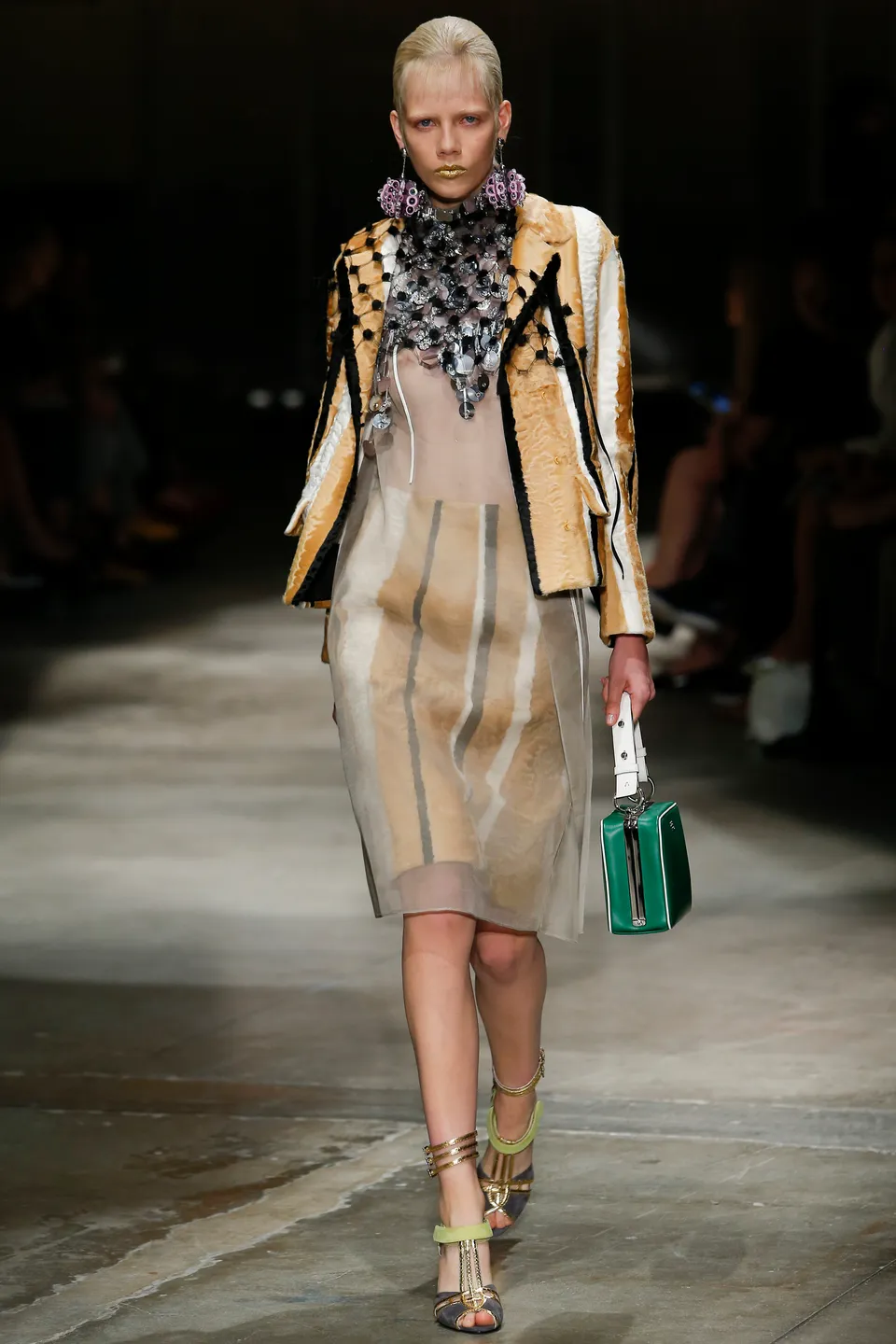
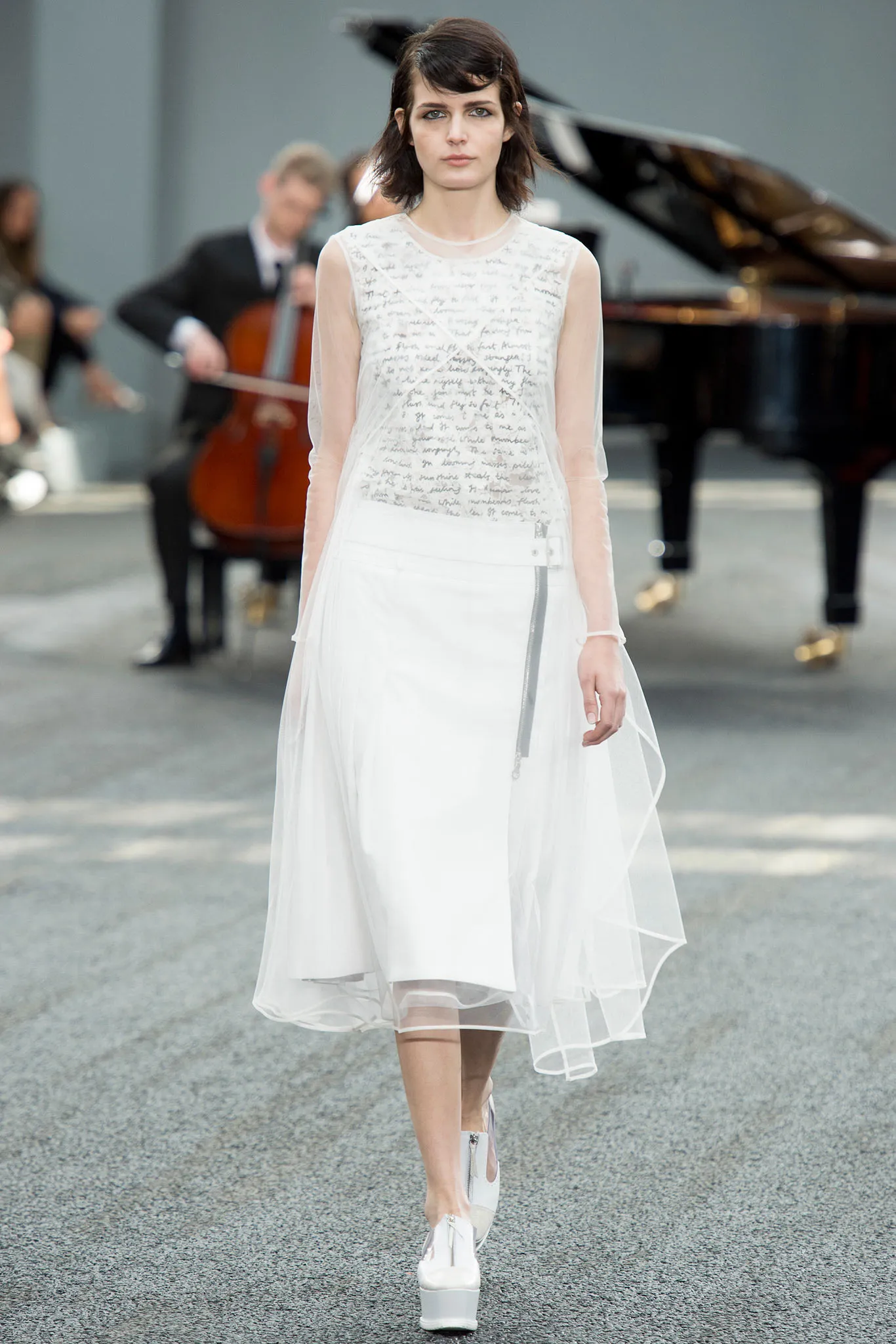
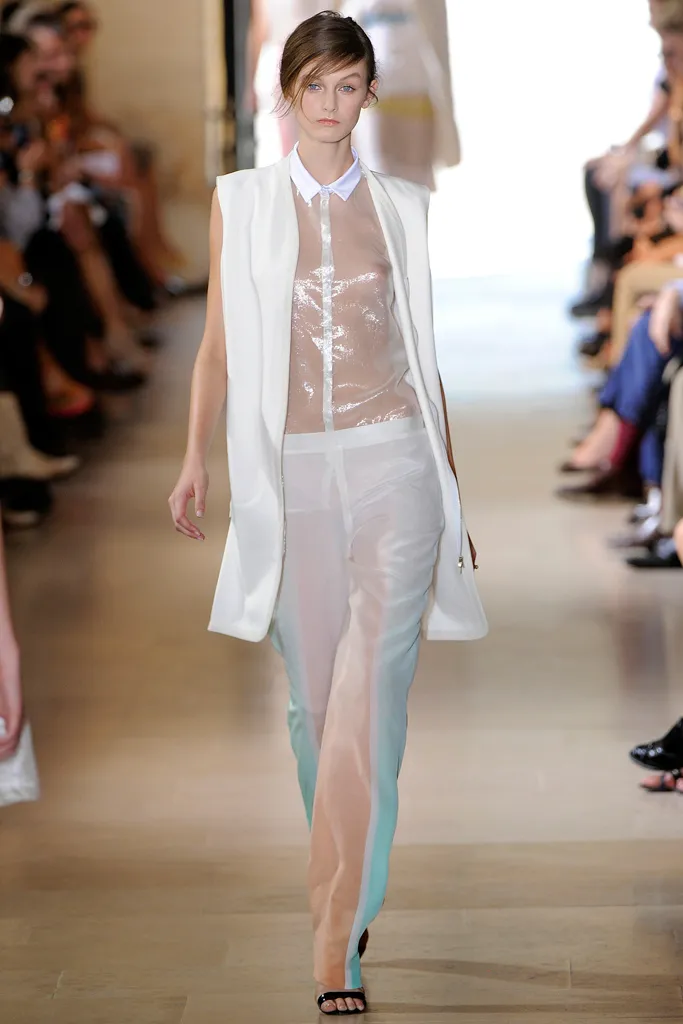
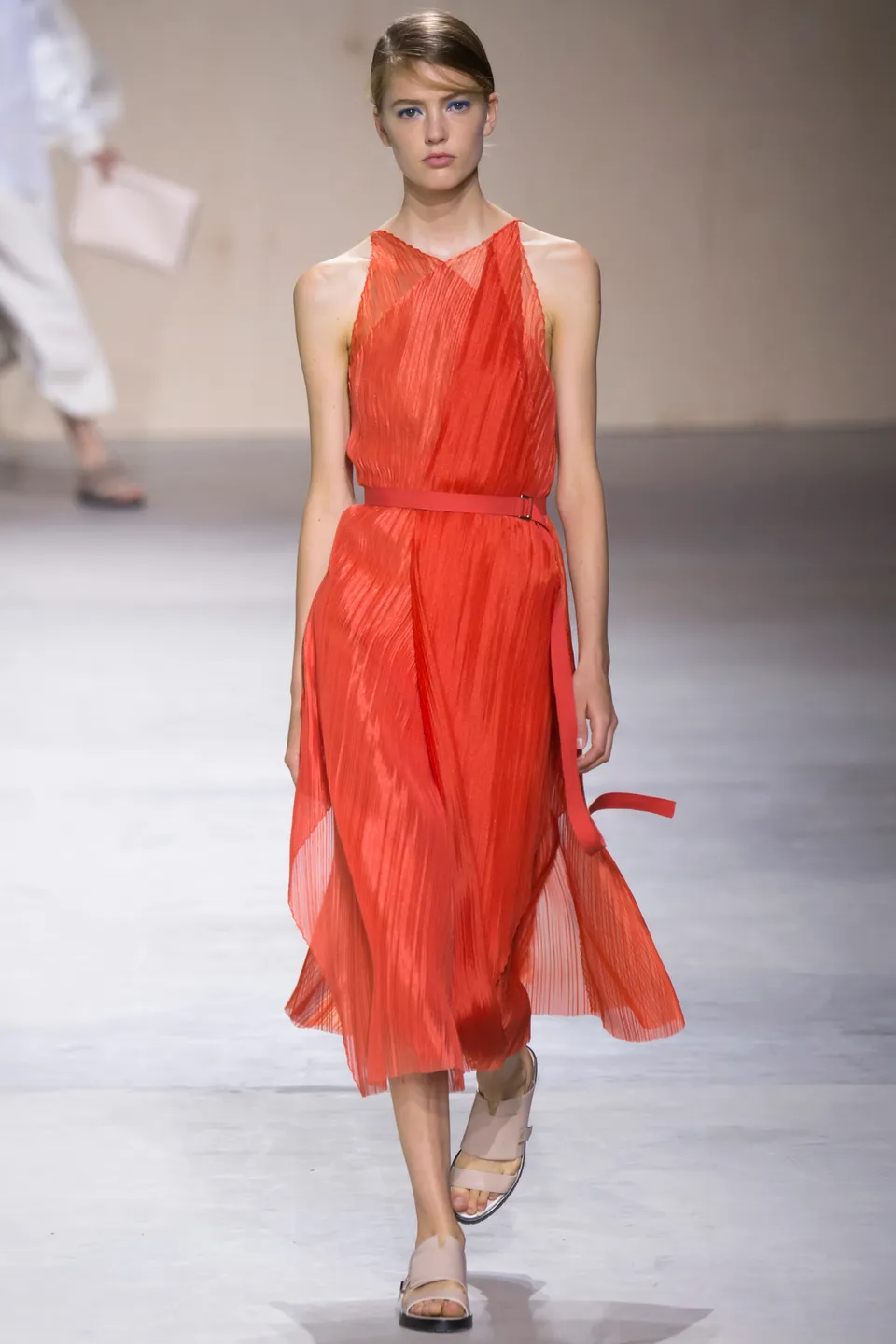
Couturiers treat organza fabric like a flexible, workable glass. Through heat-setting, pleating, origami folding, and meticulous hand embroidery, artisans transform flat yardage into three-dimensional petals, architectural ruffles, and sculpted ruffs. Because the fabric holds crisp edges, embellishments appear suspended in the air around the body, floating above gravity.
In contemporary daywear, organza fabric lends a crisp modern edge to everyday silhouettes. It animates tailored blouses, sheer trench coats, midi skirts, statement collars, and layered cuffs. When designing daywear, strategic lining placement ensures smooth comfort against the skin while allowing the sheer panels to create tantalizing reveals.
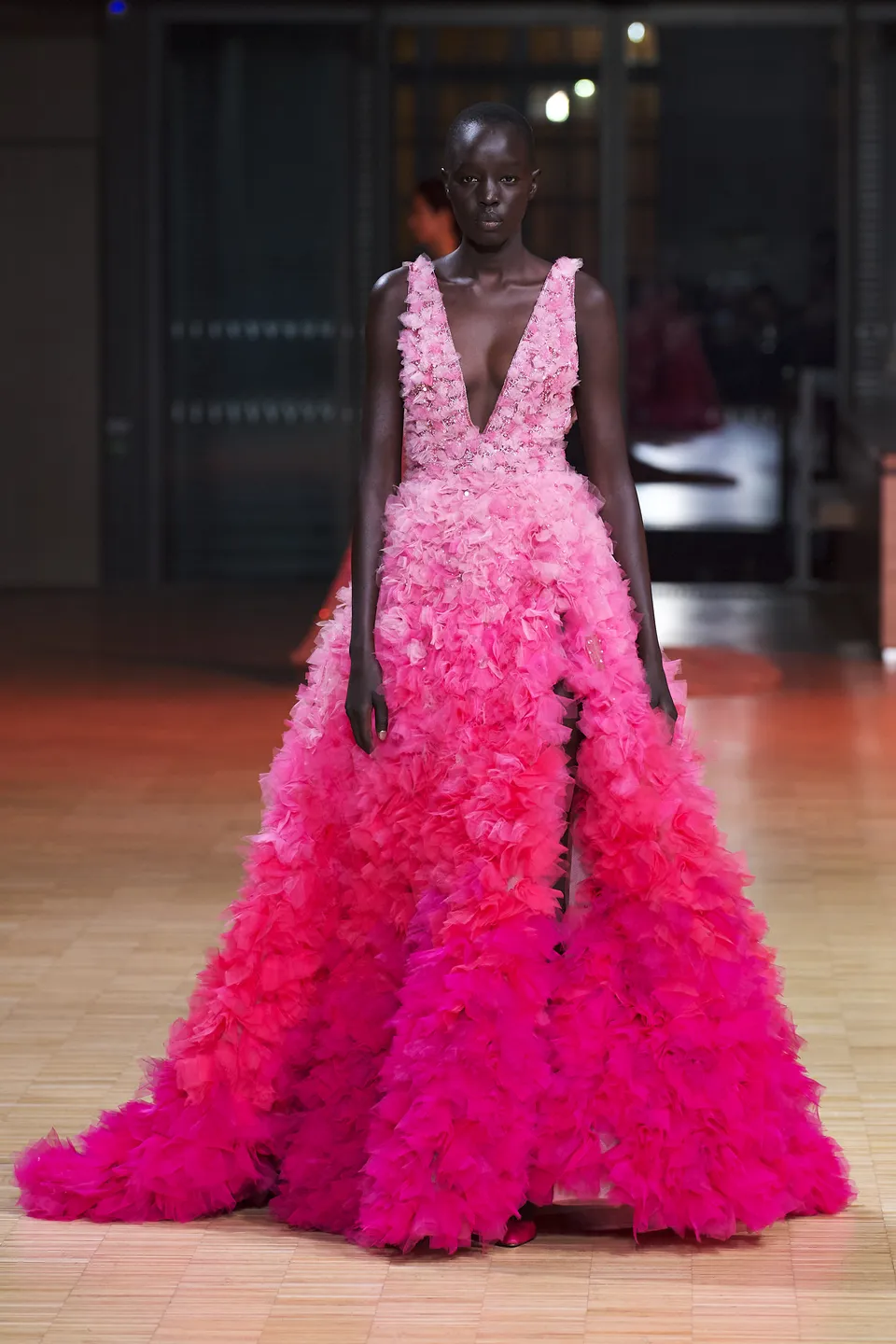
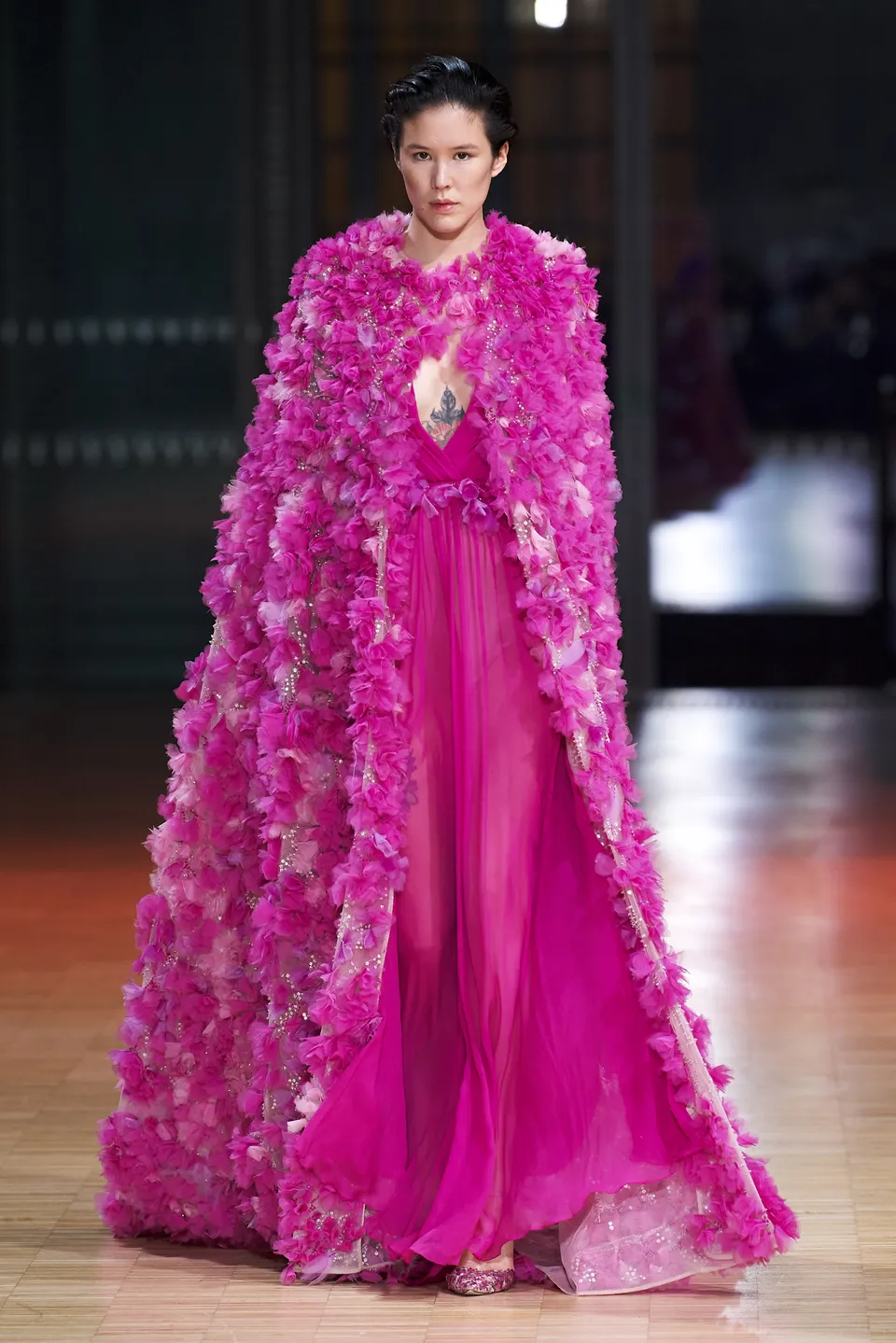
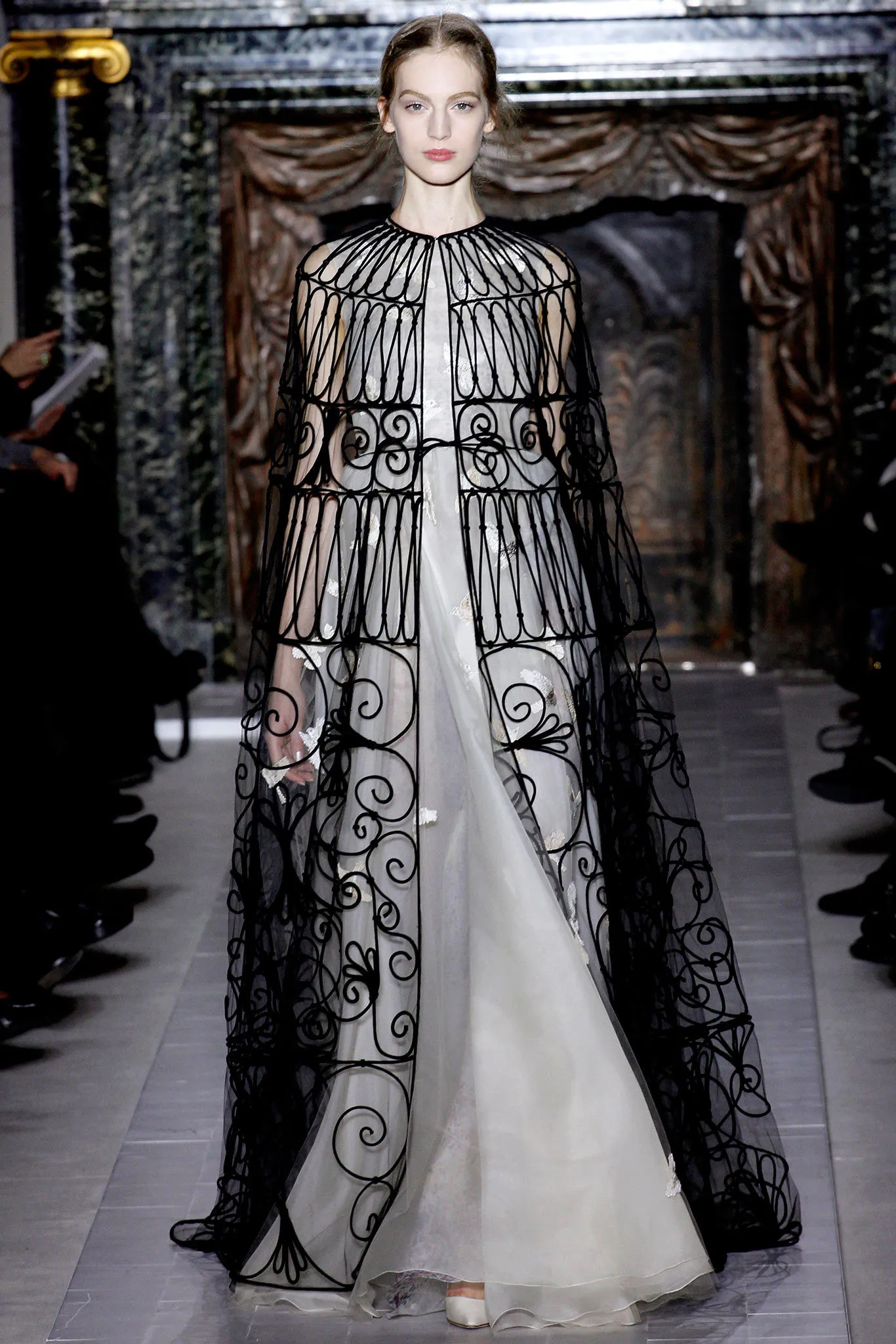
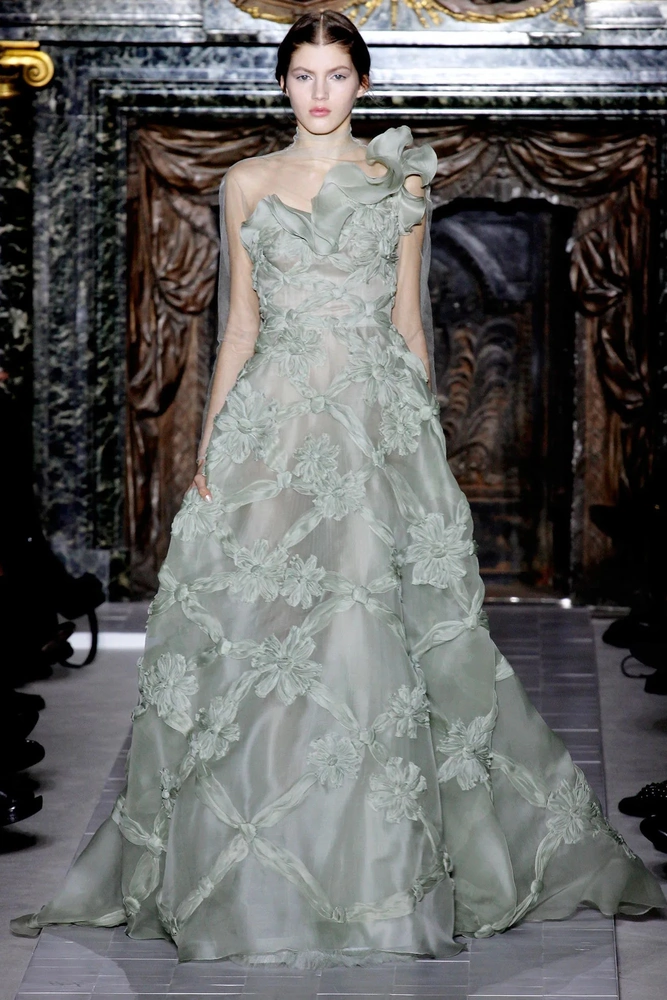
Beyond visible fashion, master tailors utilize silk organza as a hidden underlining. Stitched beneath outer fabrics like velvet, fine wool, or delicate lace, silk organza adds crisp stability to buttonholes, necklines, lapels, and waistbands. It supplies essential structural reinforcement while bypassing heavy, cumbersome bulk.
Crafting garments with organza fabric requires exacting technique. Professional dressmakers employ French seams, narrow hand-rolled hems, or bias silk bindings to ensure impeccably clean internal construction, transforming the visible interior into a work of art.
How to Choose and Care for Organza Fabric
Selecting and preserving organza fabric requires thoughtful attention to fiber performance and tactile qualities. The acquisition process begins by verifying the fiber composition. Reading the label to identify silk, polyester, nylon, or cellulosic blends ensures you understand the fabric's future performance and care needs. Holding the yardage toward natural light allows you to gauge transparency, color diffusion, and surface sheen accurately.
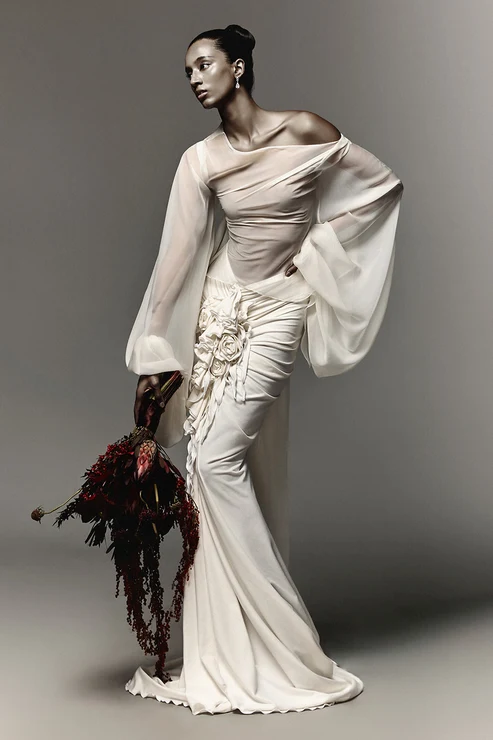
Evaluating the physical drape remains an essential step in selection. Gathering a portion in your hand lets you observe its structural rebound, fold memory, and signature crispness. Touching the fabric against sensitive areas like the inner wrist ensures gentle tactile comfort for single-layer garments. Finally, calculating the necessary layer count guarantees the right opacity, recognizing that multiple organza layers multiply both color saturation and structural firmness.

Garment longevity relies upon proper maintenance tailored specifically to the fiber type. Silk organza garments flourish best with professional dry cleaning services. Gentle hand washing in lukewarm water with mild soap offers a beautiful alternative for casual silk items. You follow this by pressing the piece while damp, using a low silk setting and a protective press cloth to preserve its delicate surface.
Synthetic organza fabric made of polyester or nylon requires low heat settings during the pressing process. High iron temperatures glaze synthetic filaments, creating a permanent shine. Storing organza garments on padded hangers inside breathable cotton garment bags ensures their protection. Providing sufficient wardrobe space allows the fabric to breathe, maintaining smooth, pristine, and voluminous silhouettes for years to come.
Why Organza Fabric Holds a Unique Place in Fashion
Organza fabric maintains an enduring legacy in fashion because it bridges two opposing aesthetic desires. It satisfies the wish for delicate, feather-light transparency while fulfilling the ambition for strong, architectural form. It empowers designers to sculpt space, capture ambient illumination, and build romantic volume around the human figure.
Whether woven from classic silk filaments or modern synthetic yarns, organza fabric remains a foundational textile in couture ateliers and ready-to-wear studios alike. By giving physical structure to sheer air, organza secures its elevated status as one of fashion's most poetic, versatile, and structurally empowering fabrics.
Advertisement