




When the world's most exclusive restaurants are selling privacy as the ultimate luxury money alone cannot buy.

The New Luxury of Privacy in a World Always on Show
When the world's most exclusive restaurants are selling privacy as the ultimate luxury money alone cannot buy.
October 23, 2026


A dinner costing thousands of dollars may promise exceptional cuisine, rare wines and interiors conceived by celebrated designers. But what happens when photographs of your private evening appear on a stranger's social media feed the following morning? In a world where almost every experience can become content, privacy is emerging as a new form of luxury.
Imagine dining in an elegant restaurant. White-painted wooden walls, tall glass doors overlooking a meticulously maintained garden, and furnishings bearing the unmistakable signature of a distinguished designer. The lighting is soft, the silverware polished, and the waiter remembers your preferred mineral water, appearing precisely when needed and disappearing when not. You have chosen this restaurant for more than its food. You are paying for comfort, for an environment that meets your expectations, and perhaps above all, for the pleasure of temporarily withdrawing from the noise of the outside world.

But at the next table, a group of young women are taking turns posing for photographs. Perhaps they have pooled their money to share an expensive dining experience, or perhaps they simply want to capture a beautiful evening. Their phones are pointed towards the windows, then the dining table, and finally towards an angle wide enough to include the chandeliers and paintings on the walls. None of them intend to disturb you. Yet you gradually realise that you keep appearing in the background of their photographs. A private moment you have paid to enjoy has become part of a story that someone else is telling about herself.
The situation could become considerably more uncomfortable. You are dining with a woman, enjoying a conversation, when you present her with an orange Hermès box containing a silk scarf. It might be a birthday present, a gesture of gratitude or simply a private moment that neither of you feels obliged to explain to anyone. Yet as the people around you take photographs, the exchange is inadvertently captured. The following morning, the image appears on Instagram, circulates on Facebook and becomes the subject of conversations among people who were never present. Nobody knows the circumstances behind the orange box. Nevertheless, hundreds of strangers may begin inventing their own version of the story. You have paid for a private dinner. What you receive instead is the risk of becoming public content.

When Everyone Can Afford the Experience
For decades, the luxury industry built much of its appeal around a relatively straightforward proposition: expensive, scarce and difficult-to-access experiences became symbols of status. A five-star hotel, a Michelin-starred restaurant or a dining room conceived by a celebrated designer could attract customers willing to pay a premium for something exceptional. Yet the expansion of international travel, consumer credit and social media has fundamentally changed what it means to be seen in such places. Someone no longer needs to possess an enormous fortune to spend an evening at a luxurious restaurant. They merely need to be willing to devote a substantial sum to a single experience.


In many respects, this represents a welcome democratisation of access to luxury goods and services. The problem is not who is wealthy enough, who is young enough or who deserves to enter an expensive restaurant. A person with limited financial means may be a perfectly considerate guest, just as considerable wealth offers no guarantee of good manners. The real conflict arises when people sharing the same space expect entirely different things from it. One person wishes to enjoy dinner; Another wants to transform dinner into an image for public consumption. One seeks an inconspicuous presence; The other seeks a presence that can be witnessed by thousands.
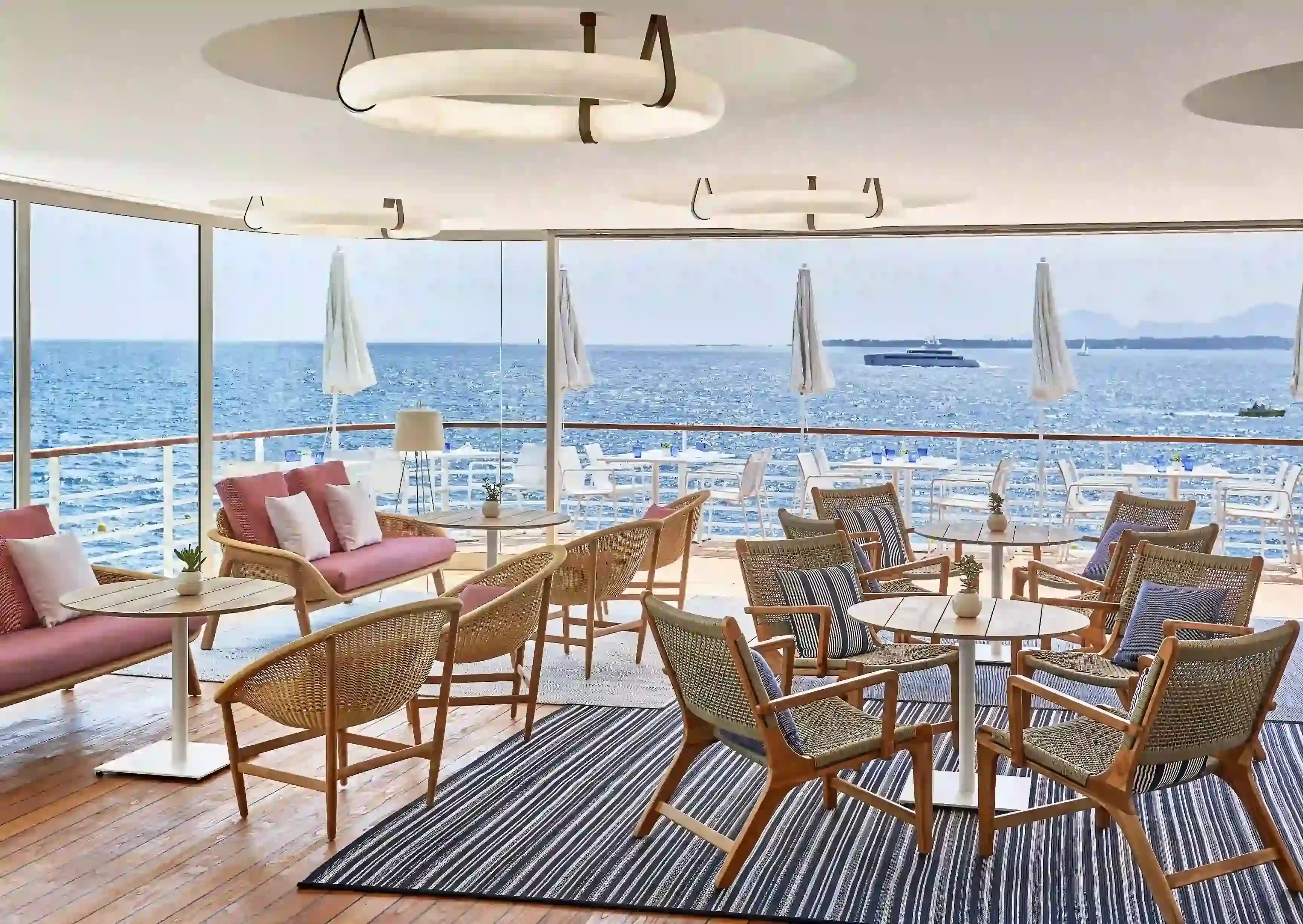
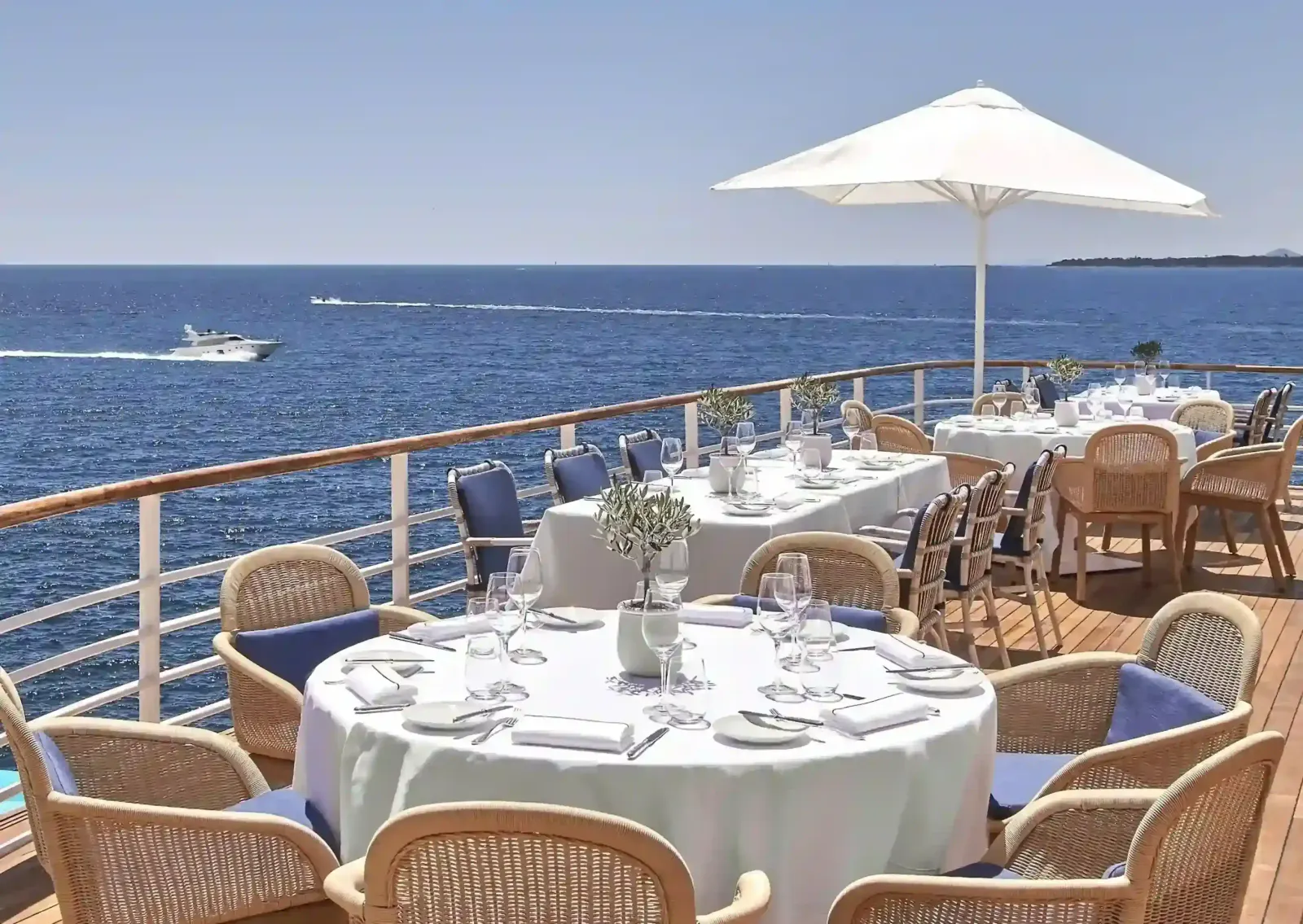
Social media has turned this tension into a genuine business problem. On October 19, 2026, The Guardian published an examination of hotels, restaurants and tourist destinations increasingly restricting photography. The Hotel du Cap-Eden-Roc, the celebrated property in Antibes on the French Riviera, was cited among establishments imposing restrictions on unauthorised photoshoots. Reports discussed in the article described visitors booking lunch reservations and bringing multiple outfits and accessories to stage photographs rather than simply enjoying their meals. Management has consequently had to confront a question that might once have seemed peripheral to luxury hospitality: how can an establishment protect the experience of guests who have no wish to become the backdrop for someone else's promotional content?
What makes this development particularly interesting is that beautiful photographs were once among the most effective promotional tools available to luxury establishments. A restaurant with remarkable interiors could reach millions of prospective customers through Instagram without spending an equivalent amount on advertising. Yet that visibility may attract people more interested in being photographed at the venue than in experiencing what the venue was designed to offer. When attracting attention becomes the principal objective of customers, promotional success can begin to conflict with the quality of the underlying service.
This is a paradox rarely discussed in conventional brand strategy: a destination can become so famous that it begins to lose the very atmosphere that made it famous in the first place.
The Restaurants Where Privacy Comes First
While many restaurants compete for greater visibility on social media, others have chosen almost the opposite approach: restricting access and controlling what may be recorded within their walls.

At 10 South Street in Manhattan, Casa Cipriani New York is a private members' club combining dining, entertainment and social facilities. Its published membership bylaws prohibit photography, filming and posting images on social media within the club. Members are also restricted from disclosing information about fellow guests or activities taking place on the premises to the press. Guests accompanying members must comply with the relevant rules. These are not merely recommendations concerning etiquette. They are part of the structure of the service the club provides.
In 2023, those rules attracted considerable attention after photographs of Taylor Swift at Casa Cipriani were circulated. According to contemporary reports, several members lost their memberships following violations of the club's photography restrictions. The incident illustrates that even an establishment designed for people with substantial financial resources remains vulnerable to a familiar problem: a smartphone can undermine a promise of discretion in a matter of seconds. The difference is that a private club possesses a membership structure through which it can impose consequences on those who disregard its rules.


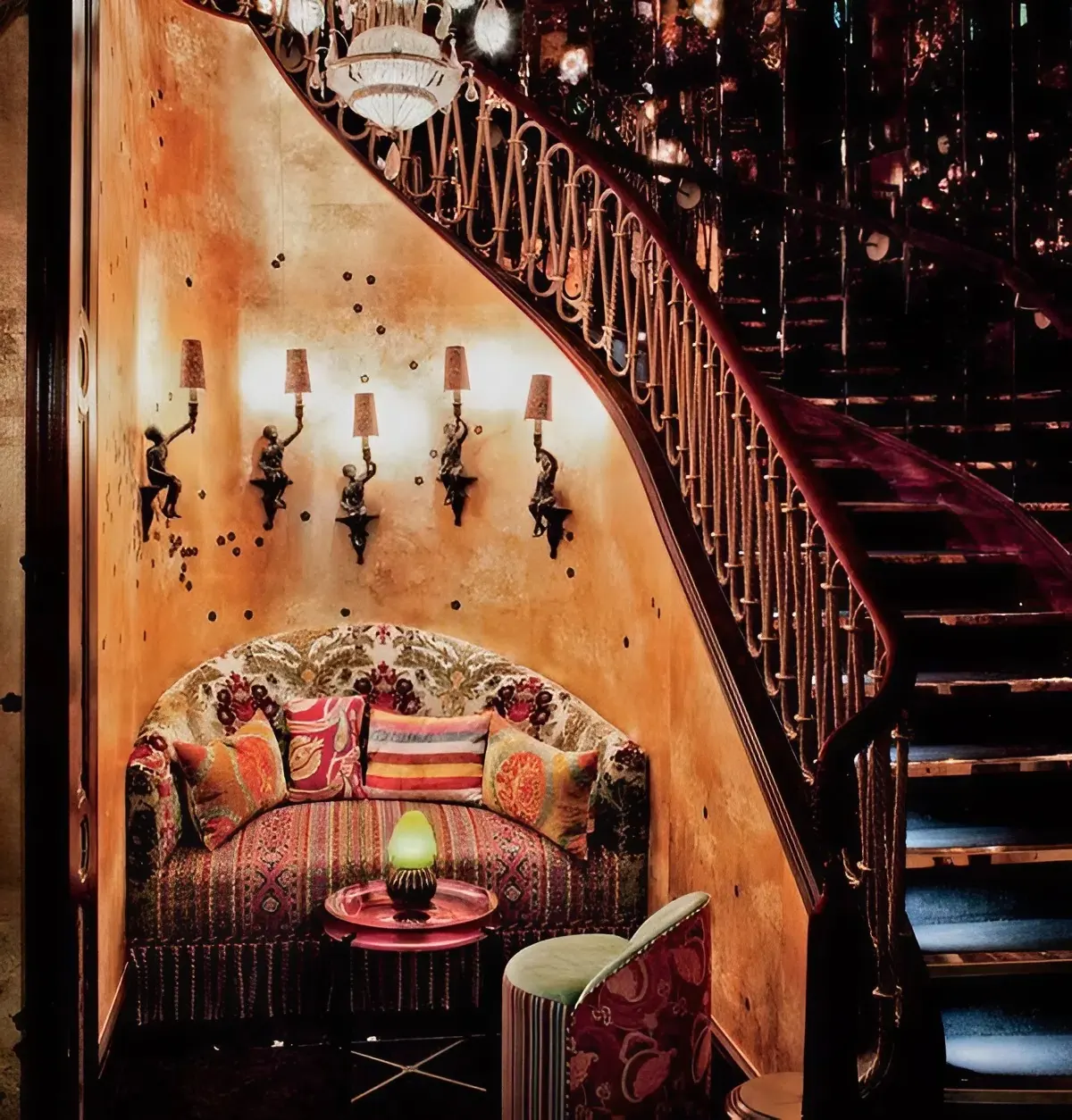
In London, Robin Birley's 5 Hertford Street has become associated with a somewhat different tradition of discretion. Behind the doors of Georgian townhouses in Mayfair lie dining rooms, bars and Loulou's, an intimate social space reserved for members. Accounts of the club frequently emphasise restrictions on mobile-phone use and photography. Its atmosphere is built around conversation, relationships and the understanding that what happens within its rooms need not become public knowledge. Discretion forms part of the club's identity.
In New York, Major Food Group, the hospitality company behind the celebrated restaurant Carbone, has developed an even more commercially revealing variation on the theme. In 2023, the group opened ZZ's Club at Hudson Yards, incorporating Carbone Privato, a members-only interpretation of its famous restaurant. According to Vogue, the standard initiation fee announced at launch was $20,000, followed by annual dues of $10,000. The restaurant was not simply selling dishes that had already established Carbone's reputation. It offered personalised experiences, a controlled social environment and access to a selected community.

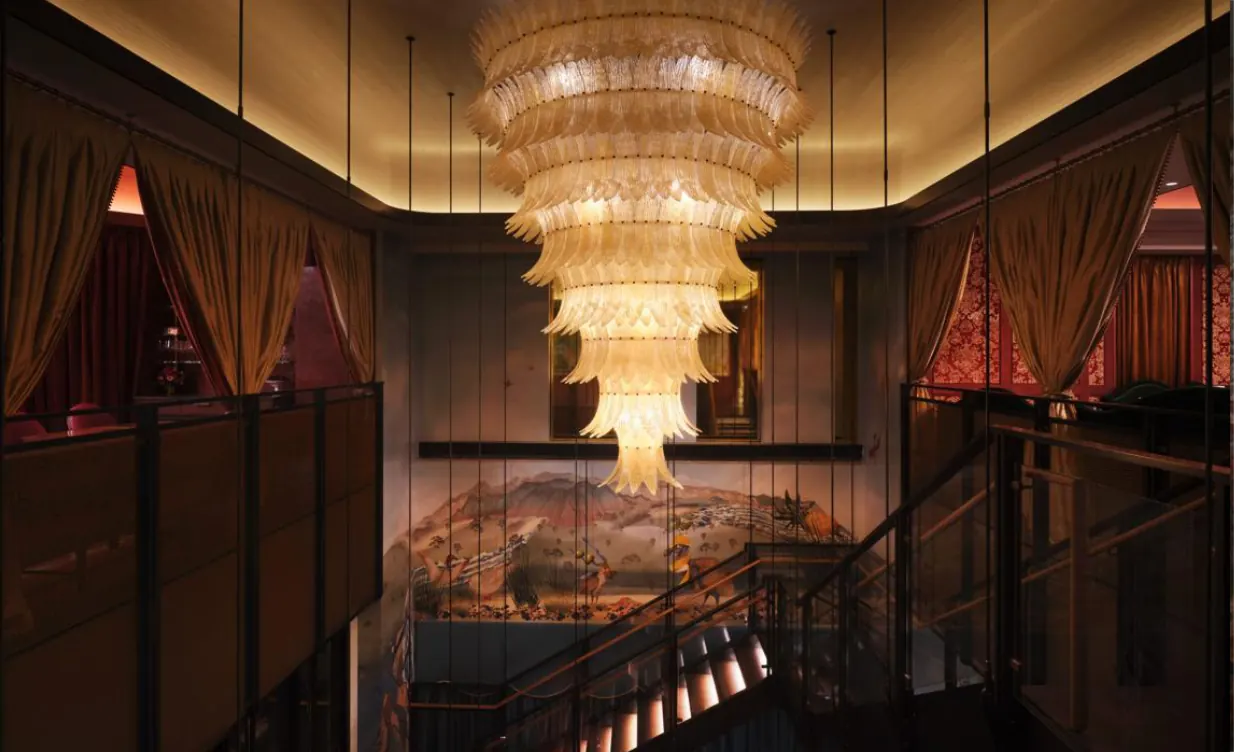
These establishments are not identical. Casa Cipriani places particular emphasis on privacy regulations; 5 Hertford Street associates discretion with a long-standing tradition of club culture; and Carbone Privato combines exclusivity with dining and highly personalised hospitality. Yet all three illustrate a shift in how value can be created in the hospitality industry. What is being sold is no longer confined to the food, wine or interior design of a dining room. It also includes the social conditions under which guests can enjoy those things.
In Beijing, similar models exist in different forms. The Beijing Clubhouse of the Hong Kong Jockey Club offers several restaurants and private dining spaces, including The Capital and Beijing Oi Suen, which serve members, supplementary cardholders and registered guests. Another institution, Capital Club Beijing, offers 12 private dining rooms on the 50th floor of Capital Mansion, designed for members entertaining guests, conducting business meetings and dining in discreet surroundings. Such establishments suggest that members-only dining is far from being an exclusively London or New York phenomenon. Controlled access has long possessed value for individuals who need to meet, negotiate and cultivate relationships in confidential environments.

Not every establishment of this kind imposes an absolute prohibition on photography, nor does membership necessarily mean that only the named cardholder may enter. Nevertheless, their operating structures invite a broader question: if anyone with sufficient money can purchase an expensive dinner, does the experience derive its exclusivity from its price, or from the people permitted to share the room?
The Economics of Discretion
If privacy is understood as a customer need, a potentially significant market becomes visible behind the doors of these restaurants and clubs. A wealthy individual can employ a private chef, security personnel and personal assistants, or host a dinner at home. But life cannot take place entirely behind closed doors. People still want to meet friends, entertain business associates, discover exceptional cuisine and participate in social activities without having to organise every detail themselves. An establishment capable of maintaining the right environment can occupy the space between two extremes: the privacy of a residence and the convenience of a public venue.

Economically, this creates a pricing mechanism different from that of a conventional restaurant. A public restaurant generally needs to maximise covers, table utilisation and revenue per seat. A private members' club can charge recurring fees to maintain an environment in which access is restricted. Customers are not paying only when they consume a service; They are also paying for the continued availability of a space that satisfies conditions they consider important. Membership can therefore acquire a value independent of the number of meals a person actually eats at the establishment.
But the attraction of these clubs extends beyond privacy. A carefully assembled community may also offer relationships that an ordinary restaurant cannot easily provide. For entrepreneurs, investors and people holding influential positions within organisations, the value of a dining room may lie in the ability to converse with selected individuals without worrying about unwanted public attention. In this respect, a private club becomes more than a hospitality business. It functions as a form of social infrastructure: a place where trust, relationships and commercial opportunities have the conditions necessary to develop.

This is also why the model invites comparison with Quintessentially, the international concierge company that has commercialised relationship management and the organisation of access. Quintessentially does not need to own every restaurant or hotel its members might wish to visit. Its value lies partly in understanding individual needs, securing assistance and coordinating appropriate resources. Whereas Quintessentially attempts to organise access across an extensive international network, a private members' club seeks to control more directly the conditions within its own premises.
Both point towards a thought-provoking proposition: in an economy where an increasing variety of goods can be purchased, selective access and trust may become independent sources of commercial value.

Yet privacy should not be confused with a presumed right to superiority over others. A club may restrict membership to protect service quality, but exclusivity can also be used to preserve unfair systems of social stratification. Wealth does not make one person intrinsically more valuable than another, and membership is no guarantee of discretion or integrity. If a club merely assembles those who can afford its fees, it may reproduce precisely the conflicts its customers are seeking to escape.
This leads to an essential distinction: a business can sell exclusivity, but if it wishes to sell privacy, it must genuinely be capable of protecting it. The two promises are not interchangeable.

The Paradox of Being Seen
Perhaps the greatest paradox of discreet private clubs is that they still need people to know they exist. An establishment that nobody has heard of will struggle to become a symbol of status. Conversely, a club that appears too frequently on social media risks losing its atmosphere of exclusivity. Building the identity of such a place therefore requires a delicate balance between two seemingly contradictory objectives: being sufficiently well known that people want to enter, while remaining sufficiently discreet that those already inside wish to stay.
A 2024 article in The New Yorker examining New York's growing fascination with members-only restaurants explored a world in which access and social atmosphere can matter as much as the food itself. Yet the article also suggested another paradox: spending too much time within the same selected social circle can make life repetitive and even diminish the richness of one's experiences. A space that is too exclusive may protect its members from unwanted intrusion while eliminating the element of chance that has historically made restaurants, bars and cities so compelling.

The return of discreet private clubs does not necessarily signal the decline of restaurants open to the public. Many wealthy individuals still enjoy crowded, energetic establishments where they can observe others and be observed in return. Public dining continues to possess its own social value. What may be changing is that customers increasingly want the freedom to choose when they are visible and when they are not.
Social media has made that choice more difficult than ever. In the past, being seen in a restaurant largely meant being observed by the people who happened to be present. Today, a photograph can carry that same moment to thousands of strangers within minutes. Context can disappear, relationships can be misinterpreted, and encounters that were never intended to have a public meaning can become part of a story constructed without the knowledge or consent of those involved.

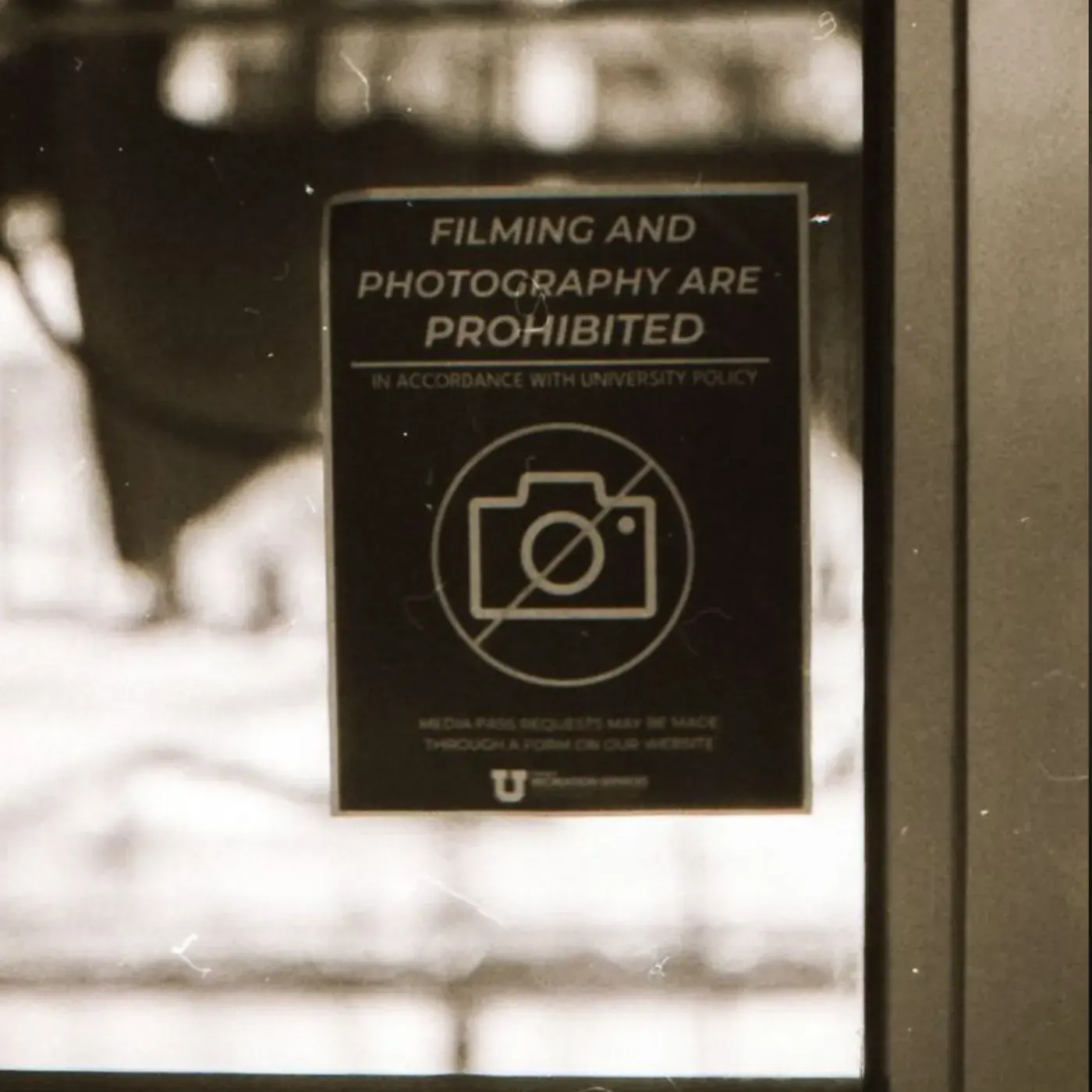
In this environment, privacy is no longer merely a passive condition. It requires organisation, rules and a degree of responsibility from everyone sharing a space. A restaurant may choose to create greater distances between tables, prohibit photographing other guests, provide private rooms or restrict filming. A club may apply stricter membership regulations. None of these measures can eliminate risk entirely, but they demonstrate that protecting an experience from unwanted attention has become part of hospitality management.
The Last Luxury of Privacy
The luxury industry has historically encouraged people to demonstrate success through visible possessions. Expensive watches, rare automobiles, couture clothing and extraordinary travel experiences have all served as signals of status. Social media has amplified this logic, transforming each experience into an opportunity to produce an image and each image into a means of asserting one's place in the world. Yet as more people become capable of producing similar images, the appeal of public display may begin to change. Dinner at a celebrated restaurant may no longer seem particularly exceptional when thousands of people have uploaded photographs taken from precisely the same angle. By contrast, an experience that never appears on social media can easily be reproduced and has meaning only for those who participated may become desirable for entirely different reasons.

Perhaps the wealthy will never stop purchasing things that can be seen. But at the same time, some may become increasingly willing to pay for the freedom to choose not to be seen. This possibility confronts the hospitality industry with an intriguing change. For decades, the central question facing an expensive restaurant has been how to create an experience worthy of its price. From the chef and interior design to the wine list and rituals of service, every detail has been intended to make guests feel that they are somewhere extraordinary.
Today, another question is emerging: how can an establishment ensure that its customers genuinely enjoy their experience without becoming part of somebody else's?
A person can purchase a Hermès scarf with money. They can pay for dinner, reserve a private dining room and purchase membership in an exclusive club. But ensuring that a personal moment will not be recorded, interpreted and circulated still depends on the conduct of those sharing space.

This may be the ultimate limitation of commercialising discretion. Privacy possesses economic value, but not every element that makes privacy possible can be bought or sold. Some of it remains rooted in social conventions, trust and the willingness of others to exercise restraint.
And perhaps this points towards a different definition of luxury. When a rare handbag, an expensive dinner or a beautifully designed room can appear in thousands of photographs, the rarest experience may no longer be the one everybody wants to witness. It may be the one that requires no audience to possess value.
In a world where almost anyone can turn another person's life into content, is the freedom to experience a moment without becoming the subject of public attention emerging as one of the most exclusive privileges of all?