




Would you pay to put a bee's defensive venom on your face? Bee venom facials are trending again, bringing royal beauty lore and serious allergy risks to spas.

Would You Put Bee Venom on Your Face?
Would you pay to put a bee's defensive venom on your face? Bee venom facials are trending again, bringing royal beauty lore and serious allergy risks to spas.
October 21, 2026
Advertisement

Advertisement



A substance capable of triggering a life-threatening allergic reaction has found an extraordinary second career in luxury skincare. Harvested from honeybees, purified in laboratories and incorporated into elaborate facial treatments, bee venom has become an ingredient associated with youthful skin and royal beauty rituals.
What Exactly Is a Bee Venom Facial?
Bee venom, scientifically known as apitoxin, is a complex biological secretion produced by honeybees for defense. It contains water, peptides, enzymes and other active compounds. Among its principal components are melittin, apamin and phospholipase A2, substances capable of interacting with human cells and influencing inflammatory responses.
In cosmetic treatments, bee venom usually appears as a purified ingredient incorporated into a facial mask, serum or cream. The treatment follows familiar spa procedures: cleansing, facial massage, application of the venom-containing formula and moisturizing skincare.
Commercial venom collection commonly involves encouraging bees to deposit venom onto a glass surface using a specialized electrical collection device. The deposited material is subsequently collected, purified and processed for cosmetic formulation. Collection practices and bee welfare standards vary among suppliers.
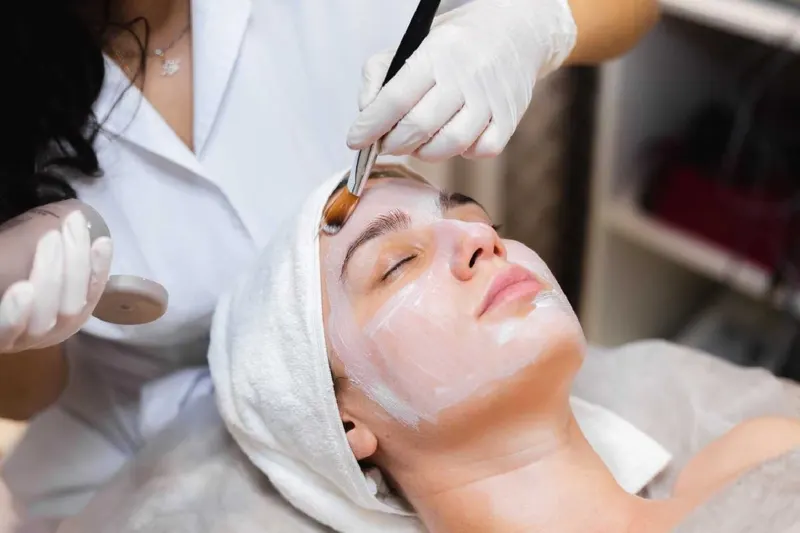
Topical bee venom facials also have a separate identity from live bee-sting apitherapy, which introduces venom into the body through stings. This distinction matters because delivery methods influence exposure and medical risk.
Bee Venom Is Making a 2026 Beauty Comeback
The latest evidence comes from SpaSeekers' 2026 Spa Trends Report, which ranked bee venom facials fifteenth among rising spa treatments, recording a 50% increase in global search interest.
The report used Google Keyword Planner data, examining worldwide searches between October 2024 and October 2025 against the preceding twelve months. Its findings capture expanding consumer curiosity during that period, while actual appointment volumes and sales figures require separate research.
The resurgence follows an earlier decline in searches for venom-related wellness treatments, making the renewed attention particularly interesting. Bee venom now appears within a broader appetite for unusual skincare ingredients and sensory spa experiences.
Its appeal also fits the contemporary beauty industry's fascination with biologically active substances, where ingredients with recognizable scientific identities attract discussion across social media, beauty publications and treatment menus.
Where Can You Get a Bee Venom Facial?
British facialist Deborah Mitchell helped establish the luxury profile of bee venom skincare through Heaven Skincare, her beauty brand built around professional facial treatments and specialized formulations.
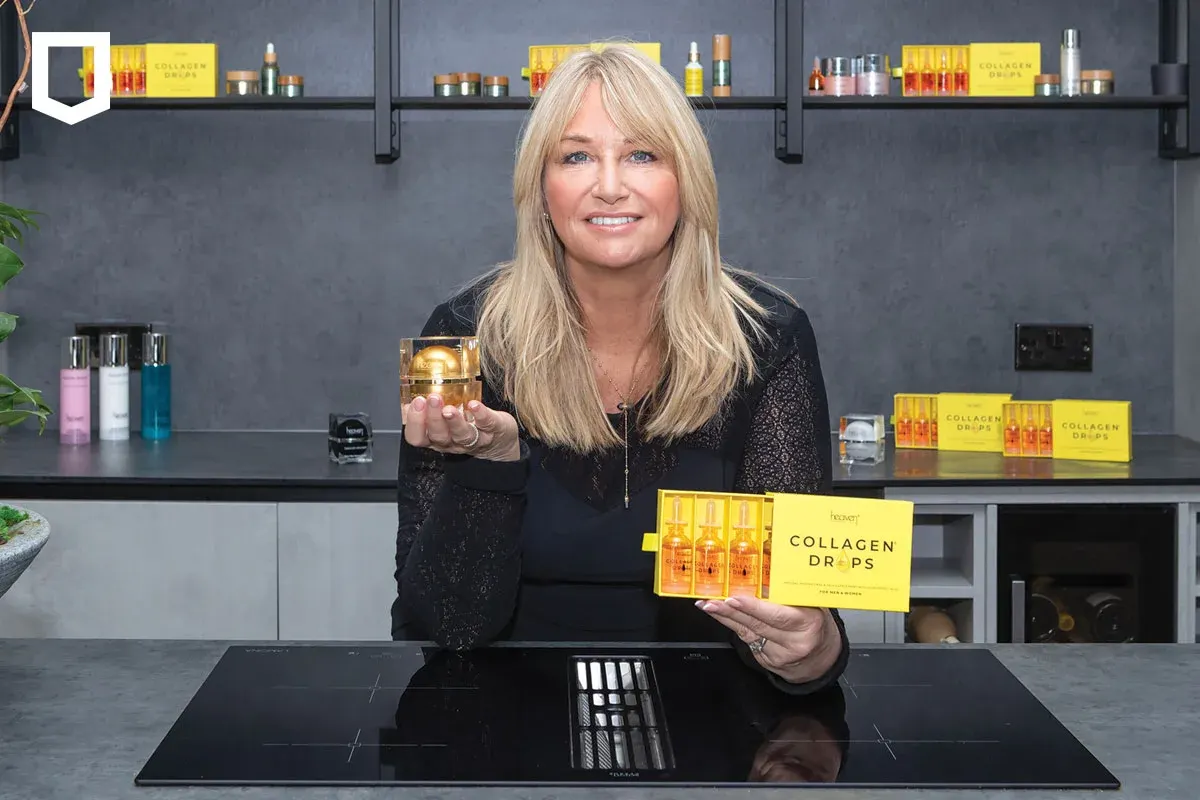
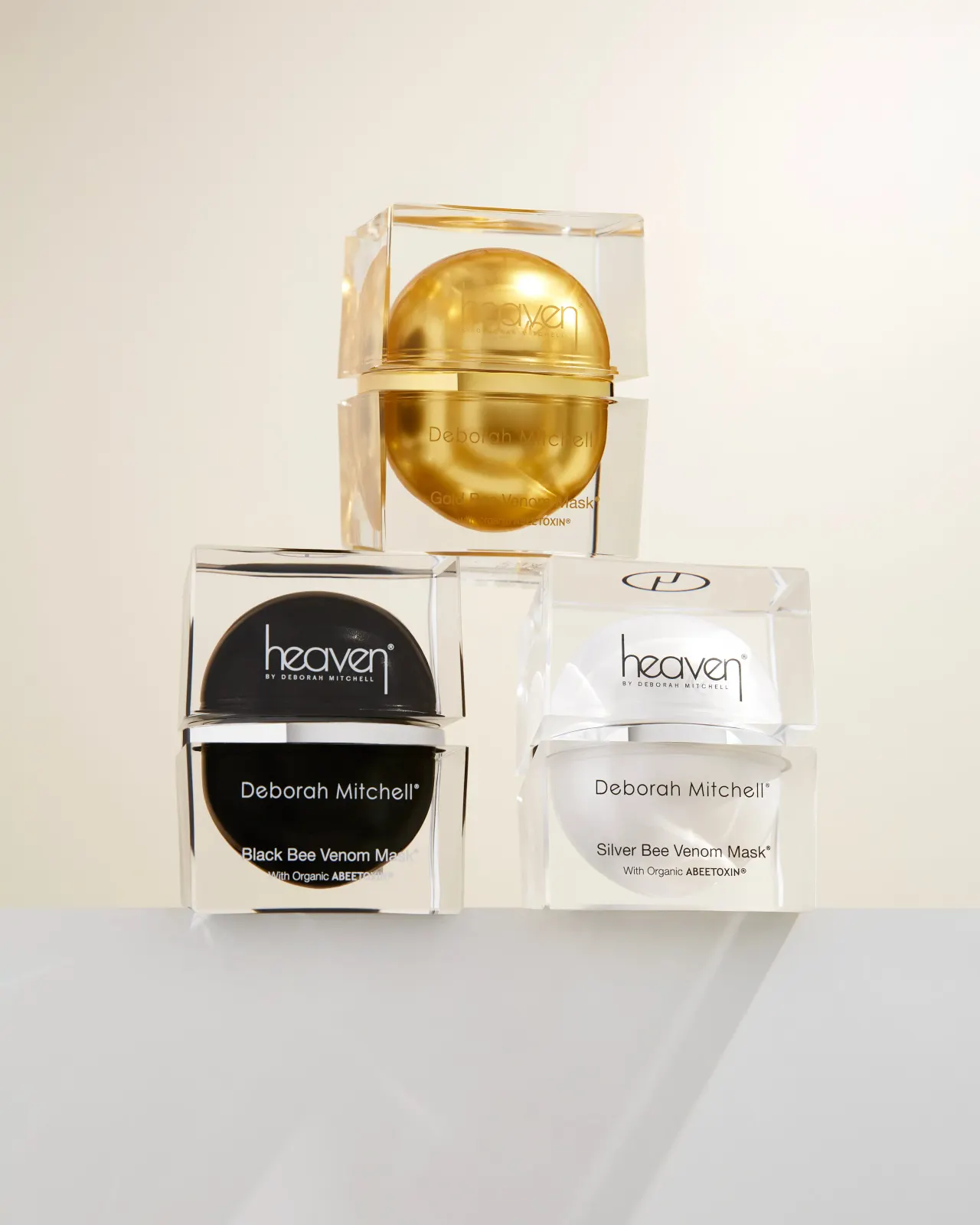
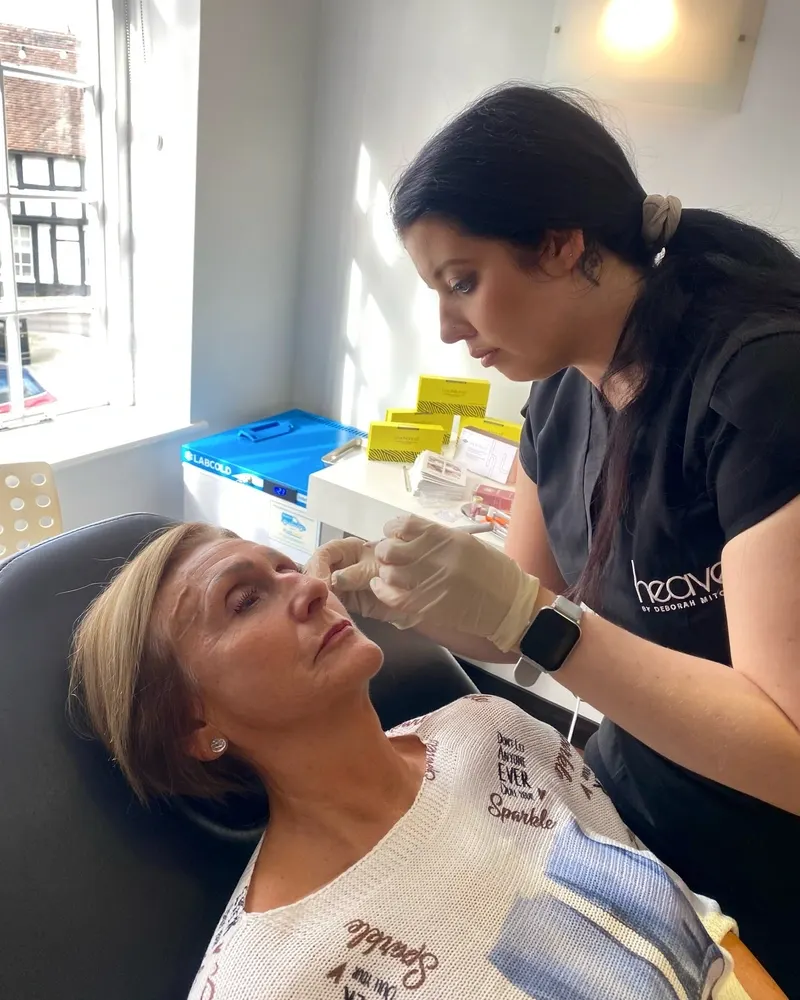
Her signature Bee Sting Facial incorporates the Heaven Bee Venom Mask, marketed with the brand's Abeetoxin complex. The formulation combines bee venom with skincare ingredients intended to condition and moisturize the skin.
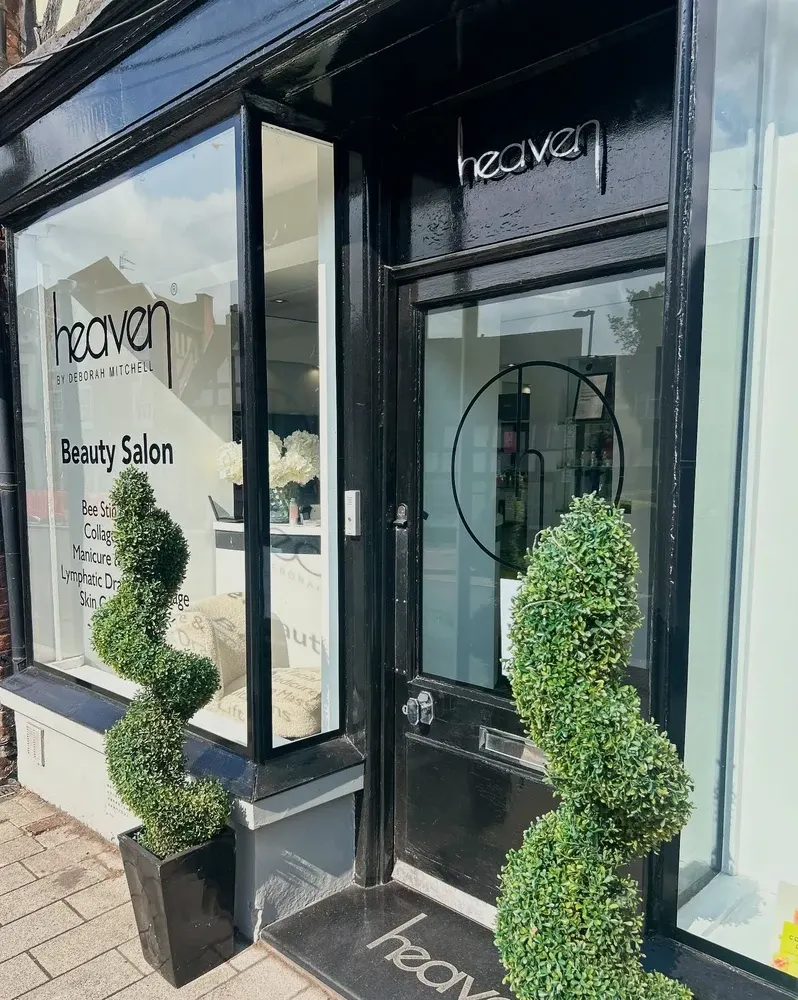
At Heaven Medi Spa in Shifnal, Shropshire, a one-hour Bee Sting Facial has been advertised from approximately £50. Seasons Beauty Day Spa in Markfield, Leicestershire, has listed the treatment at £56.
These salons illustrate how bee venom facial services operate through professional skincare ranges and independent beauty businesses. Prices, availability and individual treatment protocols depend on the provider.
During consultation, clients should establish which venom-containing products are used and whether the therapist has procedures for identifying and responding to allergic reactions.
The Royal Beauty Secret That Captivated Hollywood
Much of bee venom's luxurious reputation comes from Deborah Mitchell's reported celebrity clientele. British beauty coverage has associated her treatments with Catherine, Princess of Wales, Queen Camilla and Victoria Beckham, helping establish the Bee Sting Facial as a subject of royal beauty fascination.
These associations have circulated through press coverage and accounts connected with Mitchell's business. Individual treatment histories and specific product use carry varying levels of public confirmation.
Gwyneth Paltrow provides another famous connection to venom-based beauty. In 2016, the actress publicly discussed experimenting with apitherapy involving live bee stings. Her experience drew attention to the unusual therapeutic claims surrounding venom, while representing a medically distinct practice.
Celebrity fascination has helped give bee venom its intriguing identity: a natural defensive substance transformed into an elaborate beauty ritual associated with exclusive skincare.
How Does Bee Venom Affect the Skin?
The ingredient's scientific appeal centers on melittin, a peptide that constitutes a substantial portion of honeybee venom's dry weight. Researchers have investigated its effects on cell membranes, inflammatory pathways and biological responses associated with tissue activity.
Cosmetic researchers are interested in whether carefully formulated venom preparations can influence processes involved in skin aging and inflammation. Laboratory findings offer possible explanations for the ingredient's activity, while its performance in finished facial products requires human clinical evaluation.
One frequently discussed study, published in Clinical Interventions in Aging in 2015, followed 22 South Korean women aged 30 to 49. Participants applied a serum containing 0.006% purified bee venom twice daily for twelve weeks.
Researchers reported improvements in measured facial wrinkle area, depth and appearance during the study period. The investigation provides preliminary human evidence, although its small sample and study design limit the strength of conclusions about effectiveness.
Commercial facial products also contain moisturizing and conditioning ingredients capable of affecting immediate skin appearance. Evaluating the specific contribution of bee venom therefore requires carefully controlled studies.
What Should You Know Before Trying Bee Venom?
Bee venom contains established allergens, including phospholipase A2 and other proteins capable of provoking immune reactions. Exposure can cause localized irritation, swelling and potentially life-threatening anaphylaxis.
People with known bee-sting allergies should seek specialist medical advice and avoid cosmetic venom exposure. A history of asthma, allergic reactions, sensitive skin or inflammatory skin conditions also warrants discussion with an appropriate healthcare professional.
Prospective clients should ask about ingredient concentrations, formulation testing, practitioner training and emergency protocols. Serious allergic symptoms require immediate medical attention.
Bee venom illustrates a remarkable intersection of cosmetic science, consumer curiosity and biological risk. Its renewed popularity reveals the beauty industry's appetite for extraordinary ingredients, while responsible treatment depends on clinical understanding, transparent formulation and informed decisions.
Advertisement