MENU
Close





A human hair wig holds the promise of endless reinvention. Learn the rituals that protect its lace, restore softness, and keep every strand beautifully styled.

A human hair wig holds the promise of endless reinvention. Learn the rituals that protect its lace, restore softness, and keep every strand beautifully styled.
October 18, 2026
Advertisement

Advertisement
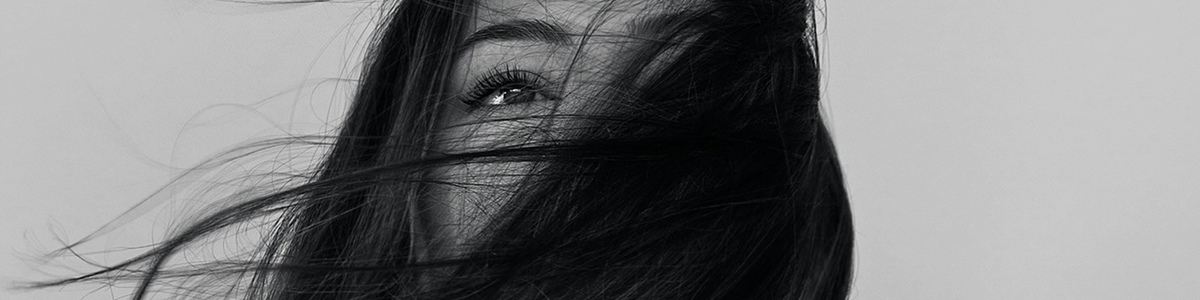


A luxurious cascade of curls, a perfectly polished bob or a dramatic waist-length hairstyle can transform an entire appearance. Human hair wigs offer remarkable freedom in personal styling, allowing wearers to experiment with different textures, colors and silhouettes. Their natural fibers respond to washing, conditioning and thermal styling, creating possibilities that extend well beyond a single hairstyle.
Yet the delicate construction behind every beautiful unit demands consistent maintenance. Understanding how to protect the hair, preserve its moisture and maintain its lace foundation is essential to keeping a wig looking immaculate through repeated transformations.
Human hair wigs consist of natural hair strands secured to a cap through various construction techniques. Their quality and maintenance requirements depend on the original hair, processing history and attachment methods.
Remy hair is particularly valued for its aligned cuticles, which help maintain smoothness and reduce friction-related tangling. Virgin hair is generally marketed as hair that has undergone minimal chemical processing, although definitions and labeling practices vary among suppliers.
Lace-front wigs feature fine mesh around the hairline, with individual strands secured through tiny knots. This creates the impression of hair emerging naturally from the scalp. Other constructions incorporate machine-sewn wefts, monofilament tops or fully hand-tied caps.
Identifying these components allows wearers to choose appropriate products and handling techniques. The hair requires regular conditioning, while lace, knots and attachment points demand careful treatment to preserve their structural integrity.
Washing frequency depends on daily wear, perspiration, environmental exposure and styling-product accumulation. Human hair wigs gradually collect scalp oils, cosmetics, dust and residue, particularly around the hairline and interior cap.

Professional wig manufacturer Jon Renau recommends washing its human hair systems approximately every six to eight wears. This provides a practical starting point, with individual manufacturer instructions determining the appropriate routine.
Warm climates and extended wear can encourage perspiration around the cap, while frequent applications of hairspray, serum and styling cream contribute to buildup along the lengths.
Regularly inspect the wig for tangling, unpleasant odors and changes in texture. These observations help establish a washing schedule suited to the piece's condition and actual use.
Begin by preparing a gentle shampoo, moisturizing conditioner, wide-tooth comb and microfiber towel. Choose cleansing products recommended for the wig's hair and construction.
First, divide the hair into manageable sections and remove tangles, working gradually from the ends toward the roots. Support each section with your free hand to minimize tension on the cap.
Wet the wig under cool running water, allowing the strands to remain aligned from the crown to the ends. Apply a small amount of shampoo and distribute it through gentle downward movements. Carefully cleanse areas exposed to perspiration and product residue, using your fingertips around the cap.
Rinse thoroughly until the water runs clear. Apply conditioner through the mid-lengths and ends, keeping the formula away from the lace base and hand-tied knots. Allow the product to work according to its instructions before rinsing completely.
Finally, wrap the wig in a microfiber towel and gently press to absorb excess moisture. Careful handling during cleansing protects the cuticle surface and helps preserve the hair's natural movement.
Human hair wigs depend heavily on external conditioning treatments to maintain their softness and manageability. Once hair has been collected and incorporated into a wig, its lengths receive their conditioning through applied cosmetic products.
Moisturizing conditioners contain ingredients that lubricate the hair surface, improve combability and reduce friction. Deep-conditioning masks offer concentrated treatment for lengths affected by regular styling and environmental exposure.
Jon Renau recommends deep conditioning its human hair pieces approximately every three to five washes. The treatment should concentrate on the lower lengths and ends, protecting the delicate knots from heavy product accumulation.

For regular maintenance, a lightweight leave-in conditioner can improve manageability between washes. Rich masks and occasional finishing serums help maintain a polished appearance, particularly on long or chemically processed hair.
Product selection should consider the wig's density, texture and processing history, allowing each treatment to complement its individual condition.
Human hair wigs offer considerable flexibility for thermal hairstyling, from polished blowouts to defined curls and sleek straight finishes.
After washing, allow the lace and cap to dry thoroughly on a ventilated stand. Transfer the wig to a suitable styling head, secure it carefully and apply heat protectant throughout the lengths.
Divide the hair into small sections, beginning near the nape. Use a round brush to establish tension while directing the blow-dryer airflow along the hair shaft. This technique helps smooth the cuticle and create a controlled finish. A final burst of cool air assists in setting the hairstyle.

Professional thermal tools with adjustable temperature controls allow precise styling. Jon Renau recommends a maximum of 350°F, approximately 177°C, for its human hair wigs, with individual manufacturer limits taking priority.
Repeated heat exposure can gradually affect the cuticle and increase dryness. Thoughtful temperature control, conditioning and carefully spaced styling sessions help preserve the hair's appearance.
The lace front is among the most delicate components of a human hair wig. Its fine mesh supports individually attached strands, producing the natural-looking hairline that makes this construction so desirable.
During installation, appropriate sizing and comfortable tension help protect the lace and scalp. Adhesive should be selected according to the installation method and skin compatibility.
Removal requires patience. Apply an adhesive remover designed for the product used, allowing sufficient time for the bond to release. Gently lift the lace while supporting the mesh, then cleanse away residual adhesive with compatible products.

Heavy conditioners and oils should remain concentrated along the hair lengths, away from hand-tied areas. Repeated plucking, excessive knot bleaching and forceful brushing can weaken the delicate construction.
Consistent hairline maintenance helps preserve the wig's realistic appearance while supporting comfortable wear.
Proper storage protects a human hair wig between appearances and maintains the hairstyle established during professional styling.
For everyday use, place the fully dry wig on an appropriately sized stand, allowing the strands to fall naturally. Gently arrange longer lengths and curls to minimize tangling.

For extended storage, gather the hair loosely, secure its shape with a protective hairnet and place the wig inside a clean, spacious box or breathable storage bag.
A cool, dry environment protects the piece from moisture accumulation, dust and prolonged sunlight exposure. During travel, a structured wig case can help maintain the cap's shape and protect styled lengths from compression.
Regular inspection helps identify developing maintenance concerns. Persistent tangling may indicate cuticle wear, while excessive shedding can signal weakened knots or attachment points. Dry ends may benefit from concentrated conditioning, careful trimming or professional assessment.
Lace tears, stretched cap materials and extensive shedding often require specialist repair. Experienced wig professionals can assess the construction and determine suitable restoration techniques, including lace replacement, knot reinforcement and hair replenishment.
A beautifully maintained human hair wig represents an ongoing investment in craftsmanship and creative freedom. Each careful washing session, conditioning treatment and styling ritual contributes to preserving the possibilities of its next transformation. Behind every remarkable hairstyle lies the quiet discipline of exceptional maintenance.
Advertisement