American fashion has a factory problem hiding behind patriotic promises. As Trump calls for reshoring, the price of making clothes at home demands scrutiny.
Make American Fashion Great Again
American fashion has a factory problem hiding behind patriotic promises. As Trump calls for reshoring, the price of making clothes at home demands scrutiny.
October 19, 2026
Advertisement

Advertisement



When American athletes appeared in Ralph Lauren uniforms at the 2026 Milano Cortina Winter Olympics, their clothing carried a manufacturing distinction central to the country's political conversation. The opening and closing ceremony ensembles were produced in the United States, with New York-based Ferrara Manufacturing making tailored garments and New Jersey's Better Team USA contributing technical outerwear.
The uniforms offered a particularly visible expression of American industrial capability at a moment when President Donald Trump's manufacturing agenda placed domestic production at the center of economic policy. Their construction involved established factories, skilled garment workers and coordinated suppliers, demonstrating the industrial resources that remain within the country.
Yet the wider American fashion industry operates on dramatically different terms. Approximately 97 per cent of clothing sold in the United States is imported, according to figures reported by Reuters in 2025, with China, Vietnam and Bangladesh among its major manufacturing sources.
Rebuilding domestic production therefore involves a substantial reorganization of the clothing economy, extending across manufacturing infrastructure, labor, production costs and the purchasing decisions of American retailers.
What Remains of American Fashion Manufacturing?
The United States retains an extensive textile industry, although its industrial capabilities are concentrated in activities extending well beyond the assembly of fashionable clothing. In 2025, the American textile and apparel supply chain supported approximately 453,122 jobs and generated $60.9 billion in shipments, according to the National Council of Textile Organizations (NCTO). The industry also exported $27 billion in fibers, textiles and apparel, reflecting its continuing participation in international manufacturing networks.
These figures require careful interpretation. The broader sector encompasses yarn manufacturing, fabric production, industrial textiles, home textiles and specialized materials serving industries including automotive manufacturing, healthcare and defense. Finished garment assembly represents one component of that industrial system.
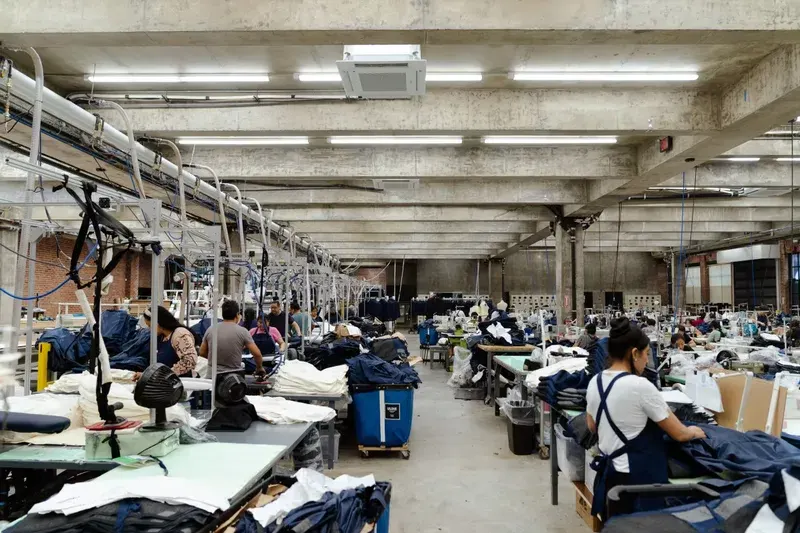
The Bureau of Labor Statistics recorded approximately 71,400 employees in apparel manufacturing in September 2026, a preliminary figure encompassing cut-and-sew operations, apparel knitting mills and accessories manufacturing. The gap between this workforce and the broader textile supply chain illustrates the particular weakness of America's clothing assembly capacity.
Manufacturing a garment requires a sequence of interconnected processes. Cotton must be spun into yarn, woven or knitted into fabric, dyed, cut into patterns, stitched, finished and prepared for distribution. Each stage depends on equipment, technical knowledge and suppliers capable of meeting consistent production schedules.
The Southeast retains important textile-manufacturing capabilities, while Los Angeles supports an established network of garment manufacturers, denim specialists, contractors and finishing facilities. Connecting these resources into competitive production networks requires investment in transportation, supplier relationships and industrial coordination.

The challenge for the wider industry concerns the commercial continuity of such arrangements. A factory supplying a high-profile Olympic program operates with defined orders and specialized requirements, while American fashion retailers require continuous production capacity capable of supporting seasonal collections, replenishment and changing consumer demand.
Can Tariffs Make American Clothing Competitive Again?
Tariffs occupy a central position in Trump's industrial strategy because they influence the relative costs of importing clothing and producing it domestically. Duties imposed on imported garments increase the expense of overseas sourcing, potentially encouraging retailers to investigate American factories and providing domestic manufacturers with additional opportunities to compete for orders.
Their practical effects depend heavily on the organization of individual supply chains.
American clothing manufacturers frequently rely on imported fabrics, machinery, fasteners and specialized components, exposing domestic production costs to trade measures affecting materials used within the United States. Consequently, the same policy framework can strengthen certain American textile producers while increasing expenses for garment manufacturers purchasing overseas inputs.
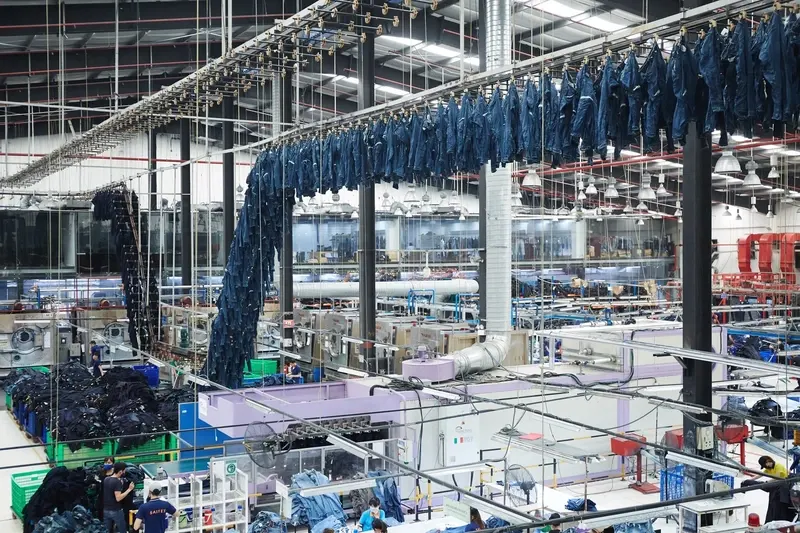
The distinction has become important within the domestic industry itself. In July 2026, the NCTO expressed concern about additional tariffs affecting manufacturing inputs and machinery unavailable domestically, while continuing to advocate stronger trade enforcement and protections for American textile production.
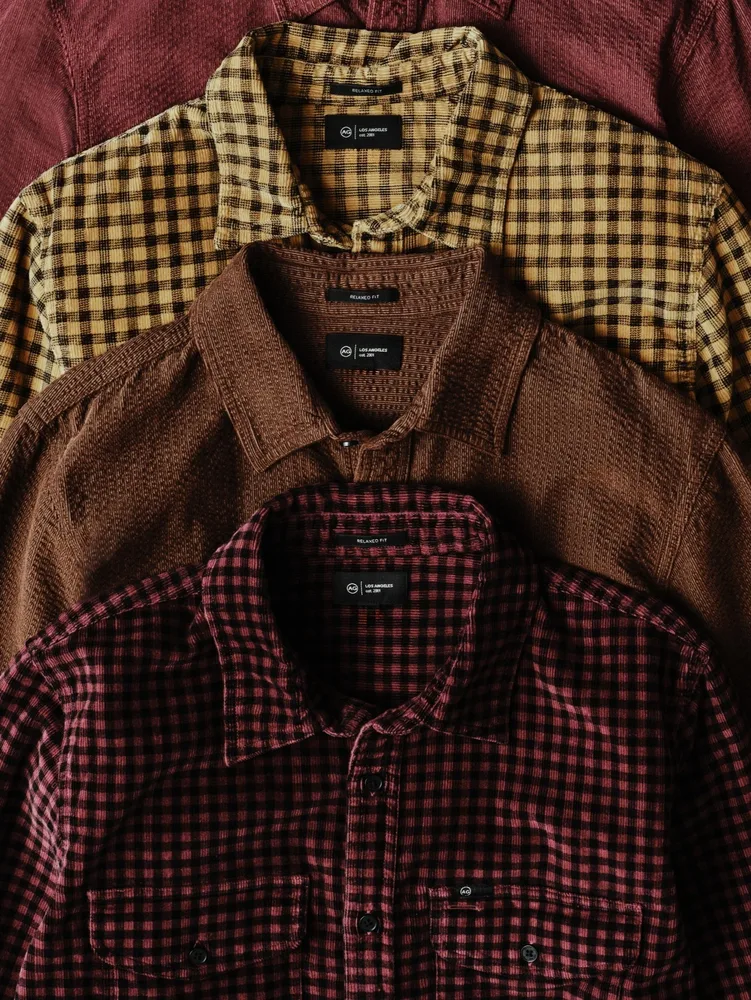
Premium denim offers a useful example of this manufacturing interdependence. AG Jeans produces selected selvedge denim garments in its Los Angeles operation while sourcing specialist fabrics from mills in Japan and other countries. Its products combine American assembly expertise with international textile technologies, demonstrating how geographically dispersed production capabilities contribute to a finished American-made garment.
The industry's response to tariffs also depends on retailers' willingness to commit to domestic orders. Establishing a relationship with an American manufacturer requires assurances about production volume, product consistency, delivery schedules and long-term costs.
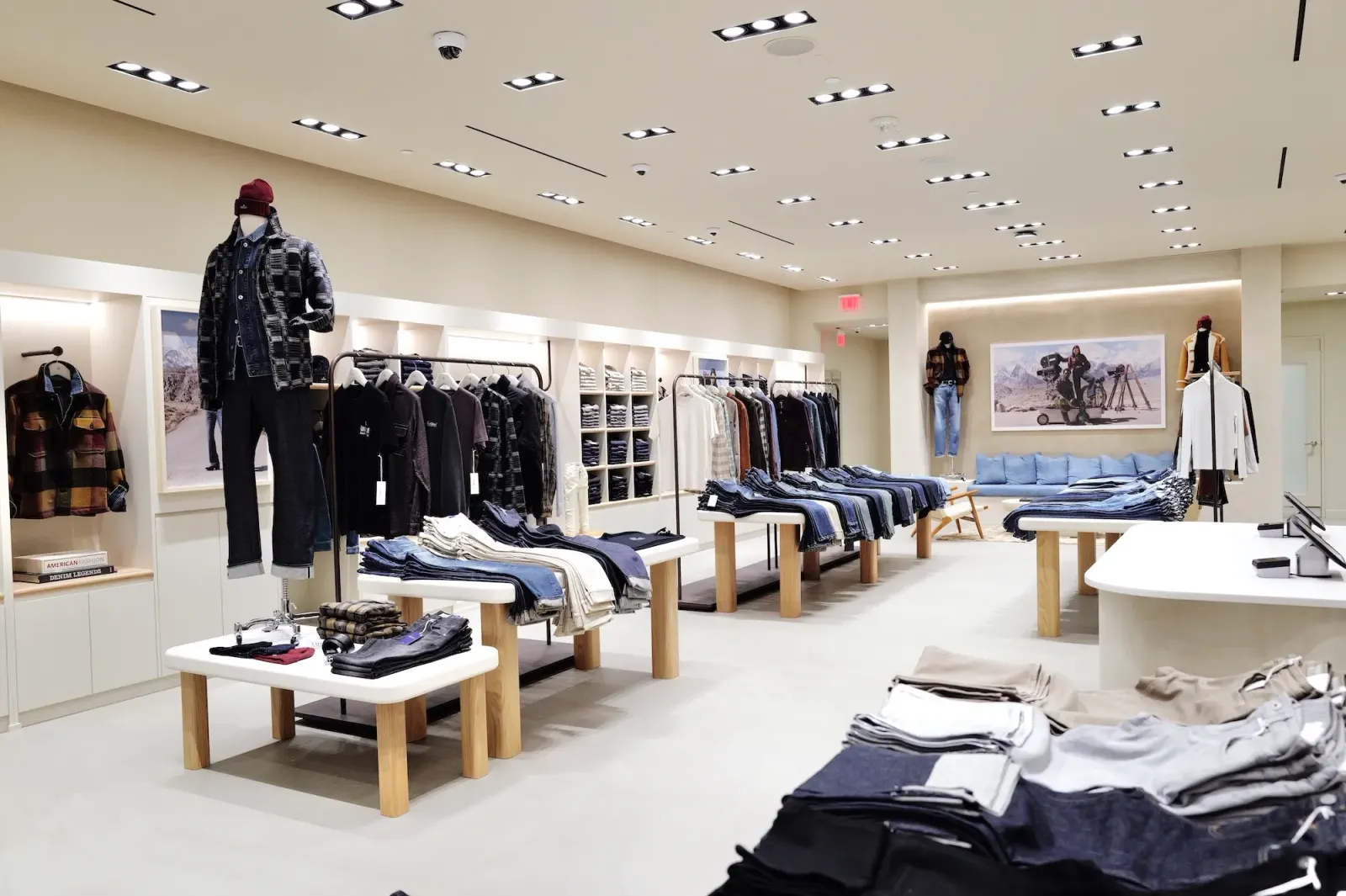
A Reuters investigation in March 2025 documented growing interest in domestic apparel production among retailers, alongside significant constraints involving factory capacity, material availability and skilled labor. Manufacturers reported enquiries concerning American production, although the practical requirements of expanding output remained substantial.
Tariffs can influence the financial calculation behind sourcing decisions, but industrial investment depends on expectations extending across several production cycles. Factory operators evaluating expensive machinery or additional premises need confidence in future orders, while retailers require suppliers capable of maintaining reliable delivery and commercially acceptable pricing.
Who Will Sew America's Clothes, and at What Cost?
The workforce represents a substantial constraint on American fashion manufacturing because garment production remains dependent on specialized manual skills. According to the Bureau of Labor Statistics, apparel manufacturing employed approximately 25,280 sewing-machine operators in 2025, alongside cutters, inspectors, production supervisors and technicians.
The production of a tailored jacket or premium pair of jeans involves considerable technical coordination, including pattern interpretation, precise cutting, seam construction, fitting, finishing and quality inspection. Expanding factory capacity therefore requires investment in training and the retention of experienced workers, whose accumulated expertise influences productivity and product quality.


Los Angeles provides a revealing example of this labor infrastructure. Its garment district has historically depended on immigrant workers and specialized manufacturing communities, particularly within denim production. Citizens of Humanity maintains sewing and laundry operations in Los Angeles and Turkey, reporting that each pair of jeans passes through the hands of at least 40 skilled craftspeople. The company's manufacturing description identifies approximately 50 production steps for a basic five-pocket jean.
The relationship between immigration policy and manufacturing expansion deserves particular scrutiny. Recruitment, employment eligibility, workforce stability and labor protections all influence the availability of experienced garment workers. An industrial strategy seeking to expand American clothing production must account for the workforce already sustaining its remaining factories.
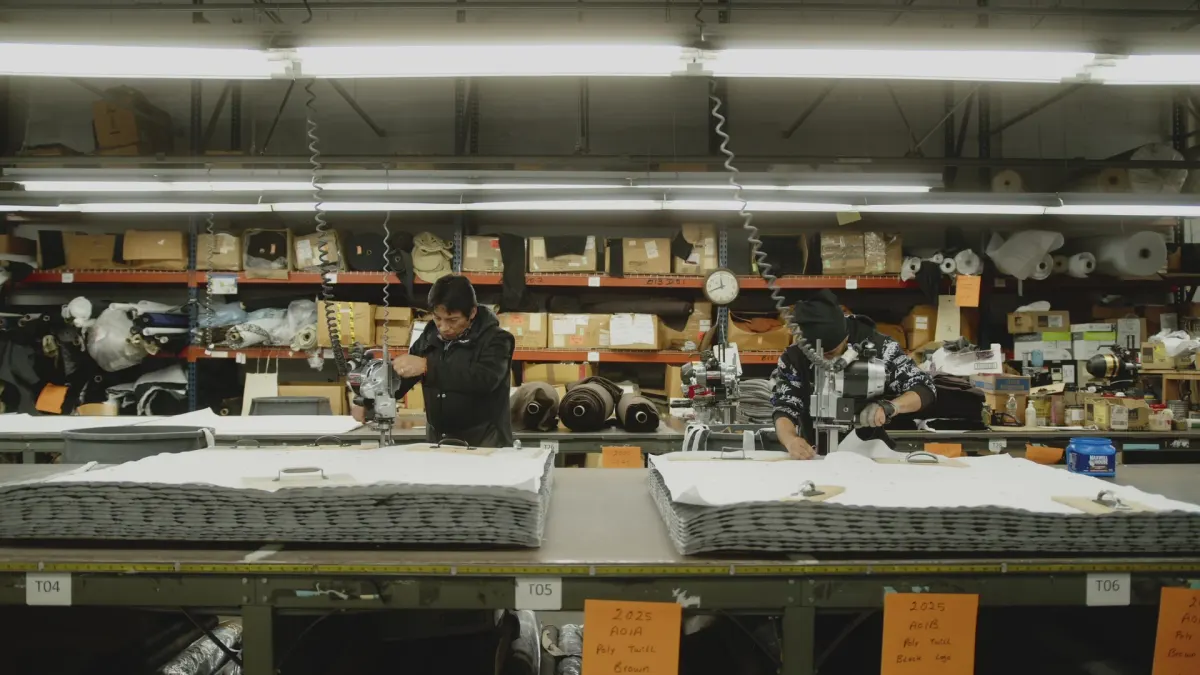
Wages introduce another financial consideration. Domestic employers must fund compensation, facilities, equipment, regulatory compliance and training while meeting retailers' expectations concerning garment prices and profit margins.
Certain product categories offer economic conditions capable of supporting specialized domestic labor. Schott NYC manufactures its men's leather jackets and wool coats in Union, New Jersey, employing experienced workers in leather inspection, color matching, cutting and assembly. The factory's specialized construction capabilities form part of the commercial value attached to its products.
Could American Manufacturing Return With Fewer Workers?
Automation introduces another dimension to the American fashion manufacturing debate. Improvements in machinery, digital production systems and factory organization offer opportunities to increase domestic output while changing the composition of industrial employment.
The textile industry has already committed substantial capital to technological development. According to the NCTO, US textile and apparel producers invested approximately $5.5 billion in capital expenditure during 2024, covering equipment and production infrastructure across the broader industry.

Garment manufacturing presents distinctive engineering challenges because fabrics stretch, fold and respond unpredictably during handling. Automated cutting systems have become established within apparel production, while computerized knitting allows certain garments to be formed with substantially reduced assembly requirements. Sewing complex shapes and flexible materials continues to demand sophisticated machinery and human expertise.
New Balance offers an example of sustained industrial investment in an adjacent fashion category. The footwear company reported spending $155 million on expanding its American factory presence since 2021, integrating advanced manufacturing technologies into its New England production network. Its facilities demonstrate the capital commitments involved in retaining domestic production within a globally organized fashion business.
Automation changes the economic relationship between production volume and employment. A factory equipped with advanced machinery may generate substantial output through a workforce combining machine operators, technicians, engineers and skilled production employees, while requiring considerable upfront expenditure.

The financial viability of this model depends on equipment utilization, financing costs, maintenance, production consistency and sufficient demand to justify capital investment.
American fashion therefore faces an important question about industrial success: should manufacturing revival be measured primarily through the number of jobs created, or through the productive capacity and economic value established within the country?
The distinction becomes particularly relevant when considering the products America can manufacture sustainably. Specialized knitwear, premium denim, technical clothing and selected everyday garments offer different opportunities according to their construction requirements, material costs and retail positioning.

Los Angeles luxury knitwear label The Elder Statesman, for instance, operates a domestic arts-and-crafts manufacturing facility, while American Giant has developed a business around American-made casualwear and domestic production relationships. Both illustrate how distinctive products and carefully structured sourcing can support manufacturing within specific segments of the clothing market.
American fashion can rebuild its manufacturing industry, but the factories that emerge will operate according to the economics of 2026, not the industrial ambitions of the 1950s. Automation will determine productivity, skilled labor will command its price, and retailers will continue sourcing overseas wherever the financial incentives justify it. Tariffs can influence those calculations, but they cannot manufacture consumer demand or guarantee profitable factories.
The uncomfortable reality is that a successful American fashion manufacturing revival could produce expensive garments, capital-intensive factories and relatively few jobs. Trump may succeed in bringing some clothing production back to the United States. Whether that would bring back the American industrial prosperity his slogan promises is an entirely different question.
Advertisement