MENU
Close





The Great Wealth Transfer is already on the way.
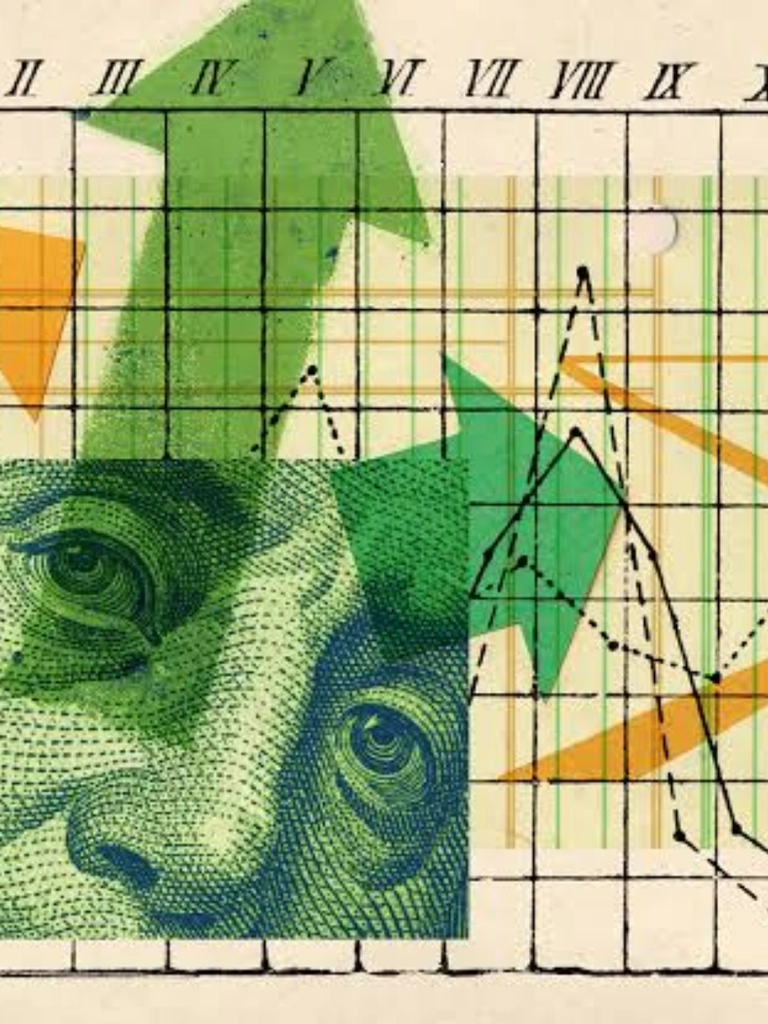
The Great Wealth Transfer is already on the way.
September 11, 2026


The numbers are so large that they almost obscure the story.
UBS estimates that more than $83 trillion in wealth will change hands globally over the next 20 to 25 years. Around $74 trillion is expected to move vertically between generations, while roughly $9 trillion will move horizontally, primarily between spouses. The United States alone accounts for more than $29 trillion of UBS's projected transfer.
Another widely cited estimate is larger because it uses a different geography and methodology. Cerulli Associates projects nearly $124 trillion in transfers in the United States through 2048, with about $105 trillion going to heirs and $18 trillion to charities. More than half of that total is expected to originate from high- and ultra-high-net-worth households, despite those households representing only around 2% of the population in its analysis.
These figures describe the great wealth transfer as a financial event.
Its consequences are considerably wider. Ownership is moving. Decision-making authority is moving with it. The beneficiaries will decide whether a family business remains intact, whether a Picasso stays above the fireplace, whether a foundation expands, whether capital goes into public equities or impact funds, and whether a collection assembled over 50 years survives its collector.
Inheritance, in other words, is also an enormous transfer of cultural power.
The familiar image of the great wealth transfer is generational: ageing Baby Boomers leave fortunes to Millennial and Gen X children.
Reality is more complicated. Before wealth moves downward, much of it moves sideways.
Women generally live longer than men, which means assets held by older couples frequently pass first to a surviving spouse. UBS therefore describes a "horizontal" transfer preceding the intergenerational one. Its research estimates roughly $9 trillion will move between spouses globally over the coming decades.
In the United States, Cerulli projects an even larger cumulative pattern under its methodology: around $54 trillion will move to surviving spouses through 2048, more than 95% of it to women. Some of that wealth will subsequently move again to younger generations.
The inheritance revolution therefore contained two shifts. One concerns age. Another concerns those who exercise financial authority.
For luxury, private banking, philanthropy and collecting, this distinction is substantial. The future client is not simply the son or daughter of today's client. She may first be the spouse who had previously shared wealth but had a different relationship with its administration, investment or collection. A family fortune can consequently change character before it changes generation.
The phrase "wealth transfer" creates an image of financial accounts quietly changing names. Large fortunes rarely look so tidy.
They contain businesses, private equity stakes, properties, trusts, jewellery, watches, cars, archives, wine, furniture and art. Some assets can be divided easily. Others resist division altogether.
A $30 million portfolio can theoretically be distributed among three children. A single $30 million painting cannot.
This distinction becomes increasingly consequential at the highest levels of wealth, where collecting itself can represent a meaningful proportion of the balance sheet. In the 2024 Art Basel and UBS survey, 91% of high-net-worth collectors surveyed had inherited or gifted works in their collections, while 72% had retained at least some of them.
The pattern remained strong in the following survey. In 2025, 84% of HNW collectors surveyed reported having inherited art, with inherited works representing almost 30% of the works they owned. Nearly 90% of Gen Z collectors who had inherited works had kept them.
Inheritance can therefore create collectors before the market does. A daughter may receive a painting she would never have bought herself. A son suddenly becomes custodian of an archive. Someone who has never considered himself a collector can wake up responsible for insurance, storage, conservation, provenance and the future of objects accumulated across decades. The transfer of property has created a relationship with culture.
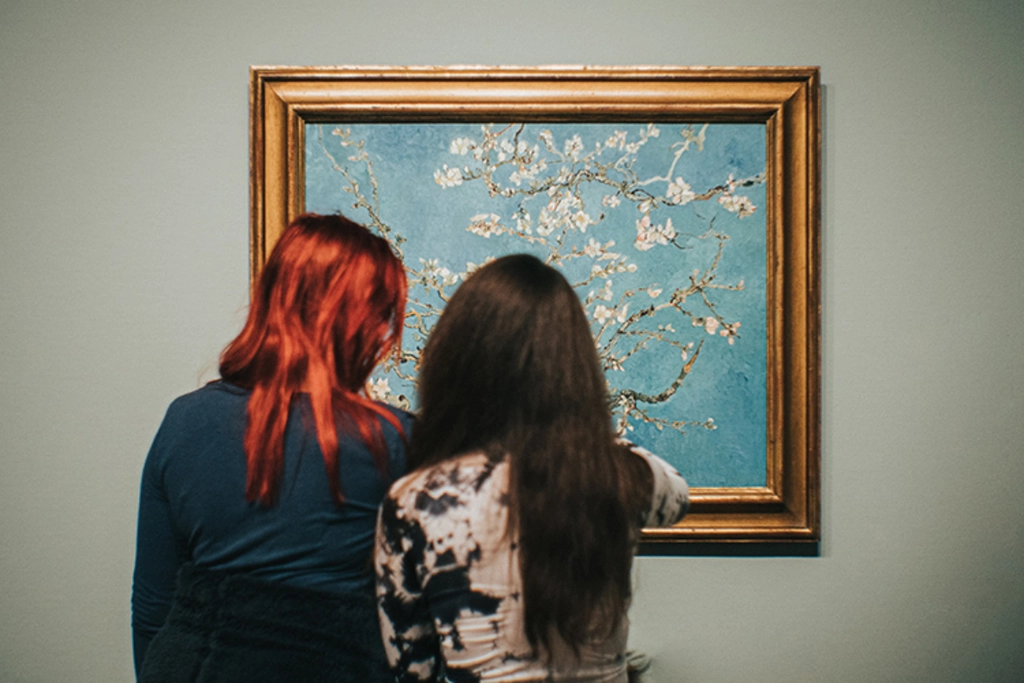
The art market has spent years entertaining an enticing hypothesis: Boomers collected one canon; younger heirs will reject it; inherited collections will consequently flood auction houses.
The evidence is more complicated. When the 2024 Art Basel and UBS survey asked collectors why inherited works had been sold, aesthetic disagreement was surprisingly low on the list. Only 23% cited differences in taste or poor fit with their existing collection. More mundane pressures dominated. Fifty-five percent pointed to lack of space, while close to half cited estate-tax considerations.
This is one of the most useful corrections to the popular narrative surrounding the great wealth transfer. People may inherit differently from how they collect. An heir who prefers emerging contemporary artists can still keep a parent's Old Master because it represents family history. Emotional provenance can survive aesthetic disagreement.
Conversely, an heir may adore an inherited work and still sell it because an estate needs liquidity. The future of inherited luxury assets may therefore be determined as much by taxation, storage, geography and family structure as by taste.
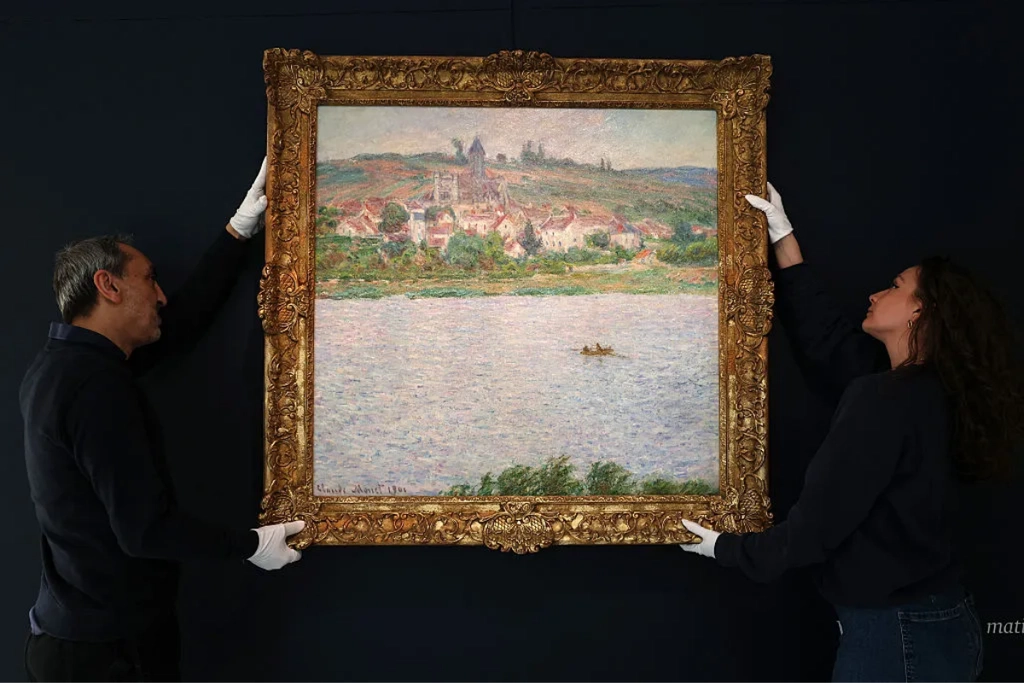
Imagine a collector leaves four children 40 paintings. Equal division sounds simple until value enters the room.
One painting may be worth more than the remaining 39 combined. Another may be culturally important but commercially difficult to sell. One child wants the Rothko. Another wants cash. A third wants everything donated under the family name. A fourth considers the collection inseparable from the house in which they grew up.
Suddenly an art collection is no longer merely an aesthetic project. It is estate architecture.
The Art Basel discussion accompanying the 2024 survey highlighted precisely these practical complications. Families increasingly begin conversations about preservation, sale and succession earlier, while institutions themselves cannot automatically absorb everything collectors hope to donate. Museums face conservation, storage and stewardship costs, even when the artwork itself arrives as a gift.
This could become one of the quieter pressures created by the great transfer. Museums may receive extraordinary opportunities, but they also face a sorting problem. Every significant private collection cannot simply migrate into institutional storage. Donors and heirs may discover that prestige alone does not guarantee accession.
A collection assembled privately over a lifetime eventually has to answer a public question: what deserves to survive together?
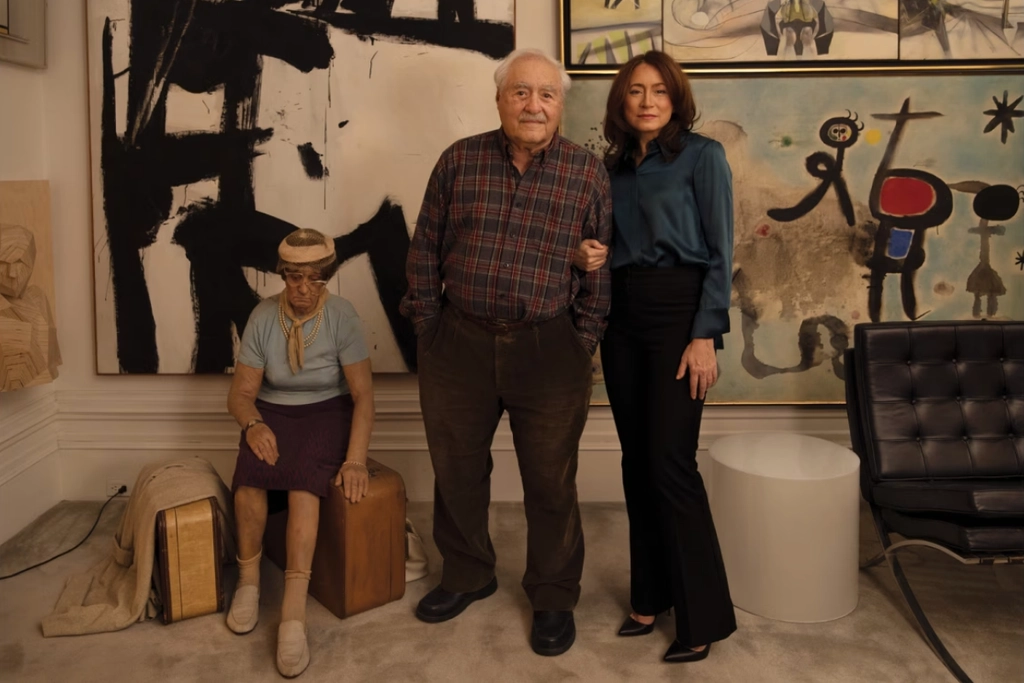
The stereotype of the young heir waiting impatiently for a fortune also misses something important. Inheritance can be psychologically complicated.
UBS's 2026 Next Generation research found that 67% of next-generation family members surveyed in North America associated wealth transfer with taking on new responsibilities. More than half believed conversations about inheritance should begin during childhood or adolescence.
This suggests a different conception of inherited wealth. Receiving capital can mean inheriting obligations simultaneously: employees in a family company, trusteeships, properties, foundations, collections, family expectations and a surname attached to public institutions.
The heir inherits decisions that began before them. That makes the transition fundamentally different from entrepreneurial wealth creation. Founders generally build fortunes alongside the worldview governing them. Heirs receive the worldview and fortune together, then decide which parts remain useful.
That decision can be conservative, radical or contradictory. The inherited business may remain intact while the investment portfolio changes completely. A family might sell half its art while increasing philanthropy. Another may preserve the collection but abandon the museum relationships cultivated by the previous generation.
Wealth continuity does not guarantee cultural continuity.
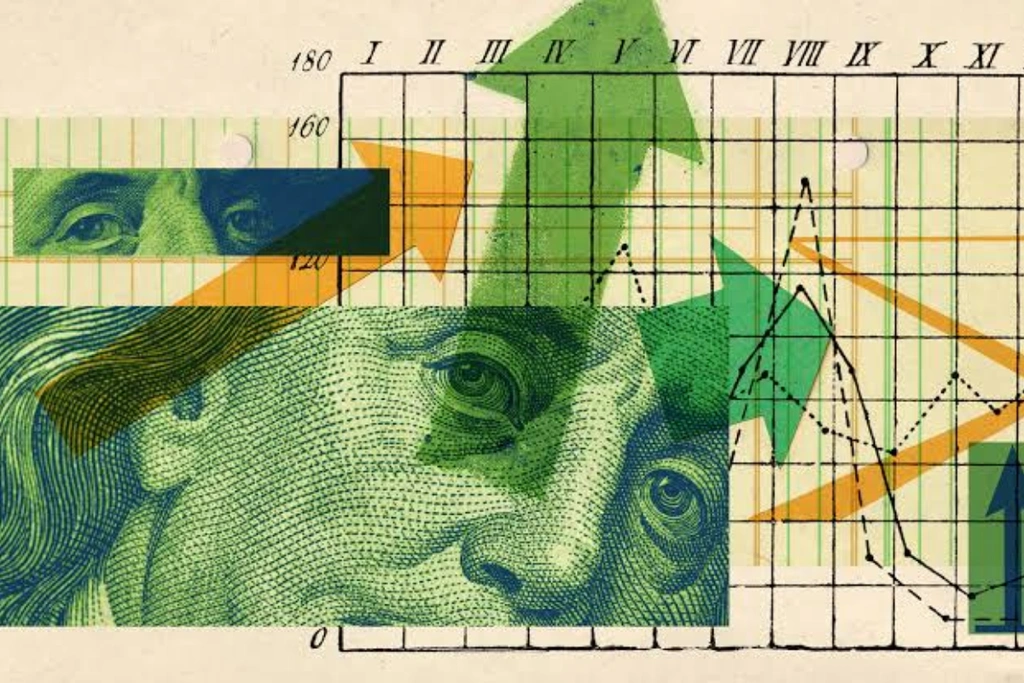
Few markets expose this tension as visibly as art.
Financial securities are largely fungible. Art carries biography.
Collectors remember where they discovered a painting, whom they bought it from, which apartment it first occupied and what stage of life it represents. Children inherit those stories alongside market value.
At the same time, art can constitute an unusually large financial exposure. HNW collectors in the 2025 Art Basel and UBS survey reported allocating an average 20% of their wealth to art, rising to 28% among respondents with more than $50 million in assets.
Yet art remains difficult to model like a conventional financial investment. In the Art Basel panel supplied for this article, UBS's Solita Marcelli emphasized illiquidity, limited transparency and the difficulty of forecasting returns when generational taste itself is unpredictable. She described art principally as a passion pursuit capable of delivering value beyond conventional investment returns. Pasted text
That tension will become increasingly visible as inherited collections meet financial planning. A painting can simultaneously be an asset, an heirloom, a tax consideration, a cultural object and a memory of someone's parent. No spreadsheet can make those categories equivalent.

The more provocative consequence appears after inheritance. What will recipients do with the capital they control independently?
Younger collectors are gaining access to art through a broader mixture of fairs, galleries, websites and social platforms. Research discussed by Clare McAndrew suggests that generational differences in actual collecting categories can be subtler than popular stereotypes imply, even as purchasing channels have changed substantially.
But even modest changes become powerful when attached to trillions of dollars. If newly empowered collectors direct a larger fraction of purchases toward artists historically overlooked by the established canon, market visibility changes. Galleries respond. Auction estimates respond. Museums reconsider acquisitions. Scholarship follows objects into institutions.
The same principle applies beyond art. Inherited capital directed toward sustainable investing, women's entrepreneurship, cultural preservation, scientific research or new forms of philanthropy can alter which projects receive the patience required to grow. Money rarely dictates culture by itself. It determines which cultural possibilities can afford time.

This may ultimately be the defining tension of the great wealth transfer.
The generation passing down enormous fortunes frequently accumulated them through a particular economic era: expanding asset values, property ownership, entrepreneurship, financial markets and decades of compounding.
Their heirs receive those assets in a different environment, one shaped by housing inequality, debates around taxation, climate risk, widening scrutiny of extreme wealth and growing expectations that private capital explain its social purpose.
Inheritance therefore arrives with a question that acquisition did not necessarily require: Why should I keep this?
The question applies equally to a company, mansion, investment, foundation or painting. Some heirs will preserve what they receive. Others will liquidate it. Some will rebuild family collections around new artists. Others will turn private property into public philanthropy. Institutions may gain masterpieces while auction houses encounter estates of extraordinary scale. Wealth managers will have to know the next generation long before probate begins.
The transfer itself is mechanical. The interpretation of inheritance is not.
Trillions of dollars will cross from one name to another over the coming decades. Yet the deeper movement will occur after the paperwork is signed, when recipients begin deciding what deserves continuity and what belongs to somebody else's idea of wealth.
That is when the great wealth transfer stops being a story about inheritance. It becomes a story about who gets to shape the next era.