MENU
Close





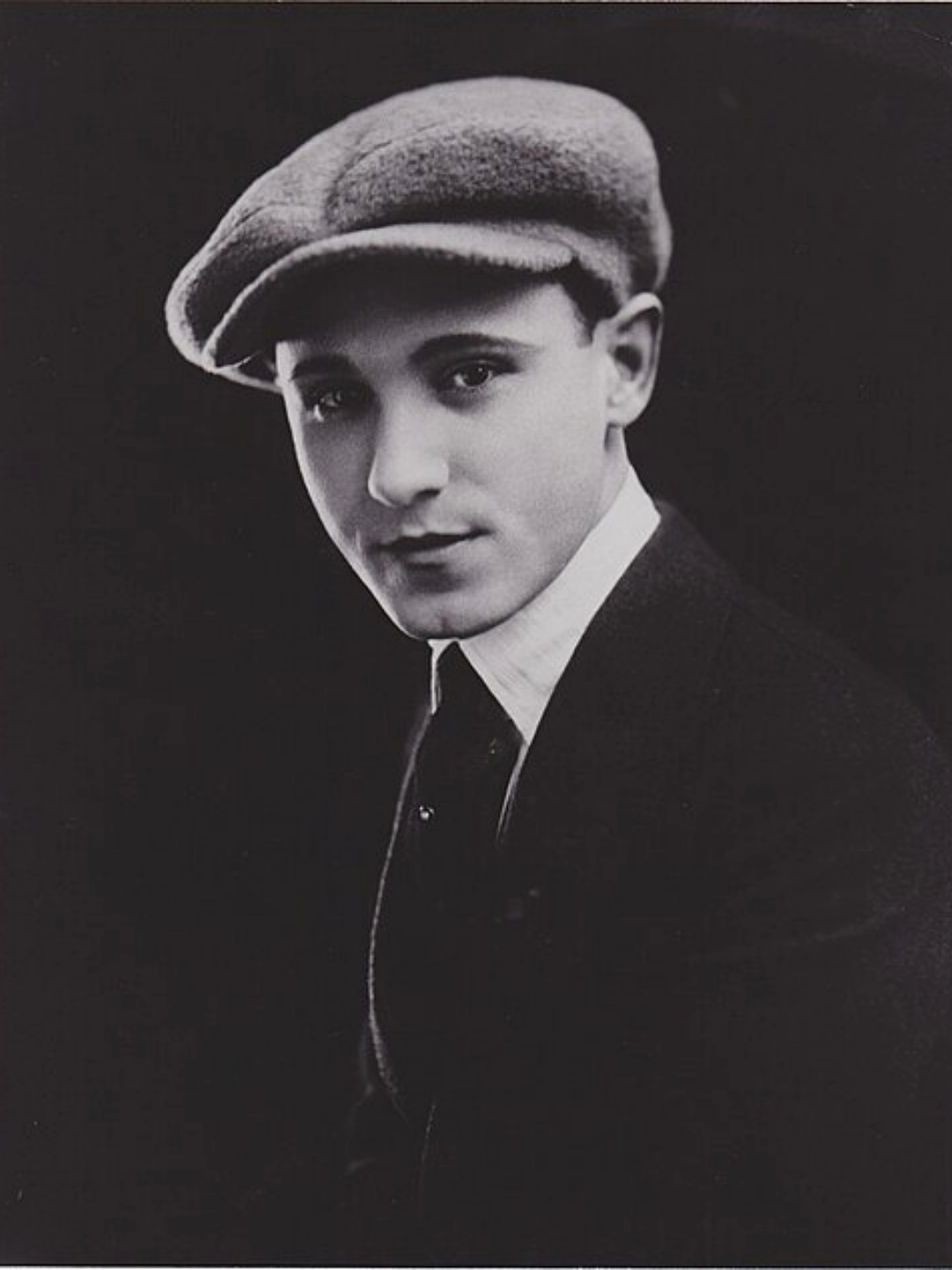
On September 28, 2004, Geoffrey Beene died in New York at 77. Twenty-two years later, his legacy still feels unusually modern: clothes engineered around movement, unexpected materials placed in eveningwear, and construction sophisticated enough to disappear once the body started moving.
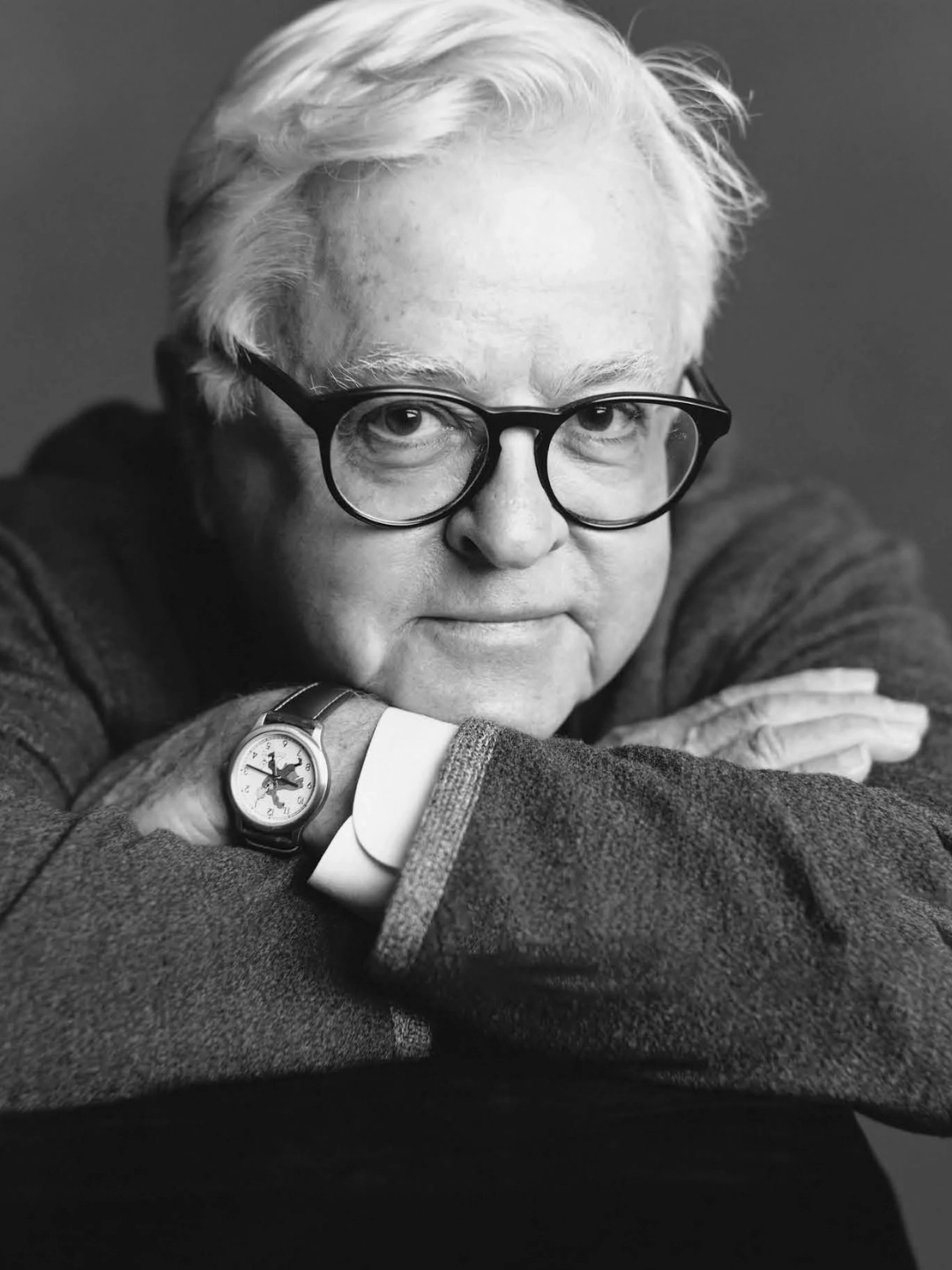
On September 28, 2004, Geoffrey Beene died in New York at 77. Twenty-two years later, his legacy still feels unusually modern: clothes engineered around movement, unexpected materials placed in eveningwear, and construction sophisticated enough to disappear once the body started moving.
September 28, 2026


After establishing his own label in 1963, Geoffrey Beene developed an American elegance far removed from conventional ideas of luxury. Flannel could become a ball gown, tweed could enter dinner dressing, while leather and lace appeared together with little concern for the categories traditionally assigned to each material. By the late 1960s, denim and sweatshirt fabrics were also entering more elevated contexts.
Beene’s technical intelligence became increasingly radical as his career progressed. The Metropolitan Museum of Art documents dresses cut with remarkably few seams, spiralling lace around the body and constructions that resisted conventional ideas of front and back. In one 1993 design, a gray wool jersey and black leather were shaped into a minimalist evening gown whose structure followed the clavicle, sternum and spine.
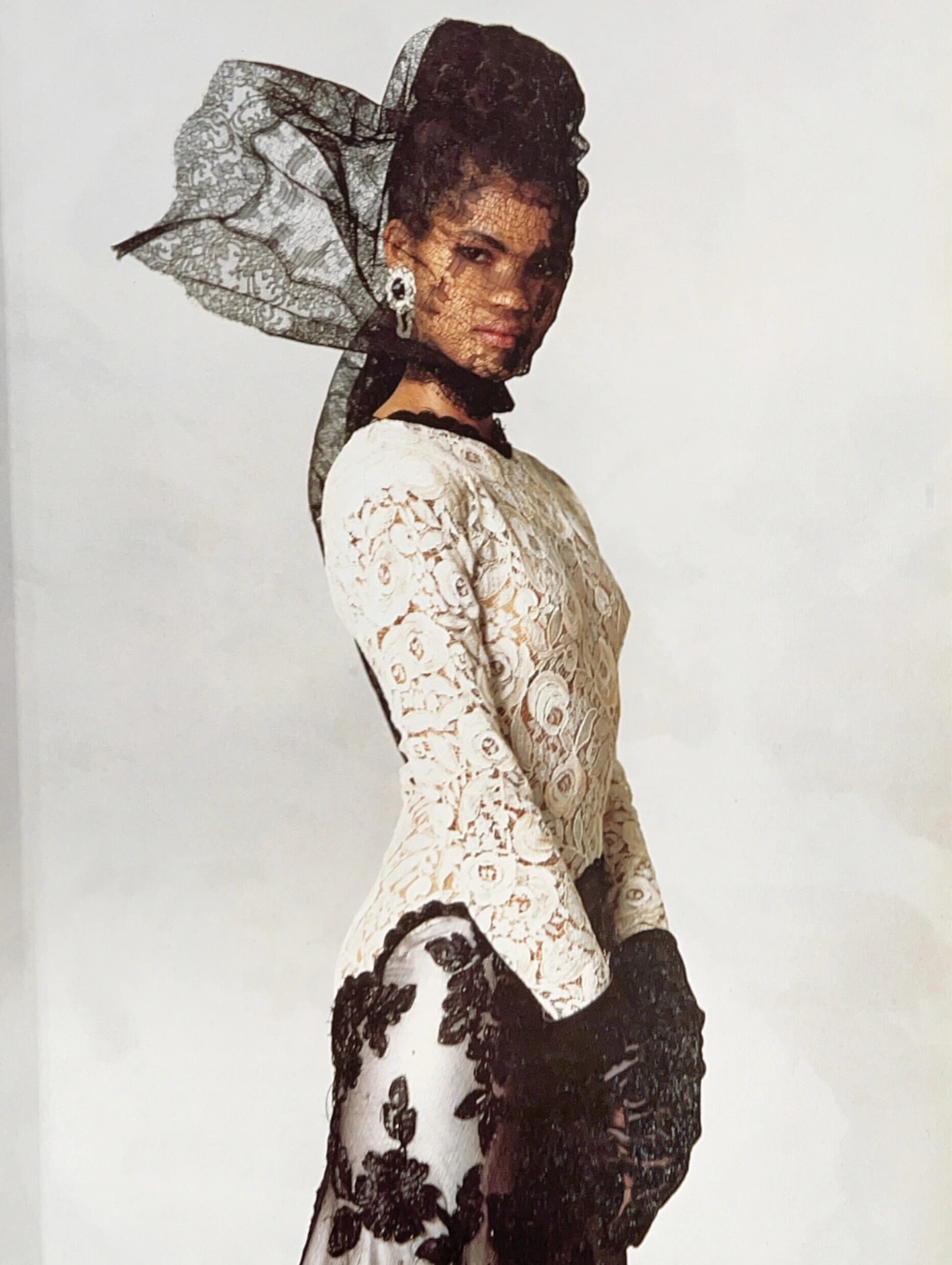
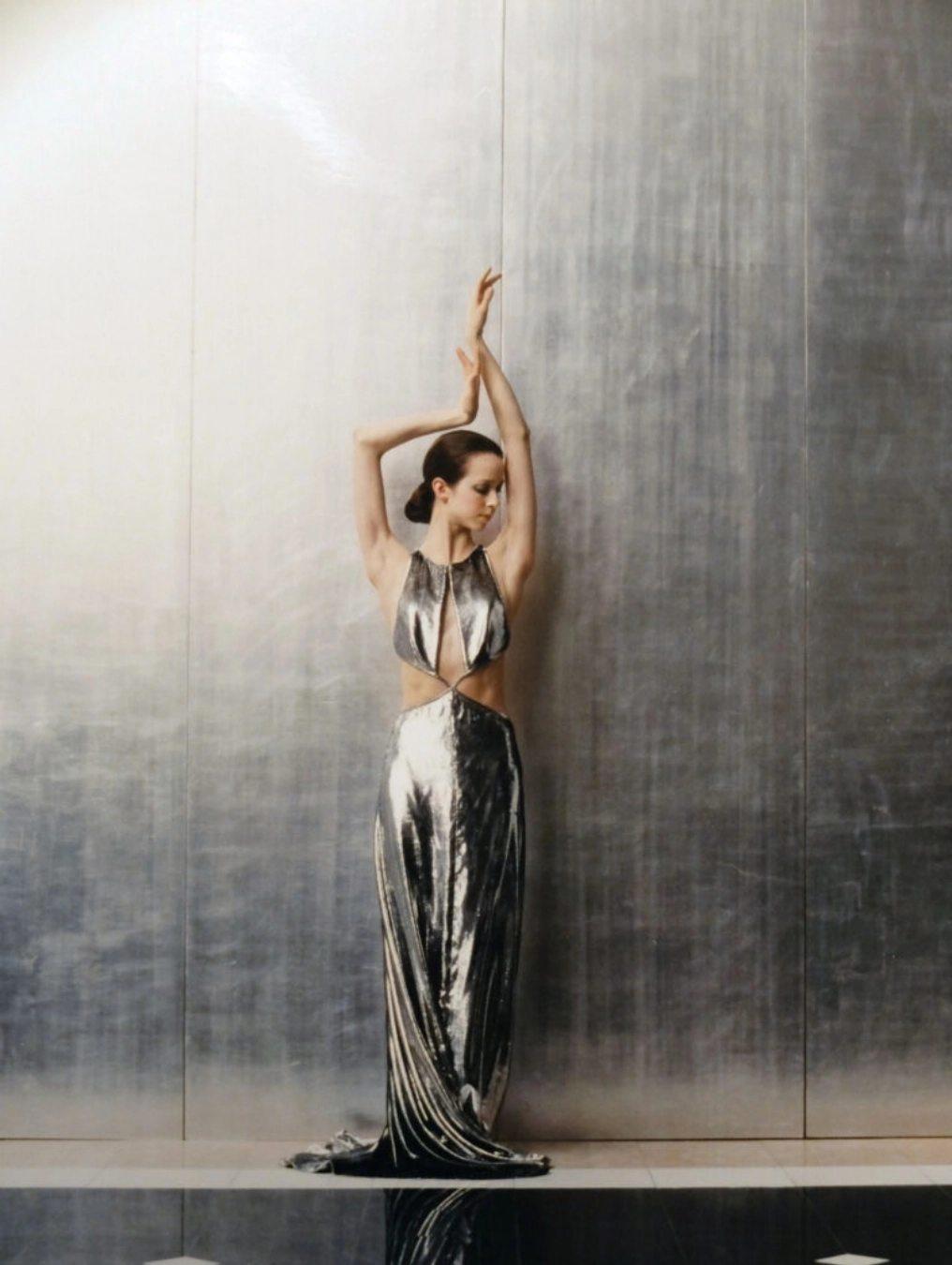
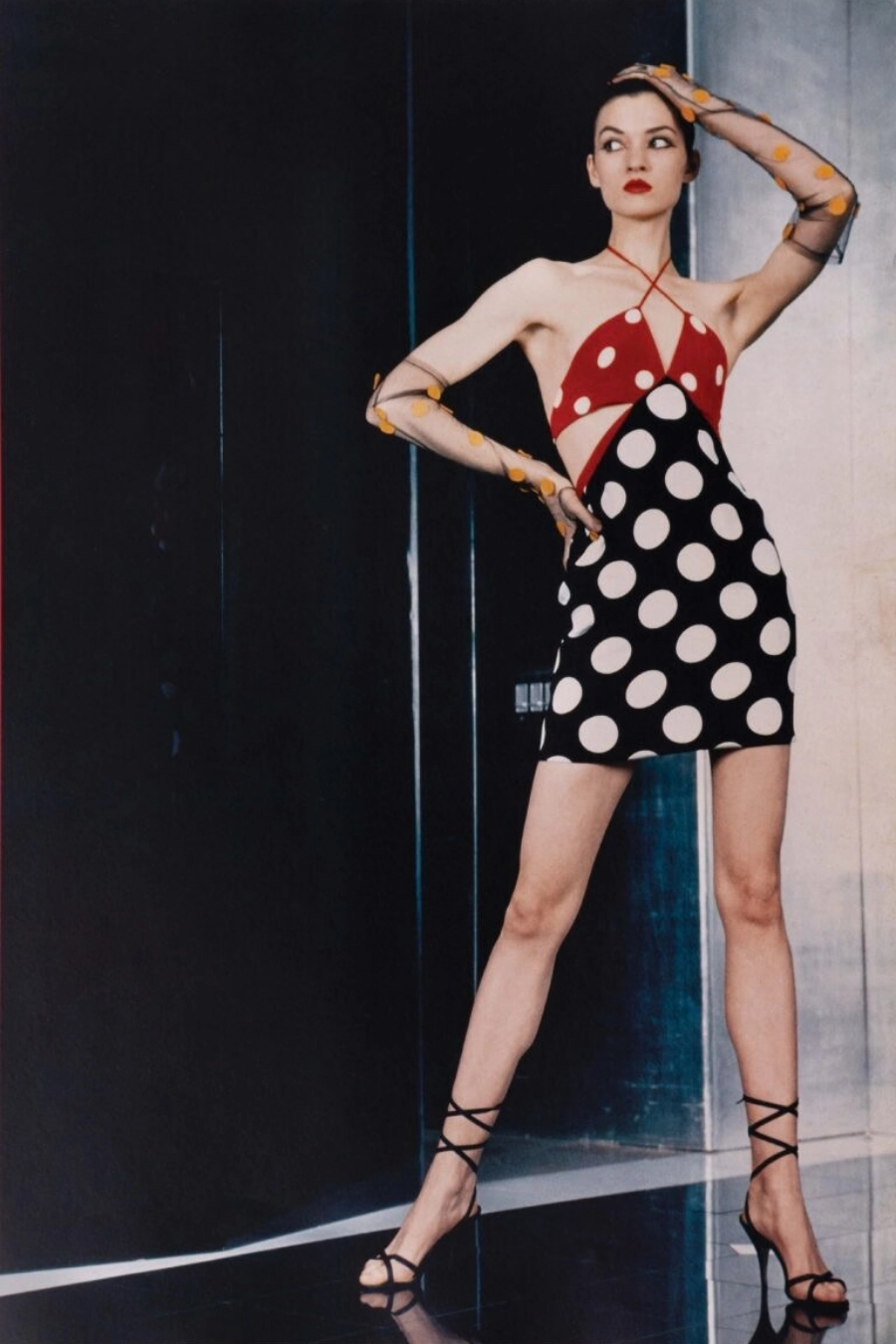
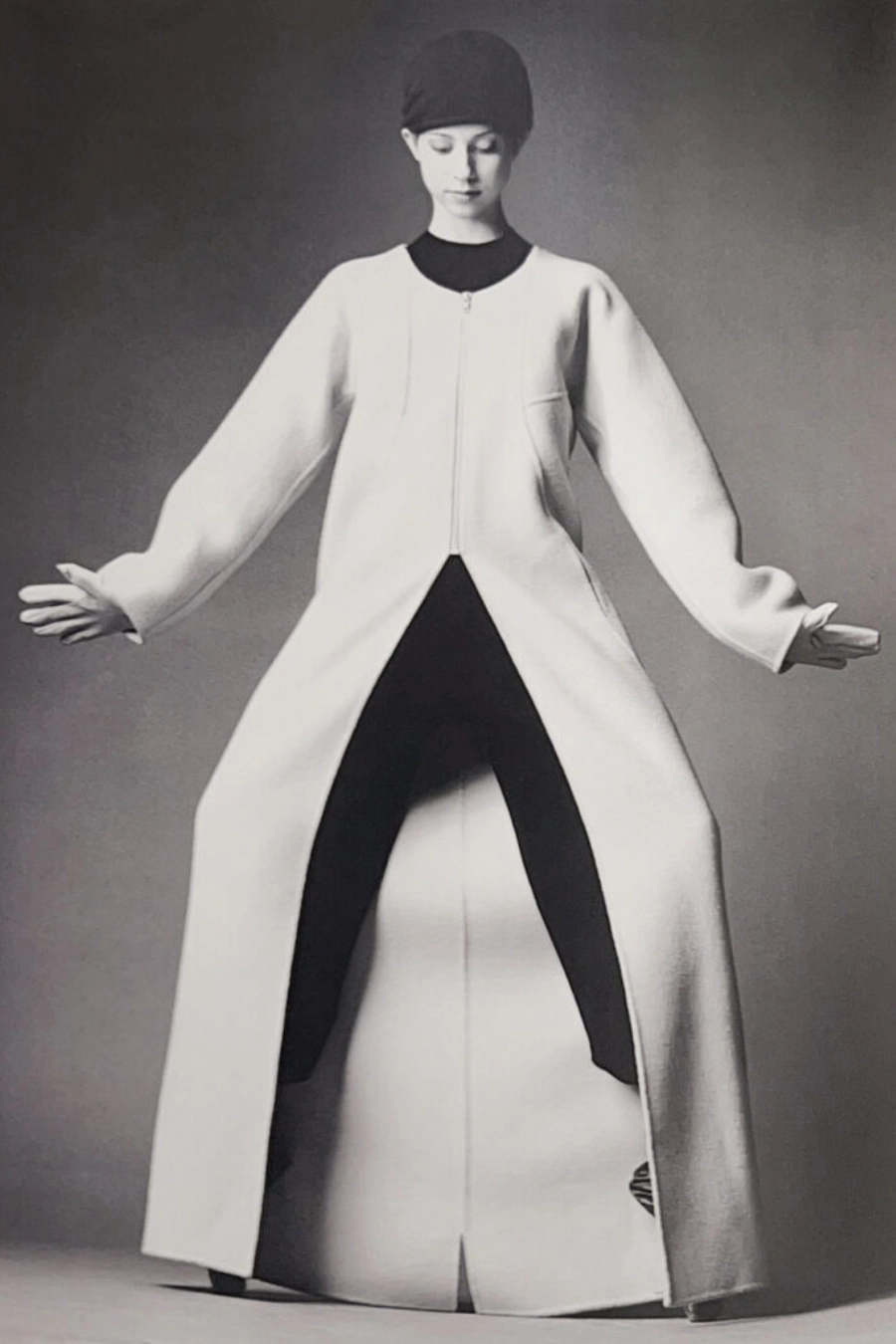
Movement remained central. His clothes could look deceptively simple on a hanger, then reveal their complexity through walking, turning and dancing. That combination of engineering and ease helped define a distinctly American approach to sophistication.
Twenty-two years after his death, fabric still feels less like a passive material when viewed through the work of Geoffrey Beene.