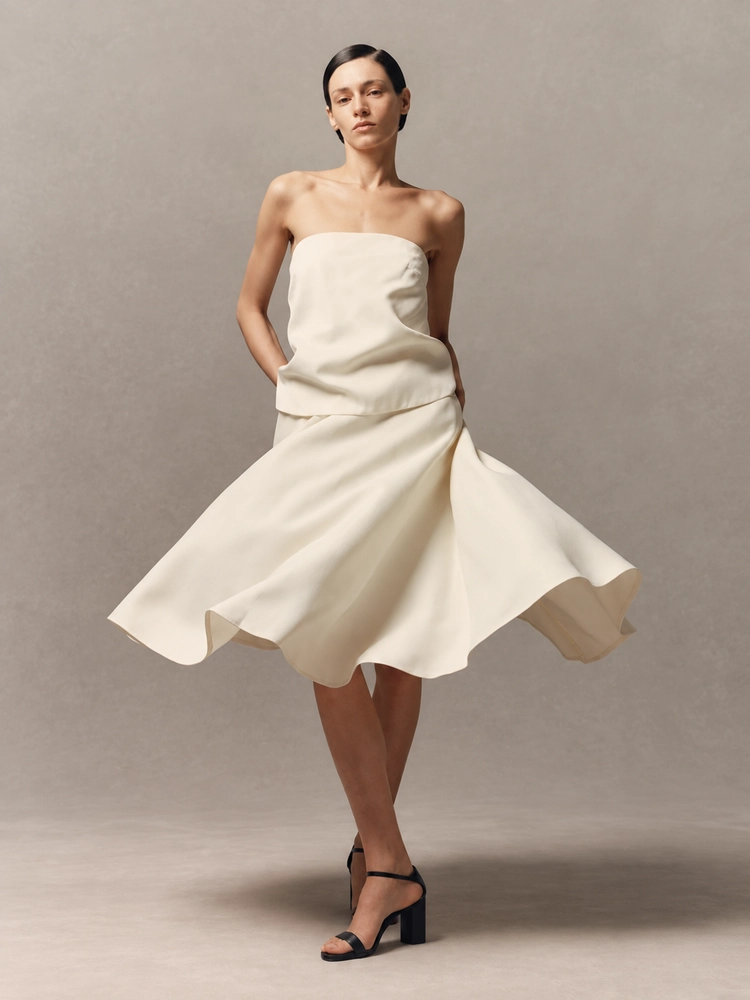
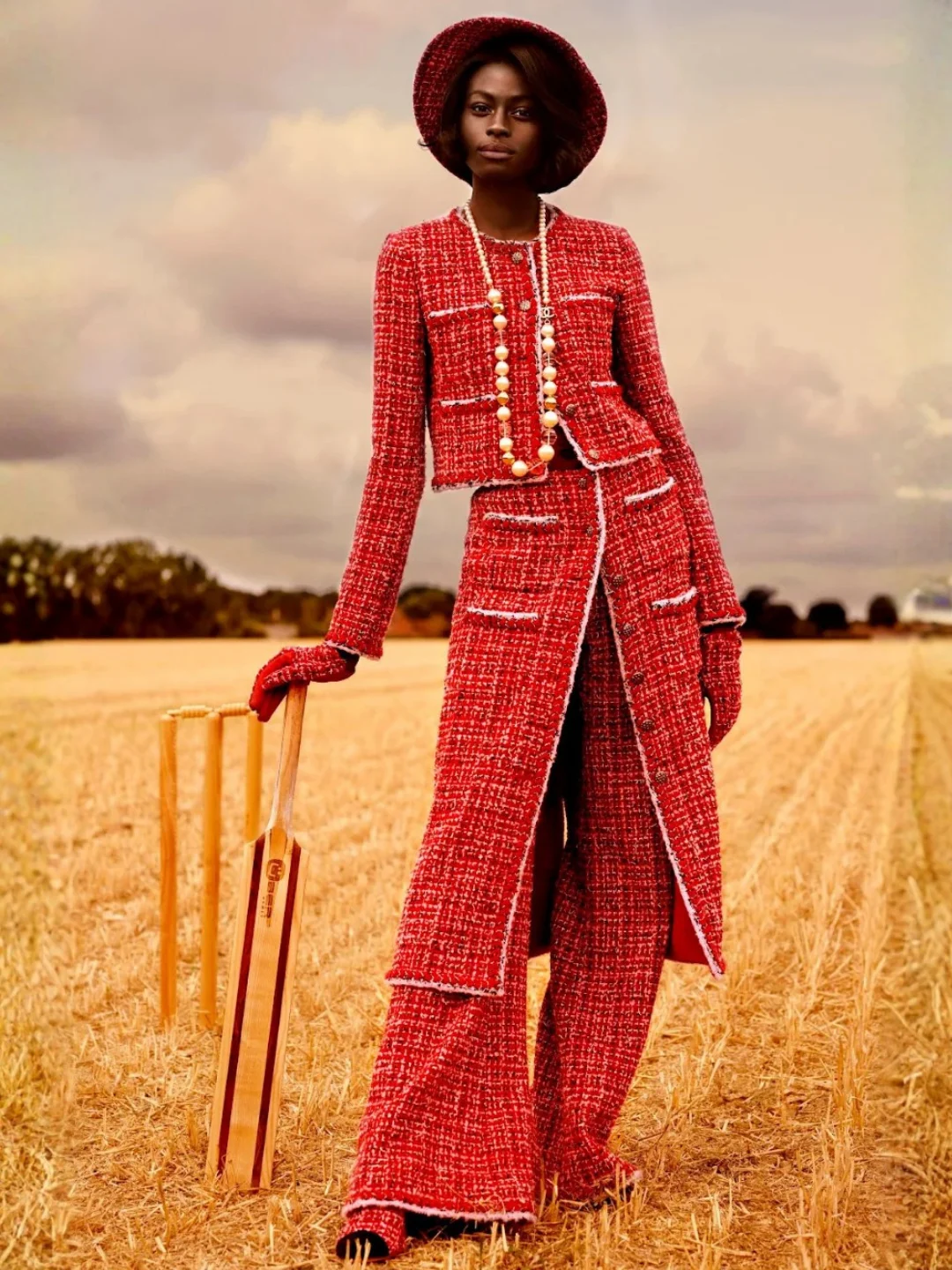
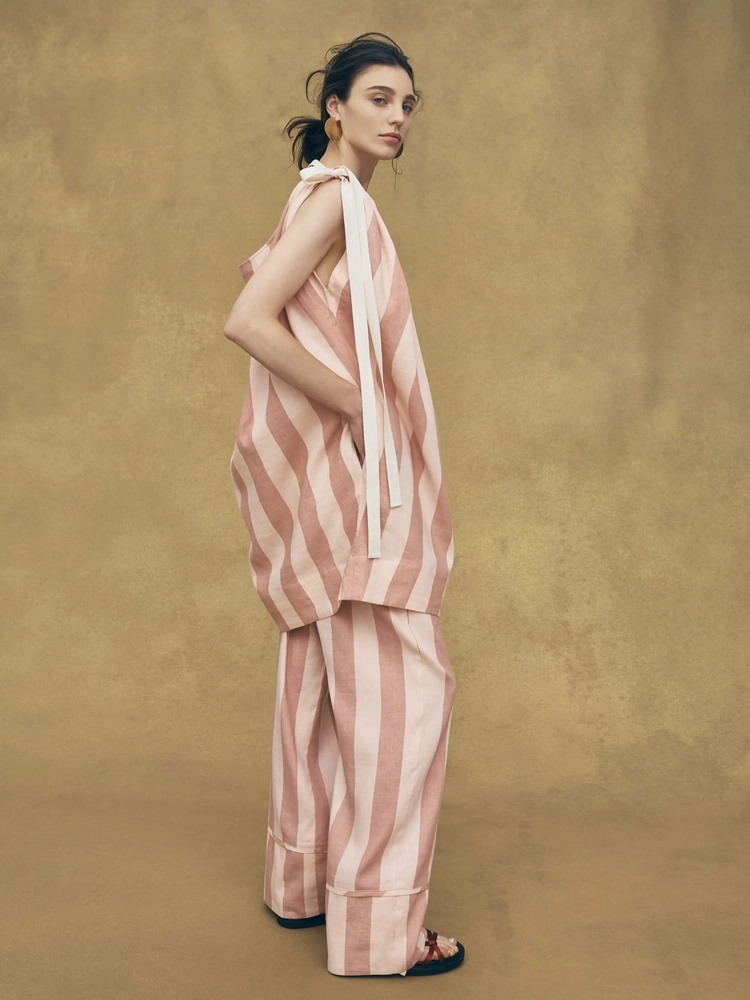
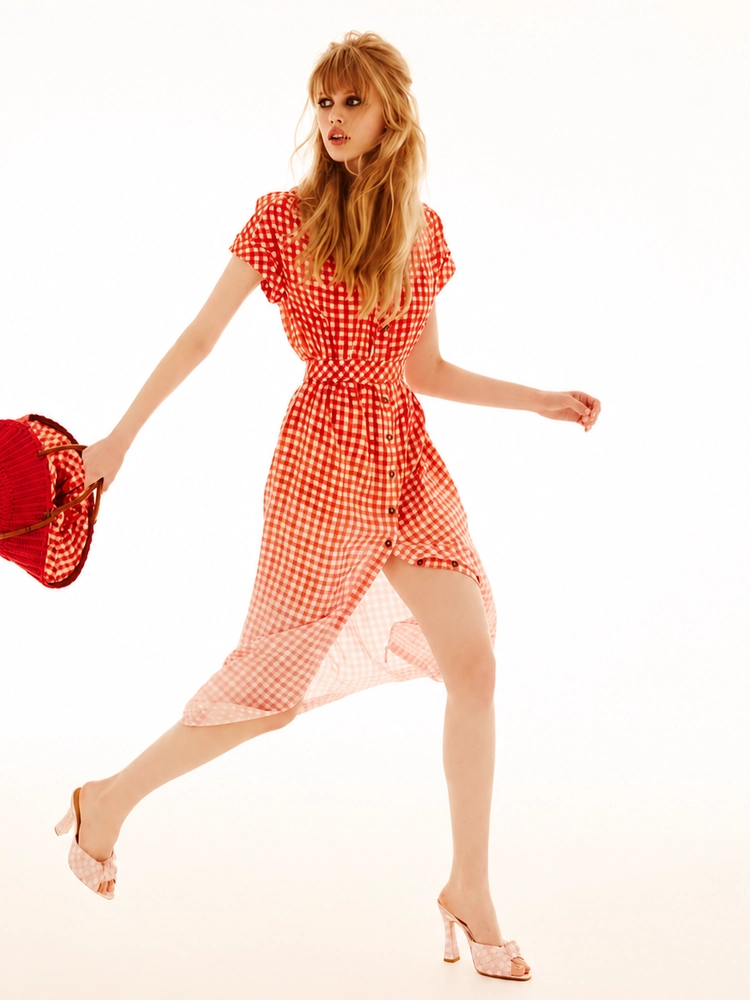
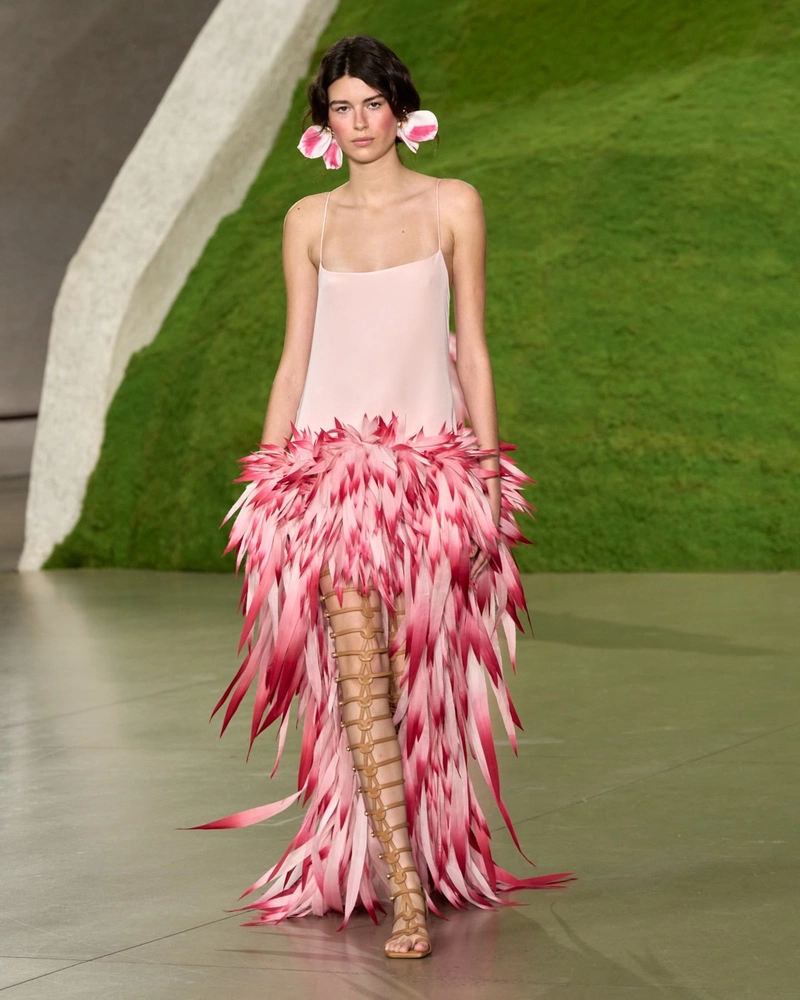
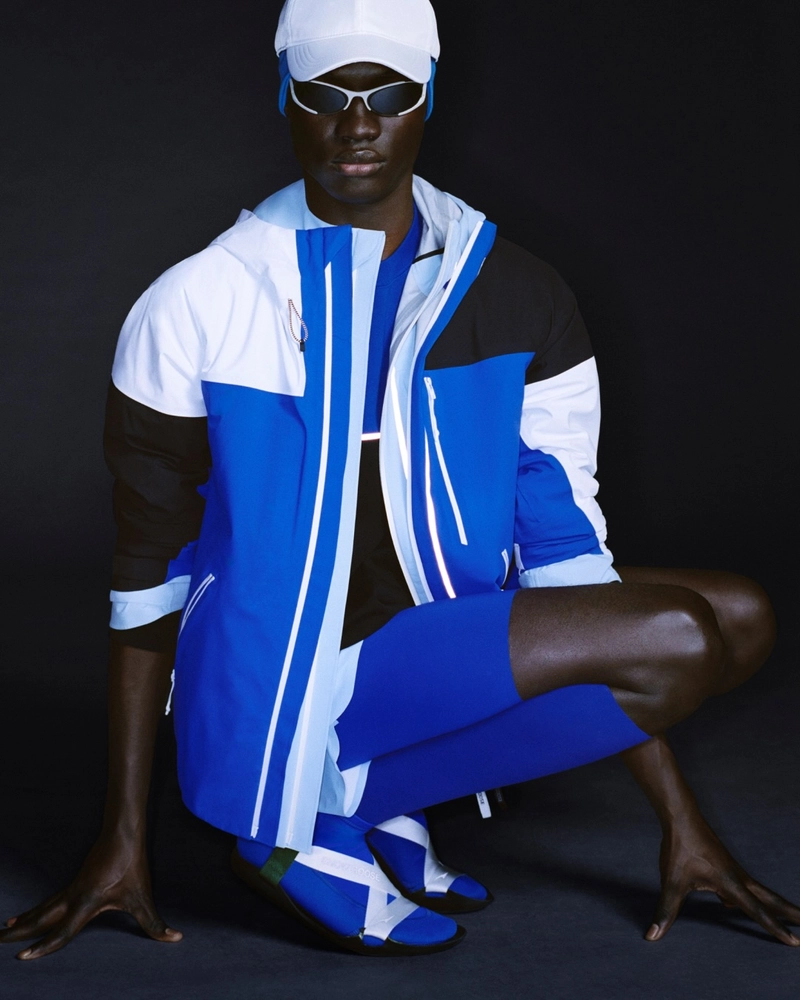
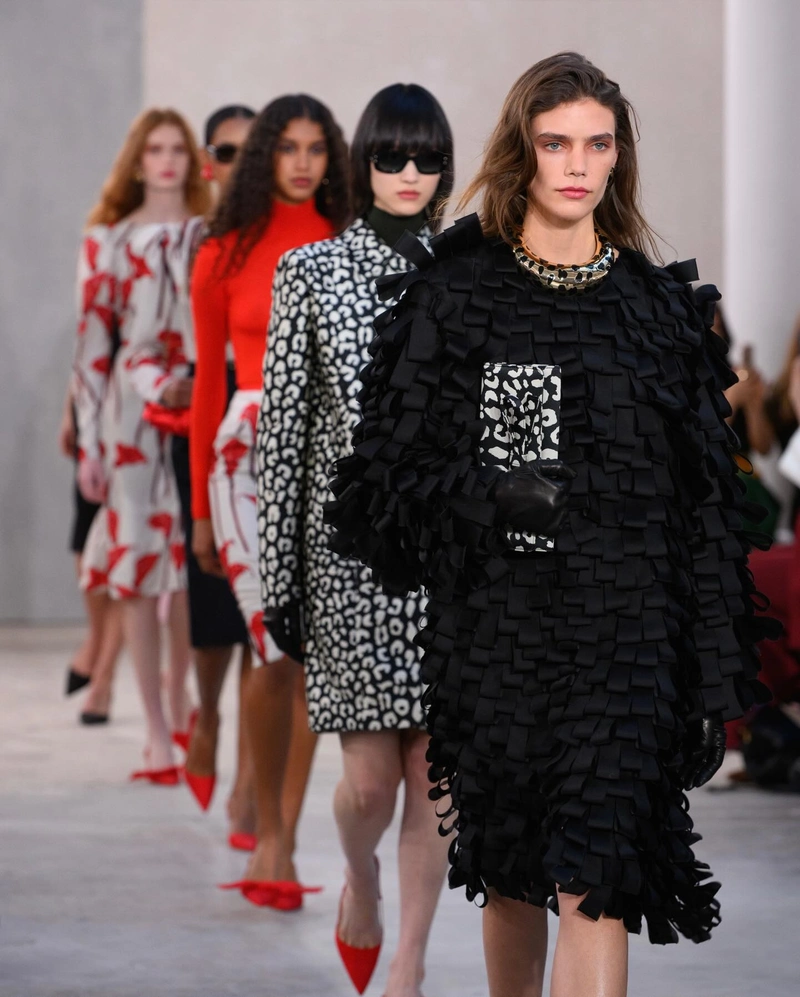
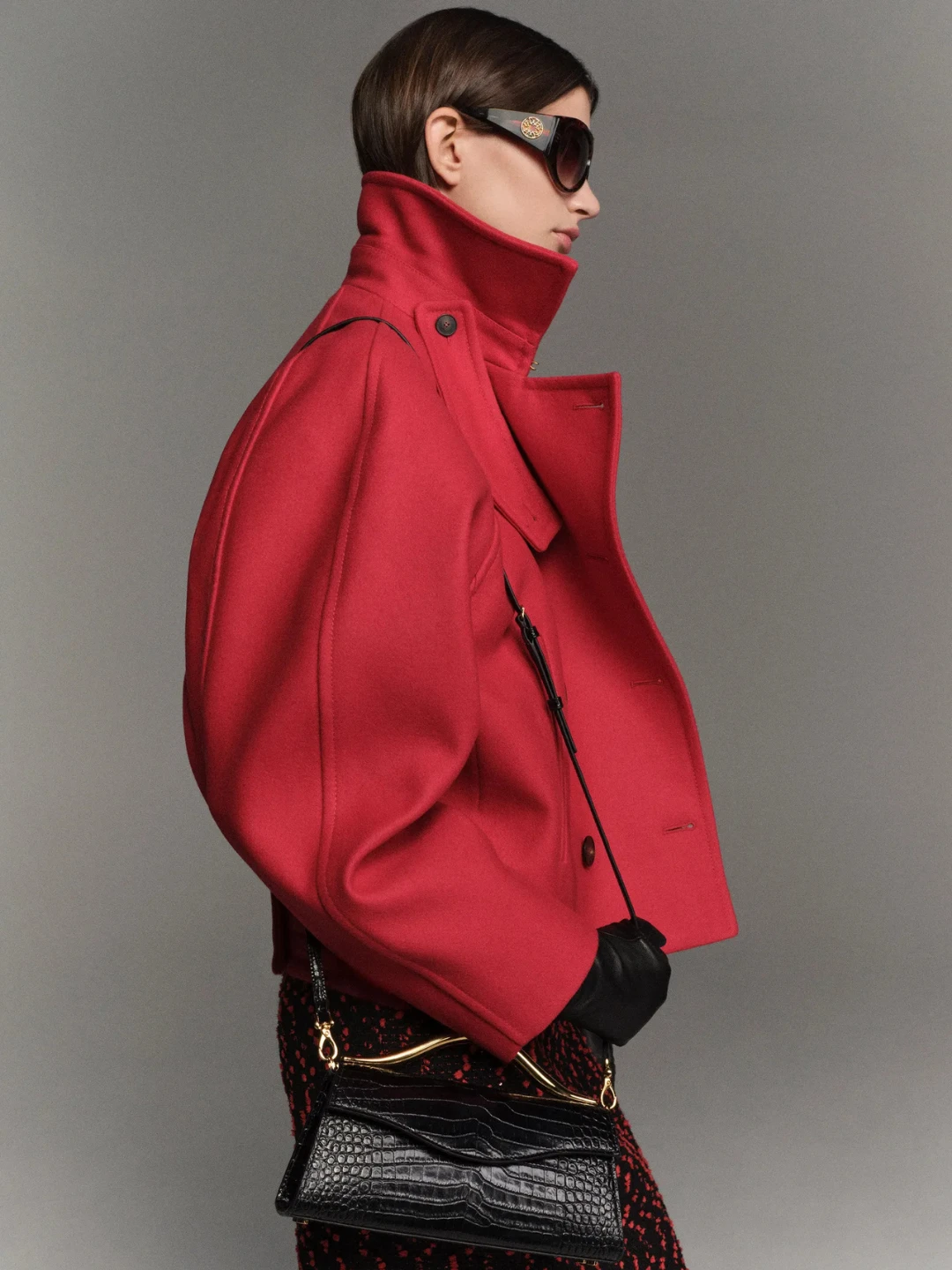
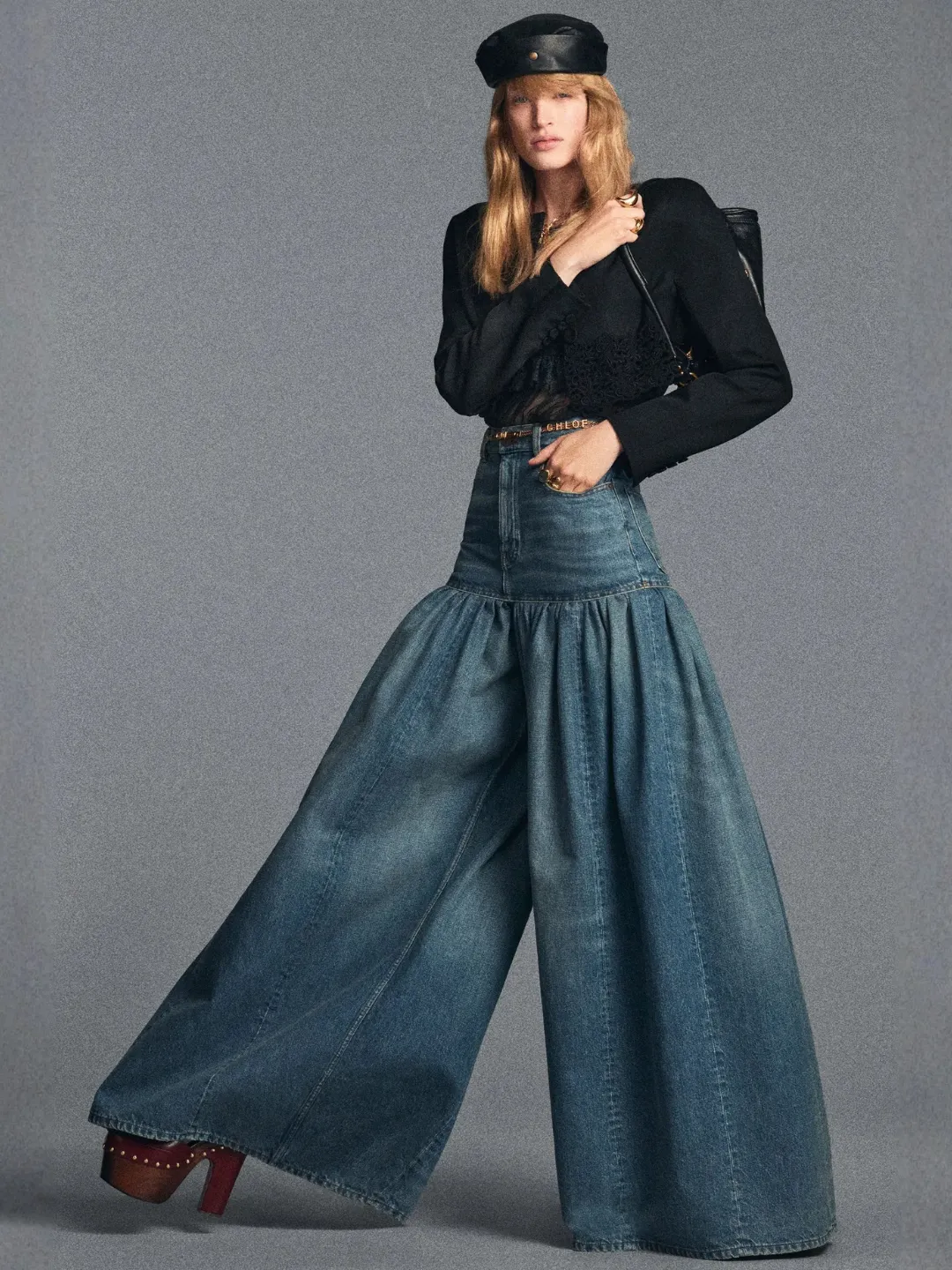
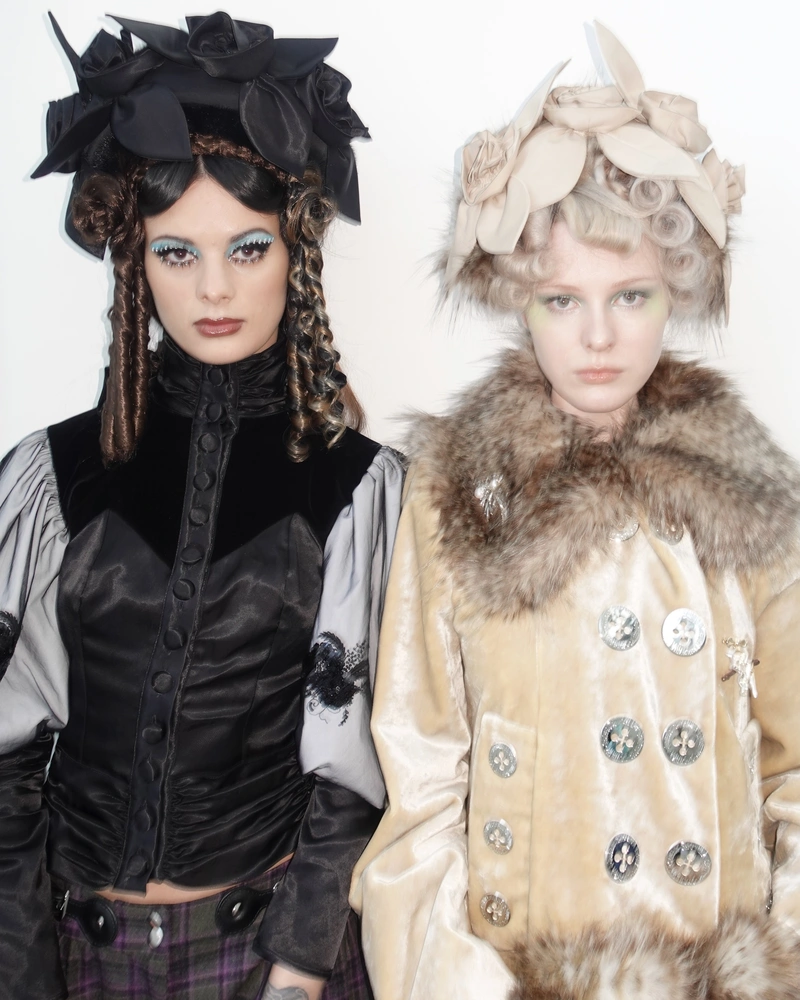
Flannel fabric holds the hush of cold weather in its brushed surface, where light settles into a soft grain and warmth seems woven into the cloth itself.
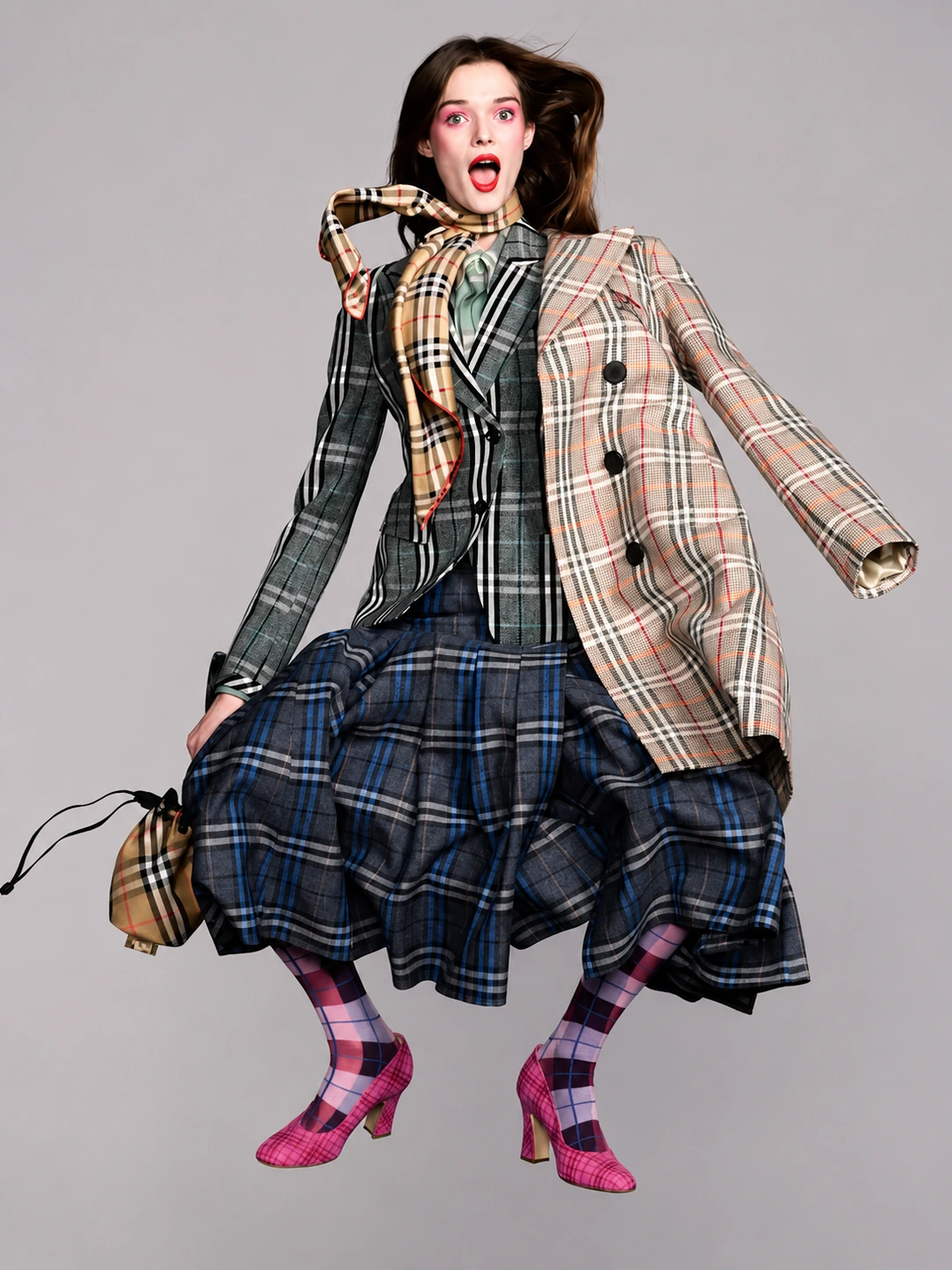
Flannel fabric holds the hush of cold weather in its brushed surface, where light settles into a soft grain and warmth seems woven into the cloth itself.
July 28, 2026
Advertisement
Advertisement



Flannel fabric carries warmth before the body has even touched it. A fine layer of raised fibre softens the light across its surface, blurring sharp colour into something deeper and more familiar. The cloth seems to hold the atmosphere of cold mornings, worn interiors and garments shaped slowly by use.
Its softness has never confined it to comfort alone. Flannel has moved through workwear, tailoring, school uniforms and subcultural dress, absorbing a different social meaning each time its silhouette changed. Cut into a grey suit, it became disciplined and composed. Left oversized and faded, it carried the loose defiance of grunge.
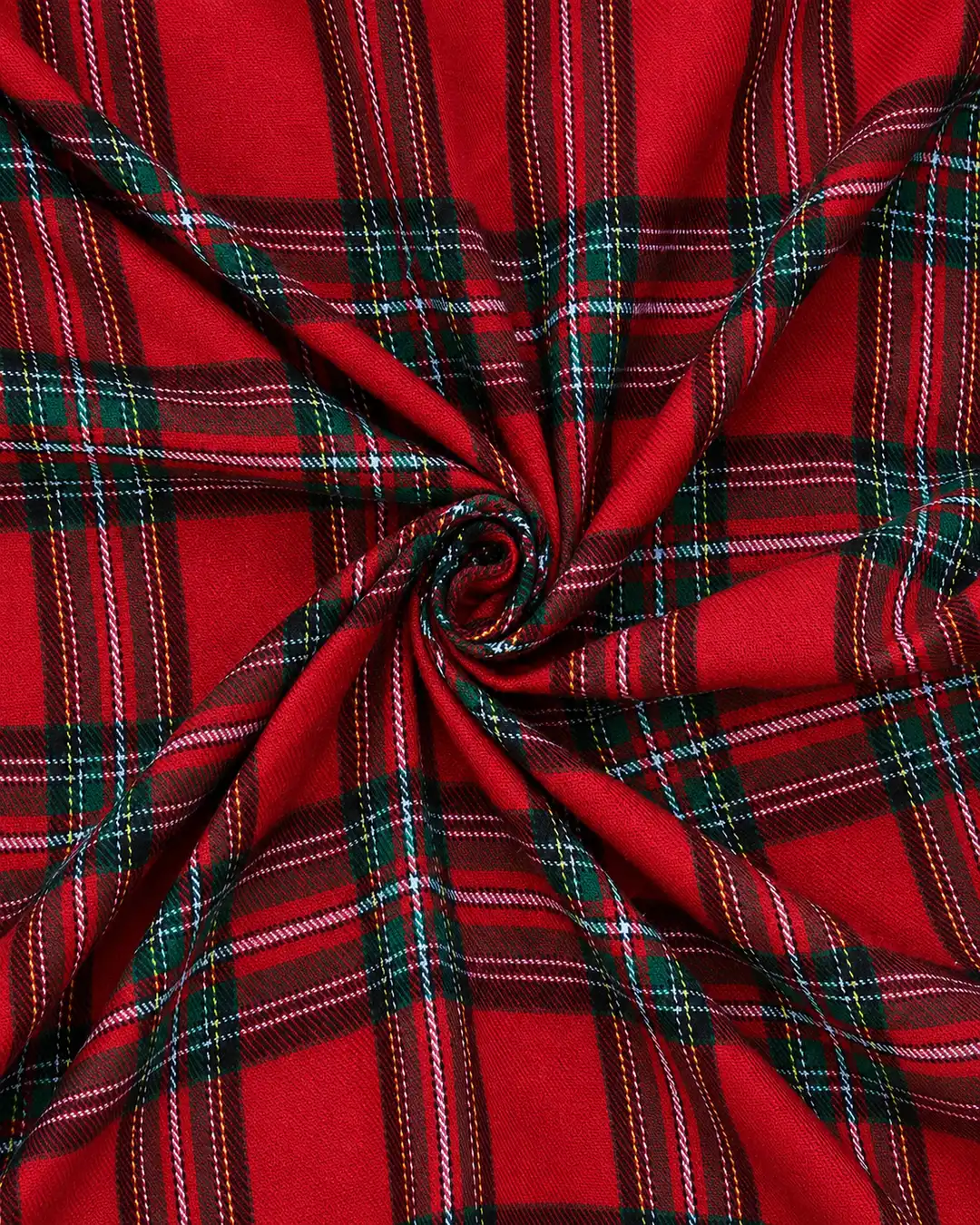
Beneath these shifting identities lies a textile built through controlled disturbance. The woven surface is brushed until fine fibres begin to rise, creating the muted finish and gentle insulation that defines flannel fabric. Its character begins in this tension between structure and softness, where a practical cloth acquires an emotional weight far greater than its surface first suggests.
Flannel fabric is a woven textile recognised by its soft hand, muted surface and gently raised fibres. Wool formed its earliest and most enduring identity, though cotton and blended versions now extend the material across shirting, tailoring and everyday dress. Its appearance can shift from lightly brushed and refined to dense, fuzzy and visibly textured, depending on the fibre, yarn and finishing process.
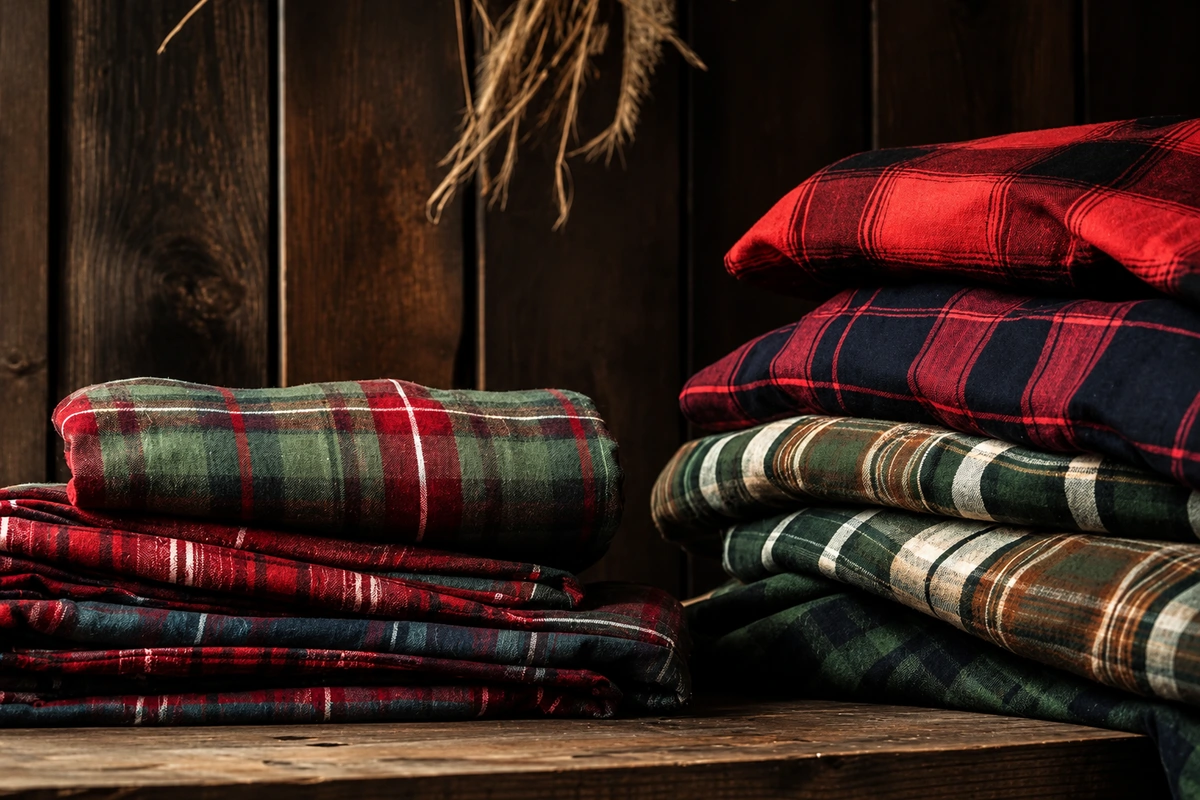
The cloth usually begins with a plain or twill weave. What transforms it into flannel is the treatment of the surface, where fine fibres are lifted from the yarns to create a low nap. This soft veil partially obscures the weave beneath, diffusing light and giving colour the depth associated with charcoal suiting, faded checks and warm neutral tones.
Some forms of flannel fabric remain almost smooth, especially those developed for fine tailoring. Others carry a fuller nap that makes the cloth appear thicker and more enveloping. The distinction comes from how the fibres are prepared before weaving and how intensely the finished surface is brushed.
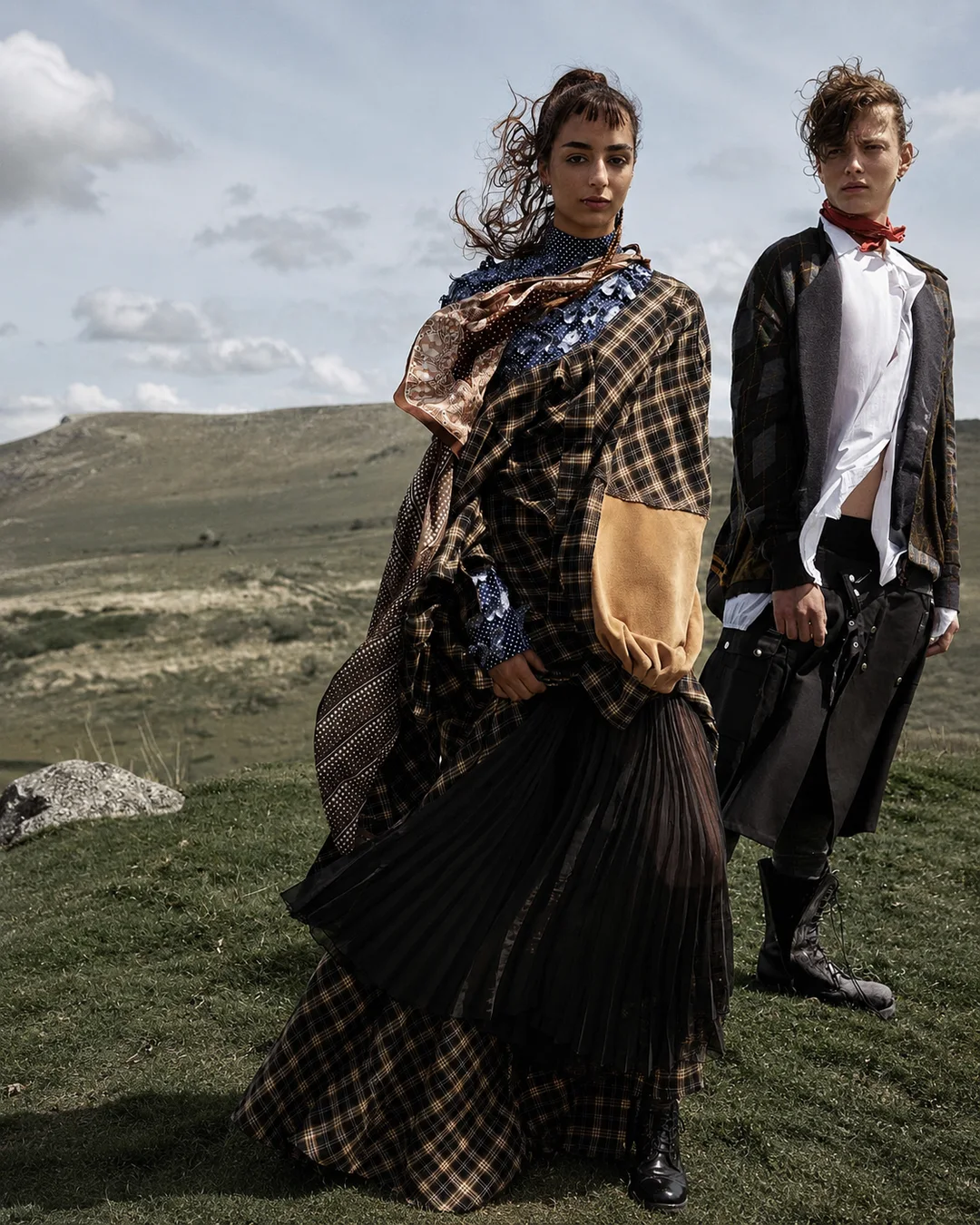
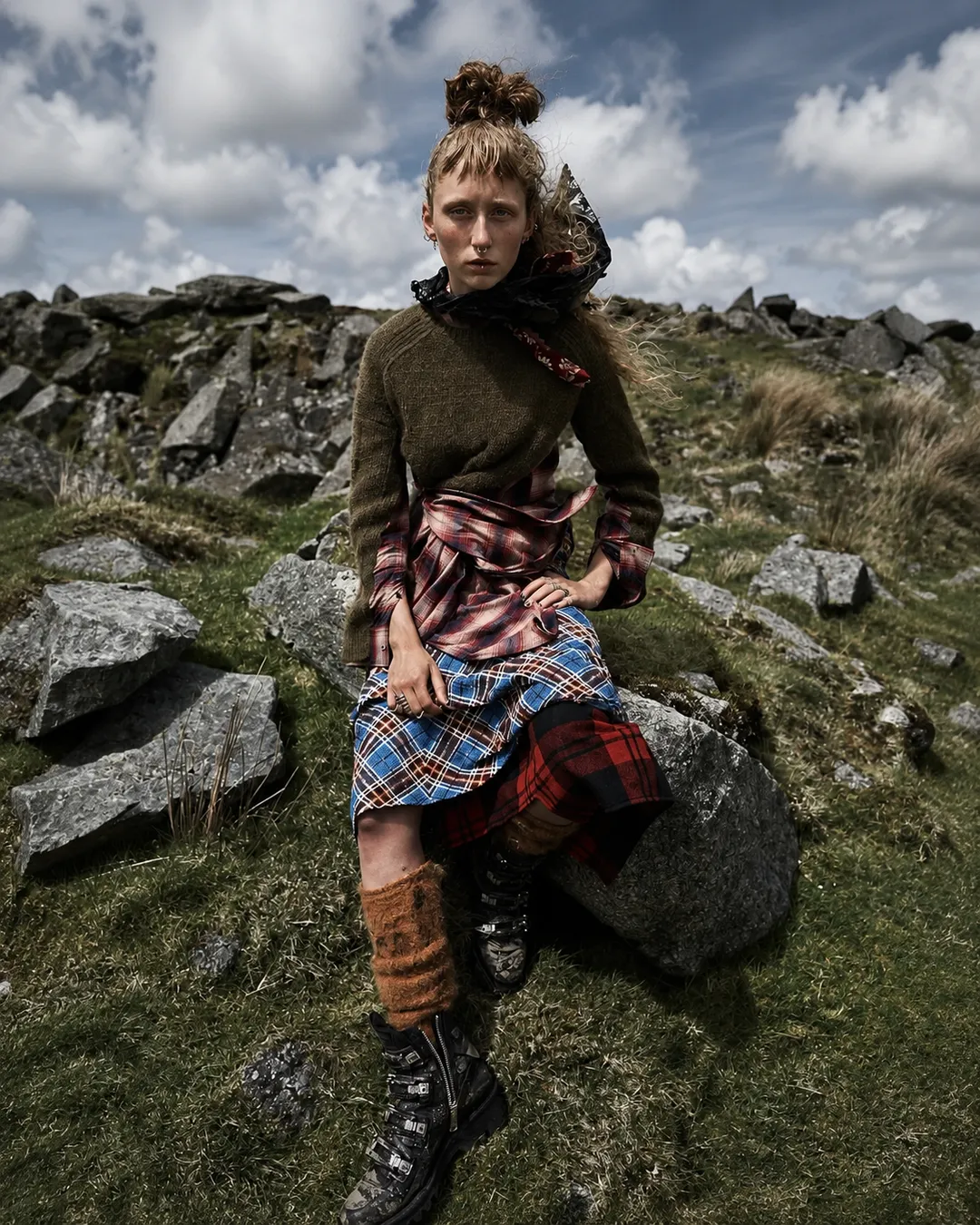
Traditional woollen flannel is often made from carded fibres spun into soft yarns. Their slightly irregular arrangement gives the textile its cloudy appearance and substantial warmth. Worsted flannel uses longer, more closely aligned fibres, producing a cleaner surface and a more controlled drape. Cotton flannel follows the same broad principle of raising the surface, though its touch is lighter and its character is more closely associated with shirts, sleepwear and relaxed clothing.
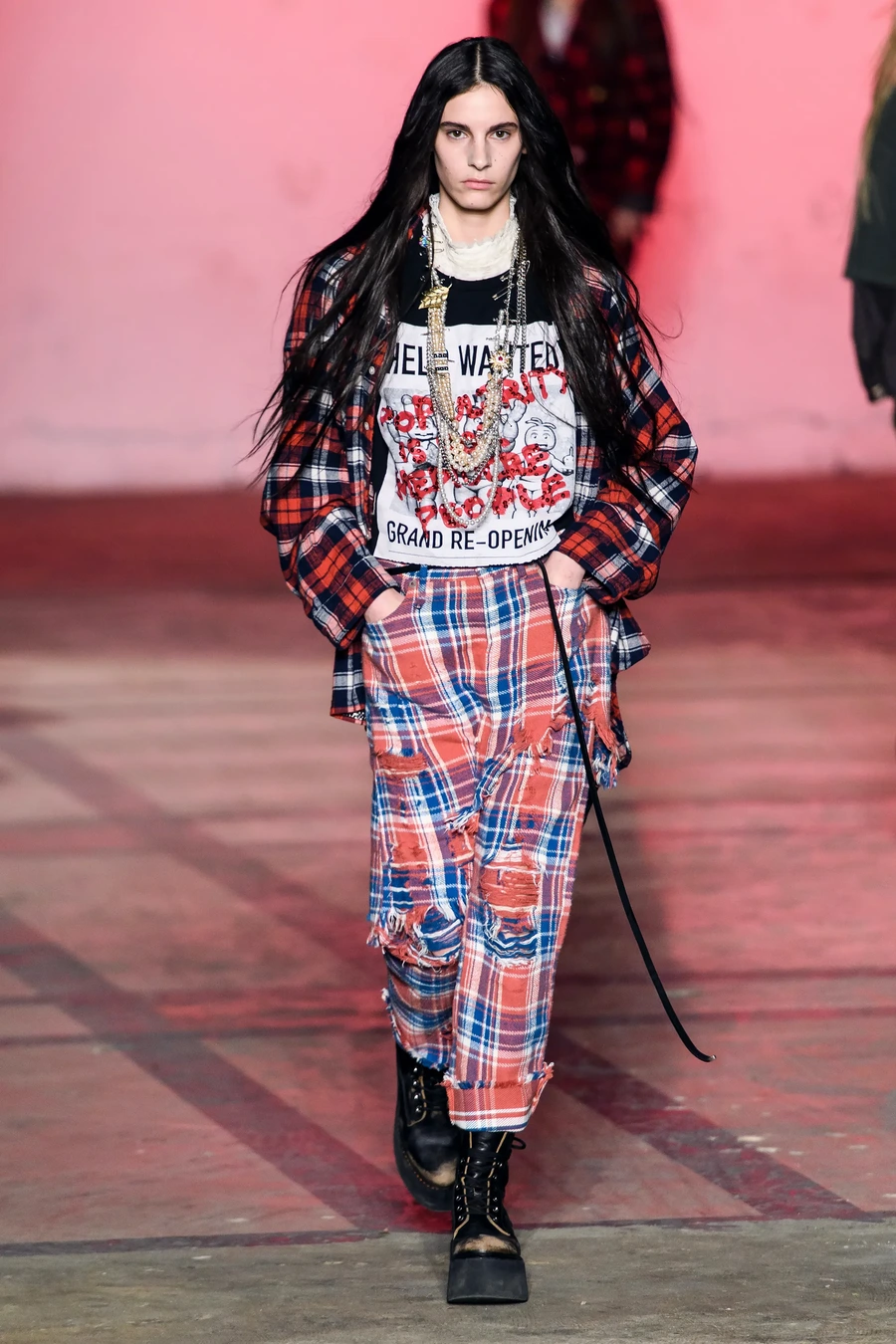
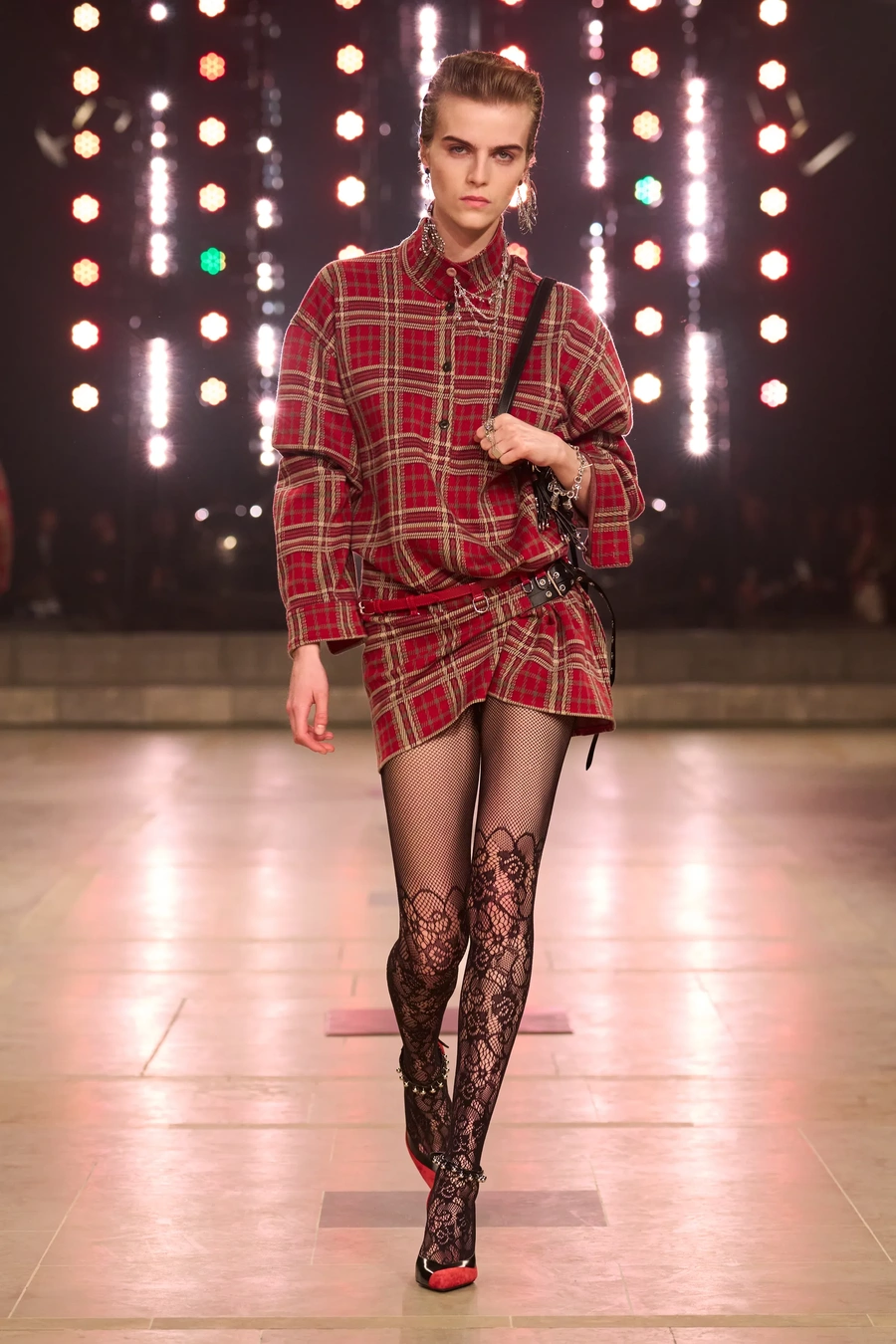
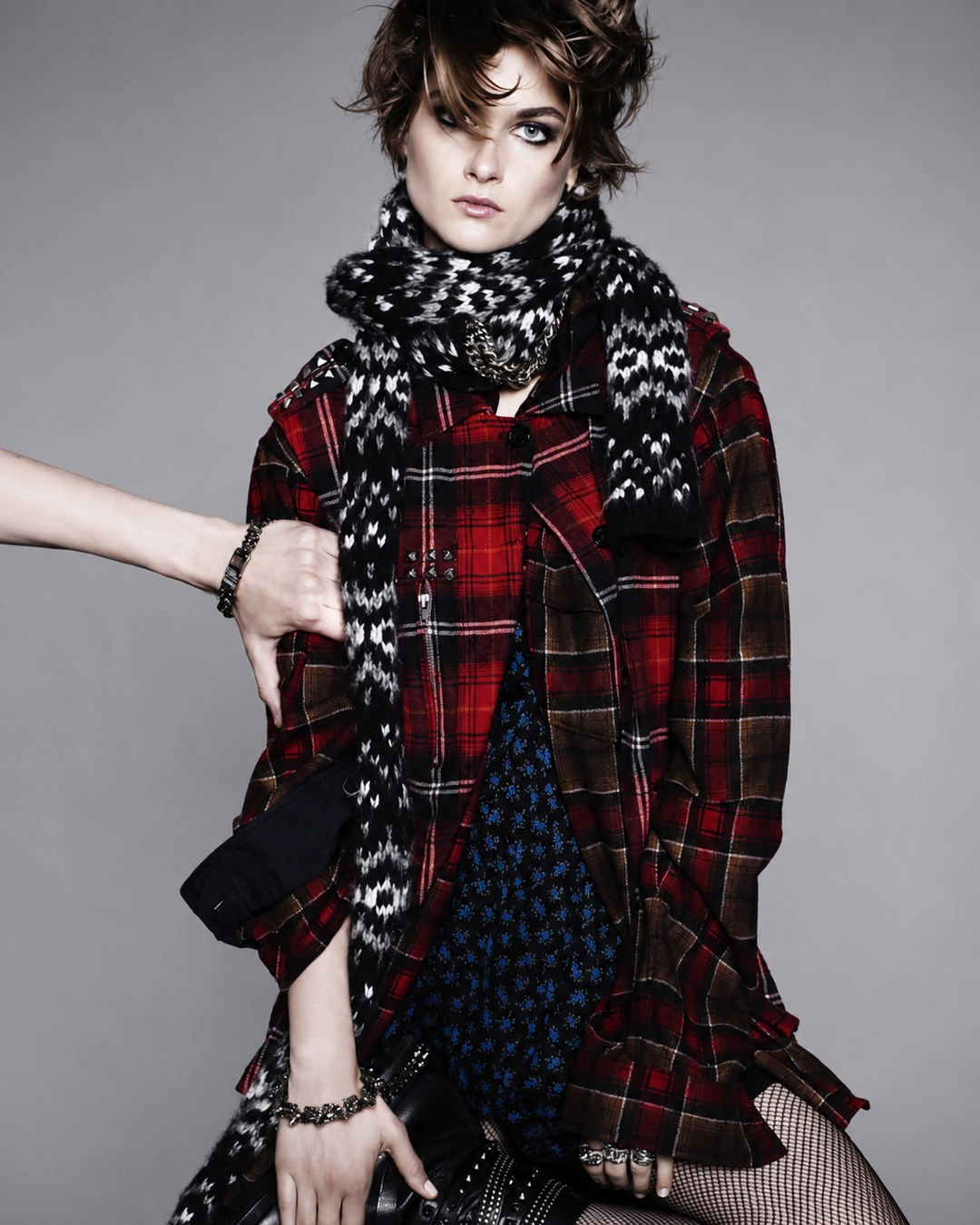
Plaid and flannel are frequently treated as interchangeable terms, although they describe different elements. Plaid refers to a pattern built from crossing bands of colour. Flannel fabric refers to the textile itself. Its surface may carry checks, stripes, solid colour or a subtle melange, with the softness of the cloth remaining its defining feature.
The making of flannel fabric begins with the preparation of its fibres. Traditional wool flannel commonly uses carded wool, whose fibres remain softly intermingled before being spun into a full, slightly irregular yarn. Finer tailoring flannels may use combed wool fibres, creating a smoother yarn with a cleaner fall across the body.
The yarn is woven in a plain or twill construction. Plain weave creates a balanced surface suited to lightweight cotton flannel, while twill introduces subtle diagonal lines and greater flexibility. Many wool flannels rely on twill because it allows trousers and jackets to drape naturally while retaining their shape.
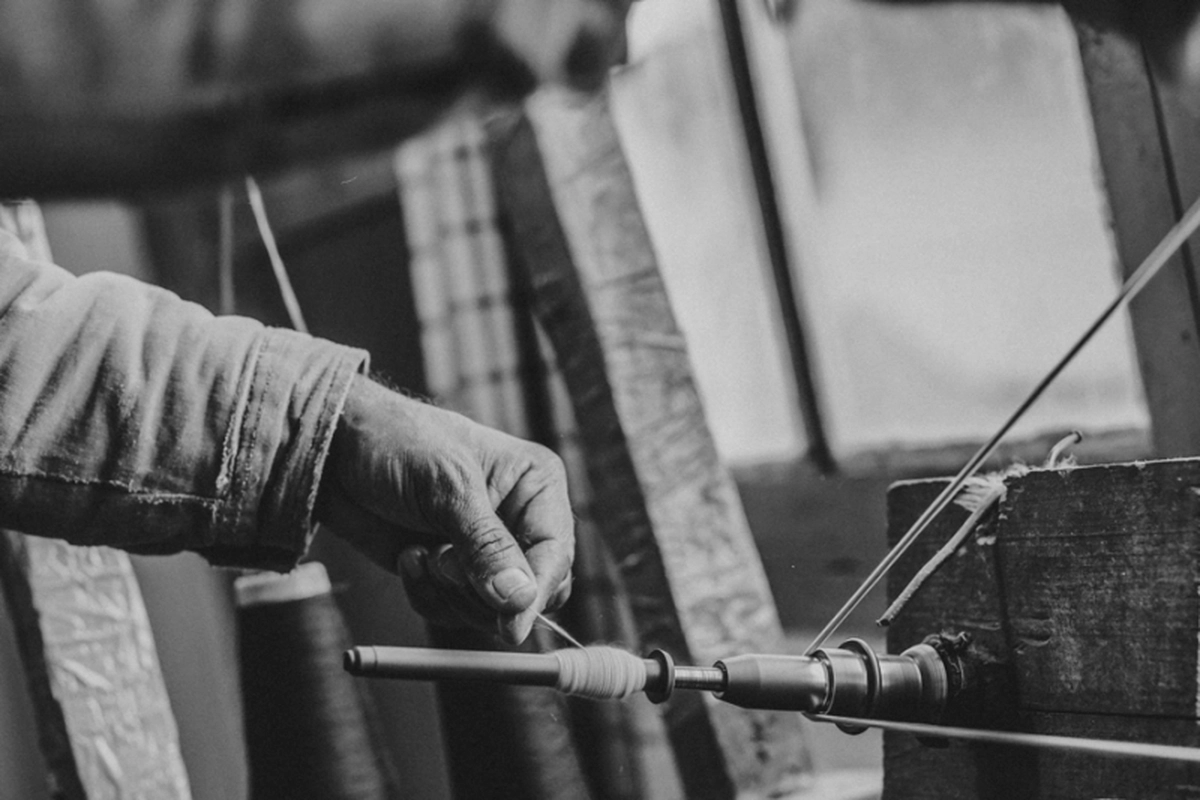
After leaving the loom, wool flannel passes through a controlled wet finishing process. Moisture, warmth and mechanical movement draw the fibres closer together, tightening the weave and increasing the cloth’s density. The fabric gradually loses the crisp definition of a newly woven textile and develops the compact softness associated with flannel fabric.
Its familiar nap emerges during raising, when rotating cylinders lift loose fibre ends from the yarns. Repeated passes create a fuller texture, while lighter treatment preserves a smoother surface for tailoring. The raised fibres may then be sheared to an even height, balancing softness with durability.
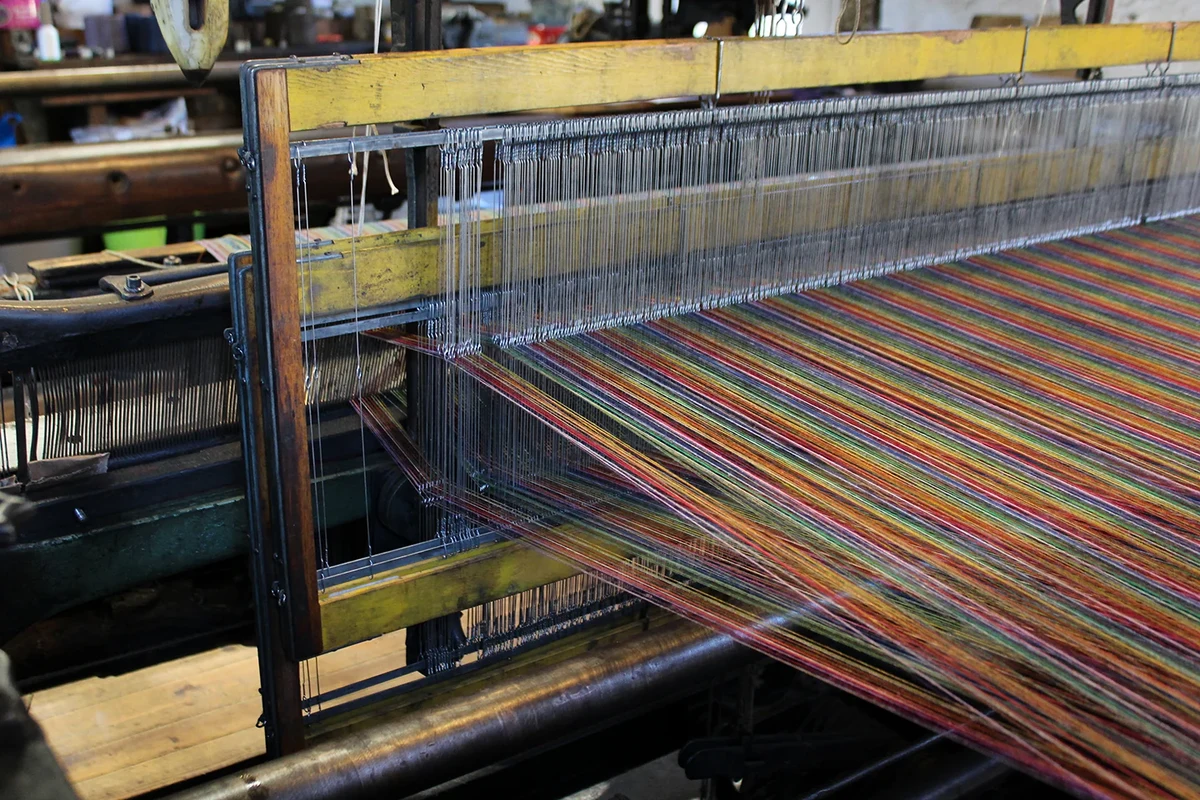
Sewing flannel fabric begins with observing the direction of its nap. Pattern pieces must follow the same orientation because reversed fibres can reflect light differently, while checked designs require careful alignment across pockets and seams. Shirts often use enclosed seams for strength, while tailored flannel is pressed open to reduce thickness. Gentle steam and a protective cloth help shape the garment without flattening its surface.
The raised surface gives flannel fabric its recognisable softness and muted appearance. Fine fibres diffuse the light across the cloth, lending solid colours a smoky depth and softening the edges of checks. This nap also traps air close to the body, creating warmth without requiring an extremely heavy weave.
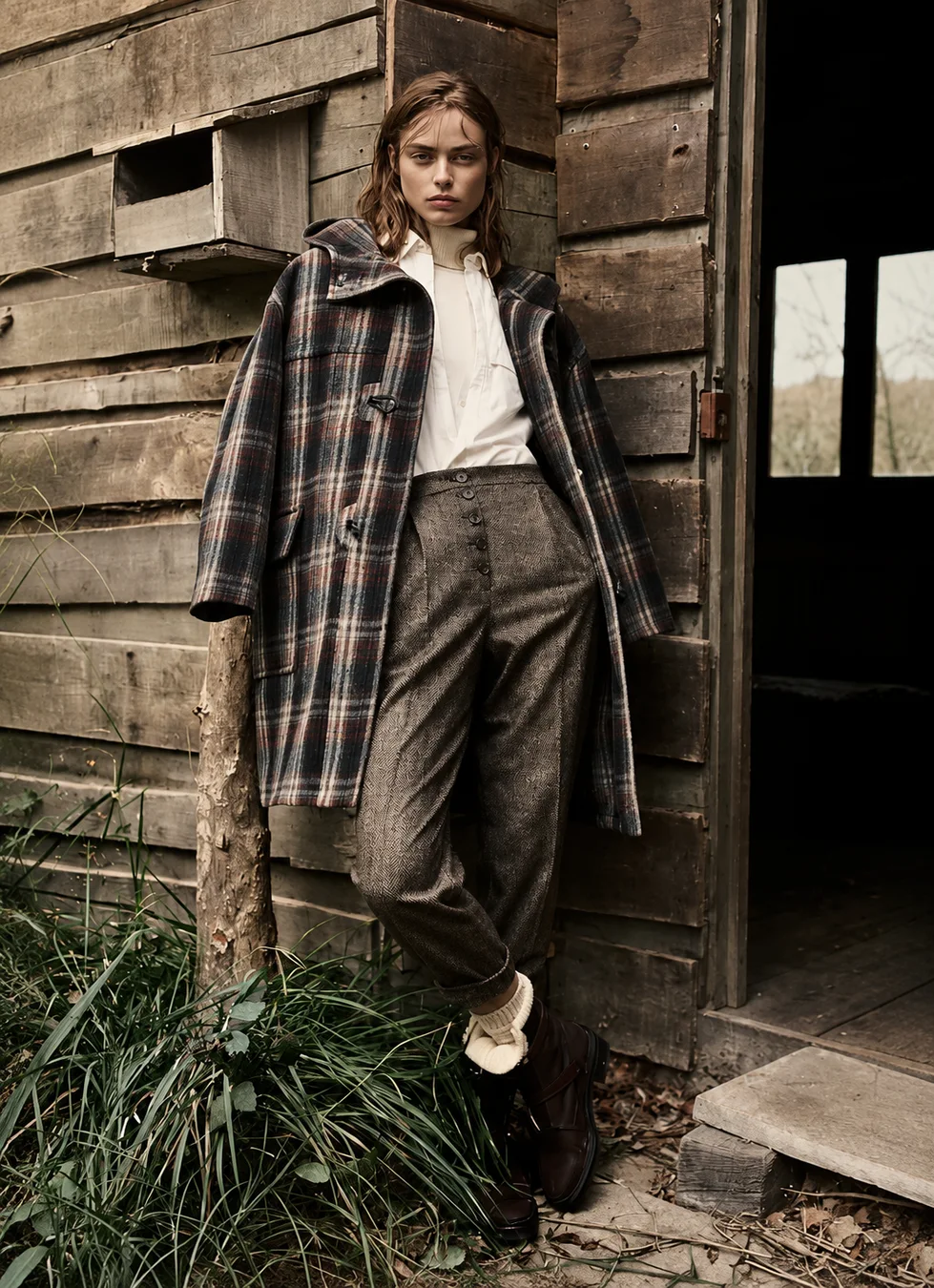
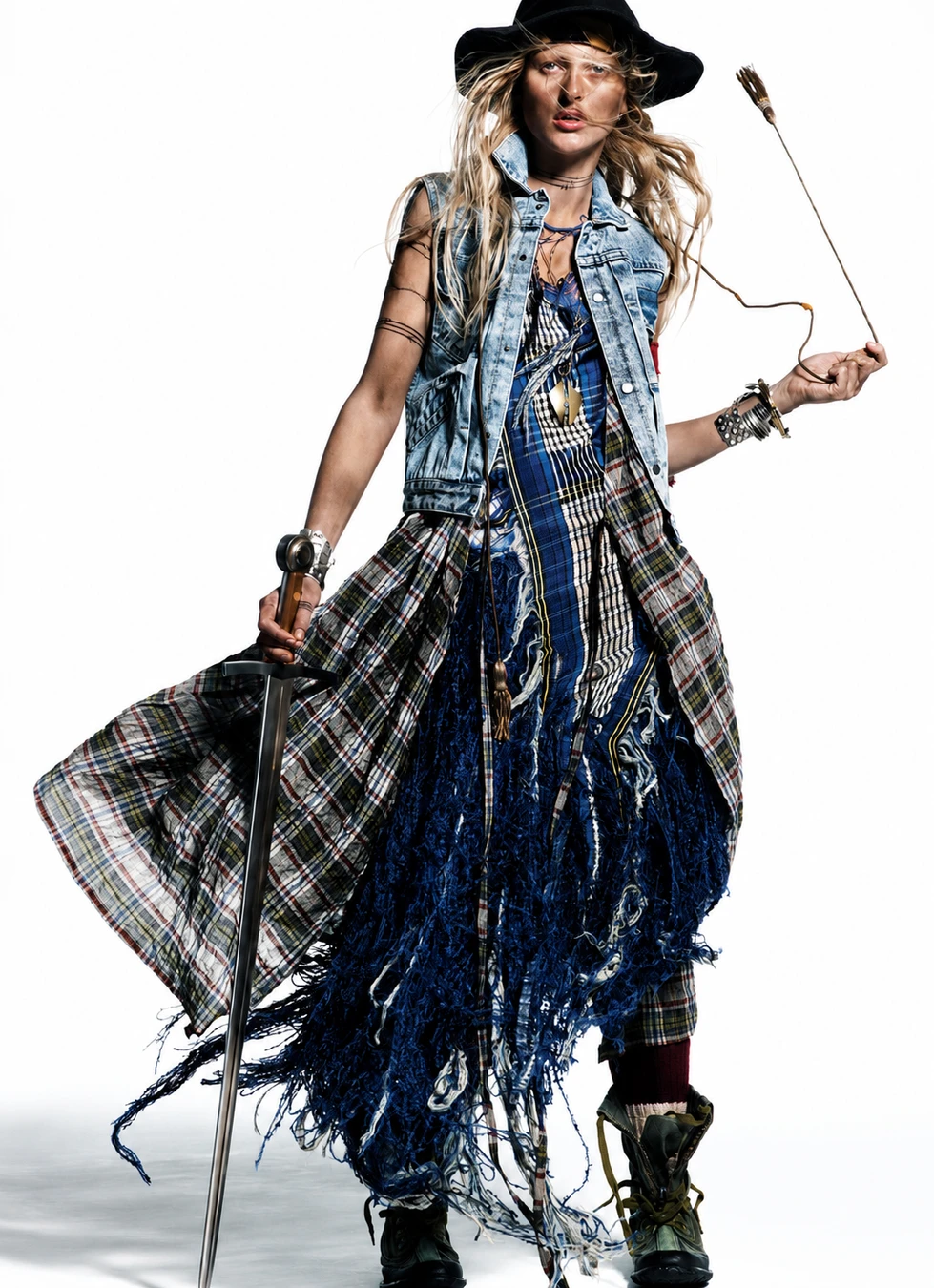
Its weight can move from light cotton shirting to dense wool tailoring, yet flannel usually retains a gentle, controlled drape. Fine versions settle close to the body, while heavier cloth holds pleats, trouser lines and structured outerwear with greater substance. The softened surface keeps these forms composed without appearing rigid.
Fibre content changes the way that warmth behaves. Wool flannel can absorb moisture vapour while preserving a dry, insulated sensation, allowing tailored garments to remain comfortable through shifting temperatures. Cotton flannel feels lighter and more immediately familiar against the skin, though its greater absorbency can make it slower to dry once damp.
The nap also gives flannel fabric a subtle directional quality. Light can deepen or pale as the fibres are brushed in opposite directions, making careful cutting essential across adjoining panels. This low, even bloom distinguishes flannel from the longer fuzz of mohair and the visibly granular surface of tweed.
Repeated friction gradually alters that finish. Areas around cuffs, elbows and pockets may pill as exposed fibres begin to gather, while excessive heat or agitation can compact the surface and reduce its original loft. These sensitivities belong to the same construction that gives flannel its tactile depth, warmth and softly blurred appearance.
The history of flannel fabric is most closely connected with Wales, where woollen cloth had long been produced within rural households. Its name is often traced to the Welsh word gwlanen, associated with wool, though its exact linguistic origin remains uncertain. By the sixteenth and seventeenth centuries, flannel had become familiar enough within Britain to appear in trade and literature as a recognised form of soft woven wool.
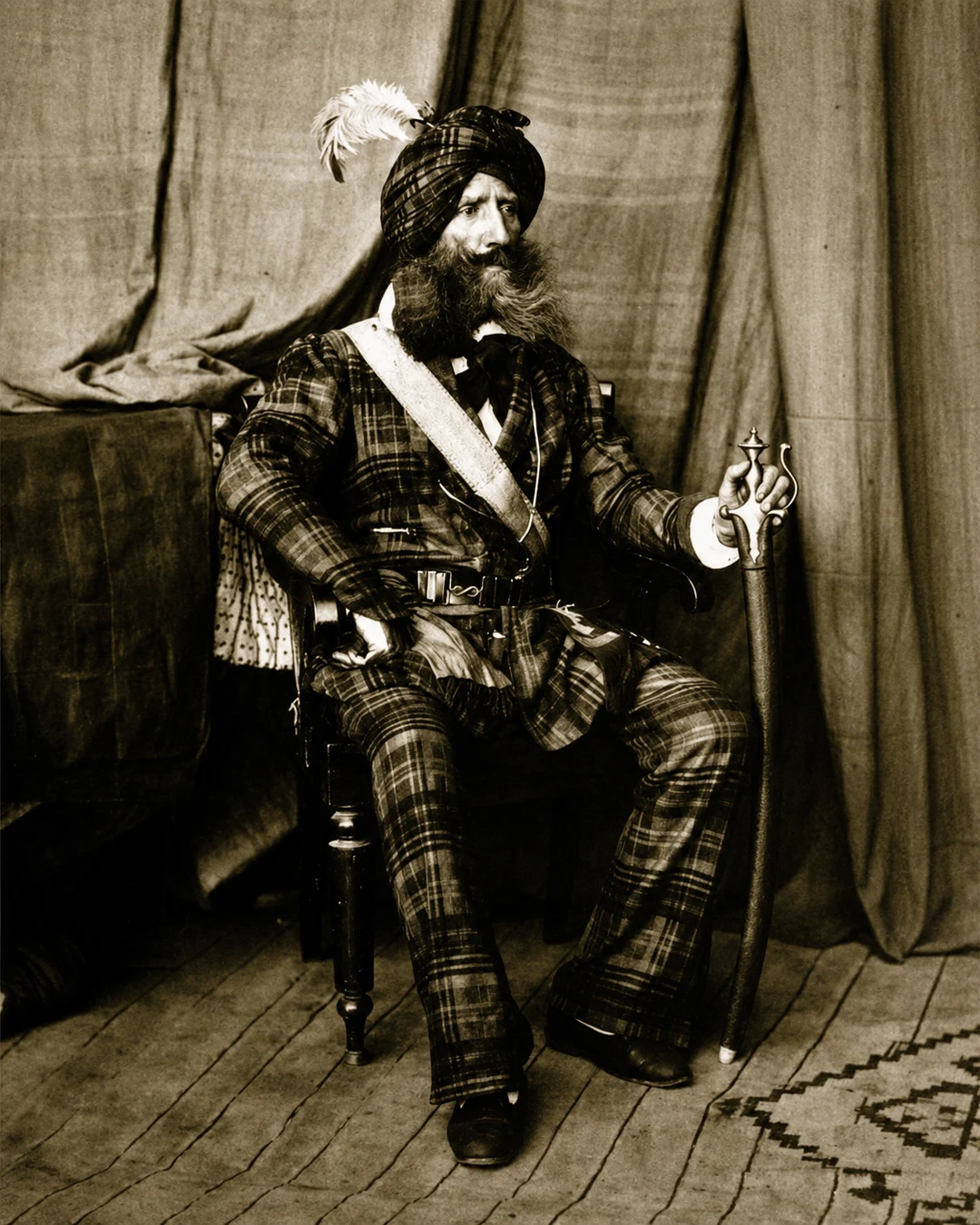
Early production belonged largely to a cottage economy. Families spun and wove wool alongside agricultural work, while nearby water mills handled stages such as fulling and finishing. During the nineteenth century, towns including Newtown became important centres of flannel manufacture as mechanised carding, spinning and weaving gradually drew production away from isolated farmsteads.
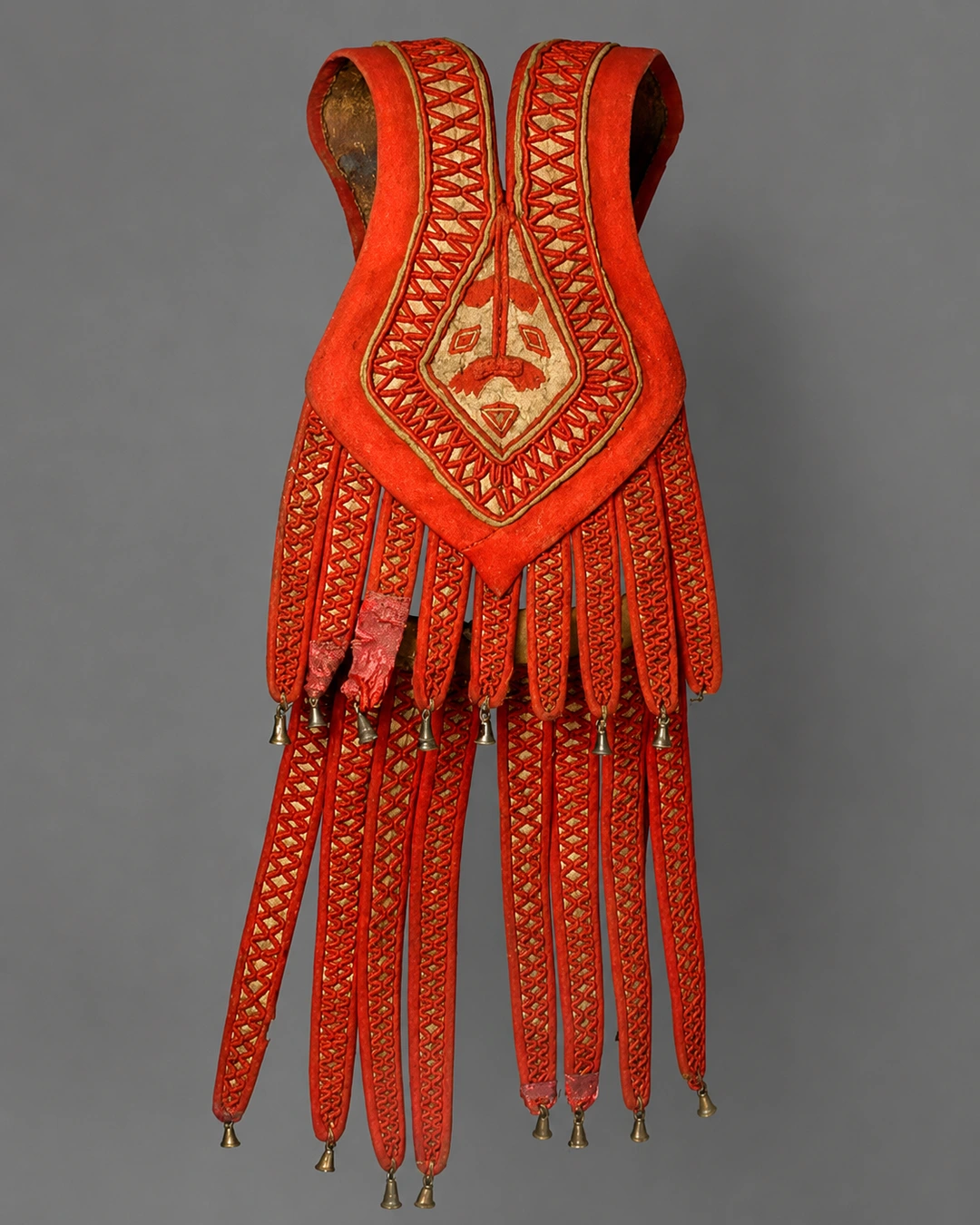
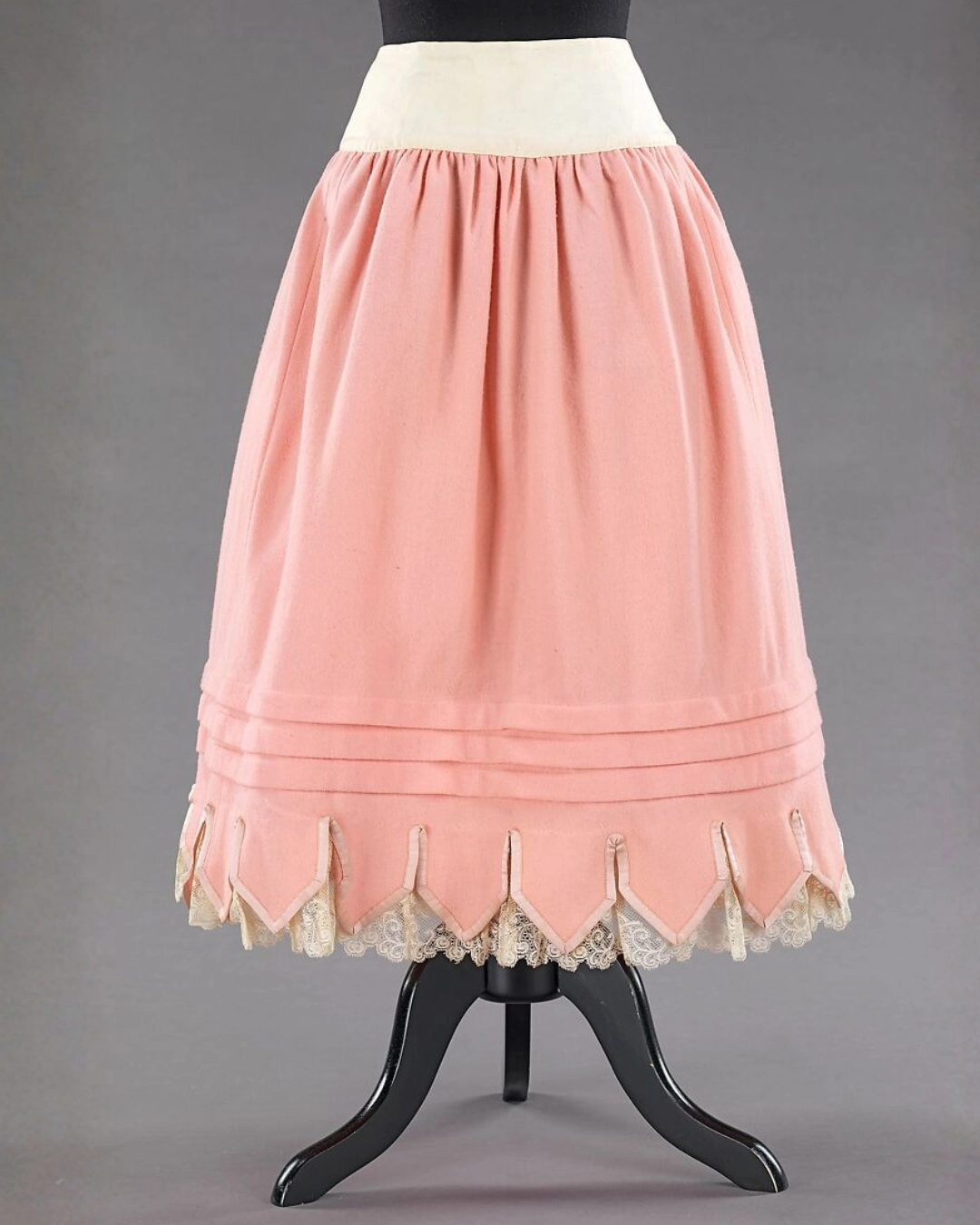
The fabric soon moved closer to the body. During the Victorian era, flannel petticoats provided warmth beneath women’s skirts, turning the textile into a discreet layer of everyday protection. Surviving examples show that practicality did not erase decoration, as embroidery and saturated colour could transform a winter undergarment into something more intimate and expressive.
By the middle of the twentieth century, grey flannel had acquired a more public identity through tailoring. Its softened surface eased the severity of the business suit while preserving a disciplined silhouette, making it closely associated with postwar professional life. The fabric became a visual language of corporate respectability, carrying composure through its colour, weight and controlled drape.
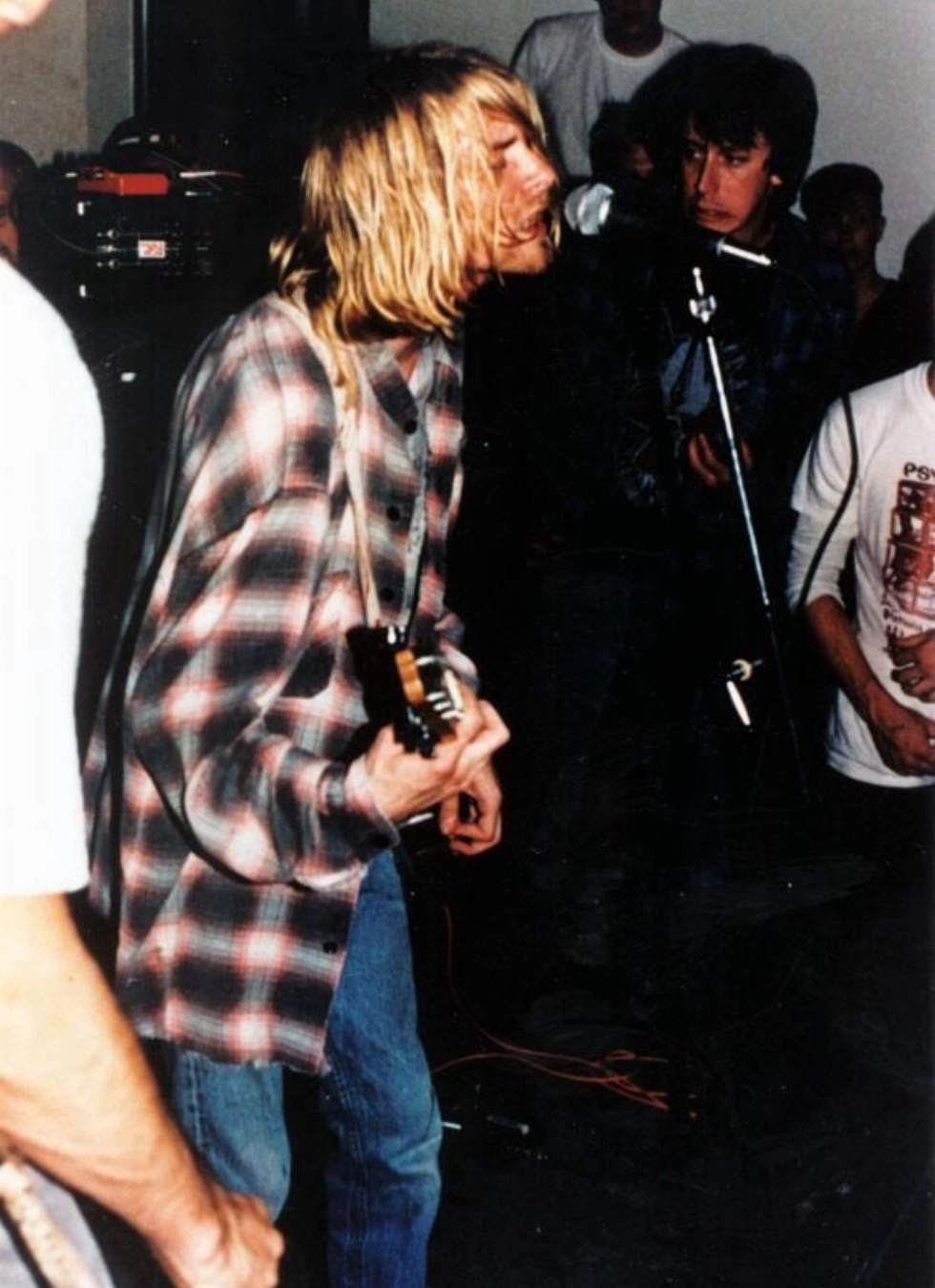

That authority loosened dramatically during the early 1990s. Plaid flannel shirts entered grunge through secondhand dressing and the music culture of the Pacific Northwest, where their warmth and worn familiarity suited an aesthetic built around deliberate dishevelment. Kurt Cobain became one of its defining figures, turning faded flannel, thrifted layers and visible wear into a visual language inseparable from the movement itself. Marc Jacobs brought this language onto the runway in his Spring 1993 collection for Perry Ellis, turning flannel fabric into one of the defining symbols of fashion’s encounter with grunge.
Woollen flannel carries the fullest expression of the fabric’s traditional character. Made from carded wool yarns, it develops a soft, slightly blurred surface and a substantial warmth that suits trousers, jackets and winter outerwear. Its texture often appears heathered, allowing darker colours to gain unusual depth.
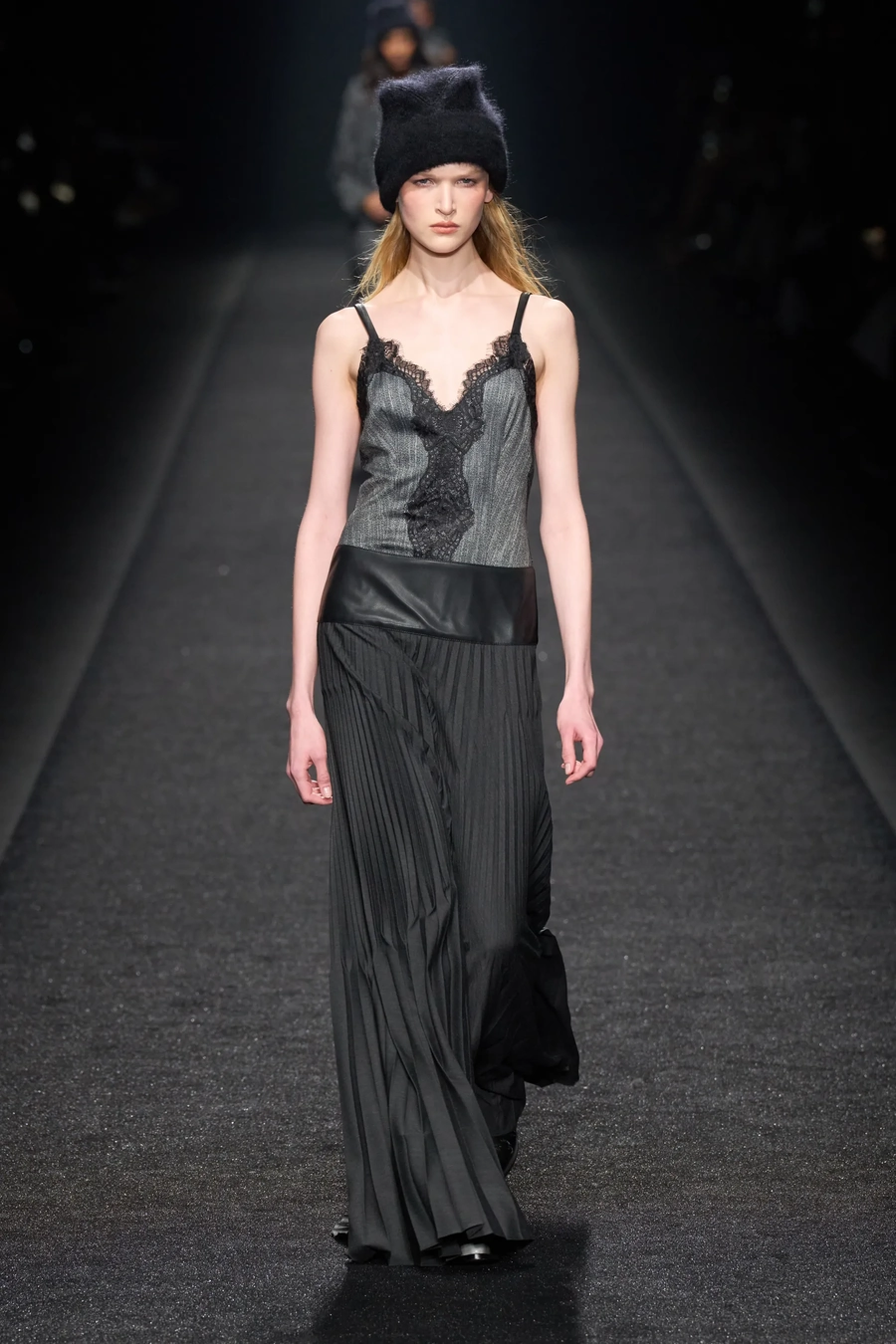
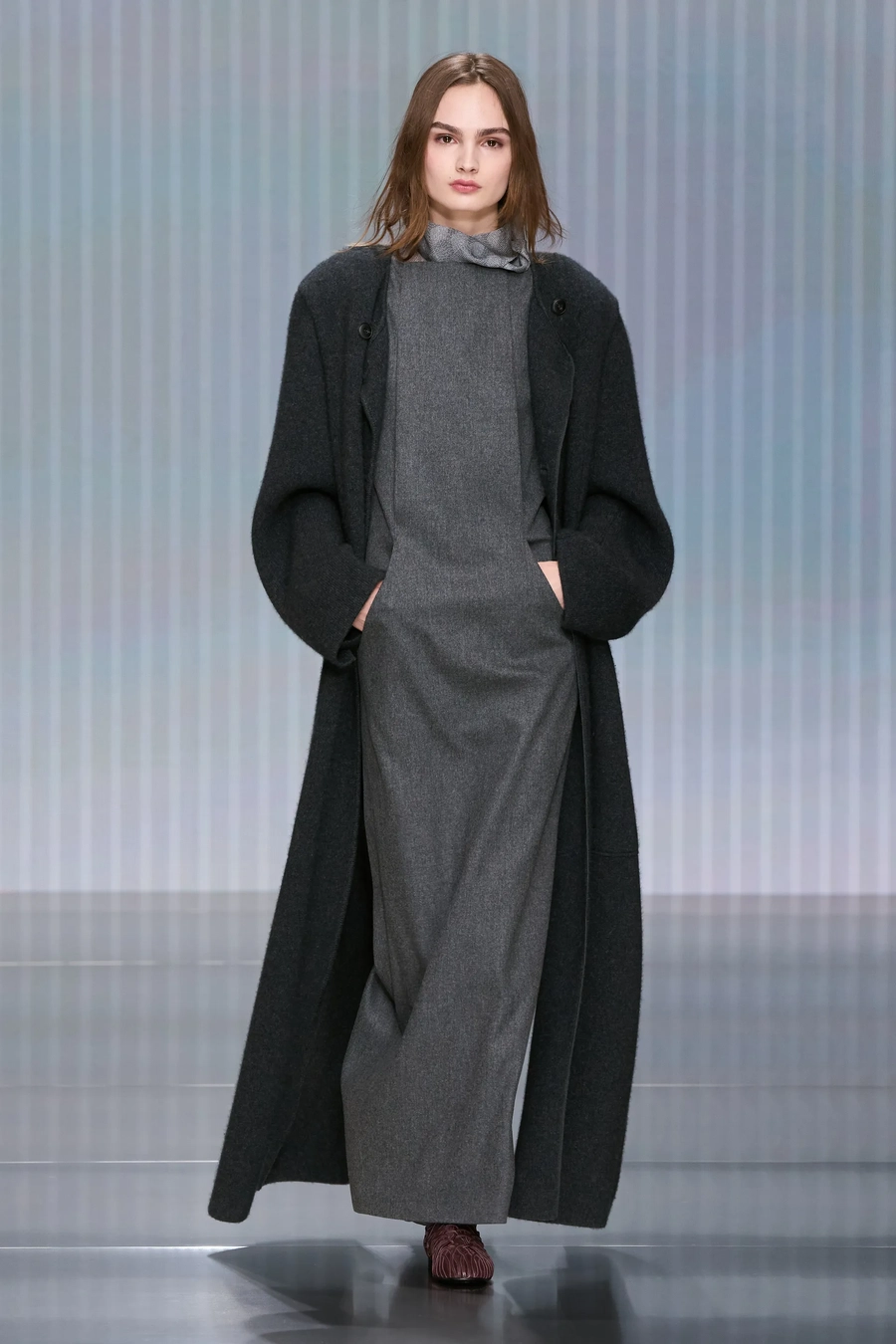
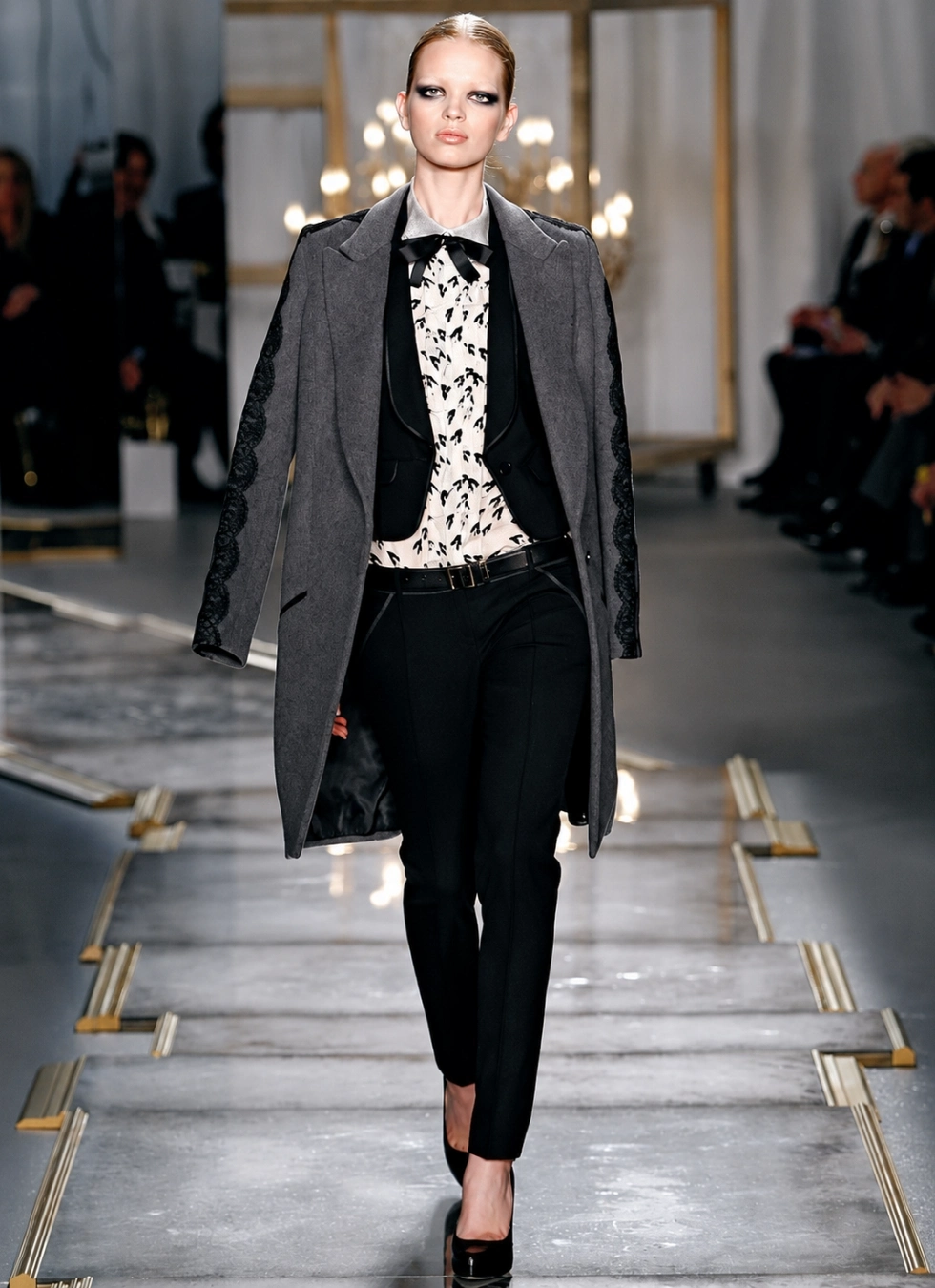
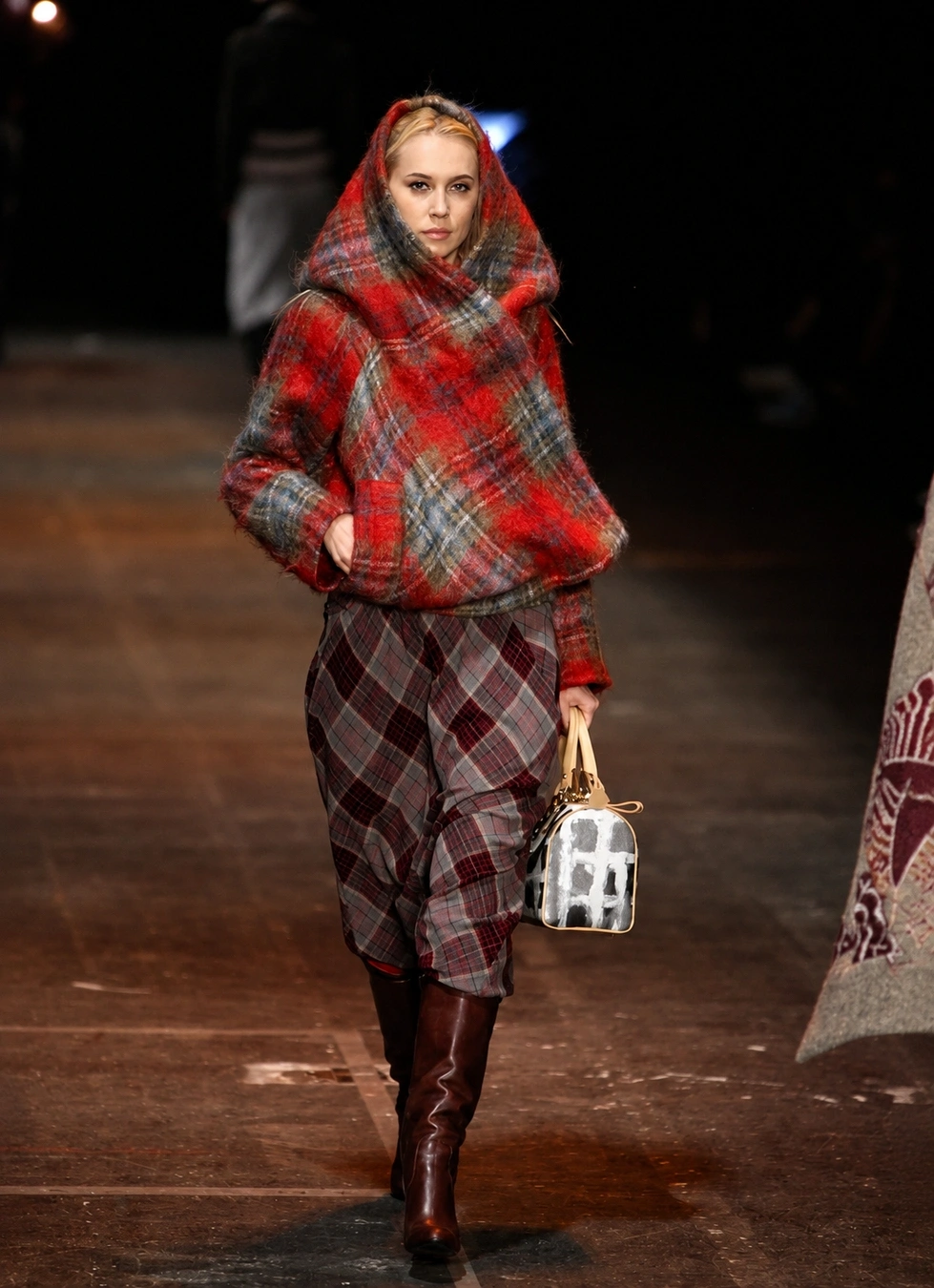
Worsted flannel presents a cleaner and more refined version. Longer fibres are combed into closer alignment before spinning, creating a smoother cloth with a shorter nap and more controlled drape. This type of flannel fabric works particularly well in lightweight tailoring, where softness must remain compatible with sharp seams and pressed lines.

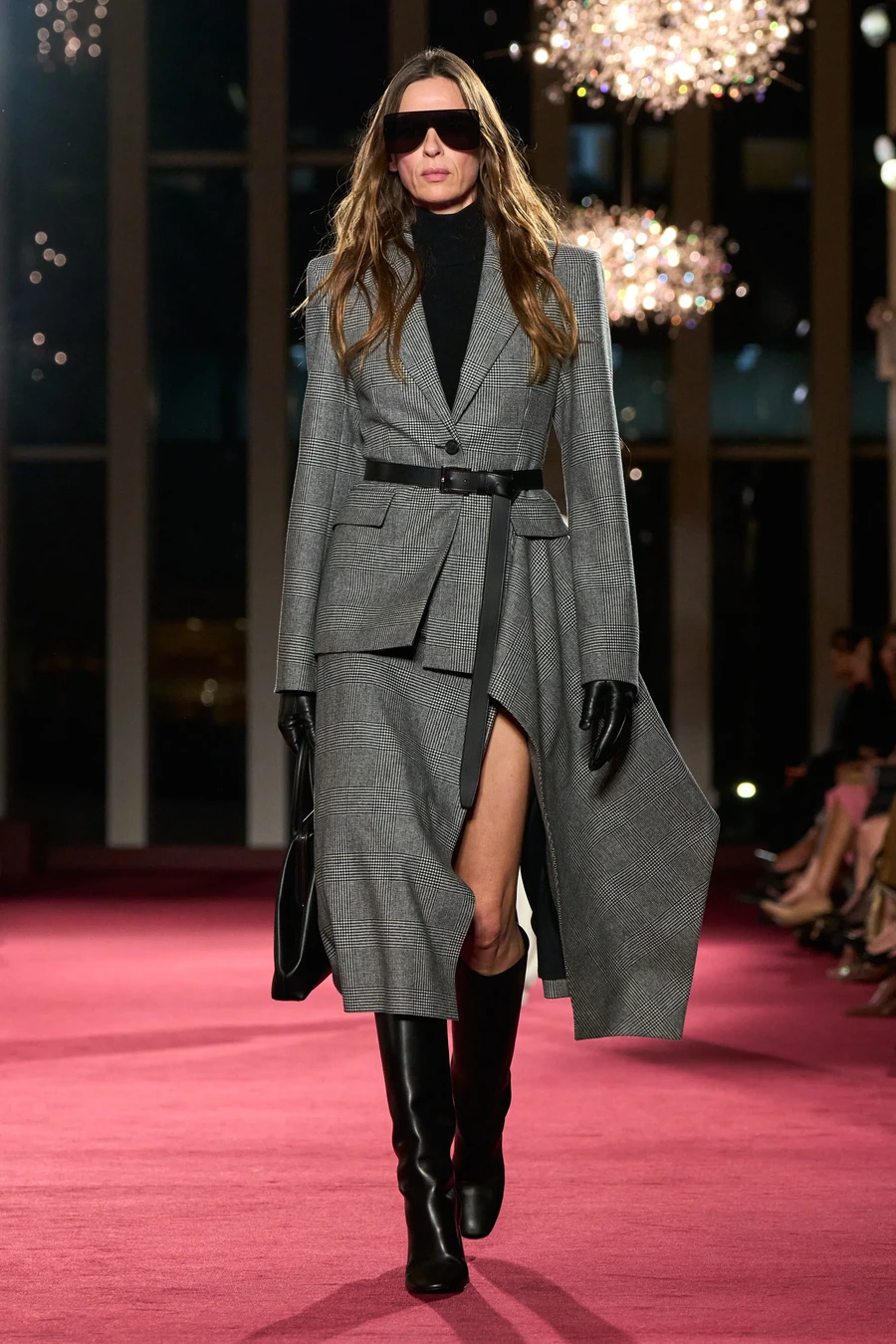
Cotton flannel is lighter and more familiar against the skin. Its brushed surface brings warmth to shirts, dresses and sleepwear while keeping the cloth flexible enough for everyday movement. Flannelette follows a similar visual language, usually using cotton to imitate the softness of wool at a lighter weight.
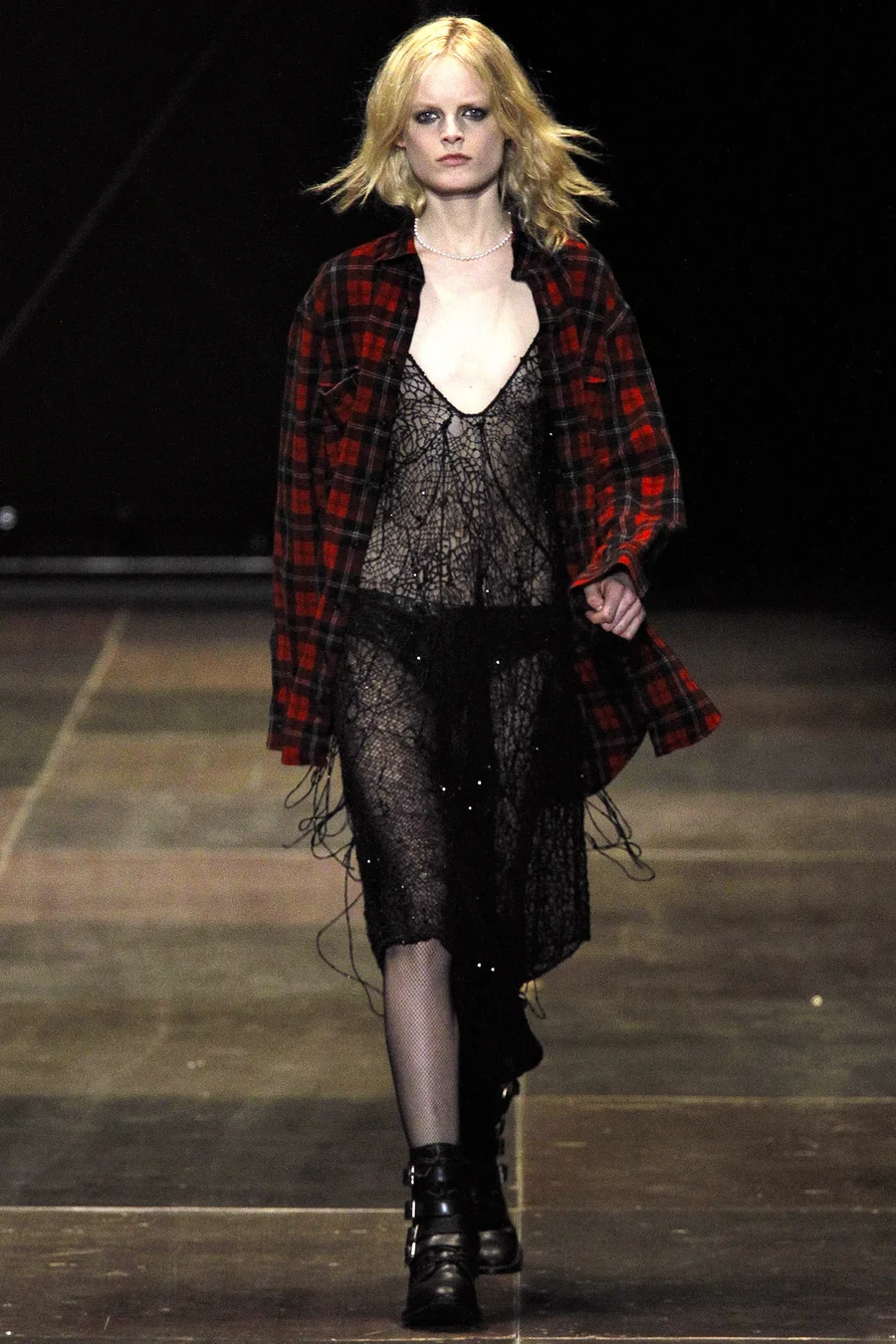
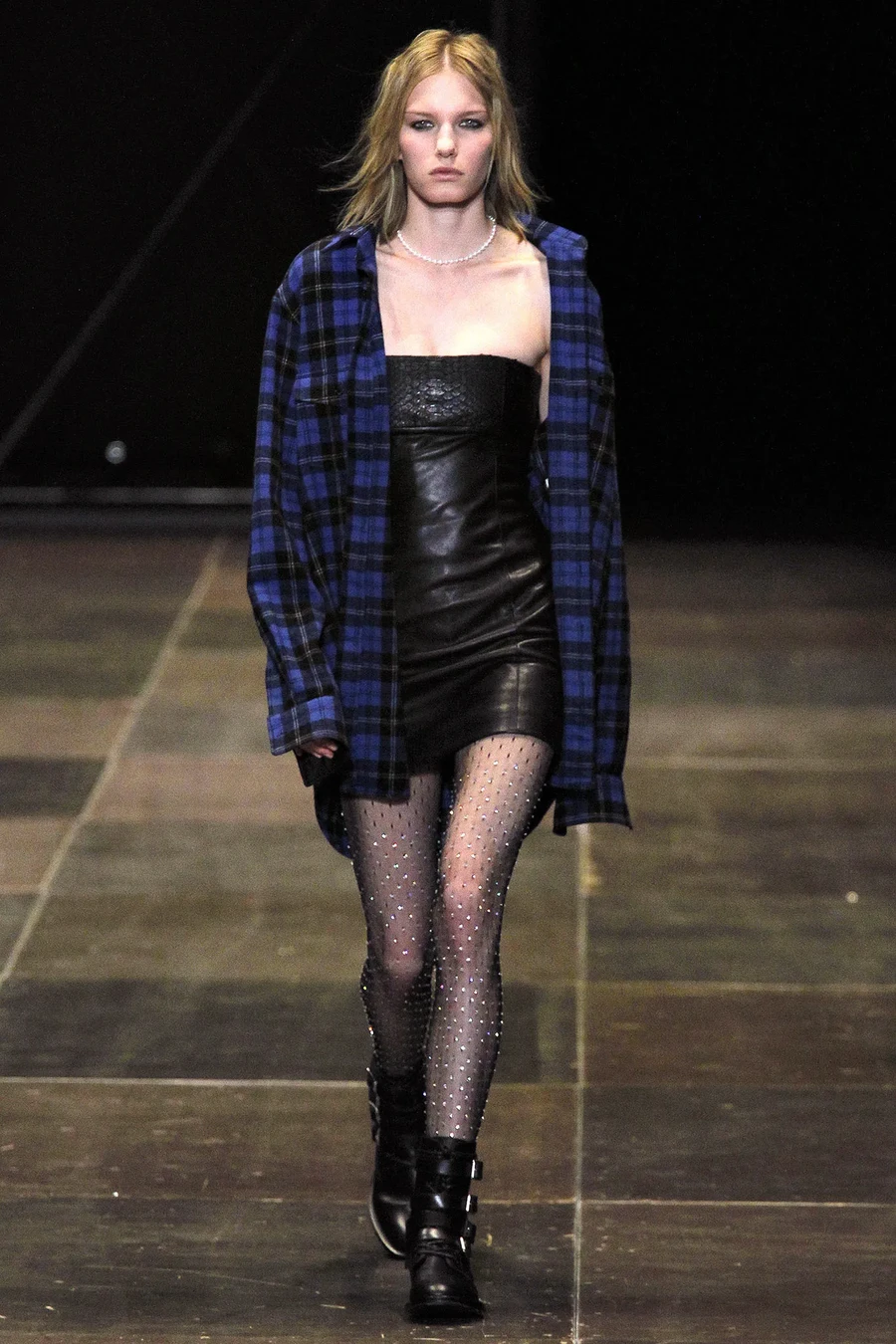
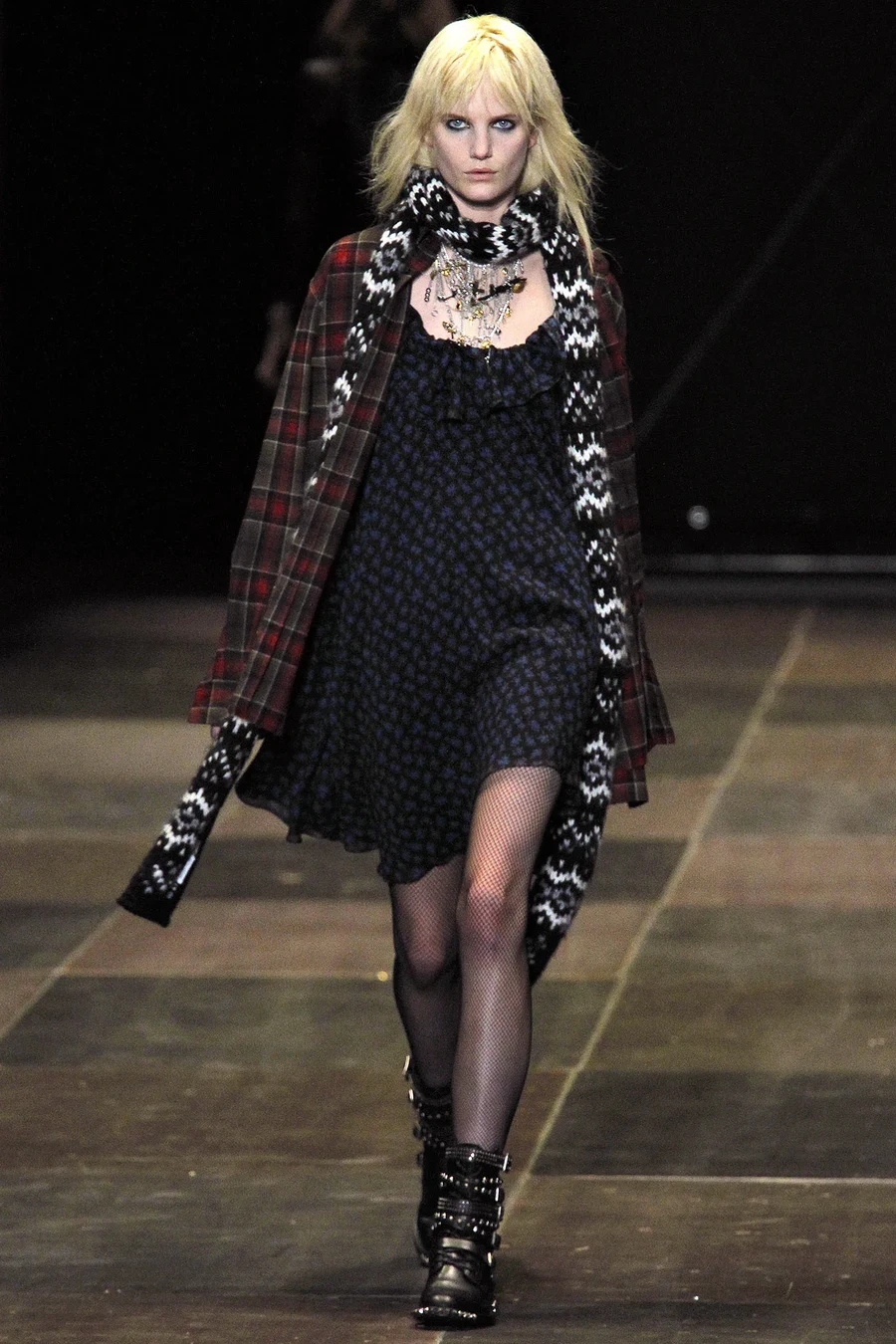
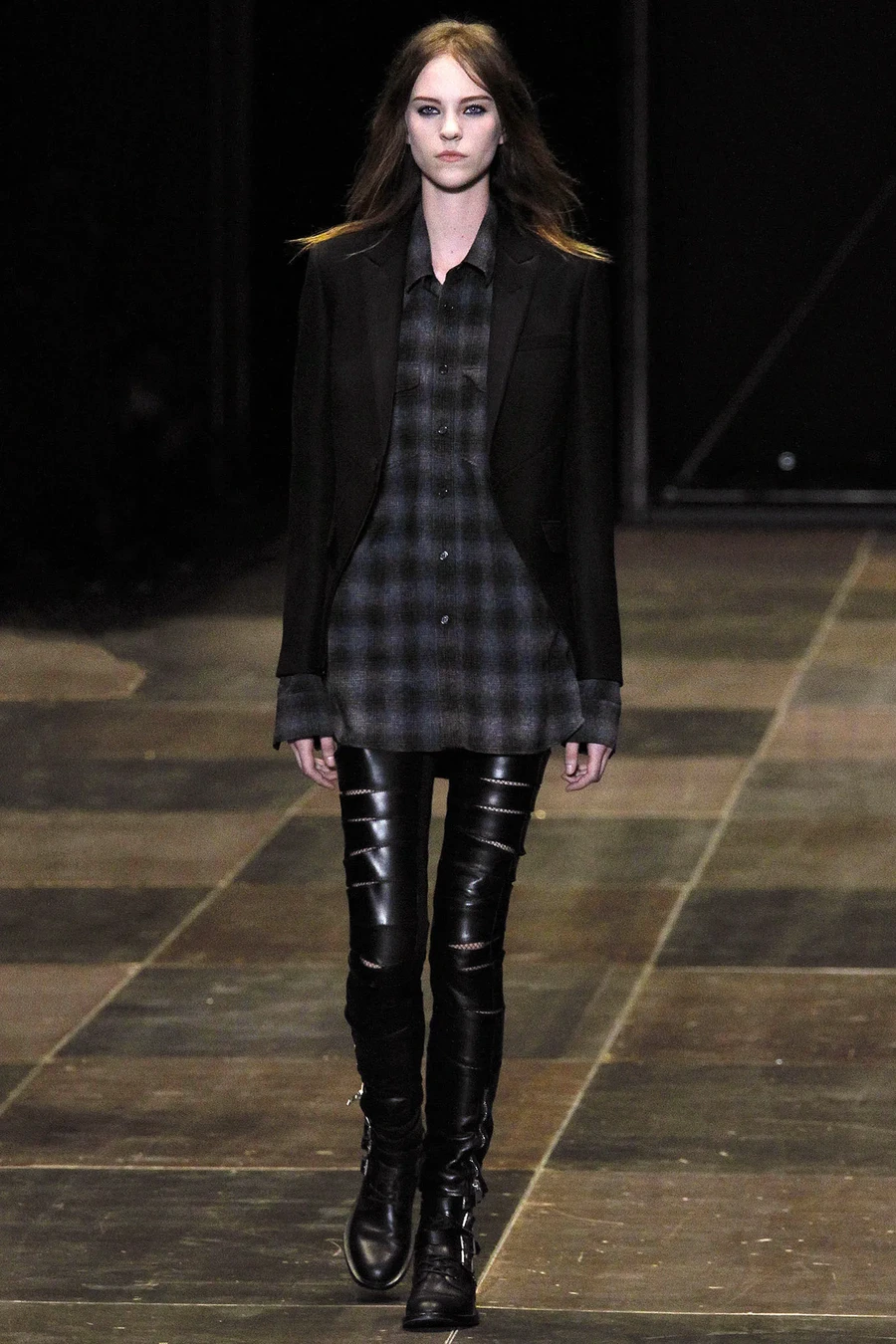
Luxury blends extend the material further. Cashmere can deepen the softness of wool flannel, while synthetic fibres may improve shape retention and reduce creasing. These combinations preserve the muted surface associated with flannel fabric while adjusting its weight, durability and seasonal use.
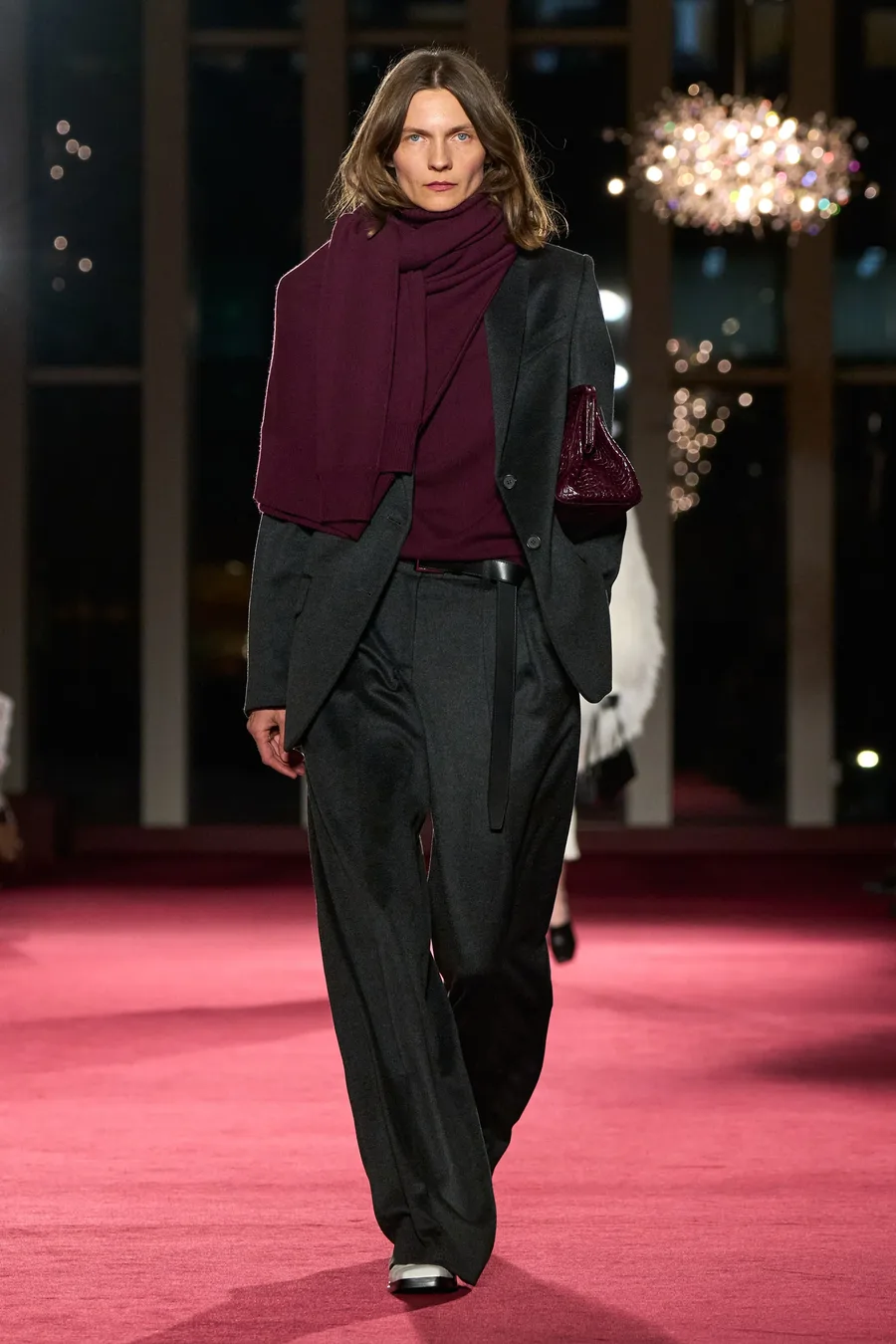
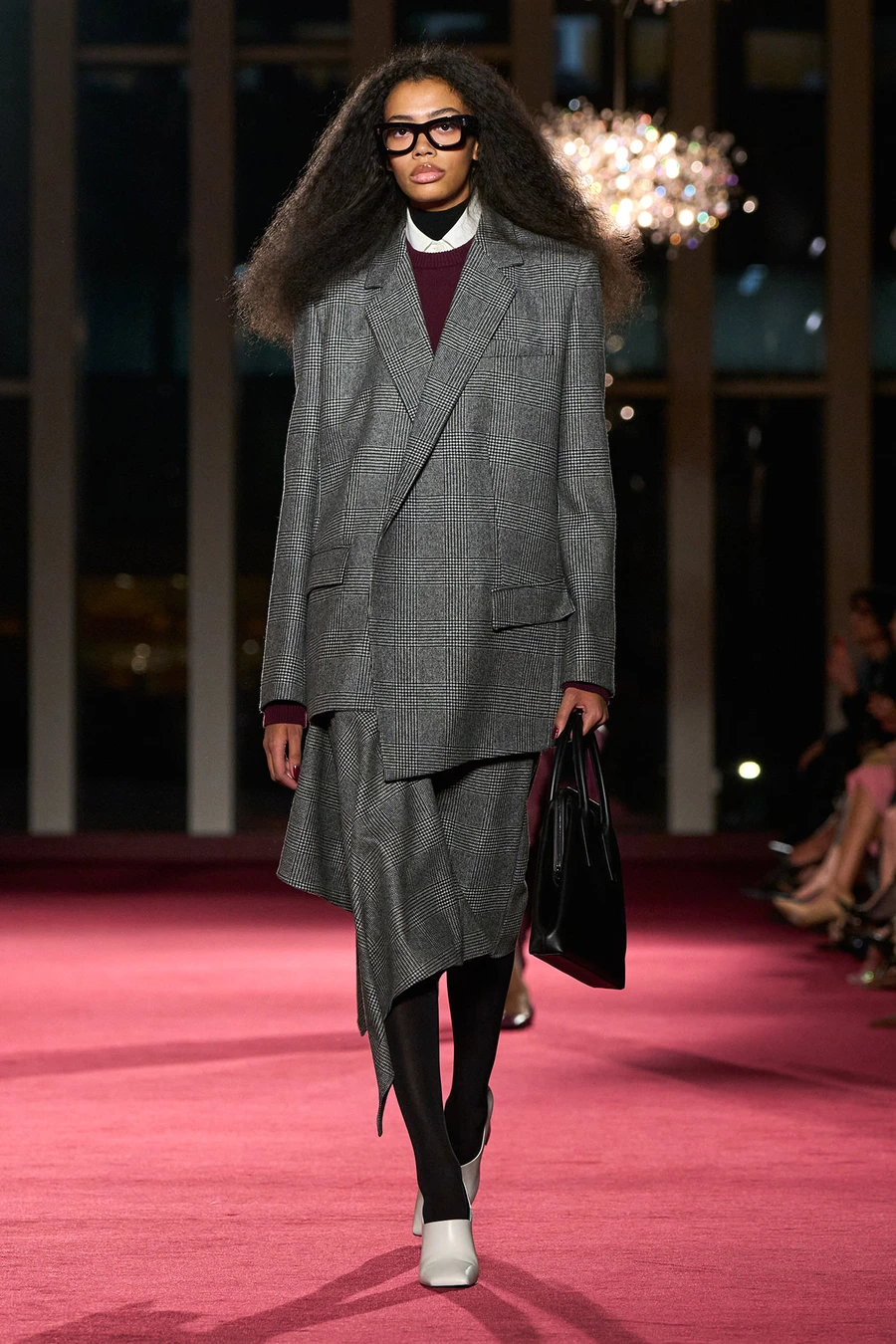
In ready-to-wear, flannel fabric moves easily between relaxed clothing and precise tailoring. Cotton versions soften shirts, overshirts and dresses, while wool flannel gives trousers and jackets a heavier fall that remains comfortable through movement. Its muted surface makes even structured garments appear less severe.
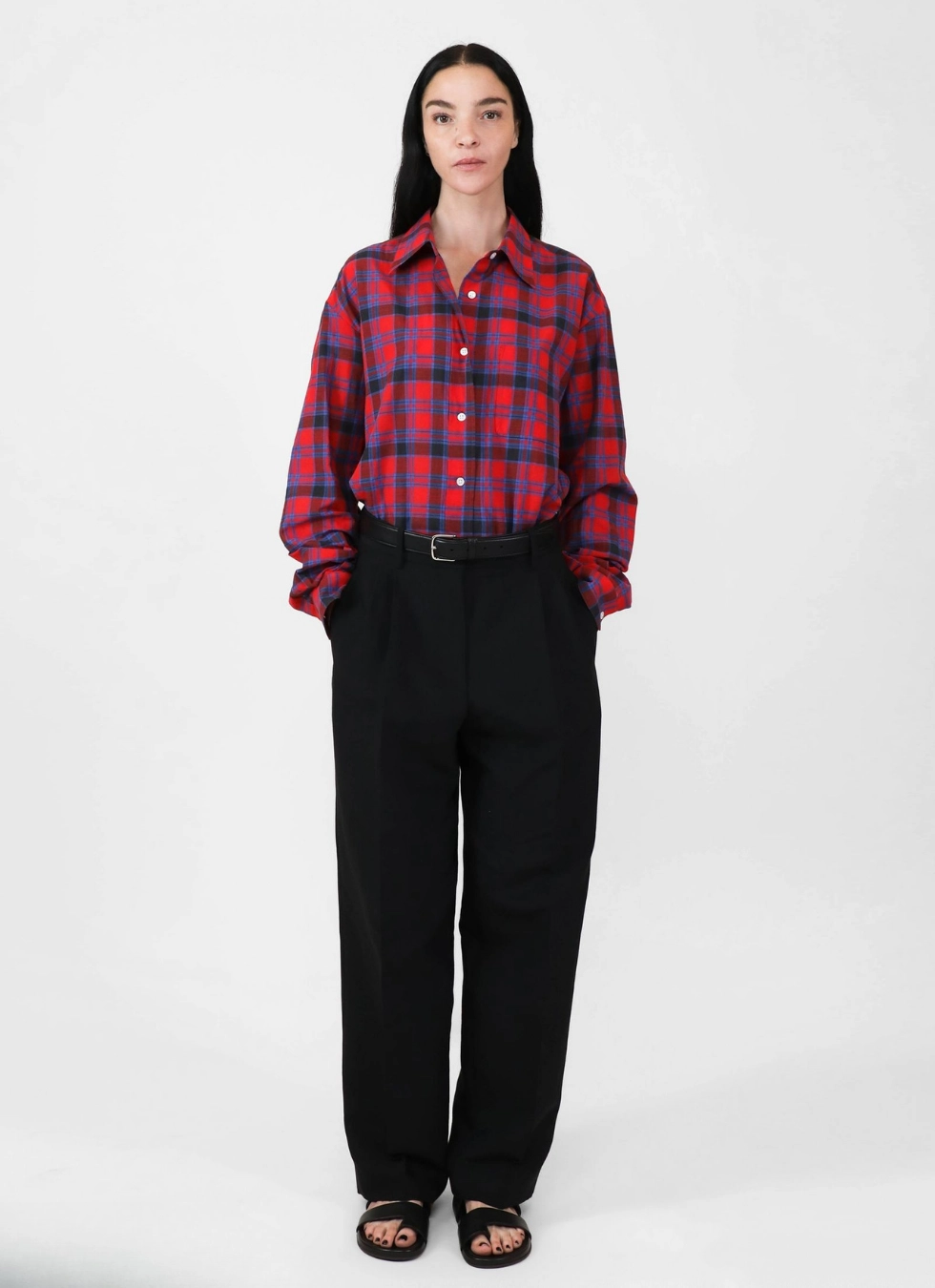
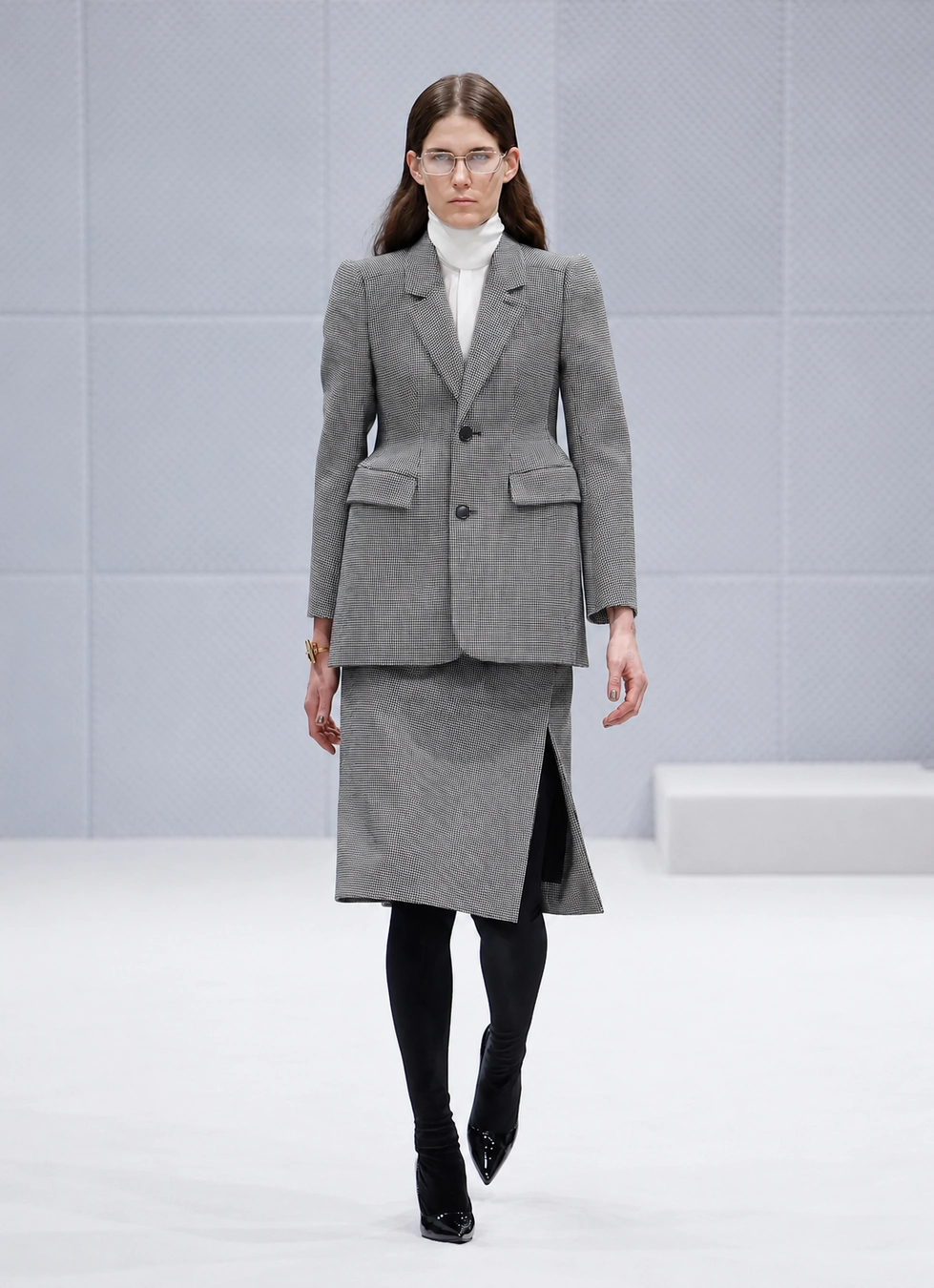
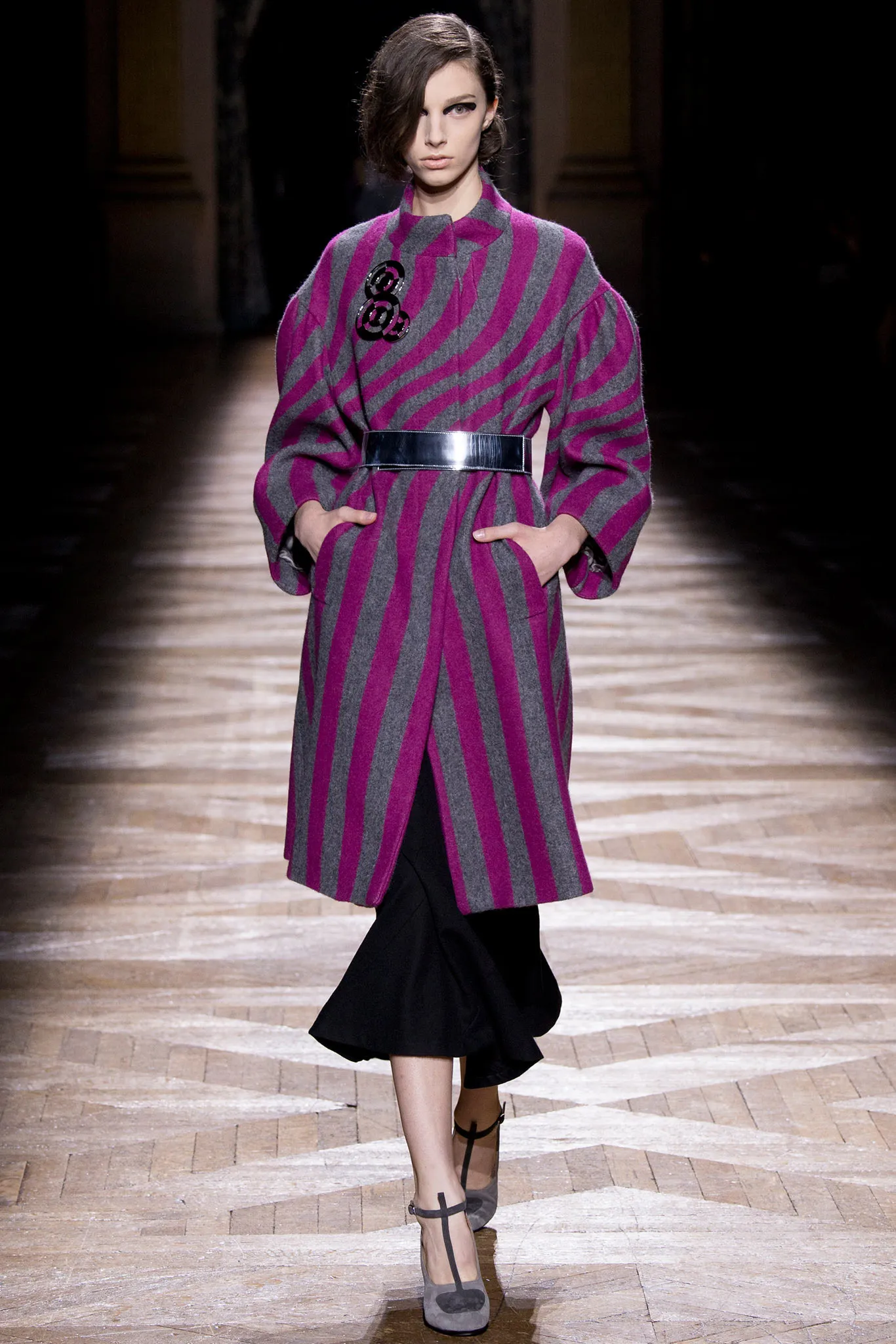
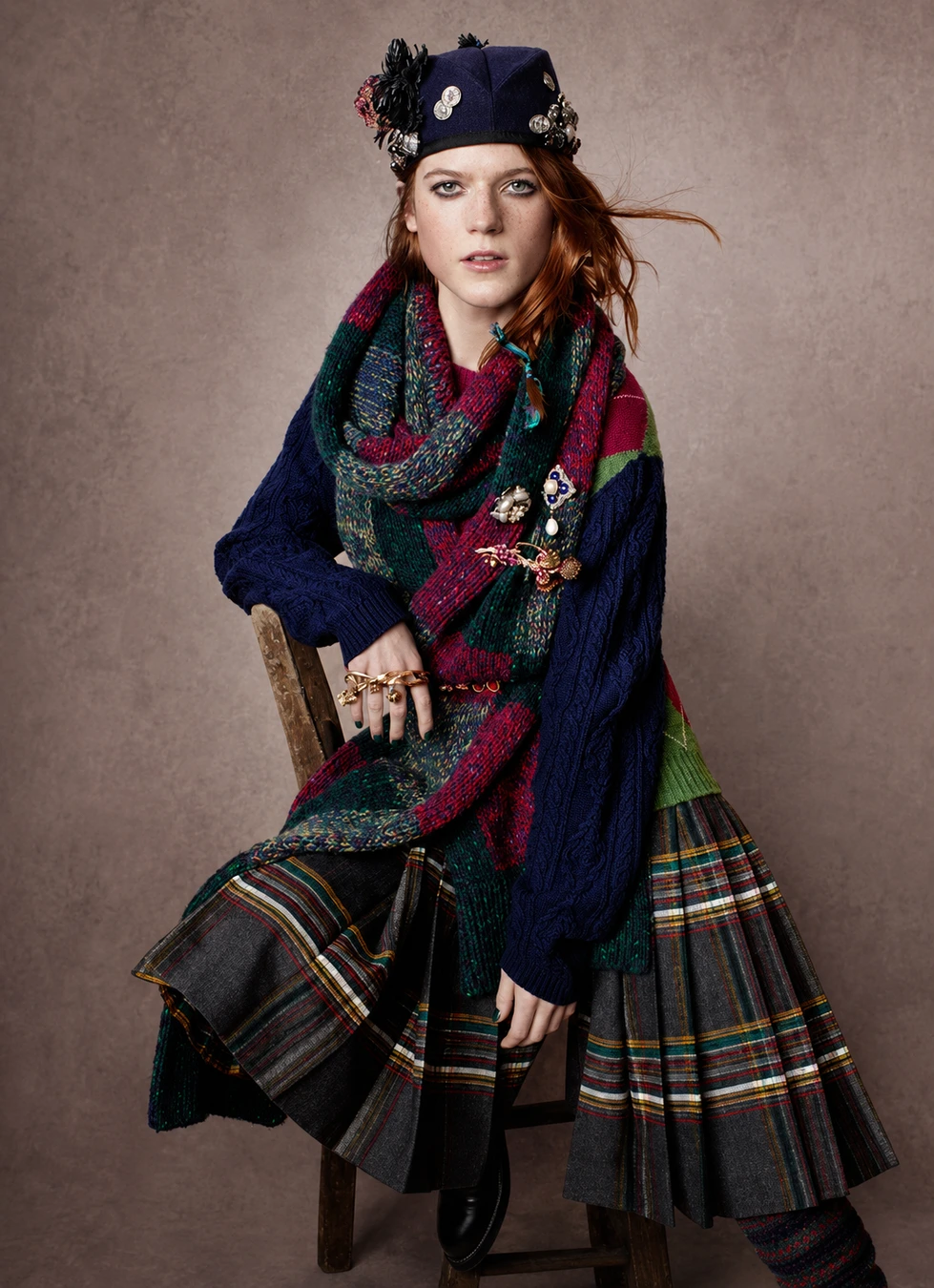
The material also adapts well to layering. A brushed shirt can sit close to the body, while denser flannel supports coats and outerwear without becoming excessively rigid. Checks strengthen its casual identity, though solid colours reveal how refined the fabric can become when cut into clean, elongated silhouettes.
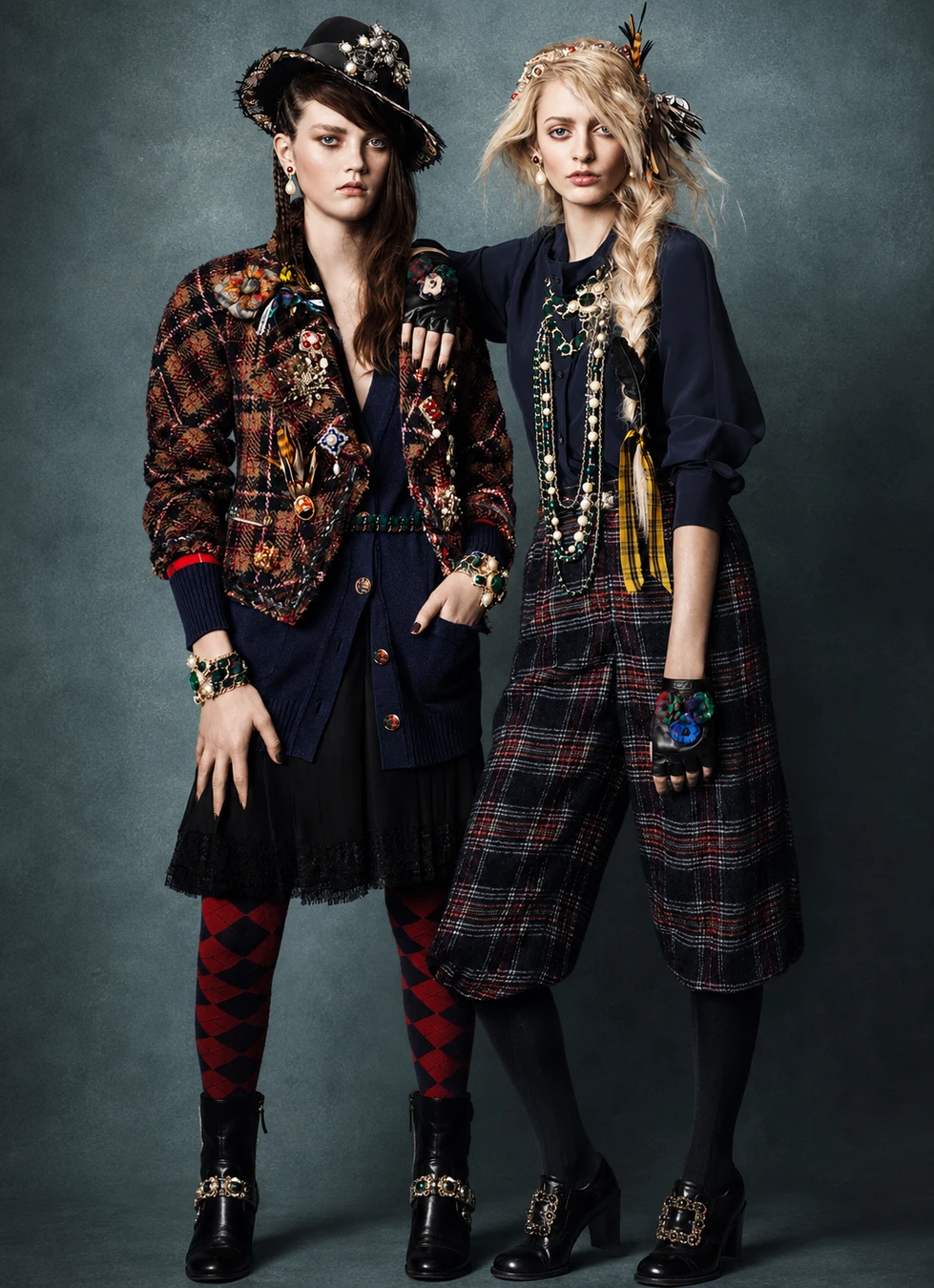
Haute couture uses flannel through contrast. Its familiar, matte surface can carry embroidery, sculpted volume and intricate tailoring without competing with the handwork placed upon it. The cloth gives elaborate construction a quieter visual temperature, allowing the silhouette to remain dramatic while the surface stays grounded.
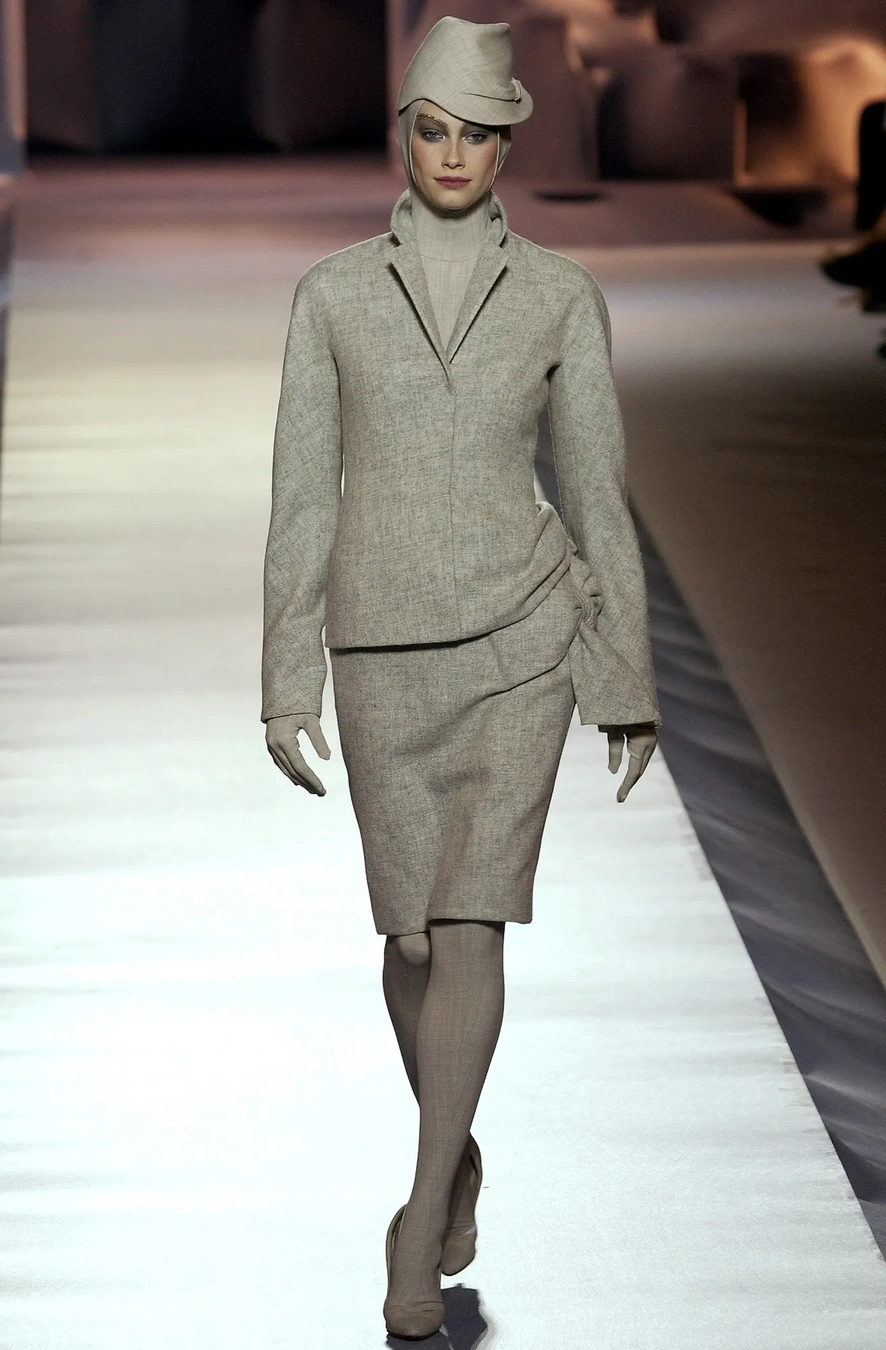
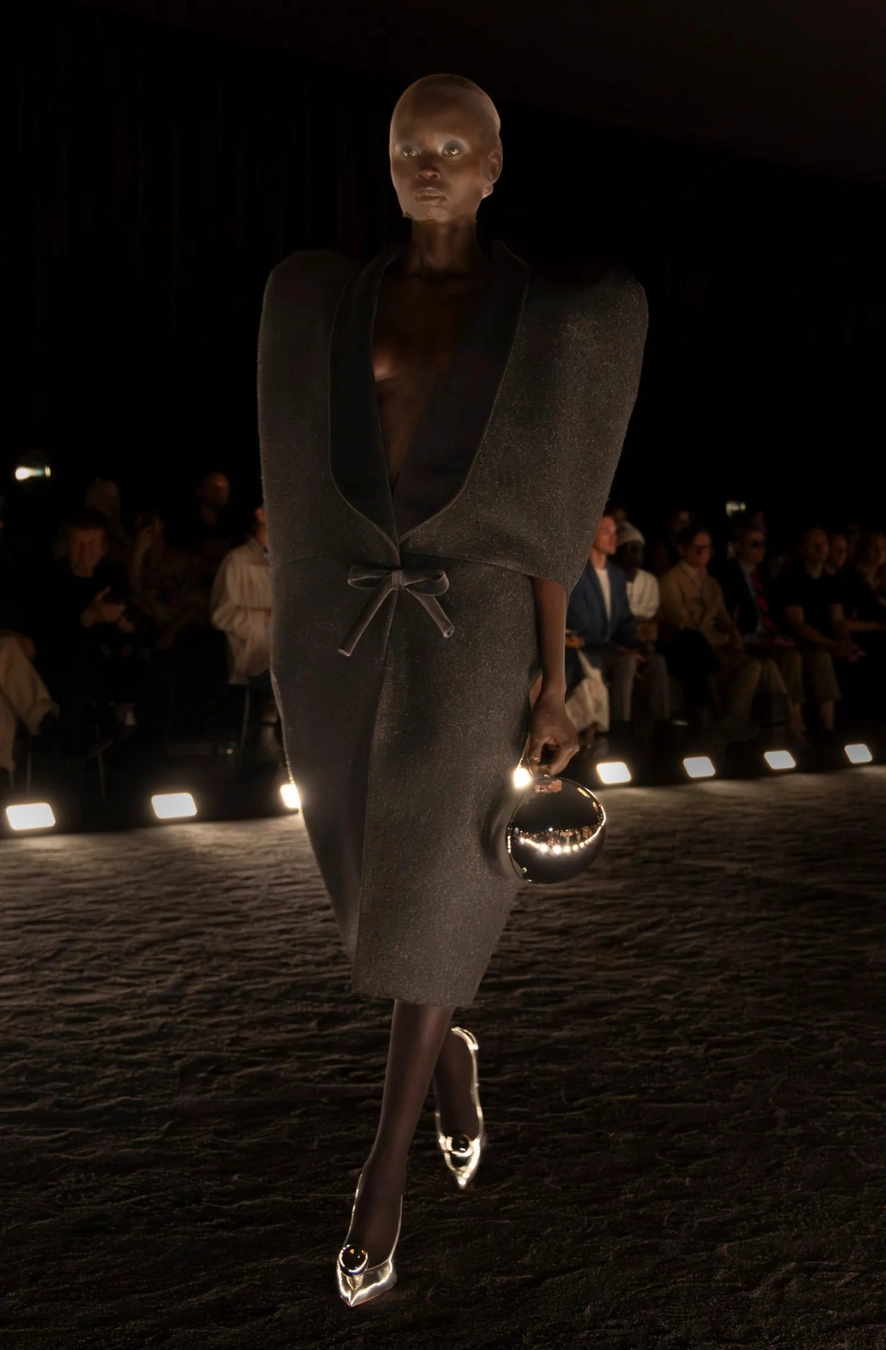
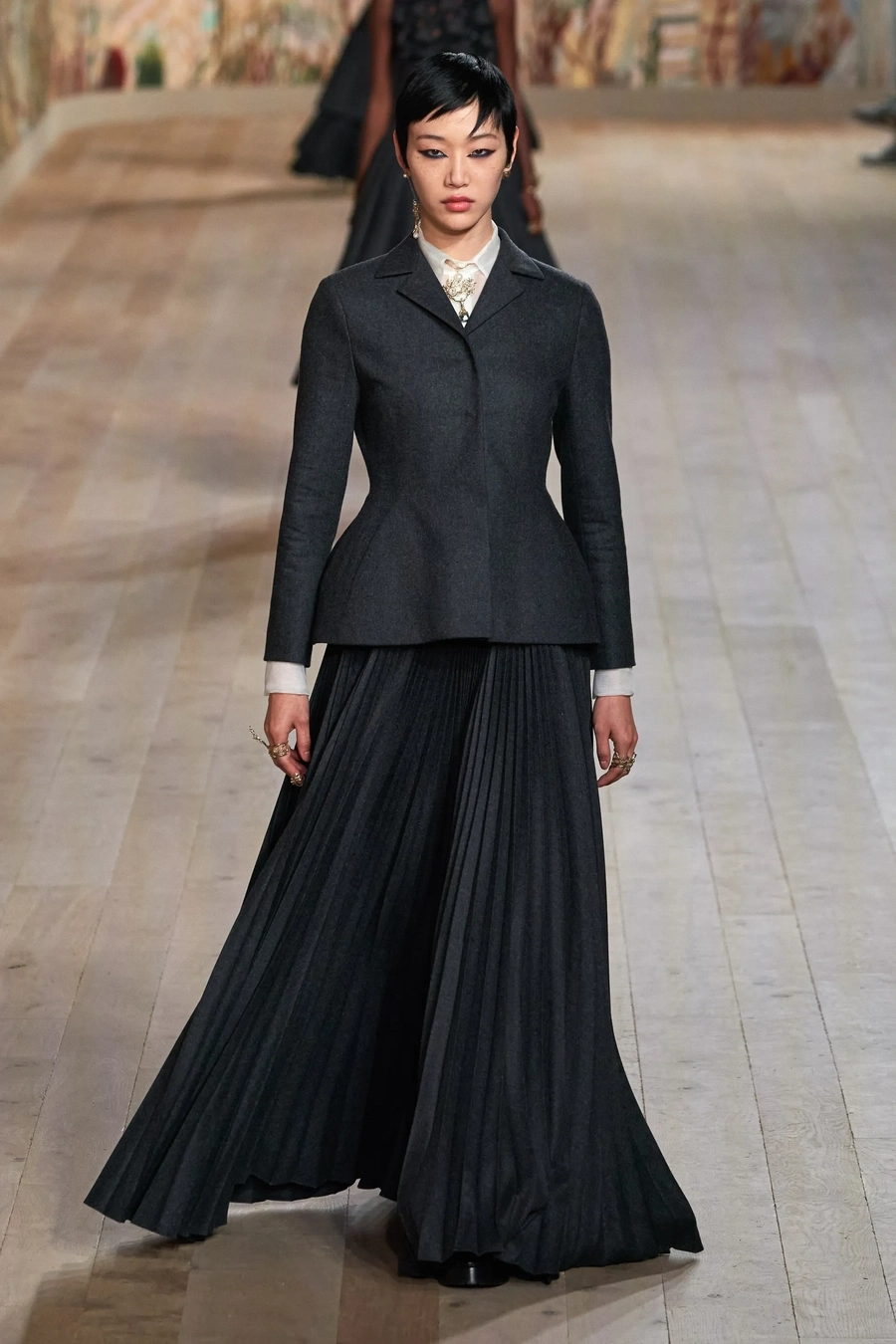
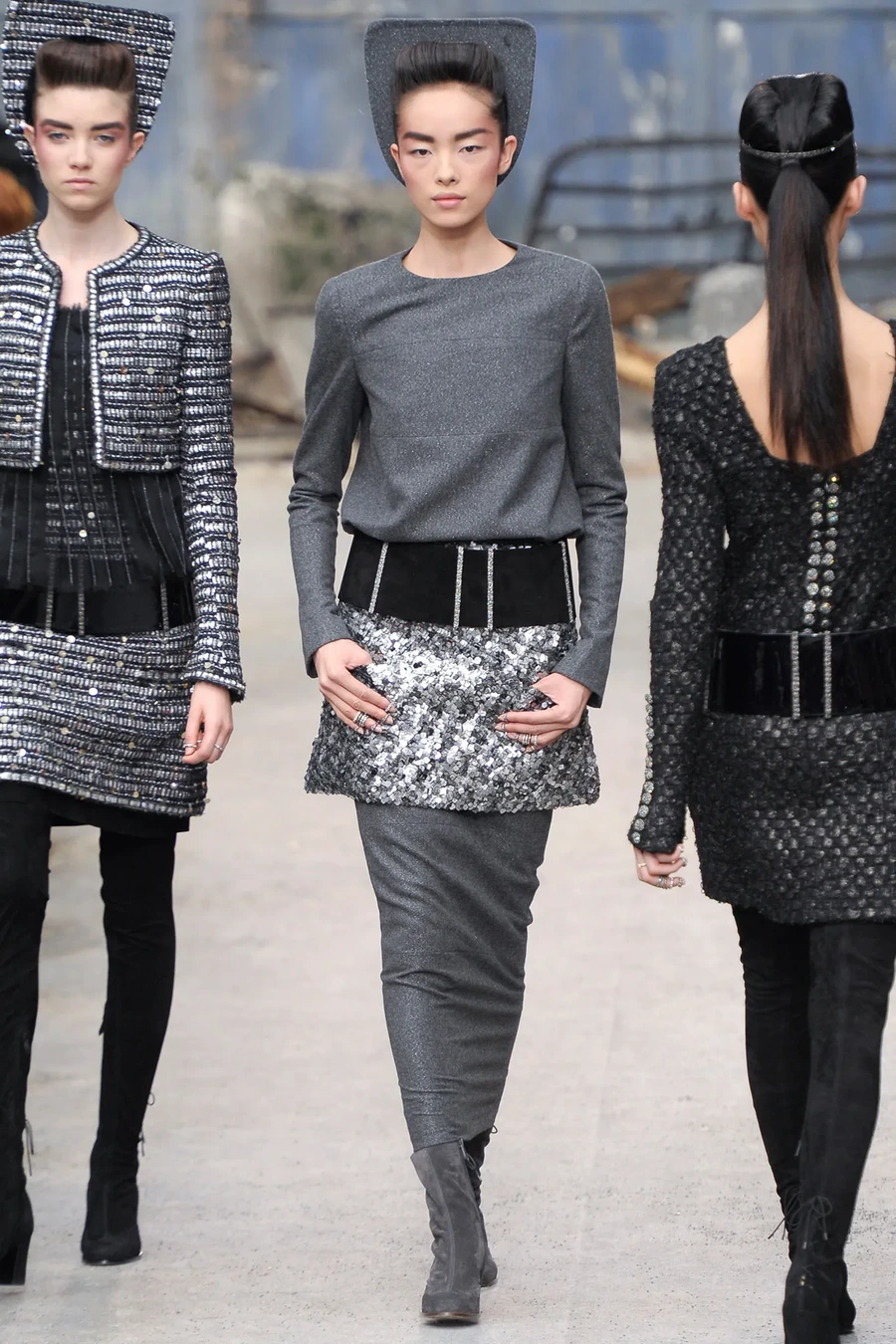
Fine wool and cashmere flannel can also be shaped through internal support, hand stitching and precise pressing. In this setting, flannel fabric leaves behind its workwear associations and becomes a medium for controlled softness, where craftsmanship is revealed through proportion instead of shine.
Choosing flannel fabric begins with weight and fibre. Cotton works well for lighter garments worn close to the skin, while wool offers greater warmth and a more substantial drape. Fine worsted flannel suits tailoring, whereas a fuller woollen surface is better suited to outerwear and relaxed winter pieces.
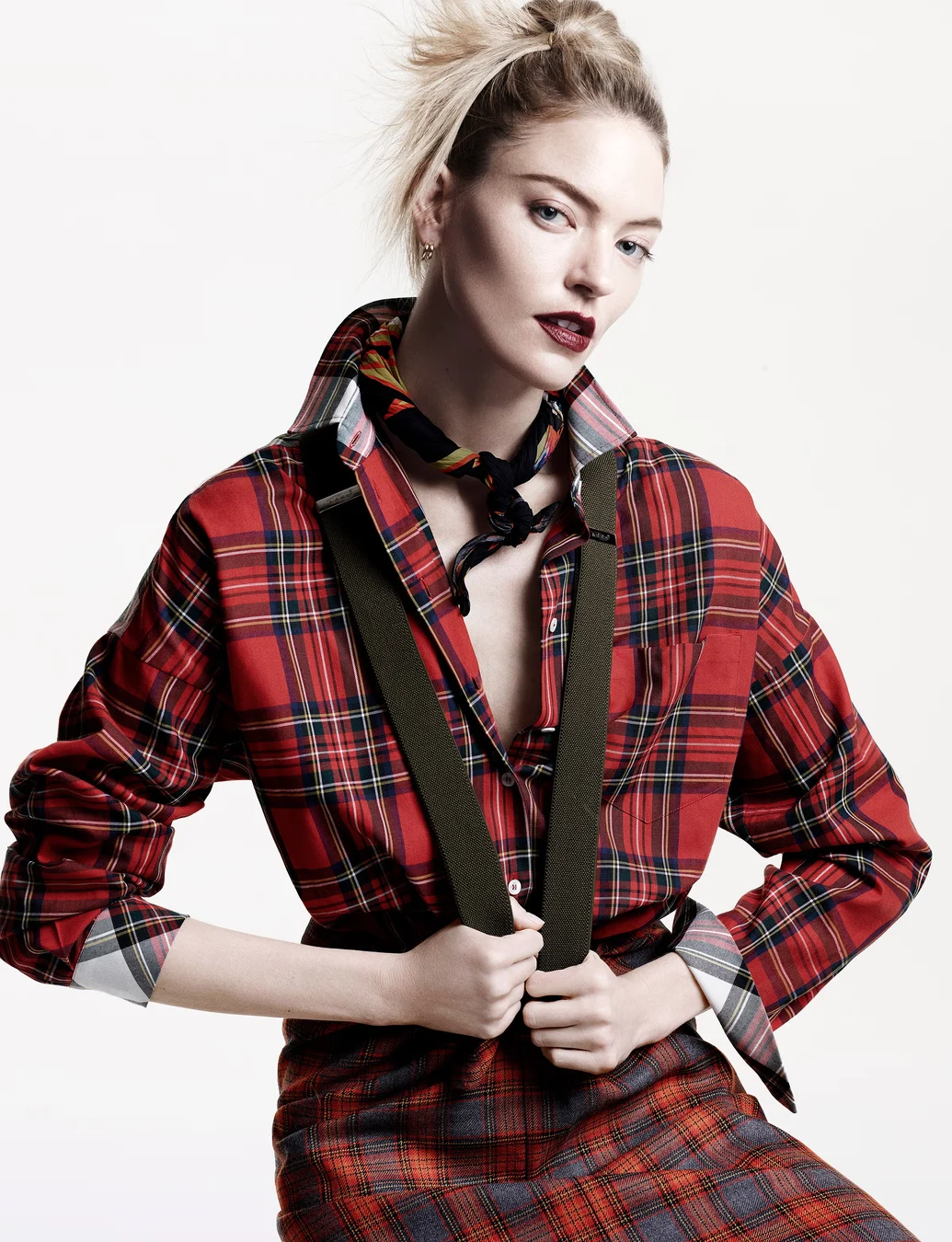
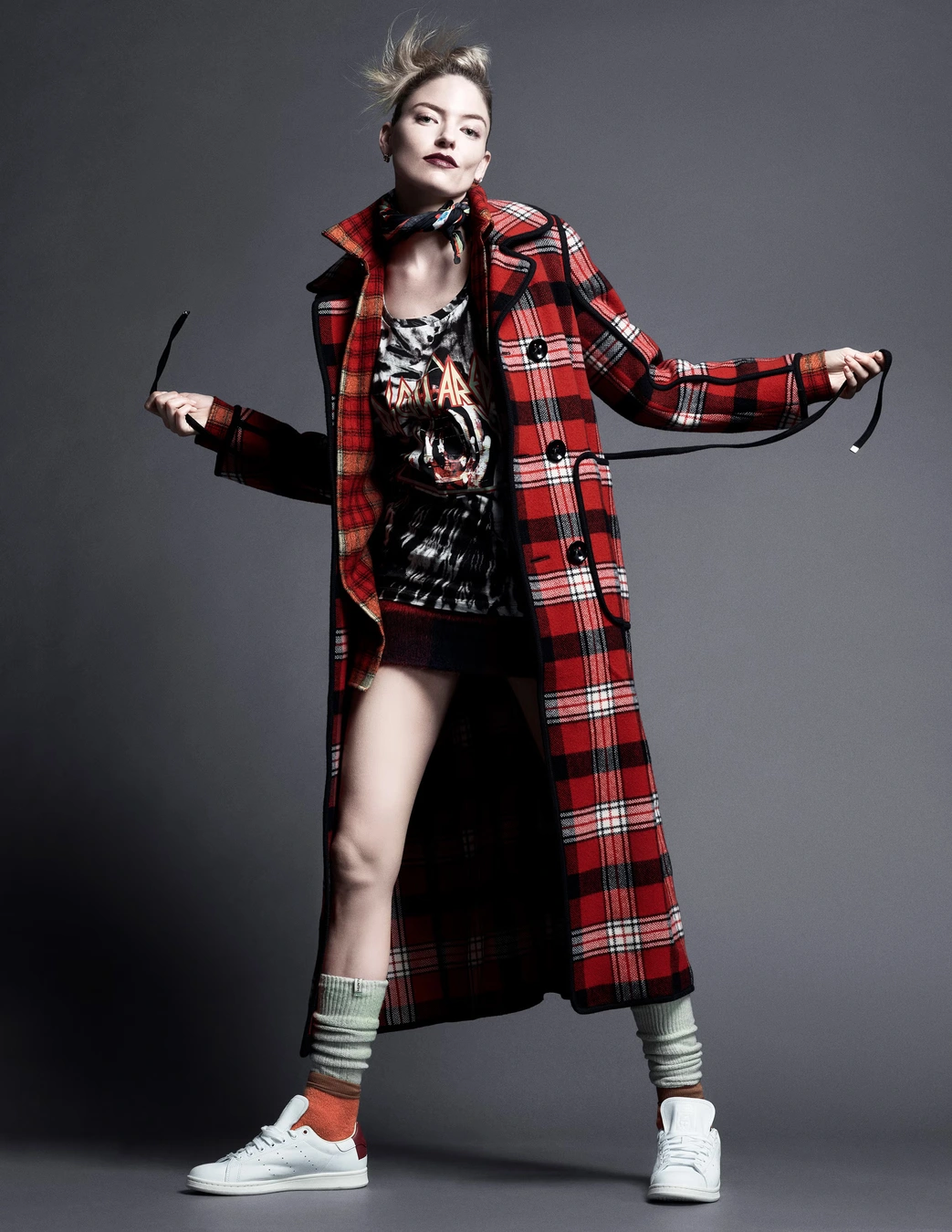
The nap should appear even across the cloth, with no thin patches or loose fibres. Checked flannel also requires careful alignment, as uneven lines can become highly visible once the garment is cut and sewn.
Cotton flannel should usually be prewashed before cutting to control shrinkage. Wool versions need gentle cleaning and protection from heat, agitation and heavy pressing. Steam and a press cloth help preserve the raised surface, while proper storage prevents the fabric from flattening or developing unnecessary friction.
Flannel fabric has crossed centuries without losing the intimacy held within its surface. Its softness has carried the memory of labour, domestic warmth, disciplined tailoring and youthful rebellion, allowing the same cloth to change meaning each time fashion reshapes it.
What remains constant is its ability to make structure appear human. Beneath a tailored line or an oversized layer, flannel fabric keeps a trace of warmth close to the body, giving even the most composed silhouette a sense of familiarity.
Advertisement