MENU
Close





On December 16, 1993, MTV aired Nirvana: Unplugged in New York, a broadcast that quietly reshaped how the world understood both grunge and Kurt Cobain. Recorded weeks earlier at Sony Studios, the performance arrived at a moment when alternative music had already entered the mainstream, yet its visual language was still closely associated with a specific place and scene. That night, grunge stepped beyond geography and became a shared global reference.
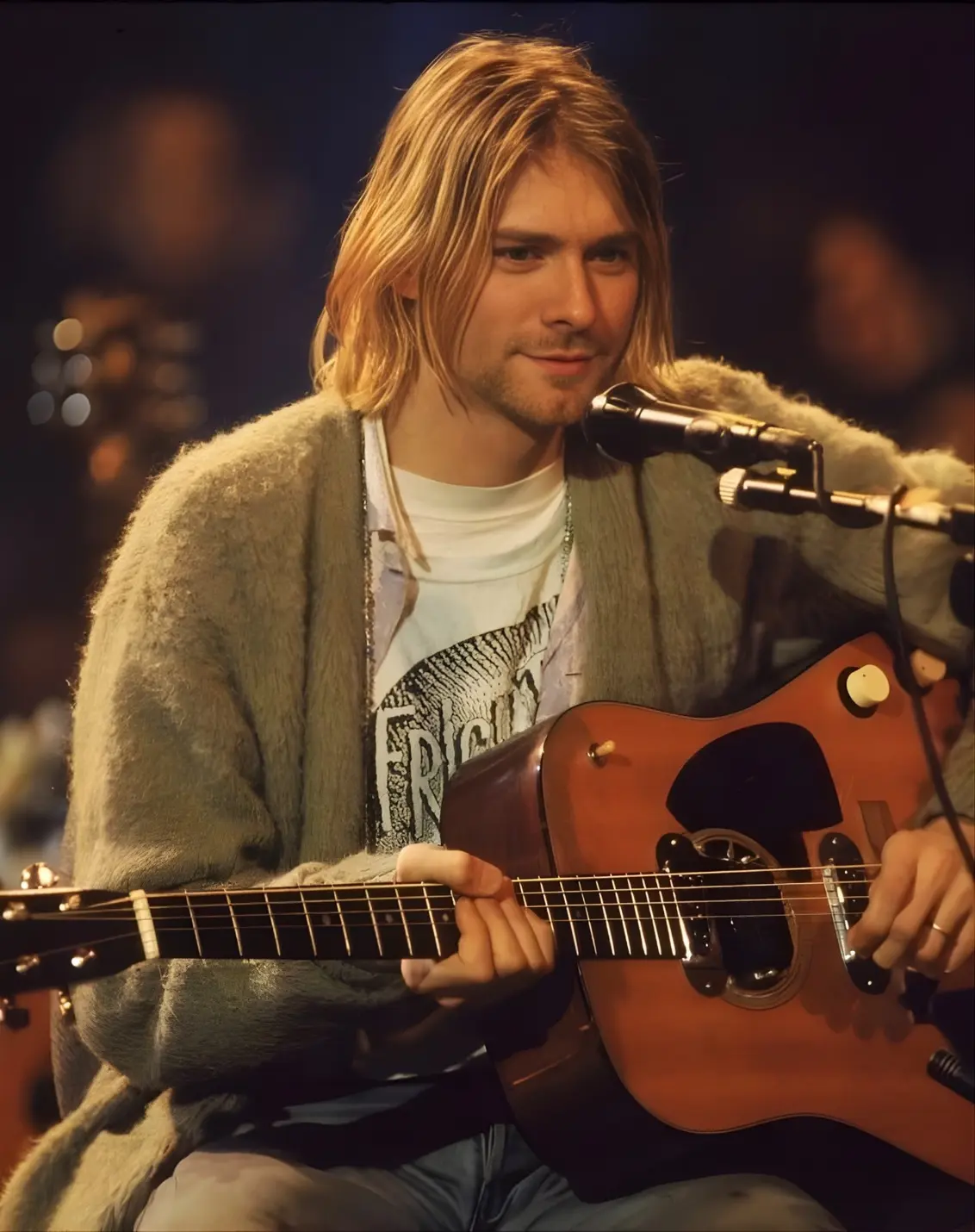
On December 16, 1993, MTV aired Nirvana: Unplugged in New York, a broadcast that quietly reshaped how the world understood both grunge and Kurt Cobain. Recorded weeks earlier at Sony Studios, the performance arrived at a moment when alternative music had already entered the mainstream, yet its visual language was still closely associated with a specific place and scene. That night, grunge stepped beyond geography and became a shared global reference.
December 16, 2025


Kurt Cobain appeared on stage dressed as he often was: a loose cardigan, worn denim, simple T-shirt, Converse on his feet. Nothing about the styling was staged, yet the effect was immediate and lasting. The cardigan, the slouching, moth-eaten, cigarette-scented cover of someone who never pretended to care about fashion, became immortal the second he stepped onto the stage. Its faded moss-green knit, its slightly-off buttons, the way it hung between hesitation and rebellion: suddenly, this wasn’t merely clothing. It was a philosophy.
It reflected a way of dressing that valued comfort, softness, and emotional openness, qualities that stood in contrast to the polished aesthetics dominating music television at the time.
And the world copied it instantly.
Within months, the “Kurt Cobain cardigan” multiplied across continents like wild mushrooms after rain: thrift-store sweaters reinterpreted by designers, high-street clones mass-produced for teenagers who wanted to feel disheveled but tender, undone but intentional.
As the Unplugged episode circulated internationally, so did its imagery. The items Kurt Cobain wore began to appear everywhere: thrifted knitwear, oversized layers, faded flannel, battered sneakers. What had once been part of a local, practical wardrobe connected to climate and circumstance was now reinterpreted across cities, cultures, and fashion systems. Designers absorbed the codes, high-street brands reproduced them at scale, and a generation learned to read vulnerability and authenticity through clothes.
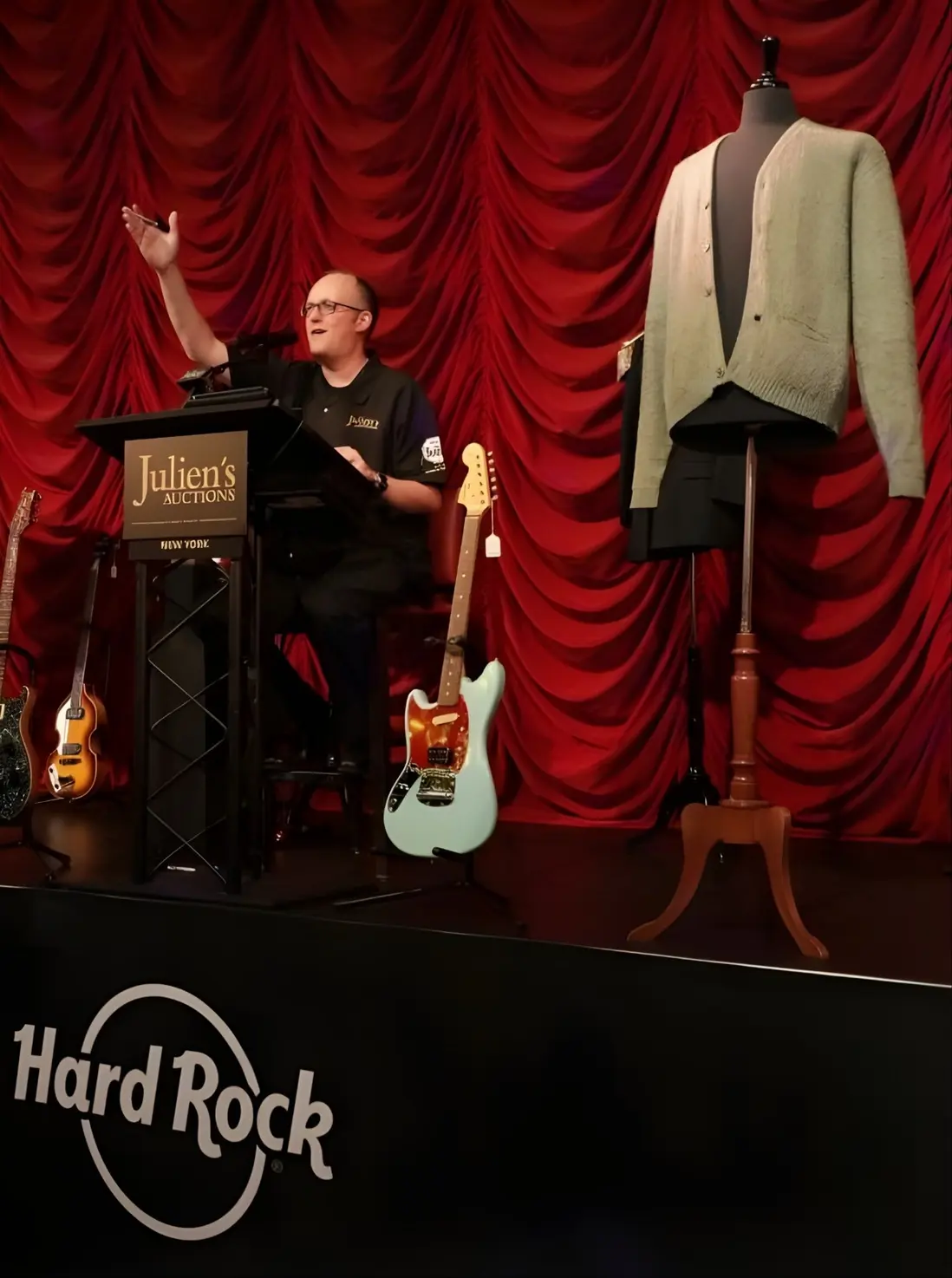
Today, that cardigan was auctioned in 2019 for USD 334,000, setting a record for a sweater sold at auction, fetching astronomical sums and inspiring countless replicas. But its true legacy is not in its price; it’s in how a single item of clothing, worn by a reluctant icon on a quiet December night, reshaped the global imagination.