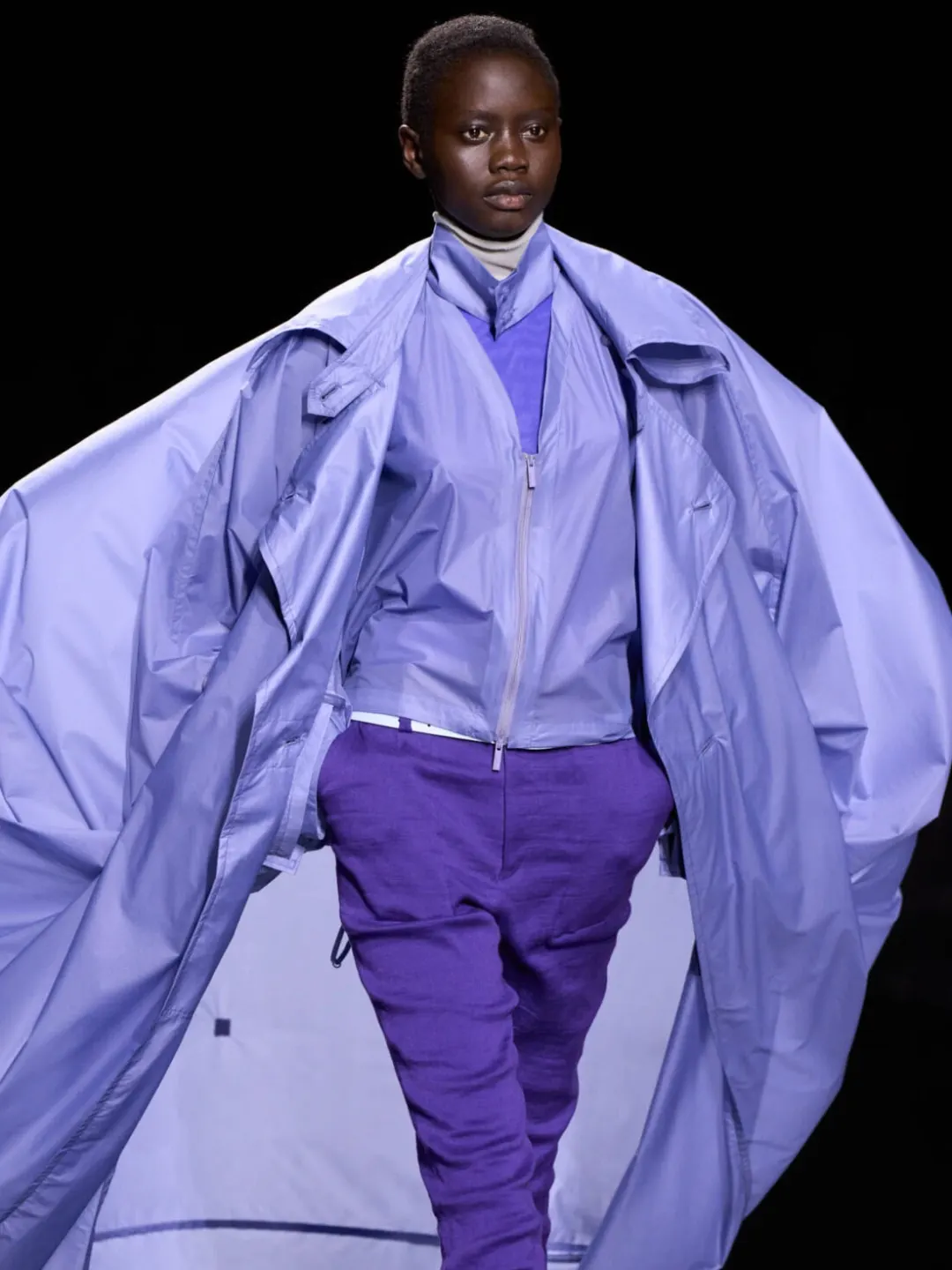
Who runs New York? A generation of women is shaping the city's fashion identity, turning creative independence into a powerful new language of business.

Who Runs New York Fashion Week? Girls!
Who runs New York? A generation of women is shaping the city's fashion identity, turning creative independence into a powerful new language of business.
October 22, 2026


New York has always attracted designers determined to establish something of their own. During the Spring/Summer 2027 season, that entrepreneurial spirit carried a distinctly female presence. Women accounted for approximately 50% of designers represented on the official New York Fashion Week calendar, with 68 female designer names identified across the schedule. Beyond the runway, an extensive community of women-led labels continued operating across the city's independent fashion landscape.
The figures reveal an important development in American fashion. Female creative leadership has become a substantial component of New York's designer economy, supported by an ecosystem of founder-led businesses, specialized studios, independent retailers, and emerging talent programs. Many of these women occupy several positions simultaneously, directing collections while making the commercial decisions that determine their labels' future.
Their influence raises an interesting question about New York's contemporary fashion identity. What has made the city such fertile ground for female independent designers, and how are these women translating creative authorship into lasting commercial power?
New York Has Always Been a Woman's Business
The prominence of women at New York Fashion Week has roots in the city's longstanding culture of fashion entrepreneurship. Unlike fashion systems historically organized around centuries-old couture institutions, New York developed much of its identity through ready-to-wear, department stores, independent designers, and businesses built around the demands of contemporary life.
This environment offered opportunities for designers to establish recognizable names through their relationships with customers. Commercial relevance became closely connected to how effectively a label interpreted the wardrobe, lifestyle, and aspirations of the people purchasing its clothes.


Norma Kamali, who established her business in 1967, exemplified this relationship through innovative swimwear, versatile jersey garments, and adaptable clothing. Anna Sui subsequently developed an entire visual universe around music, vintage references, and youth subcultures, extending her creative identity into accessories, beauty, and international licensing.
The entrepreneurial tradition continued through Tory Burch, whose namesake company developed into an international fashion business, and Ulla Johnson, whose distinctive approach to femininity and artisanal textiles supported expansion into international distribution and independent retail.

Their trajectories established a valuable precedent for contemporary New York designers: a woman could develop a recognizable aesthetic, build a company around her creative identity, and sustain relationships with customers across generations.
That entrepreneurial history has become particularly relevant as a new generation of independent female designers establishes its presence within the city's fashion economy.
The Rise of the Independent Female Label
The contemporary influence of women-led New York labels can be traced to a significant shift in how independent brands establish value. Distinctive design identities have become commercial assets, allowing relatively young businesses to cultivate devoted audiences through specialized products, recognizable aesthetics, and direct relationships with customers.
Sandy Liang offers a particularly revealing example. Her interpretation of downtown New York femininity, expressed through nostalgic references, ballet flats, bows, and youthful silhouettes, has developed into a coherent cultural identity. Her brand appeals to consumers who recognize a shared aesthetic language extending across clothing, accessories, collaborations, and personal style.

That consistency allows an independent designer to establish influence beyond the seasonal runway. Individual products become recognizable symbols within a wider fashion community, helping sustain customer interest across collections.
A separate commercial logic drives Daniella Kallmeyer's namesake label. Its tailored separates, considered proportions, and practical approach to dressing respond to a recognizable customer's wardrobe requirements. Kallmeyer's retail expansion, including boutiques on Orchard Street and Madison Avenue, places that design identity within a direct commercial relationship with New York shoppers.
The contrast between these business approaches reveals the breadth of the city's independent fashion landscape. Each brand has developed its own customer proposition through an identifiable creative perspective.
For Rachel Scott's Diotima, that proposition also involves cultural knowledge and handmade production. Its incorporation of Jamaican crochet traditions creates a relationship between contemporary luxury design and artisanal communities. Ashlynn Park's Ashlyn establishes value through technical construction, sculptural tailoring, and patternmaking expertise.


These labels demonstrate how female designers are developing positions within the fashion market through distinctive forms of knowledge. Their creative identities carry commercial significance because customers can recognize the qualities and ideas associated with each name.
Their collective presence is helping define what contemporary New York fashion looks like, from practical wardrobes and intimate expressions of femininity to culturally rooted craftsmanship and architectural design.
Creative Independence Has Its Own Economy
The growing prominence of women-led labels also reflects the business structures supporting New York fashion. For independent designers, creative authority operates alongside direct responsibility for production, distribution, staffing, and financial planning.
Launching a collection requires investment long before garments reach customers. Designers must finance sampling, secure manufacturers, purchase materials, negotiate minimum production quantities, and coordinate deliveries. Wholesale relationships introduce additional considerations involving pricing, payment schedules, and inventory commitments.
These pressures shape the development of independent companies, particularly those operating with small teams and limited external investment.


The range of women on the New York Fashion Week calendar illustrates the different commercial strategies available. Jane Wade has established a recognizable approach to utilitarian clothing, while Morgan Lang's AGMES concentrates on sculptural jewelry, developing a business around a specialized accessories category. Ulla Johnson's established international presence demonstrates the organizational scale involved in expanding a founder-led label across product categories and retail markets.
Their businesses occupy different positions within New York's fashion economy, yet each depends on a relationship between creative identity and operational discipline.
The city's concentration of showrooms, independent retailers, manufacturing specialists, and fashion media provides a valuable commercial network. Access to those resources can help designers establish industry relationships and reach customers, while the cost of operating in New York creates continuing financial demands.


The rise of female-led independent labels therefore represents an entrepreneurial achievement as well as a creative one. Their influence extends into decisions about production, employment, distribution, and the allocation of resources within the local fashion economy.
A New Generation Is Claiming Its Place
The strength of female participation extends into New York's emerging designer community. Among the ten finalists selected for the 2026 CFDA/Vogue Fashion Fund, six were women, representing 60% of that year's shortlist.
Aisling Camps, Emily Dawn Long, Jamie Haller, Julia Ferentinos, Claire Sullivan, and Zoe Gustavia Anna Whalen represented a broad spectrum of creative disciplines, from specialized knitwear and accessories to experimental ready-to-wear.
Their selection offers a meaningful indication of the talent entering American fashion. It also highlights the importance of institutional programs that connect emerging designers with investment, mentorship, and established industry networks.
On October 20, 2026, Camps and Long were announced as Fashion Fund runners-up, each receiving $100,000 alongside mentorship opportunities. Camps has discussed plans to invest in merchandising and product-development staff, demonstrating how financial recognition can contribute directly to the organizational development of an independent company.

The CFDA has also reported that 42% of brands participating in the Fashion Fund throughout its history have been fully or partially women-owned. This longer-term figure provides useful context for the continuing presence of female entrepreneurship within the industry's talent-development pipeline.
The significance of these programs lies in their relationship to business formation. Emerging designers require the capacity to build teams, develop products consistently, and establish reliable commercial operations. Financial support can turn an individual creative practice into a company with the infrastructure necessary for growth.
For New York, the presence of female talent across multiple generations creates the possibility of continuity, with established designer-founders providing commercial precedents for younger women developing their own businesses.
Who Will Build New York's Next Fashion Empire?
The current New York fashion landscape contains women working across an extraordinary variety of creative disciplines. Hillary Taymour's Collina Strada has developed an expressive identity incorporating sustainability and experimental design, while Kim Shui explores sensuality and decorative dressing. Kate Barton investigates sculptural forms, and Grace Ling incorporates digital technologies into her approach to construction and silhouette.
Their work contributes to the artistic diversity of New York, but their broader significance lies in the businesses being established around those ideas.


The substantial representation of women on the New York Fashion Week calendar indicates that female designers have become integral to the city's creative identity. Their growing independent presence also creates opportunities for women to exercise authority over product development, brand strategy, and commercial direction.
The next measure of progress concerns longevity. Investment, reliable manufacturing relationships, sustainable revenue, and access to distribution will determine how many emerging labels develop into enduring fashion institutions.
New York has already produced generations of women whose names have become synonymous with American fashion. Its current generation is building upon that history through independent companies with distinct ambitions and commercial identities.
The real power of this movement extends beyond the runway. The women running New York are building the businesses that will decide what New York fashion becomes next.