MENU
Close





The department store once taught shoppers how to desire luxury. Now the question is sharper: who needs the teacher when the brands own the classroom?

The department store once taught shoppers how to desire luxury. Now the question is sharper: who needs the teacher when the brands own the classroom?
July 5, 2026
Advertisement
Advertisement



The contemporary luxury landscape currently undergoes an intensely uneven transformation, creating a starkly divided retail environment. At the absolute pinnacle of the market, the most formidable heritage houses continue opening opulent flagship destinations, commanding absolute pricing authority, cultivating bespoke private clienteling systems, and harvesting their customer data entirely.
Conversely, mass-market retailers battle fiercely on sheer price efficiency and volume. Between these polar extremes, the sprawling middle tier, encompassing legacy department store networks, vast digital luxury aggregators, multi-brand boutiques, and independent retail outposts, carries an increasingly perilous and heavy burden. Decades ago, these intermediaries held all the cards, serving as the essential bridge between European ateliers and global wealth.
Historically, the department store operated as fashion’s grandest stage. Consumers visited these sprawling, multi-story institutions to discover emerging designers, while ascending brands borrowed established credibility from the retailer's historic prestige. Retail buyers acted as the ultimate cultural gatekeepers, dictating seasonal trends and anointing new talent.
Today, this exact operational model reveals profound financial and structural vulnerability. The modern department store currently holds the immense operational risks of retail while ceding the most potent elements of the luxury relationship: intense brand desire, enduring customer loyalty, and authoritative pricing power.
The recent, highly publicized restructuring of Saks Global into Exemplar Luxury Group provides a definitive, real-time department store case study of this harsh reality. Forged from the combined institutional legacies of Saks Fifth Avenue, Neiman Marcus, and Bergdorf Goodman, the newly formed retail entity emerged from Chapter 11 bankruptcy through drastic, necessary measures. The group slashed its debt load by approximately 75 percent, shuttered 62 off-price venues alongside 15 full-line locations, and consolidated its physical footprint to 49 core luxury spaces.
As Reuters documented extensively, this massive reorganization followed the debt-laden Neiman Marcus merger, a strategic move that generated intense cash pressure and severely strained relationships with crucial European luxury vendors. The parallel contractions of Saks OFF 5TH and Neiman Marcus Last Call further illustrate this broader industry shift.

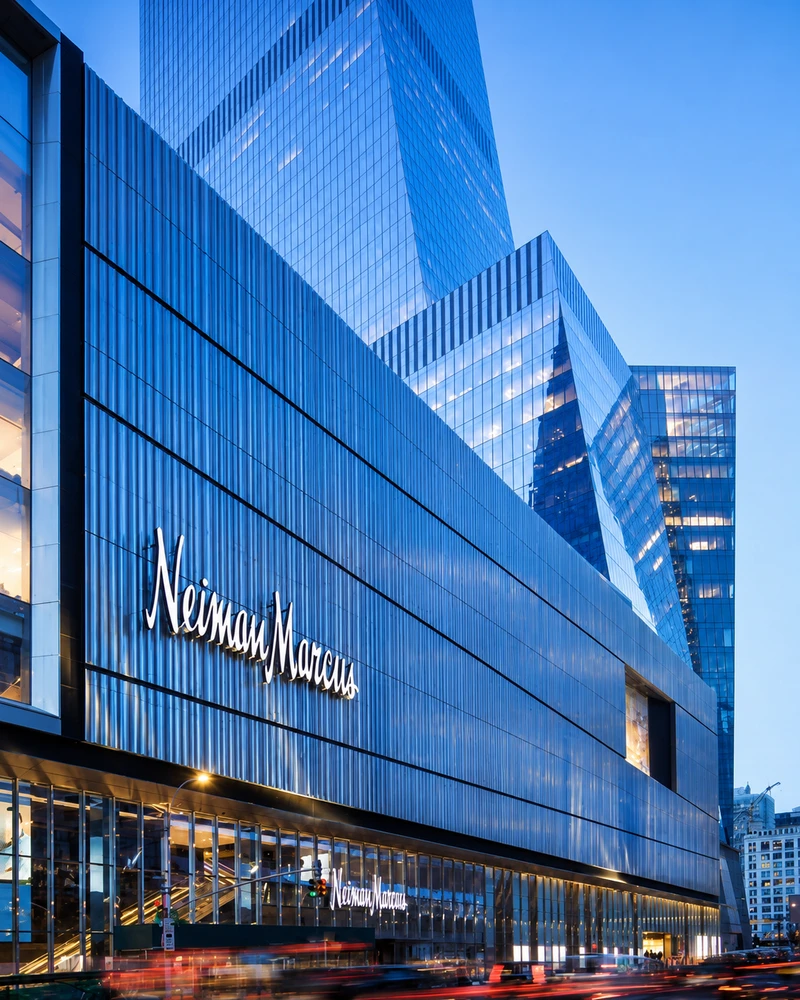
This specific transition reflects harsh structural realities, extending far beyond basic management errors. The Exemplar evolution demonstrates that the department store model must embrace a smaller, highly selective physical footprint heavily reliant on elite luxury vendors to maintain any relevance. A sharp paradox defines this current relationship: department store retailers desperately require major luxury houses for survival, while major luxury houses increasingly bypass the department store altogether.
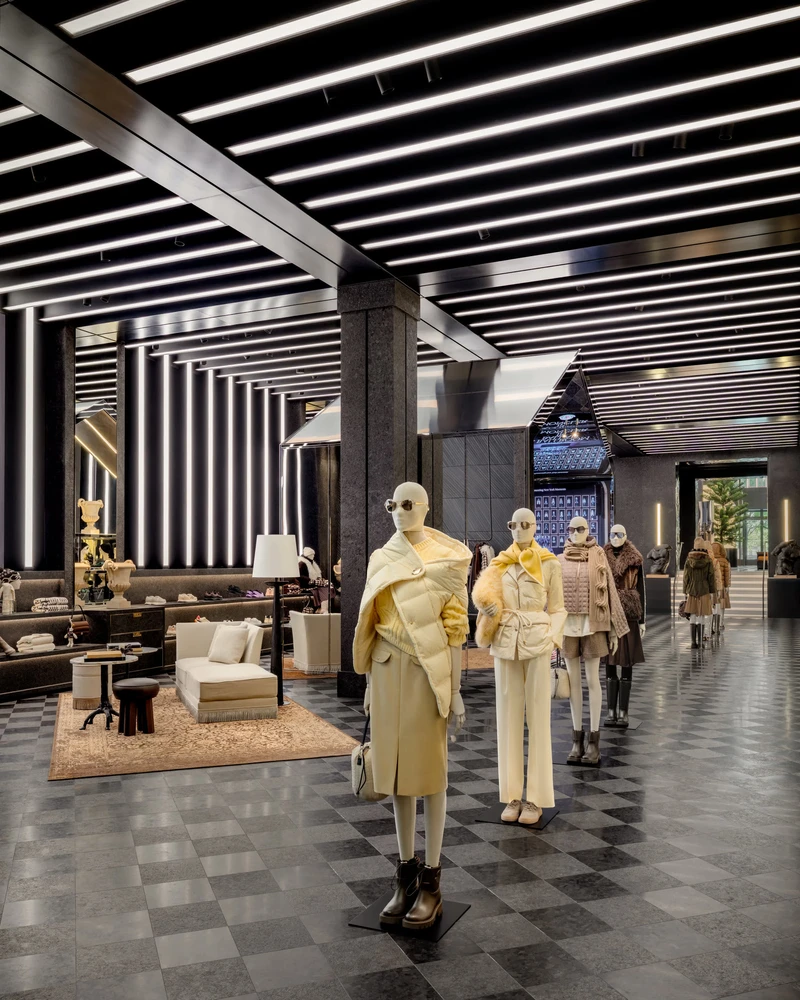
A grand department store emporium retains a facade of absolute power from the vantage point of its gleaming marble floors. Shoppers expect personalized champagne service, dedicated personal shoppers, and seamless alterations, all of which require massive overhead. Behind the flattering lighting, bustling beauty counters, and hushed private shopping suites, the economic foundation presents severe fragilities.
The retailer continually funds the premium physical space, expansive sales staffing, massive seasonal inventory orders, complex product returns, lavish promotional events, intricate visual merchandising, and expensive customer acquisition campaigns. These palatial structures require constant renovation and modernization just to remain visually relevant. Simultaneously, the featured brands efficiently funnel the most affluent, desirable customers directly toward their own proprietary flagships and standalone digital destinations.
The middle tier of luxury faces its greatest squeeze directly from the pinnacle of the market, entirely separate from the rapid ascendance of fast-fashion giants like Zara or Shein. Luxury houses possess remarkably potent direct-operated retail networks, sophisticated digital commerce platforms, highly evolved client relationship management architectures, and absolute authority over product launches. These massive advantages give brands compelling financial reasons to systematically reduce their reliance on wholesale partnerships, especially with the traditional department store model.
The sheer scale of direct luxury power materializes clearly in recent financial disclosures from the industry's heaviest operators. LVMH recorded a staggering 2025 revenue of €80.8 billion, supported by an expansive global retail network exceeding 6,280 proprietary stores. This vast infrastructure proves how deeply luxury conglomerates have entrenched their independent distribution capabilities. Concurrently, Bain estimated that global luxury spending stabilized in 2025 at approximately €1.44 trillion. This leveling market signifies that overall industry growth yields a restricted pool of capital, limiting the financial surplus available to protect every intermediary retail layer, especially the department store.
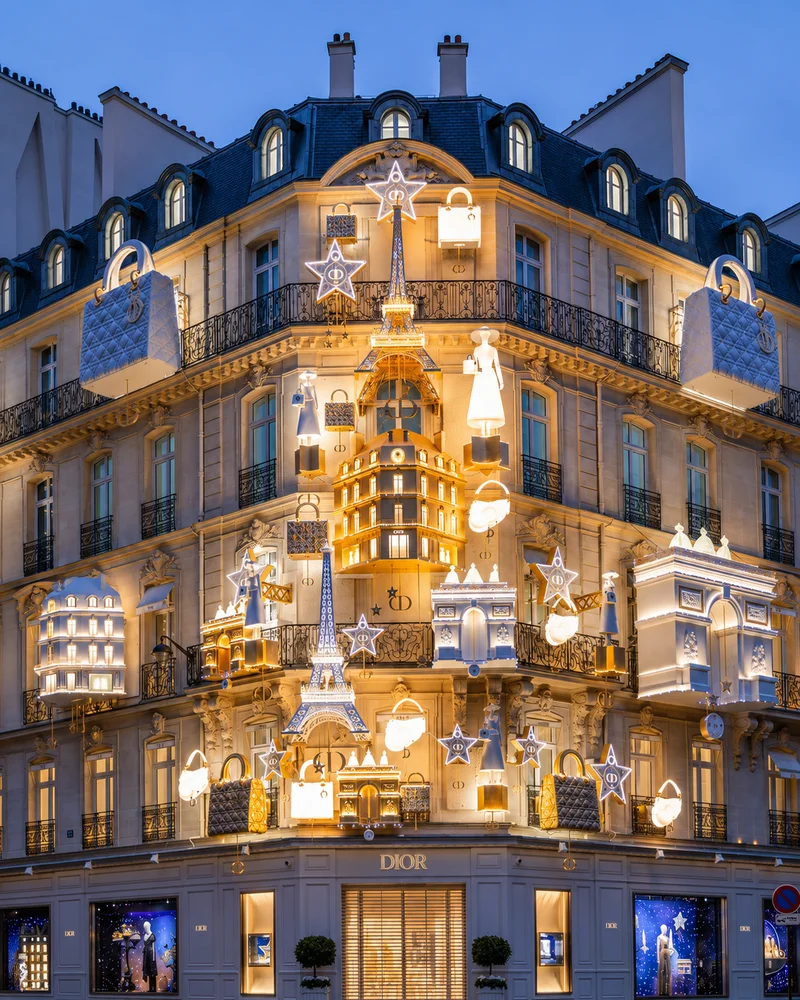

Industry titans like LVMH, Dior, Louis Vuitton, Gucci, Chanel, Hermès, Richemont, and Kering illustrate this dominant, direct-to-consumer shift perfectly. During periods of explosive market expansion, brands gladly tolerate middlemen, as rising tides elevate all participants across the board.
In a stabilized, highly scrutinized environment, every single margin point becomes an intensely political negotiation. Brands understandably question the logic of offering premium inventory to wholesale partners when they possess the capability to sell a highly coveted handbag directly through their own flagship location. Direct sales allow the house to capture the entire profit margin, retain exclusive ownership of crucial client data, dictate the service standards completely, and evade the brand-diluting effects of seasonal wholesale markdowns.
By interacting directly with the client, the brand learns exactly when a customer celebrates an anniversary, what color palette they prefer, and how quickly they adopt new trends. The brand weaponizes this data to create tailored marketing campaigns, entirely bypassing the wholesale partner's mailing list. The luxury department store middleman currently occupies a uniquely precarious position.
Brands expect these retailers to manufacture consumer desire, educate shoppers on complex craftsmanship, orchestrate exciting product discovery, and absorb substantial commercial risk. Simultaneously, the most powerful houses strictly reserve the highest margins, the purest storytelling opportunities, and the most intimate, lucrative customer relationships exclusively for their own internal operations.
Multi-brand retail maintains a vital pulse, though the successful format requires a radical departure from historical merchandising norms. The traditional approach, characterized by endless racks, excessively broad inventory, generic seasonal arrivals, and markdown-driven discovery, steadily sheds its relevance. To endure this shifting climate, the surviving retail model must embody an editorial, culturally resonant, fiercely exclusive, and highly intimate atmosphere.
A luxury multi-brand destination must operate as a curated magazine, an elegant salon, an artistic showroom, and a discreet private client network simultaneously, rather than functioning merely as an elevated department store warehouse of good taste.
Retailers face the absolute mandate to provide rigorous curation, unparalleled exclusivity, deep cultural relevance, and an exquisitely refined customer experience. This same report highlighted that 59 percent of shoppers continue finalizing purchases through department stores, confirming the department store channel retains significant inherent value. However, this value exists solely when the retailer offers the consumer a rich, immersive narrative experience extending far beyond mere product availability.


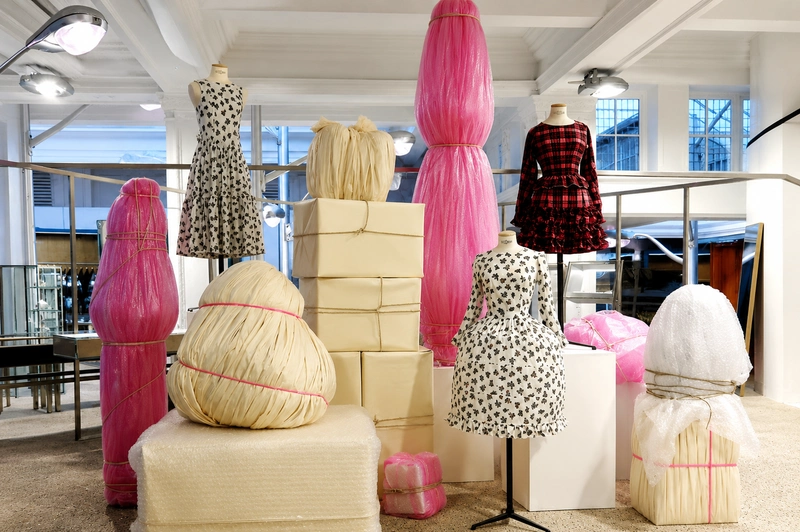
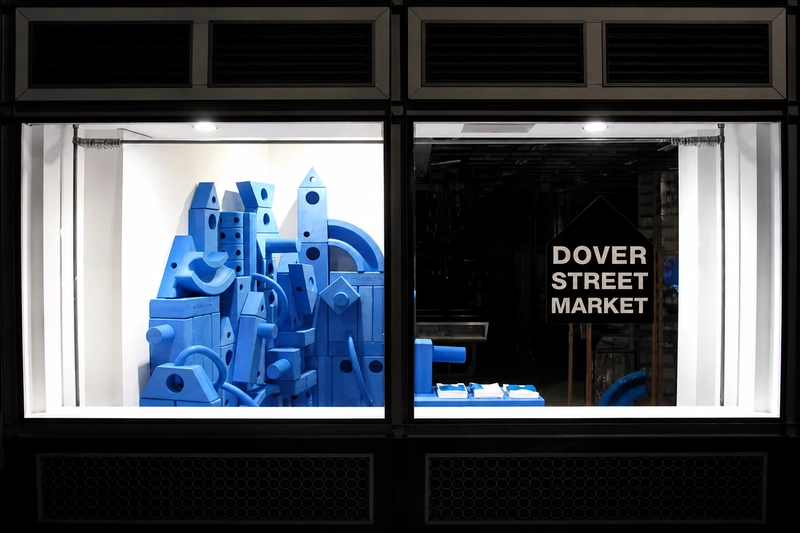
Visionary platforms like Moda Operandi, Mytheresa, The Webster, 10 Corso Como, Level Shoes, and Dover Street Market exemplify the required evolution in this space. The future of multi-brand luxury belongs exclusively to retailers armed with a definitive, razor-sharp thesis. These operators must articulate compelling answers to critical consumer questions. They must justify why a specific emerging designer sits beside a heritage label, explain why a client should visit their localized space instead of heading straight to Dior, Saint Laurent, or Loewe, and demonstrate what unique cultural knowledge they possess before the digital algorithms detect the next major trend.
A retailer succeeds by creating an avant-garde collision of complementary aesthetics, offering a highly specific perspective. Customers visit these spaces to experience the buyer's distinct taste, trusting the retailer to filter the overwhelming noise of the fashion cycle into a coherent, tightly edited narrative. The trajectory of The Webster perfectly encapsulates this fascinating dynamic.
Its recent sale of a majority stake to Frasers Group, facilitated by BDA Partners, indicates that even the most culturally revered independent luxury retailers require fortified capital structures, robust logistical infrastructure, and serious operational backing to weather the changing retail climate. The most exceptional multi-brand retailers will endure because they force a collection of diverse brands to mean something profound together. The struggling entities will fade away because they offer the customer merely an overpriced, generic search engine experience.
For a significant era, luxury e-commerce positioned itself as the ultimate remedy to the physical department store dilemma. Digital platforms offered the alluring promise of reduced physical rent, boundless global reach, superior data analytics, and accelerated product discovery. The recent turbulence among major online luxury players proves that digital middlemen face an equally treacherous reality. These platforms wrestle constantly with exorbitant logistics expenses, staggering return rates, a deep reliance on promotional markdowns, escalating paid traffic costs, and a profound vulnerability to brands taking their digital business directly to the consumer.
The collapse and reorganization of digital retail pioneers highlight these severe structural challenges. MatchesFashion entered administration in 2024, shedding 273 positions after Frasers Group determined the enterprise required excessive capital to continue operations, as reported by The Guardian.
Meanwhile, the landscape consolidated significantly when Mytheresa finalized its massive acquisition of YOOX NET-A-PORTER from Richemont in 2025. This complex transaction forged a colossal luxury e-commerce group encompassing Mytheresa, Net-a-Porter, Mr Porter, Yoox, and The Outnet, detailed thoroughly by Mytheresa Investors. The parallel trajectories of platforms like Farfetch and SSENSE further underscore the intense financial pressure on digital aggregators.
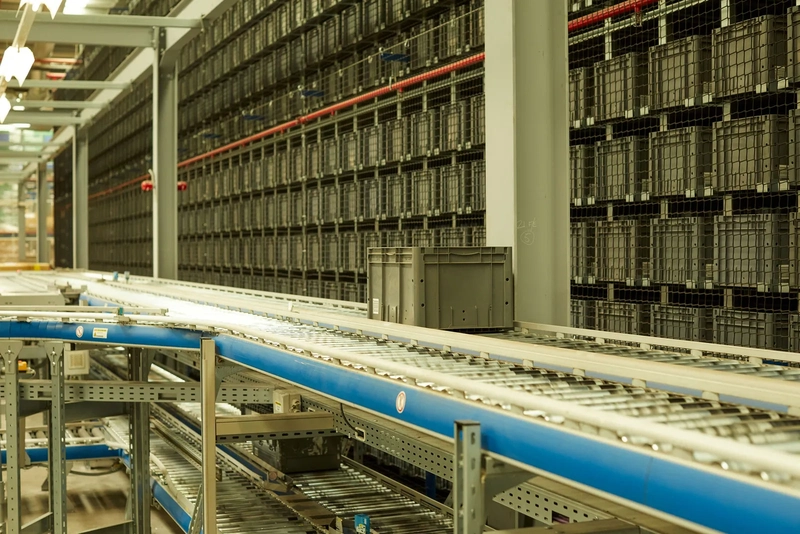
The online luxury middleman once represented the pristine, frictionless future of shopping. Yet, numerous platforms found themselves trapped between soaring editorial fantasies and grounded, expensive operational realities. These businesses required a constant influx of novelty, flawless global delivery systems, substantial promotional discounts to move stale inventory, phenomenally expensive technology stacks, and uninterrupted access to premier brands.
Shipping a heavy luxury garment across the globe involves substantial customs duties, complex packaging requirements, and premium courier services. When a customer returns that same item, the platform absorbs the reverse logistics costs while the inventory depreciates in value during transit. When platforms deprioritize strict profit discipline, the romantic concept of global product discovery transforms into a financially brutal proposition.
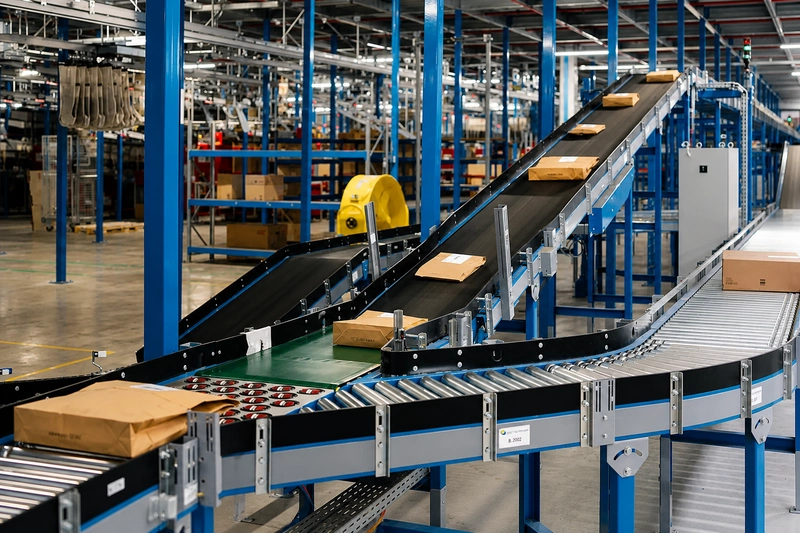
Digital luxury aggregators successfully circumvented the geography problem while struggling intensely to resolve the brand power dynamic. They achieved massive access to the global shopper, yet they still faced the daunting tasks of negotiating with highly protective brands, purchasing expensive digital traffic, processing endless international returns, defending razor-thin margins, and constantly justifying the relevance of their curation. They attempt this massive undertaking in a landscape where every luxury house operates its own sophisticated website, dominates its own Instagram presence, employs a dedicated digital CRM team, and executes an aggressive private client strategy.
The middle tier of the luxury ecosystem is currently shrinking and growing substantially more demanding. The ultimate victors in this historic reshuffling will be those select retailers equipped with deep capital reserves, impeccable taste, ironclad customer loyalty, genuine exclusivity, and a compelling reason to exist beyond merely holding designer inventory. The casualties will be those entities continuing to act as though basic access guarantees a sustainable business model.
Luxury’s department store middlemen currently relinquish the room because the fundamental architecture of the room itself has transformed. The luxury brand commands the overarching aspirational dream, the technology platform controls the digital traffic, and the retail middleman remains stuck trying to pay steep rent on borrowed desire.
Advertisement