MENU
Close





What happens when luxury tourist shoppers return to Australia, but the old boutique playbook suddenly feels too small for them?
What happens when luxury tourist shoppers return to Australia, but the old boutique playbook suddenly feels too small for them?
July 3, 2026
Advertisement

Advertisement



Luxury tourism has returned in full force across Australia’s major retail capitals, bringing a renewed wave of energy to flagship boutiques from Sydney to Melbourne and placing luxury tourist shoppers back at the center of fashion’s retail imagination. Historically, the fashion business relied heavily on this international movement, leaning on transient buyers to drive quarterly growth and justify massive real estate investments. The contemporary landscape, however, demands a far more sophisticated approach. The historical model of tourist-dependent retail remains intellectually complacent, financially fragile, and emotionally outdated.
Brands waiting for returning travelers to save their quarterly targets interpret the profound evolution of the modern luxury client completely inaccurately. The sharpest insight requires acknowledging a fundamental shift: anticipating the old travel flows to rescue brick-and-mortar stores represents a profound strategic error regarding current Australian wealth dynamics. The modern luxury ecosystem demands extreme intellectual rigor, requiring brands to build resilient, multifaceted client systems around luxury tourist shoppers and the wider client networks surrounding them. Success requires a complete reinvention of how boutiques interact with tourism, migration, local affluence, student culture, and domestic luxury behavior in Australia.
For over a decade leading up to the global travel pause, Australian luxury stores constructed much of their retail confidence around the highly predictable demand of the Chinese tourist. Brands optimized their operations for this specific demographic, organizing flagship visits, tax-free shopping incentives, seasonal leather goods launches, and airport duty-free experiences around these travelers. In Sydney and Melbourne, houses such as Louis Vuitton, Dior, Chanel, Gucci, Prada, Bottega Veneta, Hermès, Cartier, Tiffany & Co., and Bulgari benefited from the gravitational pull of destinations such as Pitt Street Mall, Collins Street, Chadstone, Westfield Sydney, and luxury hotel corridors surrounding the CBD.
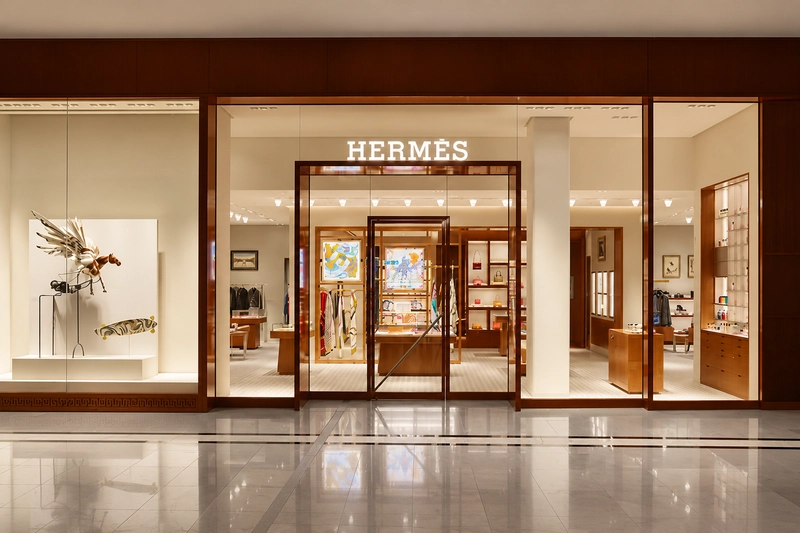
Many heritage houses moved beyond simple appreciation of this demographic and developed a profound structural dependency on it. The sudden halt in global movement exposed this framework as incredibly fragile. The historical assumption suggested that Chinese travelers would eventually resume their exact previous behaviors, allowing stores to recover automatically. The industry must ask a far more pressing question today: what infrastructure did the brand build while observing that pause?
Evaluating current brand strategies reveals a clear divide between houses learning genuine resilience and those merely observing old traffic patterns. A brand tracking flight recovery metrics from Beijing or Shanghai essentially monitors a dependency metric. A truly robust luxury strategy diversifies proactively across a wide spectrum of affluence and treats luxury tourist shoppers as a complex global mosaic rather than a single nationality. This includes cultivating Australian local clients, Indian visitors, Southeast Asian wealth, Gulf travelers, American tourists, international students, high-net-worth migrants, and regional professionals. A luxury house maintaining Chinese tourism as its primary recovery plan in Australia remains dangerously overexposed, functioning as a single-flow operator rather than a truly resilient luxury player.
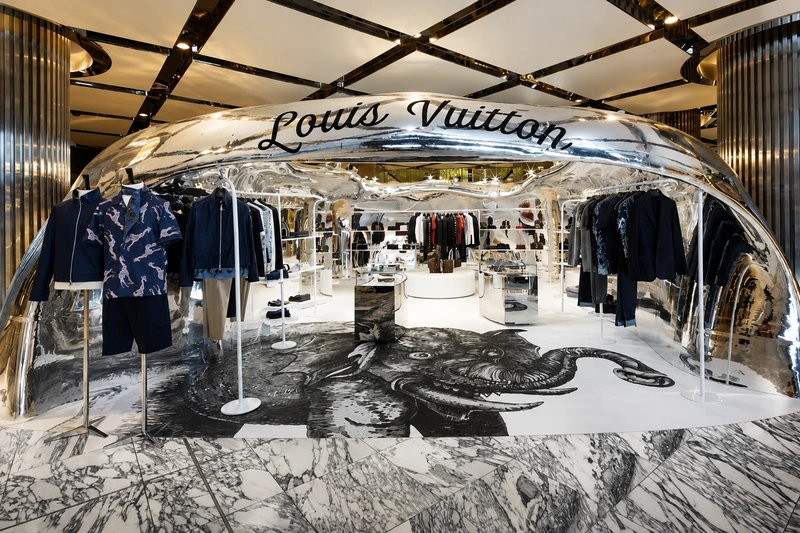
Data from Tourism Research Australia covering the year ending December 2024 illustrates this reality perfectly. While China remained a major visitor market, Chinese trips reached only sixty-two percent of December 2019 levels, with spending hitting seventy-eight percent of that previous benchmark. Concurrently, Indian visitation had already climbed twelve percent above 2019 levels, boasting a spend increase of thirty-one percent.
This matters directly for Australia because the country’s luxury market can no longer be read through the old China-first recovery lens. Vogue Business has highlighted that Australia’s luxury sector, historically supported by Chinese tourism, must pivot toward the increasingly important demographics from India and Southeast Asia. Relying on a single demographic creates extreme vulnerability. Brands must actively pursue a mosaic of global wealth and understand how luxury tourist shoppers are being redistributed across Australian retail markets.
The recent market disruptions illuminated a brutal reality for the luxury sector: a boutique bypassing the opportunity to resonate with local clients functions merely as a tourist trap with elevated lighting, completely bypassing the genuine flagship standard. Australia provides the clearest case study for this paradigm shift. During the travel restrictions and in the subsequent recovery phase, luxury brands discovered the profound depth of the Australian domestic market.
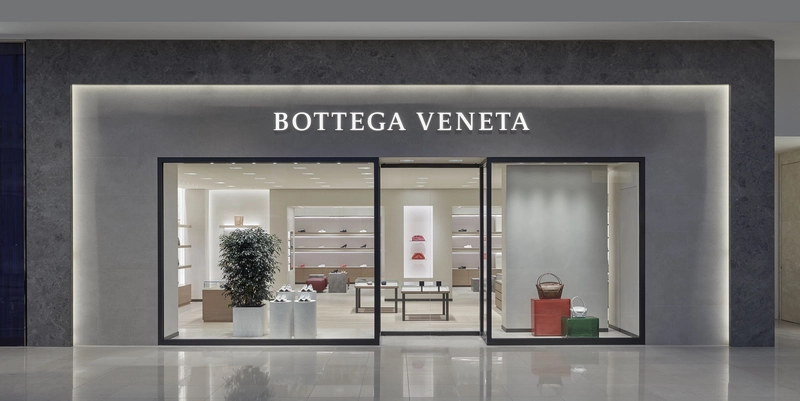
The country possesses a formidable base of wealthy locals, high-net-worth migrants, young luxury consumers, affluent professionals, and concentrated city-level wealth in hubs like Sydney and Melbourne. This reality positions Australia as a powerful counterexample to the antiquated retail logic that treated local patrons as secondary to international shoppers. Local clients have evolved into the primary focus, even as luxury tourist shoppers remain crucial to the broader retail ecosystem.
The authentic evaluation of a brand involves examining its integration into the local culture, looking past the mere placement of global store templates inside expensive, prestigious neighborhoods. Securing a lease on Collins Street, Pitt Street Mall, Chadstone, Westfield Sydney, or James Street in Brisbane represents only the preliminary step. The genuine test examines whether the regional team comprehends the local climate, reverse seasonal drops, migrant wealth integration, student community dynamics, domestic travel patterns, and specific regional gifting rituals.
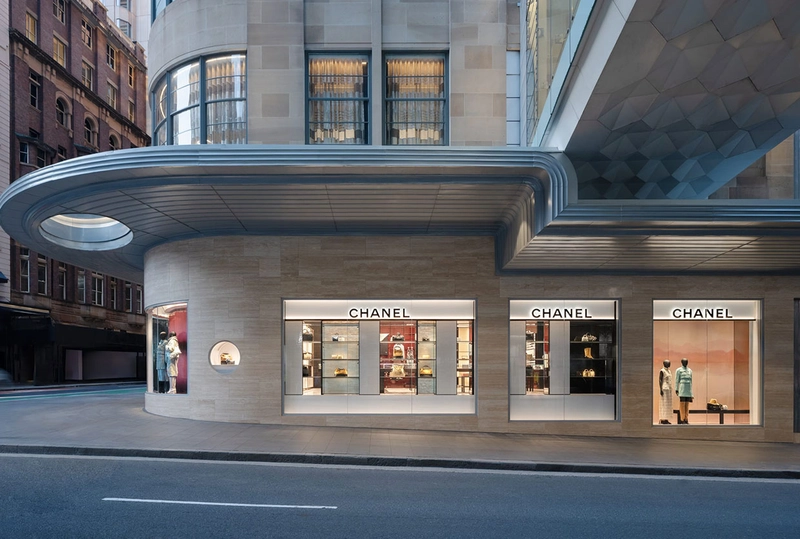
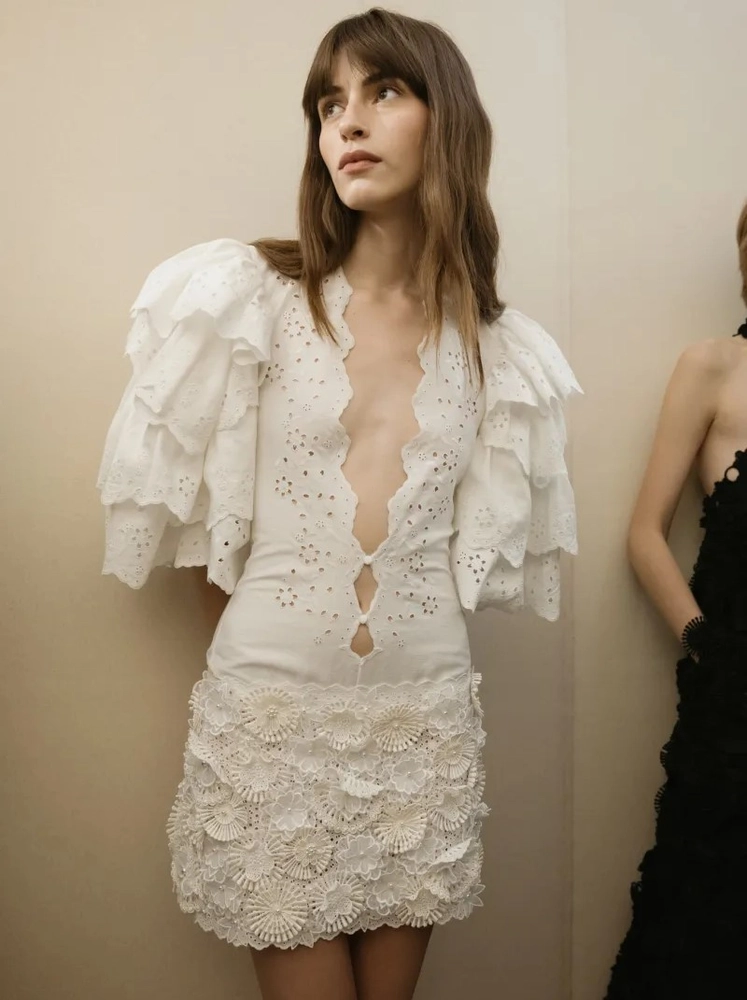
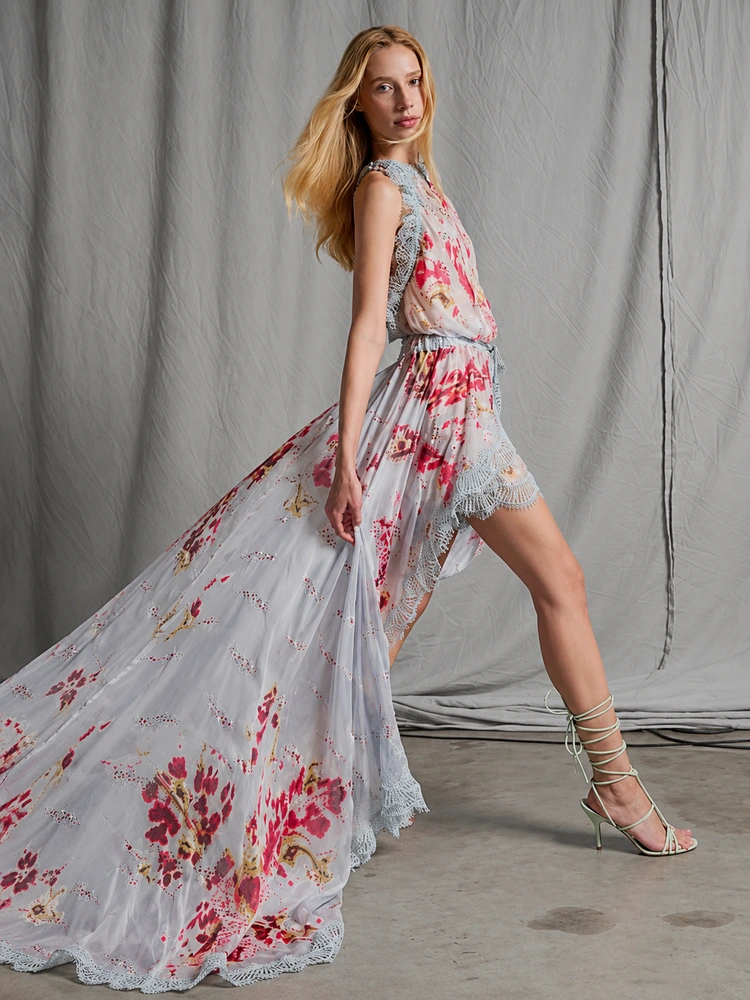
Zimmermann perfectly exemplifies the mastery of these exact local cultural markers, standing as the ultimate Australian luxury success story. The brand built a globally celebrated empire by first securing absolute dominance among domestic clients. By intimately understanding the Australian climate, the importance of resortwear for domestic travel, and a lifestyle demanding sophisticated yet relaxed silhouettes, Zimmermann created a blueprint for profound local resonance. The brand continually tests concepts directly with local consumers, adapting to a specific regional lifestyle before exporting that vision globally. International heritage houses currently operating in Australia must emulate this profound understanding of domestic behavior, observing how Zimmermann turned local lifestyle fluency into massive commercial power.
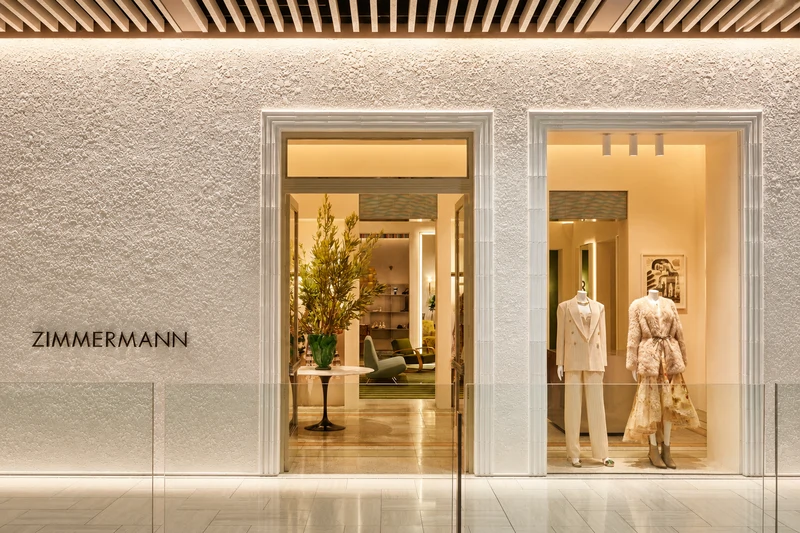
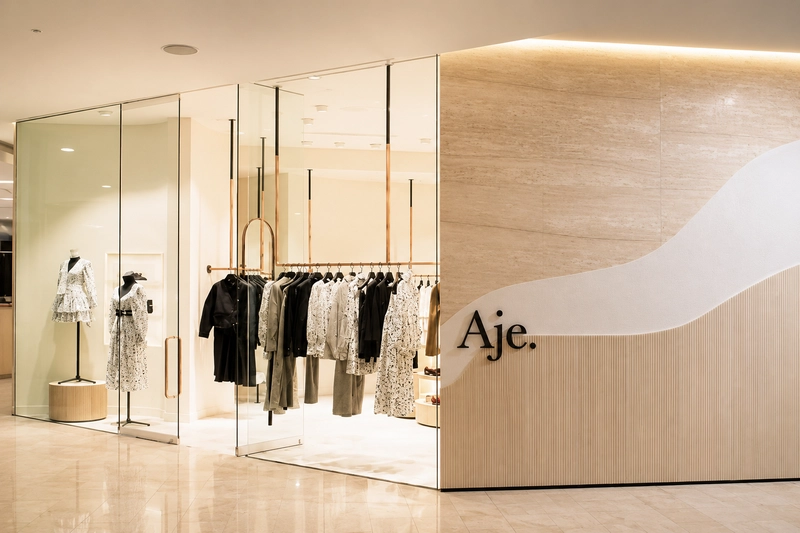
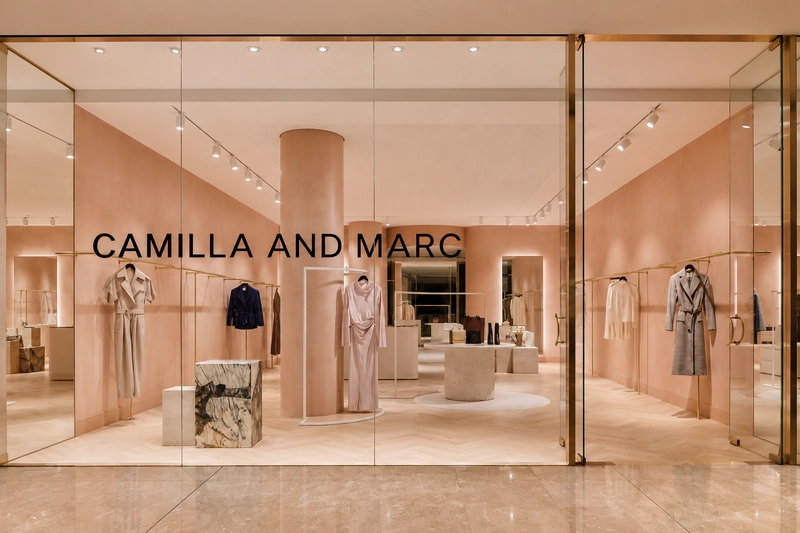
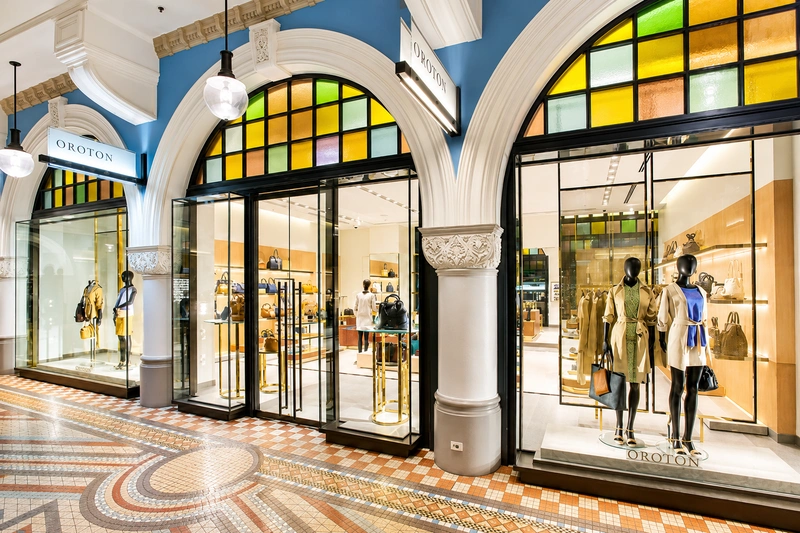
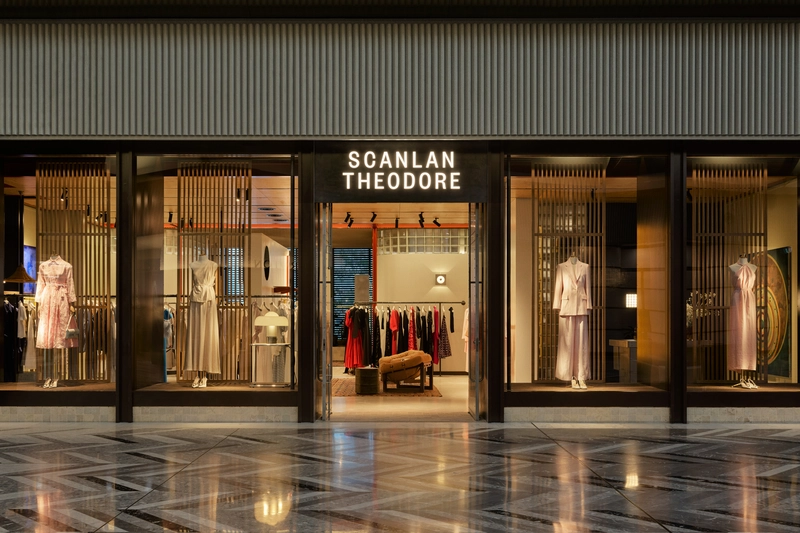
Australian names such as Aje, Scanlan Theodore, Camilla and Marc, Oroton, and Viktoria & Woods also sharpen this point. They understand the rhythm of Australian wardrobes: coastal polish, event dressing, summer movement, discreet affluence, and a lifestyle that does not always express luxury through heavy logos or formal European codes. For global houses entering or expanding in Australia, these brands provide an essential lesson: the local client is not a secondary audience. The local client is the cultural interpreter of the market.
Furthermore, Australian luxury consumers often construct status more quietly and discreetly compared to the highly visible consumption patterns seen in certain Asian or Middle Eastern markets. Understanding these subtle cultural markers separates true luxury operators from mere real estate occupants. Opening a boutique in a city differs completely from truly belonging to that city's cultural fabric.
Vogue Business projected Australia’s luxury goods market to reach 6.2 billion Australian dollars in 2024, emphasizing Sydney’s ranking as the world’s eighth-richest city regarding millionaires and billionaires per capita. Real estate firm CBRE estimated that approximately one hundred thousand Australians earn close to seven figures or more annually, highlighting the massive domestic purchasing power. Young Australian consumers are significantly increasing their luxury expenditures, while high-net-worth migrants further propel the domestic market.
Tourism Research Australia further illuminated the value equation, showing international spend reaching 32.9 billion dollars in the year ending December 2024. This figure sits five percent above 2019 levels, even though trip volume reached only eighty-eight percent of the pre-pandemic peak. This indicates that financial value recovered significantly faster than visitor count, proving that brands must understand the quality and depth of spending rather than merely counting footfall from luxury tourist shoppers.
Luxury tourists have resumed their travels to Australia, arriving with a completely transformed mindset. These luxury tourist shoppers approach boutiques as highly educated, hyper-aware participants rather than passive recipients of brand storytelling. These modern consumers arrive equipped with extensive AI-driven research, deep resale market awareness, peer recommendations, global price comparisons, and creator-led influence. Furthermore, they possess a highly refined sense of emotional value. The physical store has transitioned away from its historical role as the primary location for desire formation. The tourist walks in carrying the internet, the resale market, and five other brand options.
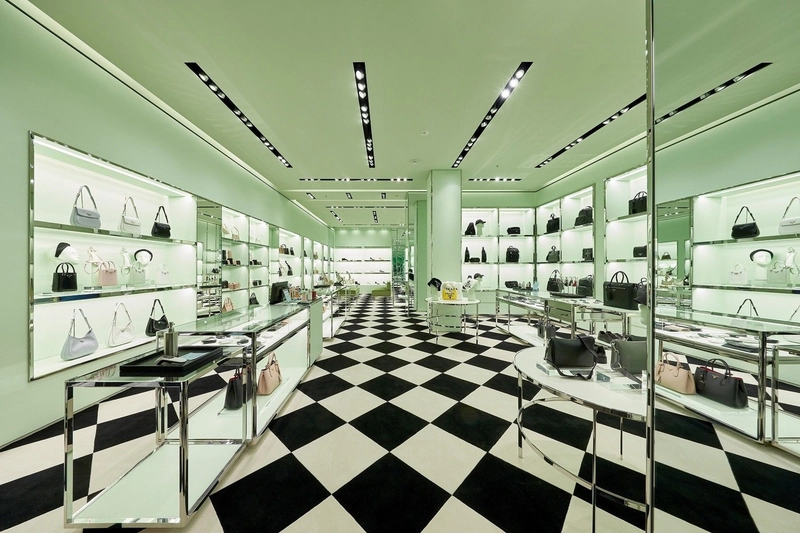
The process of product discovery has migrated far beyond the polished walls of the boutique and the tightly controlled narratives of the brand. Contemporary luxury tourist shoppers discover a coveted bag through TikTok algorithms, evaluate its long-term value via resale platforms, query AI models for competitive alternatives, investigate price discrepancies across different geographic zones, and consult peer reviews on specialized forums before stepping foot inside a physical store. A client entering Louis Vuitton at Westfield Sydney, Dior at Chadstone, Chanel on Collins Street, Gucci in Sydney, or Prada in Melbourne may already know product availability, resale movement, leather differences, price gaps, and global stock scarcity. This multi-channel journey thoroughly alters the historical power dynamic. Previously, the boutique served as the educational center for the client. Today, the client enters the space already possessing an encyclopedic knowledge of the product.
Evaluating brand readiness requires examining the sophistication of luxury sales teams serving luxury tourist shoppers. A generic, rehearsed sales script proves completely ineffective when presented to a client who already understands the specific product history, historical resale performance, distinct leather characteristics, global stock scarcity, and direct competitor alternatives. To successfully engage this demographic, brands require exceptionally sharp client advisors, comprehensive cross-border data integration, profoundly compelling storytelling, and highly intelligent, bespoke personalization strategies.
McKinsey’s 2026 luxury research outlines this evolution clearly, stating that emotional connection is rapidly overtaking traditional status as the primary driver of desire. The report, based on extensive surveys of more than two thousand luxury clients across the United States and China alongside qualitative client interviews, confirms that consumers increasingly prioritize experiences over tangible products for their discretionary spending. Exclusivity is simultaneously shifting toward insider recognition and community belonging.
Product discovery is expanding aggressively into AI platforms, resale marketplaces, and peer networks. This is especially important in Australia, where affluent local clients, international students, and luxury tourist shoppers often blend global research habits with highly specific local shopping patterns. Vogue Business reinforced this perspective, noting that travel retail is pivoting heavily toward engagement, as travelers increasingly value intangible experiences and emotional resonance over mere physical acquisition. Seduction requires a masterclass in emotional intelligence, especially when luxury tourist shoppers arrive already armed with data and expectations.
Treating store footfall as an isolated strategic goal represents a profoundly dangerous approach in contemporary luxury retail. While surging tourism certainly fills a store with immediate energy, physical presence alone proves entirely insufficient for creating genuine, lasting loyalty. The true battleground in luxury retail centers entirely on client retention long after the vacation concludes. The industry must critically analyze the vast space existing between a singular transaction and a sustainable relationship with luxury tourist shoppers.
A traveling client might execute a significant purchase in Sydney, Melbourne, Brisbane, Perth, or the Gold Coast. The actual lifetime value of that client, however, relies entirely on the subsequent actions taken by the brand. Success requires meticulous WhatsApp follow-ups, curated private appointments, seamless cross-border clienteling, exceptional aftercare, exclusive event invitations, proactive product sourcing, and highly personalized styling advice. Crucially, it demands immediate, flawless recognition when that exact client enters a different boutique, returns to Australia for another trip, studies in another Australian city, or continues the relationship through the brand’s digital flagship. Luxury tourism must evolve into a comprehensive relationship ecosystem for luxury tourist shoppers, leaving behind the antiquated concept of a one-time spending event.
This is where the difference between houses becomes visible inside Australia. Hermès has long trained clients to understand scarcity as relationship, not merely availability. Louis Vuitton can use its enormous global store network to connect tourist purchases in Australia with future appointments and aftercare. Dior can extend the emotional theatre of its boutiques into beauty, couture, fragrance, and hospitality-coded experiences. Cartier, Tiffany & Co., Van Cleef & Arpels, and Bulgari can transform tourist purchases into long-term jewelry relationships through aftercare, anniversaries, repairs, upgrades, and private viewing appointments. Meanwhile, Zimmermann, Christopher Esber, Scanlan Theodore, Aje, Camilla And Marc, and Oroton offer a different lesson: Australian fashion houses can build loyalty through lifestyle fluency rather than monumental global scale.
Brands must evaluate their travel retail operations objectively, ensuring they function as sophisticated client-acquisition engines rather than simple cash registers. The most powerful model focuses entirely on converting traveling purchasers into deeply engaged, long-term clients within Australia’s luxury ecosystem. A heritage house overlooking the identical VIP client across Sydney, Melbourne, Brisbane, Perth, and its digital flagship leaves massive amounts of luxury capital available for competitors. The initial sale occurs within the boutique's beautifully designed walls, yet the relationship must survive the airport departure lounge and thrive in the client's next point of contact.
Euromonitor forecasts global travel retail and duty-free sales reaching 145.9 billion dollars over the next three years, with 2024 global air passenger numbers exceeding 2019 benchmarks. For Australia, this recovery matters because emerging visitor markets, specifically India, Malaysia, Vietnam, and Southeast Asia more broadly, are rapidly becoming vital components of the travel-retail recovery, driven by their fast-growing economies and exceptionally young Gen Z populations. The ecosystem is expanding into a holistic matrix encompassing shopping, leisure, hospitality, education, migration, and domestic mobility. Retailers must compete fiercely for travelers’ time, attention, and emotional engagement across the entirety of their Australian journey.
The overarching reality remains remarkably clear: luxury tourism has returned to Australia, presenting massive opportunities while simultaneously punishing complacent retail practices. The victors in this new era will actively integrate global tourism, deep local wealth, high-net-worth migration, student culture, AI-driven discovery, resale market validation, and emotional memory into one cohesive framework. Store traffic retains its immense importance. However, traffic separated from a deeply cultivated, ongoing relationship amounts merely to incredibly expensive noise. Luxury tourist shoppers are back, but the brands that treat them as passing transactions instead of long-term global clients have already misunderstood the future.
Advertisement