MENU
Close





Moschino has always known how to turn fashion into a provocation. With Sunnei's co-founders Loris Messina and Simone Rizzo now entering the house, the question is not how loudly the brand can speak again, but whether its mischief can find a new, sharper language.
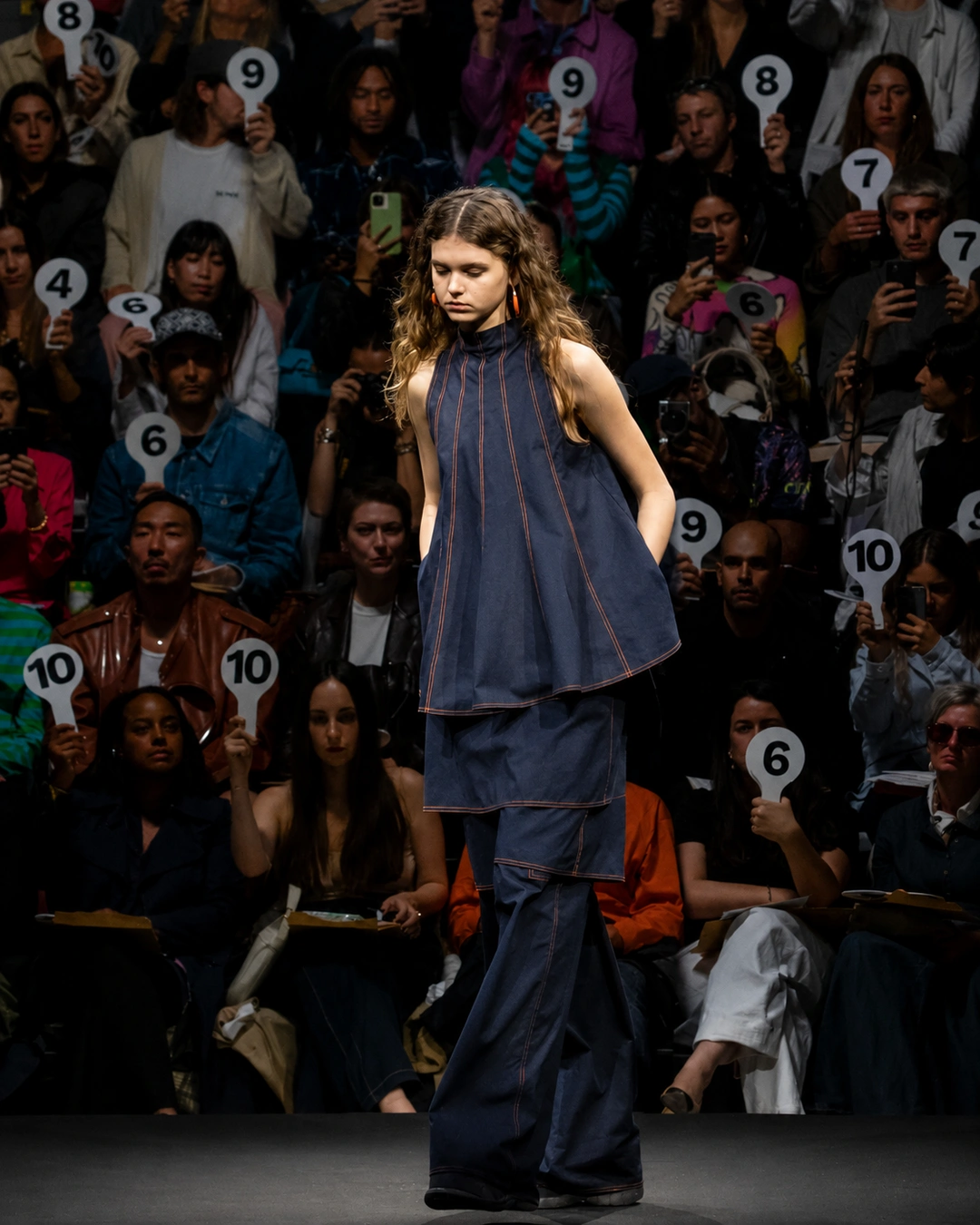
Moschino has always known how to turn fashion into a provocation. With Sunnei's co-founders Loris Messina and Simone Rizzo now entering the house, the question is not how loudly the brand can speak again, but whether its mischief can find a new, sharper language.
July 2, 2026
Advertisement
Advertisement



Moschino has always belonged to fashion’s strange theatre. Its power rarely came from Poland alone. It came from interruption, from a joke landing too close to the truth, from a garment that looked at luxury and smirked back. Franco Moschino built the house on that tension, and decades later Jeremy Scott revived it with a fluency few creative directors manage inside a heritage label.
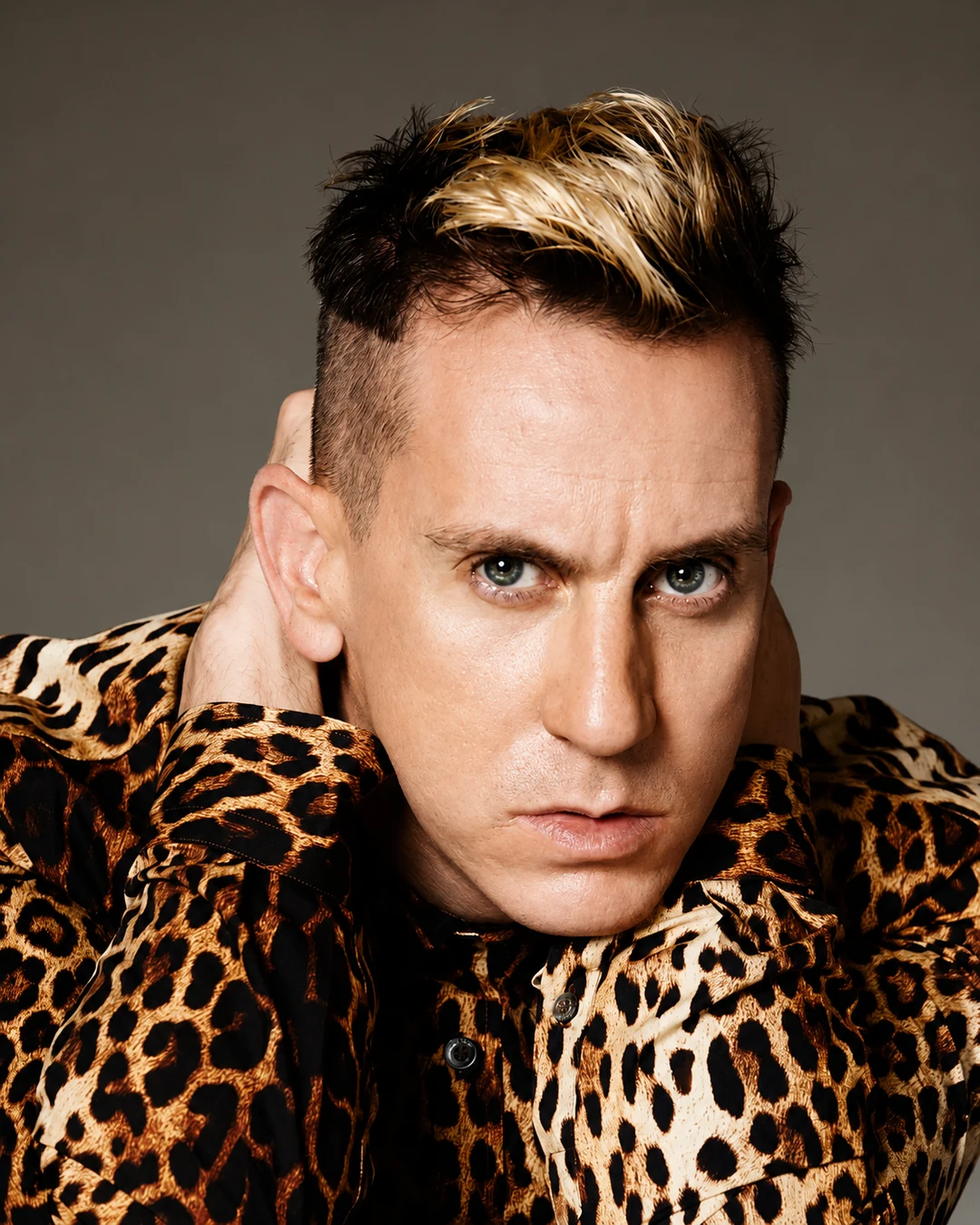
Jeremy Scott’s Moschino was loud, immediate, and highly legible. His decade at the house turned consumer culture into runway spectacle, from fast-food graphics to Barbie-coded fantasies and cartoonish exaggerations that travelled far beyond fashion week. He left Moschino in 2023 after ten years as creative director, closing a period in which the brand became one of Aeffe’s most visible cultural engines.
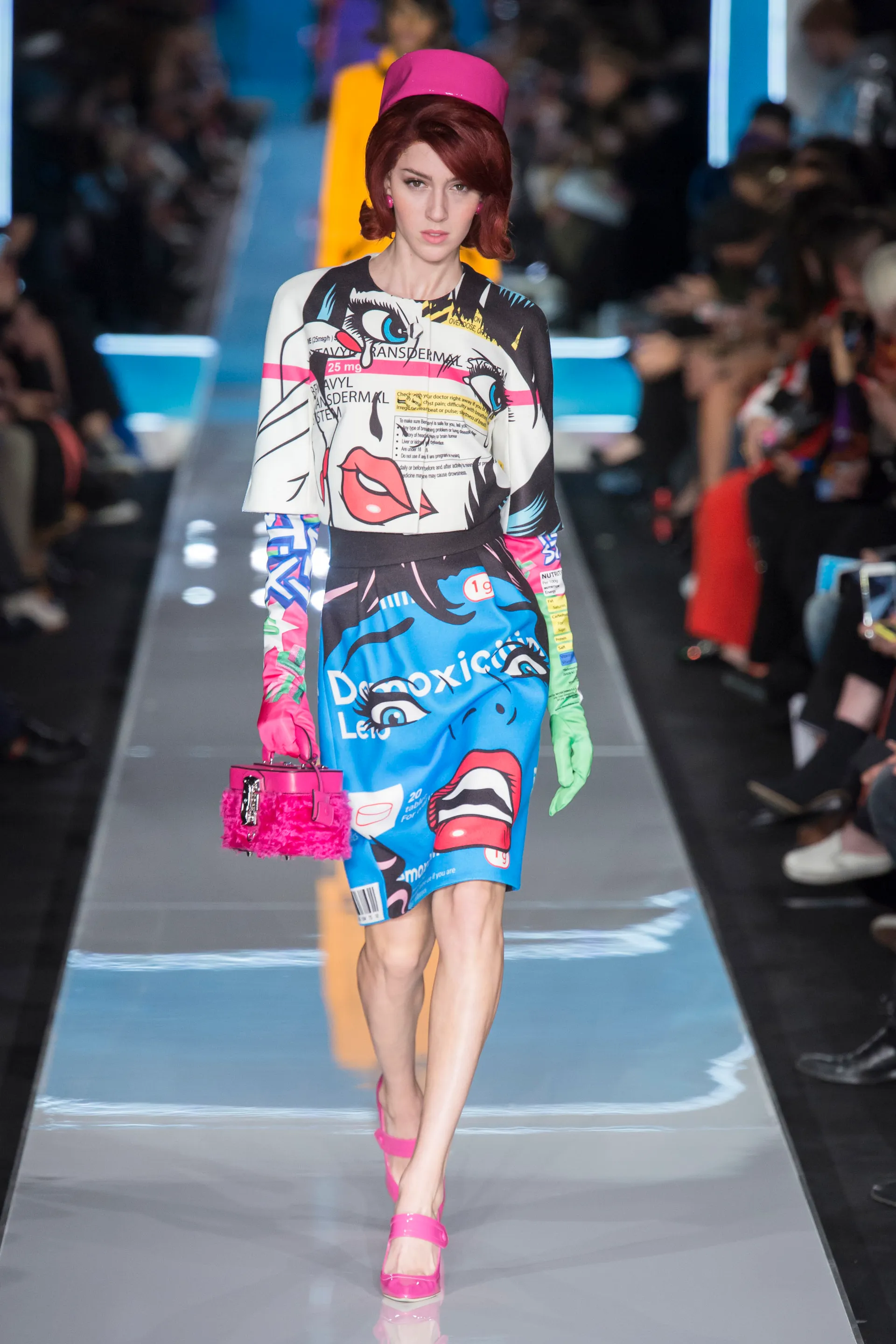
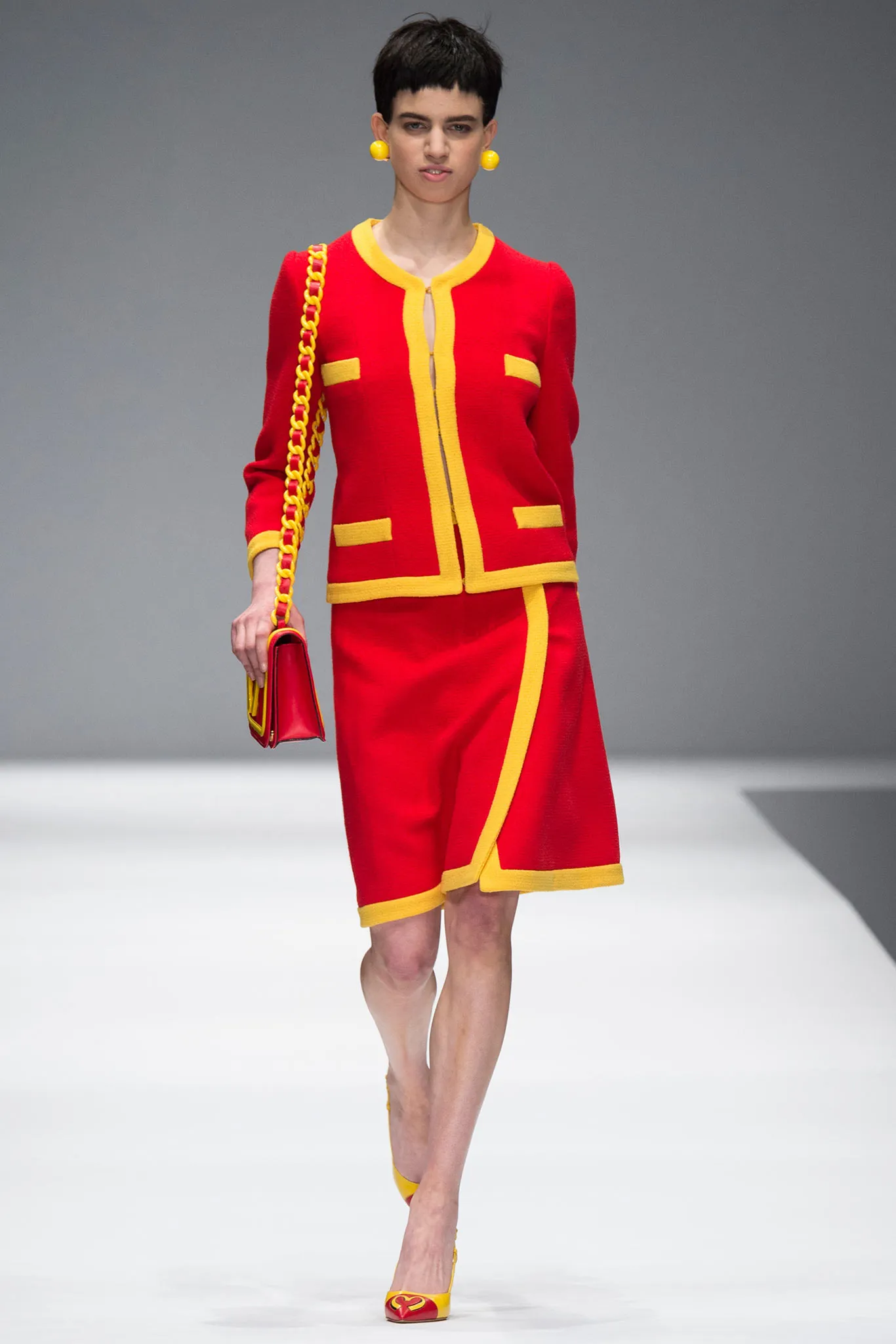
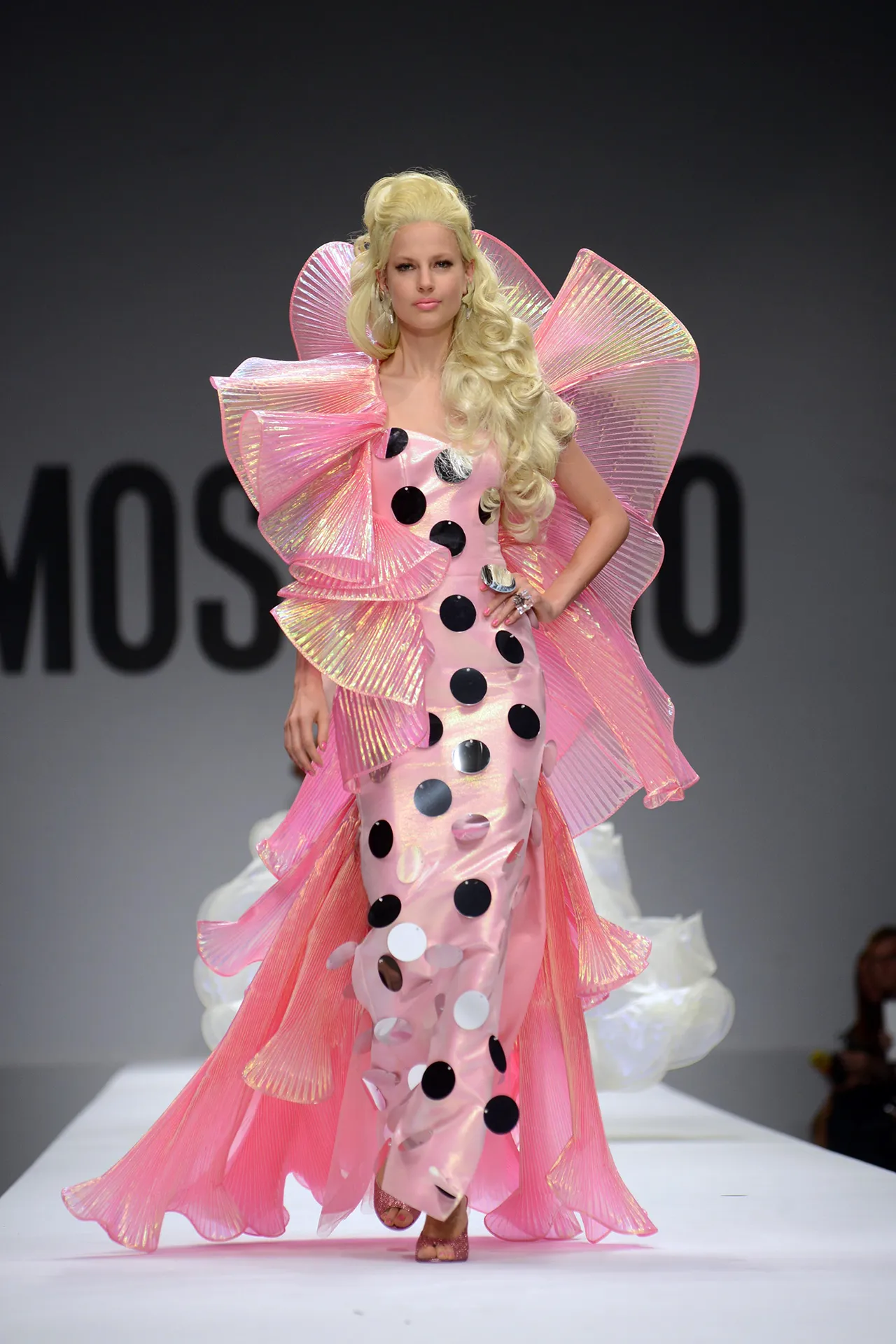
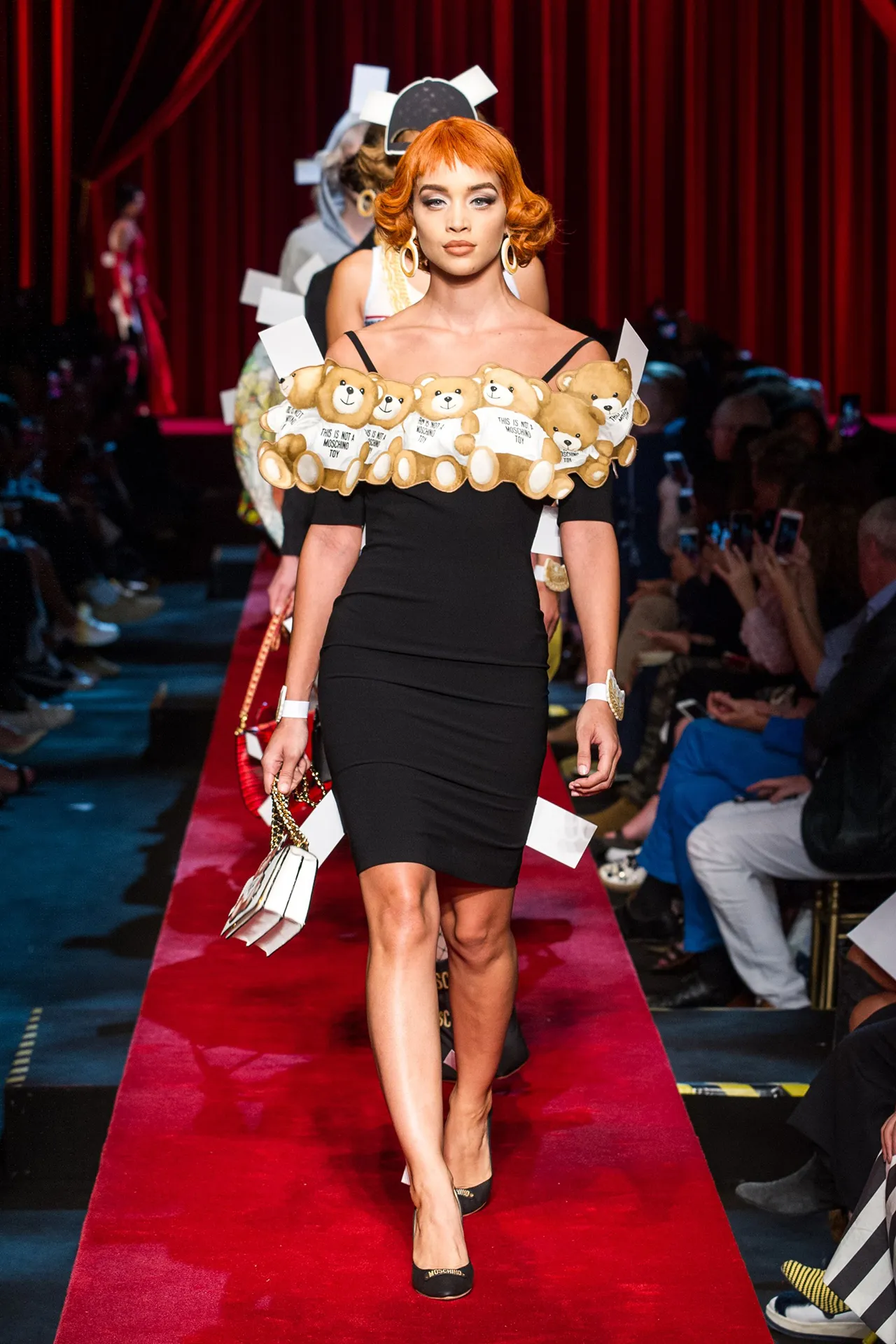
The memory of that era still haunts every Moschino appointment. Under Jeremy Scott, a look could be decoded in seconds. The joke was bright enough to circulate, yet strange enough to belong to the house. That kind of recognition is difficult to inherit. It becomes a blessing, then a trap. Whoever follows must answer a question that sits beneath every collection: how does Moschino speak after its most viral voice has left the room?
Adrian Appiolaza entered Moschino in January 2024 under unusually fragile circumstances. Jeremy Scott had departed the previous year, Davide Renne had been appointed and then died only days after assuming the role, and Appiolaza’s first collection was scheduled for February 2024, barely leaving space for a full creative reset.
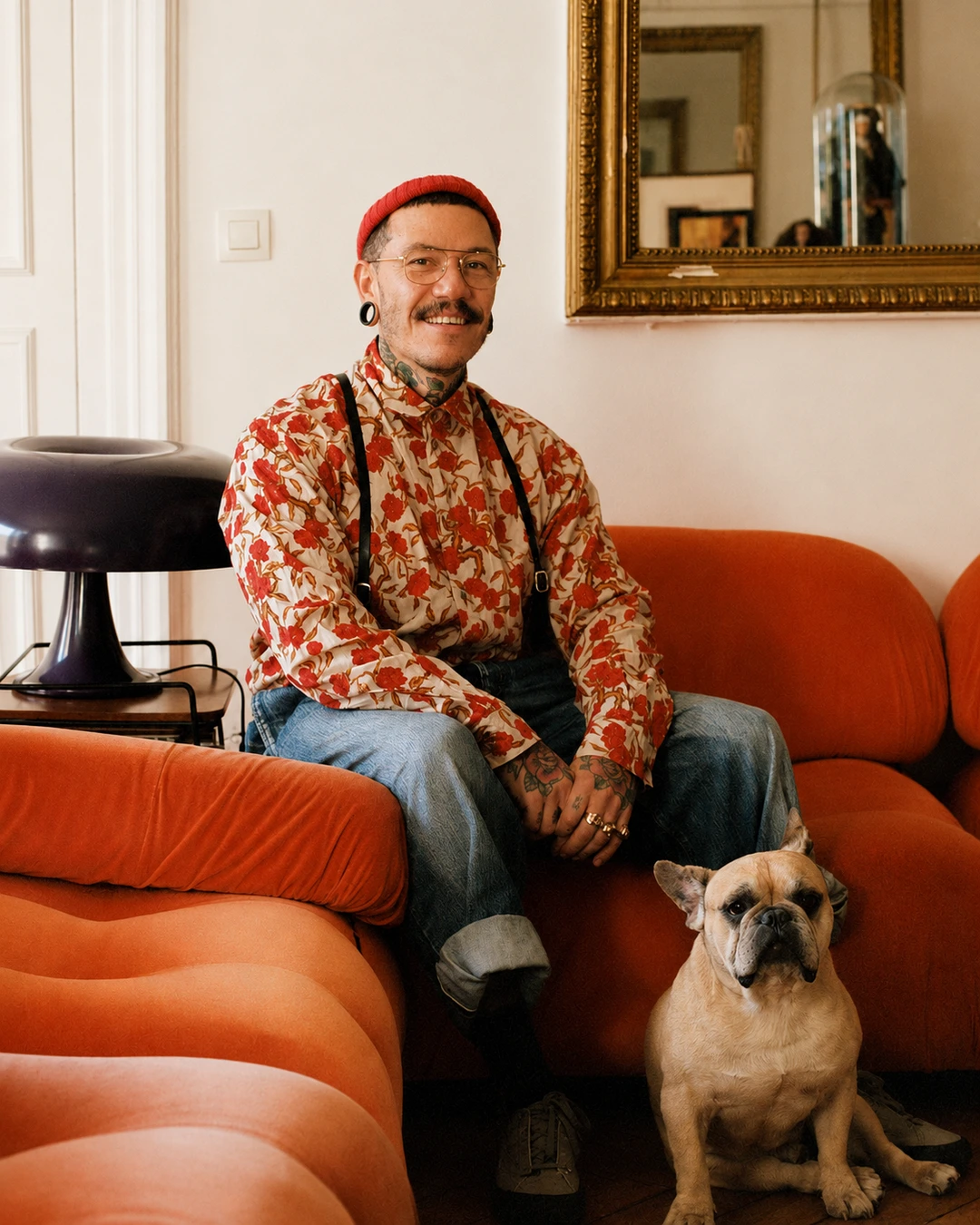
His Moschino carried intelligence and care. Adrian Appiolaza came with serious design credentials, including a long tenure at Loewe and previous roles at Chloé, Louis Vuitton, and Miu Miu. His approach leaned toward tailoring, eccentric realism, and a more grounded interpretation of Moschino’s humour. The clothes aimed for broader appeal, with the brand’s irony pulled closer to the body and away from pure spectacle.
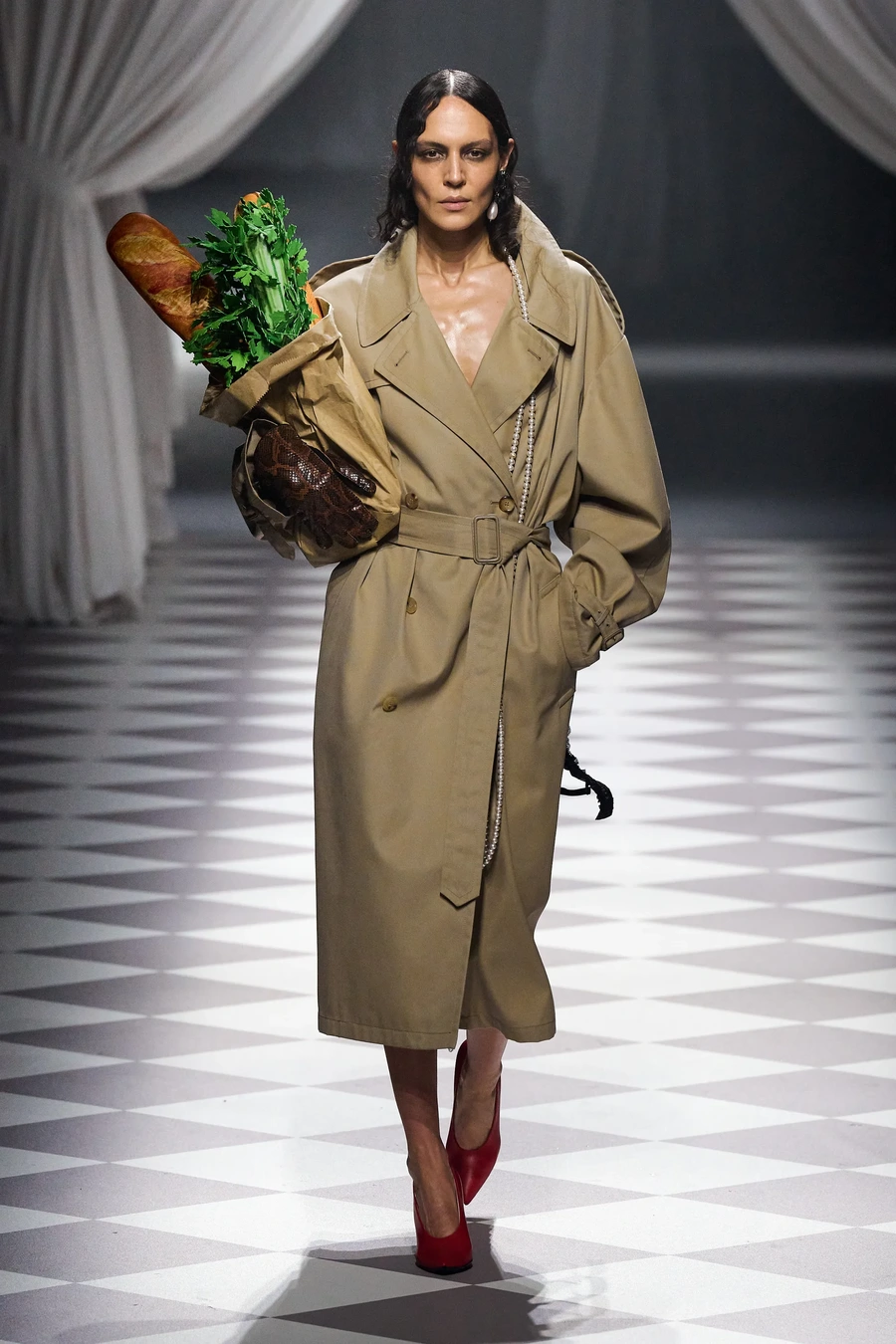
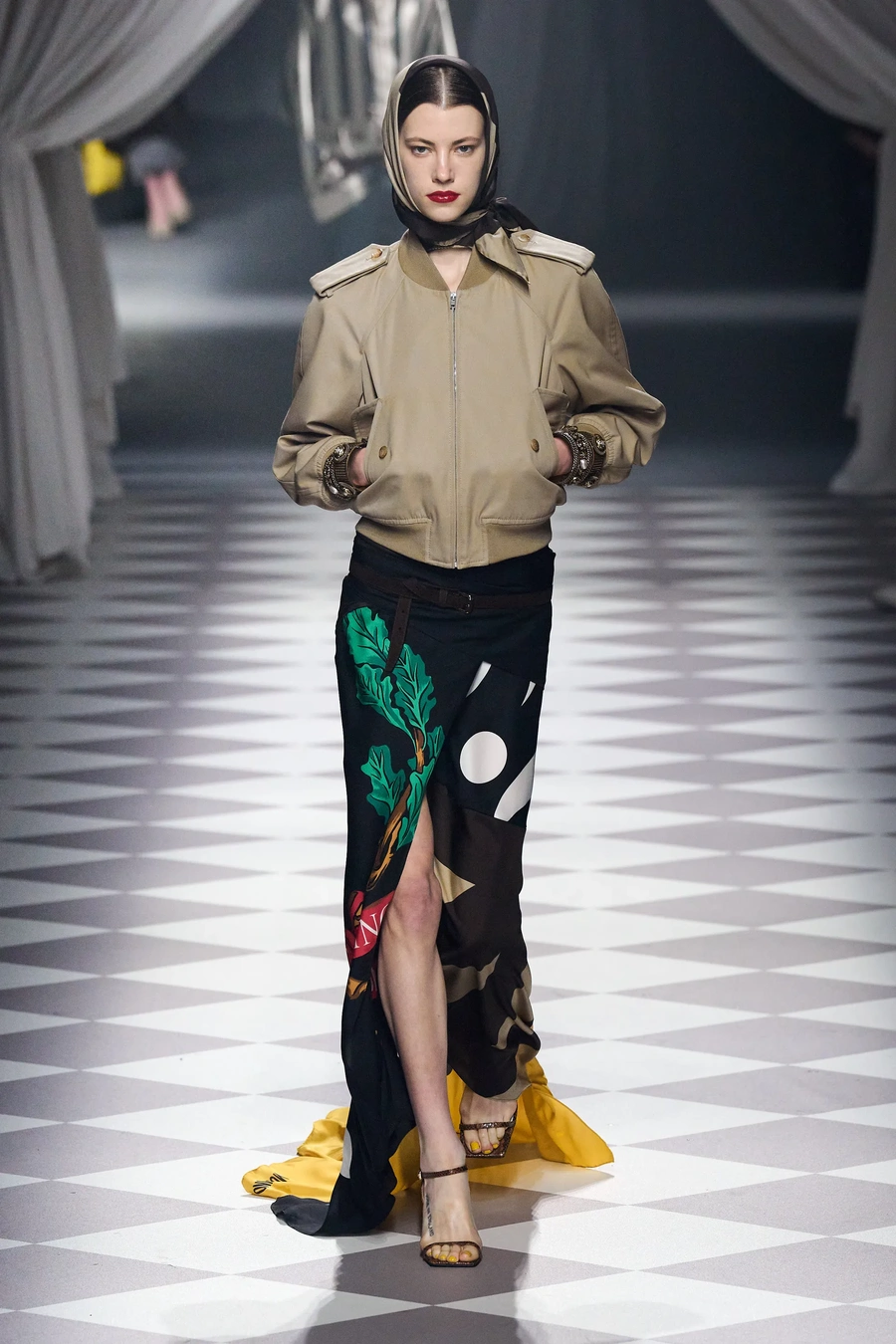
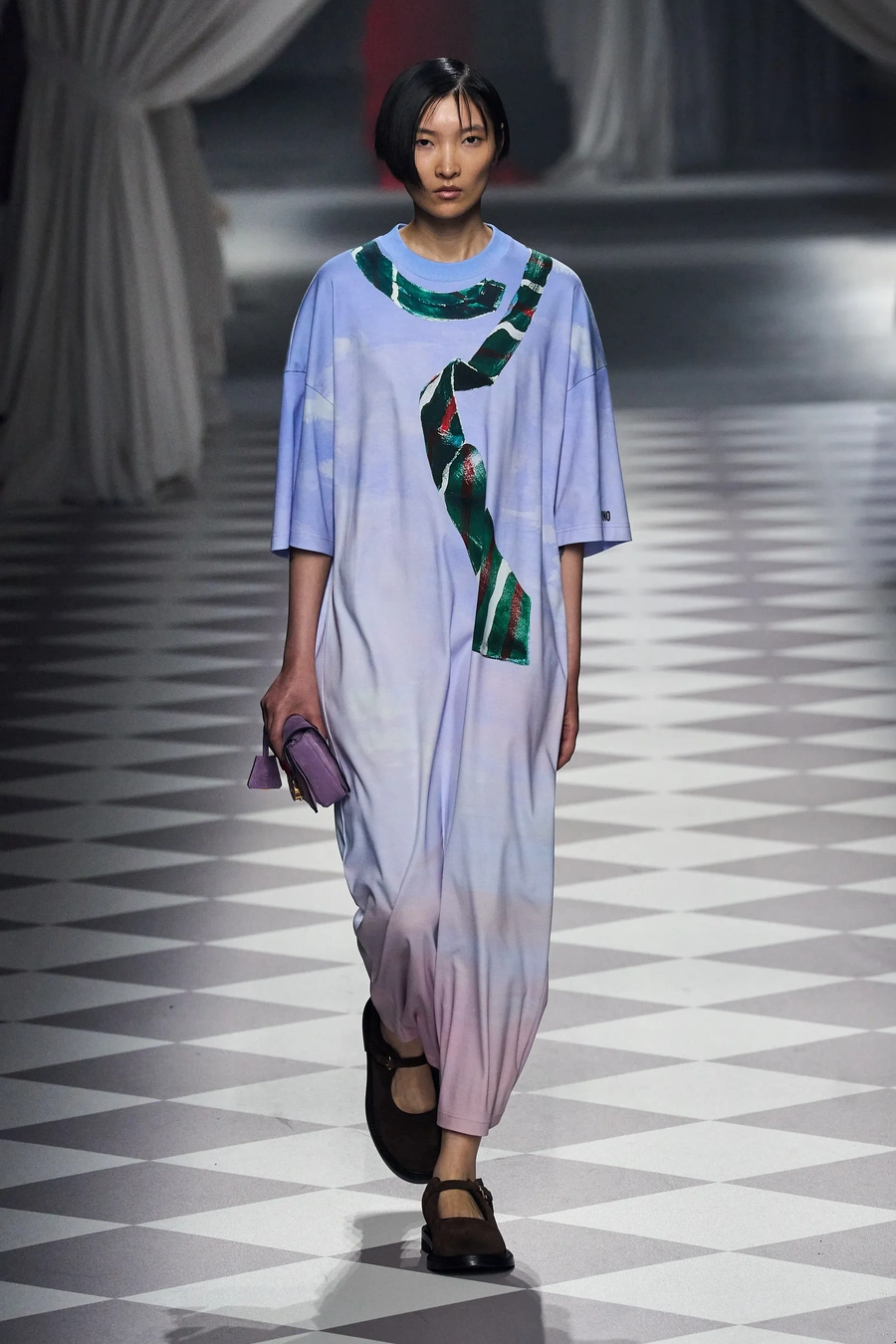
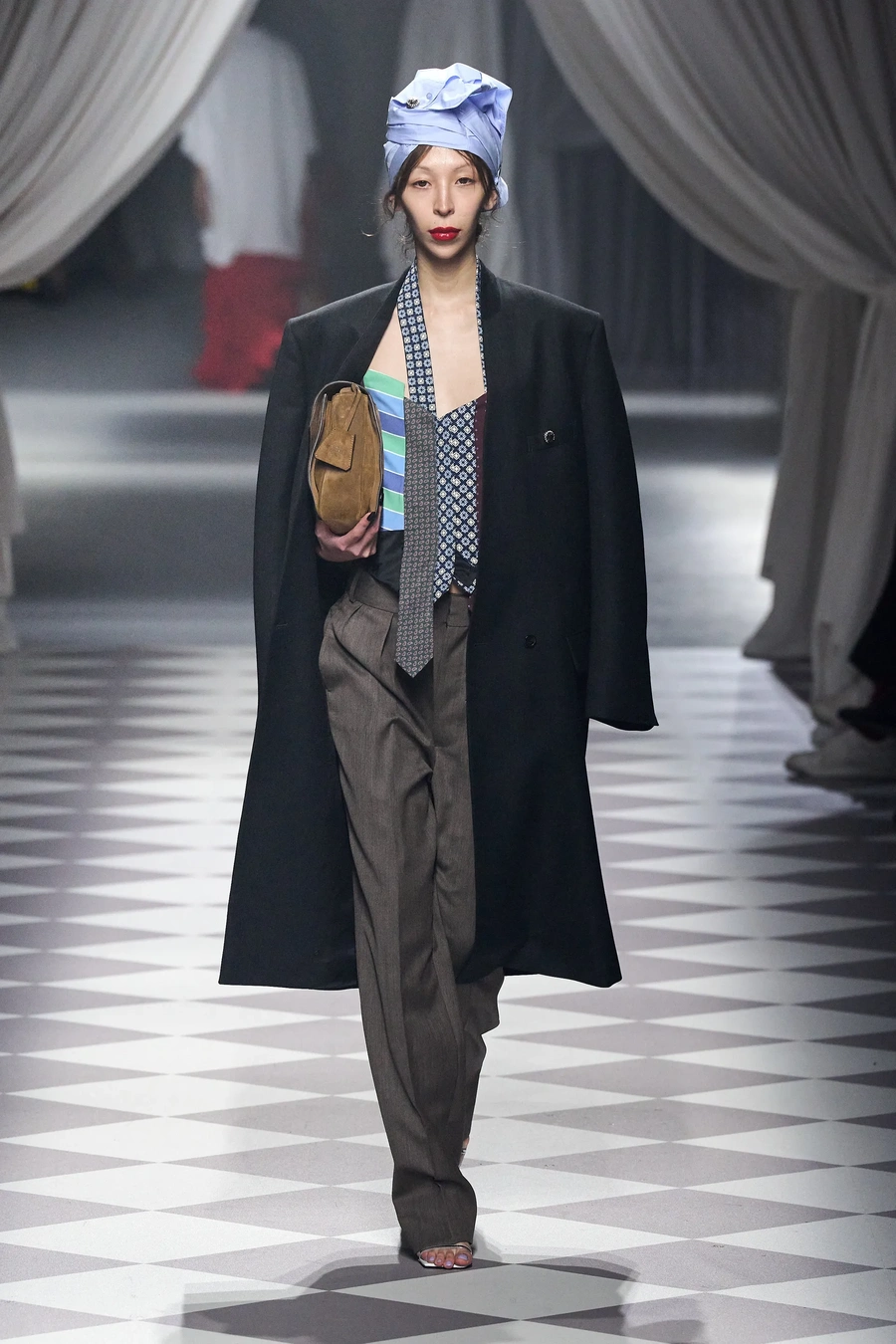
But the difficulty was timing. Moschino was not operating in calm weather. Aeffe described 2023 as a “year of transition,” with sales down 9 percent and a radical reorganisation of Moschino across creativity, distribution, and internal structure. By 2025, the pressure had deepened, with Aeffe reporting another sharp decline in revenues during the first quarter.
A slow creative burn can work when a house has patience around it. Moschino needed ignition. Appiolaza’s work suggested a possible adult Moschino, one less dependent on cartoon impact, but the brand’s commercial and cultural position demanded a faster signal. The exit, confirmed after two and a half years, reads like a symptom of a house trying to recover its temperature before the room goes cold.
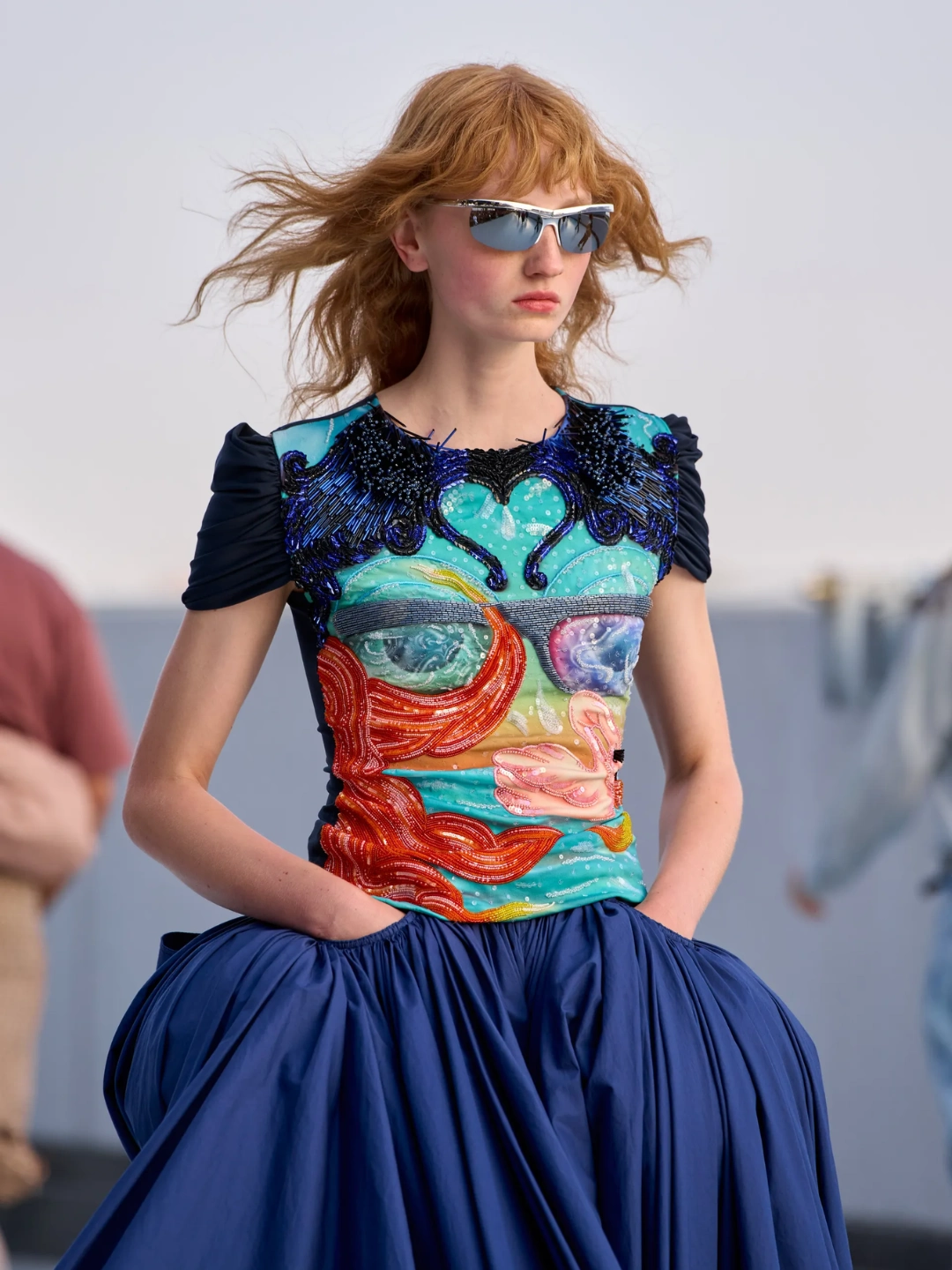
With Loris Messina and Simone Rizzo, Moschino moves toward a sharper, more lateral kind of energy. Moschino’s irony shift now passes through Sunnei’s founders, whose debut is expected during Milan Fashion Week in September. After leaving the brand they founded in 2014, the pair carry a decade of independent Milanese experimentation into one of Italian fashion’s most mischievous houses.
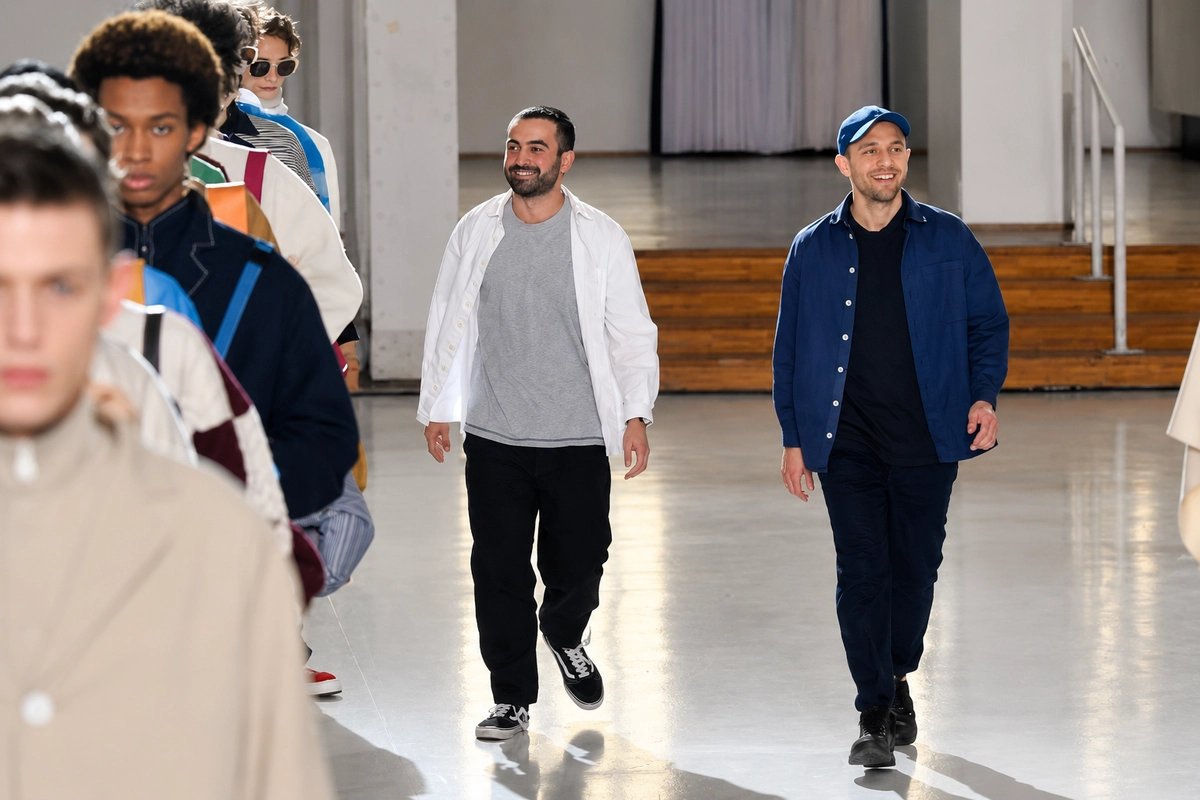
Their appeal comes from a rarer instinct: they know how to turn fashion into a private code. Sunnei unfolds its collection like a small disturbance, pulling the audience into a world where humour is dry, controlled, and slightly off-centre. Their final show, staged as an auction with Christie’s, sharpened that language even further, turning the runway into a sly comment on the way creativity is priced, performed, and passed around.
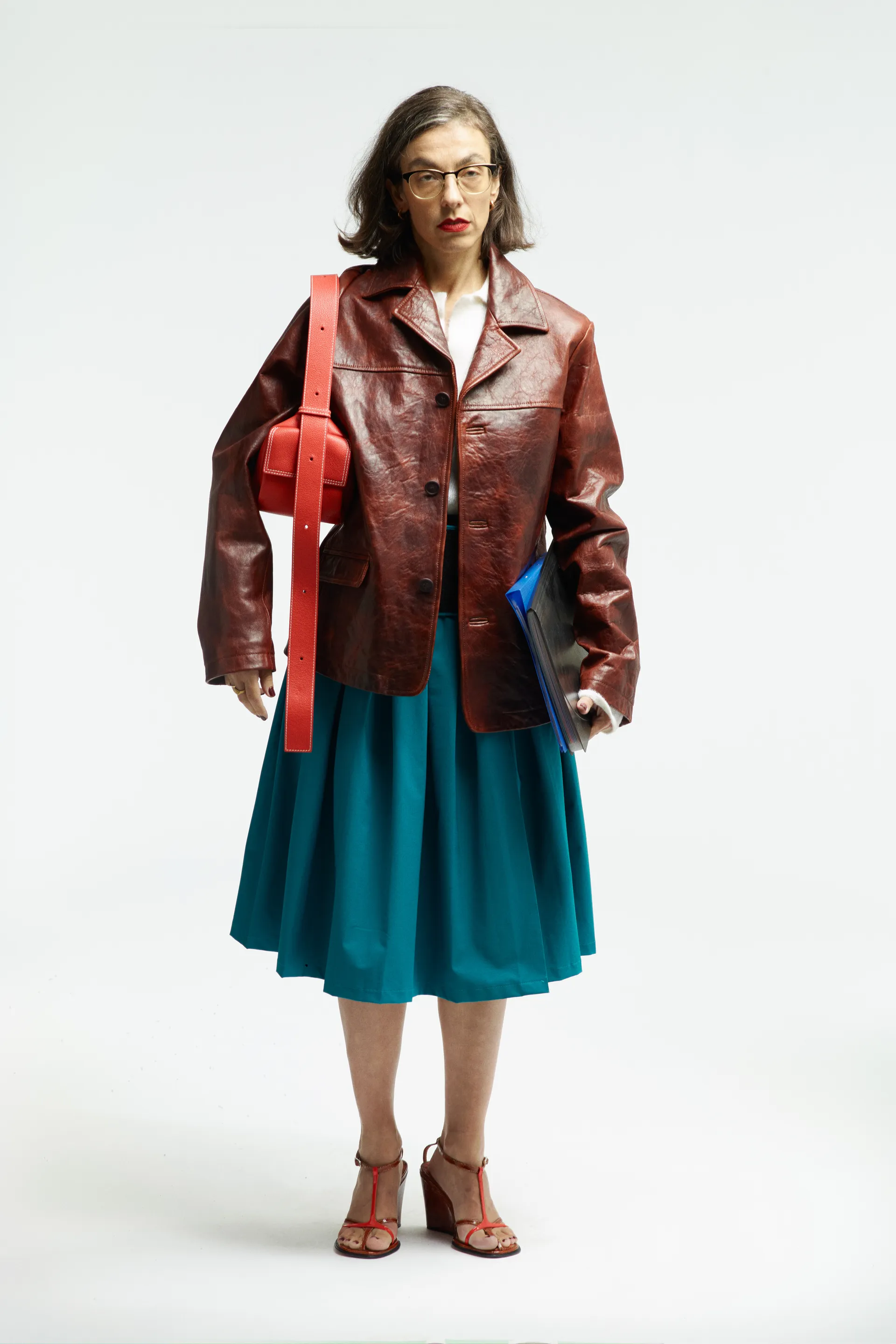
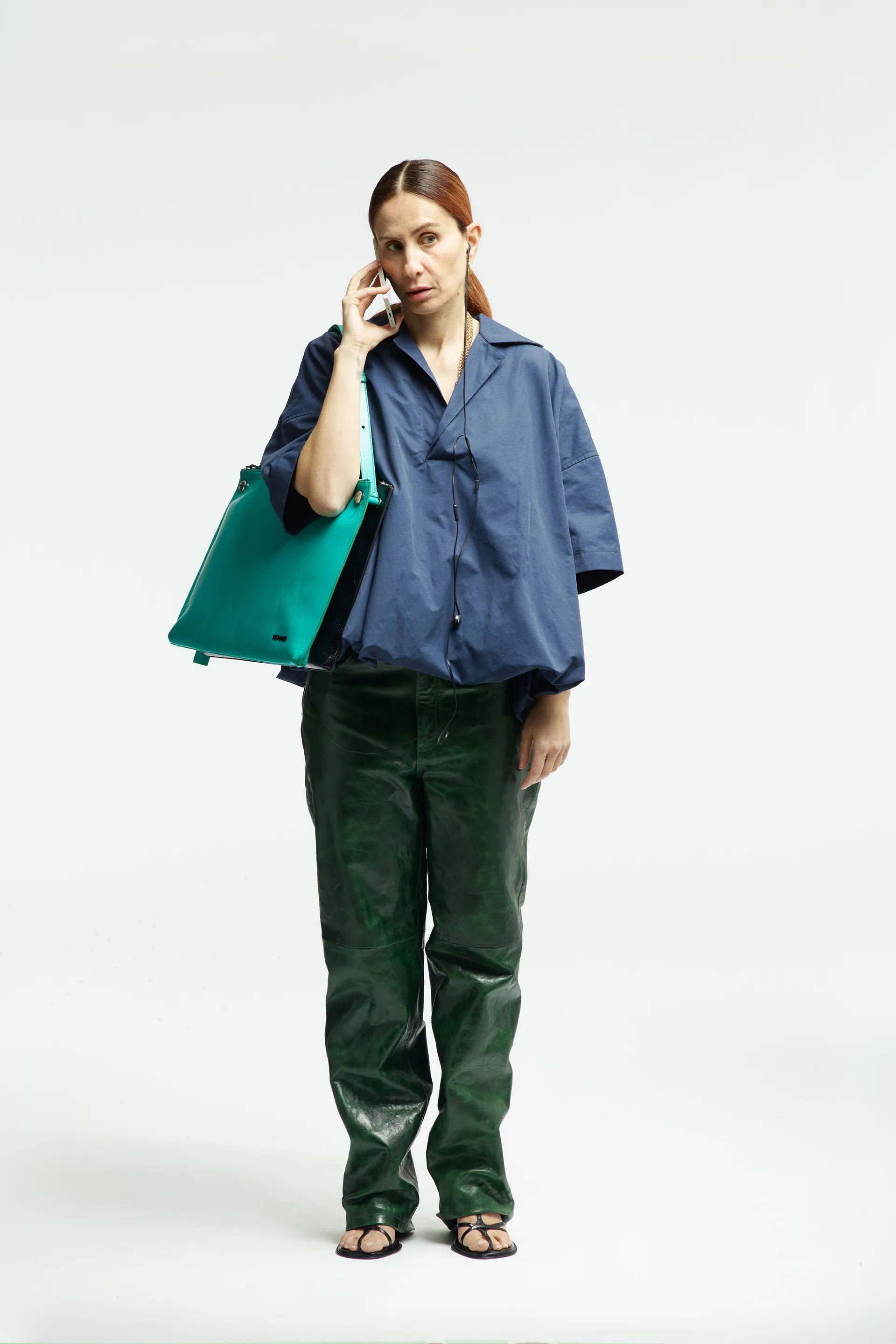
That instinct is unusually close to Moschino’s original nerve. Moschino has never been at its strongest when it behaves like a conventional luxury house. It becomes sharper when it exposes fashion’s appetite for status, packaging, desire, and self-parody. Messina and Rizzo arrive with the rare ability to make fashion look self-aware without draining it of pleasure.
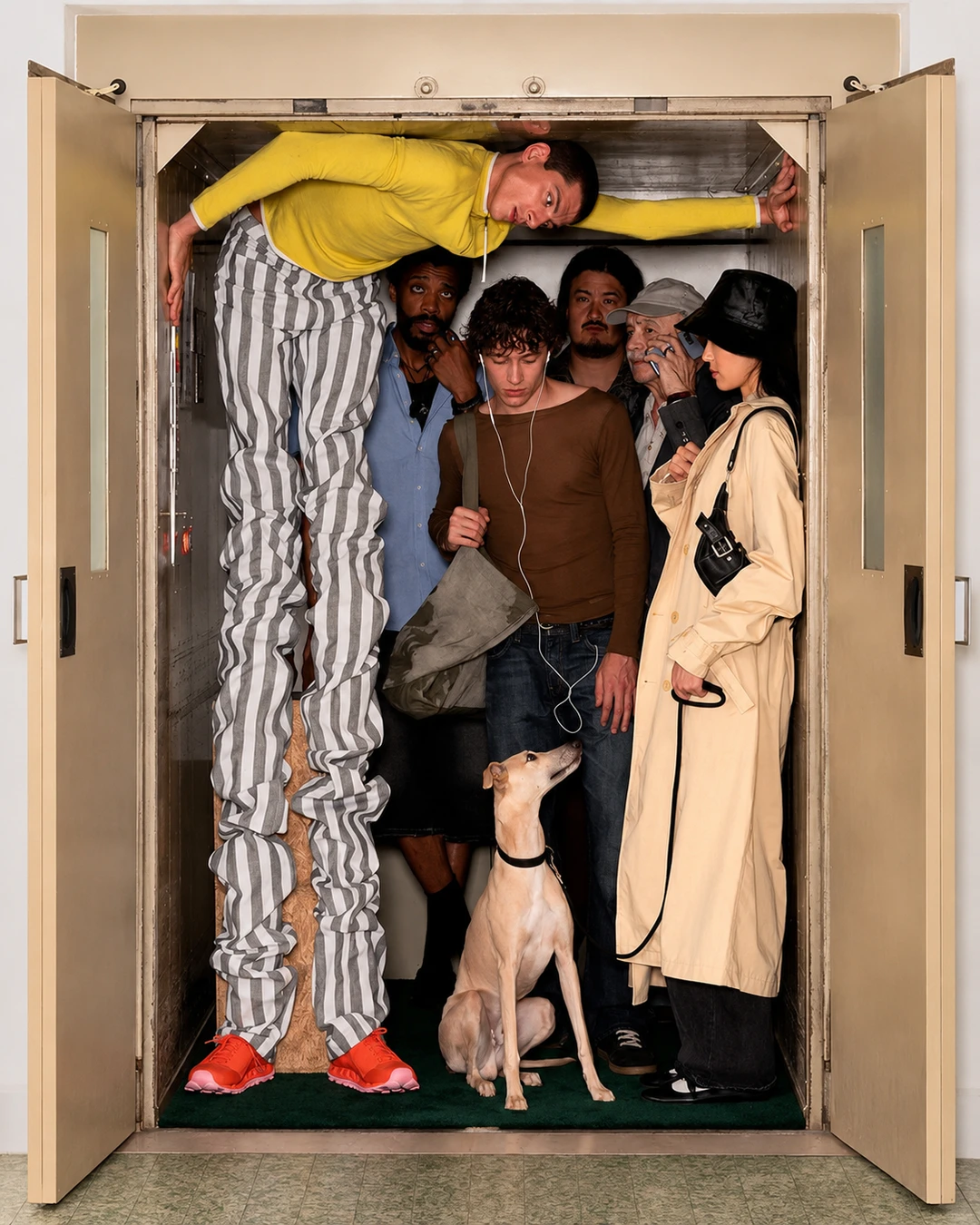
Their work has also been shaped outside the old creative-director myth. Sunnei grew as an independent Milanese project, which means they have handled brand language from the inside out. They understand how an object becomes a signal, how a show becomes a rumour, how a small visual decision can produce a community reaction. That sensibility suits Moschino better than a purely visual instinct ever could.
Every Moschino collection after Jeremy Scott carries a faint echo of spectacle. His decade at the house created a visual memory so immediately that it still shapes the way audiences read the brand: colour as provocation, pop culture as material, humour as a commercial and emotional shortcut. The danger for Moschino now is the temptation to chase that memory too directly, turning its own past into a formula.
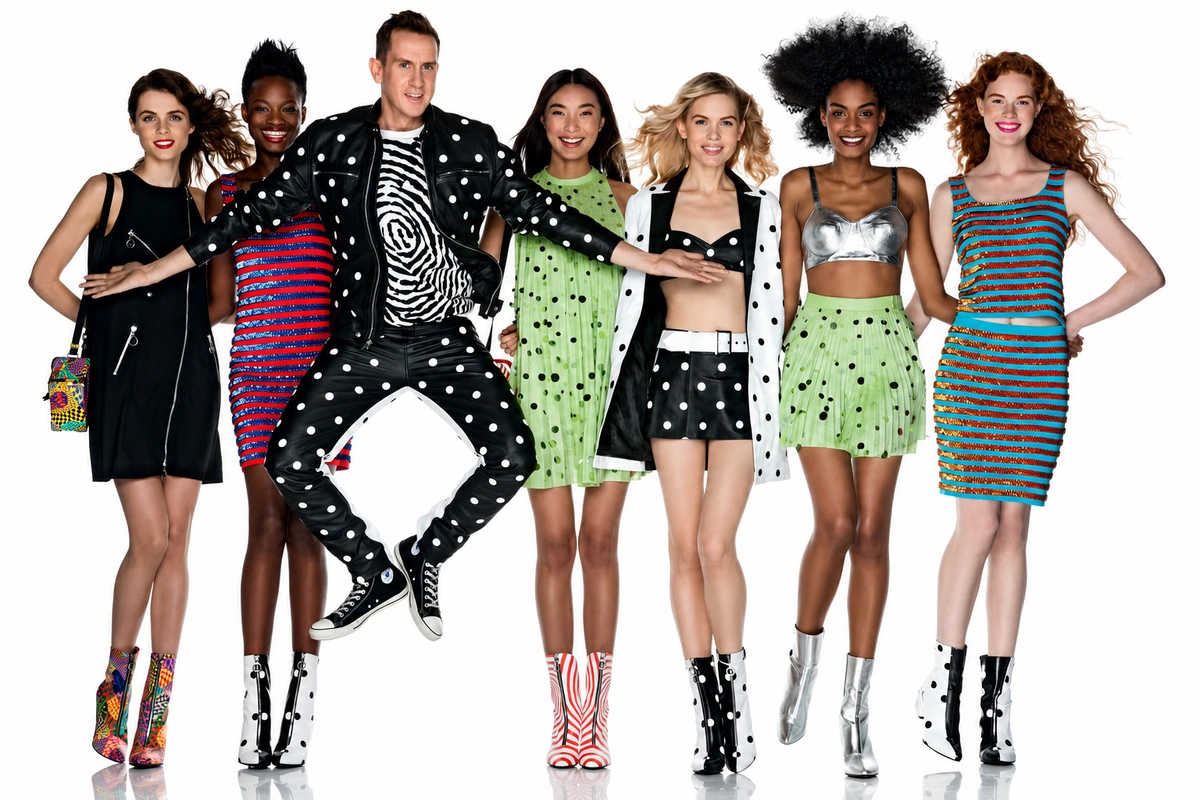
Jeremy Scott belonged to a very specific fashion moment, when celebrity culture, internet speed, mass nostalgia, and American pop excess could collide inside a single runway image. His Moschino had a rare sense of timing, with each joke knowing how to travel, turning shock into recognition before the audience had time to overthink it. Repeating that vocabulary in the present would make the house look trapped inside its brightest archive.
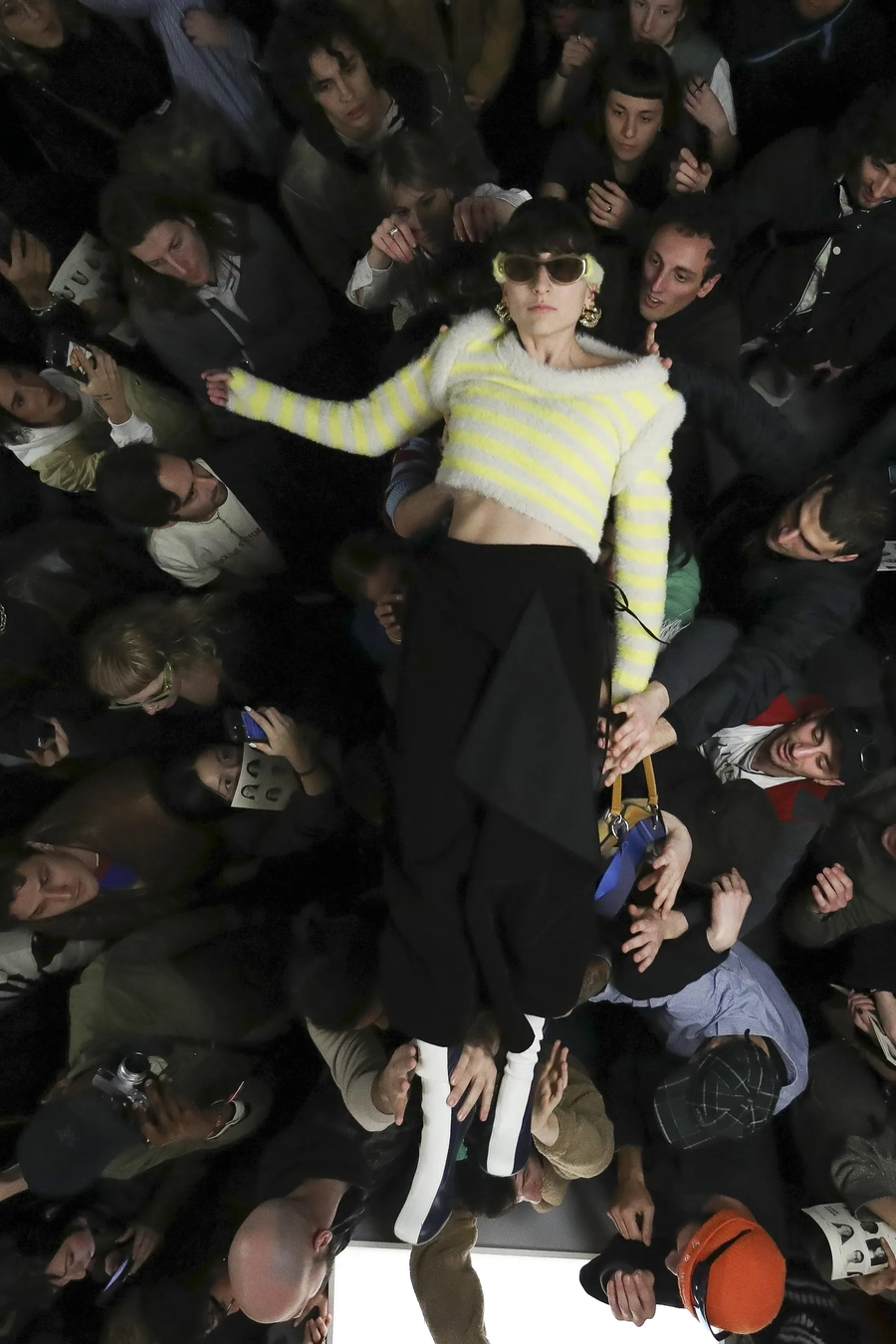
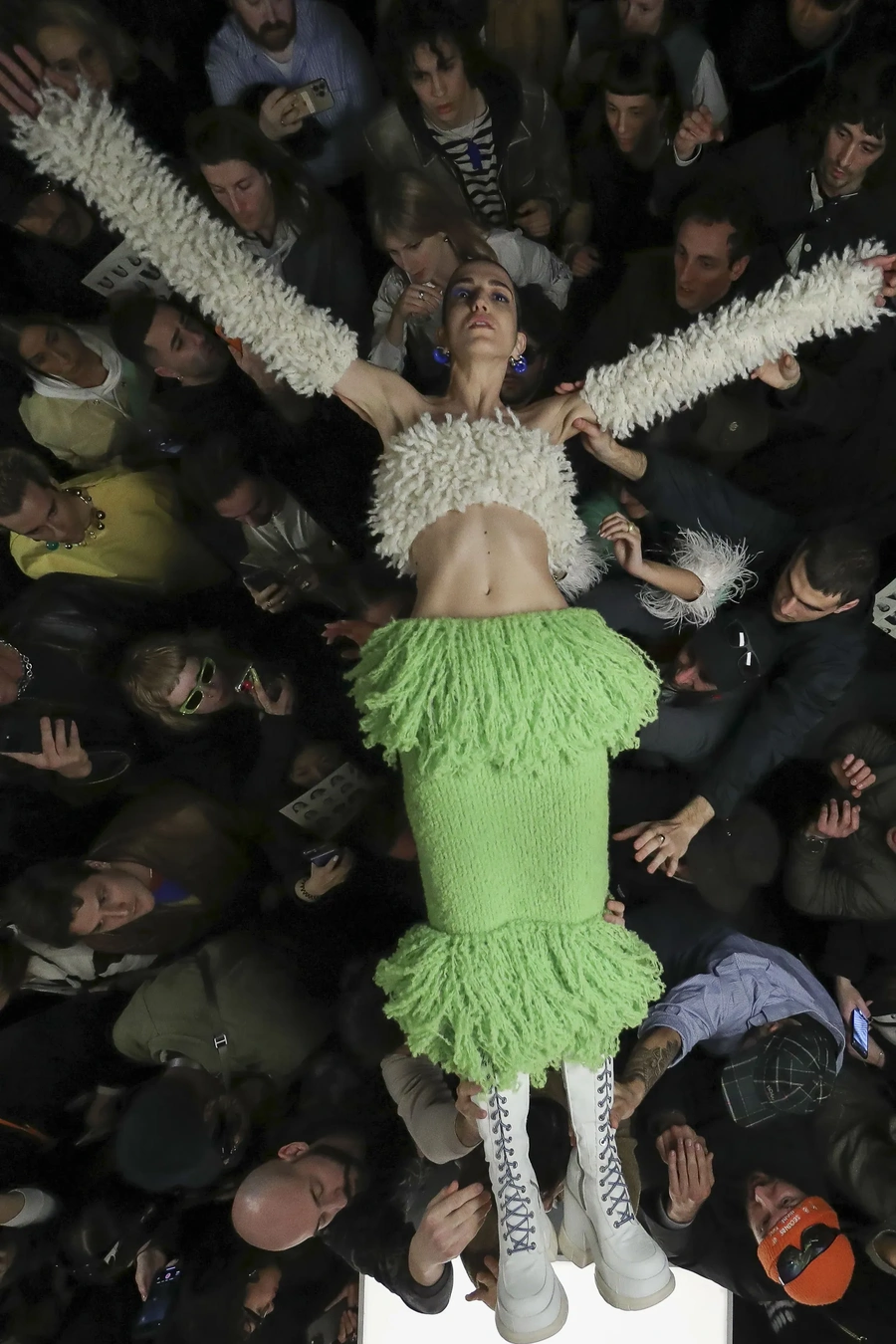
Loris Messina and Simone Rizzo arrive with a colder, stranger kind of mischief. Their Moschino could move away from the obvious camp and into something more controlled, where humour appears through tension, proportion, staging, and the quiet absurdity of luxury itself. Clothes would only need to carry the sense that the house has seen through the game and still knows exactly how to play it.
The question around Loris Messina and Simone Rizzo is not whether they can restore Moschino to the Jeremy Scott years. Restoration would be too small an ambition. The real question is whether they can give Moschino a new form of danger.
Sunnei’s humour rarely stopped at the surface; it often left a strange aftertaste, as though the joke had been designed to reveal the machinery behind it. Applied to Moschino, that sensibility could create a house less dependent on easy visual gags and more attuned to the absurdity of fashion itself: the performance of luxury, the theatre of value, the ritual of desire, the audience waiting to be entertained and judged at the same time.
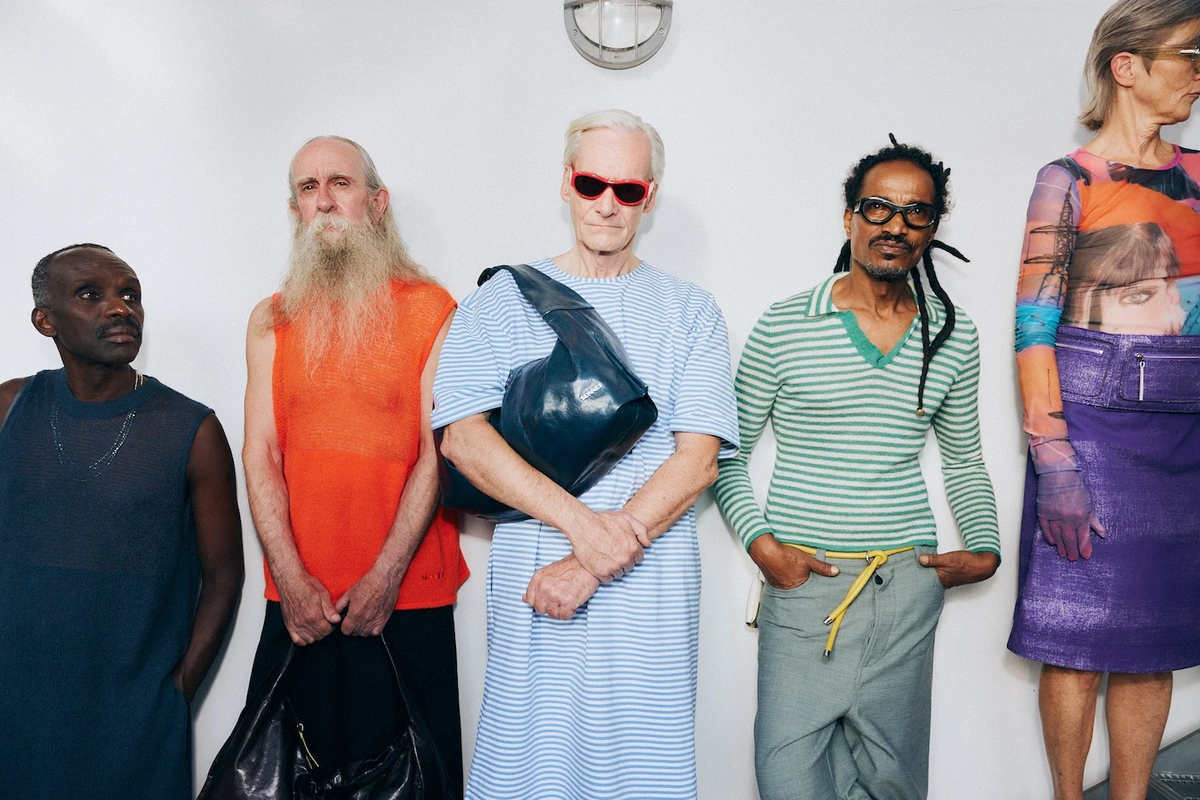
Recognition for Moschino now should come from a sharper pulse, one that moves through clothes, the image, the show, and even the smallest gesture. The house should appear as if it has already been seen through the game, then chosen to play with a smile too controlled to trust.
For a house like Moschino, Loris Messina and Simone Rizzo bring a useful kind of disorder. The brand was built on sabotage, wit, and beautiful bad behaviour, with elegance often twisted just enough to become suspect. If their independent absurdity can survive the scale of a luxury system, Moschino may return to the edge with a colder, stranger charge.
Not the same edge that Jeremy Scott once owned. A colder one. A stranger one. One that belongs to now.
Advertisement