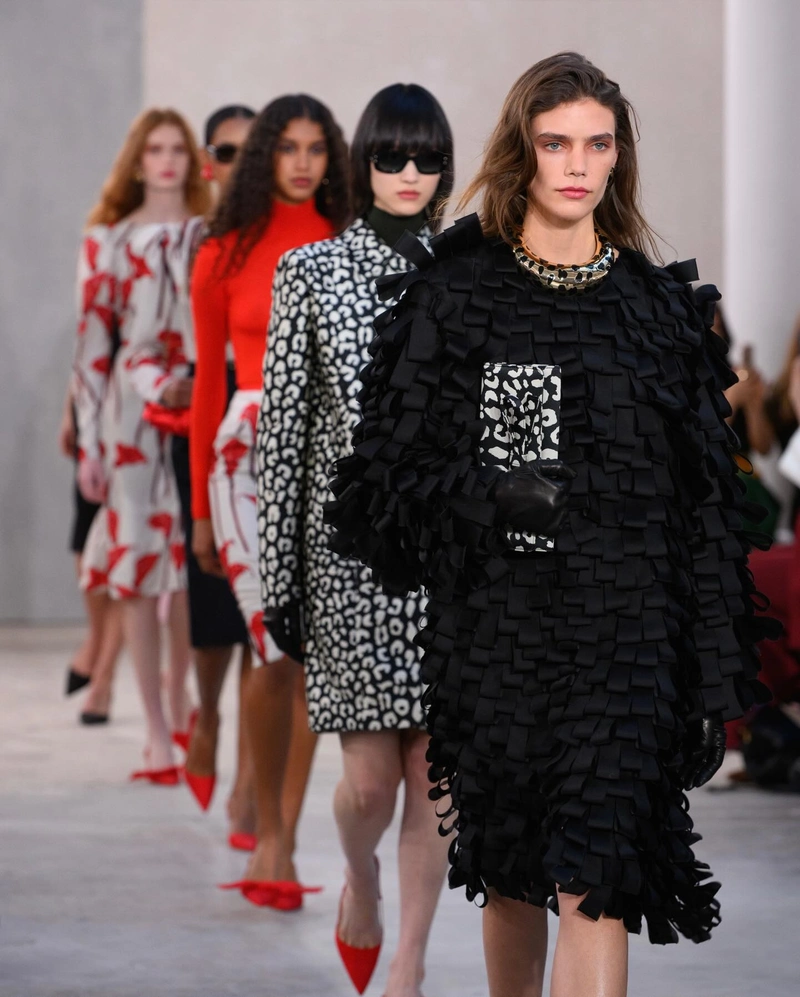
Separating vintage fashion, archive fashion and antique clothing reveals three distinct economies built around desire, authority and survival.
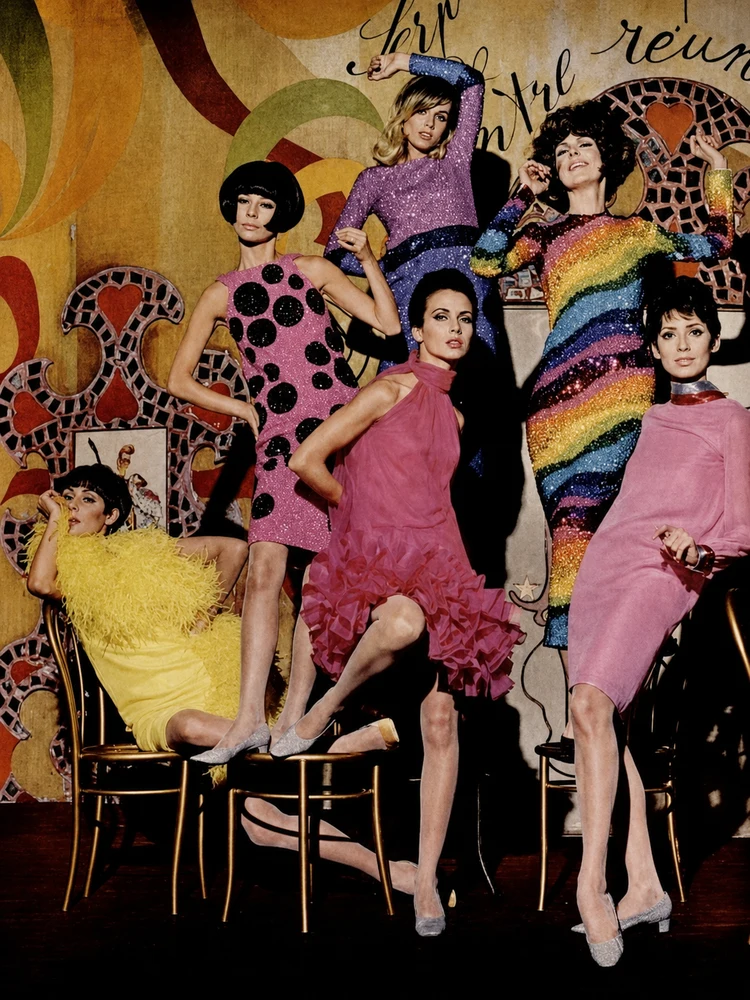
Separating vintage fashion, archive fashion and antique clothing reveals three distinct economies built around desire, authority and survival.
July 30, 2026
Advertisement

Advertisement



Three distinct garments enter the market carrying three entirely different histories. A Liz Claiborne tank top from the 1990s hangs in a curated boutique, primed to return to the street. A John Galliano runway gown sits within a private collection, strictly identified by season, look number, and collection title. An 1800s petticoat rests rigidly on a museum form, its deteriorating fibers carefully isolated from the human body it was originally engineered to shape.
While all three belong to fashion’s past, their age, purpose, and valuation operate through distinctly separate economic and cultural systems. Modern fashion commerce frequently collapses these terms, vintage, archive, and antique, into a single, seductive marketing vocabulary.
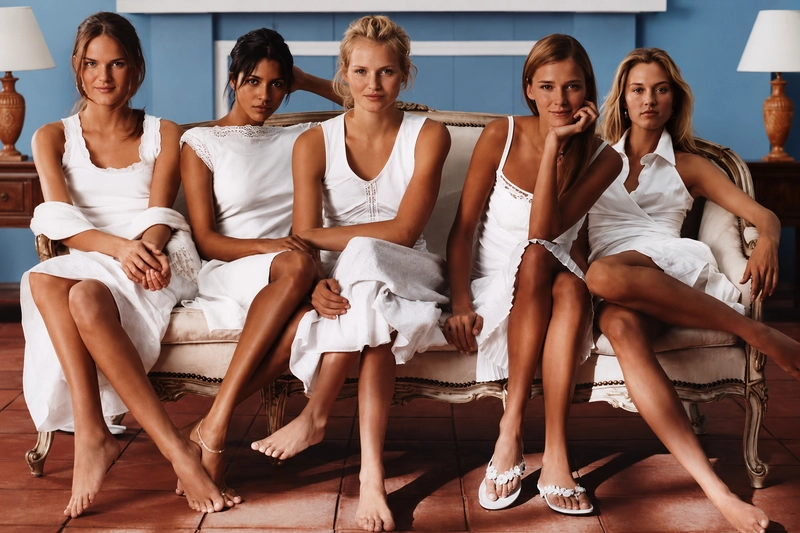
Sellers routinely attach the word “archival” to standard resale pieces, market contemporary garments as vintage, and treat every visibly aged object as a wearable discovery. This strategic confusion heavily benefits the market, as historical language functions to artificially inflate prices. Analytical precision paints a less romantic, but highly necessary, picture.
Vintage fashion fundamentally begins with time. A standard industry definition places vintage clothing between approximately 20 and 99 years old. In 2026, this chronological bracket stretches from the late 1920s through the early 2000s, forcing Art Deco eveningwear, postwar tailoring, 1970s denim, and Y2K party dresses under the same broad commercial umbrella. However, age merely creates eligibility; it offers no automatic guarantee of quality, rarity, or cultural importance.
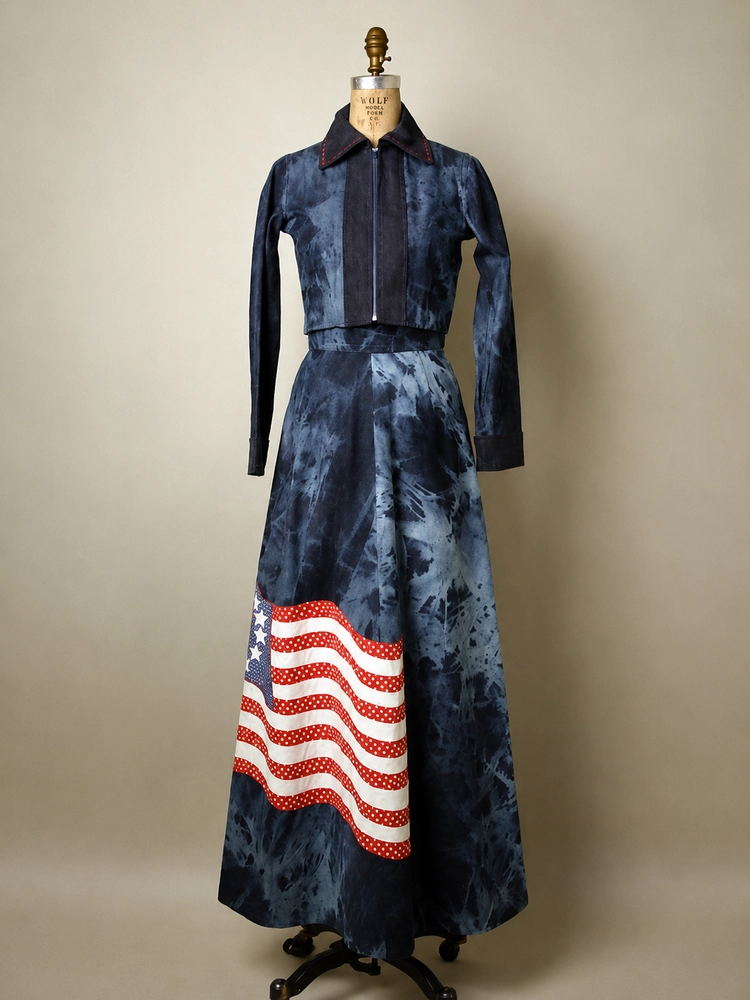
A Thierry Mugler jacket from 1997 inherently qualifies as vintage. So does a mass-produced polyester blouse manufactured the exact same year. Chronology groups them together, but design, construction, and cultural demand aggressively separate their value. Furthermore, a newly manufactured dress utilizing a mod silhouette is classified as retro or vintage-inspired, its reference comes from the past, but the object itself carries no historical life. True vintage clothing has survived another period, owner, or retail system before re-entering the present.
A pristine example of vintage tailoring, this piece survives chronological time to re-enter contemporary circulation.
The value of a vintage garment is actively produced by the present looking backward. A piece may languish in obscurity for twenty years before a runway revival, celebrity endorsement, or emerging online aesthetic grants it a new cultural role. For example, early Baby Phat, Miss Sixty, and Blumarine gained immense visibility as younger consumers sought Y2K fashion featuring stronger prints and lower rises than contemporary retail provided. The physical object remained unchanged; the market surrounding it completely transformed.

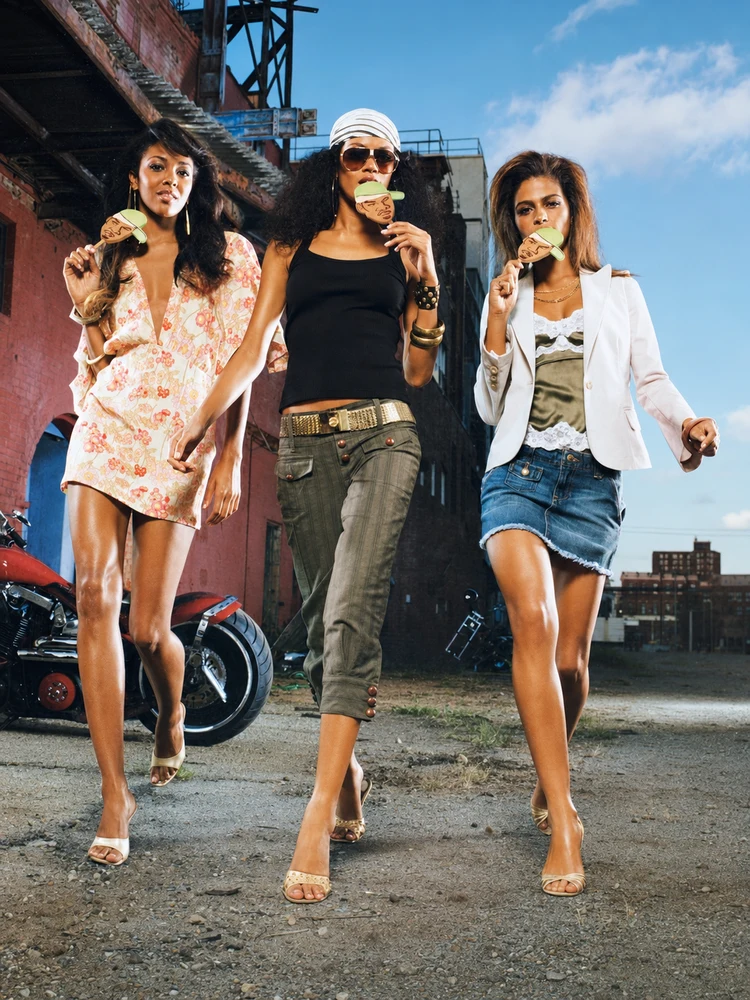
Vintage dealers are active participants in this transformation. Their profession extends far beyond sourcing old garments; they rigorously research labels, identify periods, execute repairs, and construct compelling narratives around the pieces. As a garment transitions from an estate sale to a specialist boutique, it acquires context at every stage. In the vintage market, information becomes a critical component of the price tag.
The vintage garment remains tethered to utility. Consumers expect to wear it, alter it, and integrate it into a modern wardrobe. Signs of age, faded denim, replaced buttons, or previous bodily alterations, often strengthen its character. The garment’s history travels directly into its next life, and wearability keeps the category firmly practical.
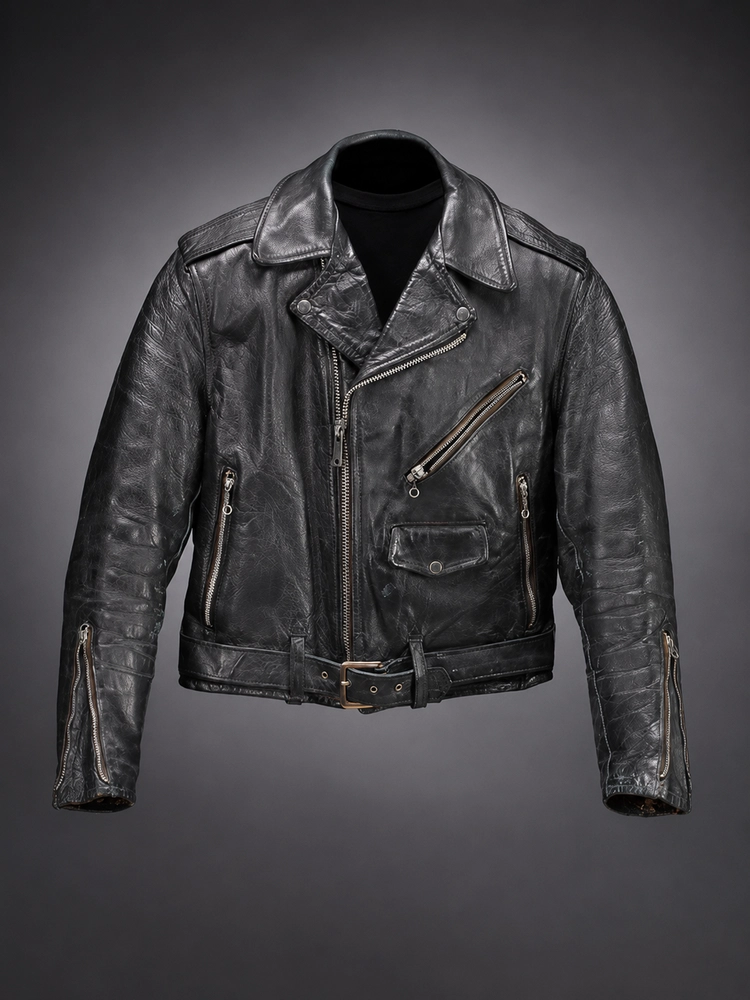
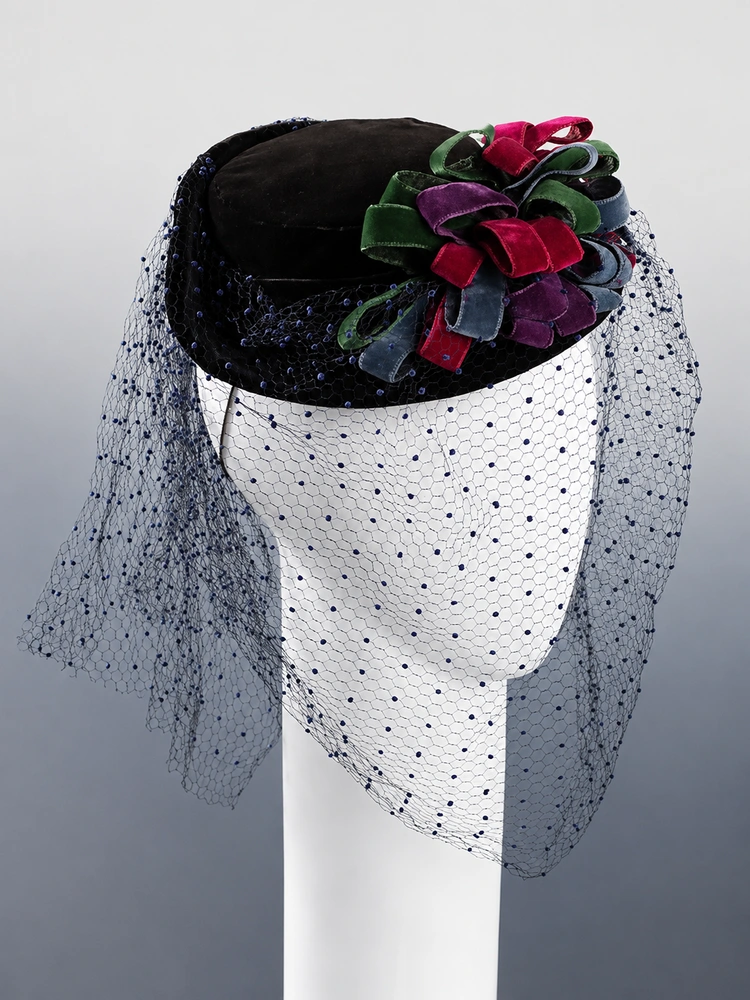
However, vintage commerce increasingly appropriates the language of scholarship without adhering to its discipline. Online platforms routinely describe ordinary garments as “rare,” “iconic,” or “museum-worthy.” A mass-produced camisole may be priced as a cultural artifact simply because its silhouette aligns with a current trend. Genuine rarity demands empirical metrics: limited production numbers, association with a significant designer season, obsolete fabrications, or a documented connection to a known owner. Vintage gains true value when time intersects with quality and renewed demand. The market simply decides how aggressively to romanticize it.
Archive fashion discards chronology in favor of documented significance. A garment can achieve archival status within a few seasons if it captures a decisive creative moment. Martin Margiela’s early artisanal work, Hussein Chalayan’s transforming garments, and Phoebe Philo’s definitive Céline collections hold authority because they record highly identifiable shifts within fashion history. Conversely, a much older garment remains ordinary vintage if its designer, season, and historical context are untraceable. Vintage asks how long a garment has existed; archive fashion asks what the garment historically proves.


A garment becomes archival when it documents a pivotal moment in design history, regardless of its chronological age.
Archive fashion relies entirely on evidence. A legitimate archival piece can be directly connected to a specific designer, season, runway look, campaign, or editorial. Original labeling, purchase receipts, and exhibition records fortify the chain of information. A dress achieves an entirely different industry status when research positively identifies it as Look 27 from a specific runway, photographed on a known model during a major creative transition.
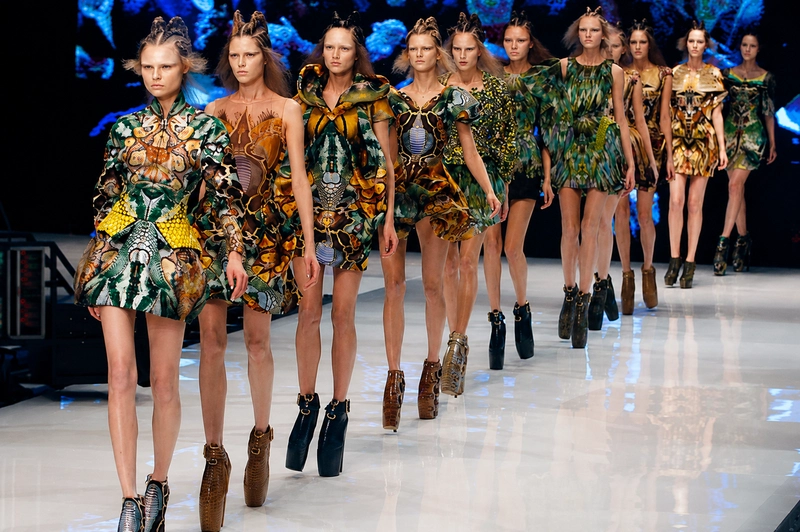
This strict requirement for documentation exposes the weakness behind casual archive marketing. A past-season item from a luxury house may carry a recognized label, but age and branding alone do not yield historical significance. The term “archive sale” has largely devolved into a prestigious euphemism for inventory clearance. A verified archive claim must concretely explain who designed the object, when it debuted, where it belongs in the design lineage, and what it reveals.
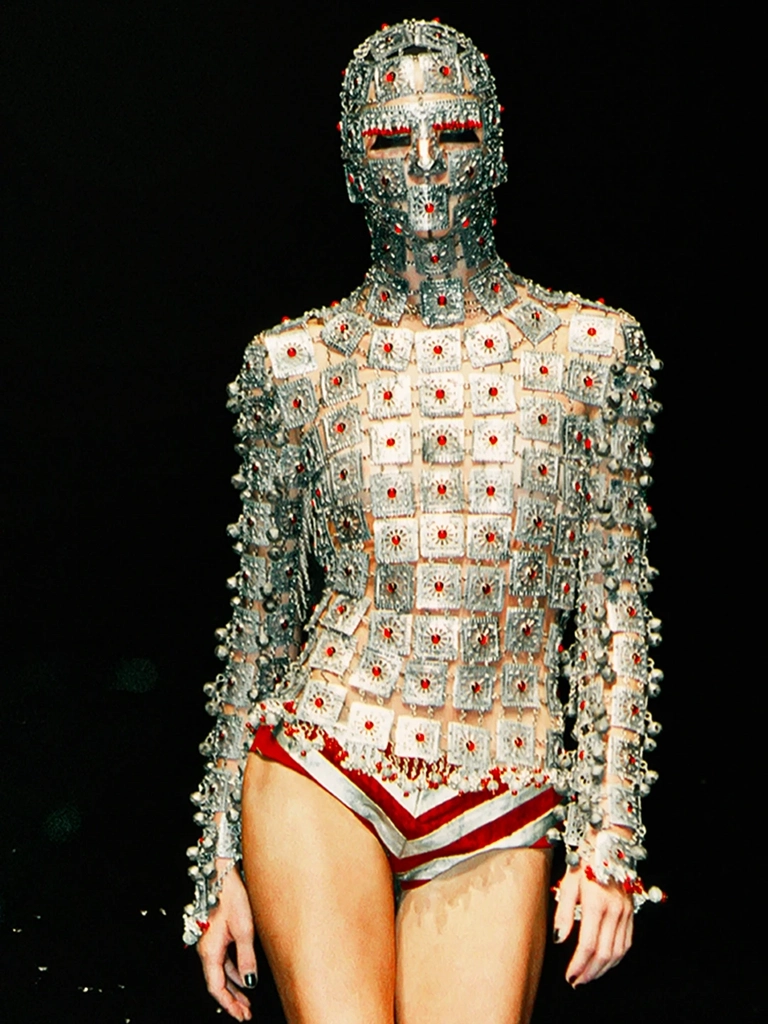
While archive fashion can still be worn, access is heavily guarded. Stylists frequently borrow historic Mugler, Versace, or McQueen pieces for red carpets because a documented garment projects a stronger cultural statement than a new dress. The newest runway look telegraphs access to current fashion; the archival look telegraphs access to fashion memory.
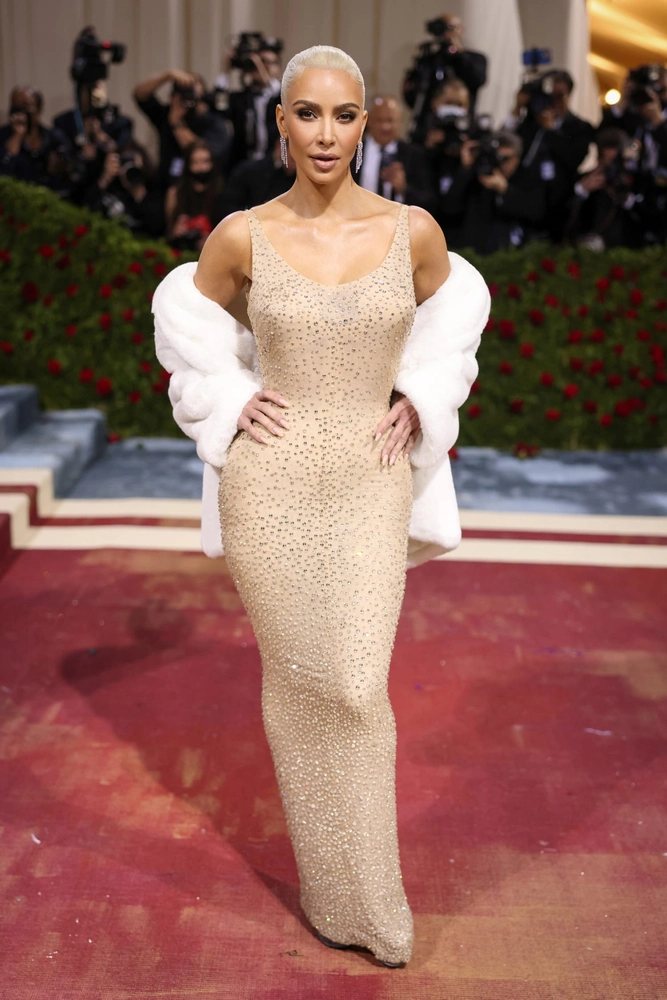
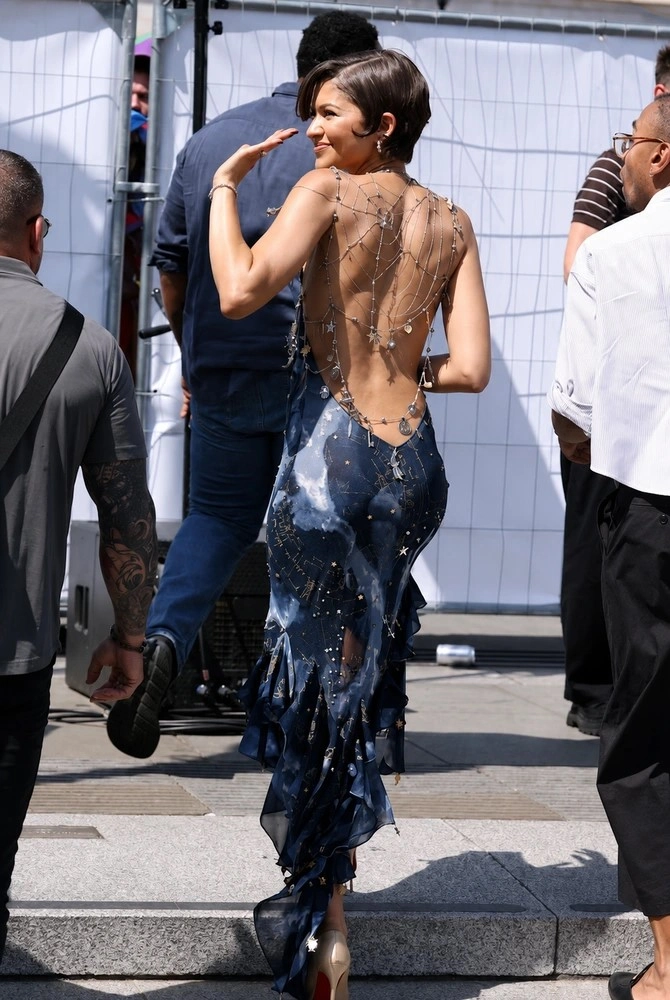
However, this dynamic engineers severe preservation conflicts. Historic garments are often physically altered to accommodate celebrities, placing fresh stress on delicate closures and aging seams. The controversy surrounding Kim Kardashian’s wearing of Marilyn Monroe’s Jean Louis dress crystallized this friction. A single garment cannot seamlessly function as celebrity history, material evidence, and entertainment content simultaneously without risking permanent damage.
Furthermore, fashion archives function as concentrated systems of power. Heritage houses utilize them to support legal claims, mount exhibitions, and guide incoming creative directors. The archive preserves memory, but the institution ultimately dictates which memories are granted a second commercial life.
Antique fashion designates garments that are at least 100 years old. By 2026, this working category absorbs clothing manufactured in or before 1926, encompassing late Victorian gowns, Edwardian dress, and early modern engineering by Paul Poiret, Mariano Fortuny, and Madeleine Vionnet. While a Vionnet bias-cut dress from 1926 may appear strikingly contemporary, its visual modernity masks a century of relentless physical aging.
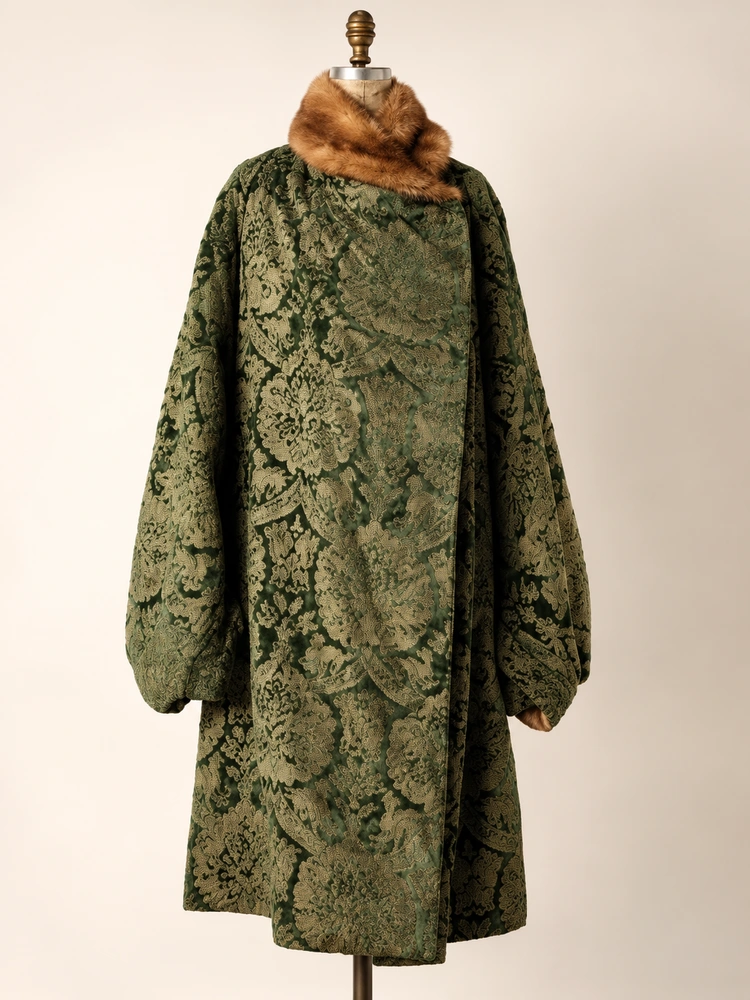
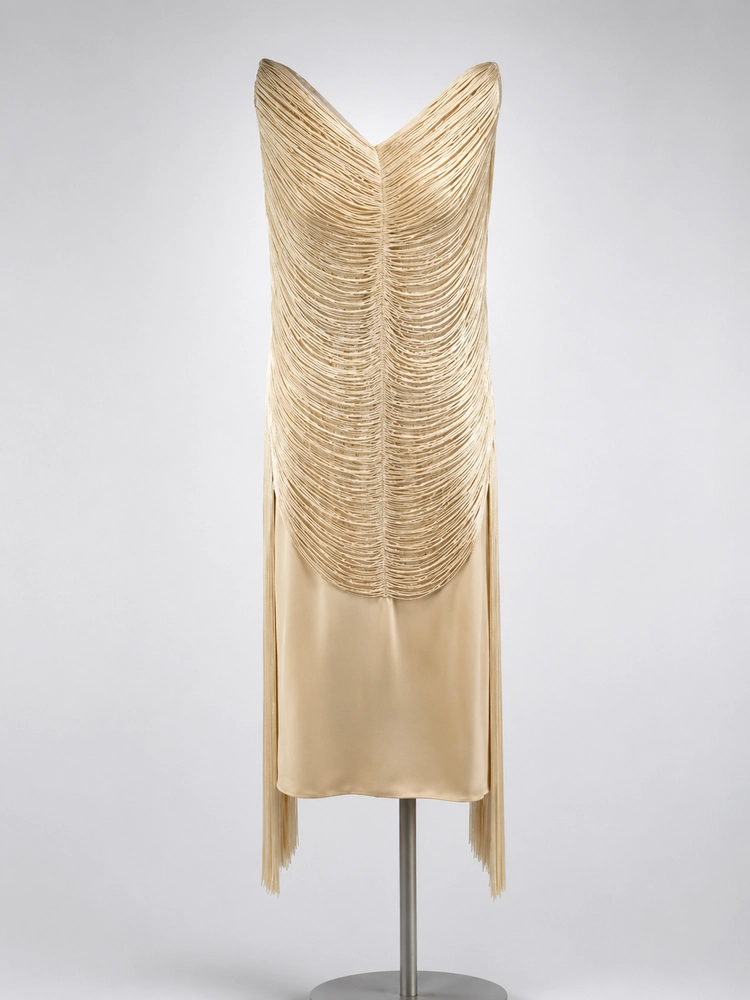
Silk loses its tensile strength. Metal embellishments drag against weakened cloth. Chemical dye treatments accelerate fiber deterioration. An antique garment may appear robust on a museum form while remaining structurally incapable of surviving an evening on a living body. Consequently, antique status profoundly shifts the owner’s responsibility: the central objective transitions from wearing the garment to ensuring it continues to exist.
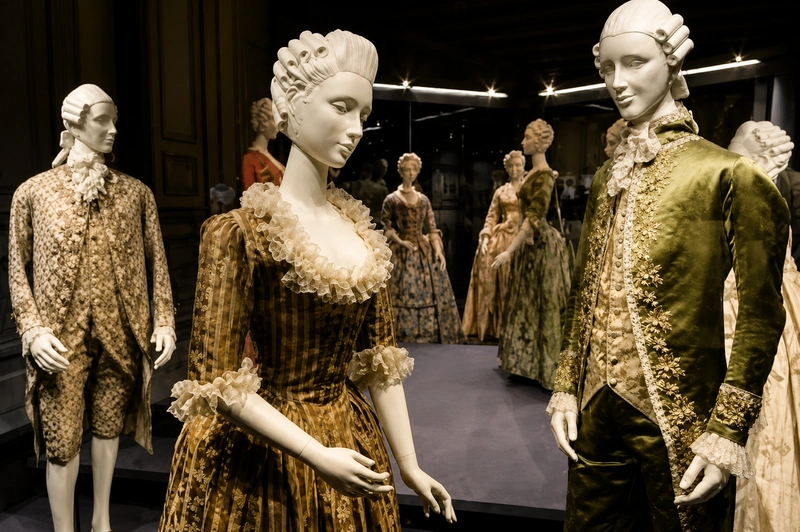
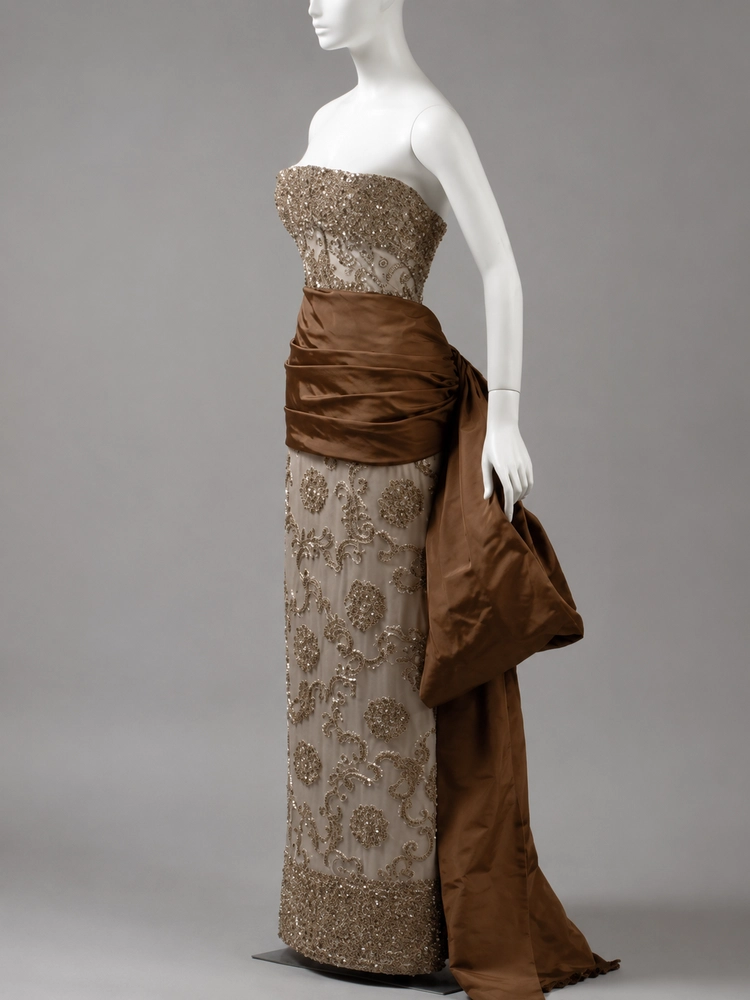
Preservation supersedes wearability. Antique garments are stabilized on forms to prevent the damage caused by living bodies.
An antique garment operates as an archaeological site, recording far more than just design. Seams reveal localized hand-sewing techniques and domestic alterations. Fibers trace the wearer back to global textile trades and colonial commerce. Silhouettes expose historical systems of body modification, utilizing stays, crinolines, and bustles.
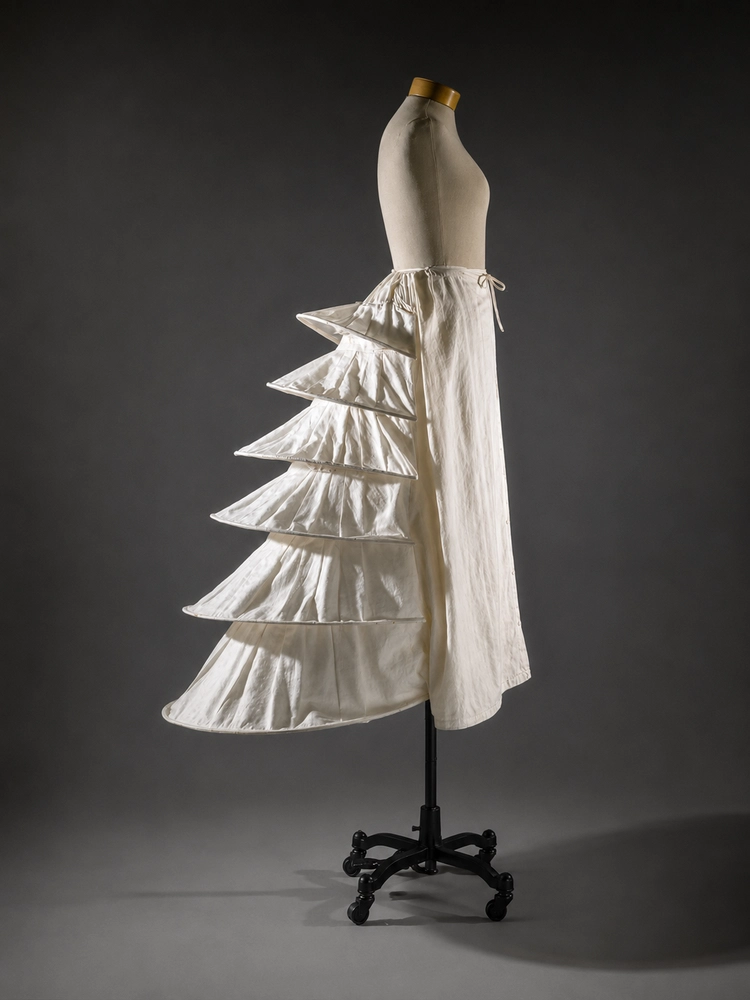
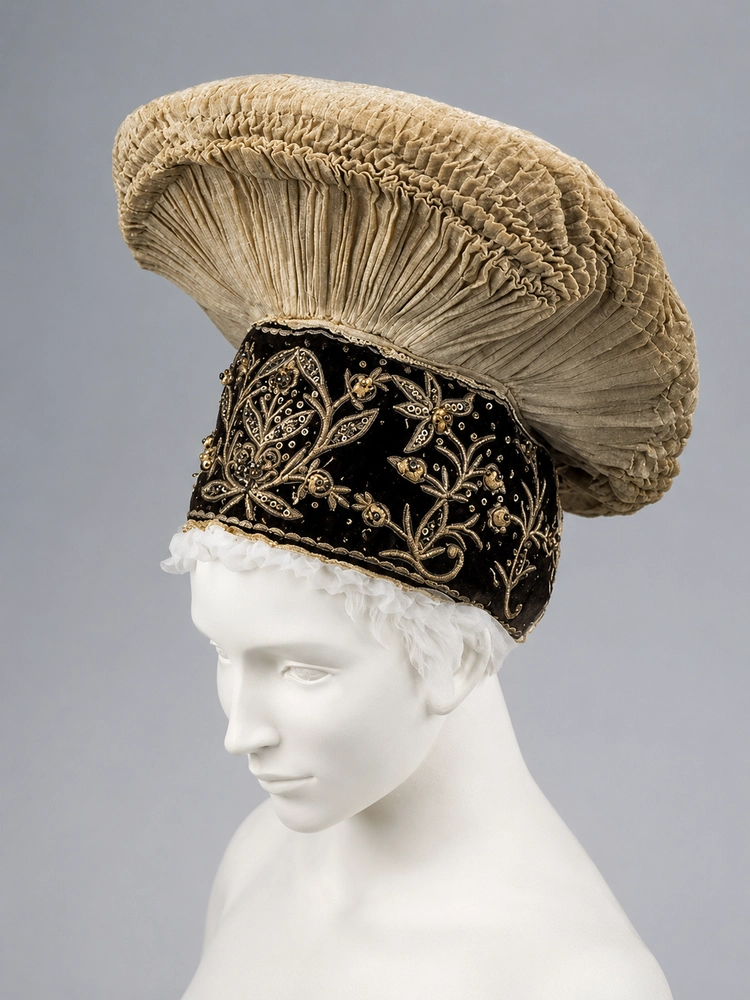
Damage itself becomes crucial historical evidence. A replaced hem demonstrates continued, necessary use. A widened bodice records biological changes or generational inheritance. Fading maps out historical exposure to light. While an eighteenth-century court mantua displays elite wealth through spectacle, a plain nineteenth-century cotton dress often explains daily life with much greater honesty. A pristine gown preserves the design, but an altered garment preserves the biography of the wearer.
The human body once completed the garment; eventually, it becomes its most lethal threat. Living bodies introduce heat, moisture, friction, and tension. Victorian weighted silks are prone to shattering along fold lines even if the seams hold. A garment may fit a modern wearer perfectly, yet remain entirely unsafe to wear. To recover bodily knowledge ethically, historians increasingly rely on exact reproductions. A carefully researched replica can demonstrate how a historical sleeve restricts movement without jeopardizing the original artifact.
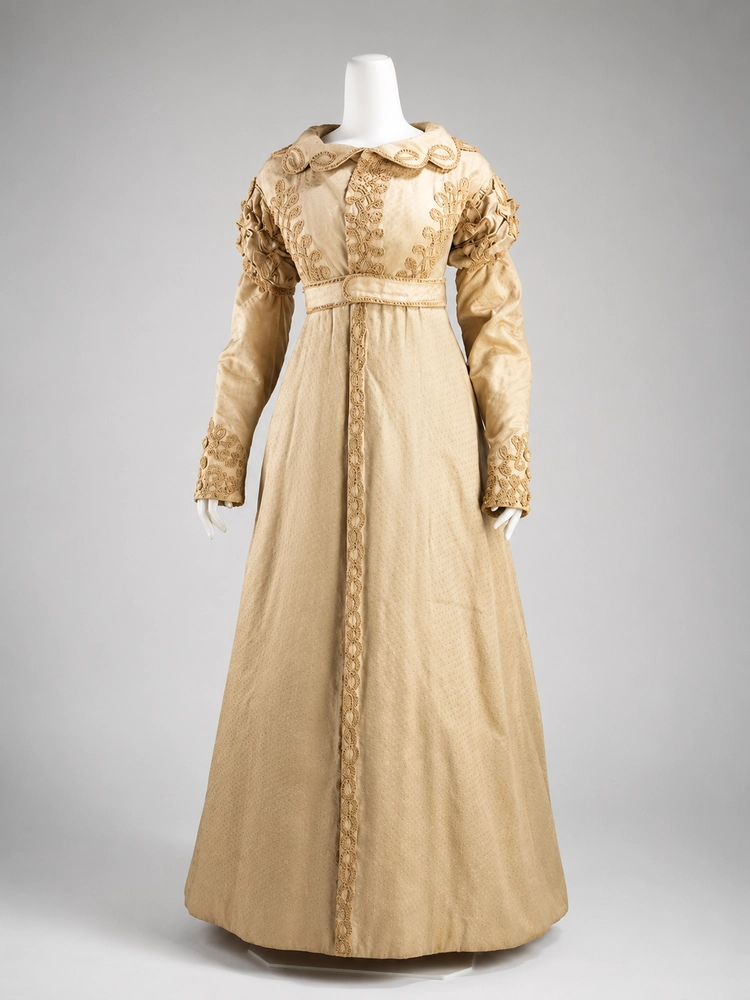

Ultimately, antique fashion exposes which wardrobes were granted the privilege of survival. Couture commissions and royal garments were meticulously stored because families recognized their inherent value. Everyday garments faced a brutal lifecycle, they were repaired, resized, and worn until the cloth structurally failed. Therefore, museum collections inherit a highly unequal history, heavily skewed toward wealth and ceremony. Fashion history displays what successfully escaped consumption, while the garments that served the vast majority of human bodies remain entirely absent from the room.
It is time to stop romantically projecting our own nostalgia onto old clothes and start ruthlessly interrogating the systems that label them. We must demand discipline in our vocabulary and honesty in our commerce. A garment is only vintage if it actively returns to the street to be lived in. It is only an archive piece if it teaches us something verifiable and structurally profound about design history. And it is only antique if its survival is a miracle that must be protected from the destructive friction of the human body.
To conflate them is to be complicit in a marketing grift that sells our own history back to us at a premium. Fashion's past deserves to be studied, respected, and meticulously preserved. It does not deserve to be treated as a salvage yard for an industry too creatively bankrupt to design its own future.
Advertisement