MENU
Close





A full skirt turns under a kitchen light, a white glove rests beside a lipstick case, and a perfect waist seems to hold the room in place. The 50s style begins inside that polished illusion, where pastel sweetness hides a sharper story of couture, domestic fantasy, social order, and controlled beauty.
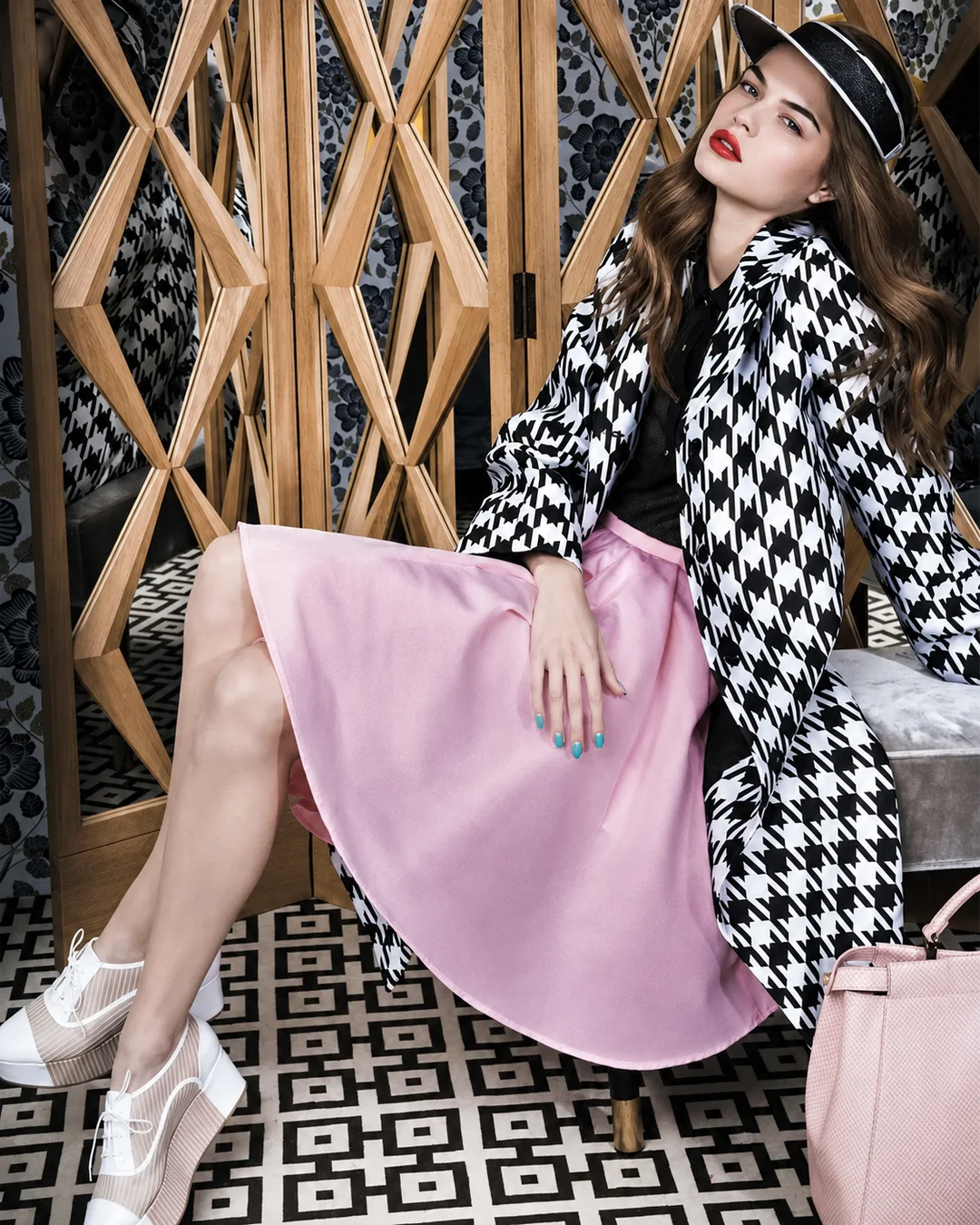
A full skirt turns under a kitchen light, a white glove rests beside a lipstick case, and a perfect waist seems to hold the room in place. The 50s style begins inside that polished illusion, where pastel sweetness hides a sharper story of couture, domestic fantasy, social order, and controlled beauty.
June 9, 2026
Advertisement
Advertisement



The 1950s opens like a room that has been polished too carefully after a long season of fear. The war has ended, luxury has begun to breathe again, and the postwar world reaches for anything that can make life appear fulfilling and newly desirable. A dress with a generous skirt becomes proof that fabric can return, that pleasure can return, that a woman can stand beneath domestic light and make an entire household look composed.
Inside the 50s style, beauty is an atmosphere arranged around the female body, built from a narrowed waist, a softened shoulder, a bright lip, and a surface smooth enough to reassure the room around her. The decade wants women to look finished, graceful, desirable, and correct, as though the shine of their appearance can help hold the fragile optimism of the postwar years in place.
Yet perfection carries its own tension. The same dress that blooms outward also pulls inward at the waist; the same polished smile that sells the dream also hides the labor of maintaining it. The 50s style becomes magnetic because it presents beauty as both promise and pressure, turning femininity into a carefully lit room where every detail looks lovely, and every lovely detail knows the rules.
The visual story of the 50s style begins before the decade technically arrives. In 1947, Christian Dior presented his first collection in Paris, and the look that would define postwar femininity entered fashion history with immediate force. The most famous emblem was the Bar Suit: a soft-shouldered jacket, a tightly shaped waist, padded hips, and a long, full skirt that used fabric with a kind of triumphant excess. After years of wartime rationing and practical silhouettes, the New Look gave the body volume, curve, and ceremony again.
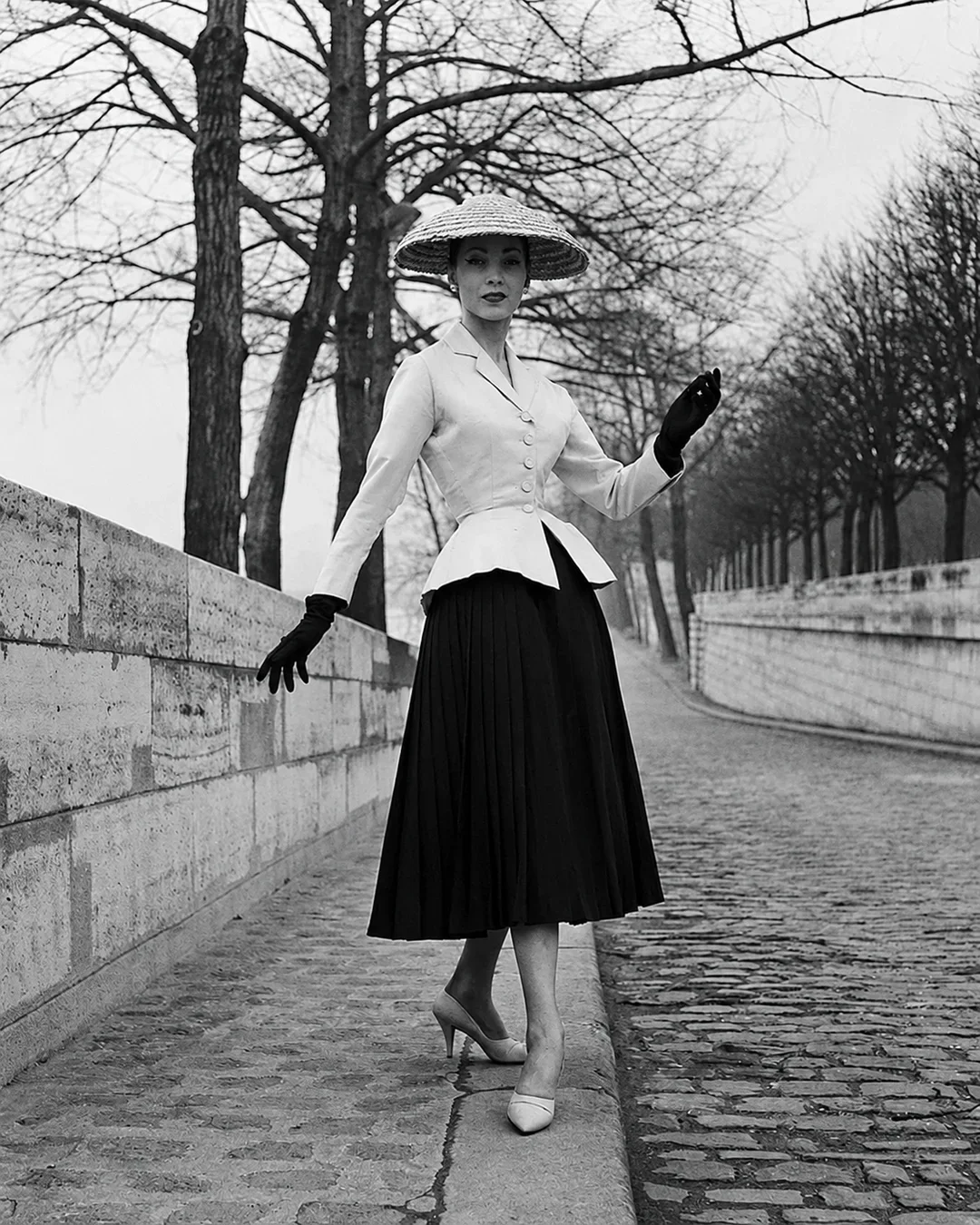
Dior New Look was a dramatic declaration that fashion could return to fantasy. Fabric became abundant, skirts grew heavy, waists narrowed, and couture salons restored the ritual of dressing as a serious art of construction. The body was rebuilt through tailoring and understructure, transformed into an hourglass that seemed to promise stability after rupture. The look appeared luxurious, romantic, and reassuring, yet its romance depended on discipline: a woman had to be shaped into the dream before she could inhabit it.
Through the 1950s, that image spread far beyond Dior. Paris couture shaped the decade’s eye, while magazines, department stores, sewing patterns, and ready-to-wear translated the silhouette into everyday aspiration. The 50s style became a postwar visual code: a narrow waist, a controlled bust, a skirt that bloomed outward, and a manner of dressing that made femininity look polished enough to hold a fragile new world together.
A postwar decade obsessed with shape, polish, and social legibility is the ultimate fashion language that represent for the 50s style. Following its most recognizable image is the hourglass body: softened shoulders, lifted bust, cinched waist, rounded hip, and a skirt or pencil line that makes the figure immediately readable. However, the decade didn't stand by only a single silhouette. It held the full-skirted housewife, the narrow-waisted bombshell, the elegant couture client, and the teenage girl discovering the thrill of rock ’n’ roll, all inside the same mid-century frame.
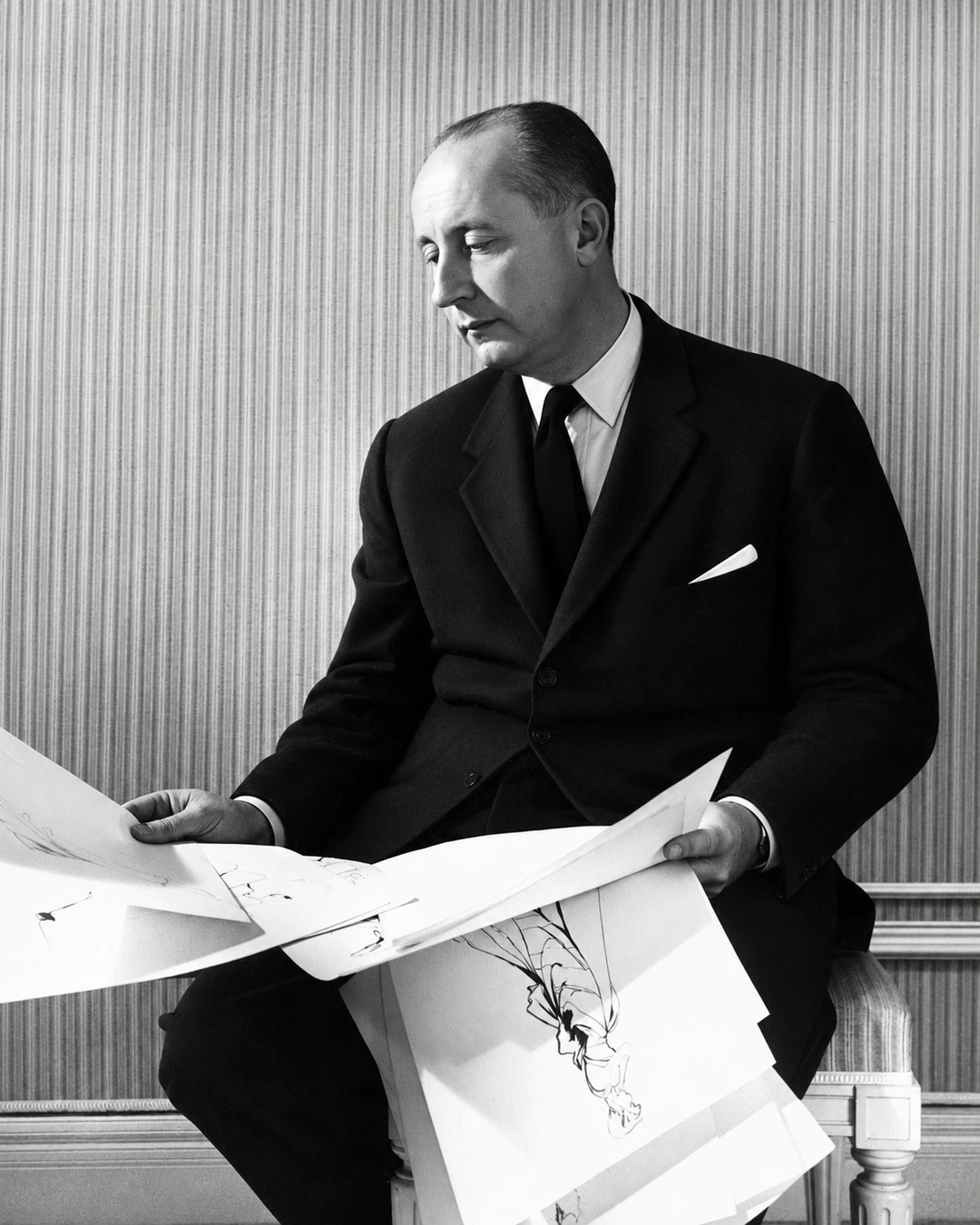
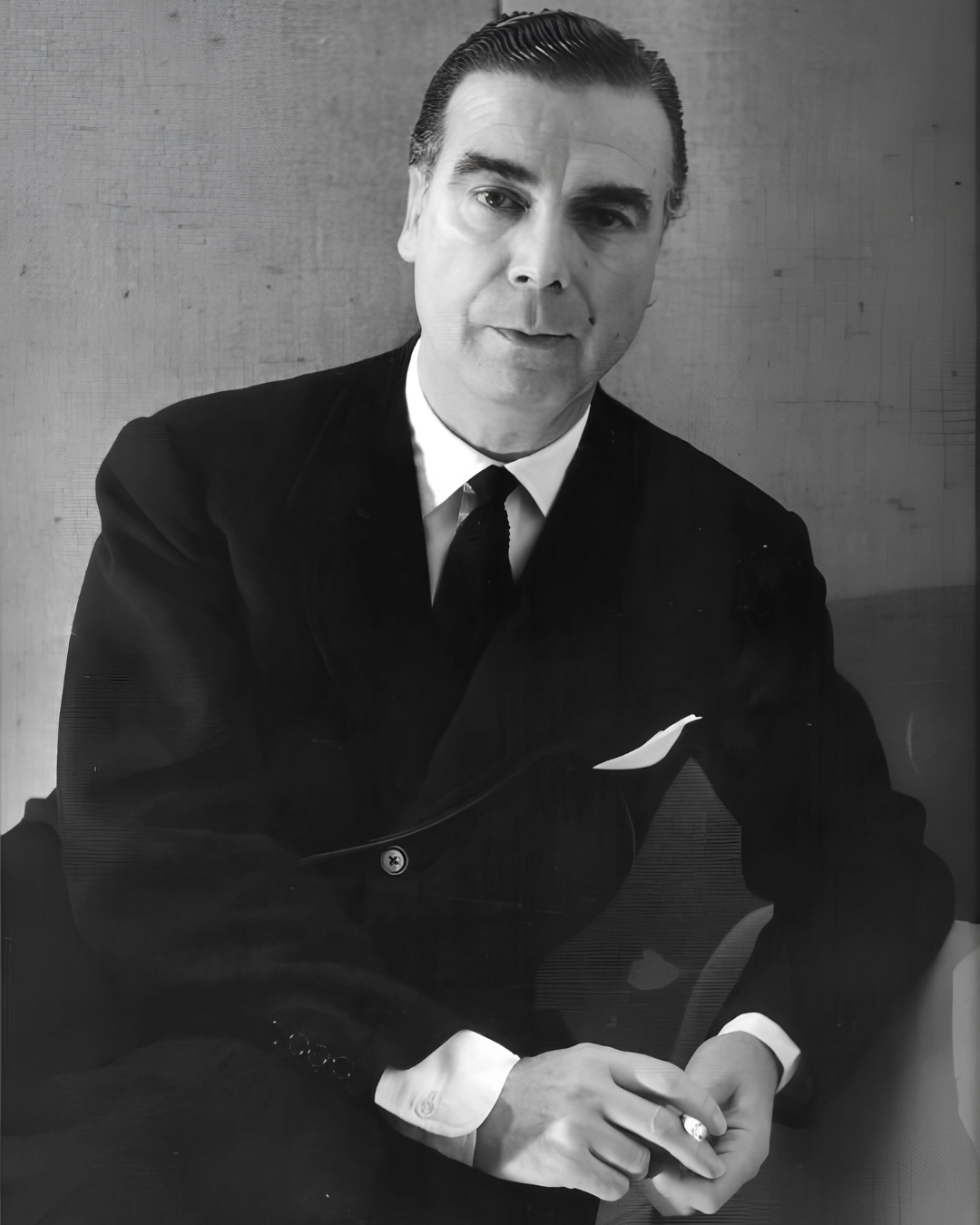
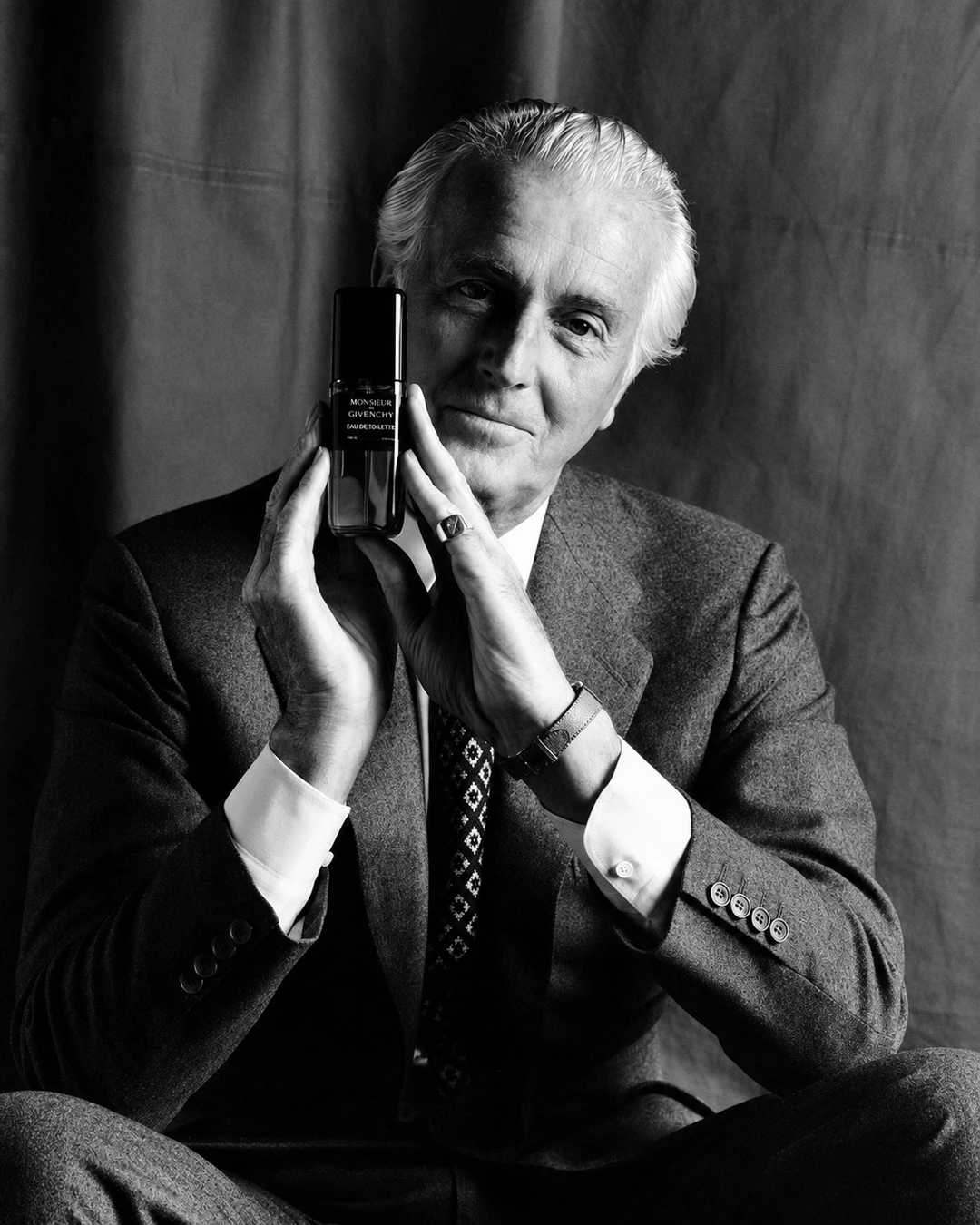
The golden age of haute couture gave the 1950s its most disciplined dream, transforming fabric, understructure, and salon craft into the decade’s idealized female form. Christian Dior, Cristóbal Balenciaga, Hubert De Givenchy, Pierre Balmain, Jacques Fath, Jacques Heim, and the great Paris couture houses gave the 1950s its visual grammar, turning the female outline into a site of discipline, fantasy, and extraordinary technical control. Through their hands, the waist was carved into emphasis, the skirt built into volume, and the jacket shaped into a quiet symbol of authority, so that even when the look traveled into department stores, sewing patterns, and everyday wardrobes, the dream of couture discipline remained alive inside the cut.
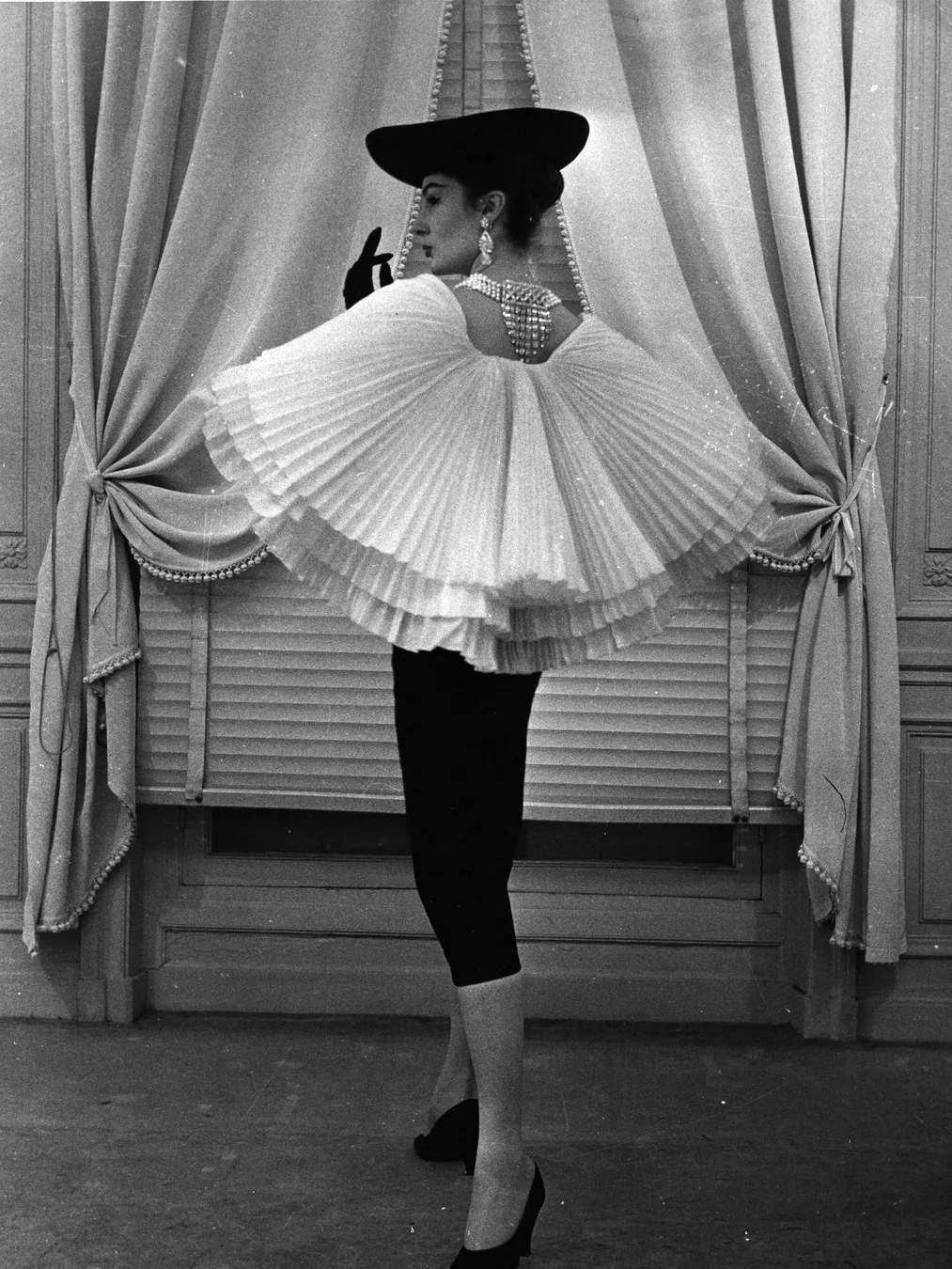
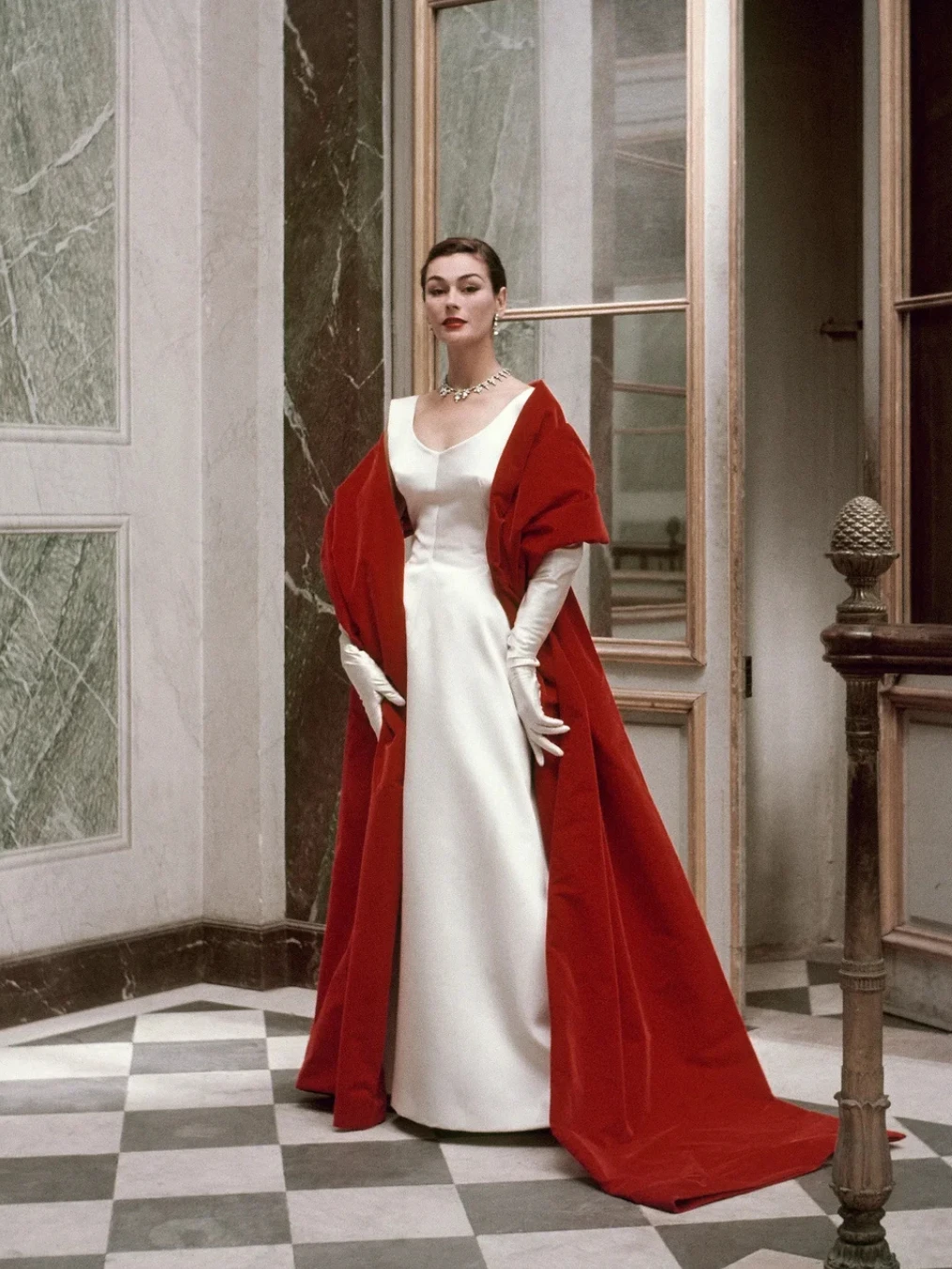
The signature garments of the decade carry that structure in different moods. The swing dress and circle skirt gave the 50s style its most recognizable movement, opening around the waist like a bright domestic orbit, made for dancing, hosting, posing, and being seen in motion. The shirtwaist dress brought that same discipline into daytime life, turning buttons, belts, and crisp cotton into a uniform of polished respectability. Against that softness, the pencil skirt and wiggle dress tightened the mood, narrowing the stride and making the body more deliberate and more aware of its own effect; meanwhile, the twinset, cropped jacket, and cigarette pants introduced a cleaner modern ease, softening the decade’s formality without abandoning its devotion to shape. Pearls, scarves, small handbags, pumps, kitten heels, and cat-eye glasses then finished the image with precise social polish, giving the 50s style its unmistakable tension between charm, control, and performance.
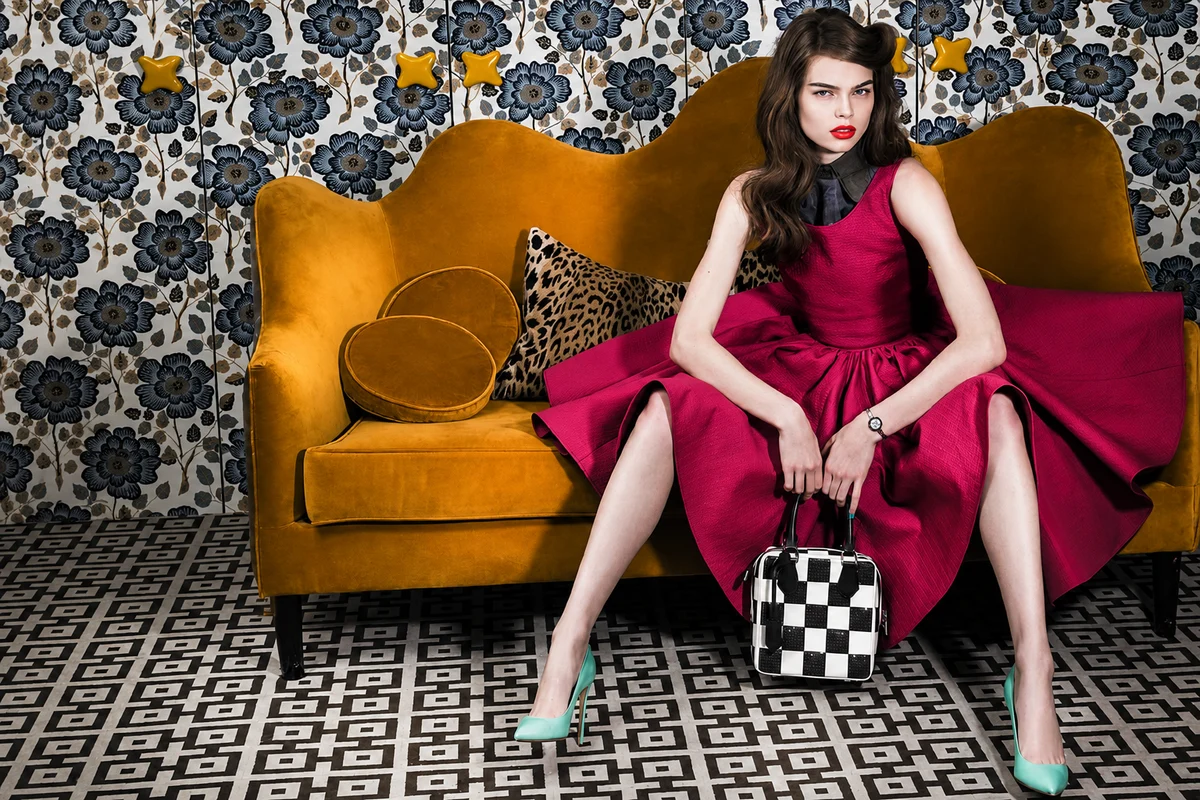
Beyond the full skirt, the 50s style lived through a wider set of signatures: fit-and-flare dresses, A-line midi skirts, capri pants, high-waisted shorts, and the poolside glamour of bandeau bikinis and sculpted swimsuits. These shapes made the decade more layered than its housewife mythology suggests, moving between Dior’s cinched-waist romance, Audrey Hepburn’s cropped-trouser ease, Brigitte Bardot’s beachside sensuality, and the Teddy Girls’ sharper menswear attitude. The result is a silhouette culture built from competing moods: polished, playful, rebellious, glamorous, and quietly modern.
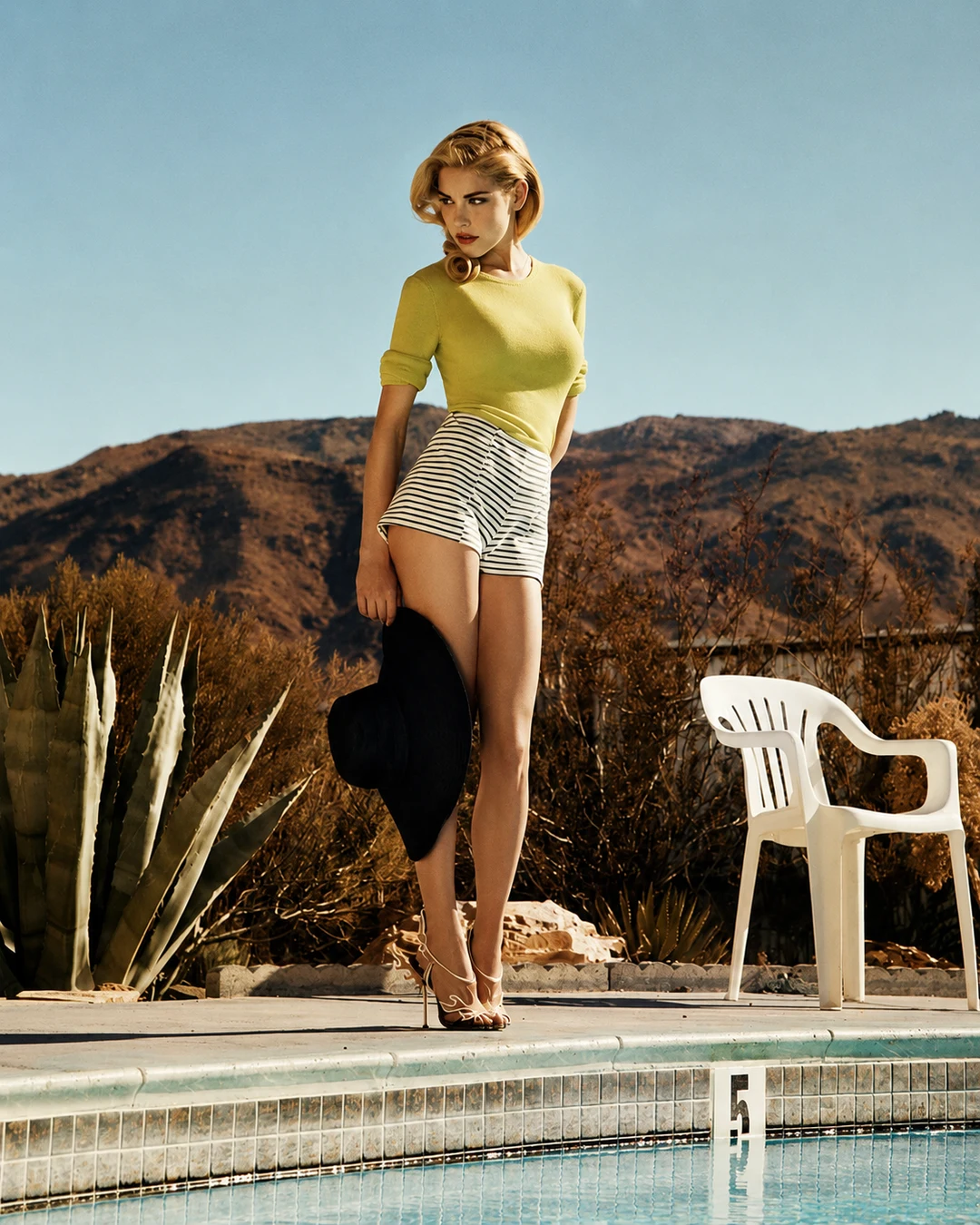
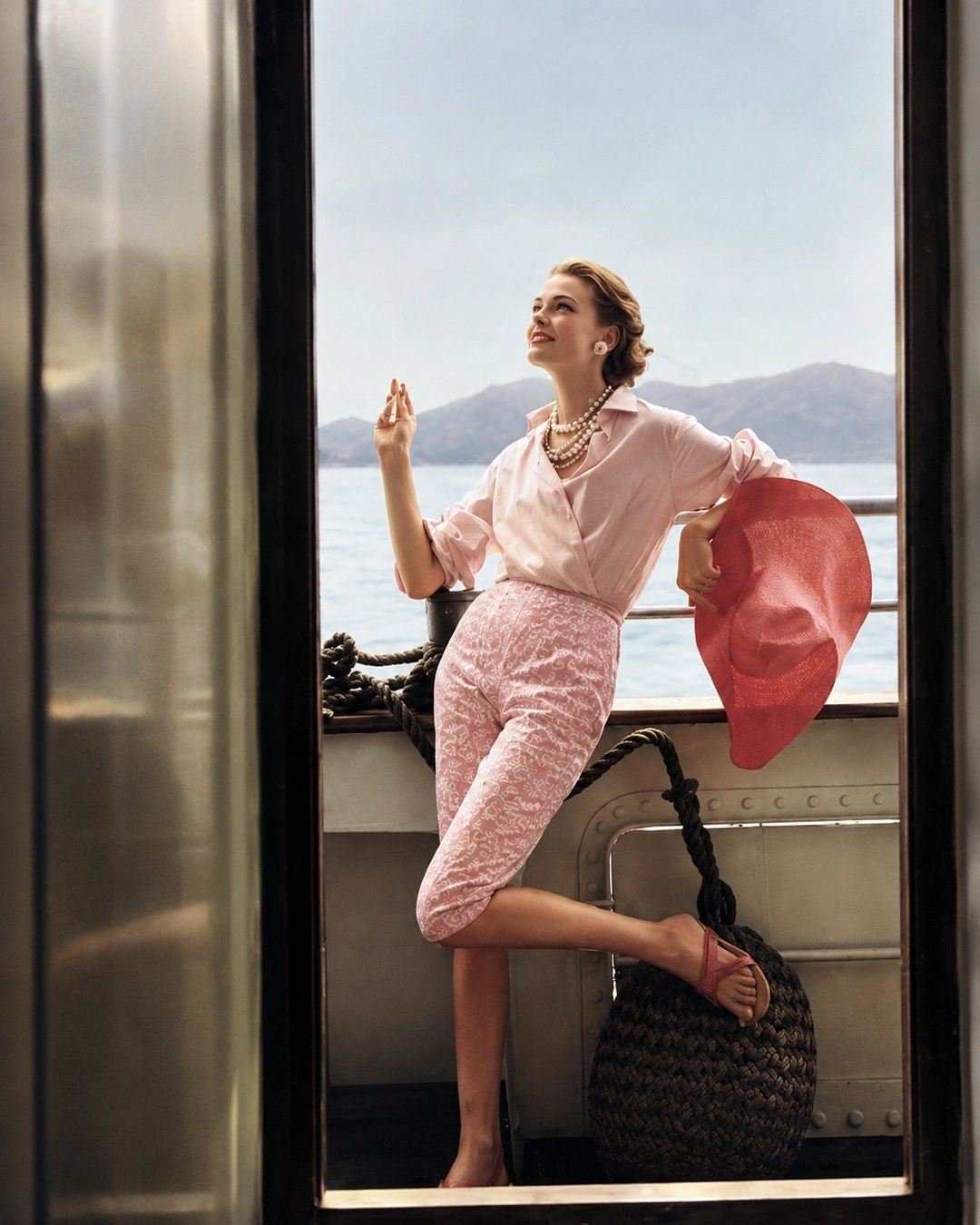
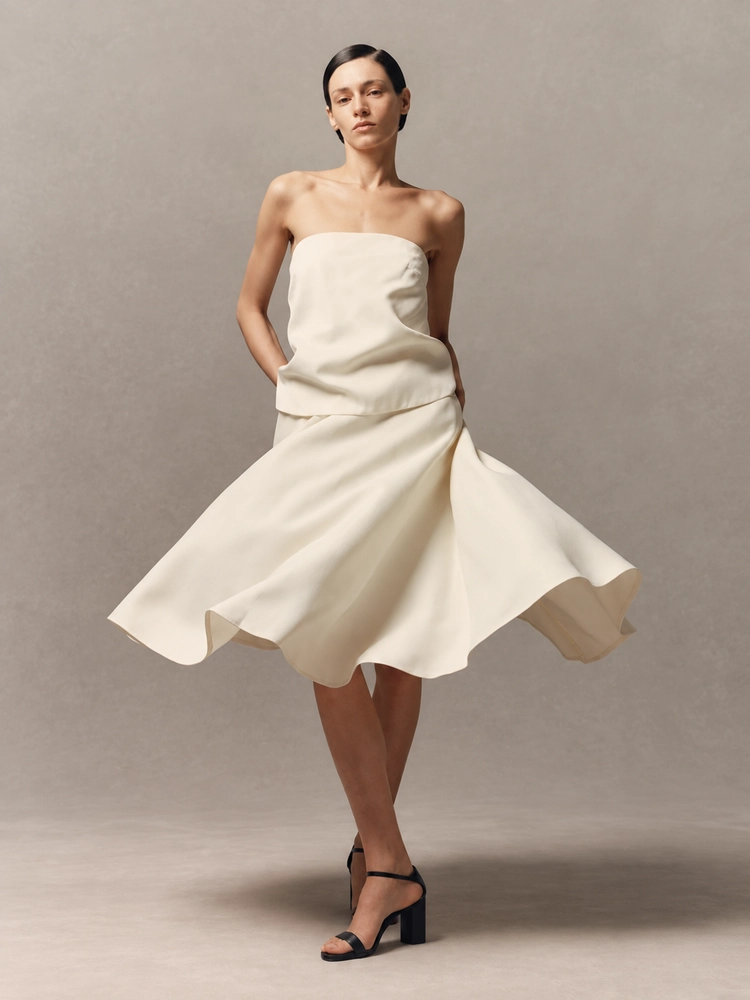
The decade also moved between A-line and bell-shaped skirts, two silhouettes that can look similar at first glance but carry different energies. The A-line falls on a cleaner triangular line from waist to hem, giving the body a neat, controlled expansion without too much backward volume. The bell silhouette, by contrast, feels rounder and more buoyant, swelling slightly through the hip and back before falling into the skirt, as though the dress is holding a small pocket of air behind the body. As a fuller variation of the A-line, the bell shape belongs naturally to the 50s style, where petticoats, crinolines, and couture understructure turned the skirt into something sculptural, not merely flared.
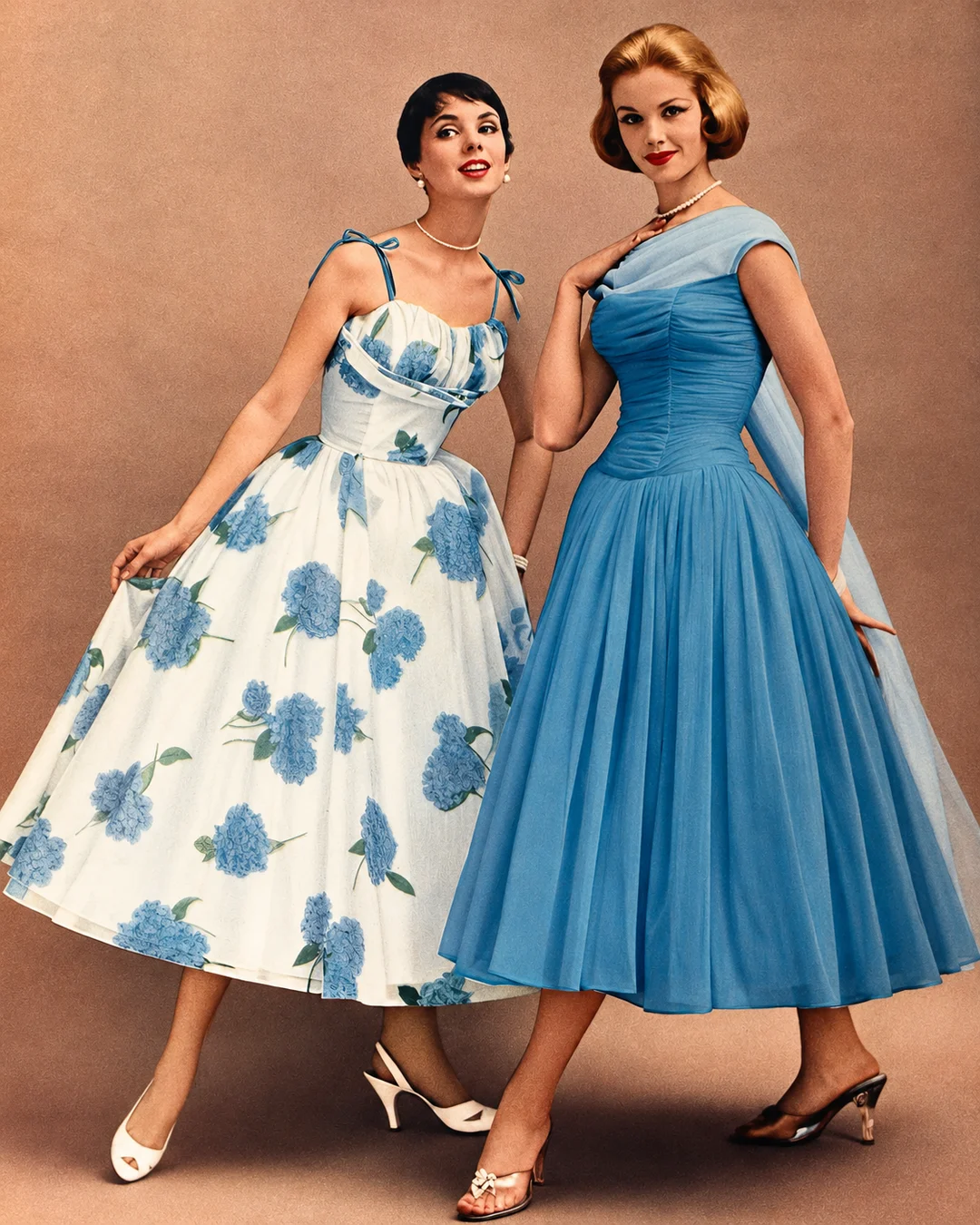
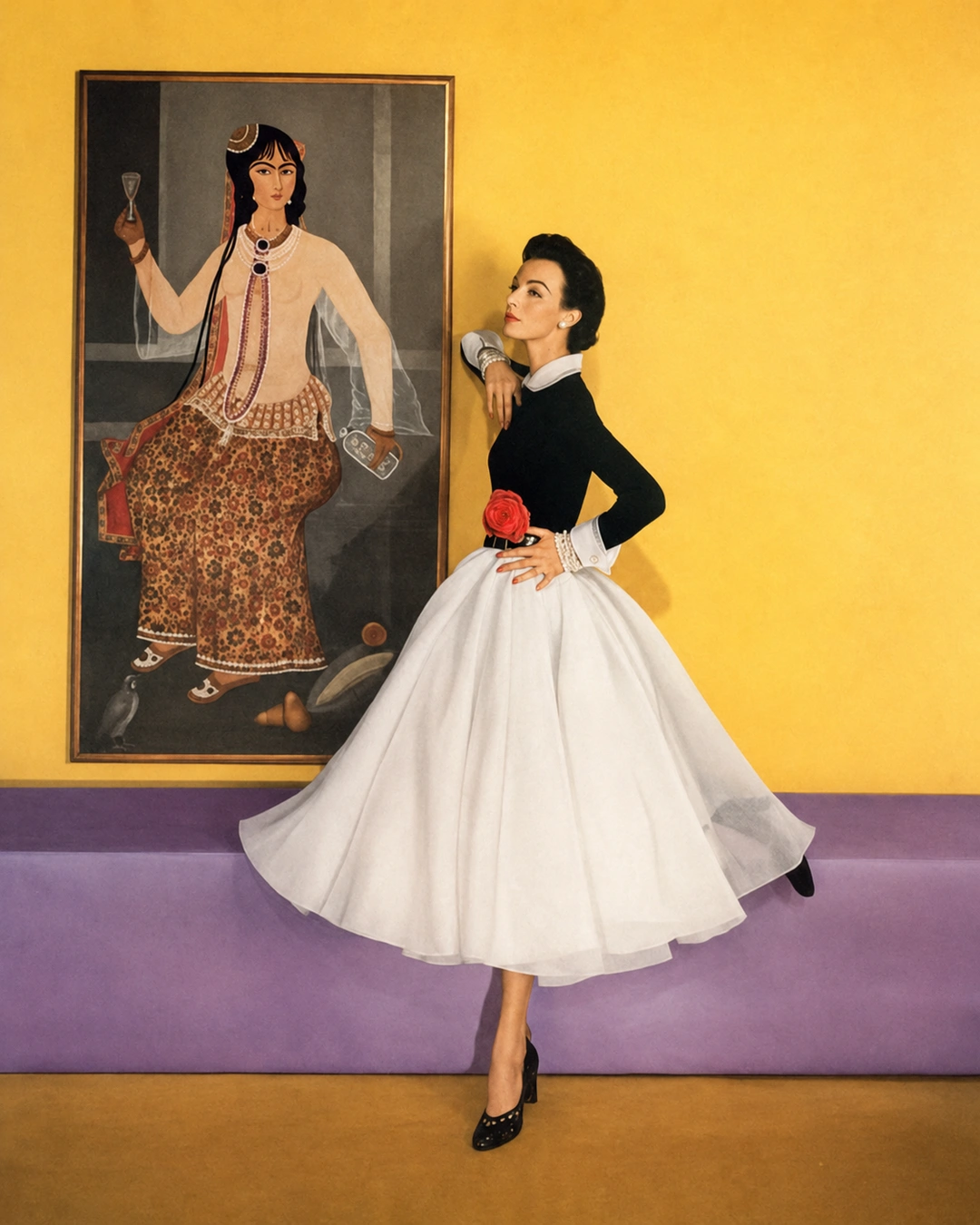
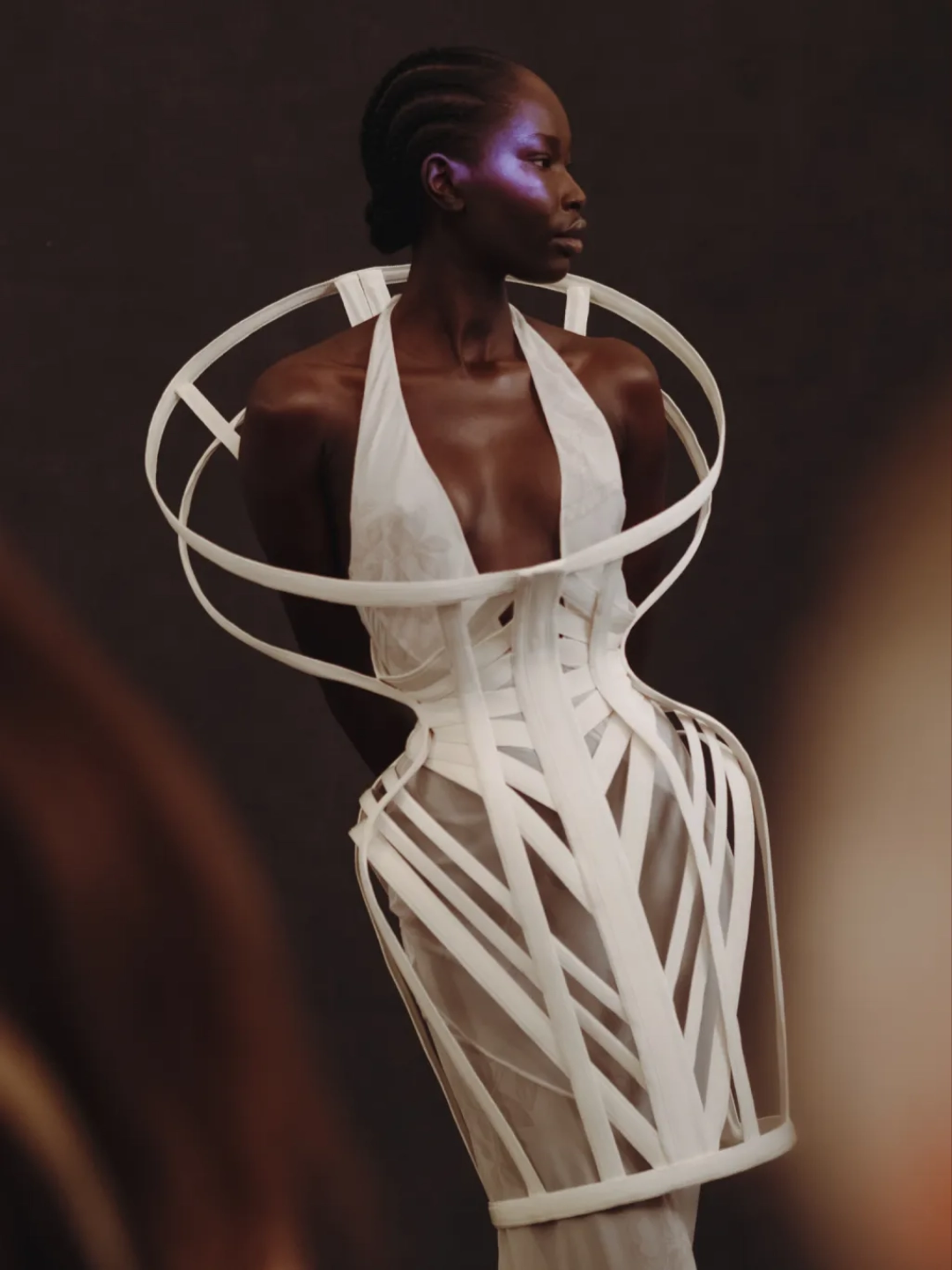
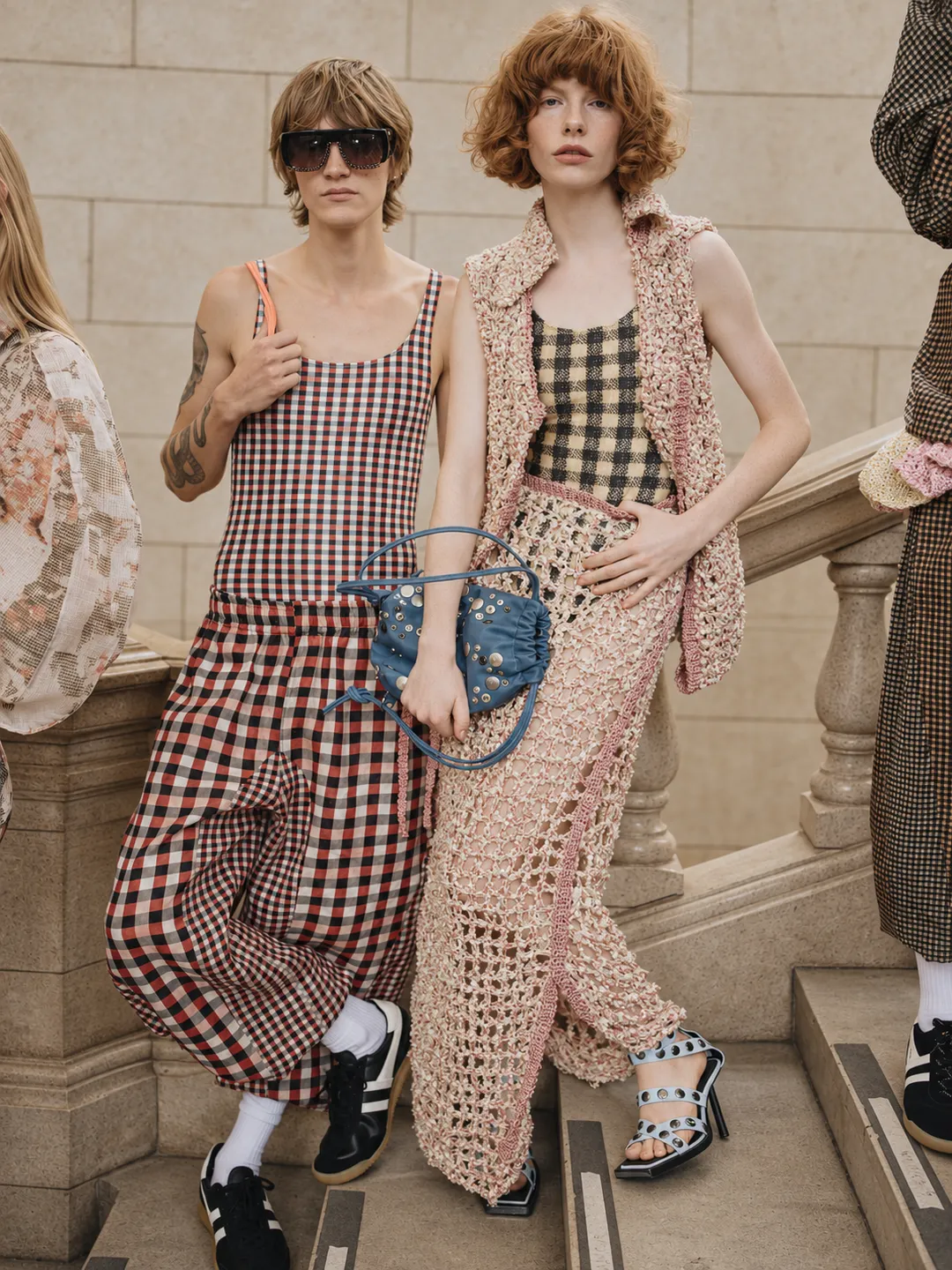
Construction is where the sweetness of the 50s style reveals its discipline. The decade’s famous hourglass silhouette was engineered from the inside outward, through undergarments that lifted the bust, narrowed the waist, smoothed the hip, and taught the body to hold a particular kind of posture. Boning and darts worked like invisible hands inside the bodice, while princess seams and waist seams guided the eye toward the center of the figure, turning the torso into the main stage of the silhouette. The full skirt, so often remembered for its joyful movement, depended on petticoats and crinolines to create that blooming volume, while the gingham skirt carried the same outward swing into a brighter, more playful register, somewhere between picnic cloth, diner light, and teenage ease. The pencil skirt moved in the opposite direction, using restrictions as part of its drama, narrowing the stride until walking itself became more deliberate. In the 50s style, femininity was held before fantasy could bloom.
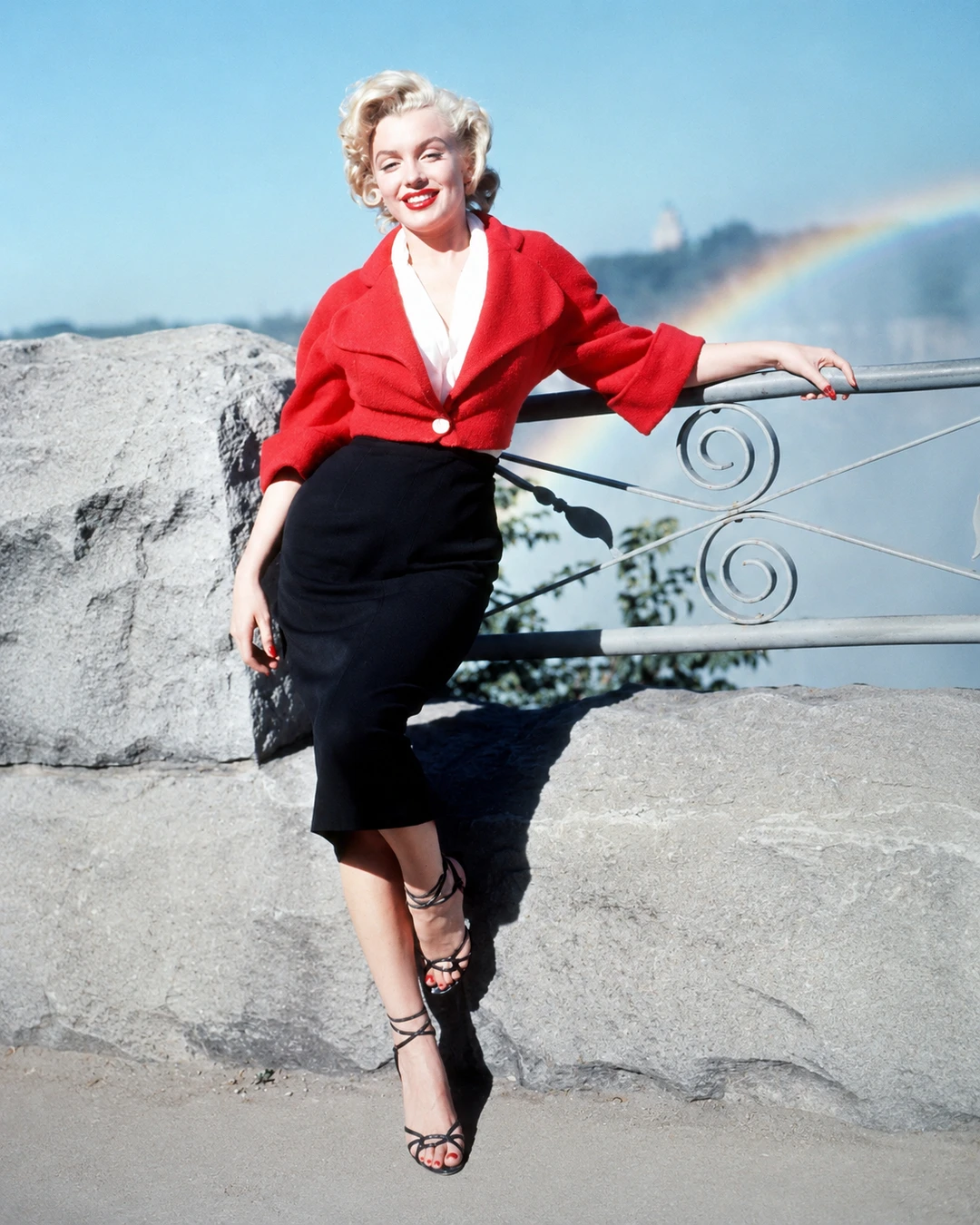
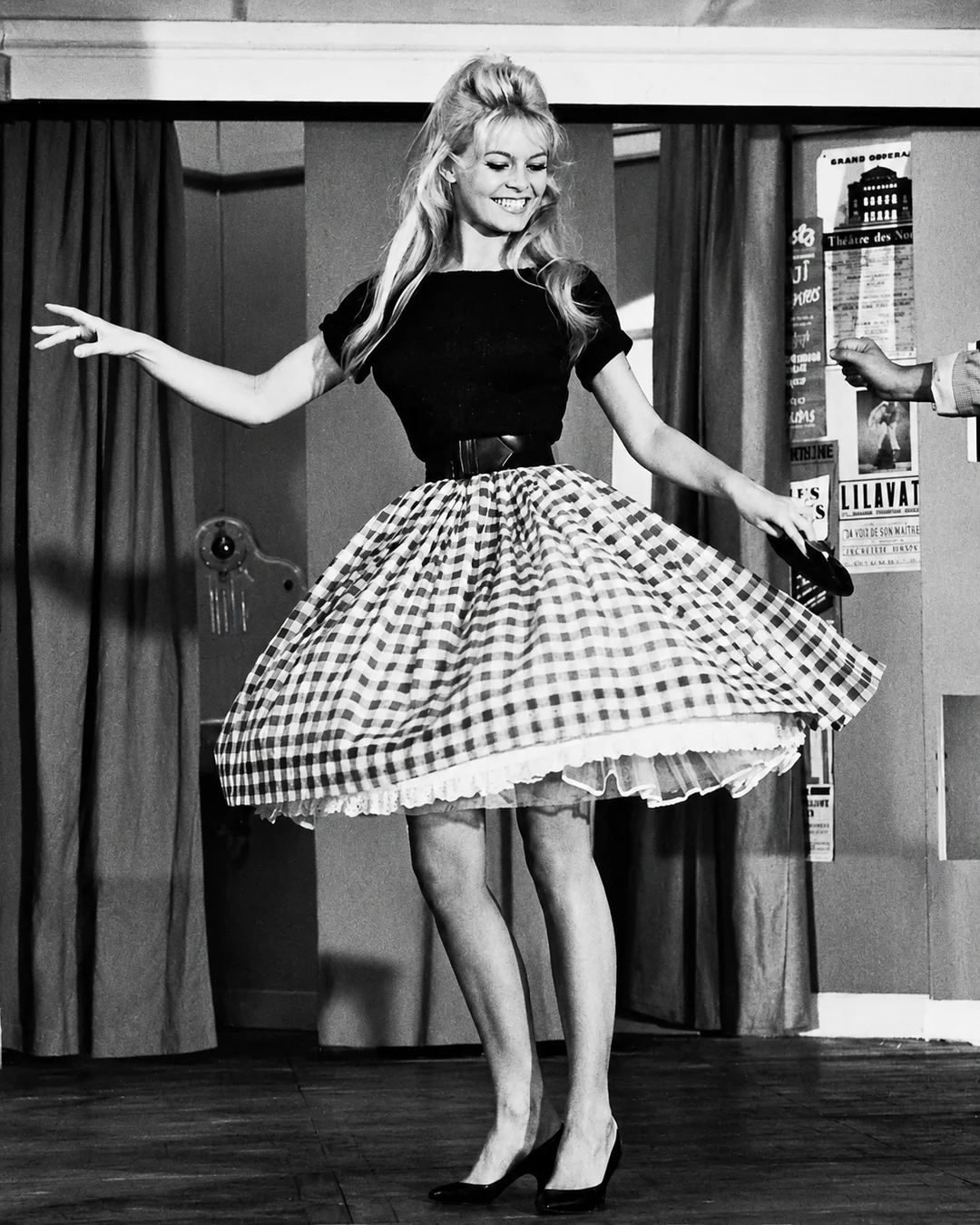
Materials softened that discipline without erasing it. Cotton gave daytime dresses their crisp domestic charm, taffeta made evening skirts rustle with sculptural fullness, and wool kept suits and coats precise enough to echo couture tailoring beyond the salon. Satin, lace, organza, and nylon brought shine, delicacy, and a more intimate glamour, while denim and knitwear opened a looser path toward youth culture and casual rebellion. Color played a supporting role in the fantasy: pastels, florals, gingham, polka dots, and bright mid-century tones helped the decade look cheerful, optimistic, and newly polished, as though the surface of life had been freshly repainted after the war.
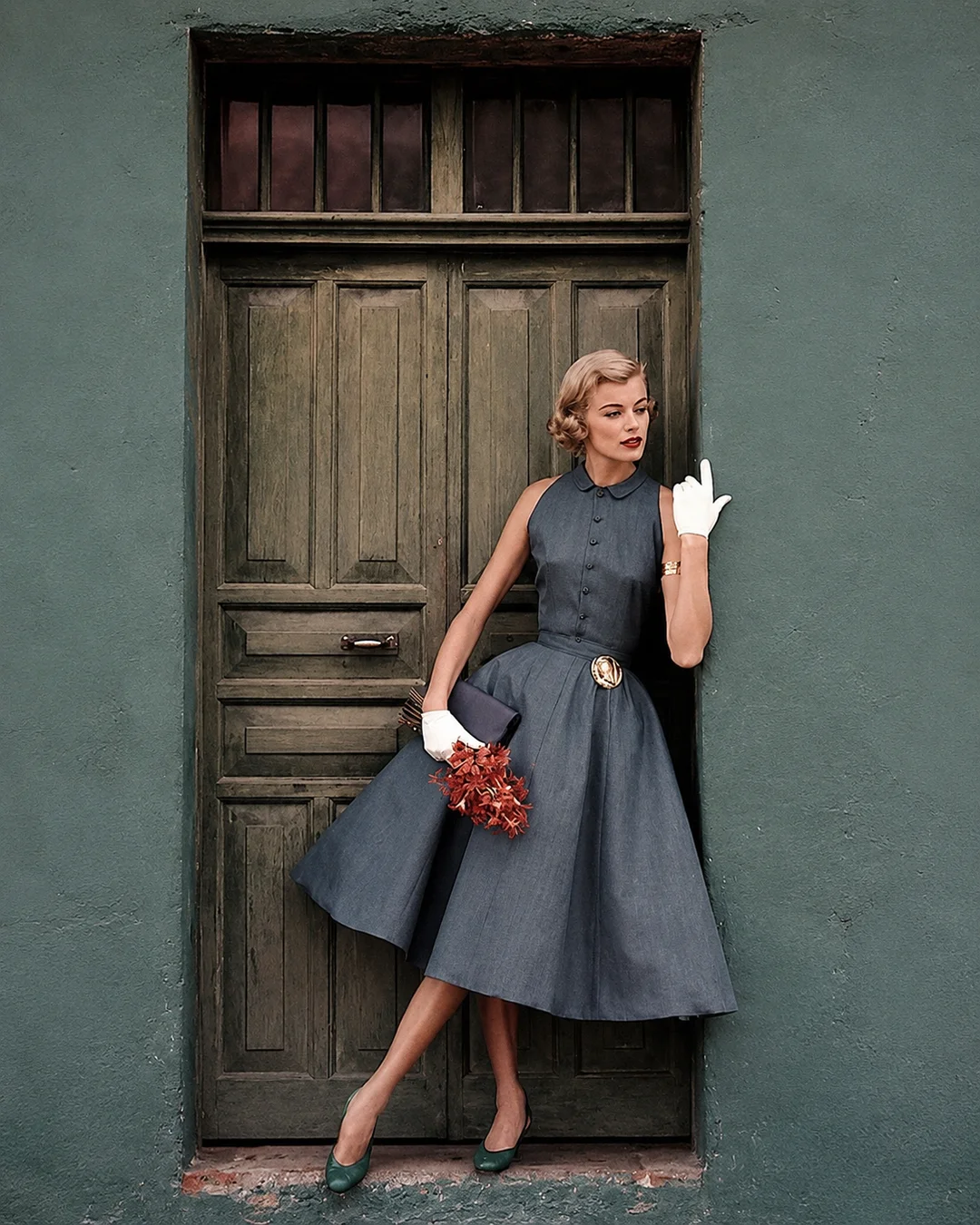
The decade’s femininity moved through a set of recognizable archetypes, each one carrying a different fantasy of beauty, order, desire, and youth. One of the most persistent is the ideal housewife, polished through advertising, magazines, domestic photography, and television culture. She appears in shirtwaist dresses, full skirts, pearls, aprons, neat pumps, and hair that seems to understand the rules of the room. Her clothes suggest grace, cleanliness, care, and social success, turning domesticity into a visible costume of achievement.
Then comes the bombshell, the figure who pulls the 50s style closer to heat. Her wardrobe tightens the line: pencil dresses, sweetheart necklines, fitted bodices, bullet bras, high heels, red lipstick, and curves arranged with cinematic intent. She belongs to the same decade as the housewife, but she bends the codes toward desire rather than domestic order. The bombshell proves that mid-century femininity could be proper in one frame and dangerous in the next.
The teenage girl changes the temperature again. She moves through poodle skirts, saddle shoes, cardigans, ponytails, rolled jeans, capri pants, and diner-bright casualwear with a different kind of energy. Rock ’n’ roll, youth culture, school dances, jukeboxes, and suburban rebellion loosen the decade’s polished surface. The 1950s girl at the diner does not carry the same weight as the couture client or the ideal housewife. She carries motion, appetite, and the first signs of a generation ready to make style louder, faster, and more personal.
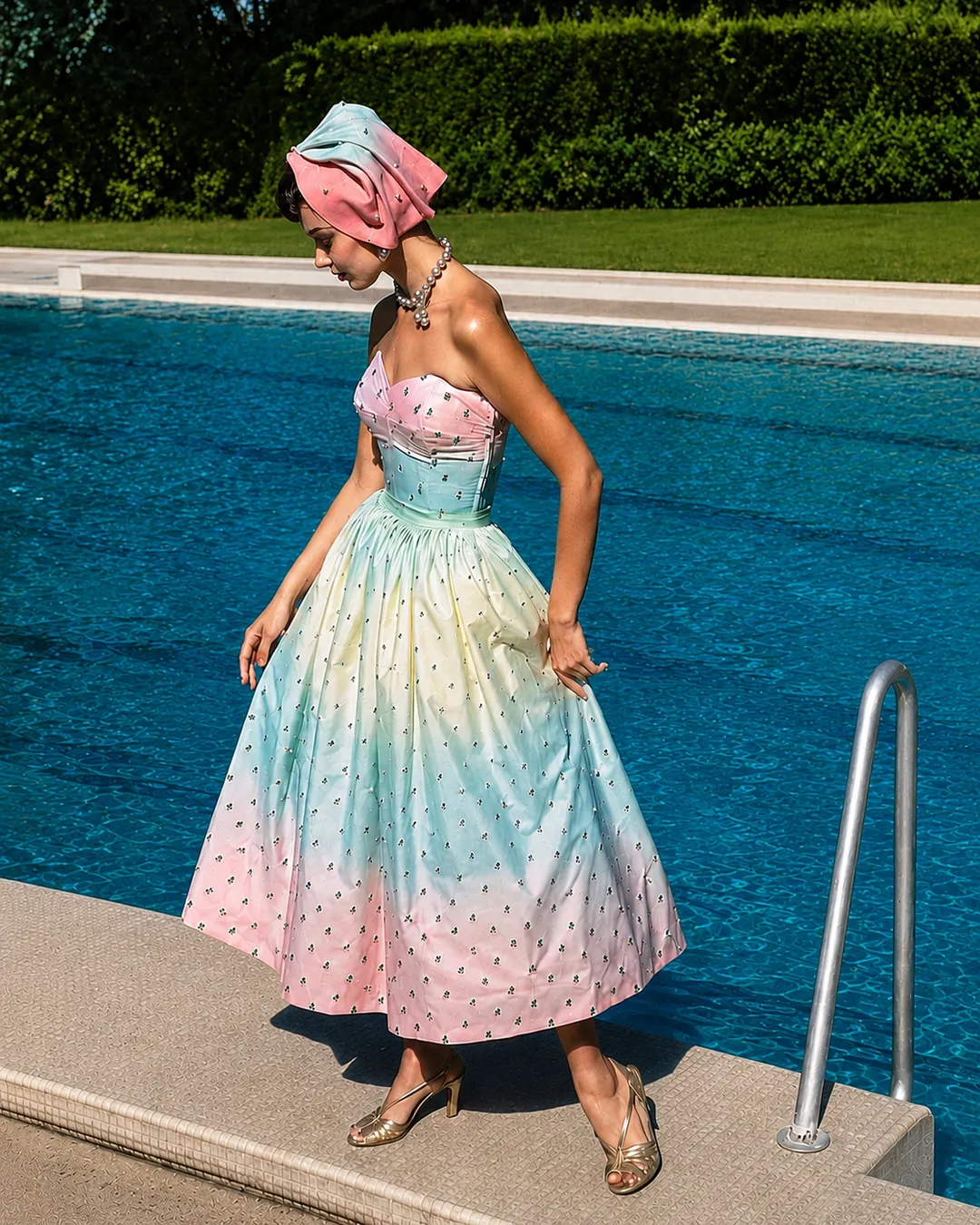
Together, these archetypes keep the 50s style from becoming a single costume. The decade’s femininity is divided among roles: the perfect wife, the controlled seductress, the couture woman, the teenage rebel. Each one dresses the body differently, yet all of them reveal how intensely the 1950s cared about appearance as a social language.
The beauty of the 50s style glows with postwar optimism, yet that glow is carefully managed, like a lamp kept burning in a room where everyone has agreed not to speak too loudly. The full skirt offers romance, the lipstick offers brightness, the glove offers refinement, and the waist offers the most powerful illusion of all: that a woman, a household, a marriage, and a society can be kept in perfect shape if everything is held tightly enough.
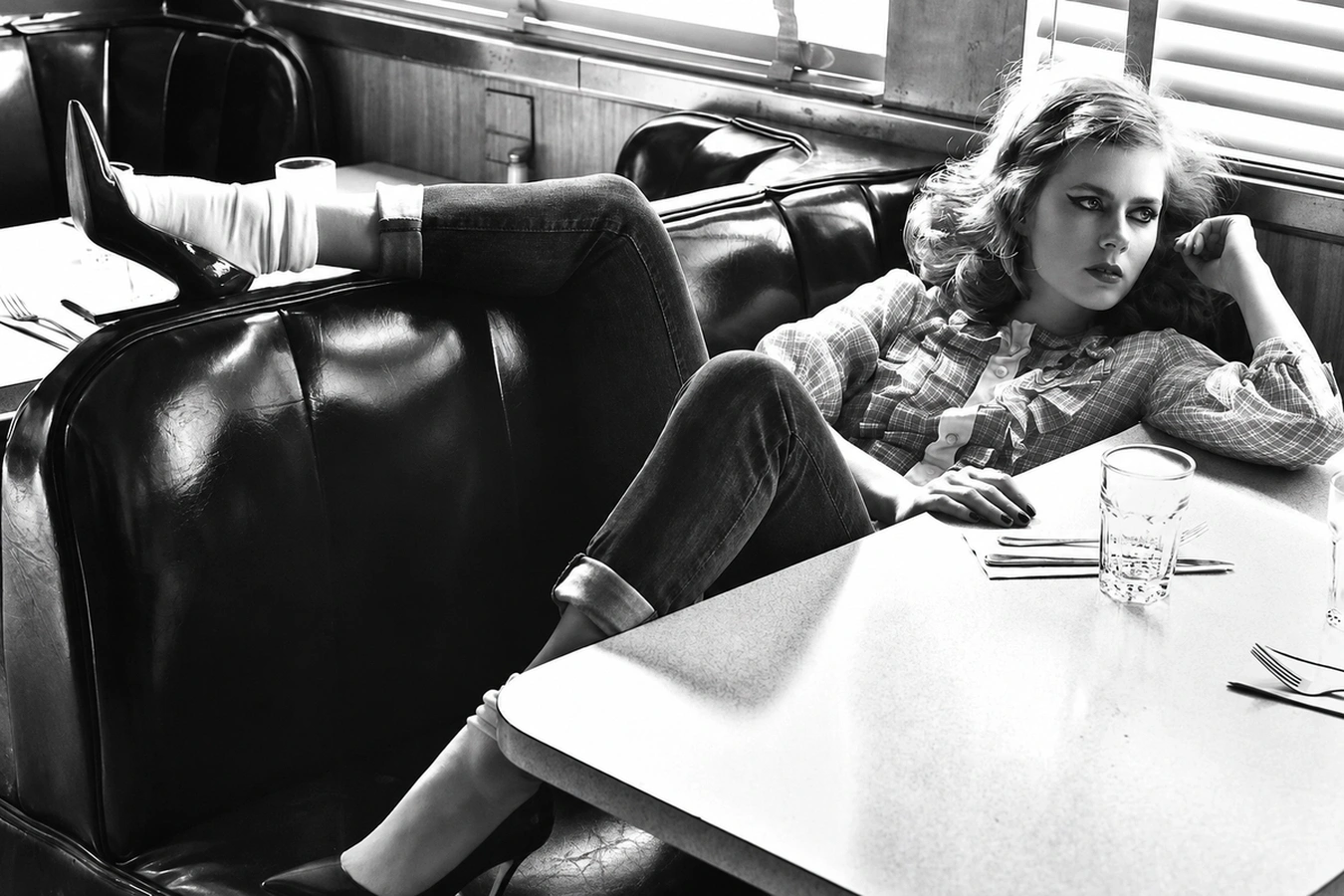
Beneath the pastel surface, something more haunting begins to show. The 1950s often framed women through an ideal of graceful containment, where beauty was expected to reassure the home, soften the room, and make social order look effortless. Couture, advertising, cinema, and etiquette all helped polish that image until discipline itself became desirable. A dress could be gorgeous and restrictive in the same breath; a full skirt could bloom like freedom, while the waist beneath it carried the pressure of control.
That contradiction gives the decade its deepest charge. The 50s style is radiant because it believes in polish; it is unsettling because polish can become a demand. The perfect woman is dressed beautifully, but she is also arranged. She smiles from every place that she appears, a picture perfect glamour, and the image asks her to become proof that the world has repaired itself. Somewhere under the taffeta, under the neat little cardigan, the body is still negotiating the cost of looking so composed.
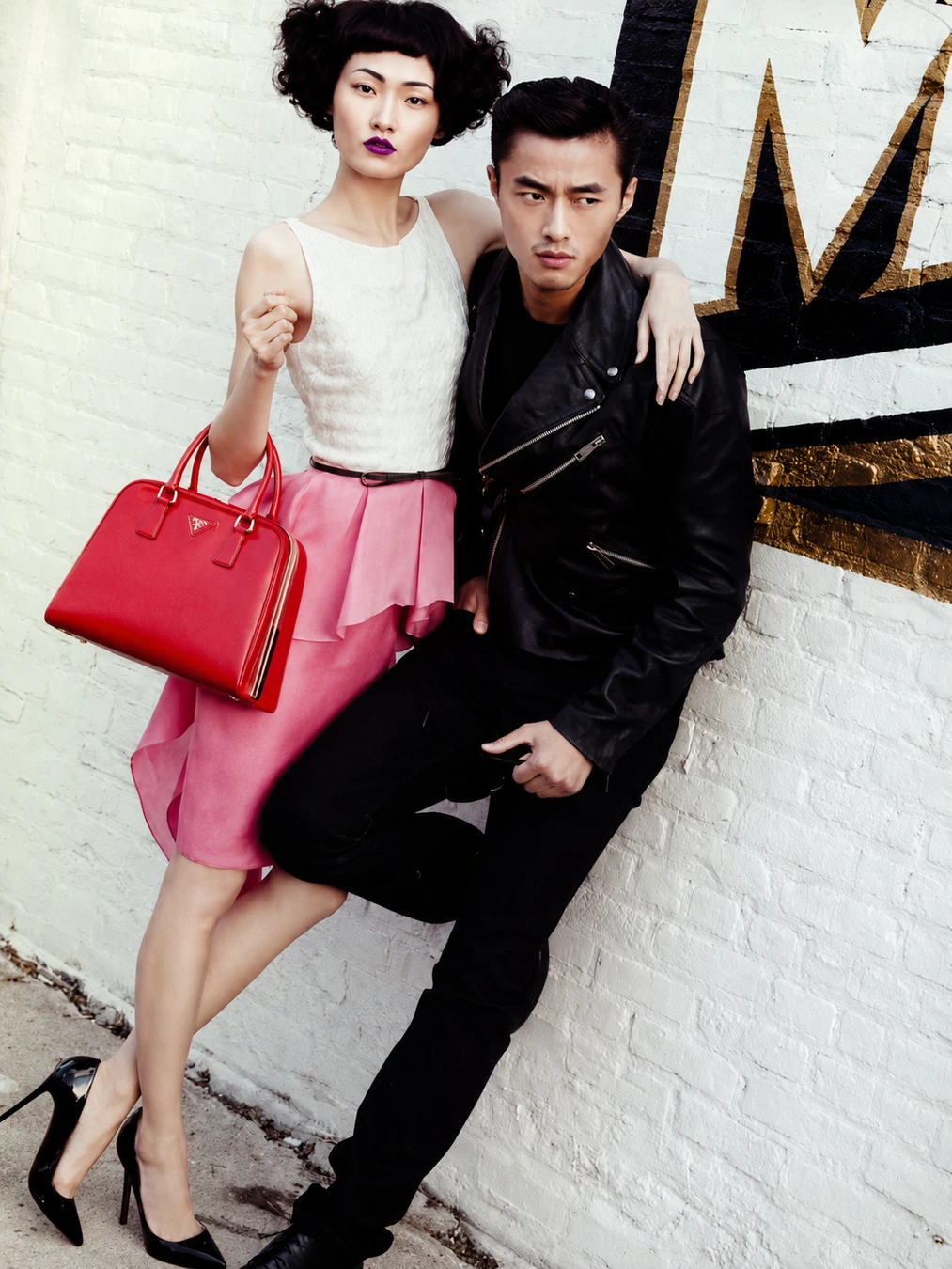
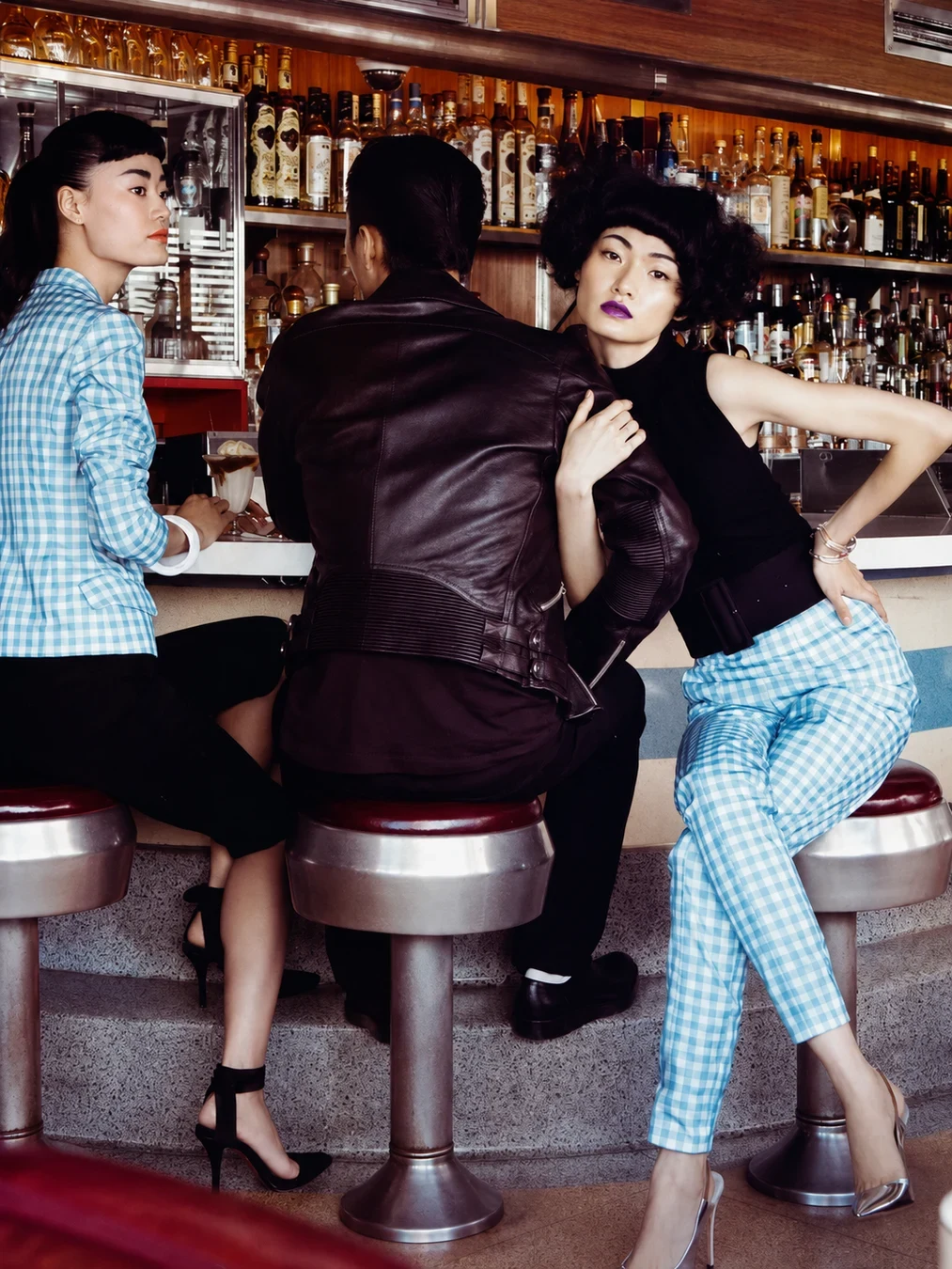
And yet the style keeps returning because it is never only oppression, never only fantasy, never only nostalgia. It contains pleasure too: the drama of a skirt in motion, the confidence of a red lip, the elegance of a jacket cut perfectly at the waist, the thrill of a teenager in a diner who has discovered that clothes can announce a life beyond the script. The 50s style survives in that tension between control and escape, beauty and pressure, discipline and desire.
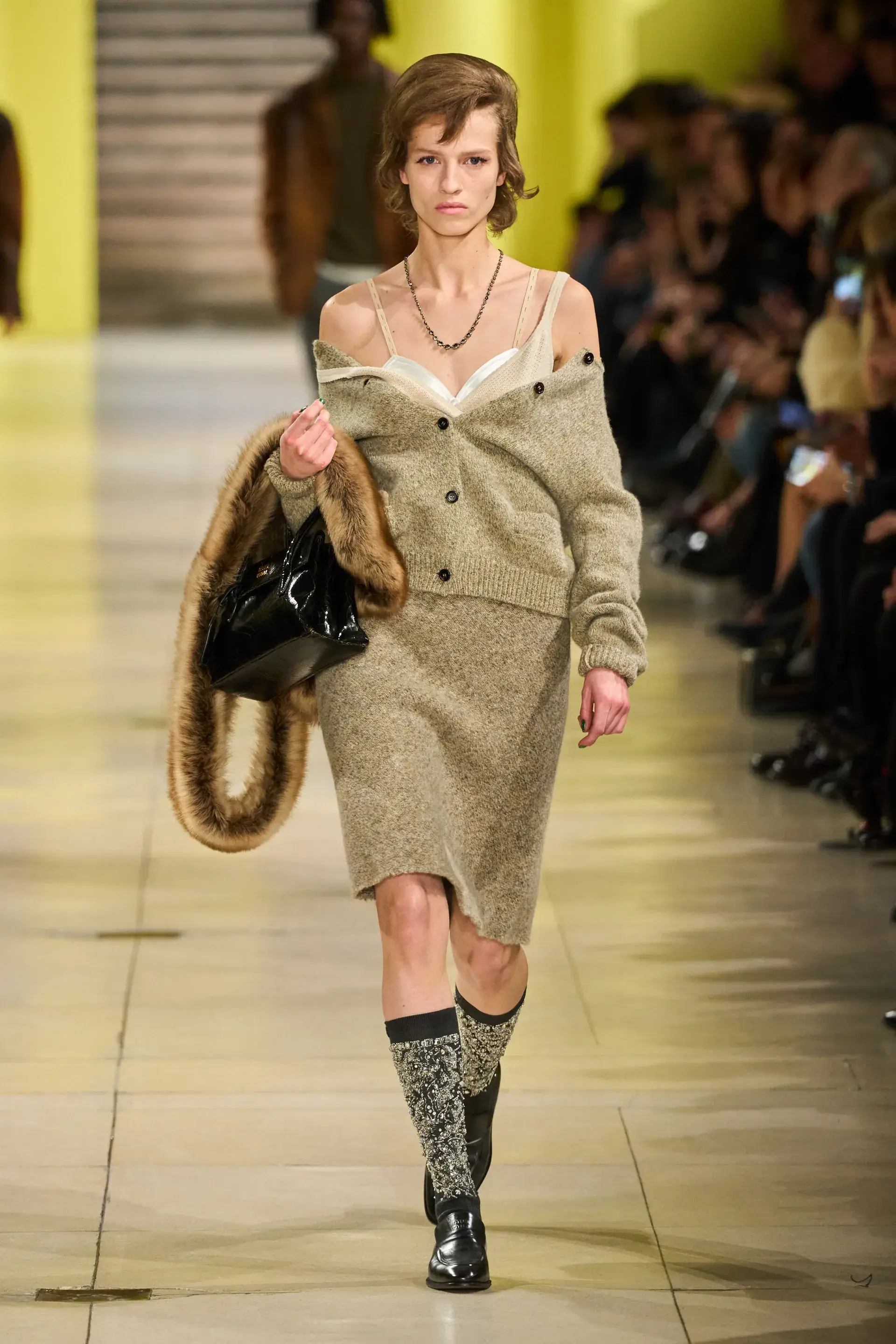
Contemporary fashion returns to the 50s style whenever designers want the body to look shaped, ceremonial, and socially charged. The reference can arrive through a New Look waist, a full skirt, a pencil silhouette, a cropped cardigan, a prom-like dress, a couture jacket, a diner palette, or a polished domestic image turned slightly strange.
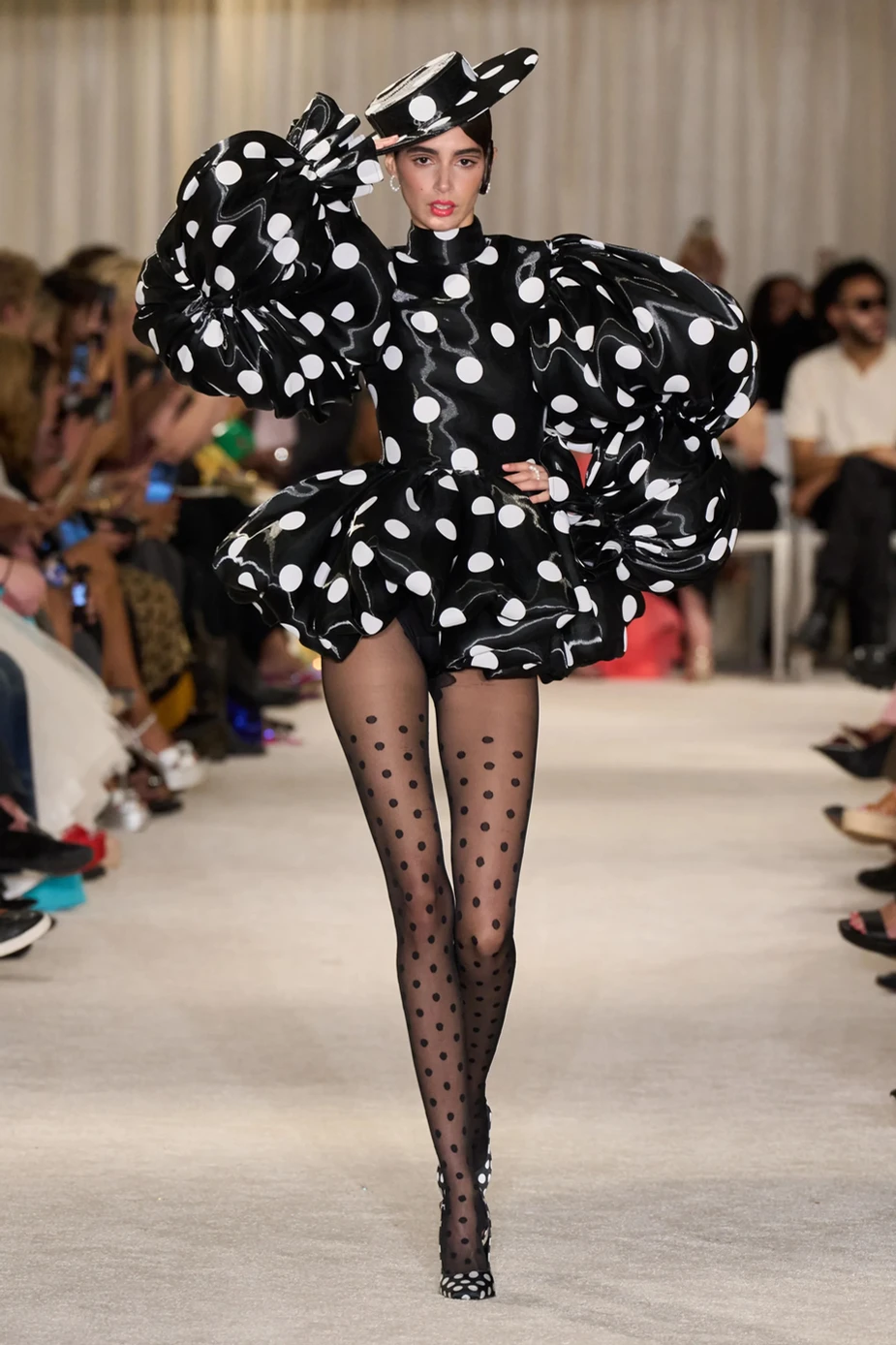
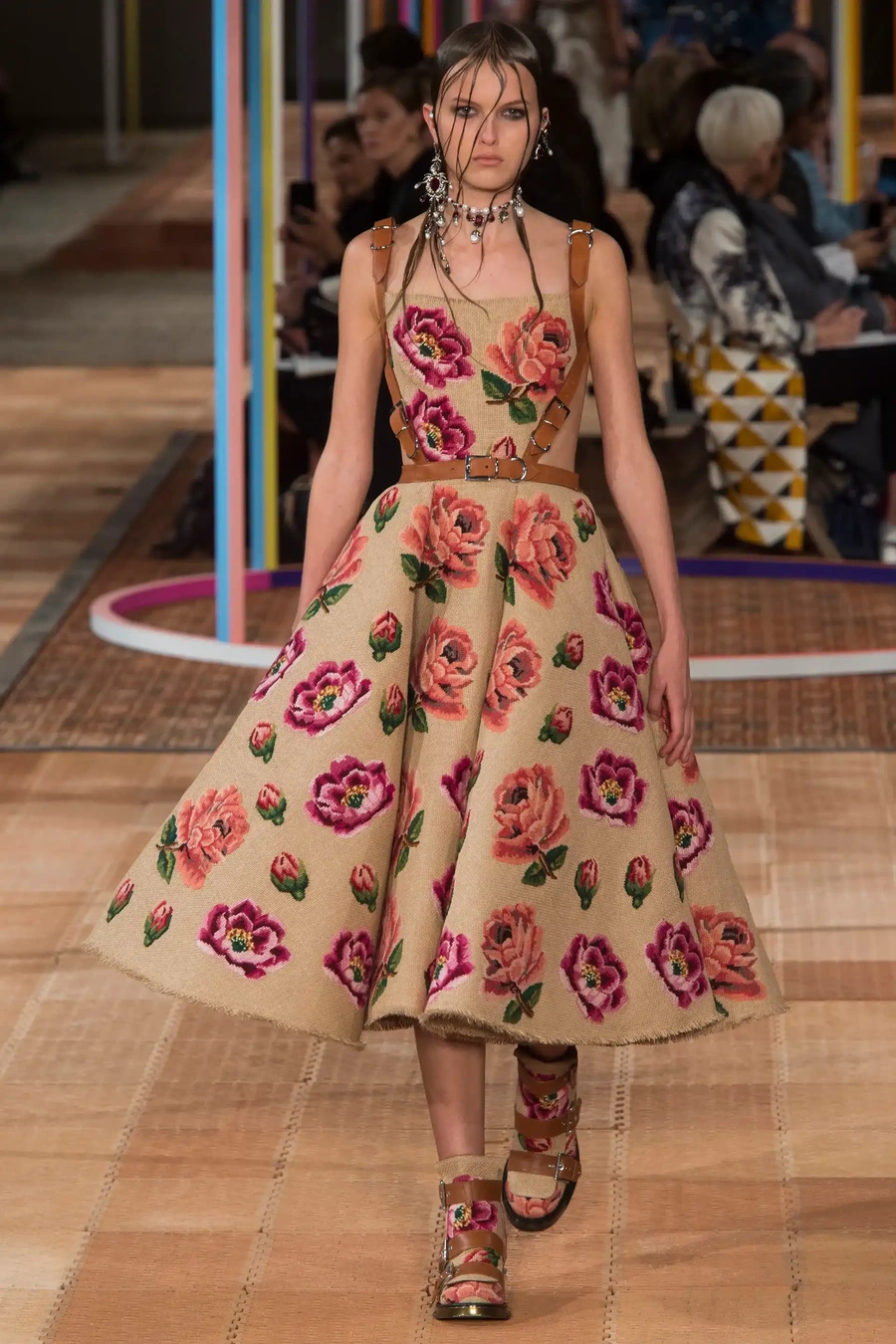
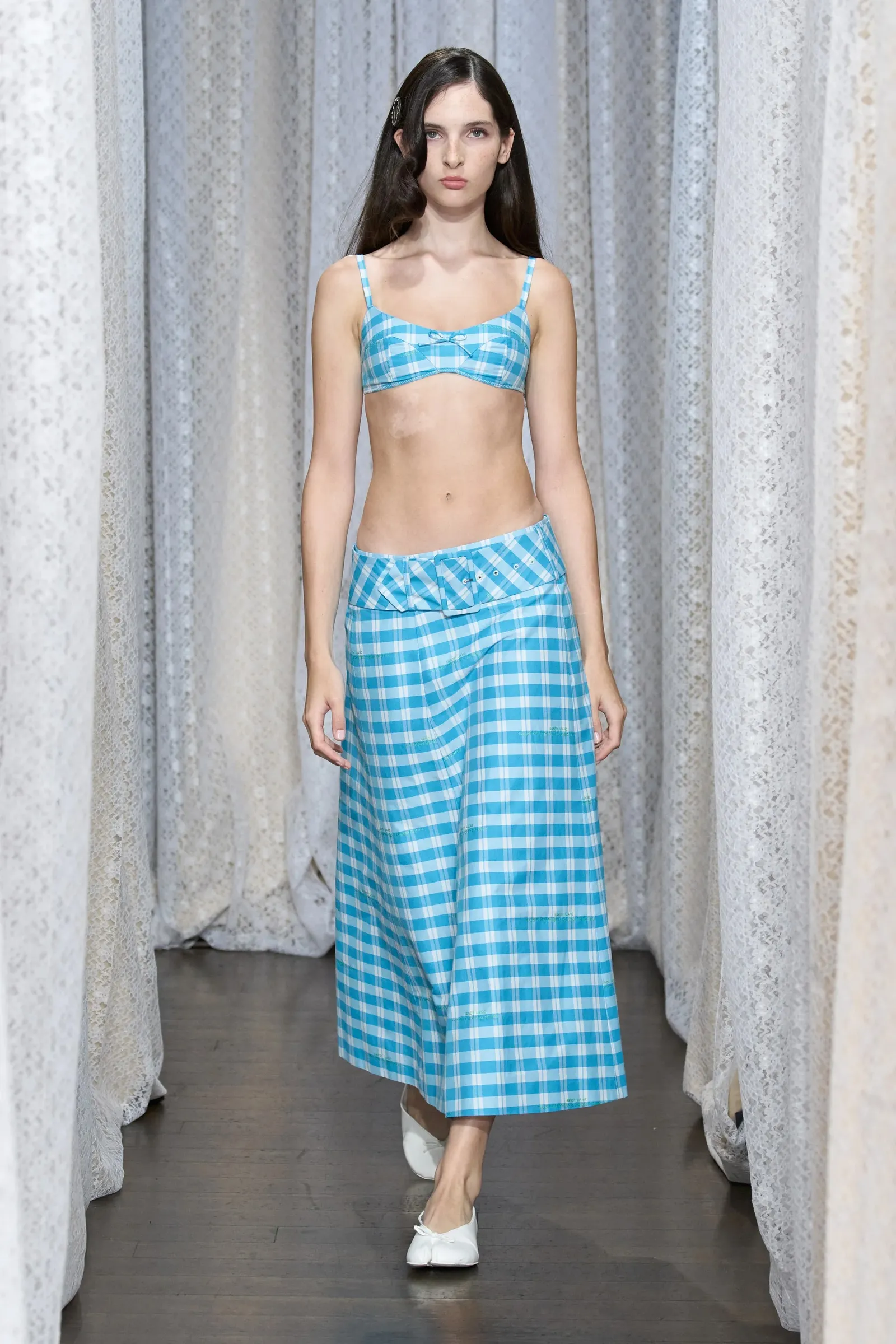
Christian Dior remains the most direct heir to the decade’s mythology, returning through cinched waists, structured jackets, full skirts, and couture volume, the house continues to reinterpret the New Look, showing how mid-century ideals can be preserved while adapted for contemporary fashion.
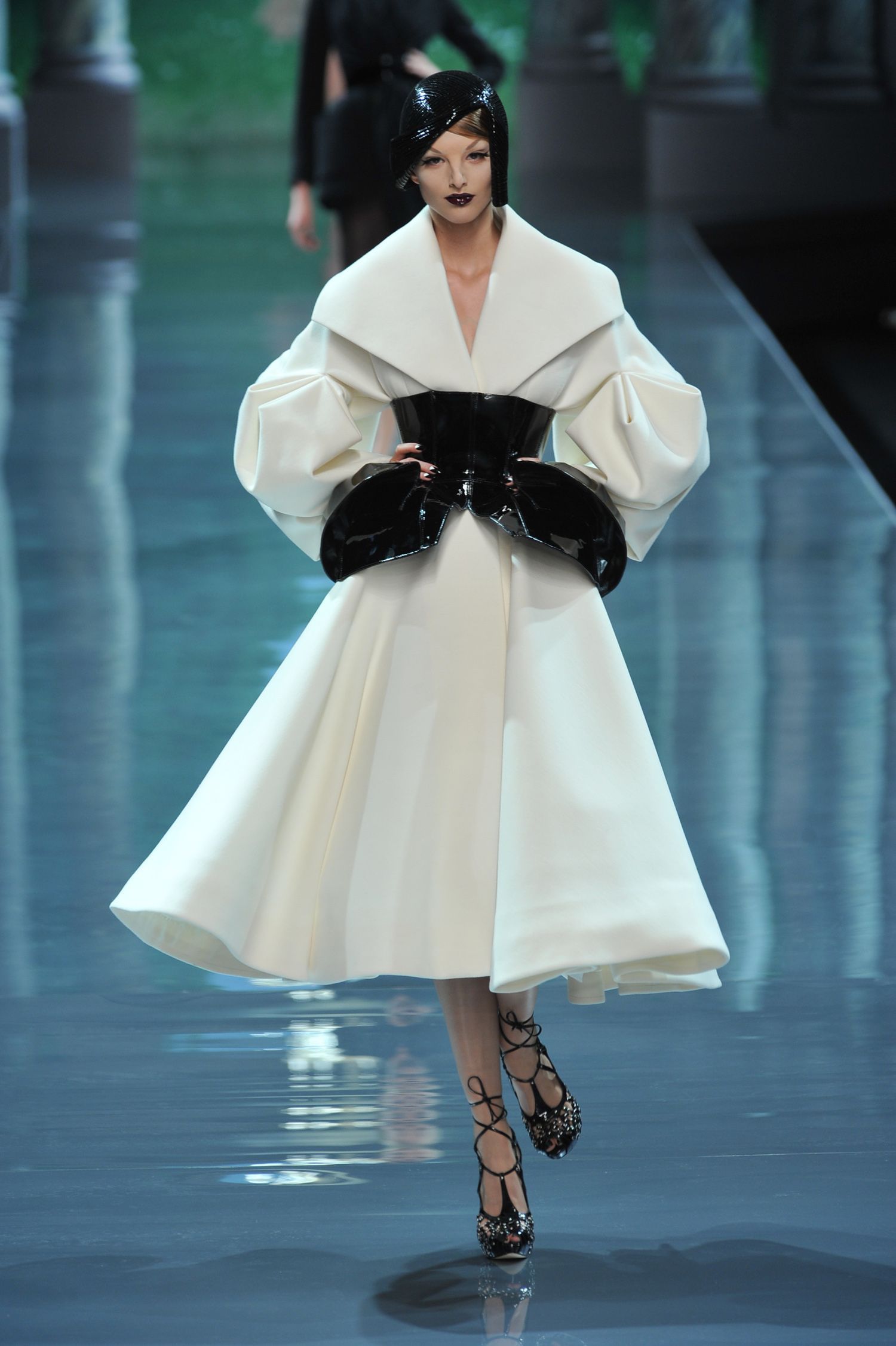
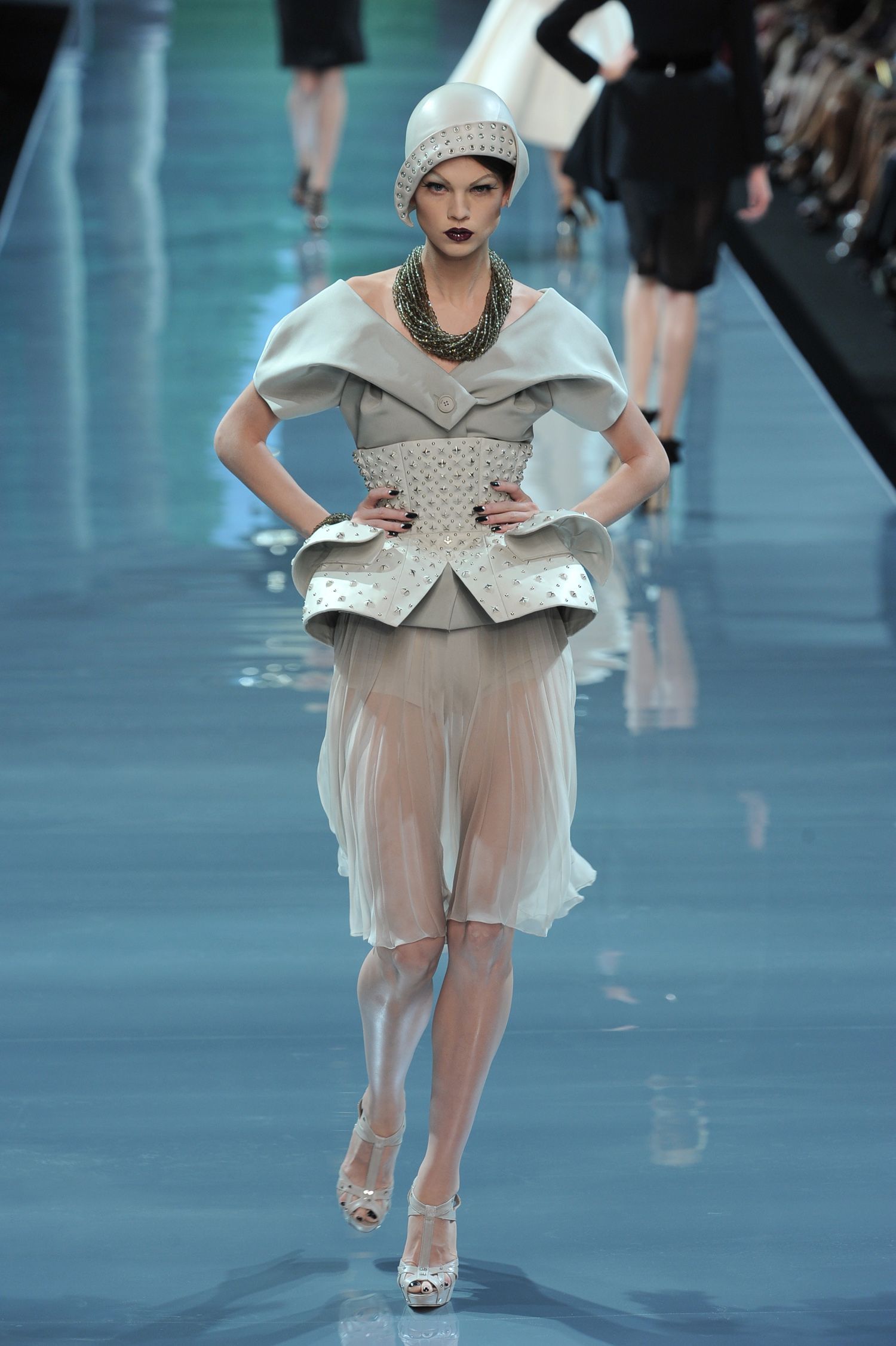
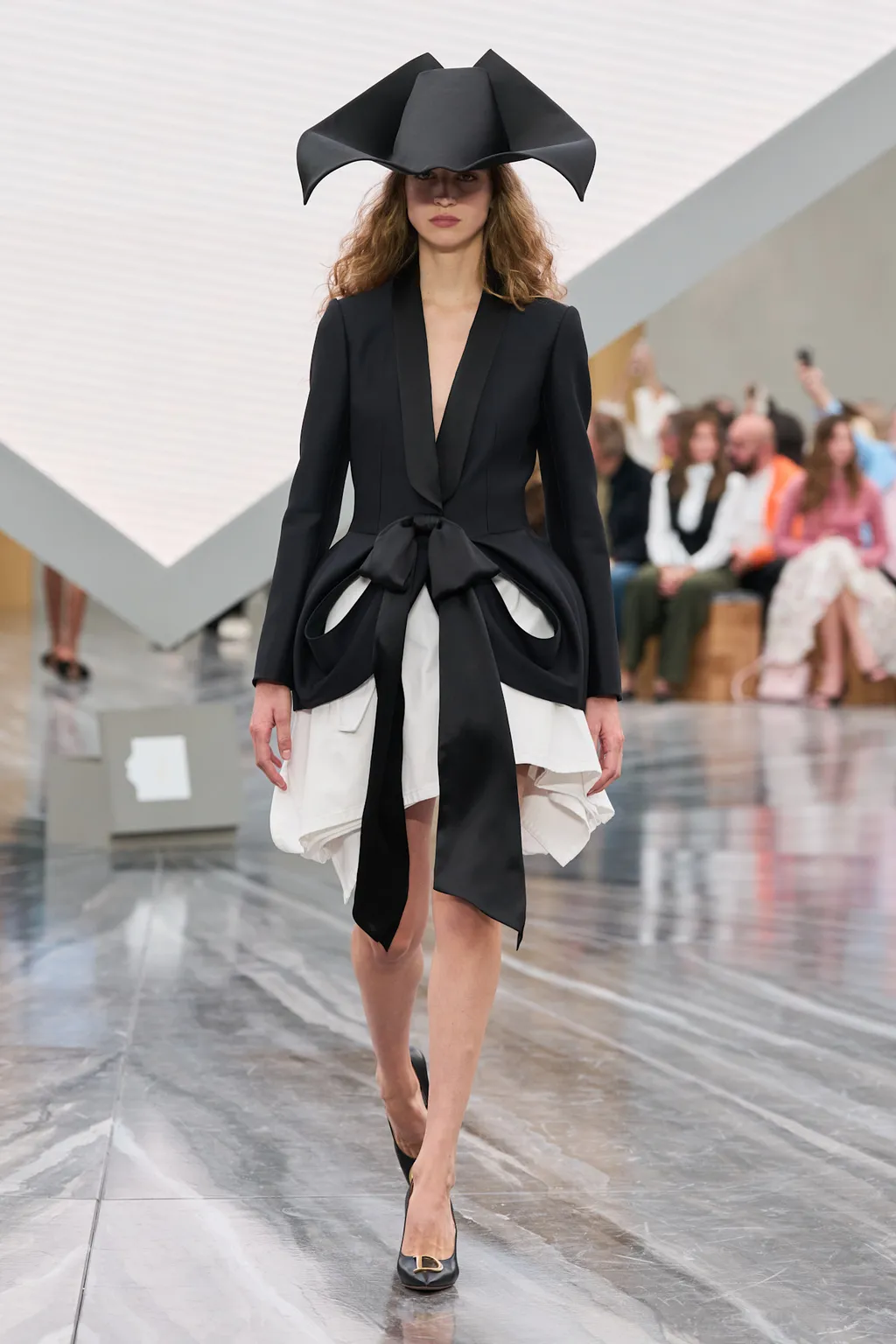
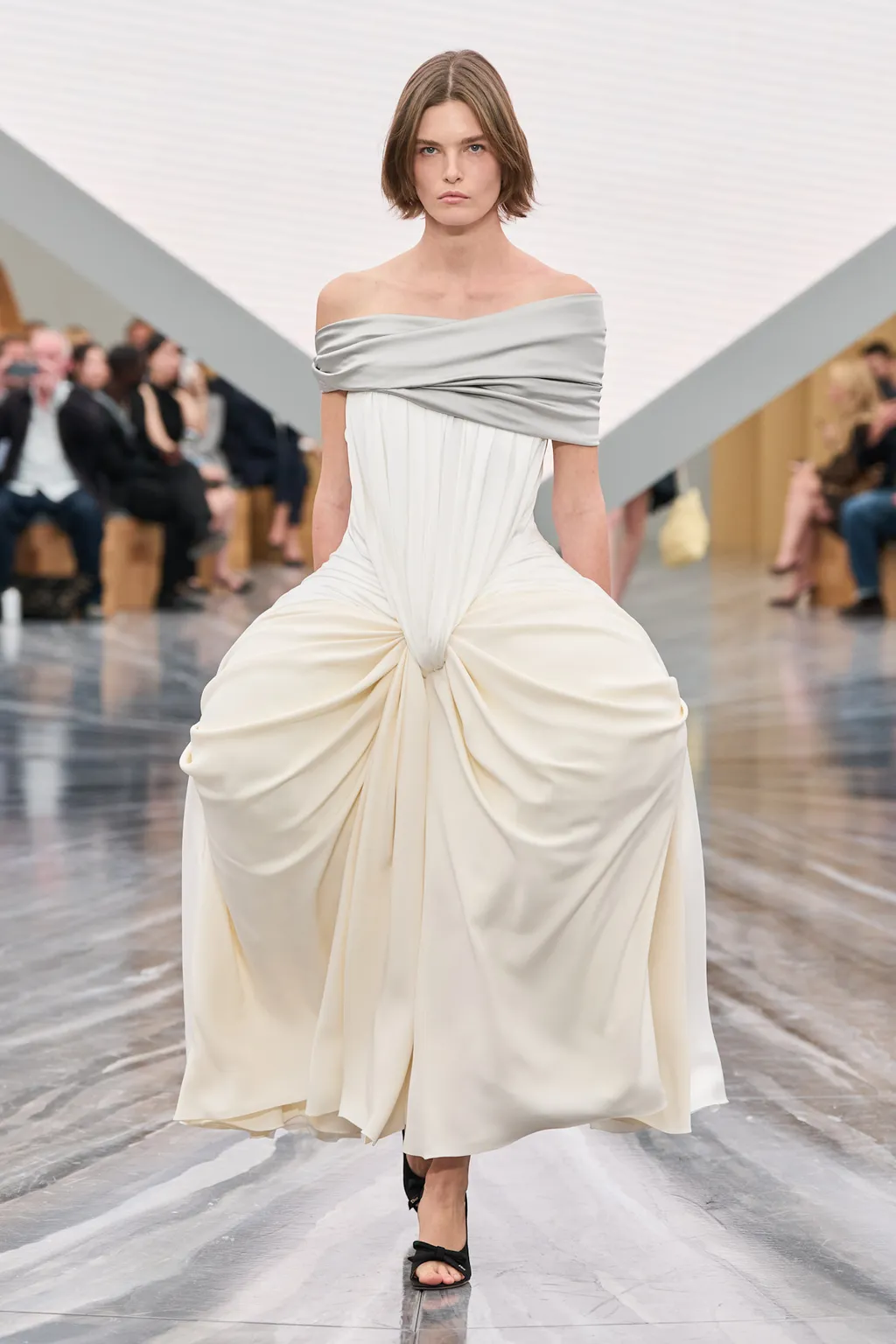
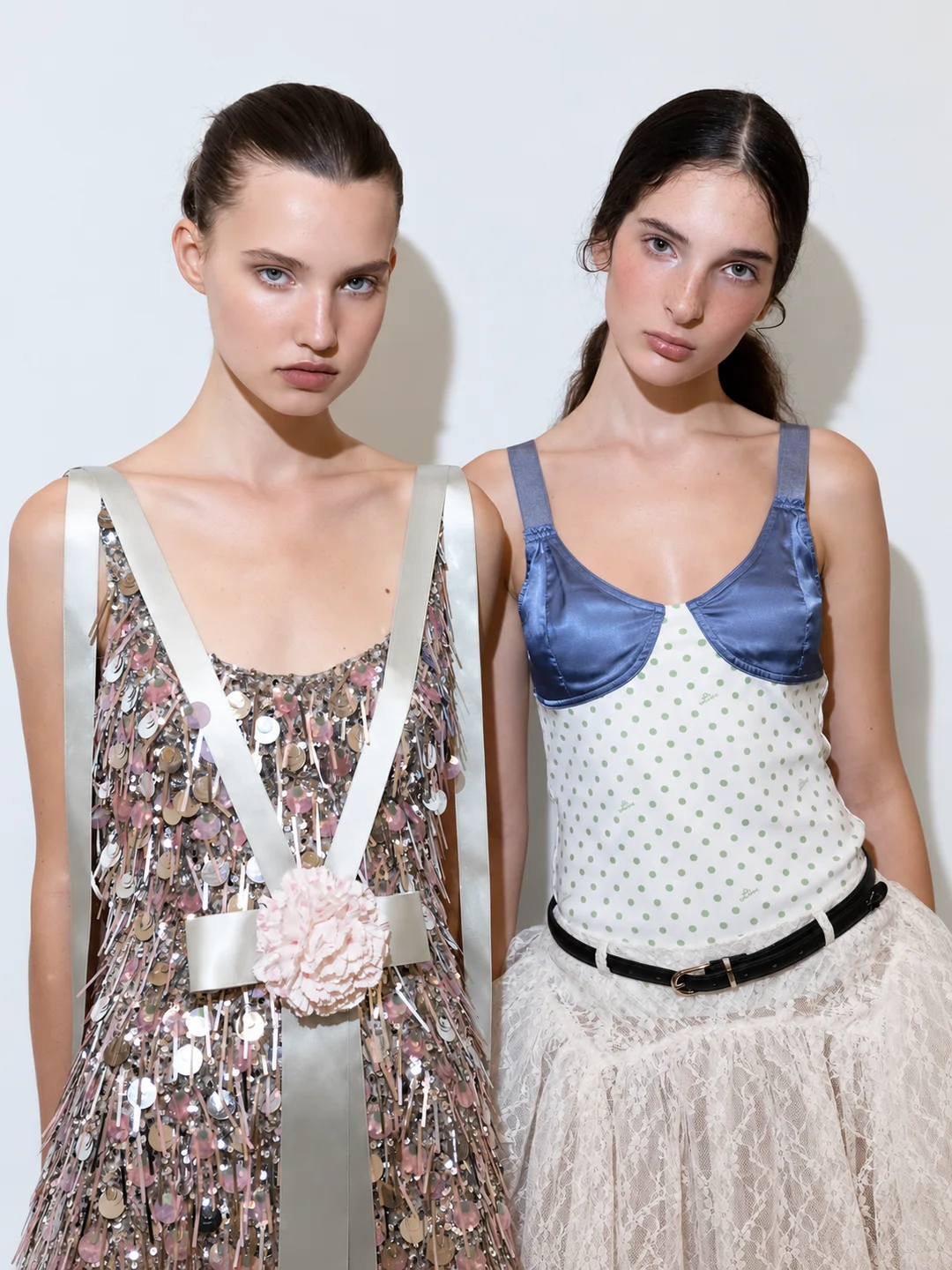
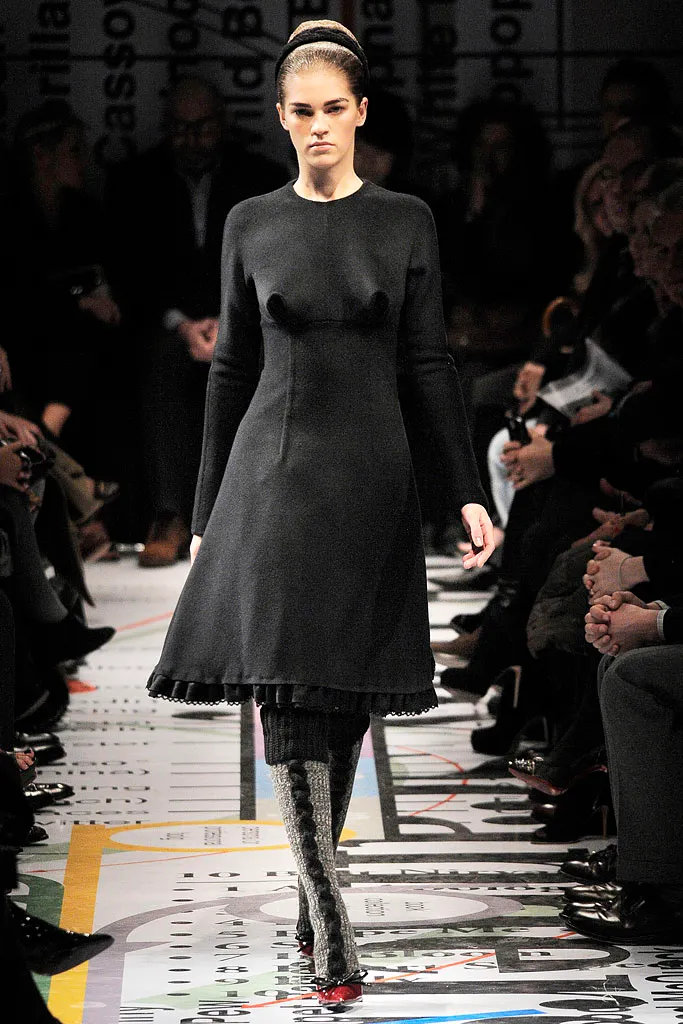
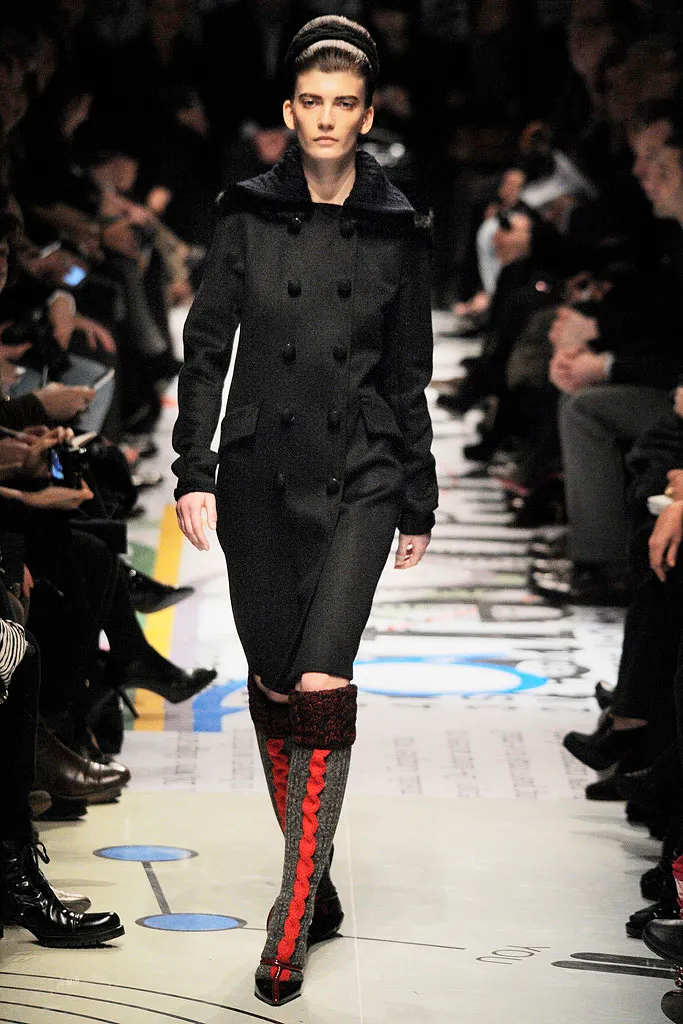
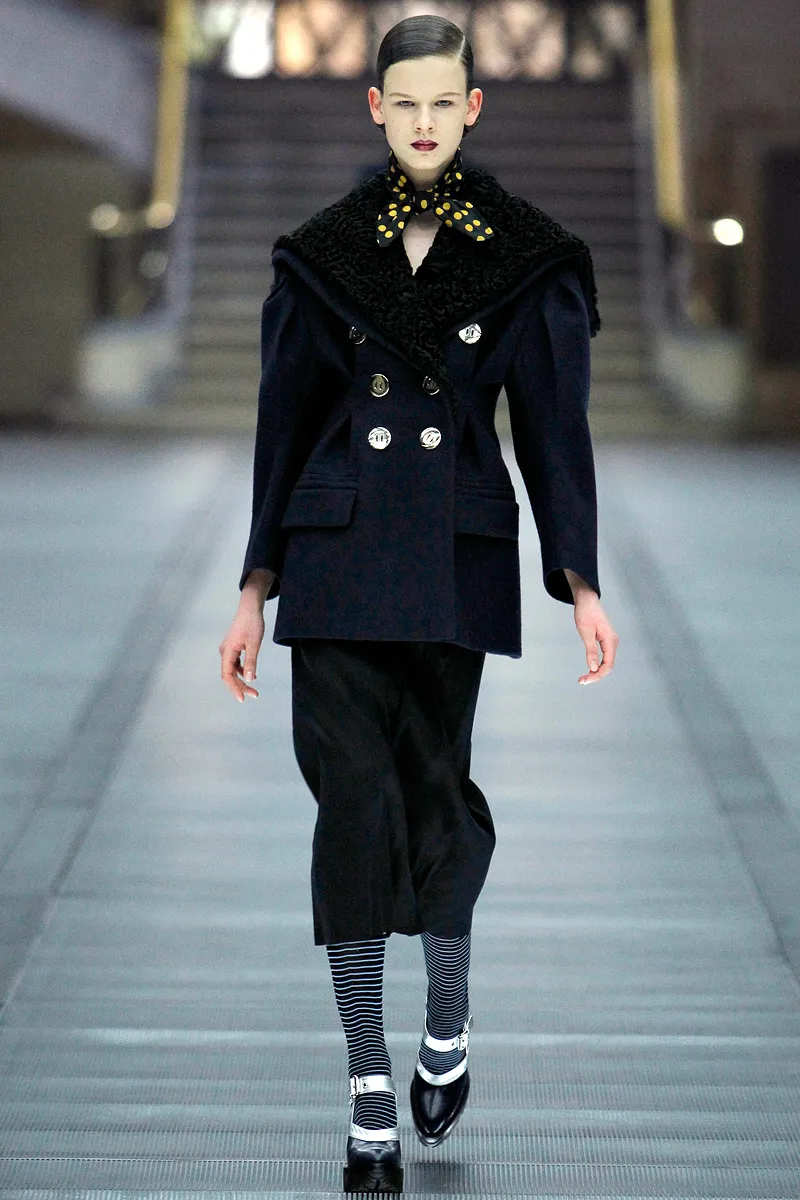
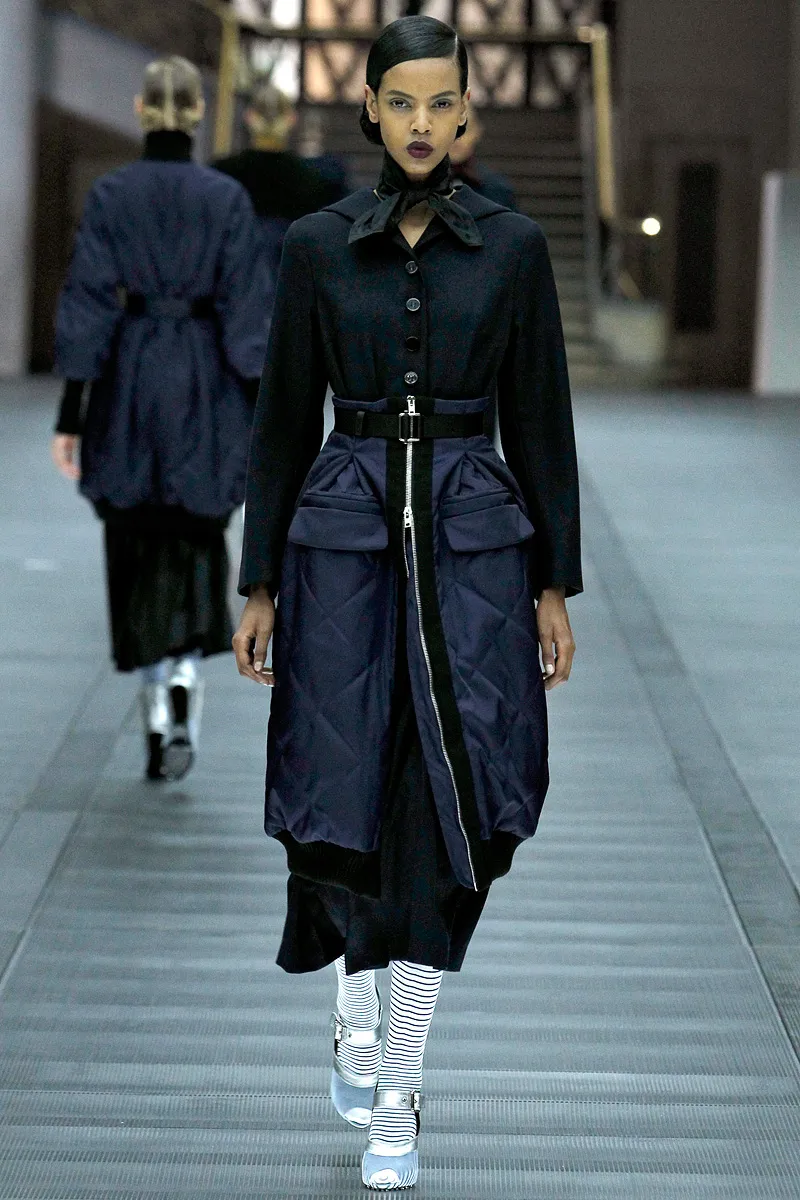
Prada and Miu Miu revisit the decade through polished femininity with a subtle twist. Full skirts, neat tailoring, sailor-inspired details, and hourglass silhouettes evoke the elegance of the period while introducing a sense of irony and modernity.
Louis Vuitton embraces the more glamorous side of the 1950s, emphasizing curves, corsetry, and dramatic skirt volume. These elements transform mid-century nostalgia into something theatrical, sensual, and cinematic.
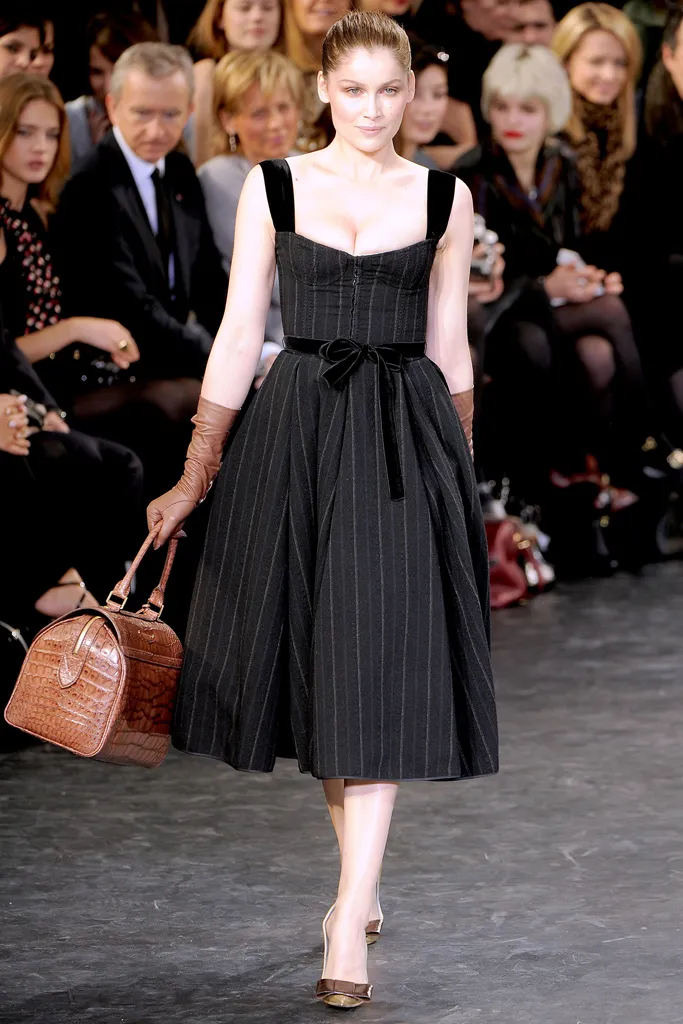
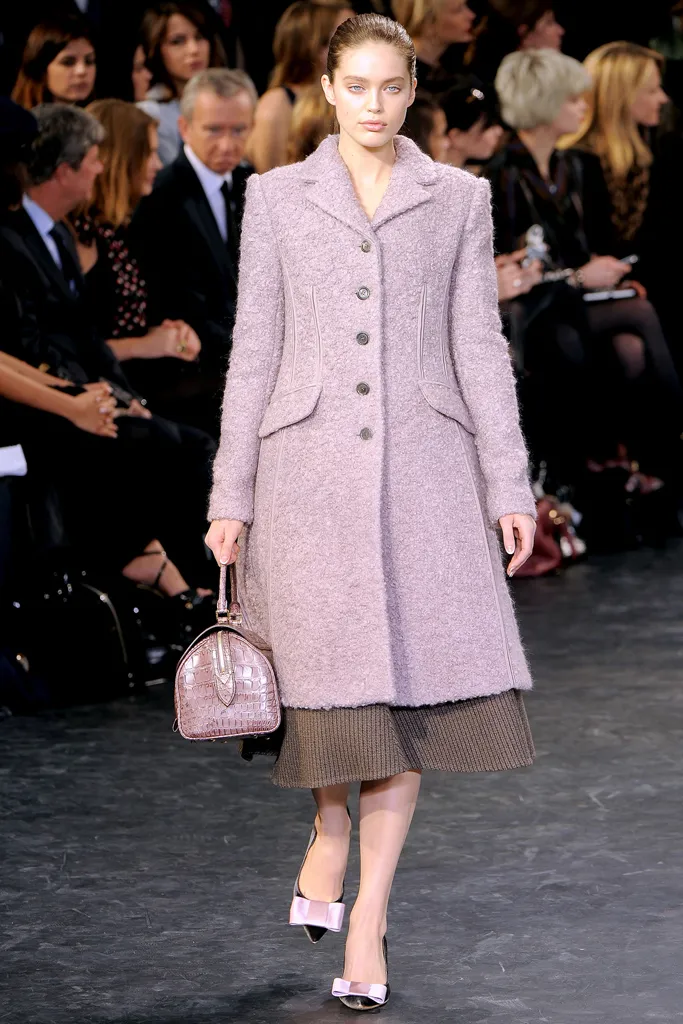
Beyond the grand couture references, the 50s style also survives in smaller adaptations: a cinched blazer, a poodle skirt, a neat pencil line, a flare dress, a pearl detail, or a kitten heel that quietly recalls the decade without recreating it entirely. Its modern power lives in that selective memory, where a single shape or accessory can summon the whole tension between polished sweetness and controlled femininity.
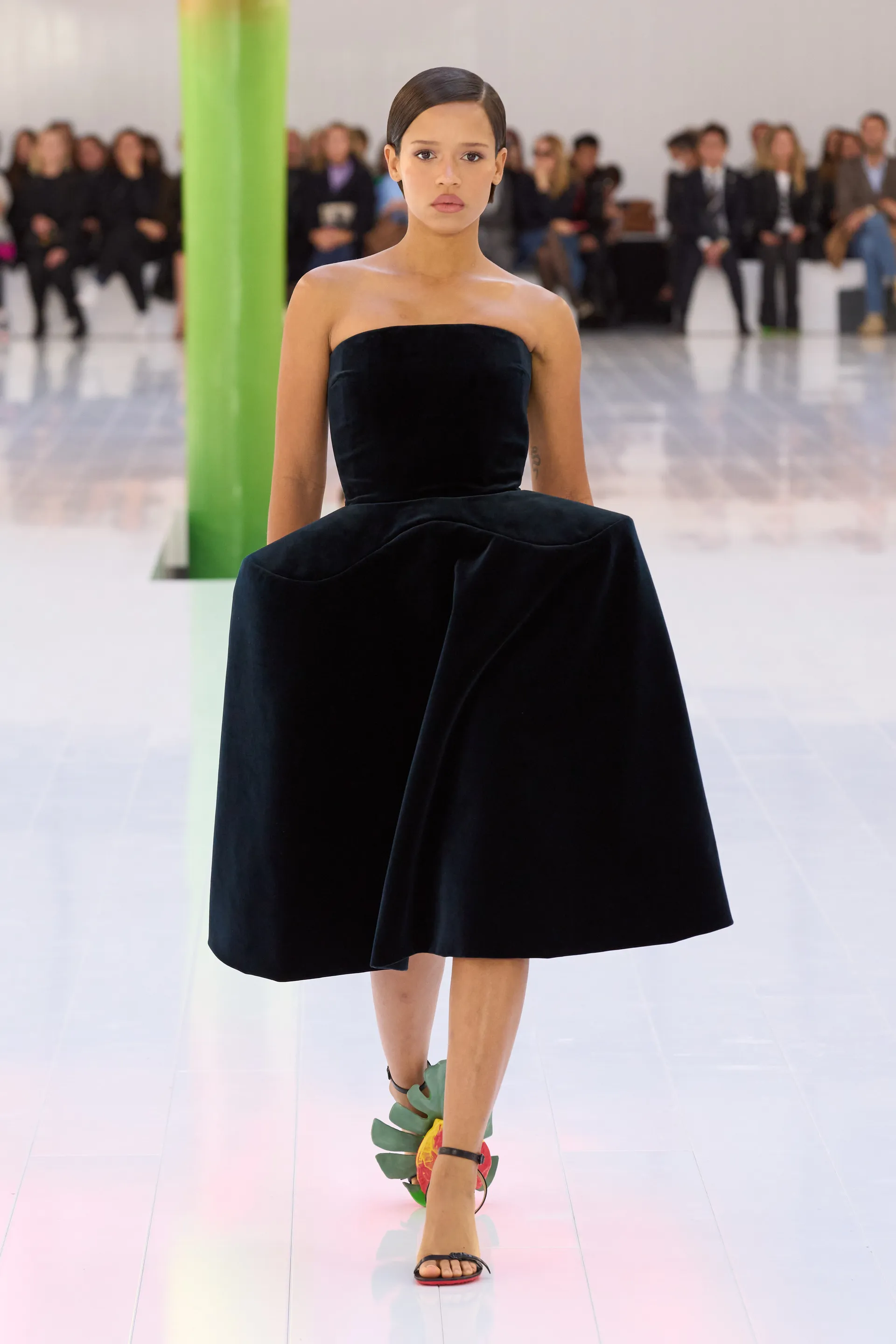
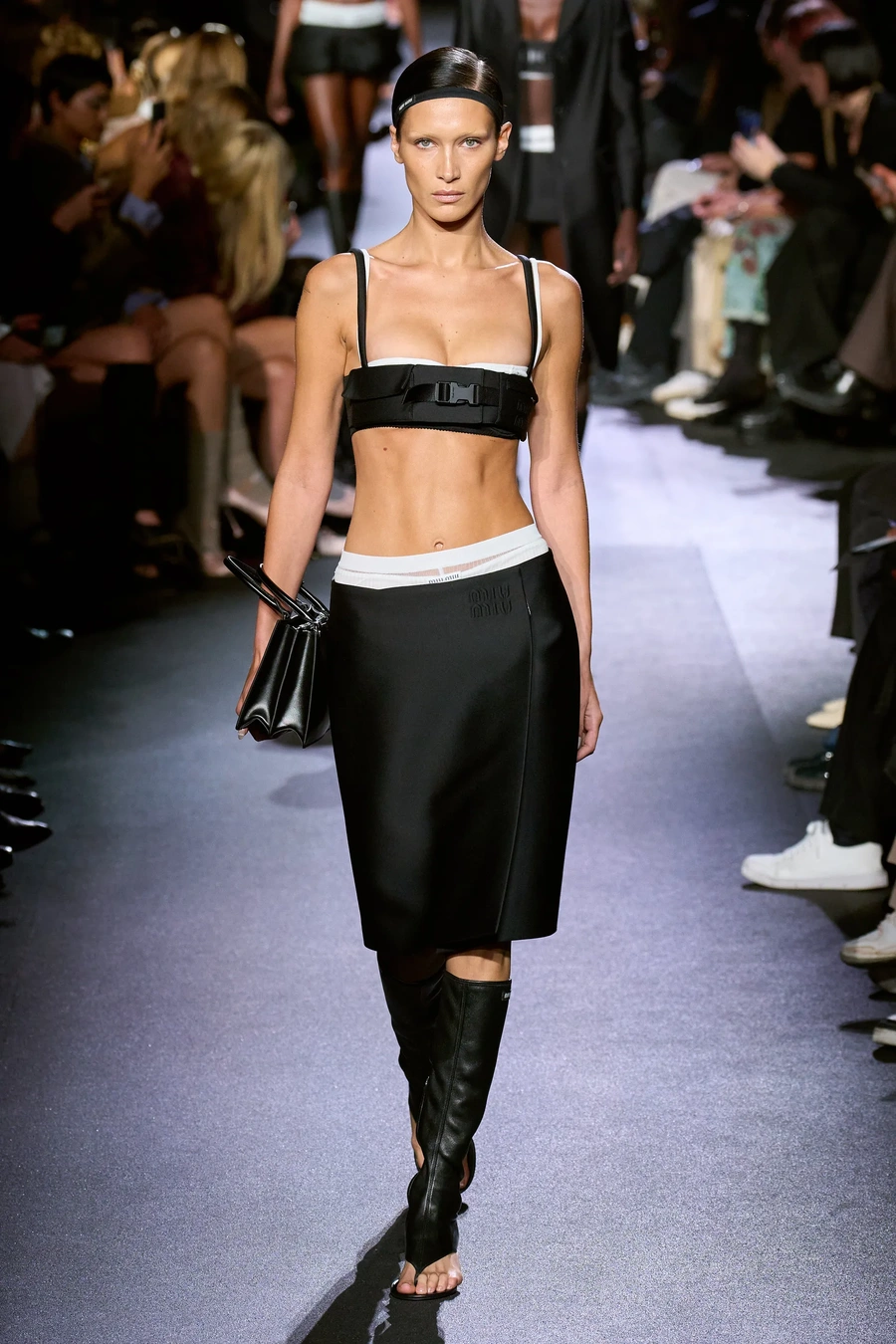
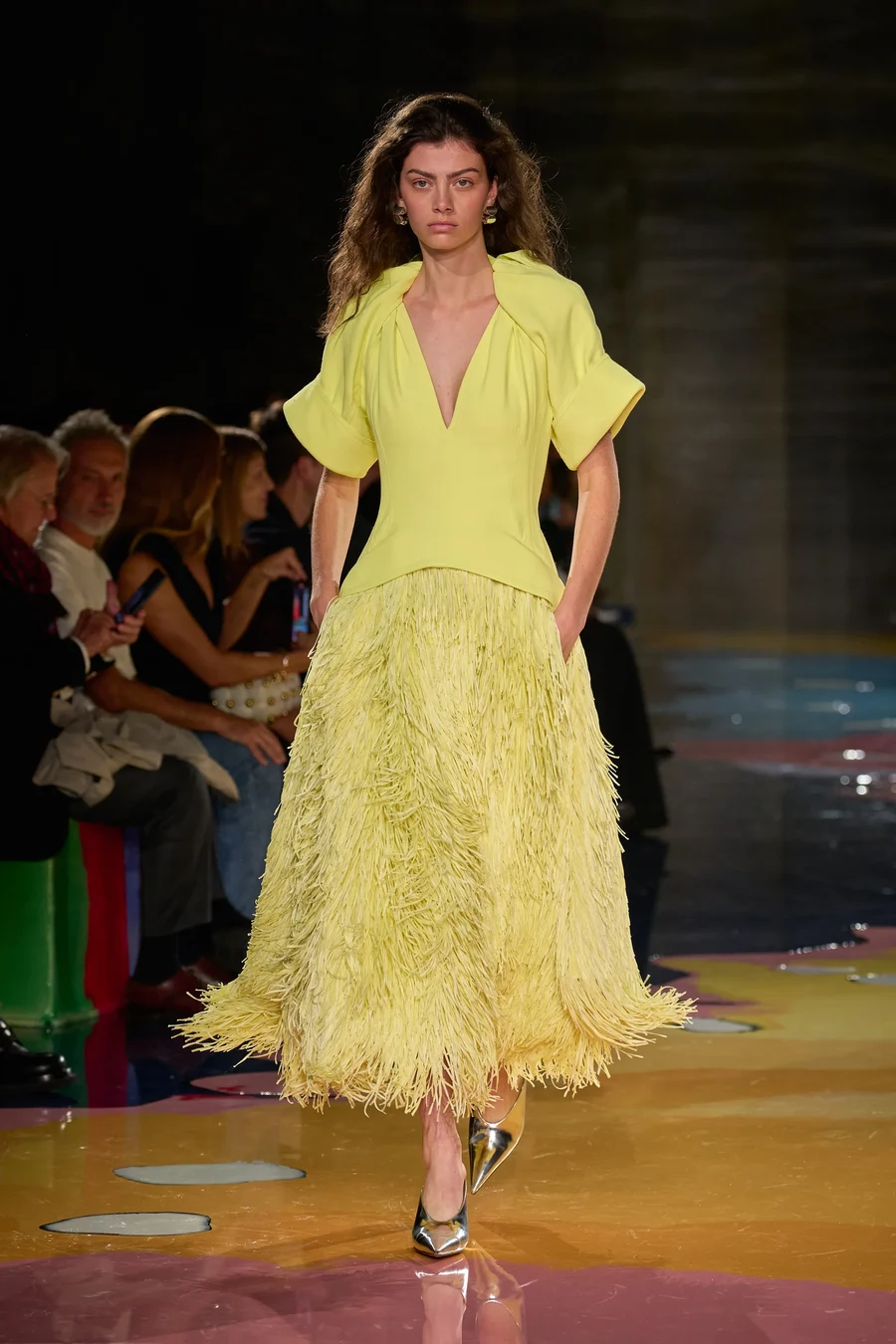
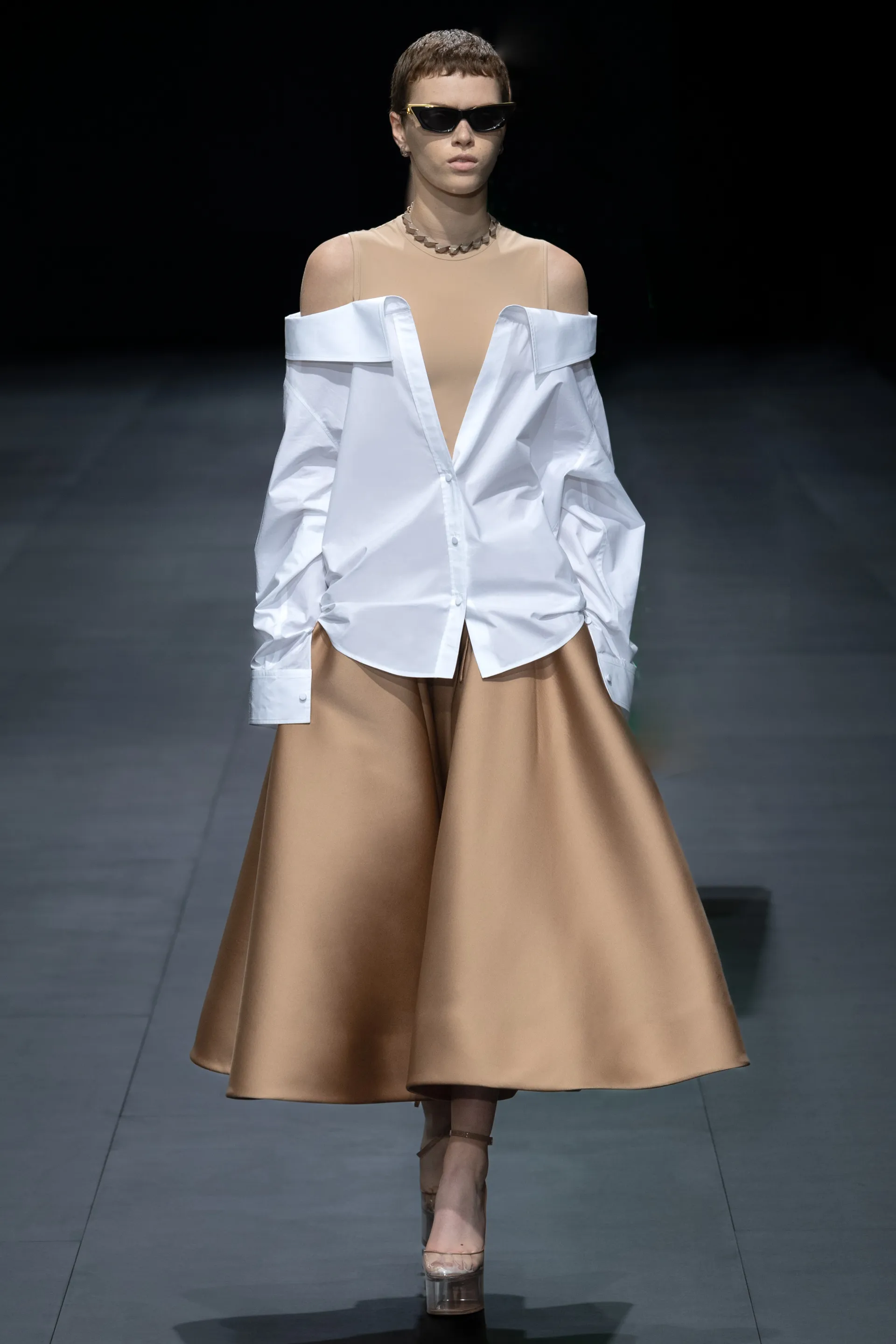
What remains is a silhouette with a memory: the waist still shaped, the smile still polished, and the question of who gets to loosen the dream still waiting beneath the skirt.
Movies gave the 50s style some of its most unforgettable fashion codes. A dress could move through a room, a coat could announce class, a cardigan could signal youth, and a skirt could become part of the emotional architecture of a scene.
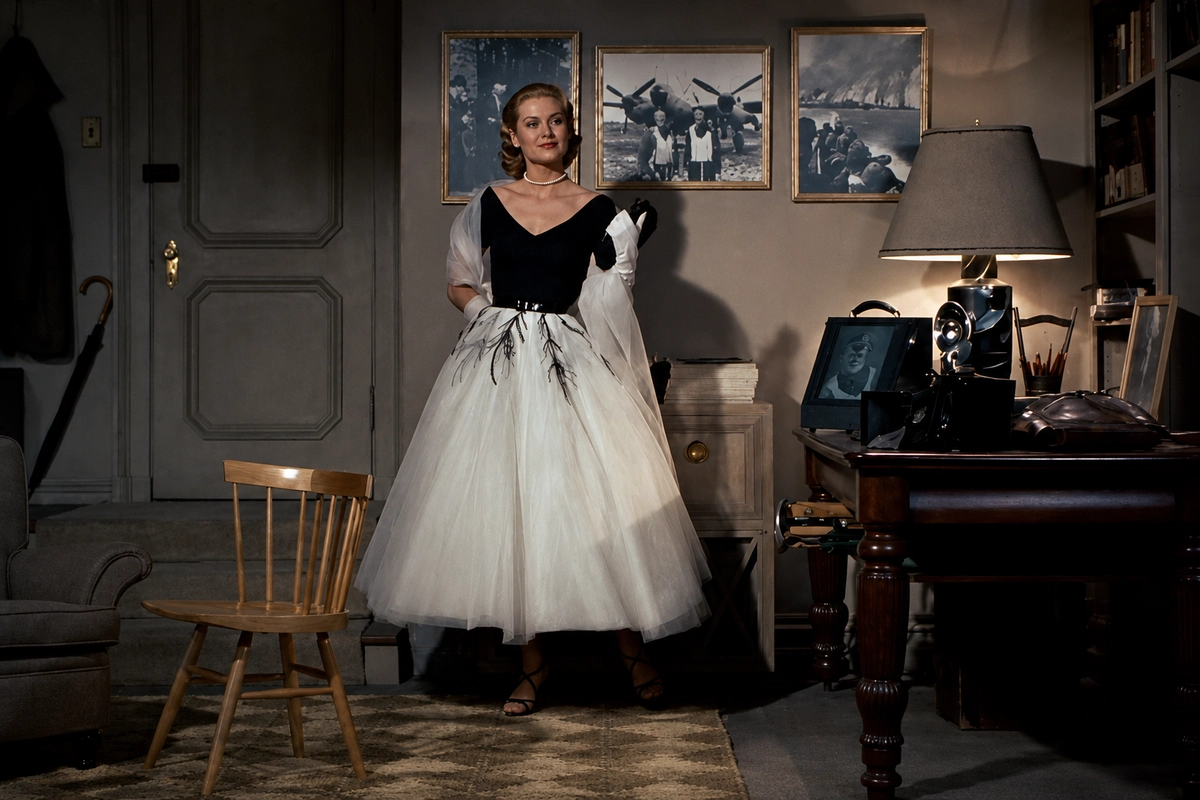
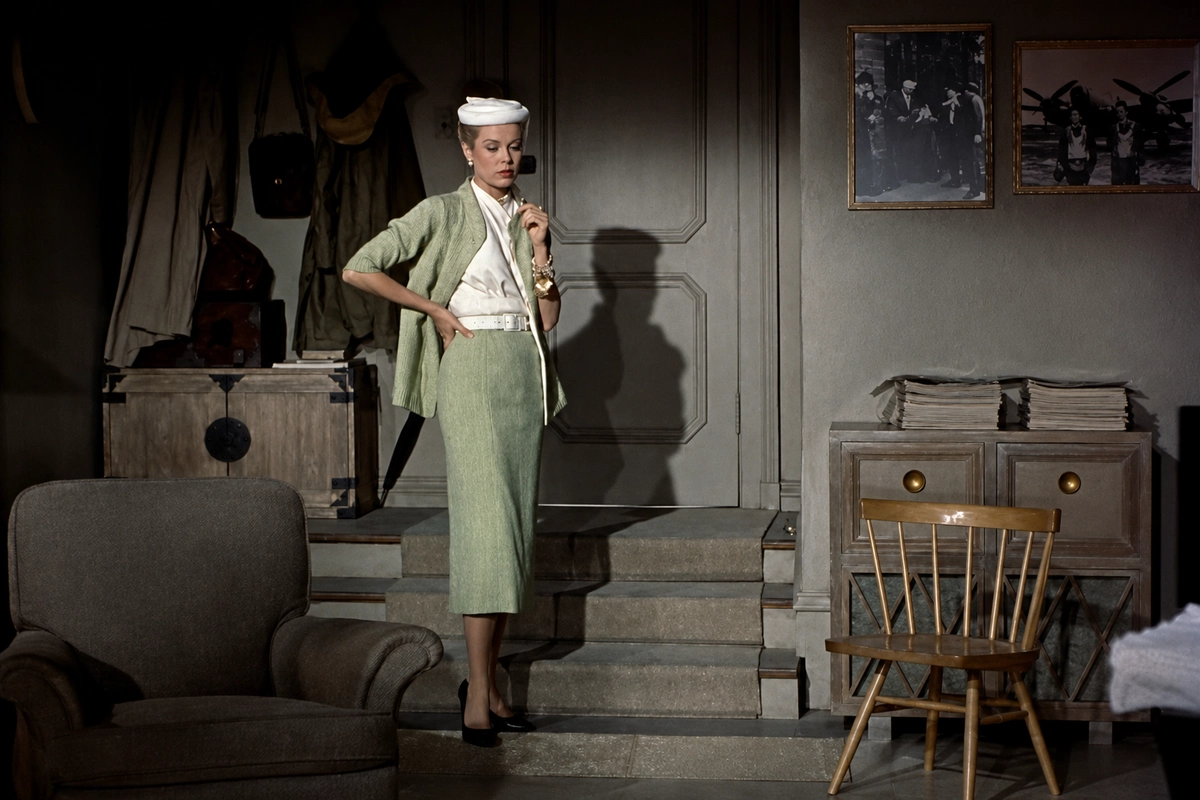
In Rear Window in 1954, Grace Kelly became one of the clearest images of polished 1950s elegance. Her wardrobe moves through full skirts, refined eveningwear, fitted bodices, gloves, and immaculate styling, turning social grace into visual power. The clothes reveal a woman who understands performance, class, and the art of being watched without losing control of the frame.
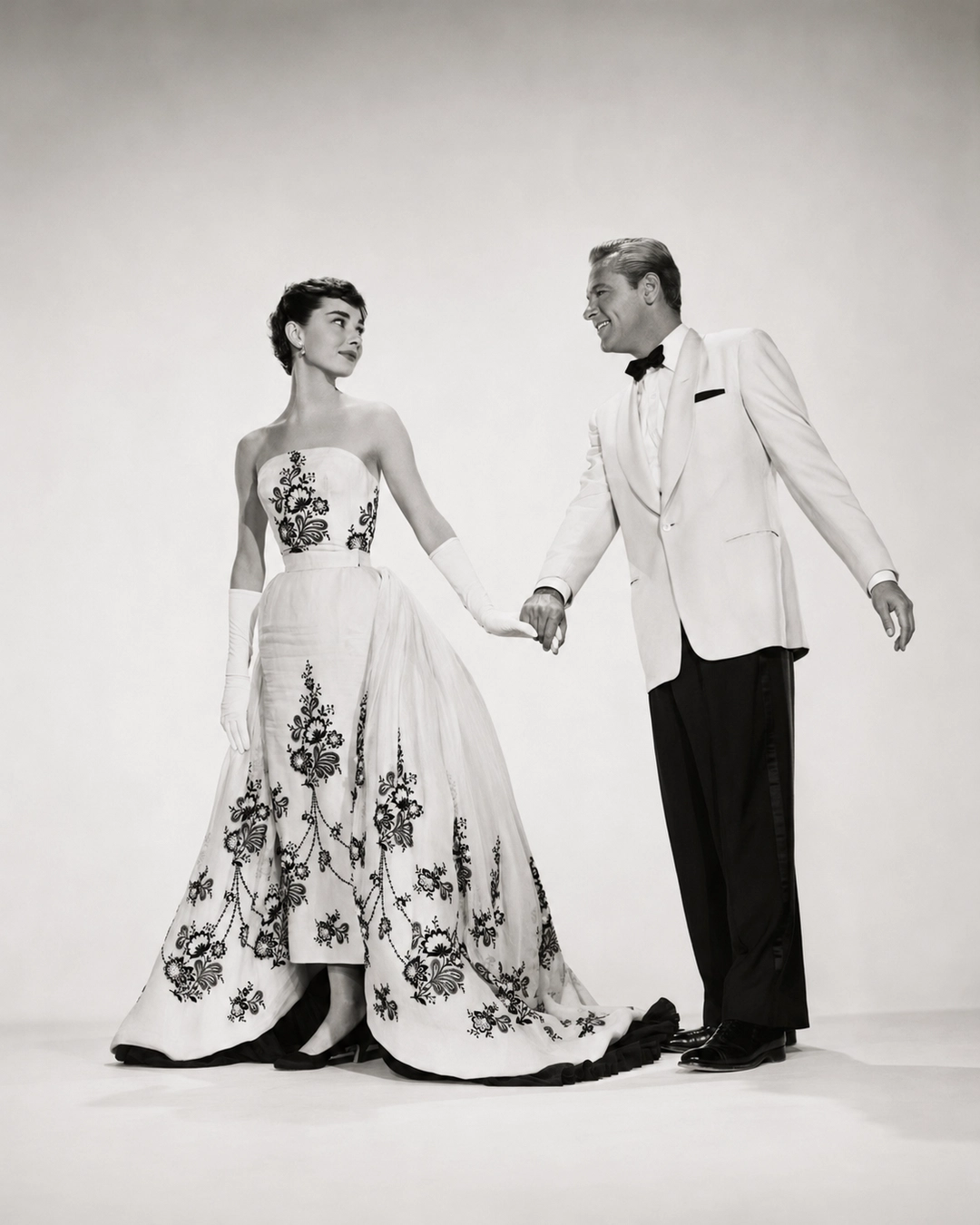
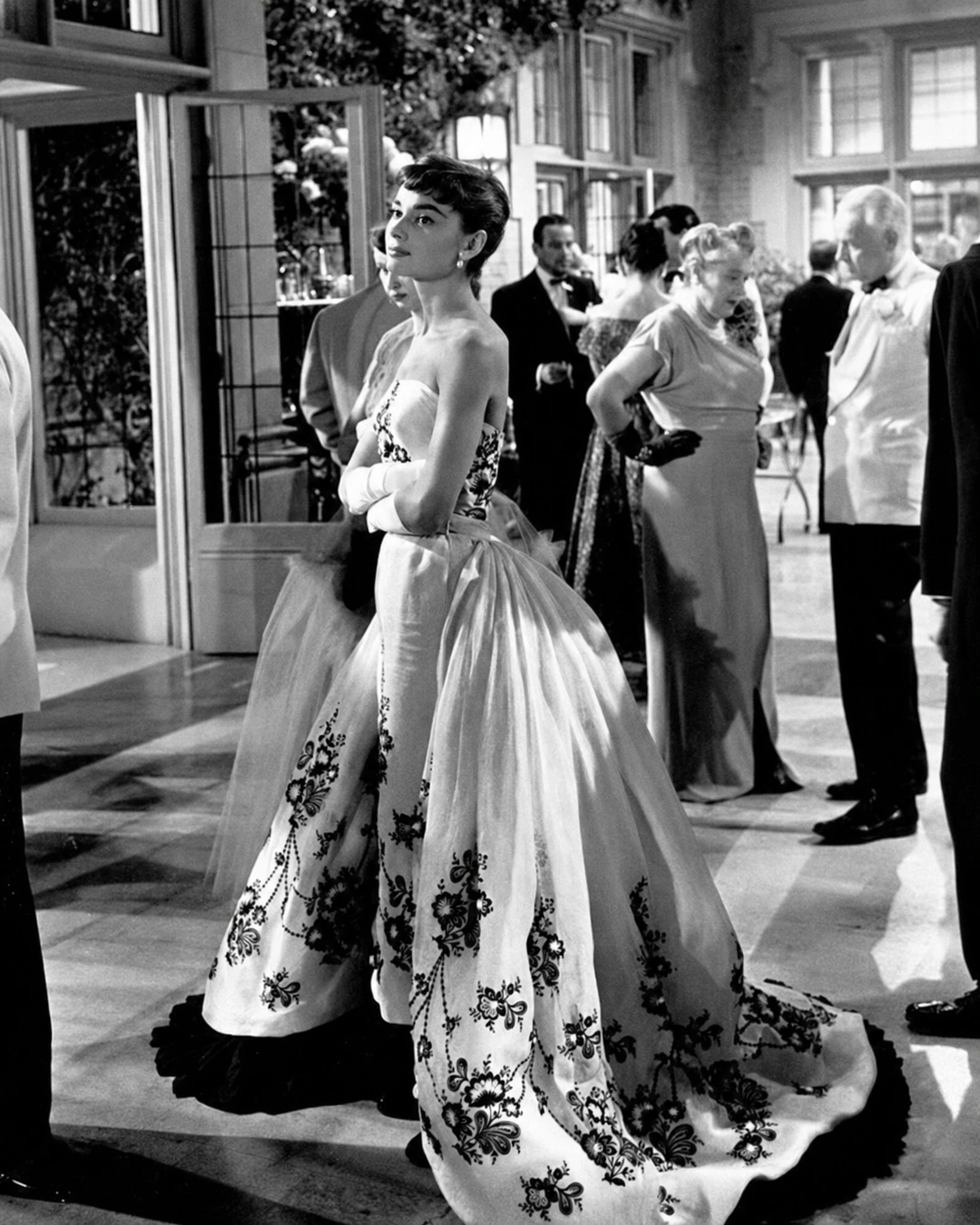
In Sabrina in 1954, Audrey Hepburn’s transformation gives the decade another kind of fashion myth. Through Givenchy’s clean lines, elegant necklines, and Parisian restraint, the film shows how the 50s style could move from youthful uncertainty into a more refined modern femininity. The silhouette becomes lighter, sharper, and less domestic, opening a door toward chic rather than pure mid-century sweetness.
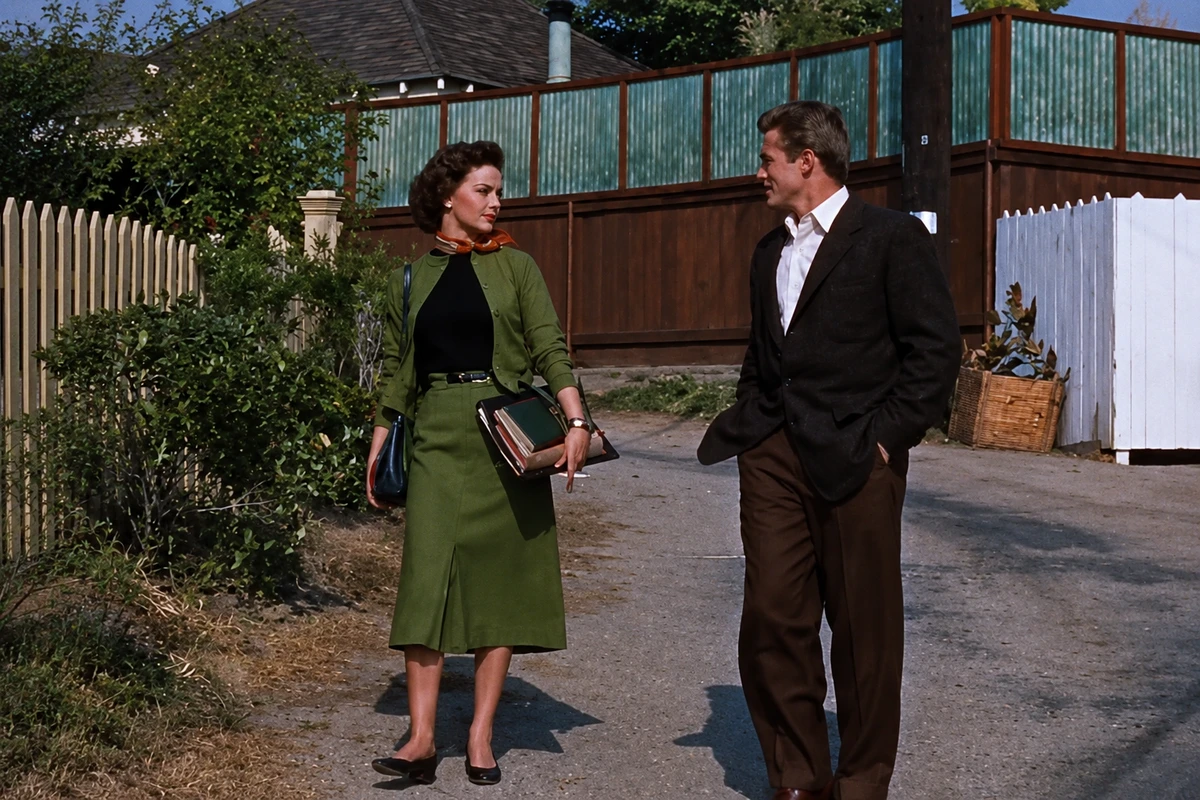
In Rebel Without A Cause in 1955, Natalie Wood brings the teenage side of the decade into view. Her style belongs to suburbia, youth culture, emotional restlessness, and the social pressure sitting beneath clean American surfaces. Cardigans, skirts, and casual mid-century pieces gain new tension when worn by a girl standing at the edge of rebellion. Through her, the 50s style becomes less polished and more alive.
By the final turn, the 50s style lingers like music from a room that has already emptied, carrying the rustle of taffeta, the shine of a polished shoe, the clean curve of a jacket at the waist, and the pale glow of a suburban window left burning after dark. The skirt still moves in the imagination, wide enough to catch air, light, and the dream of a world made whole again, while the body at its center remains carefully gathered into shape.
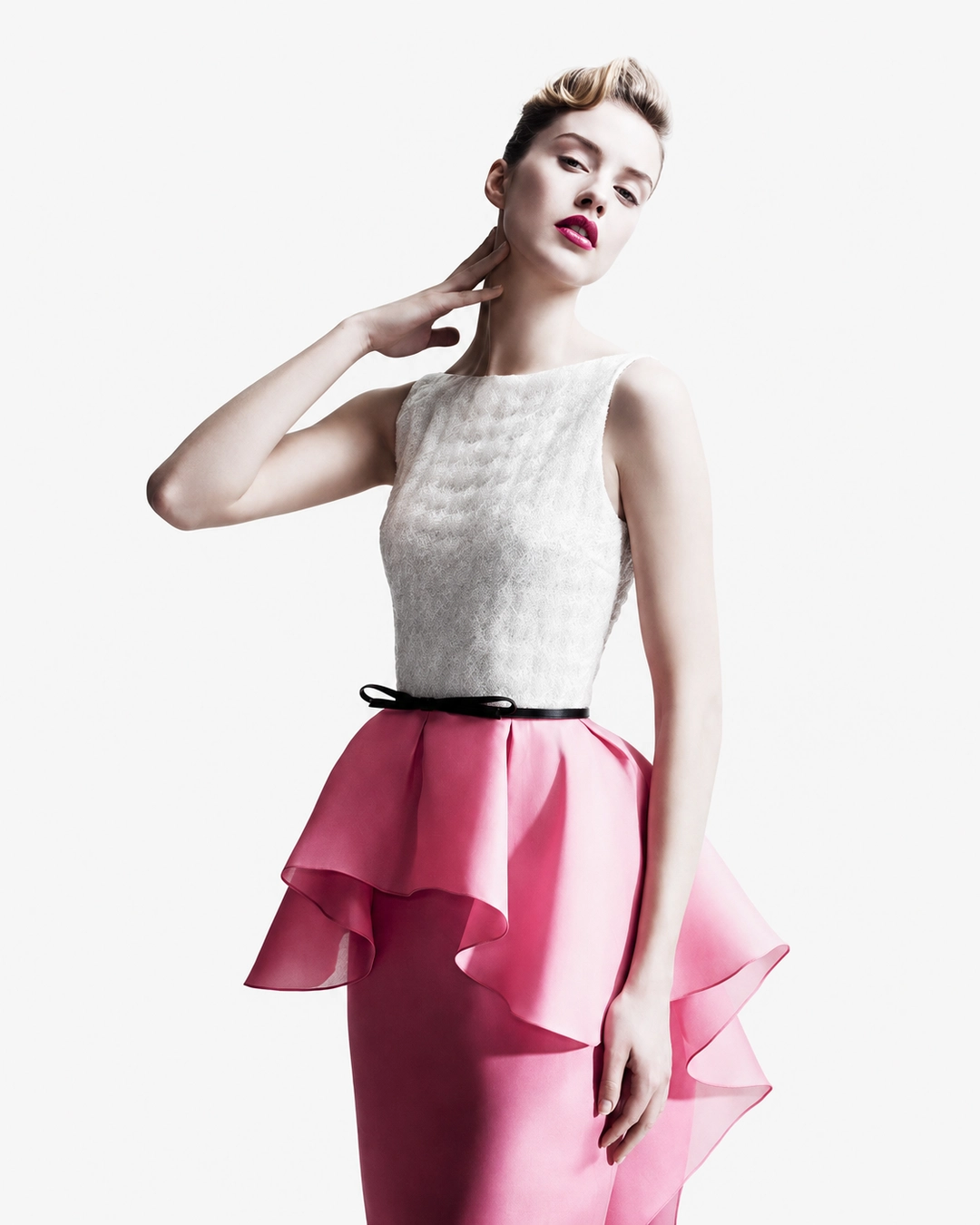
That is the spell the decade leaves behind: beauty in motion, held by an invisible hand. A full skirt can look like freedom when it spins, a pencil line can look like confidence when it narrows the stride, and a cardigan or pearl necklace can look almost harmless until the whole image begins to reveal its choreography. The 50s style survives because it carries both pleasure and pressure inside the same silhouette, giving fashion a language where order, performance, rebellion, and desire are never entirely separate from one another.
When the room finally dims, the fantasy does not vanish. It folds itself into lipstick, crinoline, diner light, couture memory, and the restless girl waiting at the edge of the frame. The dress keeps turning long after the music stops, and somewhere beneath all that sweetness, the waist still remembers the hand that tightened it.
Advertisement