MENU
Close





On March 23, 1972, Cristóbal Balenciaga’s story reached its final bow, leaving fashion with a rare image of elegance built through silence, structure, and absolute control.
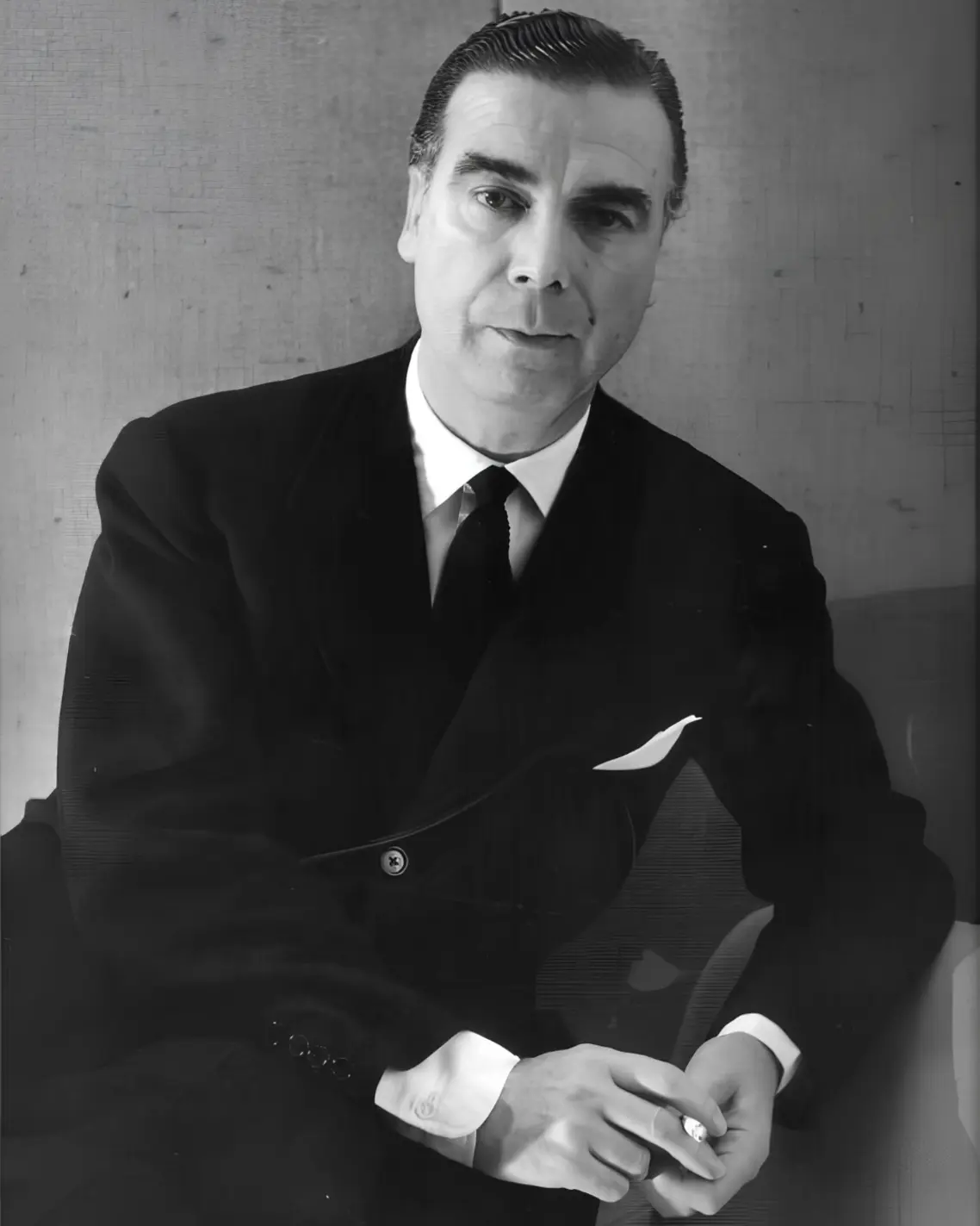
On March 23, 1972, Cristóbal Balenciaga’s story reached its final bow, leaving fashion with a rare image of elegance built through silence, structure, and absolute control.
March 23, 2026


Cristóbal Balenciaga belonged to the kind of designer whose power did not need noise. He built fashion through proportion, fabric, and restraint, treating garments less like decoration and more like architecture in motion. In an industry often drawn to personality, Cristóbal Balenciaga became legendary for the opposite: discipline so complete that even Christian Dior reportedly called him “the master of us all,” while Coco Chanel saw him as a couturier in the truest sense.

Born in Getaria, Spain, Cristóbal Balenciaga learned the grammar of clothing through proximity to craft. His mother was a seamstress, and that early intimacy with fabric gave his work a technical intelligence few designers could match. By the time he established himself in Paris, he had already developed a language that refused easy prettiness. His clothes were elegant, but they were never fragile. They stood away from the body, curved around it, protected it, and gave it an almost ceremonial presence.
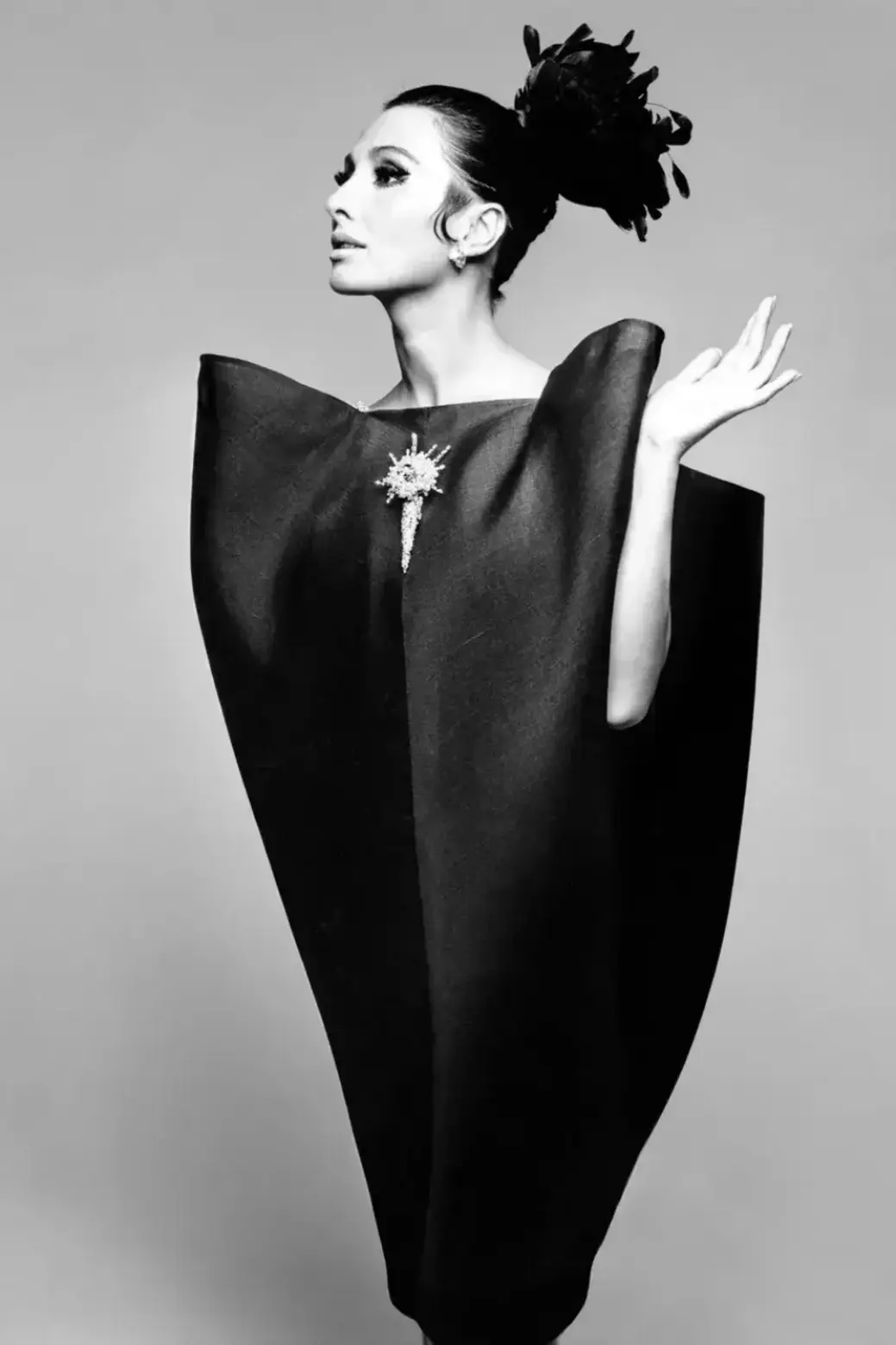
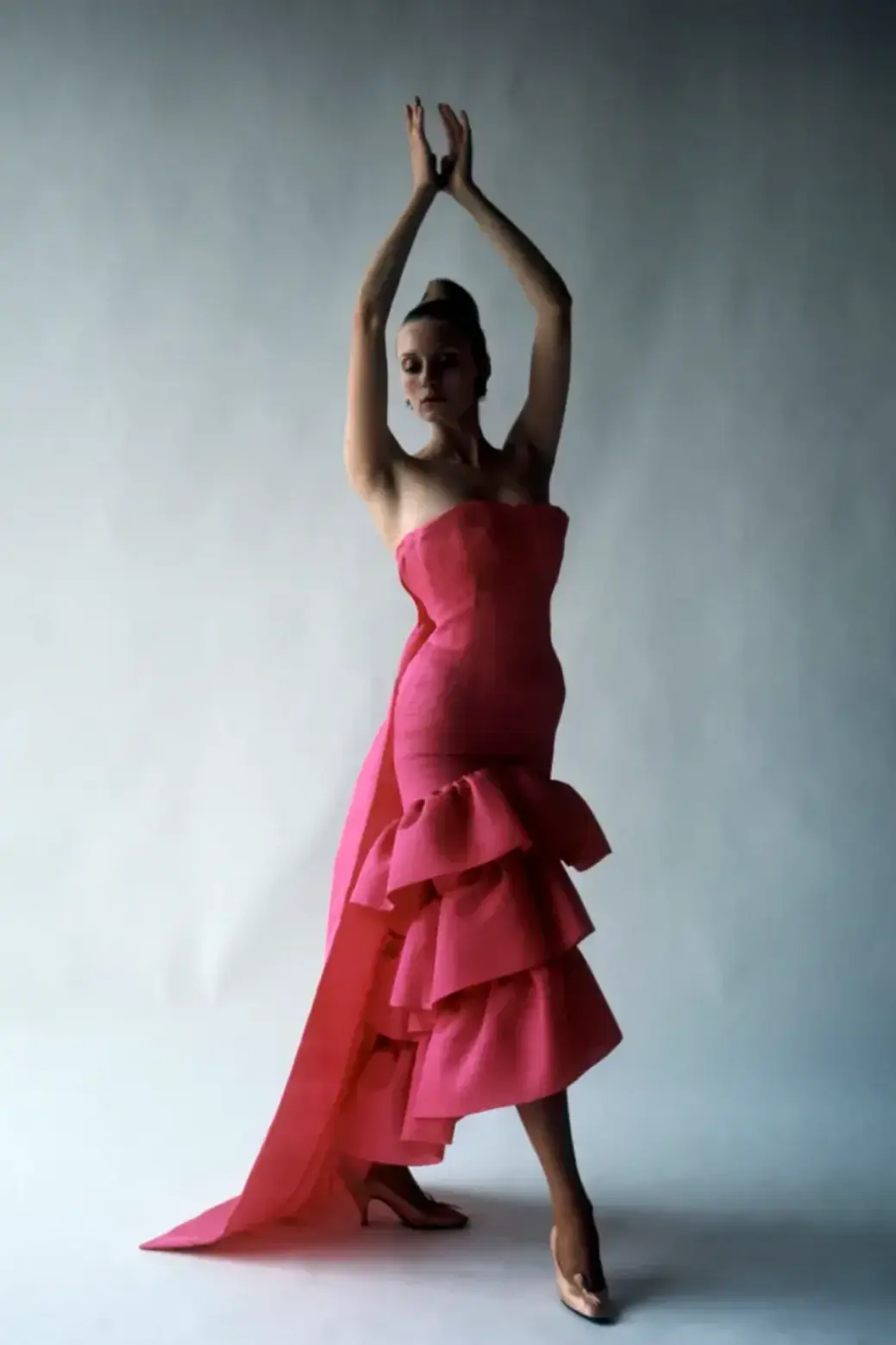
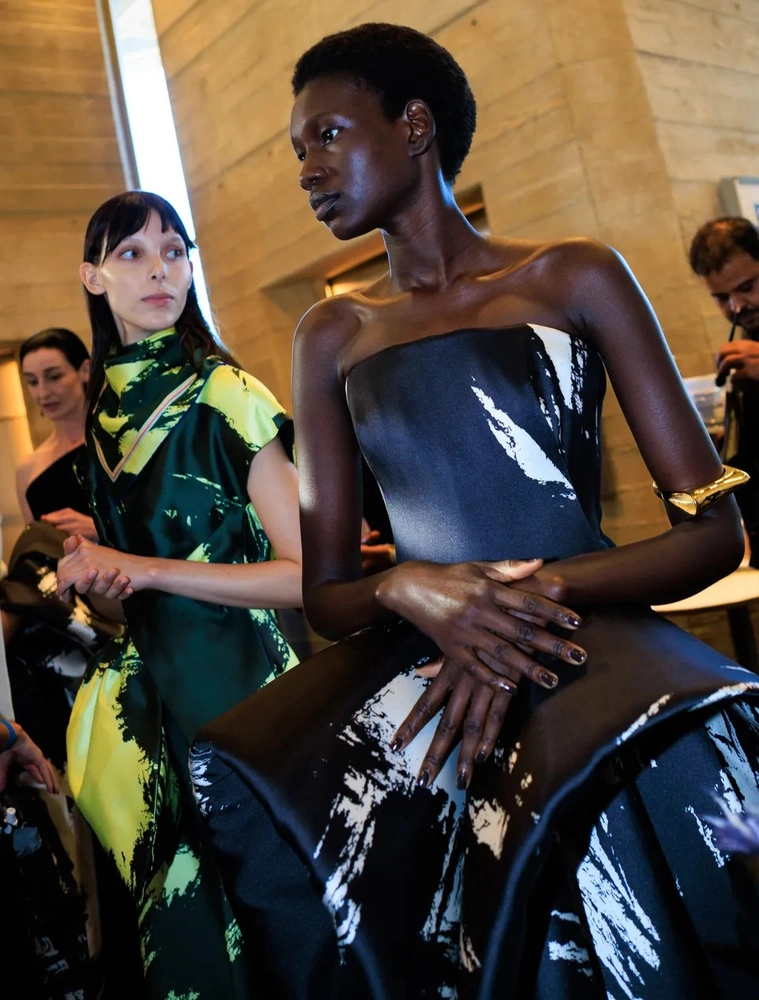
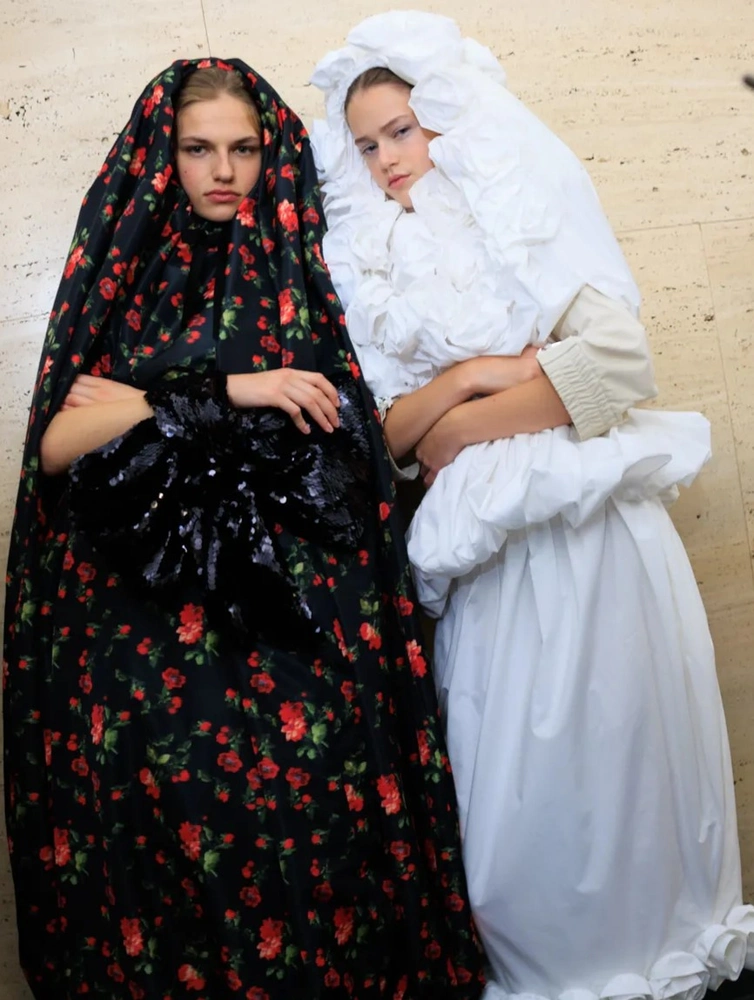
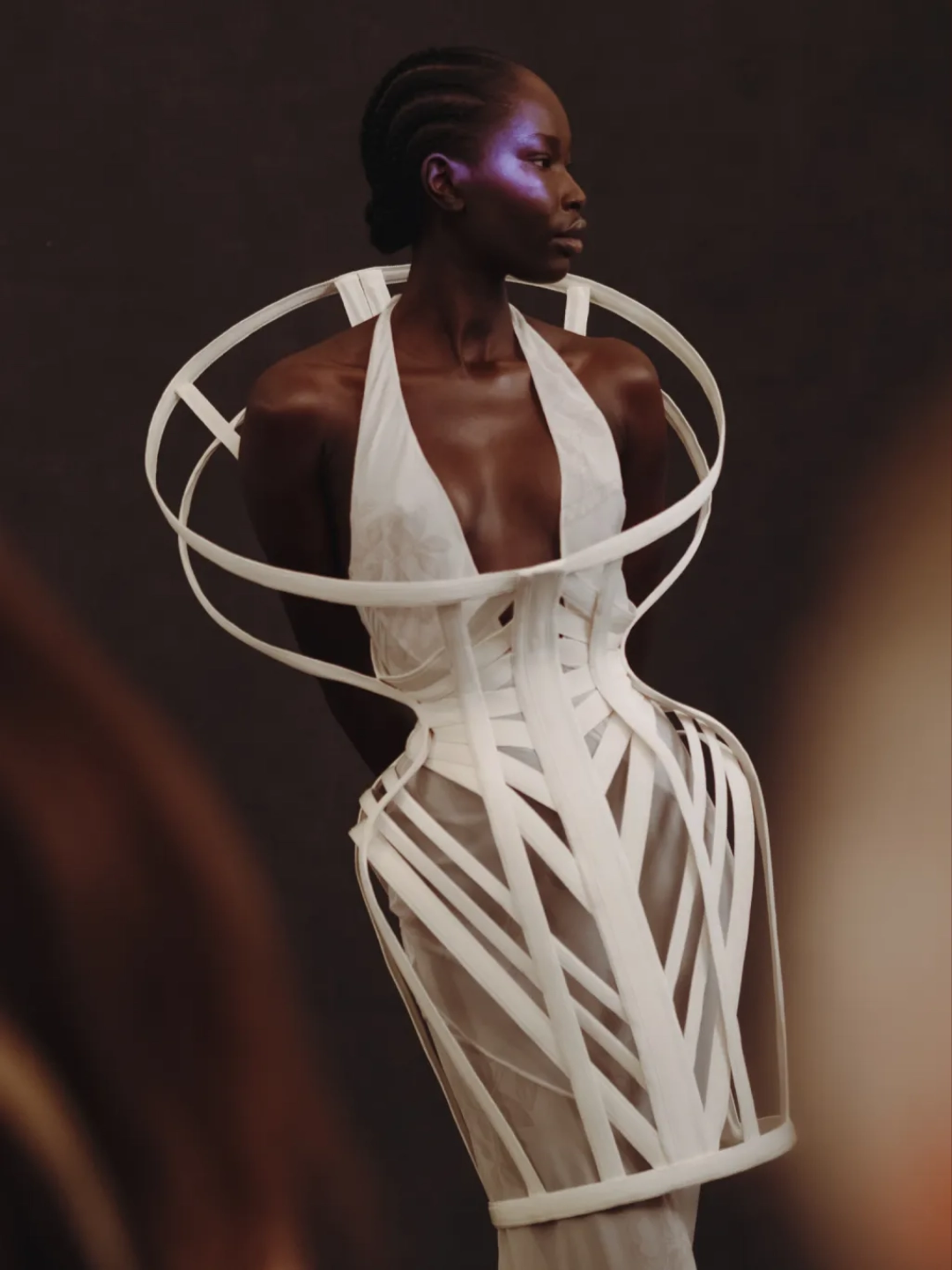
His great contribution to haute couture was volume with purpose. The sack dress, the balloon jacket, the cocoon coat, the tunic dress, and the sculptural evening gown all showed how fashion could move beyond the hourglass and still hold authority. Cristóbal Balenciaga did not chase the body. He redesigned the space around it. Through him, elegance became less about revealing the figure and more about composing a silhouette that could command a room before a single detail was noticed.
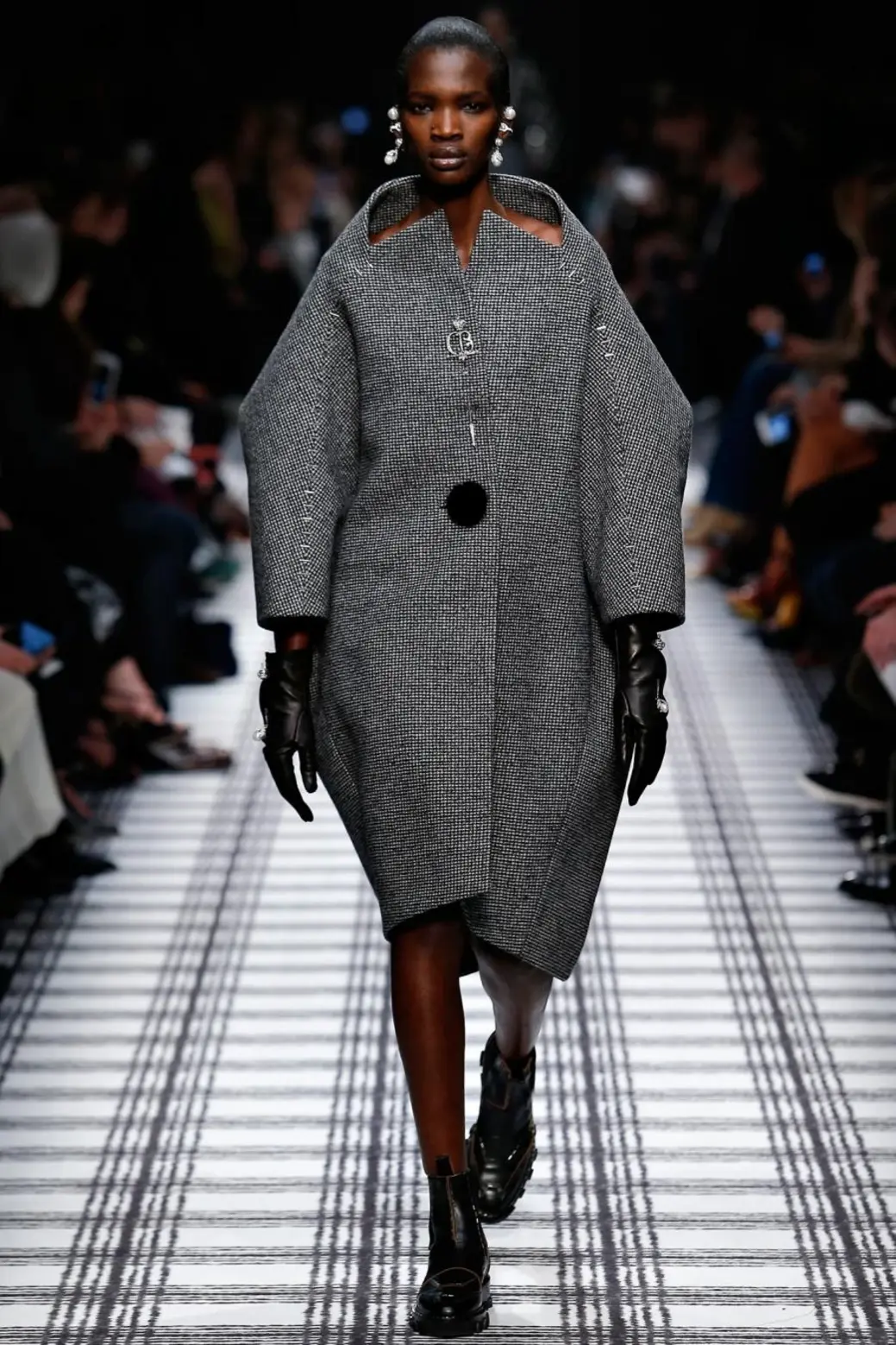
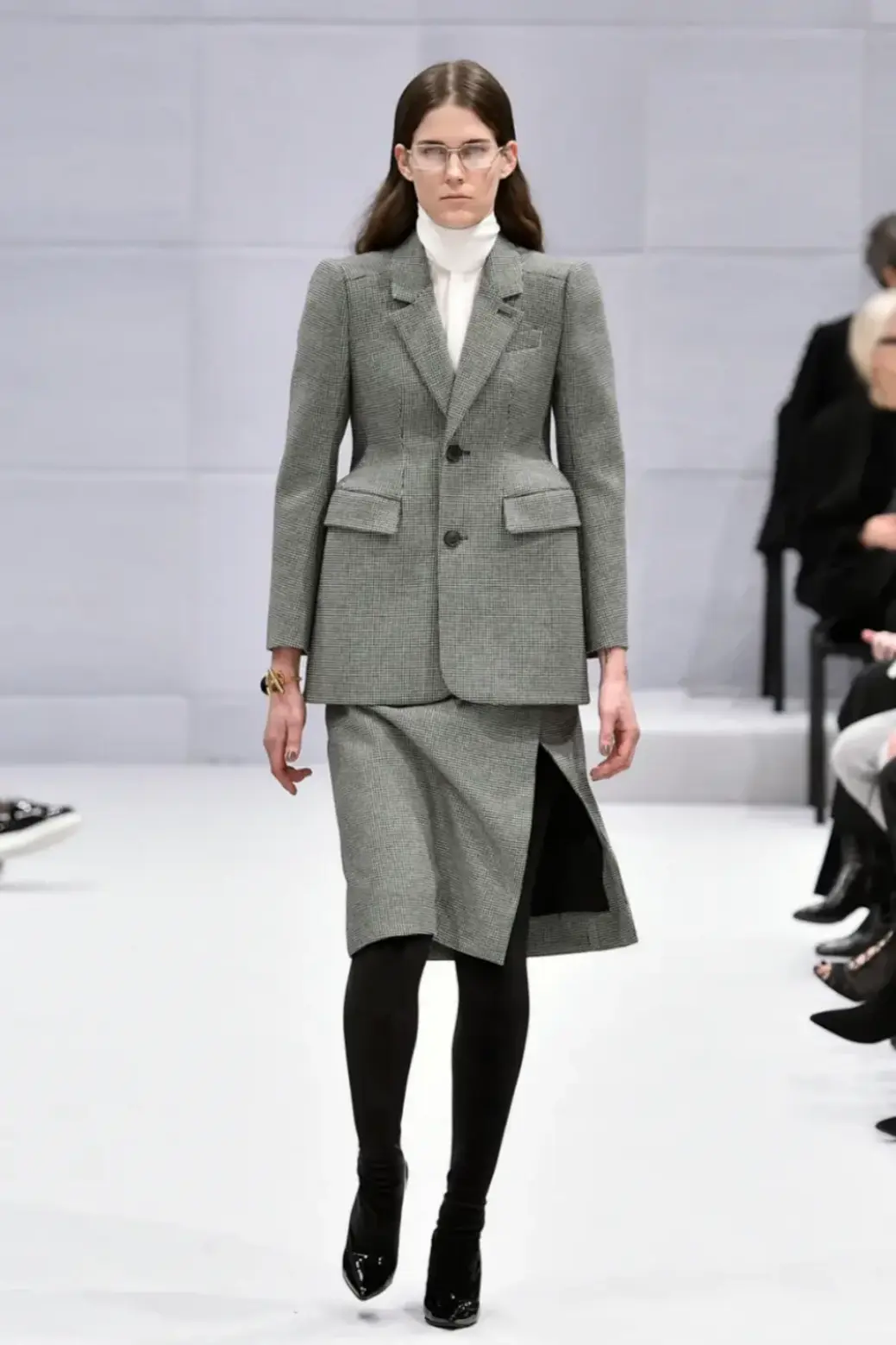
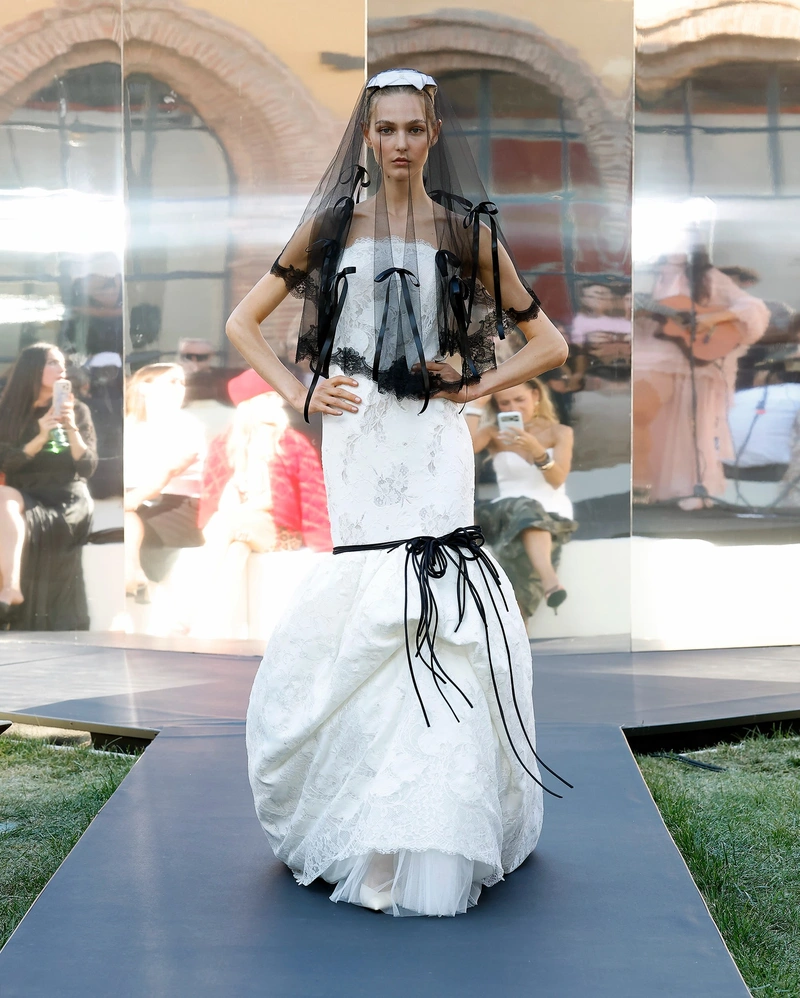
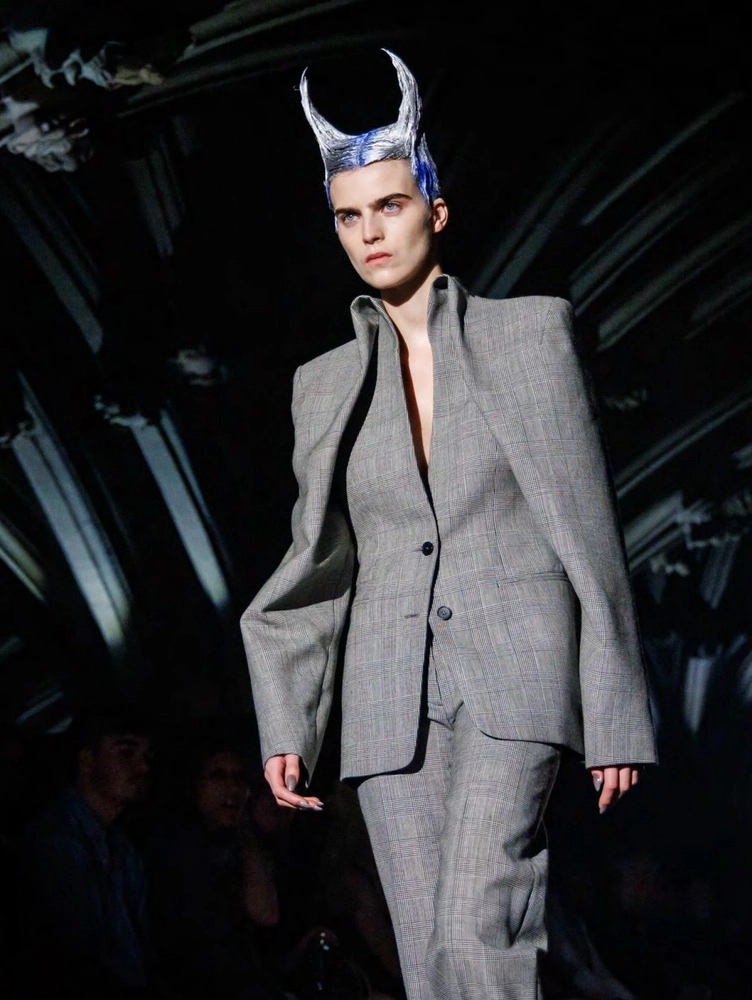
That vision still travels through fashion today. It appears whenever designers return to architectural coats, suspended volume, monastic restraint, or couture construction that looks simple only because the labor has been hidden. From Hubert de Givenchy and André Courrèges, who trained under or emerged from his orbit, to modern Balenciaga’s continued obsession with shape, scale, and silhouette, his influence keeps fashion aware of its own structure.
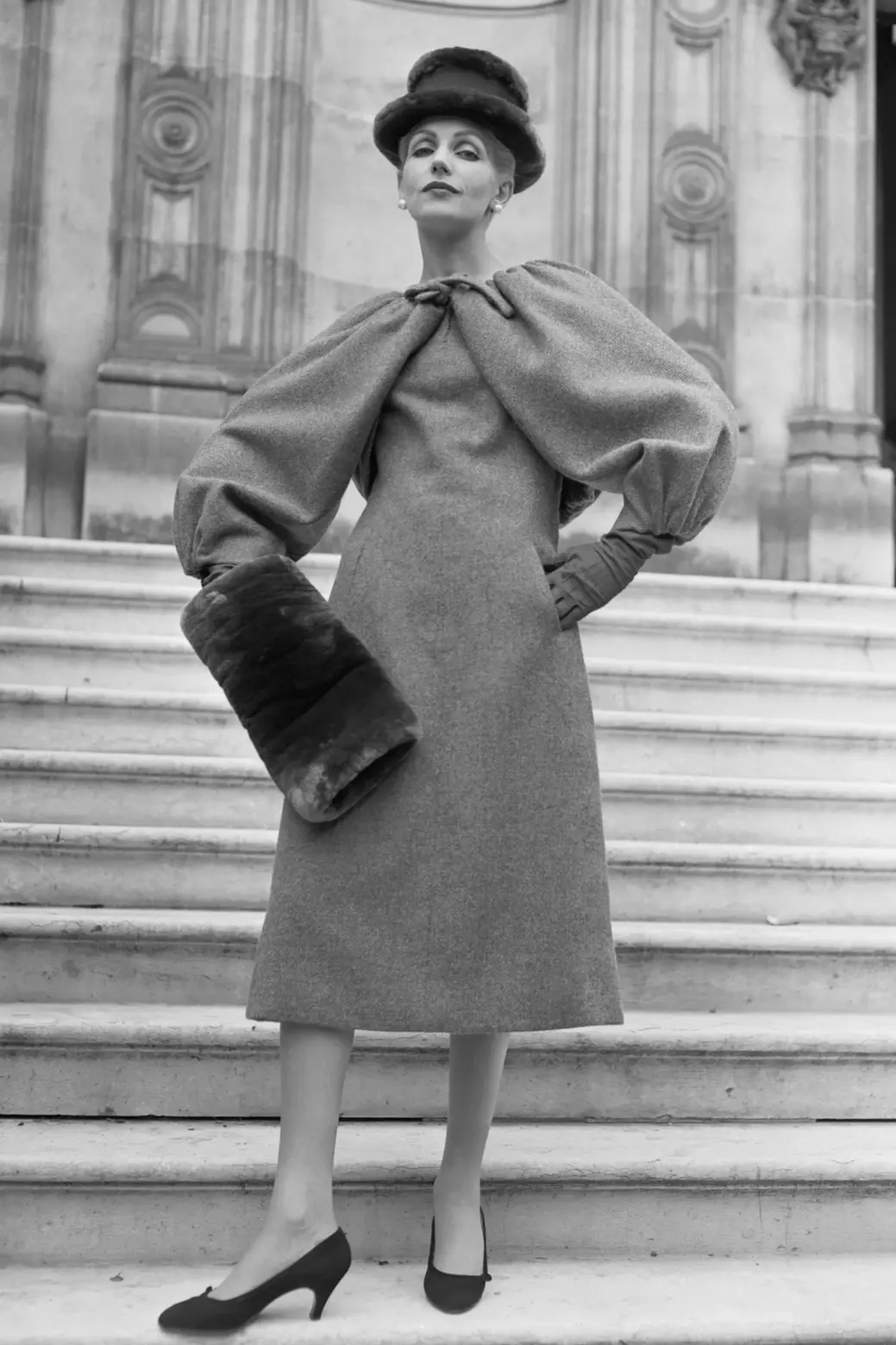
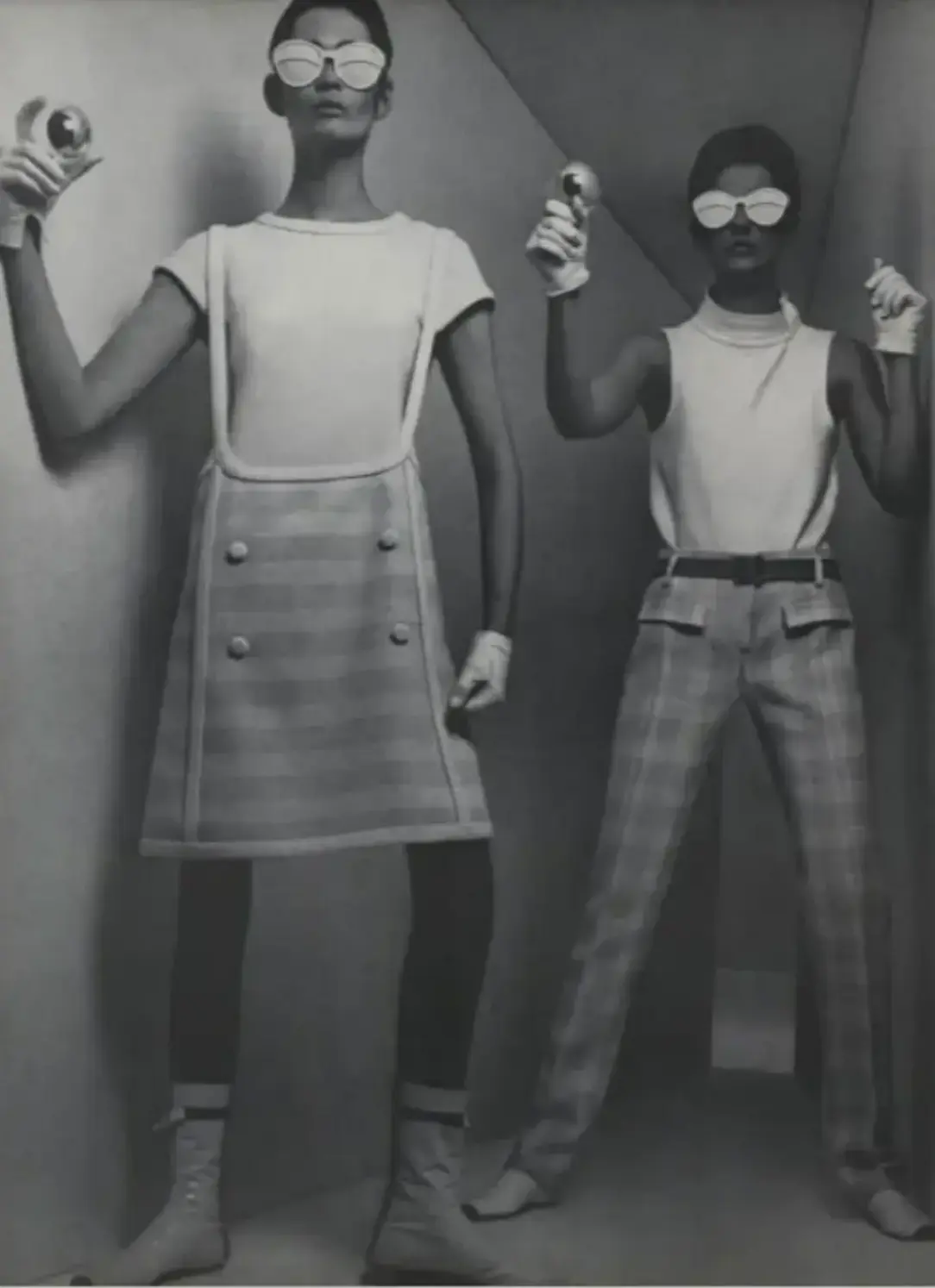
Cristóbal Balenciaga made clothing feel like architecture with a pulse, built from air, fabric, and absolute control. Haute couture still returns to Cristóbal Balenciaga whenever it wants to remember that true power can be cut, shaped, and held in silence.