MENU
Close





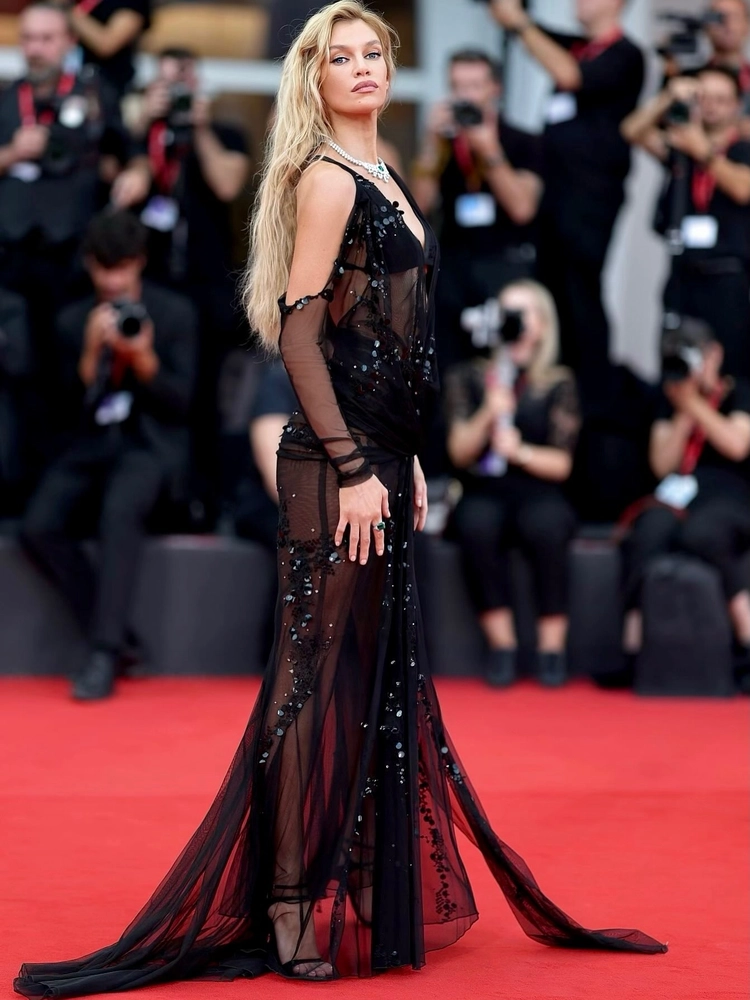
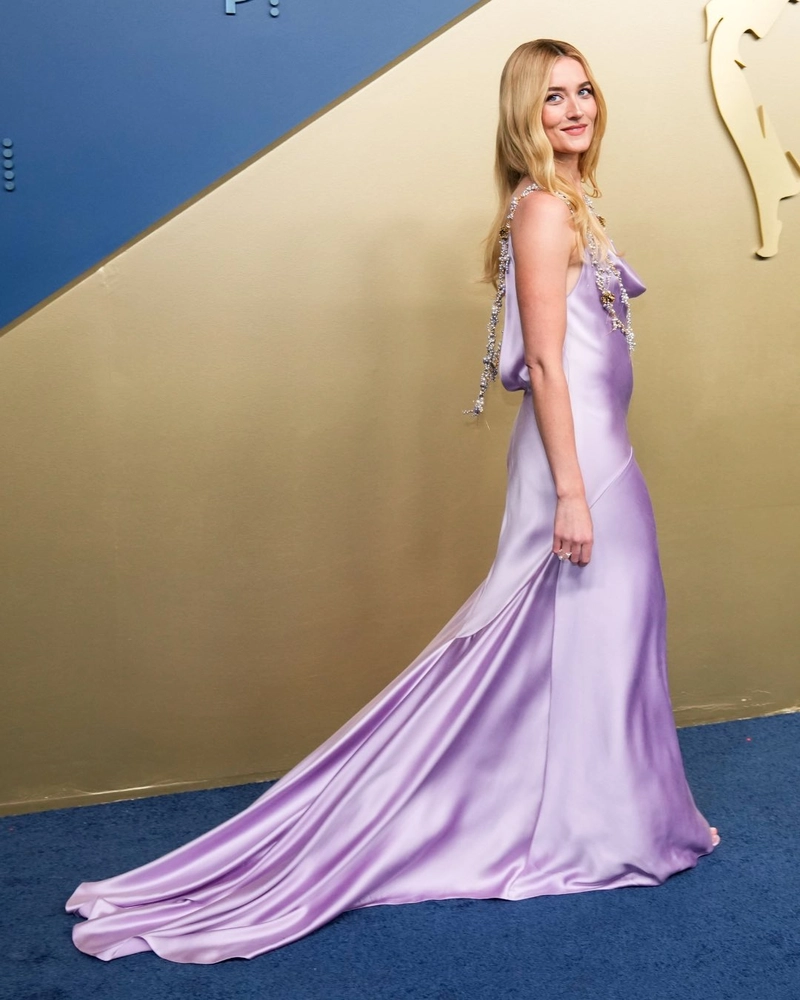
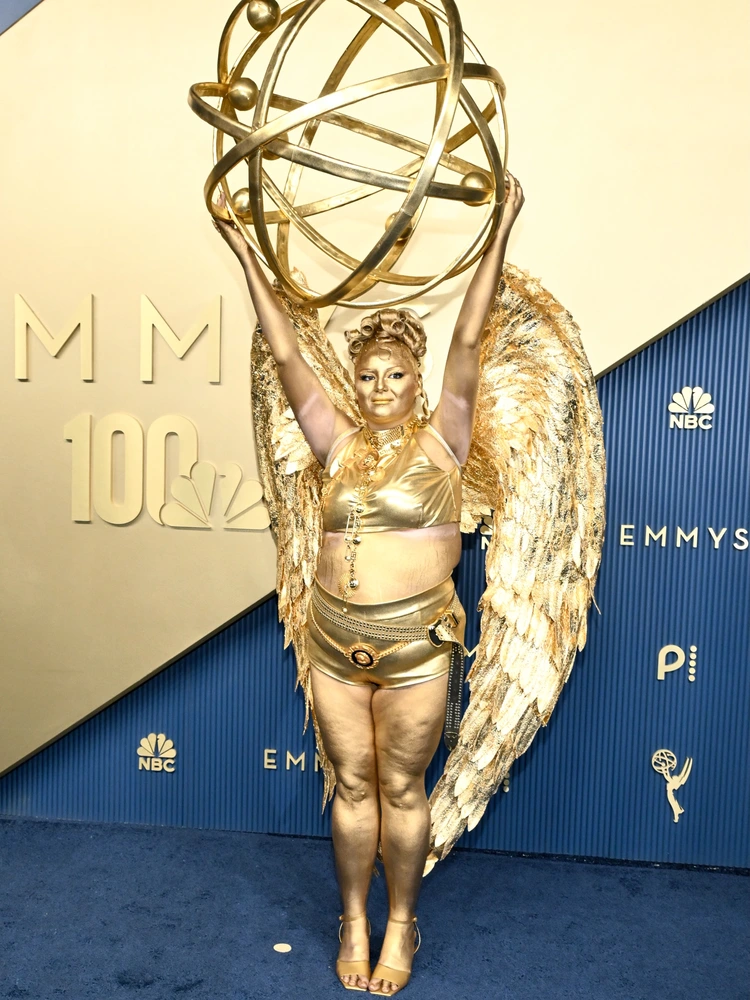
On May 4, 2026, Costume Art took center stage at the Met Gala, setting the tone for a spring exhibition that treats fashion as a fully embodied art form.
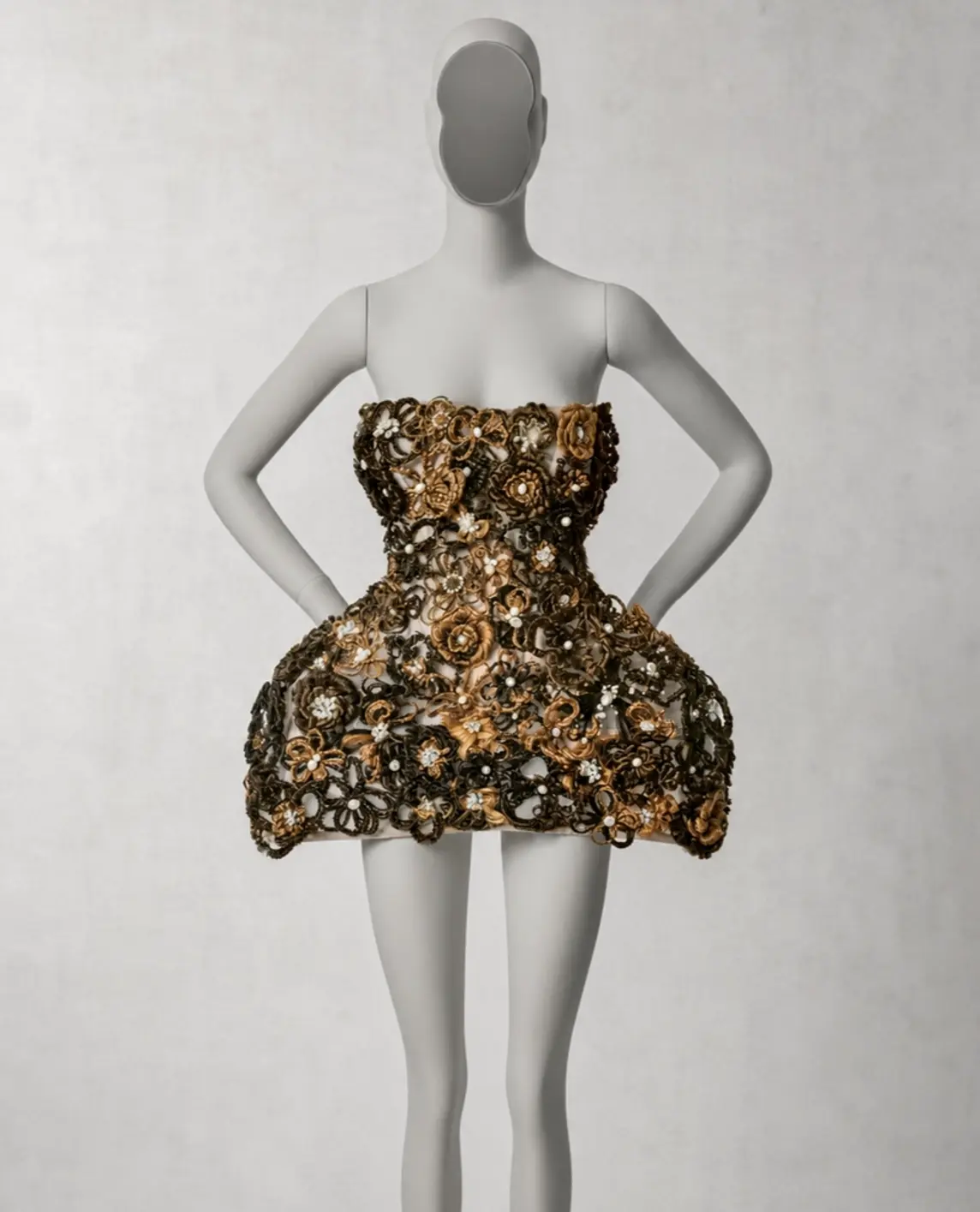
On May 4, 2026, Costume Art took center stage at the Met Gala, setting the tone for a spring exhibition that treats fashion as a fully embodied art form.
May 4, 2026


Staged as the defining exhibition behind the 2026 Met Gala, the show brings the dressed body into direct conversation with art history, placing garments beside works from across the museum to reveal clothing as image, structure, symbolism, and cultural force all at once. The exhibition opens to the public on May 10, 2026, and runs through January 10, 2027.
What gives Costume Art its charge is the scale of its ambition. Nearly 400 objects shape the fashion exhibition, moving across centuries and pairing fashion with sculpture, painting, jewelry, and decorative arts. The point is not spectacle for its own sake. The point is to show how the body has been imagined, idealized, disciplined, adorned, celebrated, and mourned through dress and through art, often in the very same visual language.
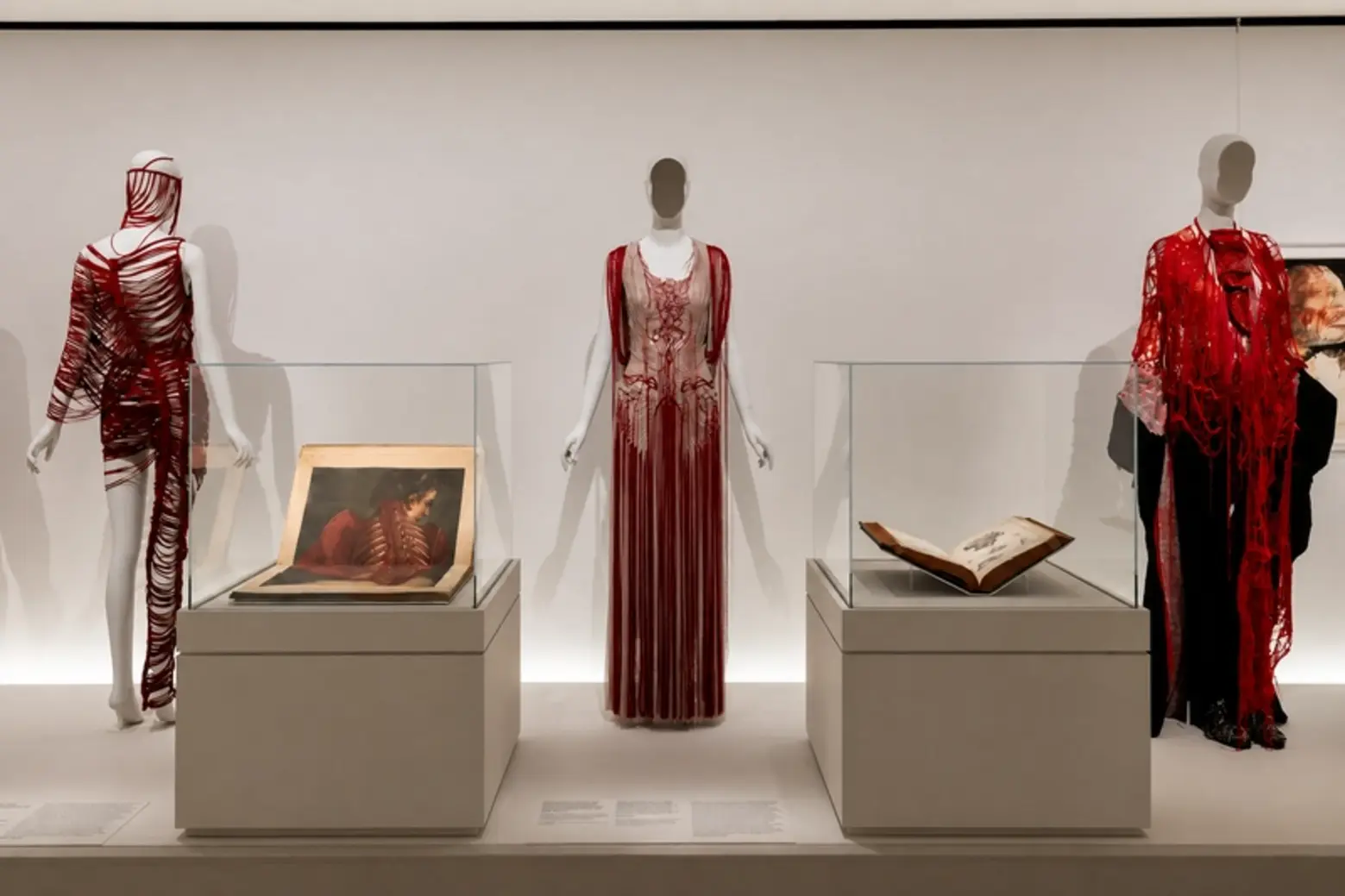
The exhibition is organized through a series of body types, which gives the show a sharper intellectual edge than a chronological display. Categories such as the “Naked Body,” the “Classical Body,” the “Pregnant Body,” the “Aging Body,” the “Anatomical Body,” and the “Mortal Body” open up a wider meditation on presence, vulnerability, beauty, and identity. Costume Art moves from the formal to the conceptual, from the aesthetic to the political, and from private experience to universal human form.
Some of the pairings already suggest how rich that conversation will be. A 2022–23 Glenn Martens suit for Y/Project created with Jean Paul Gaultier appears with a Roman marble statue of Diadoumenos. A walking dress from about 1883 meets Georges Seurat’s study for A Sunday on La Grande Jatte. A 1997–98 Comme des Garçons ensemble is placed with Max Weber’s Figure in Rotation, while a 2023 Dilara Findikoglu dress is shown alongside an 1868 Tiffany & Co. mourning brooch. Those juxtapositions give Costume Art real tension: historical distance collapses, and the body becomes the thread holding everything together.
This exhibition also marks an institutional shift. Costume Art inaugurates the new nearly 12,000-square-foot Condé M. Nast Galleries beside the Great Hall, giving The Costume Institute a grander and more permanent setting for its spring shows. The timing matters. A new gallery architecture, a gala dress code of “Fashion is Art,” and a show built around materiality rather than surface alone all push the same idea forward with confidence.