MENU
Close





At the altar of Met Gala 2026 naked dressing, skin was neither bare nor innocent. It was sculpted, veiled, armored, and worshipped, becoming the red carpet’s most divine and disturbing material.

At the altar of Met Gala 2026 naked dressing, skin was neither bare nor innocent. It was sculpted, veiled, armored, and worshipped, becoming the red carpet’s most divine and disturbing material.
May 5, 2026
Advertisement
Advertisement


The Met Gala 2026 transformed the red carpet into a cathedral of the physical, where the human form stood as the ultimate, unadorned masterpiece. This was a departure from the predictable; instead, it was a deliberate elevation of skin into a medium of high art. The evening treated the body as a primal landscape, using fashion to sculpt, frame, and preserve the figure until it blurred the line between biology and brilliance. Across the grand ascent, guests moved as living entities of marble and molten metal, their silhouettes echoing the drapes of classical antiquities or the sharp precision of anatomical sketches. Every look posed a seductive, silent question: when we strip away the fabric, do we find a god to be worshipped, an object to be studied, or a secret finally set free?
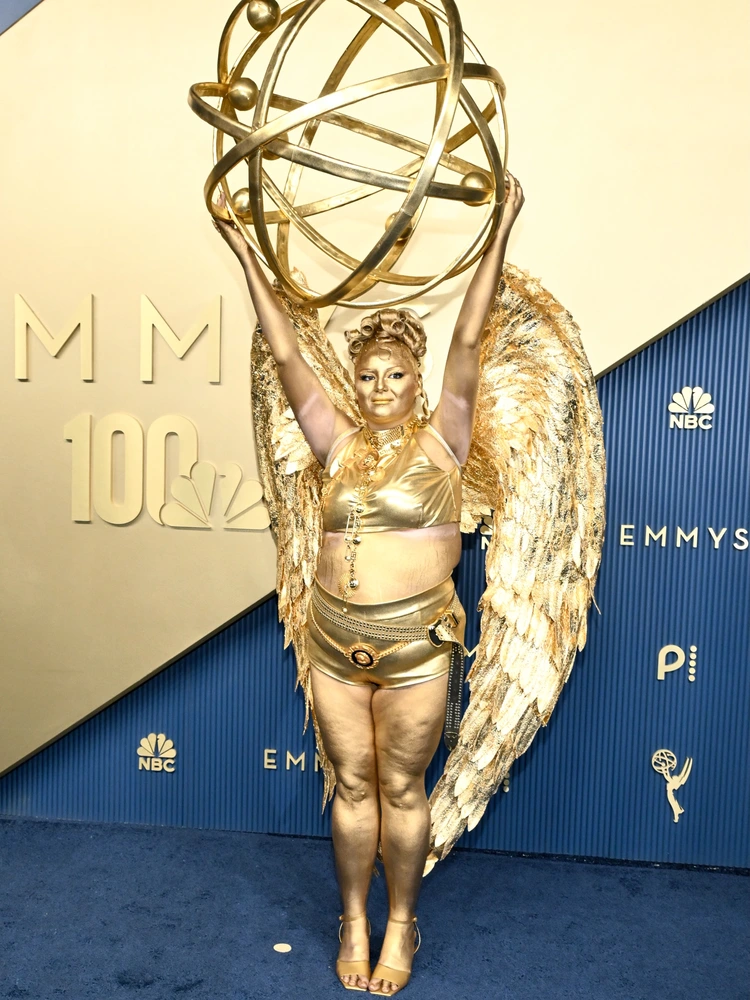
The atmosphere felt heavy with the scent of a new era, one where Met Gala 2026 naked dressing acted as a structural triumph rather than a fleeting scandal. Designers treated skin as the most precious of textiles, gilding it in liquid gold or softening it beneath a haze of smoke-colored mesh. We witnessed a metamorphosis where the body functioned simultaneously as the sculpture and the pedestal, the relic and the revolution. It was a visceral display of presence, where nude corsetry and wet-look silks clung to the pulse, turning every movement into a rhythmic, visual argument for the power of the bare form.
This vision of the body unfolded through two distinct, intoxicating lenses: the sculpted and the veiled.
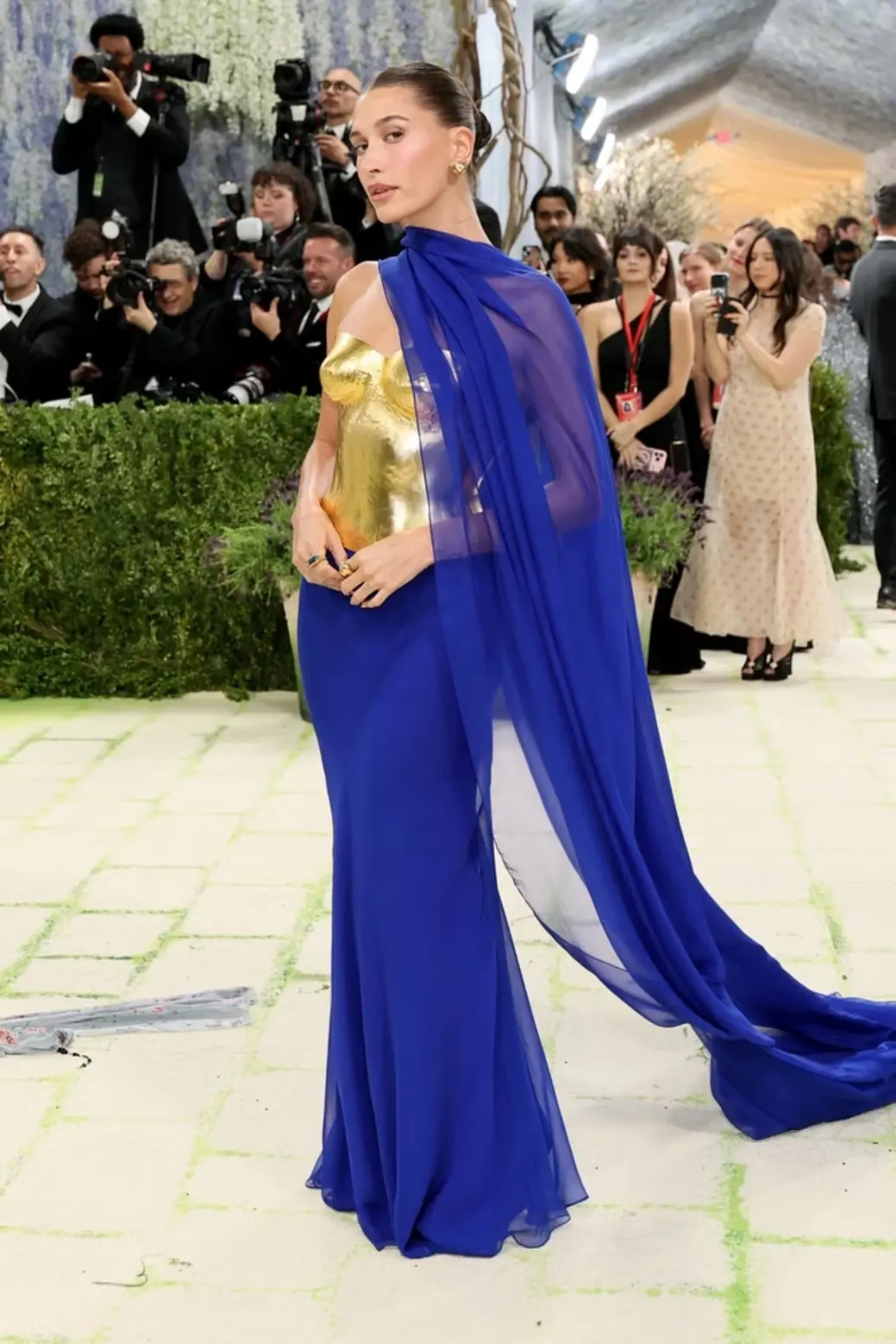
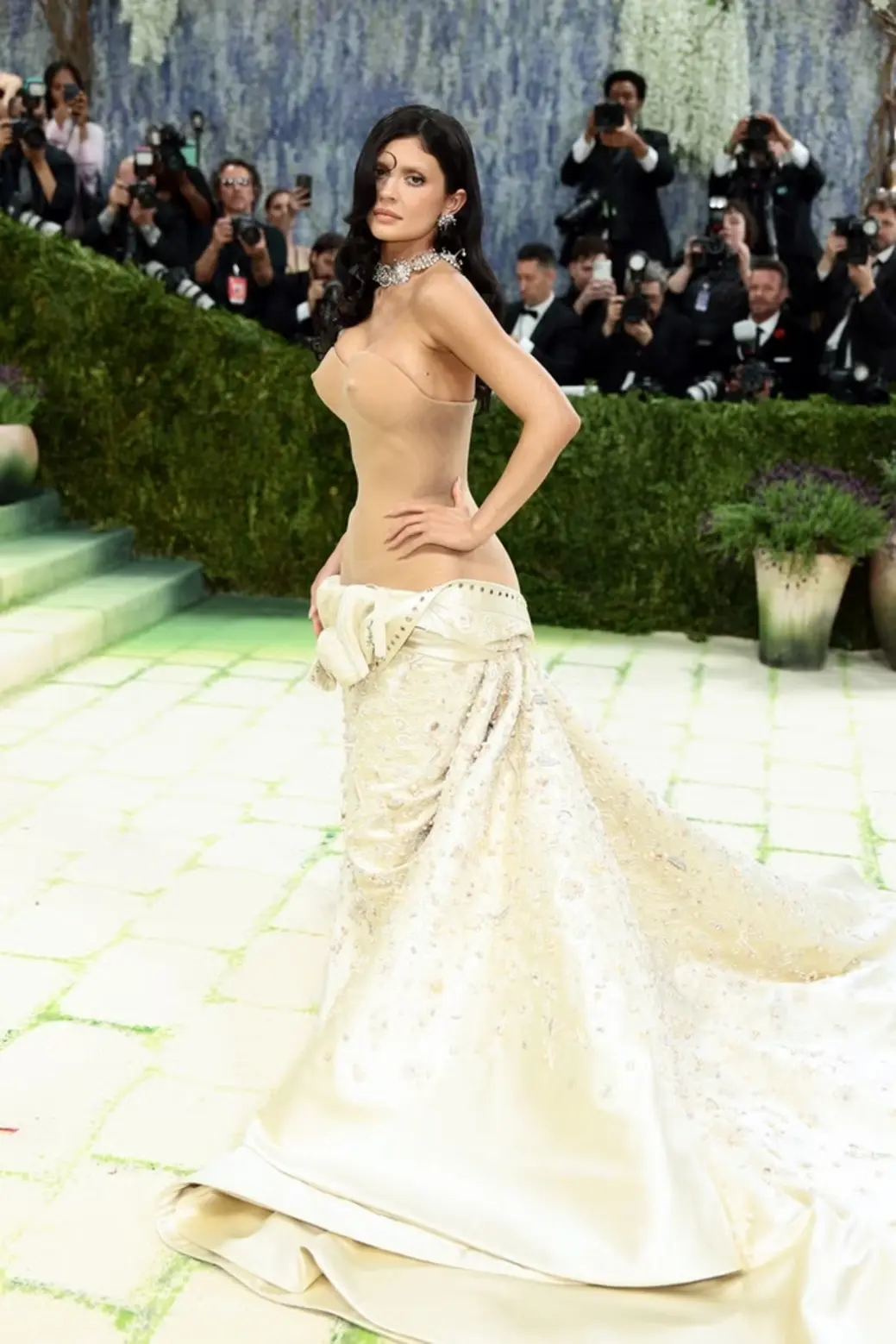
The Met Gala 2026 naked dressing became a forge where the human form was cast in gold and stone, reclaiming the body as the ultimate, unyielding masterpiece. This was a roar of anatomy. The torso surrendered to the mold, the bust became a gilded artifact, and the waist was reimagined as a line of sharp, architectural intent. We witnessed the sculpted body emerge, a bold, bareback statement where skin-tone fabrics didn’t merely cover the form but dared to mimic it with a surgical, surreal precision. It was an obsession with the geometry of the figure: the tension of the spine, the symmetry of the ribs, and the lustrous weight of a presence that felt both ancient and futuristic. Fashion here was a chisel, shaping, idealizing, and preserving the figure until the pulse itself seemed to beat within a museum-grade relic.
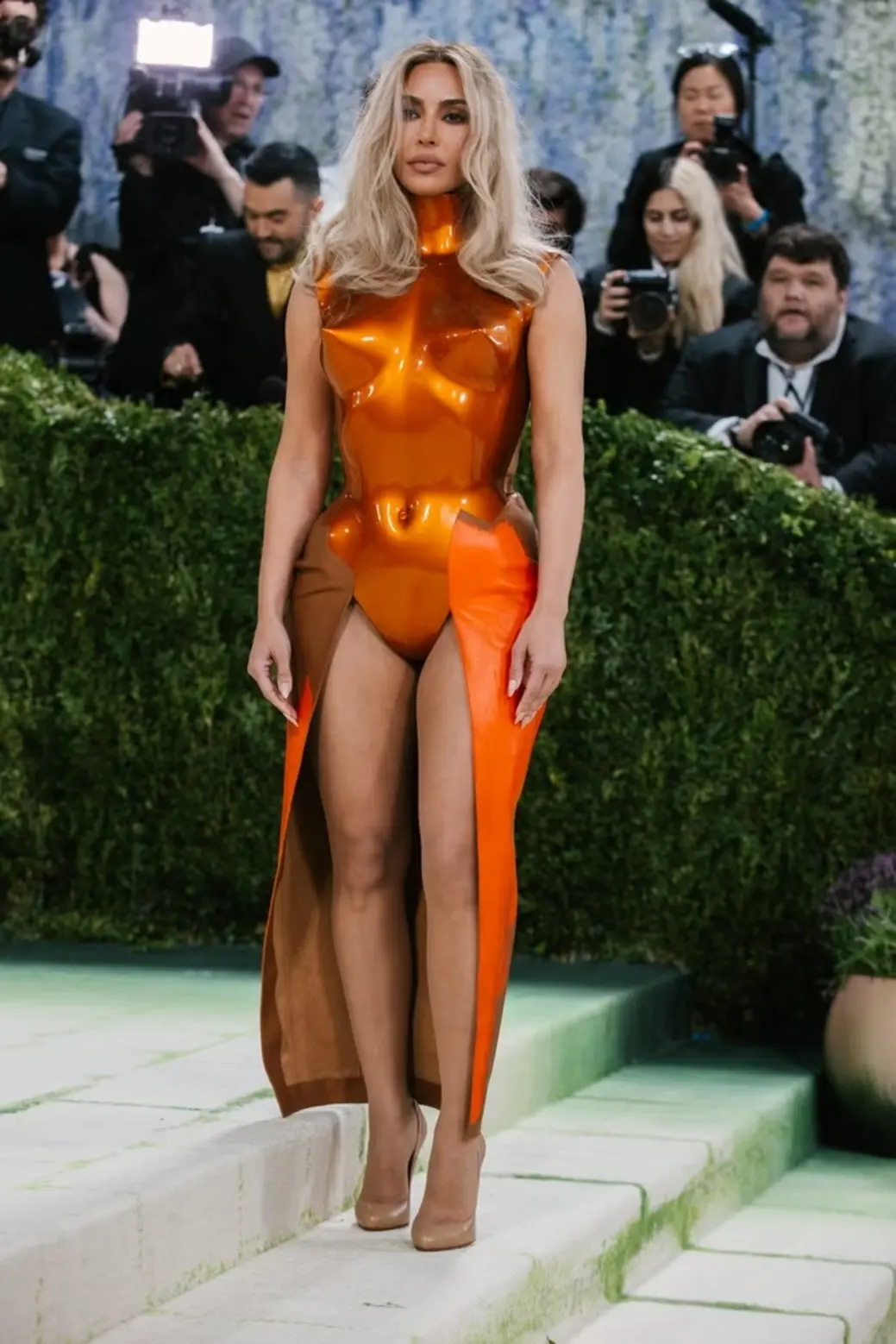
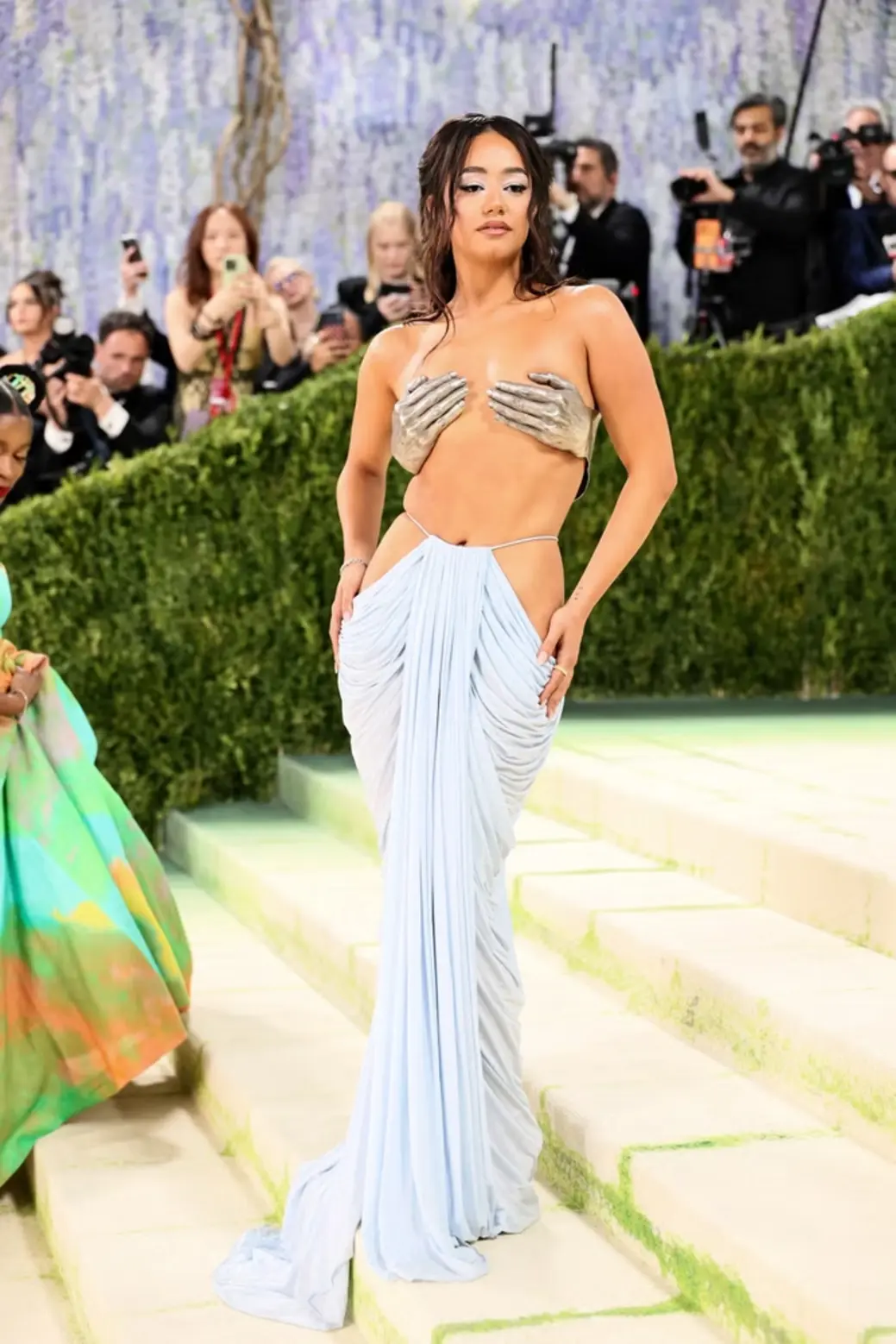
To witness these forms is to watch fashion interrogate the very history of the nude with a sultry, clinical intensity. For centuries, art has fixated on the balance and weight of flesh; now, the red carpet turns the body into a high-stakes redesign. A molded breastplate does more than shield, it armors the spirit in precious metal. A nude corset ceases to be a garment and becomes an optical hallucination, a trick of the light that turns the wearer into a living, breathing exhibit. When clothing vanishes into a skeletal map of crystals or a jewelry harness, the structure of the body itself becomes the ornament. This is the human form stripped of its fragility and gifted with the permanence of a monument. It is the body redesigned, redefined, and utterly reclaimed.
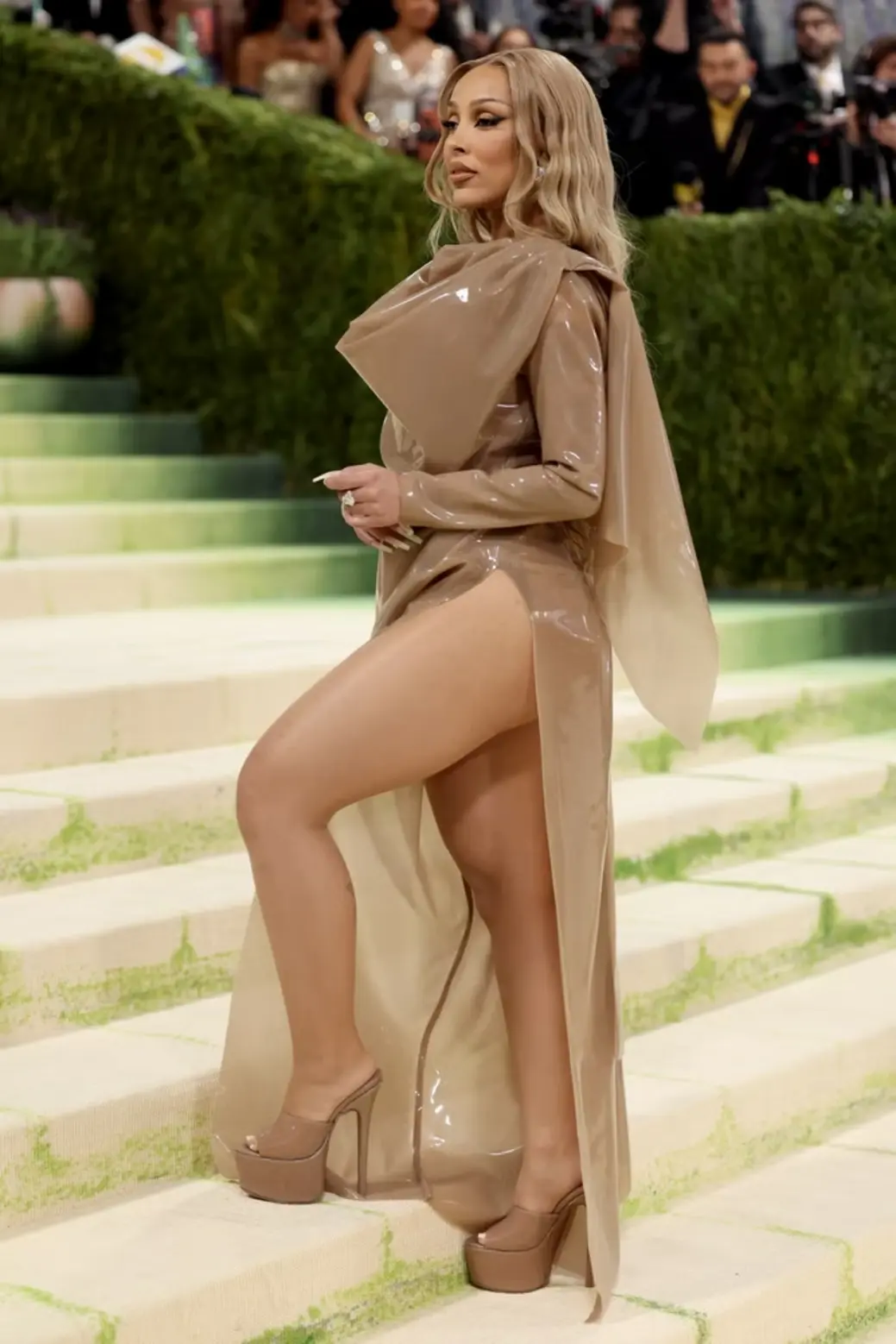
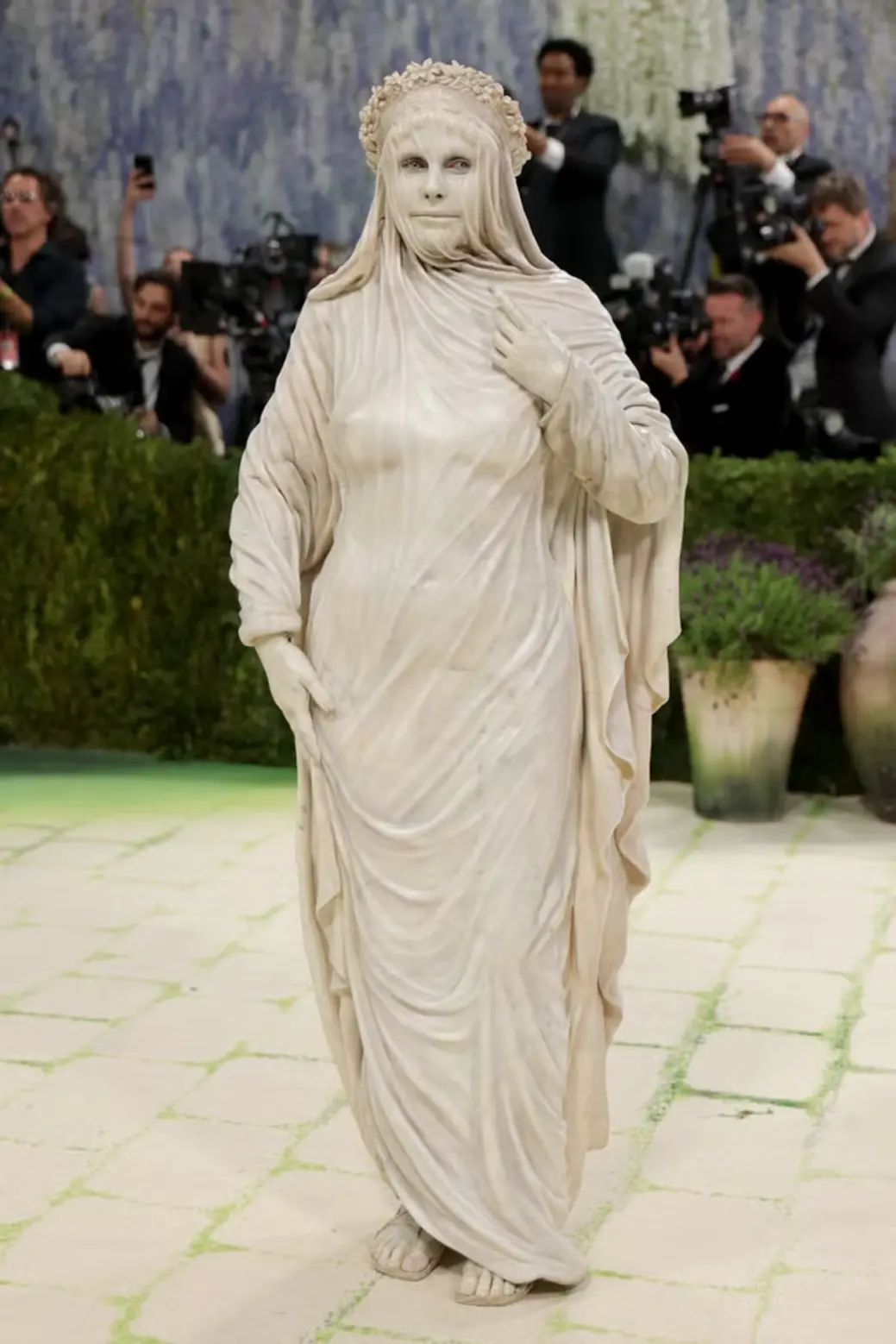
The night’s roster read like a catalog of divine engineering, each look a visceral argument for the power of the bare form. Hailey Bieber commanded the ascent in a YSL gold breastplate that functioned as precious armor softened by blue drapery, while Kylie Jenner’s Schiaparelli bodice blurred the lines of reality, making the body feel beautifully, unsettlingly engineered. Kim Kardashian’s Allen Jones body-cast transformed her into a high-gloss pop sculpture, a mannequin come to life, as Irina Shayk and Doja Cat utilized jewelry and latex to turn the skin into a second, more provocative surface. From Lena Mahfouf’s metallic hand-cups to Heidi Klum’s marble metamorphosis and Beyoncé’s crystal skeletal structure, the message was absolute. These looks moved beyond the question of how much skin to show, instead demanding we witness what happens when the human form finally becomes the artwork itself.
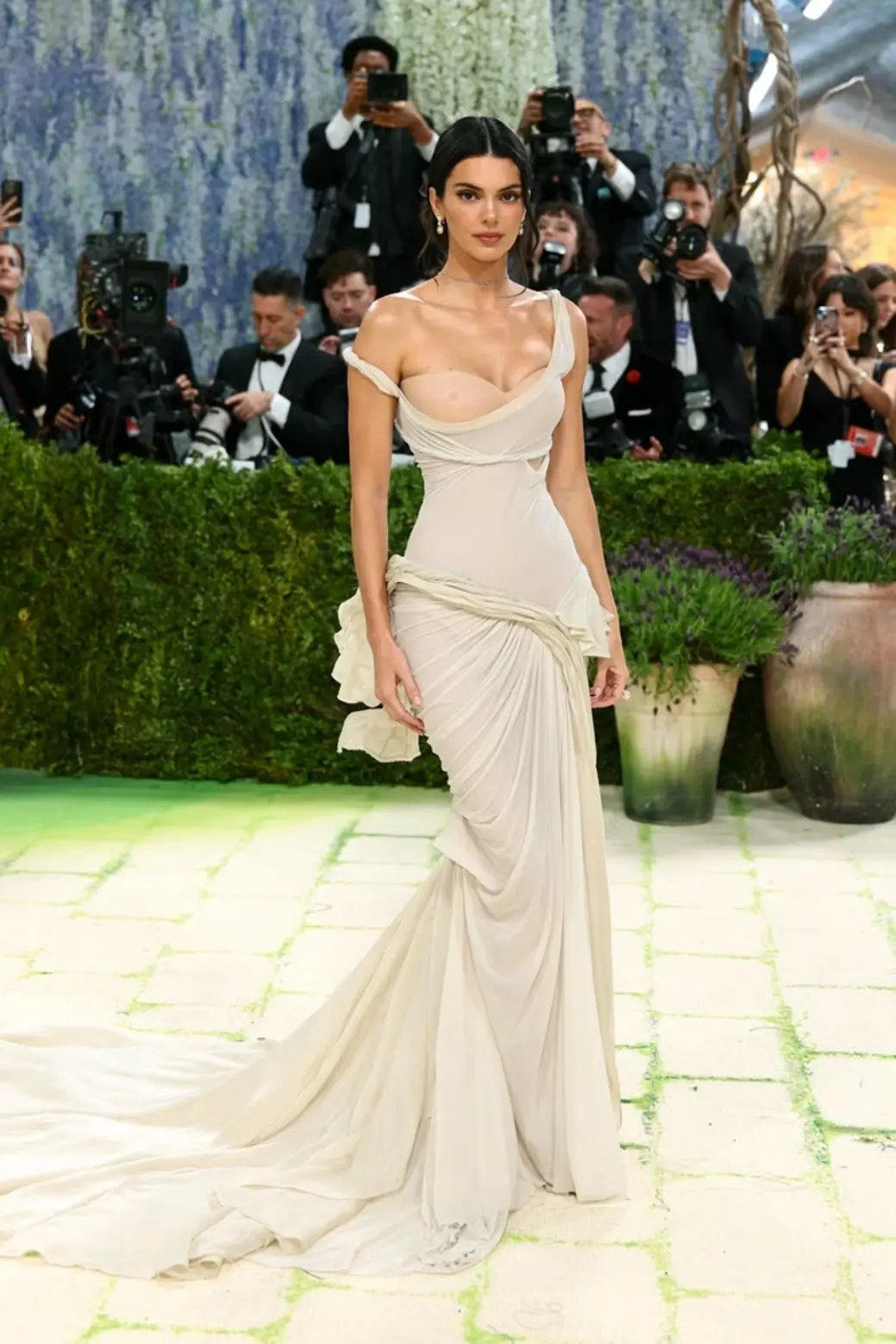
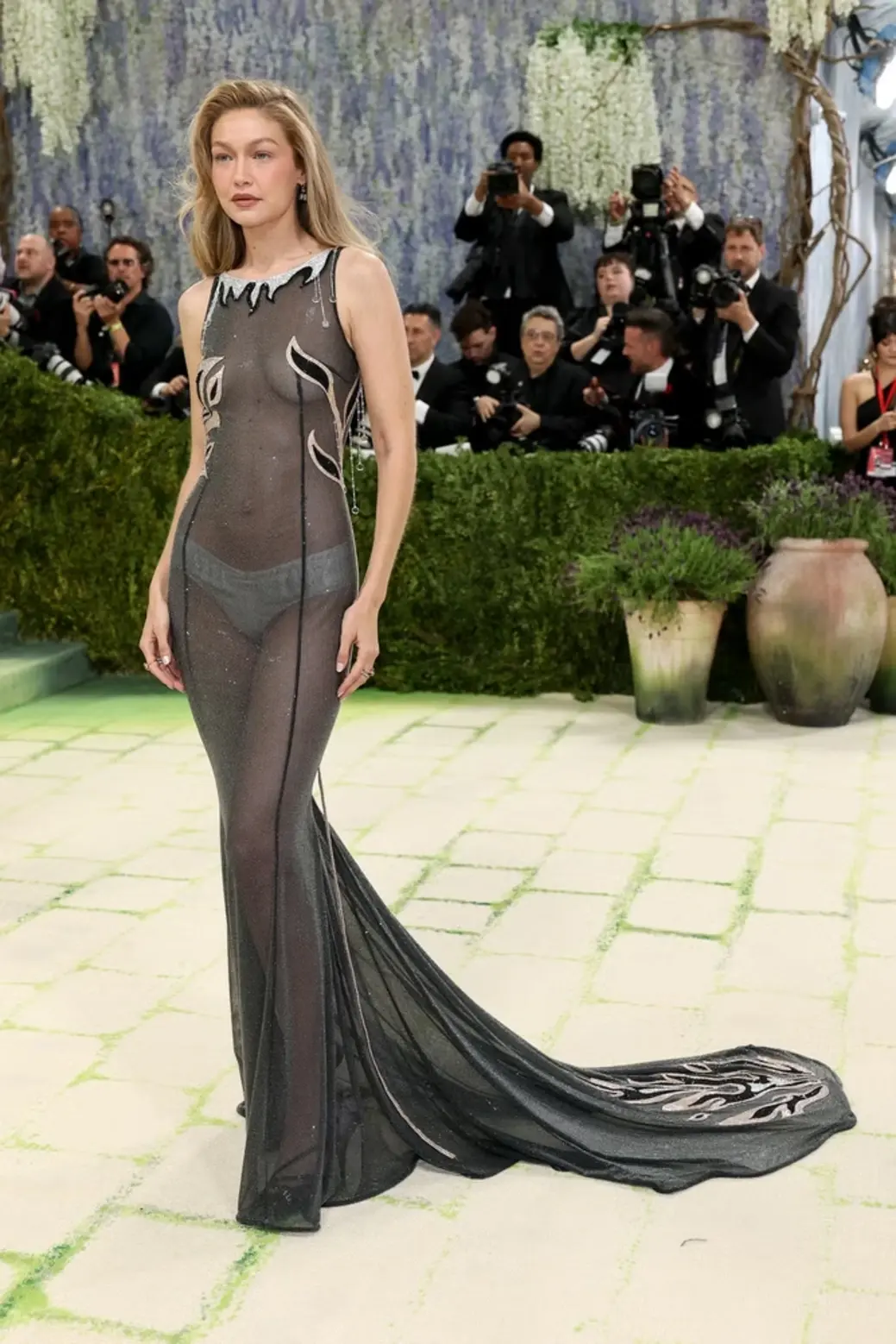
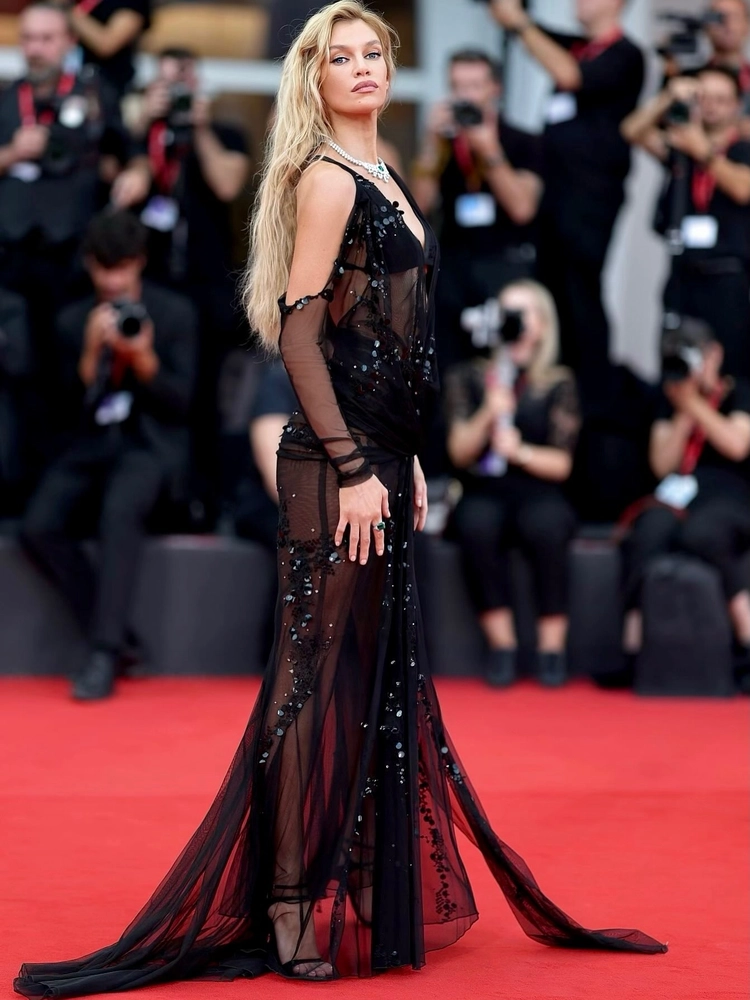
The second movement of the Met Gala 2026 naked dressing descends like a humid fever dream: the Veiled Body. Here, the flesh isn’t cast in stone; it is caught in a state of constant, shimmering surrender. This is the art of the shift, where the body remains visible but beautifully unstable, flickering through layers of sheer black lace, transparent mesh, and the haunting cling of wet drapery. If the sculpted form was about the permanence of the monument, the veiled form is about the cinema of movement. It is a painterly, atmospheric invitation to a voyeuristic dance where the eye never quite finds its footing. The body becomes a pulse behind a curtain of chiffon, a silhouette ghosted by shadow, and a story told in the tension between what is offered and what is withheld.
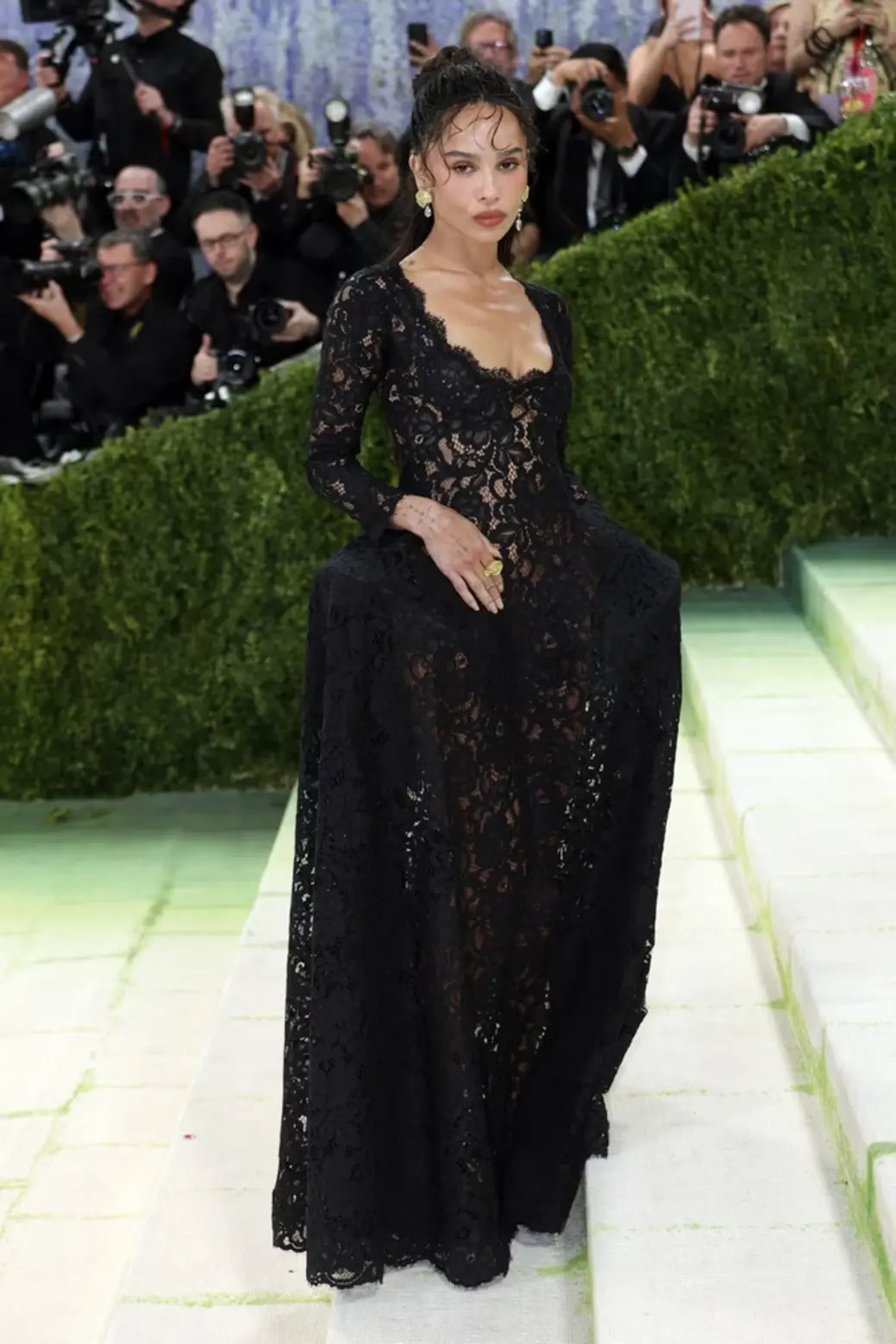
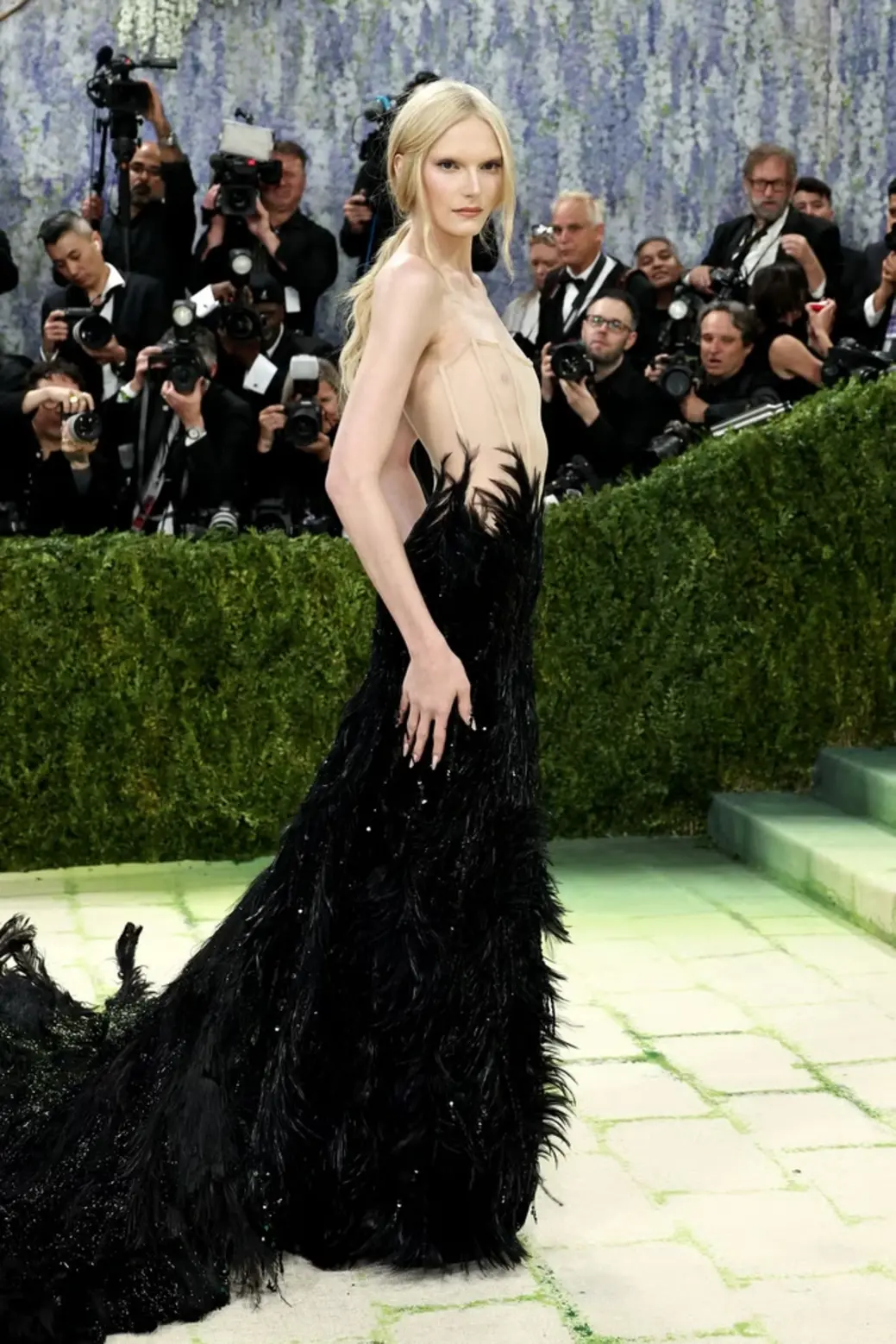
This is the alchemy of the half-seen, a psychological game where the garment functions as a seductive filter for the gaze. While sculpture demands a clinical eye, the veiled body belongs to the world of painting and performance, using blur and texture to complicate the act of looking. Lace transforms the skin into a complex pattern; mesh turns the figure into a haunting outline. We see the return of the classical wet drapery effect, where fabric clings so desperately to the form that it reveals every secret while technically covering it. It is a masterclass in tension, utilizing corded lacing and feathered transparency to frame the body as something held together by a thread, inviting the viewer to look through the craft to find the skin. It is less about a simple display and more about a strategic, lingering delay.
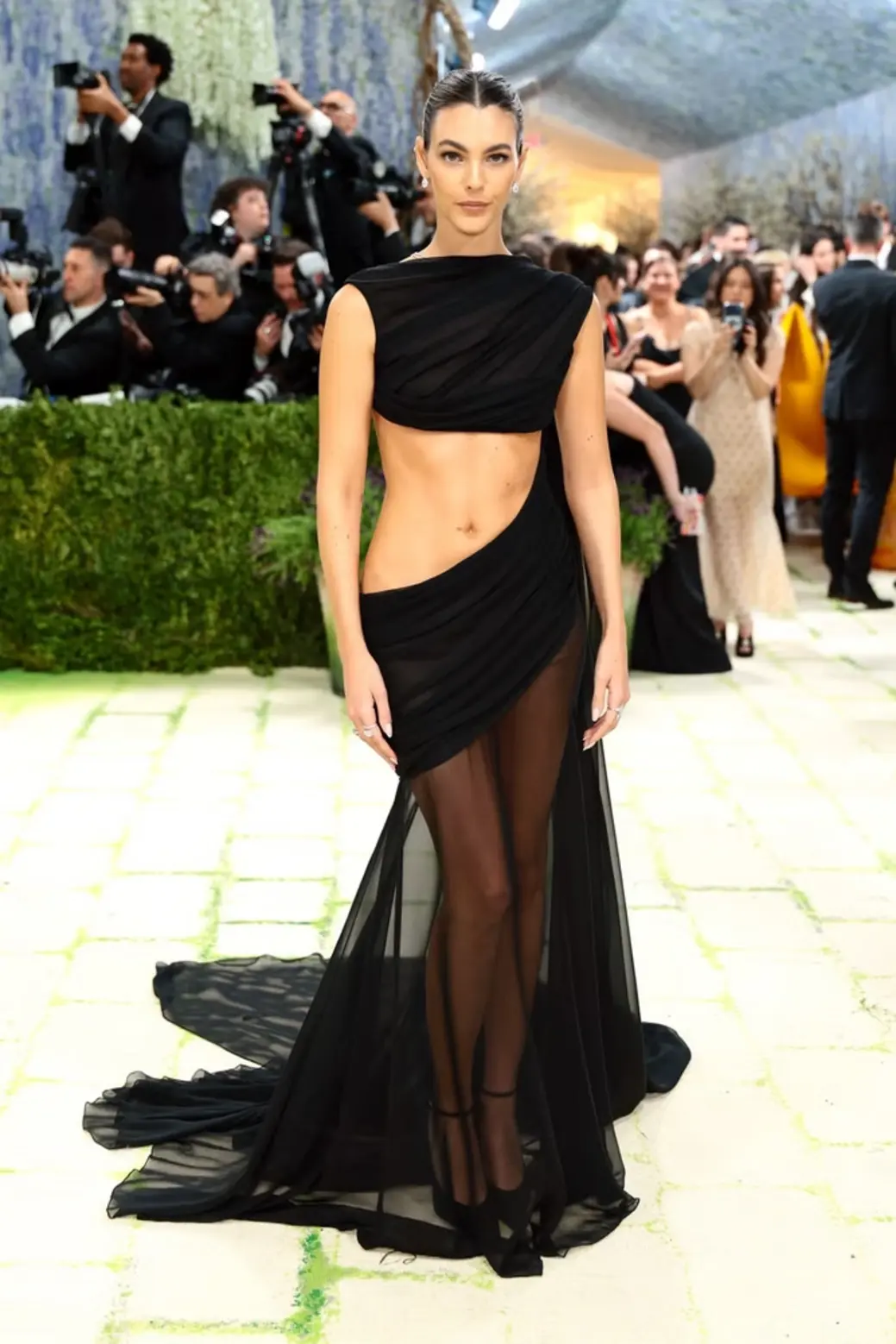
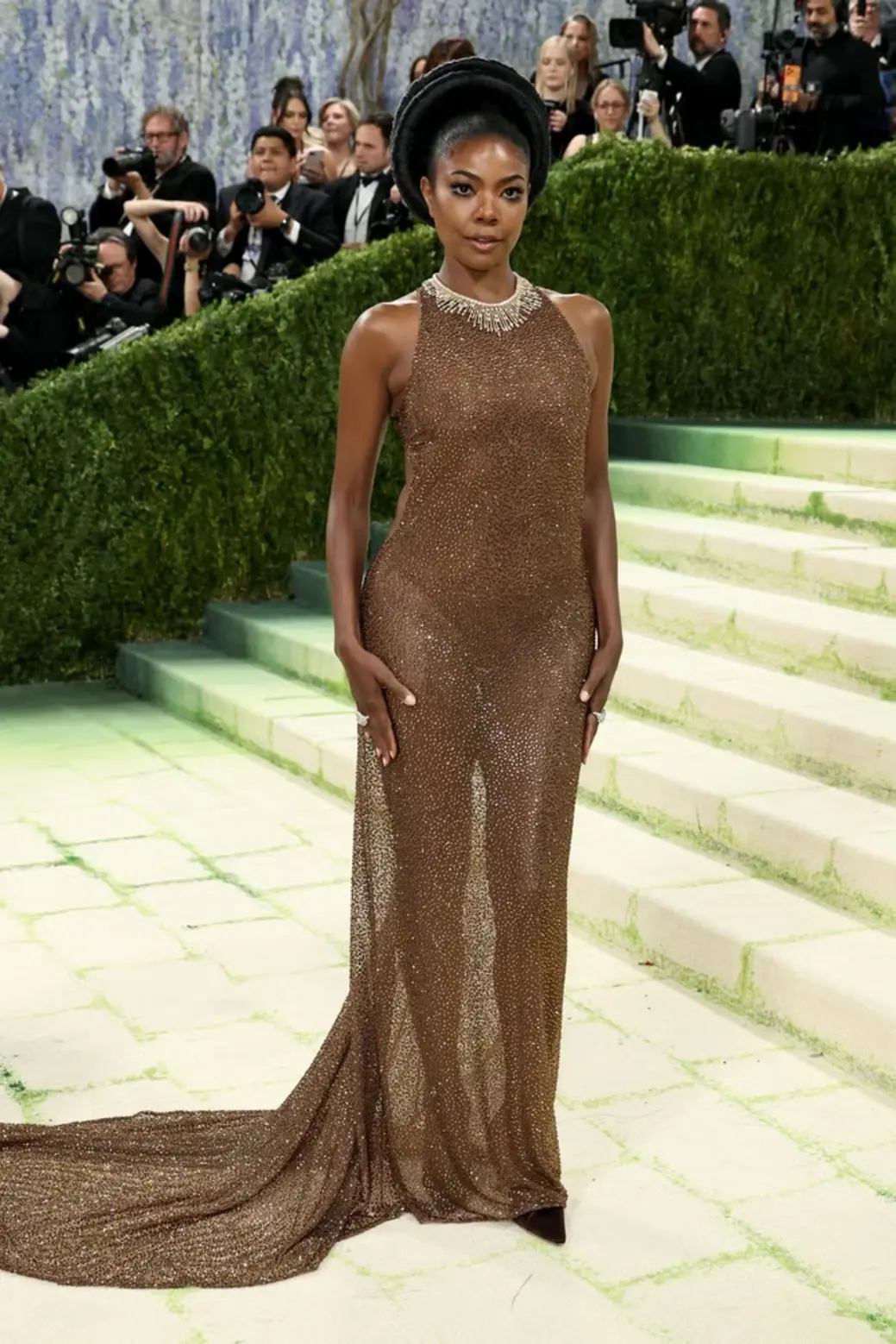
The red carpet pulsated with this filtered energy, led by figures who moved like apparitions. Kendall Jenner embodied a wet-classical statuesque grace in pale, body-skimming drapery that felt like fabric melting into life. Gigi Hadid transformed her form into a dark shadow beneath layers of sheer, decorated noir, while Zoe Kravitz allowed the skin to bloom through the gothic softness of black lace. We watched as Alex Consani moved through a blurred transition of nude-to-black feathers, and Vittoria Ceretti framed her presence through the negative space of transparent black drapes. Gabrielle Union turned the very idea of skin into a glittering, liquid surface through sparkling mesh that felt more like a shimmering aura than a dress. These looks proved that Met Gala 2026 naked dressing reaches its peak of power when it lingers in the atmospheric, reminding us that the most intoxicating revelations are those that force us to look twice.
The Met Gala 2026 revealed a deeper, more carnal truth: the body is not just a canvas, but fashion’s original, most dangerous obsession. This was never about the simple act of undressing; it was a return to the primal problem of the figure. The true power of Met Gala 2026 naked dressing pulses at the intersection of total vulnerability and absolute control. There is a delicious irony in the naked look: a sheer gown may appear as a surrender to the gaze, yet it is often the most engineered. Up close, what looks like bare skin is revealed as pure construction; the undressed form is, in fact, a masterpiece of high-stakes architecture, proving that the most provocative acts of exposure are those handled with the most clinical precision. This was a display of power, for the body is never neutral, it is either celebrated or consumed, protected or turned into spectacle.
Advertisement