MENU
Close





On May 4, 2026, Met Gala 2026 returned to New York with Costume Art, a theme that placed fashion beside the dressed body, museum history, and the question of how clothing becomes art.
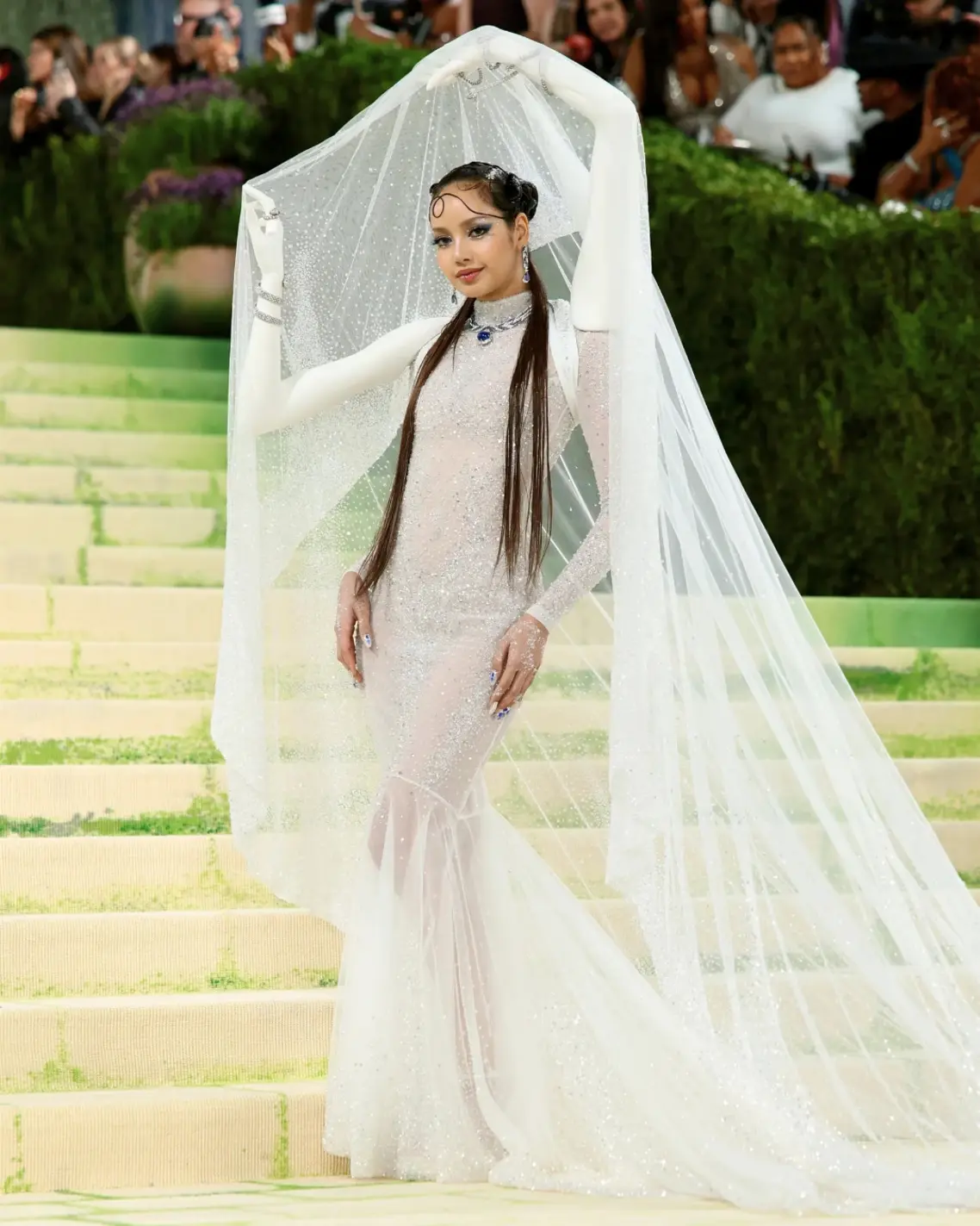
On May 4, 2026, Met Gala 2026 returned to New York with Costume Art, a theme that placed fashion beside the dressed body, museum history, and the question of how clothing becomes art.
May 4, 2026


Met Gala 2026 arrived with a theme that brought the conversation back to the body itself. Costume Art placed clothing in direct dialogue with embodiment: how garments shape the figure, frame movement, create identity, and turn the dressed body into an image that can be studied as much as it can be admired.
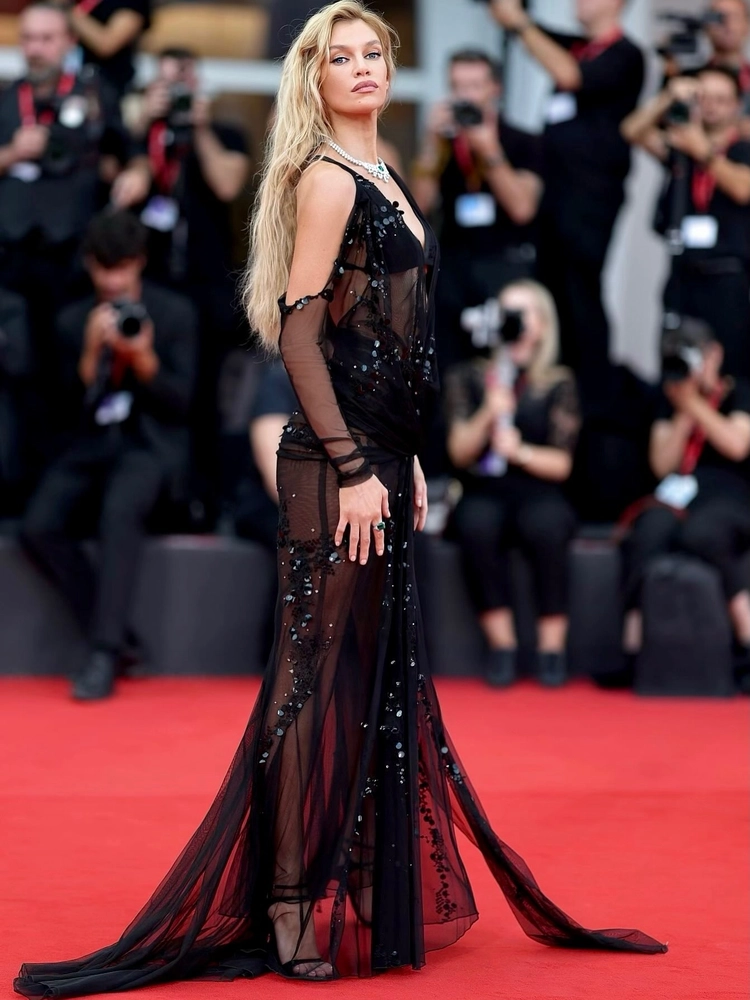
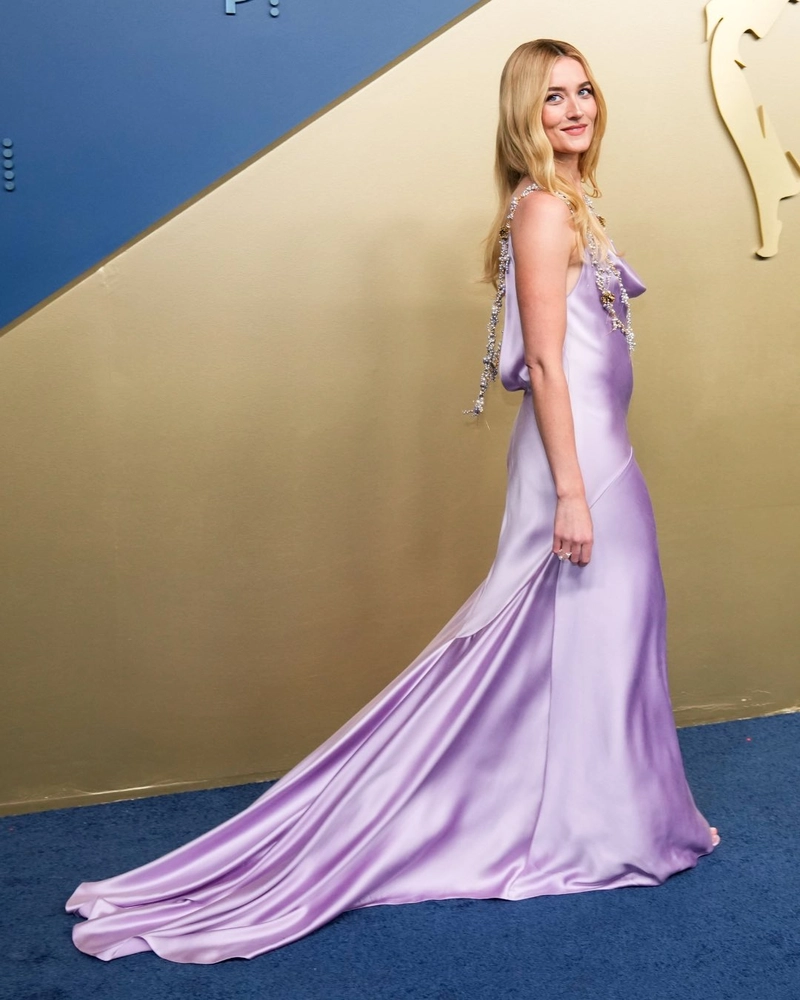
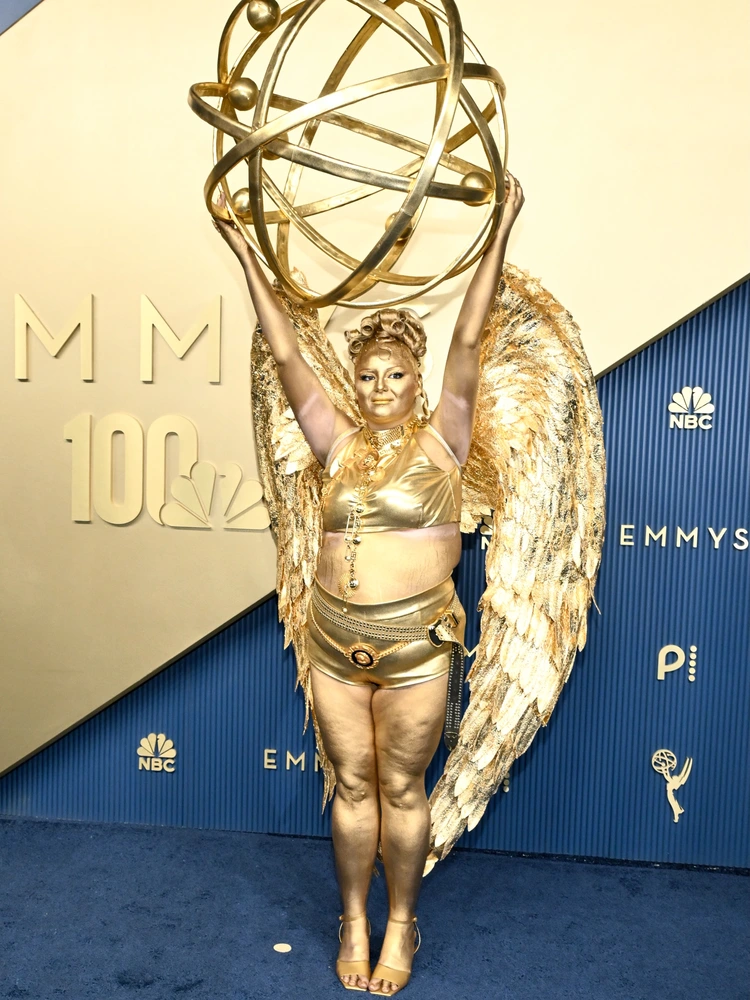
The dress code, “Fashion Is Art,” gave guests a broad but demanding frame, and the strongest arrivals treated the red carpet as more than a place to display beautiful clothes. Across early guest appearances, the body became the point of interpretation: a dress could read as sculpture, a suit could become portraiture, and a silhouette could behave like architecture, archive, or performance. Placed beside the evening’s visual arrivals, Costume Art became easier to understand not as a museum phrase, but as a living argument carried by bodies in motion.
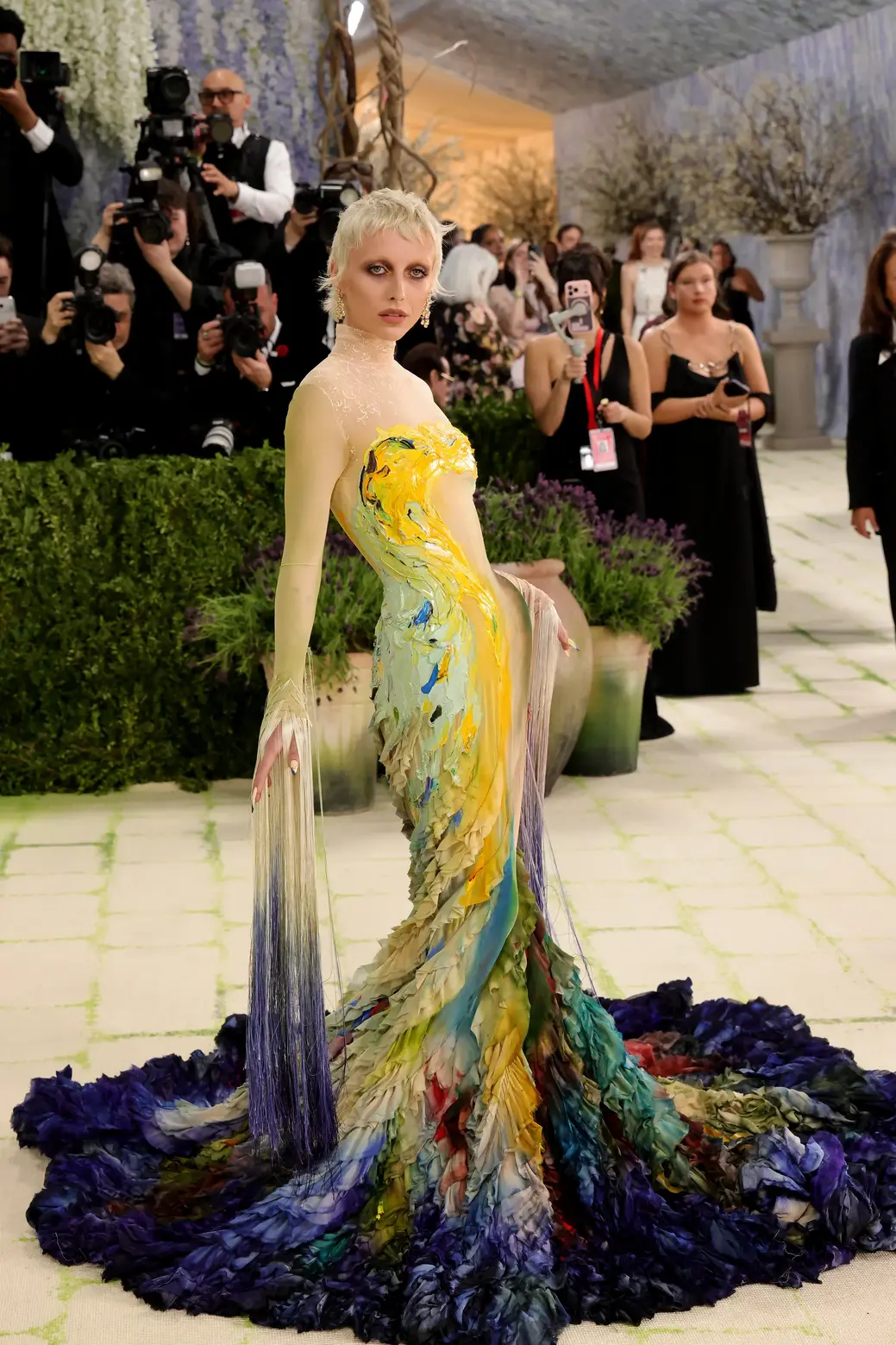
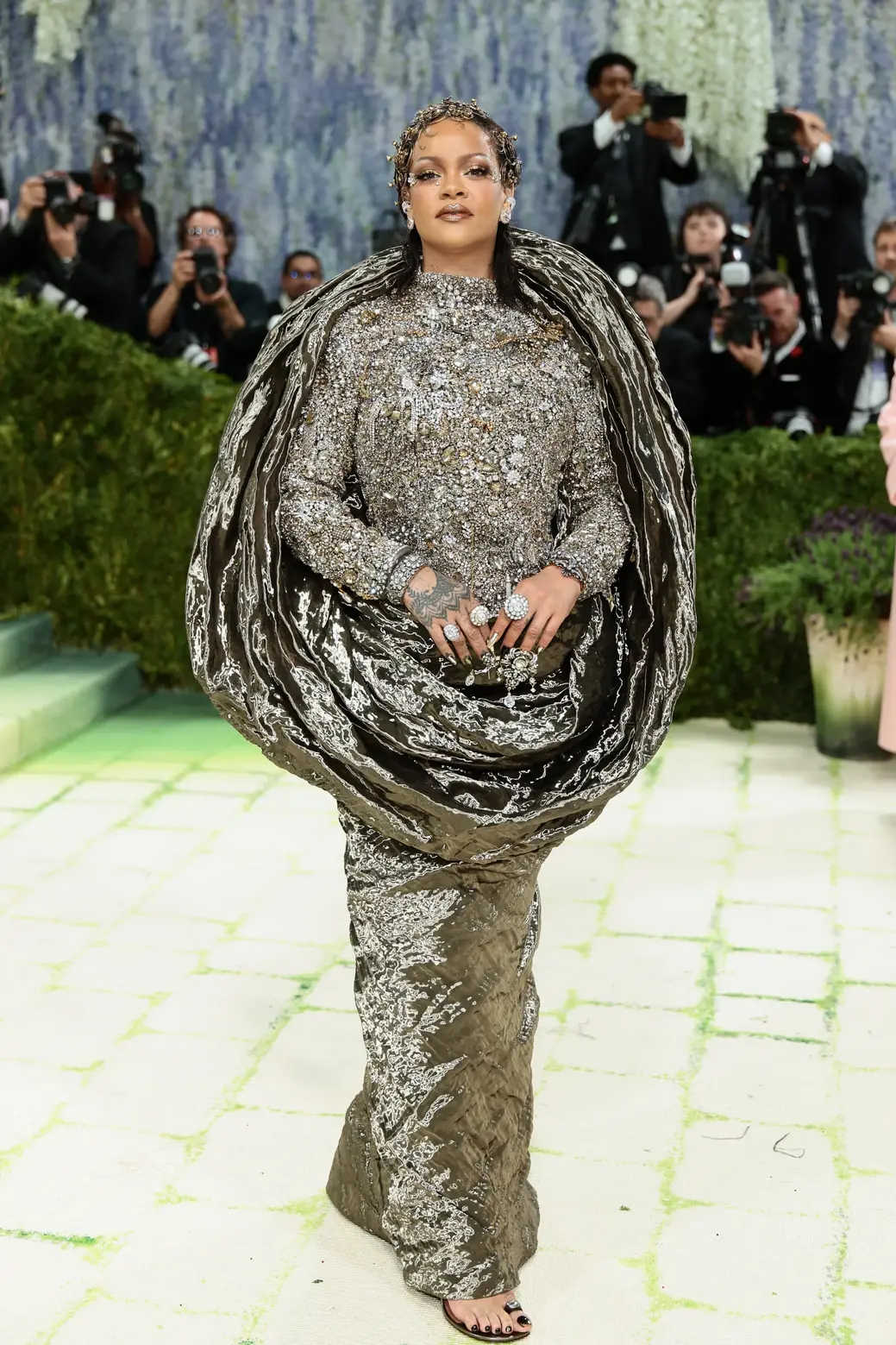
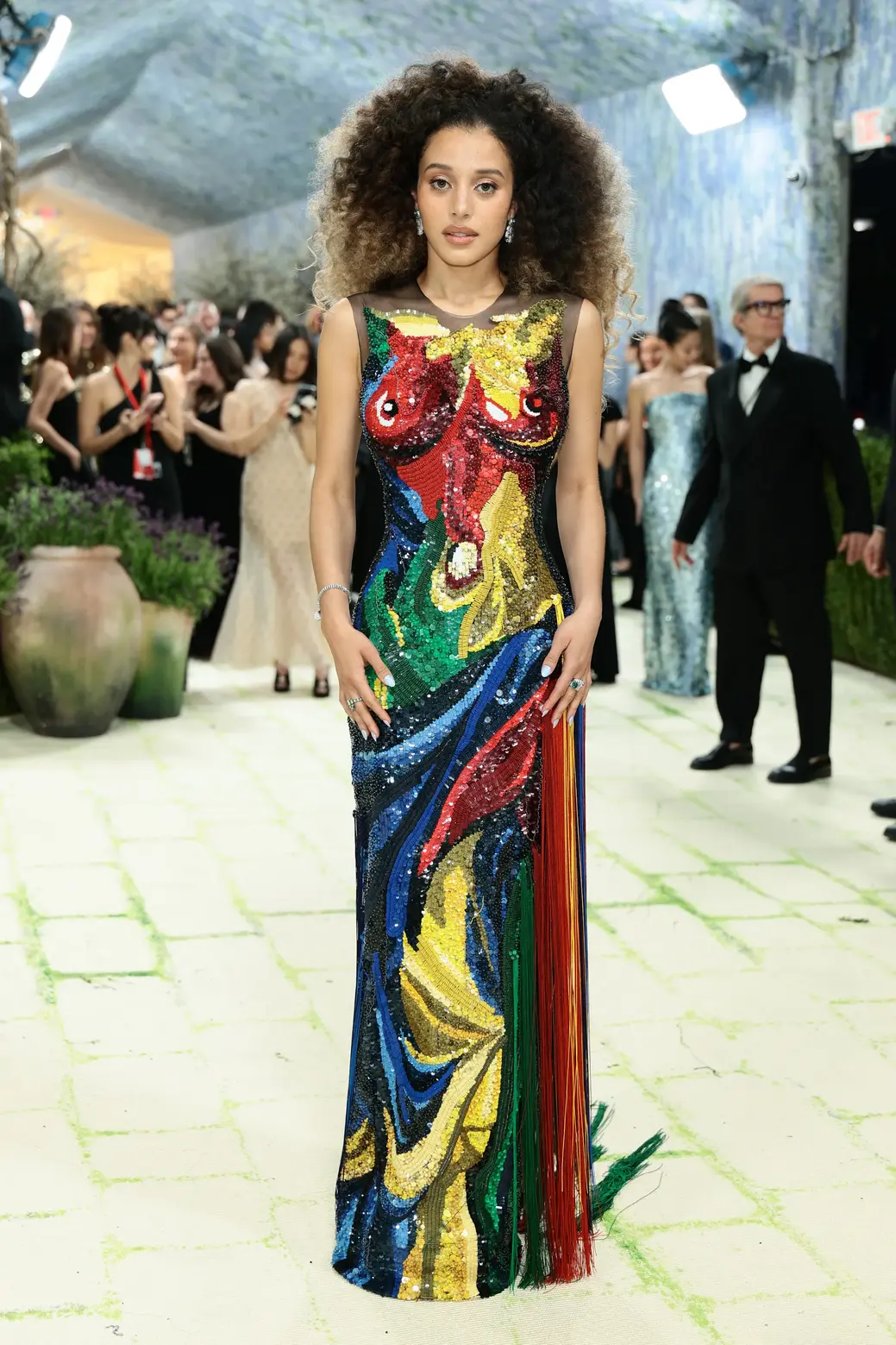
That idea also gave the red carpet a sharper institutional context. The Met Gala is often read through arrivals, rankings, and instant reactions, but this year’s theme pulled attention toward a larger question inside fashion history. When clothing enters the museum, it carries more than beauty. It carries construction, material knowledge, cultural codes, and the many ways bodies have been dressed, controlled, celebrated, disguised, or transformed across time.
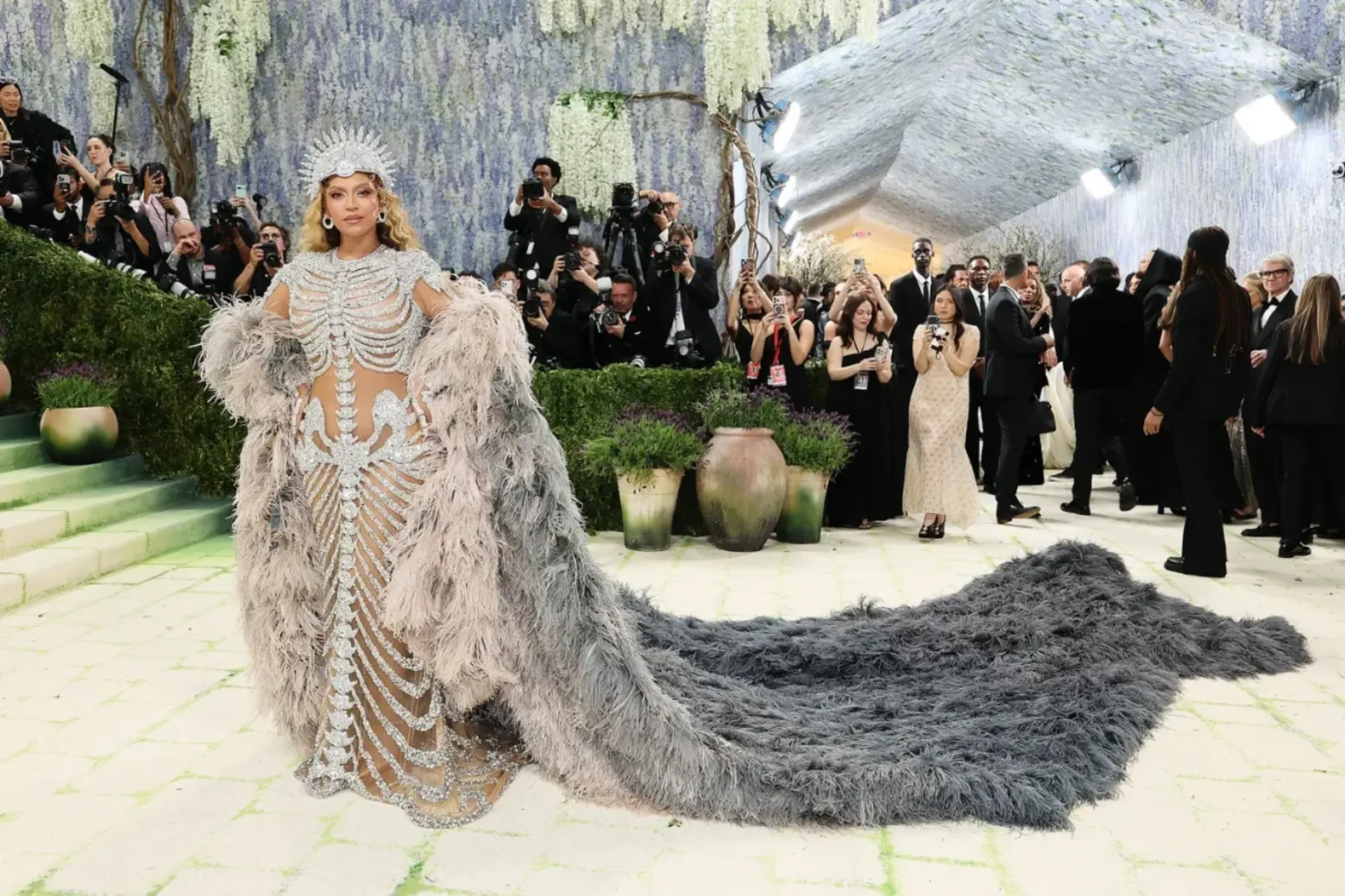
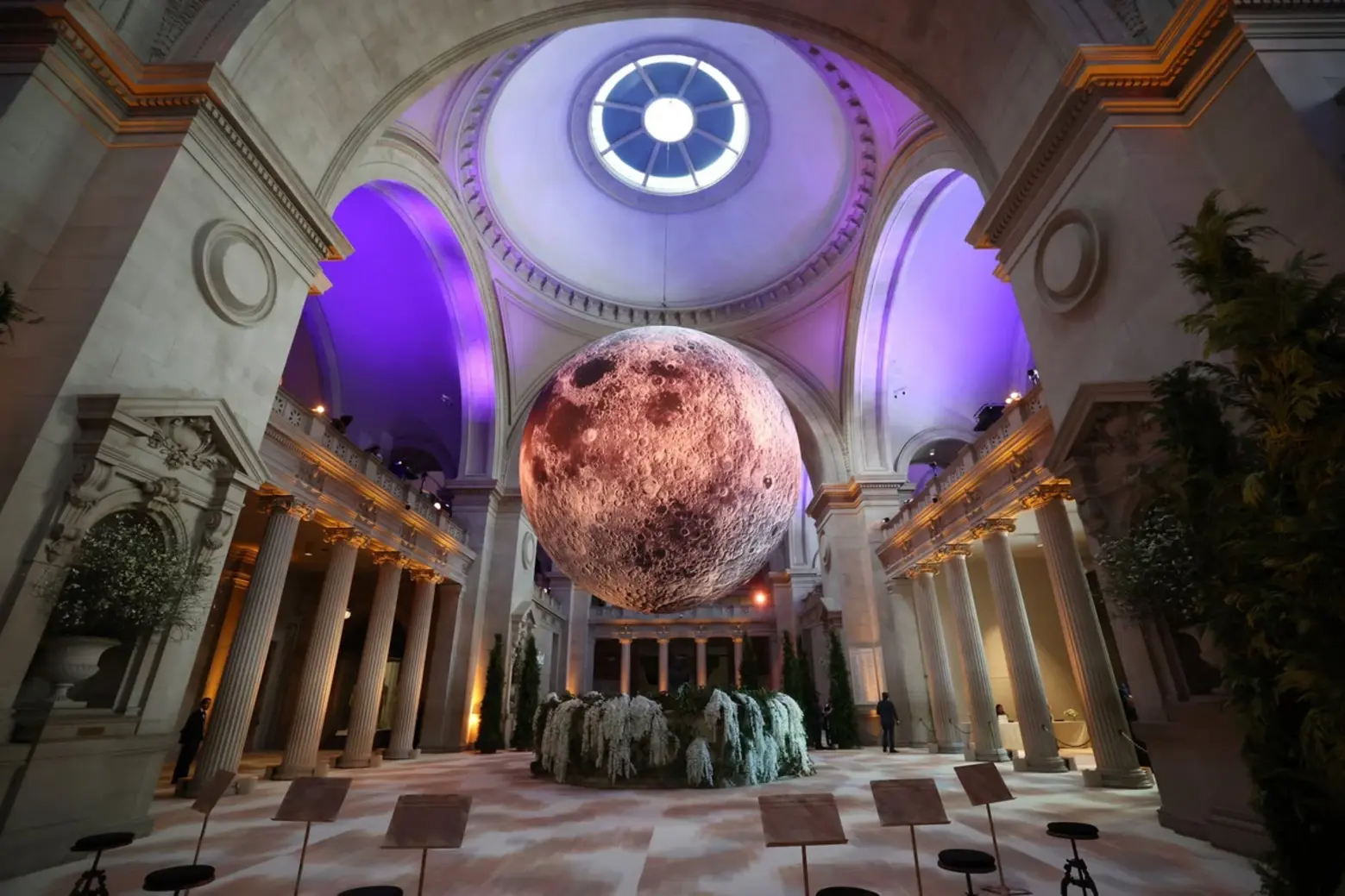
The landscape of Met Gala 2026 also shaped the way the theme was read. Inside the museum, a suspended moon transformed the classical interior into a dreamlike stage, while the green carpet outside became a gardened passage of hedges, pale steps, and hanging florals. Against that background, Costume Art moved beyond the garments alone, turning every arrival into a scene where body, clothing, architecture, and spectacle met at once.
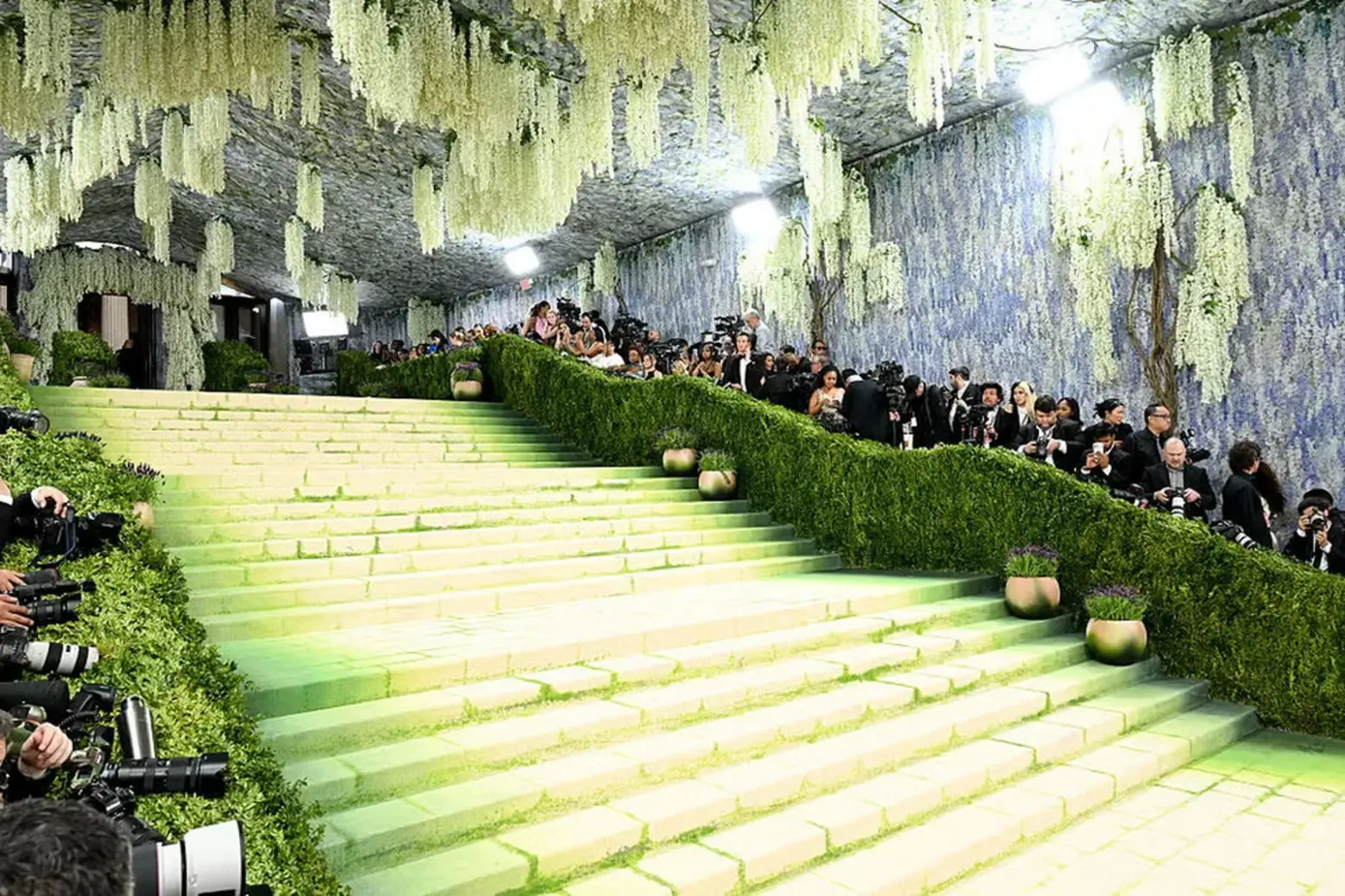
The red carpet now moves at the speed of the screenshot. A look can become discourse within minutes, but Costume Art asked for a slower reading: how a garment works on the body, what reference it carries, and how it turns clothing into craft, performance, or memory.
This year’s theme also arrived at a moment when red carpet fashion is consumed almost instantly. A look becomes a screenshot before it becomes an argument, a meme before it becomes a memory. Costume Art slowed that cycle by asking viewers to look beyond impact and consider intention: how the garment works on the body, what reference it carries, and what kind of art it wants to become.
Met Gala 2026 turned Costume Art into a public conversation about fashion’s place inside the museum and on the body, showing how clothing can hold craft, performance, history, and spectacle in one dressed form.