MENU
Close





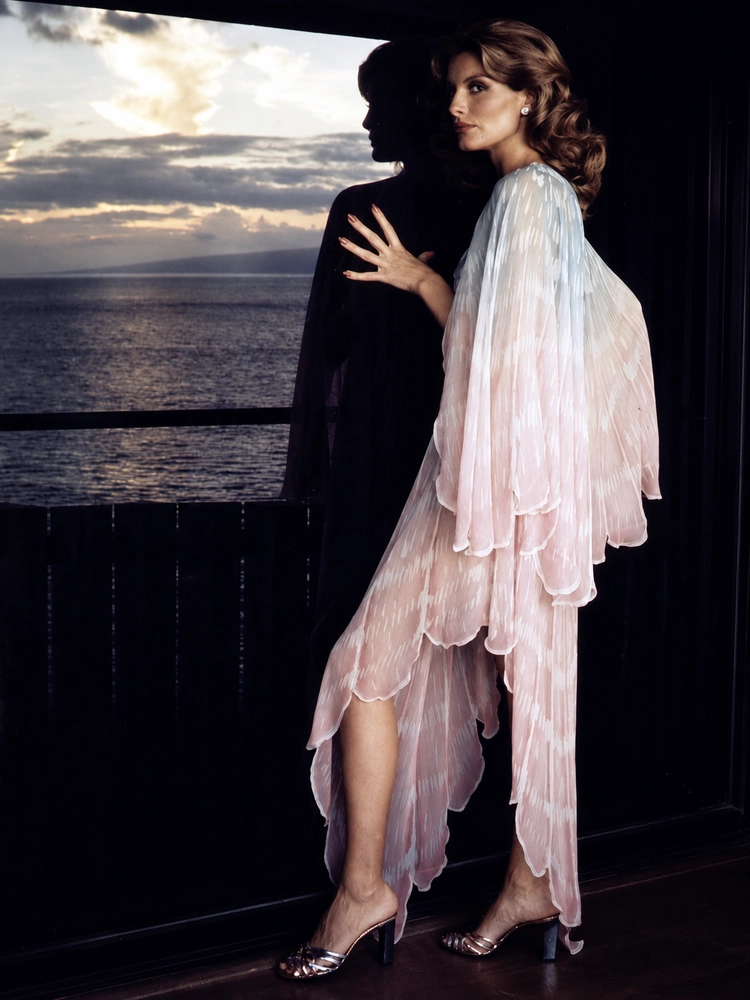
Breathe in, and chiffon fabric seems to rise with you, sheer as mist, weightless as a passing breeze, and forever moving between body and air.

Breathe in, and chiffon fabric seems to rise with you, sheer as mist, weightless as a passing breeze, and forever moving between body and air.
August 3, 2026
Advertisement

Advertisement



Picture a textile defined by sheer translucency, fluid movement, and a faintly granular surface. We know this marvel as chiffon fabric, a specific structural construction distinct from any singular raw material. Artisans and manufacturers craft this delicate web from silk, polyester, nylon, or rayon fibers.
This article invites you into an immersive exploration of how textile engineers transform ethereal lightness into tangible reality through precise yarn twist, balanced plain weaving, and meticulous finishing. Prepare to experience the physical and technical journey of this captivating fabric.
At its core, fashion dictionaries define chiffon fabric as a lightweight, sheer, or semi-transparent woven fabric. Textile mills produce this cloth using a balanced plain weave, crossing each weft yarn alternately over and under each warp yarn. The secret to its character lies in fine, tightly twisted yarns.

Weavers alternate S-twist and Z-twist threads, introducing a faint, crepe-like texture to the surface. Consequently, the fabric drapes with fluid softness while offering a slightly dry, grainy, or sandy tactile experience. Depending on the chosen fiber and finishing techniques, chiffon appears matte, softly lustrous, or brilliantly glossy.
Understanding textile terminology requires distinguishing between construction and material. The word chiffon describes how artisans construct the textile and how it behaves, whereas terms like silk, polyester, and nylon identify the fiber content. The CAMEO materials database defines chiffon fabric precisely as a lightweight plain-weave fabric constructed from finely twisted yarns.
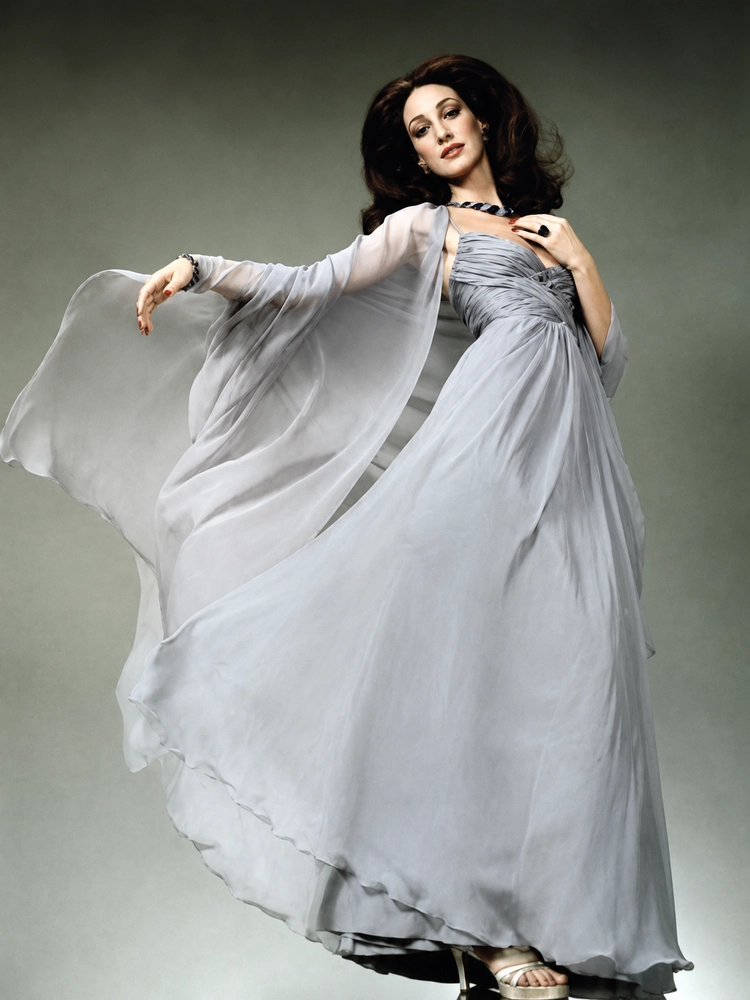
Different fibers yield vastly different results. Two chiffon fabrics sharing identical visual structures behave distinctively based on their raw materials. Our exploration covers four principal versions: silk, polyester, nylon, and rayon. Furthermore, printed, crinkled, pleated, and embroidered variations exist purely as surface treatments applied to these base fibers.
The journey begins with selecting and preparing the specific fiber. For silk, artisans carefully spool continuous filaments directly from cocoons. Synthetic versions require melting polyester or nylon polymers and extruding them into fine filaments.
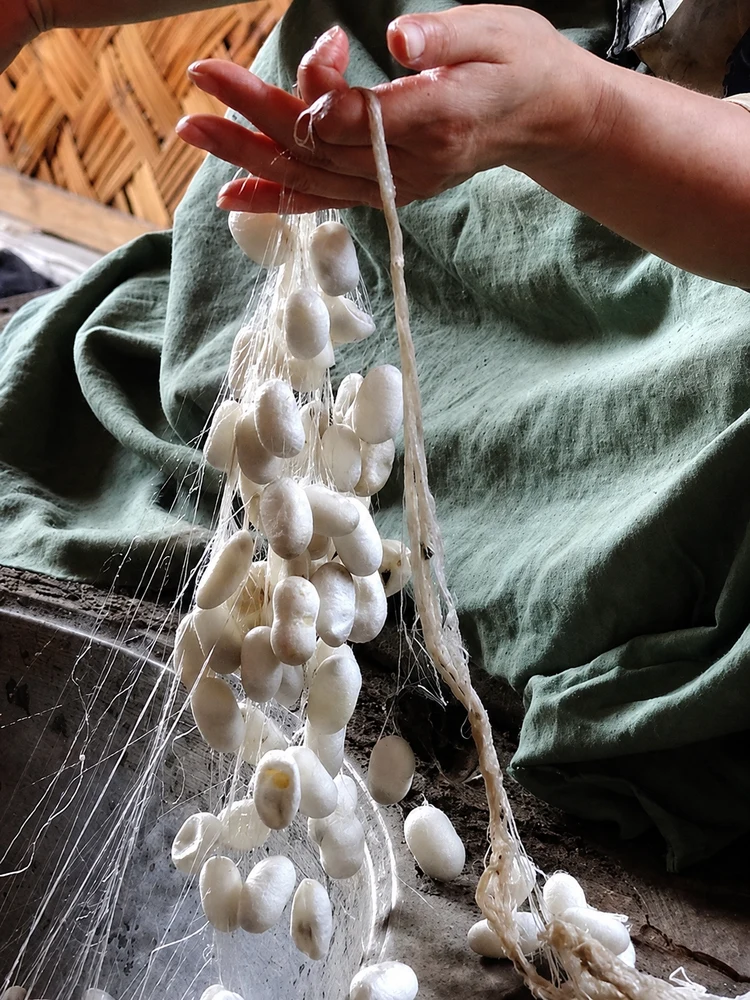
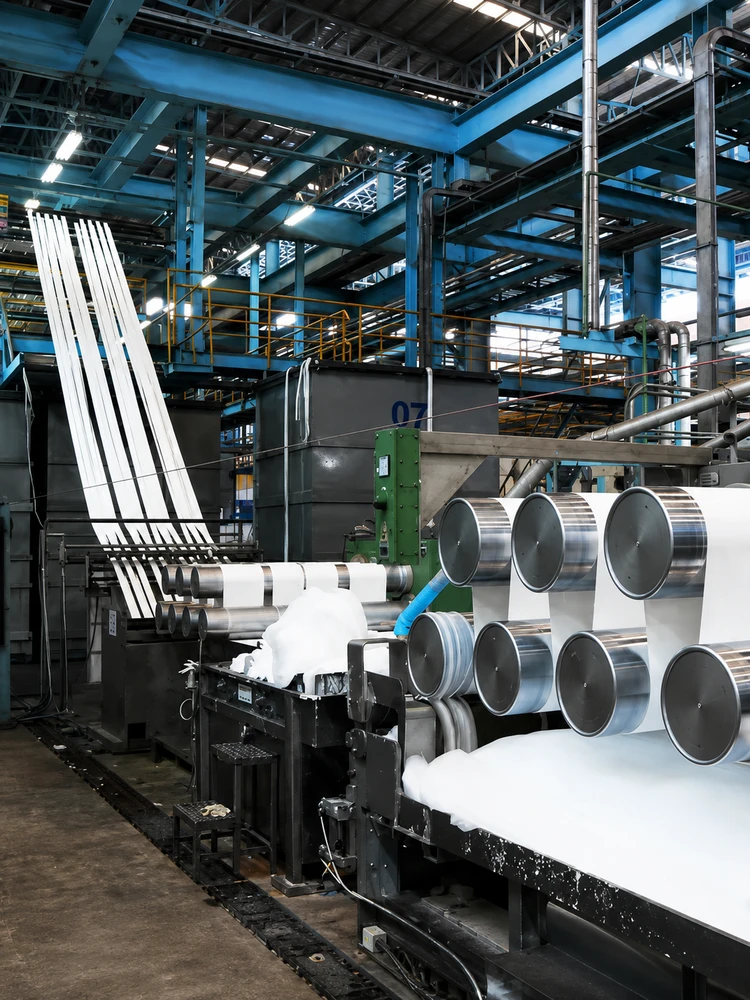
Alternatively, manufacturers produce rayon by regenerating dissolved cellulose into usable strands. These long filament yarns guarantee the smooth visual continuity and characteristic lightness of the textile. Spinners also utilize spun fibers to achieve alternative textures and varied levels of transparency.
Forming these materials into extremely fine yarns requires immense precision. In textile measurement, lower yarn counts indicate finer threads, which ultimately yield a lighter, more transparent cloth. Maintaining absolute yarn uniformity ensures pristine clarity, an even surface, and exceptional overall quality in the final product.
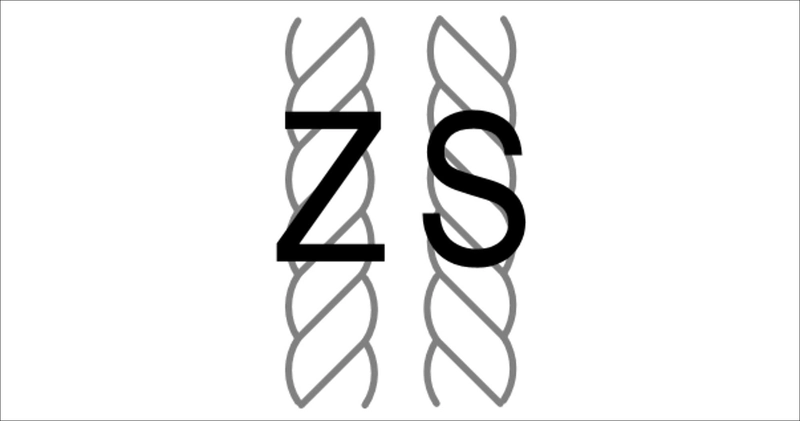
Applying a high twist to these delicate yarns transforms their physical properties. During spinning, S-twist yarns spiral toward the center shape of the letter S, and Z-twist yarns spiral matching the letter Z. Manufacturers alternate these S and Z yarns meticulously to balance the fabric's torque. This intense twisting action compacts the yarn, generating a faintly puckered, crepe-like surface after weaving and finishing. This high twist directly creates the dry texture, subtle elasticity, and lively movement we associate with the cloth.
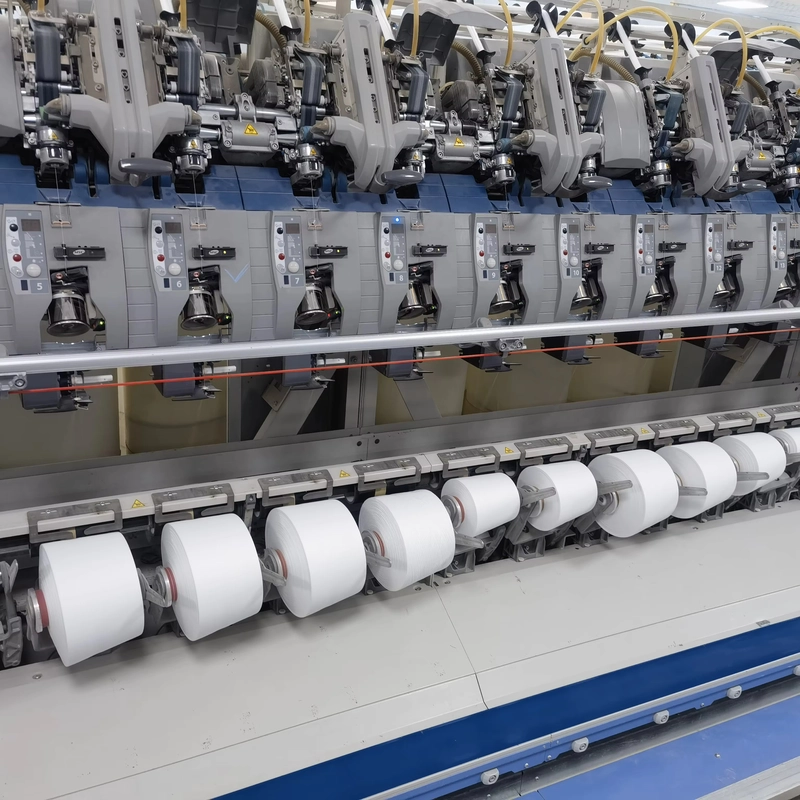
Weaving chiffon fabric involves interlacing the lengthwise warp and the crosswise weft. The balanced plain-weave sequence requires one yarn to pass over and the next to pass under its perpendicular counterpart. This relatively open structure permits light to travel through the tiny spaces between the threads. Differing from tulle, which features distinct open netting, chiffon maintains a continuous woven surface. CAMEO officially classifies it among plain-weave textiles, confirming its status as a lightweight fabric constructed from finely twisted yarns.
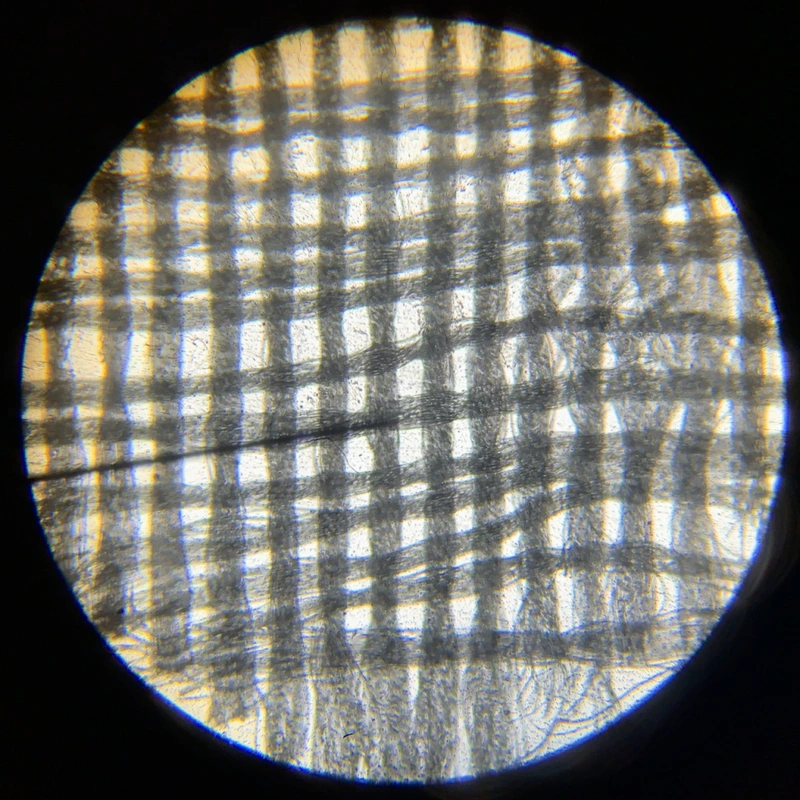
After weaving, the raw cloth undergoes thorough washing and scouring to cleanse away processing oils and sizing agents. The finishing phase offers numerous possibilities, including piece dyeing, yarn dyeing, and vivid printing. Synthetic chiffons undergo heat setting to lock in permanent pleats. Additional treatments include crinkling, softening, and applying anti-static finishes. Chemical and mechanical finishing profoundly alter the final softness, radiant shine, transparency, and tactile surface texture.
The final stage demands rigorous inspection. Quality controllers scrutinize the sheer fabric for irregular weaving, broken yarns, snags, and color inconsistencies. They evaluate bowing, skewing, width, and weight, as the transparent nature of the cloth makes any structural deviation highly visible to the naked eye.
Visual transparency defines chiffon fabric, ranging from entirely sheer to semi-sheer. The specific dye color, yarn density, and selected fiber deeply influence this see-through quality. Designers skillfully layer the fabric to increase opacity and multiply the depth of the color. To ensure modesty, many chiffon garments incorporate a matching lining, a separate slip, or strategically placed opaque panels.
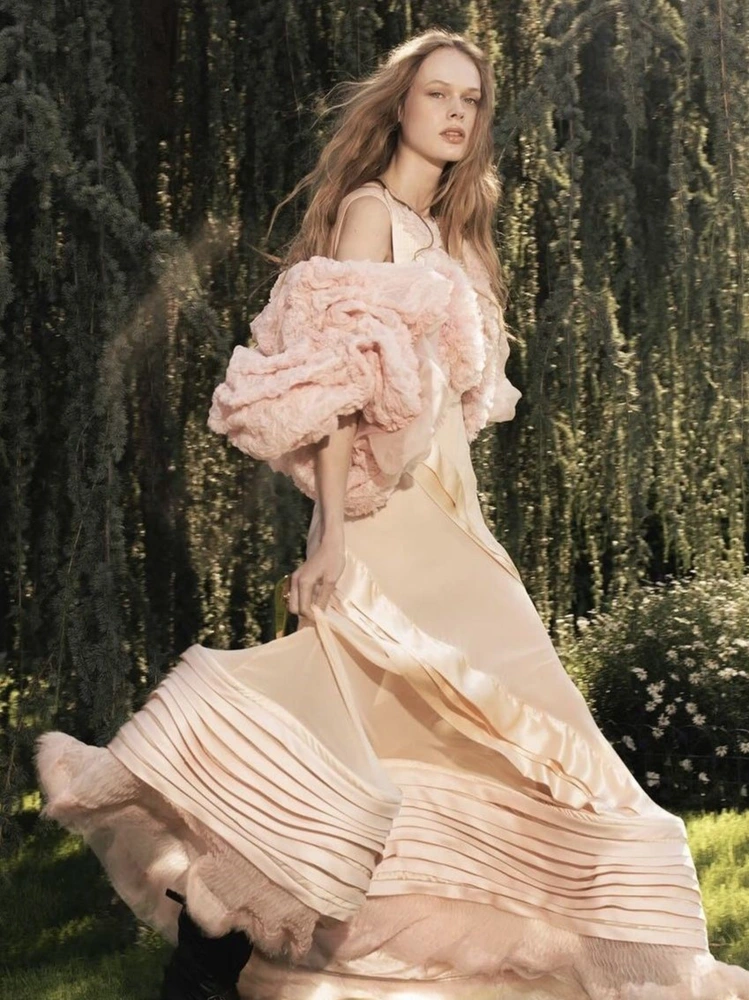
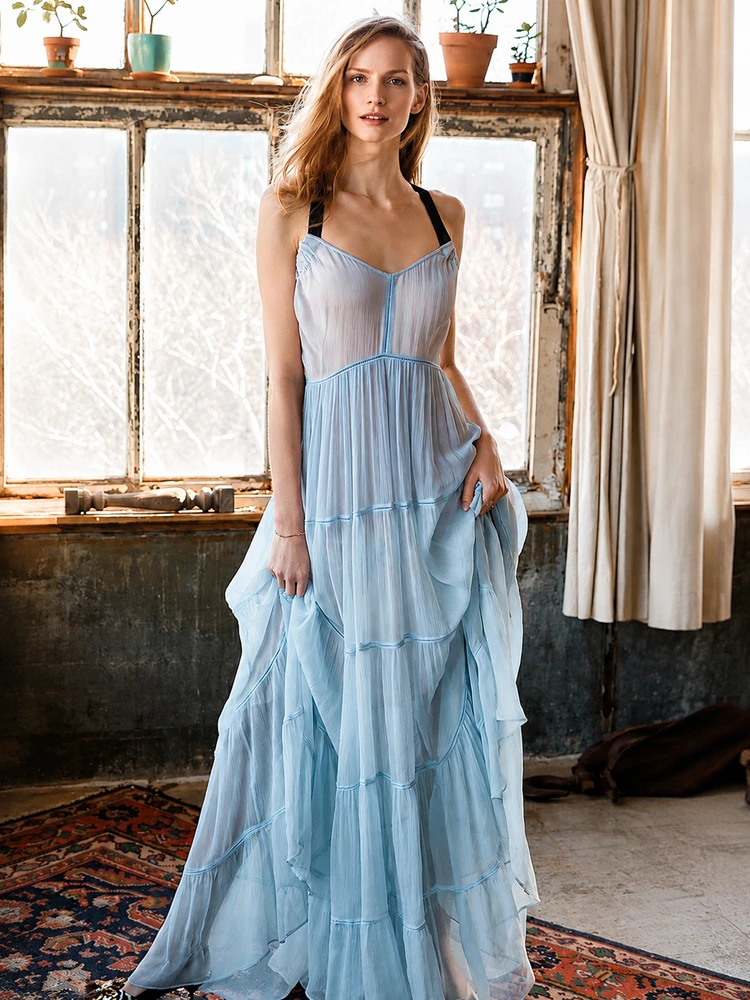
In terms of weight and drape, this material remains incredibly light compared to other woven textiles. It possesses a soft, falling drape, naturally settling into small, fluid folds that shadow the body. The fabric follows every physical movement gracefully, relying on internal structural support to achieve firm architectural volume. We can clearly contrast this flowing, liquid behavior with organza’s notably crisp and rigid structure.
Touching the cloth reveals a slightly rough, dry, or grainy surface born from the highly twisted yarns. Premium chiffon fabric typically features this subtle granular texture, offering an alternative to completely flat, frictionless finishes. We distinguish this exceptionally fine texture from georgette, which displays a much stronger, more pronounced pebbled surface.


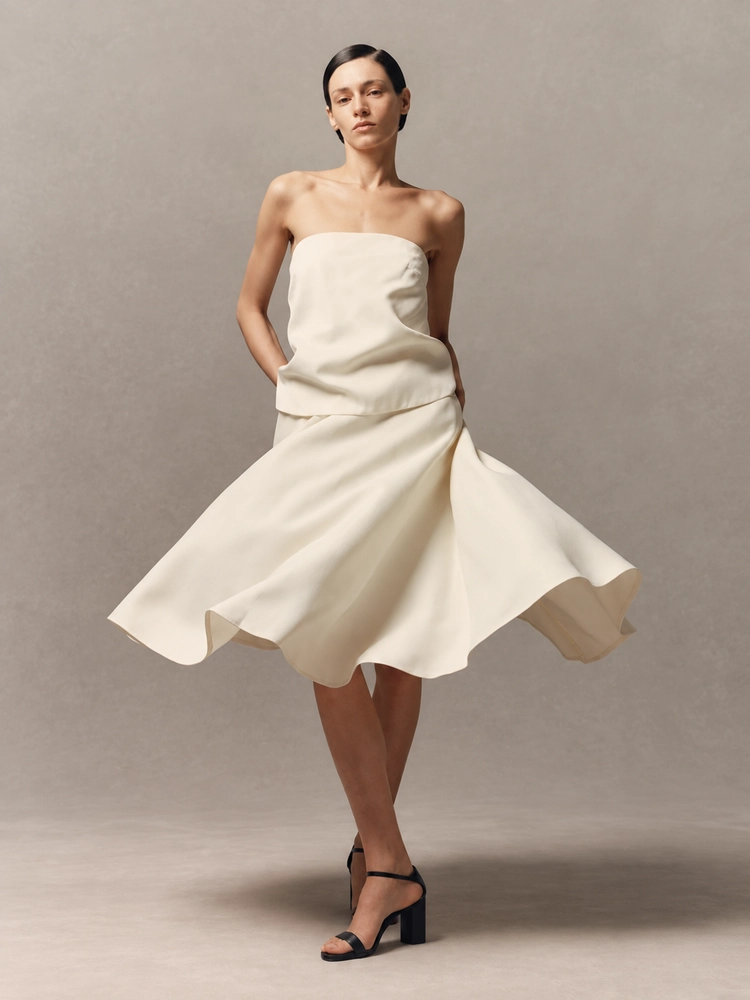
Quality chiffon fabric responds instantly and beautifully to ambient air, walking, and bodily movement. Fashion historians frequently associate the textile with floating hems, trailing scarves, and voluminously layered gowns. Designers use multiple lightweight layers to build impressive visual volume, offering a buoyant, airy alternative to the dense, substantial mass found in heavy satin or velvet.
Sheer layers expertly filter light traveling through the cloth, while overlapping panels create mesmerizing tonal depth. A well-crafted chiffon fabric beautifully accepts ombré dyeing, intricate printing, and translucent color applications.
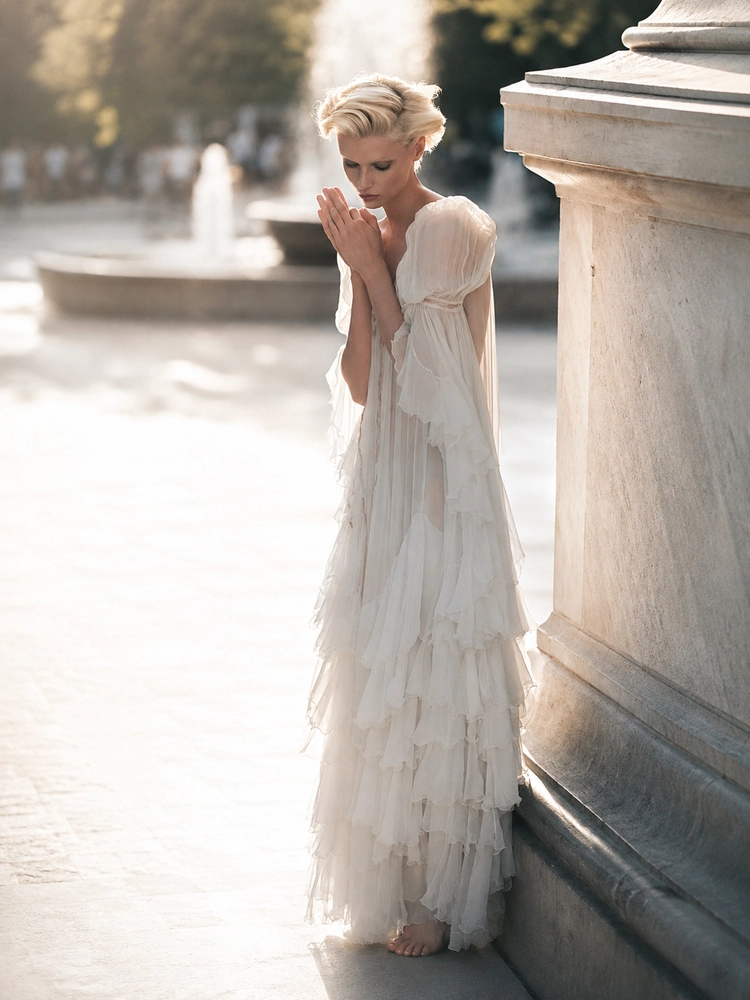
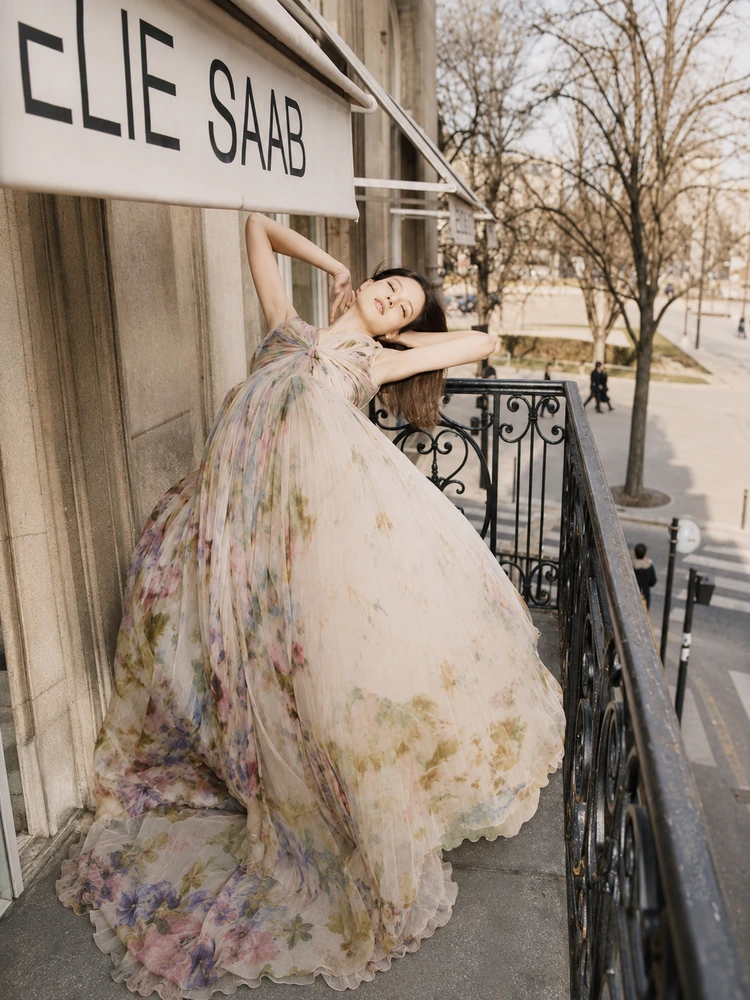
While offering such ethereal beauty, chiffon fabric maintains reasonable tensile yarn strength alongside an inherent susceptibility to snagging, seam slippage, abrasion, fraying, and distortion. Industry professionals use the term delicate specifically to describe its fine construction and specialized handling requirements.
Understanding the origins requires separating the history of silk cultivation, the etymology of the word, and the timeline of the named fashion textile. Ancient Chinese sericulture and master silk weaving established the distant technical foundation for all subsequent lightweight silk fabrics. Artisans produced remarkably thin, translucent silks centuries before the French term entered the European textile vocabulary.
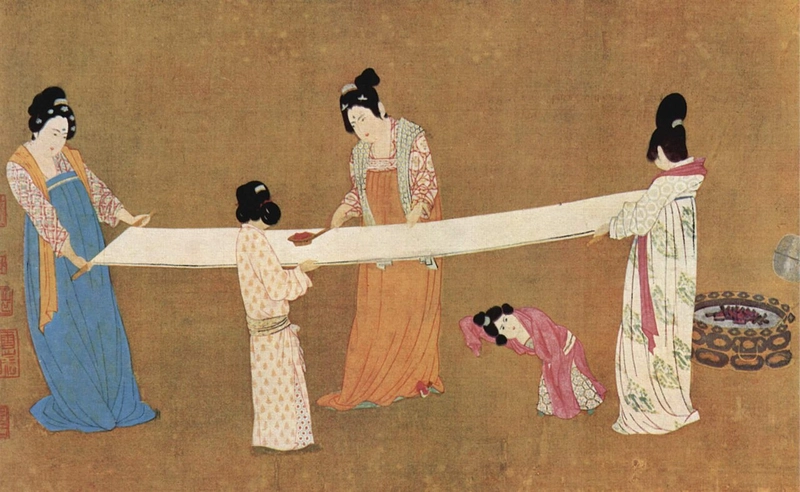
Historians mandate that surviving ancient sheer silks require verifiable evidence of the matching plain weave, specific yarn twist, and historical terminology to be officially labeled as true chiffon fabric. The Fashion Institute of Technology clarifies that silk possesses the capability to be woven into an airy plain-weave chiffon, perfectly demonstrating that silk provides the raw fiber while chiffon dictates the structural construction.
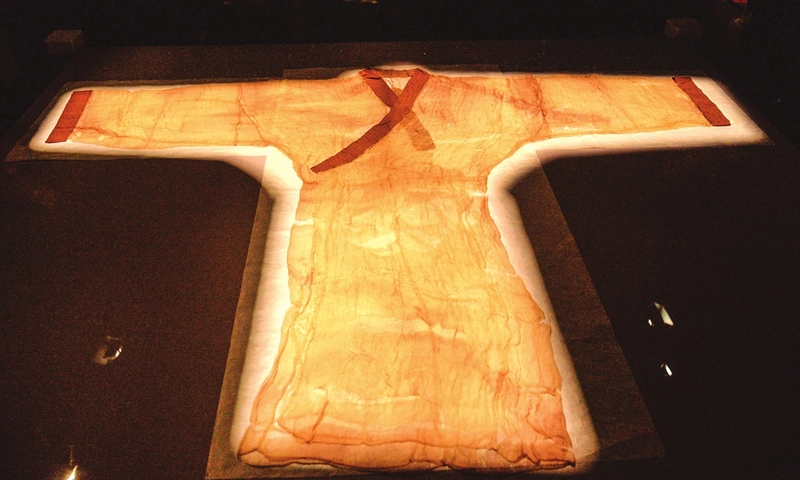
Linguists trace the actual word to French origins, where its literal historical meaning related to a rag or a piece of soft cloth. Merriam-Webster identifies 1765 as the earliest documented English use of the term. This specific date marks the survival of written evidence, leaving open the possibility of earlier hidden usage in dressmaking ateliers.
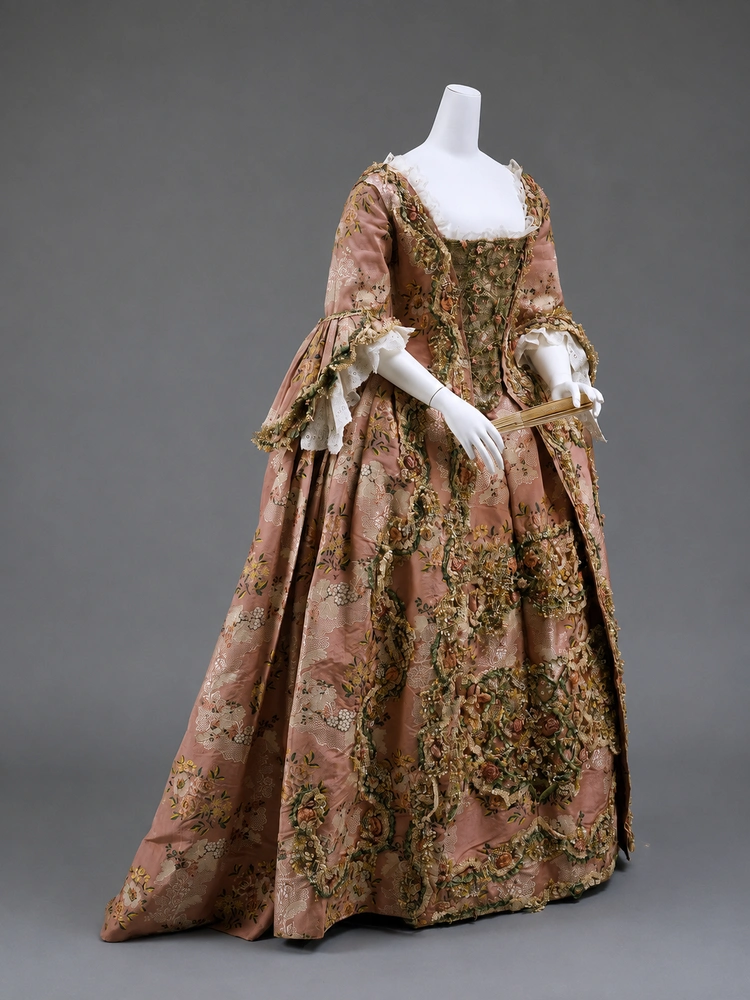
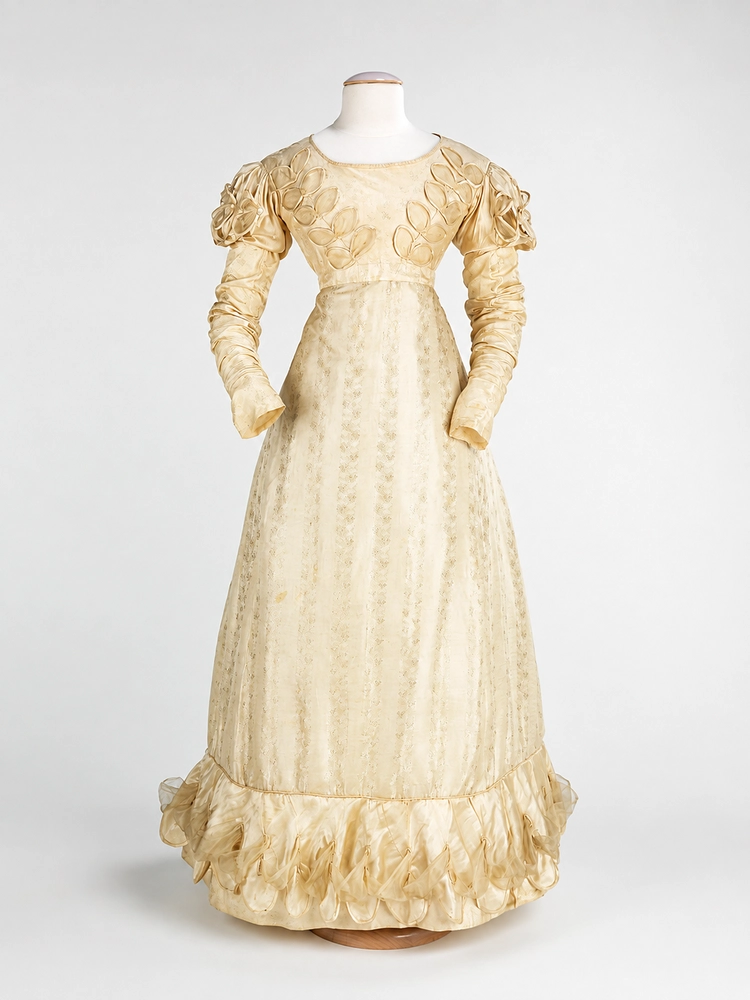
During the nineteenth century, chiffon fabric flourished strictly as an expensive, luxurious silk textile, reserved exclusively for the elite before manufactured fibers broadened global accessibility. Victorian dressmakers utilized it extensively for fashionable fichus, flowing evening wear, delicate ruffles, diaphanous sleeves, and heavily layered trimmings.
Charles Frederick Worth integrated the sheer material heavily while establishing the architectural foundations of Parisian haute couture. The Metropolitan Museum of Art houses a stunning circa 1893 House of Worth fancy-dress costume featuring a pleated silk-chiffon fichu, providing concrete, beautiful evidence of its esteemed role in late nineteenth-century luxury fashion.

The period between 1884 and the 1890s introduced manufactured cellulose fibers to the industry. Hilaire de Chardonnet patented artificial silk in 1884, moving his cellulose-nitrate fiber into early commercial production. Subsequent viscose processes offered safer, highly commercial forms of regenerated cellulose. This historical milestone expanded future material possibilities, representing an exciting material evolution built upon the original weave to eventually diversify the production of chiffon fabric.

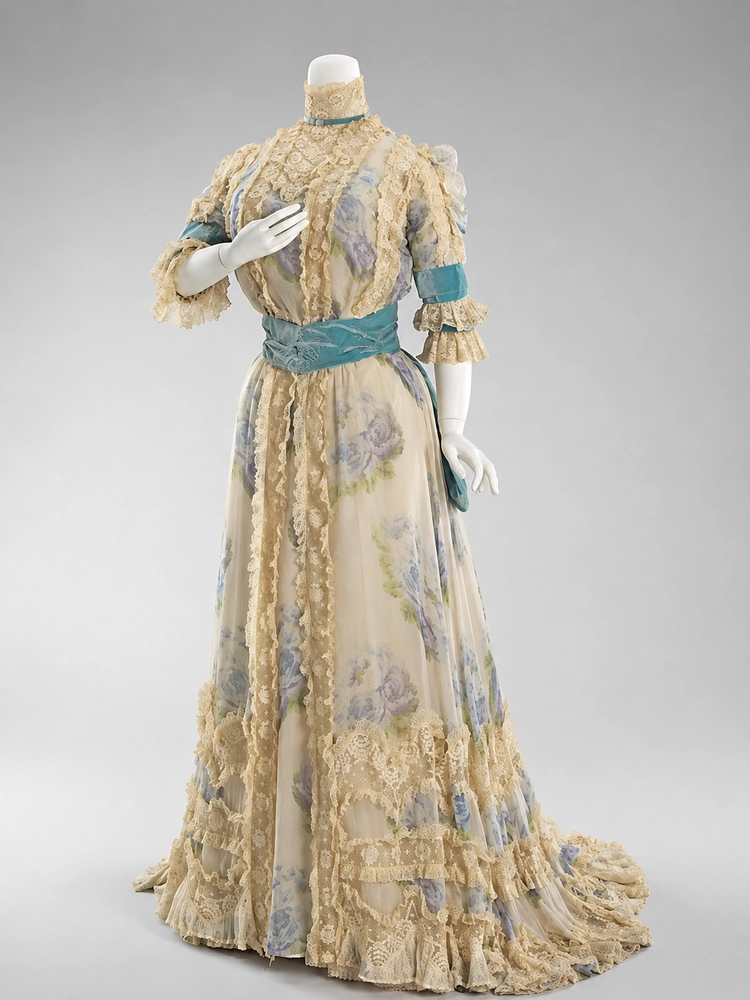
Entering the early twentieth century, Edwardian and Belle Époque fashion embraced chiffon fabric for cascading ruffles, ethereal lingerie-like dresses, and softly layered evening clothes. Jacques Doucet’s exquisitely preserved 1900–1903 rose-printed dress at The Metropolitan Museum of Art stands as a quintessential period example of this romance.
The era from the 1930s to the 1950s completely transformed global access through synthetic chemistry. Wallace Carothers and his team at DuPont developed nylon during the 1930s, establishing it as the first fully synthetic fiber integrated broadly into consumer goods, according to the Science History Institute.

Shortly after, John Rex Whinfield and James Tennant Dickson patented polyester fiber in 1941, leading to the commercial release of Terylene and Dacron by 1951. CAMEO notes that these synthetic fiber innovations ultimately rendered chiffon fabric affordable, easily washable, beautifully colorfast, and widely available to mass-market fashion consumers.
Organizing the principal types of chiffon fabric according to fiber content provides the clearest technical distinction for fashion professionals and consumers alike.
Silk chiffon fabric consists entirely of natural silk filaments. It boasts an exquisitely fine, soft handle, a characteristically dry surface, and an incredibly fluid drape. This premium variant offers a subtle natural lustre, intense color depth, and excellent breathability. The material commands a higher price and demands delicate, specialized care.
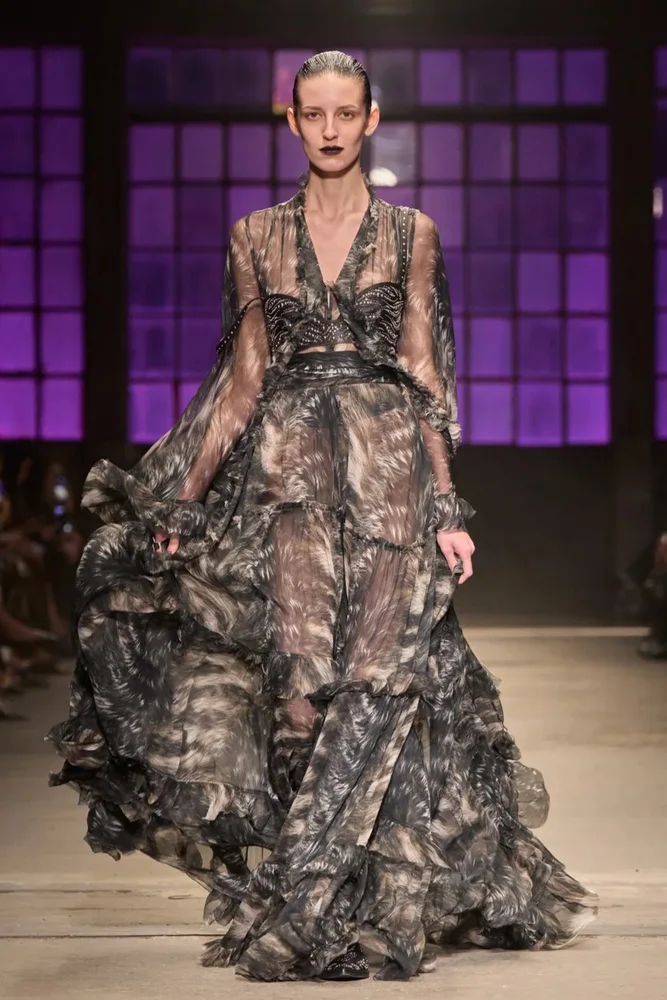
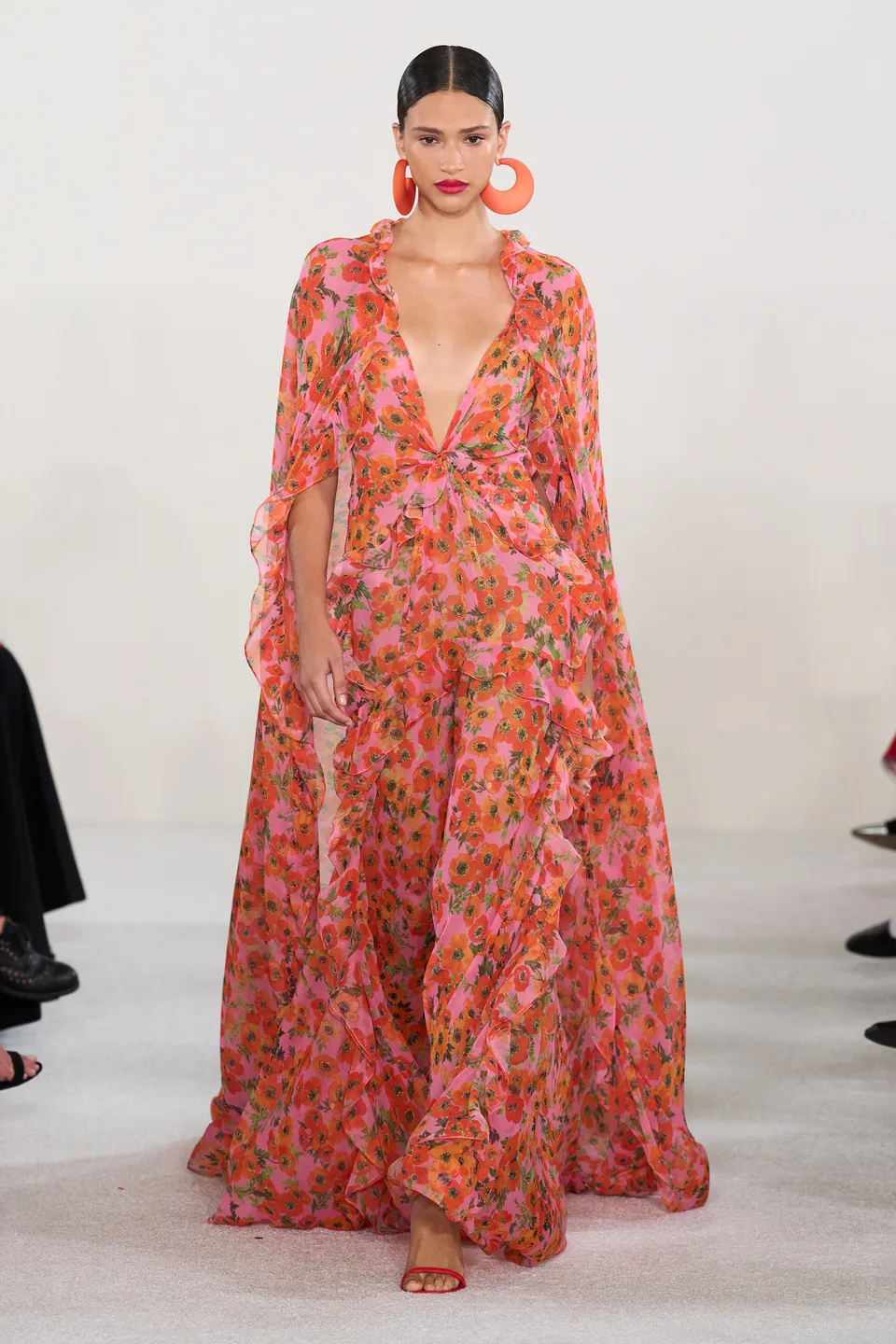
Polyester chiffon fabric originates from synthetic polyester filaments. It provides substantial durability, remarkable wrinkle resistance, and excellent color retention alongside fast drying times. This synthetic version excels at holding permanent heat-set pleats, though it tends to retain body heat and occasional static. Depending on specific yarn choices and finishing techniques, the resulting fabric ranges from stiff and glossy to remarkably soft and matte.
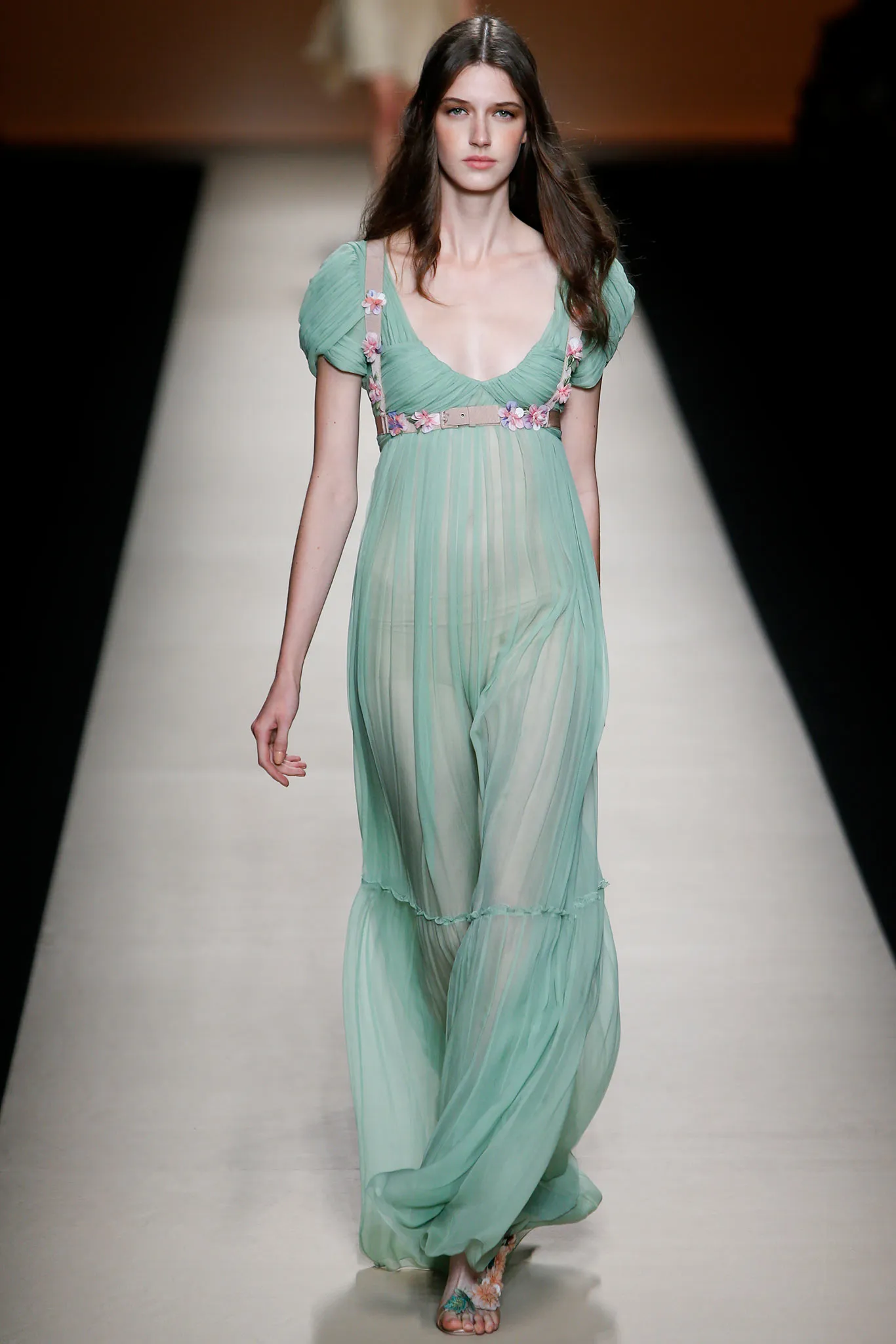
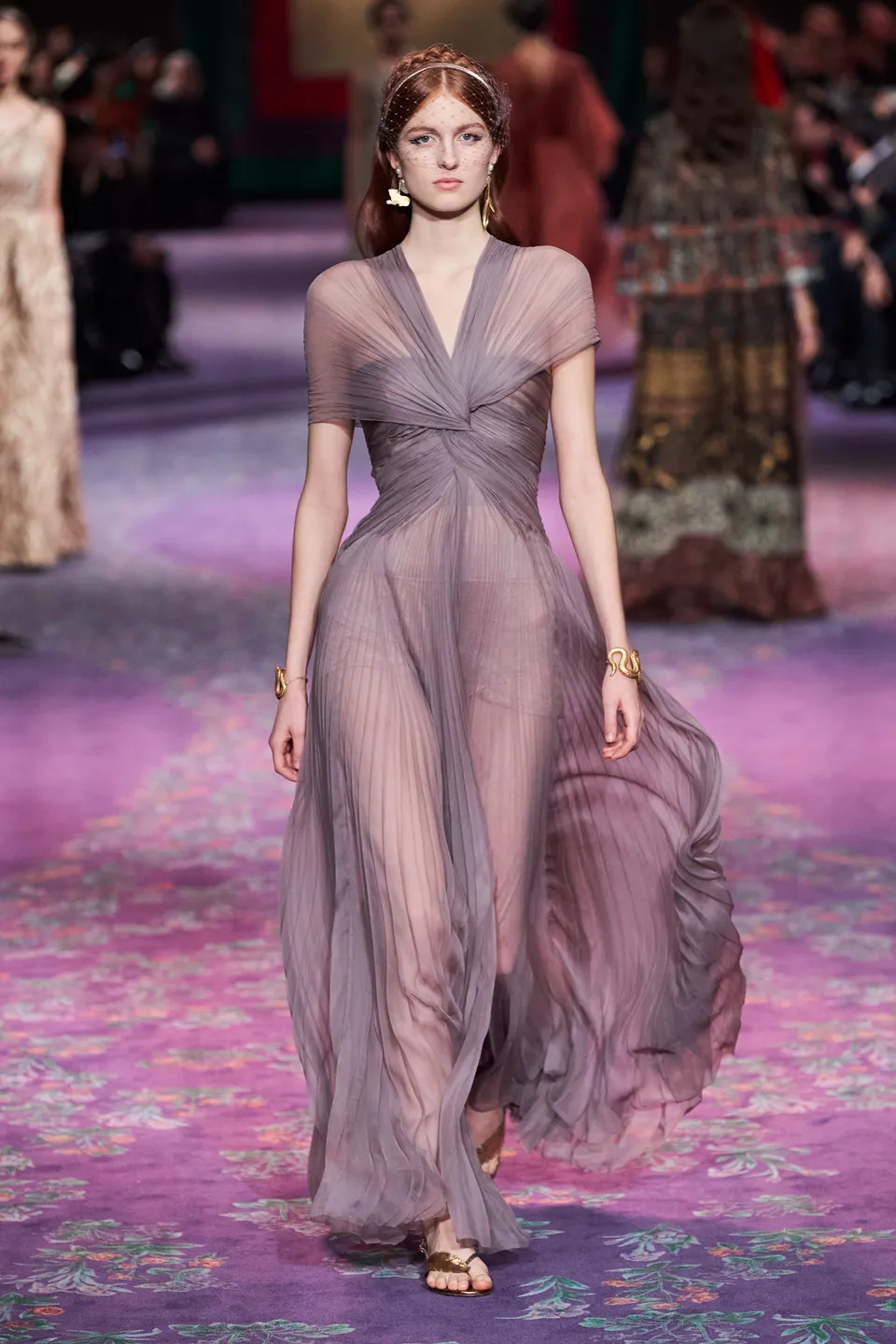
Nylon chiffon fabric emerges from synthetic polyamide filaments. It delivers exceptional lightweight properties, impressive tensile strength, and high resilience. The fabric provides slight elasticity and strong abrasion resistance, paired with high heat sensitivity.
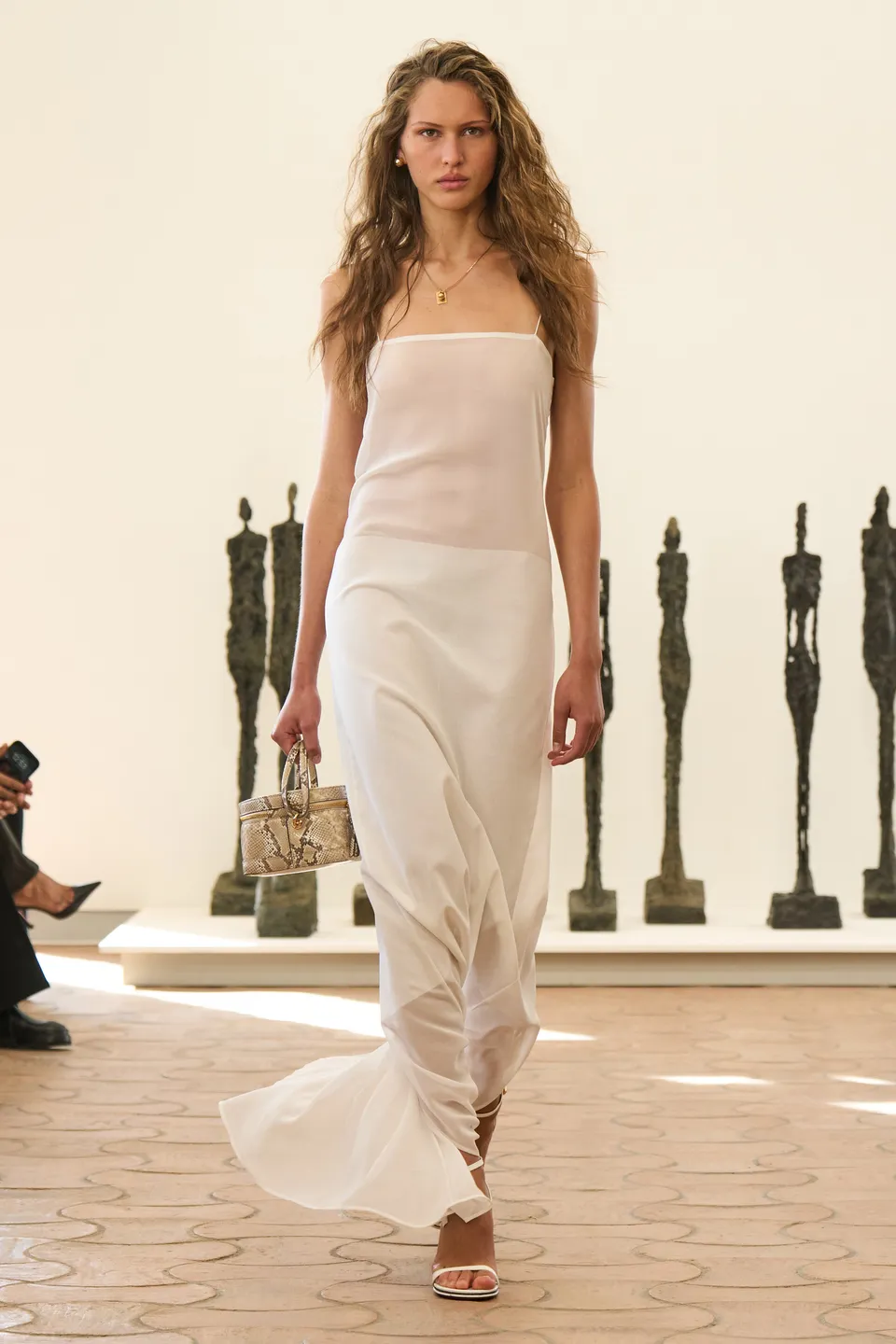

Rayon or viscose chiffon fabric consists of regenerated plant cellulose. It features an exceptionally soft hand, high moisture absorbency, and a delightfully cool touch against the skin. This variant falls with a heavier, more profoundly fluid drape and absorbs dyes with rich, vibrant intensity, requiring highly gentle, careful handling when wet.

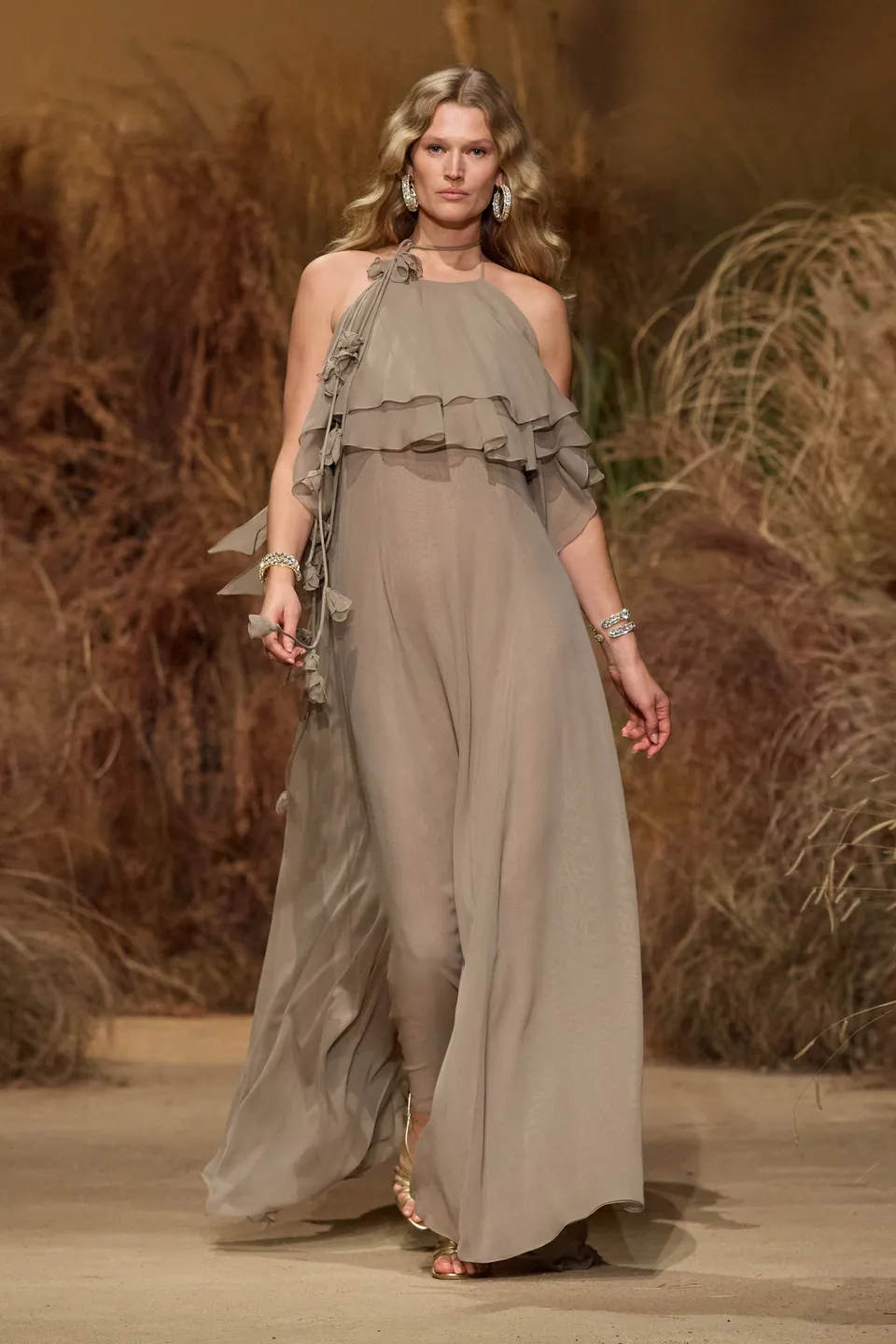
Secondary market names frequently identify specific finishes or specialized constructions. Retailers offer crinkle, pleated, printed, jacquard, embroidered, beaded, and double variations. These descriptive terms indicate surface treatments or embellishments and always require an accompanying primary fiber label, such as printed polyester chiffon fabric or beaded silk chiffon fabric, to ensure complete transparency.
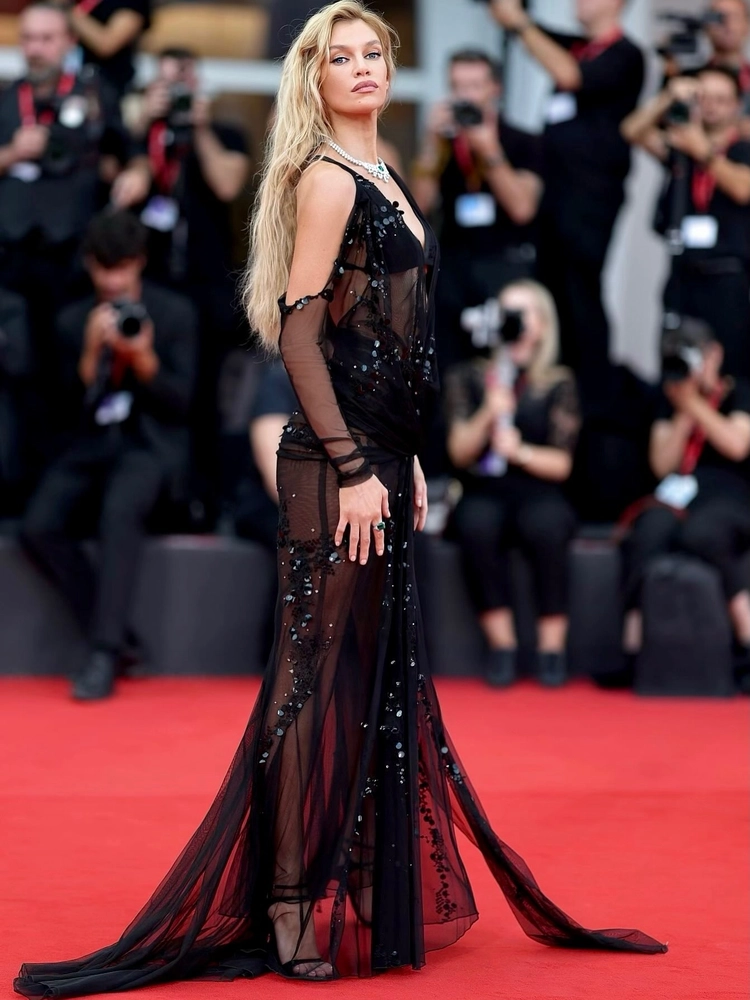
In the realm of eveningwear and haute couture, designers exploit chiffon fabric to construct sweeping gowns, dramatic capes, ethereal trains, and elements of soft draping. Ateliers masterfully layer the translucent cloth over rigid corsetry, luminous satin, matte crepe, crisp organza, or structured tulle.
Crafting these masterpieces involves bias cutting, intricate ruching, dense gathering, inserted godets, lively flounces, cascading ruffles, and sculptural hand draping. The sheer overlayer provides continuous, fluid movement, leaving the internal foundation to control and define the precise silhouette.

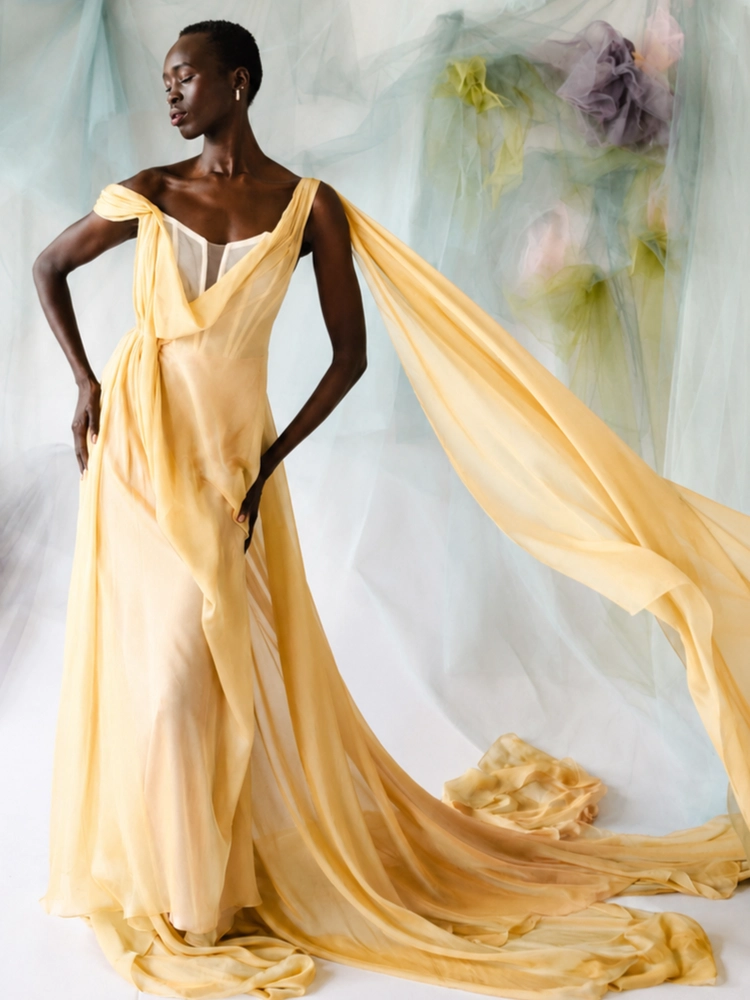
Bridal fashion depends heavily on the material for romantic, flowing skirts, soft trailing trains, traditional veils, modern cape veils, transparent illusion sleeves, and classically draped bodices. Chiffon fabric reigns supreme as the textile of choice for bridesmaid dresses and destination weddings, offering exceptionally low weight and continuous, photogenic movement in the breeze, alongside a known sensitivity to wind and environmental snagging.
For sophisticated blouses and daily wear, the fabric forms elegant shirts, classic pussy-bow blouses, relaxed tunics, and semi-sheer statement sleeves. Designers integrate matching linings, separate camisoles, or double-layered constructions to control the inherent transparency gracefully. These tops frequently feature gathered necklines, voluminous bishop sleeves, and delicate ruffled collars.
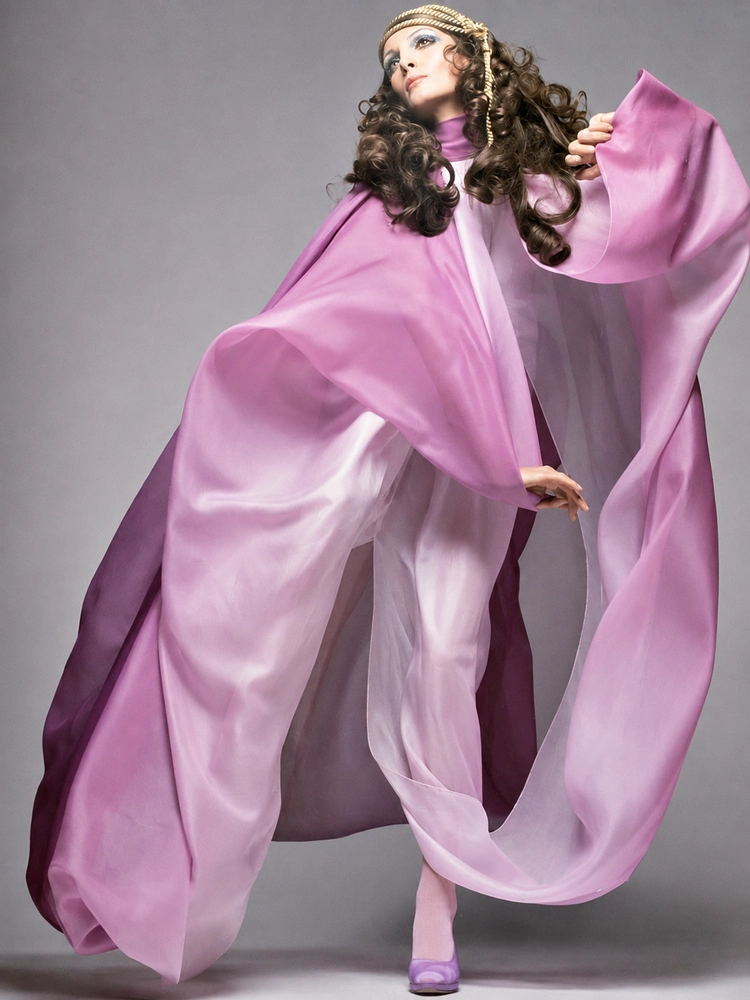
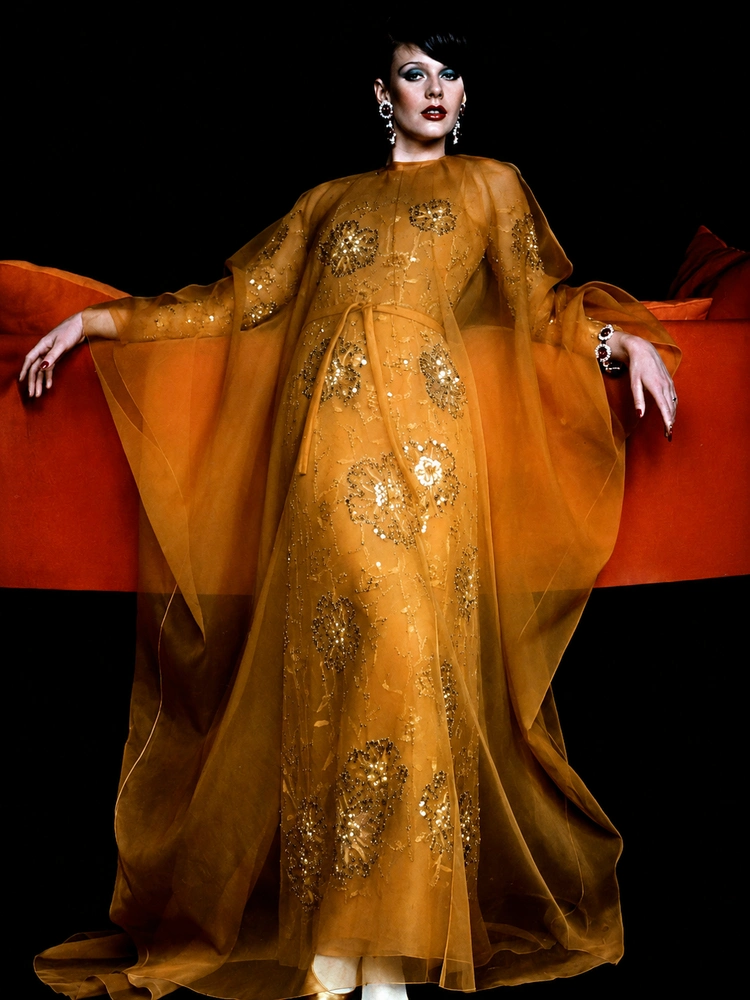
The phenomenally low weight of chiffon fabric allows exceptionally large scarves and veils to move easily and comfortably. It functions beautifully for fashion scarves, elegant headscarves, religious hijabs, and decorative shoulder wraps. To secure the frequently slippery polyester iterations, wearers utilize styling pins, supportive undercaps, or select lightly textured finishing treatments to ensure stable placement.
Within dance, stage, and performance arenas, creators select chiffon fabric for ballet costumes, competitive ball gowns, concert clothing, and theatrical wardrobes. The kinetic nature of the cloth dramatically enlarges the visual reach of a performer’s physical gesture. Designers maximize this effect using heavily layered skirts, long sleeve streamers, and expansive capes.

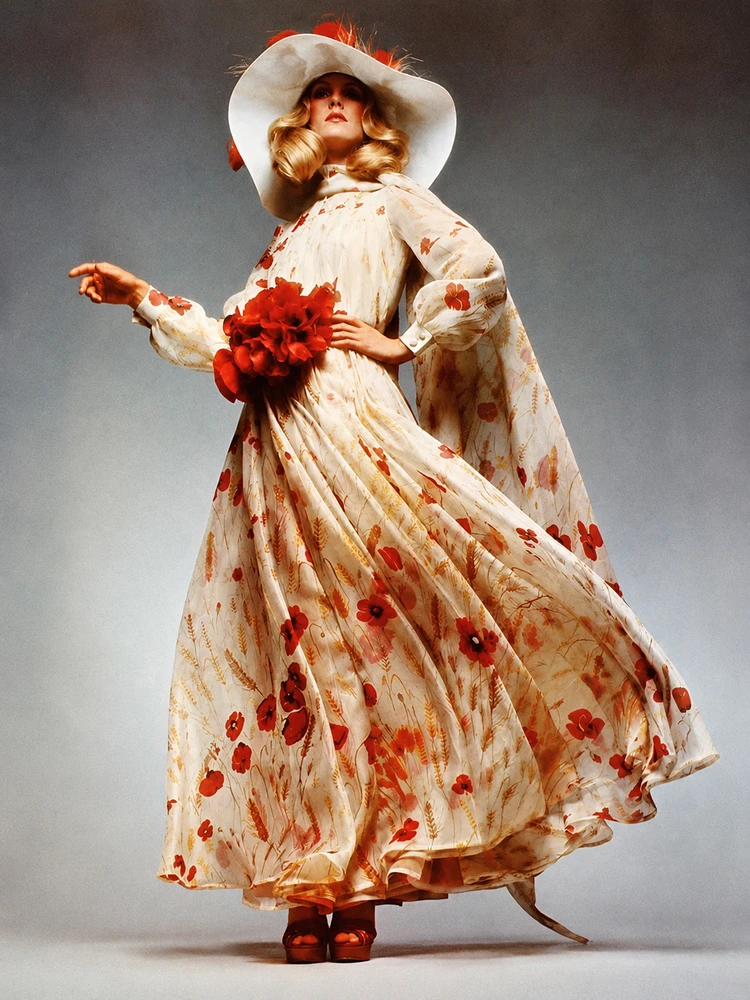
Identifying chiffon fabric begins by holding the material directly against a light source to verify its sheer or semi-sheer quality and to observe the fine, continuous plain weave. Touching the surface reveals a distinctively dry or grainy tactile sensation.
It presents a softer, suppler handle compared to crisp organza, and it feels notably smoother and lighter than the heavily pebbled surface of georgette. Testing the drape involves lifting the cloth; it falls instantly into soft, narrow folds and moves rapidly through the air.

Examining the cut edge reveals a strong tendency to fray, with fine yarns pulling and distorting easily. Because physical touch alone requires supplemental confirmation to distinguish natural silk from advanced polyester, buyers rely on official fiber labels, supplier documentation, or professional laboratory testing.
Shoppers easily distinguish chiffon fabric from similar textiles by observing highly specific physical traits. While chiffon fabric flows like liquid, organza maintains a crisp, architectural structure. Compared to georgette, it remains considerably lighter and remarkably smoother. Set against voile, which typically offers a smooth, cotton-like hand and firmer body, this delicate textile feels distinctly creped. Finally, it presents a solid woven surface, clearly diverging from the open, geometric netting of tulle.
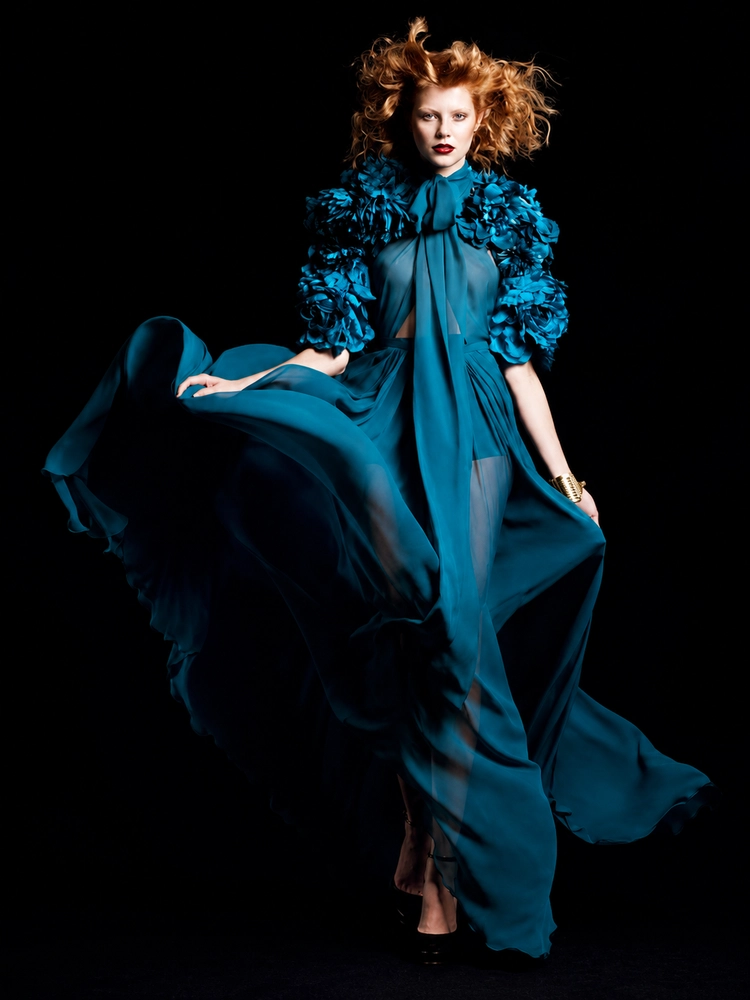

Before purchasing, professionals evaluate the precise fiber content, exact roll width, overall weight, and specific level of transparency. They assess the quality of the drape, color consistency, and weave uniformity, scanning carefully for existing snags, pulled threads, static cling, and potential shrinkage within the chiffon fabric.
Buyers check the manufacturer's care label, determine lining requirements, and verify the material's suitability for pleating, printing, or physical embellishment. Ordering a small swatch prior to authorizing large yardage purchases ensures absolute accuracy. Securing additional yardage remains a wise practice, as the slippery chiffon fabric shifts significantly during cutting, frequently requiring precise pattern matching or occasional recutting.

Proper maintenance demands following the specific care instructions for the underlying fiber. Silk iterations of chiffon fabric require professional dry cleaning or careful, extremely gentle hand washing in cool water, employing soft pressing motions during the process.
Polyester and nylon versions accept cool, gentle machine washing enclosed safely within a protective mesh laundry bag, followed by flat air drying and low-temperature pressing. Rayon variants require careful monitoring for shrinkage; owners must support the entire weight of the garment while wet and press the water out gently to maintain structural integrity.
Owners preserve their garments by storing them safely separated from sharp jewelry, exposed metallic zips, and abrasive rough surfaces. For wrinkle removal, users steam the chiffon fabric gently from a safe distance or iron it carefully at the specific temperature assigned to the fiber. A truly reliable, professional textile description always identifies both the structural weave and its core fiber, proudly presenting terms like silk chiffon, polyester chiffon, or viscose chiffon.
Advertisement