MENU
Close





What happens when bridal veil designers take bridal tradition by the throat and turn it into a beautiful disorder?
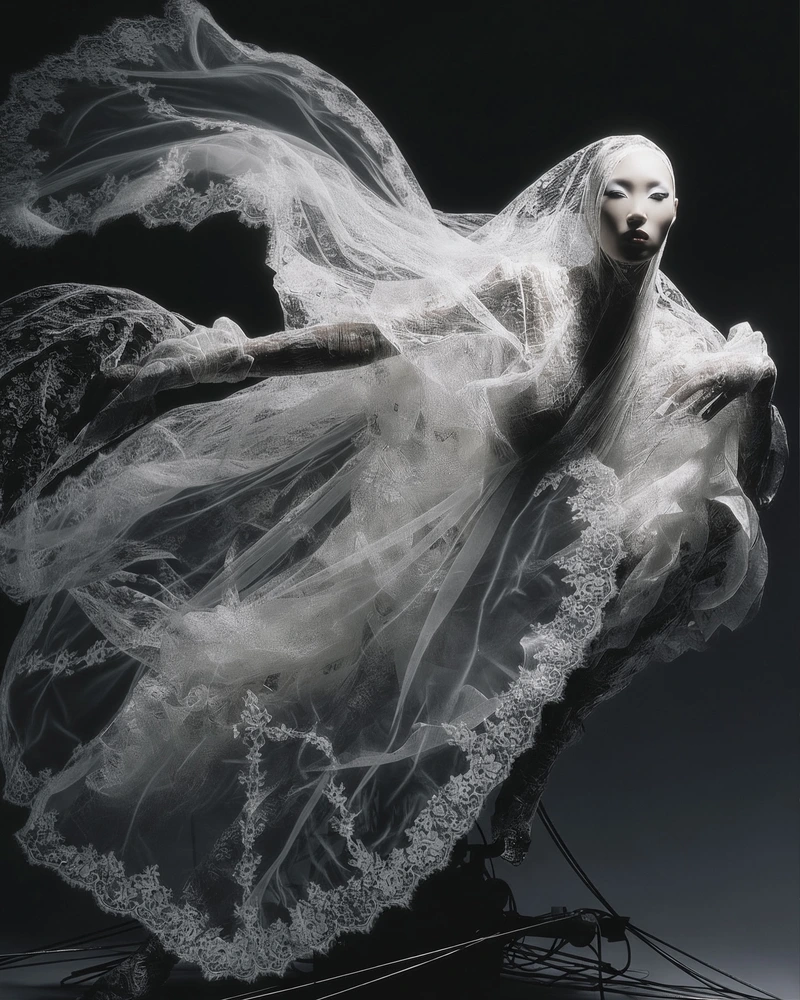
What happens when bridal veil designers take bridal tradition by the throat and turn it into a beautiful disorder?
June 26, 2026
Advertisement

Advertisement



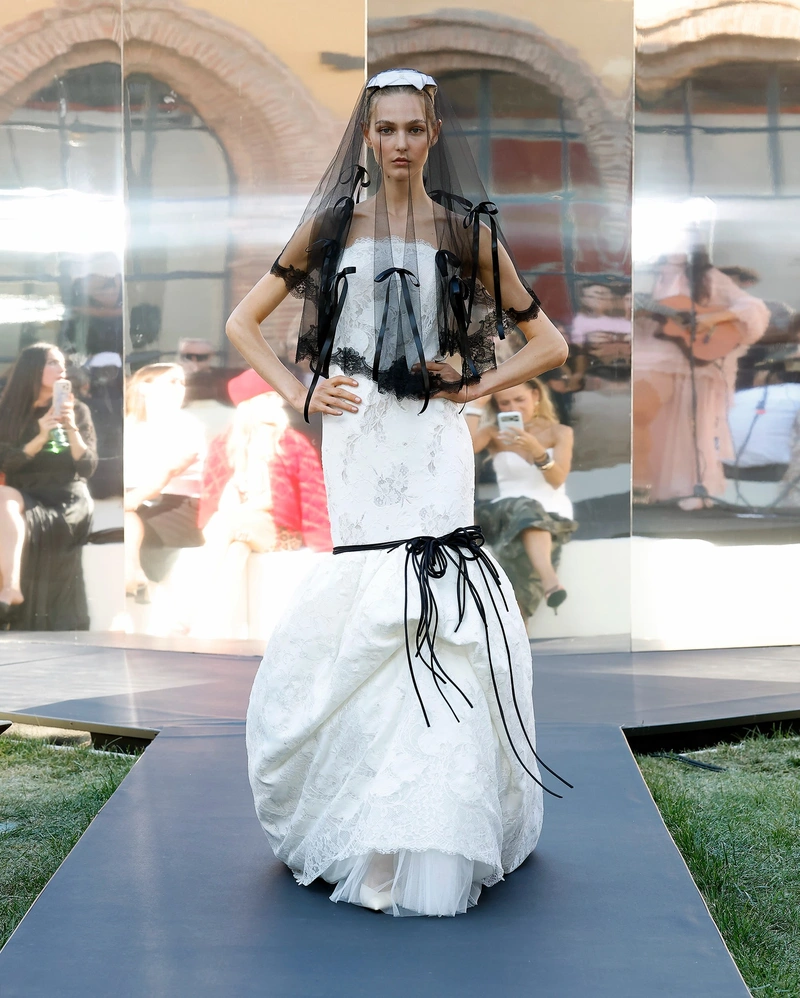
In the modern bridal lexicon, the dress no longer holds a monopoly on drama. For the sartorially astute bride, the veil has evolved from a polite, finishing afterthought into the architectural anchor of the entire look. Whether you crave cinematic nostalgia or sharp, futuristic edge, here are the under-the-radar bridal veil designers rethinking the veil with remarkable intellect and craft.
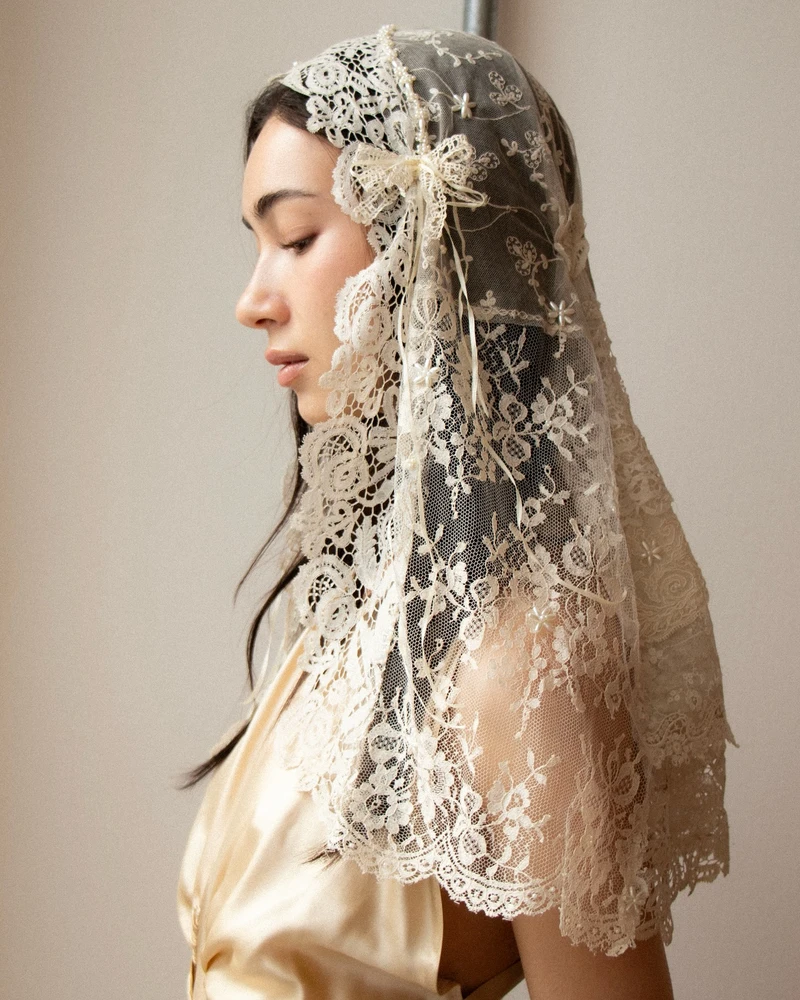
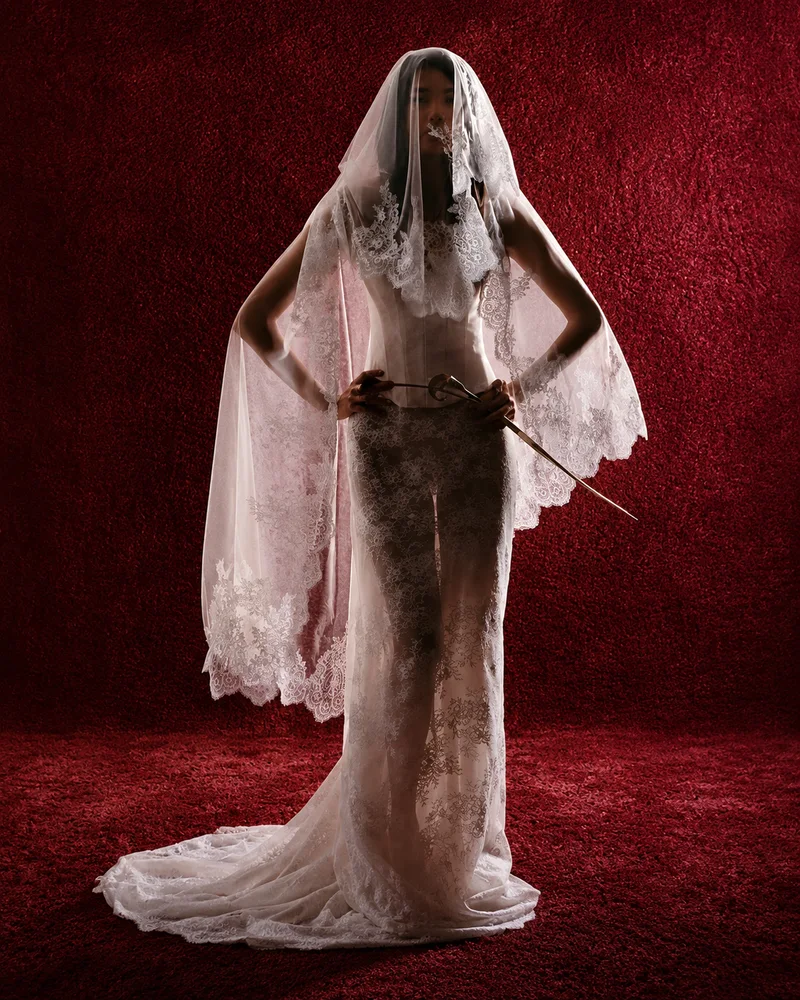
Operating in the rarified space between couture millinery and bridal tradition, London-based Paula Nadal treats the veil as a structural feat. Her bespoke creations utilize heavy lace and crochet to deliver a sculpted, vintage-inflected romance that standard soft tulle simply cannot achieve. Among contemporary bridal veil designers, her work feels especially precise in its ability to make the veil appear both historical and powerfully constructed.
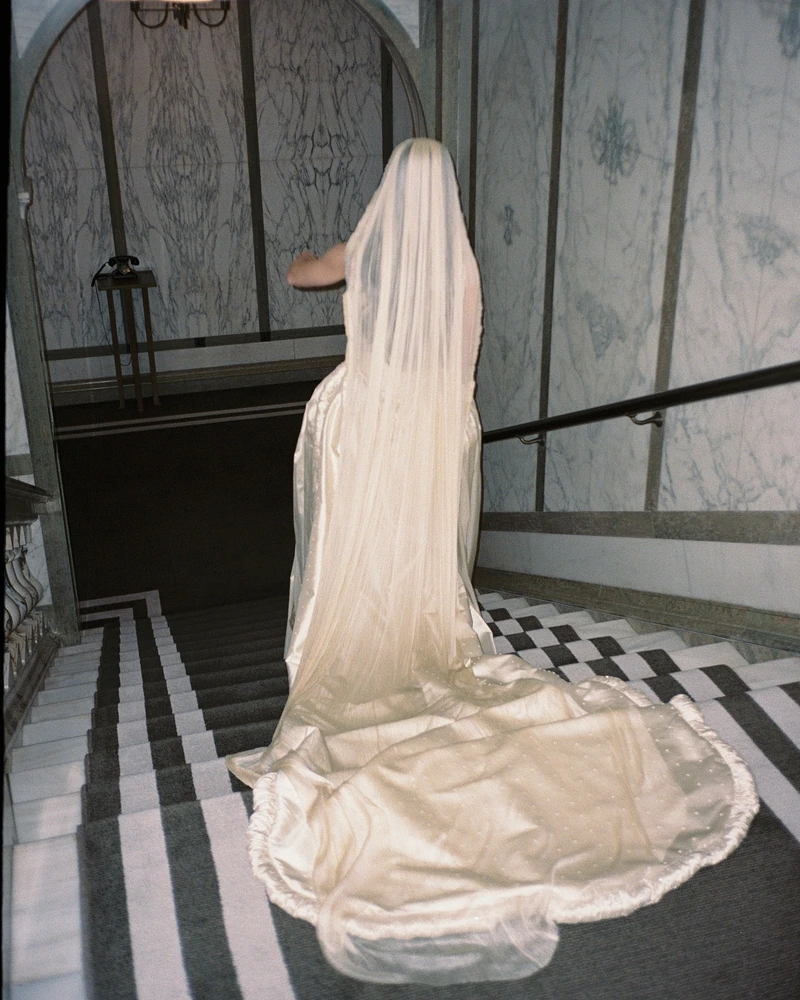
Wed Studio dismantles bridal expectations with a distinctly rebellious intellect. Their genius lies in a profound understanding of kinetic drape. These are beautifully untraditional silhouettes designed not just to be worn, but to trail, move, and disrupt the aisle with deliberate, textural friction.
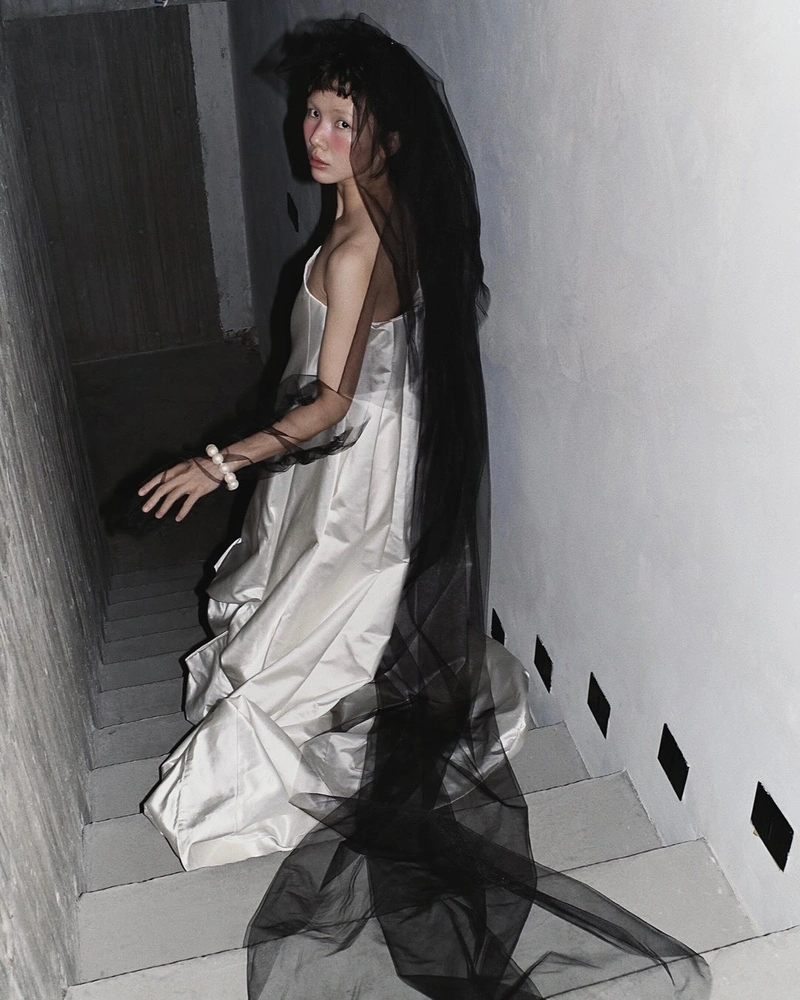
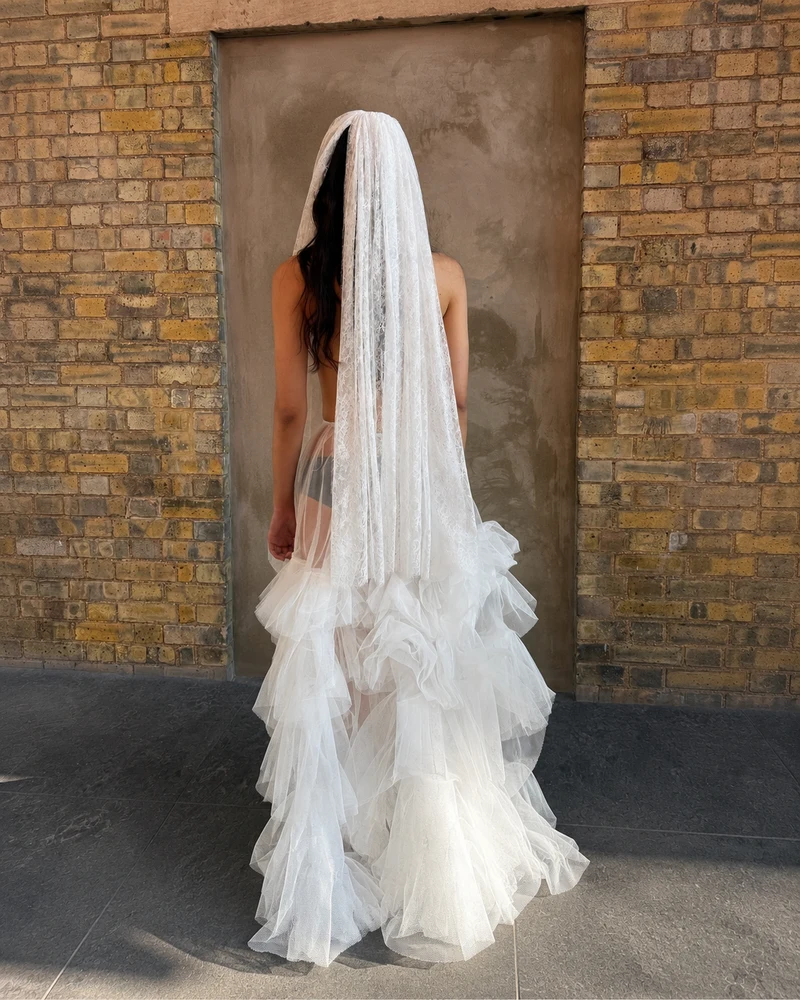
María Bernad’s zero-waste philosophy elevates Les Fleurs Studio from merely stylish to culturally essential. By exclusively reworking 19th and 20th-century European textiles, she offers veils embedded with history. It is a masterful proposition for the bride seeking sustainable integrity wrapped in effortless, Parisian cool.
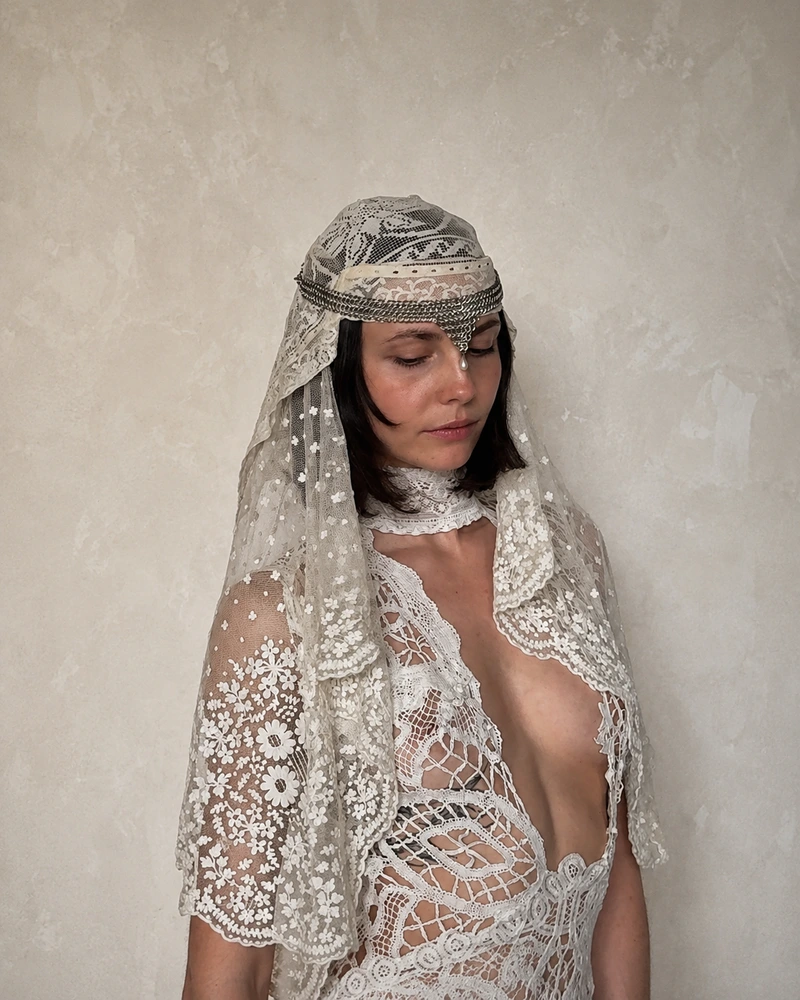
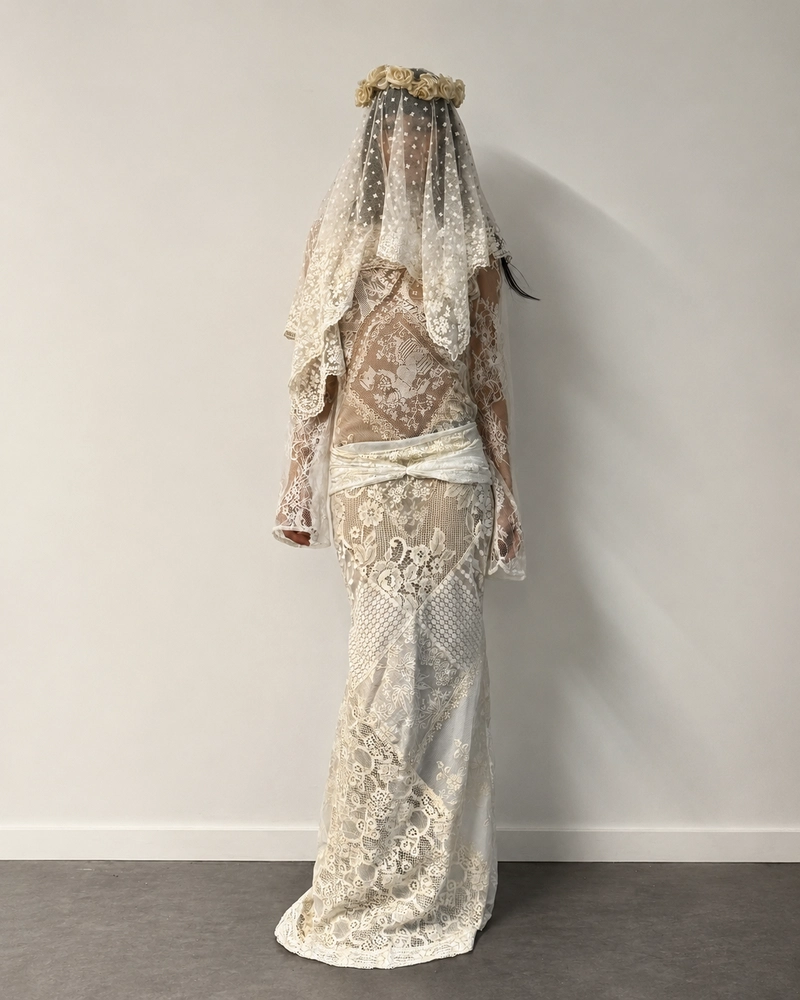
Mexico City’s Ofrenda Studio evaluates the veil as a spiritual vessel rather than a mere garment. From sharp Juliette caps to sweeping cathedral lengths, their folkloric embroidery and intricate trims inject deep narrative weight into the bridal vernacular, making each piece an emotional heirloom.
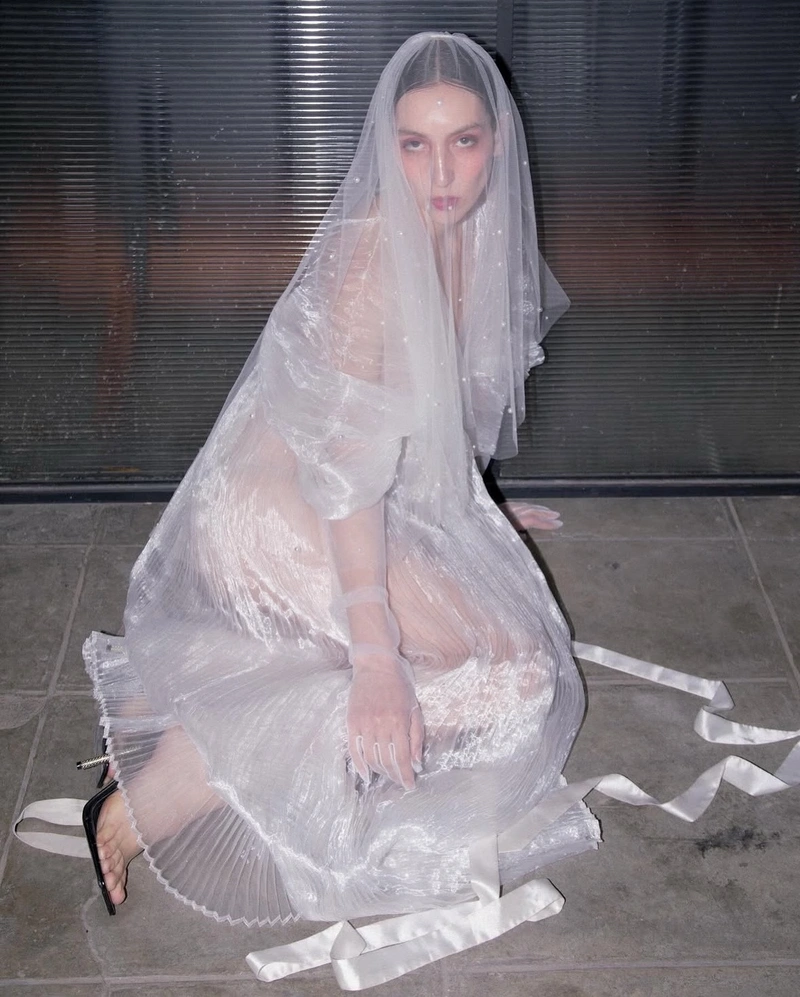
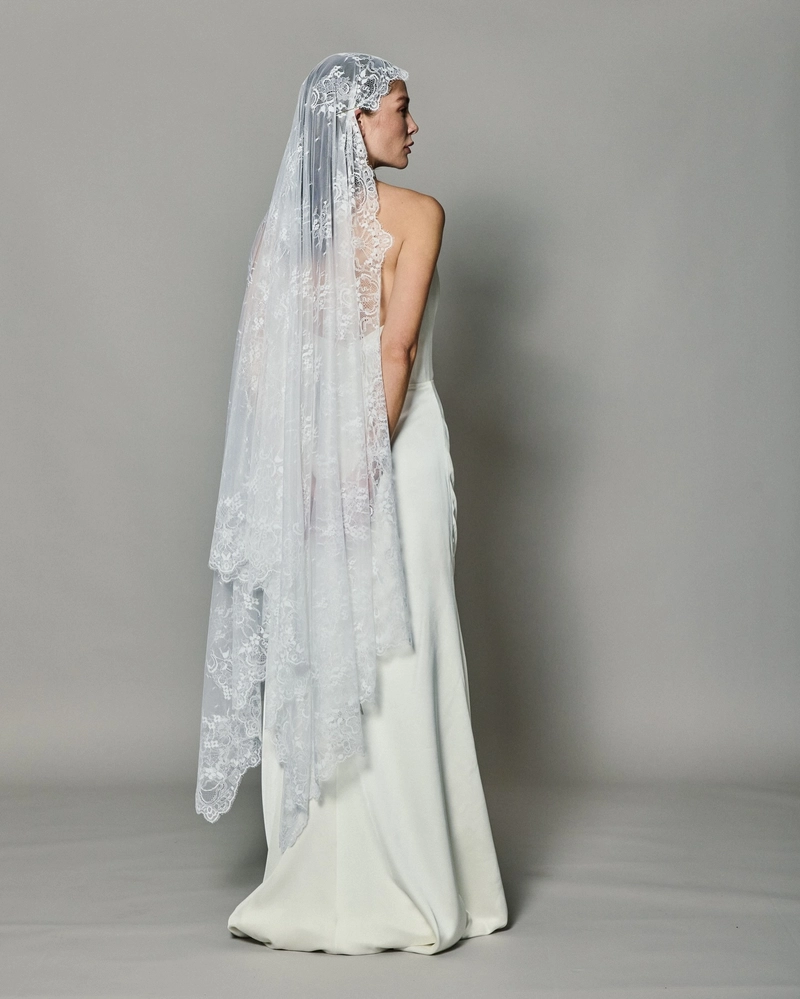
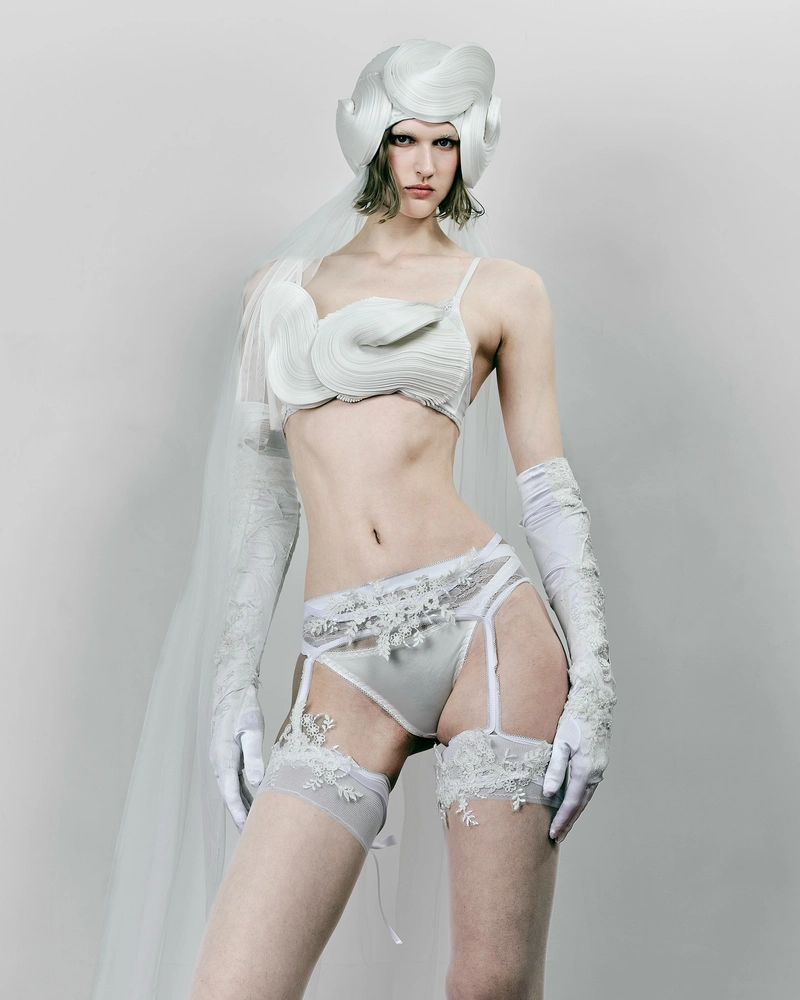
For the unapologetically avant-garde, London’s XI Scorpii pushes bridal accessories into the realm of speculative design. By marrying 3D-printed architecture with stark, contemporary lines, they offer futuristic, sculptural statements that challenge the very definition of what a veil is allowed to be. As bridal veil designers move beyond softness alone, XI Scorpii represents the veil’s most radical architectural future.
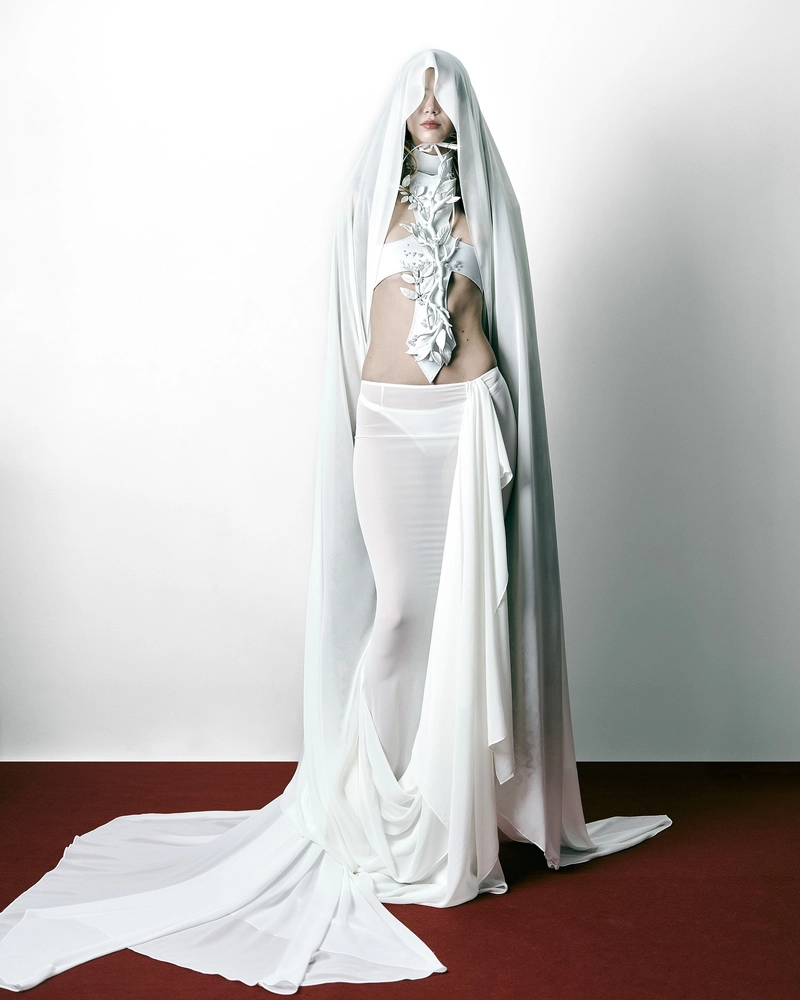
Canada’s Former Girlfriend successfully bottles the elusive "anti-bride" ethos without sacrificing elegance. They subvert classical bridal tropes with unexpected injections of color and fluid, non-conforming shapes. It is the definitive label for the woman who wishes to remain undeniably chic while completely ignoring the traditional playbook.
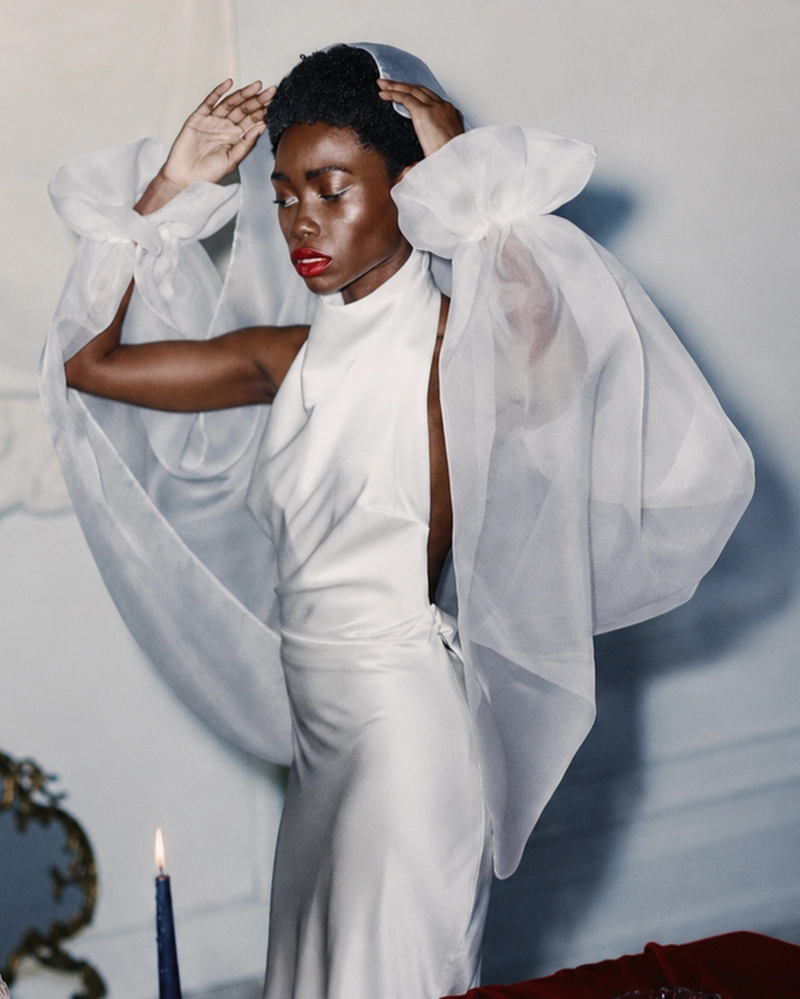
Jackson Wiederhoeft brings the rigorous precision of couture and the unabashed joy of costume design to the bridal sphere. Expect theatrical volume, oversized bows, and performative layers of tulle that transform the wearer from a conventional bride into the triumphant heroine of her own narrative. Among modern bridal veil designers, Wiederhoeft treats the veil as a stage device, a character cue, and an emotional climax.
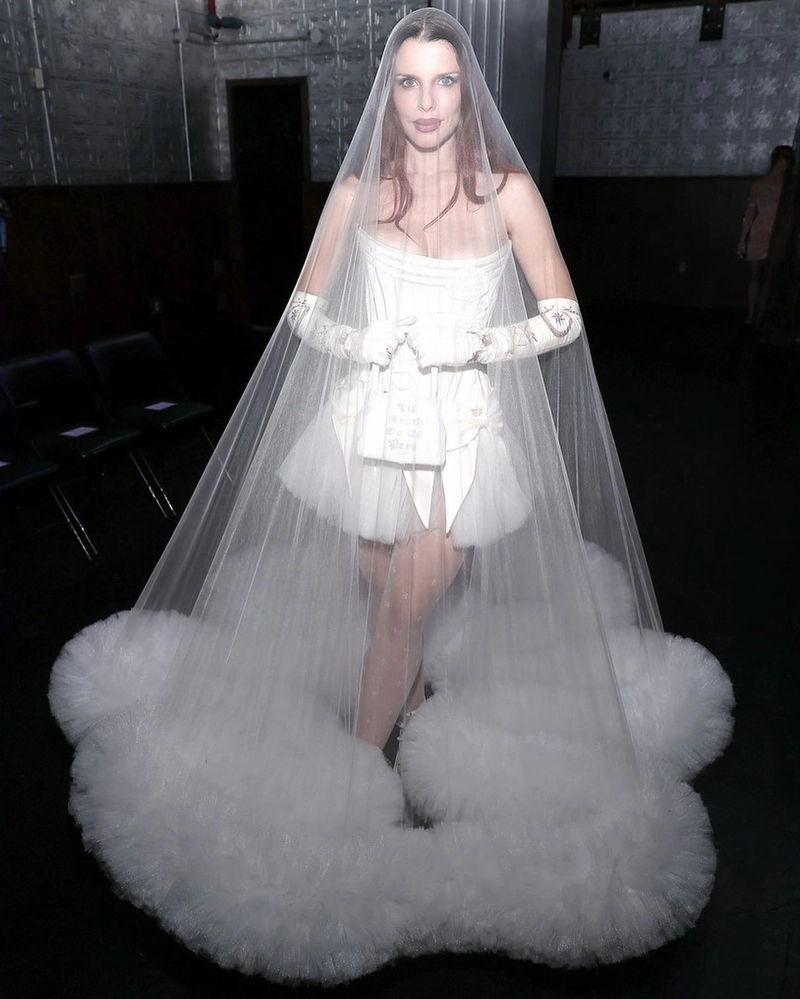
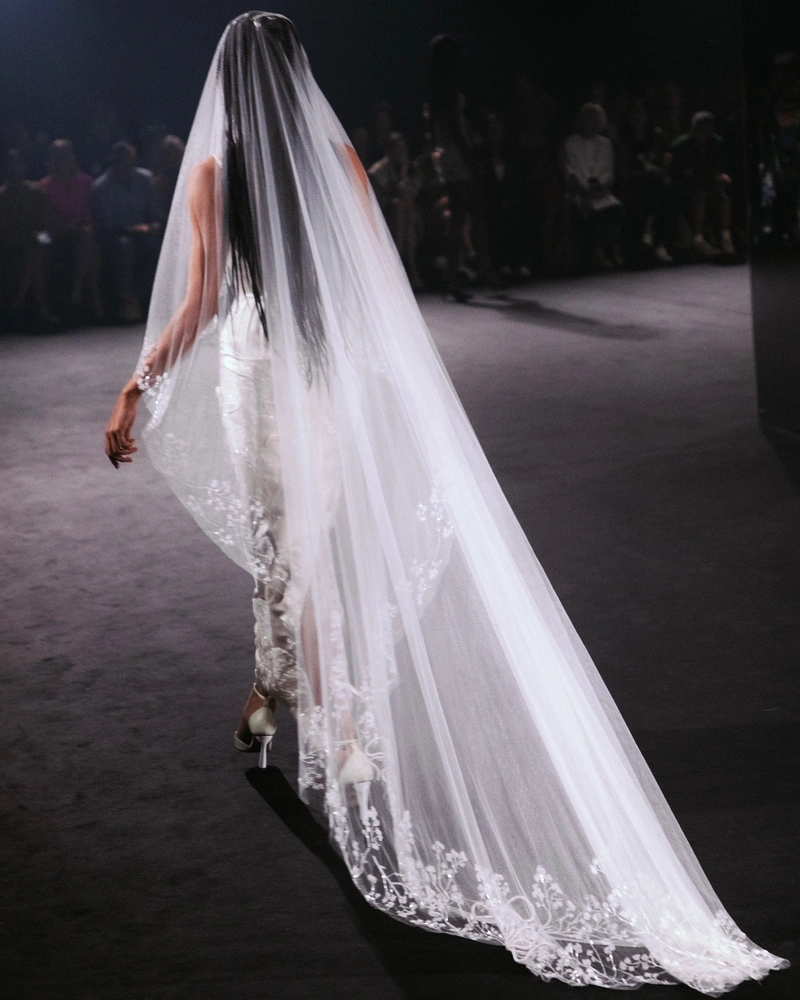
Monvieve masters the delicate geometry of modern softness. Their veils reject visual clutter in favor of tactical detailing, think subtle pearl drops and razor-thin lacework. It is an exercise in restraint, providing a highly contemporary, romantic edge that elevates minimalist gowns with effortless intellectualism. For brides seeking elegance without obvious spectacle, Monvieve stands among the bridal veil designers who understand the power of barely-there drama.
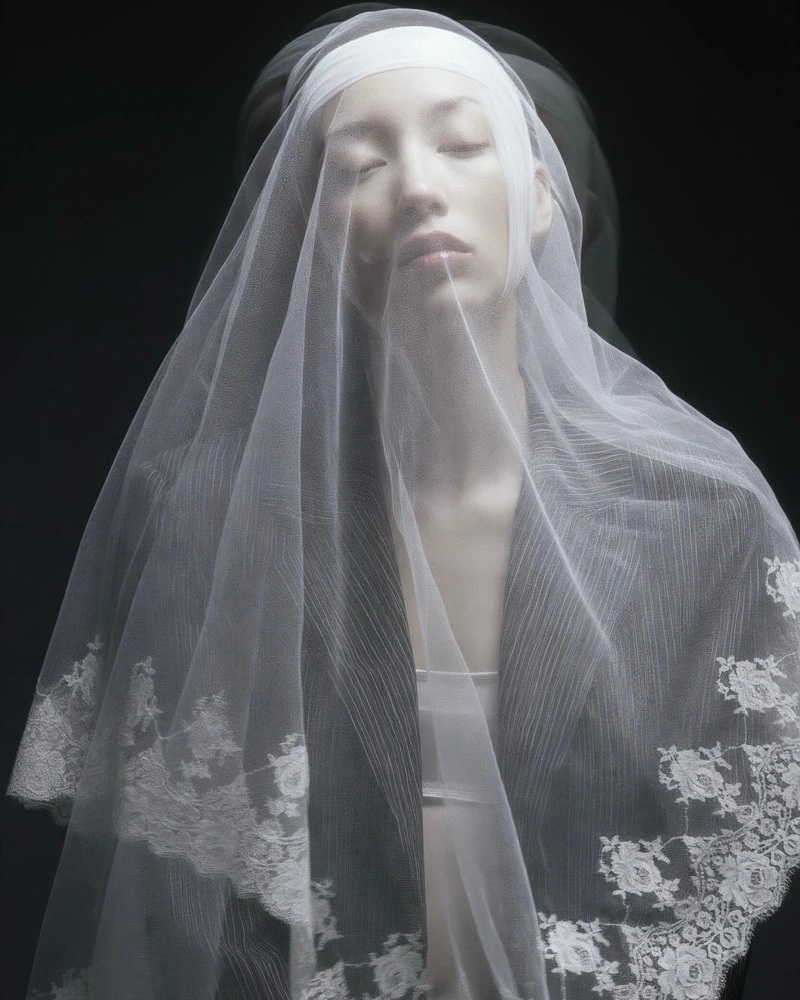
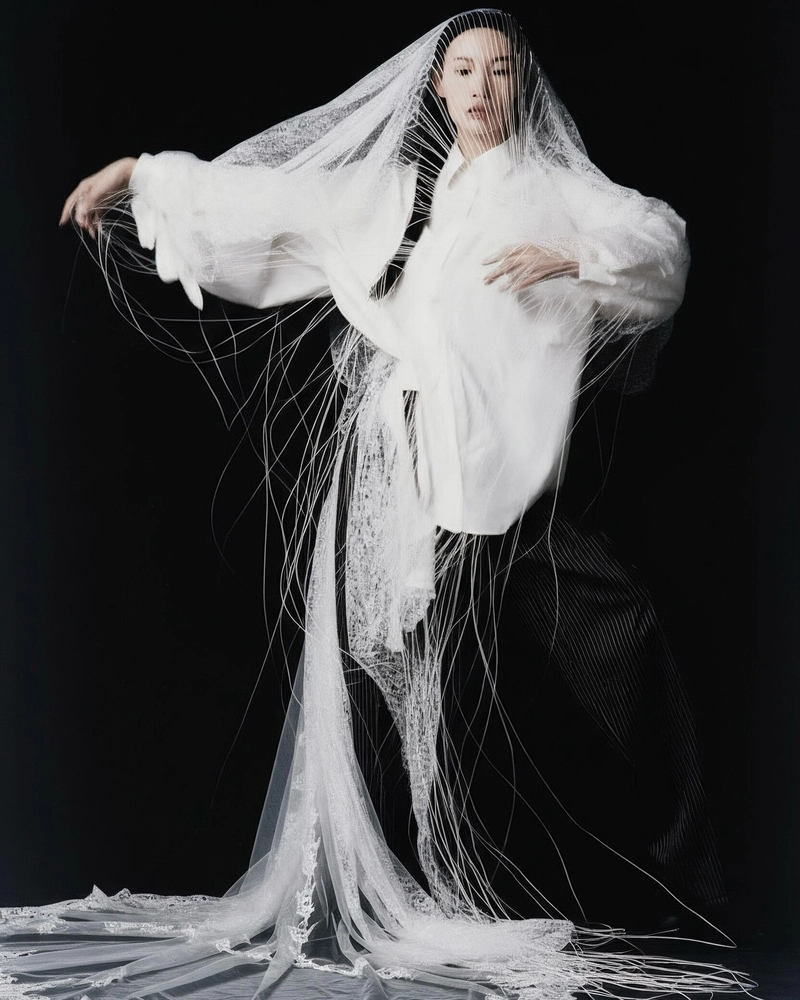
Ukrainian label Balykina translates their acclaimed eveningwear DNA into veils of astonishing sculptural adaptability. Whether punctuated by a solitary orchid motif or framed by dramatic feather trims, their bridal line is remarkably transformative, designed with an architectural rigor that allows for multiple, breathtaking styling iterations. Balykina’s position among bridal veil designers feels especially compelling because the veil becomes an object of movement, reinvention, and ceremony.
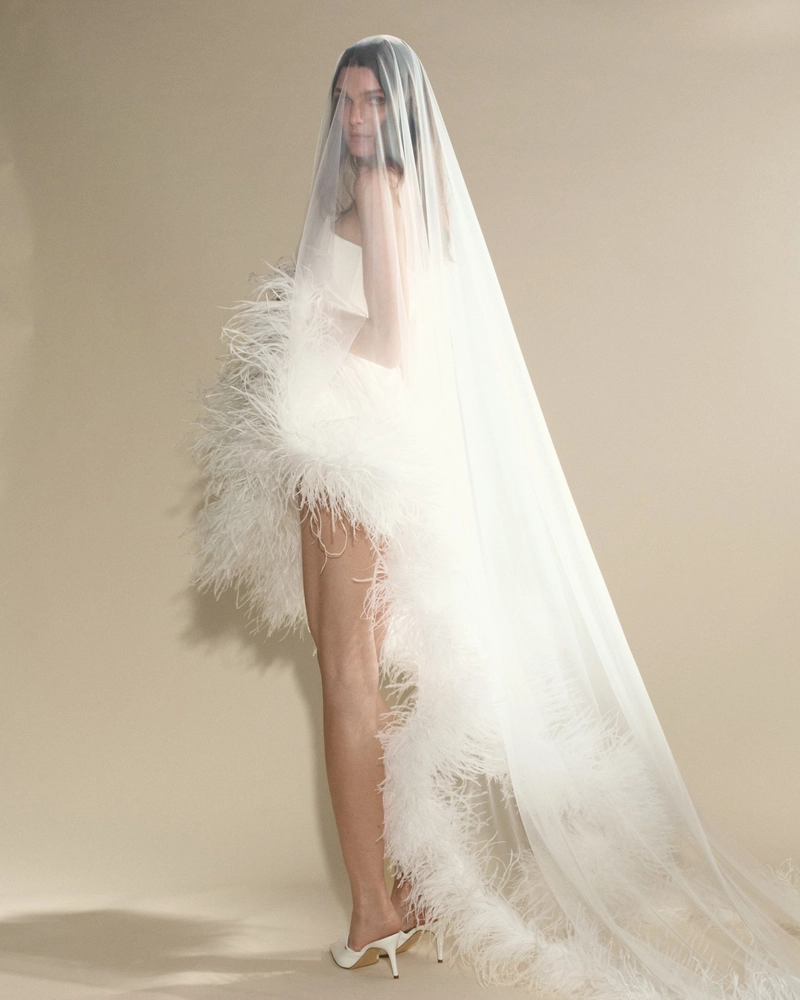
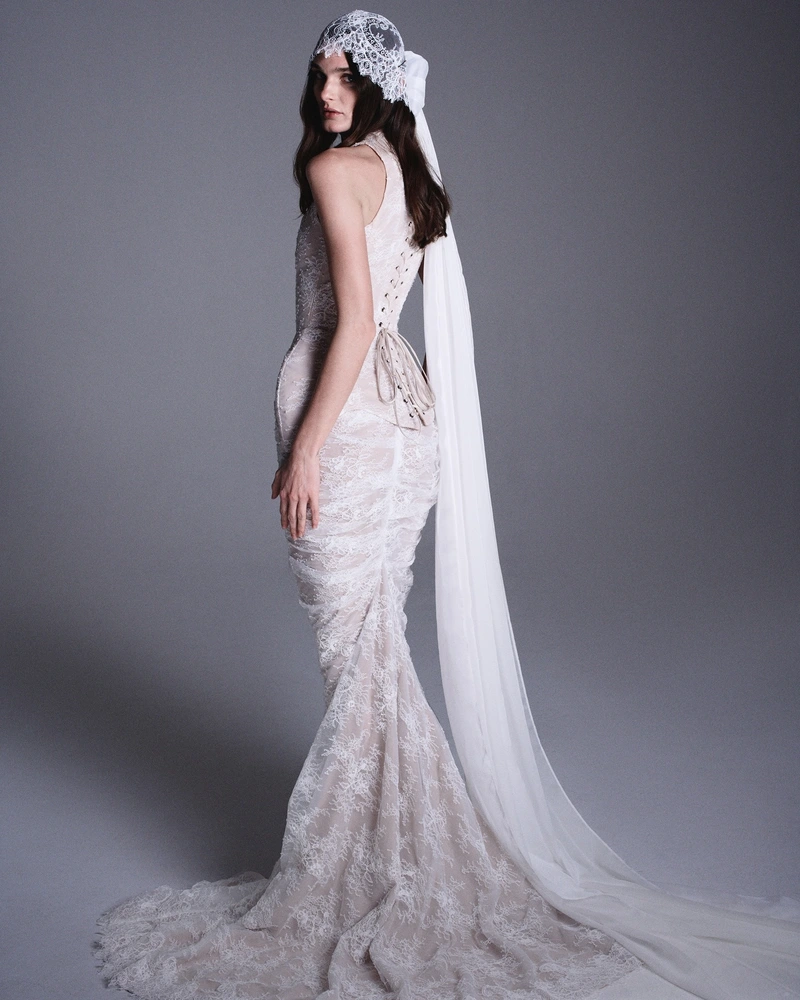
The rise of these bridal veil designers signals a broader shift in how contemporary brides understand ceremony, image, and self-expression. The veil is no longer simply the final layer placed over a completed gown; it has become a tool of authorship. It can sharpen a minimalist dress, soften a severe silhouette, historicize a modern look, or turn a traditional bridal moment into something stranger, more intimate, and more memorable.
What makes these bridal veil designers important is their refusal to treat the veil as passive. Across lace, crochet, vintage textiles, embroidery, 3D printing, crystals, color, feathers, and sculptural tulle, the veil becomes a site of cultural memory and personal identity. It allows the bride to decide whether she wants to appear romantic, rebellious, cinematic, spiritual, architectural, or entirely unclassifiable.
In this new bridal landscape, the most interesting drama may no longer begin with the dress. It may begin above the shoulders, in the gesture that frames the face, alters the silhouette, and changes the emotional temperature of the entire look. These bridal veil designers understand that the veil is not merely something a bride wears. It is the atmosphere she brings with her.
Advertisement