MENU
Close





Duran Lantink built his career by cutting through the fixed meanings of clothes, bodies and brands, until Jean Paul Gaultier found in him a successor capable of making provocation dangerous again.
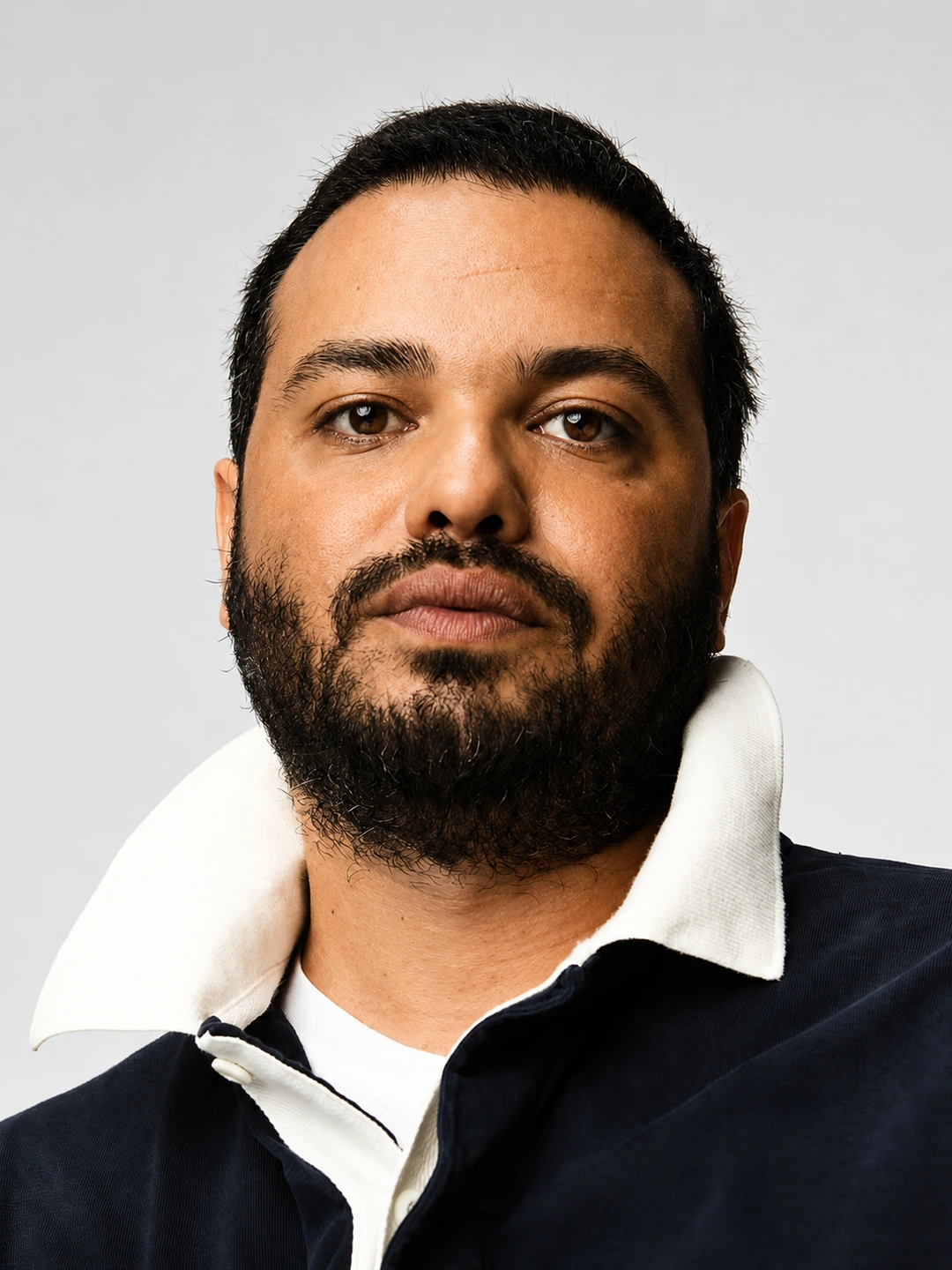
Duran Lantink built his career by cutting through the fixed meanings of clothes, bodies and brands, until Jean Paul Gaultier found in him a successor capable of making provocation dangerous again.
August 5, 2026
Advertisement
Advertisement


At fourteen, Duran Lantink took a pair of unwanted Diesel jeans from his stepfather and cut them into belts. Pieces of his grandmother’s plaid tablecloth entered the same experiment, and a friend’s mother helped sew the materials into skirts. A local store agreed to sell them. The pieces disappeared quickly.
A small runway show followed at a beach club outside The Hague, with school friends modelling the hybrid garments across the terrace. The presentation had few signs of a professional fashion operation, yet the method behind it was already remarkably complete. Lantink saw a finished object and imagined another form waiting inside it.
Two decades later, Jean Paul Gaultier would appoint him as its permanent creative director. The distance between those two moments appears enormous. The instinct connecting them barely changed.
Duran Lantink was born in The Hague in 1987. His childhood introduced fashion through transformation long before he encountered it as an industry. At weekends, his parents and their friends exchanged ordinary clothes for metallic catsuits, Margiela dresses, Jean Paul Gaultier and Walter Van Beirendonck before disappearing into Dutch nightlife. They left the house as recognisable adults and returned as evidence that identity could be revised for an evening.
Dressing created access to another atmosphere, another community, and a version of the self unavailable during the working week. The young Duran Lantink watched bodies change through fabric, padding, shine and attitude. And from that moment, fashion entered his imagination as permission.
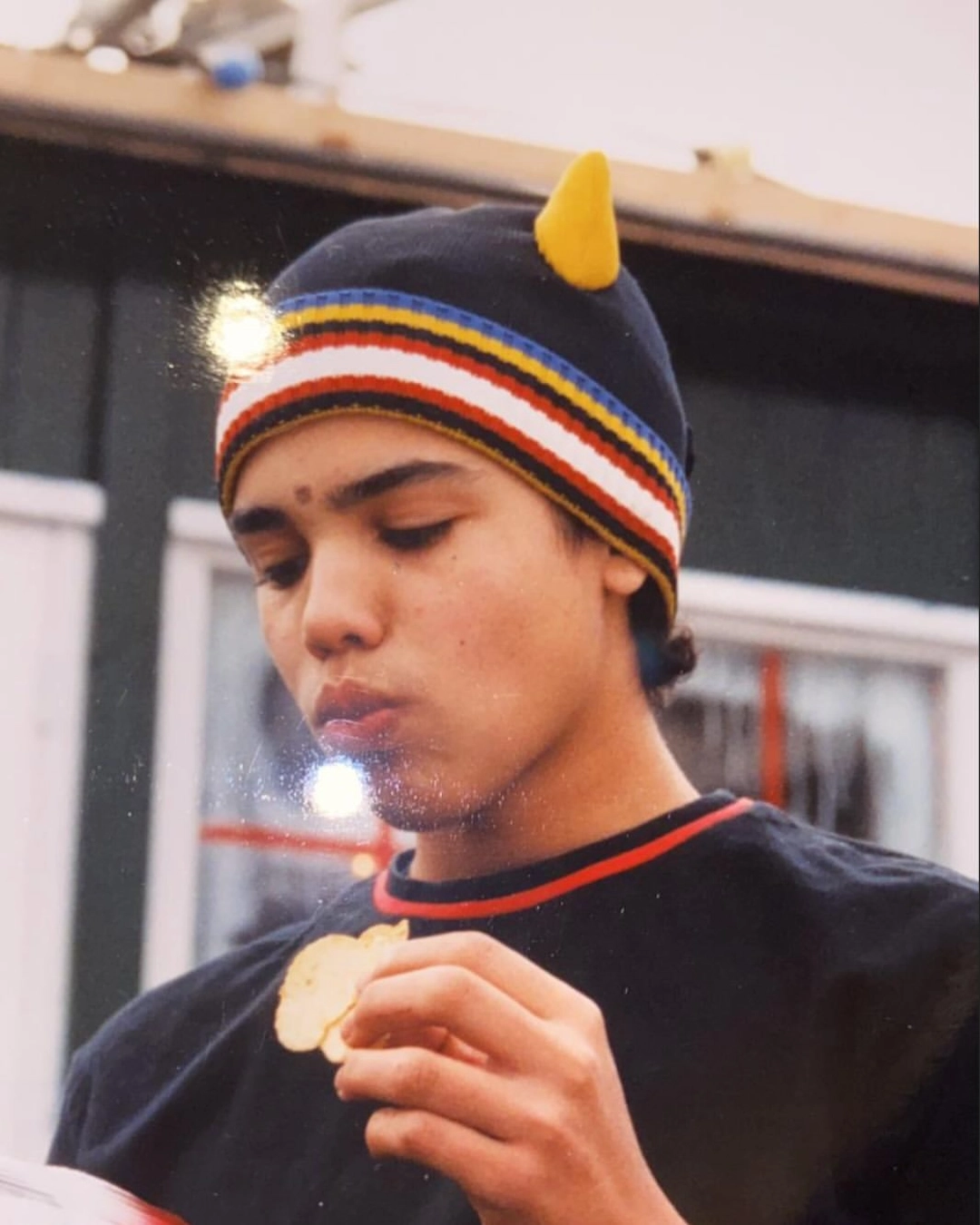
He soon started testing that permission on his own wardrobe. Wearing his mother’s clothes to school, he experimented with piercings and dyed his hair. A Junior Gaultier hat with devil horns became an early treasure. Around the age of 14, he rescued his stepfather’s discarded Diesel jeans, cut them into belts and combined them with sections of his grandmother’s plaid tablecloth. A friend’s mother helped sew the pieces into skirts.
A local shop agreed to stock them. They sold quickly.
Duran Lantink followed the small commercial success with a runway show at a beach club outside The Hague. His school friends modeled hybrid garments across the terrace. The event lacked the infrastructure attached to professional fashion, yet its underlying method was already complete. He had taken clothes burdened with previous lives, broken their familiar shapes to therefore, released a second identity from inside them.
Years later, the industry would call this upcycling. For Duran Lantink, it had started as a more instinctive act: looking at an object and refusing to accept that its current form represented its final possibility.
After secondary school, Duran Lantink briefly attended the Amsterdam Fashion Institute. Its structured, commercially oriented approach offered little room for the improvisational way he already understood clothes, and he soon left. In 2010, he enrolled at the Gerrit Rietveld Academie, where fashion existed within a broader fine-art environment.
The change of institution did not immediately resolve the conflict. Duran Lantink preferred starting with garments that already contained seams, pockets, labels and signs of previous ownership. Several tutors saw this dependence on existing clothing as technical avoidance. Reconstruction could be mistaken for laziness in an education system that still measured legitimacy through pattern cutting and fabric placed untouched on a table.
He continued anyway. Department head Niels Klavers eventually recognised that the method possessed its own logic and encouraged him to develop it further. The support allowed Duran Lantink to sharpen his construction without surrendering the instinct that had first placed him at odds with formal fashion training.
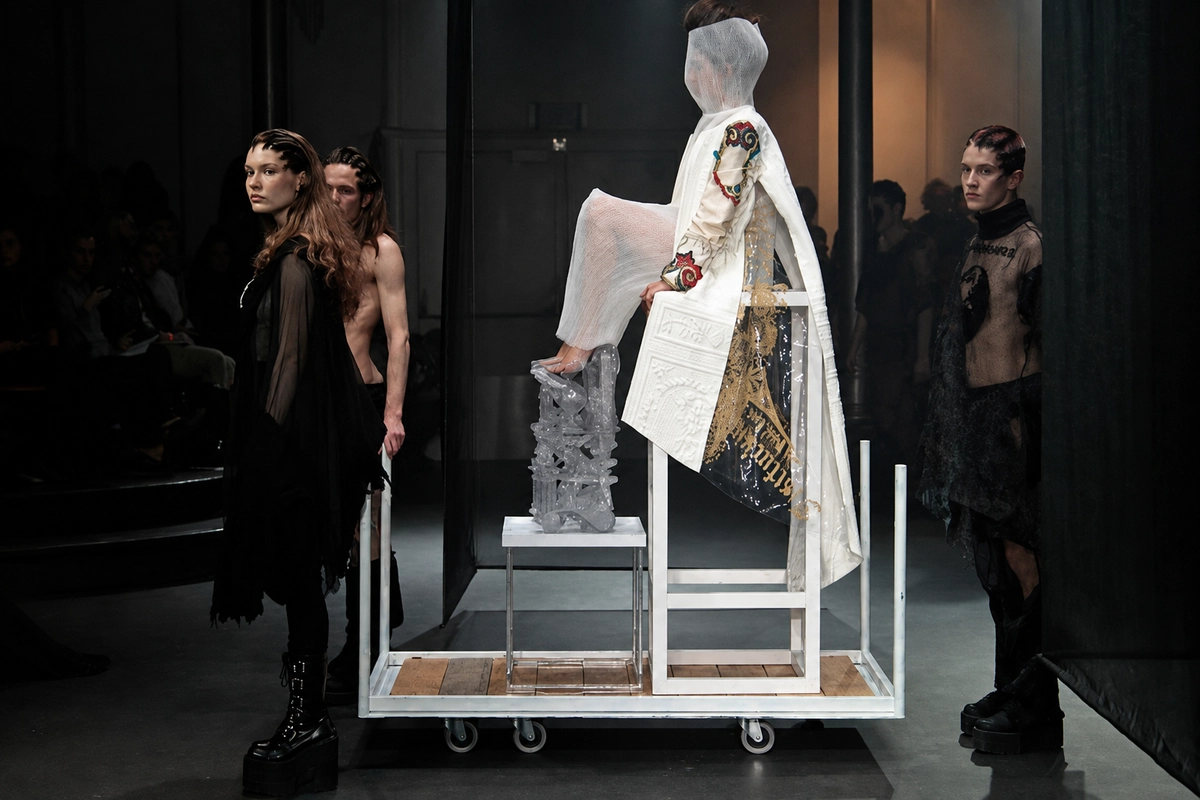
His graduation collection closed the Rietveld fashion show in 2013. Transparent panels divided garments and exposed sections of the body as part of their architecture. One model appeared in approximately eighty-centimeter acrylic heels covered with religious imagery. The shoes made walking impossible, so she crossed the stage on a wheeled platform.
The spectacle already contained many of the tensions that would define his work: bodily obstruction, theatrical humour and garments that forced their surroundings to adapt to them. Duran Lantink could construct clothes. His real interest lay in discovering the point at which construction became strange enough to create another reality.
Between his bachelor’s degree and the master’s programme he completed at the Sandberg Instituut in 2017, Duran Lantink travelled to Cape Town with photographer Jan Hoek. There, they began collaborating with SistaazHood, a self-organised community of transgender sex workers whose members used clothing, found objects and styling to build highly individual public identities.
The project, known as Sistaaz of the Castle, placed the participants’ imagined characters at the centre of the design process. Each woman proposed a dream look, which Duran Lantink helped translate into clothing through assembled garments, theatrical proportions and improvised glamour. Their desires directed the fantasy.
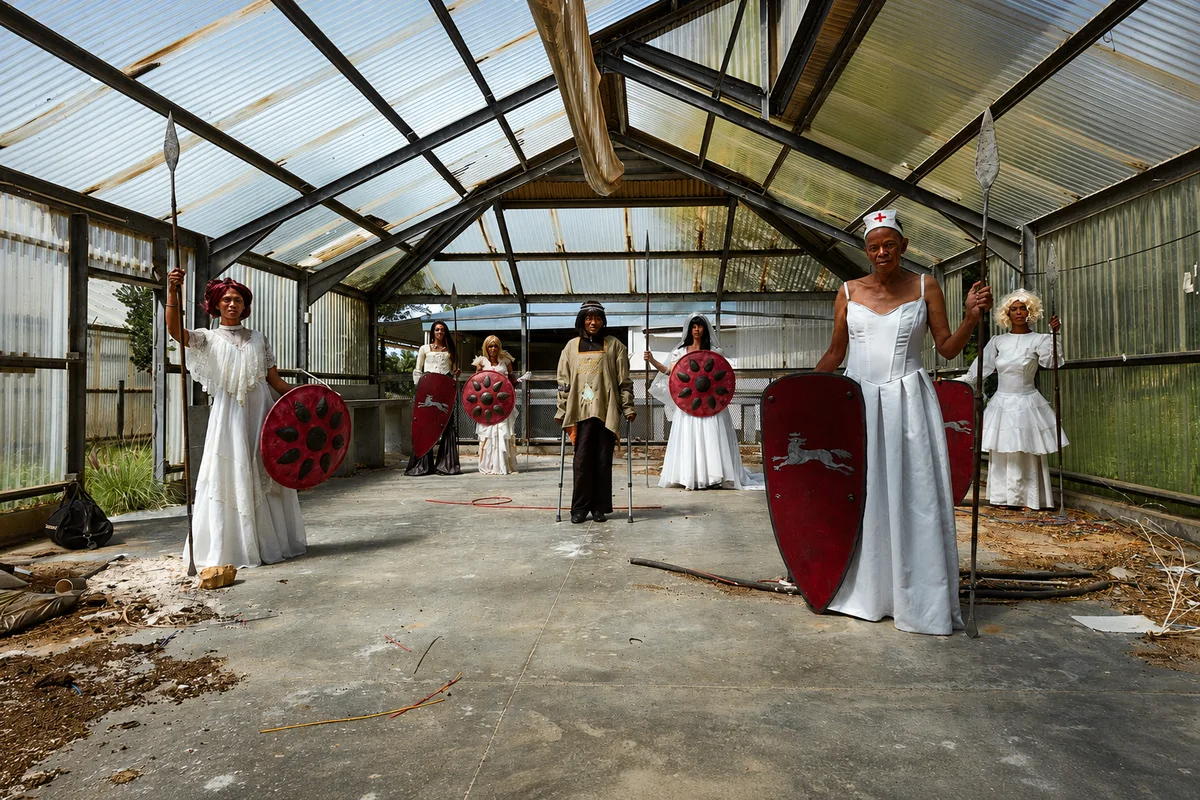
Sistaaz of the Castle won the Fashion category at the Dutch Design Awards in 2016 and later entered museum and exhibition contexts. Its deeper importance within Lantink’s development concerned authorship. Fashion education had taught him to defend the legitimacy of working with what already existed. SistaazHood showed him that the same principle could apply to people: design did not need to erase an identity before transforming it.
A garment, a body or a personal fantasy could arrive carrying its own history. His role was to listen closely enough to discover what else it might become.
In April 2018, Janelle Monáe released the video for “Pynk”, introducing Duran Lantink to a global audience through a pair of sculptural pink trousers shaped around an unmistakable anatomical reference.
Director Emma Westenberg contacted him only days before filming. Duran Lantink gathered a small group of friends, found an emergency workspace and completed the looks within five days. The speed revealed one of his defining strengths: he could turn an abstract image into a physical object before a conventional development process had time to dilute it.
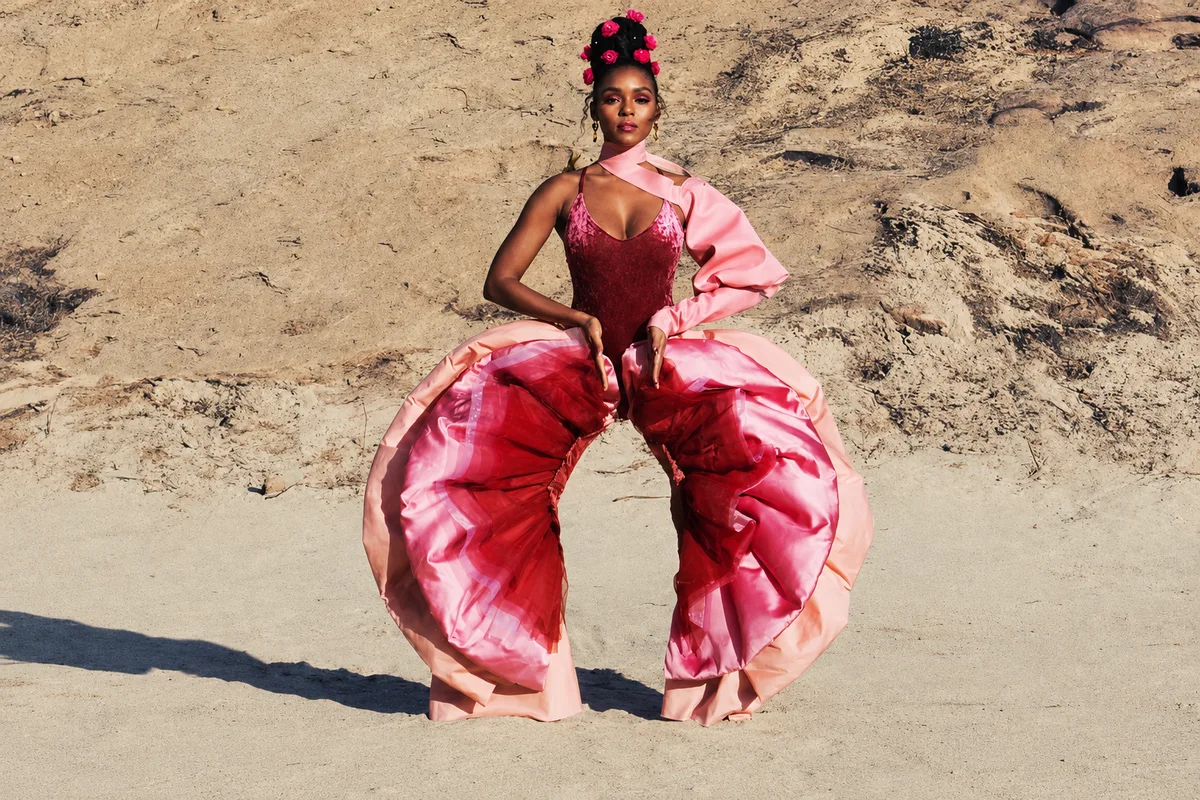
The trousers quickly escaped the context of the video, entering exhibitions, museum collections and the wider visual memory of contemporary pop culture. Monáe was a decisive collaborator, though never a conventional muse. Their connection worked through one concentrated image in which her performance sharpened his ability to make anatomy political, humorous and immediately legible.
The success also created a risk. Duran Lantink could easily have been reduced to the designer behind a viral costume. His later work expanded the proposition instead. “Pynk” isolated one body part; the collections that followed would disrupt the entire figure.
Duran Lantink had worked under his own name from around 2016. By 2019, those projects had cohered into a recognisable independent label built through one-off garments, retailer commissions and deadstock interventions.
Luxury companies had accumulated vast quantities of unsold clothing while protecting the fiction that every branded object possessed permanent desirability. Duran Lantink entered space between those claims: taking products the market had rejected and treating their failure as design material.
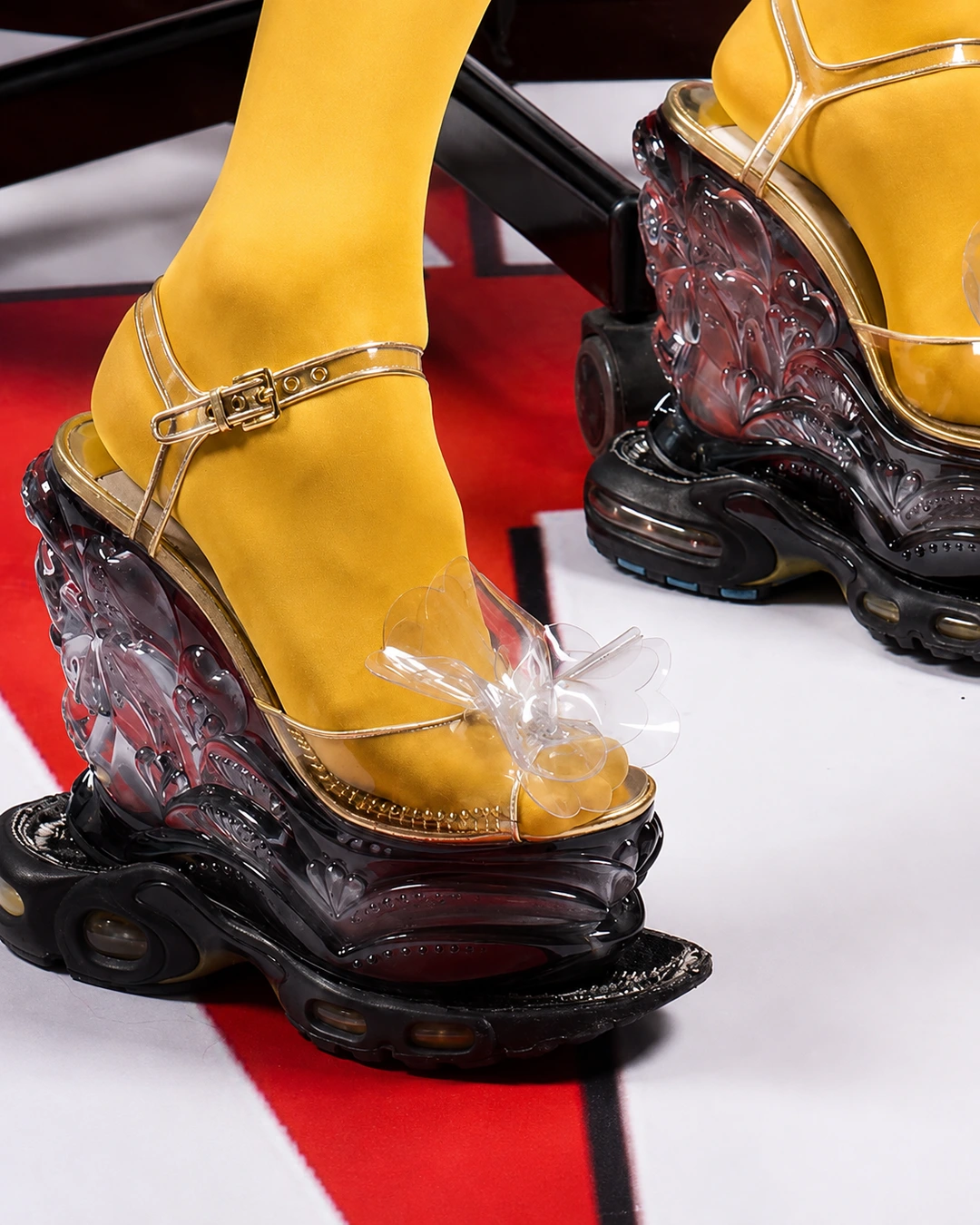
A Givenchy coat could be cut into Louis Vuitton. Prada bags could be joined to counterfeit accessories. Nike soles appeared beneath luxury footwear. Labels that spent fortunes maintaining separation were stitched into physical contact. The original brand remained visible, though its authority no longer controlled the object.
At the 2019 International Fashion Showcase in London, his installation resembled a shop filled with unstable merchandise. That same year, he became an LVMH Prize semi-finalist and presented one of his hybrid objects directly within the institution that represented several of the brands his work had been dissecting. His first museum-scale solo exhibition, Old Stock, followed at Centraal Museum in Utrecht.
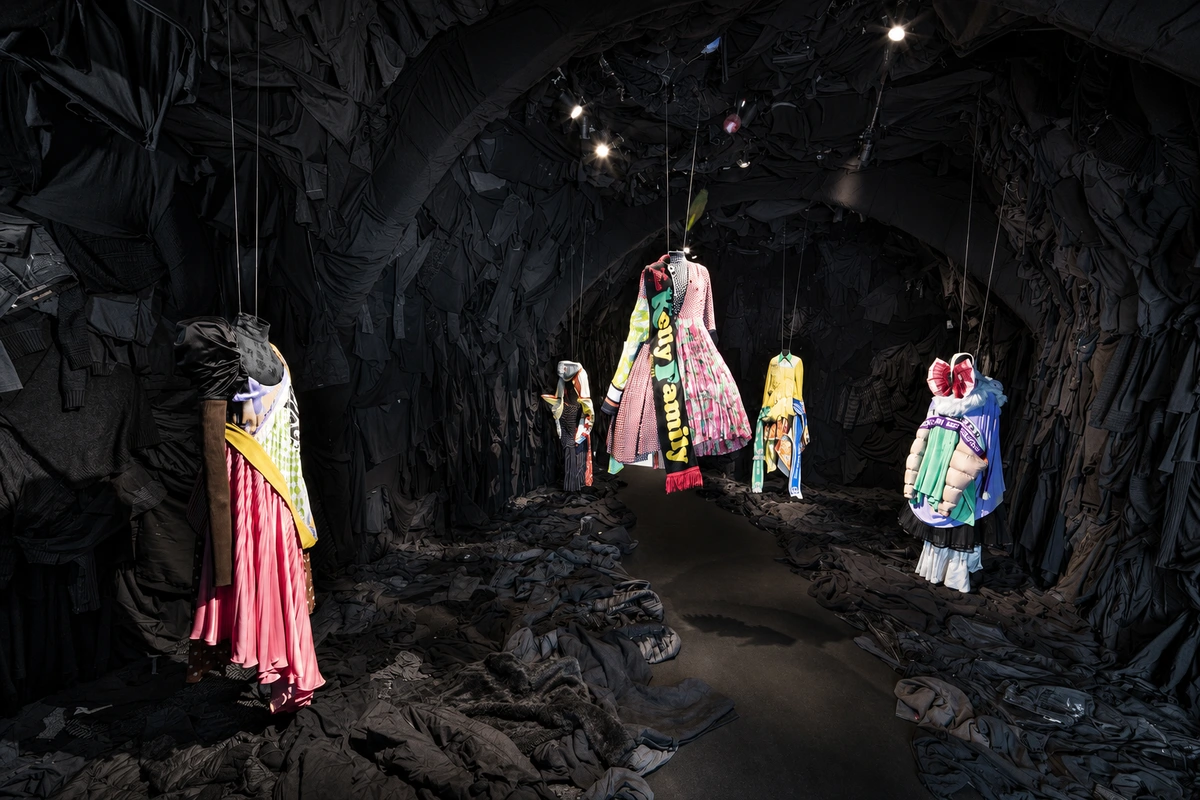
The work attracted collectors, museums and retailers including Liberty, Browns and H Lorenzo. Stores commissioned Duran Lantink to transform inventory they had failed to sell. The arrangement inverted the normal relationship between designer and retailer. Their unwanted products entered his studio carrying diminished commercial value and returned as scarce objects with cultural attention attached.
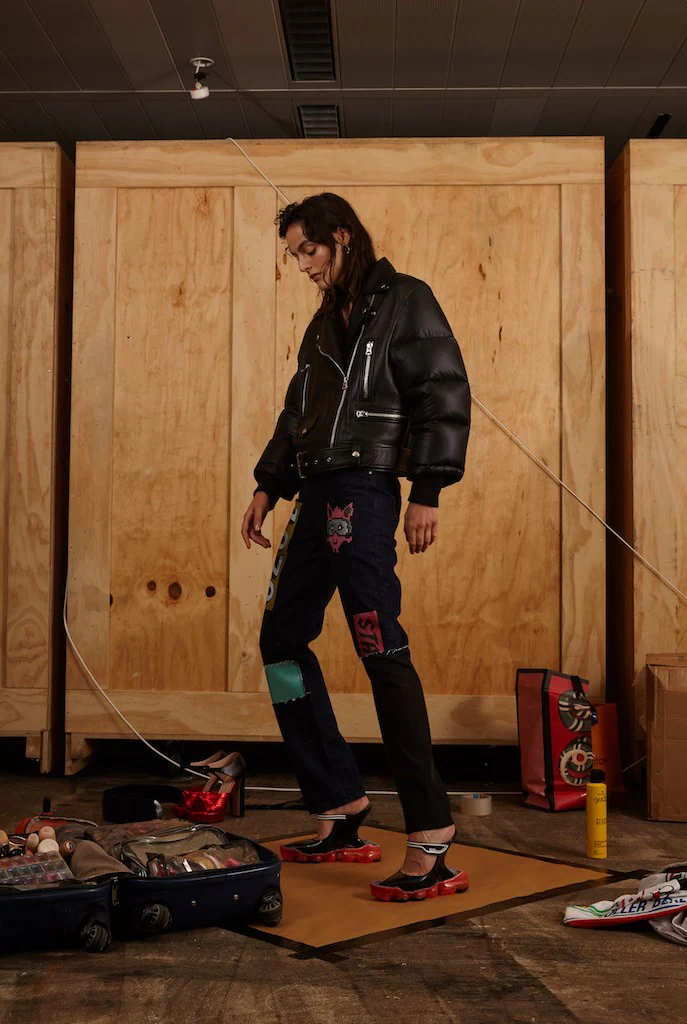
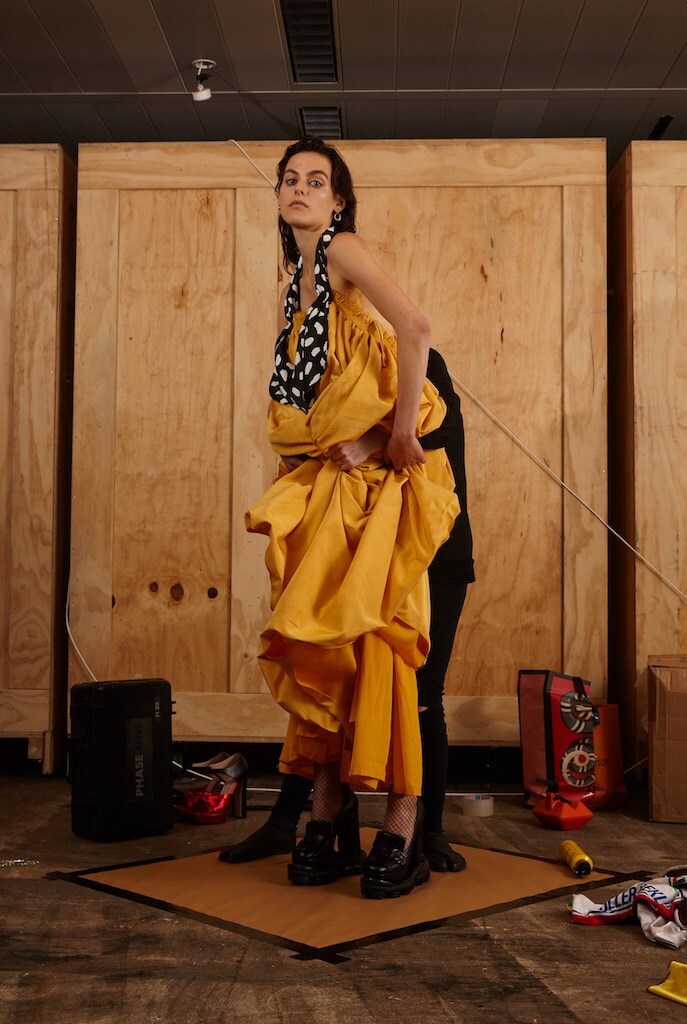
Duran Lantink resisted the pious language that increasingly surrounded sustainable fashion. He acknowledged the waste crisis but rejected the idea that environmental virtue alone could make an object desirable. His clothes needed fantasy, humour and visual aggression. Circularity functioned as method. It never replaced design.
The distinction protected his work from the beige morality that often flattened early sustainable luxury. Duran Lantink showed that excess could be redirected into a stranger and more compelling form of excess.
By 2021, other designers and major houses had adopted reuse as a visible creative strategy. The territory that once made Duran Lantink unusual was becoming crowded. He responded by shifting the site of intervention.
The clothes stopped absorbing all the distortion. The body underneath them started to change.
His first standalone collection presentation in 2021 was staged during pandemic restrictions and filmed by remotely operated drones inside Palace Soestdijk. Robotic guests occupied the front row while cameras travelled through rooms around the models. The format extended his suspicion of fashion’s fixed hierarchies: access, celebrity and the authority of the physical front row became part of the fiction.
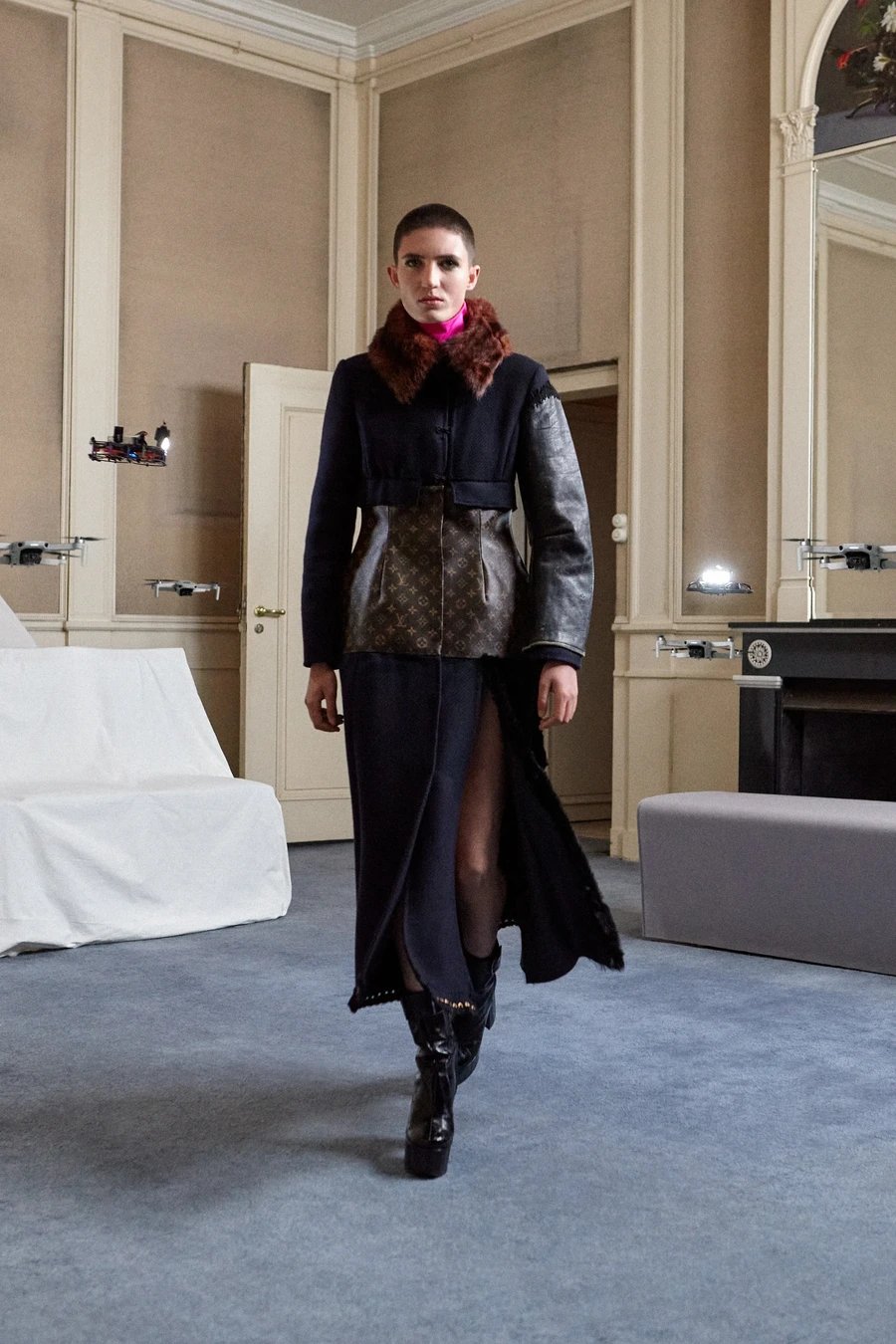
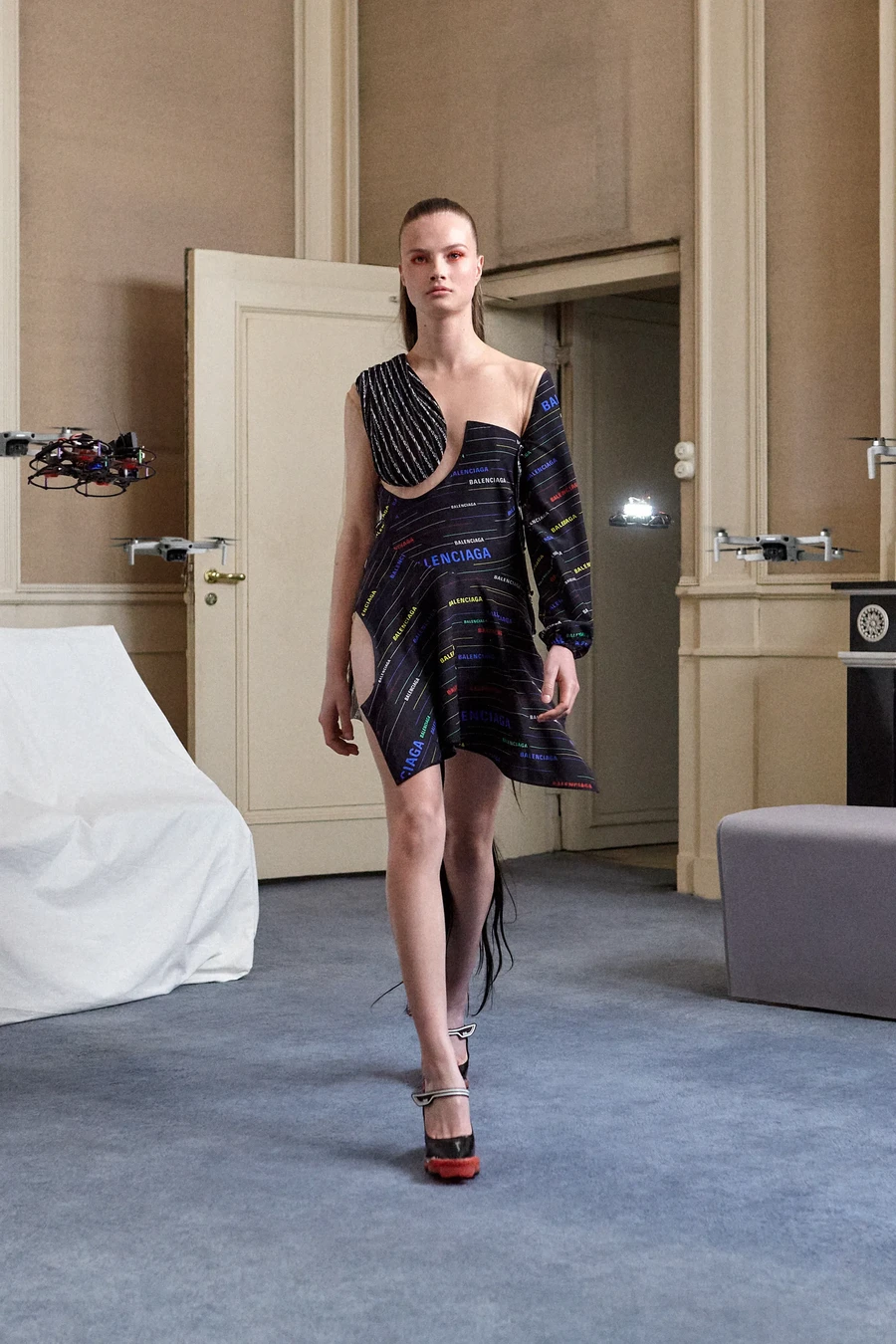
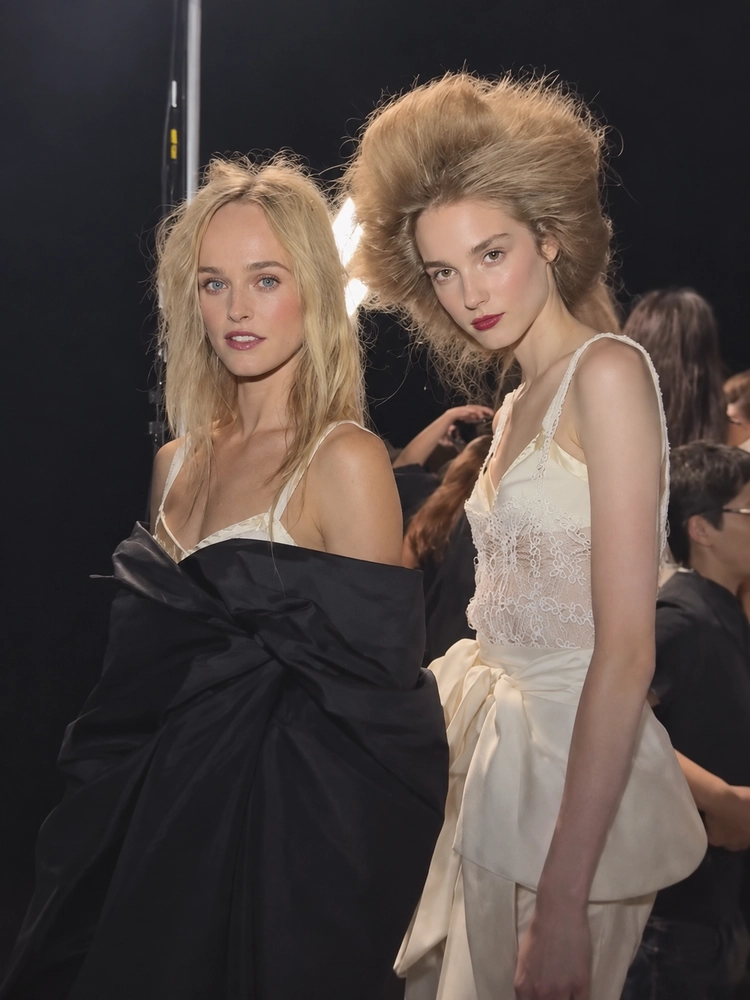
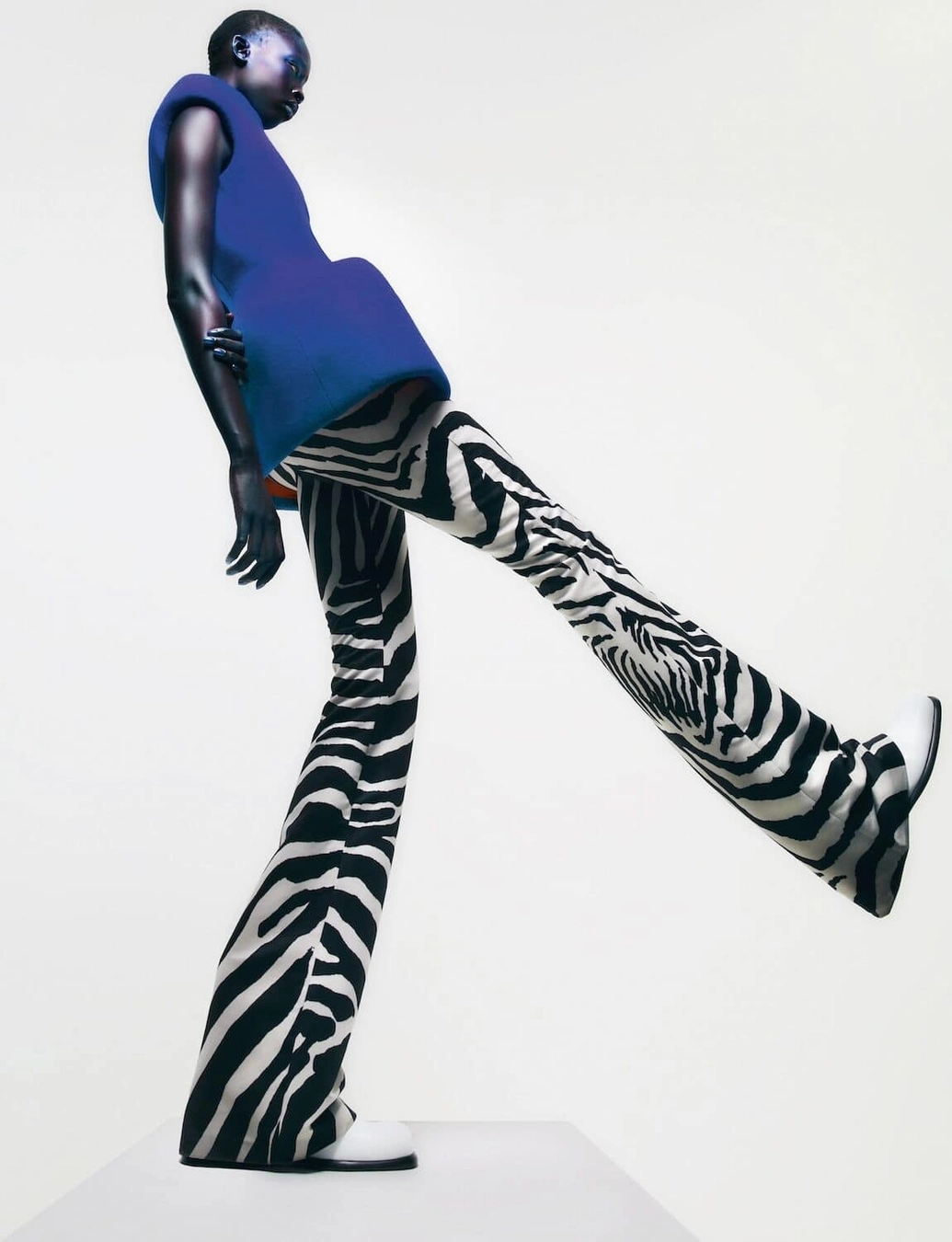
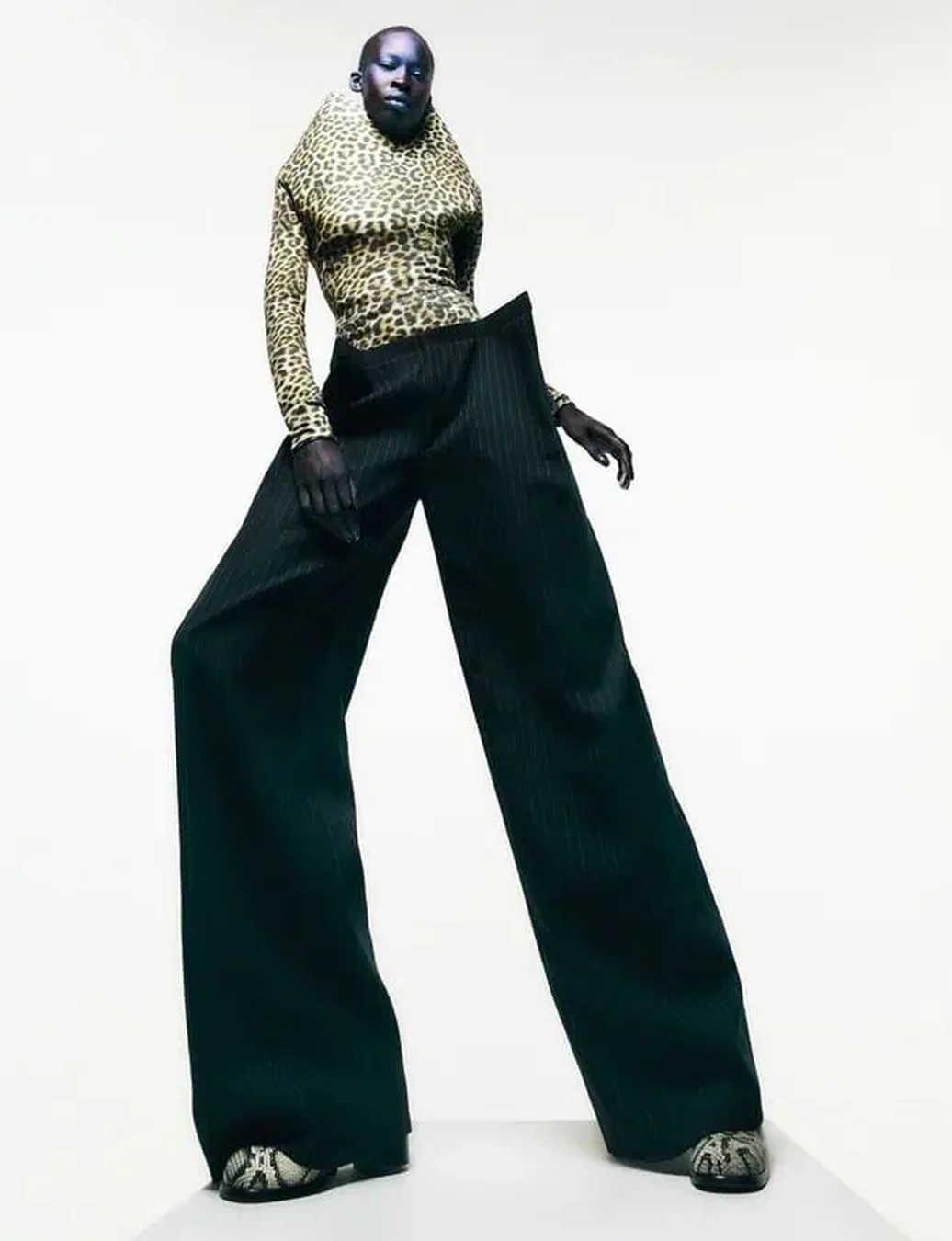
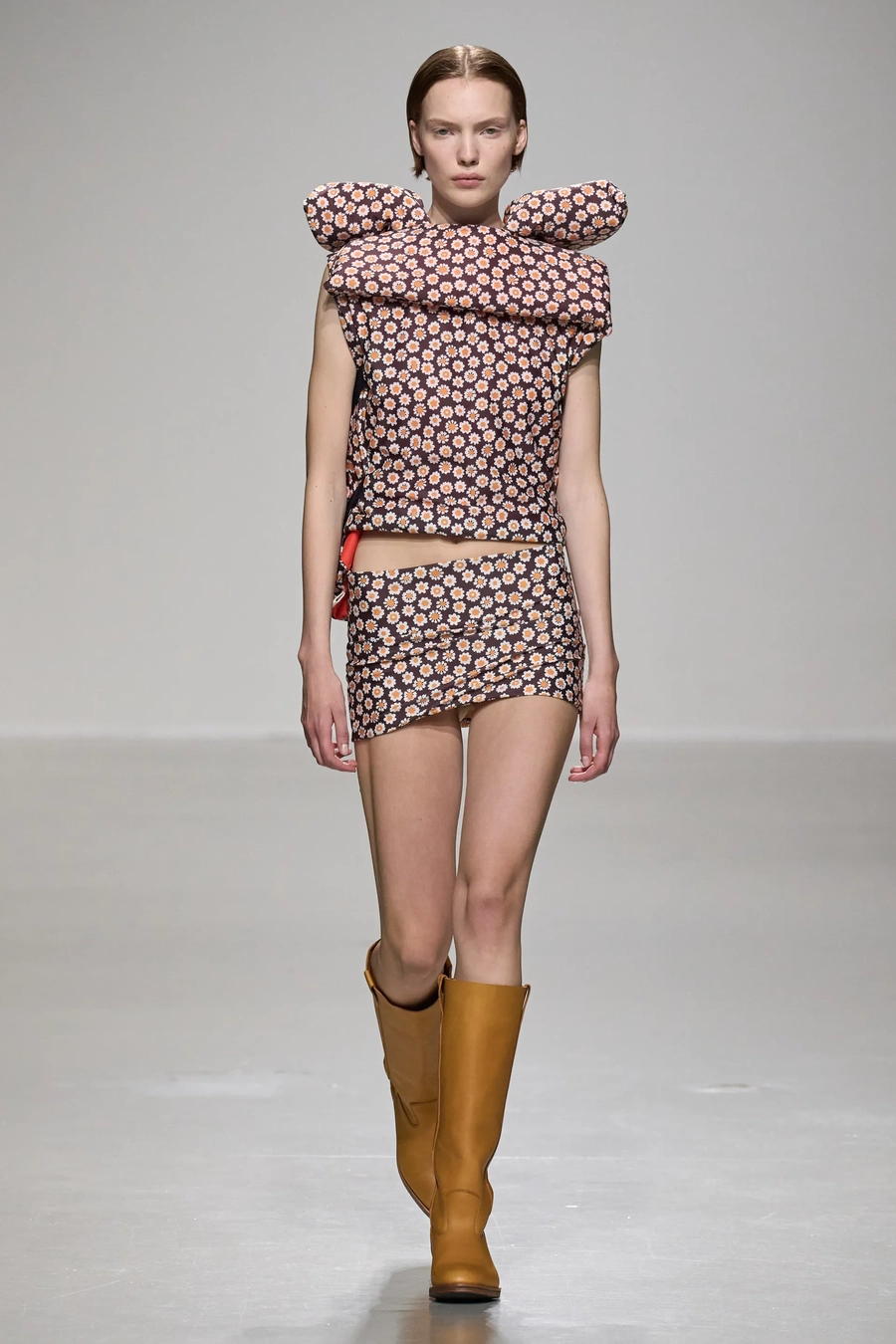
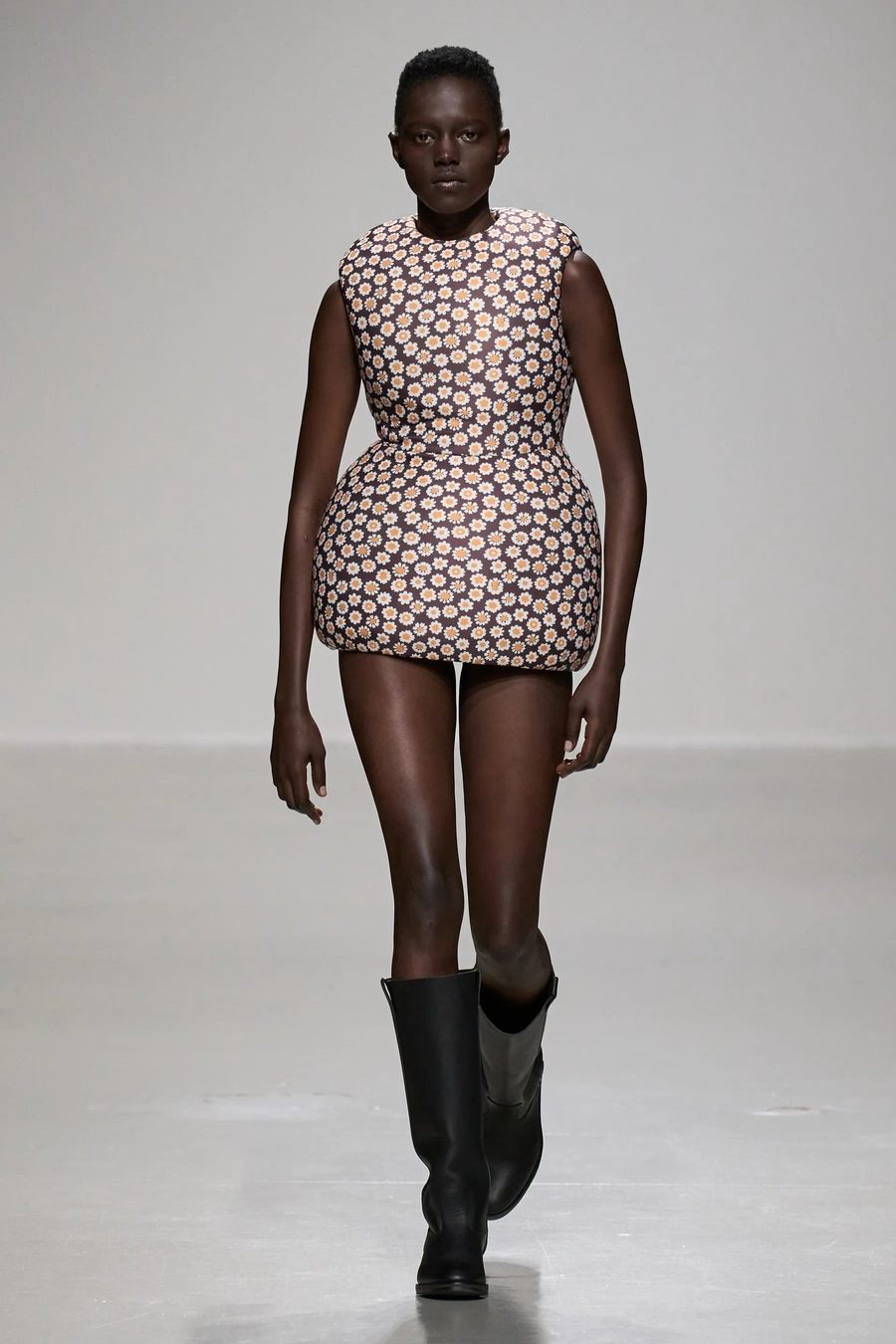
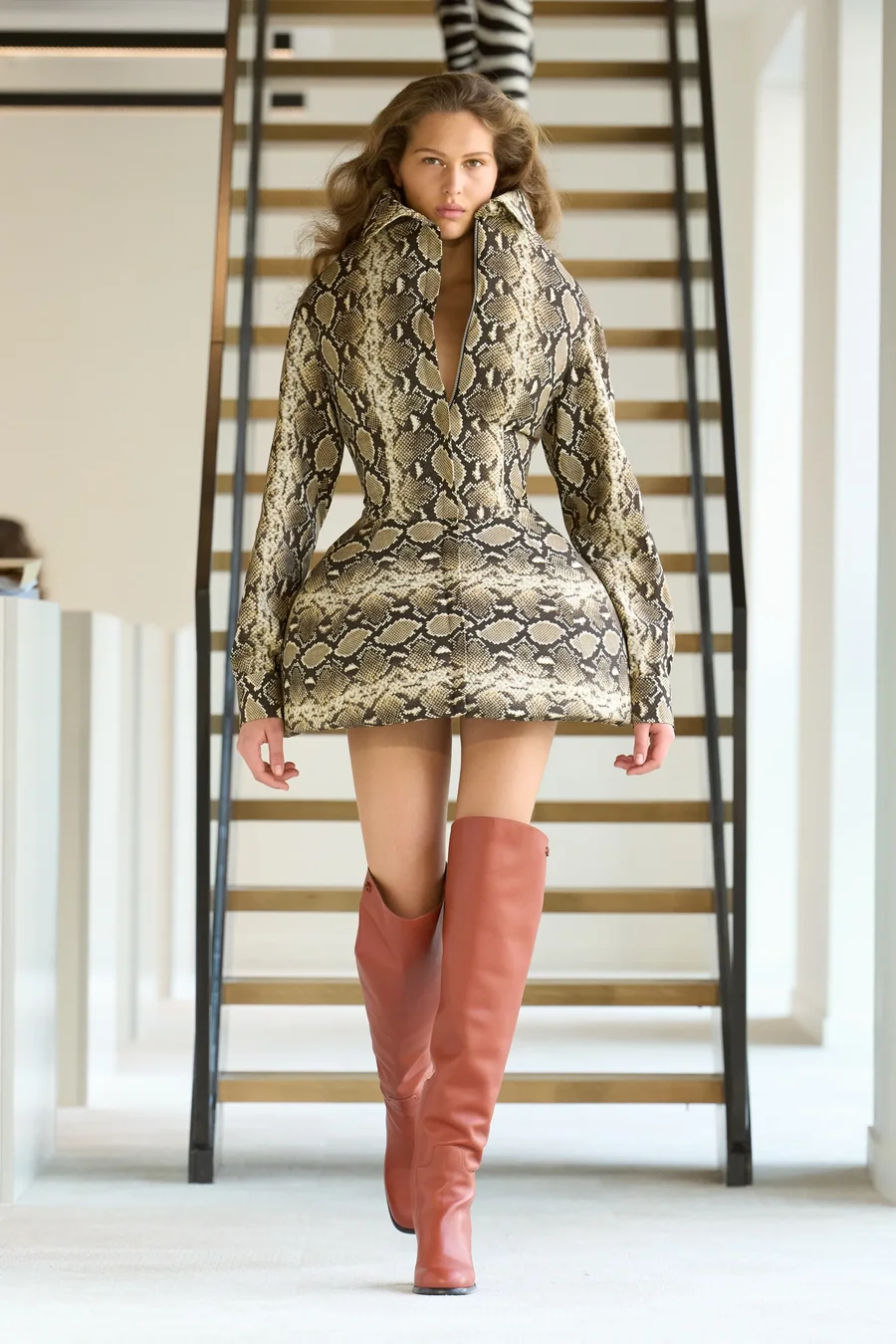
The garments carried a deeper change: padding expanded hips, torsos and shoulders into rounded projections. These shapes grew more precise over subsequent seasons, until Duran Lantink developed a vocabulary of suspended curves, compressed waists and bodies that seemed assembled from several incompatible anatomical systems.
This was more radical than joining two logos. A brand could object when its coat was cut apart; the human figure possessed no legal department capable of defending its accepted proportions. Duran Lantink had found a material fashion treated as natural even though centuries of corsetry, tailoring, padding and surgery had continuously revised it.
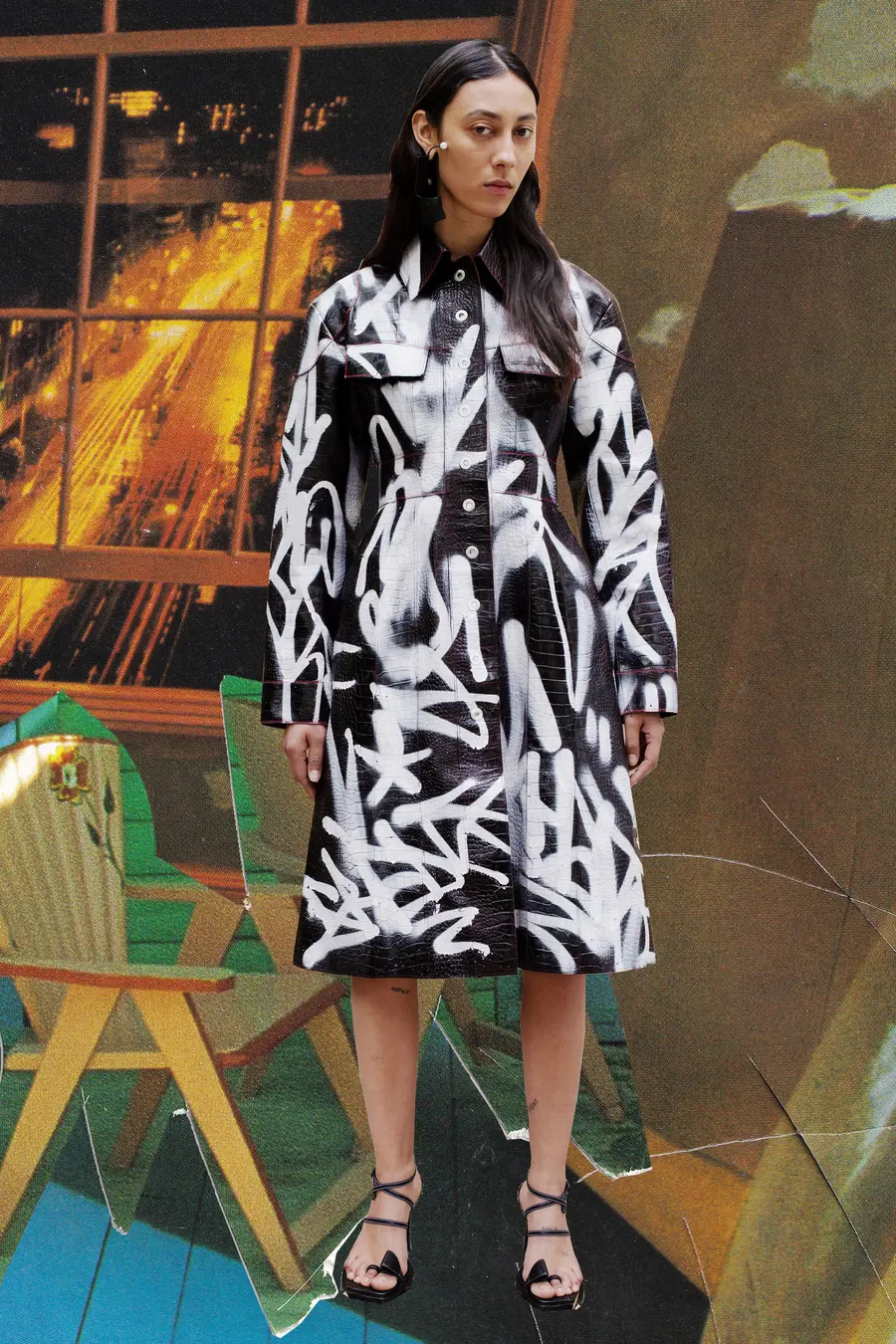
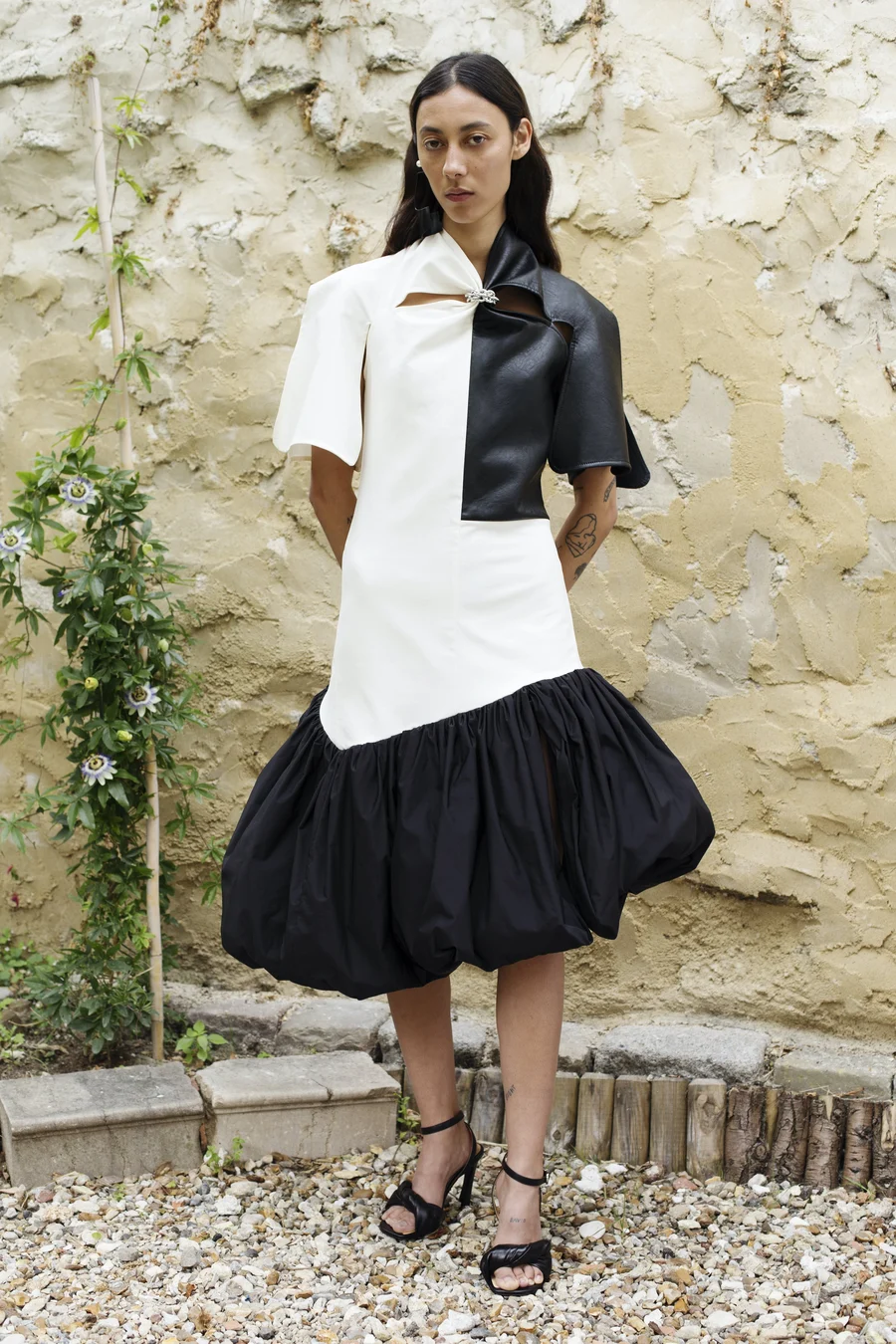
His work occupied the narrow space between attraction and unease. Sexiness usually confirms that the body remains legible as an object of desire. Lantink’s anatomy interrupts that certainty. The viewer has to decide whether the figure is seductive, comic, disturbing or all three before the next look arrives.
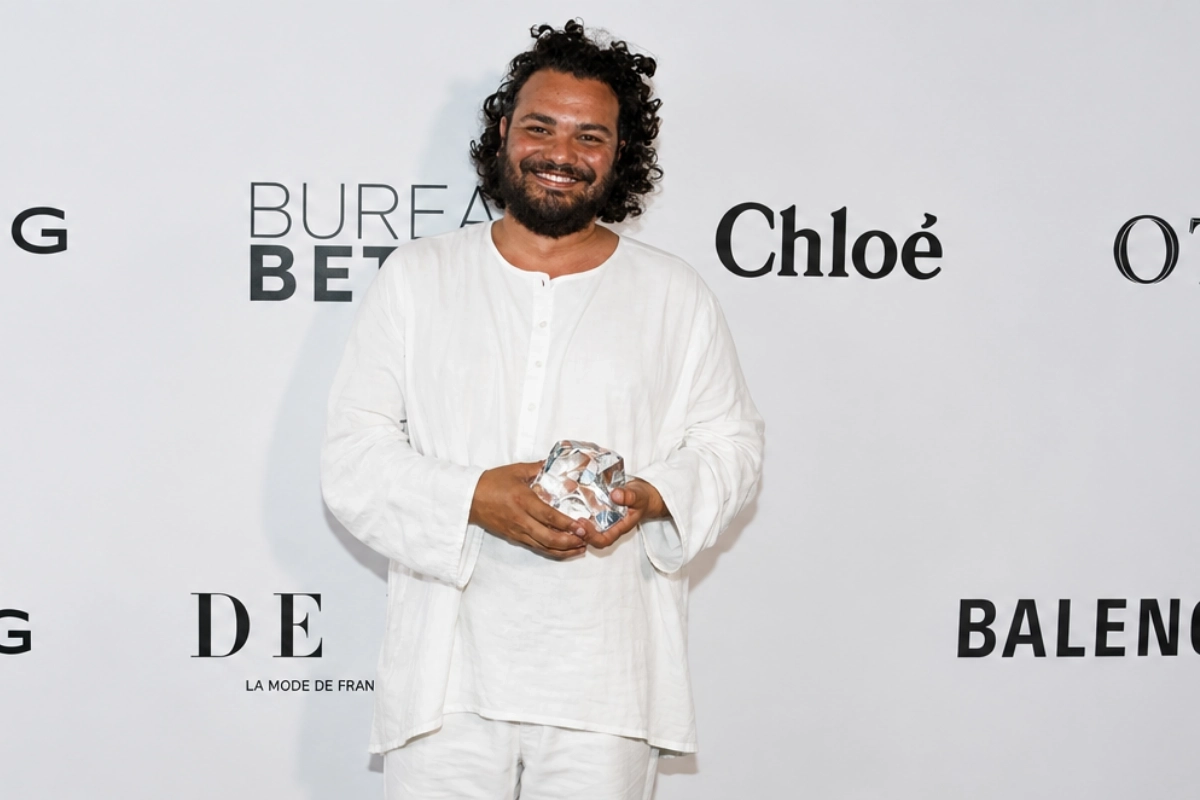
On June 29, 2023, Duran Lantink received the ANDAM Special Prize, gaining €100,000 and a mentorship with Riccardo Bellini. His official Paris Fashion Week debut followed on October 3, translating the inflated torsos, raised shoulders and displaced proportions of his one-off work into a collection intended for production.
The move exposed a central tension within his business. Lantink’s most recognisable garments depended on complex internal structures and intensive finishing. Their images travelled instantly; manufacturing them at scale proved far more difficult. At the time, the label generated revenue in the low six figures, while wholesale demanded stronger supplier relationships, repeated sizing and consistency his studio had never previously required.
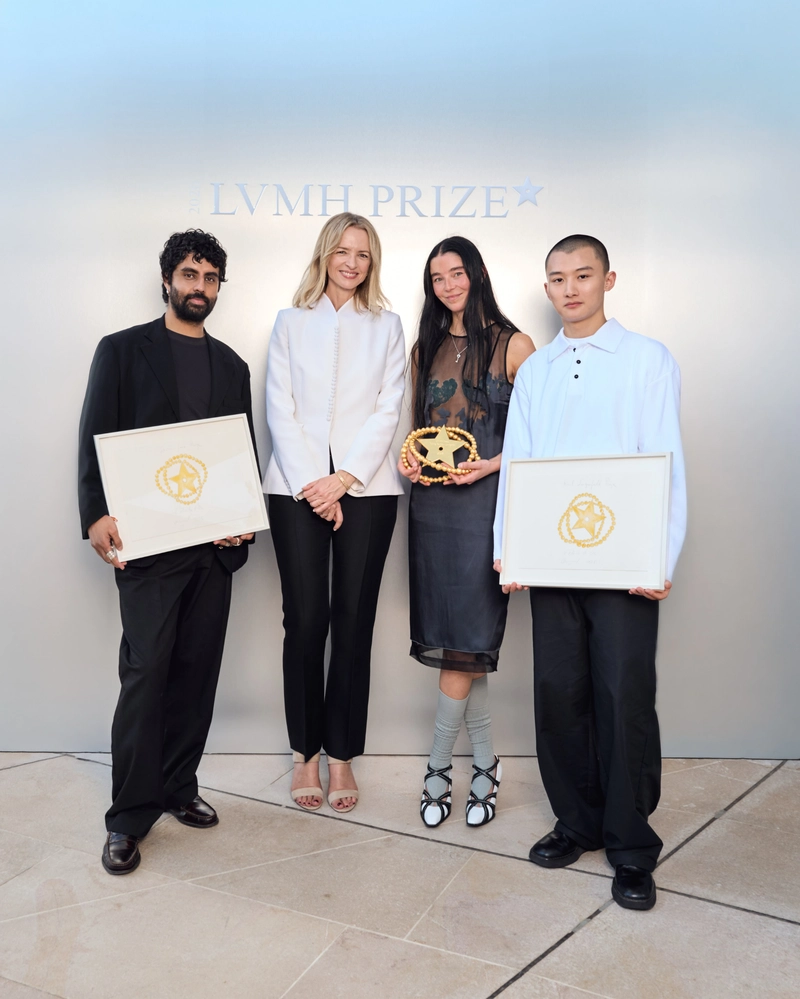
Further recognition supplied the capital needed to continue. He received the Karl Lagerfeld Prize at the LVMH Prize in September 2024, followed by the International Woolmark Prize in April 2025 and the Cultuurfonds Mode Stipendium one month later.
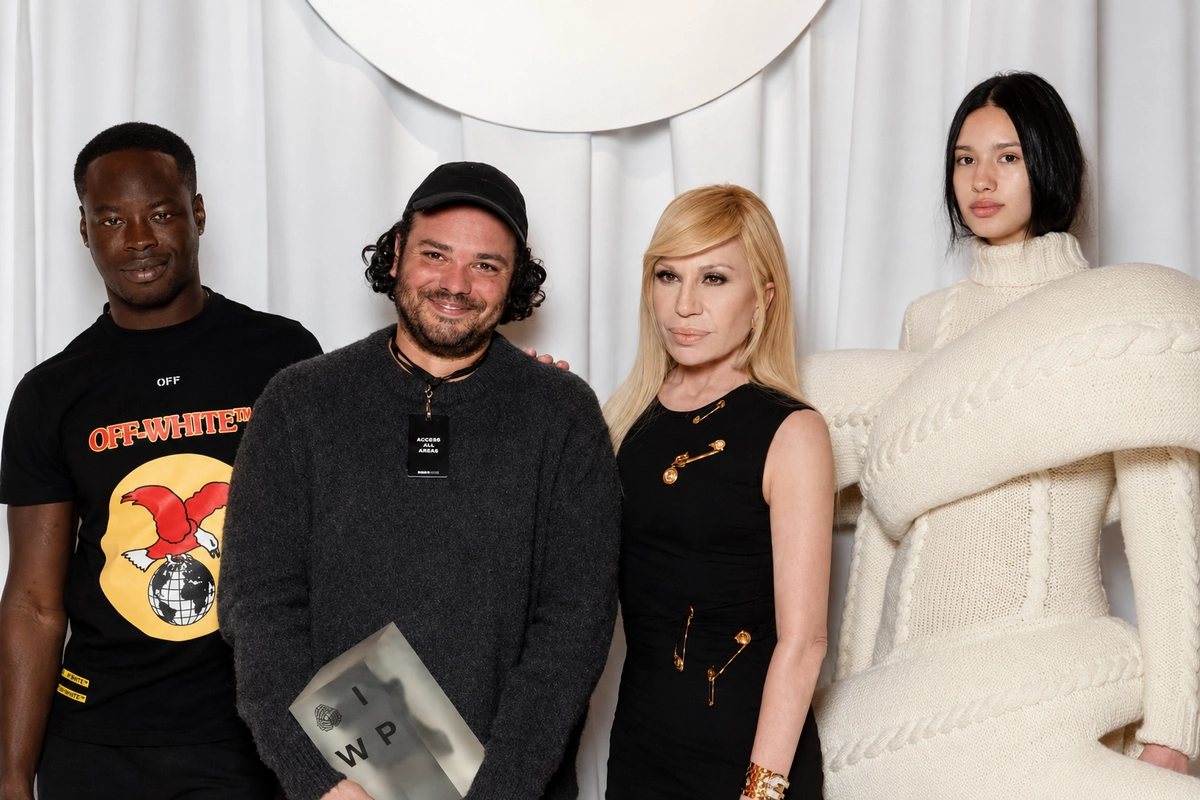
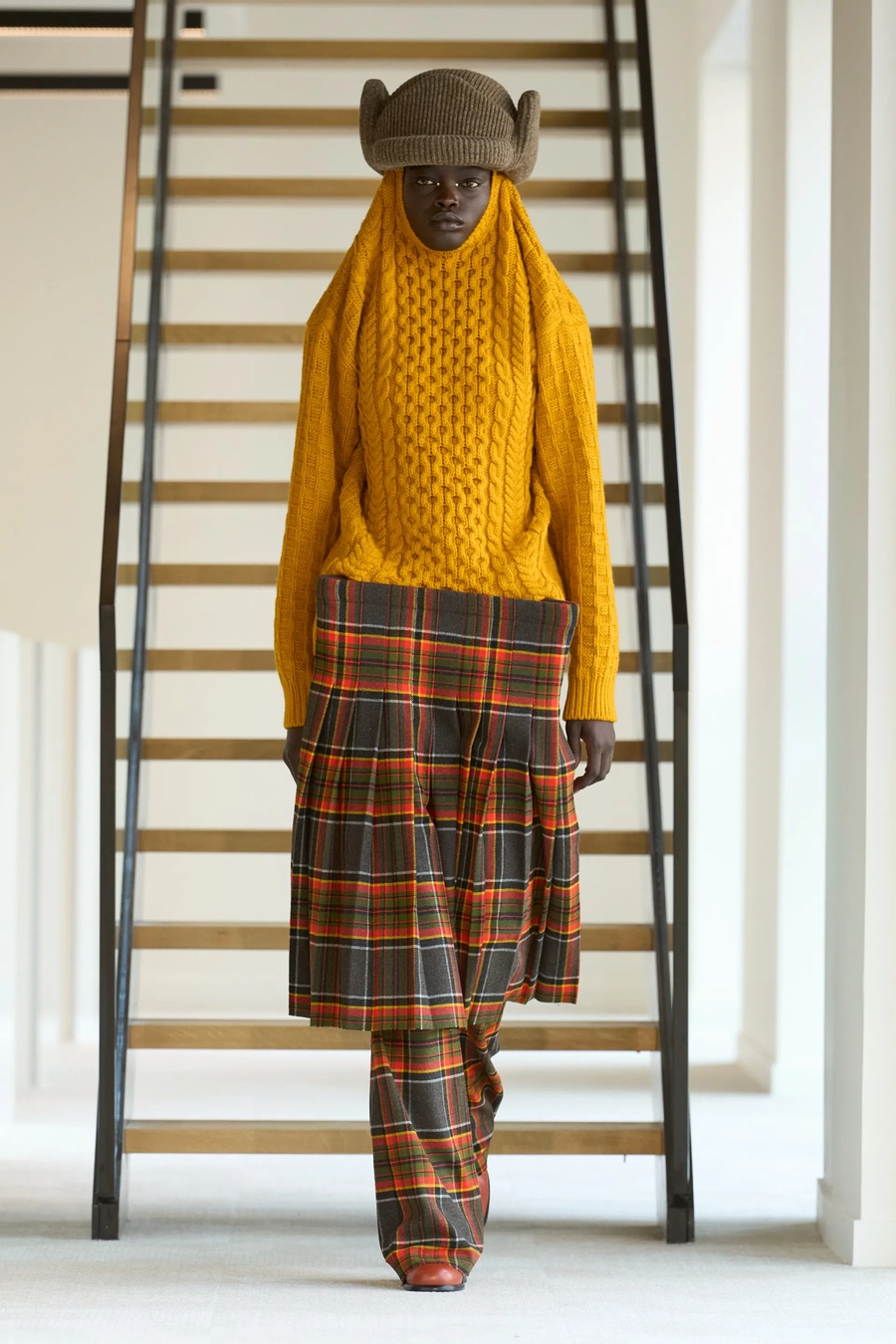
These awards financed shows, supported production and helped move the label from collectible one-offs towards a sustainable fashion business. By Fall 2025, Duran Lantink had completed a more important transition: the designer once known for collaging other brands had built a silhouette recognisable without any logo at all.
Jean Paul Gaultier appointed Duran Lantink as permanent creative director on April 15, 2025, placing him in charge of both ready-to-wear and haute couture. The decision ended the house’s rotating guest-designer programme and made him its first permanent creative successor after Gaultier’s retirement from the runway.
The appointment carried a personal echo. Duran Lantink had encountered Gaultier through his parents’ nightlife wardrobe and the horned Junior Gaultier hat he treasured as a child. Decades later, he arrived at the house with a language shaped far beyond its atelier.
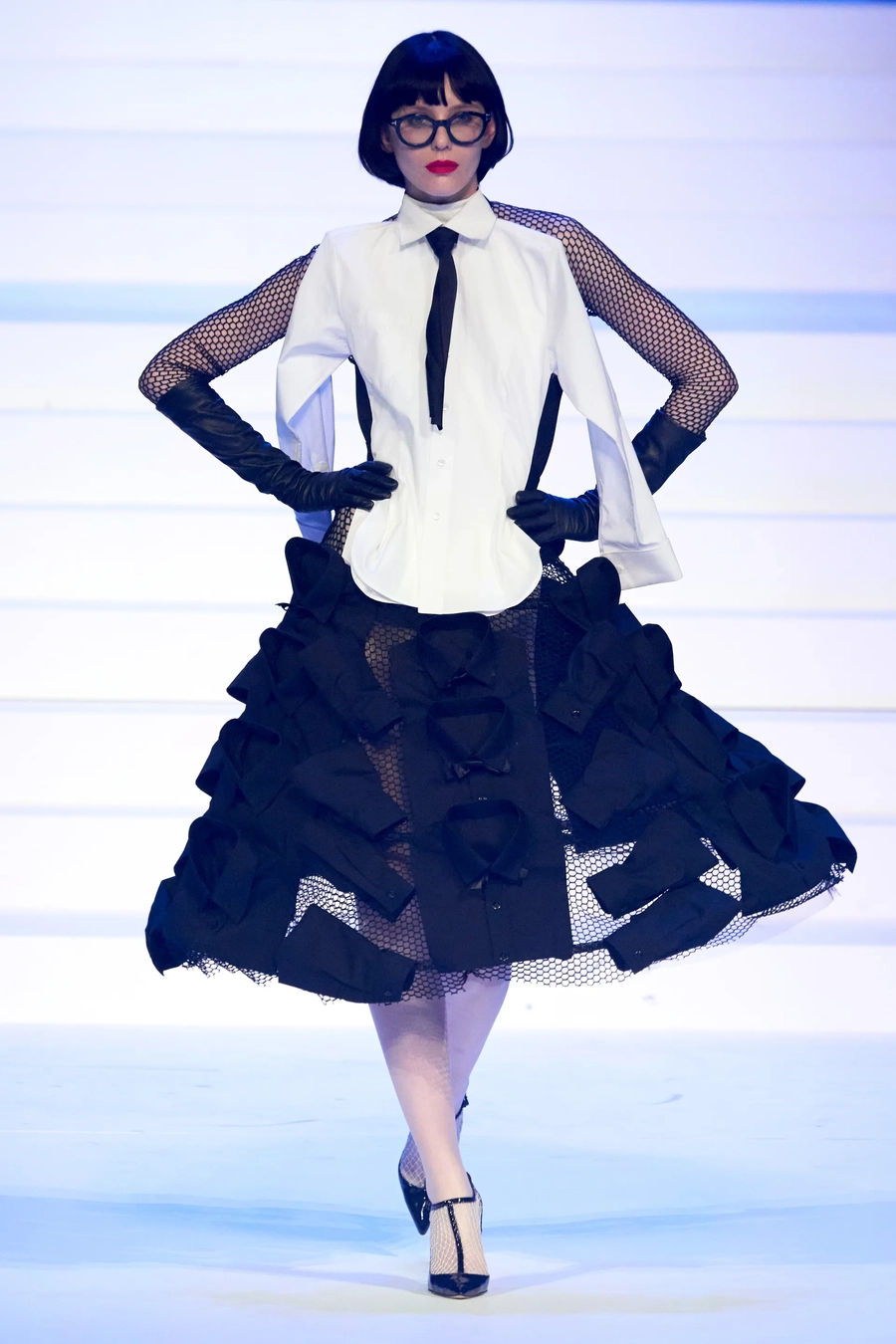
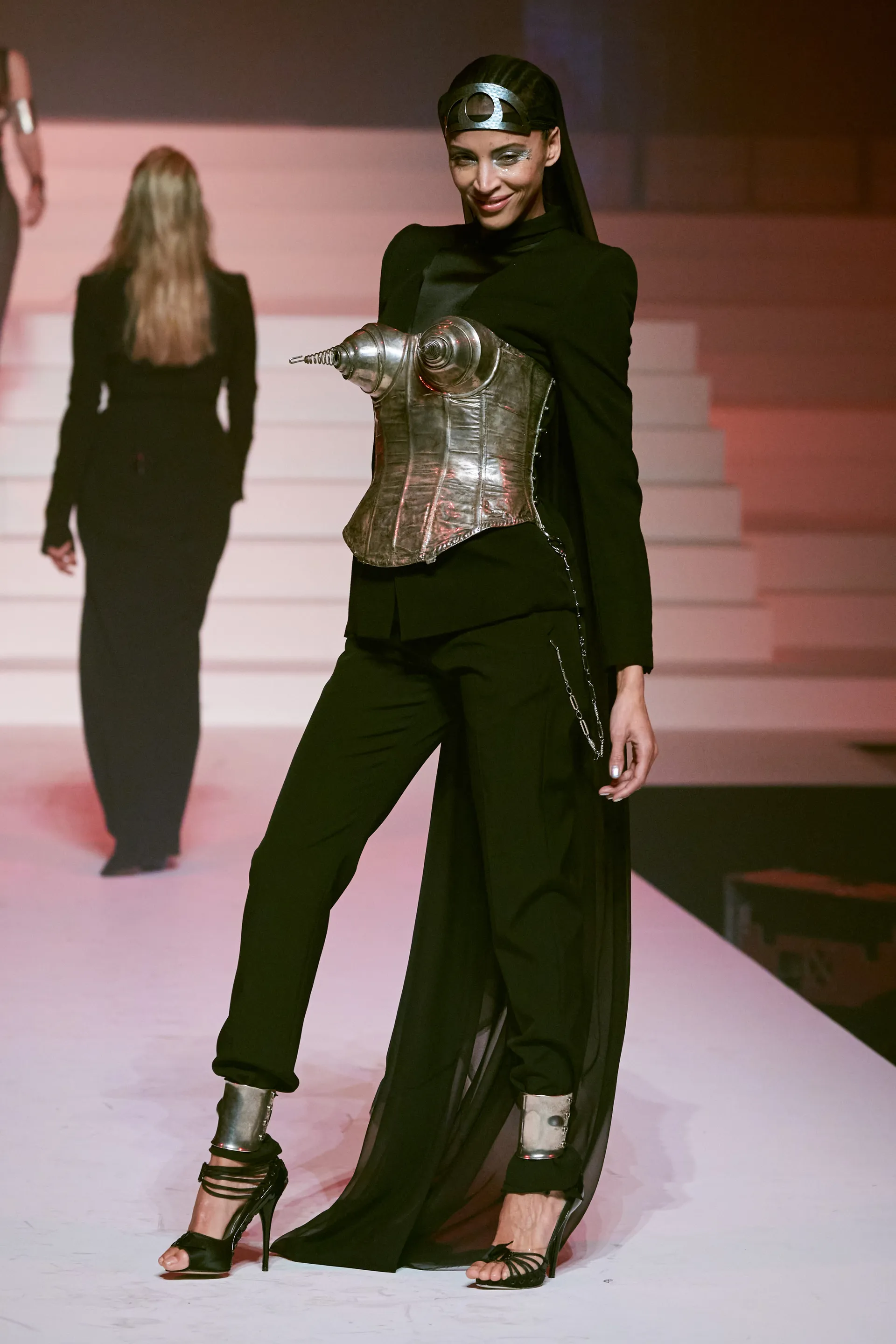
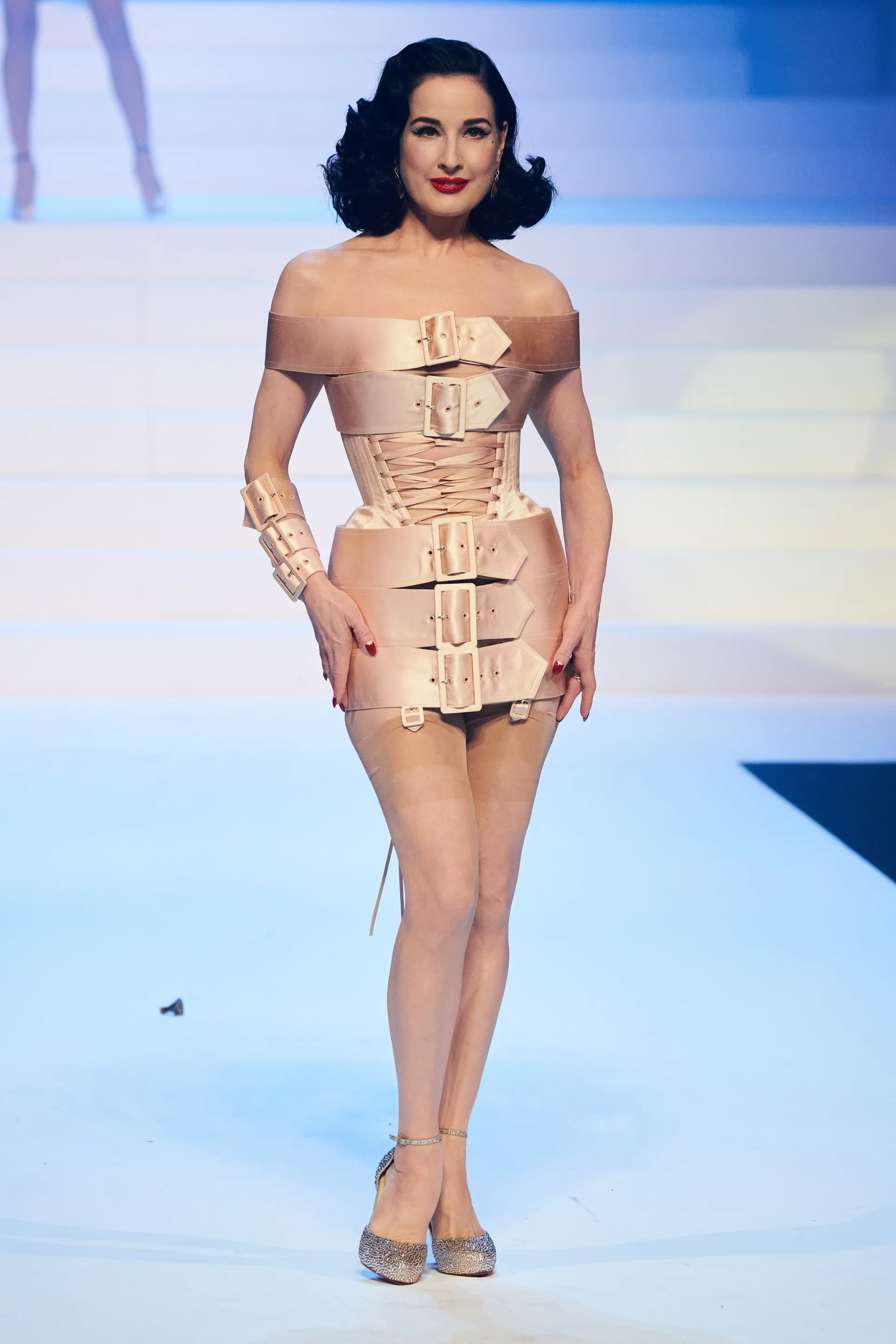
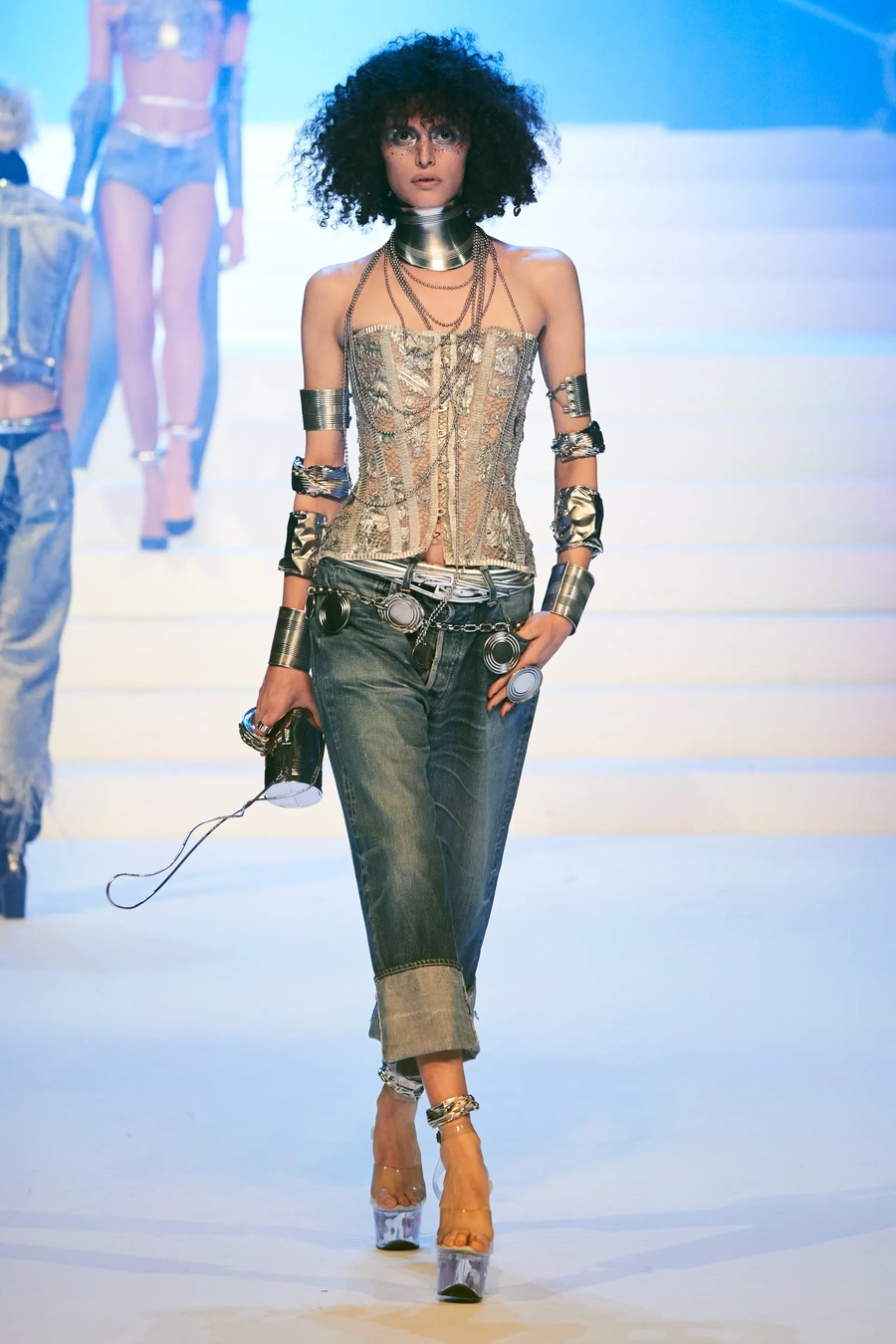
Their connection runs deeper than a shared appetite for provocation. Both designers use clothing to loosen fixed ideas of gender, taste and the body. Each understands humour as a technical device, capable of sharpening an image while exposing the social codes beneath it. Streetwear, nightlife, historical dress and exact construction can collide without losing their individual charge.
Duran Lantink entered Jean Paul Gaultier with a substantial body of work already behind him. The appointment became the latest consequence of his independent language, alongside its most demanding test. His experiments with waste, authorship and distorted anatomy had prepared him for a house whose history was built through similar collisions on a much larger scale.
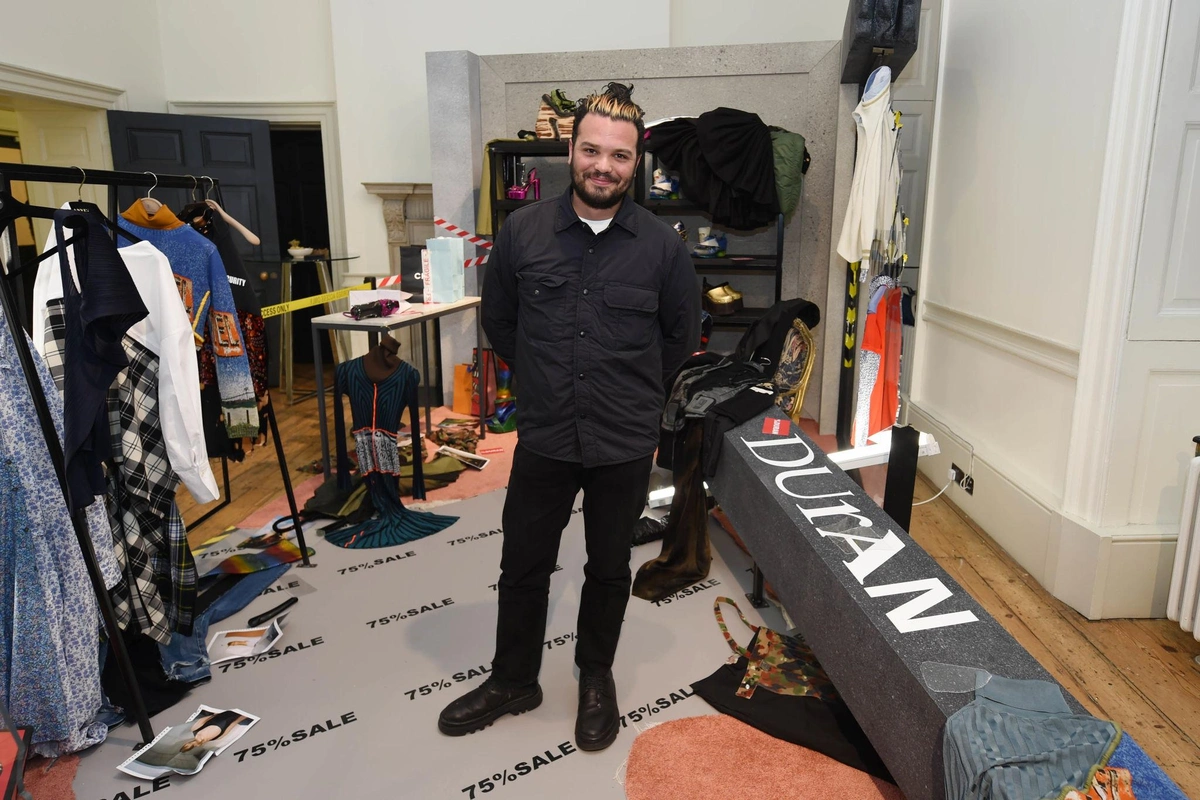
At Jean Paul Gaultier, Duran Lantink carried a language forged from discarded clothes, unstable bodies and the conviction that every finished form still contains another life.
Advertisement