MENU
Close





On 19 February 2019, Karl Lagerfeld died in Paris, and fashion felt a power cut: the hand that kept turning heritage into fresh electricity stopped, leaving every seam, set, and silhouette charged with his absence.
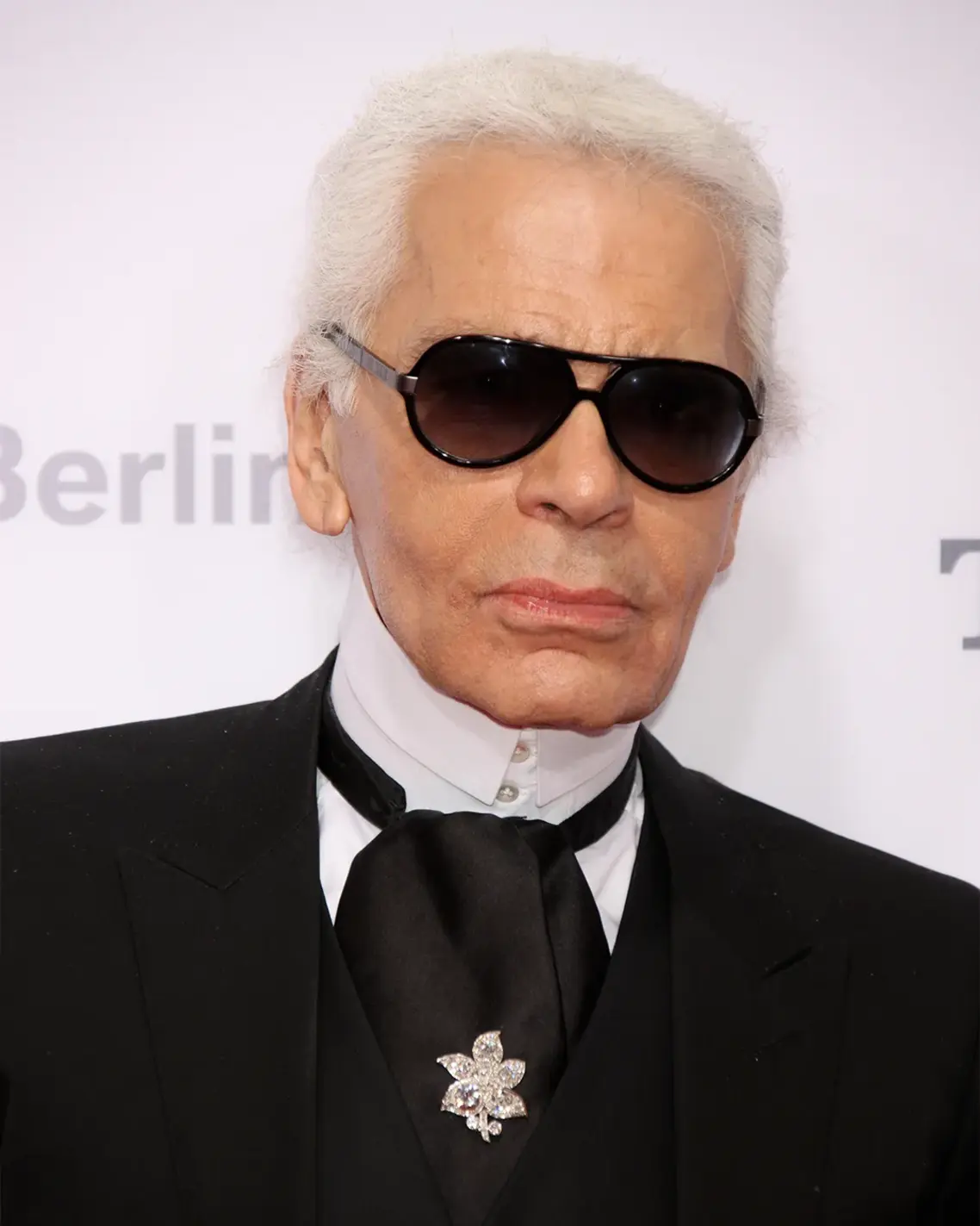
On 19 February 2019, Karl Lagerfeld died in Paris, and fashion felt a power cut: the hand that kept turning heritage into fresh electricity stopped, leaving every seam, set, and silhouette charged with his absence.
February 19, 2026


Karl Lagerfeld’s final years carried an almost mythic momentum because his output stayed immense right up to the end. A single person had shaped the way modern luxury looks, launches, and lands.
When Karl Lagerfeld became Chanel’s artistic director in 1983, he inherited a house with legendary codes and a complicated present. His genius came from treating those codes like a living alphabet: tweed, camellias, chains, pearls, the little jacket, the bag, the bow. He kept the letters, then rewrote the sentences every season with speed, humor, and sharp cultural instinct. Vogue’s timeline calls 1983 a pivotal moment for Chanel’s modern revival, and that revival became one of fashion’s defining success stories.
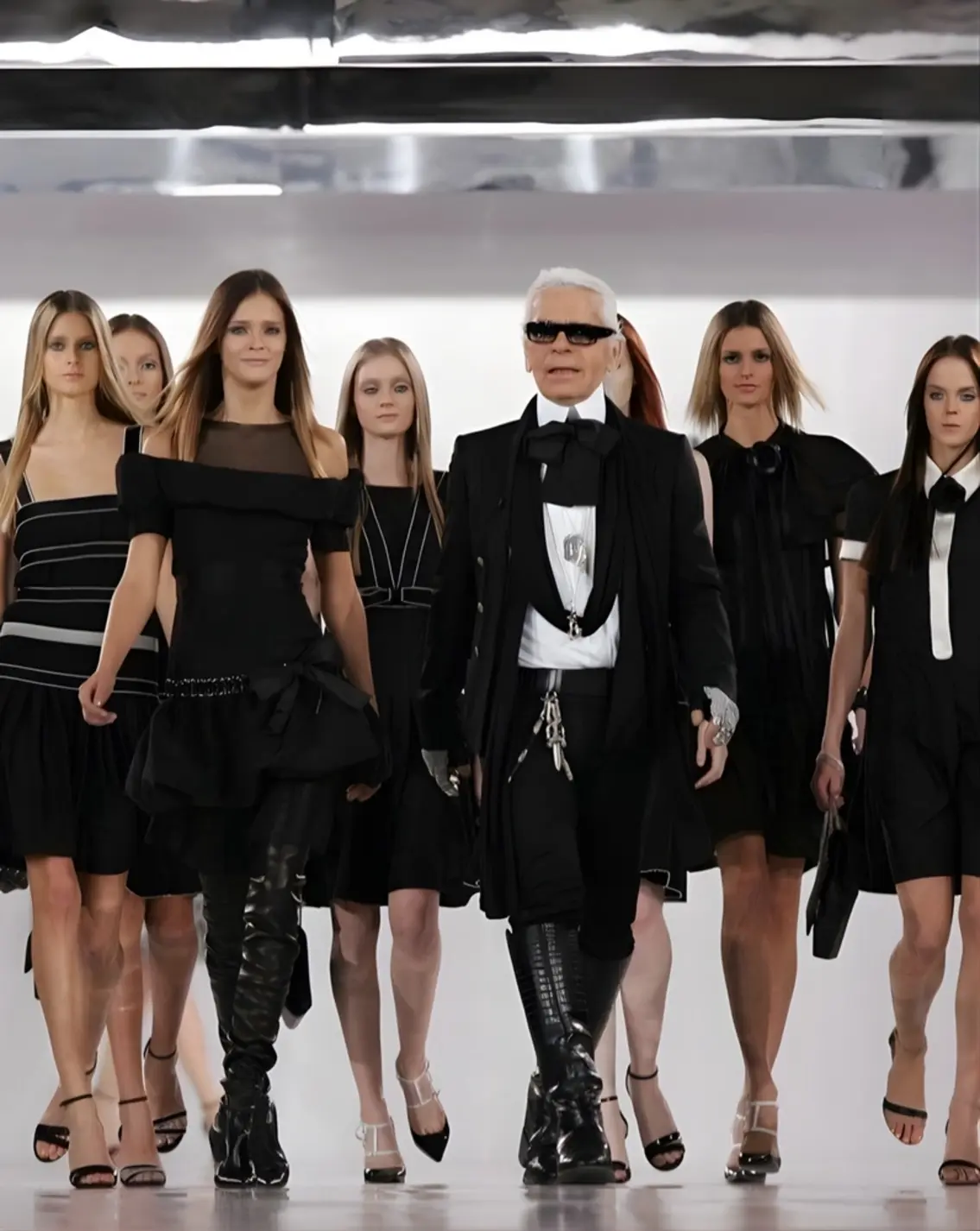
This is why people call him one of the greatest. Lagerfeld turned a fashion house into a desire engine that stayed readable to insiders and irresistible to everyone else. Even mainstream coverage at the time of his death credited him with transforming Chanel into a huge modern business force.
Chanel shows his mastery of codes. Fendi shows his mastery of material. The Met notes that Karl Lagerfeld became creative director at Fendi in 1965, and it highlights how he revolutionized fur by treating it like fabric, applying techniques associated with tailoring and dressmaking. That approach says everything about his mind: craft first, then image, then impact.
His farewell followed the tone he cultivated for decades: intimacy guarded, public life curated. On Friday, 22 Feb 2019, he was cremated in Nanterre near Paris in a small gathering attended by close friends and key figures from his world, including Anna Wintour and Princess Caroline of Monaco, as reported by People. It reads like his final edit: private, precise, controlled.
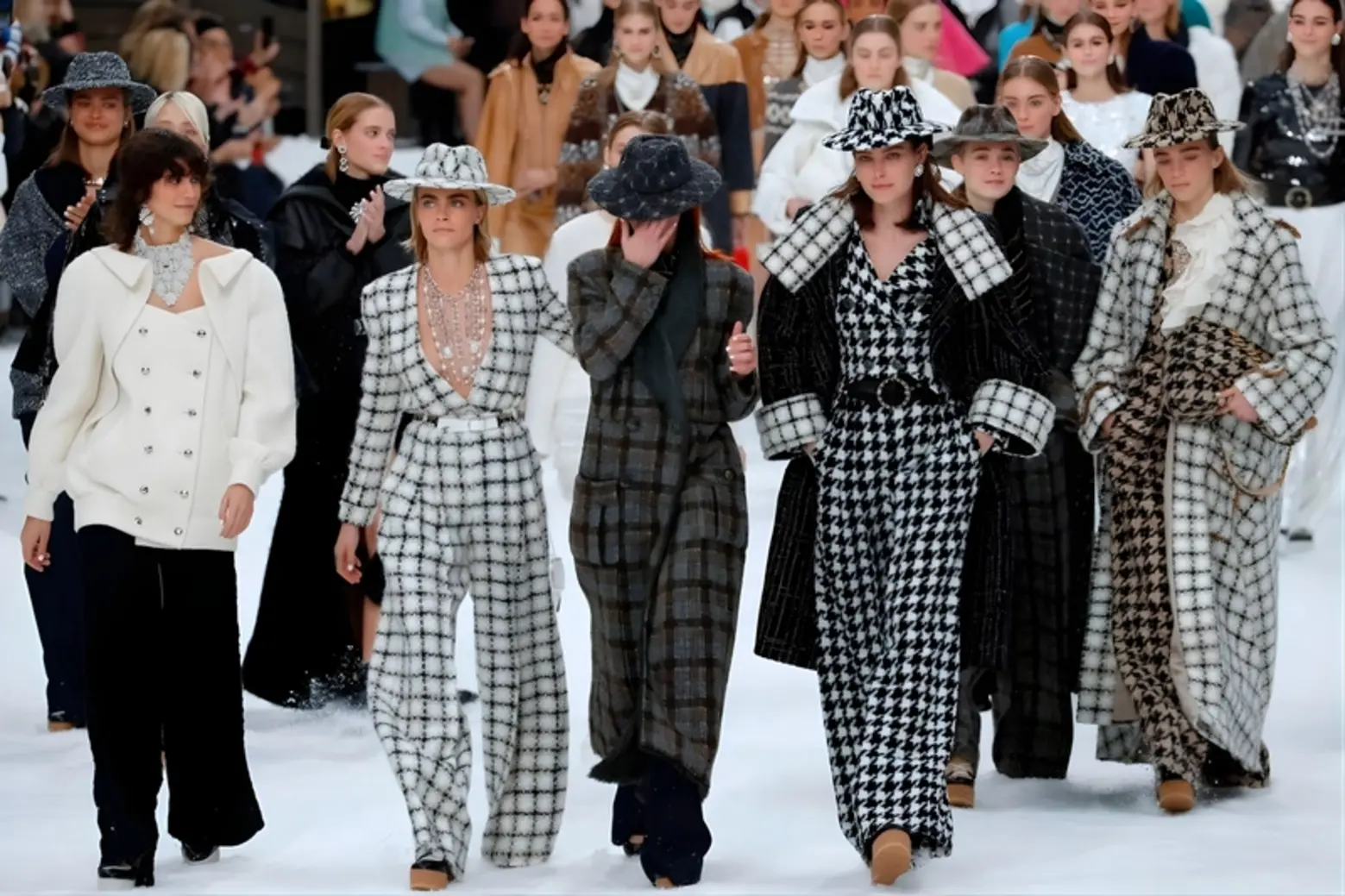
Two weeks later, Chanel’s Fall/Winter 2019-2020 show at the Grand Palais became the moment the industry shared together. Chanel opened with a minute of silence, then sent out the last collection Lagerfeld had worked on. Vogue France and Reuters both documented the tribute atmosphere, with the Grand Palais transformed into an alpine village, the kind of immersive set Lagerfeld loved because he believed a collection deserves a world.
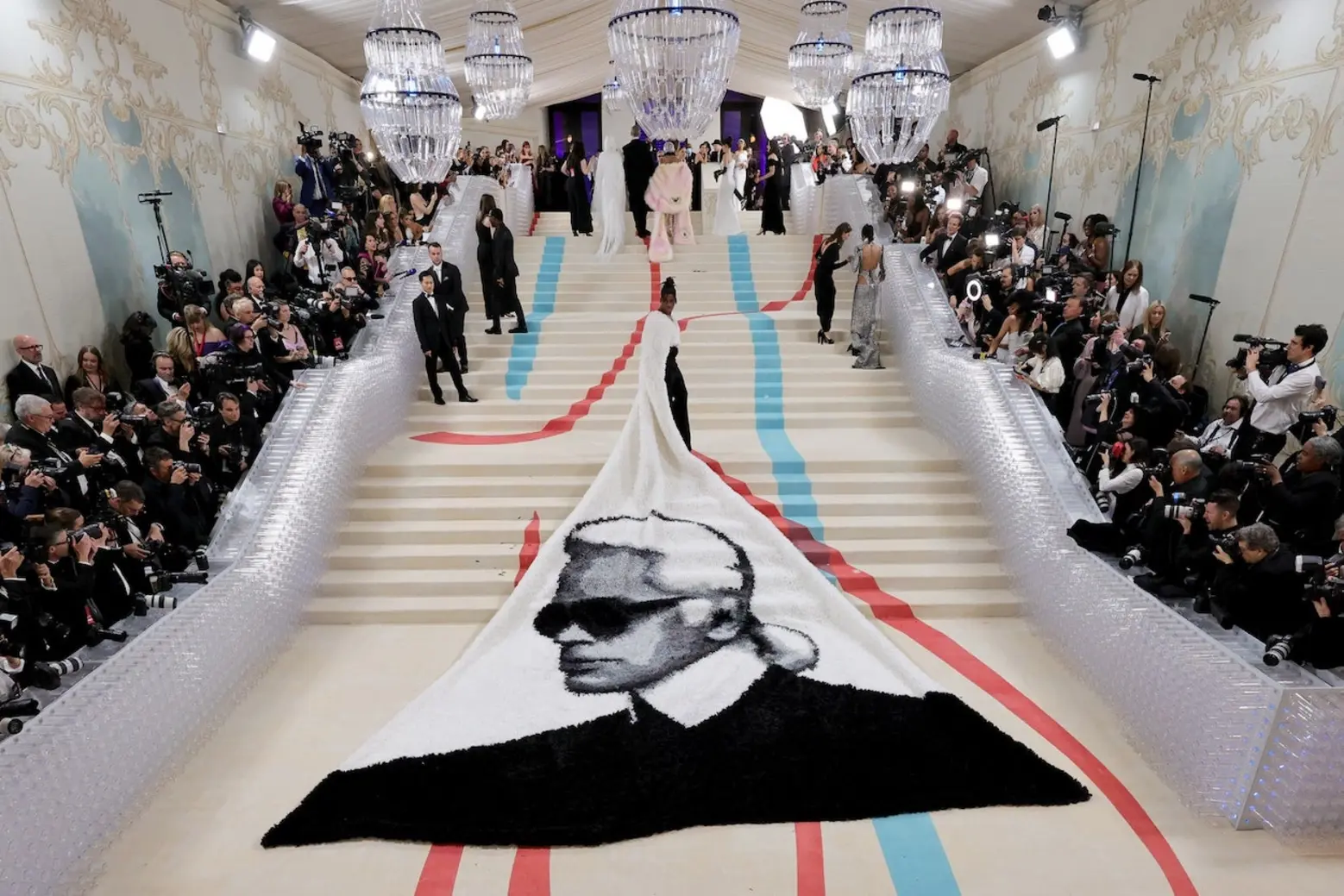
In 2023, The Met staged “Karl Lagerfeld: A Line of Beauty” from May 5 to July 16, 2023, with the Met Gala held days earlier as a tribute theme “In honor of Karl,” reported by AP and detailed by the museum. That theme mattered because it confirmed what fashion people already knew: Karl Lagerfeld’s work functions like a language.
He leaves a blueprint that still runs the machine: Karl Lagerfeld engineered Chanel into a desire empire, made runway feel like world-building, and taught modern fashion how to stay classic while still chasing the next thrill.