MENU
Close





On May 28, 1995, Jean Muir died in London at 66, closing the life of the British designer whose disciplined elegance, flawless jersey, and exacting cut gave fashion a new language of strength and ease.
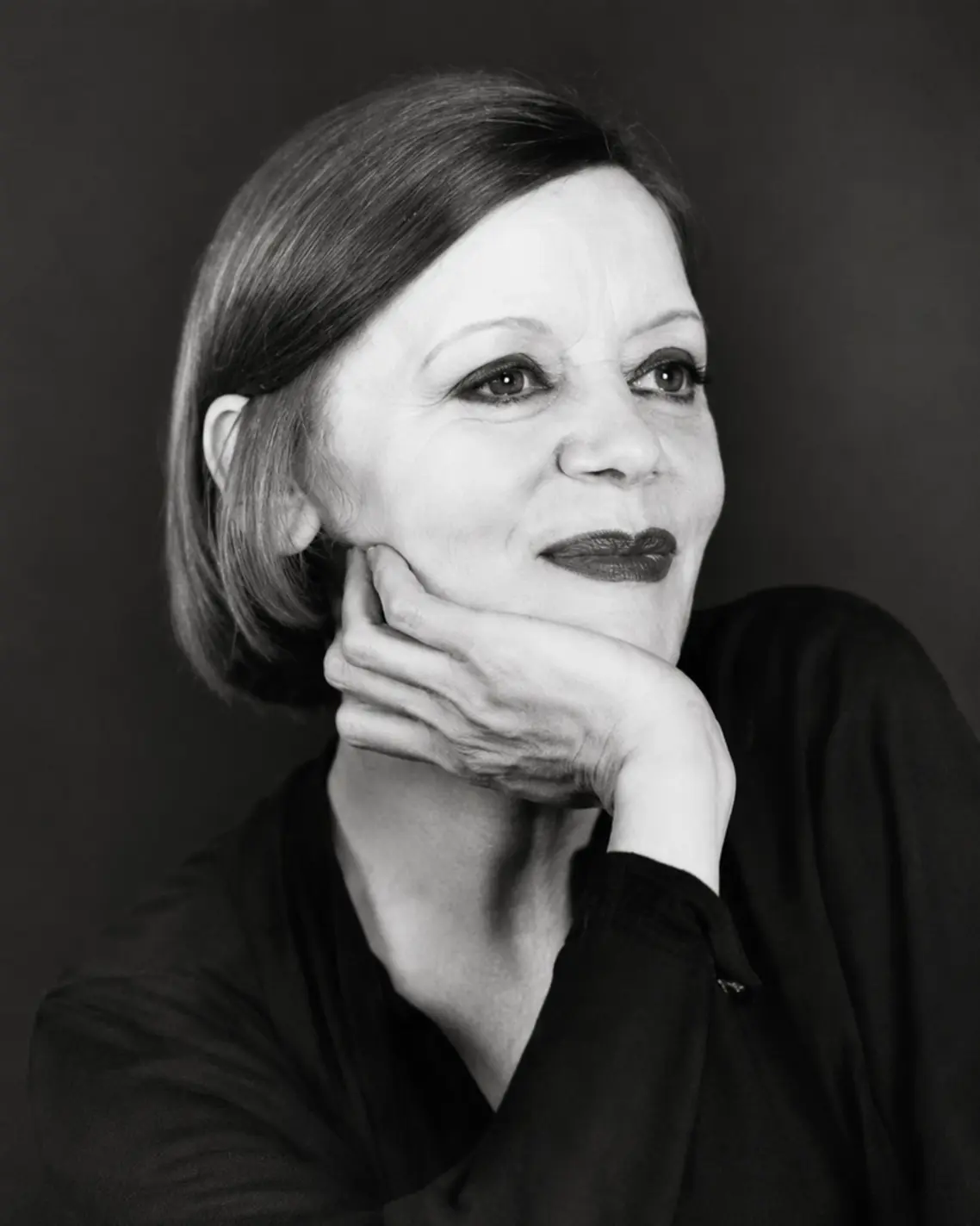
On May 28, 1995, Jean Muir died in London at 66, closing the life of the British designer whose disciplined elegance, flawless jersey, and exacting cut gave fashion a new language of strength and ease.
May 28, 2026


Her career carried the steady force of conviction. After beginning at Liberty and moving to Jaeger, Jean Muir designed her first independent collection under Jane & Jane in 1962, then founded Jean Muir Ltd in 1966 with her husband, Harry Leuckert. From there she shaped a house that became one of the defining names in late twentieth-century British fashion, admired for its exacting standards and for a style that felt modern without ever chasing fashion for its own sake.
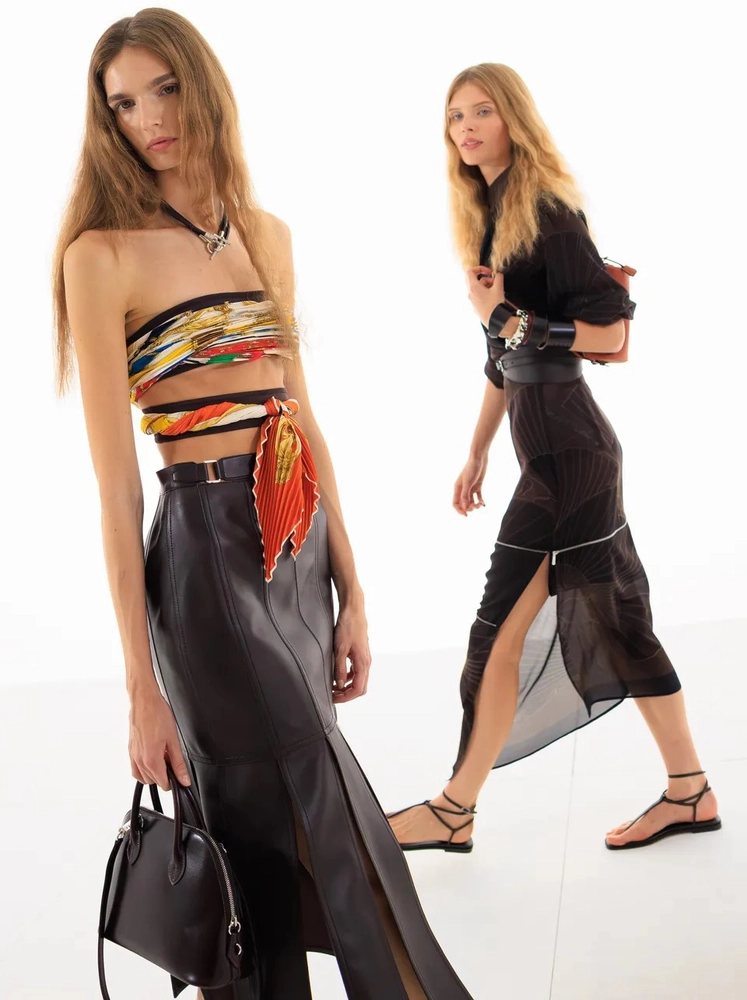
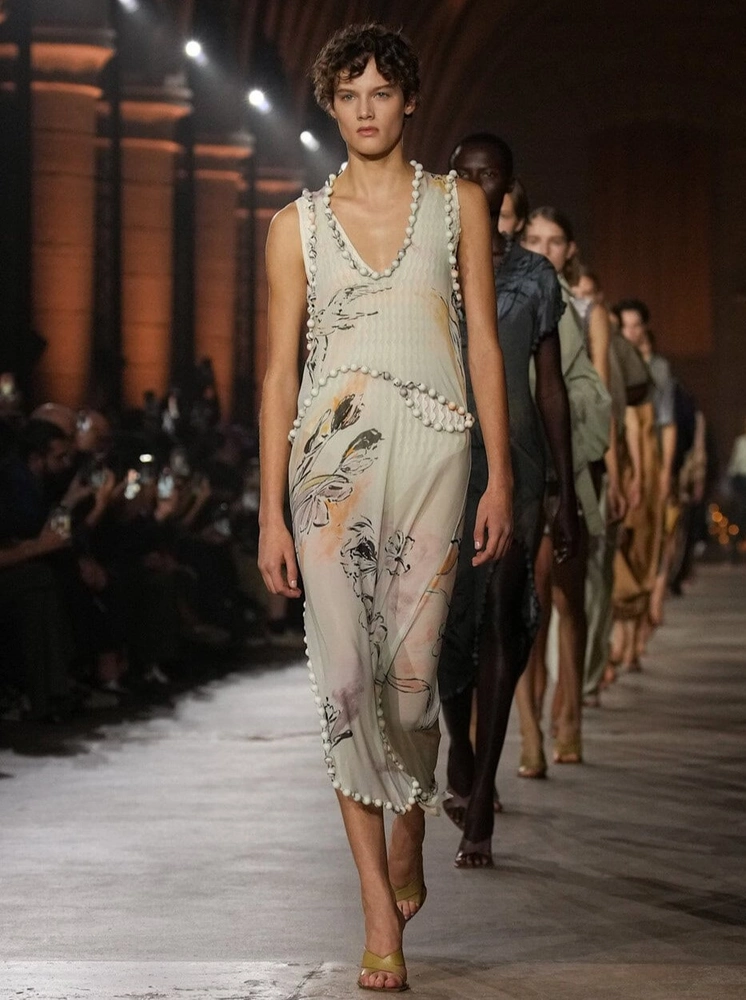
What made Jean Muir so distinctive was the way she understood the female body. Her clothes moved with women instead of trapping them inside spectacle. She became especially celebrated for jersey, which she handled with remarkable control, turning a supple fabric into something architectural, fluid, and deeply flattering. Navy, black, midnight tones, top-stitching, clean seams, soft drape, and a sharp sense of proportion became part of her signature, giving her work a mood that felt composed, sensual, and completely sure of itself.
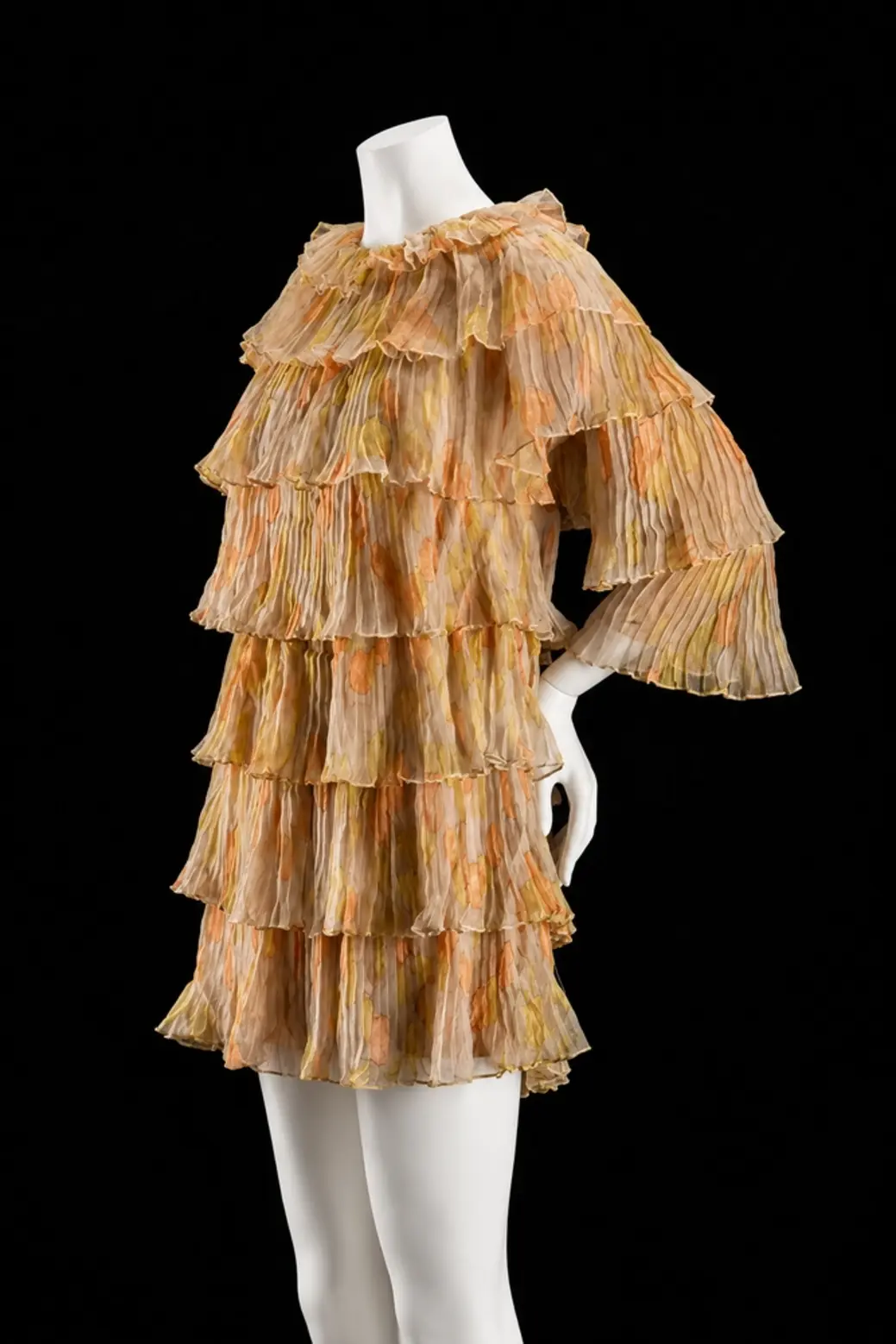
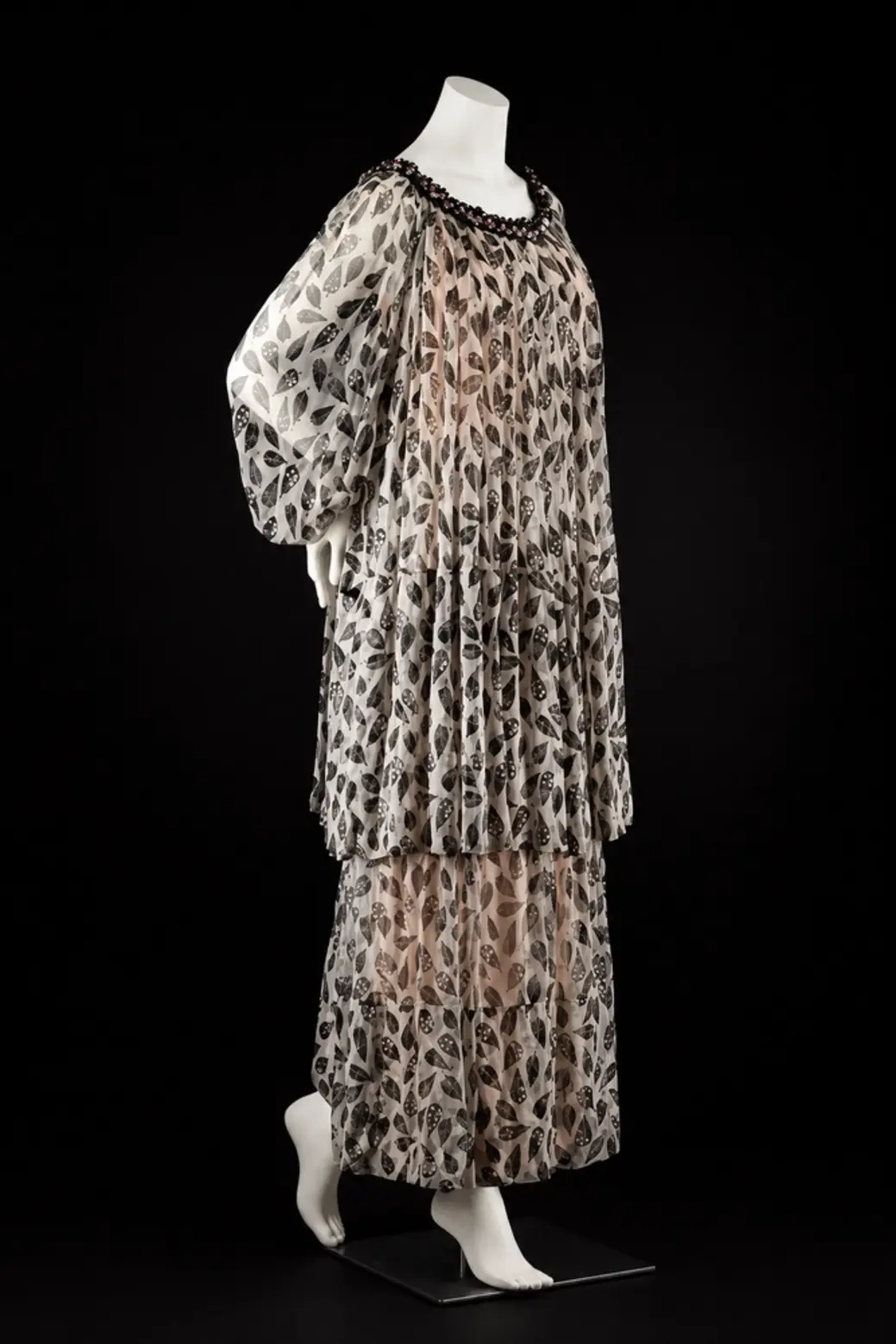
Her influence stretched far beyond a single silhouette. Over more than forty years, Jean Muir developed a devoted following and a reputation for elegance that held its own against every swing of fashion’s mood. Joanna Lumley, one of her muses and house models, captured the feeling beautifully: wearing Jean Muir was never about being trendy. It was about being fully and unmistakably yourself. That is the secret inside her work. Her clothes carried fashion, though they always belonged even more strongly to the woman wearing them.
The scale of that legacy still feels immense. The Jean Muir archive at National Museums Scotland holds around 18,000 objects documenting the design, making, and promotion of her collections from 1966 to 1995, an extraordinary record of a designer whose rigor touched every stage of creation. Her Bruton Street showroom and office later received an English Heritage blue plaque, a fitting marker for a figure who helped define British dressmaking at its highest level.