MENU
Close





On June 29, 1982, Pierre Balmain’s name slipped into fashion history, while somewhere in the imagination, a woman in silk was still crossing a room with the poise he had spent a lifetime perfecting.
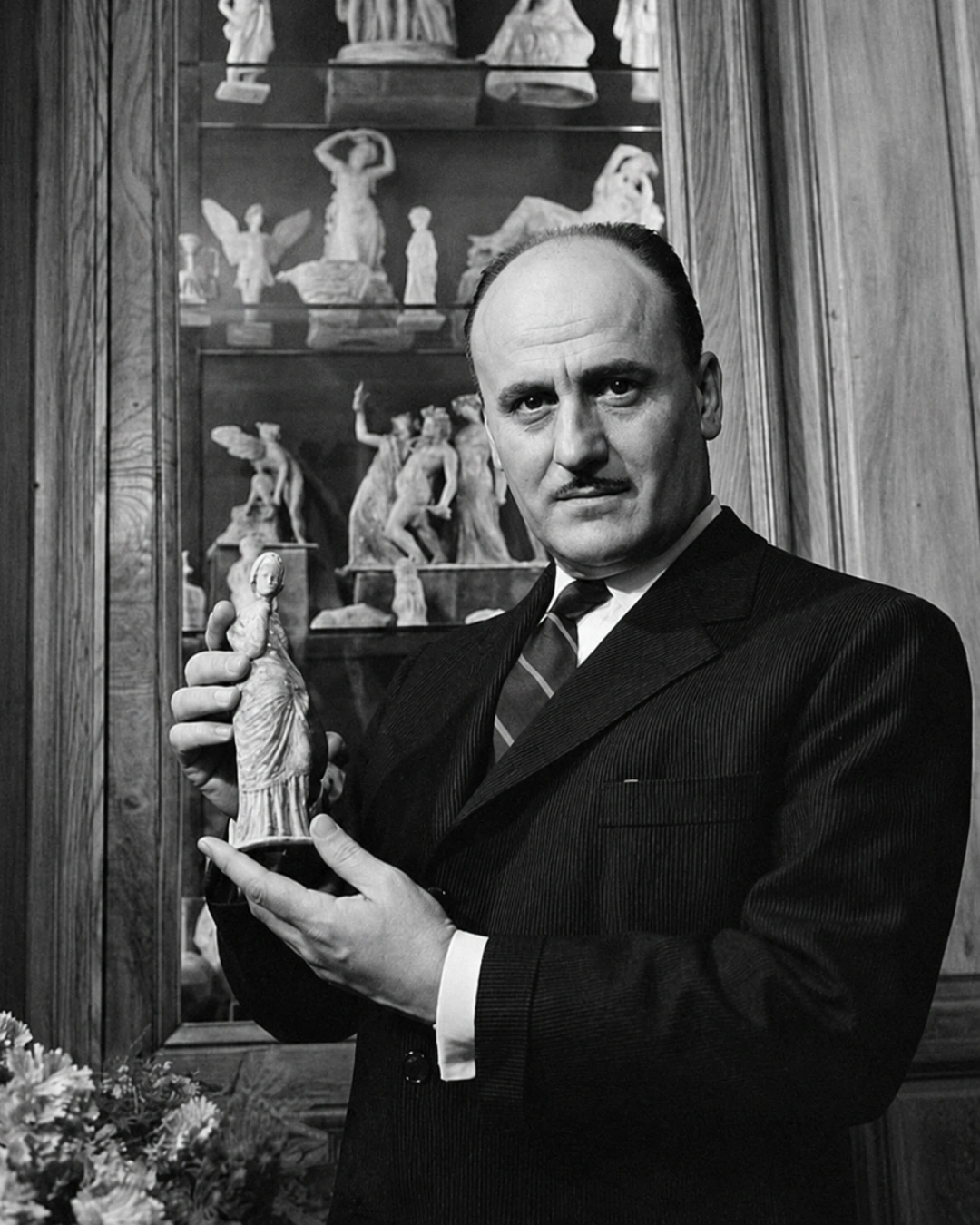
On June 29, 1982, Pierre Balmain’s name slipped into fashion history, while somewhere in the imagination, a woman in silk was still crossing a room with the poise he had spent a lifetime perfecting.
June 29, 2026


Pierre Balmain emerged from a generation trying to make beauty possible again after years of war. His house opened in 1945, when fashion was ready for restoration, ceremony, and a new kind of softness. Pierre Balmain answered with clothes that carried polish without stiffness, romance without fragility, and a belief that elegance could help the world feel newly dressed.
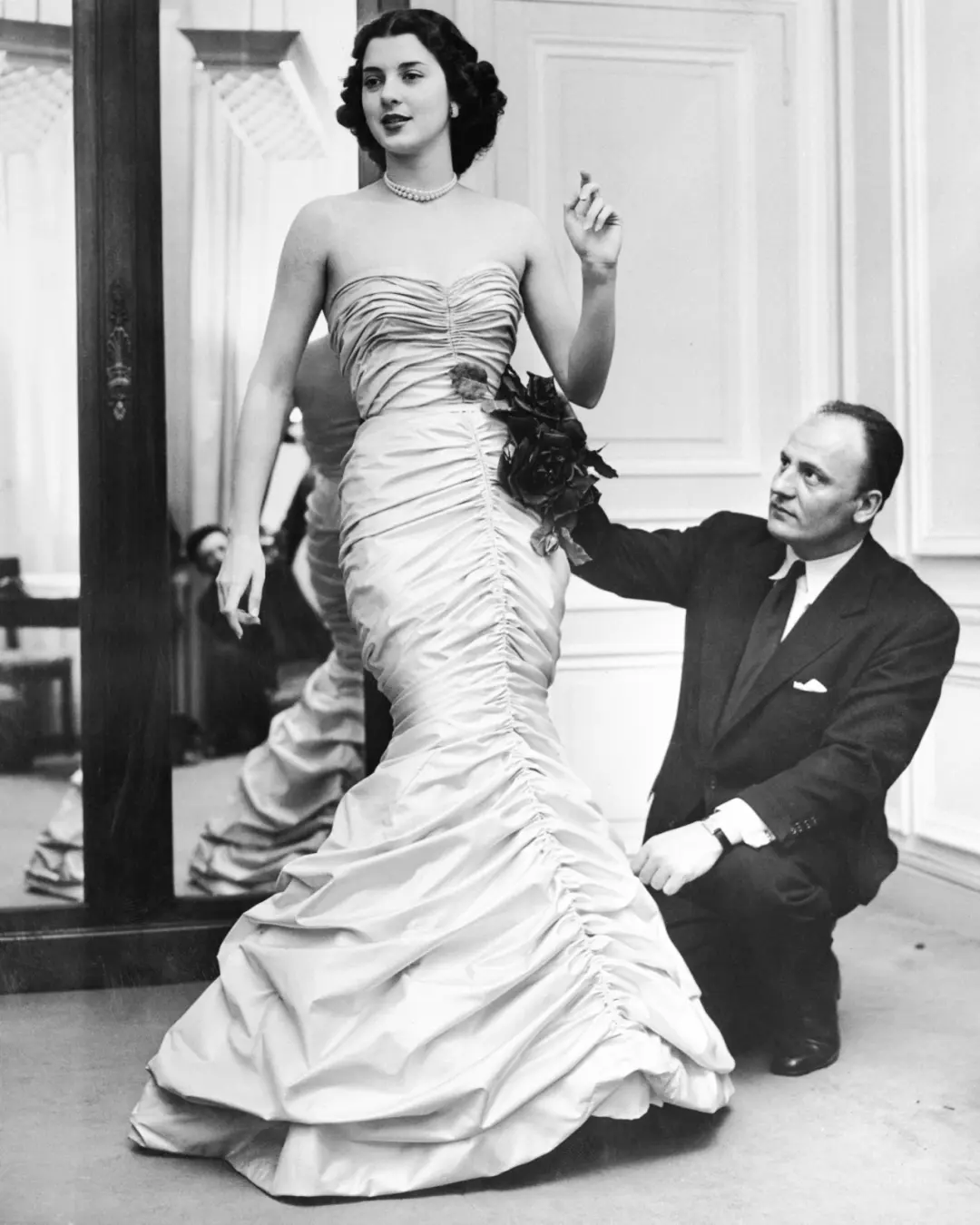
Through Jolie Madame, Balmain secured his place among the great figures of postwar haute couture. He dressed European royalty, Hollywood stars, and women who understood fashion as social theatre. His clothes did not shout for attention. They understood the older power of arrival: a doorway, a staircase, a room turning slightly toward the person who had just entered.
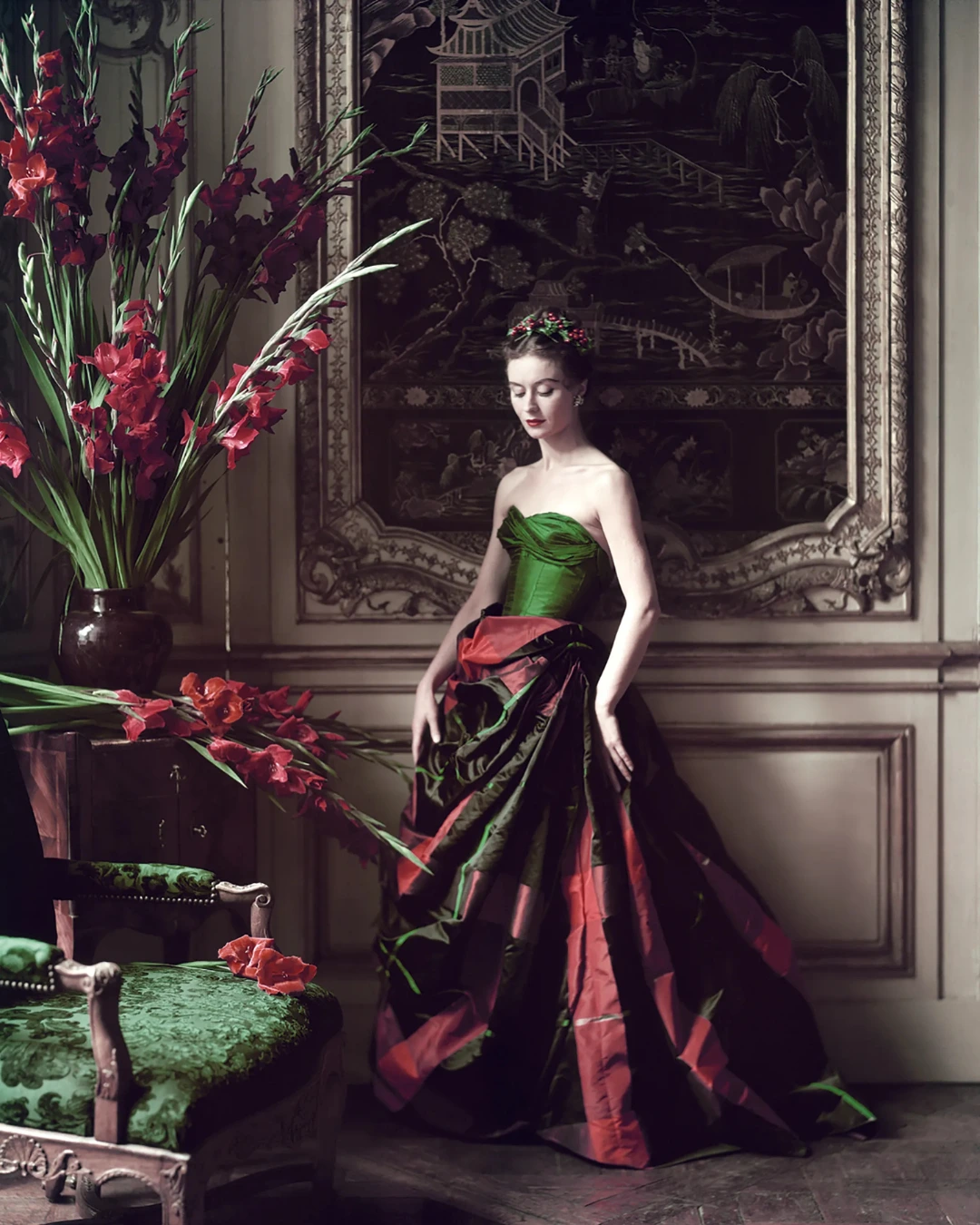
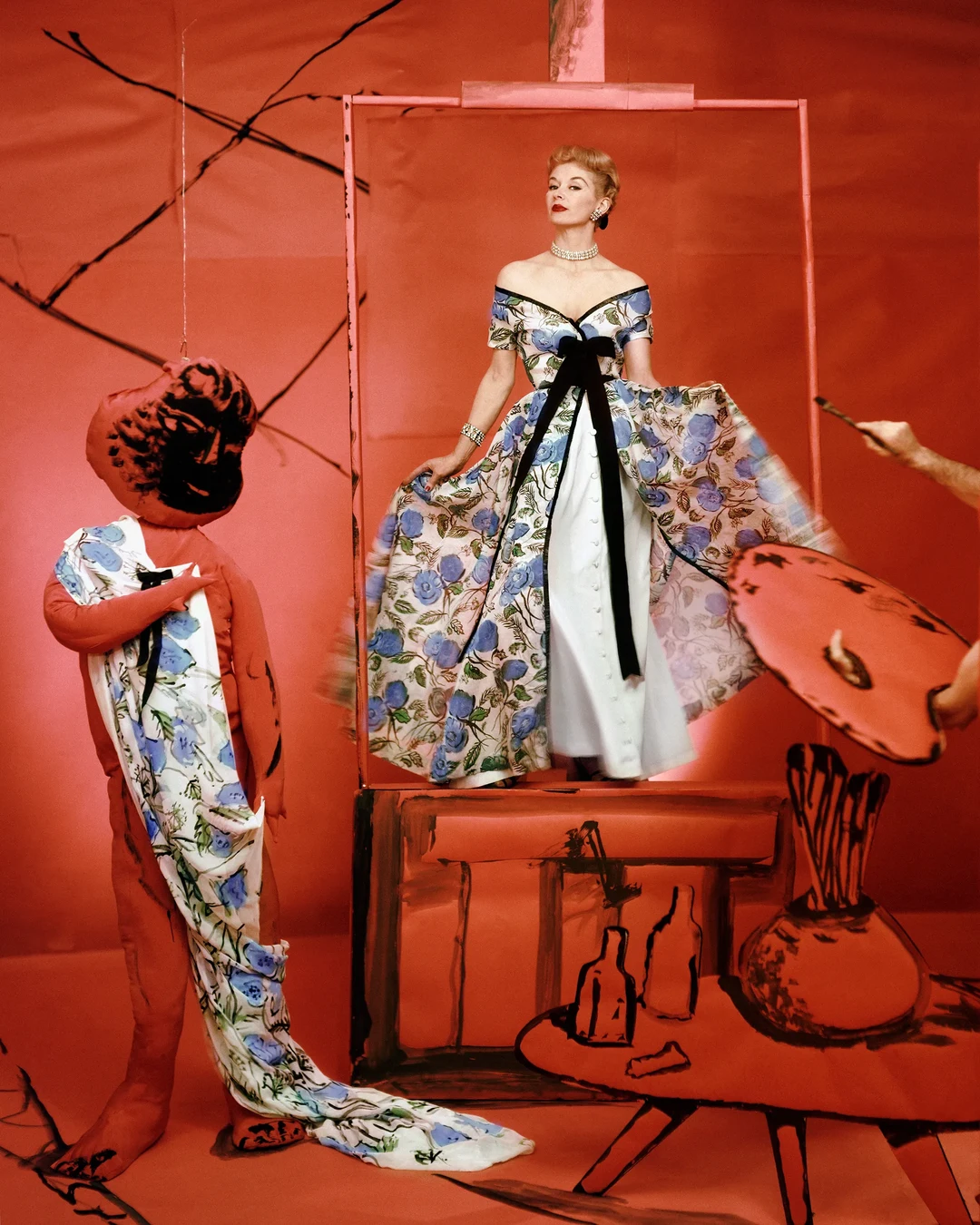
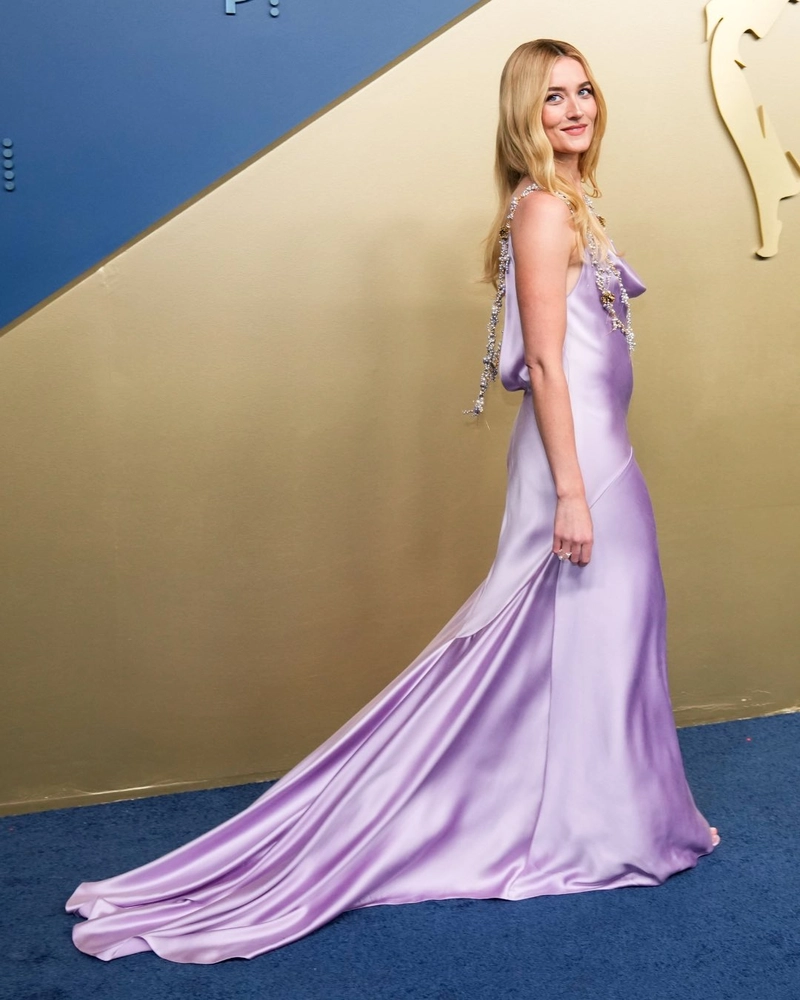
Movement gave Balmain’s couture its lasting grace. He famously described dressmaking as the architecture of movement, and that phrase still explains the quiet command of his best designs. A gown was never only on the surface but had to travel with the body, hold its line in motion, and make elegance appear effortless even when it was built through discipline.
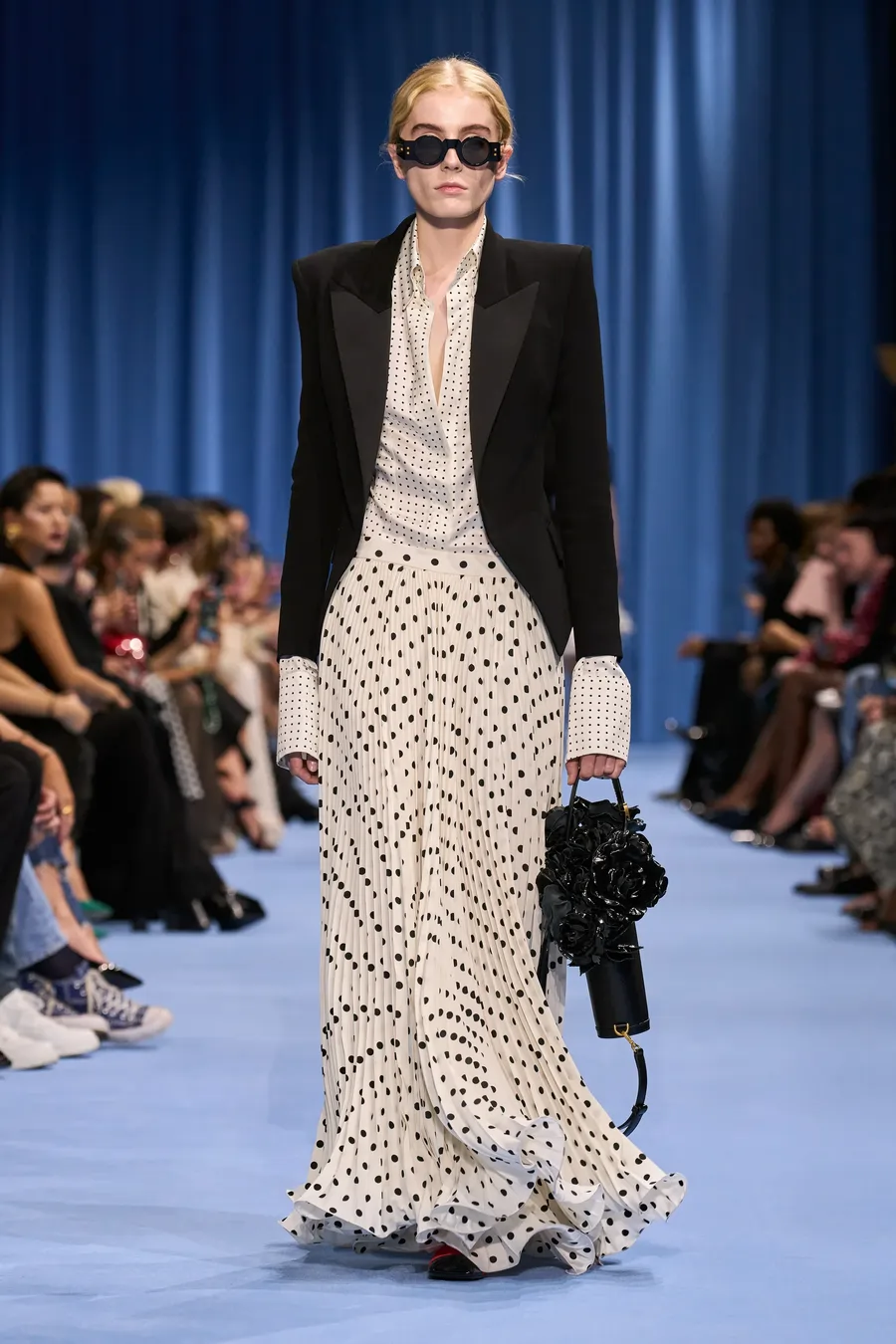
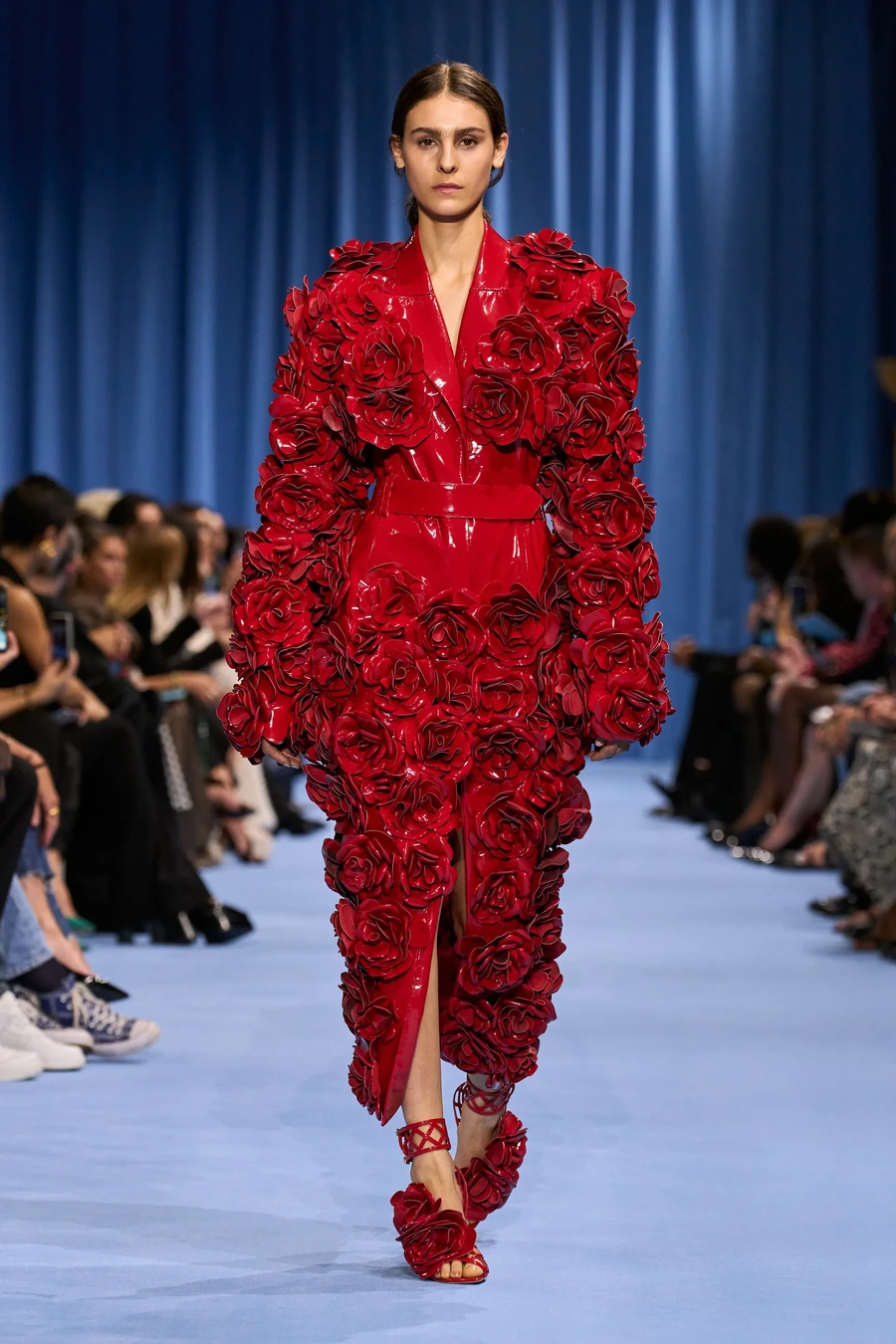
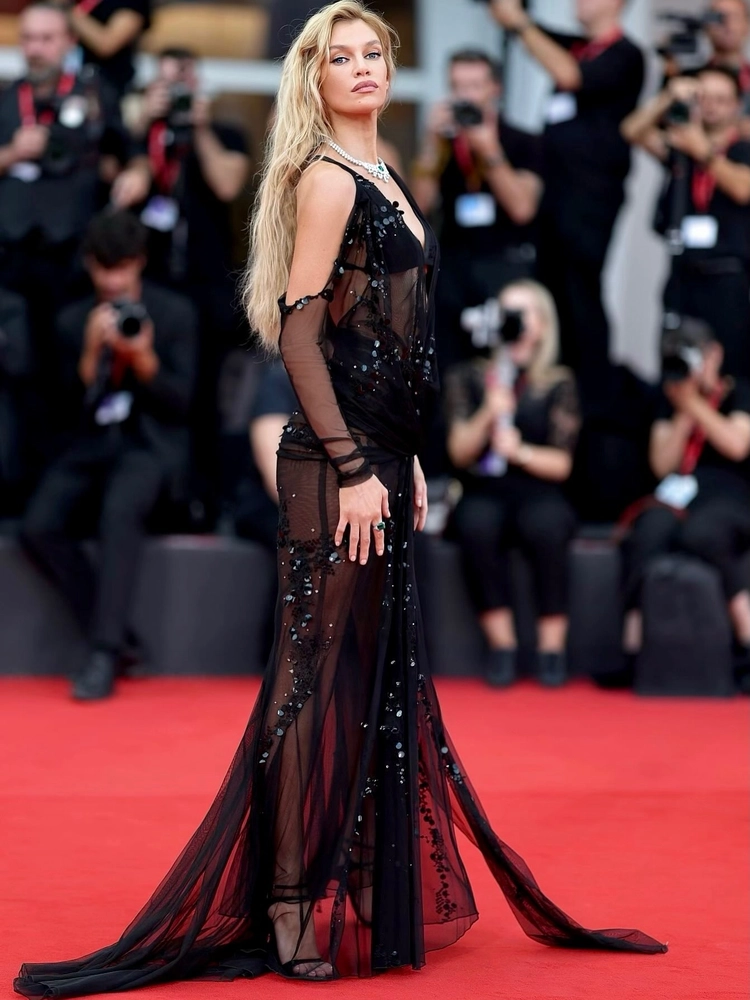
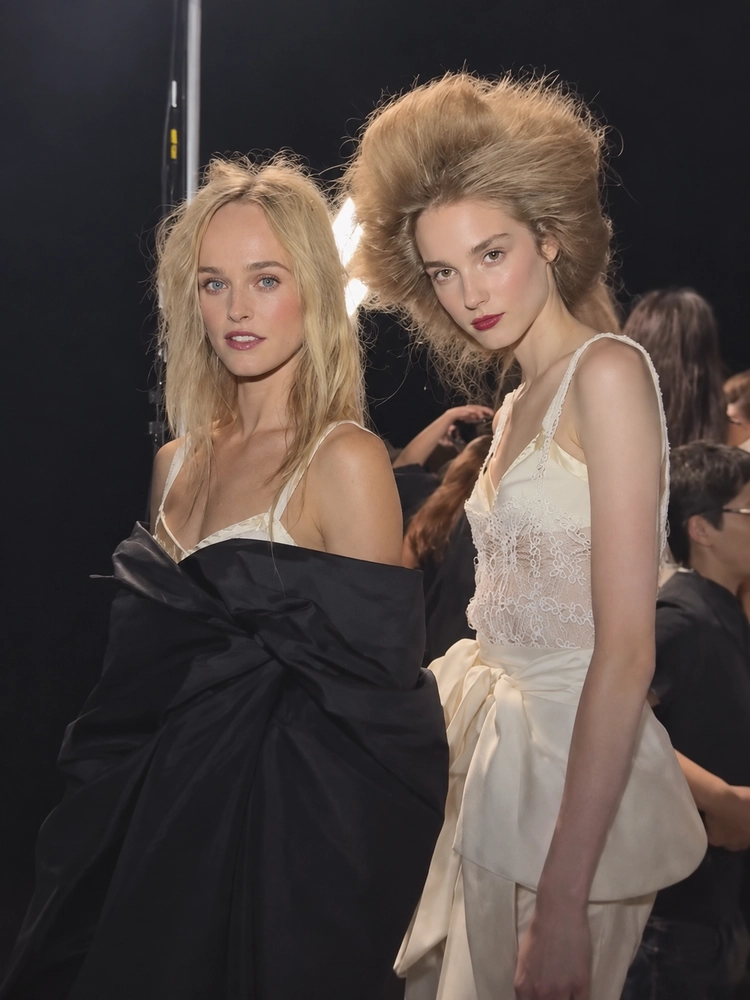
The influence of Pierre Balmain still returns most clearly whenever the house revisits the Jolie Madame line. Under Olivier Rousteing, that heritage has moved beyond archive romance into a sharper contemporary body language, where the nipped waist, sculpted hip, and sense of controlled movement become tools of power rather than nostalgia. Balmain Spring 2024 brought back the founder’s roses and petit pois with a brighter, more playful charge, while Fall 2024 pushed the same memory into stronger coats and silhouettes shaped around the waist. Even on the red carpet, Doja Cat’s Balmain gown at the 2025 Oscars, inspired by a 1953 Pierre Balmain design, showed how easily his old-world elegance can still become a modern cultural image.
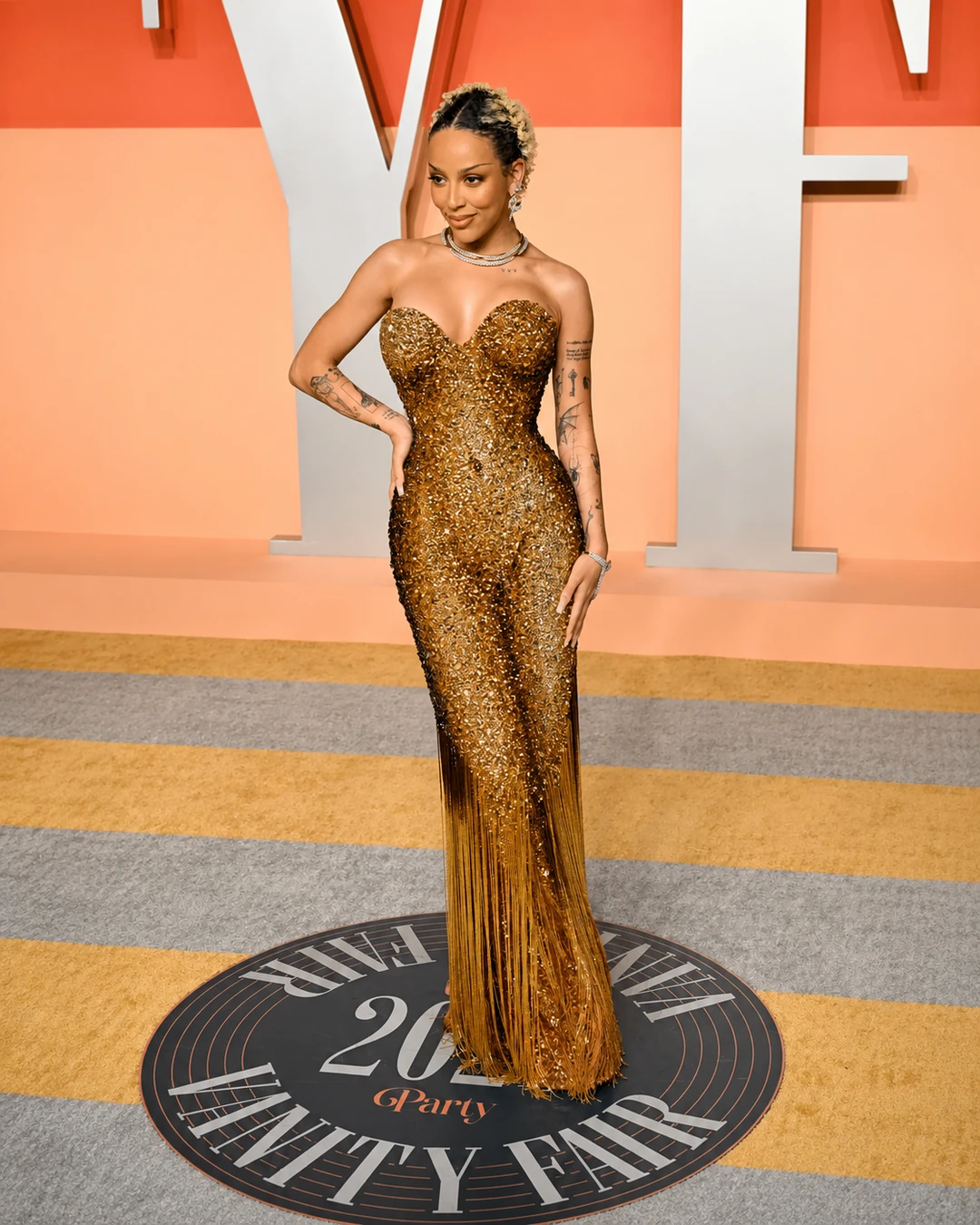
Pierre Balmain gave fashion a language of controlled radiance. In every Balmain silhouette that turns structure into movement, and every haute couture memory shaped by poise rather than noise, Pierre Balmain still walks through the room.