MENU
Close





Before Olivier Theyskens turned thirty-two, he had built a cult label, lost it, revived Rochas and transformed Nina Ricci.
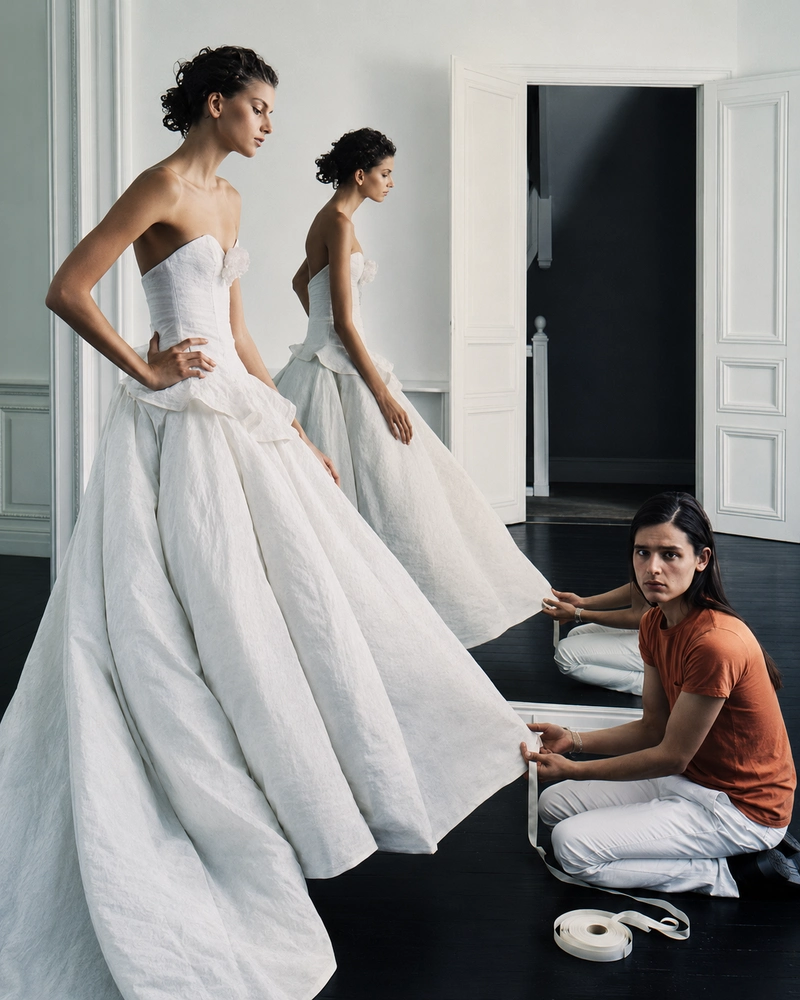
Before Olivier Theyskens turned thirty-two, he had built a cult label, lost it, revived Rochas and transformed Nina Ricci.
August 4, 2026
Advertisement

Advertisement



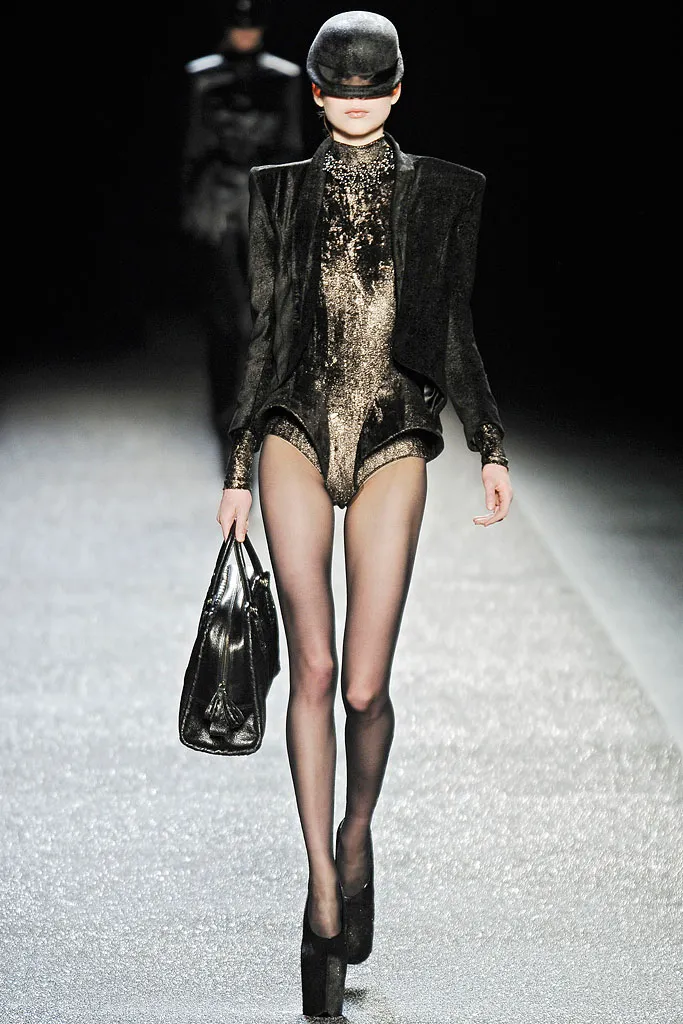
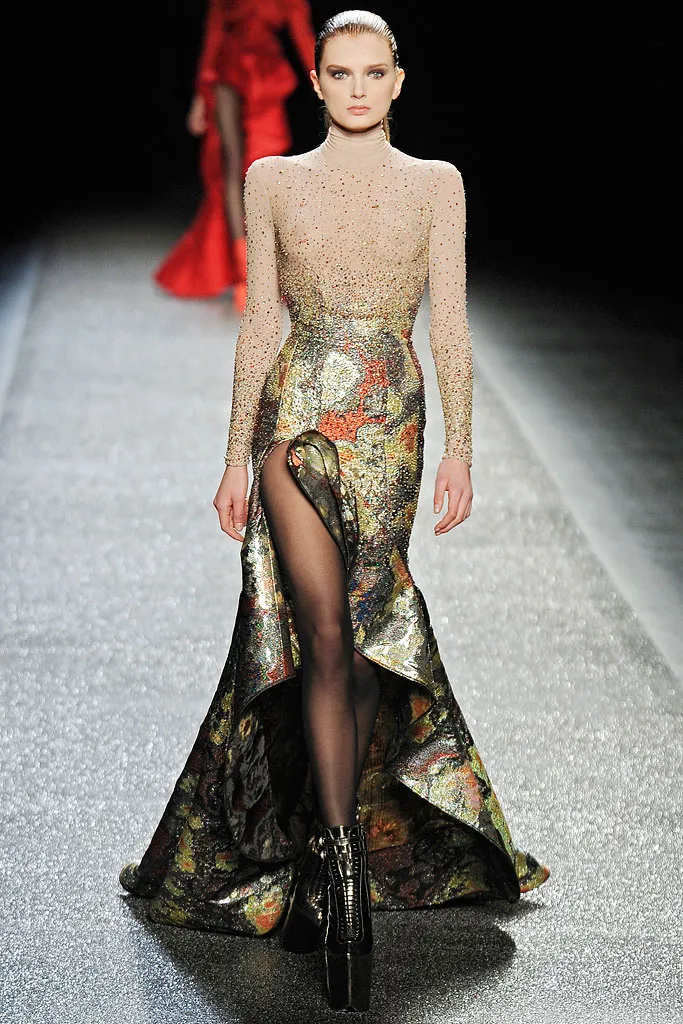
On March 5, 2009, Olivier Theyskens sent his final Nina Ricci collection into the cavernous Halle Freyssinet in Paris. The models appeared impossibly tall. Their shoulders were sharpened, their waists held with surgical precision, their bodies lifted onto platform boots built without conventional heels. Every step required control. Every garment seemed to negotiate with gravity.
The collection carried the force of a designer defending the full extent of his imagination. It was also the end of his tenure.
Four days later, on March 10, his departure became effective. By the time the separation was publicly confirmed later that month, one of the most celebrated designers of his generation had once again left a house at the height of his creative authority.
He was thirty-two.
Within twelve years, Olivier Theyskens had founded a label, lost it, revived Rochas, won international awards, transformed Nina Ricci and become a central figure in the argument over whether artistic fashion could survive inside modern luxury. His career had moved with astonishing speed, yet almost every triumph contained a structural weakness beneath it. Recognition arrived before stability. Influence grew faster than infrastructure. Beauty repeatedly entered the room ahead of business.
Olivier Theyskens was born in Brussels on January 4, 1977, to a Belgian father and a French mother. His visual world emerged long before he encountered the machinery of fashion. His grandmother kept fabric, lace, ribbons and buttons, materials that entered his imagination as fragments of memory. He sewed by hand. He dressed dolls and puppets. He became fascinated by the waist, by the tension between restraint and release, by the way cloth could alter the body’s apparent proportions.
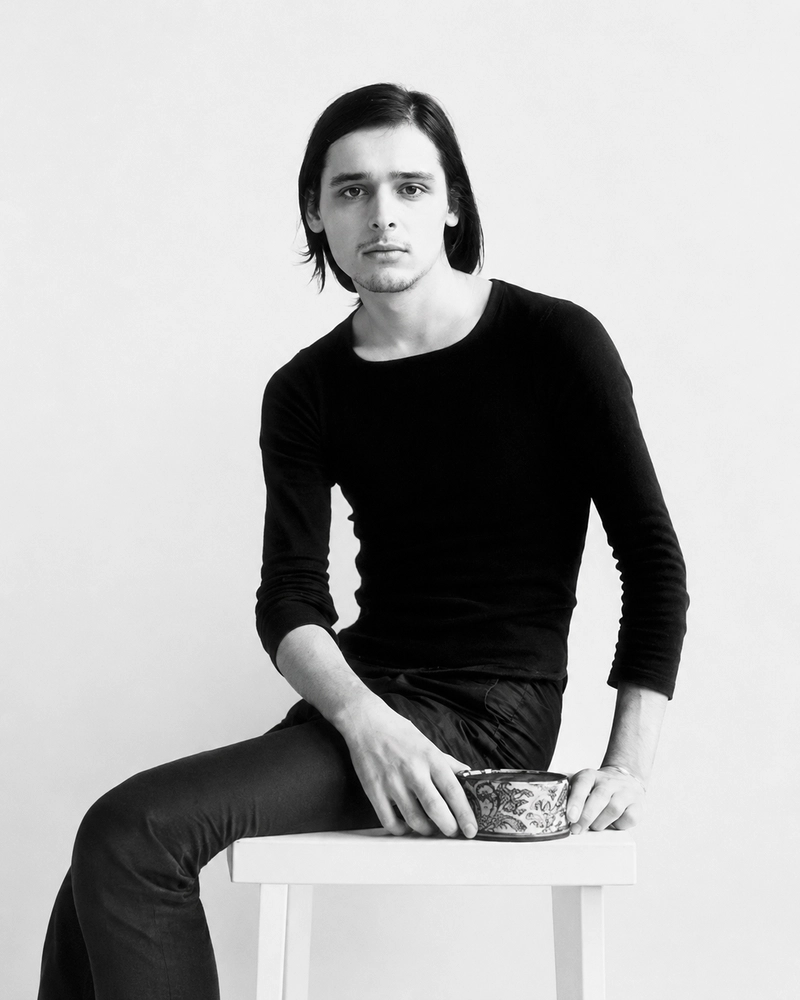
These details later became easy mythology: the young prodigy surrounded by antique lace, already building the silhouettes that would define him. Their real significance lies elsewhere. Olivier Theyskens learned clothing through touch before he learned it through branding. Fabric arrived as an object with age, weight and emotional residue. It could be inherited, cut apart, transformed and given another life.
In October 1994, aged seventeen, he entered La Cambre in Brussels. The school offered technical instruction and contact with Belgium’s experimental design culture. He left roughly two years later, before graduation, convinced that too much outside direction might interfere with the instincts he was trying to protect.
That decision reveals a pattern that would follow him for years. Independence gave Olivier Theyskens an unusually coherent voice. It also sent him into the industry without the business education, manufacturing knowledge or operational support that a young label requires. He understood shape, atmosphere and desire. Production schedules, margins and delivery systems belonged to another language.
Fashion often romanticises the designer who refuses compromise. The industry is less sentimental when invoices arrive.
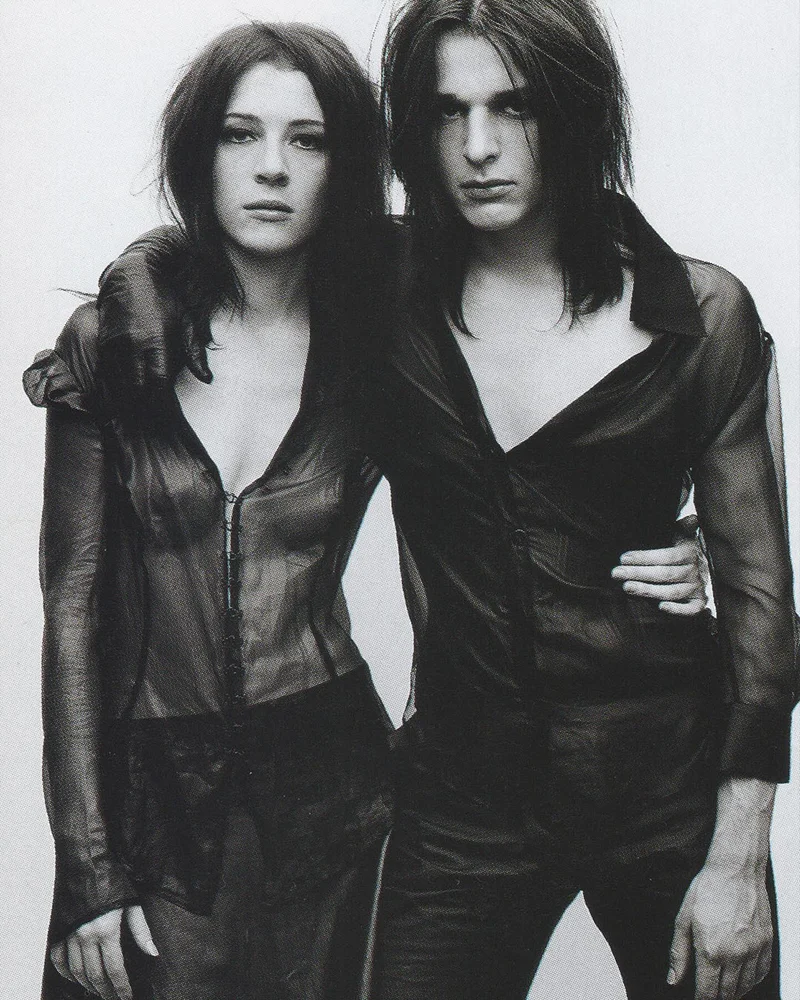
In October 1997, Olivier Theyskens launched his first namesake collection. He was twenty. The clothes were assembled from materials close at hand: old linen sheets, family lace, upholstery fabrics and remnants capable of carrying the severity he wanted.
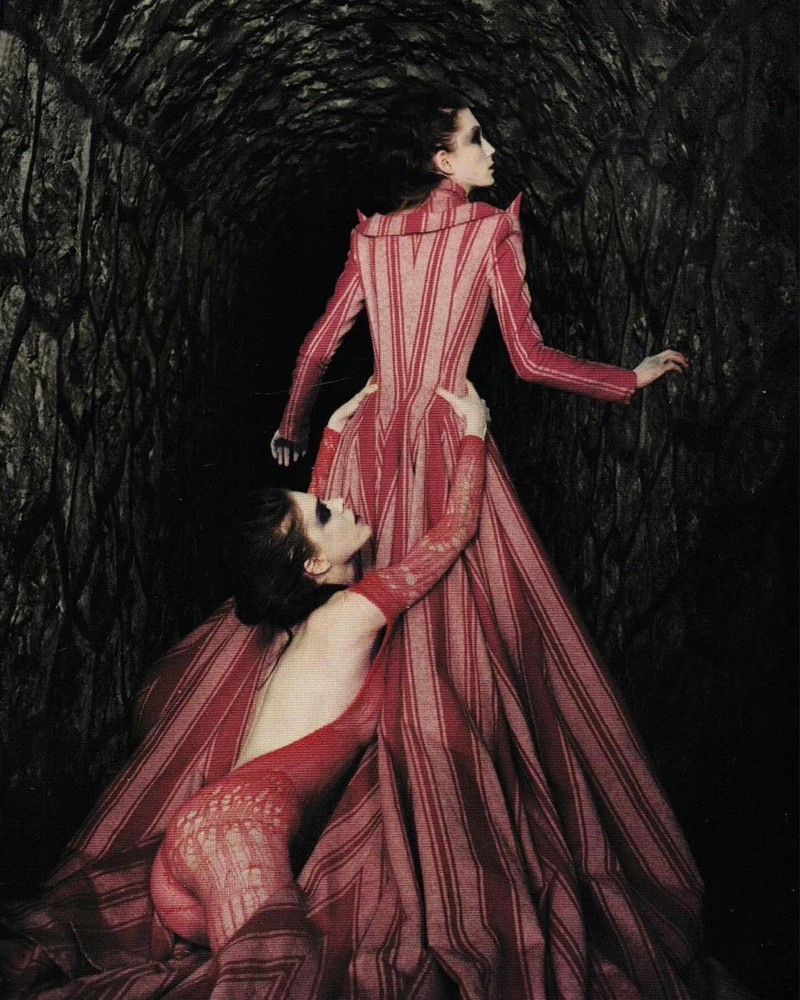
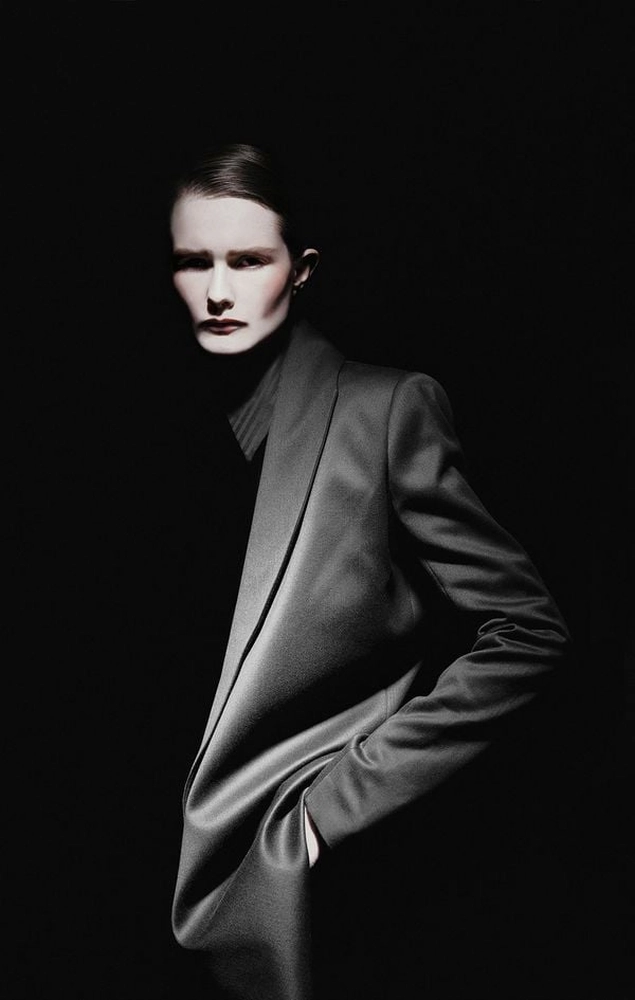
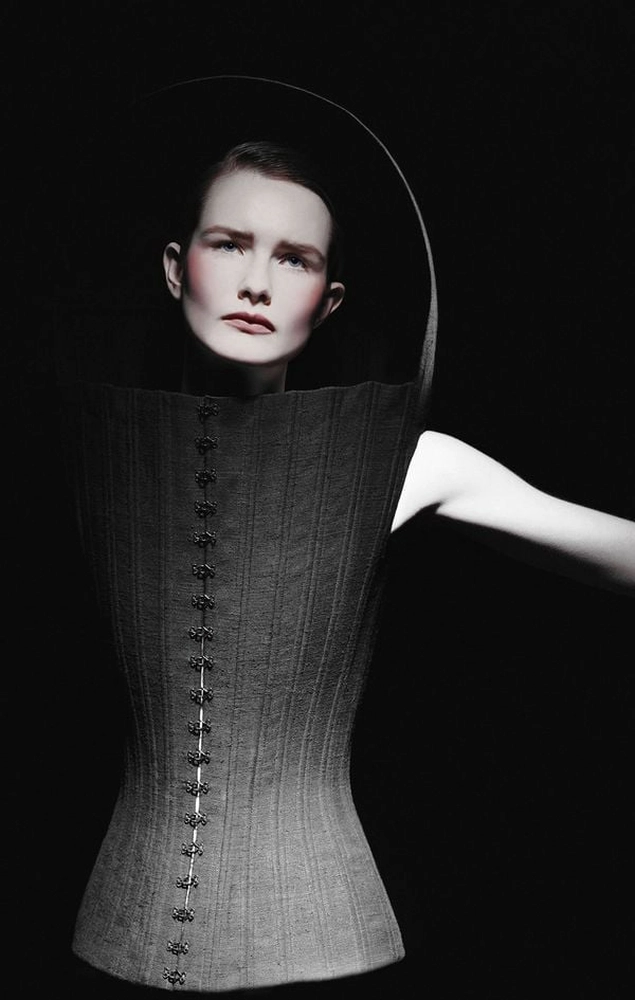
The collection established his world immediately. Waists narrowed. Skirts lengthened. Corsetry exposed the architecture beneath clothing. Leather, lace, hooks and eyes created a sensuality that felt controlled, almost disciplinary. Black dominated, though his darkness carried texture and depth instead of theatrical emptiness. The body appeared vulnerable and armoured at once.
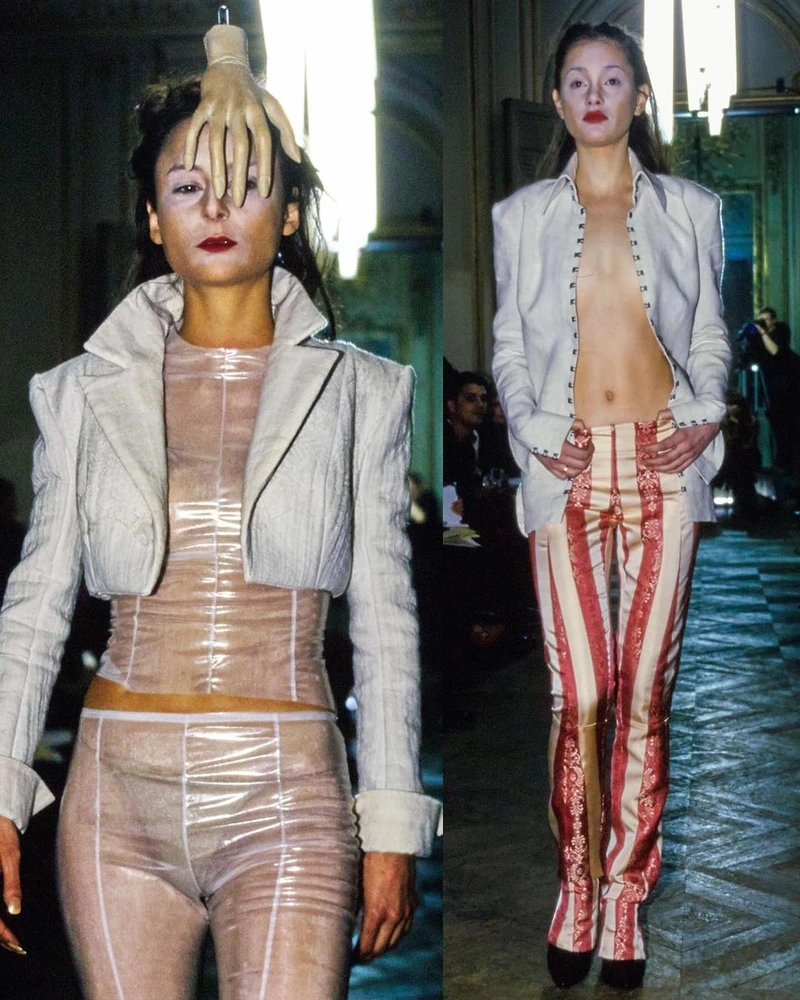
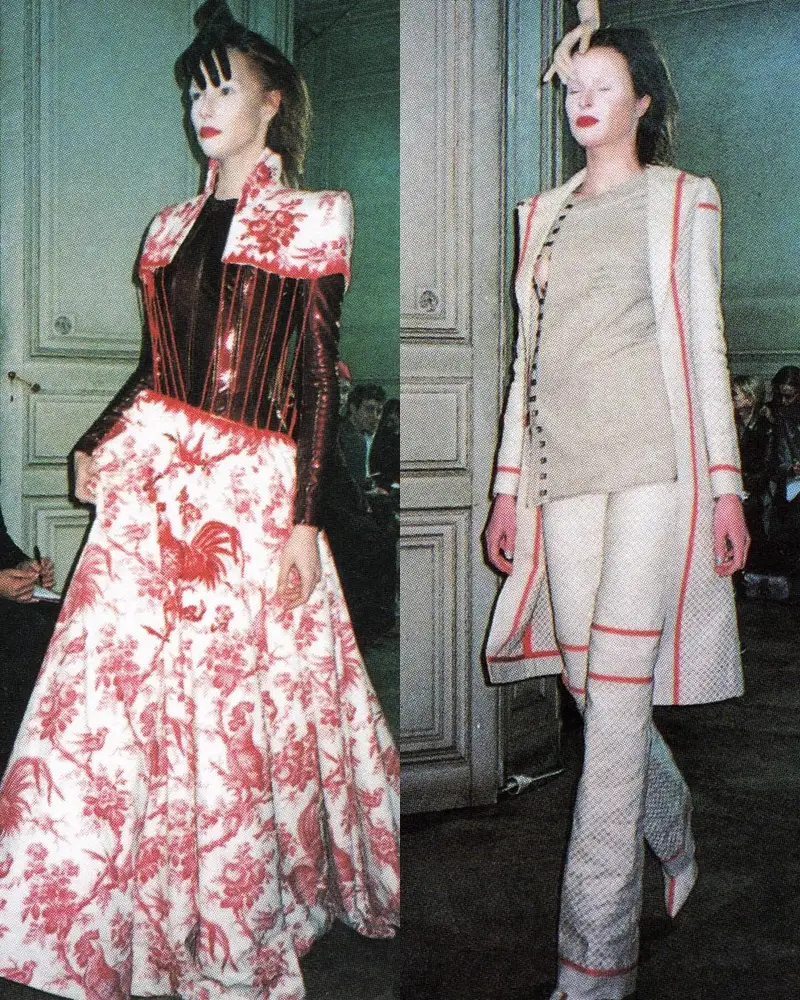
His early work was quickly labelled gothic. The term captured the black lace, Victorian references and dramatic mood, yet it also reduced the intelligence of the clothes. Olivier Theyskens was studying how the body could be extended through fabric, how a covered figure could become more provocative than an exposed one, how beauty could contain discomfort without collapsing into ugliness.
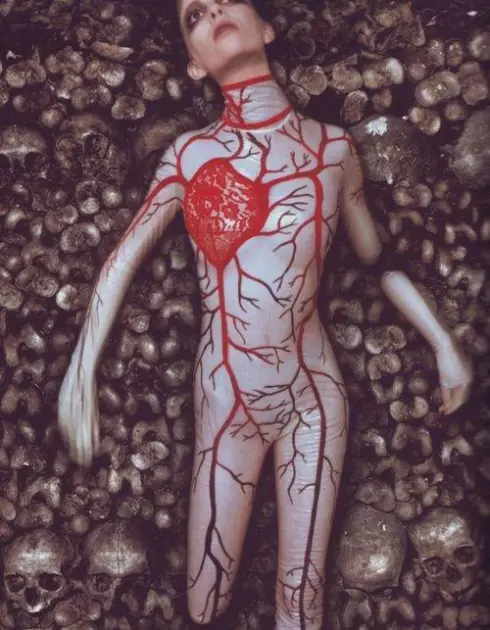
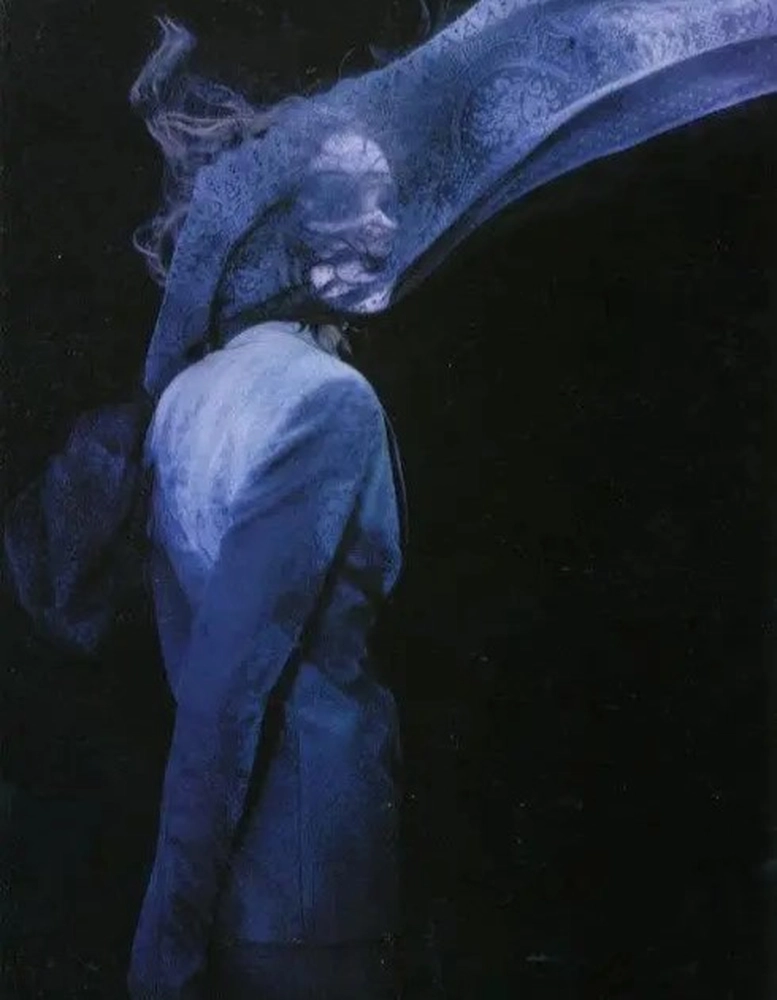
In March 1998, he presented in Paris. He had entered the fashion calendar without possessing the commercial system expected behind a runway name. The collection functioned as a declaration of authorship. Buyers could admire it. Editors could photograph it. Manufacturing remained fragile.
Then Madonna intervened.
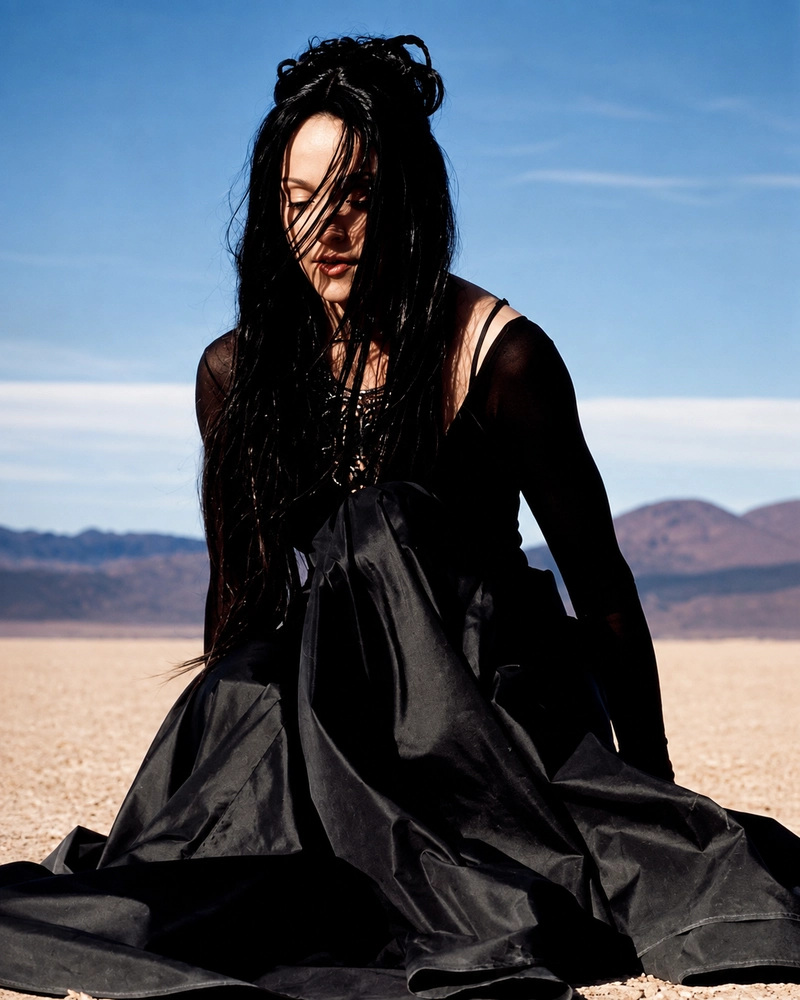
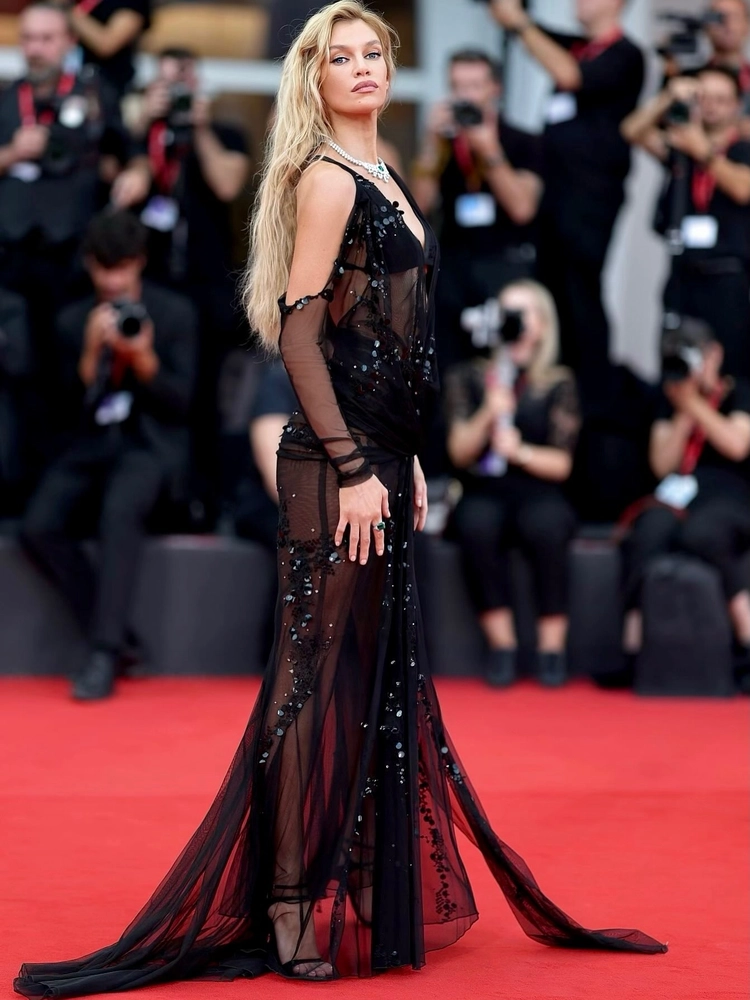
On March 23, 1998, she wore a black satin Olivier Theyskens design to the 70th Academy Awards. Later that year, she appeared in a yellow hook-and-eye gown from his Spring 1999 collection. The exposure moved his name far beyond the Paris fashion audience.
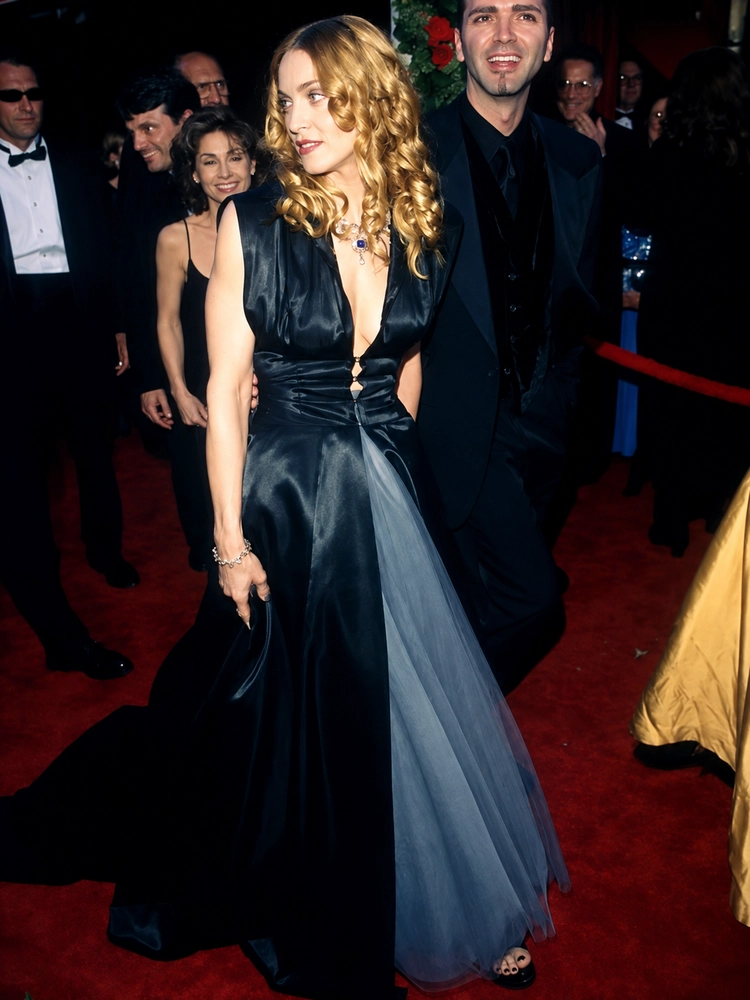
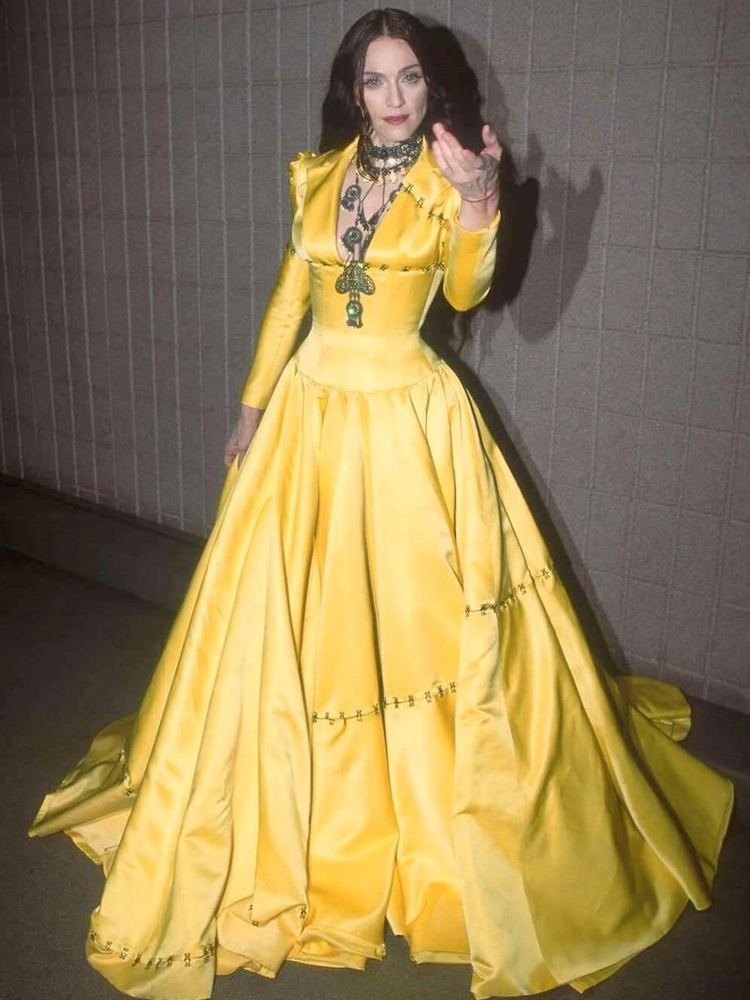
For many designers, celebrity endorsement arrives after distribution, investment and a recognisable customer base. Olivier Theyskens received global visibility while his business was still learning how to exist. The sequence created a dangerous illusion. Cultural power can resemble commercial strength from a distance. Close inspection reveals different foundations.
Madonna gave him mythology. She could not give him a supply chain.
The next collections expanded his vocabulary. Spring 2000 introduced bias cutting with greater force, allowing fabric to respond to the body with a fluidity that contrasted with his corseted structures. Models walked over soil beneath projected clouds. The runway communicated his interest in environment and psychological atmosphere, yet the clothes carried the deeper development. The body was becoming less static. Fabric began to slide, twist and follow movement.
By Spring 2001, nautical references entered the work. A mussel-shell runway, imagery of sinking ships and a dress shaped through the logic of a lifeboat pushed his collections into narrative territory. Each show became a complete emotional climate. The references changed, while the underlying concerns remained: danger, fragility, transformation and the body suspended between control and escape.
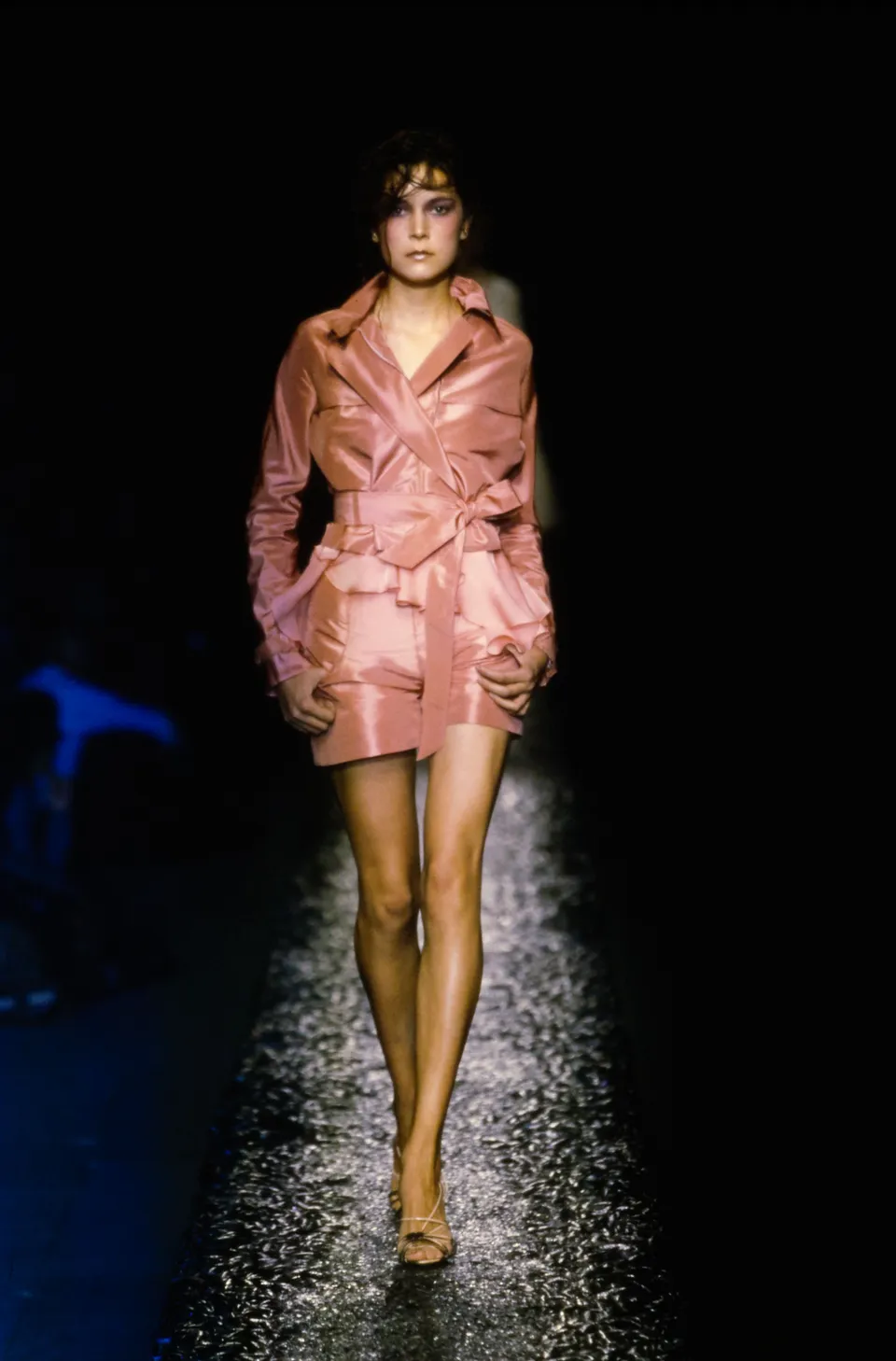
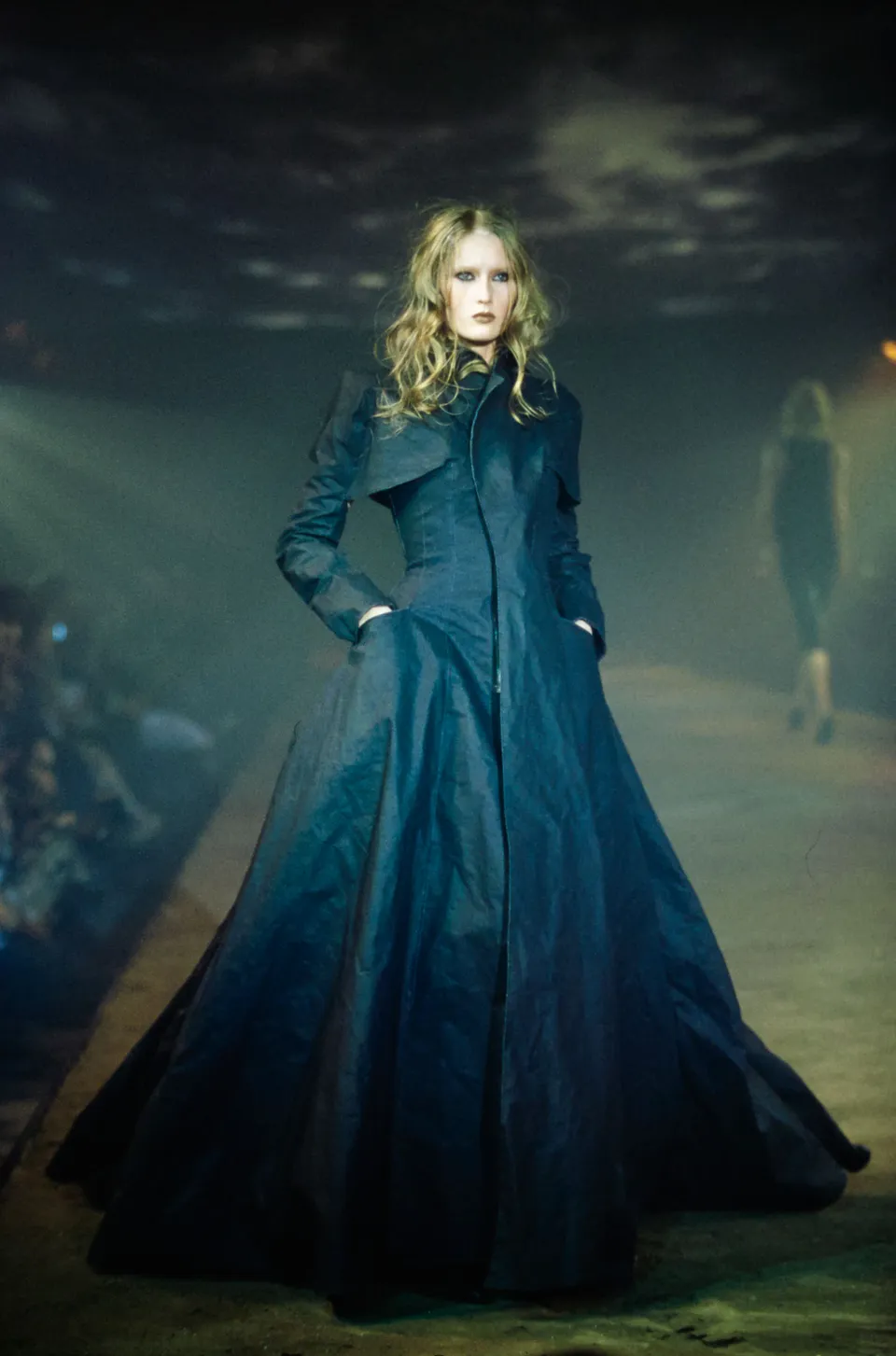
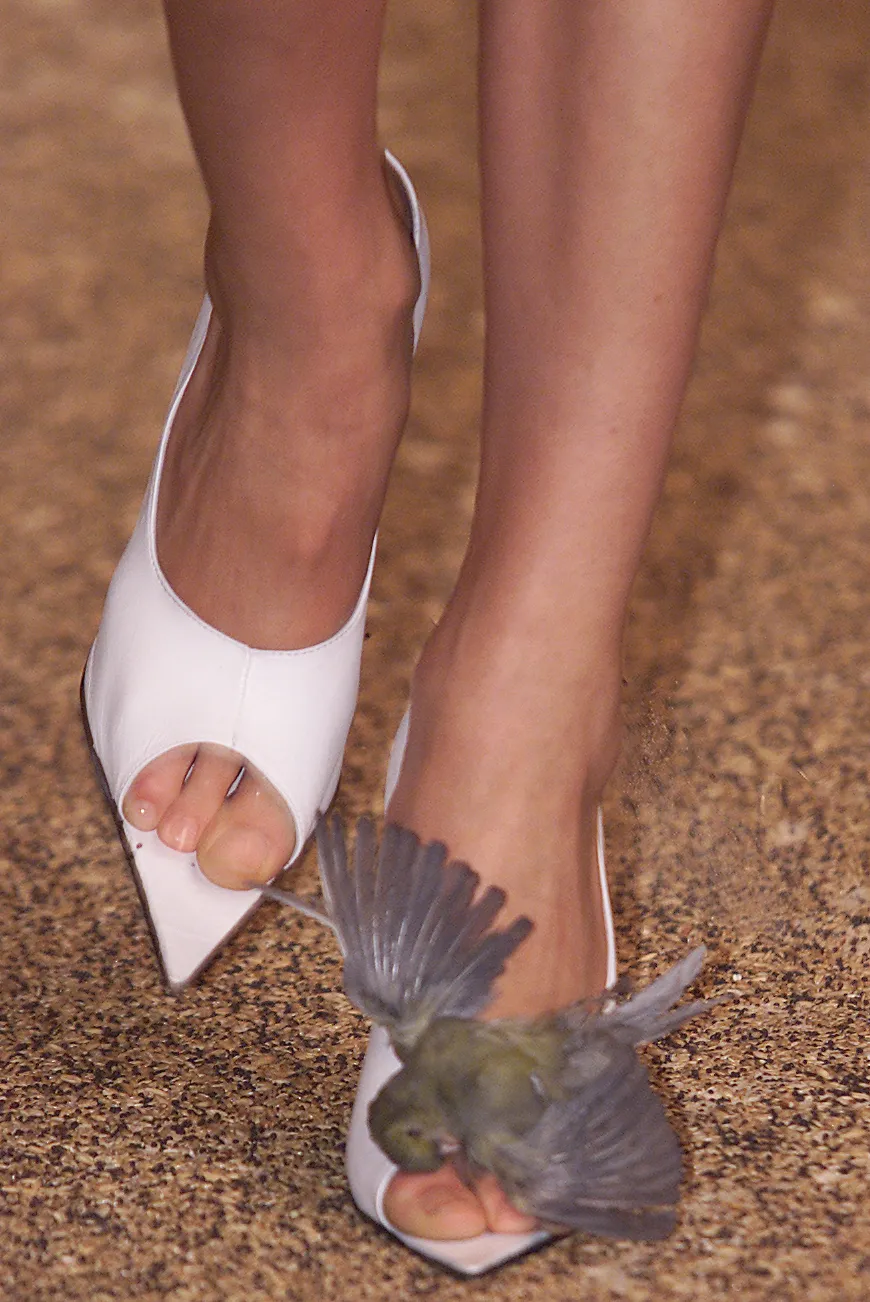
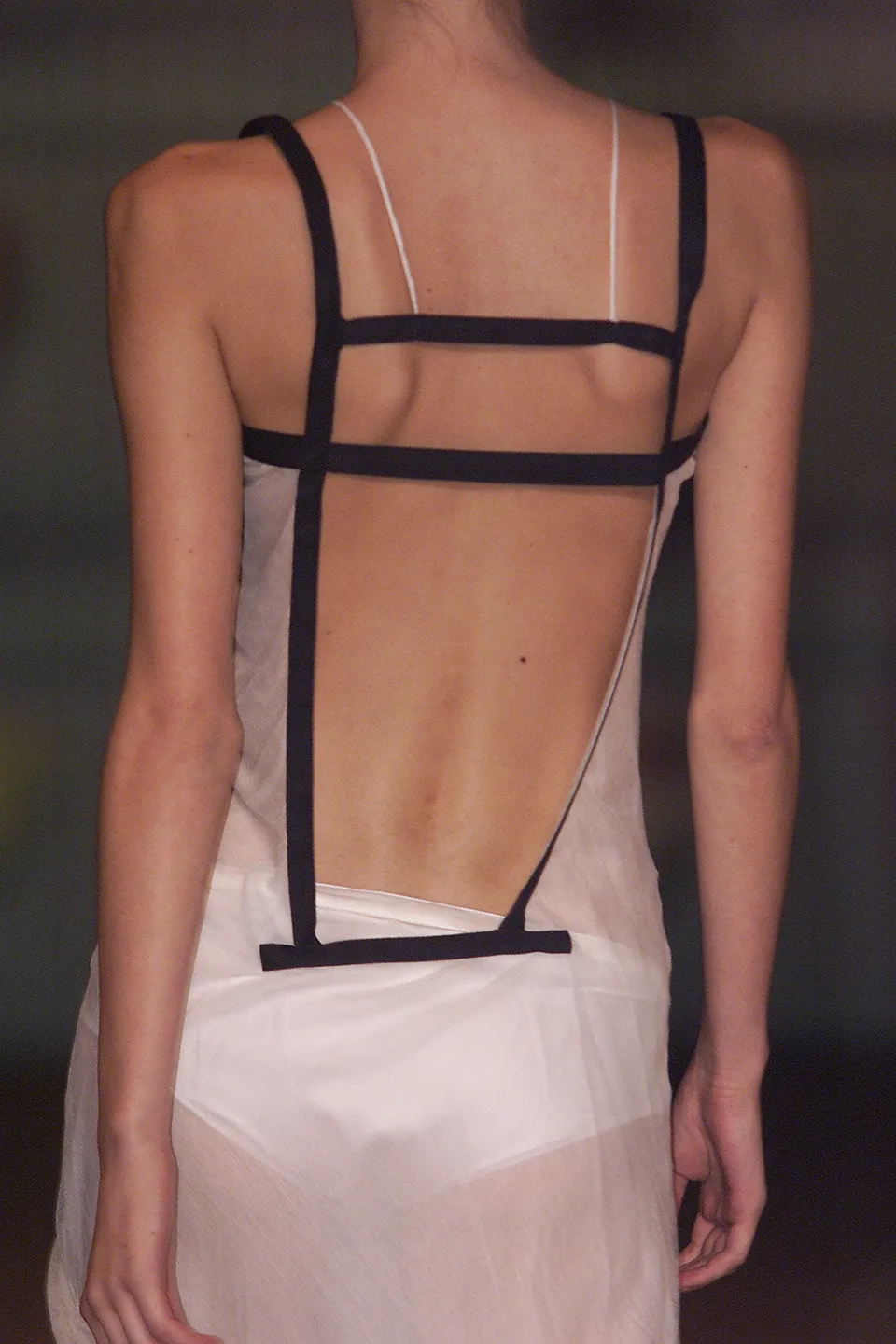
By then, Olivier Theyskens had achieved several forms of success. He possessed an unmistakable visual identity. Major photographers, stylists and models wanted proximity to his work. Editors treated his collections as cultural events. Celebrities recognised the power of his dresses. Young designers saw permission in his refusal to flatten his imagination.
The company underneath that acclaim remained vulnerable.
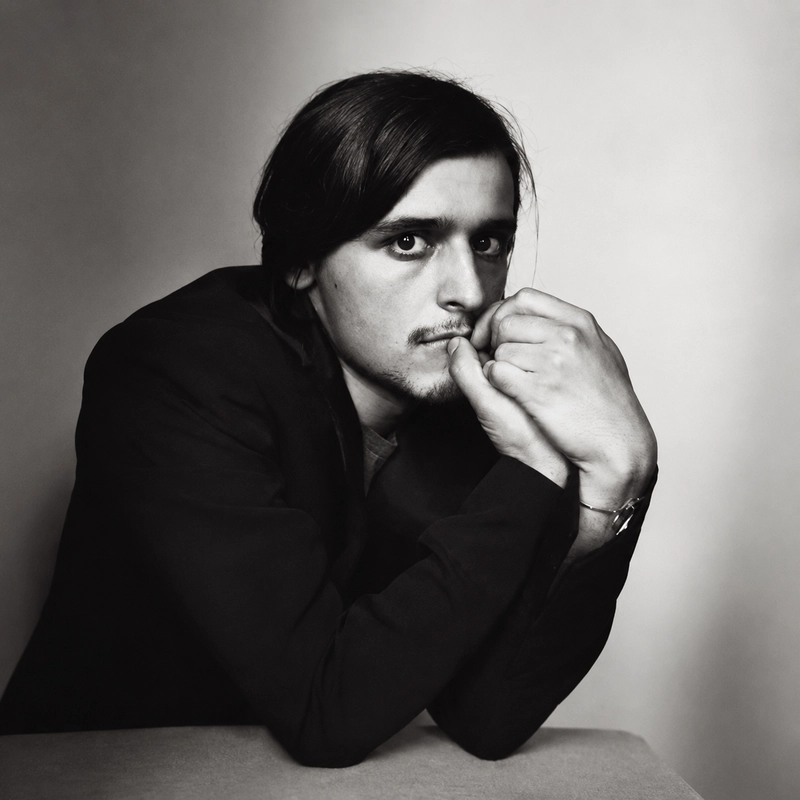
Between 1997 and 2002, the demands of production grew. Fabrics had to be sourced at scale. Orders had to be manufactured, shipped and paid for. Employees required structure. Press excitement offered little protection against late deliveries or limited margins. His financial backing ended, and the first Olivier Theyskens label closed in 2002.
The closure exposed a truth fashion prefers to keep behind the curtain. A designer can alter taste and still lose the company carrying his name. Olivier Theyskens had accumulated cultural capital with extraordinary speed. Operating capital followed a slower, harsher logic.
That same year, Rochas hired him.
Olivier Theyskens was twenty-five when he was appointed to revive the fashion division of Rochas. The house retained global recognition through fragrance, especially Femme, while its fashion identity had faded from contemporary relevance.
For a young designer who had just lost his own business, Rochas offered resources, ateliers and history. It also presented a more complex challenge than a simple creative-director appointment. The house had become disconnected from parts of its own past. Its codes existed across incomplete documentation, old garments, perfume imagery and personal memories.
Olivier Theyskens approached the task as an investigator. He spoke with Hélène Rochas and others connected to the house. He studied Marcel Rochas’s work, the fragrance packaging and the historical use of Chantilly lace. He searched for elements with enough specificity to restore identity.
His treatment of lace reveals the seriousness of that process. Black Chantilly lace had once belonged closely to Rochas, yet the house had allowed the association to weaken. Olivier Theyskens understood heritage as a form of ownership. A code gains value through repetition, refinement and public memory. Once abandoned, it becomes available to everyone.
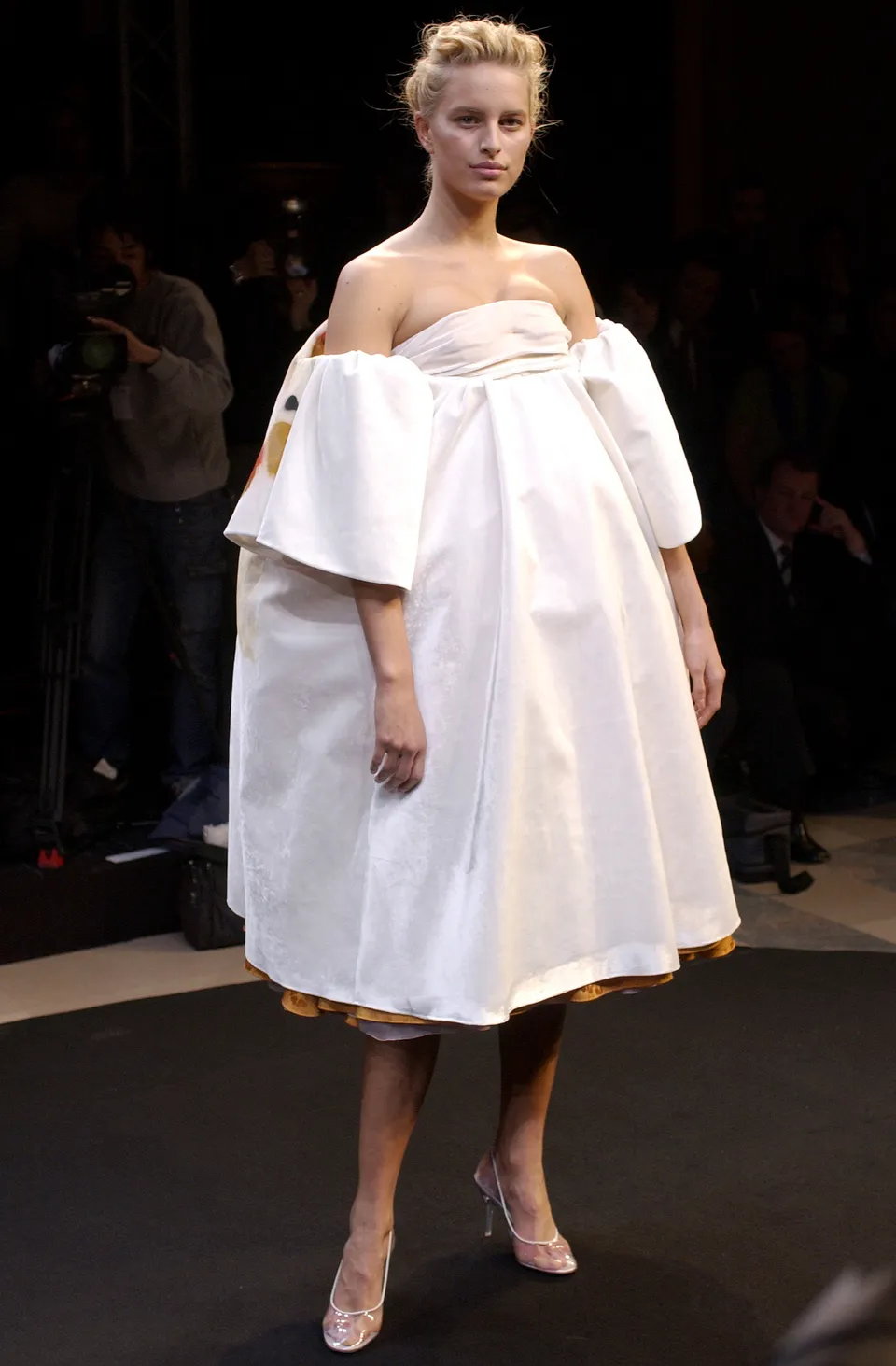
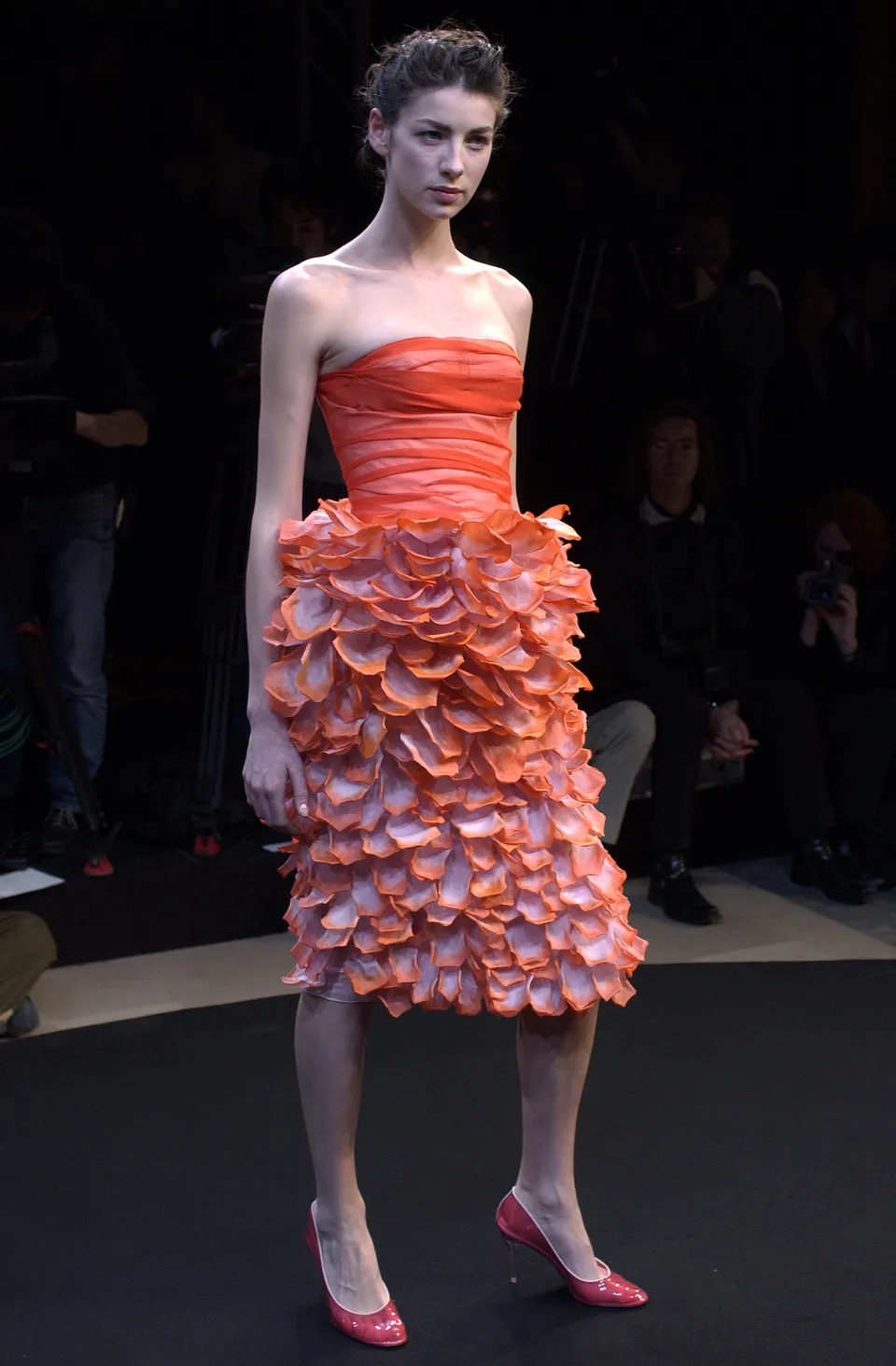
His Fall 2003 debut, presented in March 2003, brought that history back with startling clarity. Black lace appeared over pink in reference to Femme. Suits carried polished severity. Gloves sharpened the gestures of the models. Cocktail dresses and inflated Empire line gowns reconstructed Parisian elegance without drifting into costume.
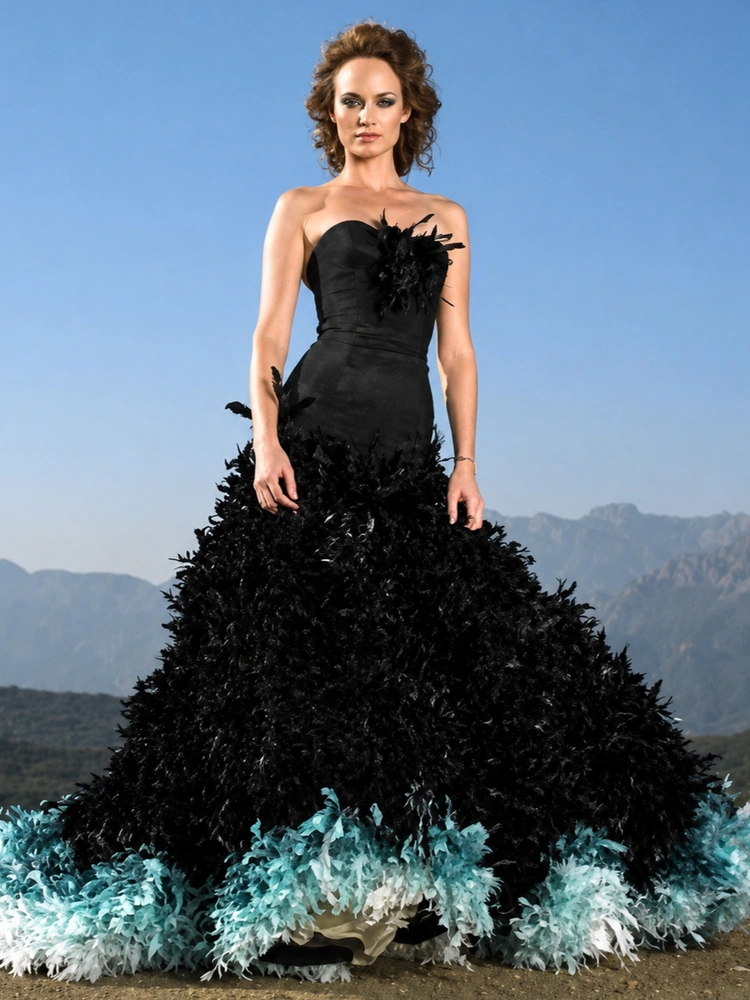
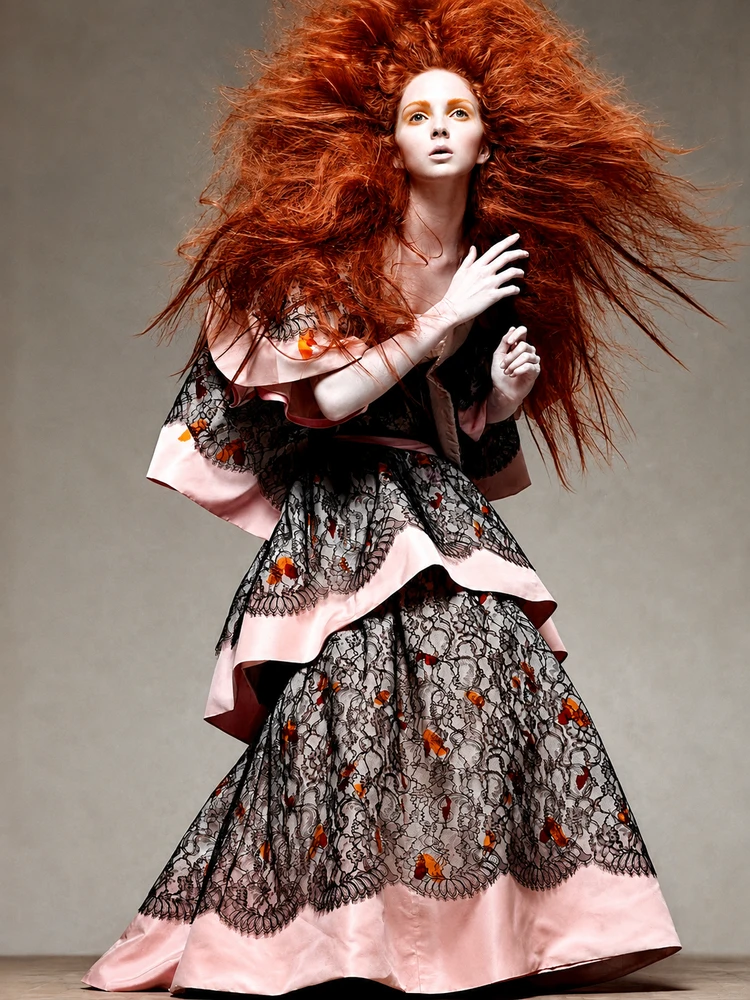
The collection reached beyond revival. It challenged the dominant mood of the early 2000s, when exposure, irony and commercial sexuality often controlled the image of modern fashion. Olivier Theyskens proposed covered bodies, raised waists, sculpted hips and fabrics that demanded time. His women seemed composed from discipline and tension. Their sensuality operated through posture, surface and movement.
At Rochas, his silhouette became more architectural. Waists moved upward. Hips widened through internal structure. Mermaid silhouette extended behind the body. Curved seams created a controlled sweep from torso to floor. The front offered restraint; the back delivered drama.
The clothes were widely described as demi-couture. The term suited their position between ready-to-wear and haute couture. They were produced for sale, yet their handwork, construction and finishing required exceptional labour. Olivier Theyskens used the resources of the house to develop clothes with the intensity of private commissions.
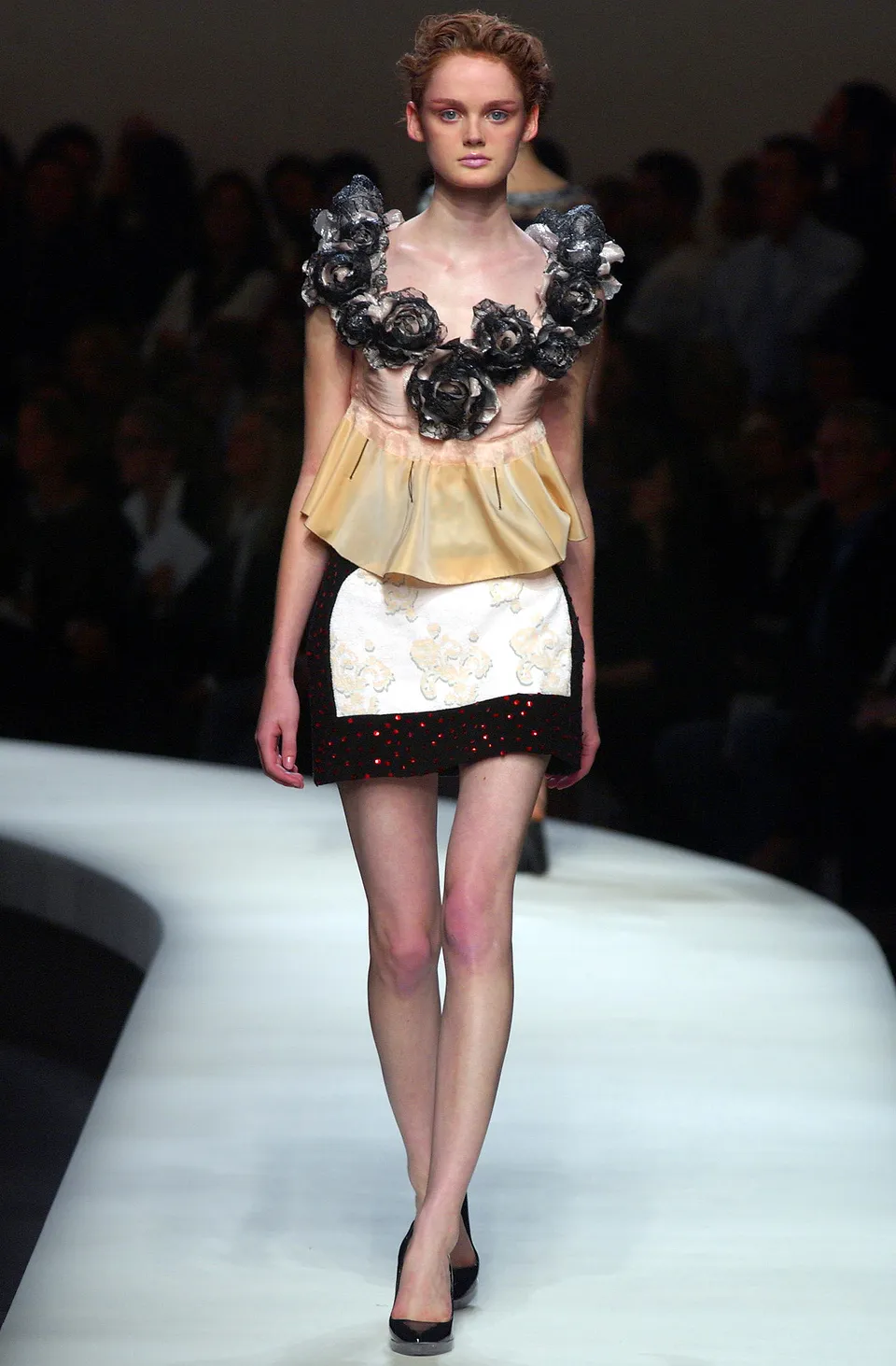
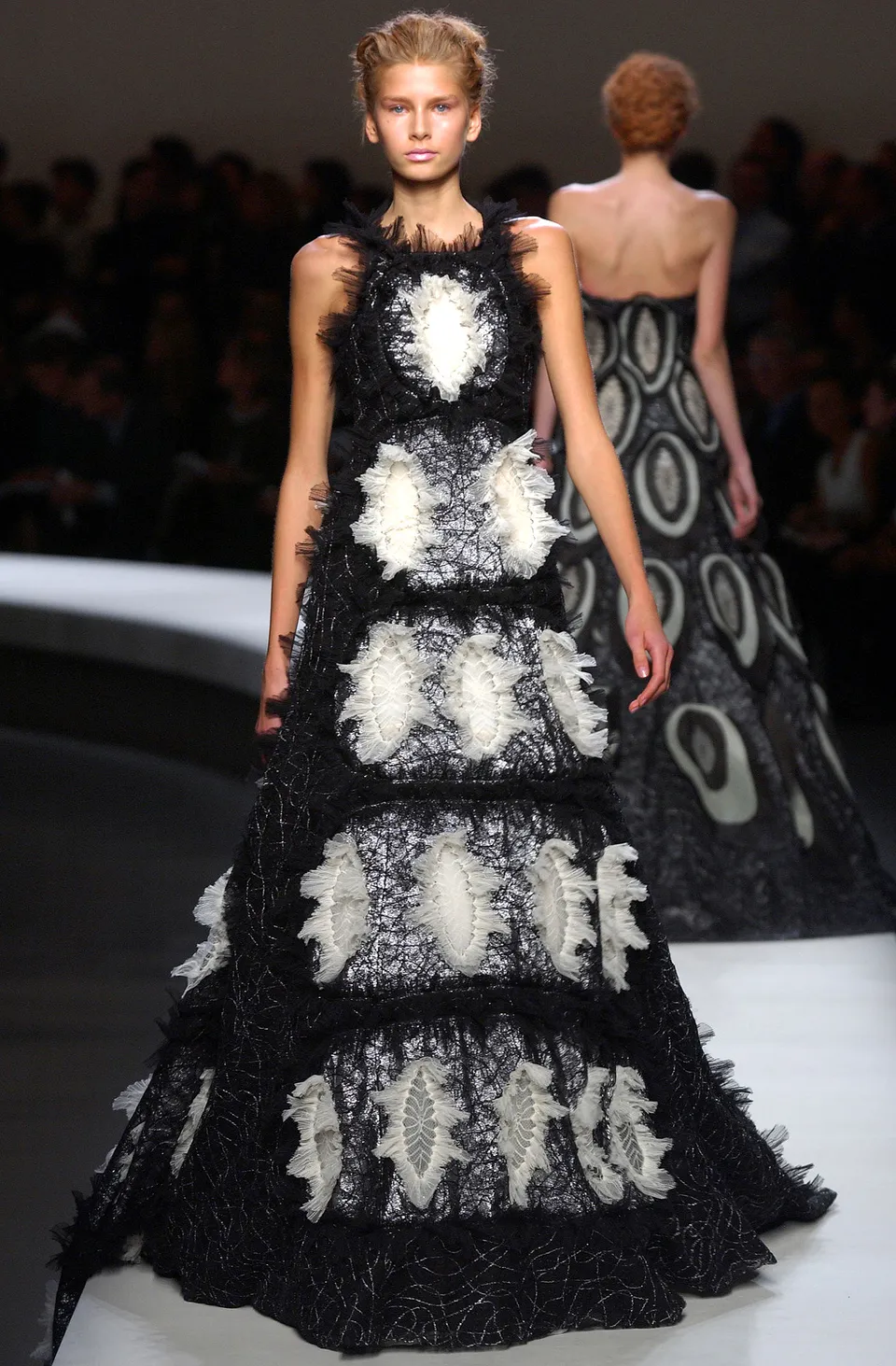
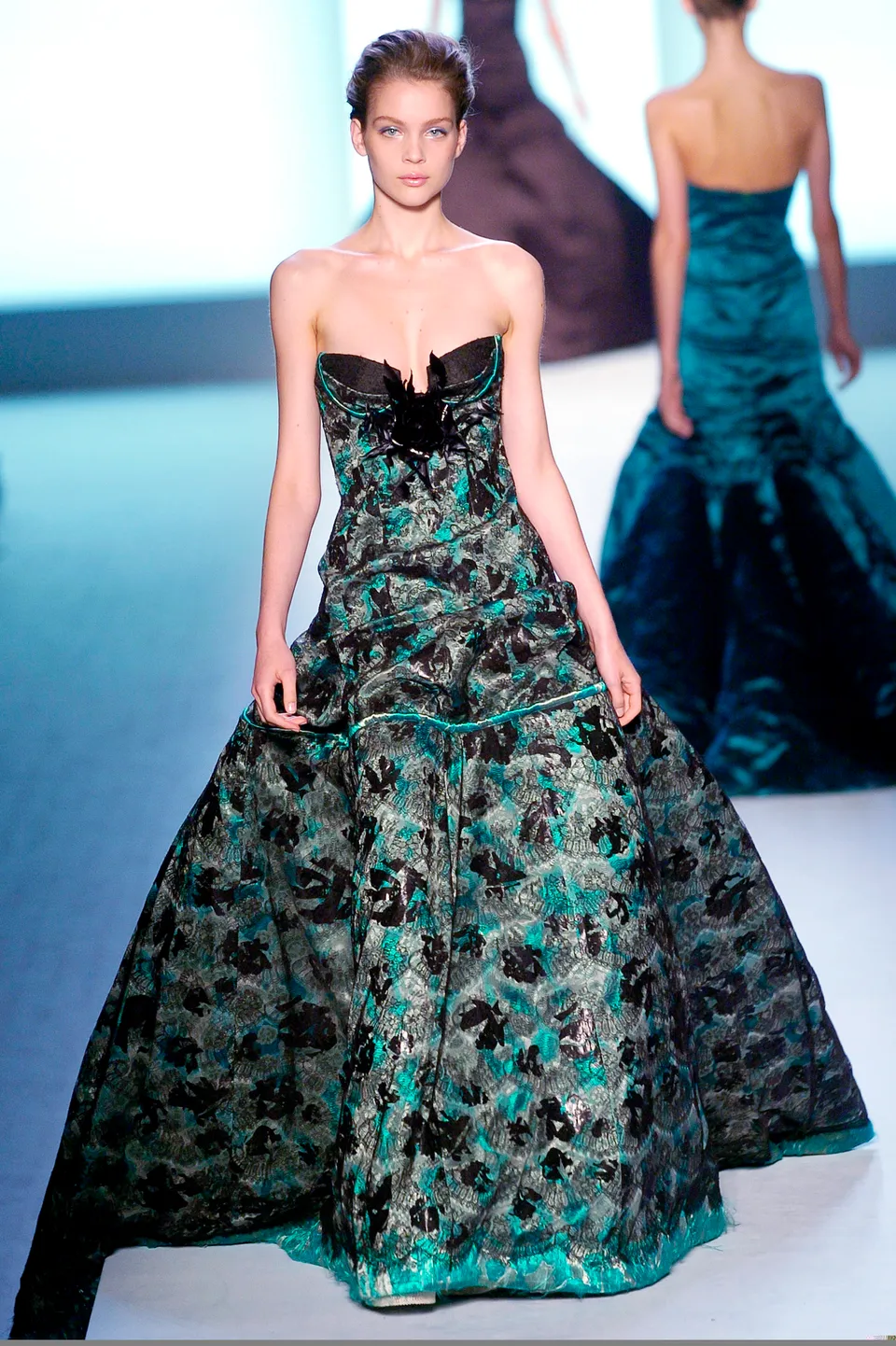
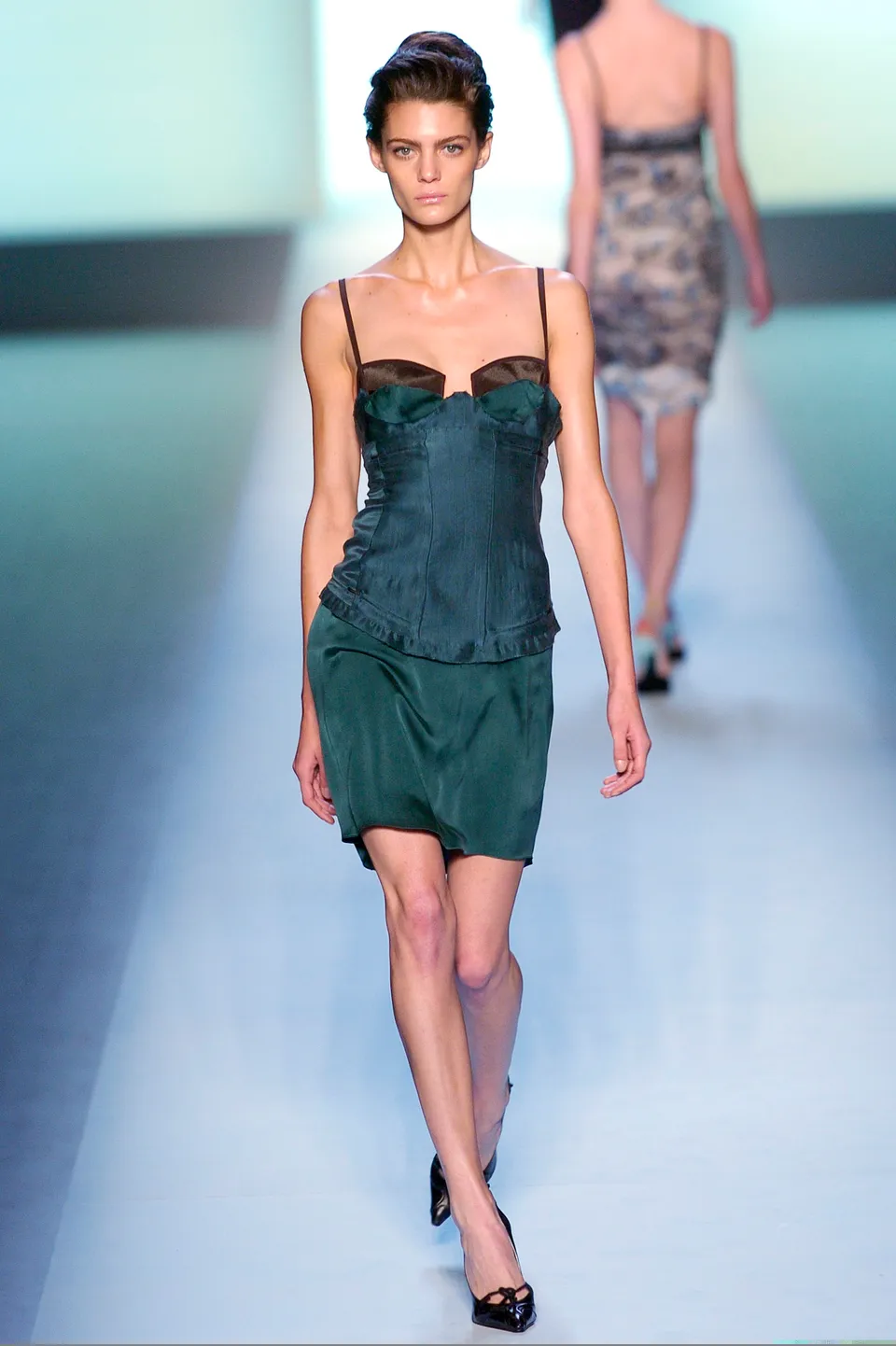
That intensity built enormous cultural value. Rochas became relevant again. The shows carried authority. The house returned to editorial pages and major red carpets. Olivier Theyskens became inseparable from a new image of romantic Parisian fashion.
Recognition followed. In 2005, Fashion Group International gave him its Star Award. On June 5, 2006, he received the CFDA International Award for his work at Rochas. He had moved from cult prodigy to internationally recognised creative leader.
The business told a colder story.
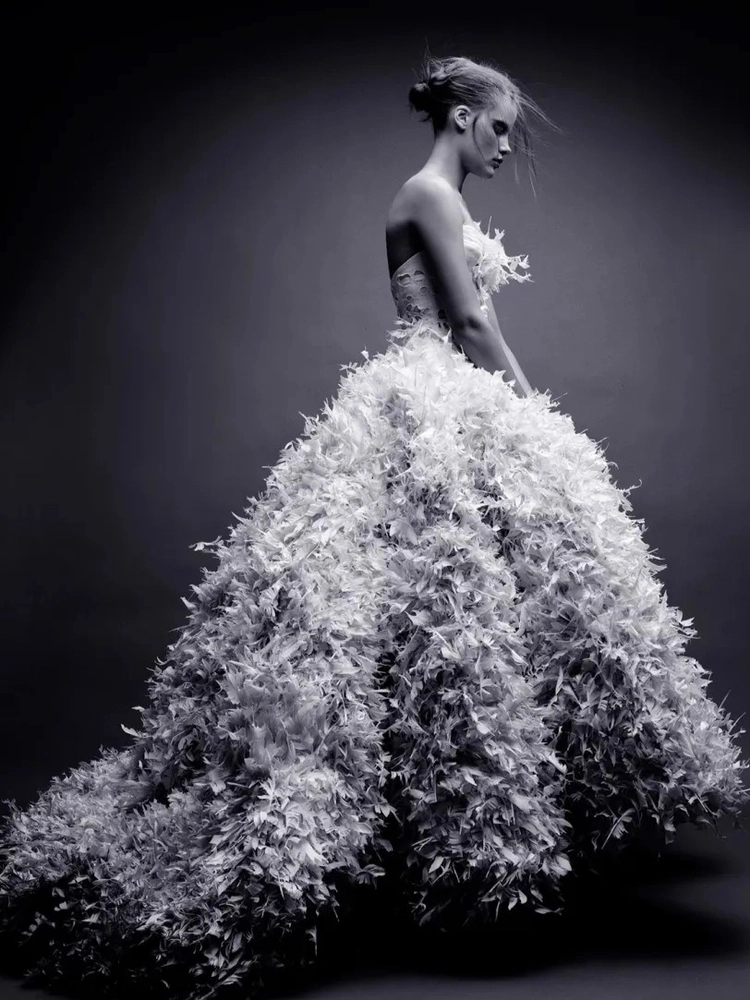
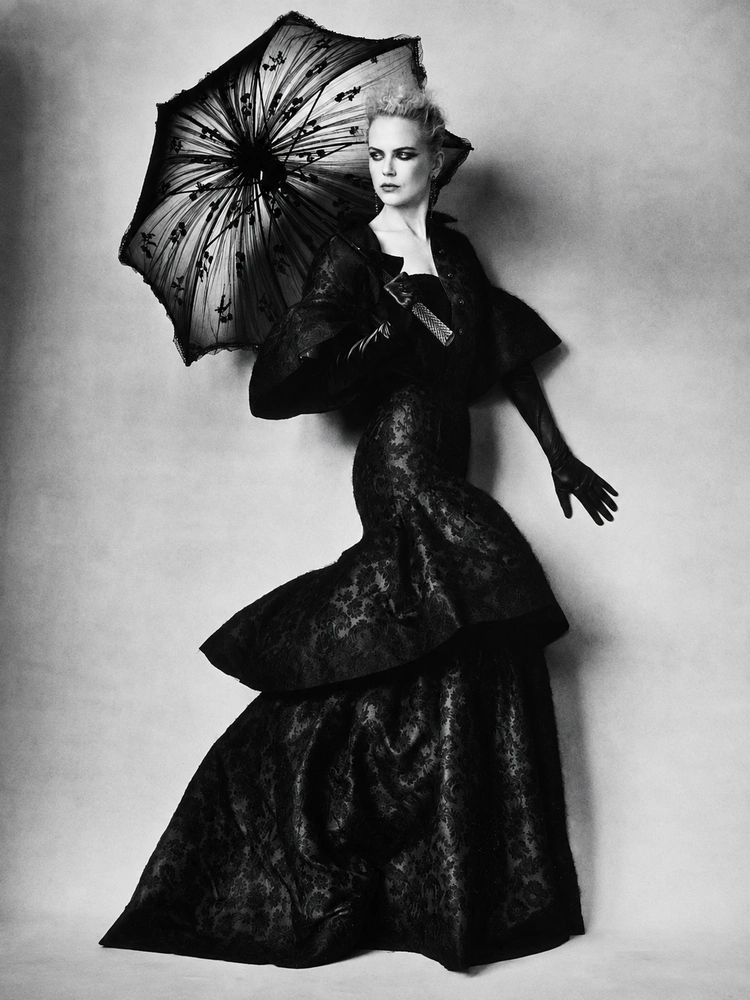
The fashion division struggled financially. The garments were expensive to produce, difficult to scale and positioned at prices that narrowed the customer base. Rochas’s owner, Procter & Gamble, had acquired the house through Wella and operated with the priorities of a global consumer-goods corporation. Fragrance offered volume and predictable returns. Fashion required patience, specialist knowledge and tolerance for irregular profitability.
In July 2006, Procter & Gamble closed the Rochas fashion division.
The decision has often been framed as a tragedy of art crushed by commerce. That reading offers emotional satisfaction and limited understanding. Olivier Theyskens had restored prestige, design credibility and cultural attention. Available evidence offers no proof that ready-to-wear had become a sustainable profit centre. The parent company also lacked a deep strategic commitment to fashion.
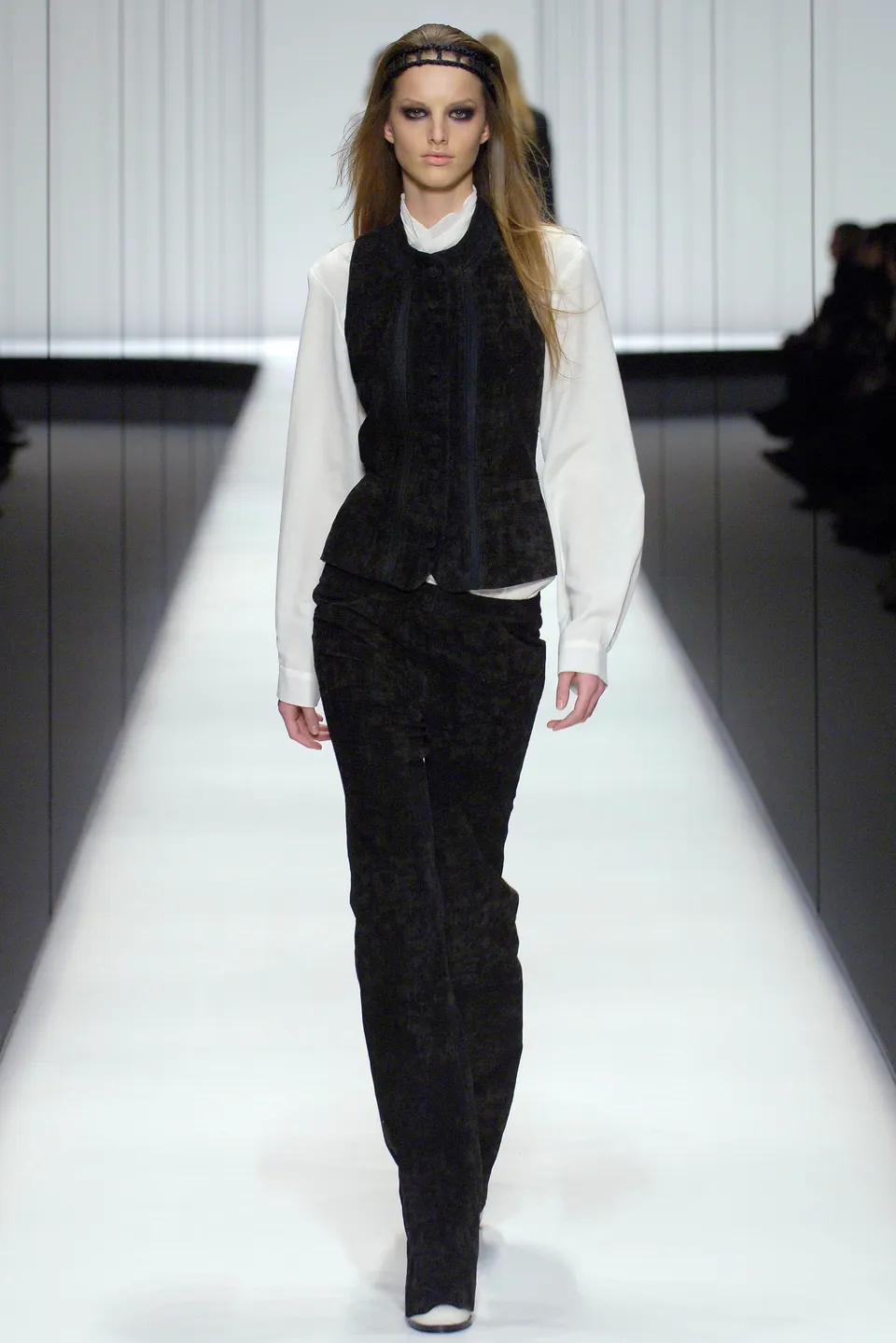
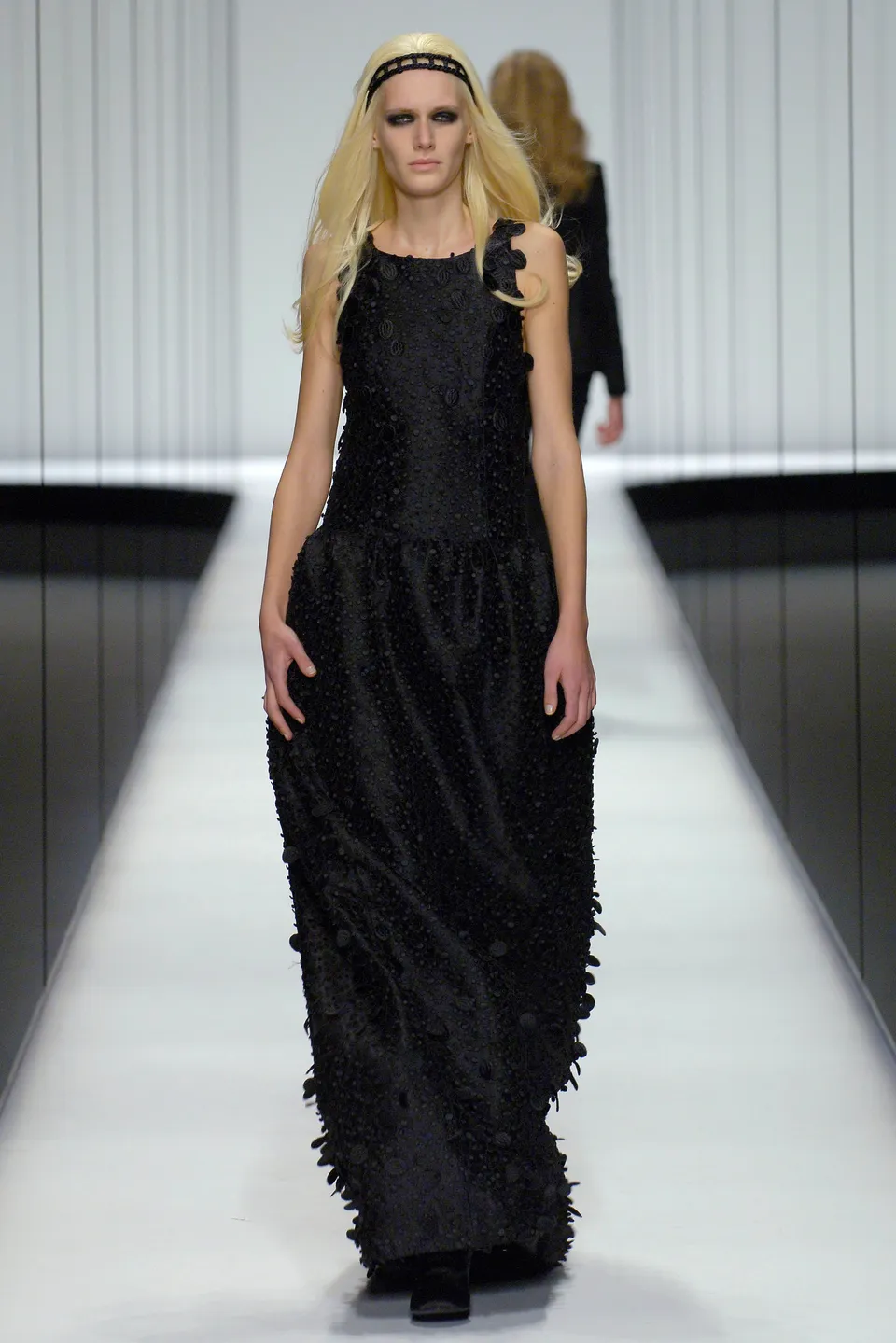
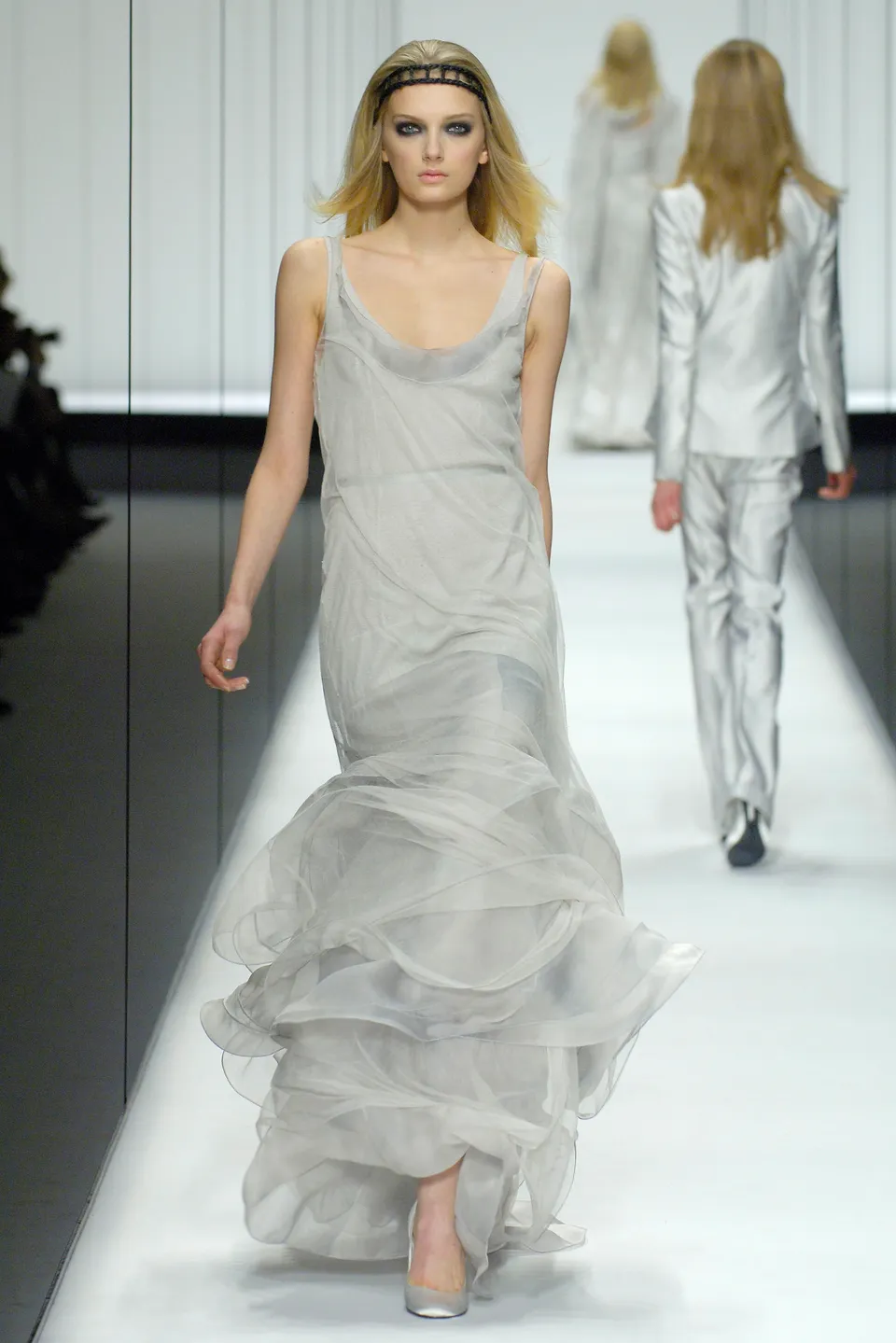
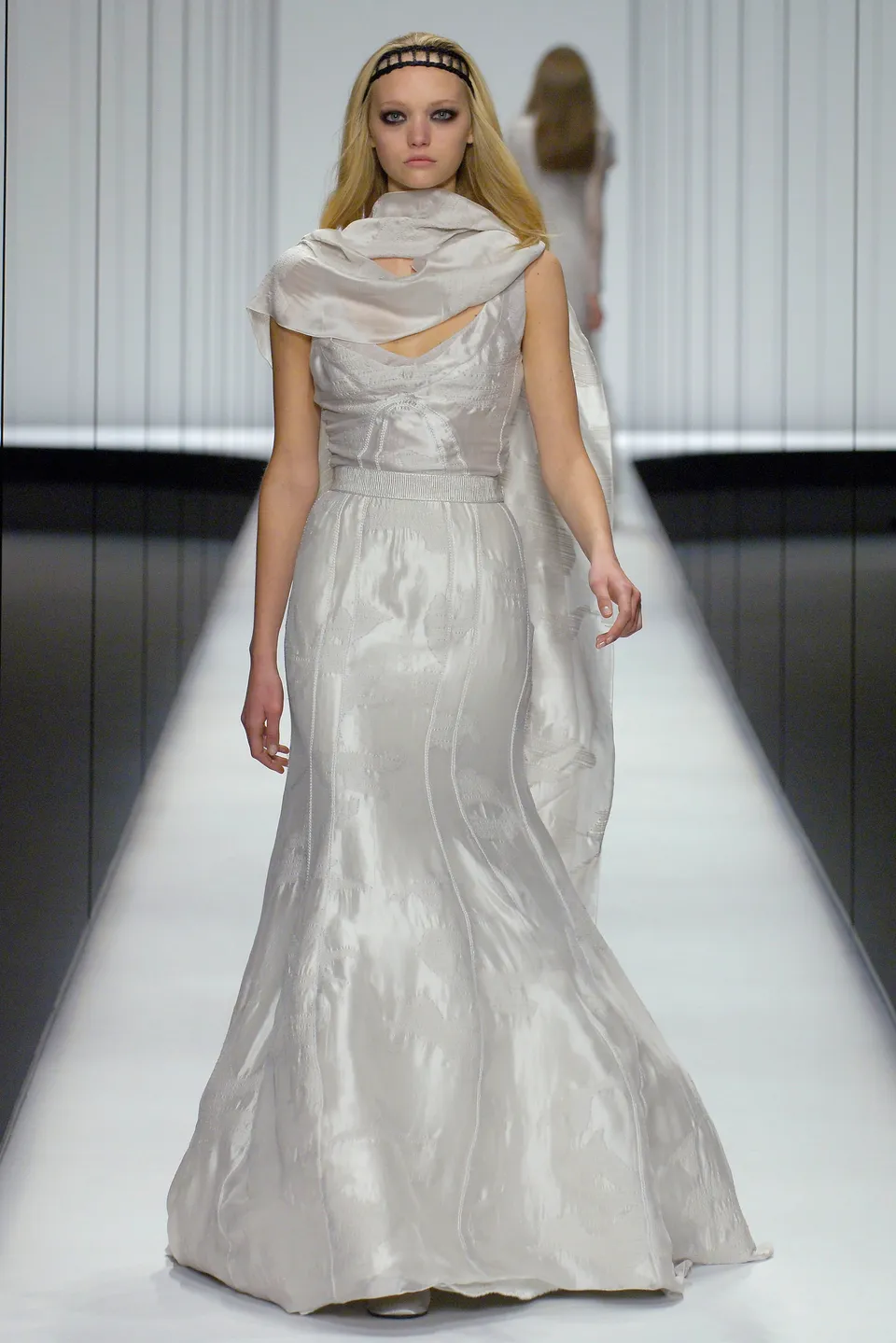
Rochas revealed the full reach of his talent and the limits of talent as a financial instrument. He could revive desire. Desire alone could not balance the accounts.
In September 2006, only weeks after the closure of Rochas fashion, Olivier Theyskens was appointed artistic director of Nina Ricci. The choice appeared logical. He had already demonstrated an ability to give a fragrance-led Paris house contemporary fashion authority.
Nina Ricci required a different response. Olivier Theyskens understood the danger of repeating the Rochas formula under another name. His work at Ricci pursued a younger, more urban tension. The romance remained, though its surface grew sharper.
His debut arrived on March 3, 2007. Draped blousons, pencil skirts, asymmetrical biker jackets, sheer layers and slip dresses unsettled the house’s polite femininity. Feathers appeared beside hard construction. Lingerie references entered daywear. Evening gowns rotated around the body through spiralling seams.
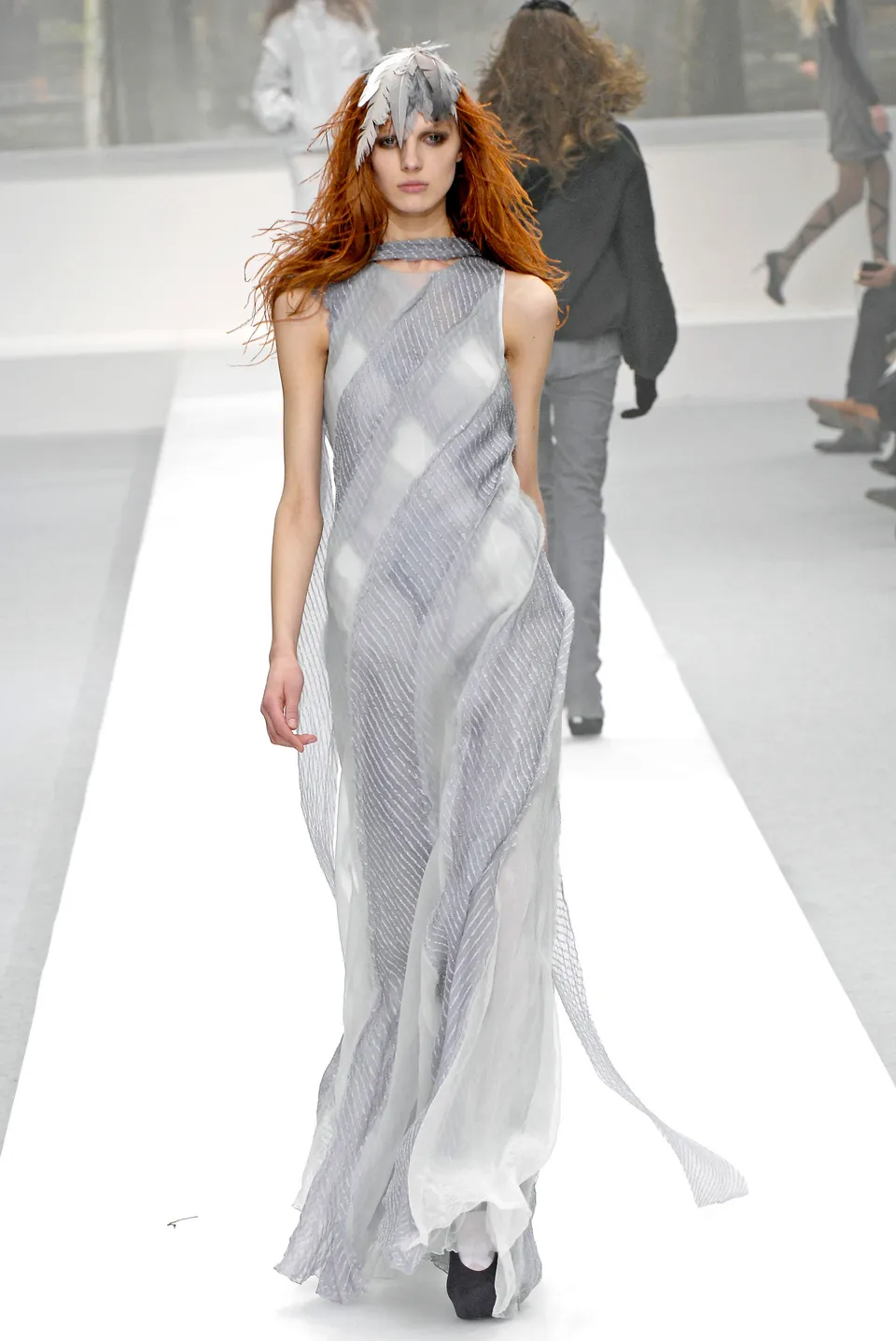
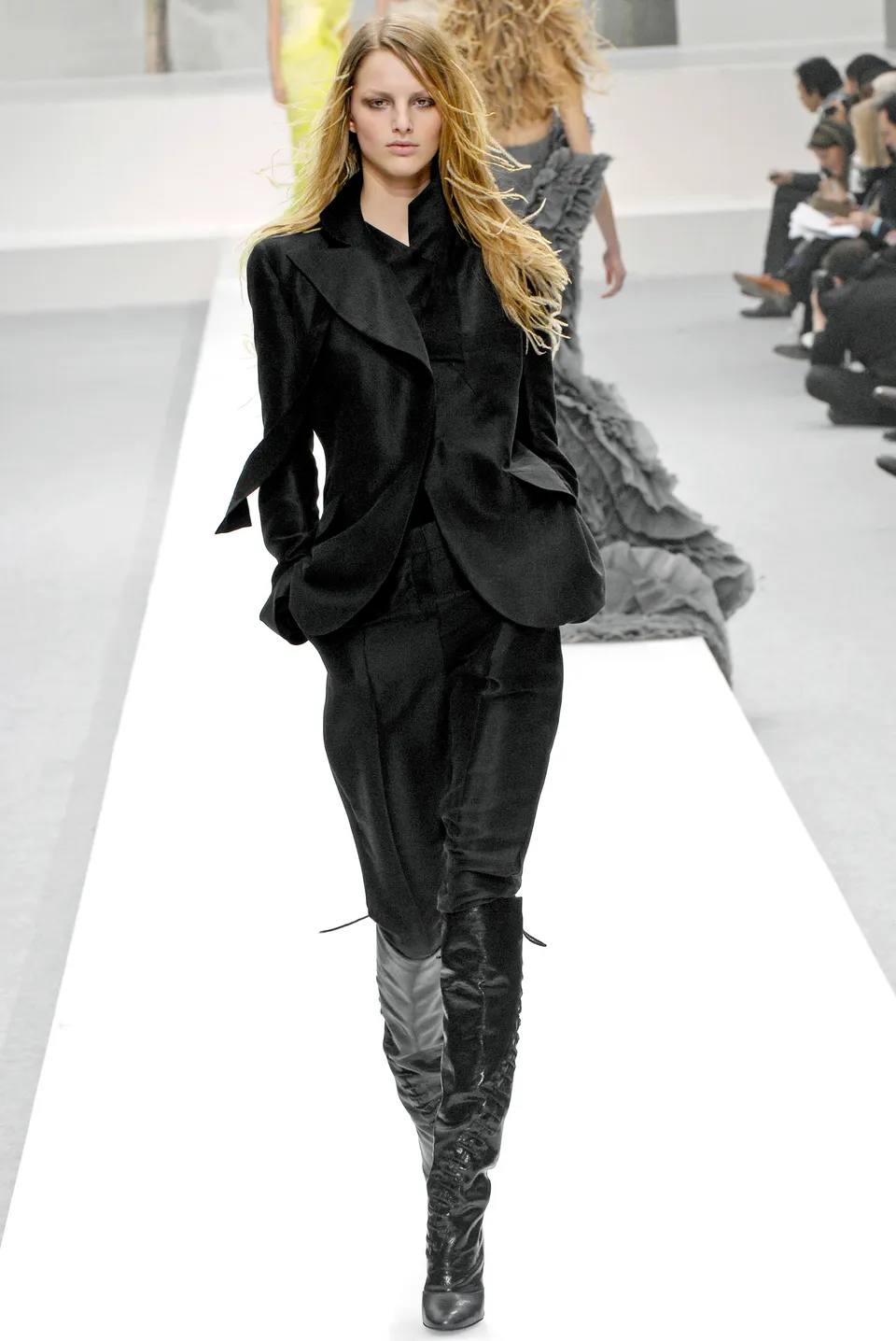
The movement came partly from his study of L’Air du Temps. The famous Lalique bottle, with its swirling glass and paired doves, became a structural reference. Olivier Theyskens translated perfume imagery into garment engineering. Curved seams suggested air turning around the body. Knitwear and gowns developed through rotation. A commercial object associated with the house became a physical principle.
That approach explains his value as a heritage designer. He rarely treated archives as a collection of images to reproduce. He extracted logic. At Rochas, lace became a restored code. At Nina Ricci, a fragrance bottle became movement.
Between 2007 and 2008, the Ricci woman developed through contradiction. Transparent surfaces met strong shoulders. Delicate feathers sat against biker-derived lines. Dresses flowed while jackets held the torso firmly. The body appeared romantic without losing force.
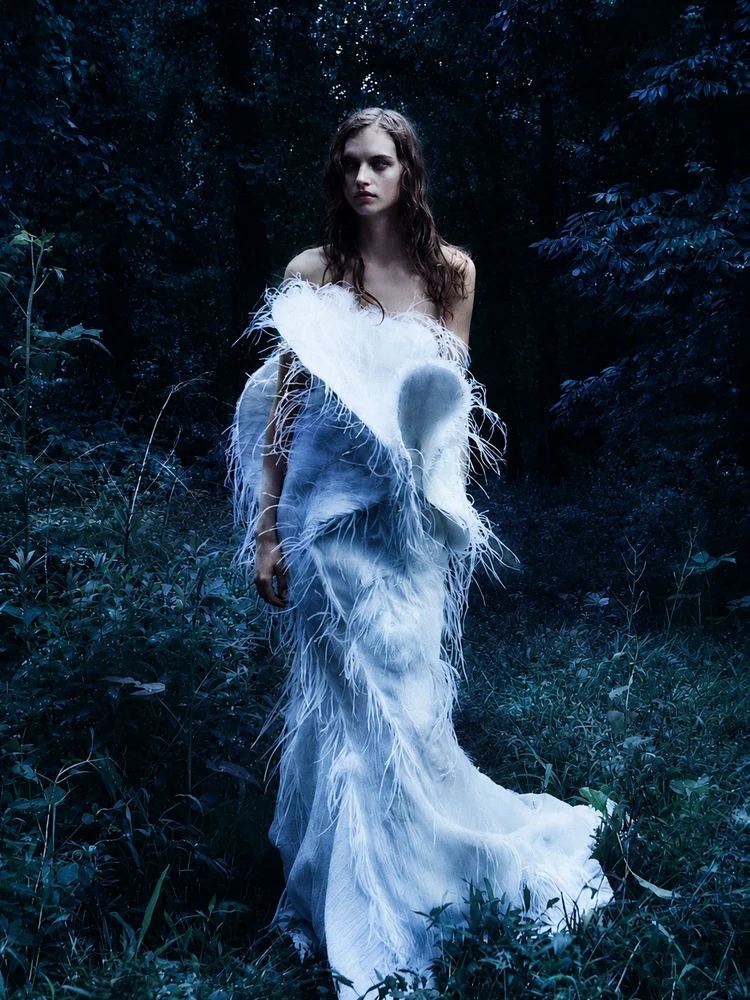
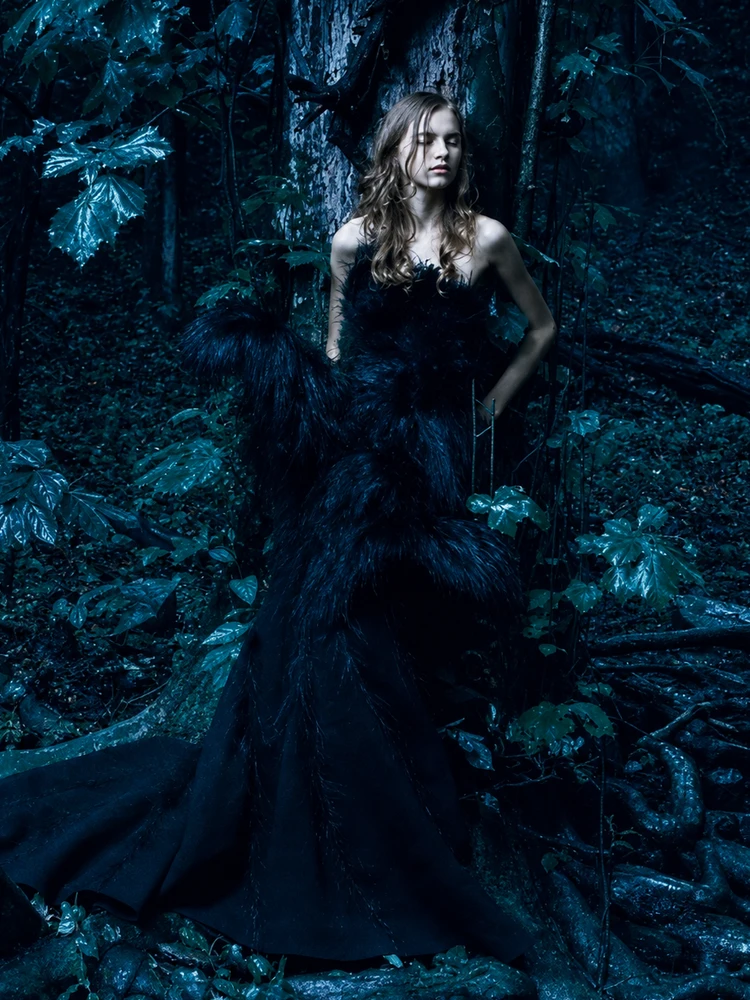
Olivier Theyskens also continued his obsession with the back. He had long studied peacock tails, bustles, crinolines and nineteenth-century fashion illustrations. Many garments withheld their full effect until the model turned. Trains extended behind the body. Pleats opened during walking. Panels shifted between surfaces. His silhouettes asked the audience to look beyond the conventional frontal image of fashion.
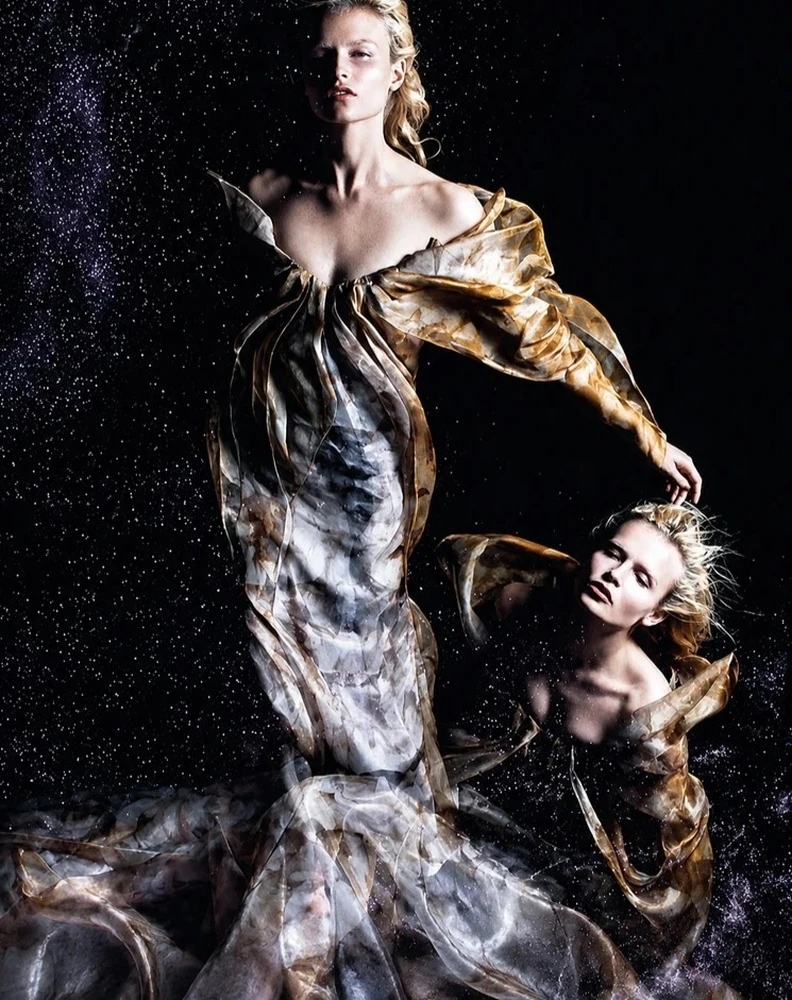
By Spring 2009, dance had entered the construction with greater clarity. Dresses rose at the front and lengthened into trains behind. High necks and gigot sleeves referenced the 1890s, while the movement of fabric kept the clothes from becoming historical replicas. The body seemed to generate the garment’s final form through motion.
Then came Fall 2009.
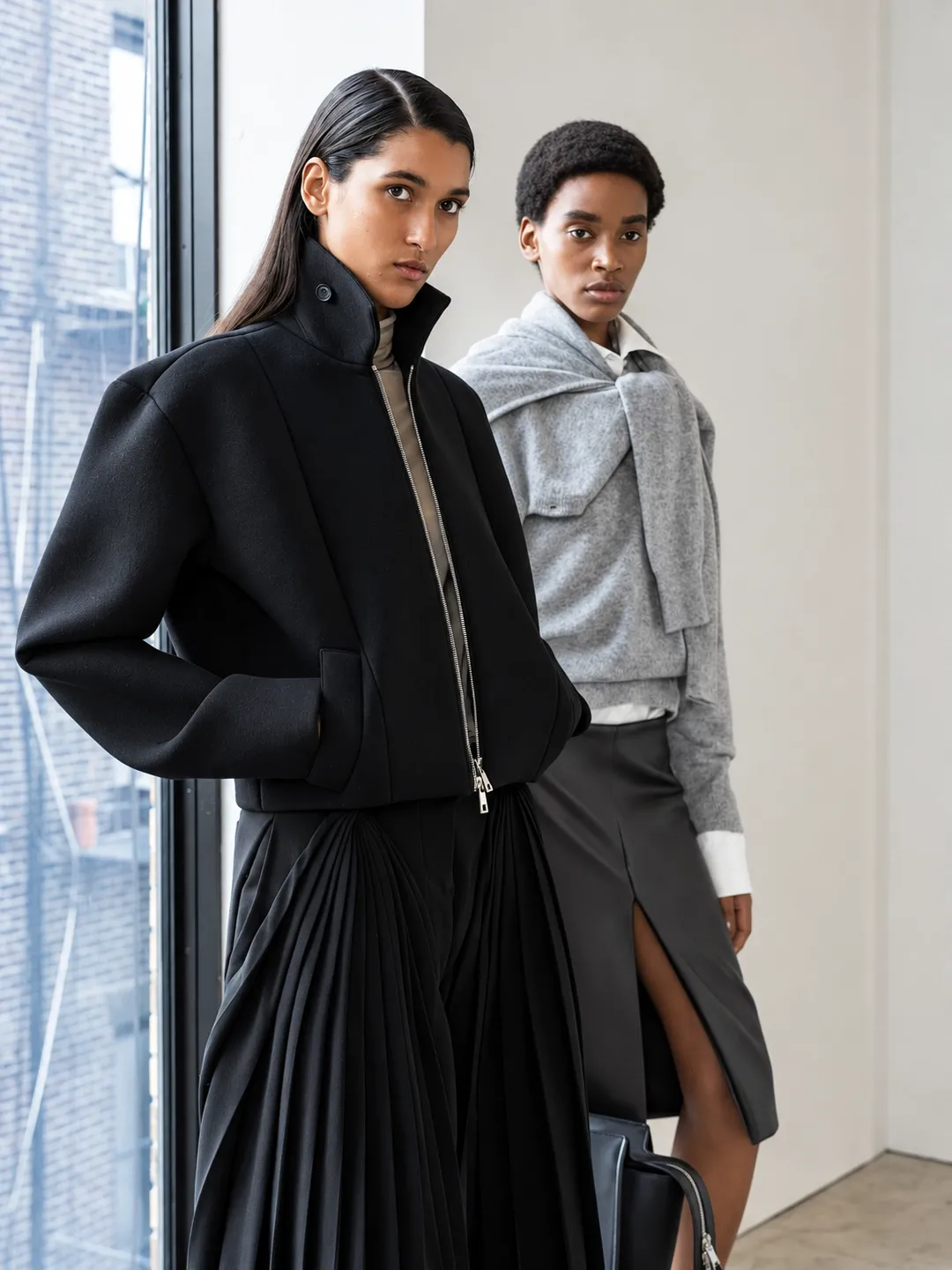
Presented on March 5, the collection intensified every element of his language. Shoulders widened. Bodices tightened. The models stood on heelless platforms that altered their posture and pace. The silhouette became severe, vertical and almost unreal.
The collection demonstrated Olivier Theyskens’s command of image, construction and theatrical rhythm. It also exposed the distance between a visionary runway statement and the expectations of a luxury company seeking commercial growth.
His departure became effective on March 10, 2009. The separation was publicly confirmed on March 18. Puig stated that the relationship had ended one season earlier than planned.
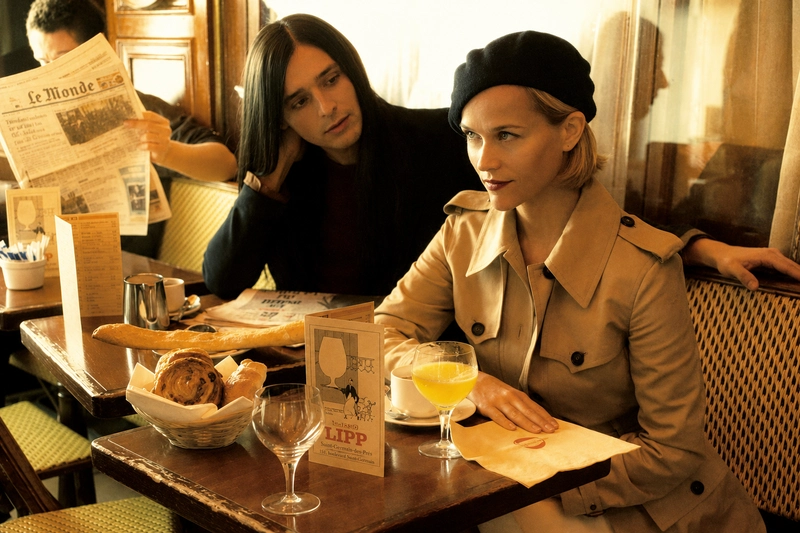
Nina Ricci gained a sharper contemporary identity during his tenure. The house returned to serious runway discussion. Its dresses circulated through editorials, red carpets and museum collections. Public financial data remains too limited to establish whether that visibility produced durable sales growth.
By thirty-two, Olivier Theyskens had already learned the lesson many designers encounter much later: creative directors can govern the image of a house while holding limited authority over the system that determines its future.
The industry repeatedly struggled to build a stable commercial home around Olivier Theyskens. It never succeeded in reducing the scale of his imagination.
Advertisement