When a dress on the red carpet can generate millions of dollars in media value, when a singer becomes a global ambassador, and when a film is promoted through an entire wardrobe, the conquest of art is already happening. Fashion has entered art, learning how to control image, memory, and desire.
Fashion And The Conquest Of Art
When a dress on the red carpet can generate millions of dollars in media value, when a singer becomes a global ambassador, and when a film is promoted through an entire wardrobe, the conquest of art is already happening. Fashion has entered art, learning how to control image, memory, and desire.
June 2, 2026


Fashion was once treated as decoration for popular art. Singers needed clothes for the stage. Actors needed gowns for the red carpet. Films needed stylists so their stars looked polished during press tours. Fashion houses needed celebrities for a few beautiful images in the press. The relationship seemed simple: celebrities needed clothes, brands needed visibility, journalists needed labels to identify, and audiences needed a dream.
By 2026, that reading feels outdated. Fashion no longer merely lends dresses, places diamonds on an actor’s neck, or pays for a bag to appear in a singer’s hand. It has become a complex media system, where artists, fashion houses, stylists, fans, algorithms, red carpets, film campaigns, fashion weeks and media data all operate within one machine: the machine of desire.
Fashion does not conquer art through money alone. The conquest of art begins when fashion becomes the language through which artists explain themselves.
From Brand Name-Dropping To Brand World-Building
In popular music, brand names have long functioned as a vocabulary of status. A pop song may mention a fashion house, a pair of jeans, a shoe or a bag, and instantly turn them into signs of money, sexuality, the body, confidence or the right to be seen. Black Eyed Peas brought several fashion labels into “My Humps”, the 2005 single with Fergie as the female lead voice, capturing the moment when luxury brands had become a language of desire in pop culture.
But brand name-dropping was only the first phase. In the 2020s, fashion wants more than a name in a lyric. It wants to enter the visual structure of the artist. It wants to appear in the way an artist tours, walks a red carpet, launches an album, promotes a film, sits front row, posts online and is recreated by fans in thousands of short videos.
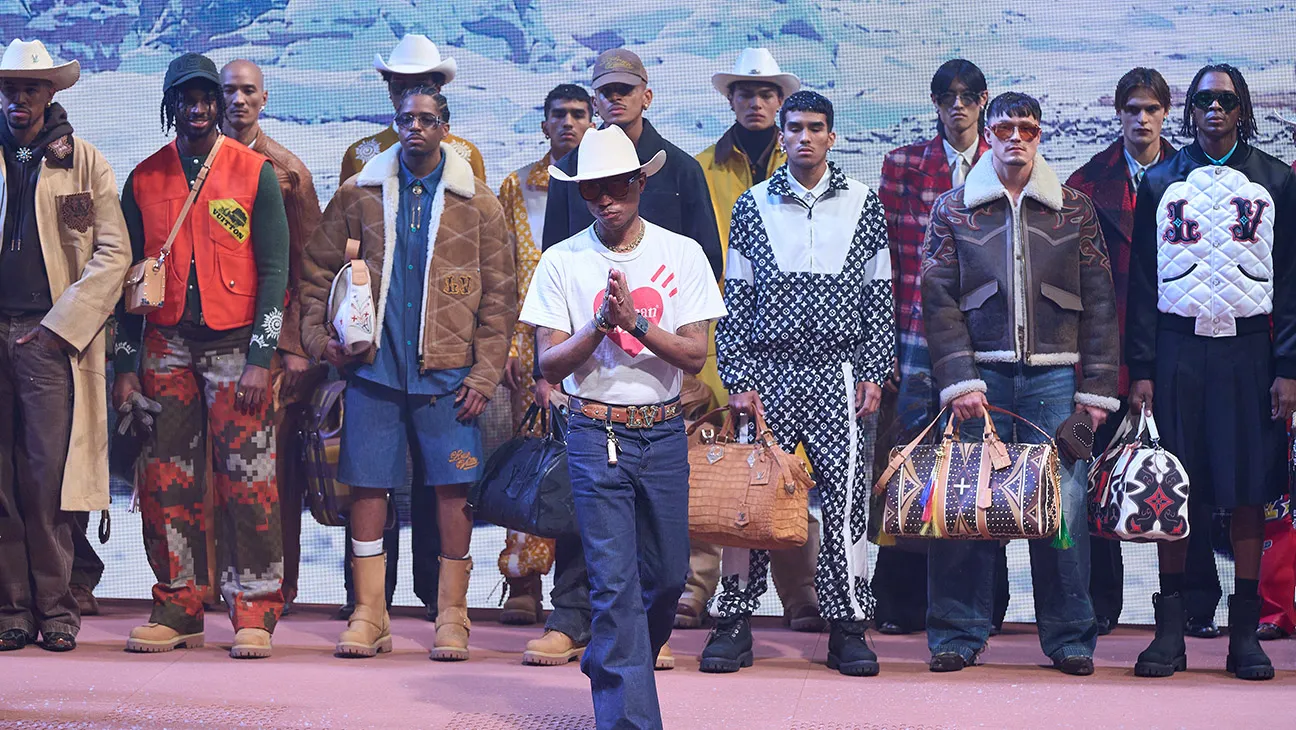
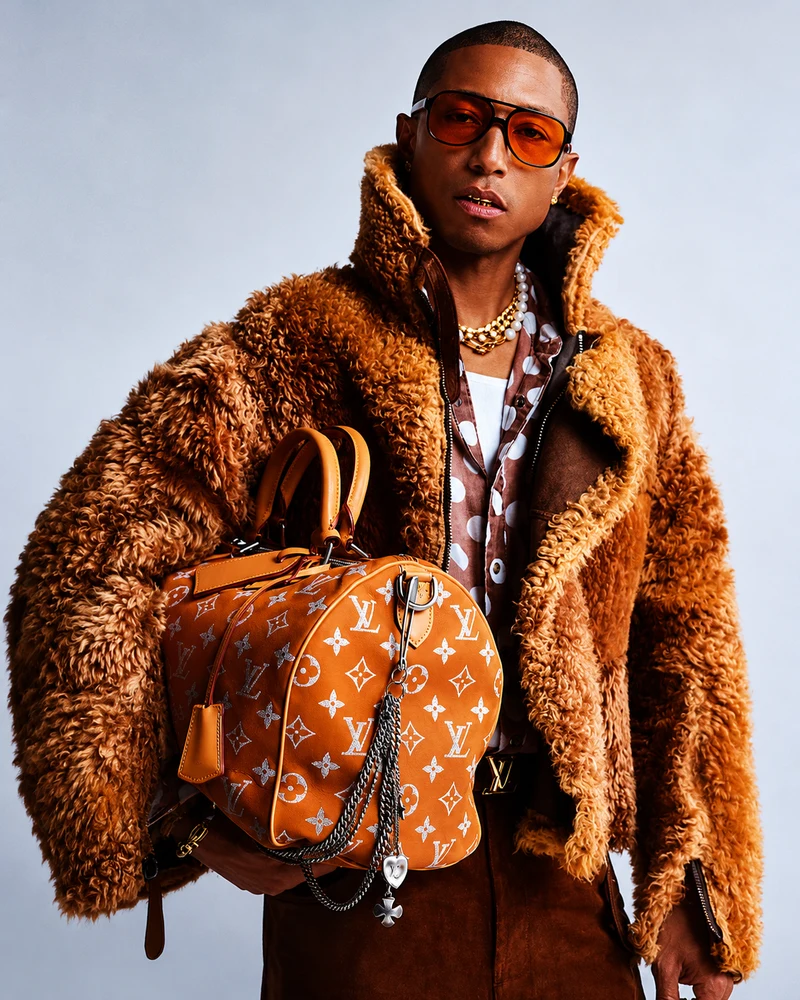
That is why Pharrell Williams becoming Men’s Creative Director of Louis Vuitton in 2023 was such a major milestone. Louis Vuitton was not merely borrowing the aura of a musician. The maison placed an artist from music, street culture and pop culture in a position to shape the menswear vision of one of the world’s most powerful luxury houses.
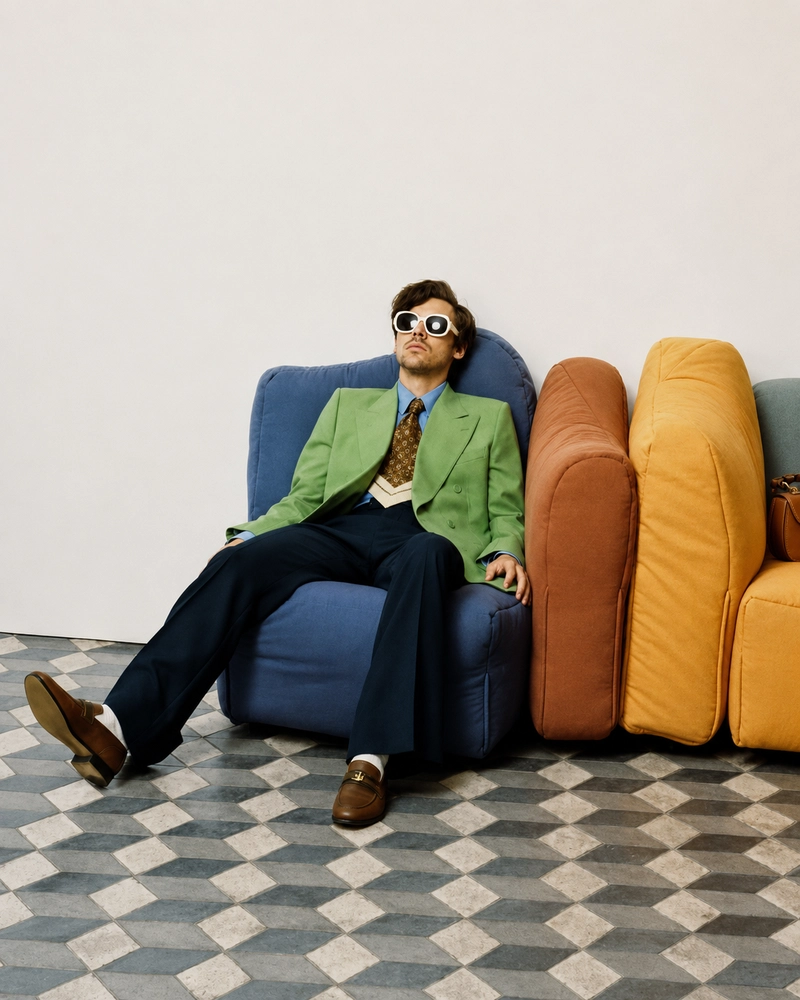
Gucci made a softer but equally revealing move with Gucci HA HA HA, the collection associated with Harry Styles and Alessandro Michele. Gucci described the project as a dream wardrobe reflecting the two creative spirits behind it, shifting the relationship between singer and house from wearing clothes to co-imagining a new masculine wardrobe.
The turning point is here: previously, fashion gave clothes to artists. Now, fashion brings artists into its own creative structure. This is the conquest of art in its most modern form: fashion no longer waits beside the stage. It builds part of the stage itself.
Why Luxury Needs Artists More Than Ever
The luxury market is moving through a more difficult phase than the post-pandemic boom. Bain & Company and Altagamma have forecast a return to growth in 2026, with an estimated rise of roughly 3–5%, after a slowdown and near-flat performance in personal luxury goods in 2025. The personal luxury goods market in 2025 was estimated at around €358 billion, while total luxury spending reached approximately €1.44 trillion.
The major groups remain enormous, but they no longer operate in a world where growth feels effortless. LVMH reported €80.8 billion in revenue for 2025, with 75 maisons and more than 6,280 stores worldwide. Kering reported €14.7 billion in 2025 revenue, down 13% on a reported basis; Gucci alone reached around €6 billion, down 22% on a reported basis.
These figures reveal one thing: luxury can no longer simply raise prices and wait for customers to keep dreaming. It must recreate desire. And modern desire rarely comes from one-way advertising. It comes from celebrities, fandoms, red carpets, paparazzi, TikTok, Instagram, airport looks, concert tours, press tours, fan edits and the feeling that an object is living inside the real life of someone culturally powerful.
A singer, actor, or athlete does not merely “look good” in a brand’s clothing. They carry community, algorithms, debate, aspiration, and voluntary attention. For luxury, that is more valuable than a traditional advertisement: a moment the public chooses to look at. In this sense, the conquest of art is also a conquest of attention, emotion, and cultural circulation.
The Red Carpet And The Conquest of Art As Media Exchange
The red carpet was once read as a display of style. Now it is a media impact exchange. A dress is no longer judged only by whether it is beautiful. It is measured by how many articles, images, videos, posts, shares and conversations it generates.
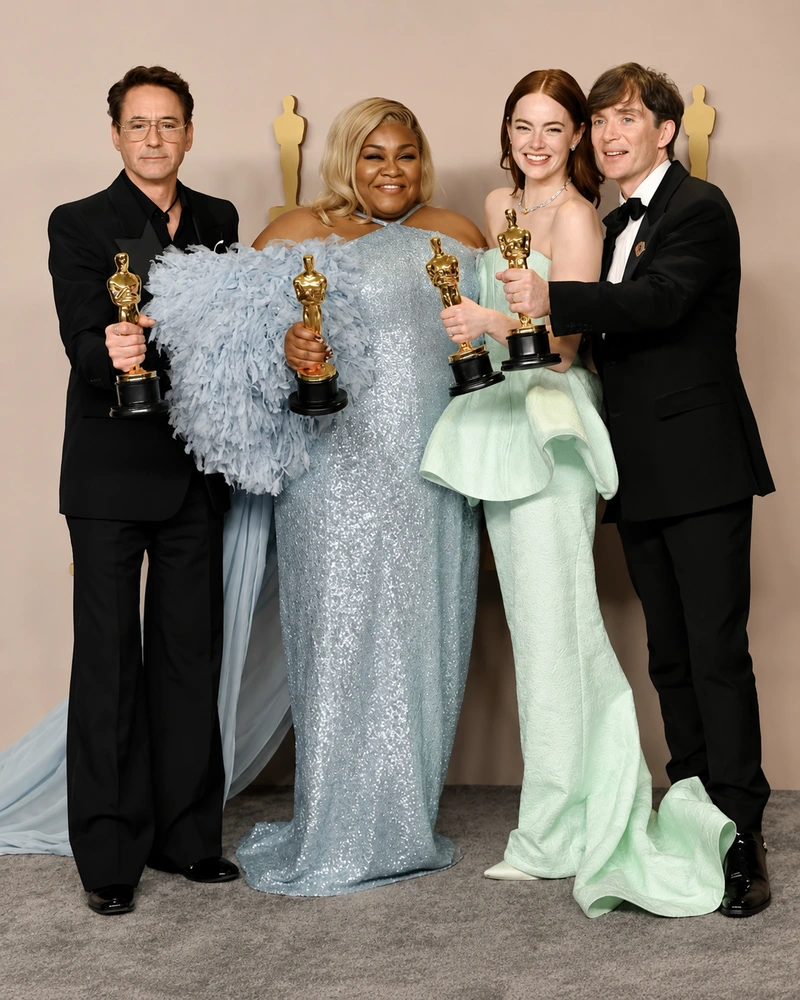
According to Financial Times, the Oscars 2024 red carpet generated more than US$1.1 billion in media impact value within one week, surpassing both the Grammys and the Golden Globes. Met Gala 2026 showed an even larger scale of fashion as a media machine: Campaign Middle East, citing Launchmetrics data, reported that the event generated a record US$1.56 billion in MIV.
This is why a red carpet moment can be worth more than a traditional advertising campaign. An advertisement is still a brand speaking about itself. A red carpet allows the brand to be spoken about by journalists, fans, stylists, viewers, commentators, meme-makers, analysts and even people who never intended to “watch an ad”.
Fashion does not need to buy all of art. It only needs to buy the precise moment when art steps in front of the public. That moment is where the conquest of art becomes visible: satin, diamonds, celebrity, cameras, and financial value compressed into one image.
From Borrowed Clothes To Image Contracts
On the surface, celebrities “borrow clothes” from fashion houses. In reality, the system is far more complex: loan agreements, brand placement, exclusivity clauses, ambassador contracts, stylist relationships, jewellery security, fittings, tailoring, logistics, social usage rights and, at times, fees that are never publicly disclosed.
Vogue has noted that red carpet deals during Oscars season can range from a one-off appearance to long-term ambassador relationships, with values running from millions to eight figures. The same reporting emphasised that fashion partnerships have become an important part of an actor’s career, not merely a matter of dressing well on the side.
This does not make fashion less beautiful. It simply makes beauty less innocent. A couture gown on the red carpet may be a genuine artistic moment, but it is also a media decision. A diamond necklace may look exquisite on an actor’s skin, but it is also doing something a billboard cannot easily do: making the audience believe the brand is present exactly where cultural power is produced.
As the world moves further into social media, transparency has also become a serious issue. The FTC’s endorsement guidance states that when there is a “material connection” between an endorser and a brand, such as payment, free products, a business relationship or another benefit, that connection may need to be clearly disclosed if audiences might not otherwise understand it.
In other words, celebrities are no longer just living mannequins. They are media properties with compliance. The conquest of art is glamorous, but it is also contractual, logistical, and legally aware.
K-pop And Fan Economy: When Ambassadors Can Mobilise A Community
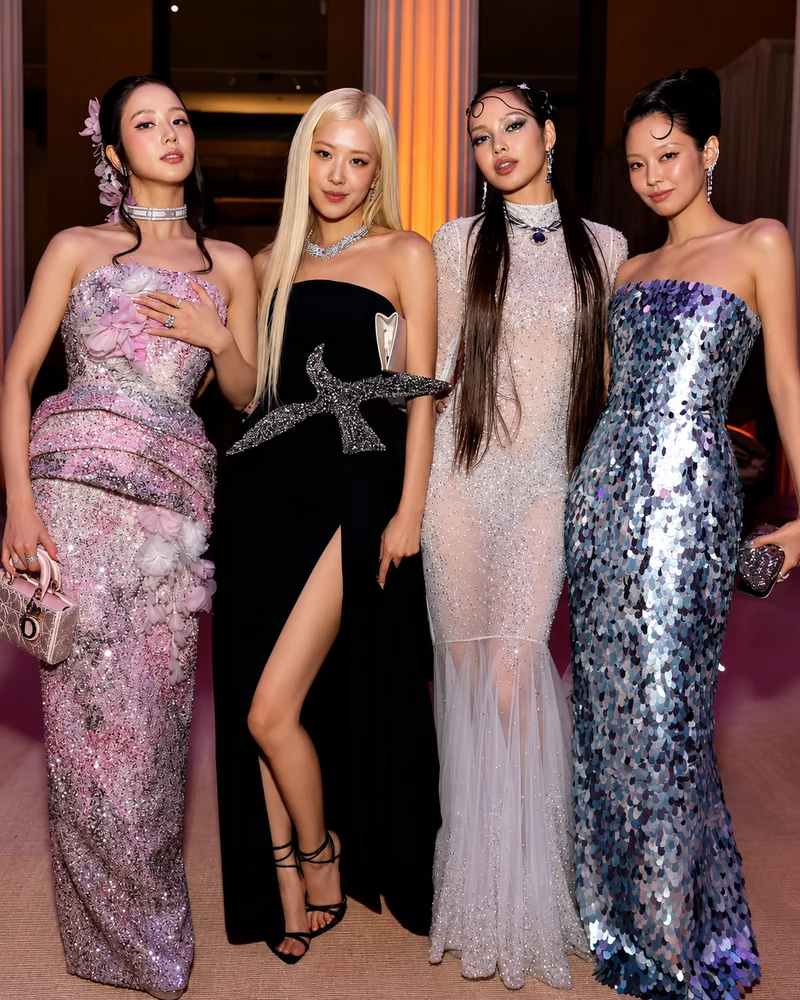
One of the biggest shifts beyond Hollywood has been the rise of K-pop and Asian celebrity power. Vogue Business observed as early as 2021 that luxury was no longer relying only on Hollywood: Louis Vuitton signed BTS as global ambassadors, Tiffany & Co. signed Rosé, while other Blackpink members became closely associated with Celine, Chanel and Dior.
What K-pop brings to luxury is not only beauty or fame. It brings an organised fandom system. Fans do not merely watch. They translate, save, share, buy magazines, buy products, trend hashtags, compare statistics, defend their idols and turn each appearance into a collective media event.
By Paris Fashion Week FW26, Onclusive’s analysis suggested that Thai and Korean fan communities had become major drivers of share of voice around fashion weeks. In its data for Paris Fashion Week FW26 Women, Dior led with 56.05% share of voice among 100 analysed brands; Chanel followed with 9.01%, and Louis Vuitton with 5.52%.
This shows that a modern ambassador does not merely represent a brand. They mobilise emotion. They pull a community into the brand’s imaginary boutique. They turn a front-row appearance into a fan economy event.
Hollywood gives luxury cinematic prestige. K-pop gives luxury viral speed and the organised force of mass feeling. In the conquest of art, fandom becomes one of fashion’s most powerful distribution systems.
Method Dressing: When Actors Wear The Film Itself
One of the most interesting intersections between fashion and art today is method dressing: actors dressing in the spirit of the character or film throughout the promotional cycle. Vogue has described method dressing as a practice in which actors use clothing to pay homage to the film they are promoting.
“Barbie” was the major case study. The film earned US$1.447 billion at the global box office. Variety reported that industry rivals estimated the film’s marketing campaign at around US$150 million. Several marketing analyses also noted that the number of brand partnerships surrounding “Barbie” exceeded 165.
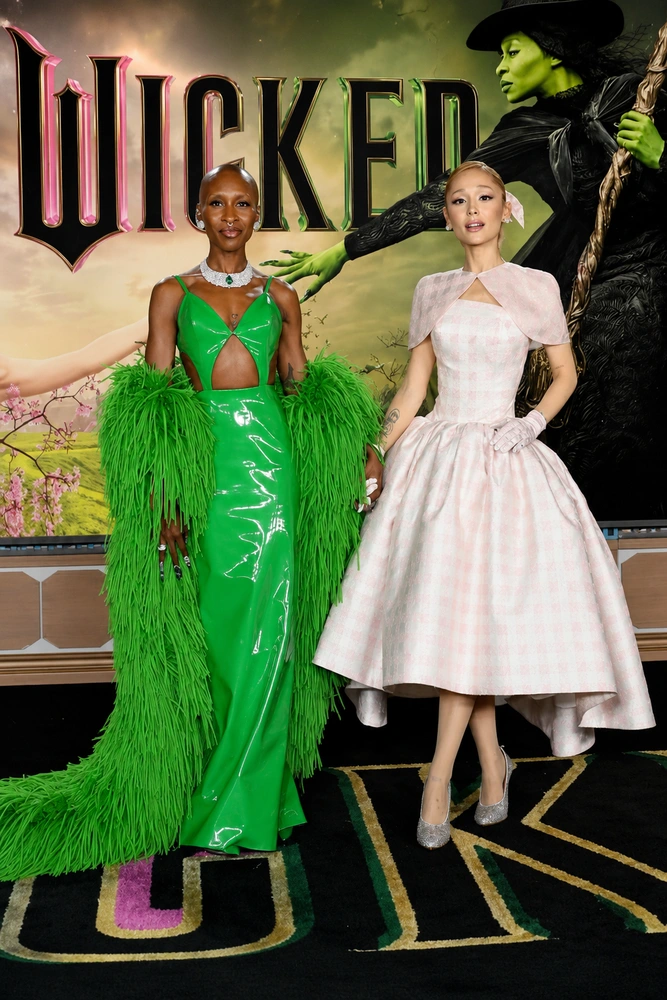
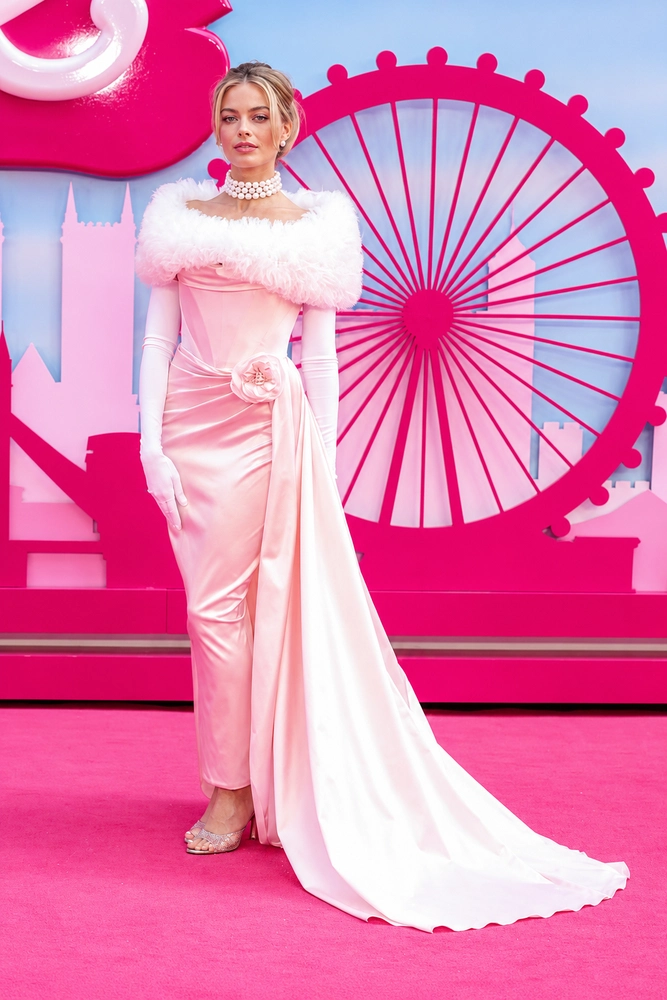
Margot Robbie did not simply dress beautifully while promoting “Barbie”. She dressed as if every appearance were a living Barbie archive. Since then, press tours for “Wicked”, “Challengers”, “Dune”, “Joker: Folie à Deux” and other films have pushed method dressing into a storytelling tool. People called method dressing one of the defining red carpet phenomena of 2024, citing examples such as Zendaya for “Challengers”, and Ariana Grande and Cynthia Erivo for “Wicked”.
Method dressing makes fashion more powerful than advertising because it gives the audience the feeling that they are watching part of the story. The film has not yet opened, but its world has already stepped into the street. The character has not yet spoken, but the clothes have begun to narrate.
This is a very new form of fashion’s conquest of art: fashion no longer dresses only the actor. It dresses the film itself.
Music No Longer Needs Only Music Videos. It Needs A Visual Universe
In the MTV era, fashion needed music videos. A dress in a music video could become iconic. A pair of shoes on tour could become mass desire. A lyric mentioning a brand could bring that brand into street language.
By 2026, music has become a far more layered stage. Artists do not only have music videos. They have visual albums, tour wardrobes, festival looks, TikTok snippets, backstage images, airport looks, fan edits, documentaries, merchandise, capsule collections and personal brands.
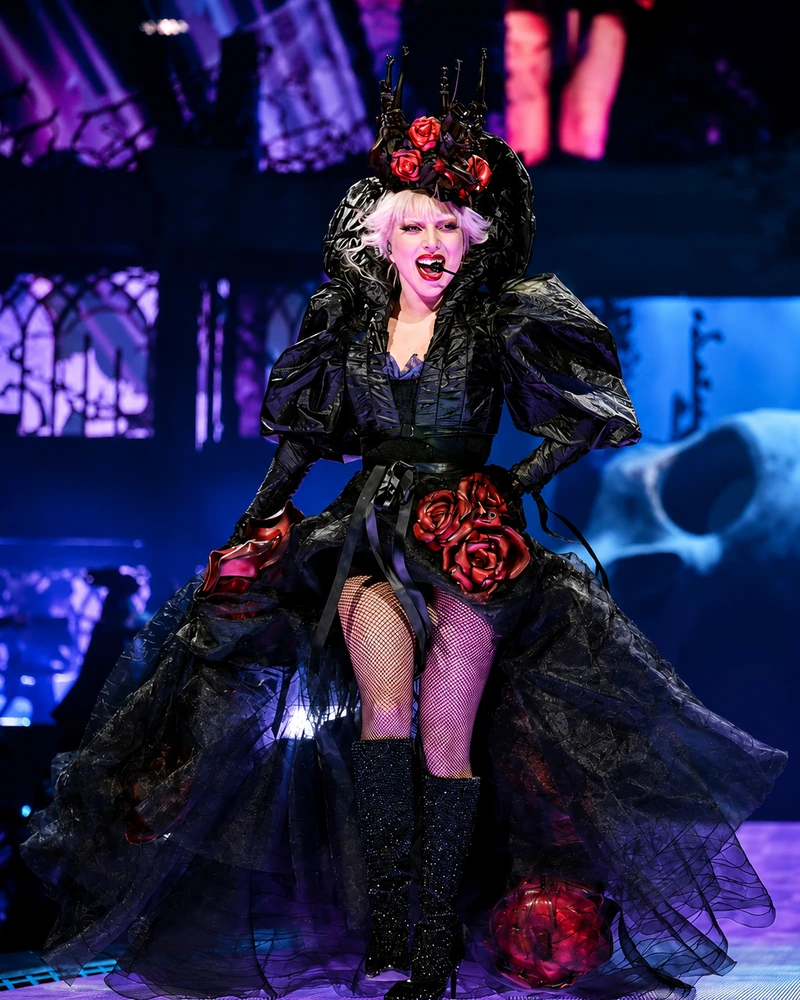
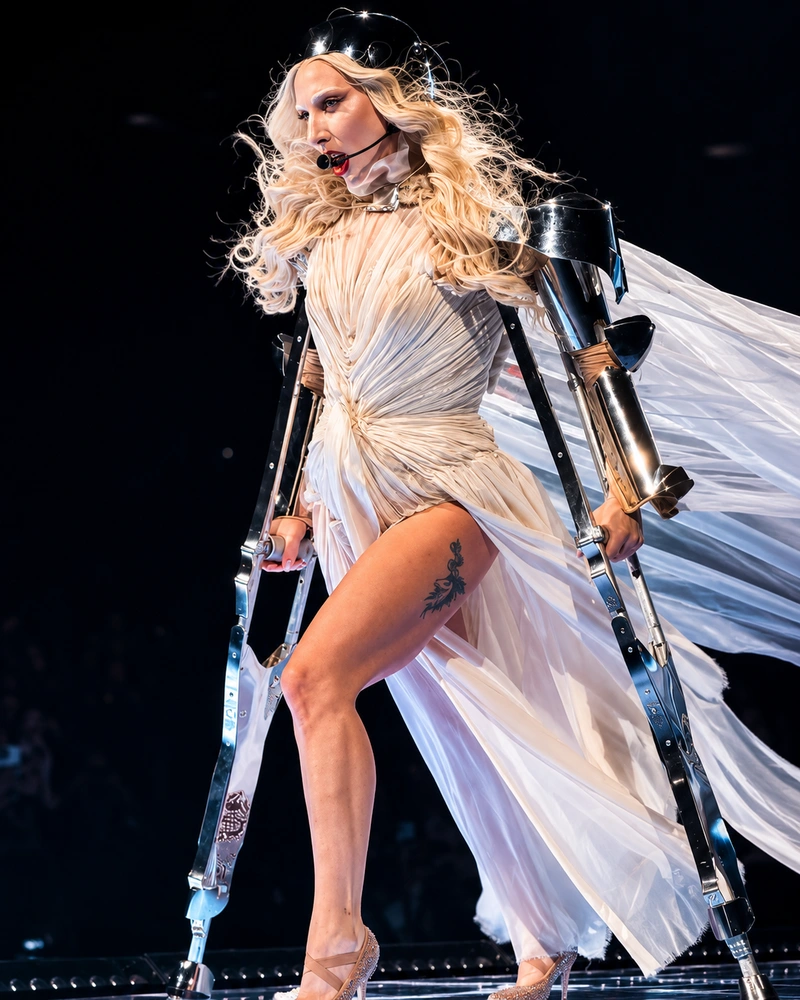
Beyoncé, Taylor Swift, Rihanna, Bad Bunny, BLACKPINK, Harry Styles, Lady Gaga and Madonna all show that major artists do not simply sell songs. They sell visual worlds. When those worlds are strong enough, fashion has to enter as an ally.
A fashion house may dress an artist in a video, continue onto the tour, place the artist at the front row, turn them into an ambassador, create a capsule, put them in a campaign and transform their fans into brand traffic. The artist is not just the wearer. The artist is the bridge between brand and community.
Are Artists Being Bought?
The question sounds blunt, but it still deserves to be asked. There are contracts. There are loans. There are fees. There are ambassador relationships. There are dresses made in exchange for visibility. There are jewels guarded with military seriousness in exchange for an image that travels around the world.
But to say artists are simply “bought” is no longer enough to describe the current structure. More precisely, artists and brands are participating together in a market of symbolic capital.
Artists need fashion because fashion provides image power. The right dress can change how the public reads a singer. The right maison can elevate an actor from talent to fashion figure. A watch, a diamond necklace, a suit, a bag, a shoe or an archive look can say what thousands of PR words cannot.
Brands need artists because artists provide living emotion. A bag inside a boutique is a product. A bag in Rihanna’s hand is a story. A dress in a showroom is merchandise. A dress on Zendaya is an image that can travel on its own. A suit in a lookbook is tailoring. A suit on a K-pop idol is a fandom event.
This exchange is not only about money. It is an exchange between merchandise and aura.
What Does The Consumer Gain And Lose?
Consumers gain a world that is more beautiful, more image-rich and more imaginative. When fashion joins music, cinema and celebrity, clothing escapes the store. It becomes film scene, stage, memory, song, poster, meme, debate, moodboard.
A dress can make the whole world talk. A campaign can revive a brand that seemed tired. An artist can force a fashion house to reconsider itself. A stylist can turn a press tour into a travelling exhibition. A fan edit can extend the life of a look for weeks.
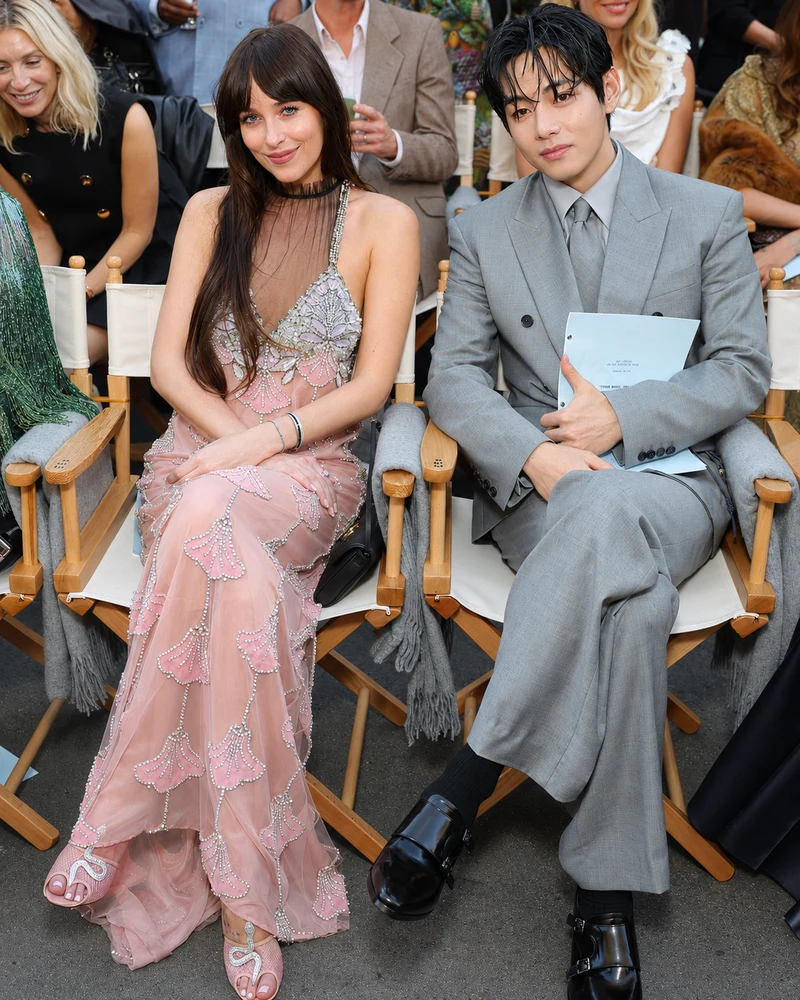
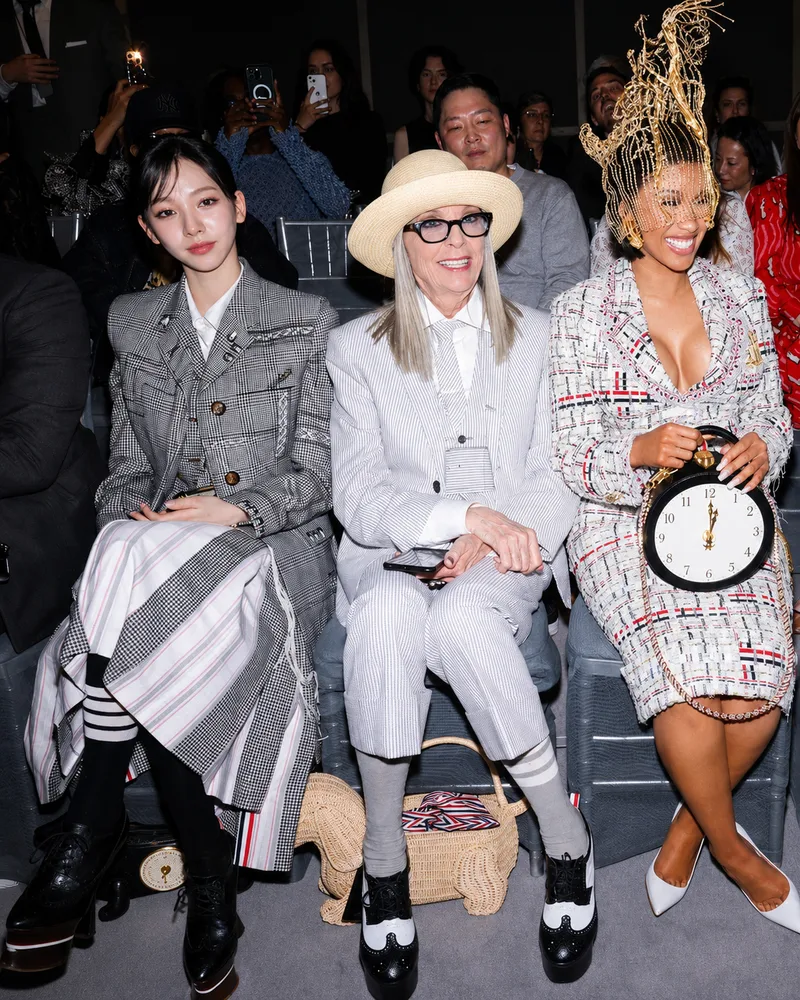
But consumers also lose innocence. Few moments are entirely natural now. The red carpet is strategy. An airport look may be strategy. An Instagram post may be endorsement. “Love for a brand” may sometimes be a contract. “Personal taste” may be built by a stylist, manager, brand liaison and PR team.
That does not mean everything is fake. It means beauty today is often produced by a system far more professional than the eye can see.
And perhaps this is the most interesting layer: we know we are watching a staged system, yet we still want to believe in the moment. We know method dressing is a campaign, but we still enjoy it. We know the Met Gala is a giant MIV machine, but we still wait to see who wears what. We know ambassador contracts exist, but it still feels right when Jennie wears Chanel, Jisoo wears Dior, or Pharrell stands at Louis Vuitton.
Luxury no longer needs to deceive completely. It only needs to stage beauty well enough that the commercial truth does not destroy the dream.
Conclusion: Fashion Does Not Only Buy Art. It Learns To Live Inside Art
Fashion has moved far beyond decoration. It no longer merely dresses artists. It dresses the work, the tour, the press tour, the red carpet, the fandom, the algorithm and cultural memory.
A singer does not only need a song. They need an image. An actor does not only need a role. They need a press tour. A film does not only need a trailer. It needs a wardrobe narrative. A fashion house does not only need a collection. It needs someone capable of turning that collection into conversation. A red carpet is not merely a place to pass through. It is a media balance sheet covered in satin, diamonds and camera flashes.
From Black Eyed Peas to Lady Gaga, from Madonna to Pharrell, from Barbie to the Met Gala, from Hollywood to K-pop, fashion has proved that it is not merely what artists wear. It is what helps artists be read, remembered, sold and mythologised.
So does fashion buy art?
Sometimes, yes. Through contracts, borrowed clothes, appearance fees, campaigns and global ambassadorships.
But at a higher level, fashion does something deeper: it teaches art how to become a tradable image while still retaining the feeling of a dream.
And that is why this relationship is both suspicious and irresistible. We know everything may have been arranged. Yet we still love the moment when a dress, a song, a star, and a brand meet at exactly the right time, creating something pure advertising can never buy: cultural memory. That is the real conquest of art: not fashion standing outside culture, asking to be seen, but fashion moving inside culture and teaching it how to be remembered.