MENU
Close





Why watch the trailer when method dressing has already given us the whole character arc?
Why watch the trailer when method dressing has already given us the whole character arc?
May 16, 2026
Advertisement
Advertisement



For decades, the term "method" in Hollywood conjured images of brooding actors refusing to break character, adopting bizarre off-screen habits, or undergoing grueling physical transformation, all in the relentless pursuit of cinematic authenticity. But a new, infinitely more glamorous iteration of this dedication has hijacked the zeitgeist. Enter method dressing, a brilliant alchemy of high fashion and performance art where actresses and actors continue to embody their fictional counterparts long after the director yells "cut." Rather than relying on the psychological depths of Stanislavski’s system, method dressing leverages the visceral power of visual aesthetics. It is the strategic, meticulously curated practice of promoting a film in haute couture that directly echoes, references, or honors the character being portrayed. In doing so, the red carpet is no longer just a runway; it transforms into a dazzling extension of the movie’s own cinematic universe.
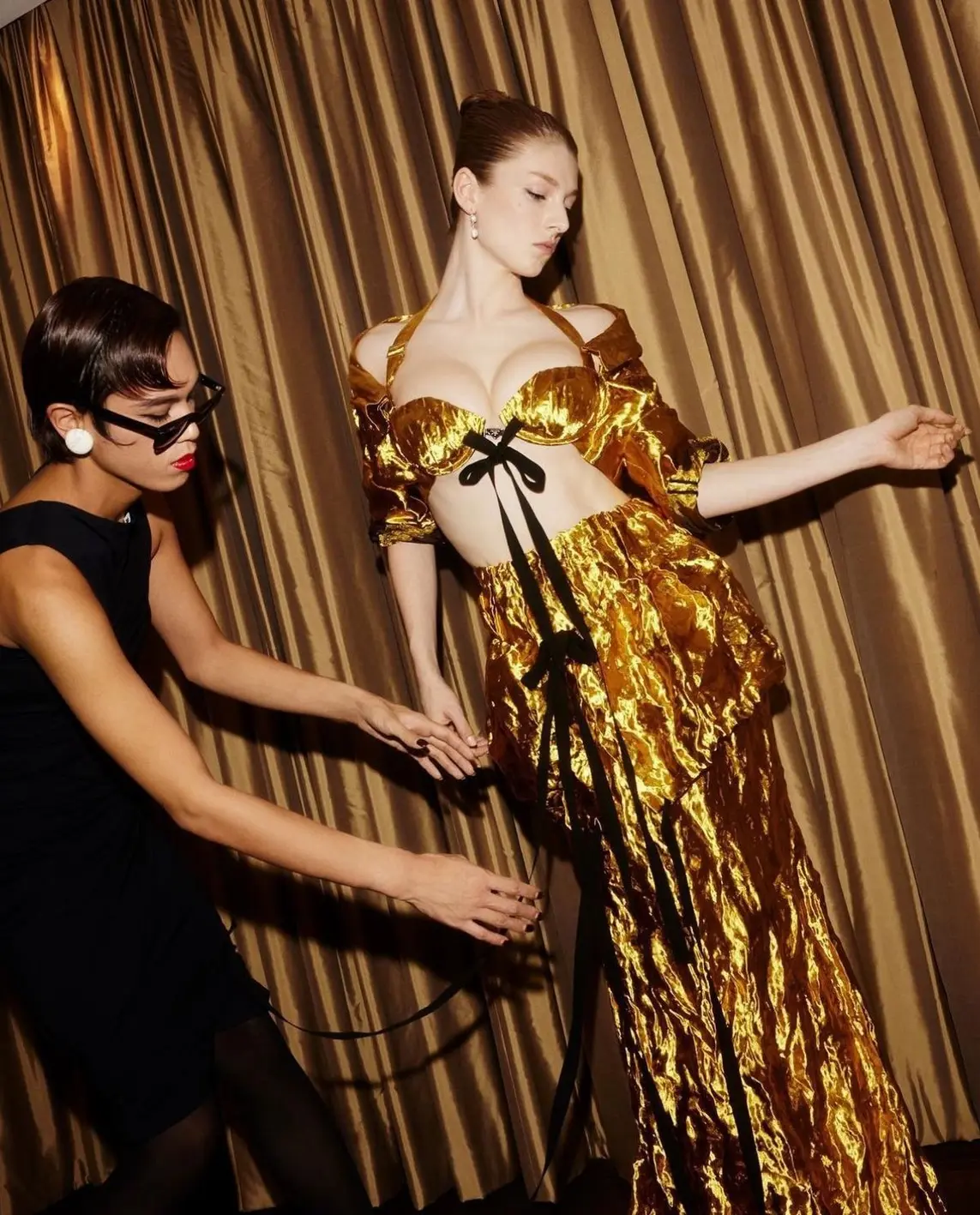
While it feels like a thoroughly modern phenomenon engineered for the TikTok algorithm, the seeds of method dressing were planted several years before it had an official name. Discerning fashion historians might point to 2018, when Blake Lively executed a masterclass in power dressing by exclusively wearing sharp, tailored power suits to promote A Simple Favor. The following year, Taron Egerton sprinkled Elton John’s flamboyant magic onto his Rocketman press tour, and Scarlett Johansson and Brie Larson subtly sent Marvel fans into a frenzy by wearing custom jewelry echoing the Infinity Gauntlet at the Avengers: Endgame premiere. However, it was journalist Andre Wheeler who finally gave the trend its official moniker in a Vogue article dissecting Halle Bailey’s ethereal, mermaid-core wardrobe for the 2023 live-action adaptation of The Little Mermaid.
The true catalyst that rocketed method dressing into the stratosphere, however, was the post-pandemic return to the red carpet in 2021. The undisputed architects of this modern era are Zendaya and her visionary image architect, Law Roach. Together, they turned the promotional tours for Spider-Man: No Way Home and Dune: Part One into a masterclass of meta-marketing. By weaving cobweb motifs into custom Alexander McQueen and donning futuristic, desert-warrior Balmain gowns, Zendaya proved that method dressing could turn the red carpet into an interactive narrative space. The fashion industry was mesmerized, the studios saw unprecedented engagement, and a new Hollywood standard was unequivocally set.
At its core, method dressing is a highly sophisticated marketing strategy masquerading as a fashion statement. It thrives on the concept of fan service, delivering exactly what the most dedicated audiences crave, while utilizing the mechanics of the internet's favorite pastime: the treasure hunt. Stylists and stars collaborate with premier fashion houses like Versace, Chanel, Balmain, and Schiaparelli to embed Easter eggs into their ensembles. These subtle sartorial semiotics are designed to be dissected, debated, and ultimately celebrated by fashion nerds and hardcore fandoms across platforms like X, Instagram, and TikTok.
This strategy inherently gamifies the promotional tour. When Anya Taylor-Joy stepped onto the London red carpet for Dune: Part Two in a virginal white archive Dior gown, it was a silent, viral announcement of her secret casting in the film. The technique builds anticipation, sustains relevance, and drives massive digital footprints. As Clémence Gautherin from TikTok France noted regarding the Dune campaigns, the strategic, visually cohesive rollouts significantly mobilized younger demographics, turning scrolling fans into ticket-buying audiences.
To fully appreciate the breadth, meticulous execution, and creative brilliance of method dressing, one must examine how distinctly different cinematic universes have been translated into high fashion by Hollywood's leading method dressers. The following campaigns stand as masterful case studies in sartorial storytelling:

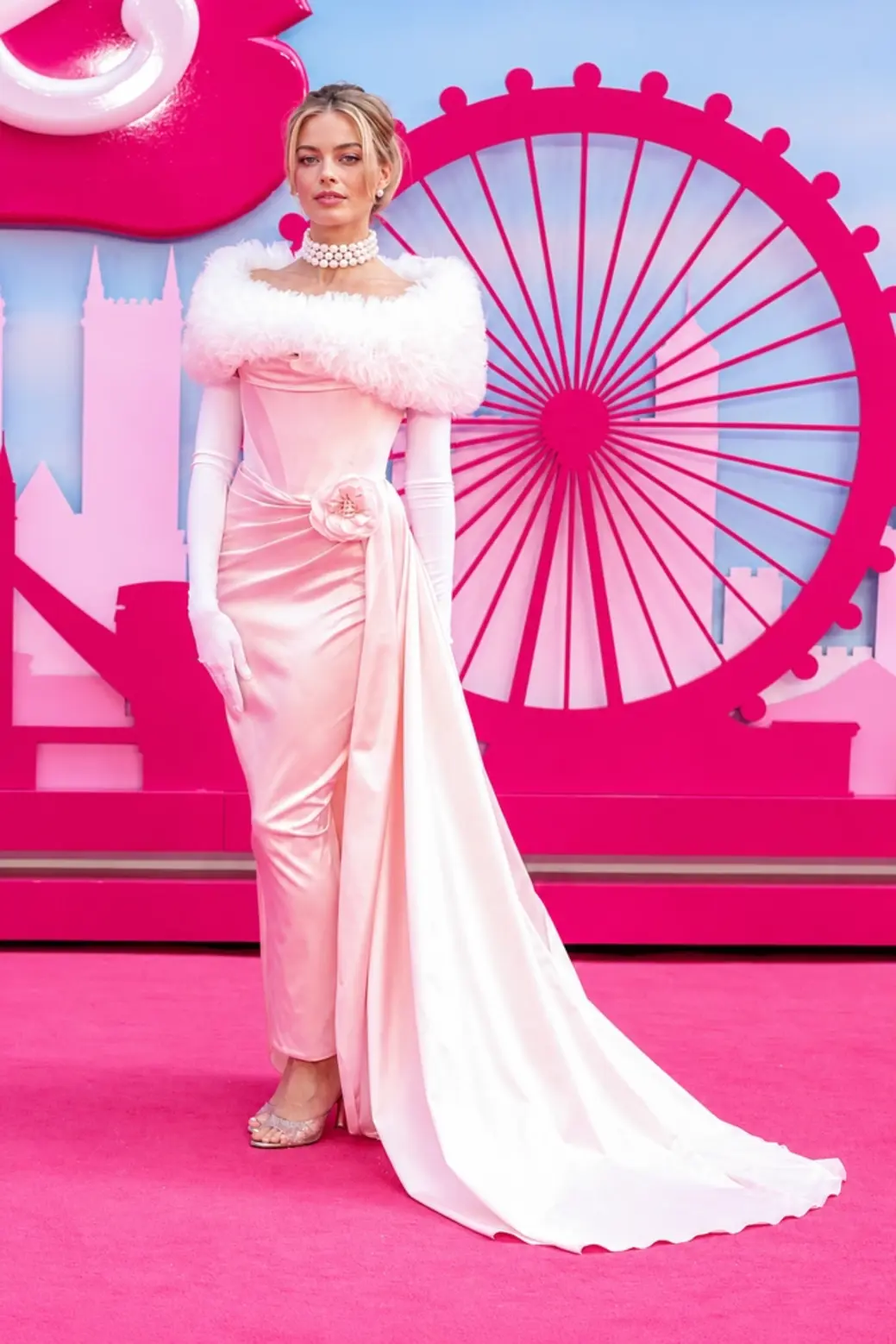
The promotional tour for Greta Gerwig’s blockbuster was nothing short of a seismic event in the fashion industry, permanently shifting the paradigm of red-carpet marketing. Margot Robbie, under the exacting vision of stylist Andrew Mukamal, embarked on a global marathon of archival recreations that transformed the "Barbenheimer" phenomenon into a masterclass of pop-culture preservation. Rather than merely wearing pink, Robbie and Mukamal painstakingly sourced and commissioned exact replicas of specific Mattel dolls' wardrobes. This endeavor required the cooperation of the world’s most formidable heritage houses, pulling from the creative reserves of Chanel, Versace, and Schiaparelli to elevate a plastic toy into the realm of haute couture. From the black sequined sheath and single pristine frill of the "Solo in the Spotlight" iteration to the graphic, optical allure of the original 1959 black-and-white swimsuit, the wardrobe was a triumph of literalism.
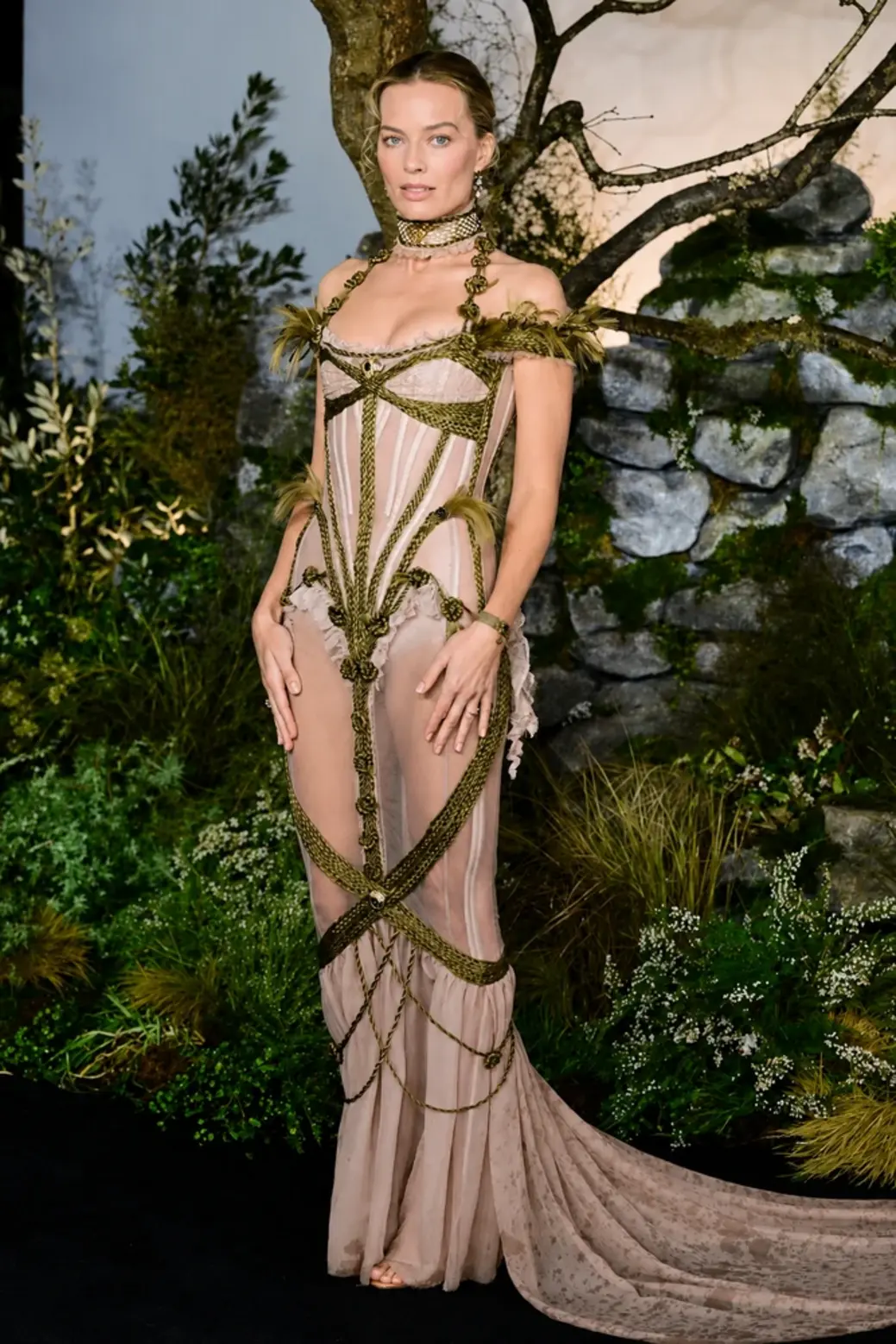

Moving from the neon-soaked plastic of Barbieland to the sweeping, brooding moors of classic literature, Margot Robbie’s campaign for Wuthering Heights demonstrates the darker, more intellectual spectrum of method dressing. Here, the approach requires a close, almost academic reading of Emily Brontë’s 1847 text. The aesthetic is heavily anchored in high gothic romanticism, utilizing red as a persistent, ominous leitmotif. However, the true brilliance of this tour-drobe lies in its morbidly poetic accessories and textiles. Robbie’s stylist layered the looks with subtle, tactile references to the source material's obsession with possession and grief. This included snakeskin patterns that directly echo Heathcliff’s dialogue, and Elizabeth Taylor’s heart-shaped Taj Mahal necklace as a symbol of fractured romance. The absolute zenith of this gothic commitment was a Dilara Findikoglu garment crafted entirely from synthetic hair, paired with a replica of Charlotte Brontë’s amethyst mourning bracelet, which historically contained the real woven hair of her deceased sisters.
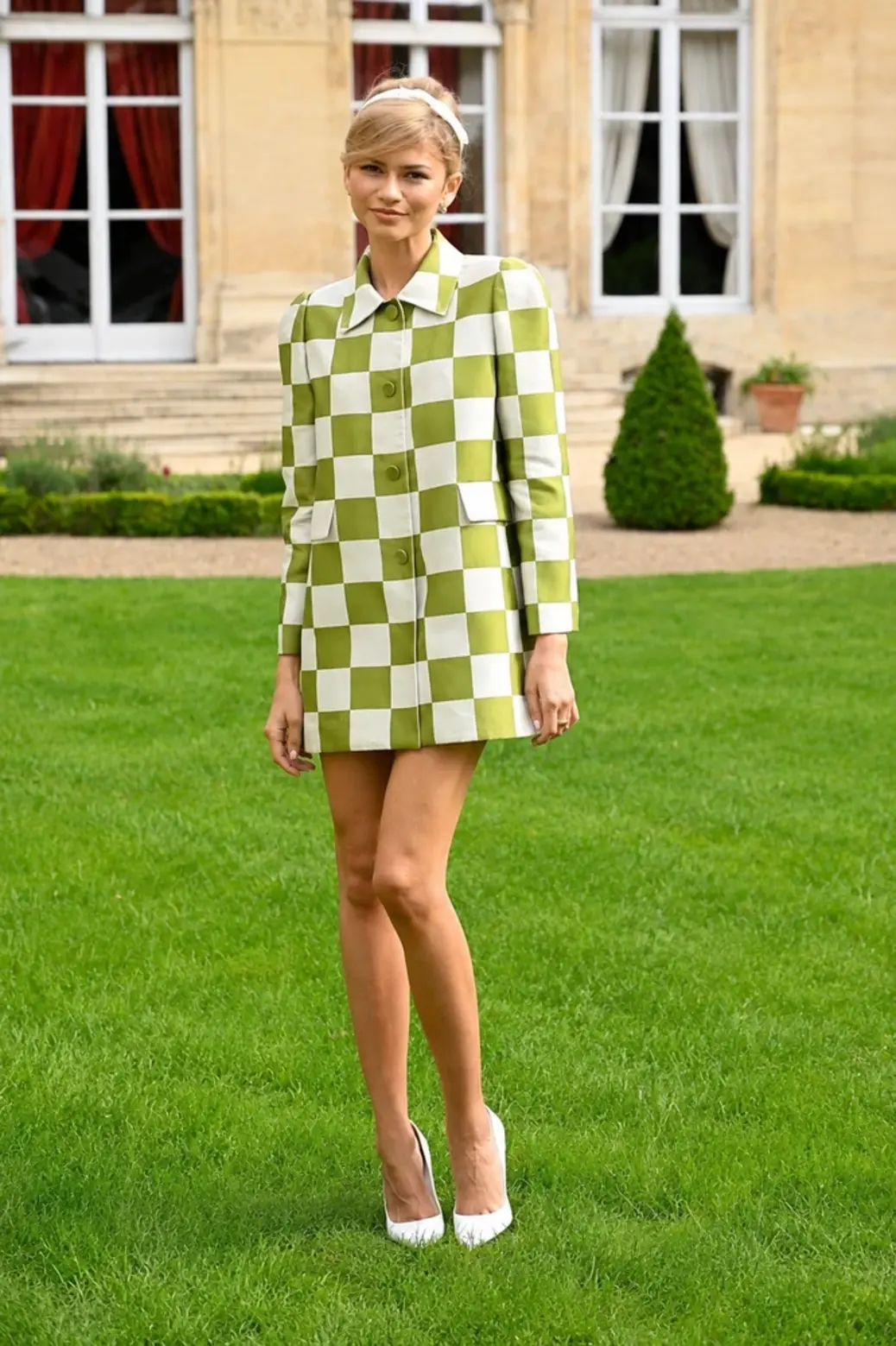
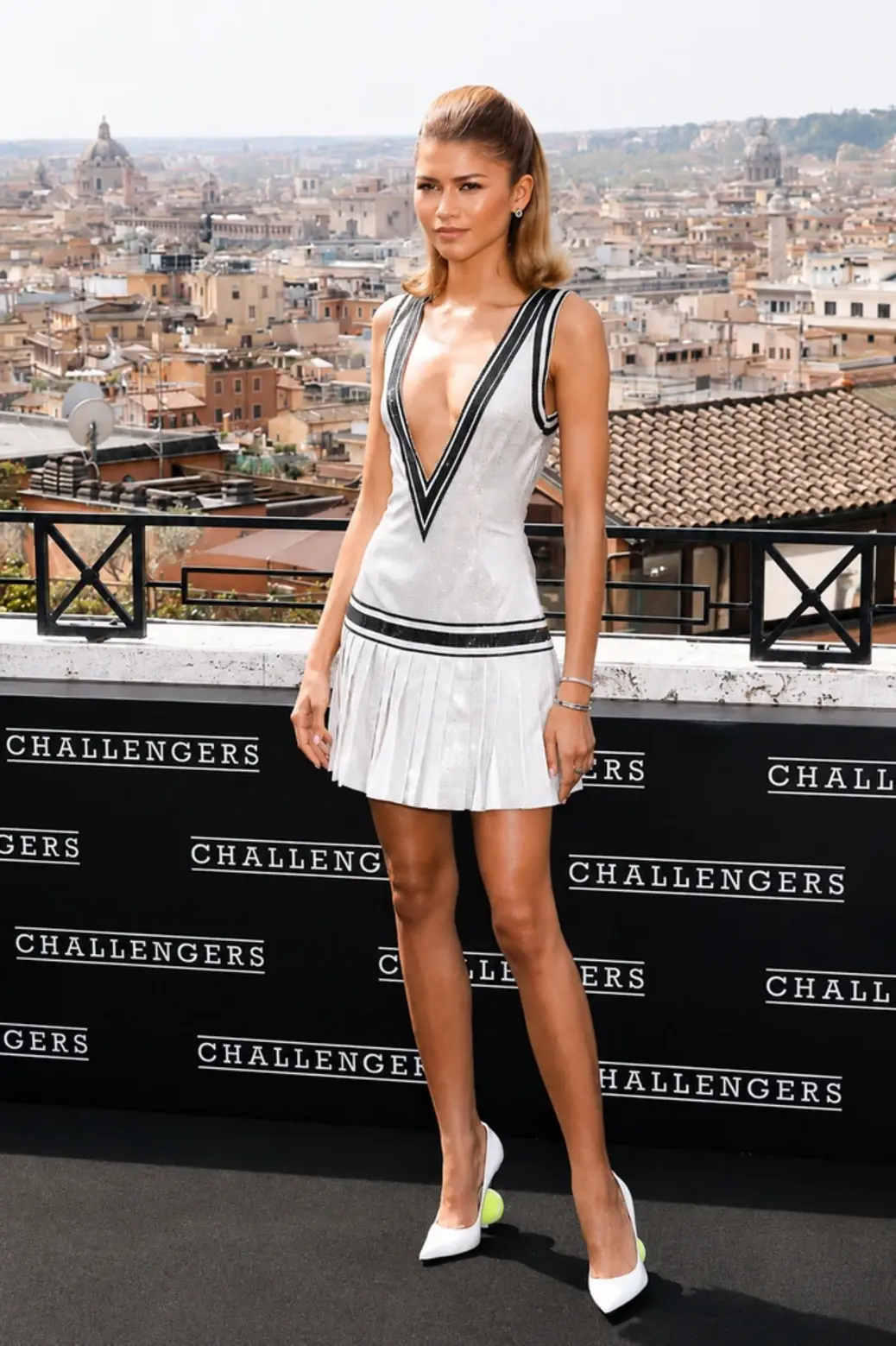
For Luca Guadagnino’s psychosexual sports drama, Zendaya and her image architect, Law Roach, essentially invented and immediately perfected the "tennis-core" micro-trend. Instead of relying on abstract interpretations of athleticism, the duo opted for an elevated, hyper-literal approach that merged sportswear mechanics with luxury finishings. The most viral moment of the tour featured a custom, sparkling green Loewe shift dress by Jonathan Anderson, which was boldly emblazoned with the silhouette of a player mid-serve. This look was accompanied by stiletto heels that physically impaled neon-green tennis balls, bridging the gap between surrealist art and functional footwear. The campaign was a succession of stark whites, vibrant court greens, and pleated skirts that nodded to the traditional uniforms of Wimbledon, yet reconstructed them for the flashbulbs of global premieres.
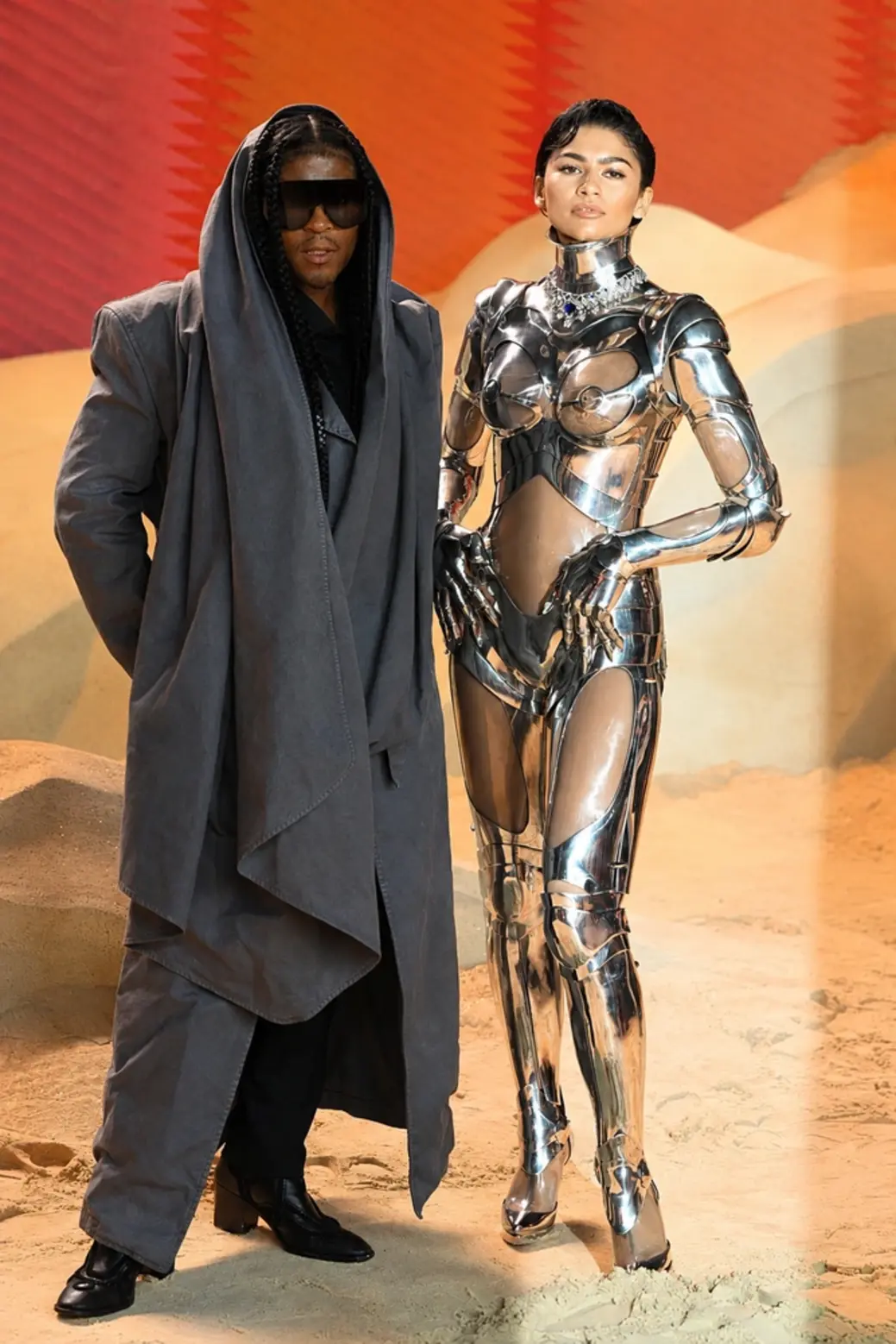
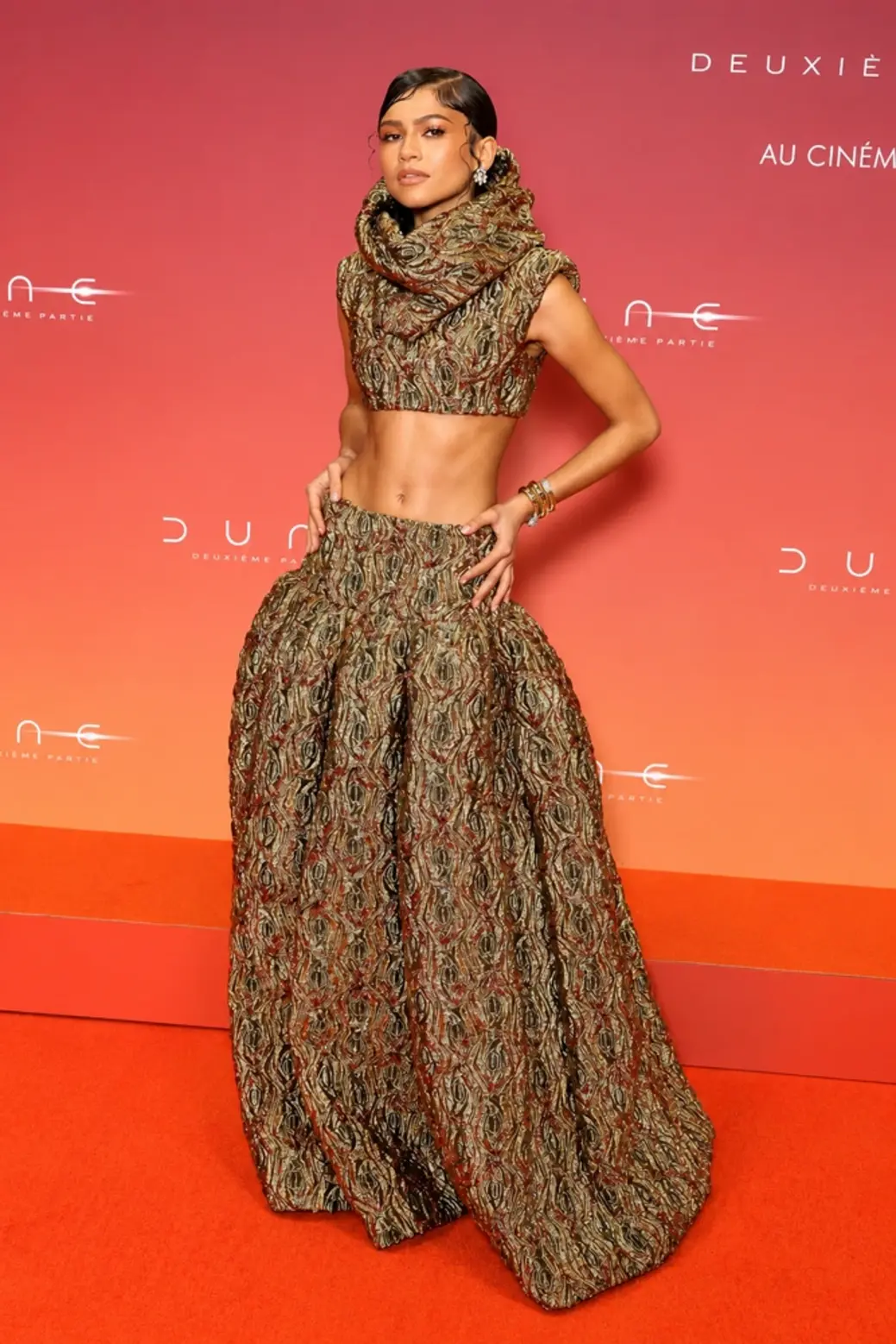
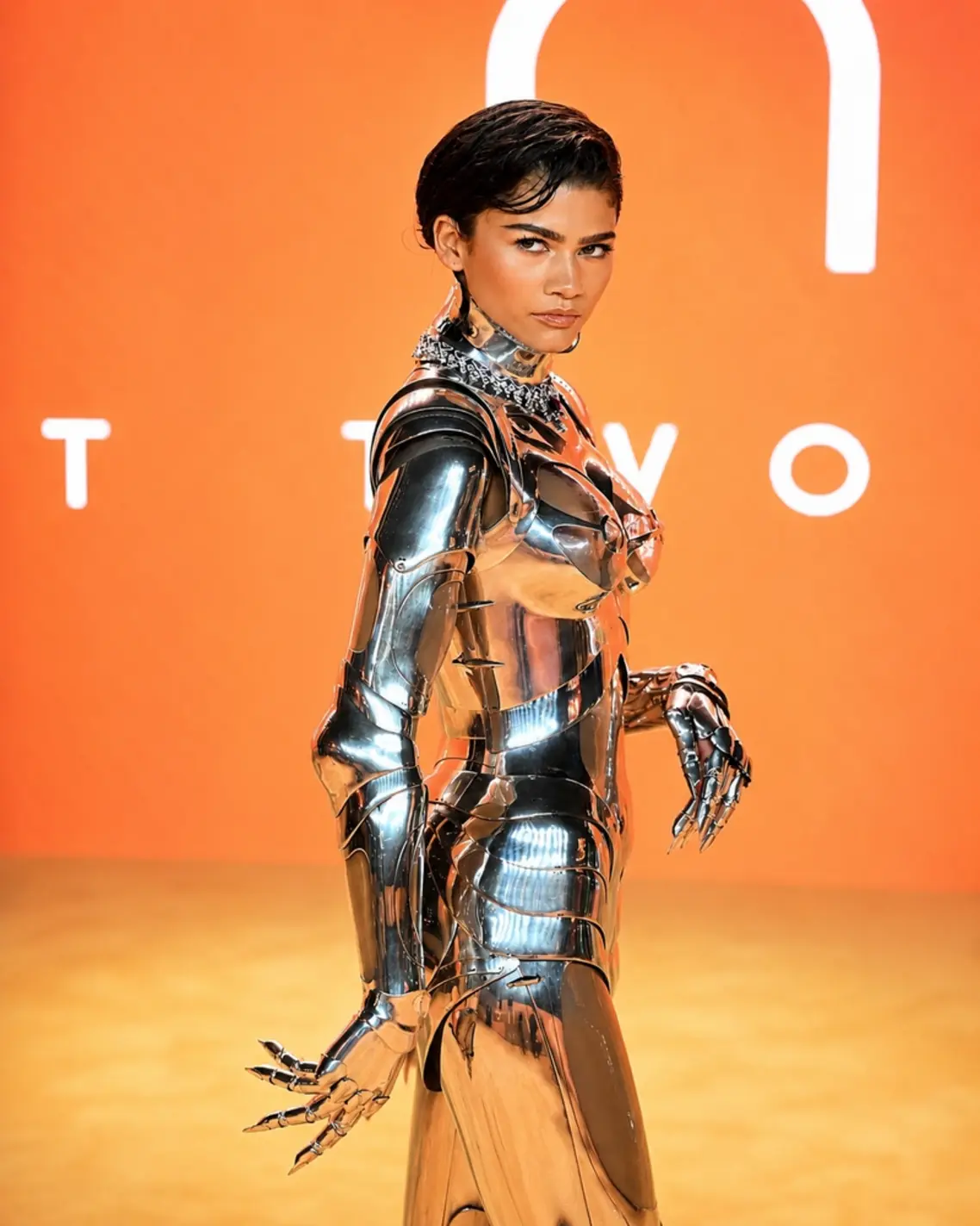
The press circuit for Denis Villeneuve’s sweeping sci-fi epic stands as arguably the most ambitious and architecturally complex example of method dressing to date. Zendaya, returning as the undisputed pioneer of the trend, bypassed traditional eveningwear entirely in favor of avant-garde, desert-warrior realism. The absolute pinnacle of this tour, and perhaps of modern red-carpet history, was her arrival in London wearing a vintage, fully articulated metallic robot suit from Thierry Mugler’s legendary Fall/Winter 1995 couture collection. The chrome armor mirrored the brutalist, technologically advanced universe of Arrakis with startling precision. The ecosystem of the Dune carpet was further enriched by her co-stars: Florence Pugh embraced the regal, chainmail-inspired draping of Princess Irulan via Galvan, while Anya Taylor-Joy announced her surprise casting in a breathtaking, virginal white Dior gown. Taylor-Joy's look, inspired by a Marc Bohan archive design from the 1960s, expertly utilized the protective, sweeping silhouette of a draped veil to signify her character's monastic and secretive origins within the film's lore.
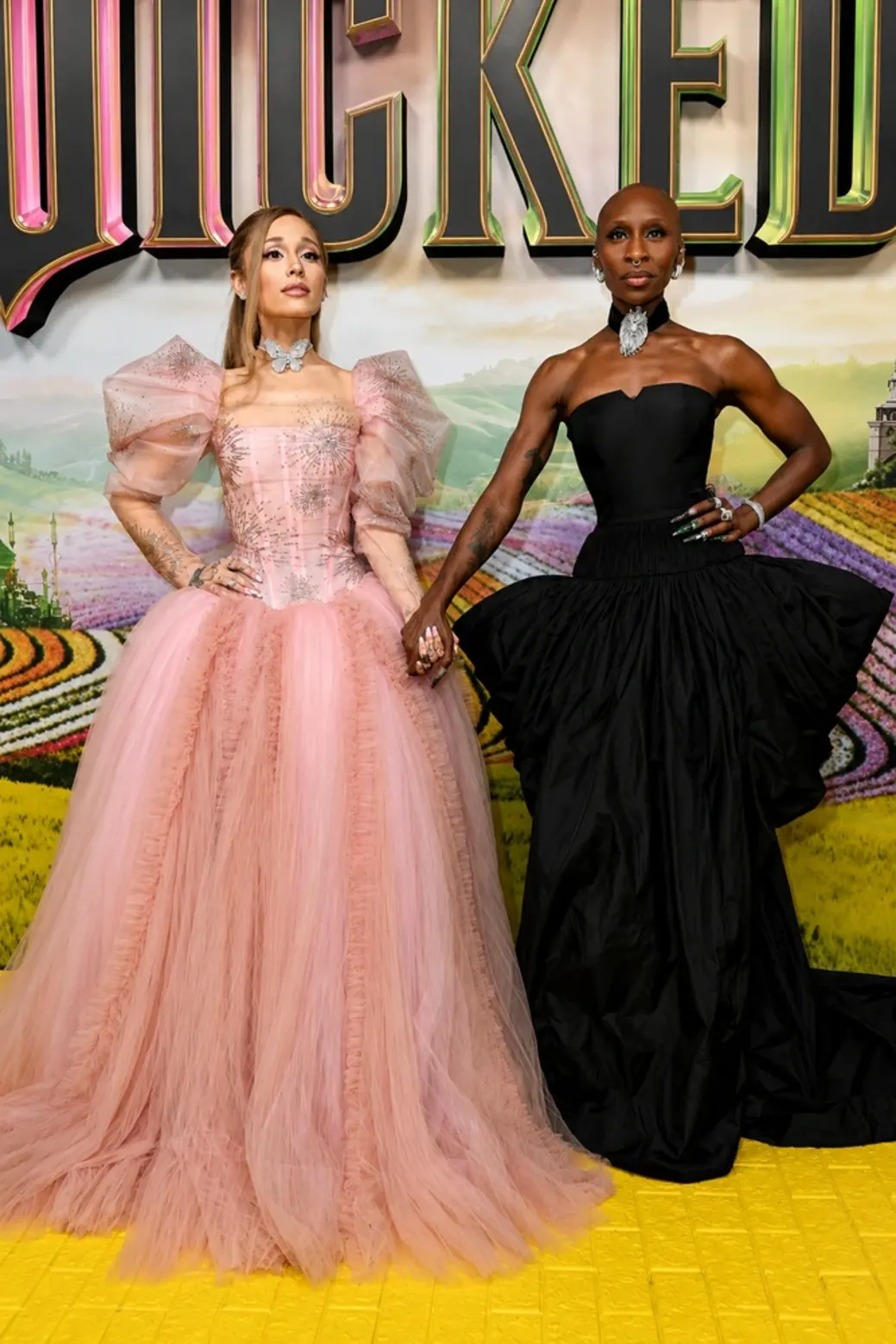
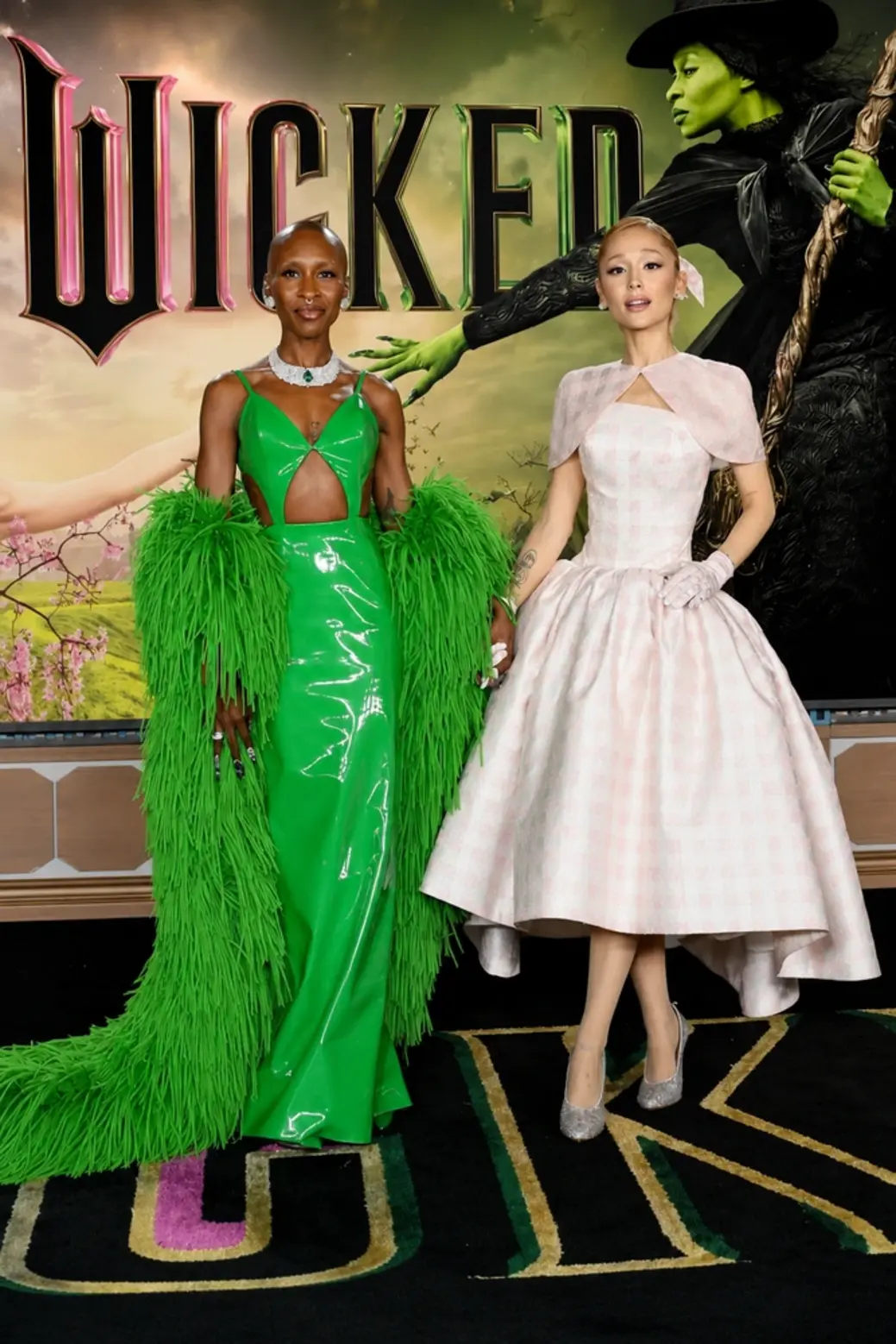
The promotional strategy for the highly anticipated adaptation of the Broadway musical is a testament to the power of extreme color blocking and unwavering discipline. Co-stars Cynthia Erivo and Ariana Grande have executed a campaign defined by strict chromatic duality, mirroring their respective characters, Elphaba and Glinda. Grande has exclusively inhabited a palette of effervescent, saccharine pinks, frequently turning to Thom Browne and Vivienne Westwood to construct voluminous, frothy silhouettes that echo the bubbly optimism of the Good Witch. Her sartorial Easter eggs dive deep into cinematic history, notably mirroring the wide-skirted aesthetic of Billie Burke from the 1939 Wizard of Oz. Erivo, in stark contrast, has utilized a sophisticated array of deep blacks and sharp, emerald greens, grounding her wardrobe in a more structured, terrestrial elegance that honors her character's iconic skin tone.
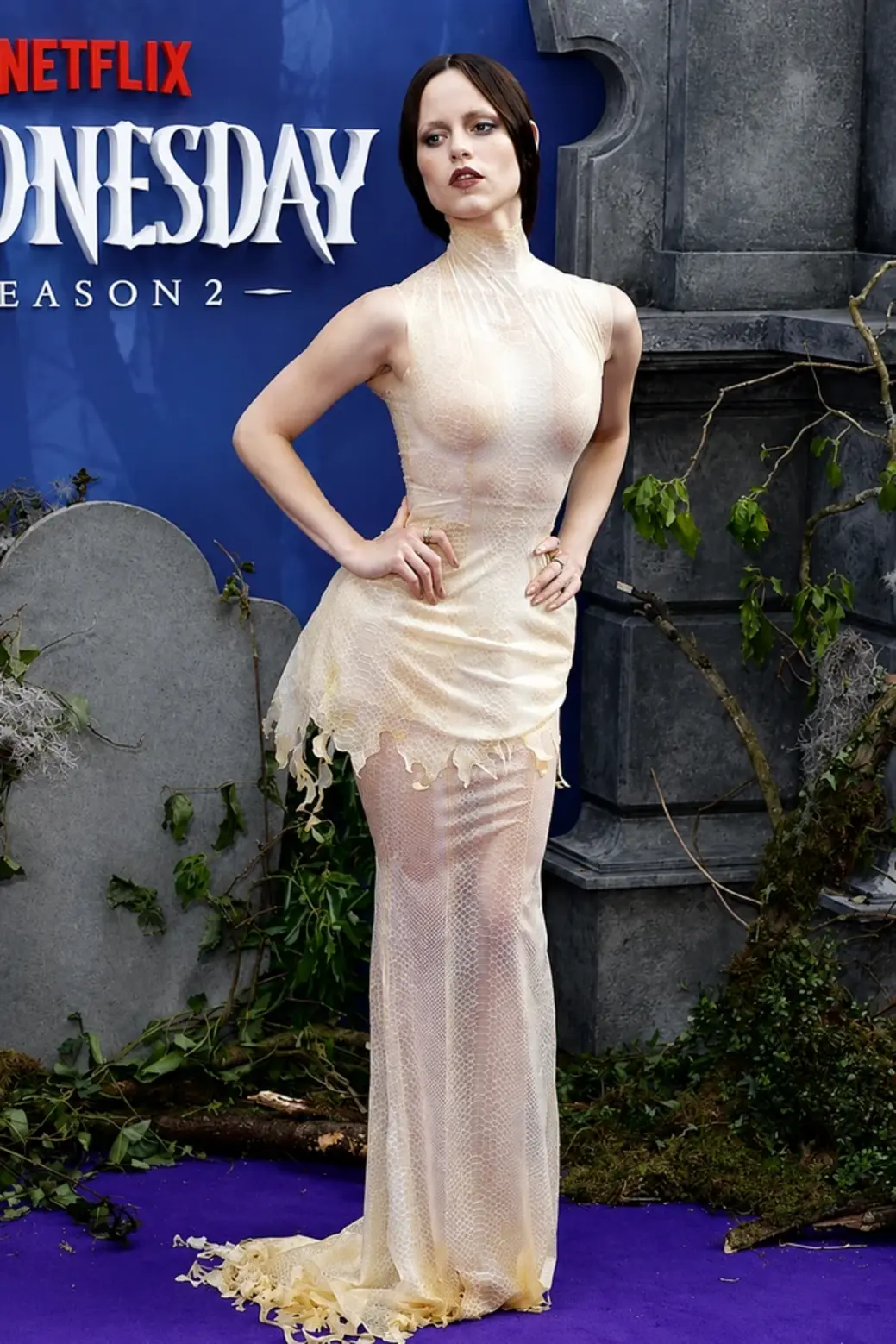
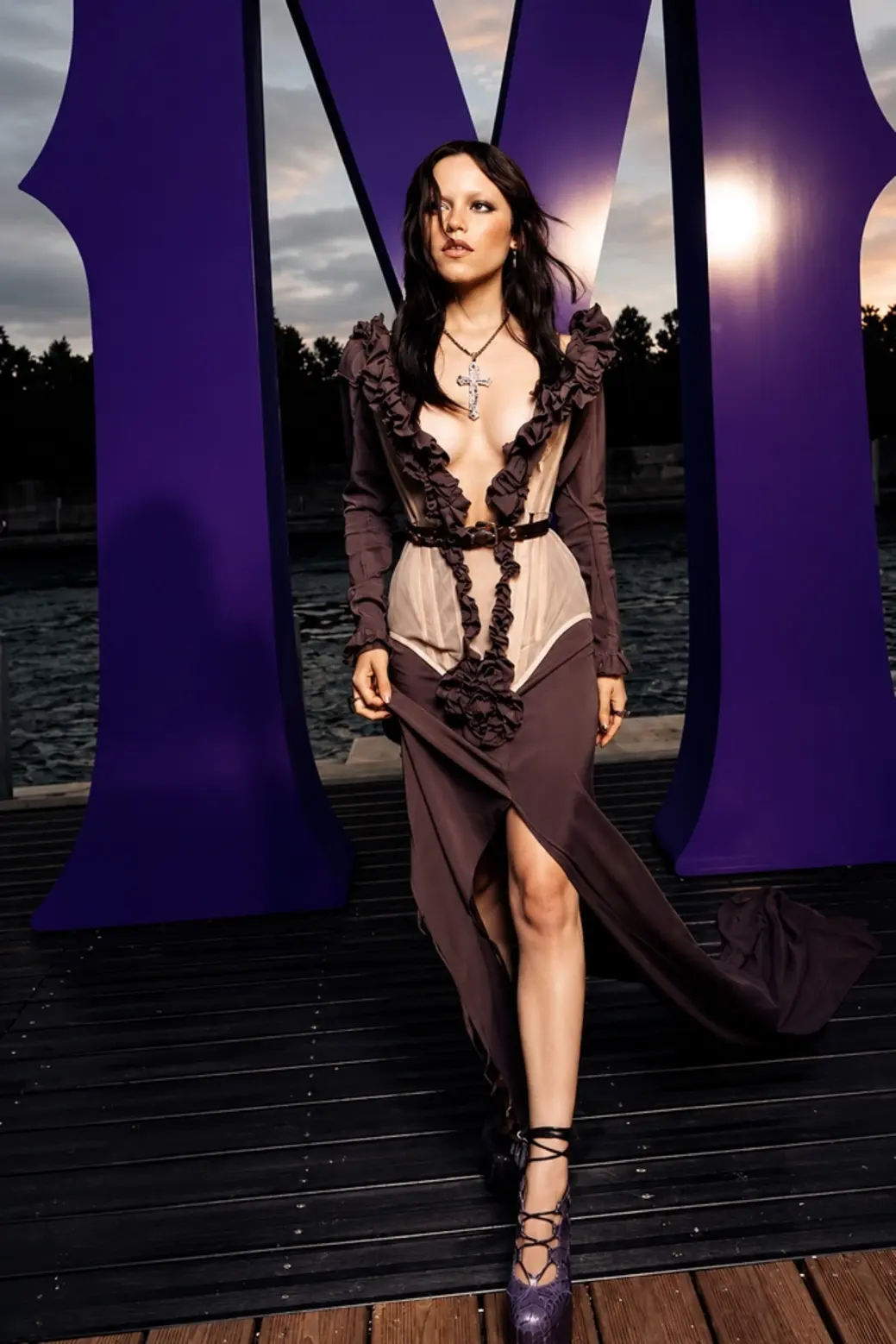
Jenna Ortega has cornered the market on the macabre, joyfully utilizing method dressing to cement her status as Hollywood’s reigning scream queen and the modern muse of Tim Burton's universe. For the Addams Family spin-off Wednesday, Ortega bypassed the obvious choices, collaborating with designers like Simone Rocha to modernize the spooky goth aesthetic. Her wardrobe featured shredded black leathers, Victorian ghost-white corsetry, and ghoul-inspired bodysuits that felt simultaneously antiquated and fiercely contemporary. She escalated this approach for Beetlejuice Beetlejuice, leaning heavily into meticulous cosplay. She arrived on the red carpet in a near-exact replica of Winona Ryder’s beloved Lydia Deetz costume from the 1988 original film, utilizing Thom Browne’s mastery of uniform tailoring to recreate the iconic plaid midi skirt, crisp white shirt, and cardigan. It was a brilliant deployment of fan service that bridged the generational gap between the two films.
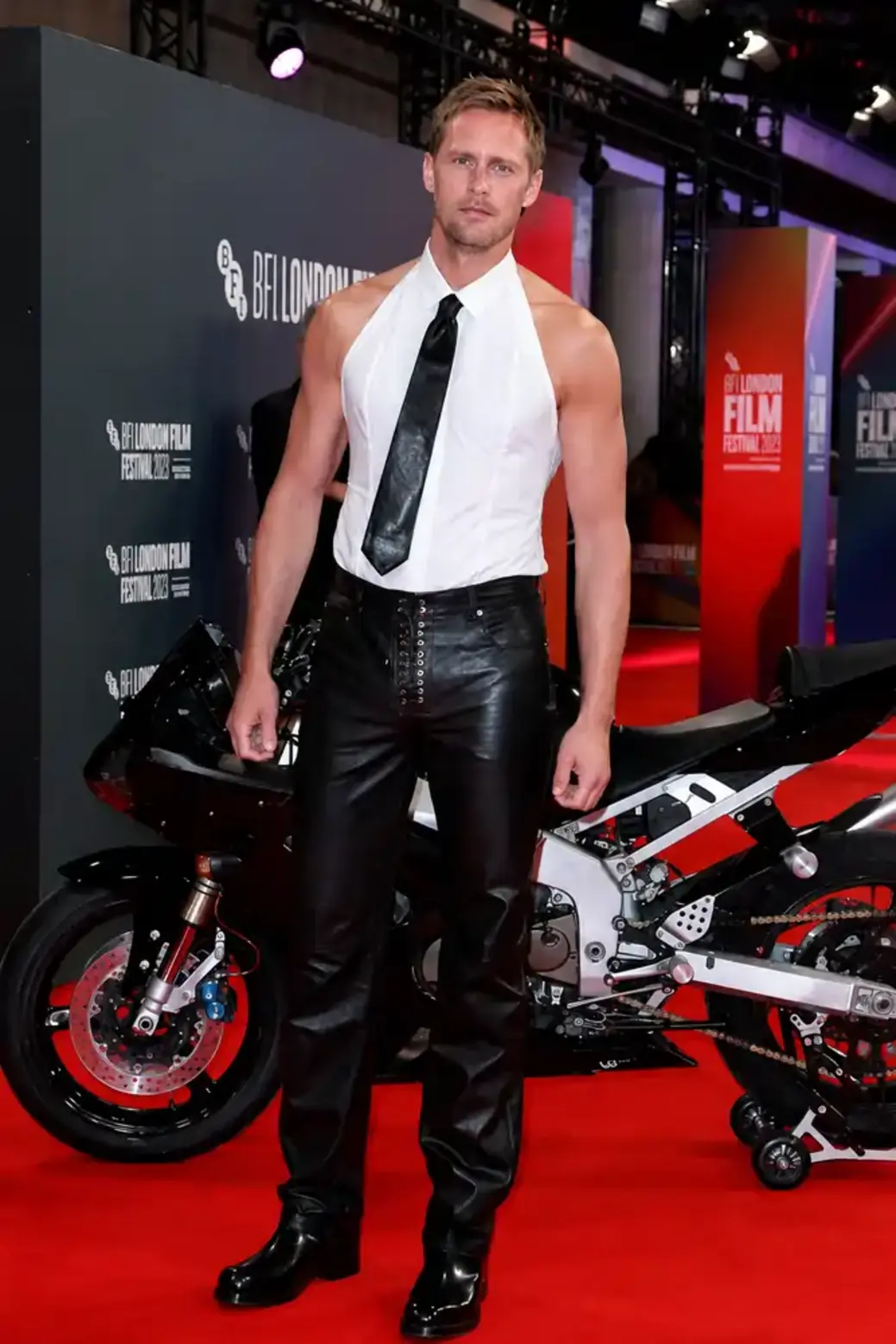
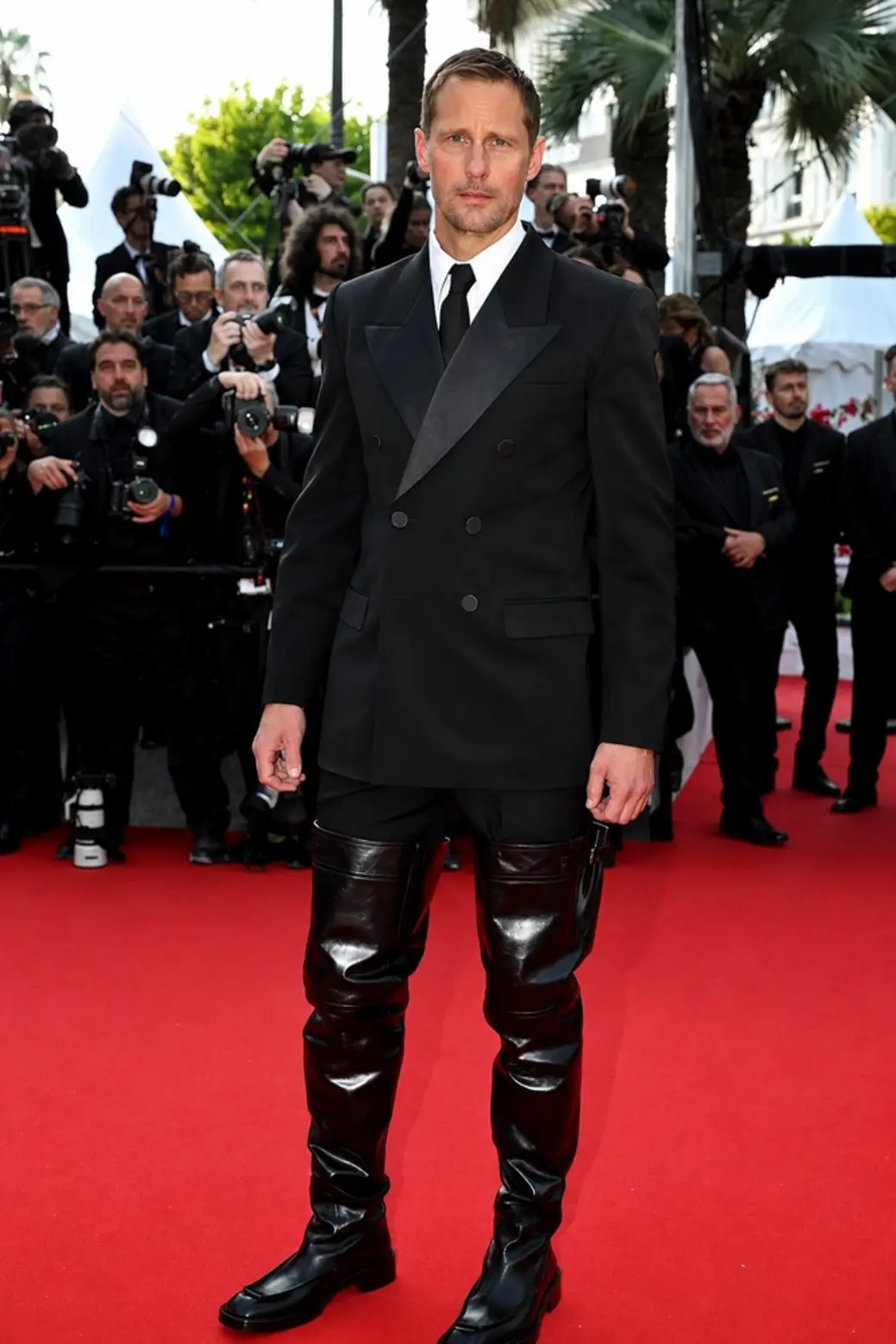
Proving that method dressing is not merely the domain of high-fantasy or family-friendly blockbusters, Alexander Skarsgård brought the concept into unexpectedly provocative territory for his dark comedy Pillion. Promoting a film categorized as a gay biker dom-com, Skarsgård fully embraced what fashion critics swiftly dubbed kinky method. He discarded the standard leading-man tuxedo in favor of aggressive, fetish-adjacent aesthetics at the Cannes Film Festival. Anchoring his looks with thigh-high, high-shine black leather boots and graphic t-shirts bearing boot-licking motifs, he demonstrated that method dressing can be subversive, humorous, and heavily reliant on subcultural codes. It was a daring reminder that clothing is fundamentally about signaling, and sometimes, the most effective way to promote a film is to wear its underlying themes squarely on your sleeve, or, in this case, on your boots.
Ultimately, method dressing has entirely rewritten the rules of Hollywood promotion. It transforms actors from mere talking heads into walking, breathing ambassadors of their art, blurring the lines between the silver screen and the runway. It requires immense discipline, a deep understanding of storytelling, and an encyclopedic knowledge of fashion history, proving that embodying a character visually can be just as demanding, and impactful, as embodying them psychologically. As audiences continue to demand more immersive entertainment experiences, it is clear that method dressing is not a passing fad, but rather the new, brilliant baseline for cinematic marketing.
Advertisement