MENU
Close





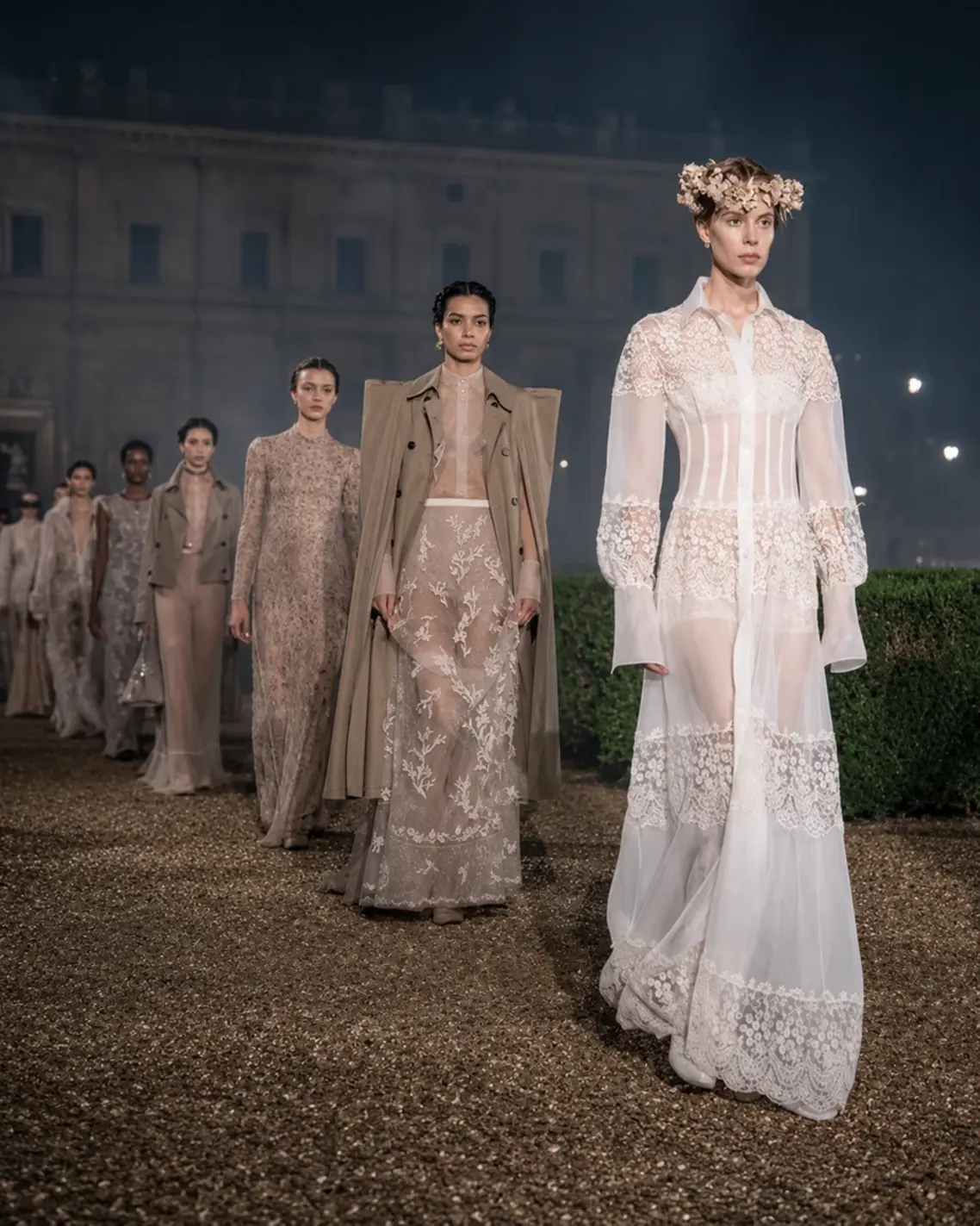
Step aboard the strange, glamorous world of cruise collections, where fashion learned to pack a suitcase, chase the sun, and turn vacation dressing into big business.
Step aboard the strange, glamorous world of cruise collections, where fashion learned to pack a suitcase, chase the sun, and turn vacation dressing into big business.
May 15, 2026
Advertisement

Advertisement



Cruise collections, also called resort collections, or pre-spring collections, occupy one of the most commercially important spaces in the modern fashion calendar. They sit between the traditional spring/summer and fall/winter seasons, offering new product at a time when stores, clients, editors, and stylists have already moved emotionally beyond one season while the next official runway cycle has yet to arrive. In practical retail terms, cruise usually appears in stores around November, when autumn/winter merchandise begins to feel familiar and customers start looking for lighter, fresher, more travel-friendly options.
The name itself carries historical residue. “Cruise” suggests ships, winter holidays, ocean liners, resort hotels, and the social habits of wealthy clients who could leave cold cities for warm destinations. “Resort” sounds broader and more modern, expanding the idea from literal cruises to any kind of leisure travel, from Mediterranean villas to Caribbean beaches, from Palm Beach lunches to luxury hotel wardrobes. The vocabulary may shift, but the purpose remains consistent: cruise collections provide a season of clothes designed to travel across climates, occasions, and buying cycles.
The history of cruise collections begins with elite travel, winter migration, and the rise of modern leisure dressing. Vogue traces the tradition to the 20th century, when high-net-worth clients, often European, bought seasonally appropriate wardrobes before boarding ocean liners for post-Christmas holidays. These clothes included warm-weather pieces suitable for ship decks, resort towns, and sun-filled destinations, including garments once casually described as “beach pajamas.”
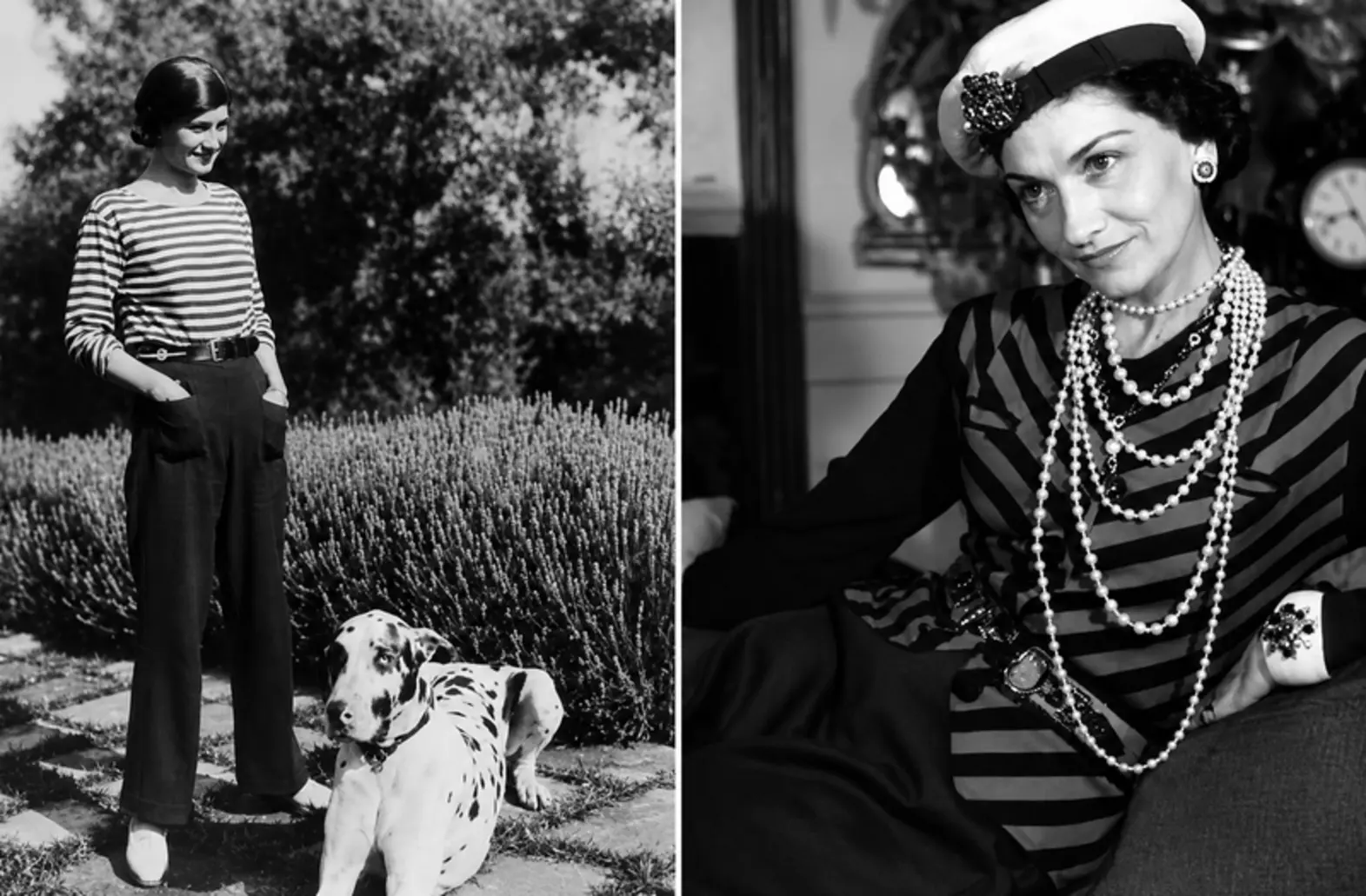
This origin reveals the class structure behind the category. Cruise collections were created for people whose lives allowed them to escape ordinary weather. They emerged from the habits of clients who could move between continents, climates, and social settings with enough regularity to require a dedicated wardrobe for the transition. Before budget air travel and mass tourism, winter migration to warmer places belonged largely to wealthy travelers.
Coco Chanel is one of the central figures in the early development of resort dressing. Chanel led the rise of coastal shopping through her jersey sportswear and her boutiques in Deauville and Biarritz, two locations associated with modern leisure and seaside elegance. Chanel understood that wealthy women needed clothing that matched a changing lifestyle: lighter, easier, more mobile, and more compatible with sports, travel, and social movement. This mattered because early 20th-century fashion was shifting away from rigid formality toward a new idea of elegance built around ease.
In earlier dress systems, clothing often reflected fixed social occasions: formal eveningwear, daywear, city clothes, riding clothes, and so on. Resort fashion blurred those divisions. A woman traveling from Paris or New York to the Riviera needed garments that could move from breakfast terraces to beach promenades, from shipboard afternoons to hotel dinners. The wardrobe had to signal privilege while accommodating movement, heat, and modern comfort.
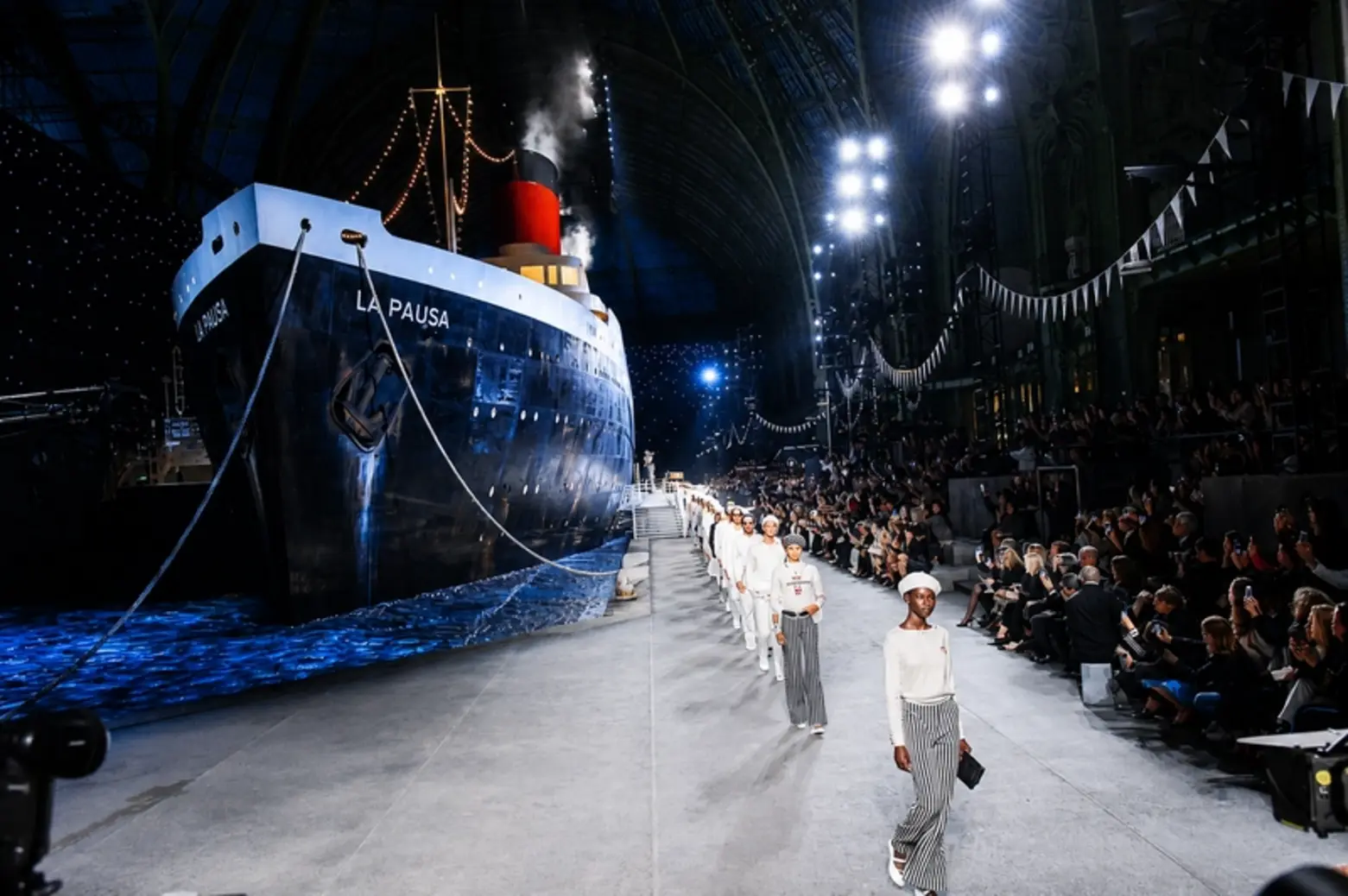
The development of air travel in the mid-20th century further expanded this category. As leisure travel became more accessible, the idea of seasonal dressing became more complex. Throughout the latter half of the 20th century, leisure travel widened opportunities for off-season ready-to-wear, turning cruise into a useful marketing structure between fall and summer collections. Cruise collections therefore grew from a niche wardrobe for elite travelers into a formal part of the fashion system, supported by changing travel habits, global retail, and the commercial desire to keep customers engaged throughout the year.
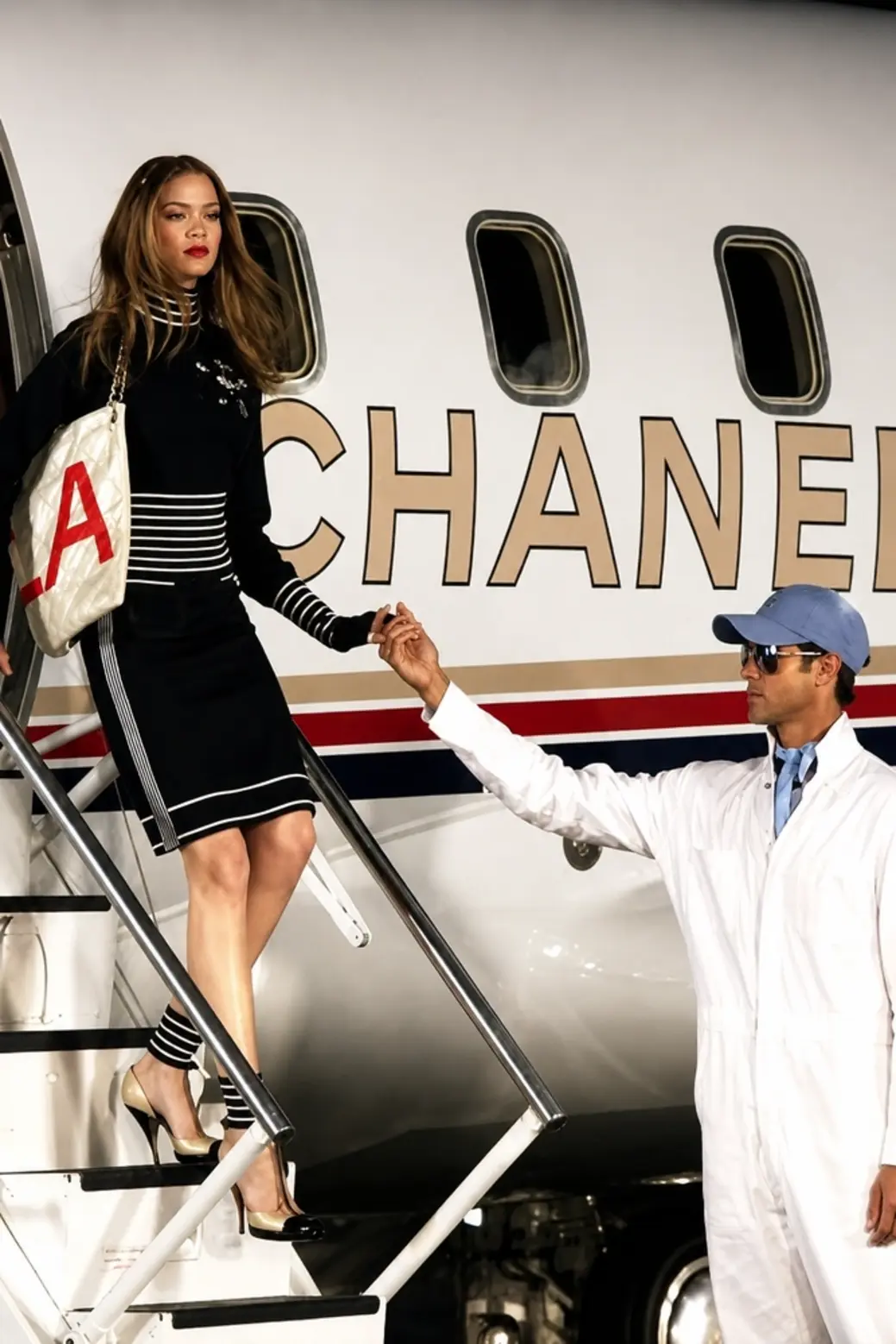
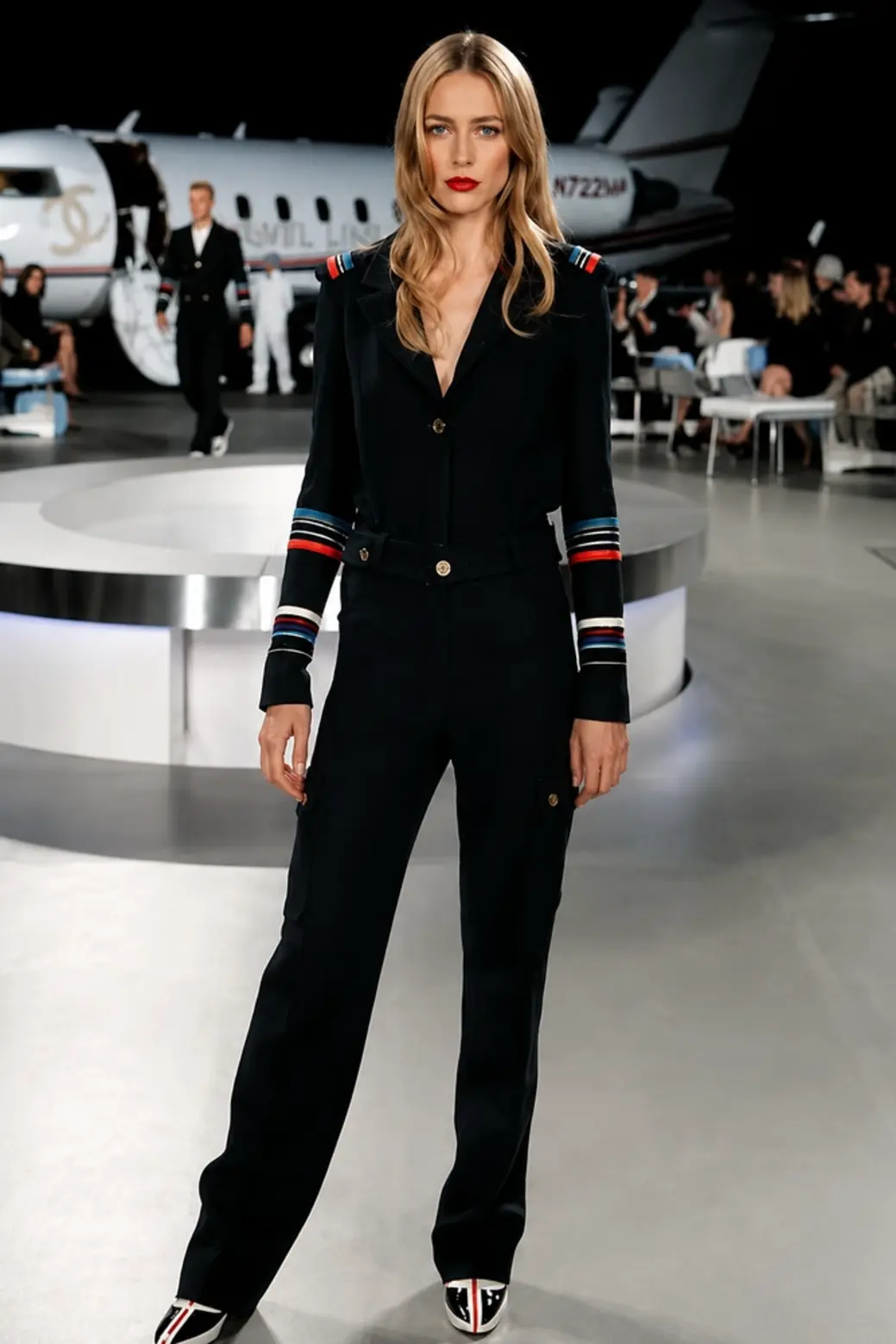
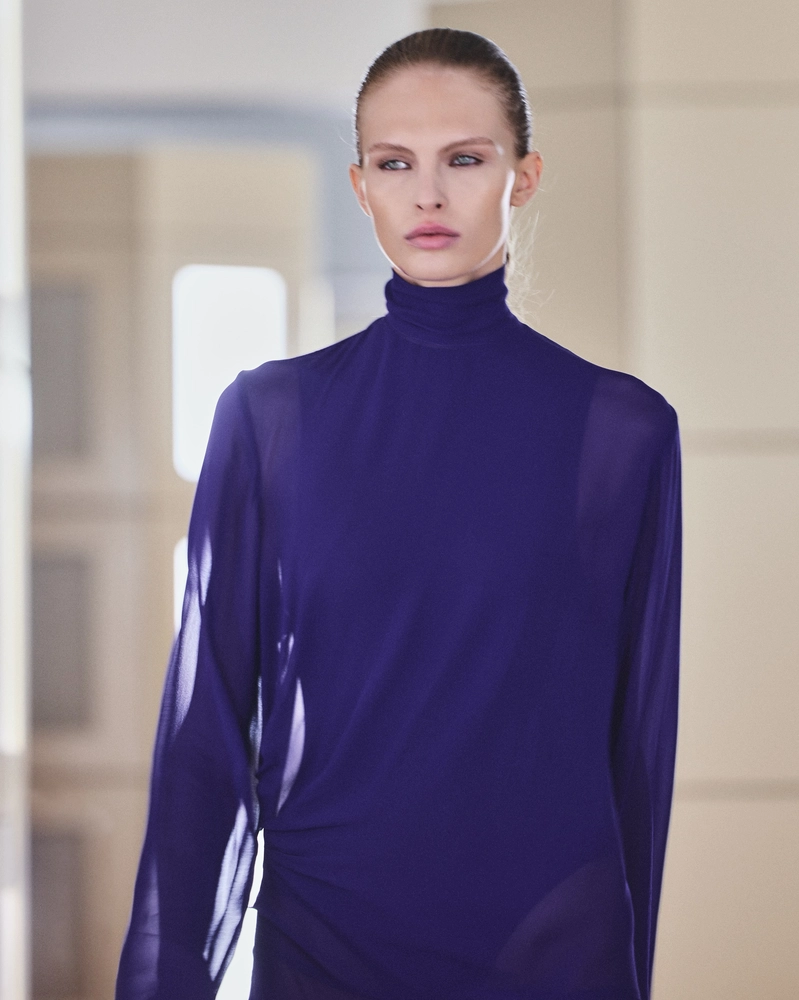
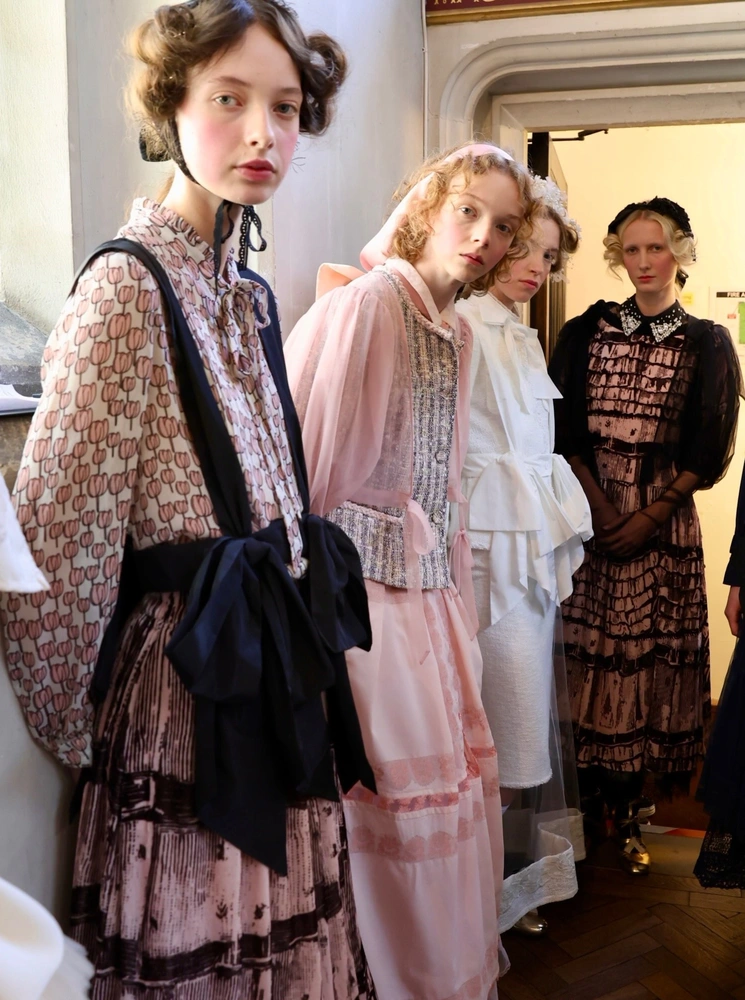
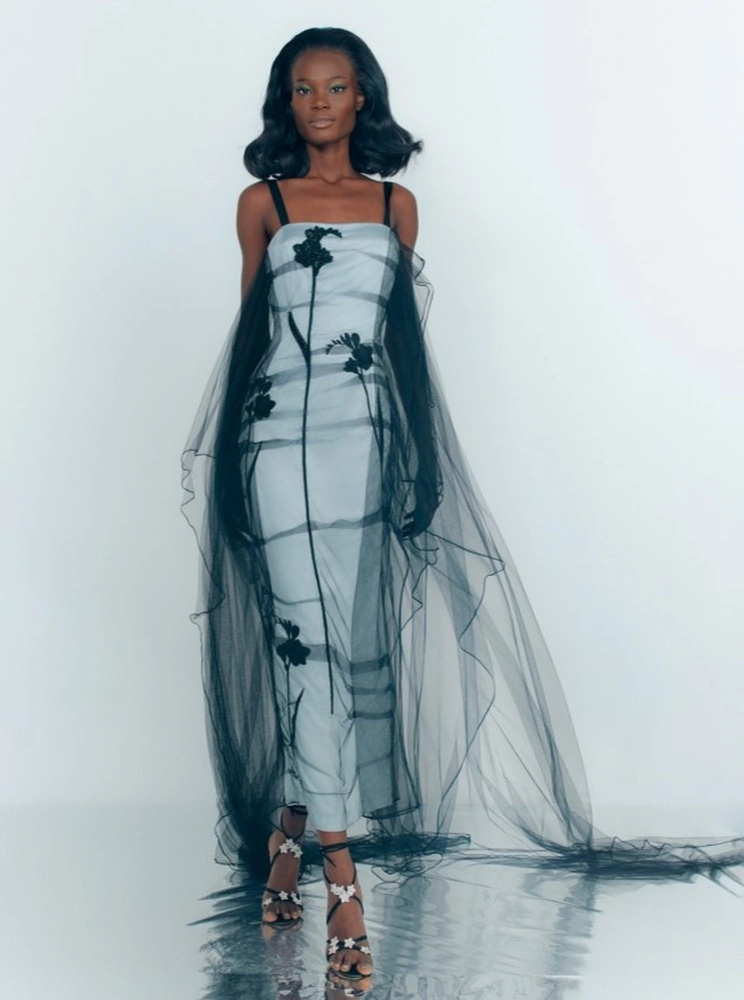
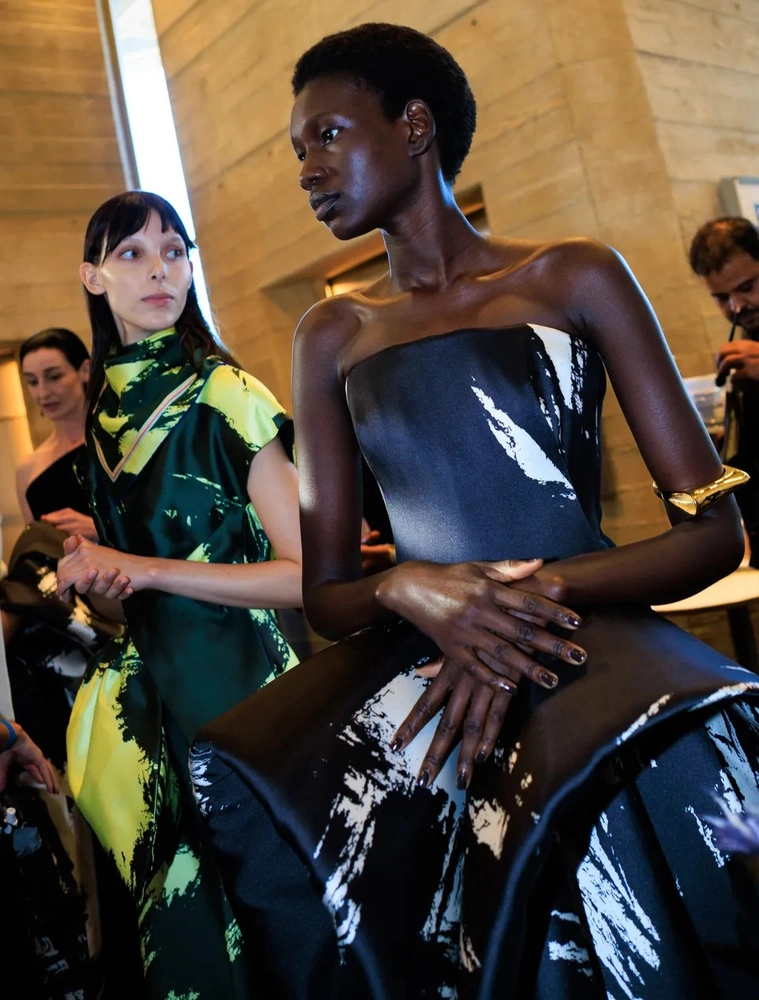
For much of their history, cruise collections were commercially important but visually quieter than the main runway seasons. They were often shown through presentations, appointments, lookbooks, or smaller events, with the clothes doing the practical work of retail rather than the symbolic work of spectacle. That balance changed significantly in the 21st century, especially as luxury houses began using cruise shows as global brand events.
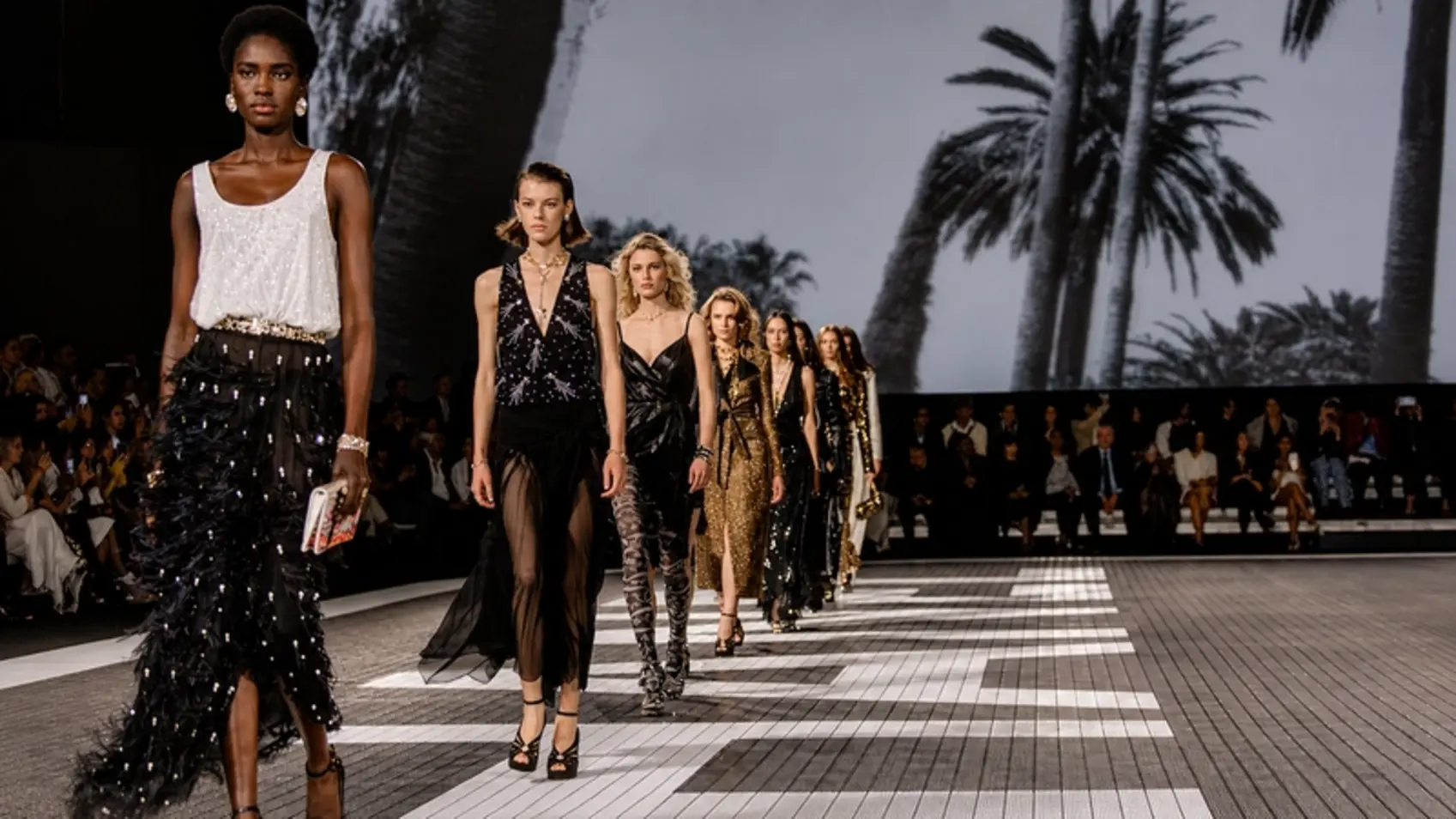
Chanel’s 2007 resort show at New York’s Grand Central Station was a major turning point, when attending resort shows became a glamorous event in itself. Since then, destination cruise shows have become increasingly ambitious, sometimes exceeding regular ready-to-wear shows in scale, production, and cultural visibility. This development transformed cruise from a commercial season into a performance of brand power. A cruise show could now say where a house wanted to be seen, which market it wanted to court, which architectural or historical setting it wanted to absorb, and how much spectacle it could afford.
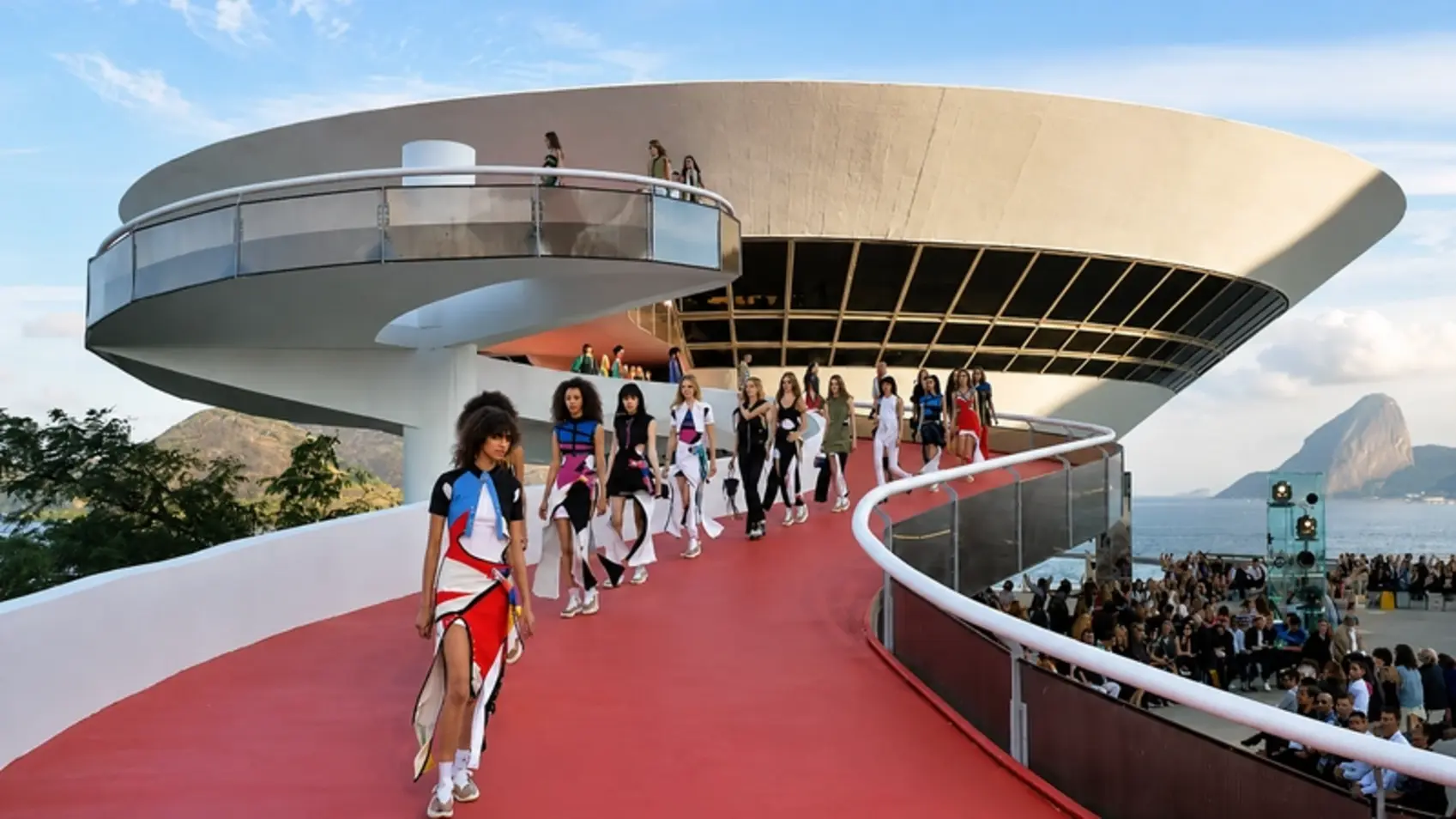
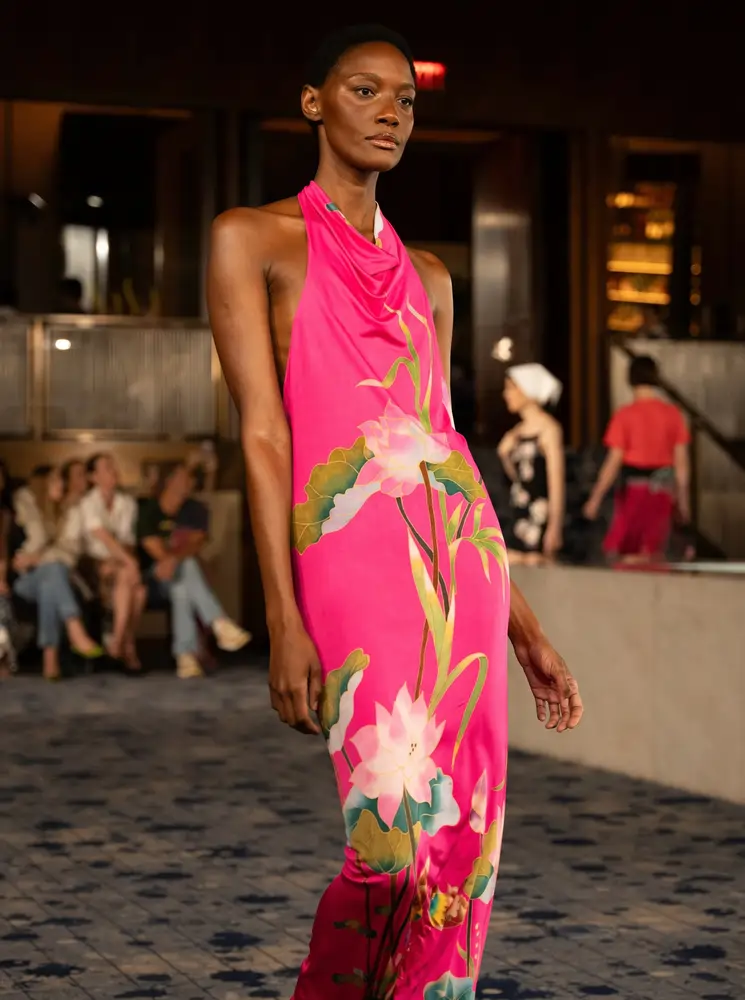
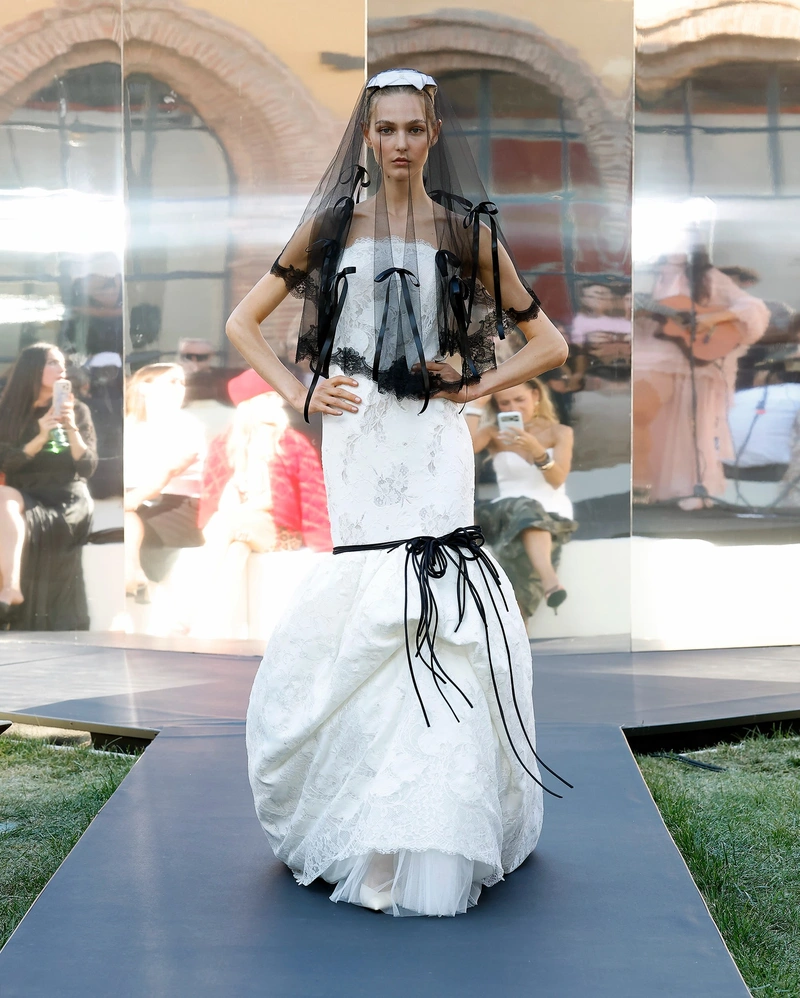
Destination became part of the product. Chanel in Cuba, Louis Vuitton in Rio or Avignon, Dior in heritage locations, Gucci in culturally loaded cities, and other major examples show how cruise collections became tied to place-making. A luxury house no longer presented only clothes; it presented an edited world. The location supplied atmosphere, history, and visual authority, while the brand converted that setting into imagery, press coverage, celebrity attendance, social content, and client experience. Resort shows now often involve historic locations and more ostentatious, conceptual collections than the breezy silhouettes that once defined the season.
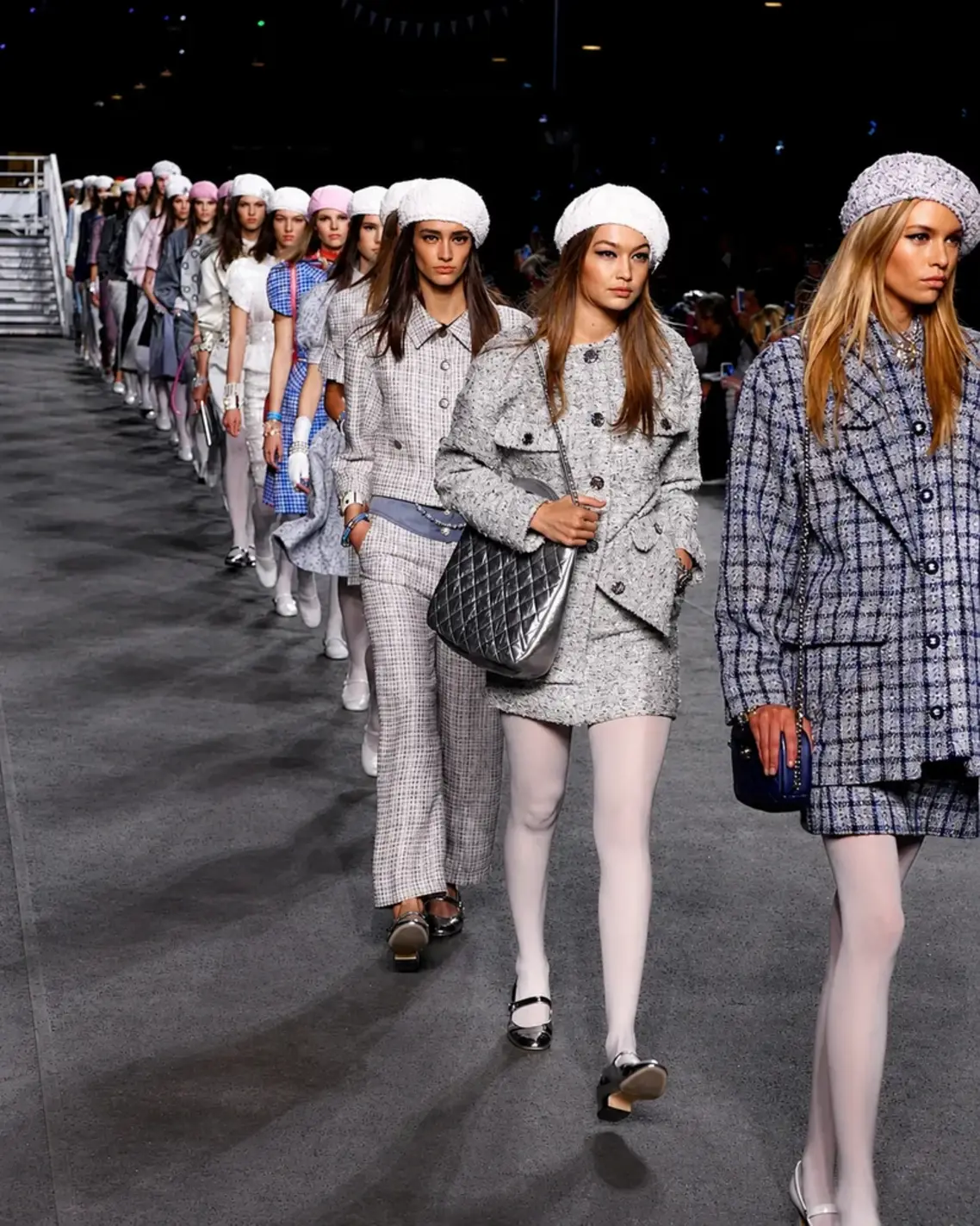
The spectacle also allows brands to create intimacy with top clients. Cruise shows often involve travel invitations, private dinners, cultural tours, store activations, and exclusive access. These events turn fashion consumption into a full luxury experience. In this sense, cruise collections operate as both runway and relationship management.
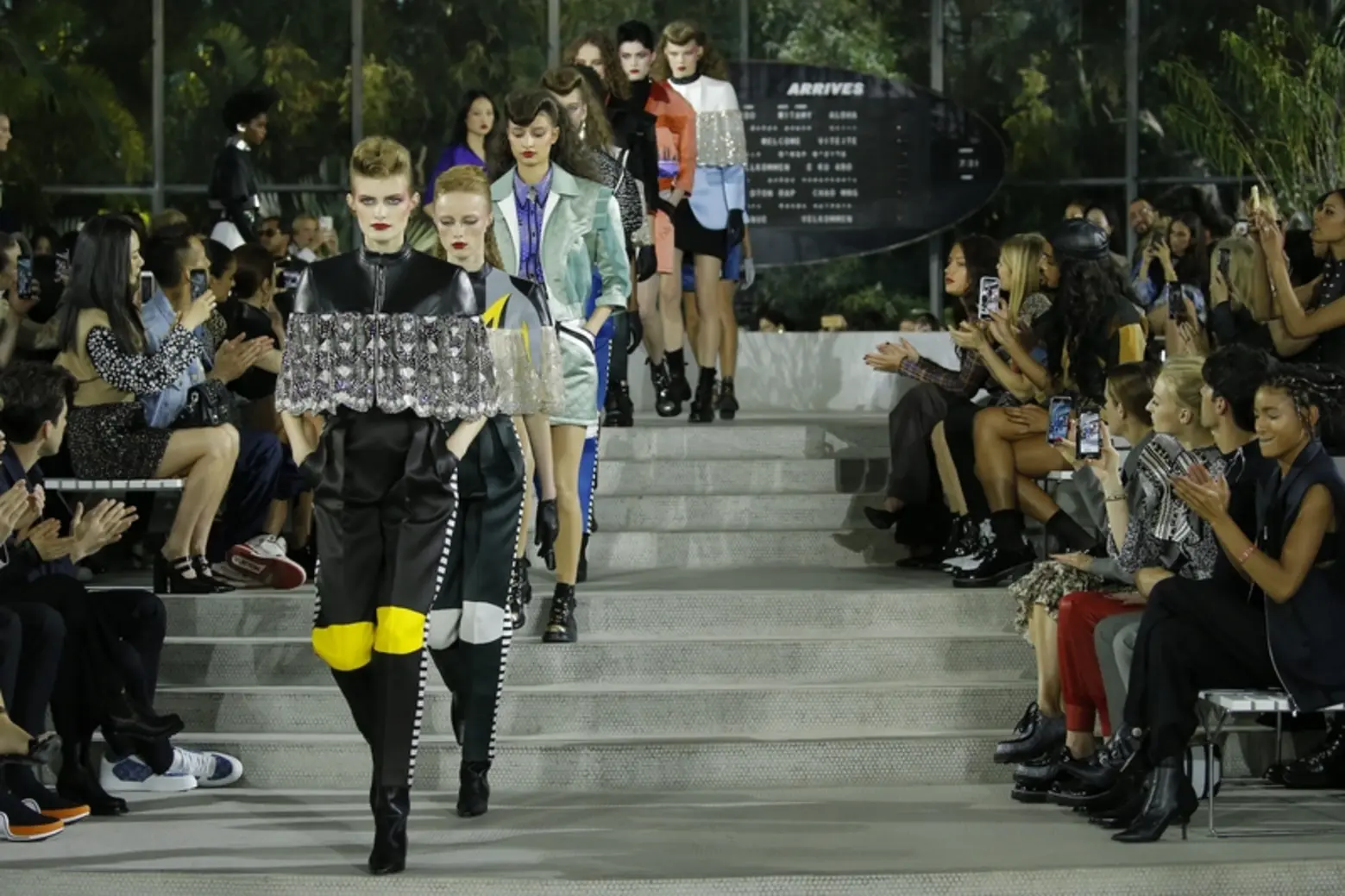
The business value of cruise collections is easy to understand once the calendar is placed next to the cash flow. Resort or cruise collections are usually shown around May and delivered to stores from October or November, filling the gap between autumn/winter stock and spring/summer deliveries. The stronger proof is in buyer budgets. Business of Fashion reported that buyers spend about 80 percent of their budgets during the sales period for pre-collections, which includes cruise and resort. Vogue has also described pre-collections as major money-spinners, with 60 to 80 percent of turnover often cited as the standard range; Louis Vuitton’s former CEO Michael Burke even framed cruise as a collection that can remain commercially relevant from November through June. In simpler terms, cruise matters because it sells for longer, sits on the floor longer, and often carries the more wearable pieces that customers actually buy. Business of Fashion reported that major luxury brands can spend up to $10 million on elaborate cruise spectacles. That amount makes sense only when the show functions as several things at once: a runway, a press campaign, a client event, a tourism image, a celebrity moment, and a regional market strategy. For the largest houses, one destination show can produce months of media coverage, social content, VIP engagement, and store traffic.
Advertisement