MENU
Close





Couture is currently so swollen it’s taking up all the oxygen in the room. In this era of couture inflation, we’re trading consumer trust for extra yardage, giving you more fabric to hide the shame of what those bloated price tags actually cost.
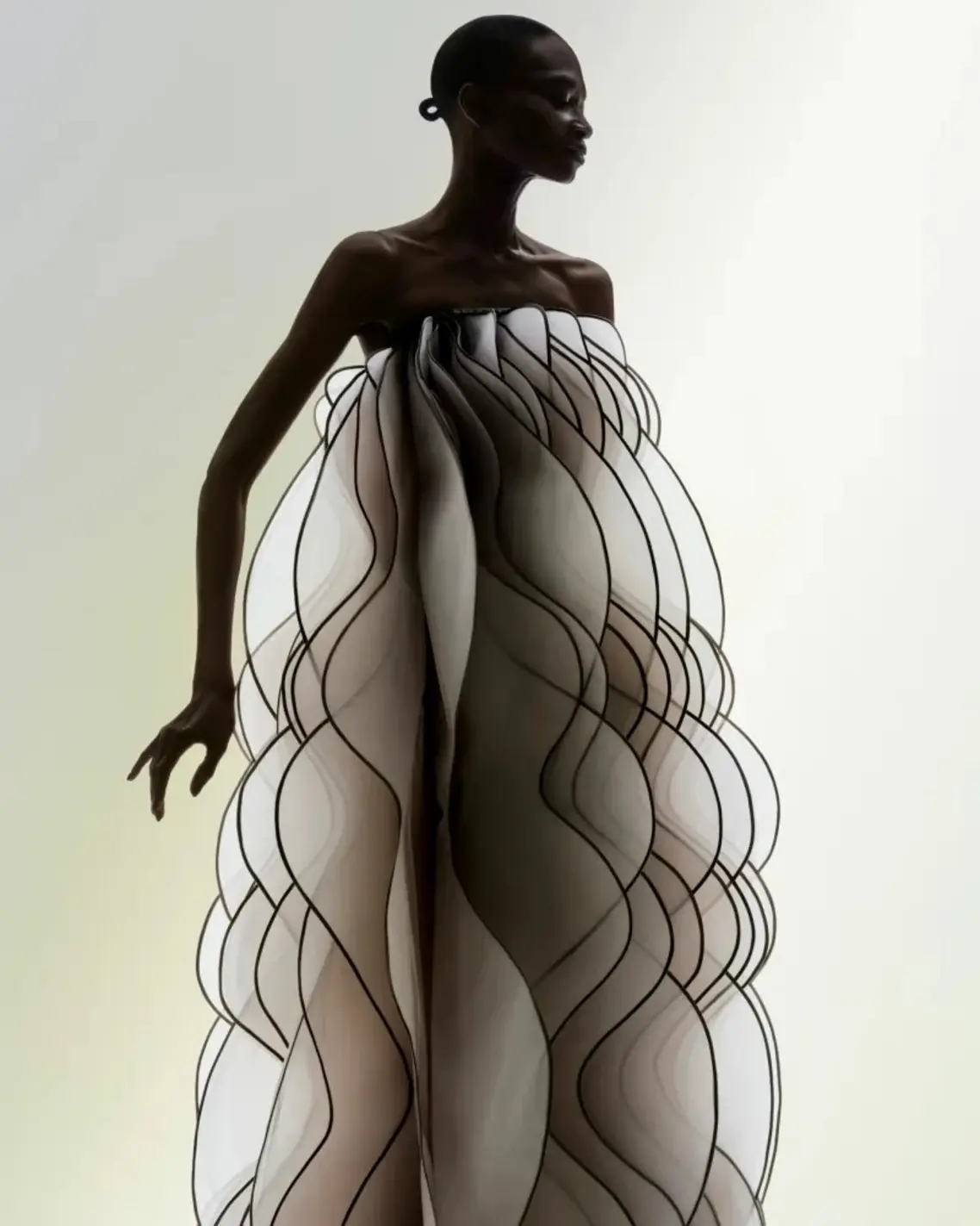
Couture is currently so swollen it’s taking up all the oxygen in the room. In this era of couture inflation, we’re trading consumer trust for extra yardage, giving you more fabric to hide the shame of what those bloated price tags actually cost.
April 10, 2026
Advertisement

Advertisement



Picture the absolute audacity of the current fashion landscape. Are we collectively hallucinating, or is the industry having a massive identity crisis? The wider luxury sector finds itself forced into a brutal reckoning over price, value, and immense consumer fatigue, yet couture on the runway looks increasingly swollen, theatrical, curved, and architecturally extravagant. We face a delicious paradox here, begging a highly curious question: why does luxury appear visually larger than life at the exact moment the industry faces accusations of aggressive overpricing? Bain reports the personal luxury goods market slipping from €364 billion in 2024 to €358 billion in 2025, while McKinsey observes price increases hitting a solid ceiling and actively hurting demand from aspirational consumers. That palpable tension serves as the beating heart of our fabulous discussion.
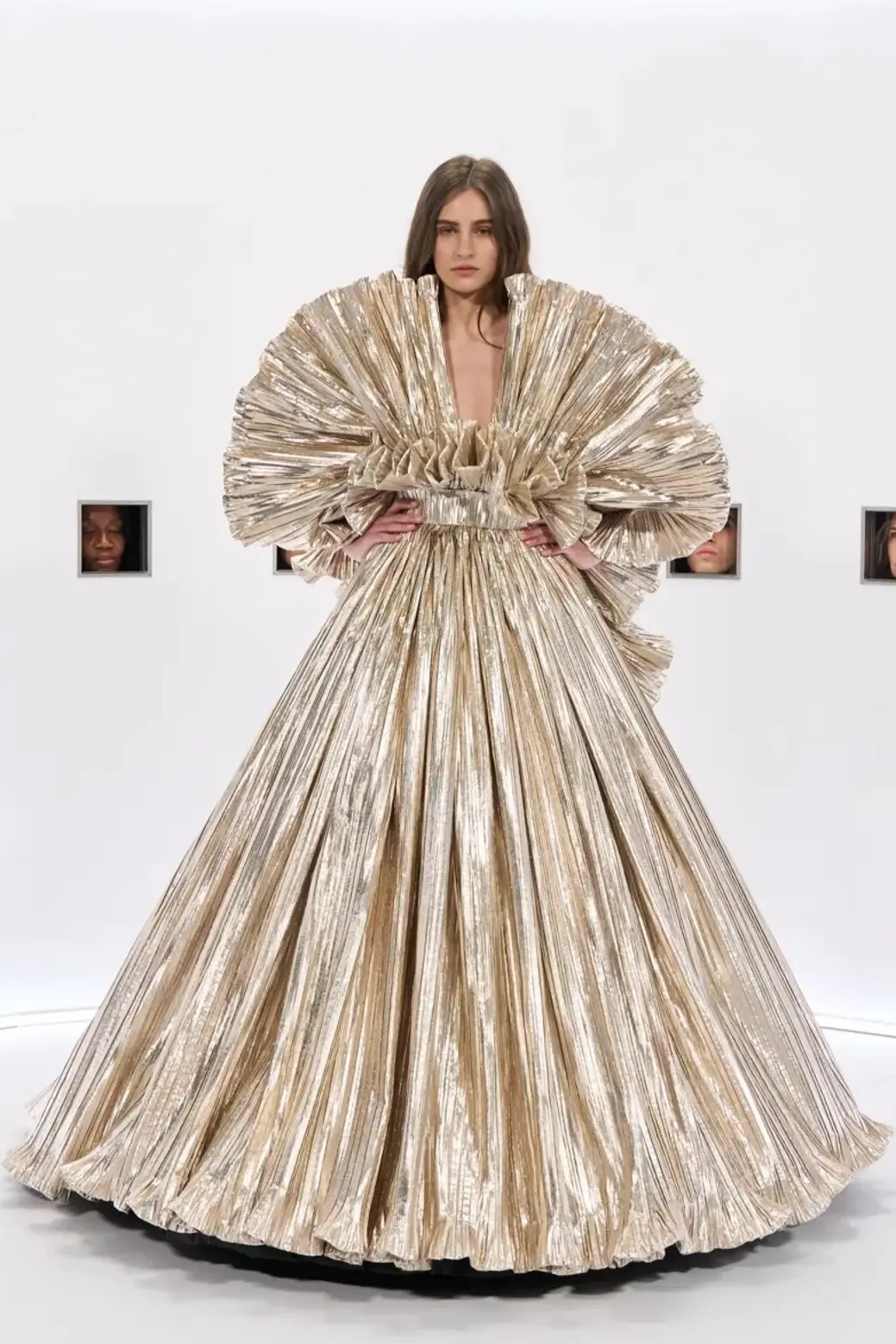
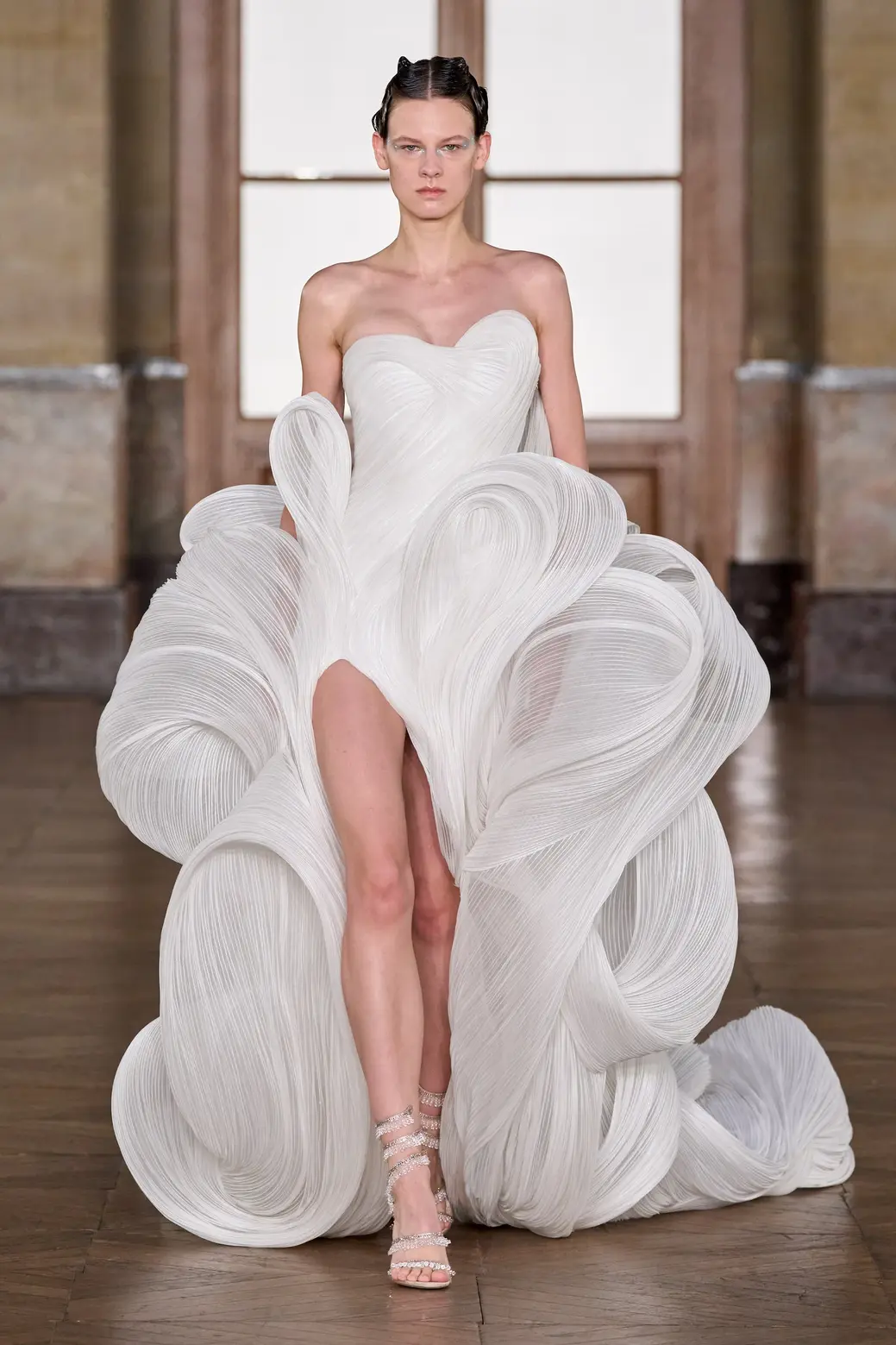
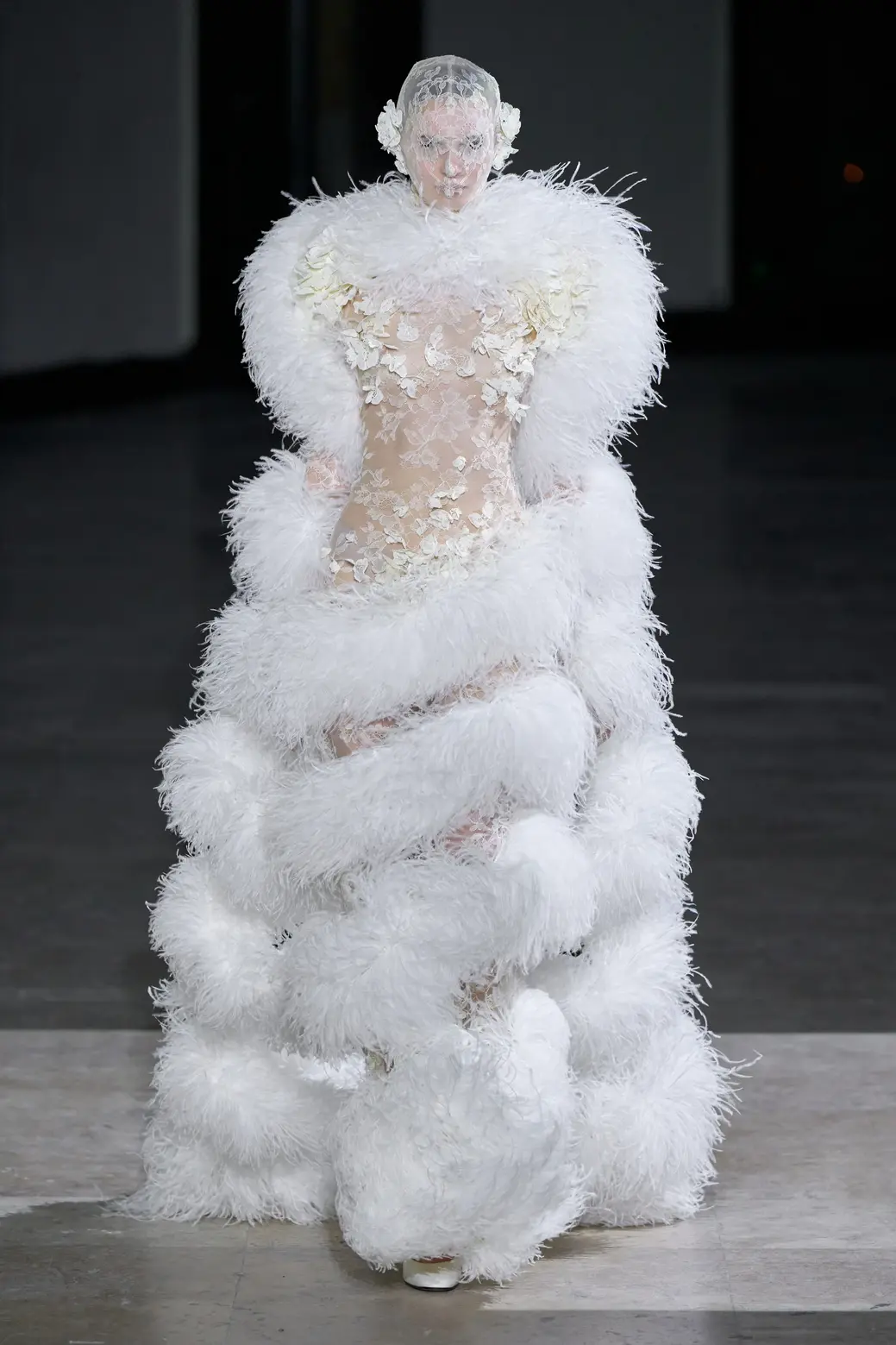
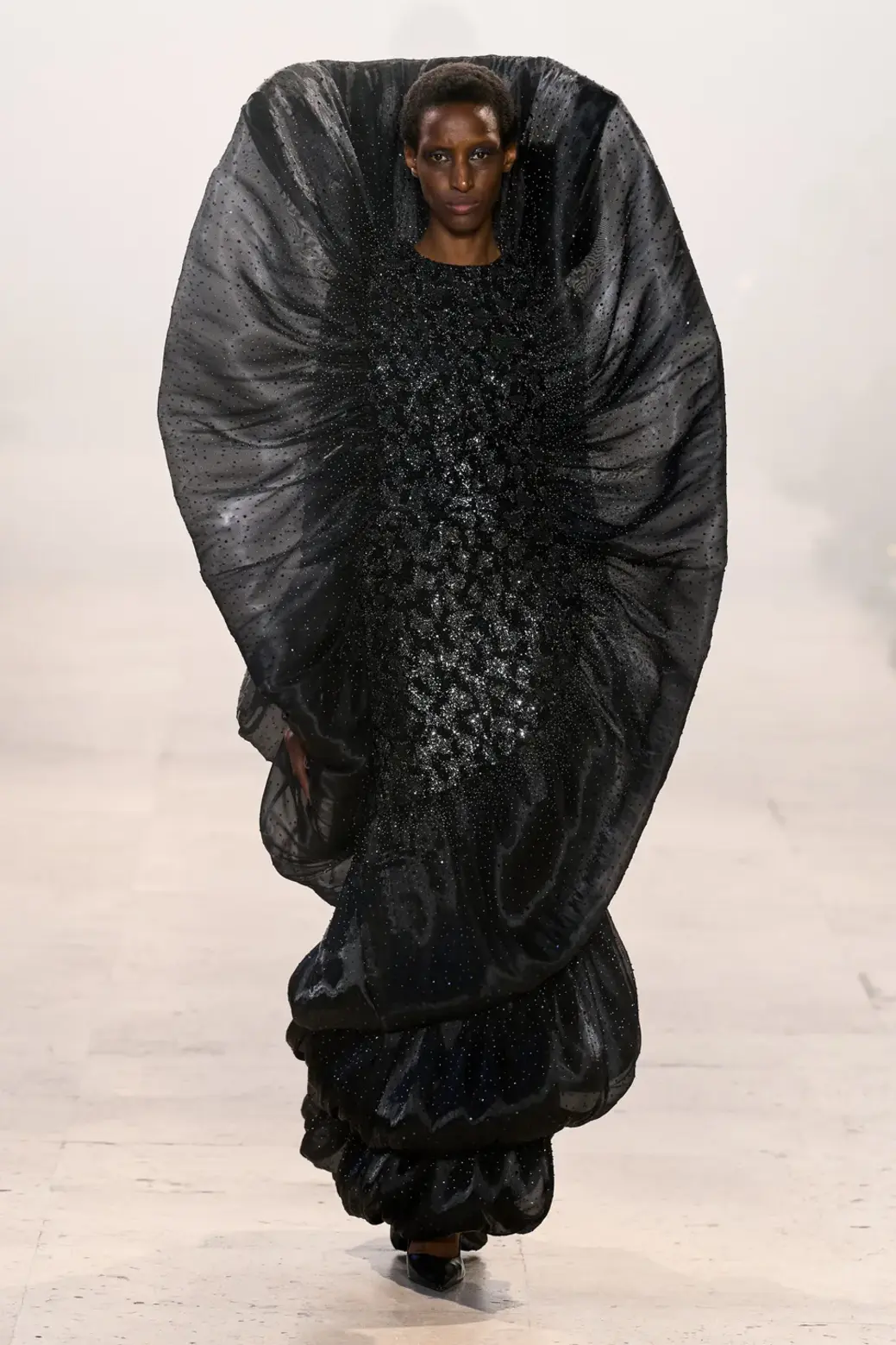
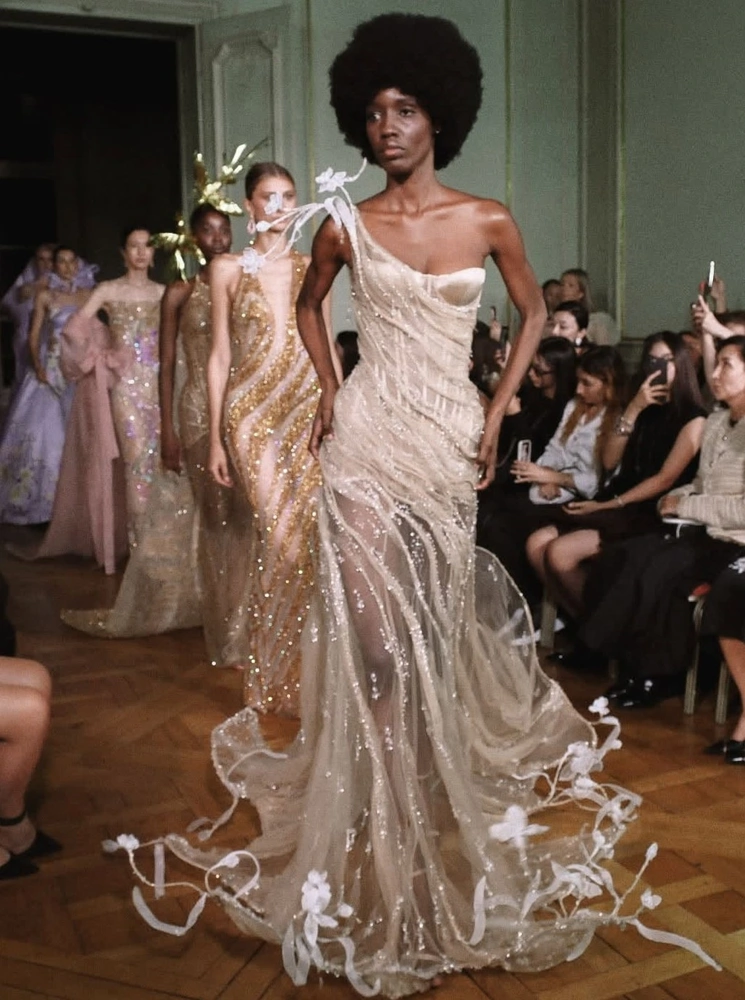
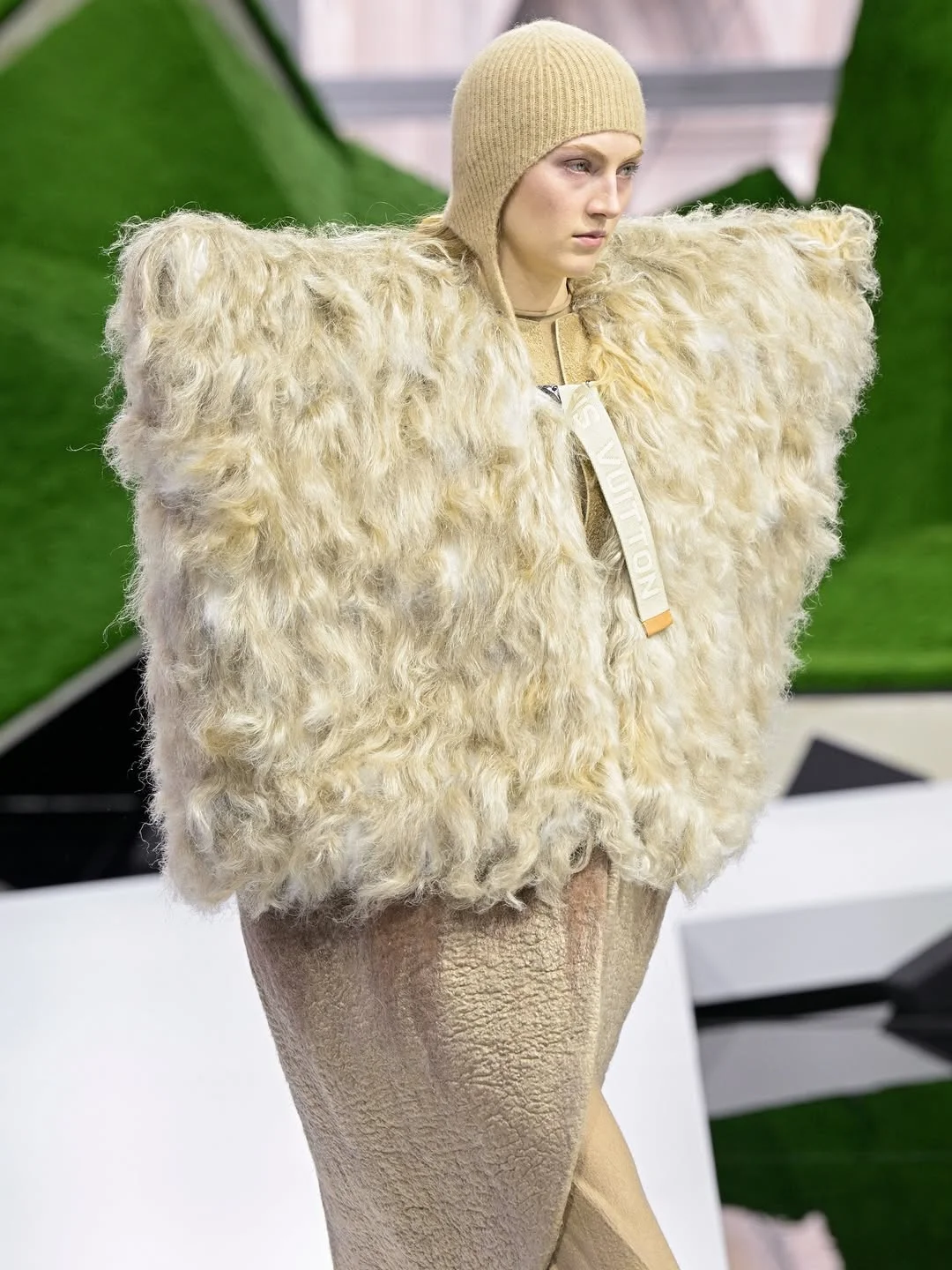
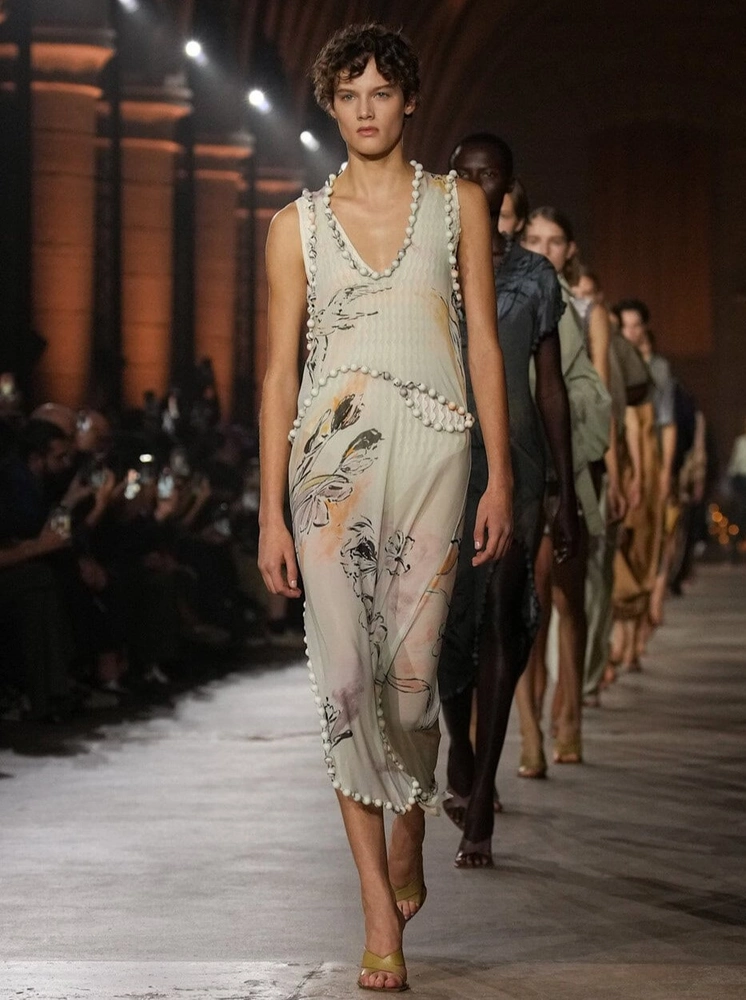
Recent couture definitively moves past simple adornment and steps boldly into spatial occupation, feeling vastly inflated in the most glamorous way possible. Are these garments meant to dress a human, or are they actively plotting to conquer small European nations? Balloon skirts, cocoon coats, exaggerated hips, cape volumes, and rounded architecture create garments occupying far more space than the wearer’s actual body. Spring 2026 Couture collections explicitly highlight massive shapes, sprawling capes, and the grand return of the Poiret cocoon, voluminous silk taffeta balloon skirts alongside poufy, meringue-like silhouettes. Size itself evolves into a powerful form of meaning in this upper echelon of design. Scale operates on a register far above mere measurements, signaling immense labor, wild fantasy, unshakeable confidence, and exclusive social permission. We use the word inflation because these garments look entirely expanded under immense pressure, ready to burst with pure opulence!
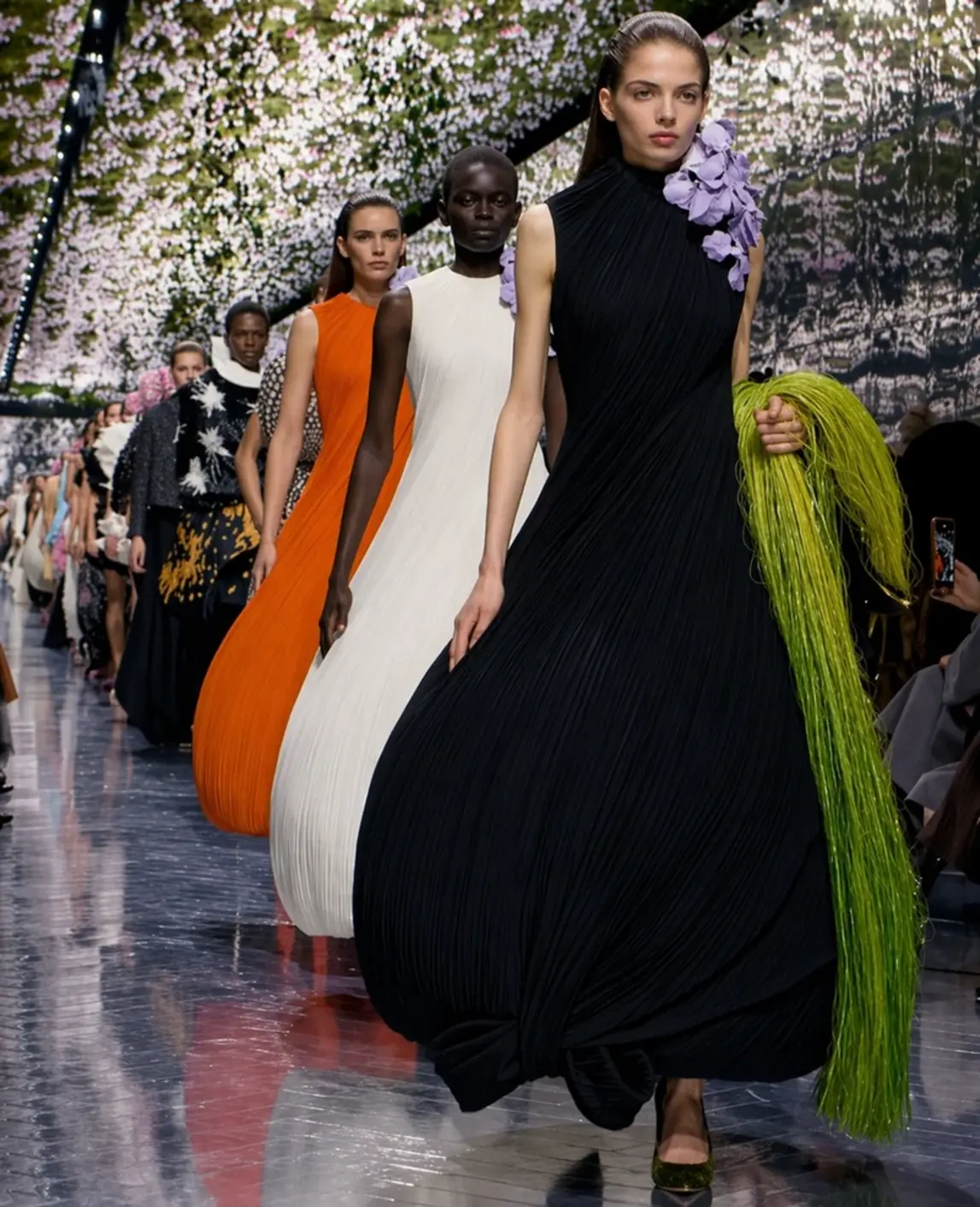
Who really needs to blend in when you can force everyone else to step aside? The Spring 2026 Couture looks from Dior explores fresh drama by defining the waist and hips with highly unexpected techniques, proving this inflation functions as strictly controlled expansion.
We seamlessly transition from pure shape to obsessive craft because couture’s inflation in form works beautifully by making human labor entirely visible. Enormous volume requires substantially more textile, heavier structure, complex engineering, endless handwork, extra fittings, and precise balancing. The silhouette transforms into a highly visual receipt for thousands of hours of human time. When astronomical luxury prices undergo intense scrutiny, couture answers cleverly with hyper-visible construction, giving the cynical eye something undeniably real to read through dense embroidery, structural architecture, rigid internal support, and sculptural proportion. Vogue reporting on couture clients in 2024 notes simpler pieces starting around $50,000 and the most extravagant creations approaching or exceeding $800,000, with clients and expert advisers explicitly comparing those steep numbers to ready-to-wear pieces currently selling for a much less staggering $15,000 to $30,000.
Dismissing the inflation of silhouette as pure couture fantasy requires ignoring the severe inflation crisis actively gripping the wider luxury market. Does anyone else find it incredibly suspicious that right when prices skyrocket, the clothes suddenly require their own zip codes?
Luxury spent recent years leaning incredibly hard on steep price increases, and consumers responded by pushing back with serious force. Has anyone checked on the aspirational shoppers lately, or have they all fainted at the cash register? McKinsey observes price increases reaching a hard ceiling and actively hurting aspirational demand. Bain forecasts the personal luxury goods market falling from €364 billion in 2024 to €358 billion in 2025. Reuters reported in April 2025 that one prominent analyst cut the outlook for global luxury sales to a decline of up to 2%, marking the industry’s longest downturn in over two decades.
The most crucial proof arrives via an HSBC luxury market update from June 2025, stating that by 2024, average selling prices rose 8% while volumes declined 10%, leaving industry volumes roughly flat to slightly negative versus pre-Covid levels. That statistic captures the entire problem in a single, devastating image: the business inflated wildly in price while simultaneously shrinking in physical movement. The industry was already practicing a highly specific kind of economic inflation featuring fewer units, higher prices, and heavier pressure on symbolism. Couture, then, serves as the perfect aesthetic mirror of that exact model. It successfully turns financial inflation into breathtaking beauty.
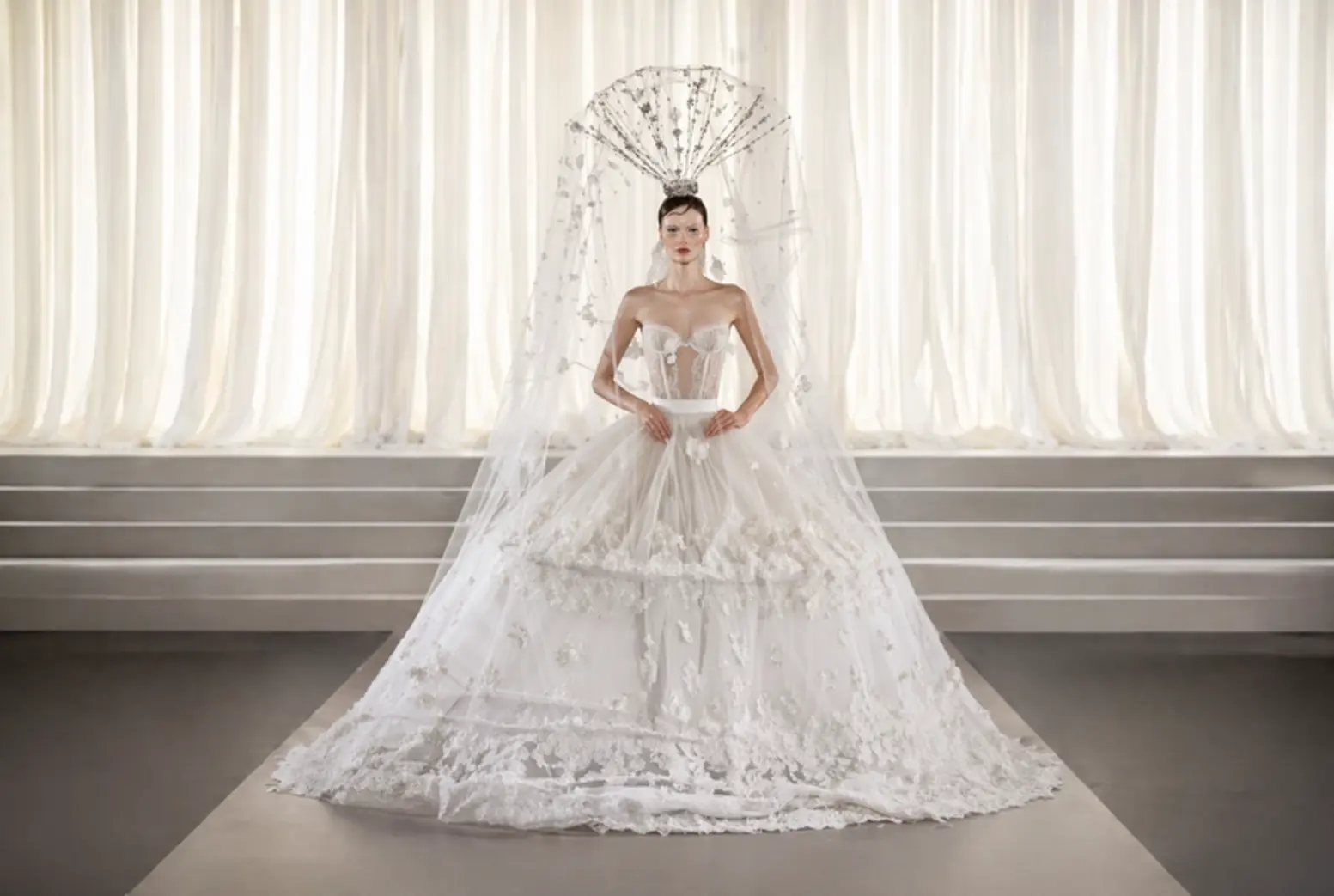
Couture remains tiny in volume but symbolically enormous in impact. It completely sidesteps driving the whole luxury market, yet it perfectly expresses the industry’s highest, most extravagant fantasies. Reports notice a booming couture sector, with simple pieces commanding around $50,000 and extravagant masterpieces nearing $800,000 or above, while estimating a highly exclusive group of about 4,000 active haute couture clients globally. Meanwhile, the Fédération de la Haute Couture et de la Mode official Spring/Summer 2026 couture calendar gathers a thoroughly wide field of member, corresponding, and guest houses in Paris, reinforcing couture’s role as a fiercely living prestige system rather than a dusty museum category. As aspirational luxury experiences a brutal squeeze, couture looks increasingly vital because it remains the singular zone where pure extremity still feels entirely coherent. When the ordinary luxury item feels suspiciously overpriced, couture successfully defends itself through extreme rarity, obsessive handwork, and unapologetic theatrical uniqueness.
Couture exists entirely separate from the inflation problem crippling luxury retail. A €70,000 couture gown remains entirely disconnected from whatever dynamic priced the wider customer out of a handbag or coat. Couture performs a completely different magic trick: it makes inflation highly desirable. It transforms overabundance into perfect proportion. The couture silhouette and the luxury pricing model rhyme beautifully. Material inflation meets market inflation, with each side attempting to preserve the sacred aura of luxury through relentless expansion.
Couture inflation happens when fashion responds to a deep crisis of value by aggressively enlarging everything it can possibly enlarge, from the skirt and the hip to the cape, the claim, the fantasy, and the price. On the runway, inflation looks achingly beautiful, while in the market, it looks dangerously precarious.
Advertisement