MENU
Close





Fashion returns have become the afterparty of viral style: unseen, expensive, carbon-heavy, and far less glamorous than the haul that made them famous.
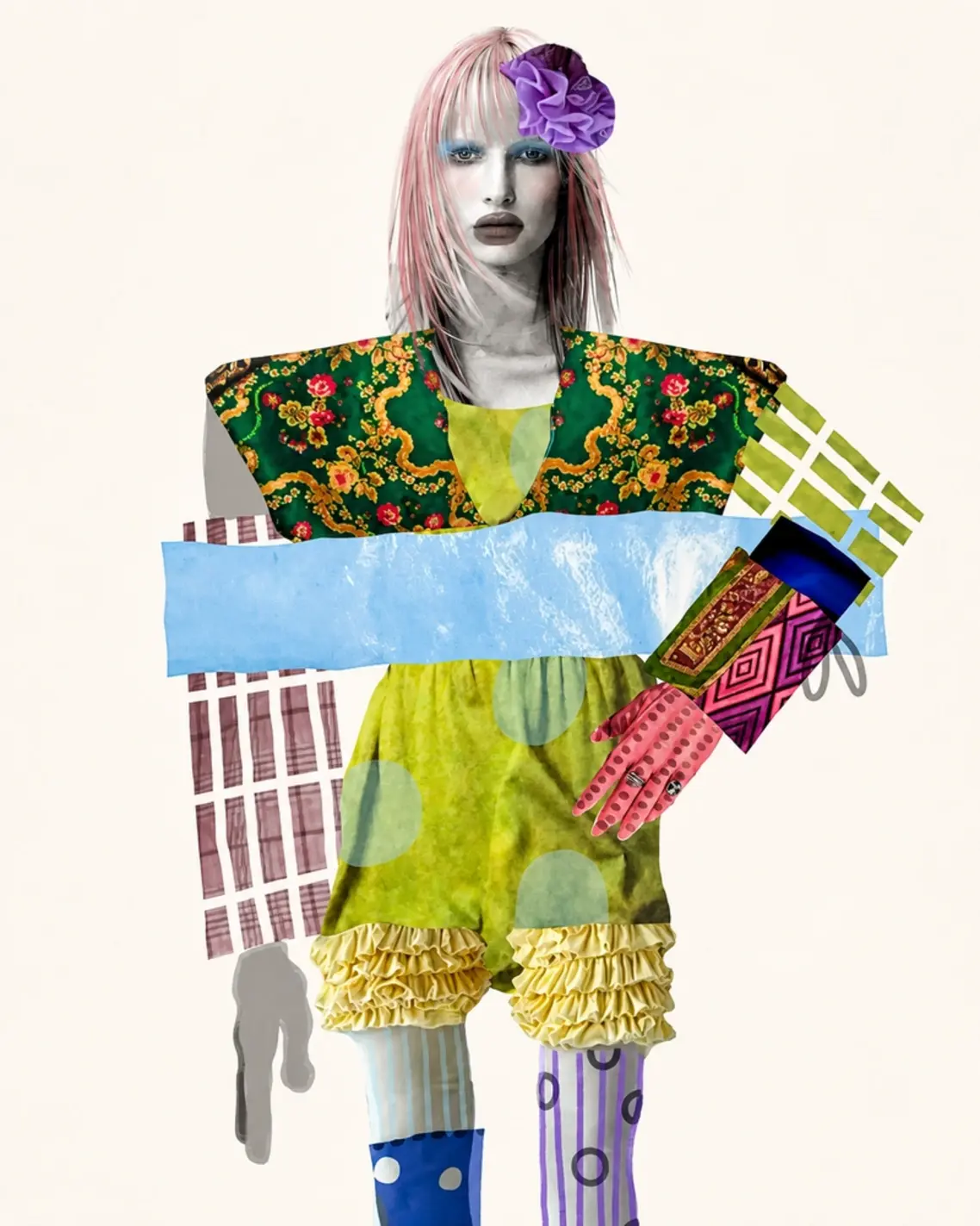
Fashion returns have become the afterparty of viral style: unseen, expensive, carbon-heavy, and far less glamorous than the haul that made them famous.
May 27, 2026
Advertisement

Advertisement



The modern digital landscape operates on the currency of attention, and fashion influencers have perfected the exact formula to extract it. Social media algorithms constantly demand elevated engagement, pushing creators to manufacture increasingly elaborate spectacles of opening sealed merchandise. The evolution from simple product reveals to interactive "keep or return" prompts transforms passive viewers into active judges of personal style. Creators like Vivian Li confirm this highly intentional strategy; influencers completely comprehend their wardrobe preferences beforehand, yet they deliberately solicit audience input to stimulate algorithm metrics and boost their visibility.
Data from the 2025 Traackr report reveals that haul content expanded by 41 percent between 2023 and 2025, consistently outperforming standard outfit preparation videos by 1.7 times. To sustain this hyper-growth amidst intense market saturation, creators escalate their stakes, frequently resorting to polarizing tactics with outrageous luxury acquisitions. When Mikayla Nogueira broadcasted her viral six-figure designer mountain of Chanel, Louis Vuitton, and Prada bags, she successfully hijacked the global conversation, forcing millions of viewers to calculate the staggering cost of her temporary wardrobe. This infinite pursuit of virality cultivates a culture of deliberate staging, where garments serve exclusively as temporary digital props meant for immediate refund processing.
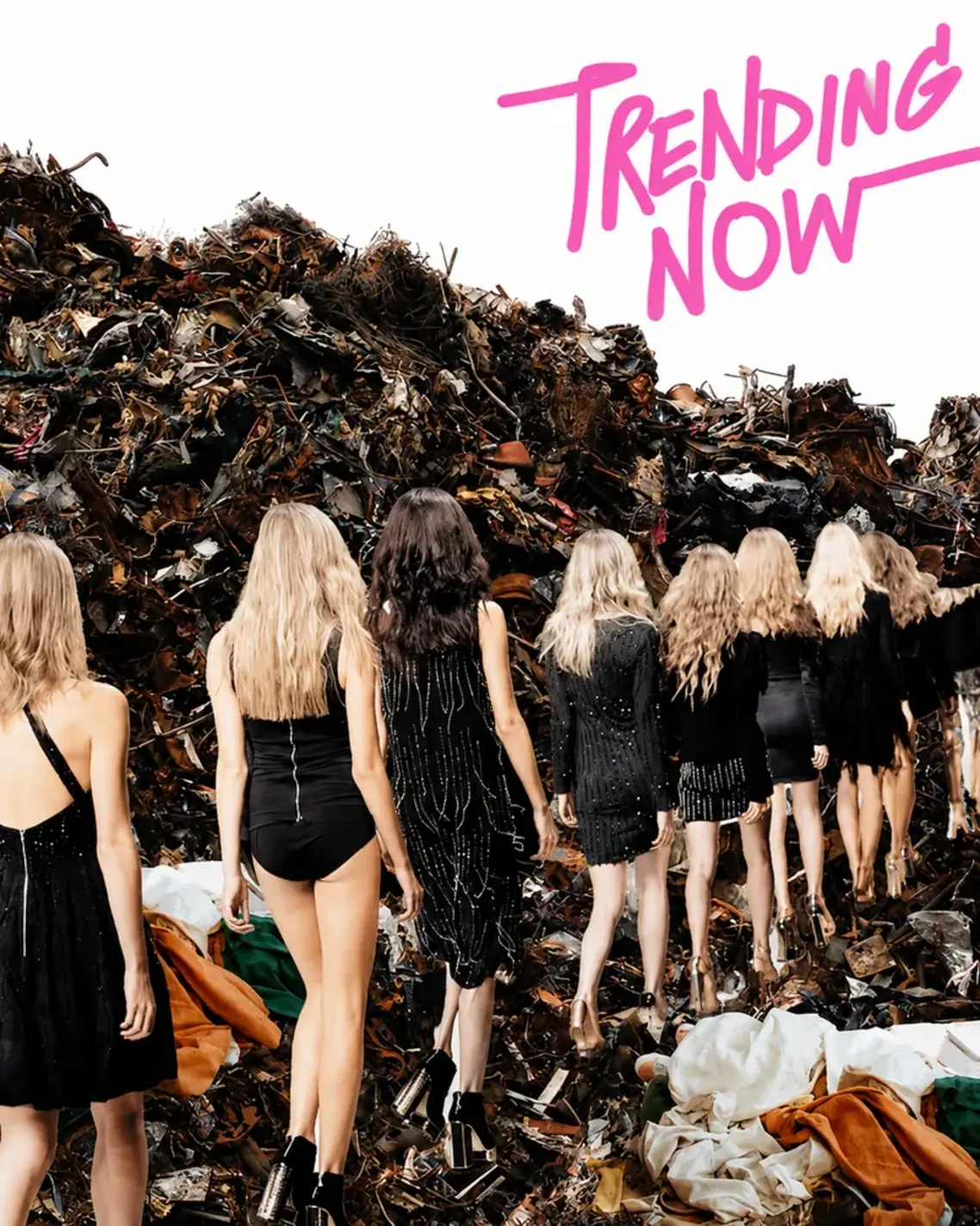
The creator economy thrives on continuous novelty, demanding fresh visual stimuli every single day to retain user attention. Fast fashion conglomerates and heritage luxury houses alike eagerly feed this perpetual machine. By supplying creators with massive streams of garments through aggressive seeding campaigns, brands secure prime real estate on millions of mobile screens. The audience believes they are witnessing a genuine lifestyle upgrade, while the hidden reality frequently involves the creator returning the items the very next morning. Gen-Z consumers frequently emulate this exact behavior, treating their own bedrooms as personal broadcasting studios. They purchase multiple sizes and colors, fully intending to keep only a tiny fraction of the massive haul. This specific phenomenon, formally known as bracketing, turns retail platforms into free rental services for aspiring content creators. Viewers watch these displays of excess and internalize the idea that acquiring mountains of clothing constitutes a normal, glamorous lifestyle. The performative nature of these videos shifts the focus away from the craftsmanship or utility of the garments, reducing fashion to a fleeting tool for harvesting digital validation.
Are these hyper-curated merchandise spectacles genuinely democratizing fashion advice, or are they functioning exclusively as engagement-farming vehicles engineered to manipulate consumer desires? Do the viewers truly benefit from these community-driven reviews, or does the format merely accelerate the trend cycle, pushing audiences toward perpetual frustration with their current wardrobes? The boundary separating authentic product recommendations from calculated performance art blurs more every single day. The relationship between creator and consumer evolves into a purely transactional exchange of attention for perceived status and community belonging. Influencers monetize this attention through affiliate links, earning lucrative commissions the moment a follower makes a purchase. The financial architecture of affiliate marketing rewards the initial transaction alone, leaving the devastating consequences of the subsequent return entirely to the retailer and the environment. Creators secure their profit margin, platforms retain their user engagement, and brands briefly celebrate a spike in sales volume, all while the physical garments begin a convoluted journey back through the supply chain.
Furthermore, the psychological impact of this continuous consumption loop demands rigorous scrutiny. The digital environment conditions users to seek immediate gratification through the act of purchasing. When a beloved creator asks their audience to vote on a leather jacket, the viewers experience a parasocial thrill of participation. They feel personally invested in the wardrobe choices of an internet celebrity. This sense of participation drives them to replicate the experience in their own lives. They order massive hauls from fast-fashion retailers, seeking to recreate the dopamine rush of the camera flash and the shiny new packages. Yet, the physical reality of these garments frequently fails expectations. The fabrics feel cheap, the fit varies wildly from the idealized digital representations, and the thrill of the purchase evaporates the moment the camera stops rolling. Consequently, the consumer initiates a return, perpetuating the exact cycle they witnessed online. Retailers attempt to mitigate fashion returns through artificial intelligence size recommendation engines and detailed 360-degree product imaging. However, these technological solutions struggle to combat the deeply ingrained behavioral patterns established by influencer culture. The very structure of the platform incentivizes excess. A video featuring a single, carefully considered purchase generates a fraction of the views compared to a chaotic, high-energy review of thirty different items. The algorithm explicitly rewards overconsumption, effectively punishing creators who advocate for mindful, deliberate shopping habits. How can society foster sustainable consumption patterns when the dominant digital platforms actively promote and monetize excessive, disposable fashion choices?
The financial and ecological consequences of this content format present a staggering reality for the modern retail landscape. The National Retail Federation’s 2025 Retail Returns Landscape report highlights an alarming 15.8 percent return rate, equating to a massive $849.9 billion industry burden, with fraudulent returns accounting for a significant 9 percent of that total volume. When focusing strictly on apparel and footwear, industry analysts observe return rates routinely exceeding 30 percent. Retailers face an immense logistical nightmare when attempting to process these returning garments. Reverse logistics, the complex system of shipping, inspecting, cleaning, and restocking returned goods, costs retailers two to three times more than the initial outbound shipping process. Every single returned sweater or pair of jeans must undergo a rigorous manual inspection. Workers evaluate the items for signs of wear, makeup stains, or missing tags. Many garments fail this inspection. Fashion trends move at breakneck speeds; by the time a bracketed order makes its way back to the warehouse, the item has frequently fallen out of season, forcing severe markdowns or total liquidation.
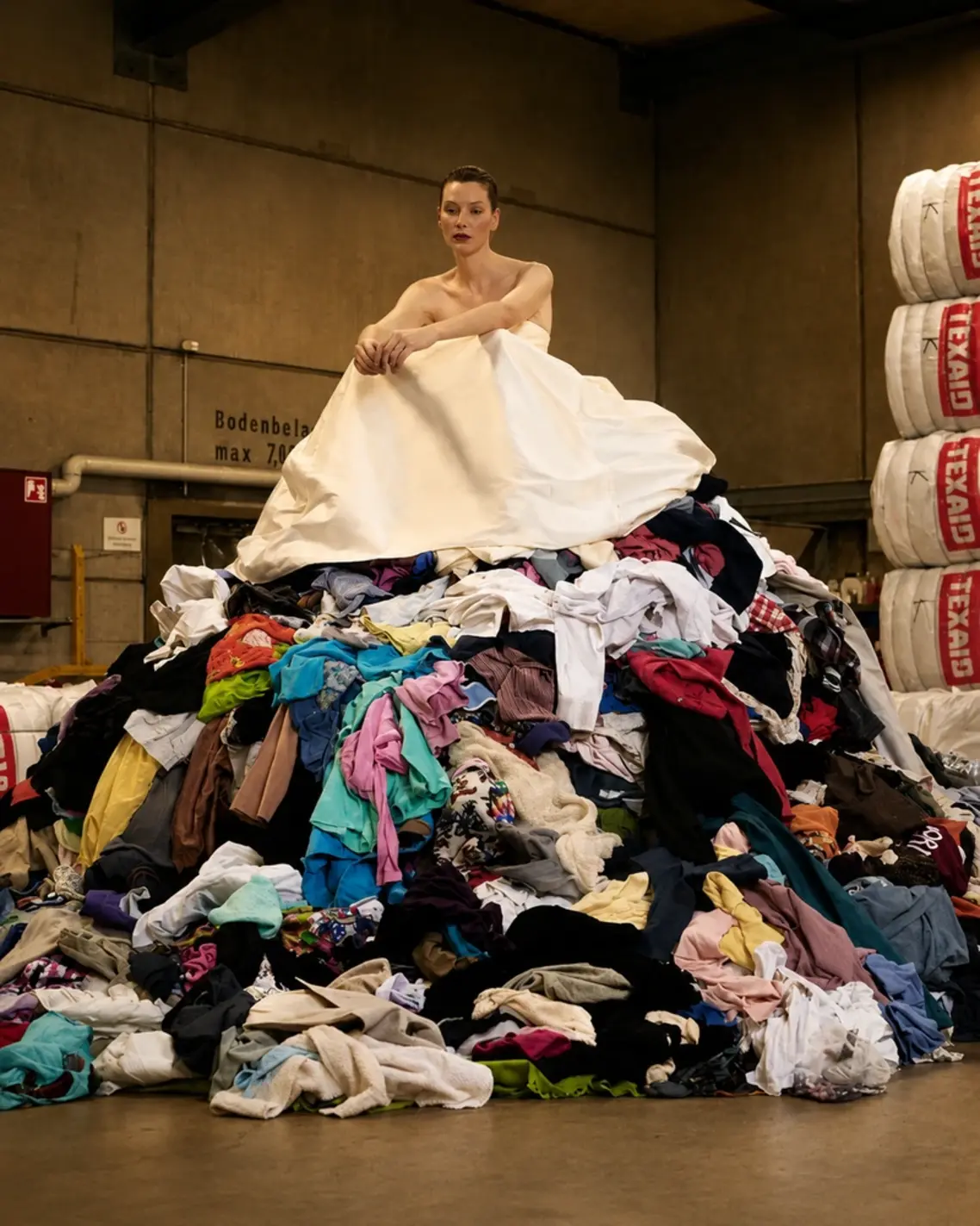
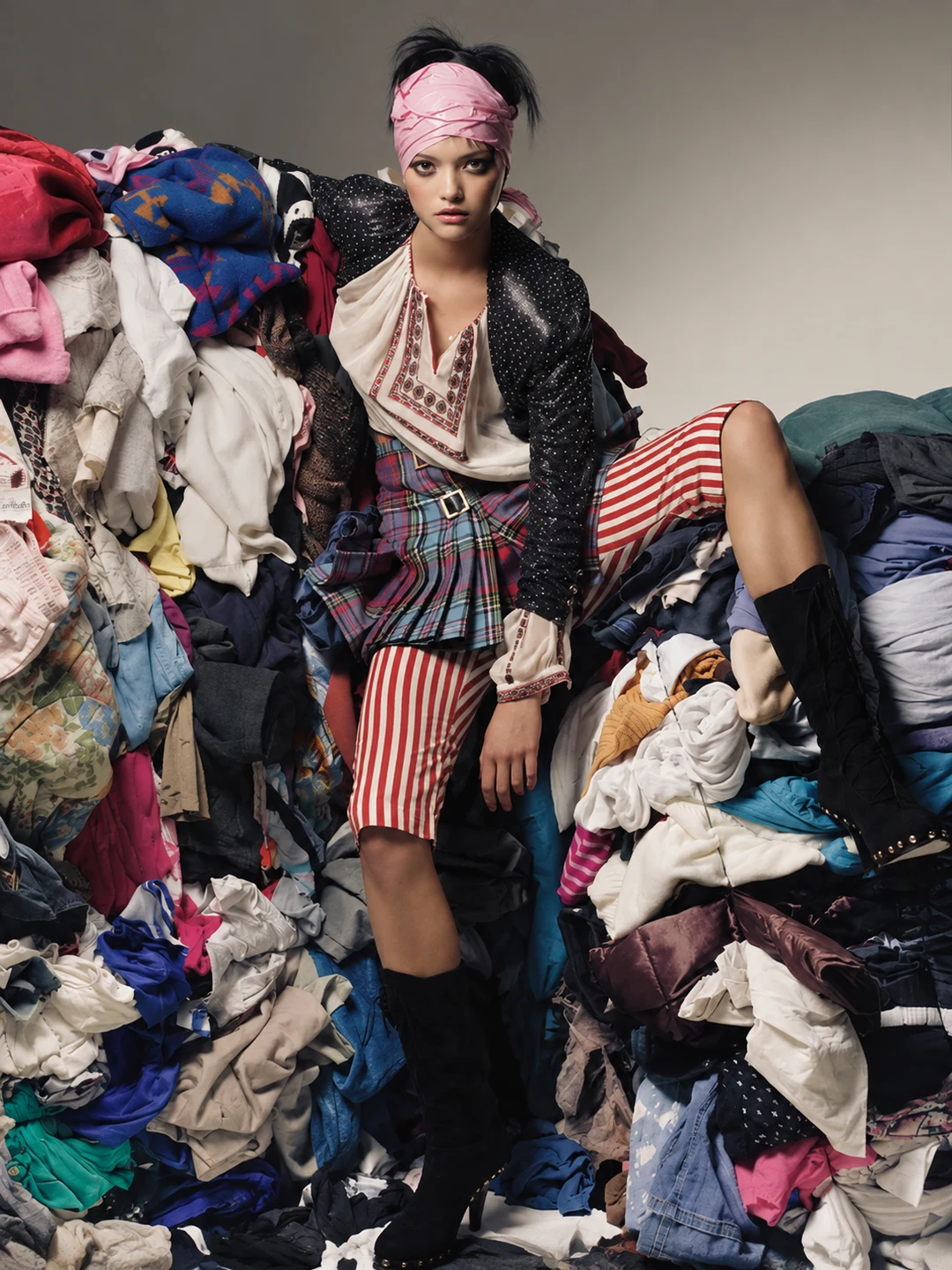
The ecological cost of fashion returns begins the moment a garment travels backward through the supply chain. This reverse journey requires shipping, inspection, cleaning, repackaging, markdowns, liquidation, or disposal, turning a single viral try-on into a long chain of material consequences. Industry reports from reverse logistics organizations like Optoro repeatedly demonstrate that processing these returned goods generates up to 24 million metric tons of carbon emissions annually. The journey backward through the supply chain requires immense amounts of fossil fuels, as individual packages travel from consumer homes to regional sorting facilities, and finally to centralized processing centers. Furthermore, the sad reality remains that restocking returned apparel frequently proves costlier than simply abandoning it. Consequently, the industry funnels nearly 6 billion pounds of perfectly viable apparel straight into landfills or incinerators every single year. The Ellen MacArthur Foundation and McKinsey research estimate that clothing production accounts for roughly 2.1 billion metric tons of greenhouse gas emissions annually, representing nearly 10 percent of the global carbon footprint. This volume rivals the combined climate impact of the entire aviation and shipping industries. Producing a single pair of denim jeans requires thousands of liters of freshwater. The industry as a whole consumes approximately 79 trillion liters of water every year. Every time a consumer stages an outfit for a viral video and subsequently returns it, they actively contribute to this monumental waste of natural resources. The water used to dye the cotton, the petroleum extracted to create the polyester, and the human labor required to stitch the seams all culminate in a garment destined for a landfill.
As fashion returns grow into a financial and environmental crisis, retailers are taking aggressive actions to combat serial shopping. Major platforms and luxury consignment hubs like TheRealReal and ASOS actively issue account strikes, deduct restocking fees, and enact total bans for users displaying serial return behaviors exceeding $10,000 or an 85 percent return rate. Zara and H&M now frequently charge consumers a dedicated fee for mail-in returns, actively encouraging shoppers to bring items back to physical store locations to minimize shipping emissions. These policy shifts signal a desperation within the industry to alter consumer behavior and protect razor-thin profit margins. When platforms introduce these friction points, such as return fees or account strikes, they force the consumer to pause and evaluate their purchasing decisions. This mandated reflection period serves as a crucial circuit breaker in the fast-fashion dopamine loop. Young shoppers, particularly Gen-Z buyers who prioritize environmental activism in their stated values, face a direct confrontation with the physical consequences of their digital habits. Do these financial penalties genuinely inspire a shift toward mindful consumption, or do they simply breed resentment toward the brands enforcing them?
Educational content creators offer a promising bridge across this divide. Influencers who document the lifecycle of a garment, or who showcase creative ways to style a single piece across multiple seasons, cultivate an audience that values utility over sheer volume. These conscious creators demonstrate that outfit repeating holds profound stylistic merit. They celebrate the aging process of high-quality textiles, showing how raw denim molds to the wearer or how genuine leather develops a rich patina over time. By championing these enduring materials, influencers can slowly recalibrate the algorithms, proving that deep, lasting engagement stems from education above sheer spectacle. Conversely, authentic styling reviews hold the potential to guide viewers toward highly informed purchases, actively minimizing sizing errors through comprehensive fit demonstrations across diverse body types. Brands fully recognize the profitability of honest creator feedback, utilizing targeted seeding campaigns to generate immense brand affinity and actionable consumer insights. When a trusted creator like Zoe Stewart meticulously compares the fit and drape of various white T-shirts, she provides a genuinely valuable service that helps her audience make precise, lasting purchases.
As the influencer economy matures toward these hyper-specific comparative reviews, how will the fashion industry effectively reconcile the massive profitability of user-generated content with the devastating environmental consequences of serial returning? Are the recent punitive return policies enacted by major retailers sufficient to curb the staging behaviors popularized by social media, or do they merely shift the financial burden onto the average consumer while preserving the systemic flaws entirely? The future of retail depends entirely on resolving this inherent conflict between algorithmic incentives and planetary boundaries. Brands must completely reimagine their relationship with both creators and consumers, prioritizing longevity and transparency over fleeting viral moments. They must invest heavily in circular business models, promoting garment rental, resale, and repair programs that actively extend the lifecycle of their products. Until brands, creators, and consumers confront the machinery behind fashion returns, viral fashion will continue to sell the fantasy of endless choice while leaving behind a very physical trail of waste.
Advertisement