MENU
Close





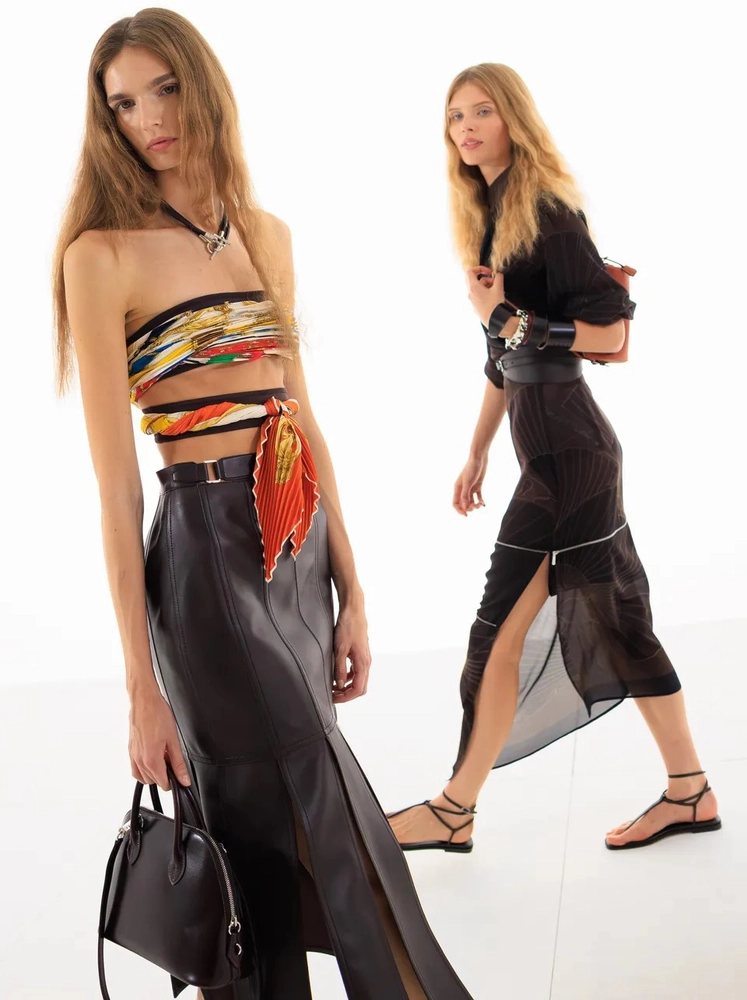
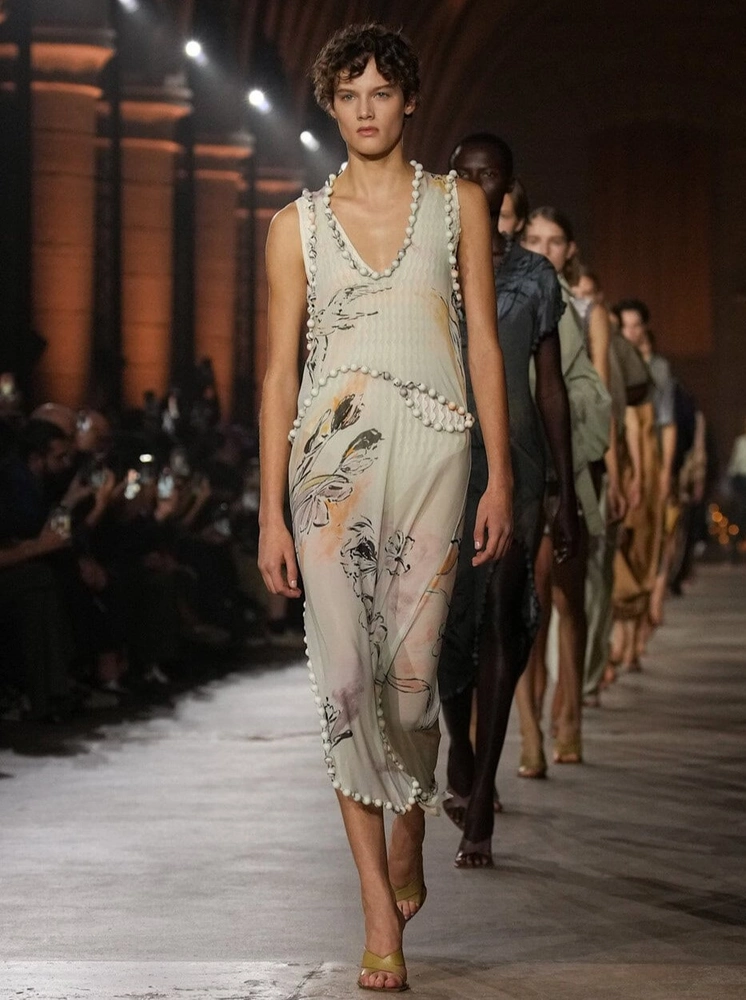
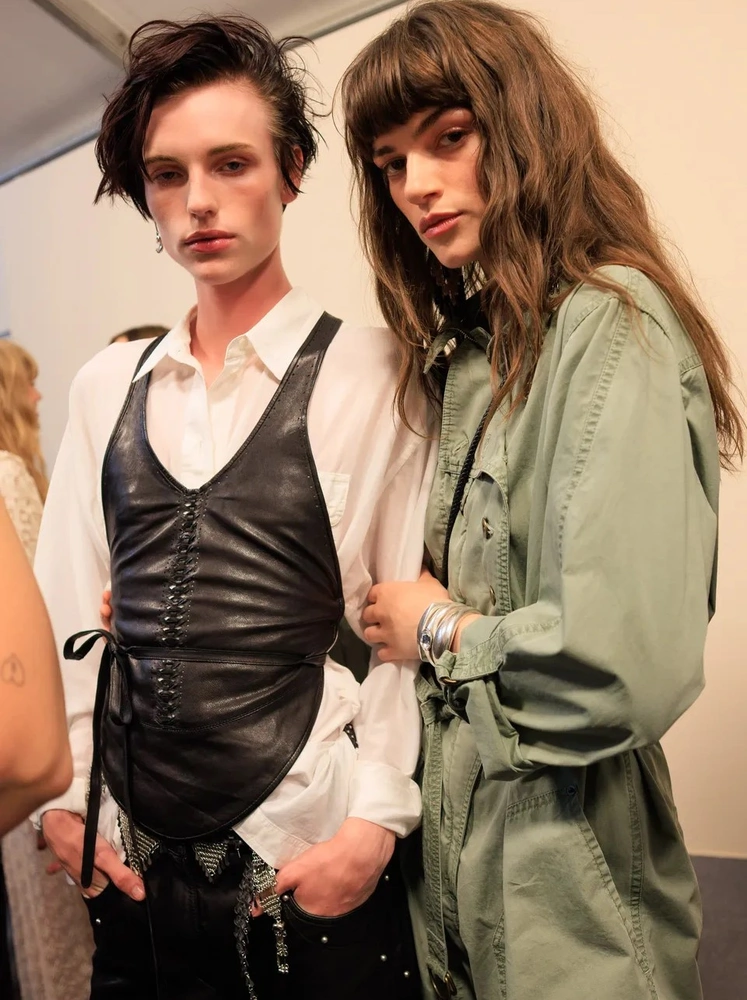
The latest Chanel and Dior Cruise collections feel like a beautiful accident with perfect timing. Blazy and Anderson reached into the same feverish archive, then left fashion to argue over ownership.
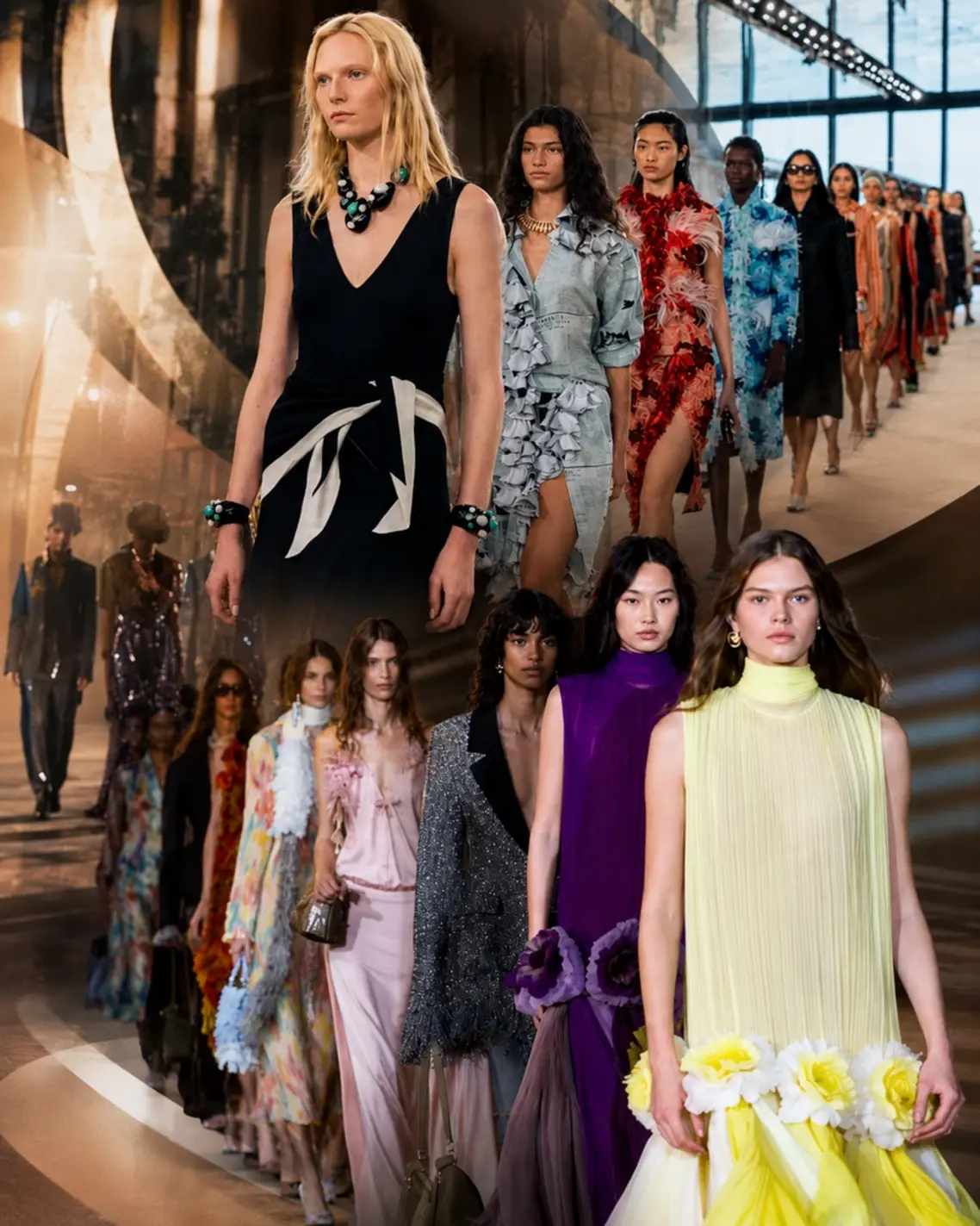
The latest Chanel and Dior Cruise collections feel like a beautiful accident with perfect timing. Blazy and Anderson reached into the same feverish archive, then left fashion to argue over ownership.
May 26, 2026
Advertisement

Advertisement



The global luxury market exists in a state of perpetual hyper-awareness, where memory operates faster than production, and visual recognition serves as the ultimate currency. The latest Chanel and Dior Cruise collections, shaped by two monumental creative transitions, Matthieu Blazy at Chanel and Jonathan Anderson at Dior, have catalyzed an unprecedented ideological conflict. This convergence transcends simple seasonal overlapping. It represents a profound systemic collision regarding archive ownership, historical intellectual property, and the very nature of modern luxury storytelling.
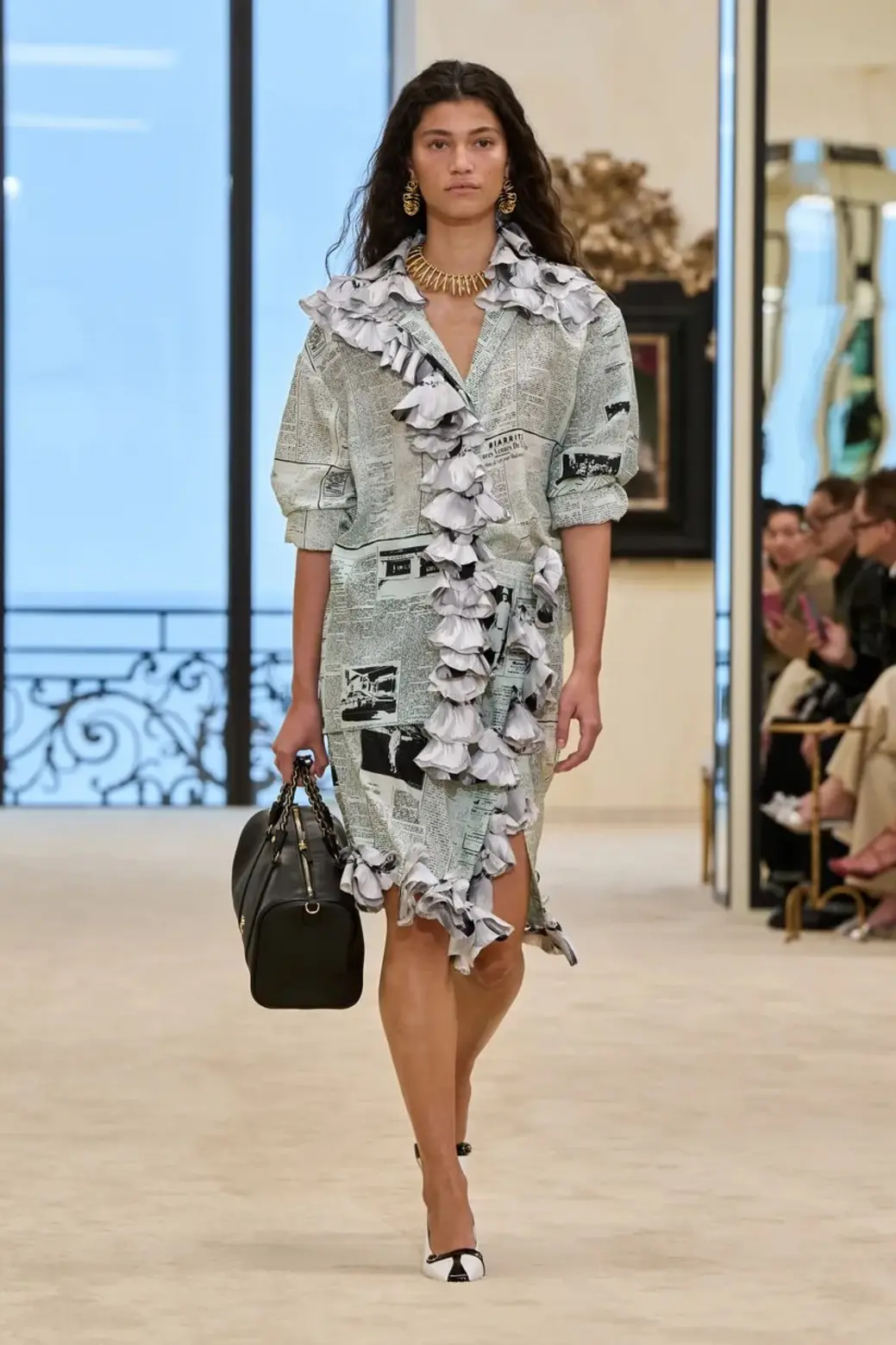
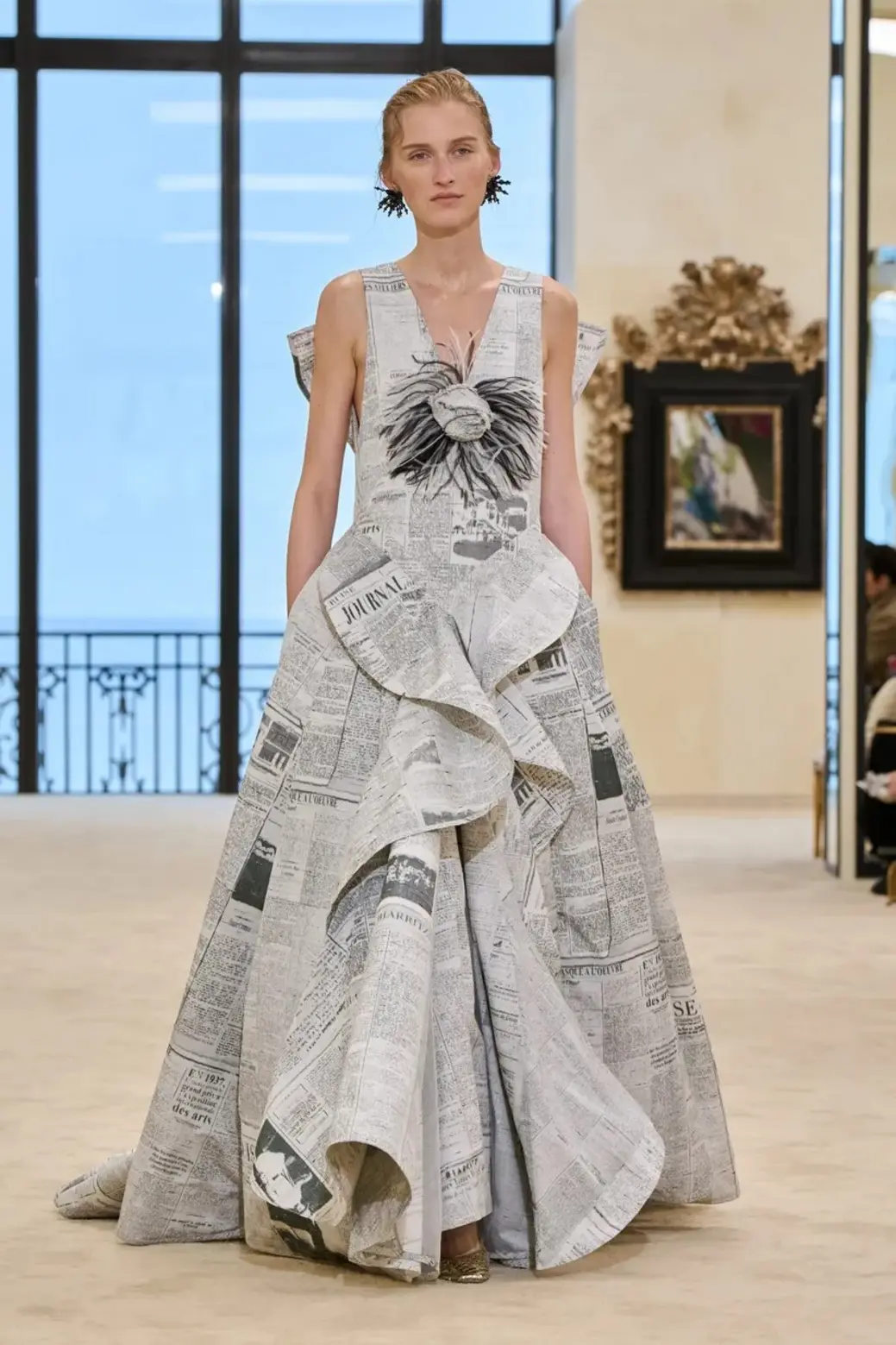
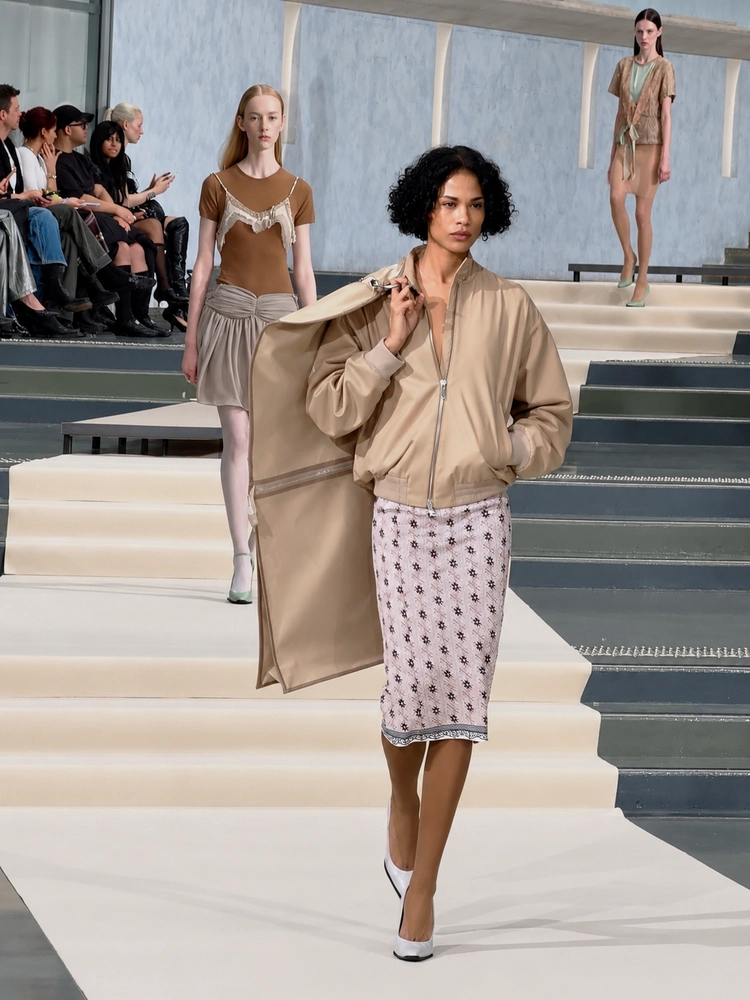
When Matthieu Blazy staged his inaugural Chanel Cruise collection in Biarritz, he executed a maneuver both legally pristine and immediately volatile: he embedded newspapers into the traditional fabric of the house. This gesture materialized as text-heavy prints across skirts, structural shirts, tailored coats, and even the sacred surface of a camellia gown. To the casual observer, the motif suggested beachside eccentricity, a literate nod to leisure, or a fragment of seaside research. To the seasoned fashion consciousness, however, the response was immediate, visceral, and historically jarring. The collective memory bypassed the shores of Biarritz entirely, traveling directly to John Galliano’s spring 2000 haute couture collection for Christian Dior. Viewers witnessed the ghost of the Christian Dior Daily print, a cultural artifact immortalized in the collective subconscious by the character of Carrie Bradshaw, before they could decode the specific references Blazy sought to establish.
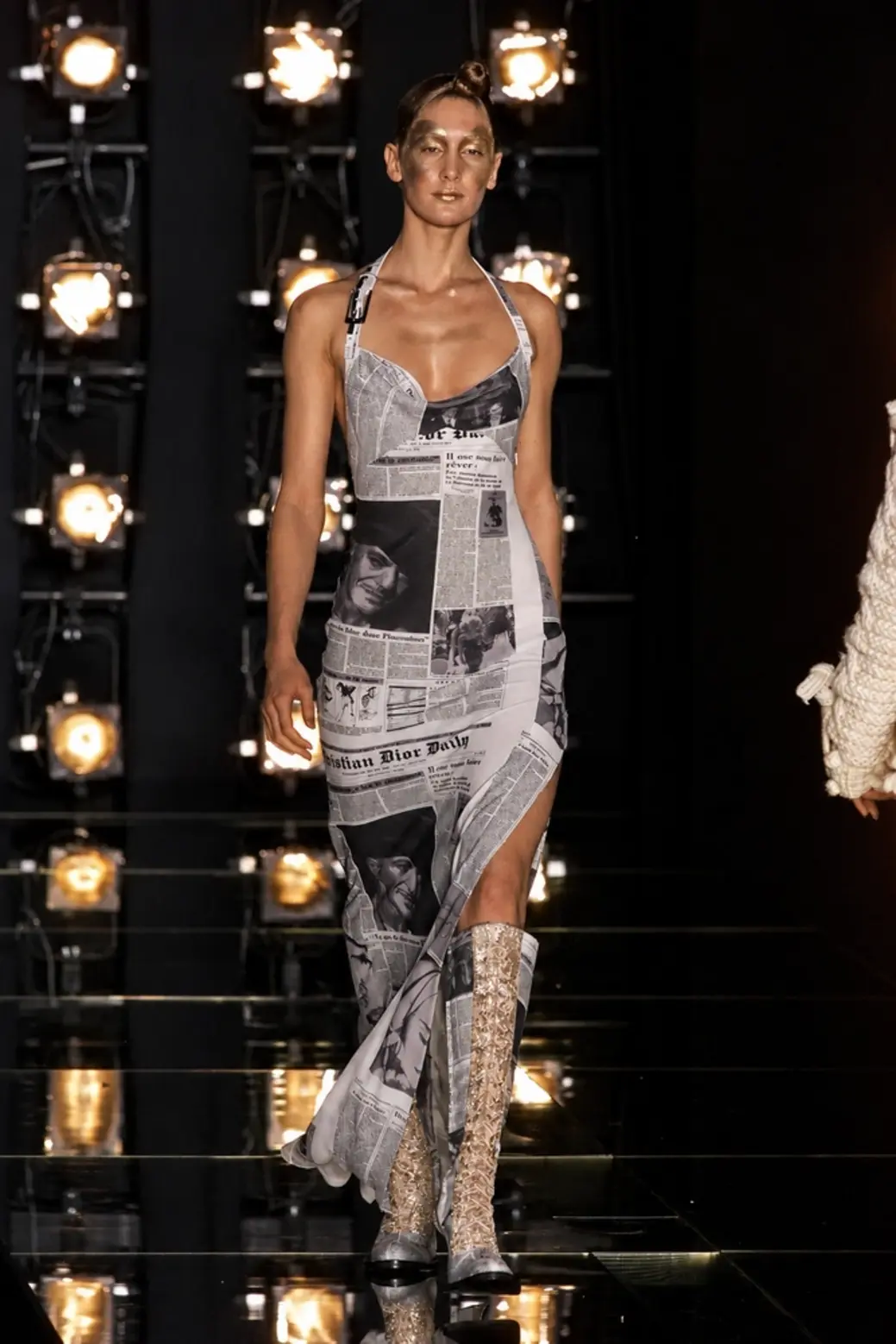
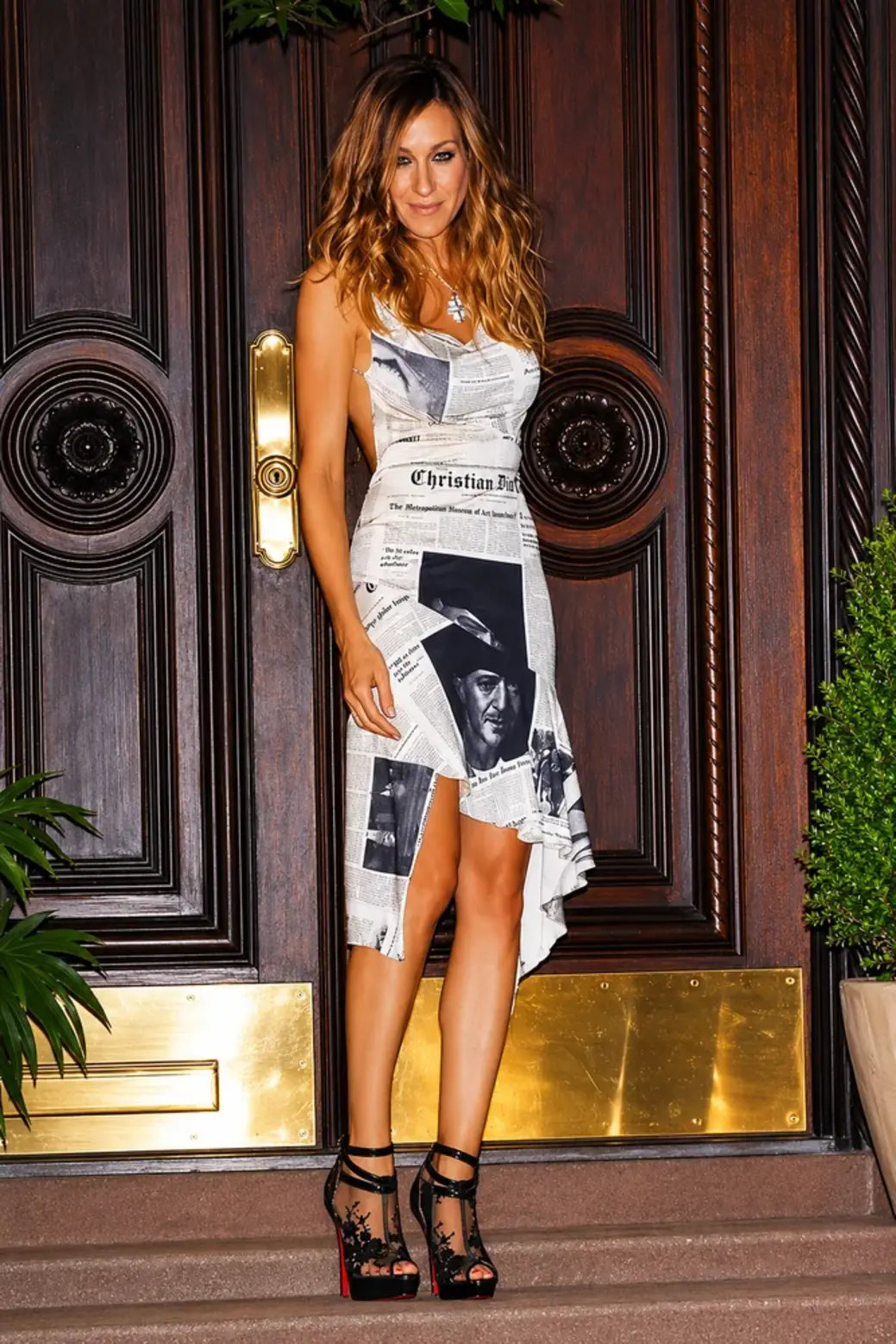
Is this merely a superficial industry beef, a theatrical spat between two contemporary design titans? Or does it expose something infinitely deeper about the current exhaustion of the archival imagination, where the primary creative act is the weaponization of collective misrecognition?
Blazy’s choice at Chanel operates through the deliberate manipulation of historical memory. He recognizes that contemporary fashion audiences read garments through an accumulated layer of digital and physical archives. Chanel officially anchors the collection in the history of Biarritz, the precise location where Gabrielle Chanel established her couture house in 1915, defining her initial philosophy of athletic, coastal liberation. The moodboard openly displayed Art Deco beach posters, references to Pablo Picasso and Salvador Dalí, photographs of Winston Churchill on the sand, and an image of a young woman wearing a costume constructed entirely from newspapers. The internal logic of Chanel remains completely intact. Yet, the external reception ignites with Dior heat. This precise friction is what renders Blazy’s gesture so intensely magnetic.
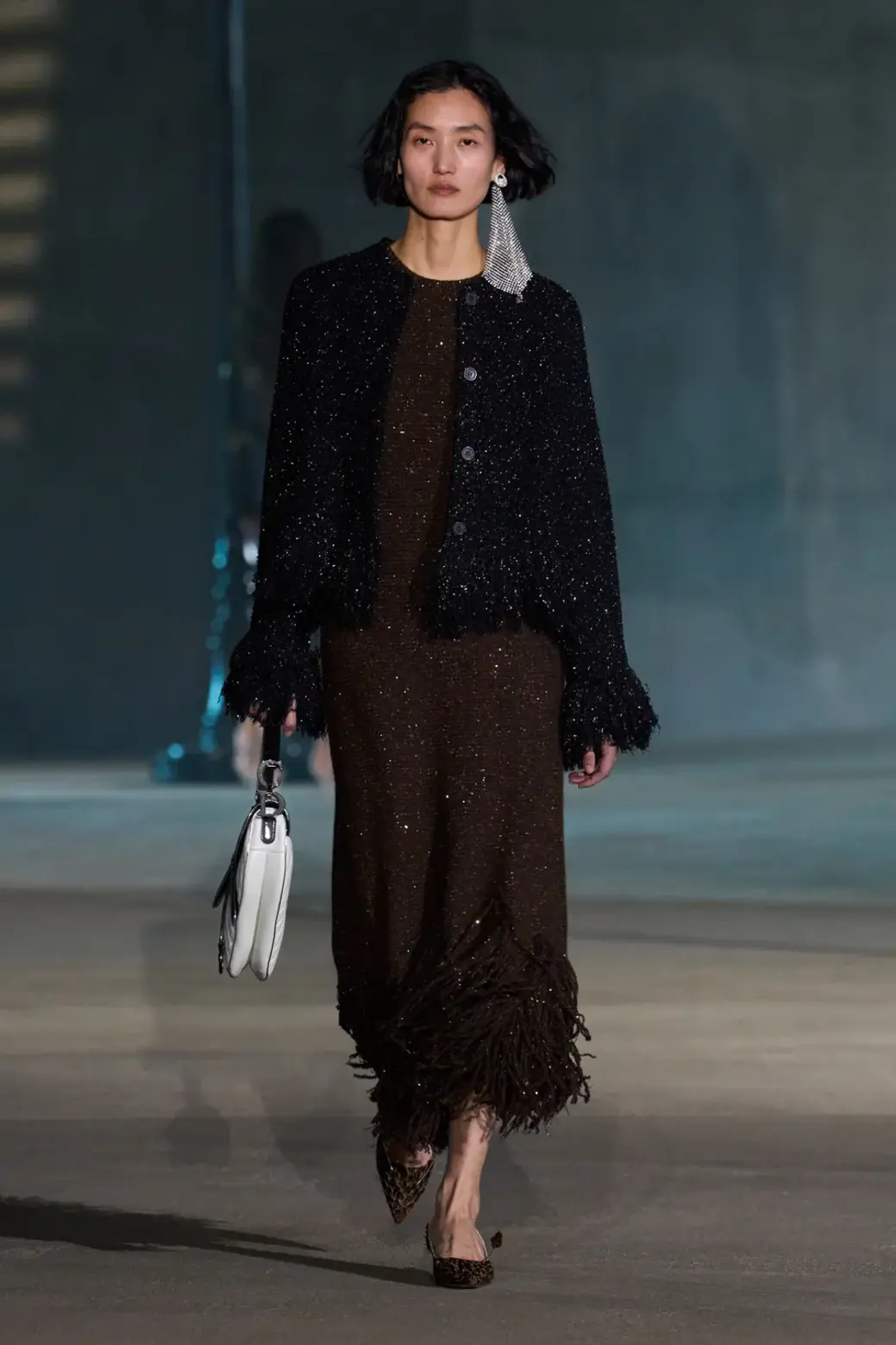

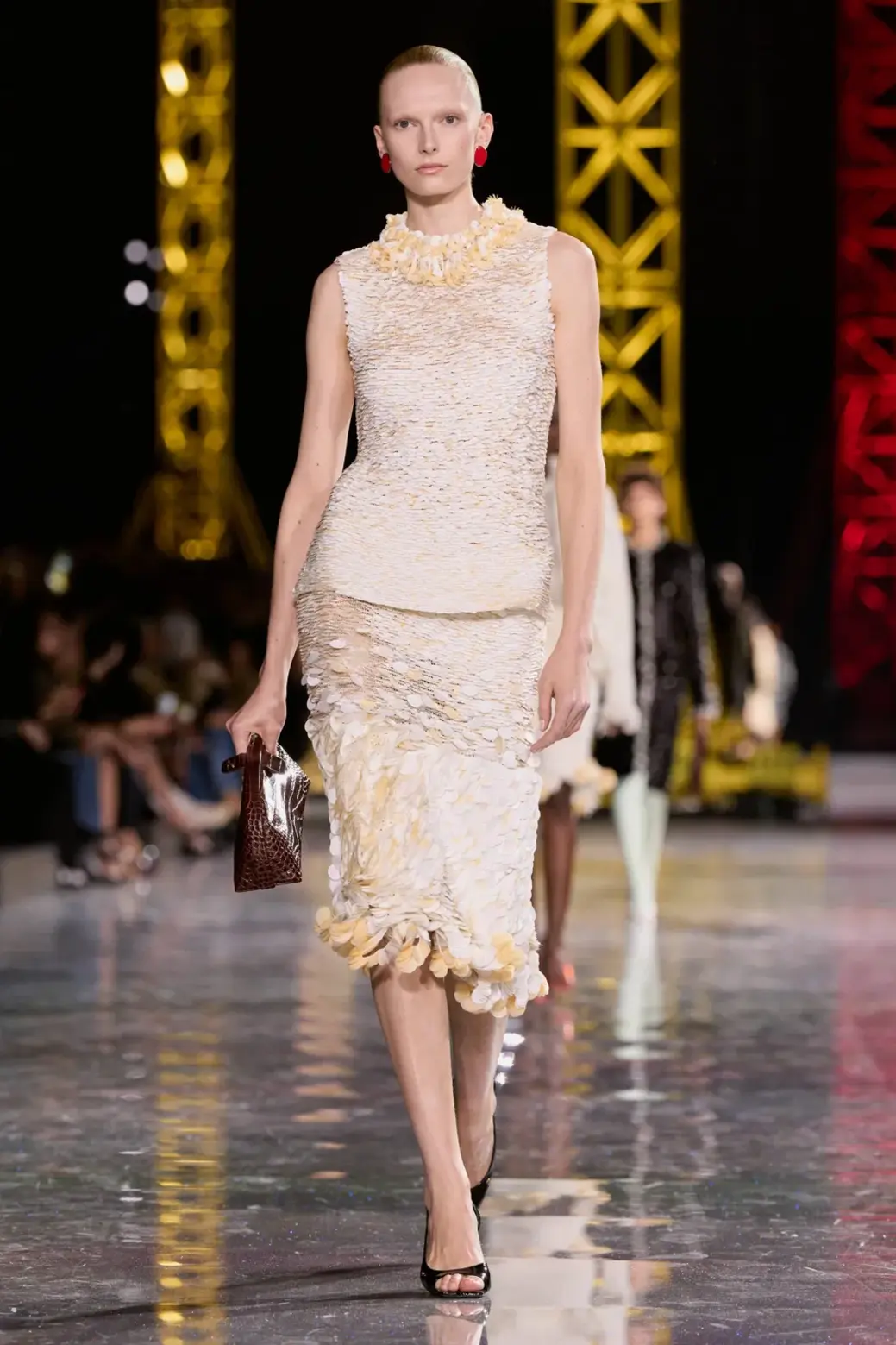
The reality remains stark: Blazy injected vital energy into the house of Chanel by allowing its codes to flirt openly with the specter of a rival empire. This is the authentic definition of newness in a saturated market. His collection thrives because it treats the archive as a living, breathing coastal villa, filling the space with tactile substances:
This is clothing designed for physical existence, grounded in the salt, skin, and actual movement of a living body.
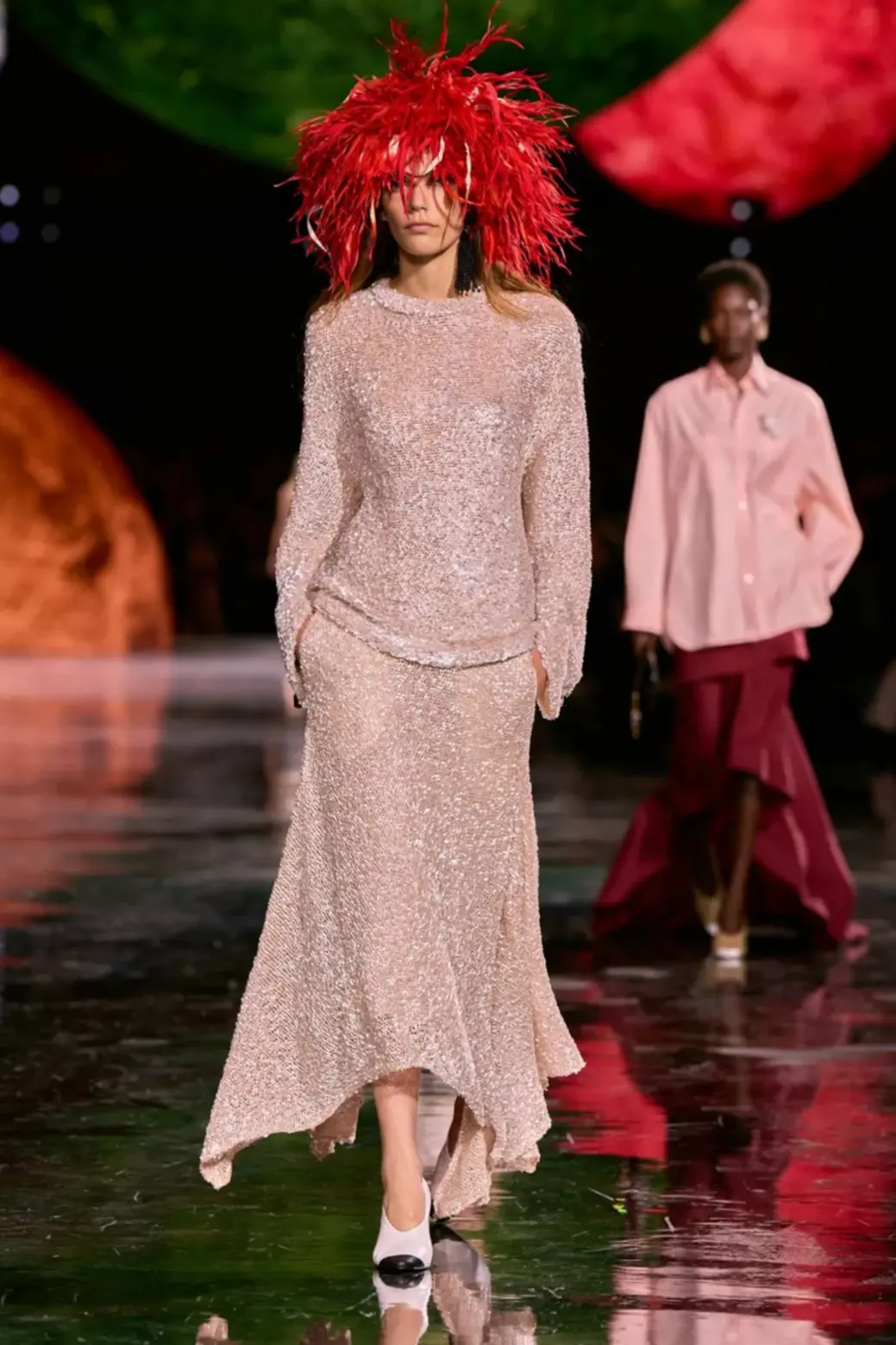
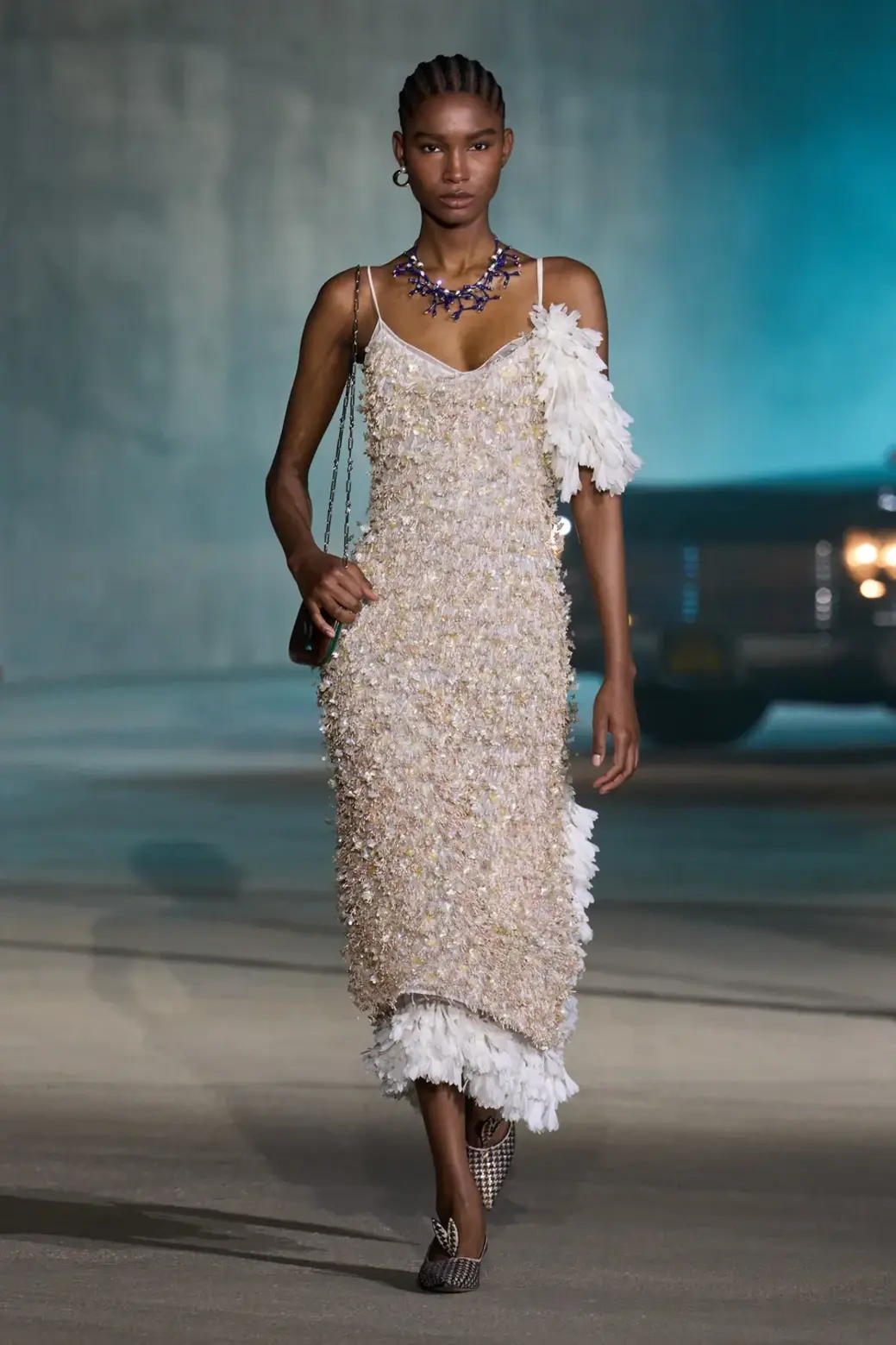
Anderson’s response at Dior was colder, sharper, and utterly corporate. By confining the resurrected newspaper print to the Bow bag and the models' fingernails, Anderson bypassed the romanticism of the atelier to engage directly with the image economy. A dress requires a specific body and a rare occasion; a handbag and a manicure can be screenshot, disseminated, and monetized instantaneously. The Bow bag became an instrument of immediate institutional gossip, a physical manifestation of a registered trademark designed to silence a competitor's narrative.
The analytical conclusion is unavoidable: Chanel treated the newspaper as a stolen rumor, full of mystery and atmosphere, while Dior answered with the official corporate receipt. Blazy created the creative spark; Anderson monopolized the financial flame.
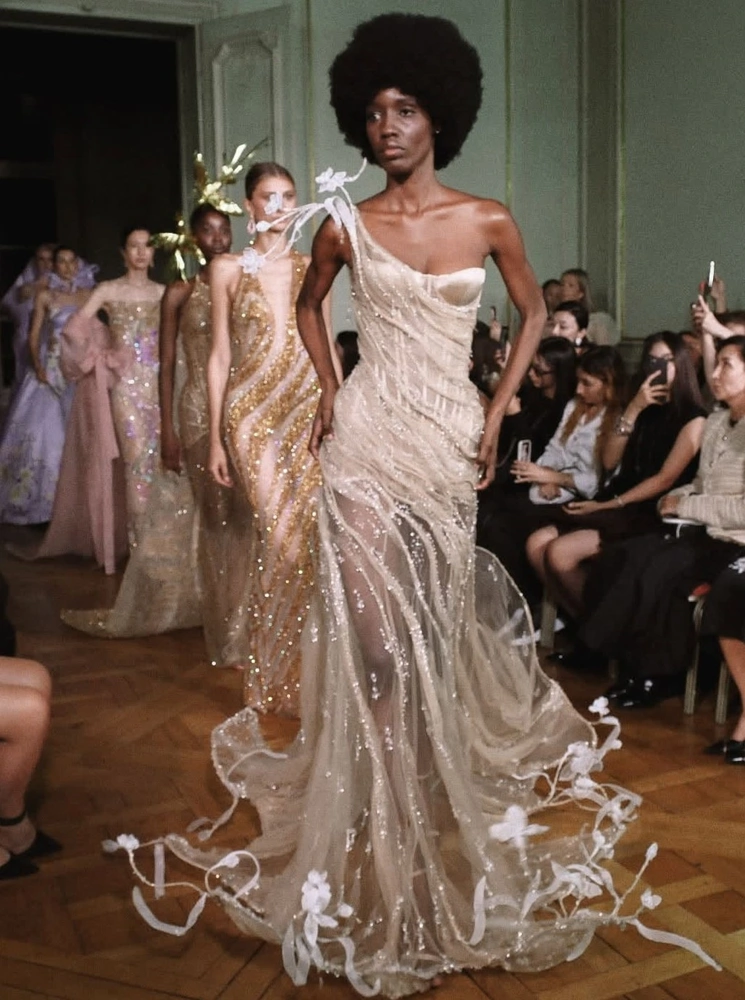
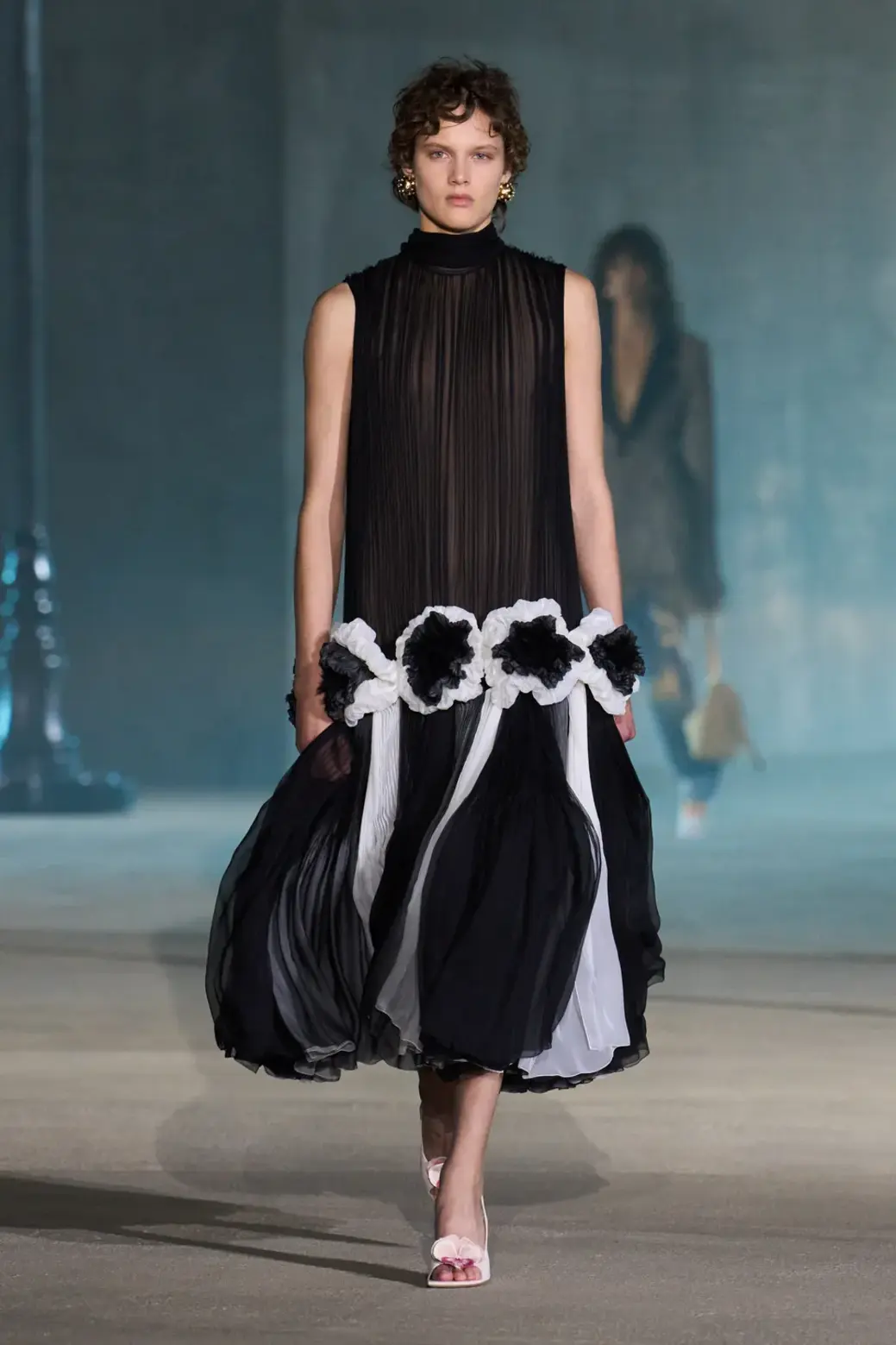
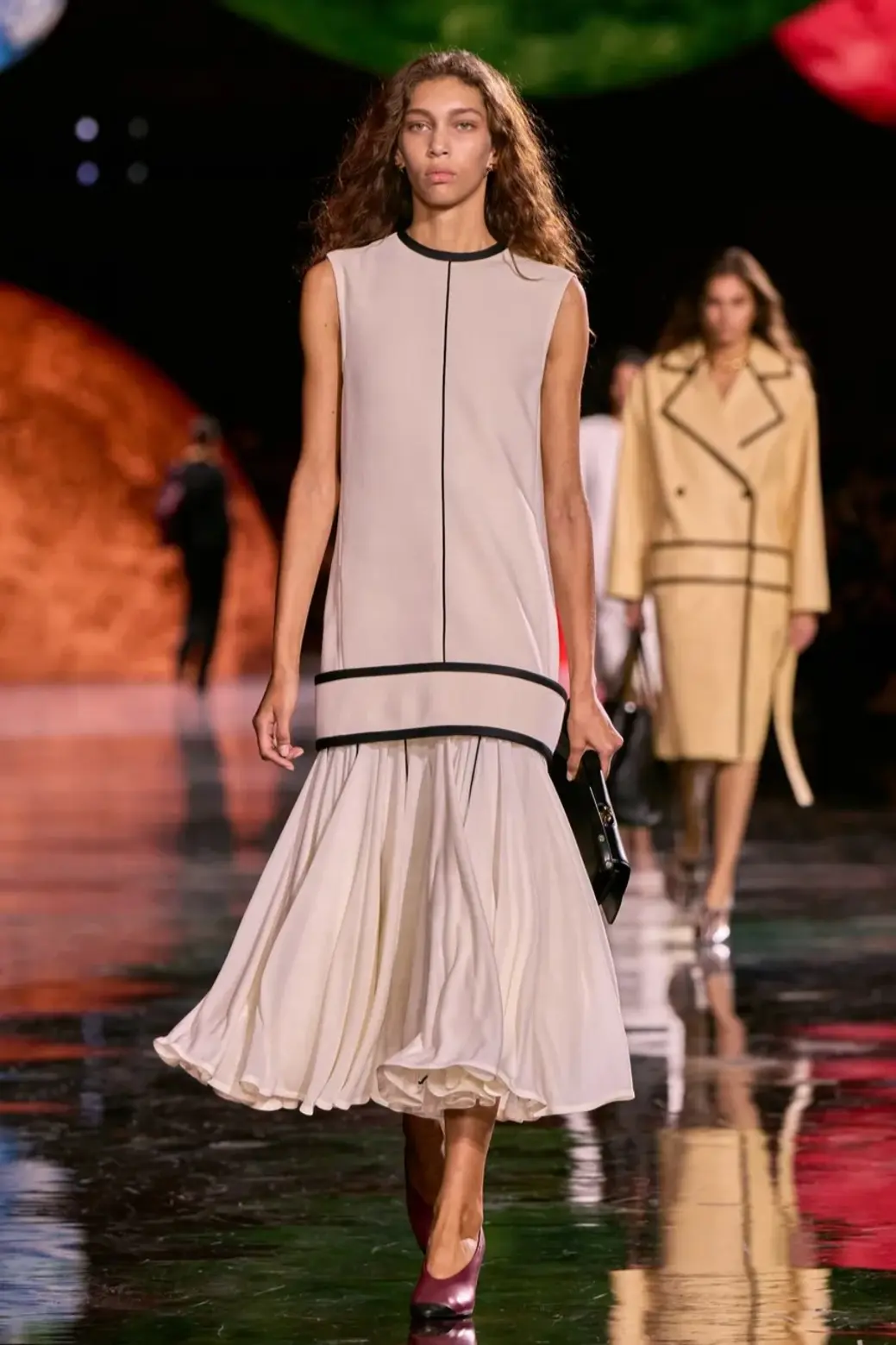
Beyond the superficial battle of the newsprint, a more profound aesthetic alignment emerged across both runways, exposing a shared vulnerability in the current landscape of high luxury. A singular, specific historical phantom walked both shows: the fluid, elongated silhouette of the late 1920s and early 1930s. The visual parallels were undeniable, revealing that the Chanel and Dior Cruise collections are currently circling the exact same fantasy archetype of the feminine form.


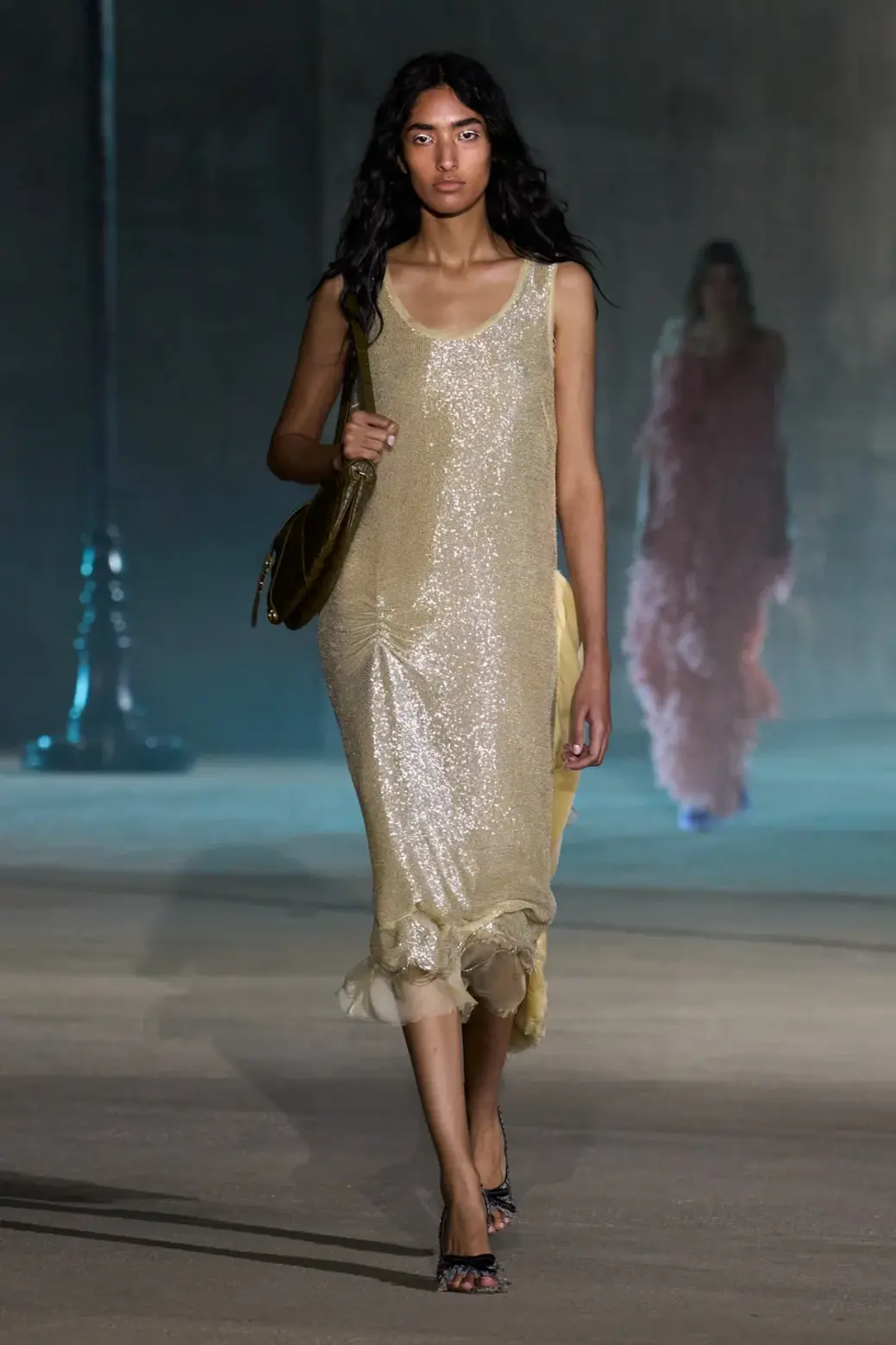
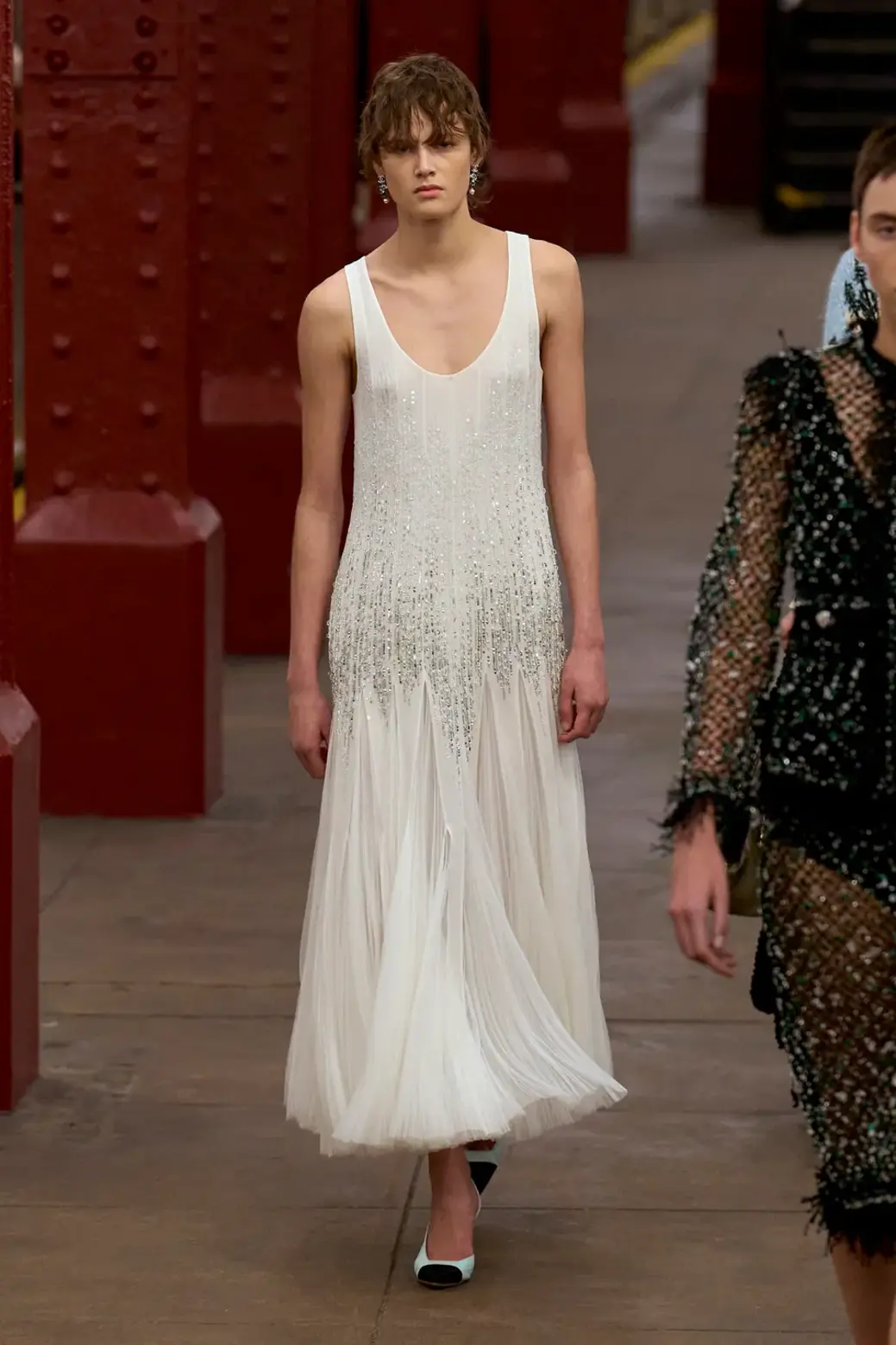
The structural similarities manifested in identical design choices:
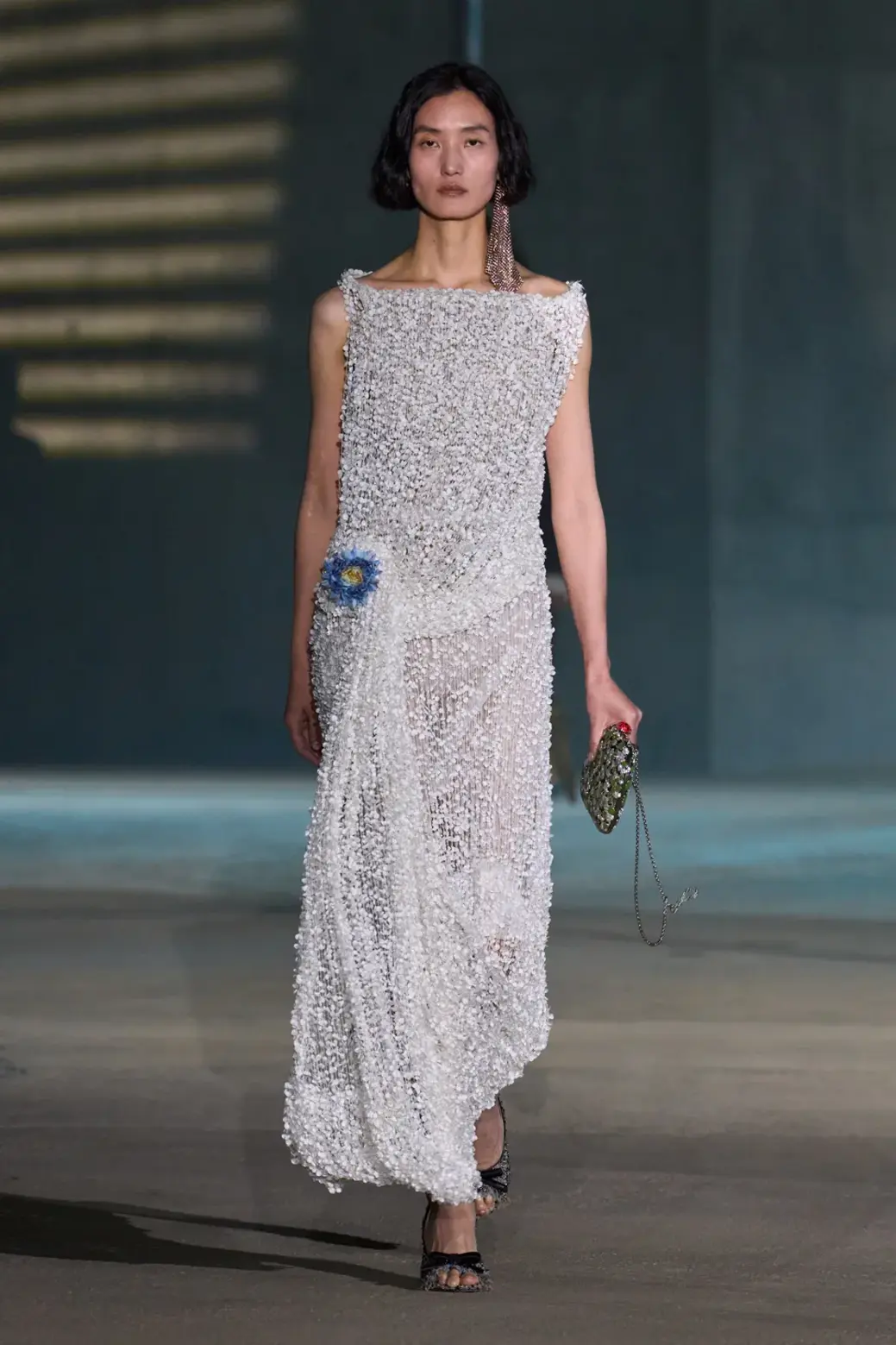
Elongated drop-waist silhouettes: Shifting the focal weight away from the natural waistline to create a long, liquid column.
Hip-centric floral embellishments: Placing decorative rosettes and fabric flowers directly at the hip to anchor asymmetrical draping.
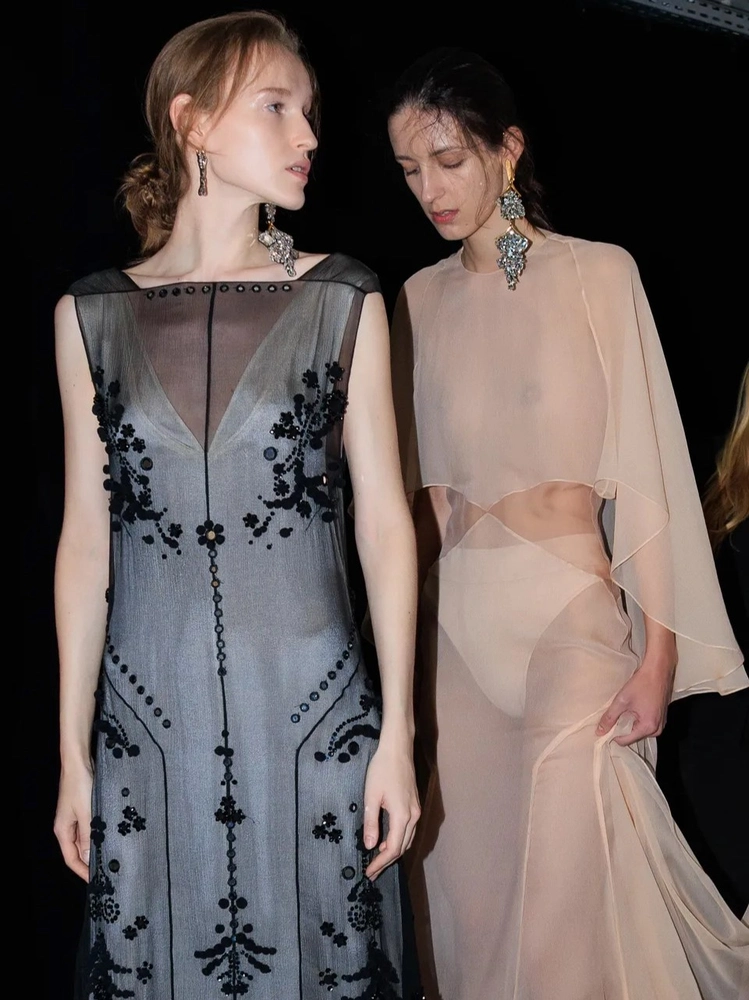
Kinetic detailing: Utilizing heavy fringe surfaces, beaded tanks, and feathered hems to generate motion during the walk.
Sartorial somberness: Relying on fluid satin, soft black crepe gowns, and pale, ghostly columns that invoke early cinema.
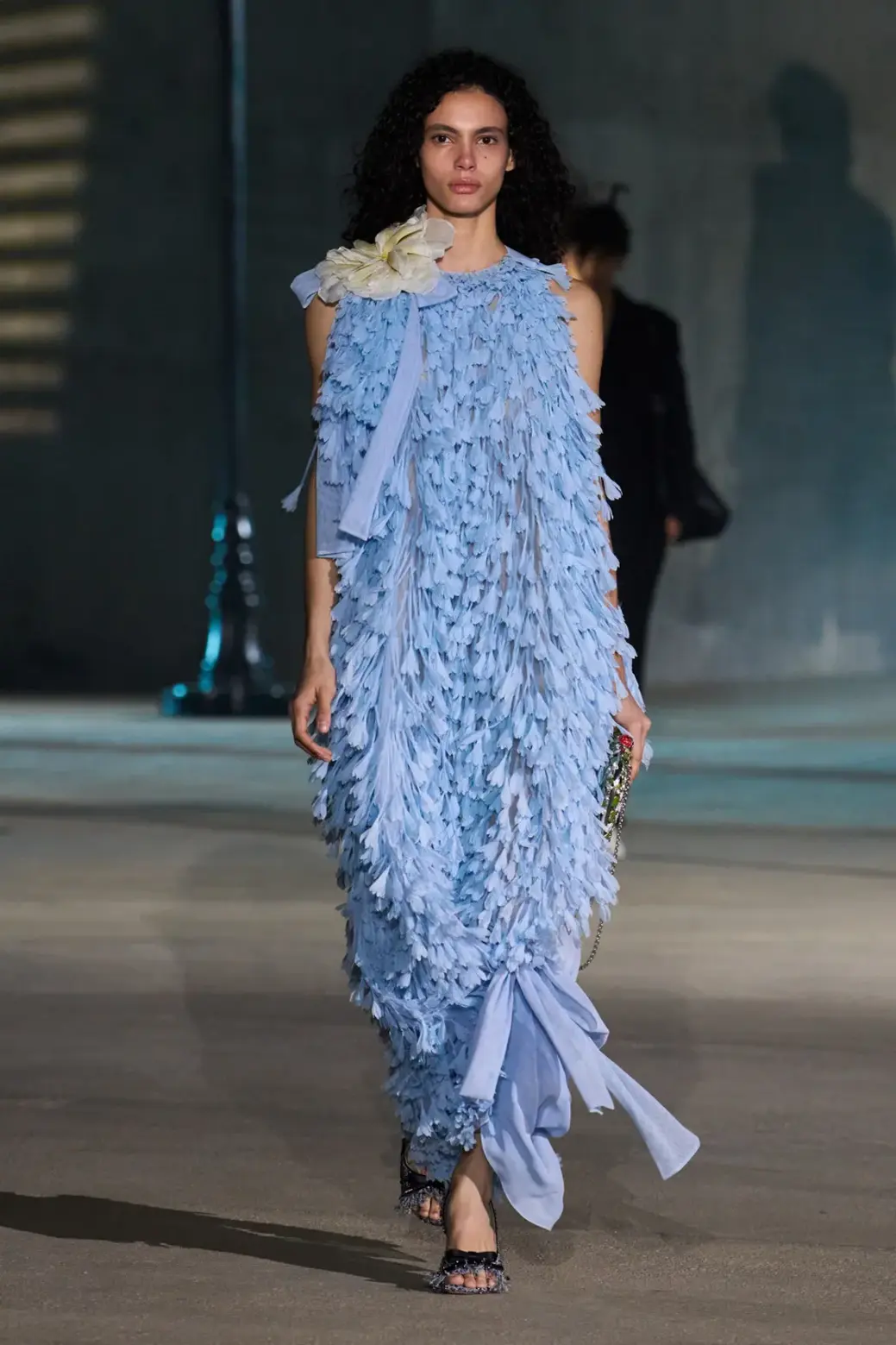
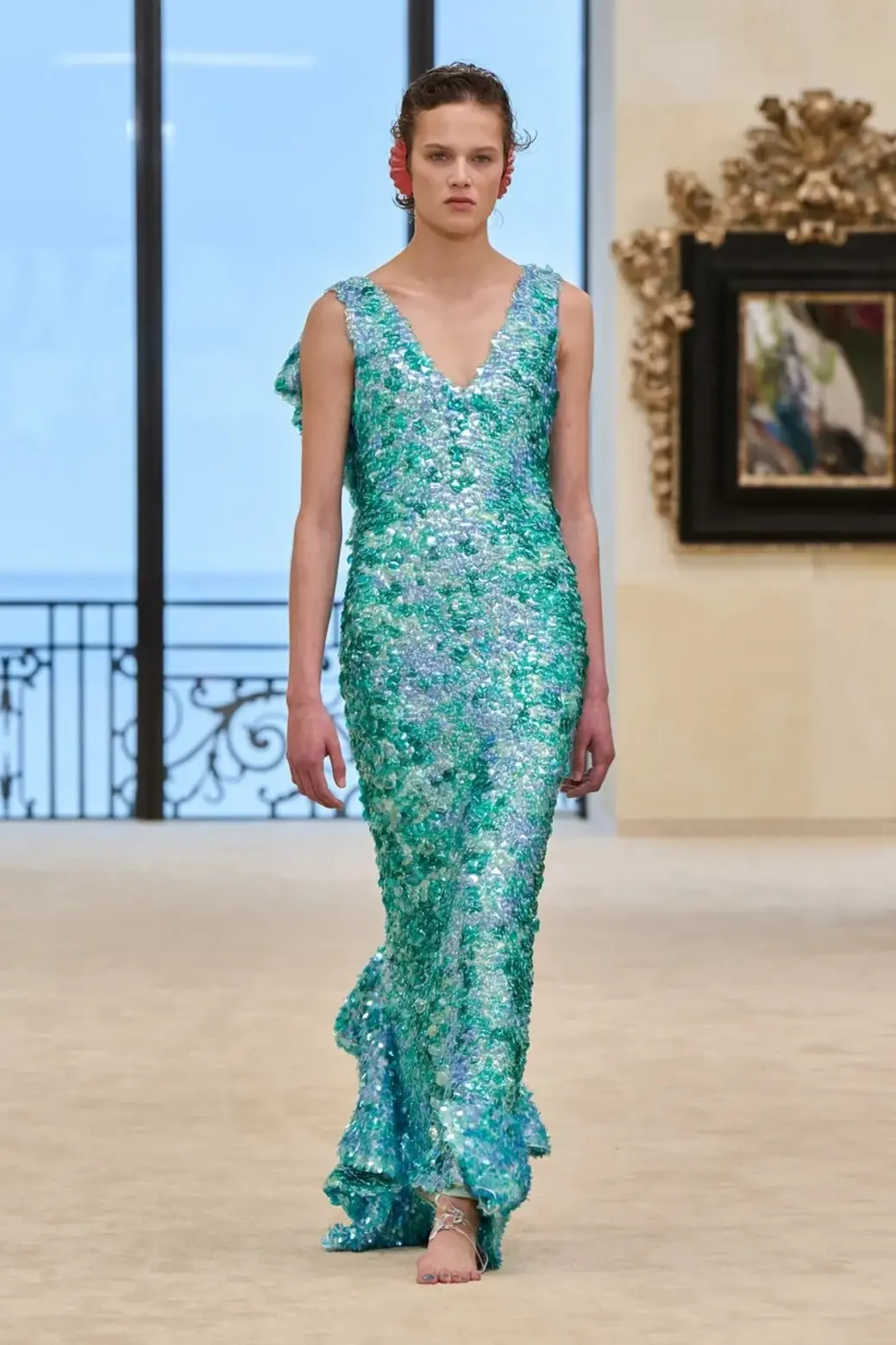
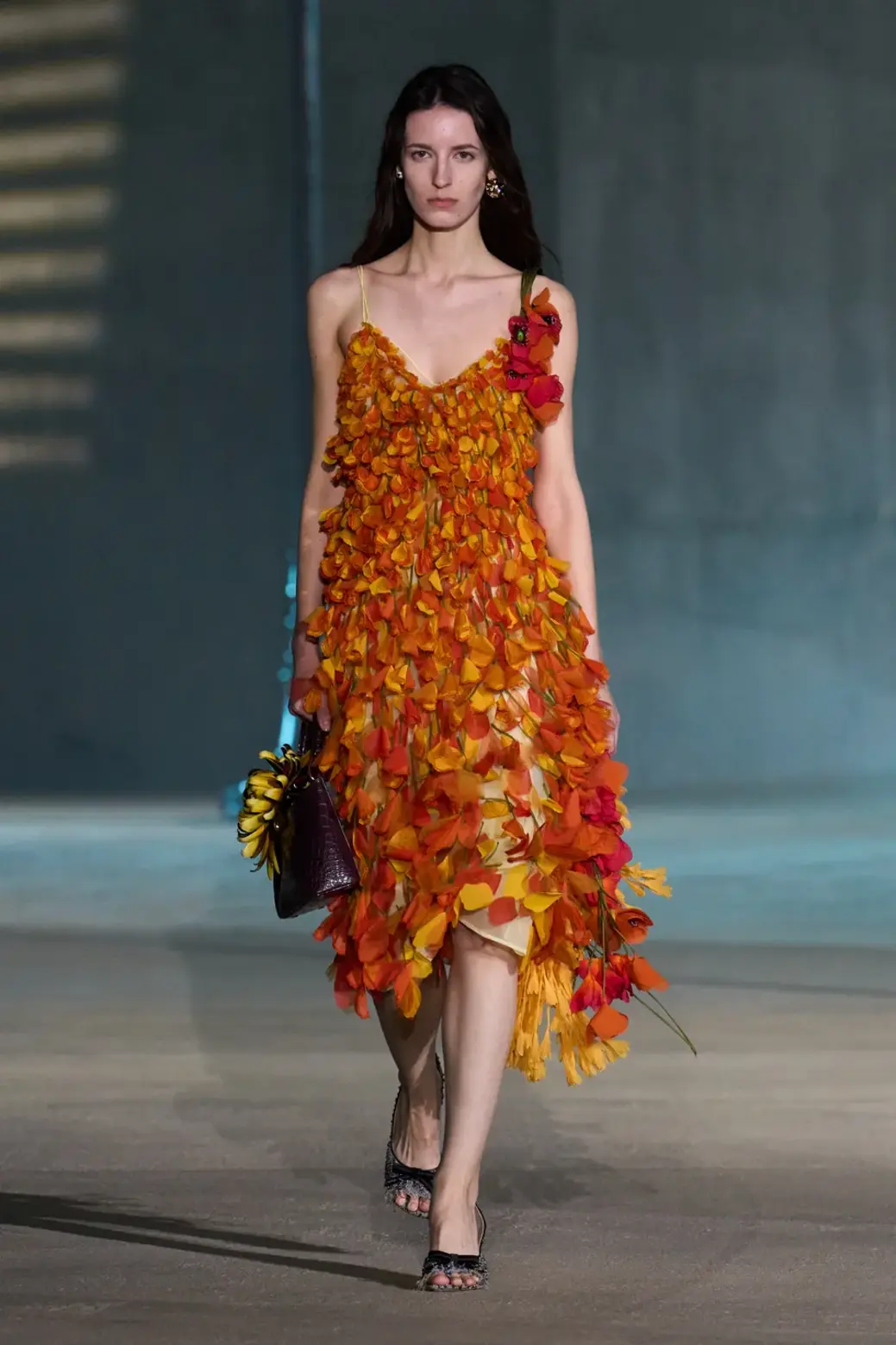
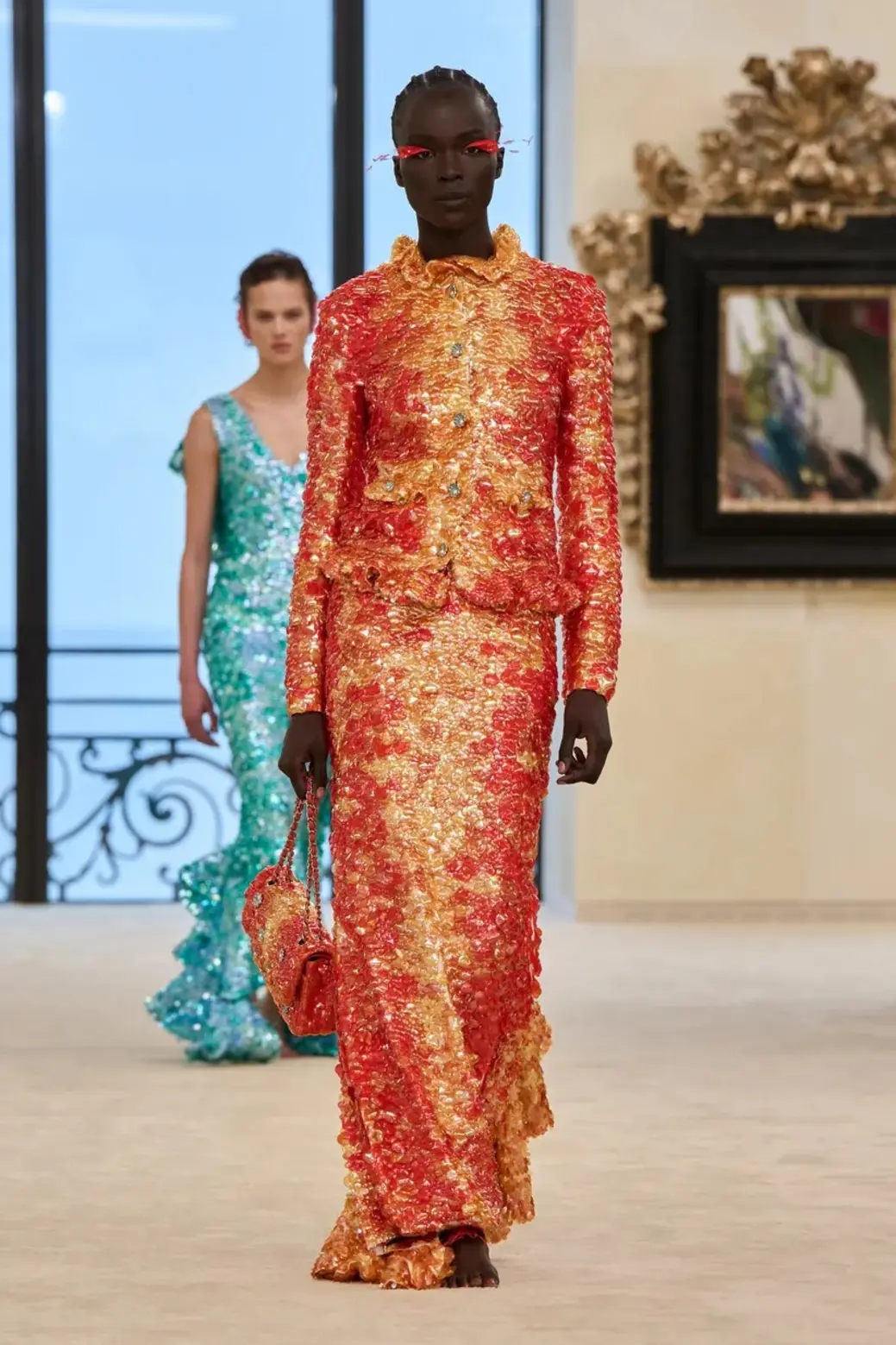
This widespread resemblance feels incredibly viral because both designers are mining the same historical seam: a woman positioned between the lounge, the cinema, the beach, and the golden age of haute couture. The critical conversation must acknowledge the inescapable nature of these comparisons. Blazy opened his Biarritz presentation with a pristine black silk-crepe dress featuring white Art Deco topstitching, paired casually with loafers. Anderson initiated his LACMA spectacle with sleeveless, layered chiffon dresses finished with delicate fabric flowers resting heavily upon the hips.


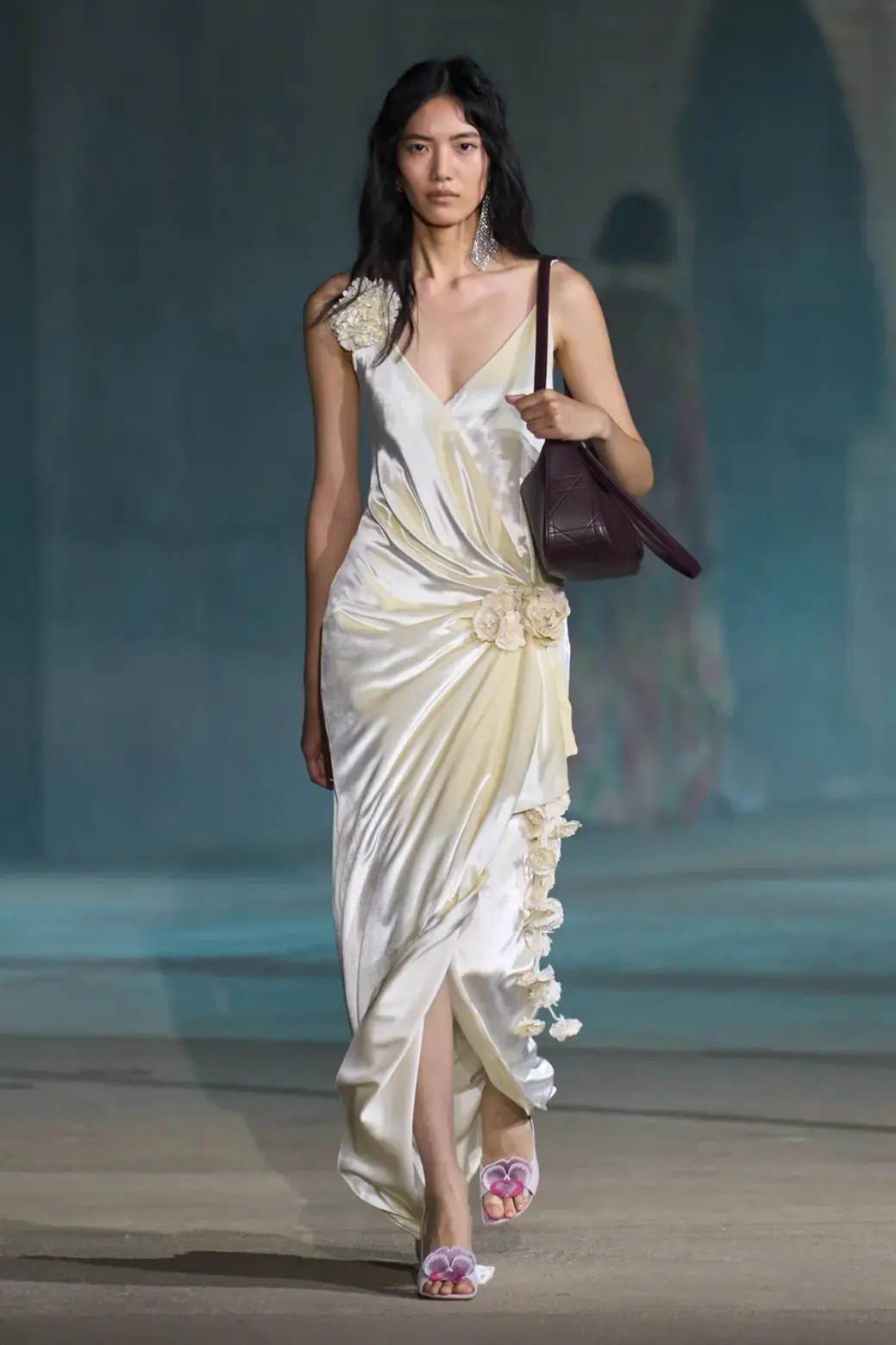
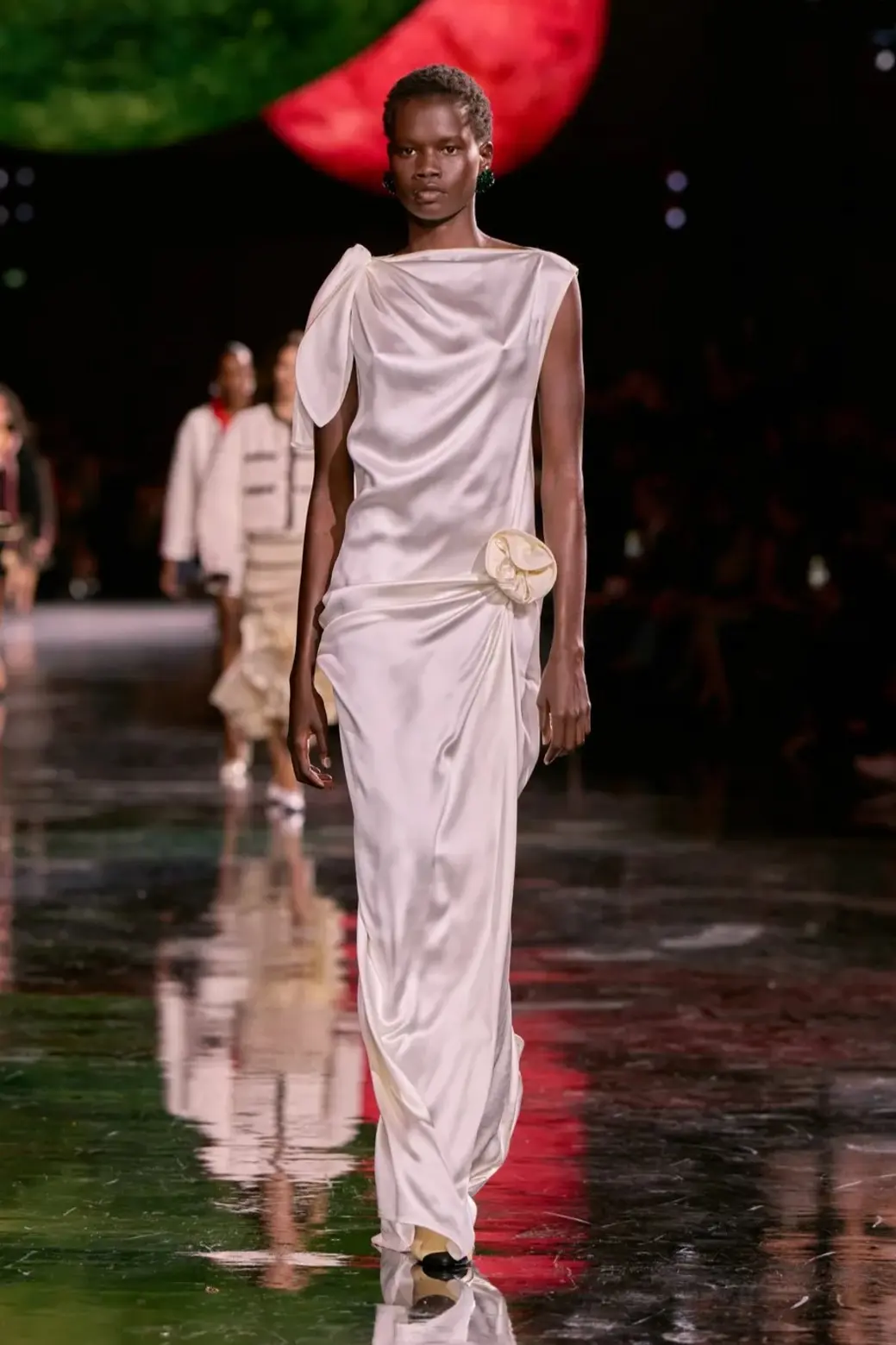
How did two of the most celebrated creative minds of their generation arrive at the exact same conclusion at the exact same moment? Is this a case of mutual plagiarism, or does it signal a deeper systemic synchronization within luxury conglomerates?
The truth is far more complex than simple imitation. The resemblance matters because luxury is currently staging the same dream of historical womanhood through two entirely different directorial lenses. The industry has entered a phase of intense copy anxiety, where structural shapes are finite, and the distinction between houses relies entirely on the philosophical framework imposed by the creative director. In the Chanel and Dior Cruise collections, Blazy edits the dream down to its sensory essence; Anderson scales the dream up into a blockbuster cinematic experience.
The divergence between Blazy and Anderson clarifies the primary ideological split within contemporary luxury. Blazy’s language is rooted in tactile intelligence. He possesses a rare ability to make garments appear effortless while overloading them with invisible, hyper-luxurious craftsmanship. His Chanel feels authentic when it breathes, offering clothes that demand to be touched, worn, and lived in. The achievement here is atmospheric; he builds a world that feels permanently affected by coastal air and genuine human touch.
Anderson’s language, conversely, operates as pure curatorial provocation. He constructs fashion through the deliberate assembly of cultural artifacts, artistic collaborations, historical memory, and celebrity alignment. The Dior presentation at LACMA functioned precisely like a Hollywood studio lot, blending references to Marlene Dietrich, the abstract text art of Ed Ruscha, the ghost of John Galliano, and avant-garde beauty experiments. Anderson understands that a runway look must compete directly with a digital screenshot, a viral meme, a beauty close-up, and an immediate accessory reveal. He treats Dior not as a traditional couture atelier, but as a sprawling, high-impact media franchise.
This analysis yields a definitive critical dividing line: Blazy provided Chanel with a sophisticated wardrobe, while Anderson provided Dior with a cinematic trailer. Chanel’s collection demonstrates superior strength as actual clothing; Dior’s collection commands greater authority as cultural theater. This precise division explains why the Chanel and Dior Cruise collections became such a vital fashion confrontation. One house is attempting to rebuild consumer desire through the physical reality of wearability; the other is consolidating market power through absolute dominion over the digital image.
The dialogue between Chanel and Dior this season exposes a fundamental mutation in the nature of fashion rivalries. The historic battles between houses used to take place in the private salons of Paris, fought with the exclusive weapons of fabrication, cut, and elite client loyalty. Today, the battlefield has shifted entirely into the public arena of digital recognition, archive ownership, and immediate algorithmic impact.
Both Blazy and Anderson are profoundly aware that modern fashion exists entirely through instant recognition. A garment requires only a passing resemblance to an archival piece for the internet to transform it into a collaborative legal case file, dissecting sources, validating origins, and assigning creative blame.
The entire Cruise 2027 season can be synthesized through this singular, brilliant, corporate exchange: Chanel borrowed the rumor, and Dior answered with the receipt. The conversation remains wide open, leaving the viewer to decide whether they prefer to inhabit Blazy’s exquisite, salt-aired wardrobe, or applaud Anderson’s loud, impeccably managed cultural theater across the latest Chanel and Dior Cruise collections.
Advertisement