MENU
Close





Chanel drop culture has dragged desire onto the sidewalk and made luxury sweat in public, turning Matthieu Blazy’s debut into a frenzy of queues, status games, sold-out fantasy, and the exquisitely shameless spectacle of wanting what everyone else wants.
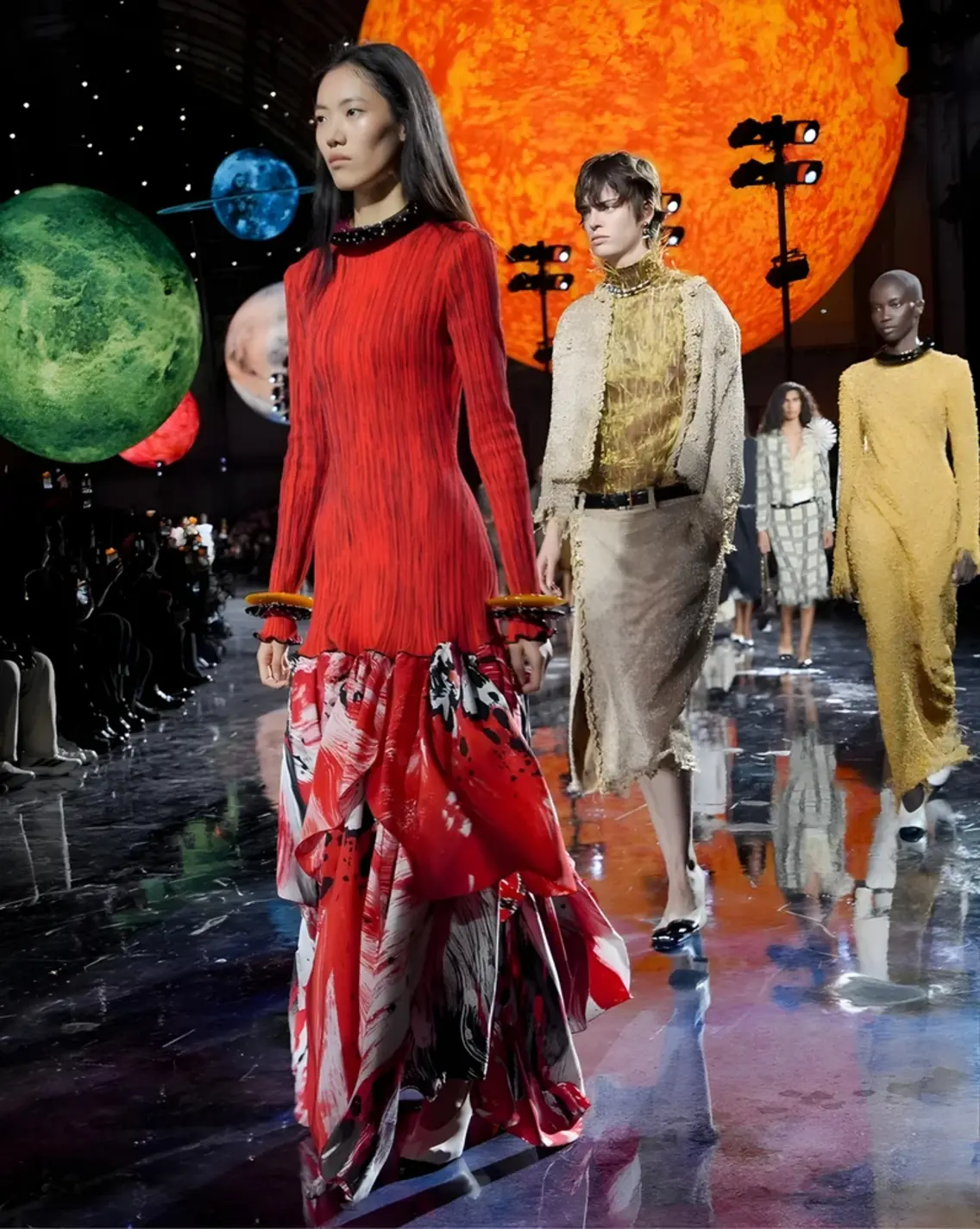
Chanel drop culture has dragged desire onto the sidewalk and made luxury sweat in public, turning Matthieu Blazy’s debut into a frenzy of queues, status games, sold-out fantasy, and the exquisitely shameless spectacle of wanting what everyone else wants.
March 22, 2026
Advertisement
Advertisement



Chanel drop culture made its entrance the second 57th Street traded quiet luxury poise for full-blown launch-day fever. Matthieu Blazy’s Spring 2026 debut hit New York fresh off the Paris mania, and suddenly the sidewalk had attitude, appetite, and a line curling down the block within minutes. By 1:31 p.m., most pieces were reportedly already spoken for after a morning reserved for VIC appointments. In a luxury market craving a fresh pulse, the queue turned into pure spectacle: part marketing machine, part social performance, part glittering evidence that Chanel has found a thrilling new way to make desire strut in public.
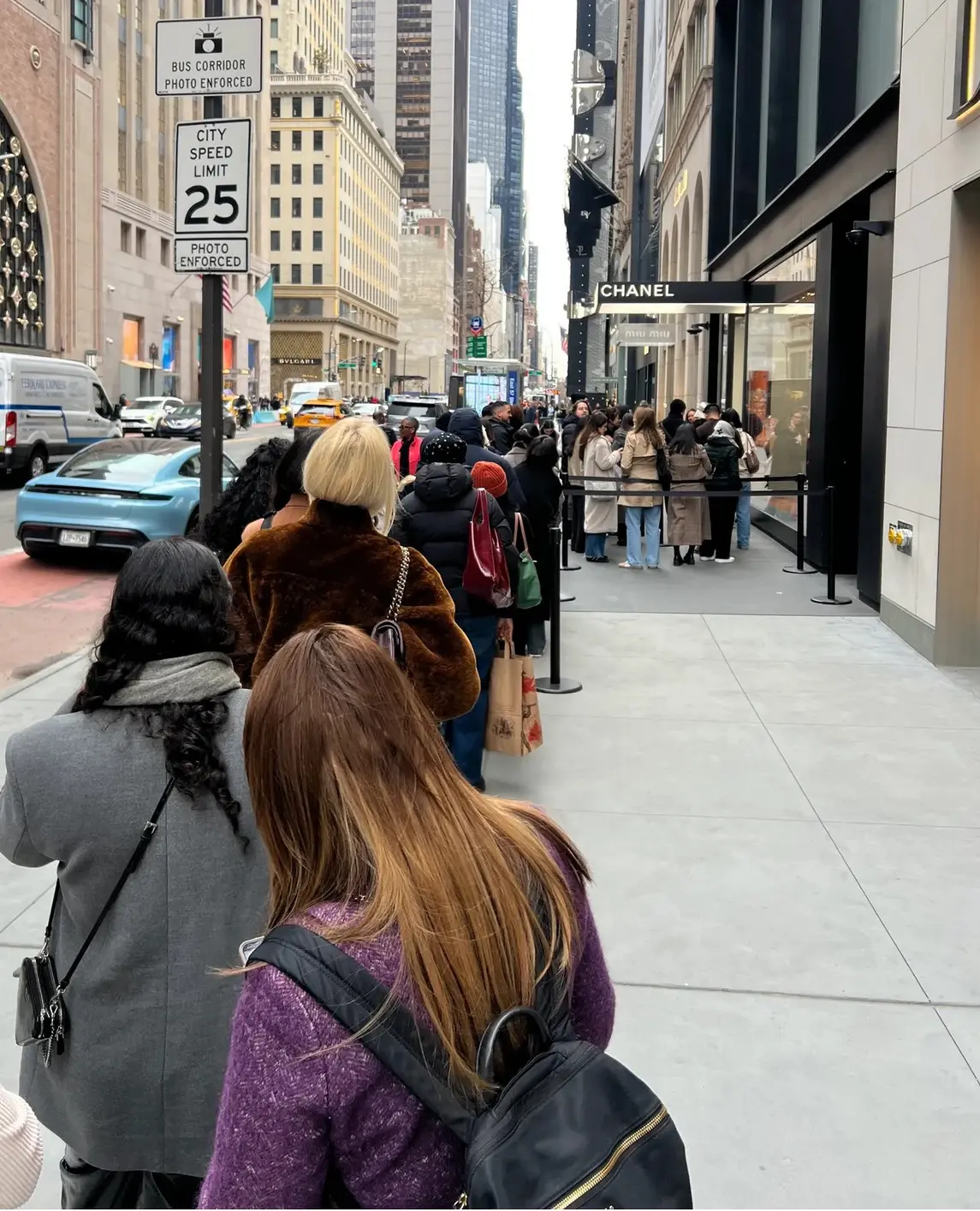
For decades, Chanel built its legend on polished access, soft voices, gleaming interiors, and the delicious feeling that every client had somehow been chosen by fate and very good tailoring. Which is exactly why this scene sparkled with such wicked charm. Outside the 57th Street boutique, a passerby asked, “Is there a sale?” while shoppers waited in the cold for $1,500 shoes and five-figure bags. That single question captured the whole fabulous absurdity of it all. The codes were Chanel, yet the energy belonged to Chanel drop culture: public anticipation, visible scarcity, and a queue long enough to turn the pavement into theater. Paris had already erupted after the March 5 in-store launch, and the U.S. arrival began inside only three boutiques before the wider rollout. Desire, usually wrapped in velvet and tucked behind the door, stepped outside and took a bow.
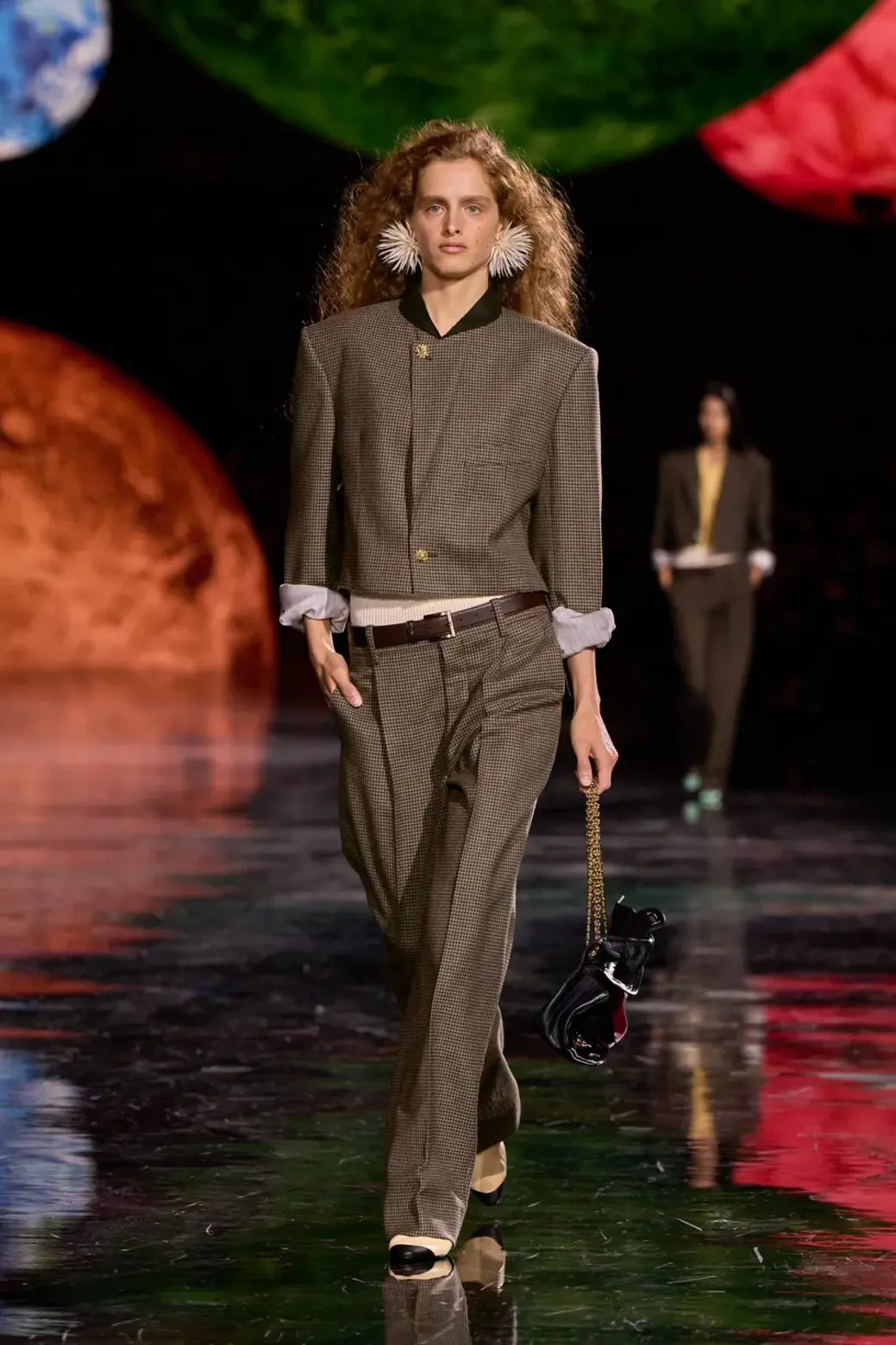
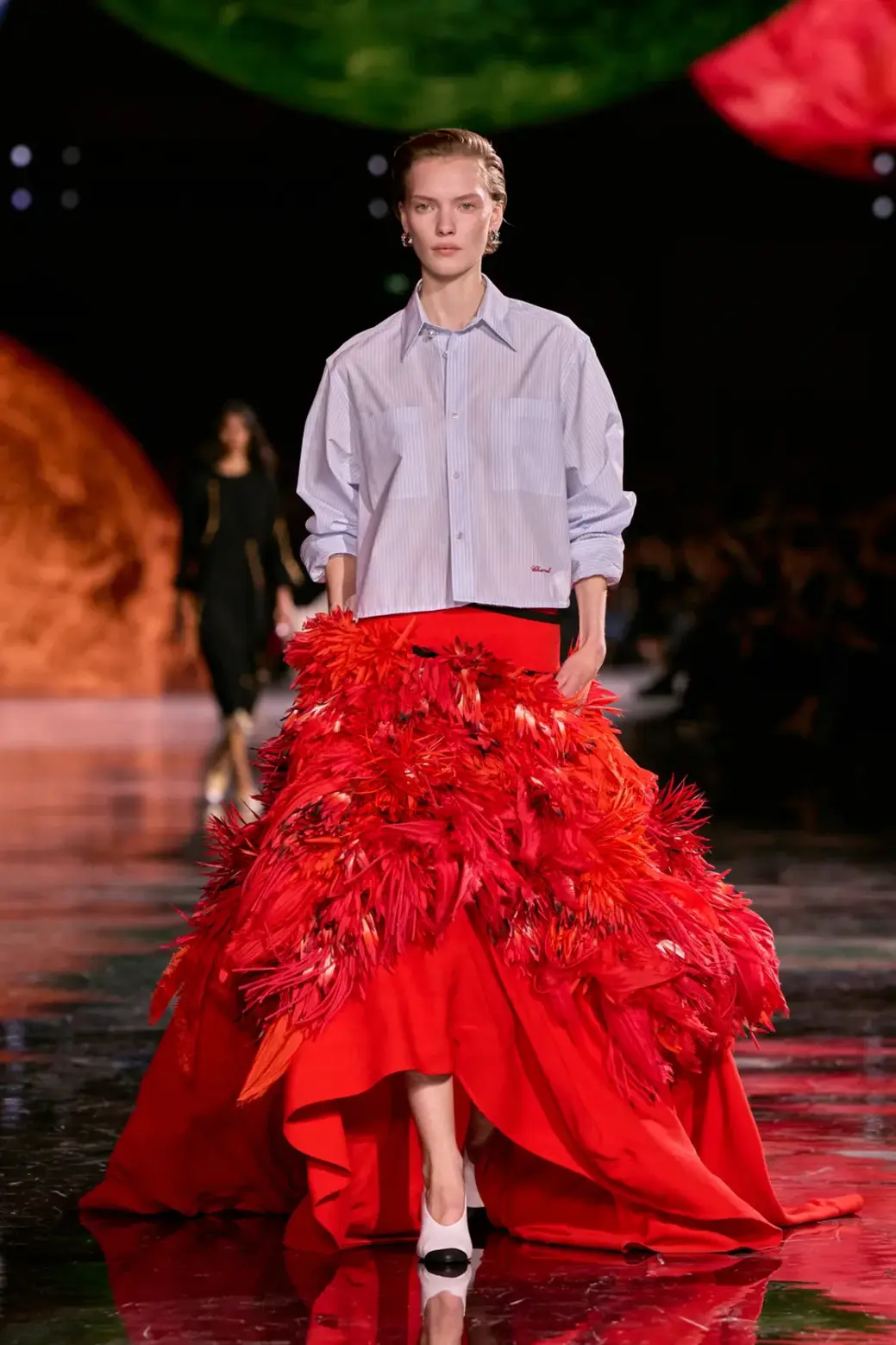
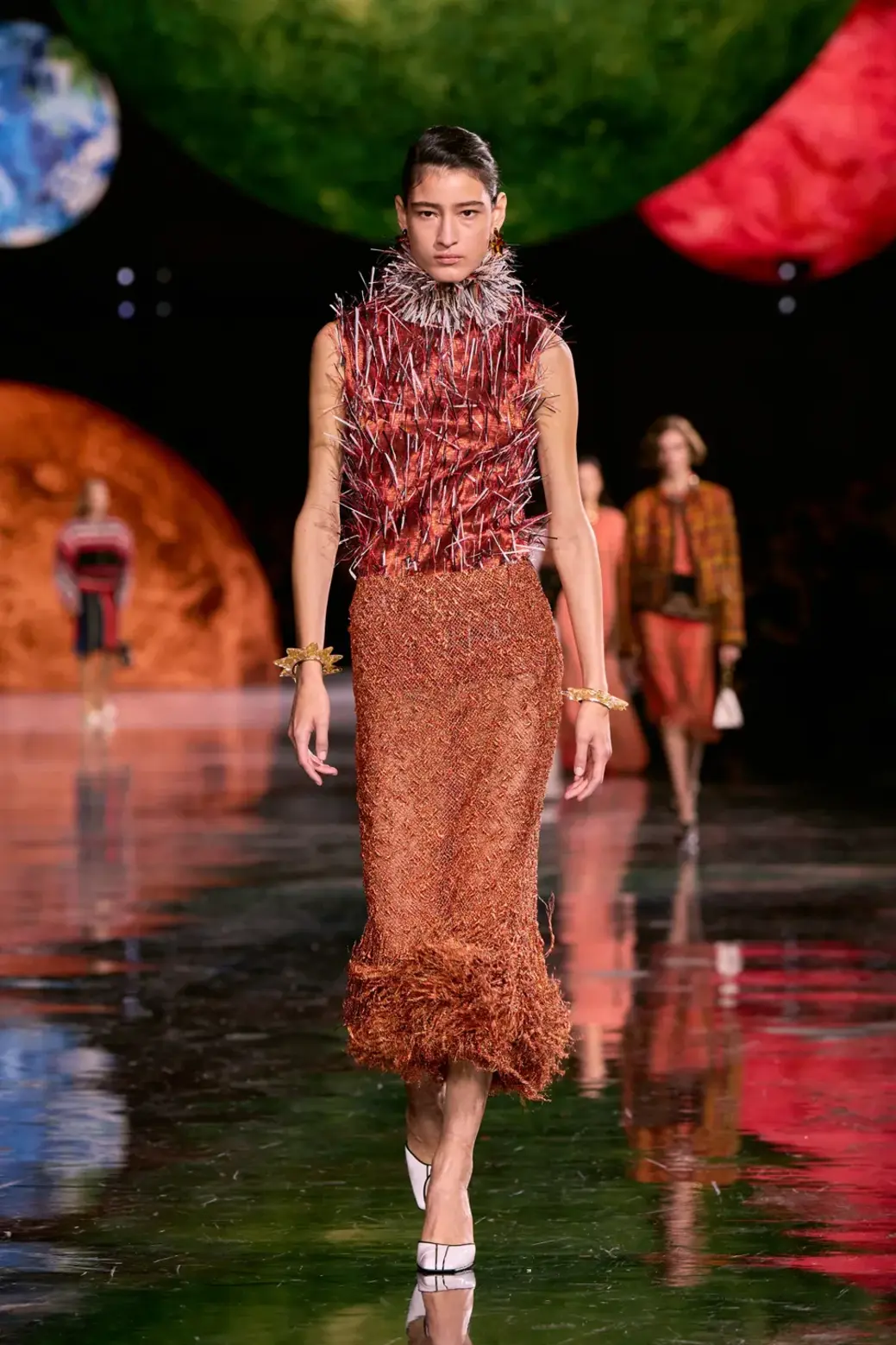
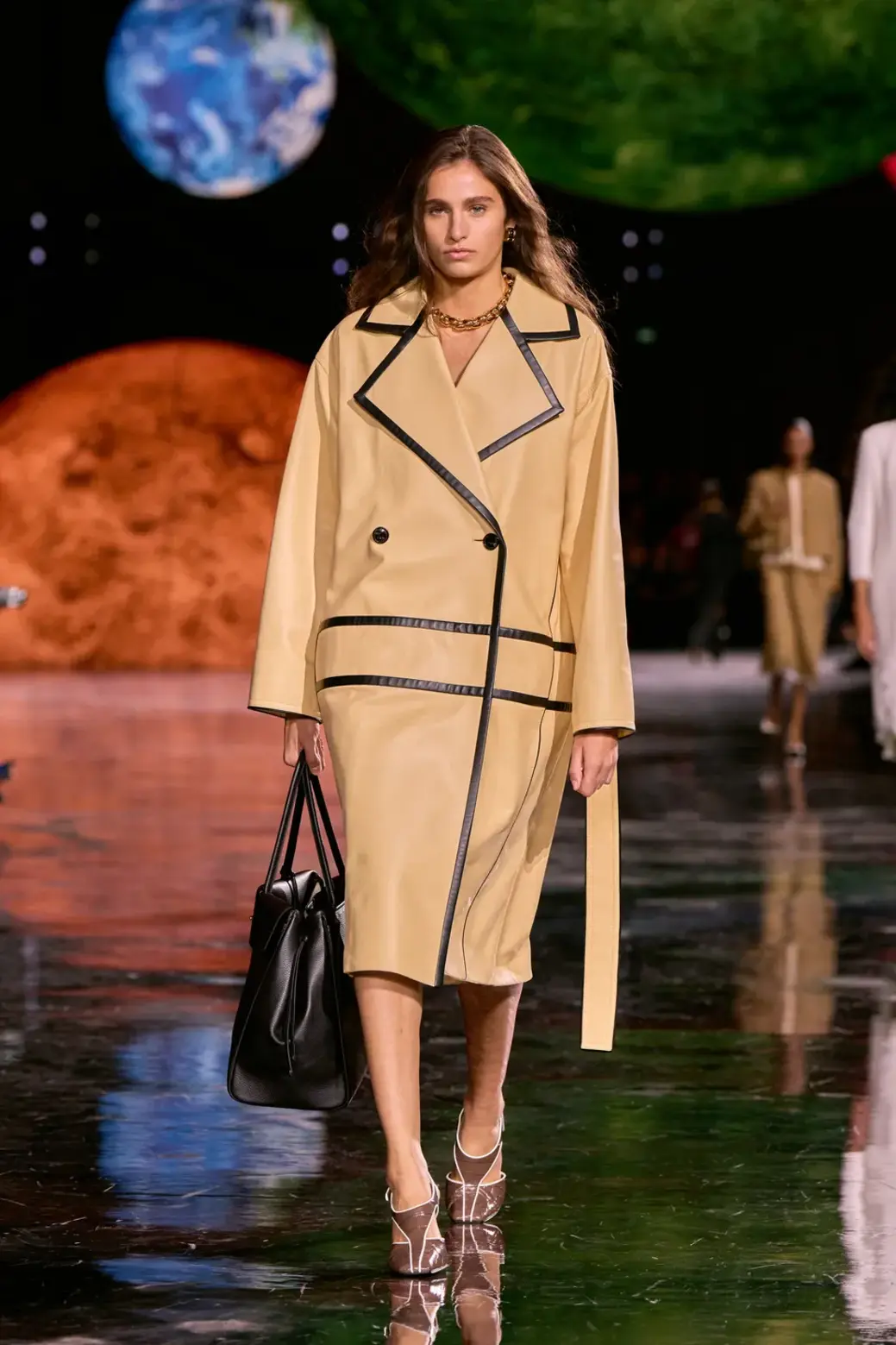
Chanel still carries bouclé, gloss, pedigree, and prices with plenty of altitude. Yet the house now plays with the same delicious mechanics that made streetwear launches feel like civic events: staggered access, concentrated distribution, a pecking order before the doors swing wider, and the exquisite thrill of wondering whether your dream piece still exists by the time you reach the front. Morning hours belonged to VIC appointments, then the public stepped into the drama. By early afternoon, sales associates were already signaling that most of the collection had vanished and would return in later weeks. That is Chanel drop culture in full swing: scarcity with lipstick on, choreography with a waiting list, and crowds doing the brand storytelling right there on the sidewalk.
The juiciest part of this whole episode sits in the people who showed up. Several shoppers openly admitted they were fresh faces to Chanel. One described Matthieu Blazy as the force who shifted the mood of the brand into something she could finally see herself wearing. Another arrived because she had followed Matthieu Blazy's work at Bottega Veneta and wanted a front-row look at what he would do here. Younger shoppers and first-time buyers gave the line its pulse, its gossip, its electricity. One even wondered whether the attraction came from collective desire itself, then walked away glowing with her very first Chanel purchase. That is where Chanel drop culture reveals its cleverest trick: the line formed around authorship just as much as product.
Luxury houses love the myth of eternal house codes, polished into permanence. Yet in 2026, designer fandom has become a conversion engine with fabulous hair and excellent instincts. The creator becomes the event. The debut season becomes the collectible. The purchase becomes proof of arrival at chapter one, right at the opening line. Matthieu Blazy handed Chanel a fresh source of heat: curiosity, conversation, and the delightfully profitable pleasure of watching a legacy house feel alive, debatable, and newly desirable again. That queue outside the store said it all.
The psychology behind Chanel drop culture is deliciously blunt, and that is exactly why it lands with such force. Scarcity gives desire its halo. A queue transforms private craving into public proof. Every shopper stepping out with a camellia bag sent a little electric shiver through everyone still waiting outside. Each exit became a message, each carrier a moving billboard, each purchase a tiny coronation. Then came the wait itself, stretching the mood, raising the stakes, seasoning the fantasy. By the time an item reaches someone’s hands, it carries far more than leather and stitching. It carries patience, prestige, and the intoxicating glow of something won in full view of the crowd.
Old-school luxury offers the seduction of ease. Drop culture offers the thrill of earning your place. Chanel braided those two pleasures together and made the whole thing sparkle. VICs enjoyed the first pass, the private appointment, the polished privilege. Everyone else stepped into the newer ritual: the line, the whisper of thinning stock, the ripple of near sellout, the delicious chance to claim a piece of fashion history. That fusion gives Chanel drop culture its extra voltage. People crave the item, of course, though the real trophy lives in the story of securing it under pressure, under eyes, under that glorious little cloud of urgency.
The timing adds extra bite. Chanel wanted fresh desire, brighter energy, louder conversation, and a younger pulse moving through the boutique. Matthieu Blazy’s frenzy delivered exactly that. Suddenly the store felt charged, the sidewalk felt animated, and the brand felt wrapped in a new kind of cultural weather. Chanel drop culture gave the house a fresh spark while the grand architecture of status stayed beautifully intact. The message came through with crystalline clarity: exclusivity still reigns, though now it arrives with more noise, more thrill, more spectacle.
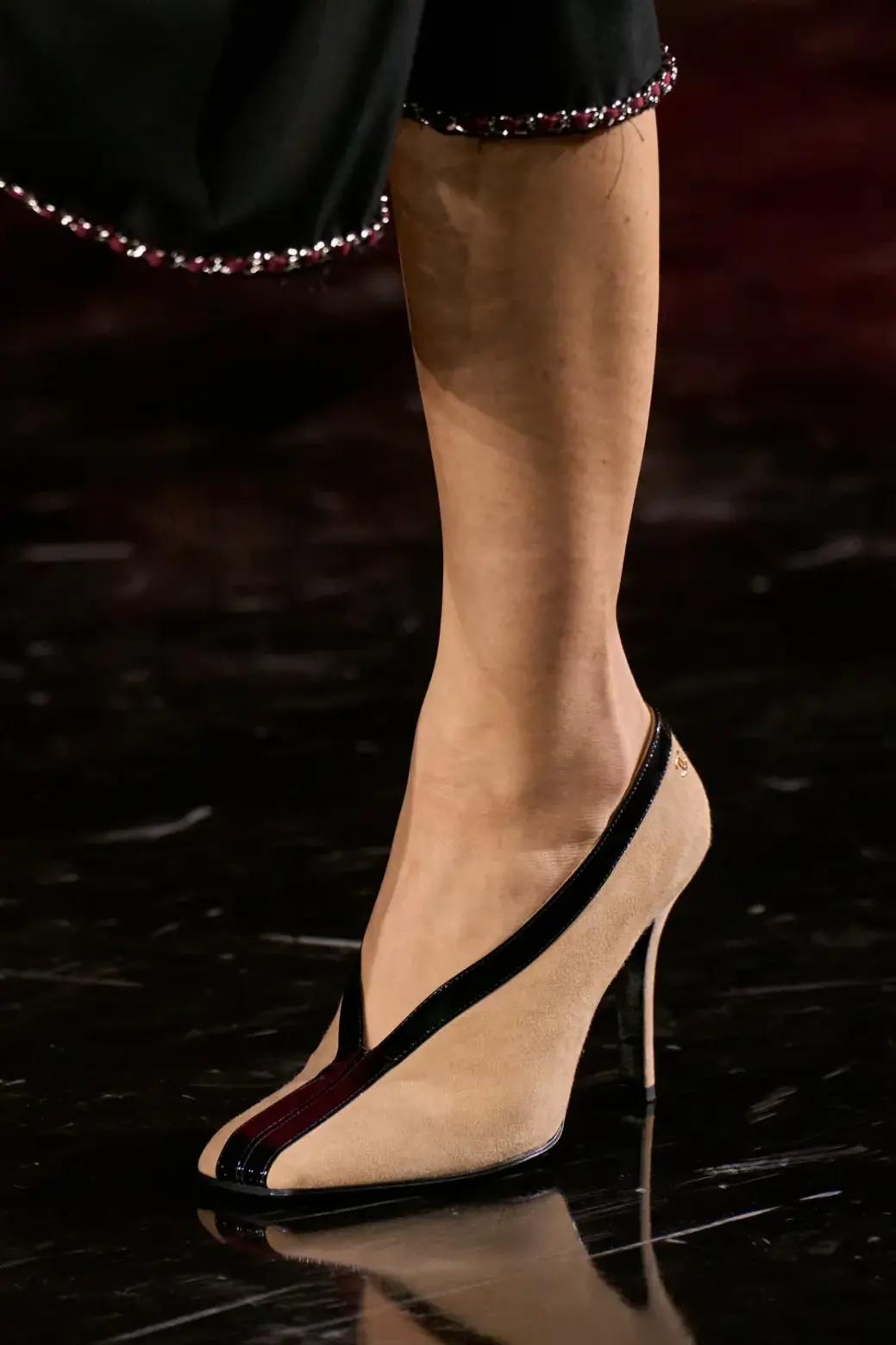
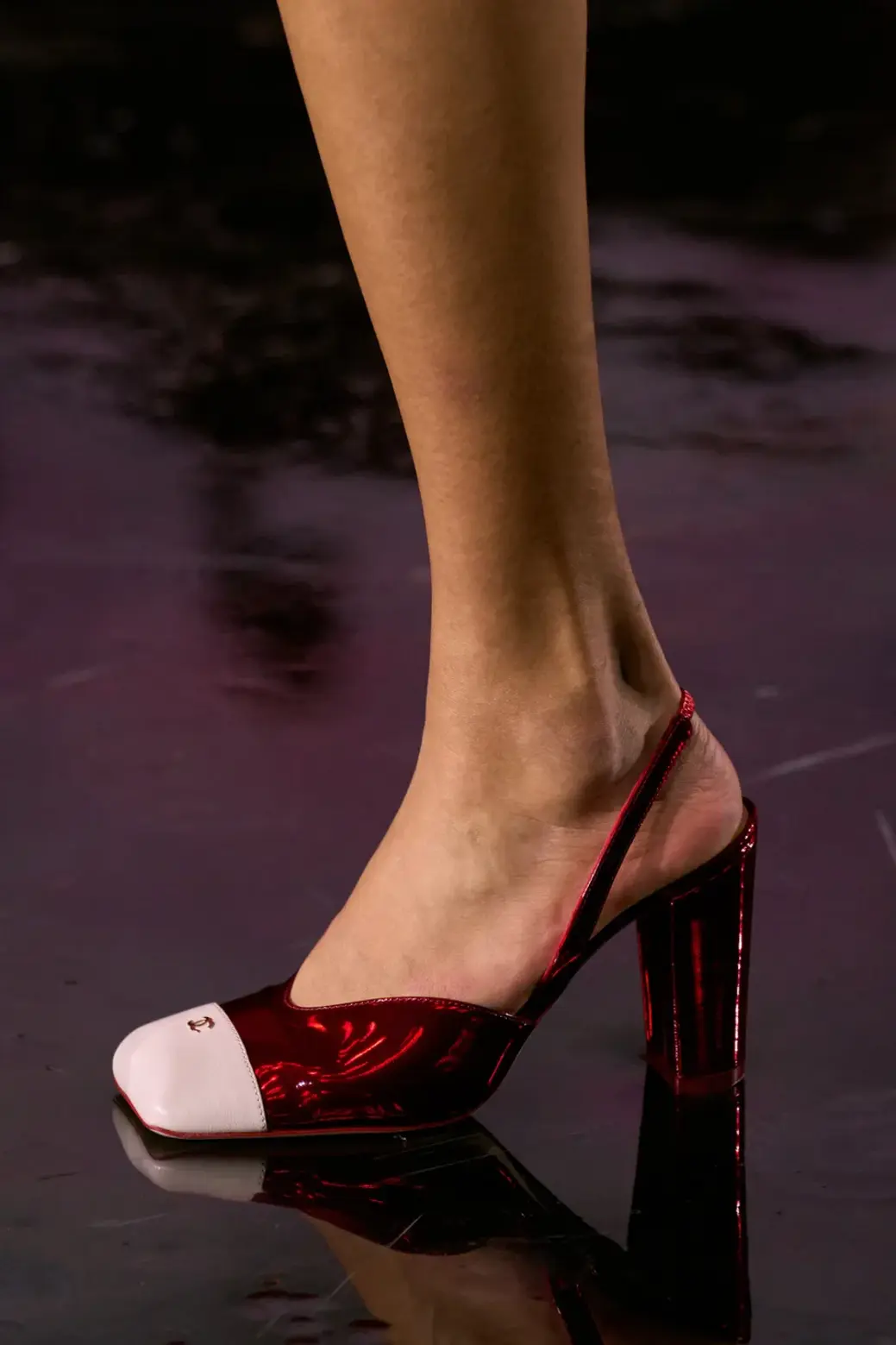
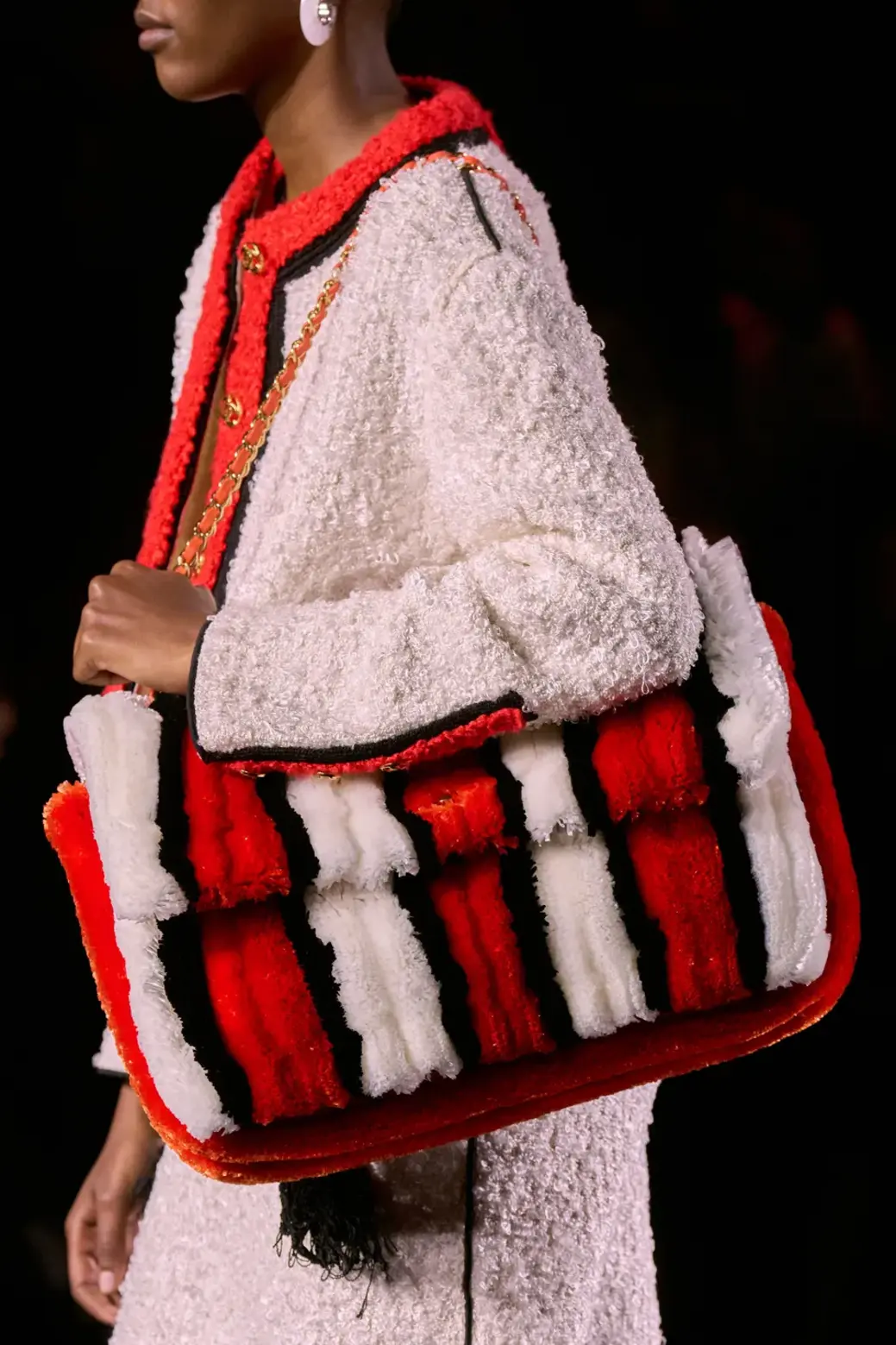
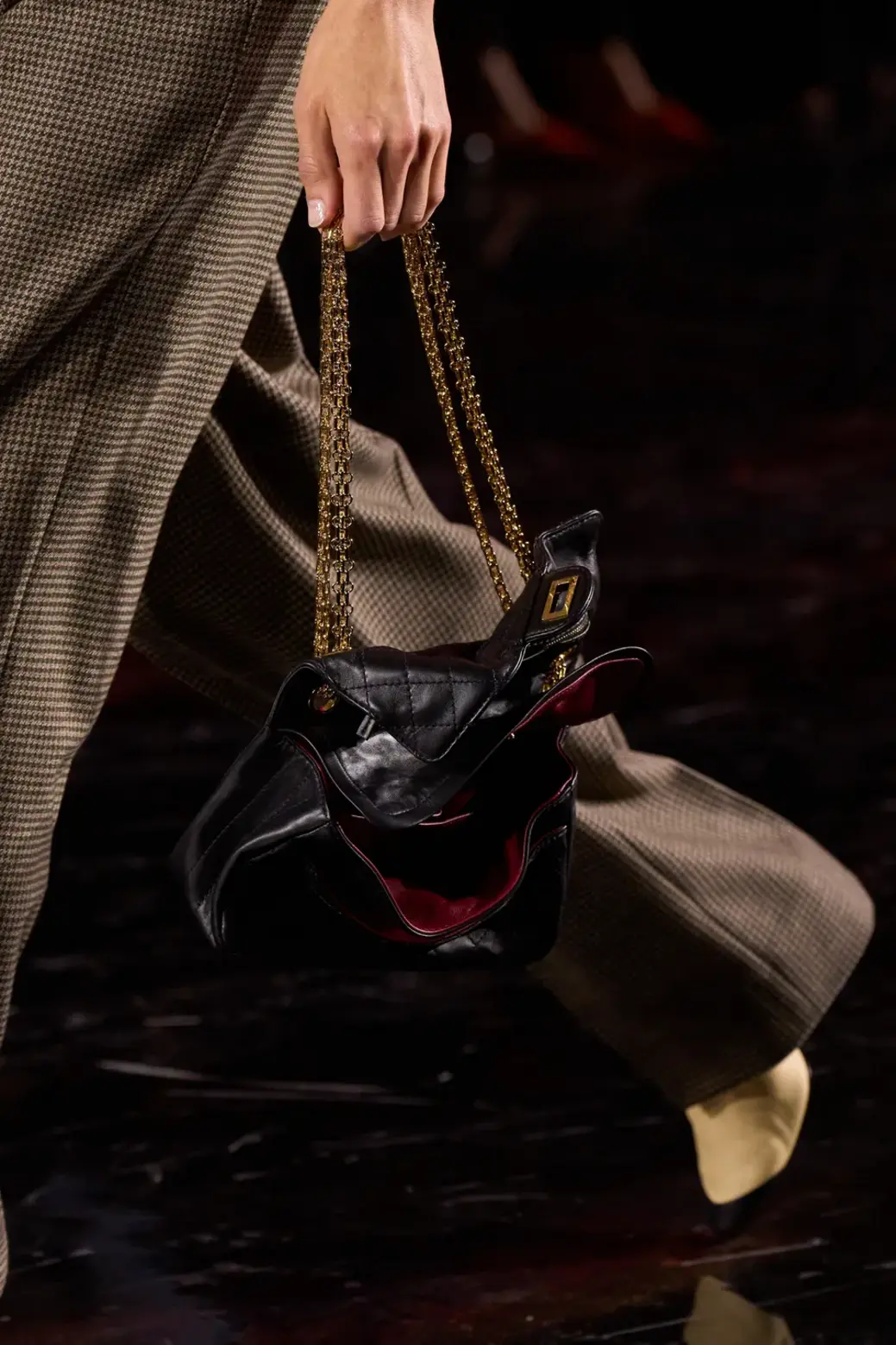
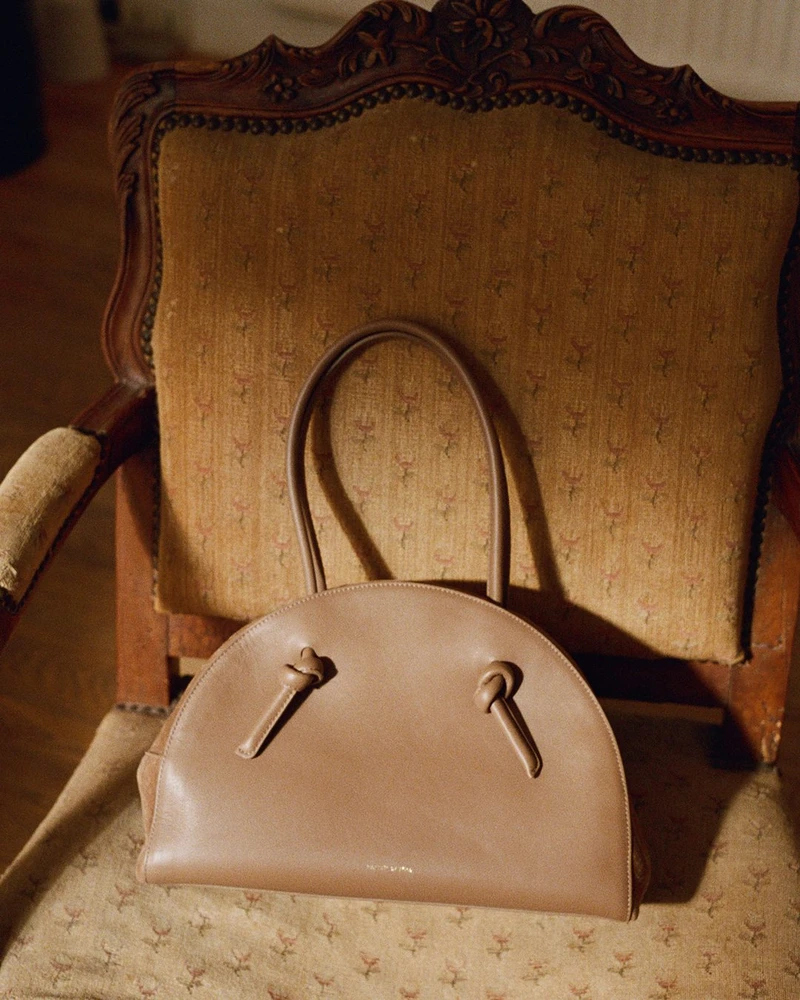
The product lineup helped because the obsession pieces were pitch-perfect. East-west bags, crumpled flap bags, bowling bags, two-tone ballet flats, glove pumps, embossed croc pumps, square-toed heels, every one of them carried the signature of a new chapter while slipping neatly into everyday fantasy. They are precise, legible, portable, instantly photogenic, and drenched in resale daydreams. Great drop merchandise always understands this seduction. The object needs enough personality to signal taste, enough familiarity to feel glorious at the register, and enough aura to keep the conversation humming all day.
The deeper thrill sits in who joined the game. Younger shoppers arrived. First-time buyers arrived. Curious men arrived. Fashion spectators with sharp instincts arrived. People came for Matthieu Blazy, for the buzz, for the chance to stand inside the first page of a new Chanel chapter. It opens the fantasy wider, freshens the audience, and keeps the house gloriously imperious all at once. Youthful heat enters the room, and the velvet rope still gleams.
The rarest thing Chanel sold this month was the spectacle of wanting itself. That queue on 57th Street became campaign image, social theater, loyalty test, and behavioral seduction in one fabulous sweep. Desire performed live on the pavement. Hierarchy strutted in daylight. Matthieu Blazy’s Chanel picked up the language of public scarcity and spoke it with polish, appetite, and alarming fluency. Chanel drop culture works because it makes the house feel freshly alive while every old code still shines in full regalia. Elegant, sly, wildly persuasive.
Advertisement