MENU
Close





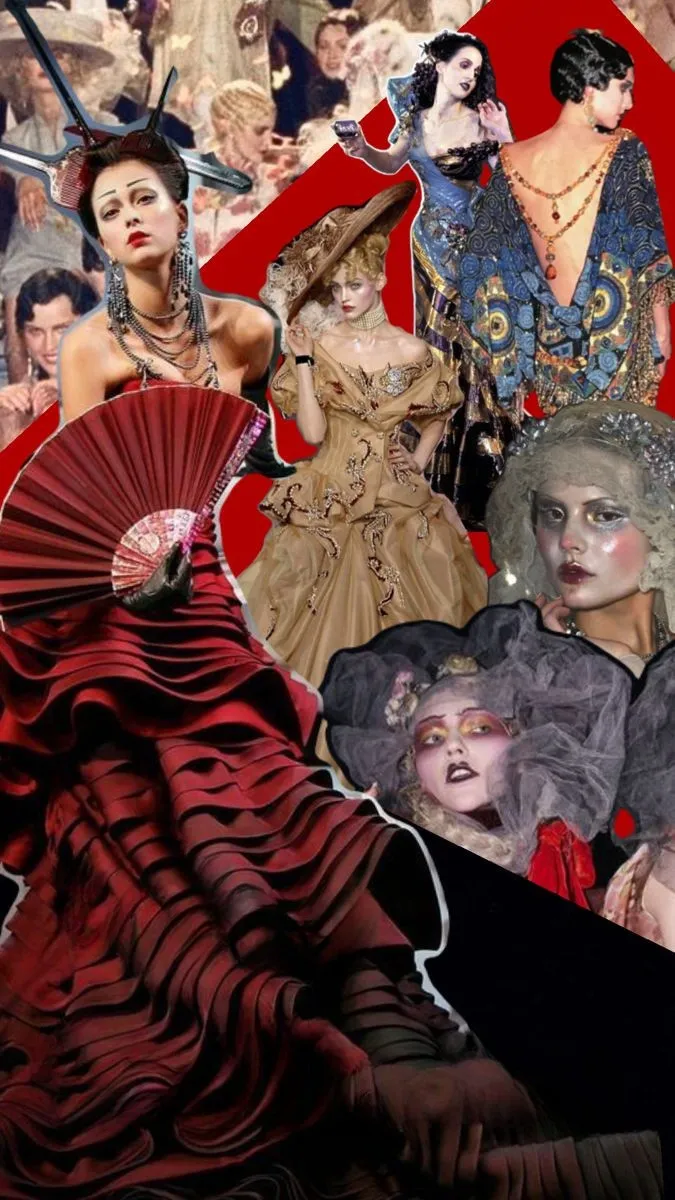
From ruin to resurrection, John Galliano breathed fire into Dior, weaving theater, romance, and audacity into couture’s most dazzling rebirth.
From ruin to resurrection, John Galliano breathed fire into Dior, weaving theater, romance, and audacity into couture’s most dazzling rebirth.
November 30, 2025
Advertisement
Advertisement



John Galliano’s journey reads less like a career plan and more like a plot twist. Bankrupt in London, reborn in Paris, rescued by Anna Wintour, and adopted by LVMH, his story could outshine any soap opera. Dior did not just hire a designer, they hired a ringmaster for fashion’s most extravagant circus.
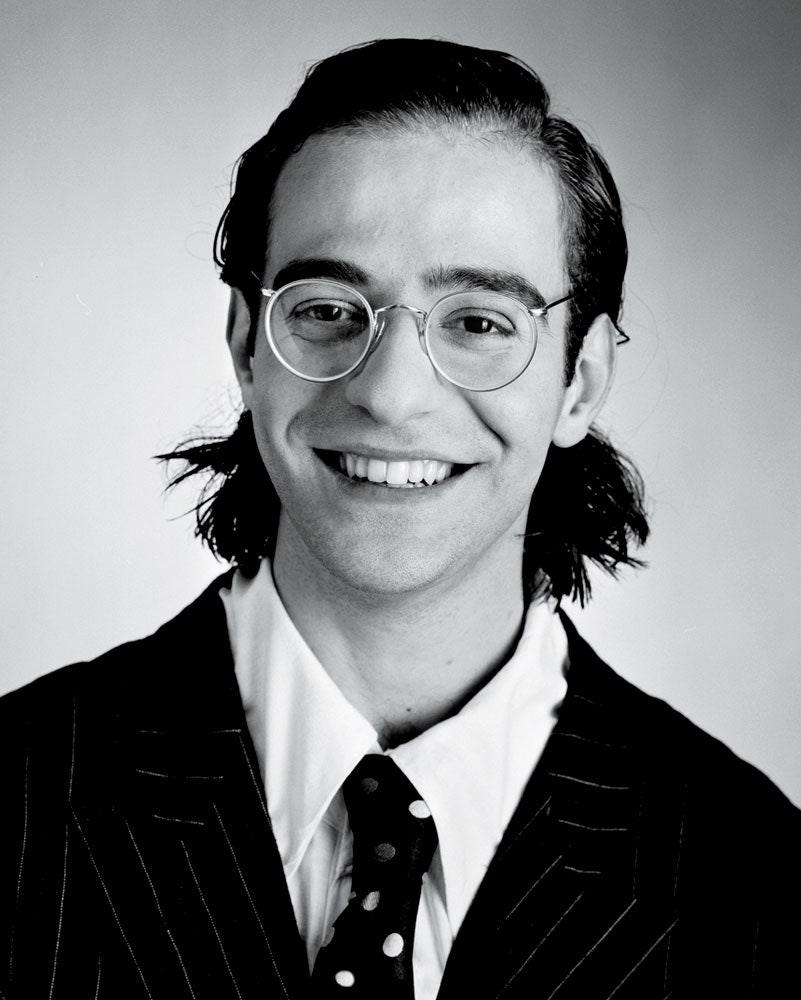
The story of John Galliano, the man who would become the most audacious and transformative creative director in the history of Christian Dior, begins not in the ateliers of Paris but in the gritty, unglamorous suburbs of South London. Born in 1960 to a Spanish mother, a flamenco teacher with a innate sense of drama and glamour, and an Italian plumber father, his early life was a far cry from the opulence he would later conjure. It was a childhood marked by hardship, his father’s grumpy demeanor often turning to beatings, and schoolyard bullying for a boy deemed too “overdressed” and too “weak.” Yet, it was from his mother that he inherited his first lessons in style; she transformed mundane trips to the grocery store into masterclasses on how to command a room, how to flaunt and fascinate. This early dichotomy between a harsh reality and a beautiful fantasy would become the very engine of his genius.
At the age of 20, Galliano studied at Central Saint Martins - the place that trains the world's fashion wizards. The young man was able to indulge his passion, immerse himself in the world of silk and brocade and successfully graduated with first class honors with his first collection called Les Incroyables (1984).
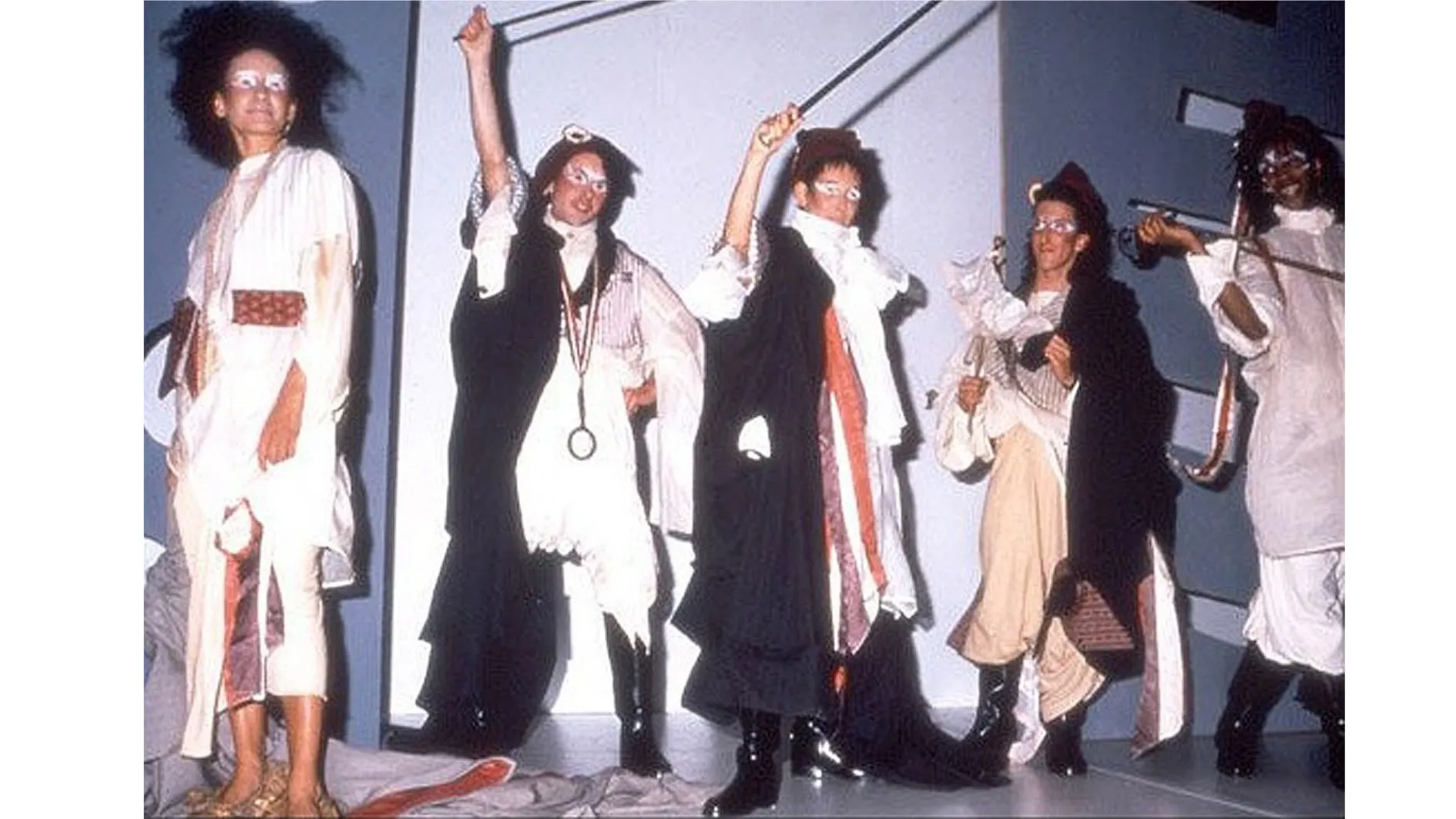
After that, Galliano founded the brand of the same name and received support from many major financial sponsors. However, the soaring did not go hand in hand with revenue. The brand soon went bankrupt in 1990.
Unbroken, he made the pivotal decision to decamp to Paris, arriving with little more than ten francs in his pocket and an unshakeable belief in his vision. “I realized I really enjoyed what I was doing, and I wanted to be international. It was a commercial decision to show in Paris, so it just made logical sense,” he explained. It was there, in the fashion capital, that his destiny intertwined with powerful figures. Anna Wintour, the formidable Editor-in-Chief of Vogue, became a crucial champion, introducing him to a network of influence. Galliano gradually made his mark on the world fashion map, was noticed by LVMH and appointed as the chief designer of Givenchy in 1996, making him the first British designer to helm a French haute couture house.
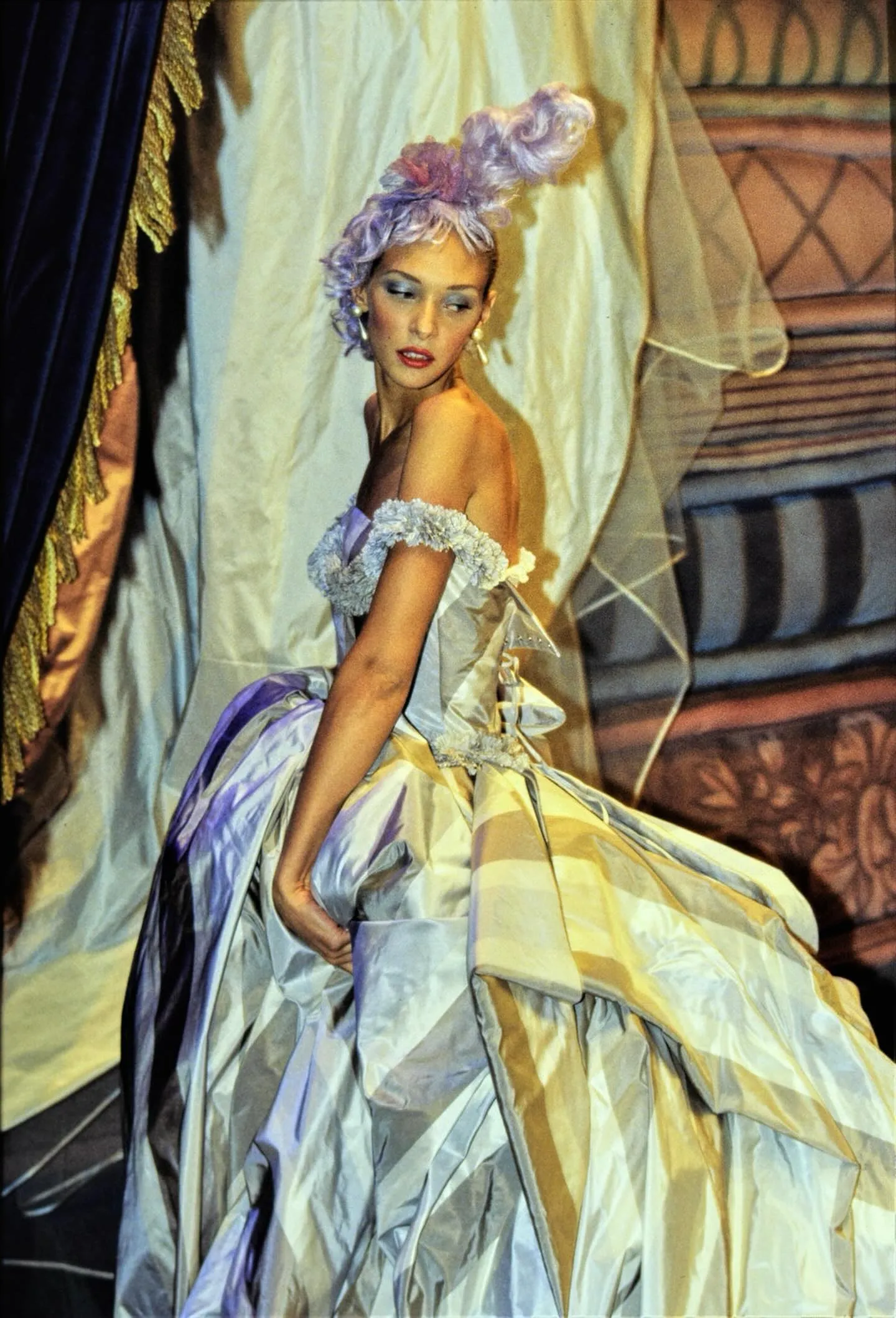
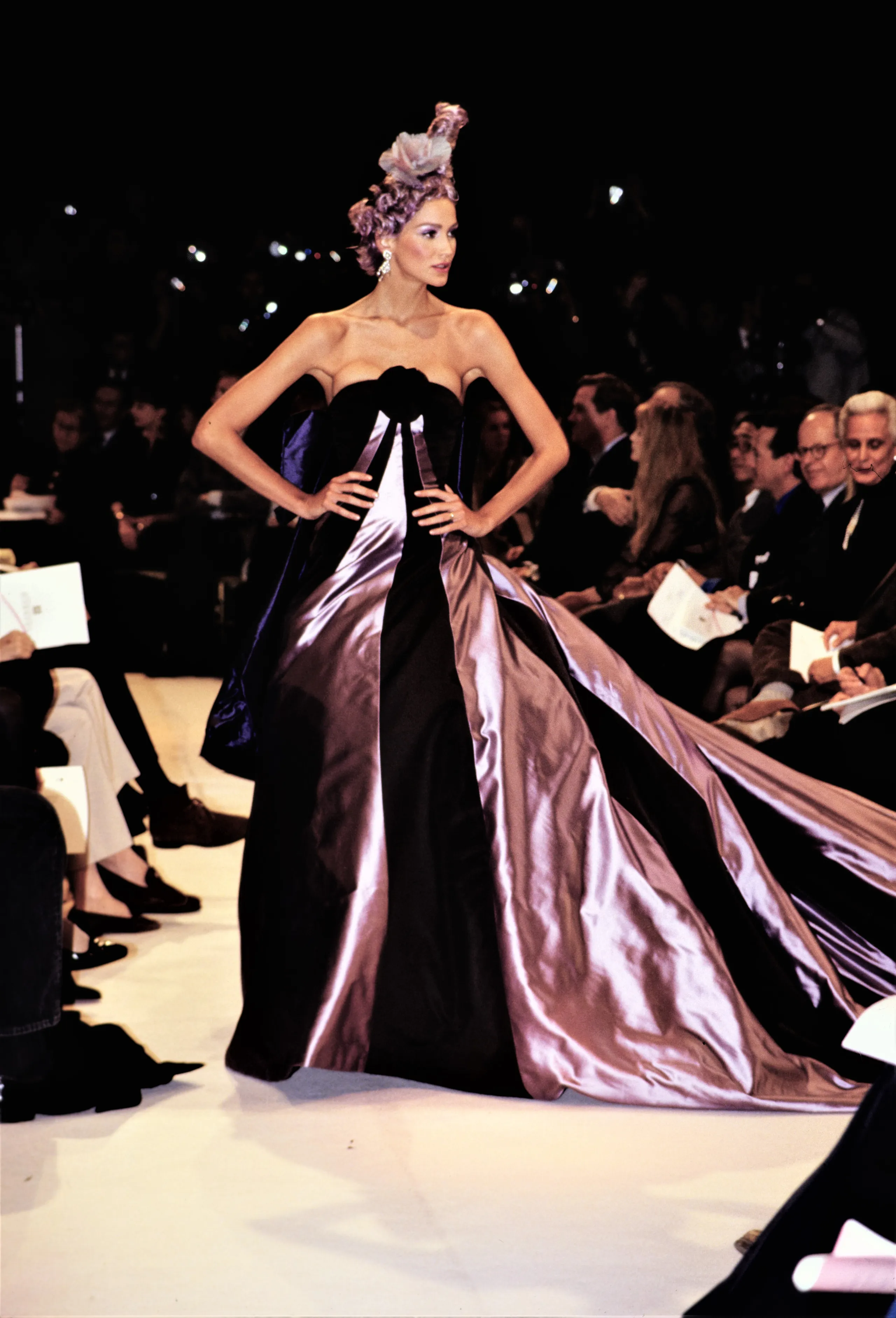
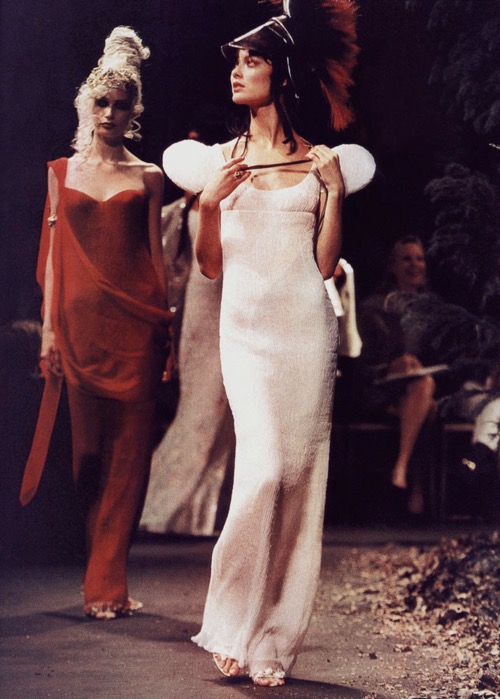
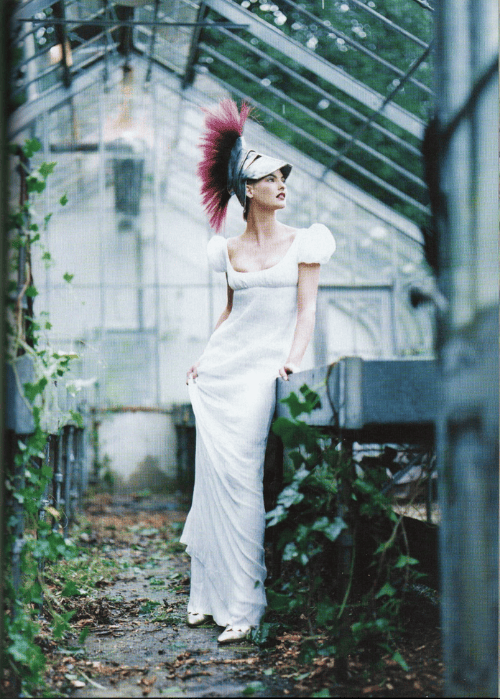
Just two years later, Bernard Arnault executed a masterstroke, transferring Galliano to the helm of Christian Dior. The mission was clear: to attract a new, younger generation without sacrificing the house’s sacred codes. The future of haute couture itself seemed to hang in balance, and Arnault was betting on the most fantastical, monstrous talent he could find.
Bernard Arnault stated in a December 1996 Women’s Wear Daily article:
"Galliano has a creative talent very similar to Christian Dior. He has the harmony of romanticism, feminism and modernity that are characteristic of Christian Dior. You find in all his creations, from the suit to the dress, the similarity to Christian Dior.”
Also in 1996, Anna Wintour commented that “Dior is dying. It is no longer the avant-garde house of its time”. Karl Lagerfeld also said: “The structure is still there, but they need a change of blood. I think they need him. He brings something new and wild.”
When Galliano arrived in 1996, Dior was a giant resting on its legacy. The house needed a jolt of energy, something radical enough to captivate a new generation without betraying its heritage. Galliano was that spark. Famously dubbed fashion’s “British madman”, revived Dior when he arrived in 1996, transforming it from a legacy-bound giant into the heartbeat of late ’90s and early 2000s couture. While Christian Dior offered polished elegance, Galliano unleashed liberation, fantasy, and unapologetic excess, reimagining the house’s codes with theatrical spectacle and radical silhouettes. His audacious vision positioned him alongside Thierry Mugler and Jean Paul Gaultier as one of haute couture’s “undefeated monsters”, ushering in Dior’s most daring and creatively charged era.
Galliano's Dior was theater, spectacle, and pure artistry rolled into one.
“What I do at Dior is completely respectful to the codes and the tradition, and to the blueprint that Monsieur Dior laid down" - Galliano once said.
Each collection told a story, transforming the runway into a stage where models did not merely walk but performed, embodying characters from fairy tale princesses to tragic Marie Antoinette, from mysterious Egyptian goddesses to weathered flower girls. His shows became legendary events where fashion transcended commerce to become art. One moment, audiences would witness opulent gowns inspired by Versailles. Next, they had been transported to 1920s Hollywood or exotic Asia. Galliano himself would transform into different characters for each show's finale, creating complete narratives that left audiences breathless.
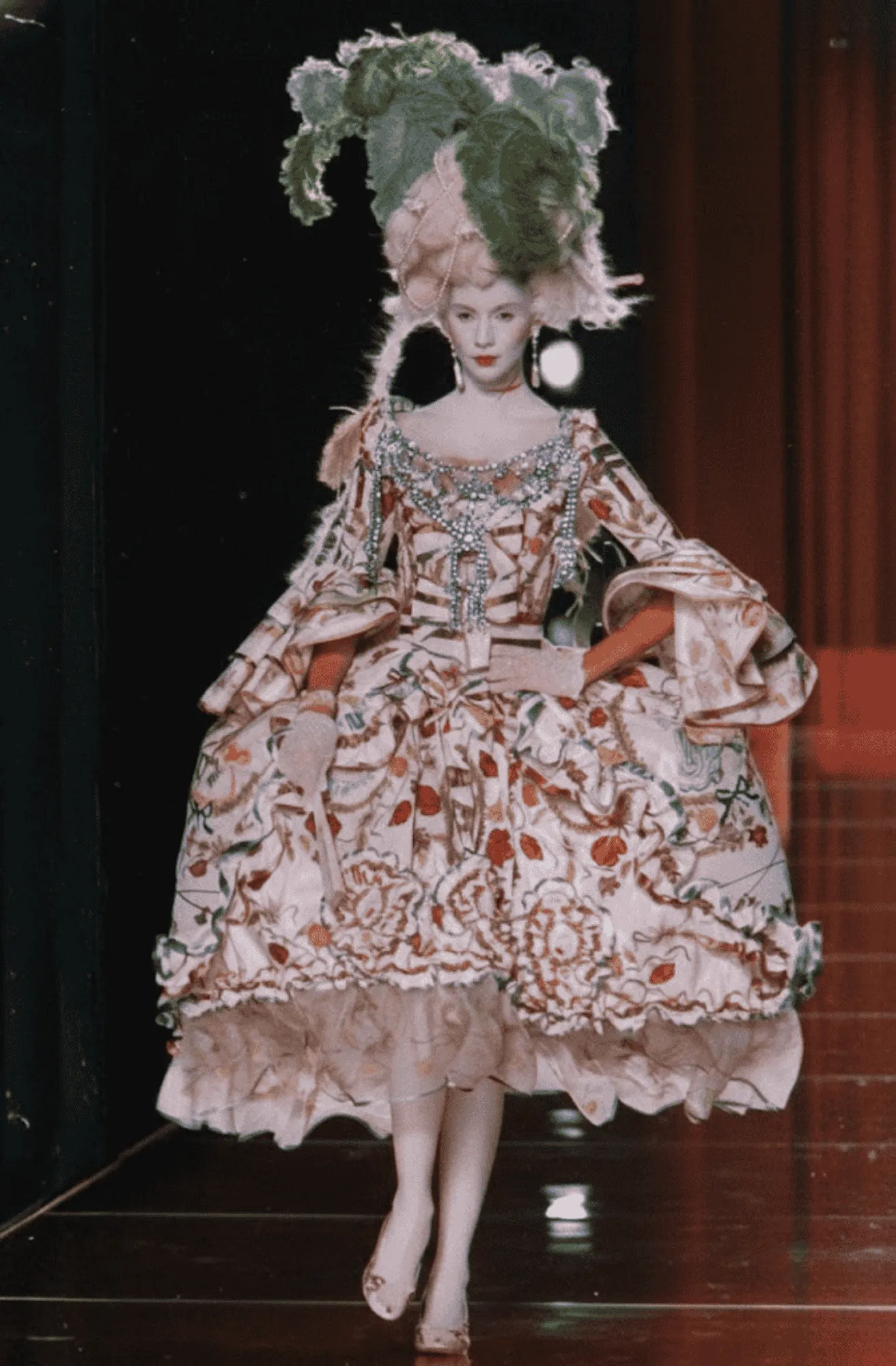
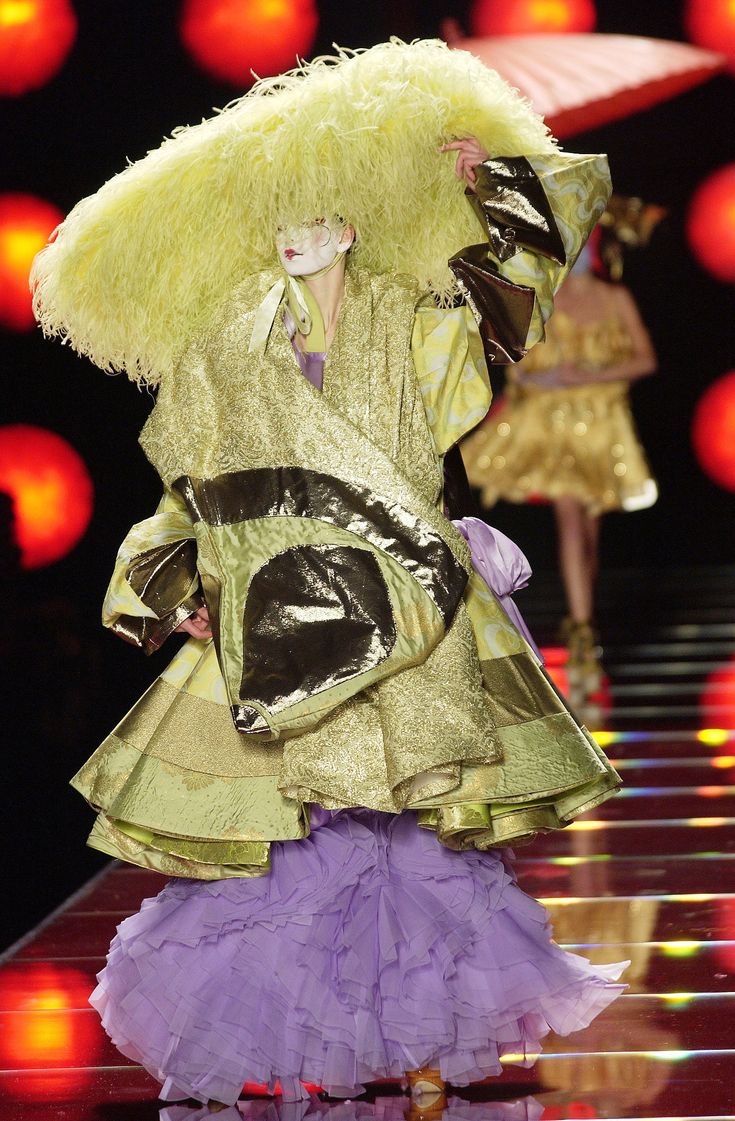
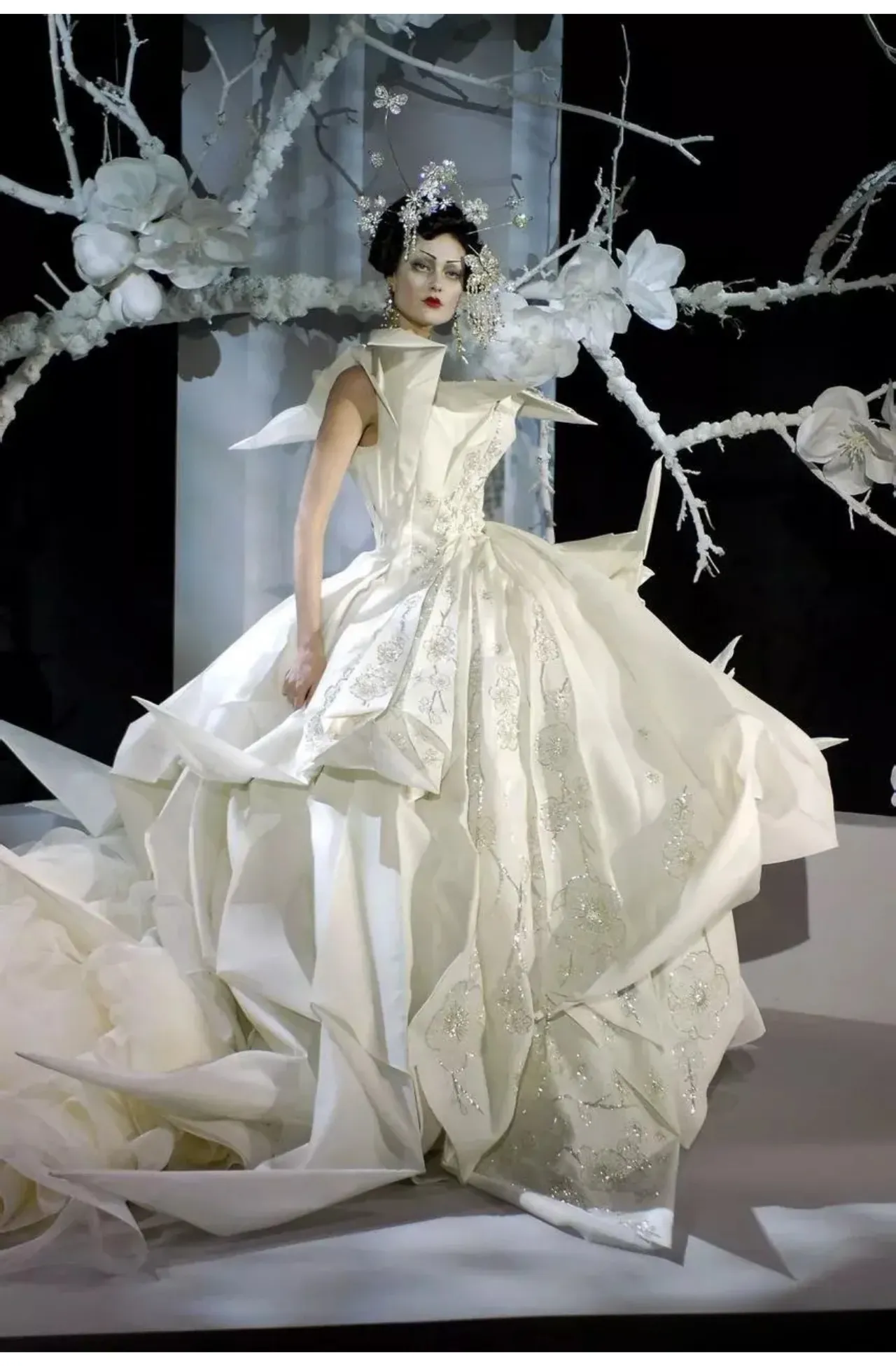
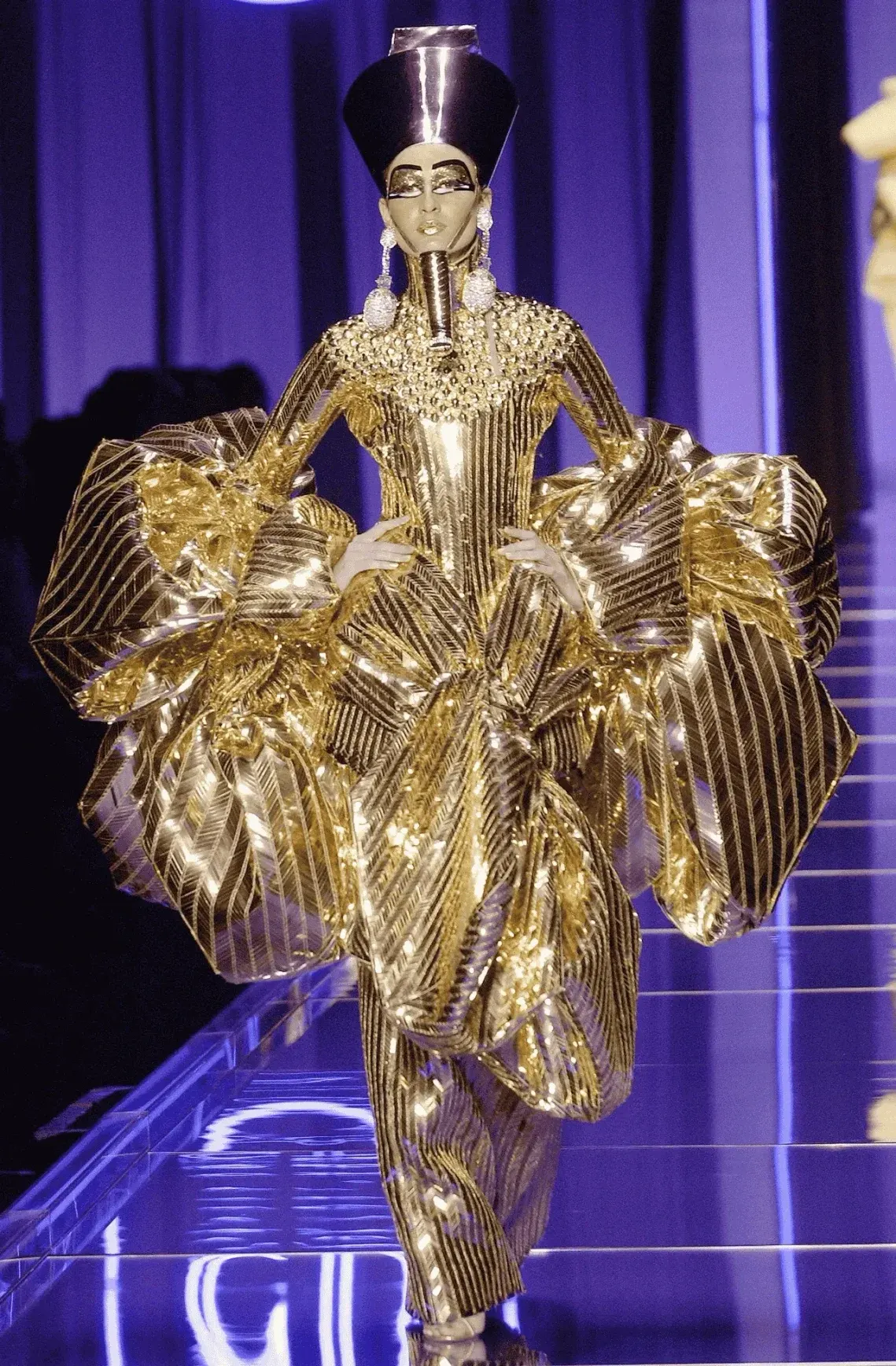
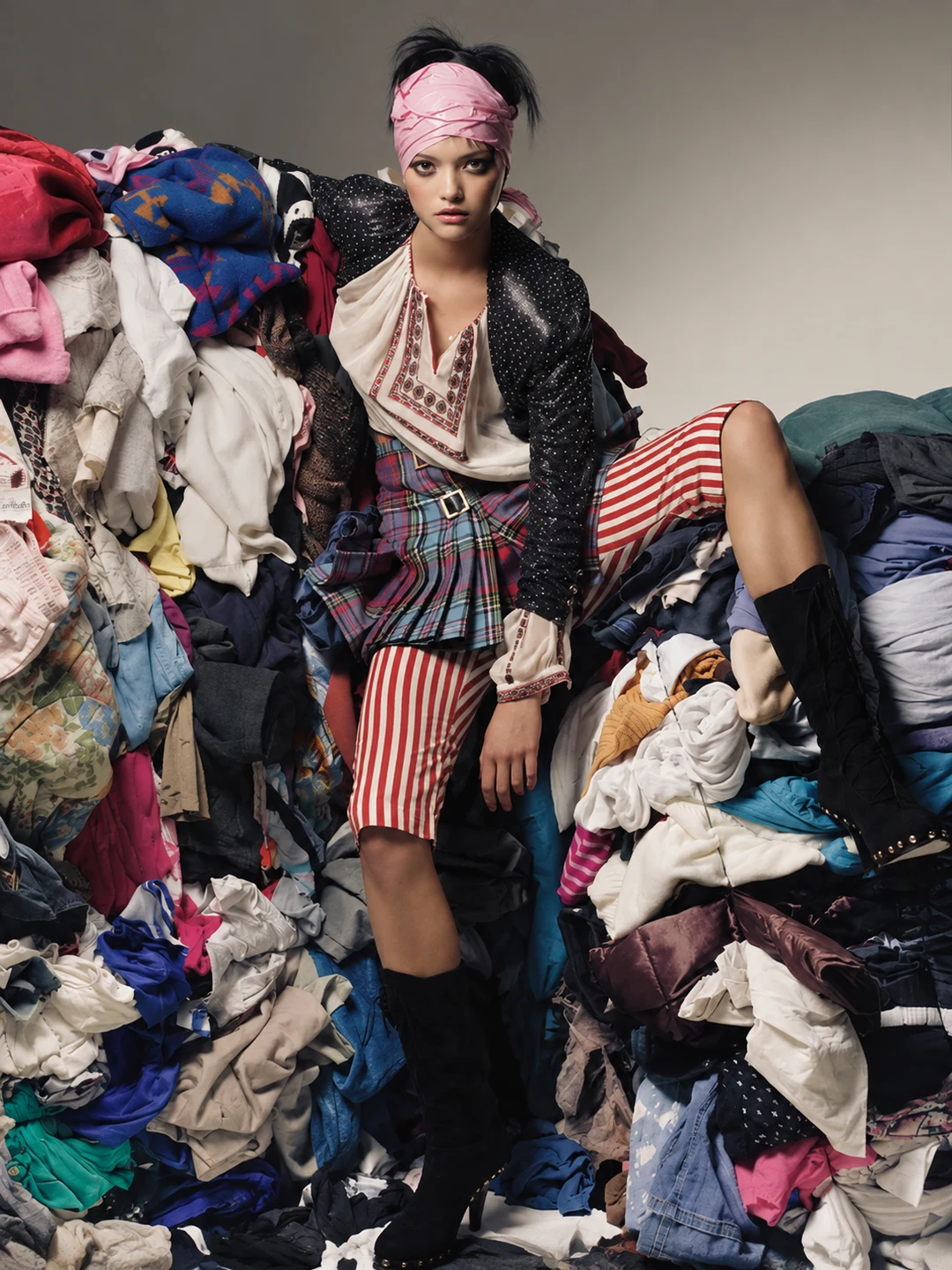
John Galliano's Haute Couture did not stop at him "rejuvenating" the entire Dior headquarters. If contemporary designers used high-quality original fabrics as raw materials, Galliano's works gathered all the "best and worst". His progressive thinking at that time was considered one of the historical figures ahead of his time. At that time, who reused leftover pieces of fabric and thread; who crushed an old piece of fabric to regenerate it into a new piece of fabric with full "high-class"... covering them to create a masterpiece for life? Also, with skillful cutting and sewing techniques, layered in layers, imbued with avant-garde style, Galliano left Dior hundreds of designs that nearly 30 years later, the "devout followers" loyal to John Galliano still yearn to have.
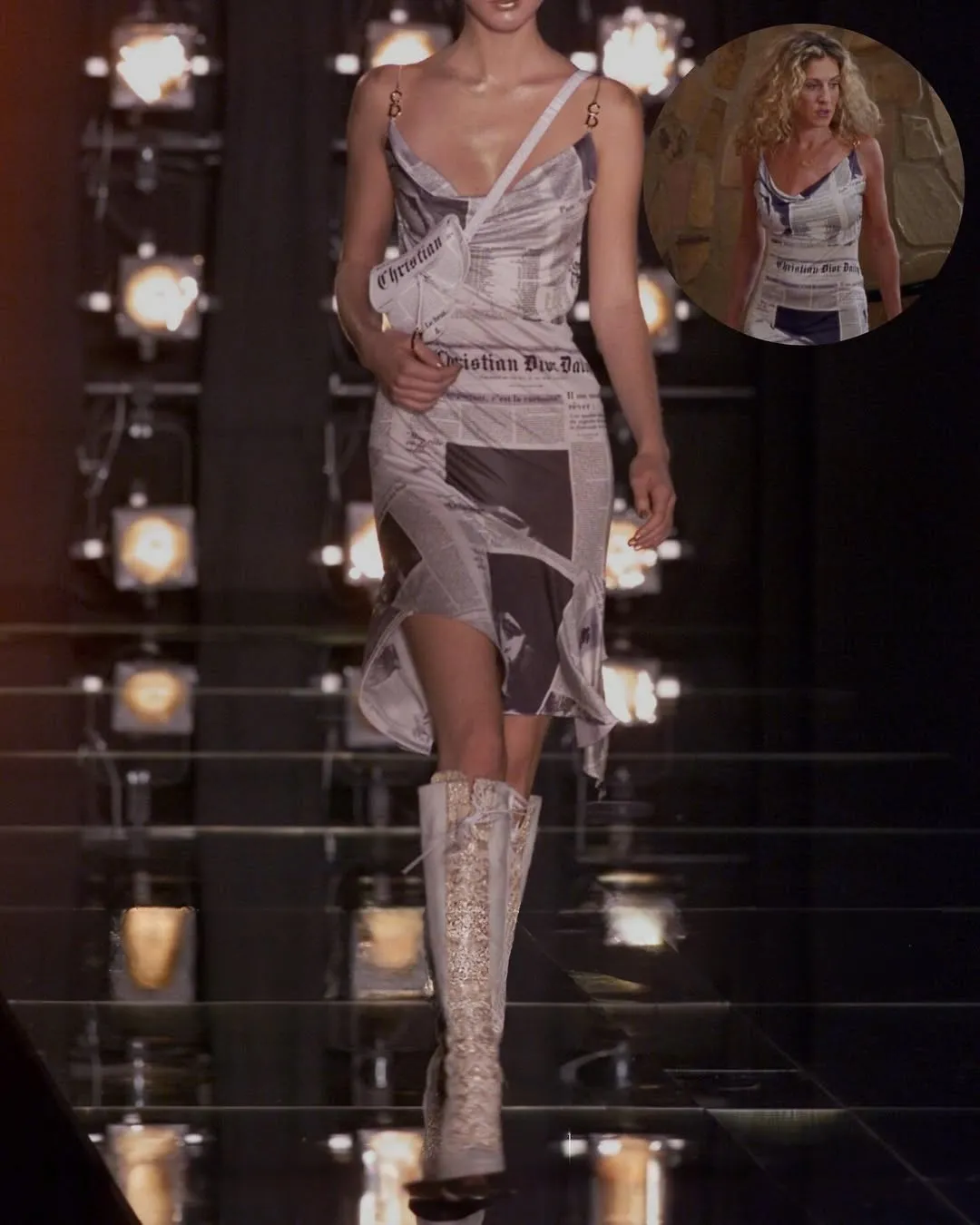
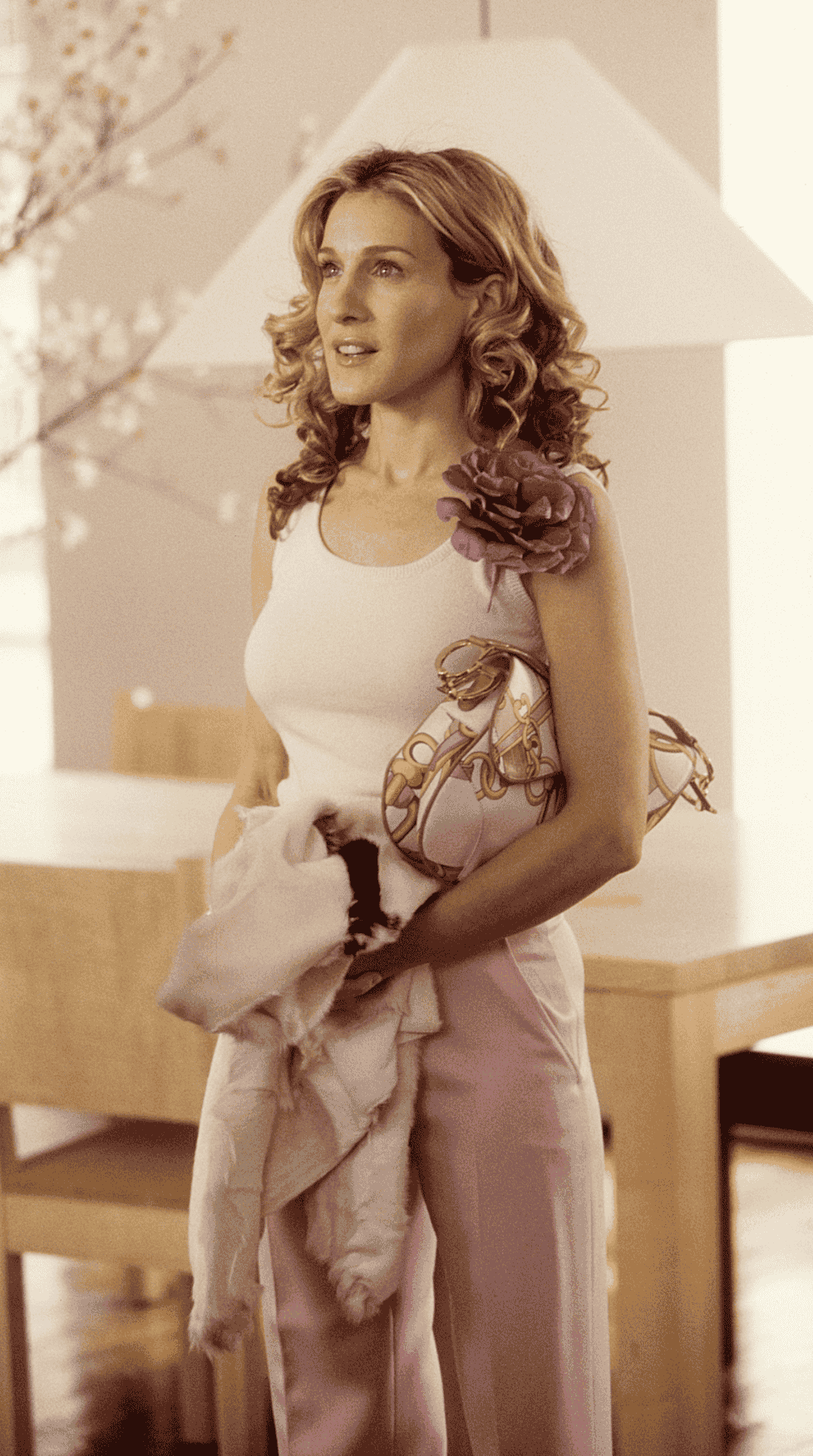
The commercial impact was undeniable, particularly with the creation of the Saddle Bag in 1999, which became Dior's first It-bag phenomenon under Galliano's direction, When Carrie Bradshaw carried the pink and white version covered with Dior's gold D logo in Sex and the City, it sparked a global frenzy. This bag model brought great commercial success with Dior’s accessory sales increasing by more than 60% a year. In 2006, Galliano launched a collection of 12 saddle bags inspired by his 12 favorite countries. The Saddle Bag thus maintained its dominant position for 11 years and led the IT-Bag craze until it gradually cooled down in 2007. The bag's influence was so profound that when Maria Grazia Chiuri revived it in 2018, it immediately reclaimed its status as a must-have accessory.
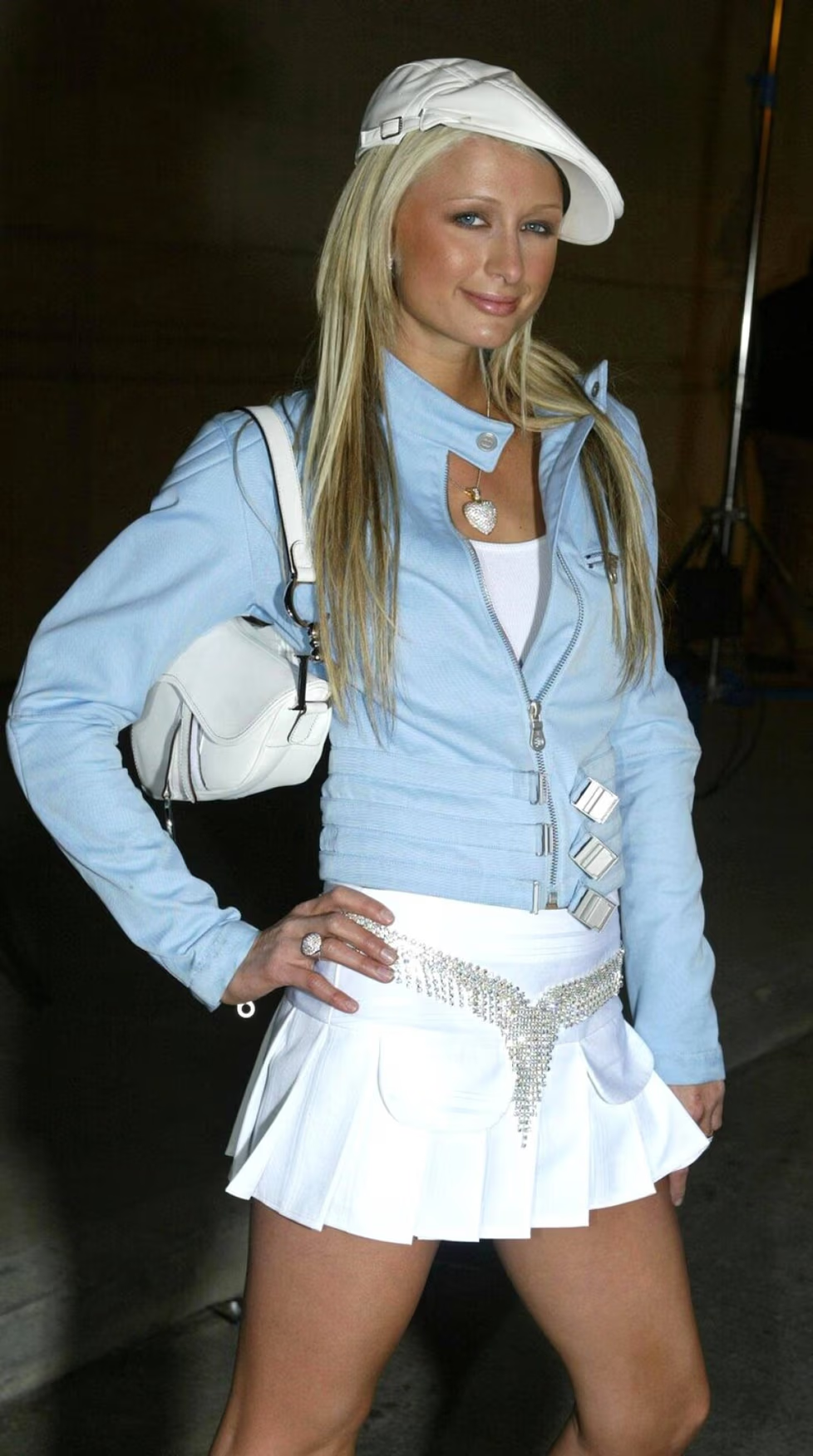
Galliano's haute couture collections for Dior represented the pinnacle of fashion artistry during an era increasingly dominated by fast fashion and commercialization. He stood like a creative colossus, defending the sanctity of craftsmanship and imagination against the tide of mass production. His bias-cut slips, oversized coats, and theatrical accessories did not just create trends, they created moments that defined an era. The 1998 Spring collection alone demonstrated his ability to reimagine fashion possibilities, while his menswear experiments with lingerie-inspired vests showed his fearless approach to gender and style conventions.
Perhaps most significantly, Galliano understood that fashion could be transformative on a deeper level. He liberated them, tearing apart the oppression of conventional beauty standards and social norms. His Dior woman could be anyone and anything, from a deconstructed geisha to a punk princess, from a homeless aristocrat to an intergalactic goddess.This radical inclusivity and celebration of fantasy made Dior relevant to a new generation while maintaining its couture heritage.
If Dior had devoted his life to making women confidently beautiful within a defined framework, Galliano would use that same language of luxury and femininity to tear the framework apart, to liberate the body and the imagination, throwing convention into the trash and ascending to a pinnacle of pure, unadulterated creativity.
“I remember seeing the coverage in Vogue, and it was reported that [Kidman’s] Oscar appearance, in every magazine from People to Paris Match, exposed around 54 million women to Dior. That’s a lot of people,” said fashion editor Tonne Goodman in In Vogue: The 90s. “I think that this in fact was the exact moment that everybody understood exactly how significant the relationship between a fashion house and a celebrity was.”
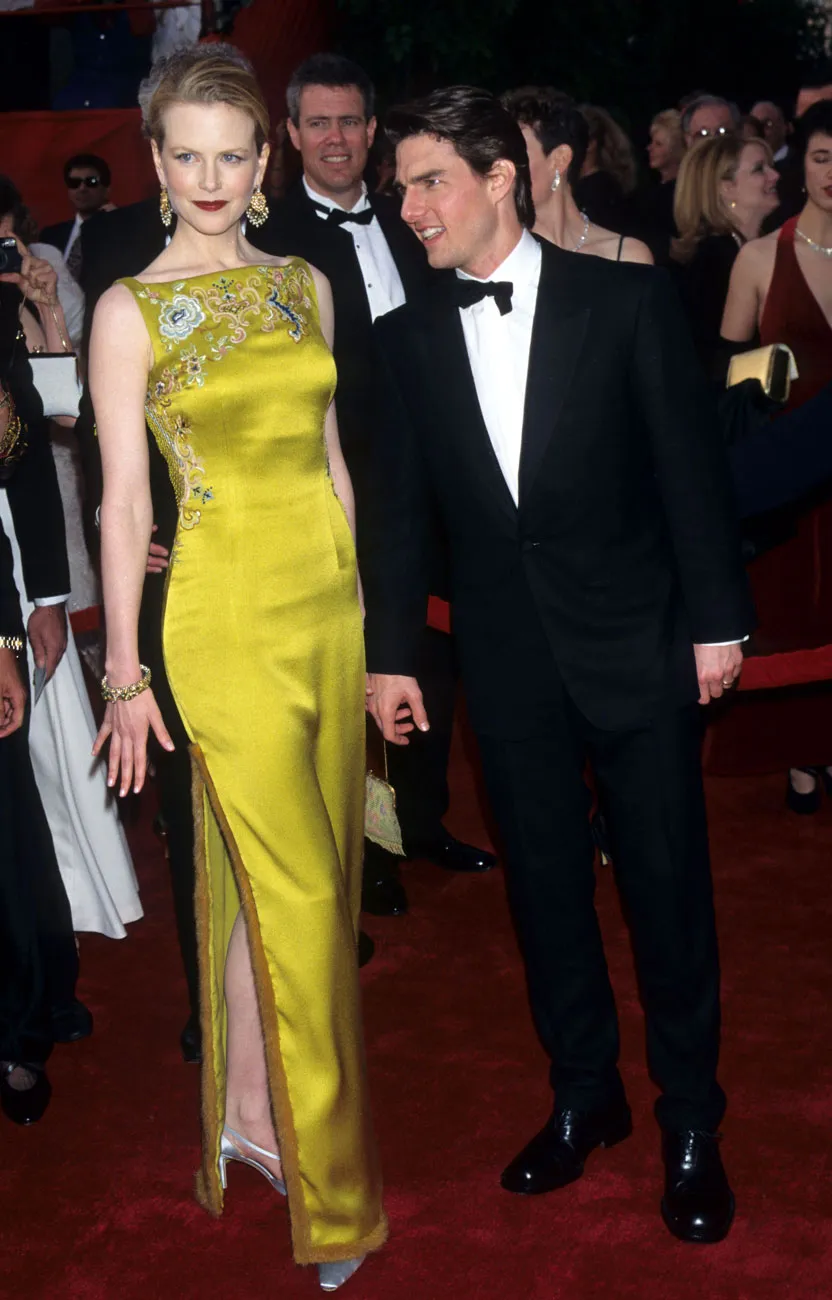
Kidman’s appearance on the red carpet wearing the chinoiserie chartreuse Dior dress, and the enormous amount of press it generated, changed everything. Suddenly designers were vying to dress celebrities, and celebrity endorsements and partnerships with fashion houses started to replace relationships that previously had been built with models. Suddenly, the paparazzi were everywhere, and red-carpet looks were analyzed, praised and ripped apart.
“I was the new boy at the big house of Dior, and there were more than a few people who didn’t think I could cut it,” said Galliano years after that big night. “Because Nicole was willing to show the world she believed in me, I wanted everyone to see her step out from her husband’s shadow.”
Lady Diana attended the Met Gala in 1999, wearing the first dress created by John Galliano for Dior
The numbers spoke volumes about his impact. Under Galliano's creative direction from 1996 to 2011, Dior became one of LVMH's star and most profitable brands, at 826 million euros in 2010. His collections consistently generated massive media coverage, with fashion editors fighting for front-row seats at his theatrical presentations. Young designers studied his techniques obsessively, trying to decode his unique ability to merge historical references with futuristic vision.
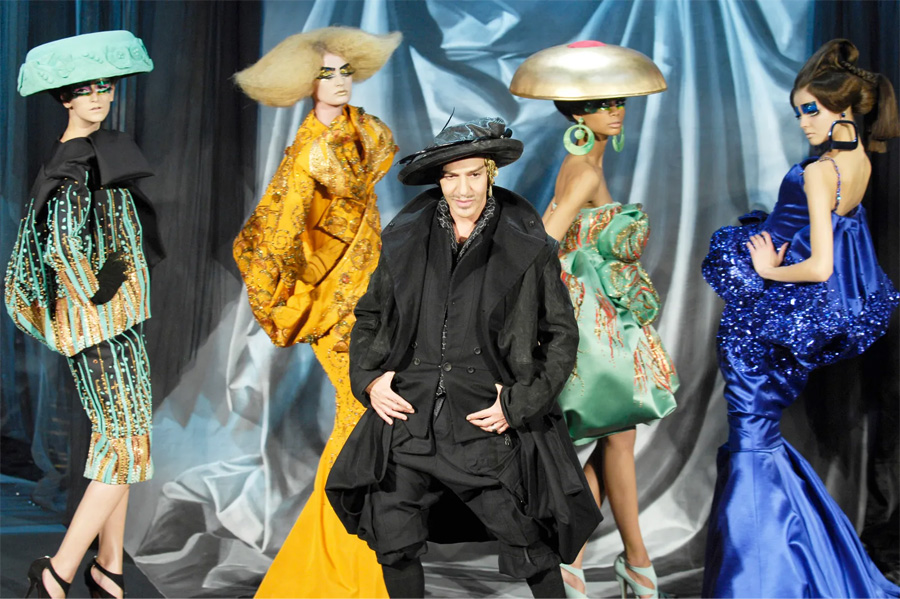
Galliano's tenure at Dior represented more than just commercial success or critical acclaim. It was a complete renaissance of the house's creative spirit. He took Christian Dior's foundation of making women beautiful and confident, then exploded it into a kaleidoscope of possibilities that challenged every assumption about luxury, beauty, and fashion itself. His Dior was reimagined as a place where dreams became wearable art, where history danced with fantasy, and where a boy from South London could transform French haute couture forever.
The legacy of Galliano's Dior continues to influence fashion today. His theatrical approach to runway shows became industry standard, his mixing of high and low materials presaged sustainability movements, and his narrative-driven collections established fashion as a legitimate form of storytelling. Most importantly, he proved that commercial success and artistic integrity were not mutually exclusive, that a fashion house could be both wildly profitable and creatively revolutionary.
In the end, John Galliano created an entire universe where fashion became poetry, where craft met chaos, and where the impossible became inevitable. His fifteen-year reign transformed Dior from a respected but somewhat staid luxury brand into a creative powerhouse that defined an era. The rebirth he orchestrated was not just about hemlines or silhouettes. It was about reimagining what fashion could be when genius meets opportunity, when tradition embraces revolution, and when a designer's vision becomes a fashion legend.
Advertisement