MENU
Close





A former Tokyoite dentist treats the body the way a master jeweler treats a gemstone: as something already precious, already structured, already worthy of elevation. Taro Hanabusa — founder of Fangophilia, brings medical discipline into fashion’s underground, casting teeth, ears, hands, even kneecaps into silver so the wearer becomes a living reliquary.

A former Tokyoite dentist treats the body the way a master jeweler treats a gemstone: as something already precious, already structured, already worthy of elevation. Taro Hanabusa — founder of Fangophilia, brings medical discipline into fashion’s underground, casting teeth, ears, hands, even kneecaps into silver so the wearer becomes a living reliquary.
January 27, 2026


"I believe the natural lines of the human body are beautiful". Taro Hanabusa's fascination with the flesh did not stop when he dropped his prestigious dentist career. That passion was channeled to a completely different path: jewellery making.
Taro Hanabusa’s path toward design begins in a place that feels closer to a lab than a runway. He spoke about entering dental school with a fascination for surgery and the anatomical world, a curiosity that leaned toward visceral and taboo. That early pull matters because Fangophilia never chases prettiness for its own sake. Even at its most polished, it keeps a trace of the clinical gaze, the feeling of observing the body as structure.
For years he lived a double life. On paper he practiced dentistry. In reality, he moved through the underground where modification is a form of identity, and where the body becomes both canvas and manifesto. He began making silver fangs for friends using the same molding logic and materials he used for patients, shifting clinical procedure into subcultural ritual.
When he officially launched Fangophilia, the name itself declared devotion. Fang plus philia, obsession given a clean Latin spine. It reads like a diagnosis and a love letter at once.
"In Japan, the student years are the only period of freedom. When I started my hospital practice, I had to take out my 20 piercings and cover my tattoos with long sleeves. Fangophilia was my way to keep that freedom."
In that light, Fangophilia becomes more than a label. It becomes a portable version of the self that professional life asked him to hide. The pieces act as permission. They restore the right to look strange, intense, and uncompromising, yet with craftsmanship so exact it can stand in the same room as medicine.
Fangophilia is built on a process that most traditional jewelers never touch. Instead of sketching a form and forcing the body to accommodate it, Taro Hanabusa starts with the body and lets the object be the consequence. He approaches the client the way a dentist approaches a patient, with measurement, impression, and fit as the foundation.



The first step is a mold. Alginate and plaster, materials familiar to orthodontic workflows, become the beginning of a piece that will later read as futuristic armor. The cast captures reality, not an ideal. Every ridge, asymmetry, and subtle contour becomes data. From there, the work becomes a translation from flesh to metal.
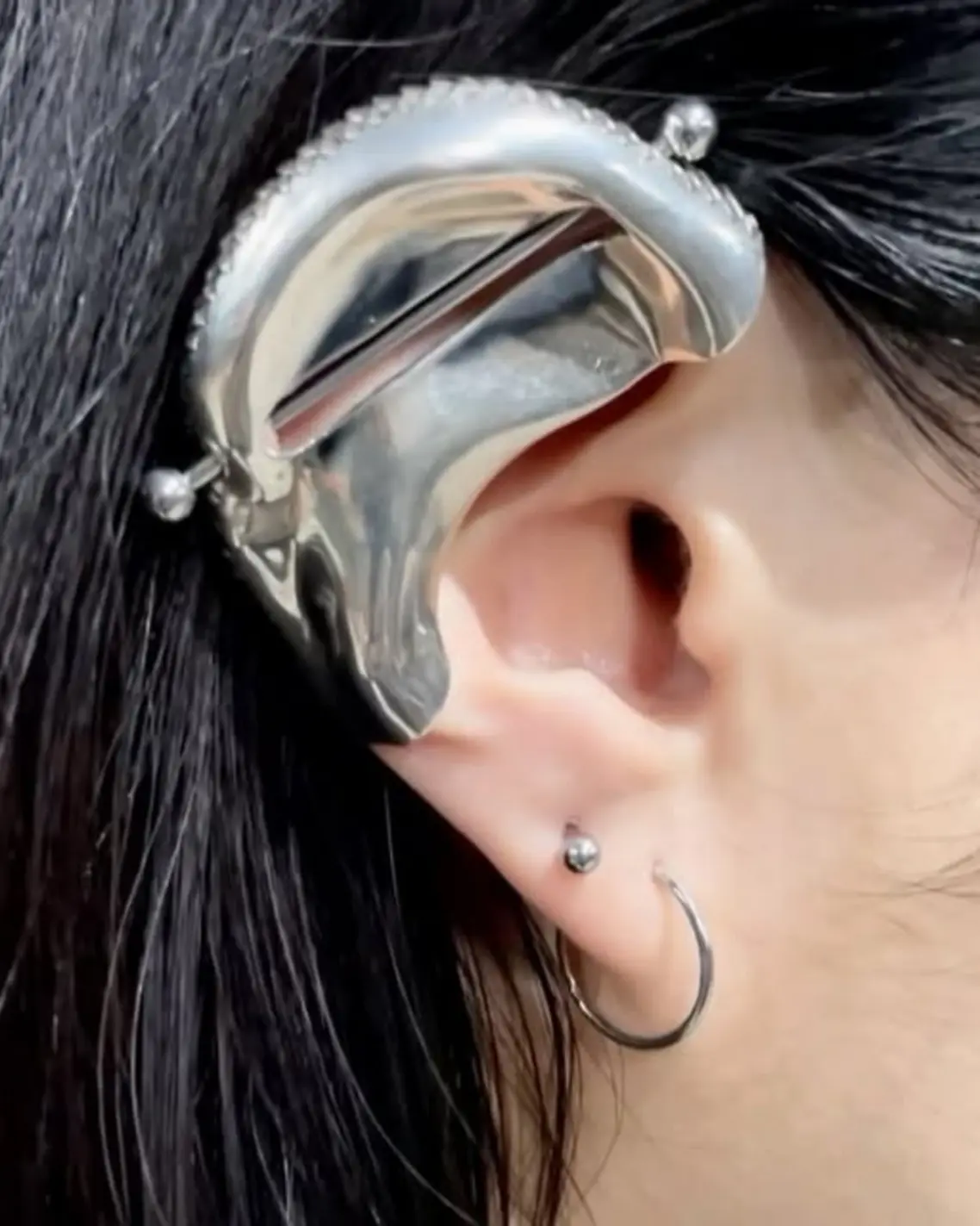
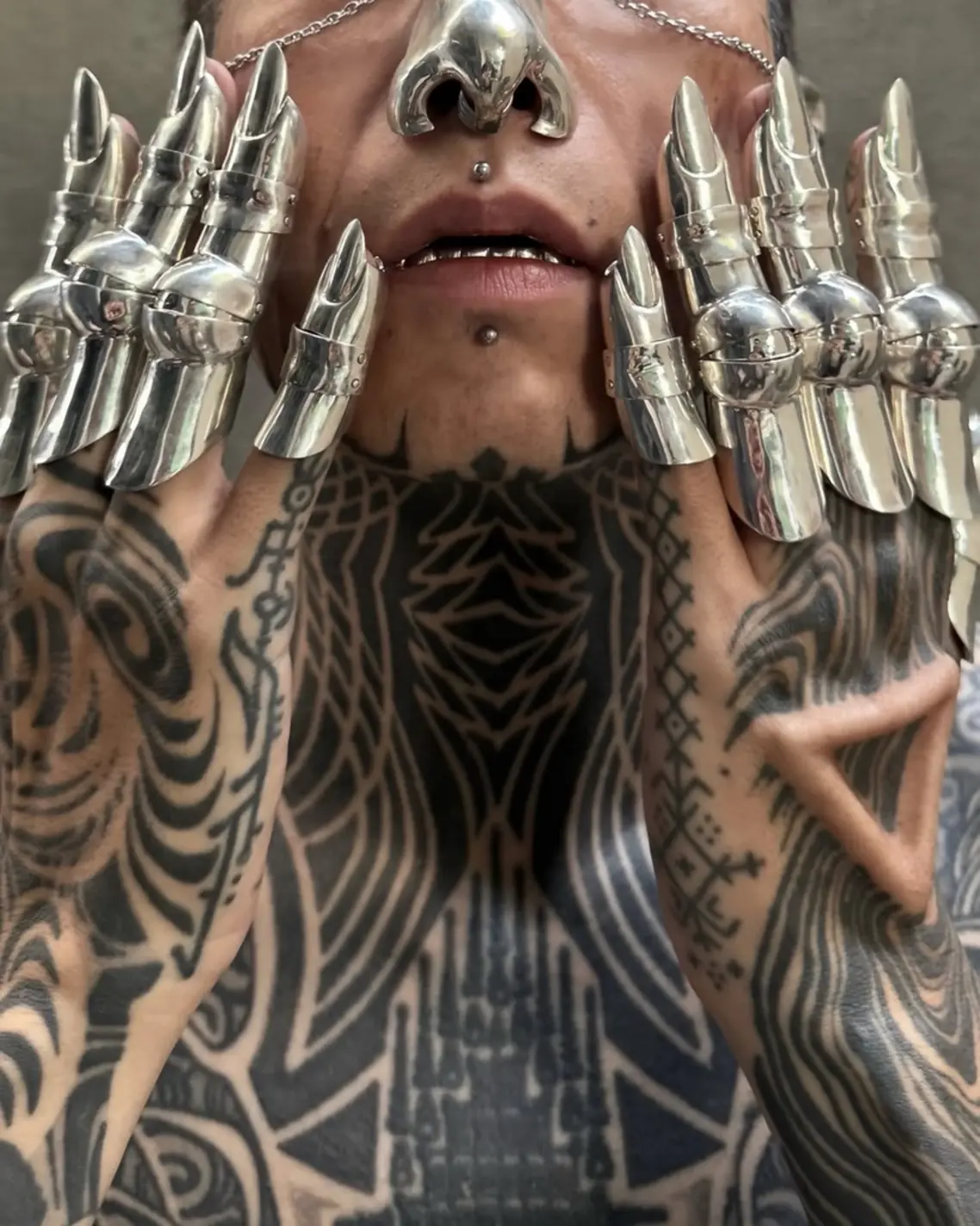
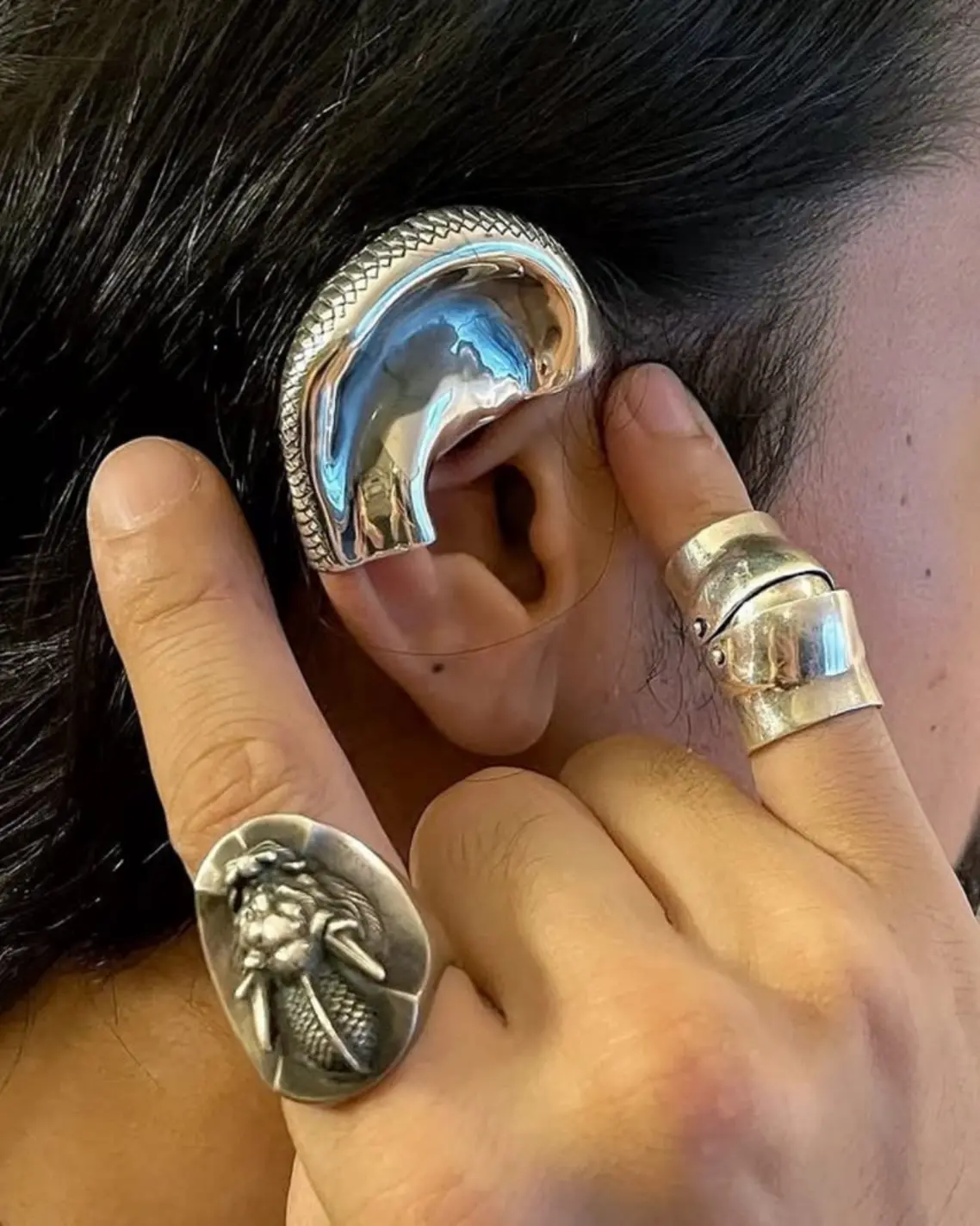
Because Hanabusa understands what sits beneath the surface, the results feel anchored. Ear pieces follow cartilage with an almost predestined certainty. Face plates align with cheekbone structure, so they seem to belong to the zygomatic plane rather than simply resting on it. Even when a piece looks aggressive, the fit communicates care.
Clients often describe the experience as surreal: the smell of spearmint, the sensation of good setting, the stillness required, the intimacy of being handled with clinical confidence. The atmosphere carries a ceremonial edge. A dental procedure turns into an aesthetic initiation.
Fangophilia is also a story about constraints, and about what happens when a strict professional world collides with self expression. Japan offers deep respect to licensed expertise, yet it also carries rigid expectations around appearance, especially in clinical environments. Piercings, tattoos, and visual rebellion can exist, yet they often need to exist elsewhere, after hours, behind a different uniform.
The name Fangophilia suggests teeth first. In practice, the brand extends into a wider anatomy of silver. The most complex pieces often move away from the mouth entirely. Finger skeletons mimic phalanges. Knee armor turns a joint into sculpture. These objects carry a sense of biomechanical fantasy, yet they remain anchored in the logic of real bodies.
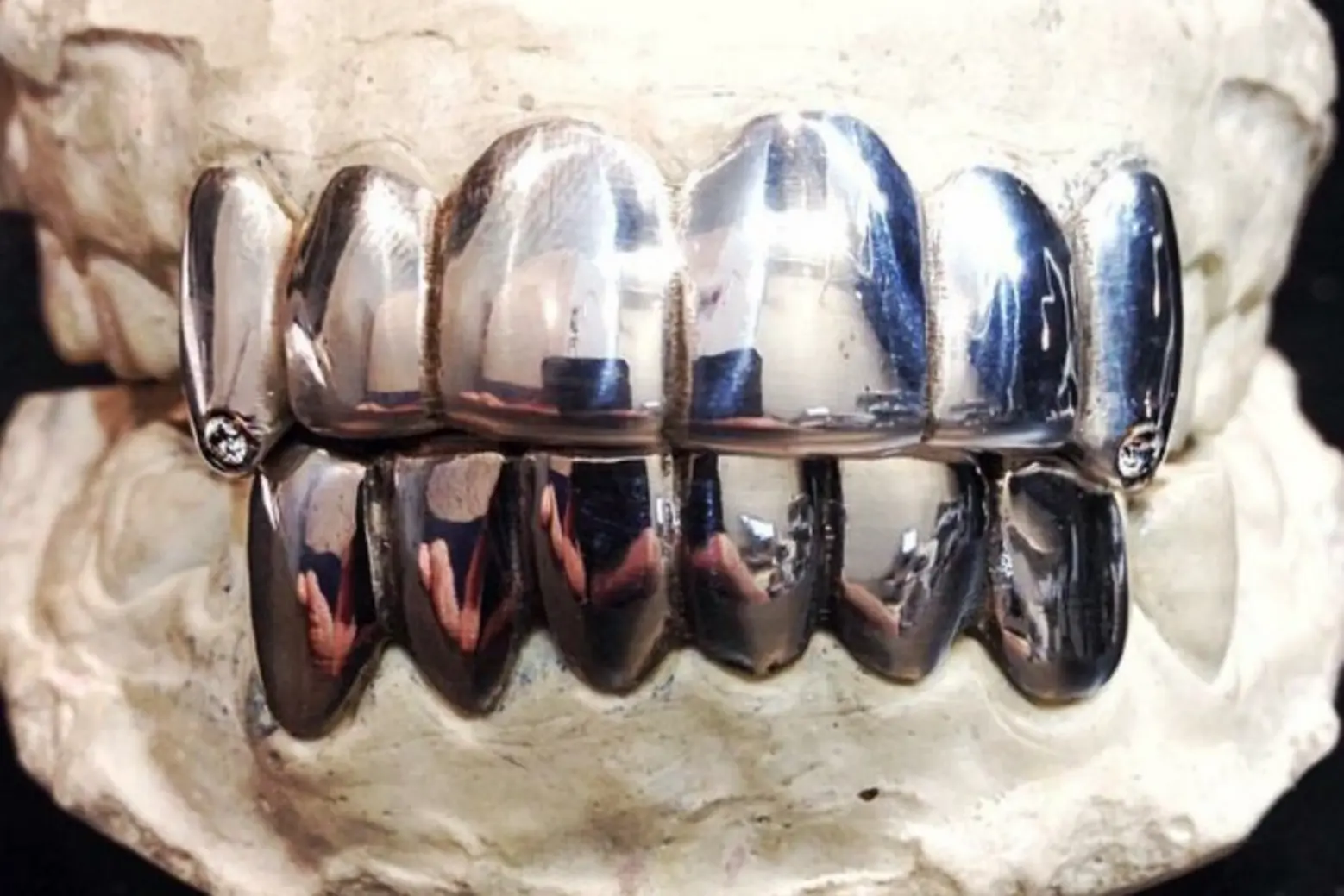
The silver fangs are Fangophilia’s origin piece and the reason the brand exists. They are custom molded 925 silver caps made to fit the wearer’s real teeth, locking in with friction fit precision like a dental crown, then removing like an accessory. This is Taro Hanabusa’s dental training made visible, and it is also the celebrity entry point, with Marilyn Manson and G-Dragon often linked to the fang mythology.
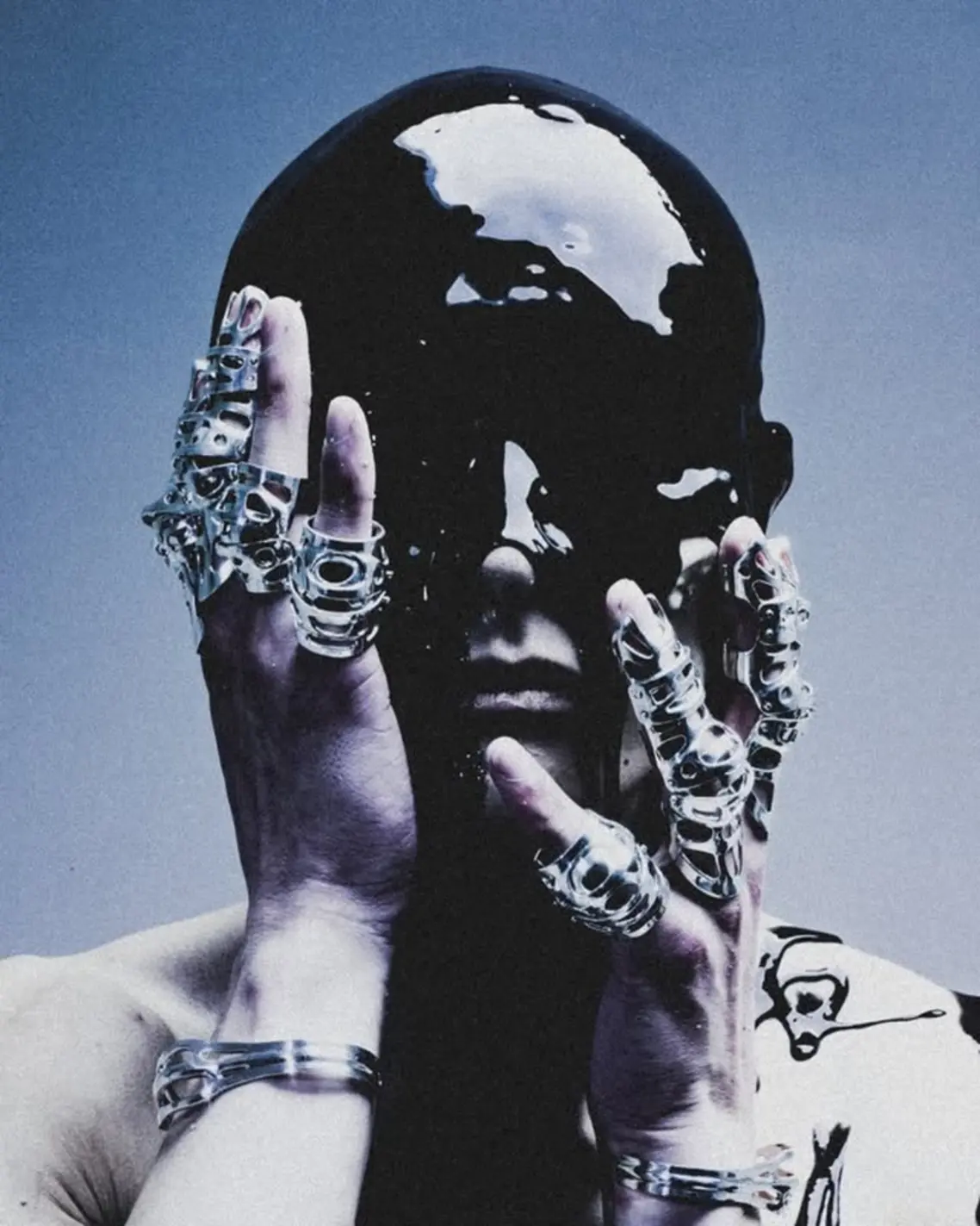
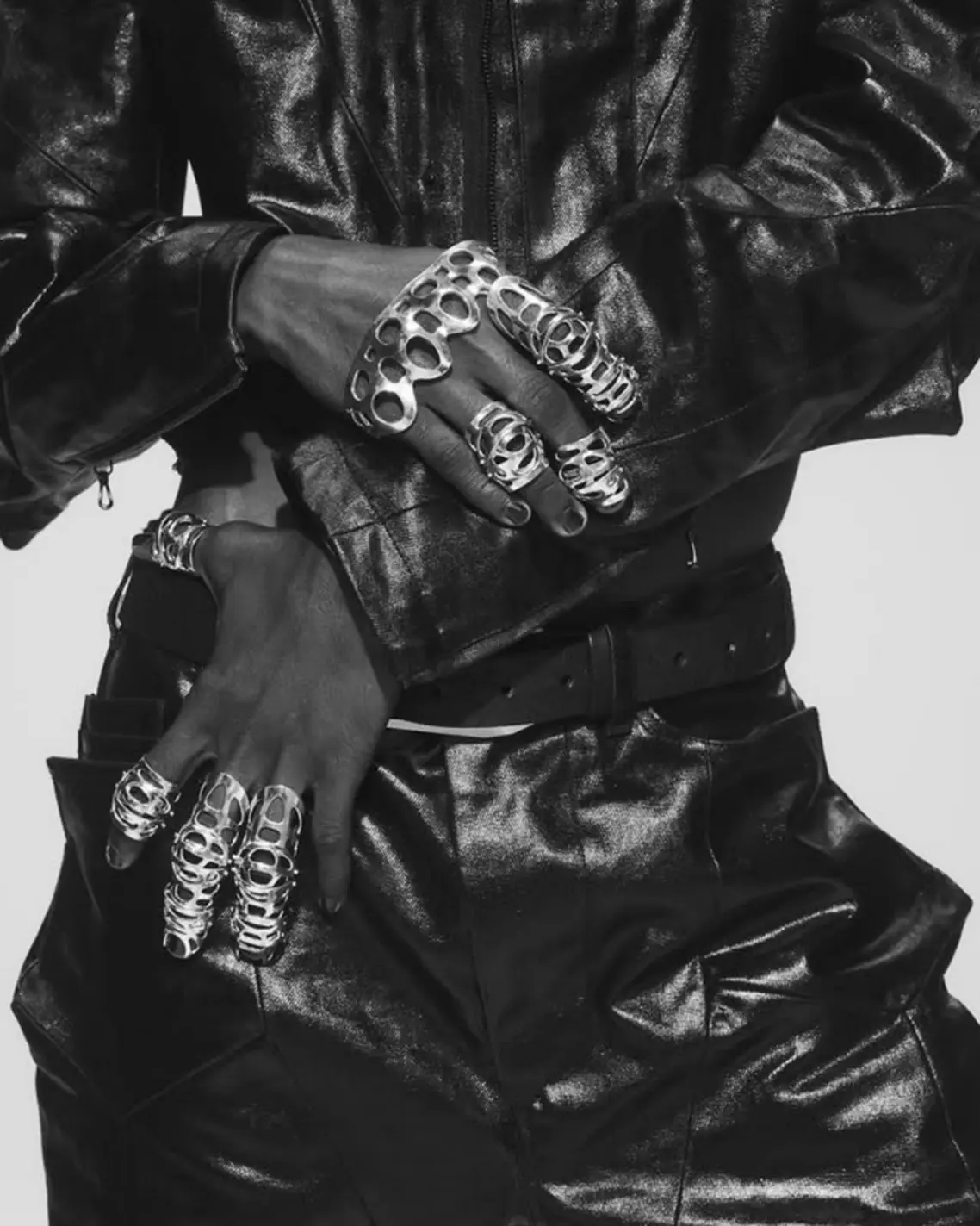
The Full Finger and Inner Joint series is the brand’s most recognizable silhouette today, turning the hand into chrome skeleton. The Full Finger Ring is a three piece articulated sleeve that covers the whole finger while still moving naturally. The Inner Joint Ring sits at the knuckle or inner fold, treating the joint as the focal point. They look like armor, yet Hanabusa calls them second skins because they are cast from the wearer’s hand and feel comfortable over time.

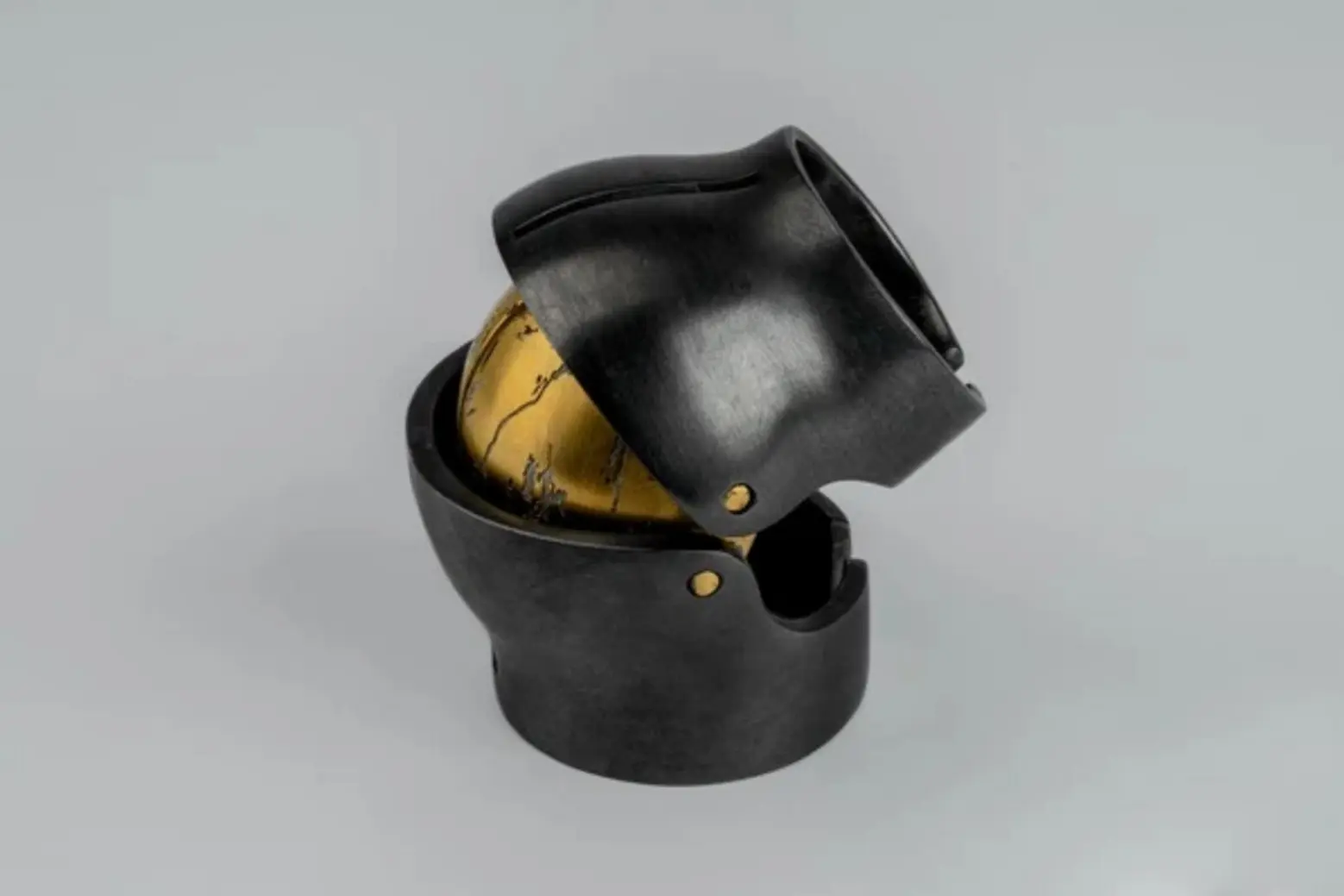
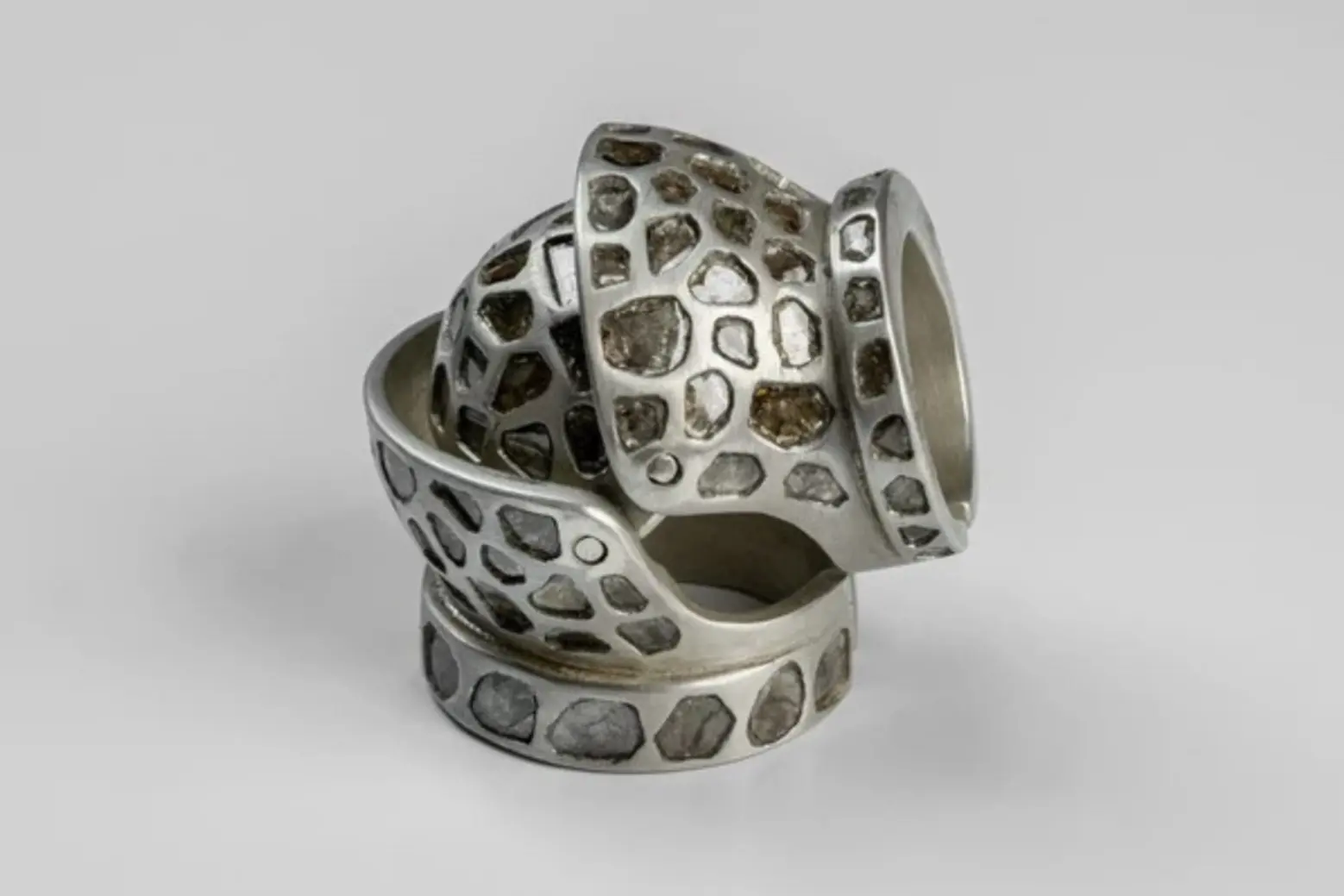
The Parts of Four collaboration is Fangophilia’s most luxury coded collection, merging anatomical casting with brutalist gemstone intensity. The headline pieces are Joint Ring Bands with Mega Pavé, where dense diamonds or rubies sit across the silver joint protectors. This is where the brand shifts from underground medical mood into high luxury occult, often priced around 2,500 to 5,000 USD.



The Face Plate series is the most extreme and most editorial, built as silver plates that sit over the nose bridge, cheekbones, or chin, usually requiring a full face cast. These appear more in fashion shoots and stage styling than general retail, with a famous pop moment landing in Nicki Minaj’s Only video.
In the 2024 to 2025 JULIUS collaborations, Taro Hanabusa clarified three finishes that function like anatomical textures. Silver is high polish medical chrome. Black or matte is velvet like oxidation with an ancient iron feel. Acid is distressed and pitted, creating an organic surface that reads like weathered bone.
Fangophilia’s ascent follows an old law: underground aesthetics travel globally once a few high signal figures adopt them. The brand’s mythology includes moments that feel almost too cinematic to be true, yet they match the tone of the work itself.


The Marilyn Manson connection plays like a fable about recognition between two worlds that understand spectacle. The story goes beyond a purchase. It becomes an encounter where molds are taken on the spot, where body parts become immediate source material, where the meeting itself feels like performance.
Lady Gaga’s early interest helped translate Fangophilia’s medical chic into pop visibility, the kind of visibility that turns niche craft into global reference. Once a piece appears on an artist whose entire image is built on transformation, the work stops being an oddity and becomes an option. A language gains new speakers.
Hanabusa has also noted how international his audience is, with only a small fraction of customers coming from Japan. That distribution says something about taste and about context. What reads as strange at home can read as visionary abroad. What looks too confrontational in one culture can look like pure craft in another.
Fangophilia succeeds because it makes a bold promise and keeps it through discipline. It promises that adornment can feel fused to the body without becoming permanent. It promises that medical skill can serve beauty without losing seriousness. It promises that rebellion can be engineered, measured, and polished.
Taro Hanabusa’s genius sits in that paradox. He treats the body with the respect of a clinician and the hunger of an artist. He refuses the idea that a career must flatten a person into a uniform. He turns training into aesthetic freedom, then offers that freedom back to the wearer in silver. Fangophilia is not about fixing what is broken. It is about insisting that what already exists can be sharpened, plated, exalted, and made mythic.