MENU
Close





From prodigy jeweler to "King of Diamonds." Learn how his genius for curation, iconic designs like the Cluster, and public spectacles shaped the diamond world forever.
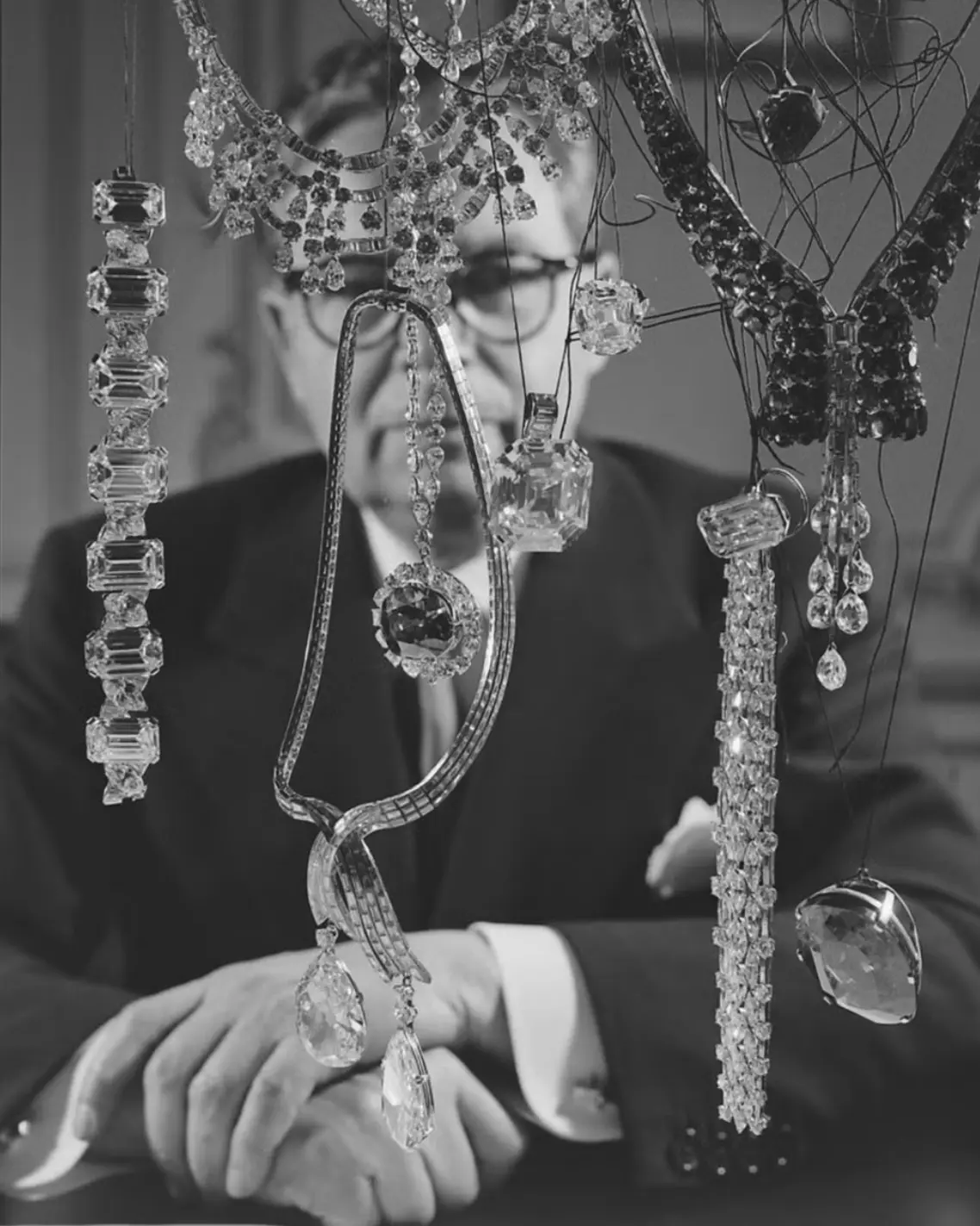
From prodigy jeweler to "King of Diamonds." Learn how his genius for curation, iconic designs like the Cluster, and public spectacles shaped the diamond world forever.
December 8, 2025


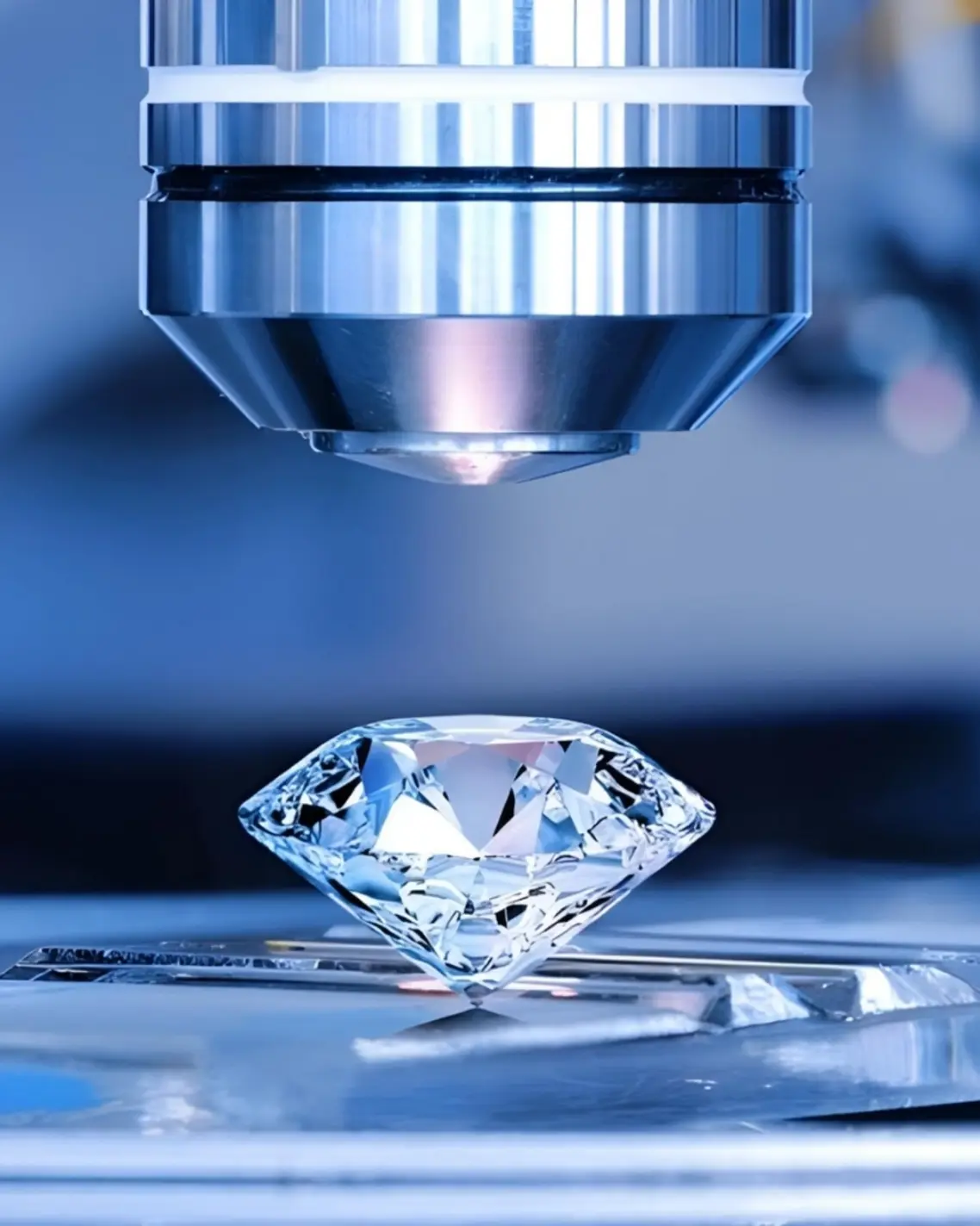
Step into a room wearing a Harry Winston diamond and something shifts. Conversation tilts. Shoulders lift. Light behaves as if it has been invited personally.
The name Harry Winston resonates with a century long romance between geology, glamour, and design discipline. Walk into any era’s idea of ultimate glamour, and the silhouette usually includes a Winston stone somewhere in the imagination. The name feels like a flashbulb, crisp, white, cinematic. Yet the man behind it began with something far more intimate than red carpets: a child’s eye for truth inside a tiny object, and the nerve to trust his vision even when grown ups shrugged.
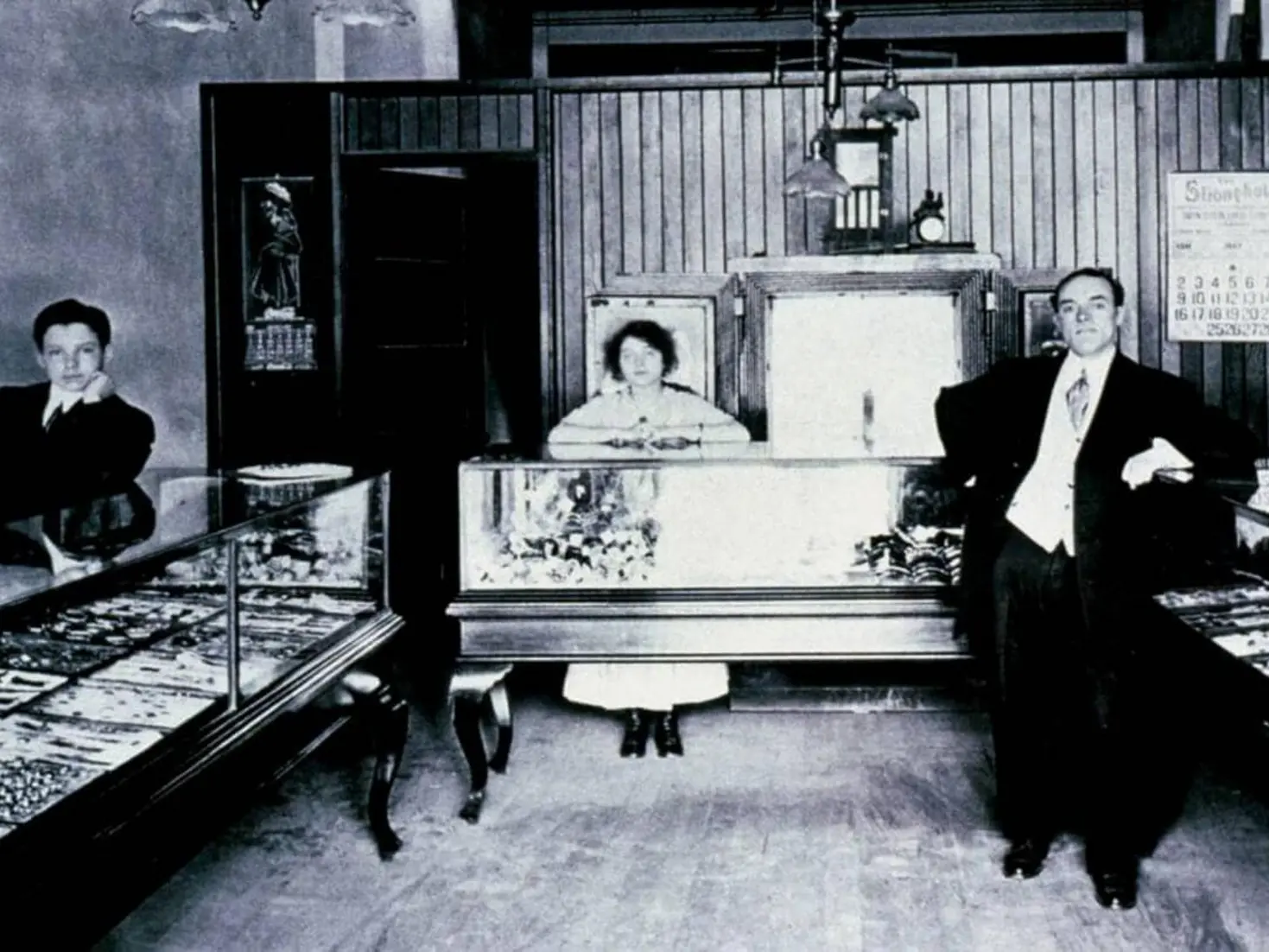
The son of immigrants, Winston grows up in modest surroundings and is exposed from an early age to the inner workings of his father’s small jewelry shop on the city’s West Side.
The origin story holds the kind of clean drama luxury loves. At 12, Winston spotted a two carat emerald in a pawn shop, bought it for 25 cents, then sold it two days later for $800. That moment matters because it reveals the core of his genius. He saw value with speed, then translated that value into belief, his own first, the world’s second.
By 1920, he had launched his own business, and in 1932 he founded what became Harry Winston, Inc. in New York City. New York suited him. The city rewards clarity, speed, and appetite, qualities that also define the diamond trade. Winston’s rise unfolded at a time when legendary stones moved through an intimate circle of collectors, socialites, and power brokers. His special gift was equal parts connoisseur and conductor, sourcing, selecting, and presenting with a sure sense of timing. A seller moves product. A Winston curates desire.
Winston’s glamour was never accidental. It was constructed, cleanly, deliberately, like a perfectly paced editorial. Even his personal life folds into the brand’s aesthetic arc. After meeting Edna Fleischman in the late 1920s, the two married in February 1933 after a long courtship, and the house credits Edna’s style with shaping the look and mood of its advertising.
This is the Winston lesson brands still study: luxury expands when taste becomes legible. He did not only buy rare stones, he translated them into a visual language the public could recognize at a glance. Designs favored the stone’s voice, symmetry, lift, light, so the setting felt like a frame that understood its job.
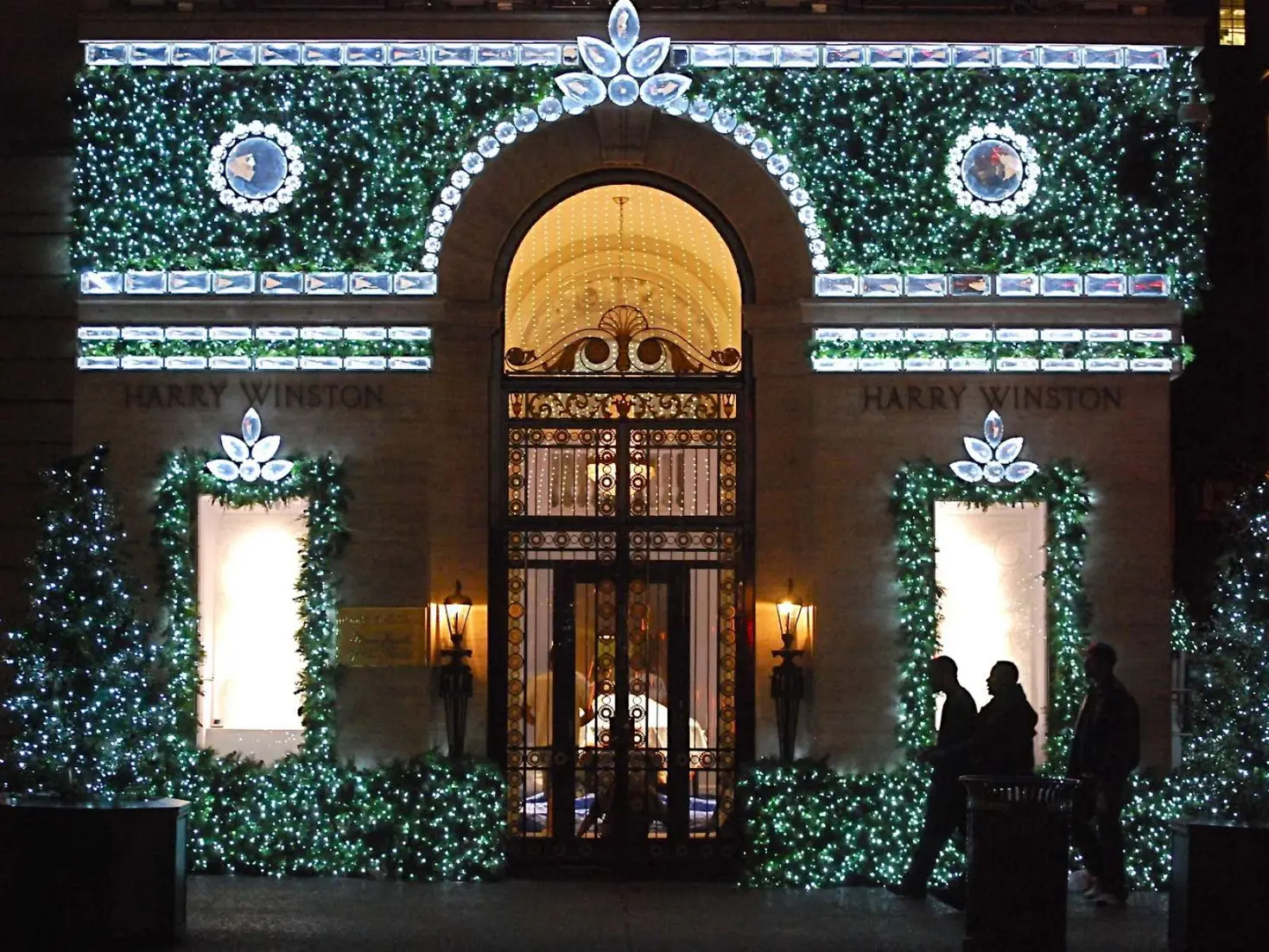
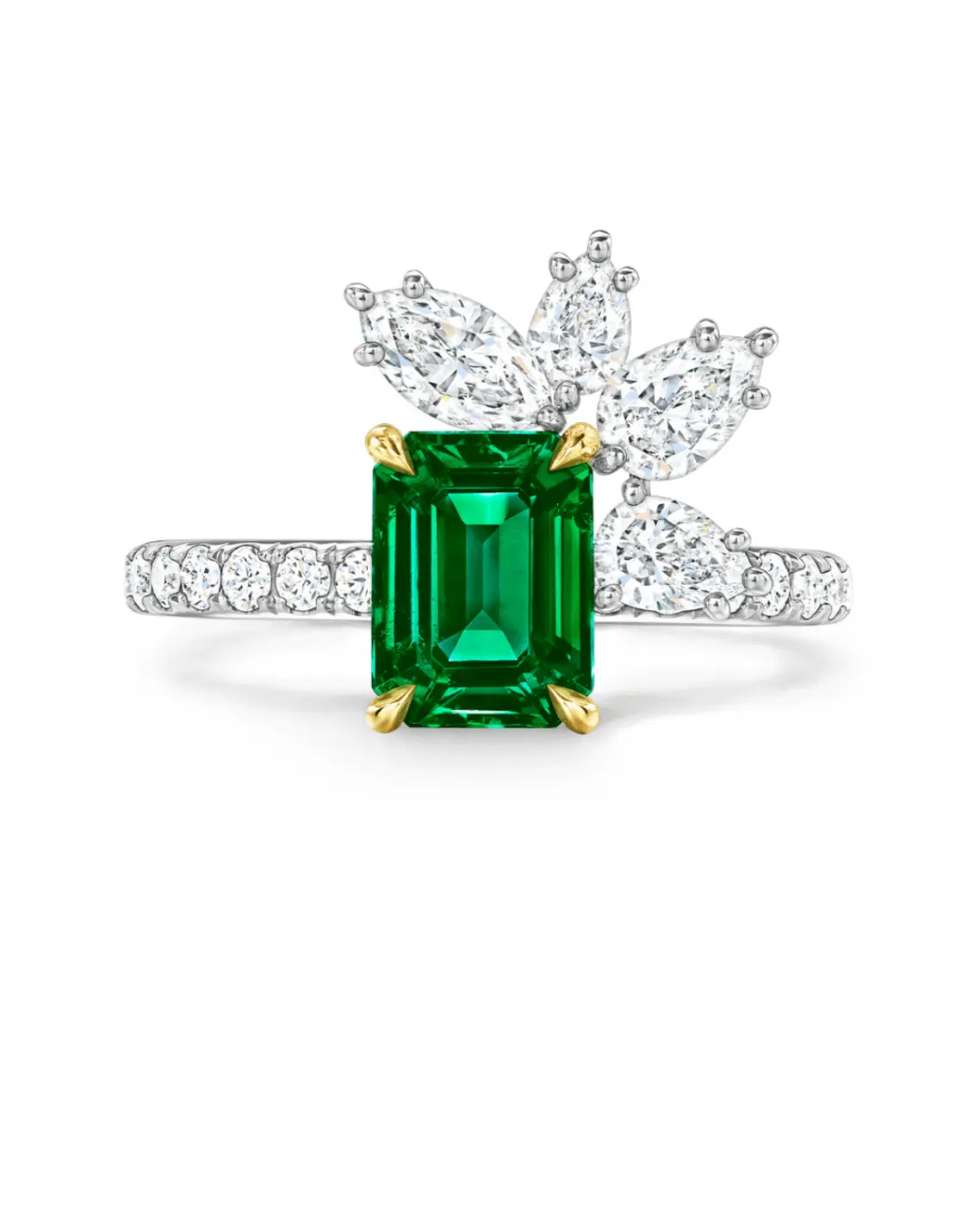
In the early 1940s, that discipline became a signature. Under the leadership of designer Nevdon Koumrouyan, the house develops what becomes known as the Winston Cluster motif, pear, marquise, and round brilliant diamonds arranged to catch maximum brilliance from every direction. It behaves like a constellation: separate lights, one message.
In 1947, Cosmopolitan bestows the moniker that still clings like a coronation: King of Diamonds. The phrase can sound like marketing, yet in Winston’s case it describes method. He traveled widely, pursued exceptional stones with near reportorial urgency, and treated each acquisition as a lead actor that deserved a flawless supporting cast.
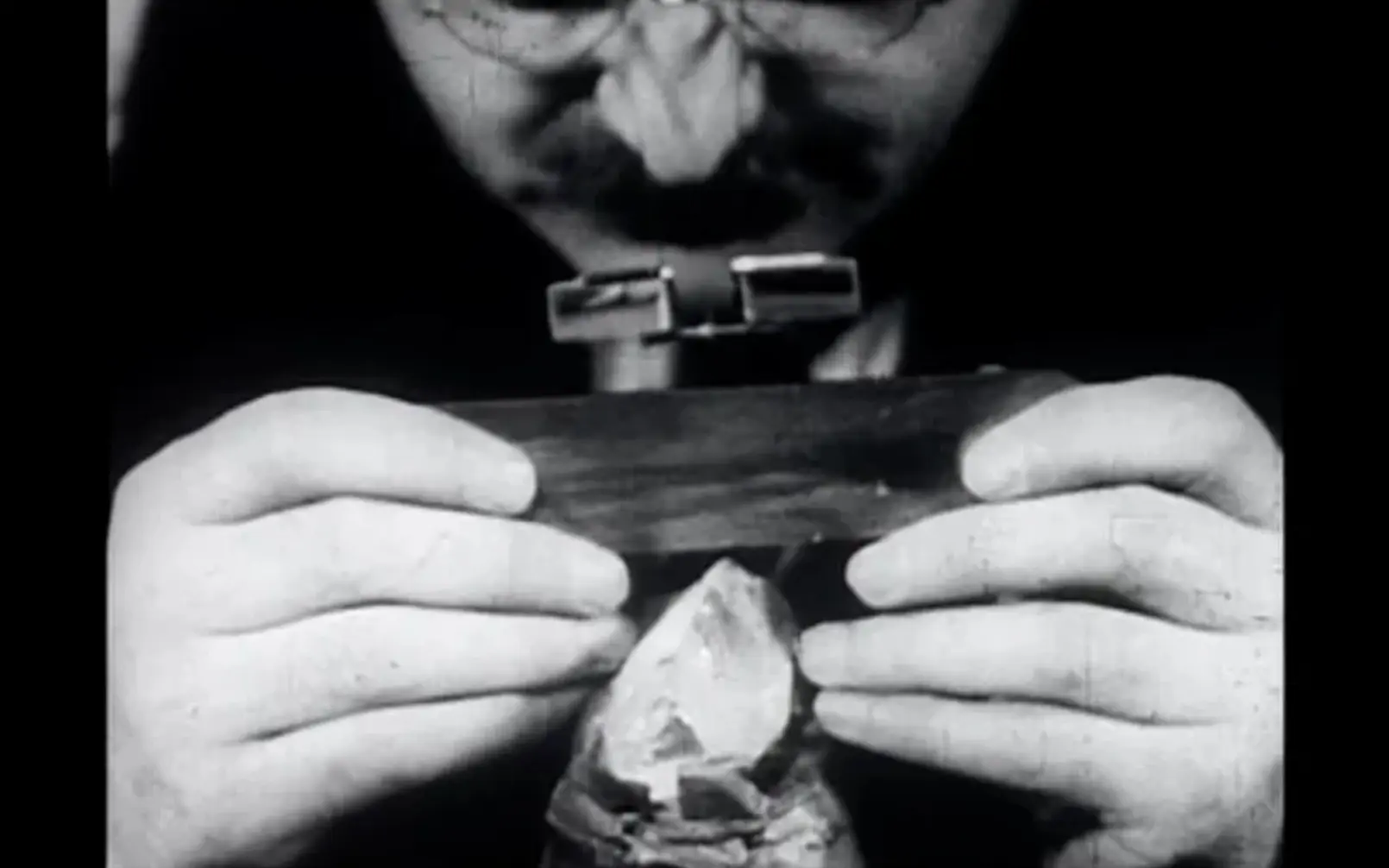
His most famous moves read like jewel world lore. In 1935 he acquired the 726 carat Jonker rough, then, in a gesture that feels like pure Winston, sends it to New York by registered mail for $0.64. The Jonker is ultimately cut into twelve stones, with the largest weighing 125.35 carats.
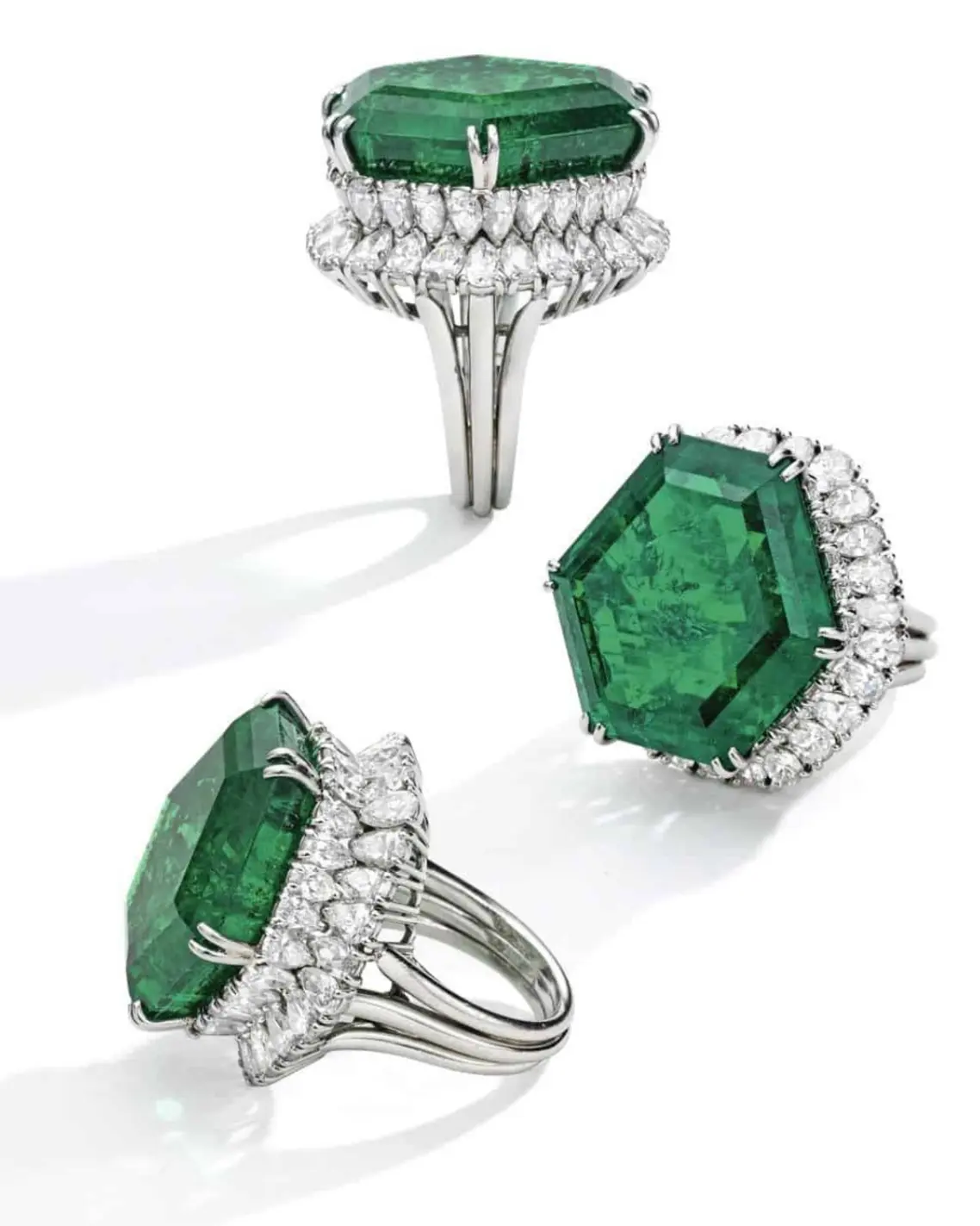
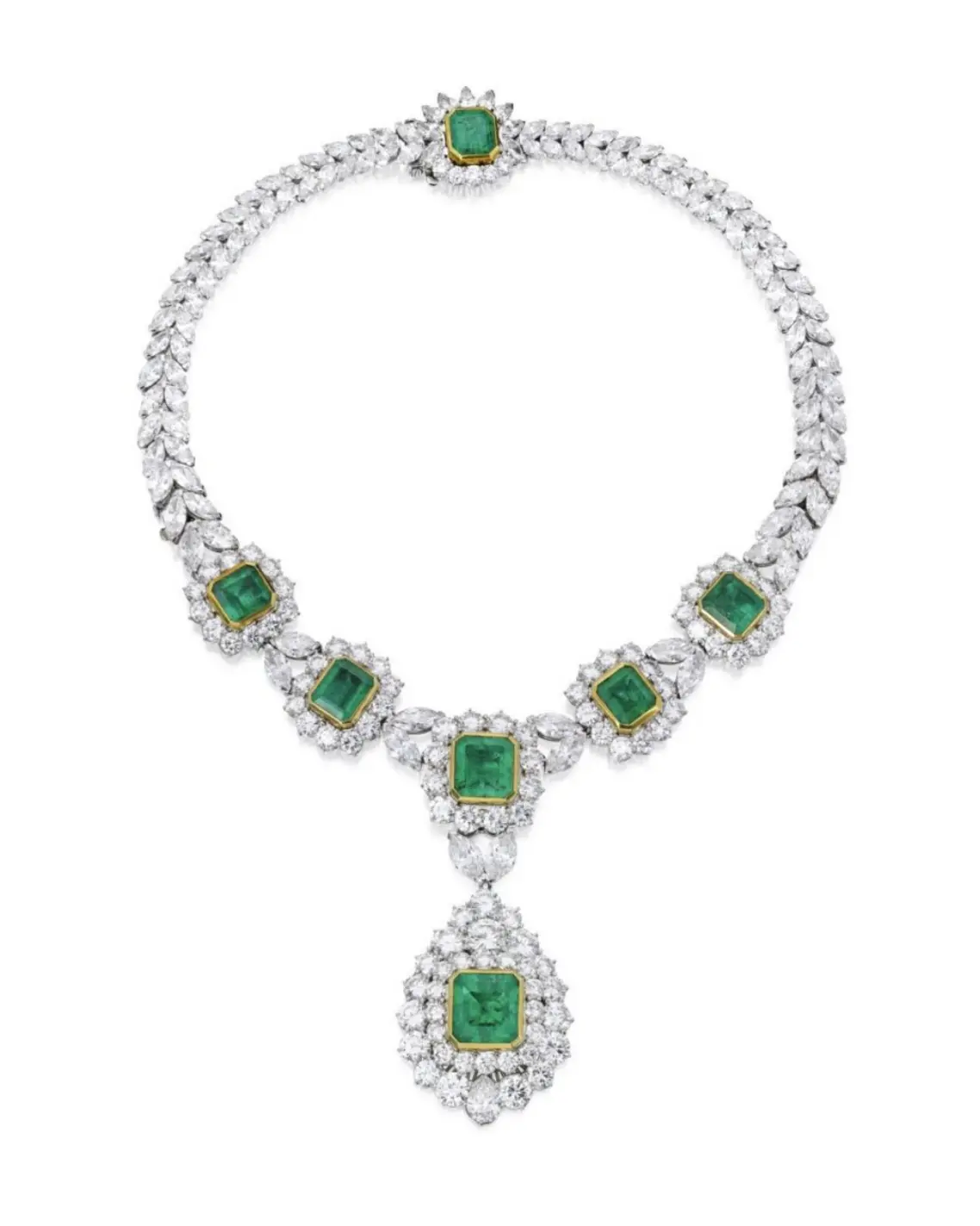
In 1943, he acquired the Stotesbury Emerald, a remarkable 34.40 carat hexagonal Colombian emerald named for socialite Eva Stotesbury. In 1946, he buys the Briolette, a 90.38 carat D color briolette shaped diamond, then repurchases and resells it over the years, proof that, for Winston, gems could be both romance and strategy.
Then comes society’s favorite supporting cast: the Duke and Duchess of Windsor, who arrive with a letter that essentially reads as a velvet rope RSVP: "My friends tell me you have such wonderful things. They go on to acquire several pieces, including the famed McLean Diamond."
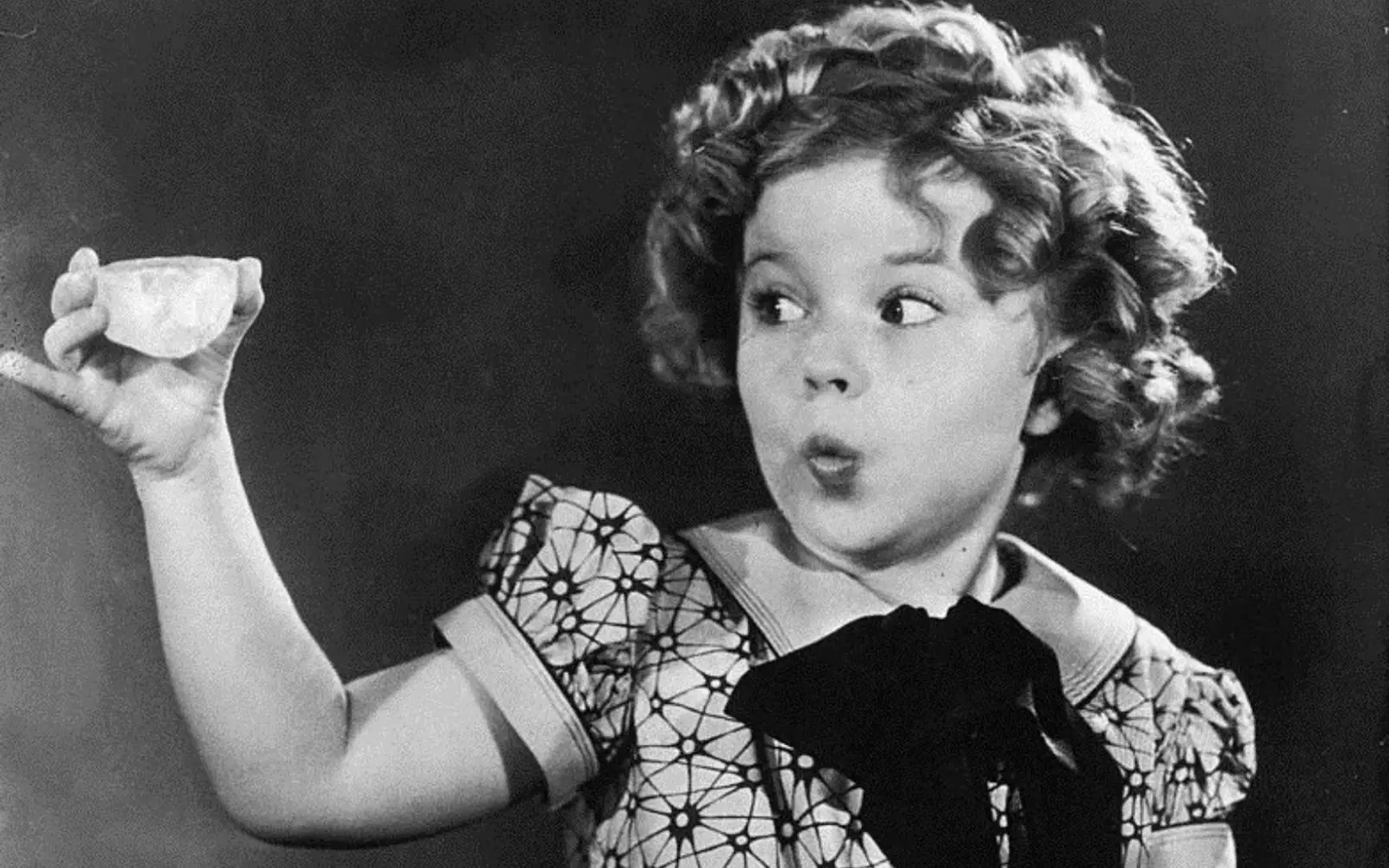
Pop culture catches up soon after. A 1953 Hollywood moment winks at Winston by name, sealing what he already understood: diamonds thrive when they enter the collective imagination, not only private vaults.
Winston understood something modern luxury still chases: spectacle performs best when it carries purpose. Beginning in 1949, he tours many of his most precious diamonds and gemstones across America in a traveling exhibition called "The Court of Jewels", with proceeds benefiting local charitable organizations. The tour runs for four years, concluding in 1953.
This move did more than build prestige. It widened the emotional audience for fine jewelry. People who would never purchase a historic stone could still witness one, feel its scale, and remember the moment as personal history. In Winston’s hands, luxury became a civic gesture, beauty offered as a public experience, awe framed as generosity.
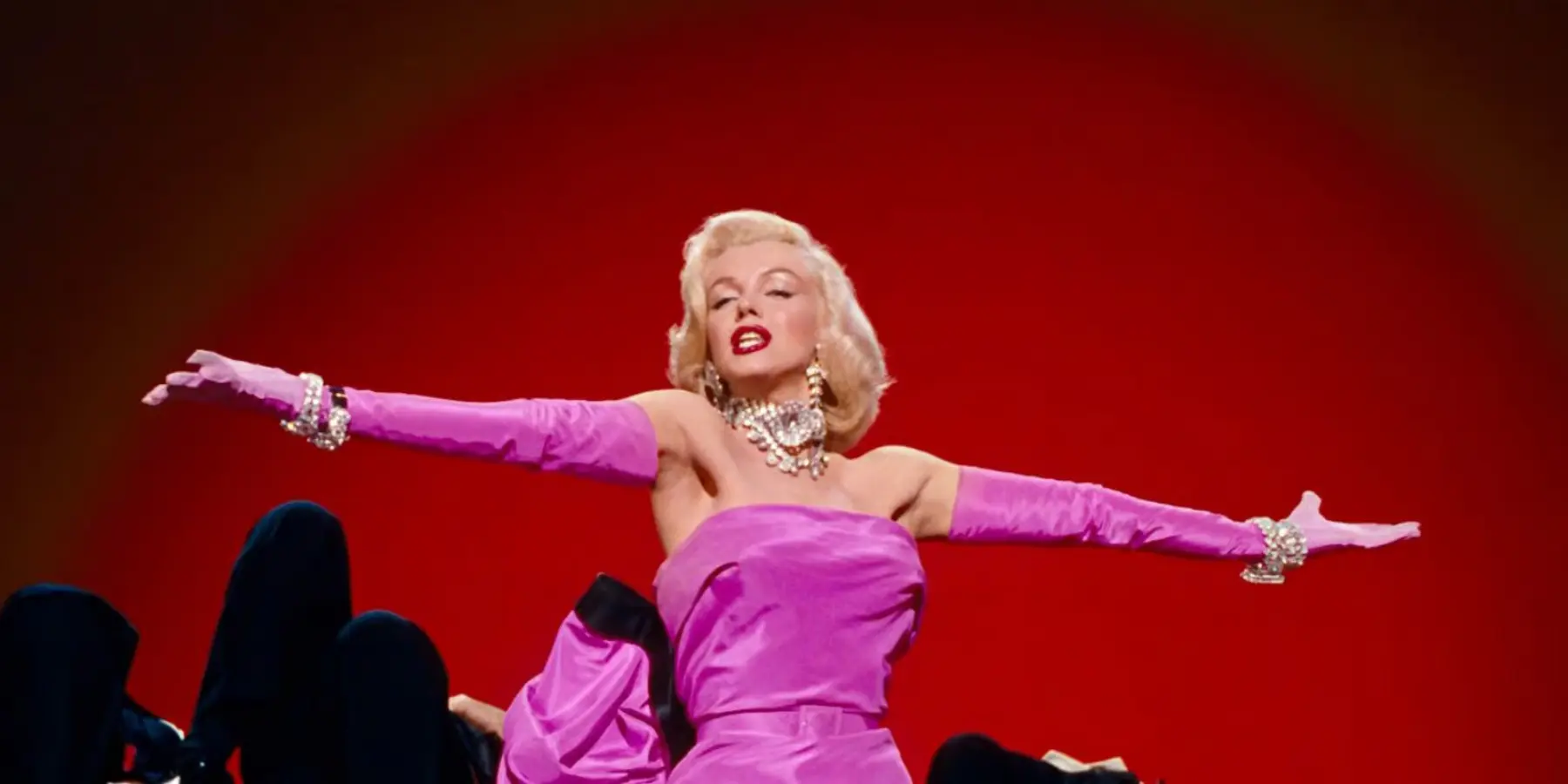
Around this era, the house also cites Life magazine reporting in 1952 that Winston owned the world’s second largest collection of historic jewels, with the British royal family holding the largest. Whether read as statistic or legend, it captures the scale of his ambition. He was not merely selling jewelry, he was assembling a portable museum.
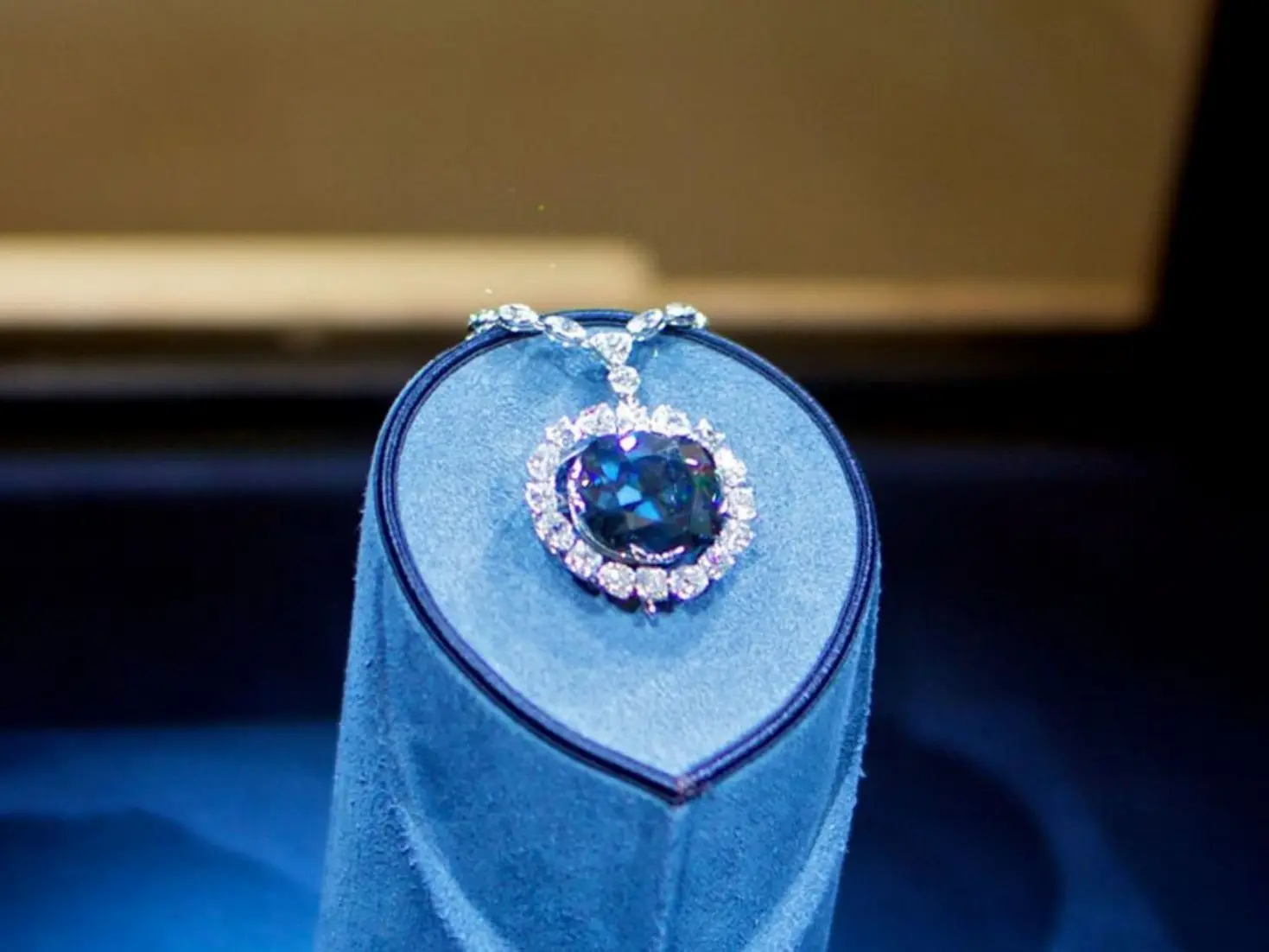
The most famous Winston gesture is also the most disarming in its normalcy. After owning it for roughly a decade and exhibiting it widely, he donated the Hope Diamond to the Smithsonian Institution in 1958, helping establish the National Gem Collection.
He sends it by registered First Class Mail from New York to Washington. The USPS history note records $2.44 in postage, plus $142.85 for $1 million worth of insurance, an almost poetic collision of mythic value and everyday procedure.
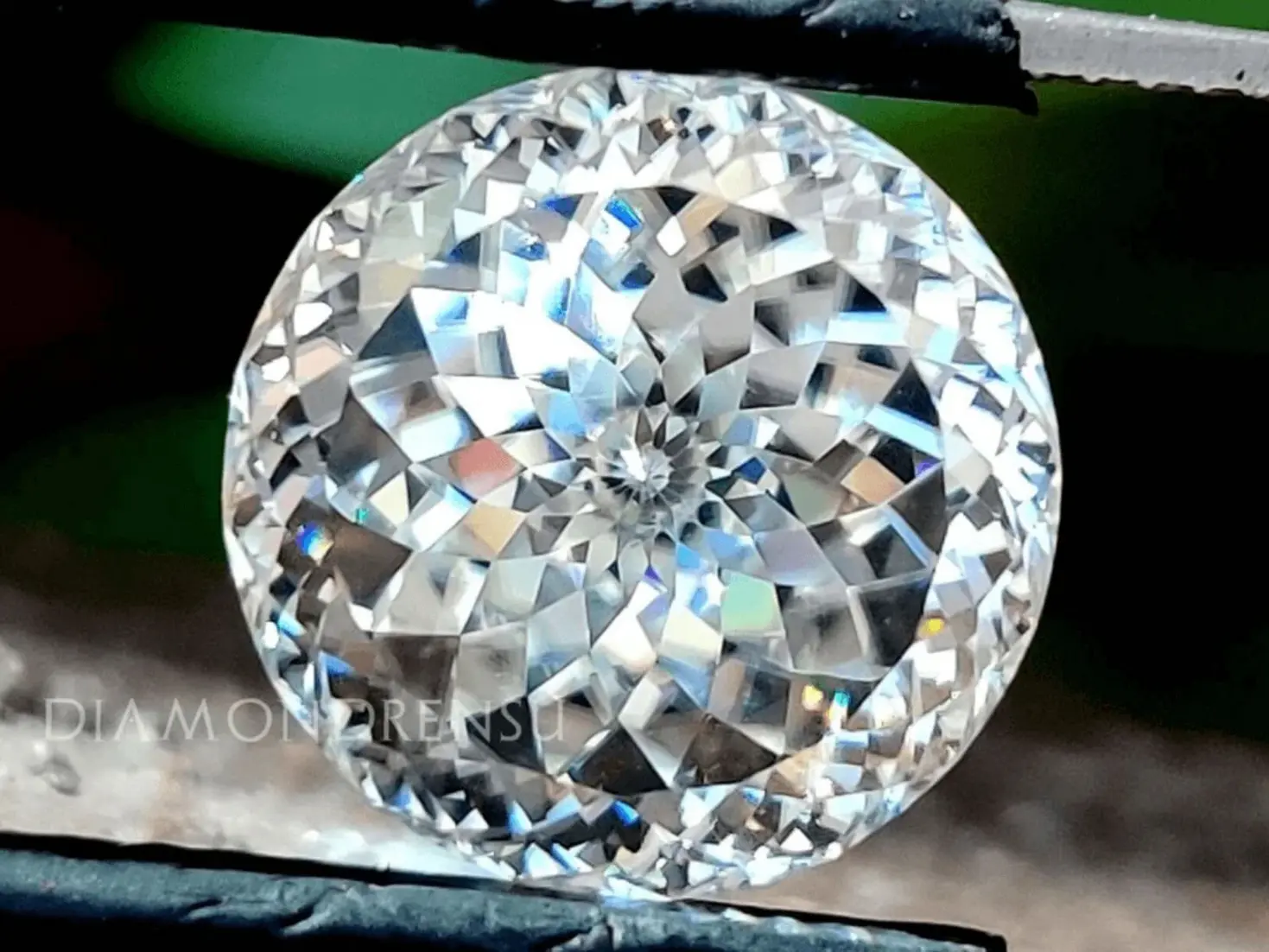
He repeats that instinct for public legacy again in 1963, trading the Portuguese Diamond to the Smithsonian in exchange for 3,800 carats of smaller diamonds, another example of Winston treating gems as cultural assets, not only private trophies.
Even his later diamond drama arrives with broadcast level flair. The house records that Winston televised the cleaving of the 601 carat Lesotho rough. It ultimately yields eighteen stones, including a 71.73 carat emerald cut and the 40.42 carat marquise known as the Lesotho III, famously used by Aristotle Onassis as an engagement ring for Jacqueline Kennedy.
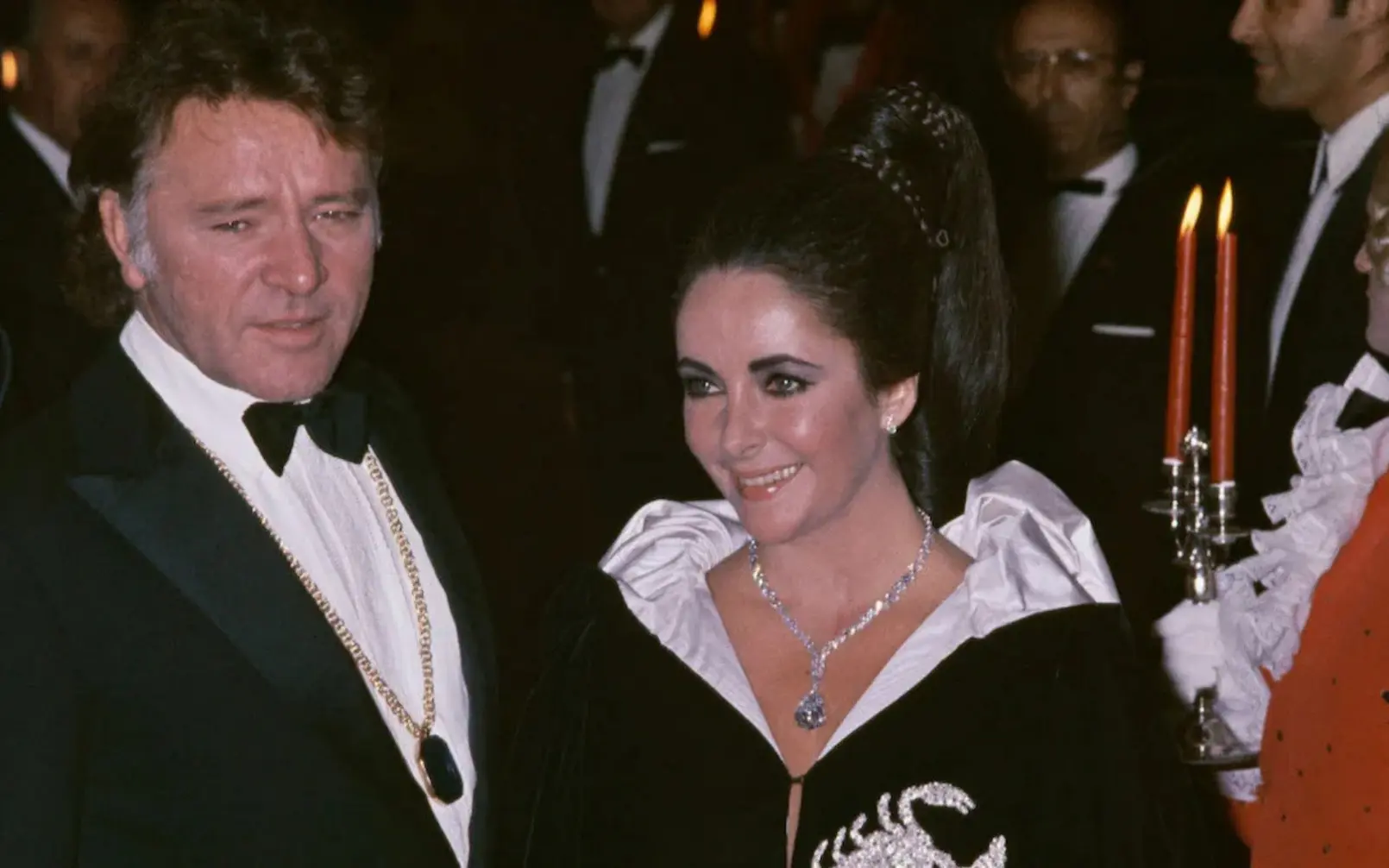
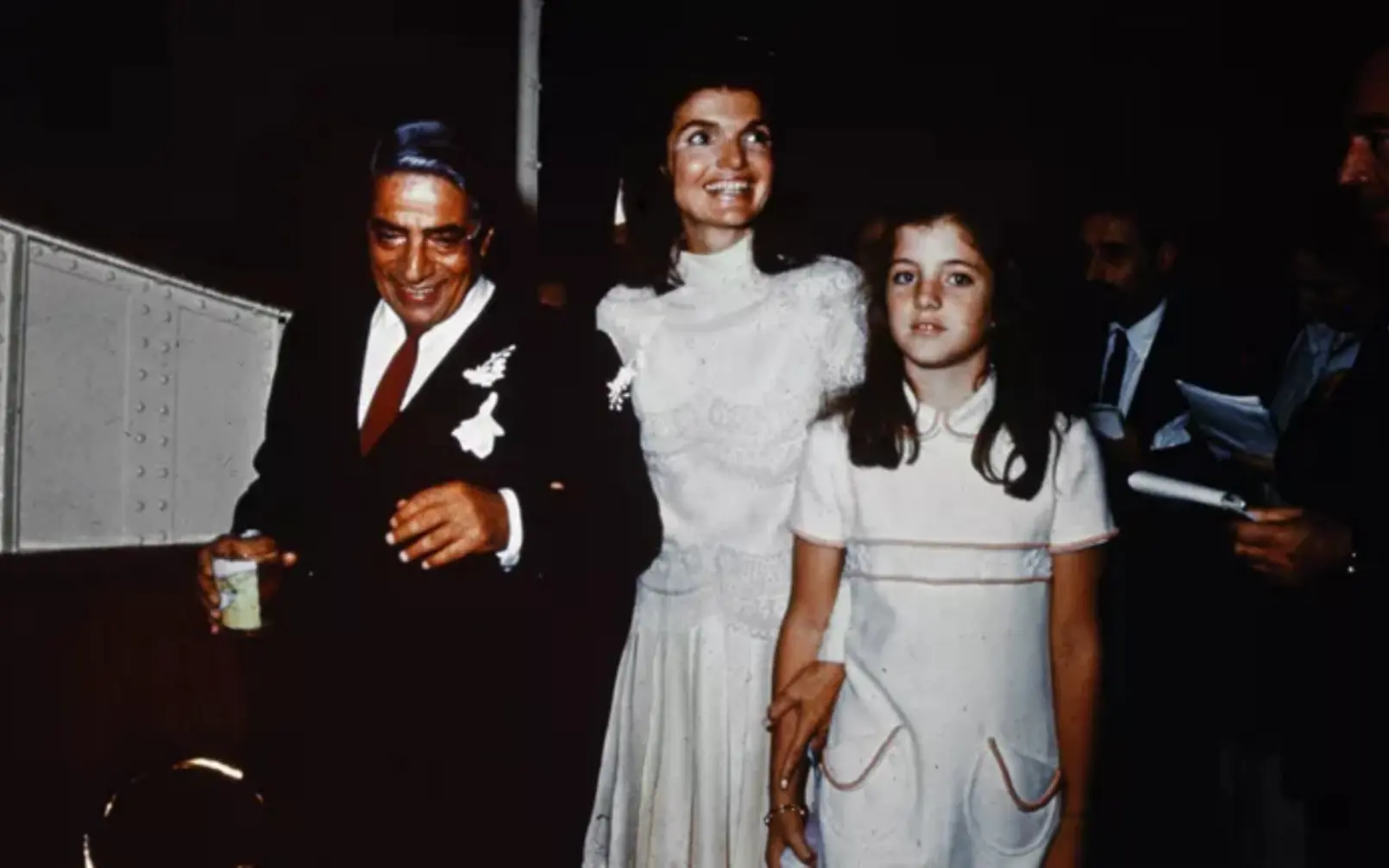
And for pure Hollywood electricity: Winston’s 241 carat rough becomes the flawless 69.42 carat pear shaped Taylor Burton Diamond, later purchased by Richard Burton for Elizabeth Taylor. Even in this story, the Winston fingerprint stays consistent: take something raw, edit it into perfection, then let the world watch.
Harry Winston passed away in 1978, yet his signature still moves through rooms the way candlelight moves across crystal. The house carries his quiet commandment: a jewel should never feel busy. It should feel fated, as if the stone always knew where it belonged.
He earned the title King of Diamonds by giving gemstones a life beyond ownership. In his world, a diamond could be a headline, a love story, a museum object, a charitable act, a piece of national memory. He edited with discipline, stripping away distraction until only brilliance remained. That is the Winston legacy: light with a point of view, and beauty with a future.