MENU
Close





For a brand that sells drama with chrome and confidence, Cadillac F1 picked the biggest American stage for its biggest motorsport announcement.
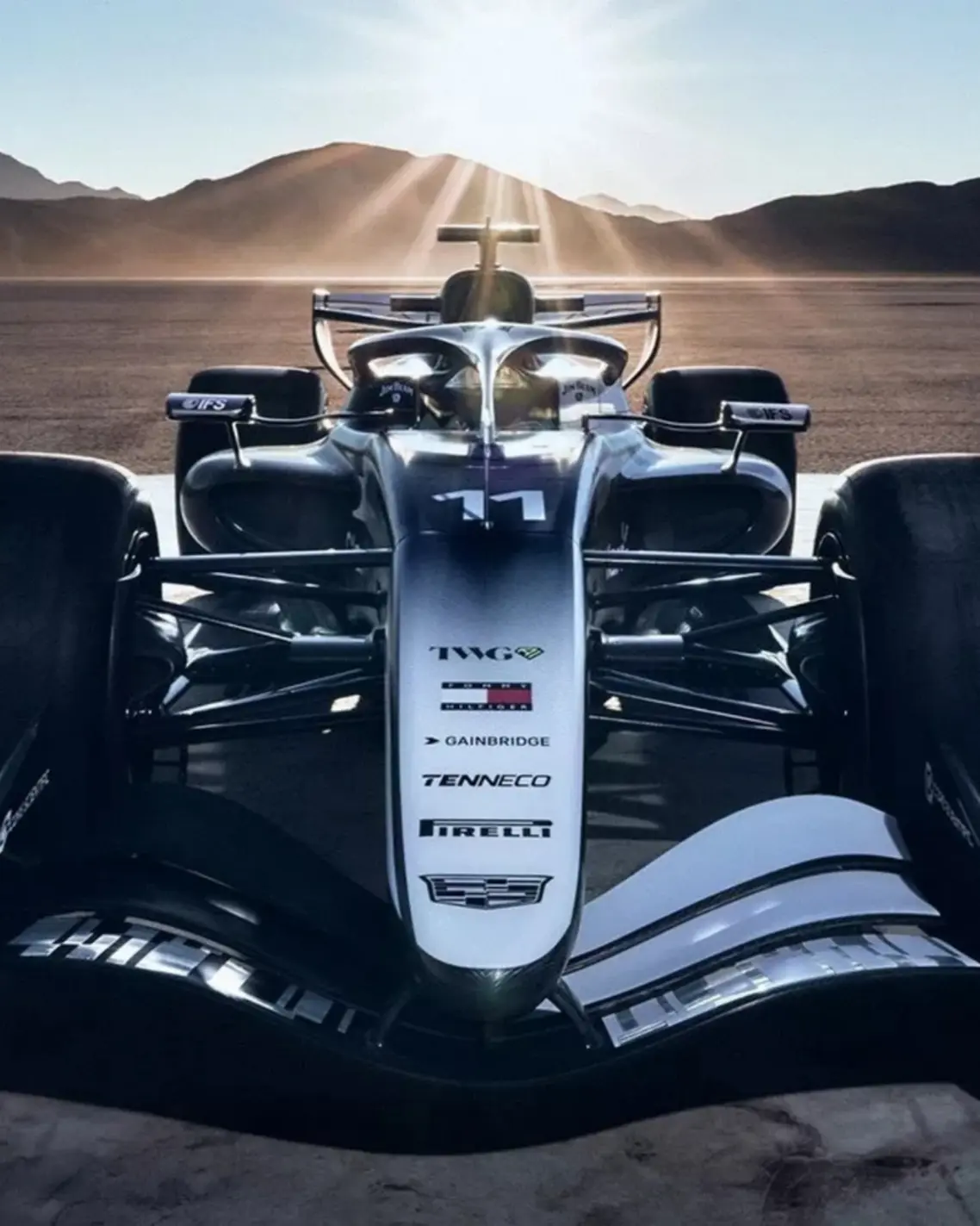
For a brand that sells drama with chrome and confidence, Cadillac F1 picked the biggest American stage for its biggest motorsport announcement.
February 8, 2026


The Super Bowl on February 8 saw not only Bad Bunny's politically and historically relevant performance, but also the first time an F1 team presented their motorsport during the Super Bowl commercial break. Cadillac used the national TV to reveal the debut livery for its first Formula 1 season in 2026.
The headline number landed almost as loudly as the paintwork: Cadillac’s Super Bowl buy has been pegged at up to $20 million, with team CEO Dan Towriss agreeing that an estimate around $10 million per 30 seconds sits in the right neighborhood. In other words, this was a “hello, world” aimed at the widest possible audience, delivered in the language Super Bowl viewers understand best: premium attention.
Cadillac also made the creative choice feel like a manifesto. The spot leaned on President John F. Kennedy’s 1962 “moonshot” rhetoric, framing the F1 project as an American mission with a modern engineering heartbeat, wrapped in a simple promise: the mission begins. It was branding as storyline, less “new sponsor” and more “new era.”
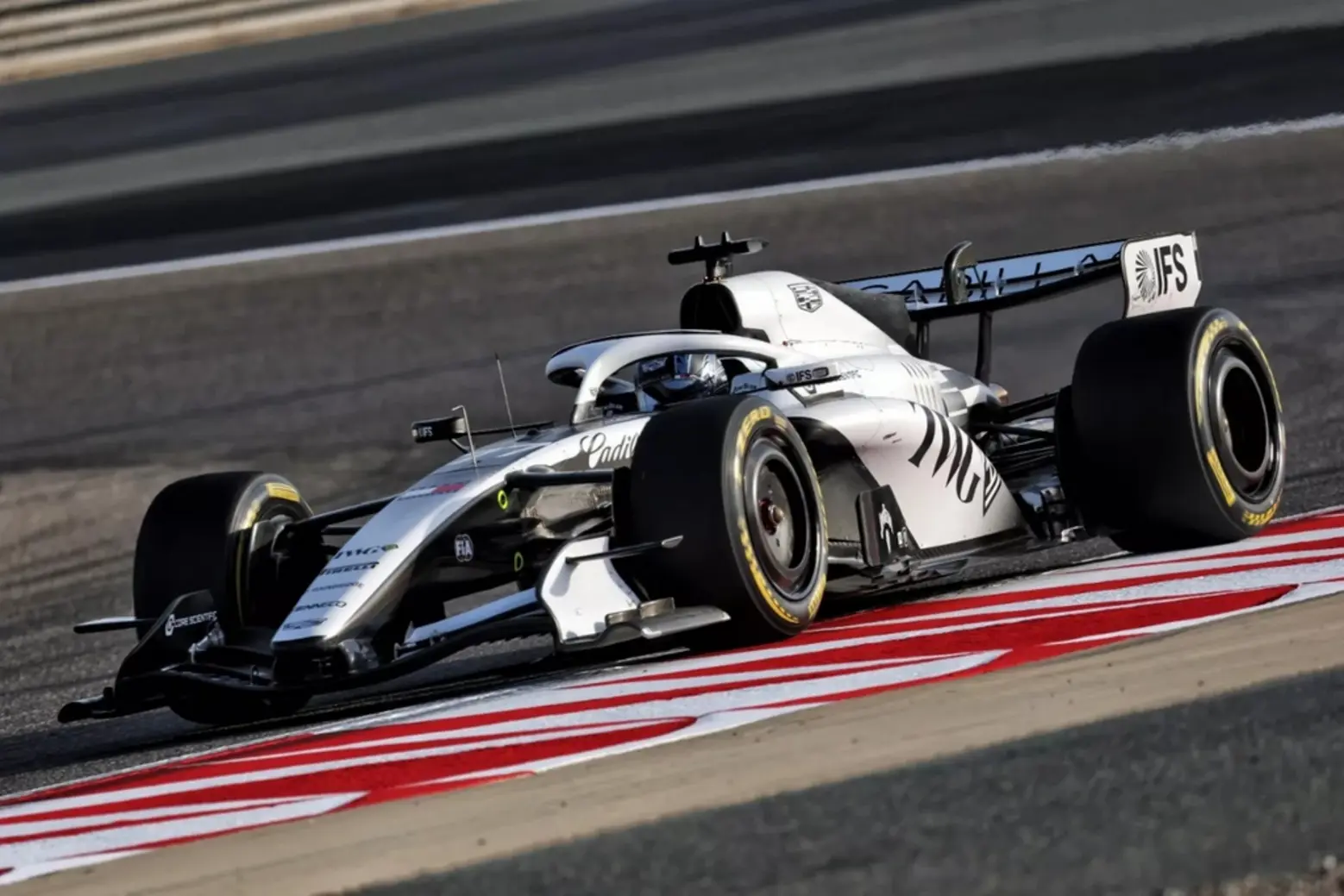
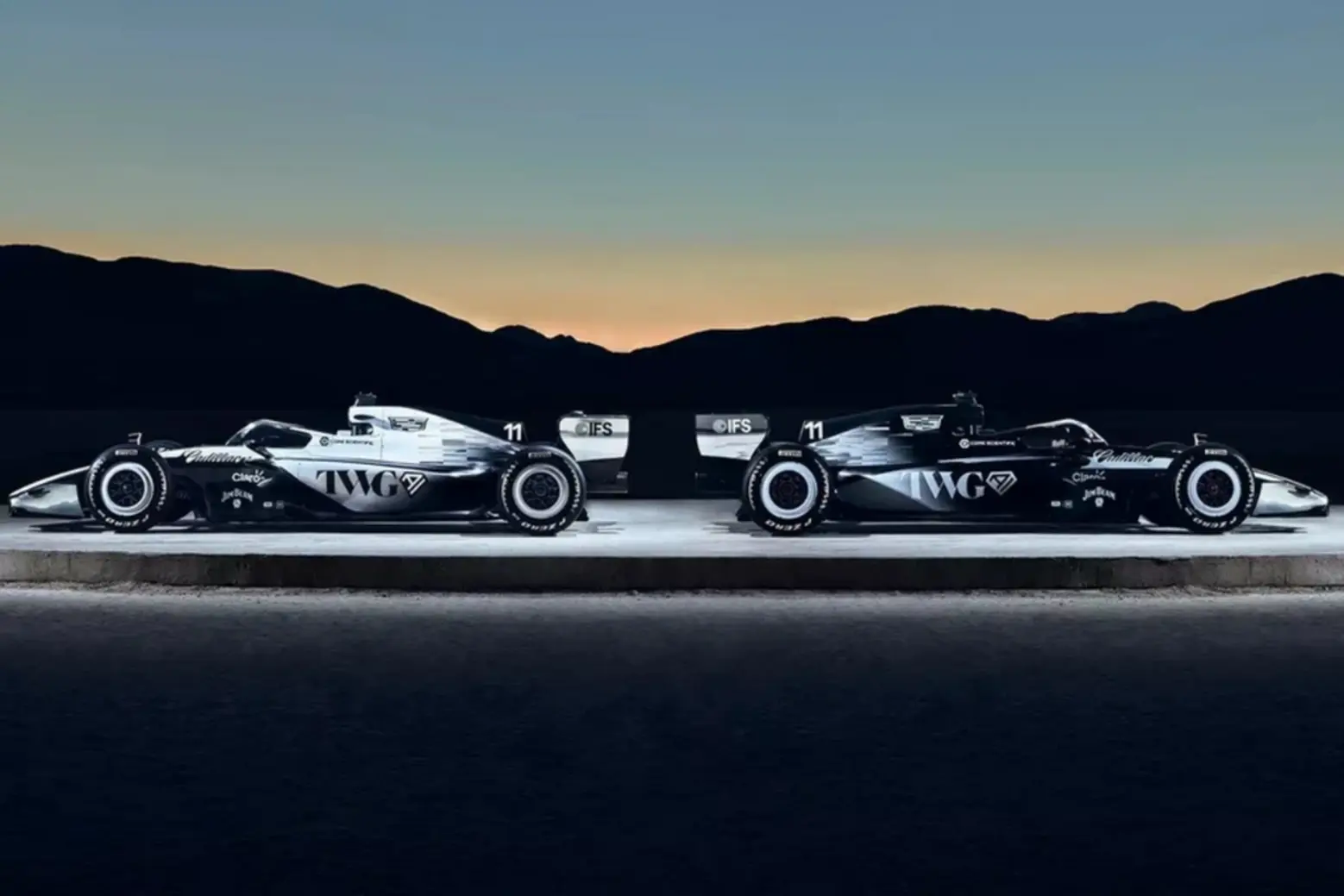
Then came the design itself. Cadillac F1’s debut look runs split down the middle: black on one side, white on the other. Towriss described black as the car’s attitude — bold, a little mean, while white nods to America’s traditional racing color, meant to read fresh, clean, optimistic. The monochrome choice also echoes Cadillac’s performance identity, where the badge goes sleek rather than multicolor.
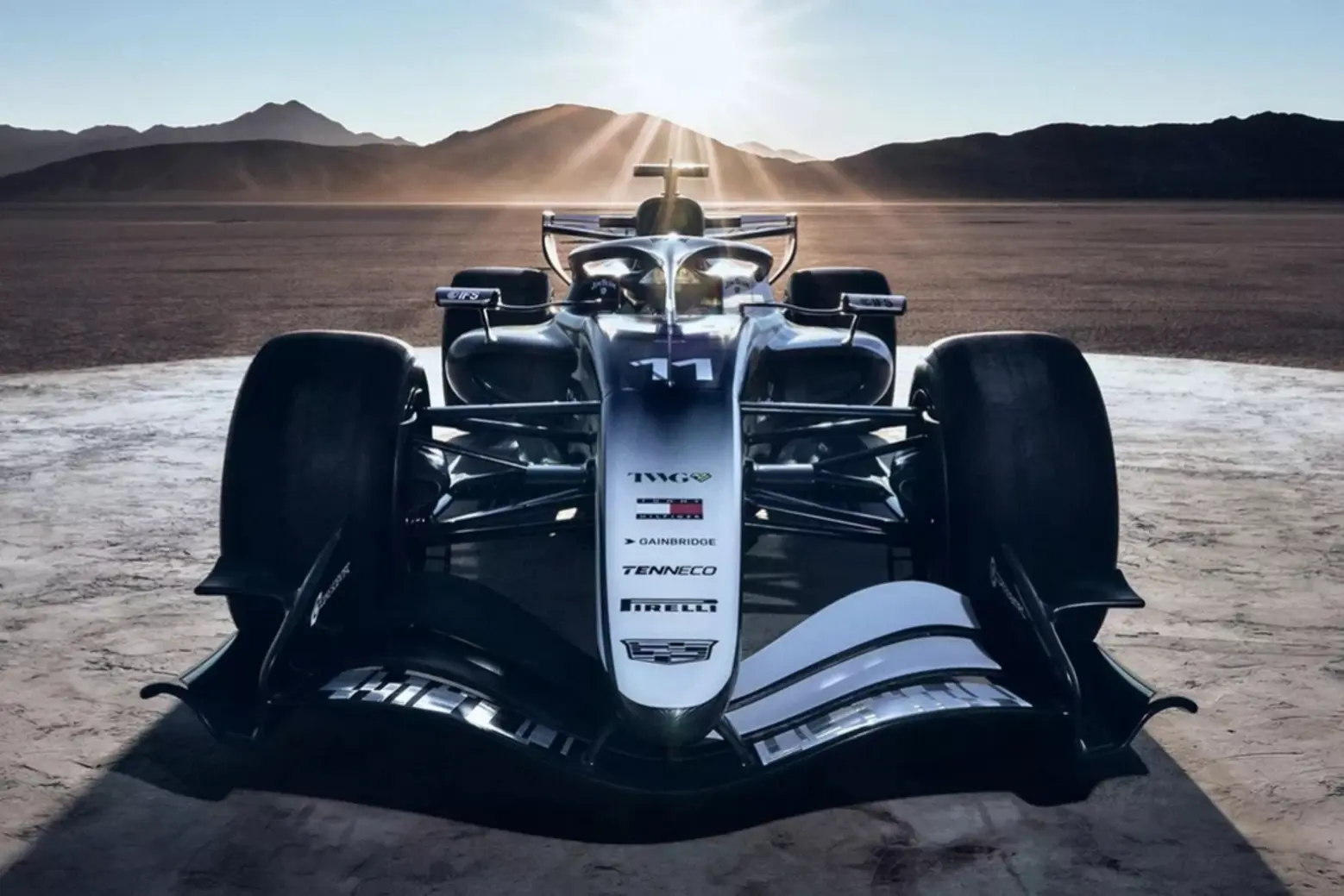
The spectacle had a second address too: alongside the Super Bowl moment, Cadillac F1 staged a Times Square launch, turning a motorsport livery into a pop-culture billboard. And underneath the showmanship sits a very real timeline — Barcelona running already in the bank, Bahrain testing on the calendar, and a 2026 debut powered by Ferrari engines while GM builds toward its own power unit program later in the decade.